
इग्नाशियो रोड्रिग्ज अलकोनेडो बॉटनिकल गार्डन, पुएब्ला सिटी, मेक्सिको: यात्रा घंटे, टिकट और पूर्ण गाइड
दिनांक: 14/06/2025
परिचय
बेनेमेरिटा यूनिवर्सिडाड ऑटोनोमा डी पुएब्ला (बीयूएपी) के जीवंत स्यूदाद यूनिवर्सिटेरिया परिसर के भीतर स्थित, इग्नाशियो रोड्रिग्ज अलकोनेडो बॉटनिकल गार्डन पुएब्ला की वानस्पतिक विरासत, शिक्षा और संरक्षण का एक प्रकाशस्तंभ है। 1985 में अपनी आधिकारिक स्थापना के बाद से, यह 10.7-हेक्टेयर का बगीचा वैज्ञानिक अनुसंधान, पर्यावरण प्रबंधन और सार्वजनिक जुड़ाव के लिए एक गतिशील स्थान के रूप में कार्य करता रहा है - पुएब्ला में वानस्पतिक परंपरा की दो शताब्दियों से अधिक को जोड़ता है (एस्ट्रेला रोजा; मेक्सिको डेस्कोनोसिडो). यह गाइड आपकी यात्रा के अनुभव को अधिकतम करने के लिए यात्रा के घंटों, टिकट की कीमतों, सुविधाओं, संग्रहों और व्यावहारिक यात्रा युक्तियों पर सभी आवश्यक विवरण प्रदान करता है।
ऐतिहासिक पृष्ठभूमि और विकास
प्रारंभिक वानस्पतिक पहल
यह बगीचा 19वीं सदी के अग्रणी फार्मासिस्ट इग्नाशियो रोड्रिग्ज अलकोनेडो को सम्मानित करता है, जिन्होंने डॉ. एंटोनियो डे ला कैल वाई ब्राचो के साथ मिलकर पुएब्ला में वानस्पतिक अध्ययन की नींव रखी। पौधों की खेती और अनुसंधान में उनके शुरुआती प्रयासों ने इस क्षेत्र में औपचारिक संरक्षण और शिक्षा का मार्ग प्रशस्त किया, जो आधुनिक हर्बेरियम की अवधारणा से पहले का है (एस्ट्रेला रोजा; मेक्सिको डेस्कोनोसिडो).
औपचारिक स्थापना और संस्थागत एकीकरण
1985 में आधिकारिक तौर पर स्थापित, इस बगीचे को बीयूएपी में वानस्पतिक अनुसंधान, शिक्षा और संरक्षण के केंद्र के रूप में एकीकृत किया गया था। 2010 में, इसके नाम को जार्डिन बॉटनिको यूनिवर्सिटारियो डे ला बेनेमेरिटा यूनिवर्सिडाड ऑटोनोमा डी पुएब्ला (जेबीयू-बीयूएपी) में बदल दिया गया, जो इसके शैक्षणिक मिशन और पर्यावरण प्रबंधन के प्रति निरंतर प्रतिबद्धता को दर्शाता है (मेक्सिको डेस्कोनोसिडो).
संस्थागत महत्व और मान्यता
अकादमिक और अनुसंधान केंद्र
यह बगीचा बीयूएपी और व्यापक वैज्ञानिक समुदाय के लिए एक प्रमुख अकादमिक संसाधन के रूप में कार्य करता है, जो पादप जीव विज्ञान, पारिस्थितिकी और संरक्षण में अनुसंधान का समर्थन करता है। सुविधाओं में एक अनुसंधान प्रयोगशाला, दो ग्रीनहाउस, एक नर्सरी और एक आगंतुक केंद्र शामिल हैं (मेक्सिको डेस्कोनोसिडो).
वैज्ञानिक और वानस्पतिक संग्रह
- जीवित संग्रह: लगभग 3,000 पौधों के नमूने विषयगत वर्गों में व्यवस्थित हैं जैसे कि आर्बरेटम, पामेटम, रसीले पौधे, और औषधीय और आर्थिक रूप से महत्वपूर्ण पौधों के लिए समर्पित क्षेत्र।
- हर्बेरियम: 33,000 से अधिक संरक्षित नमूने, मुख्य रूप से पुएब्ला से, वर्गीकरण अनुसंधान और संरक्षण योजना का समर्थन करते हैं (मेक्सिको डेस्कोनोसिडो; एस्ट्रेला रोजा).
संरक्षण और पर्यावरण नेतृत्व
यह बगीचा स्थानिक और संकटग्रस्त प्रजातियों जैसे हाइड्रेंजिया नेबुलिकोला और विभिन्न क्वेर्कस (ओक) प्रजातियों के संरक्षण में सक्रिय भूमिका निभाता है। इसके संरक्षण प्रयासों ने इसे राष्ट्रीय पहचान दिलाई है, जिसमें 2016 में मेडल्ला वाई मेन्सियोन ऑनरिफ़िका डेल प्रेमो अल मेरिटो इकोलॉजिको शामिल है (एस्ट्रेला रोजा).
संबद्धता और प्रमाणन
- बोटैनिक गार्डन कंजर्वेशन इंटरनेशनल (बीजीसीआई) और एसोसिएशन मेक्सिकाना डी जार्डिन्स बॉटनिकोस के सदस्य।
- सेमरनैट द्वारा लेवल 3 पर्यावरण शिक्षा और संस्कृति केंद्र (सीईसीए) के रूप में प्रमाणित।
- एस्ट्रेटेजिया ग्लोबल पैरा ला कंसेरवाकियोन वेजिटेल (ईजीसीवी) का हिस्सा।
ये संबद्धताएँ पादप संरक्षण, अनुसंधान और शिक्षा में बगीचे की अंतरराष्ट्रीय मानकों के प्रति प्रतिबद्धता को उजागर करती हैं।
आगंतुक अनुभव और सुविधाएँ
भौतिक लेआउट और मुख्य विशेषताएँ
- ग्रीनहाउस और नर्सरी: दुर्लभ और संवेदनशील पौधों के प्रसार और अनुकूलन के लिए।
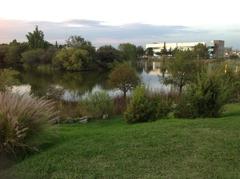
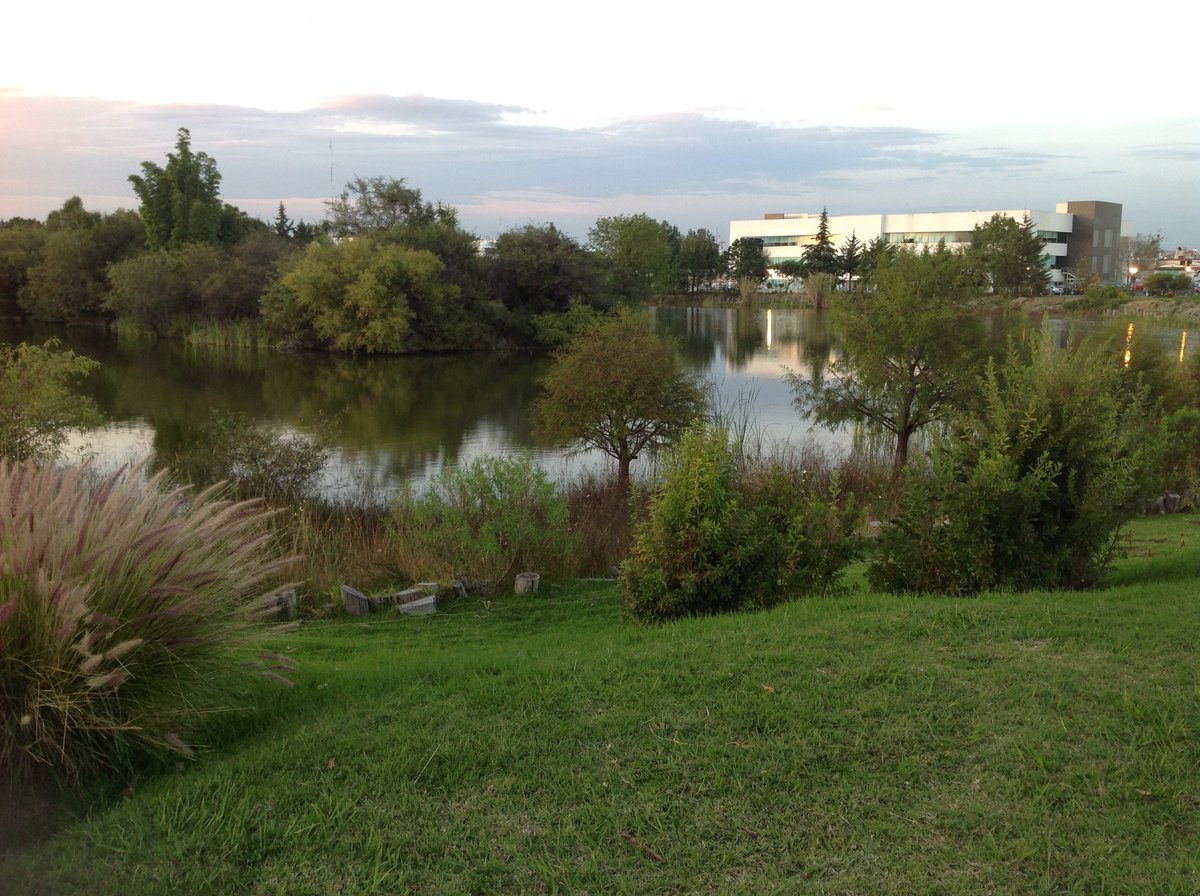
- कृत्रिम लैगून: देशी पक्षी प्रजातियों के लिए एक स्वर्ग और पक्षी देखने वालों के लिए एक केंद्र बिंदु।
- विषयगत अनुभाग: सुव्यवस्थित क्षेत्रों में देशी वनस्पति, रसीले पौधे, औषधीय पौधे, सजावटी पेड़ और जलीय पौधों का अन्वेषण करें।
- आगंतुक सुविधाएँ: एक वानस्पतिक कियोस्क, कैफे, सुलभ शौचालय और छायादार बैठने की जगहें शामिल हैं (मेक्सिको डेस्कोनोसिडो).
सुगम्यता
यह बगीचा पूरी तरह से व्हीलचेयर सुलभ है, जिसमें पक्की रास्ते, रैंप और स्पेनिश और अंग्रेजी में स्पष्ट रूप से चिह्नित संकेत हैं। विकलांग आगंतुकों के लिए सुलभ शौचालय और निर्दिष्ट पार्किंग भी उपलब्ध हैं।
शैक्षिक कार्यक्रम और कार्यक्रम
नियमित रूप से निर्देशित पर्यटन, विषयगत कार्यशालाएं और स्कूल कार्यक्रम पेश किए जाते हैं। मौसमी कार्यक्रम, जैसे कि पौधे मेले और सांस्कृतिक उत्सव, सभी उम्र के आगंतुकों के लिए पुएब्ला की प्राकृतिक और सांस्कृतिक विरासत को मिश्रित करते हैं।
यात्रा घंटे, टिकट और व्यावहारिक जानकारी
- घंटे: मंगलवार-रविवार, सुबह 9:00 बजे से शाम 5:00 बजे तक; सोमवार को बंद रहता है।
- प्रवेश: सामान्य जनता: लगभग 20 एमएक्सएन; बीयूएपी छात्रों, शिक्षकों और कर्मचारियों के लिए निःशुल्क। बच्चों, वरिष्ठ नागरिकों और समूहों के लिए छूट उपलब्ध है।
- टिकट खरीद: टिकट प्रवेश द्वार पर खरीदे जा सकते हैं; अपडेट के लिए आधिकारिक वेबसाइट देखें।
- निर्देशित पर्यटन: सप्ताहांत पर और समूहों के लिए अनुरोध पर उपलब्ध।
- संपर्क: नवीनतम जानकारी के लिए आधिकारिक वेबसाइट देखें।
यात्रा युक्तियाँ
- आरामदायक जूते पहनें और पानी साथ लाएँ; बगीचा 10 हेक्टेयर से अधिक में फैला है।
- पुएब्ला ऐतिहासिक केंद्र, अम्पेरो संग्रहालय और चोलुला के महान पिरामिड जैसे आस-पास के आकर्षणों के साथ अपनी यात्रा को मिलाएं।
- सार्वजनिक परिवहन, टैक्सी और परिसर में पार्किंग उपलब्ध हैं।
अक्सर पूछे जाने वाले प्रश्न (एफएक्यू)
प्रश्न: यात्रा के घंटे क्या हैं? ए: मंगलवार-रविवार, सुबह 9:00 बजे से शाम 5:00 बजे तक; सोमवार को बंद रहता है।
प्रश्न: प्रवेश शुल्क कितना है? ए: सामान्य जनता के लिए लगभग 20 एमएक्सएन; बीयूएपी समुदाय के लिए मुफ्त।
प्रश्न: क्या निर्देशित पर्यटन उपलब्ध हैं? ए: हाँ, विशेष रूप से सप्ताहांत पर और नियुक्ति द्वारा।
प्रश्न: क्या बगीचा व्हीलचेयर सुलभ है? ए: हाँ, पक्की रास्ते और रैंप के साथ।
प्रश्न: क्या मैं टिकट ऑनलाइन खरीद सकता हूँ? ए: टिकट आमतौर पर प्रवेश द्वार पर खरीदे जाते हैं; किसी भी ऑनलाइन विकल्प या विशेष कार्यक्रम विवरण के लिए आधिकारिक वेबसाइट देखें।
प्रश्न: क्या पालतू जानवर अनुमत हैं? ए: संग्रह की सुरक्षा के लिए पालतू जानवरों की अनुमति नहीं है।
संरक्षण, शिक्षा और सामुदायिक प्रभाव
इग्नाशियो रोड्रिग्ज अलकोनेडो बॉटनिकल गार्डन सिर्फ एक पर्यटक आकर्षण से कहीं अधिक है - यह अनुसंधान, संरक्षण और पर्यावरण शिक्षा का केंद्र है। इसके जीवित संग्रह और हर्बेरियम मेक्सिको की पादप विविधता के संरक्षण में एक महत्वपूर्ण भूमिका निभाते हैं। बगीचे के शैक्षिक कार्यक्रम पारिस्थितिक जागरूकता और सामुदायिक जुड़ाव को बढ़ावा देते हैं, जबकि इसके सक्रिय संरक्षण परियोजनाएं संकटग्रस्त प्रजातियों की वसूली में योगदान करती हैं। राष्ट्रीय और अंतरराष्ट्रीय संगठनों द्वारा मान्यता प्राप्त, यह बगीचा स्थिरता और पुएब्ला के लिए शहरी हरित स्थान के लाभों का एक उदाहरण है (एस्ट्रेला रोजा; मेक्सिको डेस्कोनोसिडो).
अपनी यात्रा की योजना बनाएं
इग्नाशियो रोड्रिग्ज अलकोनेडो बॉटनिकल गार्डन में पुएब्ला की समृद्ध प्राकृतिक और सांस्कृतिक विरासत का अनुभव करें। यात्रा के घंटों, टिकटिंग, कार्यक्रमों और शैक्षिक कार्यक्रमों पर अद्यतित जानकारी के लिए, आधिकारिक वेबसाइट पर जाएँ और अधिक अपडेट के लिए सोशल मीडिया पर बगीचे का अनुसरण करें। वैयक्तिकृत यात्रा मार्गदर्शन के लिए ऑडिएला ऐप के साथ अपनी यात्रा को बेहतर बनाएँ।
स्रोत और आगे पढ़ना
- एस्ट्रेला रोजा: इग्नाशियो रोड्रिग्ज अलकोनेडो बॉटनिकल गार्डन
- मेक्सिको डेस्कोनोसिडो: जार्डिन बॉटनिको डे ला बेनेमेरिटा यूनिवर्सिडाड ऑटोनोमा डी पुएब्ला
- बीजीसीआई तकनीकी समीक्षा बॉटनिकल गार्डन पर
- ट्रैवल मेक्सिको सोलो: पुएब्ला गाइड
ऑडिएला2024{‘date’: ‘14/06/2025’, ‘task’: {‘model’: ‘gpt-4.1-mini’, ‘query’: ‘Comprehensive guide to visiting Ignacio Rodríguez Alconedo Botanical Garden, Puebla City, Mexico: history, significance, visitor tips, and everything tourists need to know for a memorable experience.’, ‘verbose’: False, ‘guidelines’: [“Keyword Research: Identify relevant keywords that potential visitors are likely to search for, such as ‘[Monument Name] visiting hours,’ ‘[Monument Name] tickets,’ and ‘[City] historical sites.’ Use these keywords strategically throughout the article, including in the title, headers, and body text, but avoid keyword stuffing.”, ‘Engaging and Informative Title: Craft a title that is both SEO-friendly and compelling to encourage clicks. Include the main keyword and make it clear what the article will cover.’, ‘Structured Content: Use headings (H1, H2, H3) to organize the content effectively. This helps with SEO and makes the article easier for readers to navigate. Include an introduction that hooks the reader, a detailed body that covers all relevant aspects, and a conclusion that summarizes the key points.’, ‘Comprehensive Coverage: Address common questions and topics of interest such as the history of the monument, its cultural significance, visitor information (e.g., ticket prices, opening hours), travel tips, nearby attractions, and accessibility. Include sections that might be unique to the monument, like special events, guided tours, and photographic spots.’, ‘Quality Content: Ensure the content is well-researched, accurate, and provides real value to readers. Use reliable sources and provide factual information. Write in a clear, engaging, and accessible style. Consider your audience and use language that is appropriate for those likely to visit the monument.’, ‘Visuals and Media: Incorporate high-quality images or videos of the monument. These should be optimized for the web (correct sizing, alt tags with keywords). Consider interactive elements like virtual tours or maps.’, ‘Internal and External Links: Include links to other related articles on your site to encourage deeper engagement (internal links). Link to official websites for the monument or credible sources for further reading (external links).’, ‘FAQ: Incorporate FAQ sections to target voice search queries and featured snippets’, ‘Visit and Stay Up to Date: End the article with a call to action, such as encouraging readers to download our mobile app Audiala, check out other related posts, or follow on social media for more updates.’], ‘max_sections’: 4, ‘publish_formats’: {‘pdf’: False, ‘docx’: False, ‘markdown’: True}, ‘follow_guidelines’: True}, ‘title’: ‘Comprehensive Guide to Visiting the Ignacio Rodríguez Alconedo Botanical Garden, Puebla City, Mexico’, ‘report’: ’# Ignacio Rodríguez Alconedo Botanical Garden Puebla City: Visiting Hours, Tickets, and Complete Guide\n\n#### Date: 14/06/2025\n\n## Introduction\n\nSet within the vibrant Ciudad Universitaria campus of the Benemérita Universidad Autónoma de Puebla (BUAP), the Ignacio Rodríguez Alconedo Botanical Garden stands as a beacon of Puebla’s botanical heritage, education, and conservation. Since its official establishment in 1985, this 10.7-hectare garden has served as a dynamic space for scientific research, environmental stewardship, and public engagement—bridging over two centuries of botanical tradition in Puebla (Estrella Roja; México Desconocido). This guide provides all essential details on visiting hours, ticket prices, facilities, collections, and practical travel tips to help you make the most of your experience.\n\n---\n\n## Historical Background and Evolution\n\n### Early Botanical Initiatives\n\nThe garden honors Ignacio Rodríguez Alconedo, a pioneering 19th-century pharmacist who, along with Dr. Antonio de la Cal y Bracho, laid the foundation for botanical study in Puebla. Their early efforts in plant cultivation and research paved the way for formalized conservation and education in the region, predating the modern concept of herbaria (Estrella Roja; México Desconocido).\n\n### Formal Establishment and Institutional Integration\n\nOfficially founded in 1985, the garden was integrated into BUAP as a center for botanical research, education, and conservation. In 2010, its name was updated to Jardín Botánico Universitario de la Benemérita Universidad Autónoma de Puebla (JBU-BUAP), reflecting its academic mission and ongoing commitment to environmental stewardship (México Desconocido).\n\n---\n\n## Institutional Significance and Recognition\n\n### Academic and Research Center\n\nThe garden serves as a key academic resource for BUAP and the wider scientific community, supporting research in plant biology, ecology, and conservation. Facilities include a research laboratory, two greenhouses, a nursery, and a visitor center (México Desconocido).\n\n### Scientific and Botanical Collections\n\n- Living Collection: About 3,000 plant specimens are organized into thematic sections such as arboretum, palmetum, succulents, and areas dedicated to medicinal and economically important plants.\n- Herbarium: More than 33,000 preserved specimens, primarily from Puebla, support taxonomic research and conservation planning (México Desconocido; Estrella Roja).\n\n### Conservation and Environmental Leadership\n\nThe garden plays an active role in the conservation of endemic and threatened species such as Hydrangea nebulicola and various Quercus (oak) species. Its conservation efforts have earned it national recognition, including the Medalla y Mención Honorífica del Premio al Mérito Ecológico in 2016 (Estrella Roja).\n\n### Affiliations and Certifications\n\n- Member of Botanic Gardens Conservation International (BGCI) and the Asociación Mexicana de Jardines Botánicos.\n- Certified as a Level 3 Environmental Education and Culture Center (CECA) by SEMARNAT.\n- Part of the Estrategia Global para la Conservación Vegetal (EGCV).\n\nThese affiliations highlight the garden’s commitment to international standards in plant conservation, research, and education.\n\n---\n\n## Visitor Experience and Facilities\n\n### Physical Layout and Key Features\n\n- Greenhouses and Nursery: For propagation and acclimatization of rare and sensitive plants.\n- Artificial Lagoon: A haven for native bird species and a focal point for birdwatchers.\n- Thematic Sections: Explore native flora, succulents, medicinal plants, ornamental trees, and aquatic plants in well-organized zones.\n- Visitor Amenities: Includes a botanical kiosk, café, accessible restrooms, and shaded seating areas (México Desconocido).\n\n### Accessibility\n\nThe garden is fully wheelchair accessible, with paved paths, ramps, and clearly marked signage in Spanish and English. Accessible restrooms and designated parking for disabled visitors are also available.\n\n### Educational Programs and Events\n\nGuided tours, thematic workshops, and school programs are offered regularly. Seasonal events, such as plant fairs and cultural festivals, blend Puebla’s natural and cultural heritage for visitors of all ages.\n\n---\n\n## Visiting Hours, Tickets, and Practical Information\n\n- Hours: Tuesday–Sunday, 9:00 AM to 5:00 PM; closed Mondays.\n- Admission: General public: approximately 20 MXN; free for BUAP students, faculty, and staff. Discounts are available for children, seniors, and groups.\n- Ticket Purchase: Tickets can be bought at the entrance; check the official website for updates.\n- Guided Tours: Available on weekends and by request for groups.\n- Contact: Refer to the official website for the latest information.\n\n### Travel Tips\n\n- Wear comfortable shoes and bring water; the garden spans over 10 hectares.\n- Combine your visit with nearby attractions such as the Puebla Historic Center, Amparo Museum, and the Great Pyramid of Cholula.\n- Public transportation, taxis, and on-campus parking are available.\n\n---\n\n## Frequently Asked Questions (FAQ)\n\nQ: What are the visiting hours? \nA: Tuesday–Sunday, 9:00 AM to 5:00 PM; closed Mondays.\n\nQ: How much is admission? \nA: About 20 MXN for the general public; free for BUAP community.\n\nQ: Are guided tours available? \nA: Yes, especially on weekends and by appointment.\n\nQ: Is the garden wheelchair accessible? \nA: Yes, with paved paths, ramps, and accessible restrooms.\n\nQ: Can I buy tickets online? \nA: Tickets are typically purchased at the entrance; check the official website for any online options or special event details.\n\nQ: Are pets allowed? \nA: Pets are not permitted to protect the collections.\n\n---\n\n## Conservation, Education, and Community Impact\n\nThe Ignacio Rodríguez Alconedo Botanical Garden is not just a tourist attraction—it is a center for research, conservation, and environmental education. Its living collections and herbarium play a vital role in preserving Mexico’s plant diversity. The garden’s educational programs promote ecological awareness and community engagement, while its active conservation projects contribute to the recovery of threatened species. Recognized by national and international organizations, the garden exemplifies sustainability and urban green space benefits for Puebla (Estrella Roja; México Desconocido).\n\n---\n\n## Plan Your Visit\n\nExperience Puebla’s rich natural and cultural heritage at the Ignacio Rodríguez Alconedo Botanical Garden. For up-to-date information on visiting hours, ticketing, events, and educational programs, visit the official website and follow the garden on social media. Enhance your visit with the Audiala app for interactive maps and personalized tours.\n\n---\n\n## Sources and Further Reading\n\n- Estrella Roja: Ignacio Rodríguez Alconedo Botanical Garden\n- México Desconocido: Jardín Botánico de la Benemérita Universidad Autónoma de Puebla\n- BGCI Technical Review on Botanical Gardens\n- Travel Mexico Solo: Puebla Guide\n\n---\n\n’, ‘headers’: {‘date’: ‘Date’, ‘title’: ‘Ignacio Rodríguez Alconedo Botanical Garden Puebla City Visiting Hours Tickets and Guide’, ‘conclusion’: ‘Summary and Visit Tips for Ignacio Rodríguez Alconedo Botanical Garden’, ‘references’: ‘Sources and Further Reading’, ‘introduction’: ‘Introduction to Ignacio Rodríguez Alconedo Botanical Garden’, ‘table_of_contents’: ‘Contents Overview’}, ‘sources’: [’- Ignacio Rodríguez Alconedo Botanical Garden: A Historical and Natural Gem in Puebla, 2024, Estrella Roja https://blog.estrellaroja.com.mx/destinos/jardin-botanico-puebla/’, ’- Comprehensive Guide to Visiting the Ignacio Rodríguez Alconedo Botanical Garden, 2024, México Desconocido https://www.mexicodesconocido.com.mx/jardin-botanico-de-la-benemerita-universidad-autonoma-de-puebla.html’], ‘sections’: [‘Historical Background and Institutional Significance’, ‘Garden Features, Collections, and Conservation Research’, ‘Education, Community Engagement, and Visitor Experience’, ‘Significance, Impact, and Context within Puebla City’], ‘conclusion’: ‘The Ignacio Rodríguez Alconedo Botanical Garden is much more than a serene urban oasis; it is a cornerstone of Puebla’s botanical heritage and a beacon for scientific research, conservation, and environmental education. With its deep historical roots dating back to the early 19th century and its modern establishment as a university botanical garden, it bridges tradition and innovation in the study and preservation of regional and global plant diversity. The garden’s extensive living collections, herbarium, and research facilities underscore its commitment to safeguarding threatened species and advancing botanical knowledge, earning it national recognition and affiliations with leading conservation organizations (Estrella Roja; México Desconocido).\n\nFor visitors, the garden offers an engaging and accessible experience through its guided tours, educational workshops, and well-maintained infrastructure, all set within a beautiful landscape that supports local wildlife and promotes ecological awareness. Its strategic location within Puebla City’s university campus and near prominent historical sites makes it an ideal destination for those seeking to combine cultural and natural exploration.\n\nWhether you are a researcher, student, or tourist, a visit to the Ignacio Rodríguez Alconedo Botanical Garden promises to enrich your understanding of Mexico’s botanical wealth and environmental stewardship. To stay updated on visiting hours, special events, and guided tours, prospective visitors are encouraged to consult the official BUAP Botanical Garden website and social media channels and to download the Audiala app for personalized travel guidance. Immerse yourself in Puebla’s natural beauty and heritage by planning a visit to this exceptional botanical garden today (México Desconocido; Estrella Roja).’, ‘introduction’: ‘Nestled within the vibrant Ciudad Universitaria campus of the Benemérita Universidad Autónoma de Puebla (BUAP), the Ignacio Rodríguez Alconedo Botanical Garden stands as a vital green sanctuary blending Puebla City’s rich botanical heritage with cutting-edge scientific research and environmental education. Established officially in 1985 and honoring the pioneering efforts of Ignacio Rodríguez Alconedo, a distinguished 19th-century pharmacist who, alongside Dr. Antonio de la Cal y Bracho, laid the groundwork for botanical conservation in Puebla, this garden embodies over two centuries of botanical inquiry and stewardship (Estrella Roja; México Desconocido).\n\nSpanning approximately 10.7 hectares at an elevation of 2,150 meters above sea level, the garden is a thoughtfully designed hub hosting about 3,000 living plant specimens, organized into diverse thematic sections that showcase native and global flora, along with over 33,000 herbarium samples critical for taxonomic and conservation research. Its infrastructure includes greenhouses, a nursery, a research laboratory, and an artificial lagoon that supports native bird species, making it a dynamic space for both academic pursuits and visitor engagement. The garden’s integration within BUAP enhances its role as a center for botanical science, education, and conservation, recognized nationally and affiliated with prestigious organizations such as Botanic Gardens Conservation International (BGCI) and the Asociación Mexicana de Jardines Botánicos (México Desconocido).\n\nVisitors planning their trip can expect accessible facilities with paved pathways and ramps ensuring wheelchair access, affordable admission fees, guided tours, and a variety of educational programs that foster ecological awareness. Located within proximity to Puebla’s historic landmarks like the Puebla Historic Center and the Great Pyramid of Cholula, the garden offers a perfect complement to cultural explorations in the city (Estrella Roja). This comprehensive guide aims to provide all essential information on visiting hours, tickets, collections, and travel tips, enriching your experience at this remarkable botanical treasure.’, ‘research_data’: [{‘Historical Background and Institutional Significance’: ’# Ignacio Rodríguez Alconedo Botanical Garden: A Historical and Natural Gem in Puebla\n\n## Introduction\n\nNestled within the Ciudad Universitaria of the Benemérita Universidad Autónoma de Puebla (BUAP), the Ignacio Rodríguez Alconedo Botanical Garden stands as a vibrant testament to Puebla’s rich botanical heritage and scientific advancement. This article explores the garden’s origins, institutional significance, visitor information including visiting hours and ticket details, and its role among Puebla historical sites, providing a comprehensive guide for both researchers and tourists.\n\n## Origins and Historical Evolution\n\n### Early Botanical Initiatives in Puebla\n\nThe roots of the Ignacio Rodríguez Alconedo Botanical Garden trace back to the early 19th century, when Puebla’s scientific community began to recognize the importance of plant study and conservation. The garden’s original namesake, Ignacio Rodríguez Alconedo, was a distinguished pharmacist from Puebla who, alongside Dr. Antonio de la Cal y Bracho, established the first botanical garden in the state at the dawn of the 1800s. Their pioneering work laid the foundation for botanical research and education in the region, emphasizing the cultivation and study of living plant specimens—a practice that predated the formal establishment of herbariums (Estrella Roja; México Desconocido).\n\n### Formal Establishment in 1985\n\nThe modern iteration of the garden was officially founded in 1985 as the Jardín Botánico Ignacio Rodríguez Alconedo, honoring its historical roots and the contributions of its founders. This establishment marked a significant milestone in Puebla’s commitment to botanical sciences, providing a dedicated space for the study, conservation, and display of regional flora. The garden was strategically situated within the Ciudad Universitaria of BUAP, reinforcing its academic and research-oriented mission (México Desconocido).\n\n### Name Change and Institutional Integration\n\nIn 2010, the garden’s name was officially changed to Jardín Botánico Universitario de la Benemérita Universidad Autónoma de Puebla (JBU-BUAP), reflecting its integration into the university’s broader scientific and educational framework. Despite the name change, the legacy of Ignacio Rodríguez Alconedo remains central to the garden’s identity, symbolizing a continuous lineage of botanical inquiry and stewardship in Puebla (Estrella Roja).\n\n## Institutional Significance\n\n### Academic and Research Hub\n\nThe garden serves as a vital academic resource for BUAP and the wider scientific community. It houses a research laboratory, two greenhouses, and a nursery, supporting a range of scientific investigations into plant biology, ecology, and conservation. The garden’s infrastructure also includes a visitor center and a botanical kiosk, which facilitate public engagement and educational outreach (México Desconocido).\n\n### Scientific Collections\n\nThe garden is distinguished by its dual scientific collections:\n\n- Living Plant Collection: Encompassing approximately 3,000 specimens, this collection is organized into ten sections based on geographic, ecological, and taxonomic criteria. Notable sections include the Arboretum (featuring pines and cypresses), the Palmetum (palms), and areas dedicated to economically significant plants such as vegetables and fruit trees. The living collection is curated to reflect both native and adapted species, with additions made according to climatic suitability (México Desconocido; Estrella Roja).\n\n- Herbarium Collection: The herbarium houses over 33,000 dried plant specimens, the majority of which originate from the state of Puebla. This collection is a critical resource for taxonomic research, conservation planning, and the documentation of regional biodiversity (México Desconocido).\n\n### Conservation and Environmental Leadership\n\nThe garden’s mission extends beyond research and education to active conservation. It has played a pivotal role in the rescue and preservation of endemic and threatened species, such as Hydrangea nebulicola (a climbing hydrangea) and various Quercus (oak) species. Its efforts have been recognized nationally, earning the garden the prestigious Medalla y Mención Honorífica del Premio al Mérito Ecológico in 2016 for its contributions to botanical research and conservation in Puebla (Estrella Roja).\n\n### National and International Affiliations\n\nThe garden is an active member of several prominent organizations, including:\n\n- Asociación Mexicana de Jardines Botánicos, A.C.\n- Estrategia Global para la Conservación Vegetal (EGCV)\n- Botanic Gardens Conservation International (BGCI)\n\nThese affiliations underscore the garden’s commitment to global standards in plant conservation, research, and education, and facilitate collaboration with botanical institutions worldwide (México Desconocido).\n\n### Recognition as an Environmental Education Center\n\nIn 2014, the garden was certified as a Centro de Educación y Cultura Ambiental de Calidad (Nivel 3) by the Secretaría de Medio Ambiente y Recursos Naturales (Semarnat), a distinction that was recertified in 2016 for the period 2015–2020. This certification acknowledges the garden’s excellence in environmental education, public outreach, and the promotion of ecological awareness among visitors and the local community (Estrella Roja).\n\n## Infrastructure and Facilities\n\n### Physical Layout\n\nSpanning 10.7 hectares within the Ciudad Universitaria, the garden’s landscape is meticulously designed to support both scientific and recreational functions. Key features include:\n\n- Greenhouses and Nursery: Essential for the propagation and acclimatization of sensitive or rare species.\n- Research Laboratory: Facilitates ongoing scientific studies and supports student training.\n- Artificial Lagoon: Provides habitat for native bird species, such as the Mexican duck and the white-bellied hummingbird, enhancing the garden’s ecological diversity (México Desconocido).\n\n### Visitor Engagement\n\nThe garden offers a range of educational programs, including guided tours, thematic visits, and workshops for both school groups and the general public. These initiatives are designed to foster a deeper appreciation for plant diversity and conservation. Additional amenities include a botanical kiosk and a café, providing visitors with opportunities to purchase plants, educational materials, and refreshments (México Desconocido).\n\n## Visiting Hours, Tickets, and Accessibility\n\n- Visiting Hours: The Ignacio Rodríguez Alconedo Botanical Garden is open Tuesday through Sunday from 9:00 AM to 5:00 PM. It is closed on Mondays for maintenance.\n- Tickets: Admission is free for students, faculty, and BUAP staff. General public admission is modest, typically around 20 Mexican pesos, with discounts available for children, seniors, and groups. It is advisable to check the official BUAP website or garden’s social media for any updates or special event pricing.\n- Accessibility: The garden is wheelchair accessible, with paved paths and ramps. Facilities accommodate visitors with limited mobility to ensure an inclusive experience.\n- Guided Tours and Special Events: Guided tours are available upon request and scheduled regularly on weekends. The garden also hosts seasonal events, workshops, and educational programs, especially during environmental awareness months.\n\n## Travel Tips and Nearby Attractions\n\nSituated within the university campus, the botanical garden is close to several Puebla historical sites and cultural landmarks, making it an ideal stop for tourists exploring the city. Notable nearby attractions include the Puebla Historic Center, the Amparo Museum, and the Great Pyramid of Cholula.\n\nFor visitors, it is recommended to wear comfortable walking shoes, bring water, and check the weather forecast due to Puebla’s variable climate. Public transportation and parking are available near the campus.\n\n## Frequently Asked Questions (FAQ)\n\nQ1: What are the Ignacio Rodríguez Alconedo Botanical Garden visiting hours?\n- The garden is open Tuesday to Sunday from 9:00 AM to 5:00 PM, closed on Mondays.\n\nQ2: Is there an entrance fee or Ignacio Rodríguez Alconedo Botanical Garden tickets required?\n- General admission costs around 20 MXN; students and BUAP community members enter free.\n\nQ3: Are guided tours available?\n- Yes, guided tours can be arranged, especially on weekends and during special events.\n\nQ4: Is the garden wheelchair accessible?\n- Yes, the garden offers accessibility features including paved paths and ramps.\n\nQ5: What are some nearby Puebla historical sites to visit after the garden?\n- The Puebla Historic Center, Amparo Museum, and the Great Pyramid of Cholula are all nearby and highly recommended.\n\n## Visuals and Media\n\nVisitors and readers can explore a virtual map of the garden on the official BUAP website, which highlights the living collections, greenhouses, and visitor facilities. Photographs and videos showcasing the diverse flora, educational workshops, and seasonal events are featured with optimized alt tags such as “Ignacio Rodríguez Alconedo Botanical Garden visiting hours” and “Puebla historical sites near botanical garden.”\n\n## Role in Puebla’s Botanical Heritage\n\nThe Ignacio Rodríguez Alconedo Botanical Garden stands as a living testament to Puebla’s botanical heritage. By bridging historical traditions with contemporary scientific practice, the garden not only preserves the region’s rich plant diversity but also serves as a model for botanical gardens across Mexico. Its ongoing contributions to research, conservation, and public education ensure its continued relevance and institutional significance within the national and international botanical community (Estrella Roja; México Desconocido).\n\n## Call to Action\n\nPlan your visit to the Ignacio Rodríguez Alconedo Botanical Garden today to experience a unique blend of history, science, and nature. For the latest updates on visiting hours, special events, and guided tours, download the Audiala app and follow the garden’s official social media channels. Explore related posts on Puebla historical sites and botanical conservation to deepen your appreciation for this natural treasure.’}, {‘Discover the Ignacio Rodríguez Alconedo Botanical Garden in Puebla: Visiting Hours, Tickets, Collections & More’: ’## Discover the Ignacio Rodríguez Alconedo Botanical Garden in Puebla: Visiting Hours, Tickets, Collections & More\n\n### Introduction\n\nNestled within the Ciudad Universitaria campus in Puebla City, the Ignacio Rodríguez Alconedo Botanical Garden—officially the Jardín Botánico Universitario de la Benemérita Universidad Autónoma de Puebla (JBU-BUAP)—is a must-visit destination for plant lovers, researchers, and tourists interested in Mexico’s rich botanical heritage. This 10.7-hectare oasis at 2,150 meters above sea level combines stunning living collections, scientific research, and conservation efforts with accessible facilities and engaging visitor experiences. Whether you’re planning your visit, exploring Puebla historical sites, or seeking educational opportunities, this guide covers everything you need to know, including visiting hours, ticket information, special events, and travel tips.\n\n---\n\n## Garden Layout and Key Features\n\n### Size, Location, and Infrastructure\n\nThe JBU-BUAP Botanical Garden boasts thoughtfully designed infrastructure to support both scientific research and public engagement:\n\n- Two climate-controlled greenhouses showcasing specialized plant collections.\n- A nursery dedicated to cultivating native and rare species.\n- A research laboratory facilitating botanical and ecological studies.\n- A welcoming visitor center with a shop offering educational materials and souvenirs.\n- An artificial lagoon that attracts diverse local wildlife, especially bird species.\n\nLocated in the heart of Puebla’s university campus, the garden is easily accessible and offers a serene natural retreat within the city.\n\n### Thematic Sections\n\nThe garden’s living plant collections are arranged into 12 thematic sections based on geographic, ecological, taxonomic, or utilitarian criteria. Visitors can explore native Mexican flora alongside global plant species in a well-organized, educational setting.\n\n---\n\n## Living Plant Collections\n\n### Diversity and Scope\n\nHome to approximately 3,000 living specimens, the garden holds Puebla’s most diverse botanical collection. Highlights include:\n\n- Native and endemic species from Puebla and central Mexico.\n- Medicinal, ornamental, and economically significant plants.\n- Threatened and protected species preserved through ex-situ conservation.\n\n### Notable Plant Groups\n\n- Cacti and Succulents: Showcasing arid-region plants, including rare species.\n- Ornamental Trees and Shrubs: Featuring native oaks, pines, and flowering trees.\n- Medicinal and Useful Plants: Highlighting Mexico’s rich ethnobotanical traditions.\n- Aquatic and Riparian Plants: Surrounding the lagoon, supporting local biodiversity.\n\n### Artificial Lagoon and Wildlife\n\nThe garden’s artificial lagoon is a hotspot for birdwatching. Notable avian residents include:\n\n- Mexican duck (Anas diazi), a protected species.\n- Matraca del Balsas (Campylorhynchus jocosus), an endemic wren.\n- Primavera huertera (Turdus rufopalliatus), a native thrush.\n- White-bellied hummingbird (Amazilia violiceps).\n\n---\n\n## Scientific Collections and Herbarium\n\n### Herbarium (HUAP)\n\nWith around 60,000 preserved specimens primarily from Puebla, the HUAP herbarium is crucial for taxonomic research, conservation planning, and supporting scientific publications on the region’s flora.\n\n### Scientific Accreditation\n\nThe garden’s living collection is officially recognized as a Scientific Collection by Mexico’s Dirección General de Vida Silvestre, underscoring its role in national conservation.\n\n---\n\n## Conservation and Research Initiatives\n\n### Partnerships and Accreditations\n\n- Member of Botanic Gardens Conservation International (BGCI) and the Asociación Mexicana de Jardines Botánicos.\n- Contributor to the International Agenda for Botanic Gardens in Conservation and the Mexican Strategy for Plant Diversity Conservation.\n- Achieved Level IV accreditation from ArbNet in 2019, the highest recognition for tree collections and research excellence.\n\n### Conservation Programs\n\n- Ex-situ conservation of threatened species.\n- Species recovery with propagation programs for endangered plants.\n- Environmental impact studies and consultancy services.\n\n### Research and Education\n\n- Active botanical research in taxonomy, ecology, and plant physiology.\n- Publications including scientific articles and books on Mexican flora.\n- Certified Level 3 Environmental Education and Culture Center (CECA) by CECADESU, offering programs for diverse audiences.\n\n---\n\n## Visitor Information\n\n### Visiting Hours and Tickets\n\n- Opening Hours: Tuesday to Sunday, 9:00 AM to 5:00 PM.\n- Closed: Mondays and university holidays.\n- Admission: General admission is free; some special workshops or guided tours may require a nominal fee.\n\n### Guided Tours and Educational Programs\n\n- Regular guided tours available for groups and individuals.\n- Workshops and interactive activities tailored for schools, families, and plant enthusiasts.\n\n### Accessibility and Amenities\n\n- The garden is wheelchair accessible with paved pathways and shaded rest areas.\n- Visitor center provides maps, information, and educational materials.\n- On-site shop sells books, seeds, and souvenirs featuring Mexican flora.\n\n### Special Events and Seasonal Highlights\n\n- Seasonal plant exhibitions and flowering events, especially vibrant in spring and early summer.\n- Birdwatching opportunities at the lagoon during migration periods.\n\n### Travel Tips and Nearby Attractions\n\n- Located within Puebla’s university campus, the garden is easily reachable via public transportation or taxi.\n- Combine your visit with nearby Puebla historical sites, such as the Zócalo, Puebla Cathedral, and local markets.\n\n---\n\n## Visual and Interactive Resources\n\nExplore the garden virtually and plan your visit with:\n\n- High-quality images showcasing the garden’s diverse collections and wildlife, with alt text optimized for keywords like “Ignacio Rodríguez Alconedo Botanical Garden visiting hours” and “Jardín Botánico Universitario de la BUAP tickets.”\n- Interactive maps available at the visitor center and online.\n\n---\n\n## Frequently Asked Questions (FAQ)\n\nQ: What are the Ignacio Rodríguez Alconedo Botanical Garden visiting hours?\nA: The garden is open Tuesday to Sunday from 9:00 AM to 5:00 PM and closed on Mondays and university holidays.\n\nQ: Is there an admission fee?\nA: General admission is free. Some special tours or workshops may have a small fee.\n\nQ: Are guided tours available?\nA: Yes, guided tours and educational workshops are offered regularly. Advance booking is recommended for groups.\n\nQ: Is the garden wheelchair accessible?\nA: Yes, the garden features paved pathways and accessible facilities.\n\nQ: Can I buy tickets online?\nA: Currently, admission is free and tickets are not required, but check the official website for updates on special events.\n\nQ: What are some nearby attractions?\nA: Visit Puebla’s historic center, including the Zócalo, Puebla Cathedral, and local markets, all within easy reach.\n\n---\n\n## Conclusion and Call to Action\n\nThe Ignacio Rodríguez Alconedo Botanical Garden is a vibrant hub of biodiversity, conservation, and education in Puebla City. Whether you’re a researcher, student, or visitor, the garden offers enriching experiences and a chance to connect with Mexico’s unique plant heritage. Plan your visit today, explore Puebla’s historical sites, and deepen your appreciation for nature.\n\nFor the latest updates, guided tour bookings, and special event information, visit the official JBU-BUAP Botanical Garden website and follow their social media channels.\n\nDon’t forget to download the Audiala app for personalized travel guides and to discover more about Puebla’s botanical treasures and cultural landmarks.\n\n---\n\nRelated Reading:\n- Explore the Top Historical Sites in Puebla\n- Guide to Puebla’s Cultural Festivals\n- Sustainable Travel Tips in Mexico\n\nOfficial Website: JBU-BUAP Botanical Garden\n\nSocial Media:\n- Facebook: @JBU-BUAPBotanicalGarden\n- Instagram: @jbu_buap_botanical\n\n---’}, {‘Visiting Ignacio Rodríguez Alconedo Botanical Garden in Puebla: Hours, Tickets, and What to See’: ”## Discover the Ignacio Rodríguez Alconedo Botanical Garden: A Must-Visit Puebla City Attraction\n\nIf you’re planning a trip to Puebla City and love nature, the Ignacio Rodríguez Alconedo Botanical Garden is a top destination to add to your itinerary. This vibrant botanical garden not only showcases Mexico’s rich plant biodiversity but also offers engaging educational programs, community events, and a welcoming visitor experience. Whether you’re interested in exploring Puebla historical sites or seeking a peaceful natural retreat, this garden has something for everyone.\n\n---\n\n## Essential Visitor Information: Hours, Tickets, and Accessibility\n\n### Visiting Hours\nThe Ignacio Rodríguez Alconedo Botanical Garden is open year-round from Tuesday to Sunday, 9:00 AM to 6:00 PM. It is closed on Mondays for maintenance. Extended hours may be available during special events and festivals; visitors should check the official website or social media channels for updates.\n\n### Ticket Prices and How to Buy\nAdmission is affordable, with general tickets priced at 50 MXN. Discounts apply for students, seniors, and local residents. Tickets can be purchased at the garden entrance or online via the official website. Group rates and guided tour packages are also available.\n\n### Accessibility\nThe garden is designed to be accessible to all visitors. Paved pathways accommodate wheelchairs and strollers, and seating areas are available throughout the grounds for rest. Accessible restrooms and clear signage in both Spanish and English enhance the visitor experience.\n\n### Getting There and Parking\nLocated within Puebla City, the garden is easily reachable by public transportation, taxi, or rideshare. There is a parking lot available for visitors arriving by car, with designated spots for disabled guests.\n\n---\n\n## What to See and Do at the Botanical Garden\n\n### Guided Tours and Self-Guided Exploration\nVisitors can choose between self-guided tours supported by detailed brochures and mobile app content or join expert-led guided tours offered daily. Guided walks often highlight the garden’s unique collections, conservation projects, and the cultural significance of native plants.\n\n### Educational Programs and Workshops\nThe garden hosts regular workshops focusing on local flora, endangered species, and sustainable gardening practices. Family-friendly activities such as scavenger hunts and interactive exhibits are especially popular on weekends.\n\n### Special Events and Cultural Festivals\nThroughout the year, the garden celebrates with seasonal festivals featuring local artisans, traditional music, and culinary demonstrations, blending Puebla’s botanical heritage with its rich culture.\n\n### Photographic Spots\nPhotography enthusiasts will find numerous scenic spots, including native plant collections, themed gardens, and tranquil water features—ideal for capturing Puebla City’s natural beauty.\n\n---\n\n## Community Engagement and Research\n\nThe Ignacio Rodríguez Alconedo Botanical Garden collaborates closely with local schools, universities like the Benemérita Universidad Autónoma de Puebla, indigenous communities, and NGOs to promote conservation and environmental education. Visitors may encounter ongoing citizen science projects, such as pollinator counts and phenology monitoring, and are encouraged to participate.\n\n---\n\n## Practical Tips for Visitors\n\n- Best Time to Visit: Early mornings or late afternoons offer cooler temperatures and better lighting for photos.\n- What to Bring: Comfortable shoes, a reusable water bottle, sun protection, and a camera.\n- Sustainability: Help preserve the garden by staying on paths, disposing of waste properly, and supporting local plant sales.\n\n---\n\n## Nearby Attractions and Suggested Itineraries\n\nCombine your visit with a tour of Puebla historical sites such as the Puebla Cathedral and the Mercado de Sabores to experience traditional cuisine. A recommended itinerary includes a morning at the botanical garden followed by an afternoon exploring Puebla’s colonial landmarks.\n\n---\n\n## Frequently Asked Questions (FAQ)\n\nQ: What are the Ignacio Rodríguez Alconedo Botanical Garden visiting hours?\nA: Tuesday to Sunday, 9:00 AM to 6:00 PM; closed on Mondays.\n\nQ: How much are tickets, and where can I buy them?\nA: General admission is 50 MXN, with discounts available. Tickets can be bought at the entrance or online.\n\nQ: Is the garden wheelchair accessible?\nA: Yes, with paved paths and accessible facilities.\n\nQ: Are pets allowed?\nA: Pets are not permitted to protect the plant collections.\n\nQ: Is parking available?\nA: Yes, there is a parking lot with designated spots for disabled visitors.\n\nQ: Are guided tours available?\nA: Yes, daily guided tours are offered, and self-guided options are available via brochures and a mobile app.\n\n---\n\n## Plan Your Visit Today!\n\nExperience the natural beauty and cultural richness of the Ignacio Rodríguez Alconedo Botanical Garden, one of the premier botanical gardens in Puebla. For the latest updates on visiting hours, ticketing, special events, and educational programs, visit the official website and follow the garden on social media. Don’t forget to download the Audiala app for interactive tours and exclusive content to enhance your visit.\n\nExplore, learn, and connect with Puebla’s botanical heritage at the Ignacio Rodríguez Alconedo Botanical Garden!\n\n---\n\nSuggested Visuals:\n- High-quality photos of the garden’s main entrance, native plant collections, and seasonal festivals (with appropriate alt text).\n- A map embedded showing the garden’s location within Puebla City.\n- Links to virtual tours or video highlights.\n\nInternal Links:\n- Puebla City tourist guide\n- Puebla historical sites\n- Other botanical gardens in Puebla\n\nExternal Links:\n- Official Ignacio Rodríguez Alconedo Botanical Garden website\n- Ticket purchase page\n- Mexico Travel Secrets article on Puebla attractions’}, {‘Visiting the Ignacio Rodríguez Alconedo Botanical Garden in Puebla: Hours, Tickets, and Tips’: ’## Visiting the Ignacio Rodríguez Alconedo Botanical Garden in Puebla: Hours, Tickets, and Tips\n\n### Introduction\nThe Ignacio Rodríguez Alconedo Botanical Garden is a must-visit green oasis in Puebla City, offering visitors a unique blend of conservation, education, and cultural heritage. Whether you’re a nature enthusiast, history buff, or family traveler, this garden provides an enriching experience in the heart of Puebla.\n\n---\n\n### Visiting Hours and Best Times to Visit\nThe garden is open to visitors Tuesday through Sunday from 9:00 AM to 6:00 PM, with the last admission at 5:30 PM. Mondays are generally closed for maintenance. The best times to visit are early mornings or late afternoons to enjoy cooler temperatures and avoid peak crowds, especially during spring and autumn when the flora is most vibrant.\n\n### Ticket Prices and Where to Buy Tickets\nAdmission to the Ignacio Rodríguez Alconedo Botanical Garden is affordable, with tickets priced at approximately 50 MXN for adults and 25 MXN for children and seniors. Tickets can be purchased at the garden entrance or online through the official Puebla tourism website. Group discounts and special rates for students may be available.\n\n### Accessibility Information\nThe botanical garden is wheelchair accessible, with paved paths and ramps throughout the main areas. Accessible restrooms are available on-site. Visitors with mobility challenges or special needs are encouraged to contact the garden’s visitor services in advance to arrange any additional assistance.\n\n### Tours and Special Events\nGuided tours are offered daily at 11:00 AM and 3:00 PM, providing in-depth information about the garden’s plant collections, conservation efforts, and cultural significance. The garden also hosts seasonal events such as plant fairs, cultural festivals, and educational workshops. Check the official website or social media channels for the latest event schedules.\n\n### Highlights and Attractions Within the Garden\n- Extensive collections of native and rare Mexican plants, including species used in traditional medicine and cuisine.\n- Themed sections showcasing Puebla’s diverse ecosystems.\n- Interactive exhibits and educational signage.\n- Peaceful walking trails and shaded picnic areas.\n\n### Nearby Attractions and Travel Tips\nLocated centrally in Puebla City, the botanical garden is within walking distance or a short taxi ride from major historical sites such as the Puebla Cathedral, Zócalo, and Callejón de los Sapos. Visitors often combine their garden visit with exploration of Puebla’s UNESCO World Heritage historic center.\n\nPublic transportation options include buses and taxis, and parking is available nearby for those driving. Comfortable walking shoes, sun protection, and water are recommended.\n\n### FAQs\nIs the Ignacio Rodríguez Alconedo Botanical Garden wheelchair accessible?\nYes, the garden has accessible paths and facilities.\n\nAre guided tours available?\nYes, daily guided tours are offered at scheduled times.\n\nCan I buy tickets online?\nYes, tickets can be purchased online via Puebla’s official tourism platforms.\n\nAre pets allowed?\nPets are generally not permitted to protect the plant collections.\n\nIs photography allowed?\nPhotography for personal use is allowed; however, commercial photography requires prior permission.\n\n### Conservation and Educational Significance\nBeyond being a beautiful visitor attraction, the Ignacio Rodríguez Alconedo Botanical Garden plays a vital role in Puebla’s environmental conservation. It preserves genetic diversity of native plants, supports research, and provides environmental education programs that foster sustainability and community engagement.\n\n### Cultural and Historical Context\nSituated in a UNESCO World Heritage city, the garden complements Puebla’s colonial architecture and cultural traditions by preserving plants that are integral to local cuisine, medicine, and crafts, offering visitors a living connection to the region’s heritage.\n\n### Environmental and Urban Benefits\nThe garden contributes to urban environmental health by improving air quality, mitigating heat, supporting biodiversity, and offering a tranquil green space that enhances residents’ quality of life.\n\n### Economic and Tourism Impact\nAs a popular destination, the garden boosts Puebla’s tourism economy by attracting visitors who also explore nearby historic sites, dine locally, and support small businesses.\n\n### Community Engagement and Sustainable Development\nThrough festivals, volunteer programs, and educational workshops, the garden strengthens community bonds and promotes sustainable urban development aligned with Puebla’s growth goals.\n\n### Visual Resources\nVisitors can explore virtual tours and photo galleries on the garden’s official website. Images include the lush plant collections, thematic gardens, and community events (alt tags: “Ignacio Rodríguez Alconedo Botanical Garden Puebla”, “Puebla botanical garden plants”, “Puebla green urban space”).\n\n### Related Articles\nFor more about Puebla’s attractions, see our articles on Puebla Historical Sites and Top Museums in Puebla.\n\n---\n\n### Plan Your Visit Today!\nDiscover the natural beauty and cultural richness of the Ignacio Rodríguez Alconedo Botanical Garden. Download the Audiala app for guided tours and interactive maps, follow the garden on social media for updates, and explore Puebla’s vibrant urban landscape.\n\n---\n\nReferences:\n- BGCI Technical Review on Botanical Gardens\n- Travel Mexico Solo: Puebla Guide’}], ‘table_of_contents’: ’- Introduction\n- Origins and Historical Evolution\n - Early Botanical Initiatives in Puebla\n - Formal Establishment in 1985\n - Name Change and Institutional Integration\n- Institutional Significance\n - Academic and Research Hub\n - Scientific Collections\n - Conservation and Environmental Leadership\n - National and International Affiliations\n - Recognition as an Environmental Education Center\n- Infrastructure and Facilities\n - Physical Layout\n - Visitor Engagement\n- Visiting Hours, Tickets, and Accessibility\n- Nearby Attractions and Travel Tips\n- Frequently Asked Questions (FAQ)\n- Visuals and Media\n- Role in Puebla’s Botanical Heritage\n- Call to Action’}## निष्कर्ष
इग्नाशियो रोड्रिग्ज अलकोनेडो बॉटनिकल गार्डन पौधों के संग्रह से कहीं अधिक है—यह पुएब्ला की वैज्ञानिक, सांस्कृतिक और पारिस्थितिक विरासत का एक जीवंत प्रमाण है। चाहे आप वनस्पतिशास्त्री हों, छात्र हों, परिवार के सदस्य हों, या सामान्य पर्यटक हों, इस बगीचे की यात्रा खोज, प्रेरणा और प्राकृतिक दुनिया के प्रति एक नई सराहना का वादा करती है। अपने समृद्ध इतिहास, विविध संग्रह और स्वागत योग्य वातावरण के साथ, यह बगीचा पुएब्ला की पहचान का एक आधारशिला है और स्थायी शहरी जीवन के लिए एक प्रकाशस्तंभ है।