


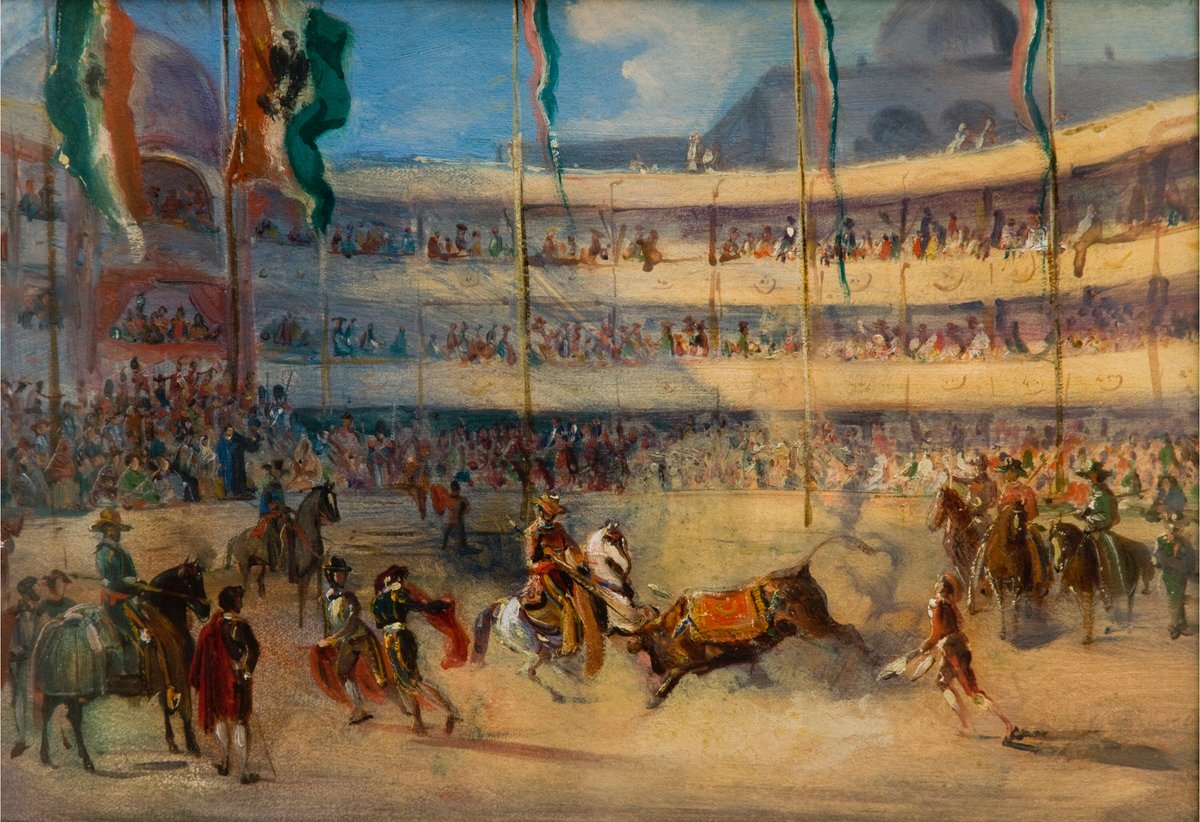
{‘date’: ‘14/06/2025’, ‘task’: {‘model’: ‘gpt-4.1-mini’, ‘query’: ‘Comprehensive guide to visiting Plaza México, Mexico City, 墨西哥: history, significance, visitor tips, and everything tourists need to know for a memorable experience.’, ‘verbose’: False, ‘guidelines’: [“Keyword Research: Identify relevant keywords that potential visitors are likely to search for, such as ‘[Monument Name] visiting hours,’ ‘[Monument Name] tickets,’ and ‘[City] historical sites.’ Use these keywords strategically throughout the article, including in the title, headers, and body text, but avoid keyword stuffing.”, ‘Engaging and Informative Title: Craft a title that is both SEO-friendly and compelling to encourage clicks. Include the main keyword and make it clear what the article will cover.’, ‘Structured Content: Use headings (H1, H2, H3) to organize the content effectively. This helps with SEO and makes the article easier for readers to navigate. Include an introduction that hooks the reader, a detailed body that covers all relevant aspects, and a conclusion that summarizes the key points.’, ‘Comprehensive Coverage: Address common questions and topics of interest such as the history of the monument, its cultural significance, visitor information (e.g., ticket prices, opening hours), travel tips, nearby attractions, and accessibility. Include sections that might be unique to the monument, like special events, guided tours, and photographic spots.’, ‘Quality Content: Ensure the content is well-researched, accurate, and provides real value to readers. Use reliable sources and provide factual information. Write in a clear, engaging, and accessible style. Consider your audience and use language that is appropriate for those likely to visit the monument.’, ‘Visuals and Media: Incorporate high-quality images or videos of the monument. These should be optimized for the web (correct sizing, alt tags with keywords). Consider interactive elements like virtual tours or maps.’, ‘Internal and External Links: Include links to other related articles on your site to encourage deeper engagement (internal links). Link to official websites for the monument or credible sources for further reading (external links).’, ‘FAQ: Incorporate FAQ sections to target voice search queries and featured snippets’, ‘Visit and Stay Up to Date: End the article with a call to action, such as encouraging readers to download our mobile app Audiala, check out other related posts, or follow on social media for more updates.’], ‘max_sections’: 4, ‘publish_formats’: {‘pdf’: False, ‘docx’: False, ‘markdown’: True}, ‘follow_guidelines’: True}, ‘title’: ‘A Comprehensive Guide to Visiting Plaza México (El Zócalo), Mexico City, 墨西哥’, ‘report’: ’# प्लाज़ा मेक्सिको विज़िटिंग गाइड: टिकट, घंटे और आस-पास के आकर्षण\n#### दिनांक: 14/06/2025\n\n## परिचय: ऐतिहासिक महत्व और आगंतुक अवलोकन\n\nप्लाज़ा मेक्सिको मेक्सिको सिटी का एक प्रतिष्ठित स्थल है, जो दुनिया के सबसे बड़े बुलरिंग के रूप में और शहर के ऐतिहासिक और वास्तुशिल्प ताने-बाने में गहराई से बुनी हुई एक सांस्कृतिक प्रतीक के रूप में प्रसिद्ध है। 1946 में अपने उद्घाटन के बाद से, प्लाज़ा मेक्सिको ने न केवल मैक्सिकन बुलफाइटिंग के केंद्र बिंदु के रूप में काम किया है - 41,000 से अधिक दर्शकों की क्षमता के साथ - बल्कि बॉक्सिंग मैचों, संगीत समारोहों और सांस्कृतिक उत्सवों के मंच के रूप में भी काम किया है, जो मेक्सिको की विविध विरासत को दर्शाता है (विकिपीडिया; एल पेस).\n\nप्रसिद्ध बुल-रिंग के बगल में प्लाज़ा डी लास ट्रेस कल्चुरस ऐतिहासिक ट्लाटेलॉल्को पड़ोस में स्थित है। यह प्लाज़ा अद्वितीय रूप से मैक्सिकन इतिहास के तीन परिभाषित अध्यायों को मूर्त रूप देता है: पूर्व-हिस्पैनिक एज़्टेक सभ्यता, स्पेनिश औपनिवेशिक शासन और आधुनिक मैक्सिकन शहरीकरण (आर्किडेली; कर्बेड). ये स्थल मिलकर मेक्सिको के सांस्कृतिक विकास की एक समृद्ध यात्रा प्रदान करते हैं।\n\nआगंतुक एक बहुआयामी अनुभव की उम्मीद कर सकते हैं: नवंबर-मार्च सीज़न के दौरान पारंपरिक बुलफाइट्स में भाग लेना, पुरातात्विक चमत्कारों की खोज करना, या स्थानीय गैस्ट्रोनॉमी और आस-पास के आकर्षणों में खुद को डुबोना। उत्कृष्ट पहुंच, विभिन्न टिकटिंग विकल्पों और समावेशिता के प्रति प्रतिबद्धता के साथ, प्लाज़ा मेक्सिको सभी के लिए एक स्वागत योग्य गंतव्य है।\n\nयह मार्गदर्शिका प्लाज़ा मेक्सिको और आसपास के ऐतिहासिक स्थलों के महत्व की पूरी तरह से सराहना करने के लिए आगंतुक घंटों, टिकटिंग, यात्रा युक्तियों, शिष्टाचार और बहुत कुछ पर व्यापक जानकारी प्रदान करती है।\n\n---\n\n## सामग्री की तालिका\n\n- प्लाज़ा मेक्सिको की उत्पत्ति और निर्माण\n- मेक्सिको में बुलफाइटिंग: ऐतिहासिक संदर्भ\n- वास्तुशिल्प विशेषताएं और क्षमता\n- आगंतुक जानकारी: घंटे, टिकट और पहुंच\n- यात्रा युक्ति और आस-पास के आकर्षण\n- प्रमुख ऐतिहासिक घटनाएँ और मील के पत्थर\n- सामाजिक और सांस्कृतिक महत्व\n- कानूनी और राजनीतिक घटनाक्रम\n- आधुनिक मेक्सिको सिटी में प्लाज़ा मेक्सिको\n- दृश्य मीडिया और इंटरैक्टिव संसाधन\n- अक्सर पूछे जाने वाले प्रश्न (FAQs)\n- प्लाज़ा डी लास ट्रेस कल्चुरस की खोज: वास्तुशिल्प और सांस्कृतिक महत्व\n- सारांश और कार्रवाई का आह्वान\n- स्रोत\n\n---\n\n## प्लाज़ा मेक्सिको की उत्पत्ति और निर्माण\n\nप्लाज़ा मेक्सिको, या प्लाज़ा डी टोरोस मेक्सिको, दुनिया का सबसे बड़ा बुल-रिंग है, जिसमें 41,000 से अधिक दर्शकों के बैठने की क्षमता है (विकिपीडिया). 20वीं सदी की शुरुआत में मेक्सिको सिटी की तेजी से बढ़ती आबादी और बुलफाइटिंग की बढ़ती लोकप्रियता के जवाब में टोरियो डे ला कोंडेसा को बदलने के लिए इसे बेनिटो जुआरेज बरो में स्थित किया गया था। बुल-रिंग एस्टाडियो स्यूदाद डी लॉस डेपोर्ट्स के बगल में एक प्रमुख स्थान पर स्थित है।\n\n---\n\n## मेक्सिको में बुलफाइटिंग: ऐतिहासिक संदर्भ\n\nबुलफाइटिंग 16वीं शताब्दी में स्पेनिश लोगों के साथ मेक्सिको पहुंची। पहली दर्ज की गई घटना 1526 में हुई थी, जिसमें हर्नन कोर्टेस ने भाग लिया था (एल पेस). सदियों से, यह मैक्सिकन उत्सवों और नागरिक जीवन का एक केंद्रीय तत्व बन गया। 20वीं सदी की शुरुआत तक, स्थानीय बुलफाइटरों और रैंचों ने अंतरराष्ट्रीय ख्याति प्राप्त कर ली थी, जिससे परंपरा को समायोजित करने और बढ़ावा देने के लिए प्लाज़ा मेक्सिको का निर्माण हुआ।\n\n---\n\n## वास्तुशिल्प विशेषताएं और क्षमता\n\nप्लाज़ा मेक्सिको के डिजाइन में एक विशाल गोलाकार अखाड़ा है, जिसका व्यास लगभग 90 मीटर है, जो किसी भी सीट से स्पष्ट दृश्य सुनिश्चित करता है (विकिपीडिया). वास्तुकला स्पेनिश परंपरा को आधुनिकतावादी तत्वों के साथ जोड़ती है, जिसमें प्रबलित कंक्रीट और कार्यात्मक डिजाइन का उपयोग किया जाता है। स्थल में भीड़ की आवाजाही और आराम को सुव्यवस्थित करने के लिए कई प्रवेश बिंदु, वीआईपी बॉक्स और सुविधाएं शामिल हैं।\n\n---\n\n## आगंतुक जानकारी: घंटे, टिकट और पहुंच\n\nआगंतुक घंटे:\nअखाड़ा आमतौर पर सुबह 9:00 बजे से शाम 6:00 बजे तक कार्यक्रमों और दौरों के लिए खुला रहता है, लेकिन घंटों में निर्धारित गतिविधियों के आधार पर भिन्नता हो सकती है। नवीनतम जानकारी के लिए हमेशा आधिकारिक प्लाज़ा मेक्सिको वेबसाइट या अधिकृत टिकट प्लेटफार्मों की जांच करें।\n\nटिकट:\nबुलफाइट्स और अन्य कार्यक्रमों के लिए टिकट ऑनलाइन और बॉक्स ऑफिस पर उपलब्ध हैं। कीमतें कार्यक्रम, सीट स्थान और तारीख पर निर्भर करती हैं, जो किफायती सामान्य प्रवेश से लेकर प्रीमियम वीआईपी अनुभवों तक होती हैं। प्रमुख कार्यक्रमों के लिए जल्दी बुकिंग की सिफारिश की जाती है।\n\nपहुंच:\nप्लाज़ा मेक्सिको विकलांग आगंतुकों को समायोजित करने के लिए रैंप, नामित सीटें और सुलभ शौचालय प्रदान करता है।\n\n---\n\n## यात्रा युक्ति और आस-पास के आकर्षण\n\nवहां कैसे पहुंचे:\nप्लाज़ा मेक्सिको बेनिटो जुआरेज बरो में स्थित है। निकटतम मेट्रो स्टेशन डेपोर्टिवो 18 डी मार्ज़ो है, जिसमें कई बस और टैक्सी मार्ग उपलब्ध हैं। पार्किंग सीमित है; व्यस्त दिनों में सार्वजनिक परिवहन पर विचार करें।\n\nयात्रा के लिए सर्वश्रेष्ठ समय:\nसप्ताहांत और गैर-कार्यक्रम दिन शांत अनुभव प्रदान करते हैं। सांस्कृतिक विसर्जन के लिए, फरवरी में वार्षिक कोरिडा डे एनिवर्सारियो के दौरान जाएं।\n\nआस-पास के आकर्षण:\n- एस्टाडियो स्यूदाद डे लॉस डेपोर्ट्स\n- पारके डे लॉस वेनाडोस\n- बेनिटो जुआरेज में स्थानीय बाजार और रेस्तरां\n- संग्रहालय और सांस्कृतिक केंद्र\n\n---\n\n## प्रमुख ऐतिहासिक घटनाएँ और मील के पत्थर\n\n1946 से, प्लाज़ा मेक्सिको ने दिग्गज बुलफाइट्स, वार्षिक कोरिडा डे एनिवर्सारियो, और जूलियो सीज़र चावेज़ बनाम फ्रैंकी रान्डल जैसे अंतरराष्ट्रीय बॉक्सिंग मैचों की मेजबानी की है (विकिपीडिया). स्थल की बहुमुखी प्रतिभा संगीत समारोहों और प्रमुख सांस्कृतिक सभाओं तक फैली हुई है।\n\n---\n\n## सामाजिक और सांस्कृतिक महत्व\n\nप्लाज़ा मेक्सिको मेक्सिको की बहुस्तरीय पहचान का प्रतीक है, जो परंपरा और आधुनिकता को संतुलित करता है (एल पेस). जबकि बुलफाइटिंग विवादास्पद बनी हुई है, अखाड़ा सार्वजनिक अभिव्यक्ति, उत्सव और विरोध का स्थान भी है, जो विरासत, नैतिकता और सामाजिक परिवर्तन के बारे में मेक्सिको की चल रही बहस को दर्शाता है।\n\n---\n\n## कानूनी और राजनीतिक घटनाक्रम\n\nहाल के वर्षों में, मेक्सिको सिटी में बुलफाइटिंग के भविष्य को लेकर कानूनी विवादों ने प्लाज़ा मेक्सिको को राष्ट्रीय सुर्खियों में ला दिया है। 2022 में पशु कल्याण संबंधी चिंताओं के कारण बुलफाइट्स के निलंबन के बाद, सुप्रीम कोर्ट ने 2023 में प्रतिबंध हटा दिया, जिससे व्यापक बहस जारी रहने के दौरान परंपरा जारी रह सके (एल पेस).\n\n---\n\n## आधुनिक मेक्सिको सिटी में प्लाज़ा मेक्सिको\n\nआज, प्लाज़ा मेक्सिको स्थानीय लोगों और पर्यटकों दोनों के लिए एक प्रमुख गंतव्य बना हुआ है, जो ऐतिहासिक गहराई और समकालीन संस्कृति का मिश्रण पेश करता है। बेनिटो जुआरेज में इसका केंद्रीय स्थान भोजन, नाइटलाइफ़ और परिवहन तक आसान पहुंच सुनिश्चित करता है (विकिपीडिया).\n\n---\n\n## दृश्य मीडिया और इंटरैक्टिव संसाधन\n\nआधिकारिक प्लाज़ा मेक्सिको वेबसाइट पर फोटो गैलरी और वर्चुअल टूर देखें, जिसमें अखाड़ा और उसके कार्यक्रमों की आकर्षक छवियां हैं। वर्णनात्मक कैप्शन पहुंच और खोज इंजन अनुकूलन में सुधार करते हैं।\n\n---\n\n## अक्सर पूछे जाने वाले प्रश्न (FAQs)\n\nप्लाज़ा मेक्सिको के खुलने का समय क्या है?\nआम तौर पर, सुबह 9:00 बजे से शाम 6:00 बजे तक; भिन्नता के लिए कार्यक्रम कार्यक्रम देखें।\n\nमैं टिकट कैसे खरीदूं?\nआधिकारिक विक्रेताओं या बॉक्स ऑफिस के माध्यम से ऑनलाइन। अग्रिम खरीद की सलाह दी जाती है।\n\nक्या प्लाज़ा मेक्सिको सुलभ है?\nहाँ, रैंप और नामित सीटों के साथ।\n\nवहां कैसे पहुंचा जाए?\nमेट्रो (डेपोर्टिवो 18 डी मार्ज़ो), बस, टैक्सी, या निजी कार के माध्यम से।\n\nक्या पास में रेस्तरां हैं?\nहाँ, बेनिटो जुआरेज में विभिन्न प्रकार के स्थानीय भोजन विकल्प उपलब्ध हैं।\n\n---\n\n## प्लाज़ा डी लास ट्रेस कल्चुरस की खोज: वास्तुशिल्प और सांस्कृतिक महत्व\n\n### ऐतिहासिक संदर्भ\n\nट्लाटेलॉल्को में प्लाज़ा डी लास ट्रेस कल्चुरस मेक्सिको के बहुस्तरीय इतिहास का एक सम्मोहक वसीयतनामा है। प्लाज़ा एज़्टेक खंडहर, औपनिवेशिक सैंटियागो चर्च, और मारियो पैनी के आधुनिकतावादी आवास परिसर को जोड़ता है, जो देश के विकास का एक ठोस आख्यान प्रदान करता है (कर्बेड; आर्किडेली).\n\n### वास्तुशिल्प मुख्य बातें\n\n- पूर्व-हिस्पैनिक खंडहर: ट्लाटेलॉल्को के खुदाई किए गए प्लेटफार्म और पिरामिड 14वीं-15वीं शताब्दी के हैं, जिनका प्रबंधन INAH द्वारा किया जाता है।\n- सैंटियागो का औपनिवेशिक चर्च: एज़्टेक मंदिरों से पत्थरों का उपयोग करके 16वीं शताब्दी में निर्मित, सहस्राब्दी वास्तुकला का प्रतिनिधित्व करता है।\n- आधुनिकतावादी आवास: मारियो पैनी का 1960 का दशक का परिसर शहरी घनत्व और हरे-भरे सामुदायिक स्थान के आदर्शों को दर्शाता है।\n\n### स्मरण और घटनाएँ\n\n- 1968 ट्लाटेलॉल्को हत्याकांड स्मारक: राज्य हिंसा के छात्र पीड़ितों का सम्मान करता है।\n- सांस्कृतिक प्रोग्रामिंग: प्लाज़ा वार्षिक स्मरणोत्सव, कला प्रतिष्ठानों और शहर के सांस्कृतिक कैलेंडर में सूचीबद्ध कार्यक्रमों की मेजबानी करता है।\n\n### आगंतुक जानकारी\n\n- घंटे: आम तौर पर दैनिक सुबह 9:00 बजे से शाम 5:00 बजे तक खुला रहता है; क्षेत्र-विशिष्ट समय की जांच करें।\n- टिकट: प्लाज़ा में प्रवेश निःशुल्क है; कुछ निर्देशित पर्यटन या प्रदर्शनों के लिए टिकट की आवश्यकता हो सकती है।\n- पहुंच: रैंप और पक्की रास्ते उपलब्ध हैं।\n\n### शिष्टाचार\n\nस्मृति क्षेत्रों और पुरातात्विक अवशेषों के आसपास सम्मान दिखाएं।\n\n---\n\n## सारांश और कार्रवाई का आह्वान\n\nप्लाज़ा मेक्सिको और प्लाज़ा डी लास ट्रेस कल्चुरस मिलकर मेक्सिको के इतिहास, वास्तुकला और सांस्कृतिक पहचान की एक गहरी खोज प्रदान करते हैं। किसी कार्यक्रम में भाग लें, निर्देशित दौरे पर जाएं, या सदियों पुराने प्रतिध्वनि और वर्तमान मेक्सिको सिटी की जीवंतता का अनुभव करने के लिए मैदान में बस टहलें।\n\nअपनी यात्रा की योजना बनाएं:\n- आधिकारिक घंटे और टिकटिंग की जाँच करें\n- स्थानीय संग्रहालयों और भोजन का अन्वेषण करें\n- अद्यतित घटना की जानकारी और यात्रा युक्तियों के लिए ऑडियला ऐप डाउनलोड करें\n- अधिक गाइड के लिए सोशल मीडिया पर हमें फॉलो करें\n\n---\n\n## स्रोत\n\n- प्लाज़ा डी टोरोस मेक्सिको, विकिपीडिया\n- प्लाज़ा मेक्सिको में बुलफाइटिंग की वापसी, एल पेस\n- मेक्सिको सिटी में आर्किटेक्ट को हर किसी को देखना चाहिए 30 साइटें, आर्किडेली\n- मेक्सिको सिटी में डिजाइन और वास्तुकला करने योग्य चीजें, कर्बेड\n- मेक्सिको सिटी आधिकारिक गाइड\n\n---\n\n’, ‘headers’: {‘date’: ‘Date’, ‘title’: ‘Plaza México Visiting Guide including Tickets Hours and Nearby Attractions’, ‘conclusion’: ‘Summary of key points and call to action for visitors’, ‘references’: ‘Sources and official links for Plaza México information’, ‘introduction’: ‘Introduction to Plaza México historical significance and visitor overview’, ‘table_of_contents’: ‘Contents including visiting hours tickets history travel tips and FAQs’}, ‘sources’: [’- Plaza de Toros México, 2024, Wikipedia https://en.wikipedia.org/wiki/Plaza_de_Toros_M%C3%A9xico’, ’- The return of bullfighting to Plaza México: an exercise in freedom, culture and rebellion, 2024, El País https://english.elpais.com/opinion/2024-01-29/the-return-of-bullfighting-to-plaza-mexico-an-exercise-in-freedom-culture-and-rebellion.html’, ’- 30 sites every architect should visit in Mexico City, 2020, ArchDaily https://www.archdaily.com/866897/30-sites-every-architect-should-visit-in-mexico-city’, ’- Design and Architecture Things to Do in Mexico City, 2021, Curbed https://archive.curbed.com/maps/design-architecture-things-to-do-in-mexico-city’, ’- Mexico City Official Guide, 2025 https://mexicocity.cdmx.gob.mx/’], ‘sections’: [‘Historical Overview’, ‘Architectural and Cultural Significance’, ‘Visitor Experience’, ‘Cultural Etiquette and Local Customs’], ‘conclusion’: ‘Plaza México is much more than a venue; it is a living monument to Mexico’s complex cultural tapestry, blending centuries-old traditions with contemporary urban life. As the world’s largest bullring, it represents the enduring legacy of bullfighting—a tradition steeped in history yet increasingly subject to ethical debate and legal scrutiny (El País). Simultaneously, the Plaza de las Tres Culturas stands as a profound symbol of Mexico’s layered identity, juxtaposing pre-Hispanic ruins, colonial architecture, and modernist design to narrate the nation’s evolving story (ArchDaily).\n\nFor visitors, Plaza México offers a multifaceted experience—from witnessing vibrant bullfighting events to exploring archaeological sites and commemorating historic moments like the 1968 Tlatelolco massacre. The site’s accessibility, rich cultural programming, and surrounding attractions make it a must-visit for anyone seeking to understand Mexico City’s heritage deeply.\n\nTo make the most of your visit, be sure to check current visiting hours and ticket availability through official channels, respect the cultural sensitivities surrounding bullfighting, and explore the nearby neighborhoods and landmarks. Engaging with local customs, attending special events, and taking guided tours can greatly enhance your appreciation of this iconic destination.\n\nStay informed and connected by downloading the Audiala app for real-time updates, guided tours, and insider tips. Follow social media channels dedicated to Mexico City’s historical sites to discover more about Plaza México and other cultural gems. Whether as a traveler, student, or cultural aficionado, Plaza México promises an unforgettable journey through Mexico’s past and present (Wikipedia; Mexico City Official Guide).’, ‘introduction’: ‘Plaza México, one of Mexico City’s most iconic landmarks, offers visitors a rich tapestry of cultural, historical, and architectural significance. Known primarily as the world’s largest bullring with a seating capacity exceeding 41,000, Plaza México stands as a monumental symbol of Mexico’s enduring bullfighting tradition, which dates back to the early 16th century following Spanish colonization (Wikipedia; El País). Inaugurated in 1946, the bullring replaced the older Toreo de la Condesa to accommodate Mexico City’s growing population and the sport’s increasing popularity.\n\nBeyond the bullring itself, the term “Plaza México” also refers to the historically rich Plaza de las Tres Culturas, located in the Tlatelolco neighborhood. This site uniquely encapsulates three pivotal eras of Mexican heritage: pre-Hispanic Aztec ruins, colonial architecture exemplified by the Church of Santiago, and modernist urban developments from the mid-20th century (ArchDaily; Curbed). The plaza serves as a powerful testament to Mexico’s layered history and evolving identity.\n\nVisitors to Plaza México can expect a comprehensive cultural experience, whether attending the traditional bullfights held during the November to March season or exploring the archaeological and architectural marvels of Plaza de las Tres Culturas. The venue’s accessibility via public transportation, diverse ticketing options, and commitment to inclusivity make it a welcoming destination for tourists and locals alike. Nearby attractions such as the Estadio Ciudad de los Deportes, museums, and authentic Mexican eateries further enrich the visit (Wikipedia; Mexico City Official Guide).\n\nThis guide provides detailed information on visiting hours, ticket purchasing, cultural etiquette, and practical tips to help visitors navigate and appreciate Plaza México fully. Whether you are a history enthusiast, architecture lover, or cultural traveler, understanding the significance and nuances of Plaza México will ensure a meaningful and memorable experience in the heart of Mexico City.’, ‘research_data’: [{‘Plaza México: Visiting Hours, Tickets, and a Guide to Mexico City’s Largest Historical Bullring’: ’## Origins and Construction of Plaza México\n\nPlaza México, officially known as Plaza de Toros México, stands as the world’s largest bullring, with a seating capacity of 41,262 spectators (Wikipedia). Located in the Benito Juárez borough of Mexico City, the arena was inaugurated on February 5, 1946, replacing the older Toreo de la Condesa, which had become inadequate due to the city’s rapid population growth. The new bullring was constructed adjacent to the Estadio Ciudad de los Deportes (formerly Estadio Azul), embedding it within a vibrant sports and entertainment district (Wikipedia).\n\nThe decision to build Plaza México was driven by the increasing popularity of bullfighting in Mexico during the early 20th century. The original Toreo de la Condesa, built in 1907, could no longer accommodate the growing crowds, prompting the need for a larger, more modern facility. The new bullring was designed to be a monumental structure, reflecting both the grandeur of the sport and the cultural significance it held for Mexican society at the time.\n\n## Bullfighting in Mexico: Historical Context\n\nBullfighting was introduced to Mexico by the Spanish conquistadors in the early 16th century. The first recorded bullfight in Mexico City took place in 1526, witnessed by Hernán Cortés himself (El País). Over the centuries, the tradition evolved, intertwining with local customs and becoming a central feature of civic and religious festivities throughout the country.\n\nBy the late 19th and early 20th centuries, bullfighting had become deeply embedded in Mexican culture, with prominent Mexican bullfighters and ranches gaining national and international recognition. The construction of Plaza México in the 1940s marked a high point in the sport’s popularity, providing a venue that could host the largest crowds and the most prestigious events in the bullfighting calendar.\n\n## Architectural Features and Capacity\n\nPlaza México’s design is characterized by its vast circular structure, with tiered seating that ensures unobstructed views from every angle. The arena’s diameter measures approximately 90 meters (295 feet), making it not only the largest bullring by capacity but also one of the most imposing terms of scale (Wikipedia). The bullring’s architecture reflects a blend of traditional Spanish influences and modernist sensibilities, with reinforced concrete construction and functionalist design elements.\n\nThe facility includes multiple access points, VIP boxes, and amenities designed to accommodate large crowds efficiently. Its location next to major transportation routes and the Estadio Ciudad de los Deportes further enhances its accessibility for both locals and tourists.\n\n## Visitor Information: Plaza México Visiting Hours, Tickets, and Accessibility\n\nTo visit Plaza México, it is important to know the visiting hours and ticket details. Typically, the arena is open for tours and events from 9:00 AM to 6:00 PM, but hours may vary depending on scheduled bullfighting events or other activities. Visitors are advised to check the official Plaza México website or authorized ticket vendors for the most current schedule.\n\nTickets for bullfighting events and other shows at Plaza México can be purchased online through official platforms or at the box office. Prices vary based on the event, seating section, and date, ranging from affordable general admission to premium VIP options. Early purchase is recommended for popular events such as the annual Corrida de Aniversario.\n\nPlaza México is committed to accessibility and offers facilities for people with disabilities, including ramps, reserved seating areas, and accessible restrooms to ensure a comfortable experience for all visitors.\n\n## Travel Tips and Nearby Attractions\n\nPlaza México is conveniently located in the Benito Juárez borough, easily accessible by metro, bus, and taxi. The nearest metro station is Deportivo 18 de Marzo, which is a short walk from the bullring. For drivers, nearby parking options are available, but it is advisable to arrive early on event days to avoid congestion.\n\nThe best times to visit are during weekdays or outside of major event days to enjoy a quieter experience. Visiting during the annual Corrida de Aniversario on February 5th offers a chance to witness a historic and culturally rich bullfighting event.\n\nNearby attractions include the Estadio Ciudad de los Deportes, Parque de los Venados, and several museums and dining options offering authentic Mexican cuisine. Visitors can enjoy local markets and restaurants in the Benito Juárez area for a full cultural immersion.\n\n## Key Historical Events and Milestones\n\nSince its inauguration, Plaza México has been the stage for countless significant events in Mexican bullfighting history. The annual Corrida de Aniversario, held every February 5th to commemorate the arena’s opening, is one of the most anticipated events in the bullfighting world (Wikipedia). The venue has also hosted legendary bullfighters from Mexico, Spain, and other countries, cementing its reputation as a global center for the sport.\n\nBeyond bullfighting, Plaza México has served as a venue for major boxing matches, concerts, and cultural events. Notably, it hosted the third and final bout between boxing legend Julio César Chávez and Frankie Randall in 2004, demonstrating its versatility as a multi-purpose arena (Wikipedia).\n\n## Social and Cultural Significance\n\nPlaza México is more than just a sports venue; it is a symbol of Mexico’s complex relationship with its colonial past and its evolving cultural identity. Bullfighting, while controversial, has been embraced by many as an art form and a tradition that reflects the country’s history and values. The arena itself is a gathering place for people from all walks of life, serving as a focal point for community celebrations, protests, and expressions of national pride (El País).\n\nOver the decades, Plaza México has witnessed the ebb and flow of public opinion regarding bullfighting. While some view it as an essential part of Mexican heritage, others have called for its abolition on ethical grounds. This ongoing debate has played out both inside and outside the arena, making Plaza México a microcosm of broader societal discussions about tradition, modernity, and animal welfare.\n\n## Legal and Political Developments\n\nIn recent years, Plaza México has been at the center of legal and political battles over the future of bullfighting in Mexico City. In May 2022, a civil association filed a claim to suspend bullfights in the Benito Juárez borough, arguing that the practice violated the right to a healthy environment (El País). A judge granted a precautionary suspension, halting bullfighting events for over 600 days.\n\nHowever, in December 2023, the Supreme Court of Justice unanimously revoked the suspension, allowing bullfights to resume while the core of the case is examined. The court’s decision highlighted the tension between animal welfare concerns and the rights of those whose livelihoods depend on bullfighting, as well as the cultural significance of the tradition (El País).\n\nThe resumption of bullfighting at Plaza México in January 2024 was met with both celebration and protest, reflecting the deeply polarized views on the issue. The arena continues to be a focal point for debates about freedom, culture, and social change in contemporary Mexico.\n\n## Plaza México in Modern Mexico City\n\nToday, Plaza México remains an iconic landmark in Mexico City, attracting both aficionados of bullfighting and curious tourists. Its imposing architecture and storied history make it a must-visit destination for those interested in Mexican culture and traditions. The arena’s location in the bustling Benito Juárez borough places it within easy reach of other attractions, restaurants, and public transportation, making it an accessible and engaging stop on any tour of the city (Wikipedia).\n\n## Visual Media and Interactive Resources\n\nVisitors can explore virtual tours and photo galleries available on the official Plaza México website, providing immersive views of the bullring’s interior and historic events. Optimized images with descriptive alt tags such as “Plaza México bullring seating” and “Historic bullfighting event at Plaza México” help users and search engines better understand the content.\n\n## Frequently Asked Questions (FAQs)\n\nWhat are Plaza México’s opening hours?\nTypically, tours and non-event visits are available from 9:00 AM to 6:00 PM, but hours may vary. Check the official website for event-specific schedules.\n\nHow do I buy tickets to Plaza México events?\nTickets can be purchased online through official vendors or at the arena’s box office. It is advisable to buy tickets in advance for popular events.\n\nIs Plaza México accessible for people with disabilities?\nYes, the venue offers accessible facilities including ramps, reserved seating, and restrooms.\n\nWhat is the best way to get to Plaza México?\nThe nearest metro station is Deportivo 18 de Marzo. The arena is also accessible by bus, taxi, and private car.\n\nAre there dining options near Plaza México?\nYes, the Benito Juárez borough offers a variety of restaurants and local markets featuring authentic Mexican cuisine.\n\n## Conclusion and Call-to-Action\n\nPlaza México stands as a monumental historical site and cultural hub in Mexico City, blending rich heritage with vibrant contemporary life. Whether you are a bullfighting enthusiast, history buff, or traveler seeking to explore Mexico City’s iconic landmarks, Plaza México offers a unique and engaging experience.\n\nPlan your visit today by checking Plaza México visiting hours and booking tickets through official channels. Don’t forget to explore nearby attractions and enjoy local dining to complete your cultural immersion.\n\nFor the latest updates, detailed guides, and exclusive content, download the Audiala app and follow us on social media. Discover more about Mexico City historical sites and make your trip unforgettable!’, ‘Architectural and Cultural Significance’: ”## Discovering Plaza México: Architectural and Cultural Significance of Plaza de las Tres Culturas, Mexico City\n\n### Introduction\n\nPlaza México, more accurately known as Plaza de las Tres Culturas, is a must-visit Mexico City historical site that embodies the rich and complex layers of Mexican heritage. This unique public space brings together pre-Hispanic ruins, colonial architecture, and modernist design, offering visitors a profound journey through Mexico’s past and present. This article explores the architectural and cultural significance of Plaza México, including practical visitor information such as visiting hours, ticketing, accessibility, guided tours, and special events, to help you plan your visit.\n\n### Historical Layers and Urban Context\n\nPlaza México, located in the Tlatelolco neighborhood, is a profound landmark reflecting three pivotal eras in Mexican history: the pre-Hispanic, colonial, and modern republican periods. The site’s urban fabric is a living palimpsest where the ancient city of Tlatelolco’s ruins, the colonial Church of Santiago, and modernist housing complexes coexist within one public space (Curbed).\n\nTlatelolco was once a thriving Aztec city-state and the site where the Spanish conquest culminated in 1521, marking the fall of the Aztec Empire. The plaza’s design preserves these historical layers, making it a unique archaeological and cultural zone (ArchDaily).\n\n### Architectural Features and Design\n\n#### Pre-Hispanic Remains\n\nThe plaza incorporates the ruins of Tlatelolco, including pyramids and ceremonial platforms dating back to the 14th and 15th centuries. These ruins are partially excavated and accessible to visitors, offering a rare glimpse into Aztec urbanism. The Instituto Nacional de Antropología e Historia (INAH) manages the archaeological site, with ongoing excavations revealing more about Aztec life (ArchDaily).\n\n#### Colonial Architecture: Church of Santiago\n\nOne side of the plaza is dominated by the 16th-century Church of Santiago, built using stones from destroyed Aztec temples. The church exemplifies early colonial architecture, blending indigenous and European techniques, featuring a simple facade and baroque interior altarpieces that reflect cultural syncretism (Curbed).\n\n#### Modernist Interventions: Mario Pani’s Housing Complex\n\nThe third architectural layer is the 1960s modernist housing complex by Mario Pani, inspired by Le Corbusier’s urban planning principles. Designed for high-density living with green spaces and communal areas, the complex suffered damage during the 1985 earthquake, with some towers demolished. Remaining structures still represent mid-20th-century architectural ambition (Curbed).\n\n### Memorialization and Social Memory\n\n#### 1968 Tlatelolco Massacre Memorial\n\nPlaza de las Tres Culturas is also a place of remembrance for the tragic 1968 Tlatelolco massacre, where government forces killed student demonstrators. A minimalist memorial inscribed with victims’ names stands at the plaza’s edge, serving as a focal point for annual commemorations (Curbed).\n\n#### Cultural Programming and Community Engagement\n\nThe plaza remains a vibrant public space hosting cultural events, art installations, and educational programs. Included in Mexico City’s Calendario de actividades turísticas y culturales 2025, it fosters dialogue about Mexico’s complex heritage.\n\n### Symbolism and National Identity\n\n#### The Three Cultures\n\nThe juxtaposition of Aztec ruins, the colonial church, and modernist buildings symbolizes Mexico’s layered identity, highlighting the nation’s negotiation between indigenous heritage, colonial past, and modern aspirations.\n\n#### Architectural Dialogue\n\nThe plaza’s architecture reflects political and cultural tensions and synergies—indigenous stones in the colonial church, modernist utopian ideals, and the memorial’s starkness invite reflection on Mexican society (ArchDaily).\n\n### Visitor Information: Planning Your Visit to Plaza México\n\n#### Visiting Hours and Tickets\n\n- Visiting Hours: Plaza de las Tres Culturas is generally open to the public daily from 9:00 AM to 5:00 PM. The archaeological site and Church of Santiago may have specific visiting hours; it is recommended to check in advance.\n- Tickets: Entrance to the plaza and outdoor areas is free. Access to certain archaeological exhibitions or guided tours may require tickets, often available onsite or online.\n\n#### Accessibility and Transportation\n\n- The plaza is accessible via public transit, with nearby Metro stations such as Tlatelolco and Plaza de las Tres Culturas.\n- The site includes ramps and paved paths for visitors with reduced mobility.\n- Benches and shaded areas are available for rest.\n\n#### Guided Tours\n\n- Guided tours are available through local operators and sometimes directly from the INAH.\n- Tours typically cover the archaeological site, colonial church, and modernist architecture, offering in-depth historical and cultural insights.\n\n#### Special Events and Cultural Activities\n\n- The plaza hosts annual commemorations of the 1968 massacre.\n- Cultural festivals, art exhibitions, and educational programs occur throughout the year.\n- Visitors can consult the city’s cultural calendar (Calendario de actividades turísticas y culturales 2025) to plan their visit accordingly.\n\n#### Photography Tips\n\n- Early mornings and late afternoons provide the best natural light.\n- The contrasting architectural styles offer compelling photographic opportunities.\n\n#### Visitor Etiquette\n\n- As a site of historical tragedy and cultural pride, visitors should approach memorial areas with respect.\n- Please follow any posted guidelines and preserve the archaeological remains.\n\n### Integration with Surrounding Attractions\n\nPlaza México serves as an excellent starting point to explore nearby Mexico City landmarks such as the Museo Nacional de Antropología, the Palacio de Bellas Artes, and the vibrant Mercado Lagunilla.\n\n### Frequently Asked Questions (FAQ)\n\nQ: What are the visiting hours for Plaza México?\nA: The plaza is typically open daily from 9:00 AM to 5:00 PM, but specific areas might have different hours.\n\nQ: Is there an entrance fee to visit Plaza de las Tres Culturas?\nA: Entrance to the plaza is free. However, some guided tours or exhibitions may charge a fee.\n\nQ: Are guided tours available at Plaza México?\nA: Yes, guided tours are offered by local operators and sometimes through INAH, providing detailed historical context.\n\nQ: Is Plaza México accessible for visitors with disabilities?\nA: The site has ramps and paved paths, making it accessible to visitors with reduced mobility.\n\nQ: Can I visit the Church of Santiago inside the plaza?\nA: Yes, the church is open to visitors during designated hours; check locally for specific visiting times.\n\nQ: Are there any special events at Plaza México?\nA: Yes, the plaza hosts commemorations, cultural events, and art installations throughout the year.\n\n### Visual Media\n\nVisitors can find informational panels and signage throughout the plaza, featuring images and descriptions of the site’s architectural elements and history. Official websites and tour operators often provide photo galleries and videos to enhance your understanding before visiting. Consider bringing a camera to capture the fascinating blend of architectural styles.\n\n### Internal Links\n\nFor more insights into Mexico City’s rich cultural heritage, explore our articles on Top Historical Sites in Mexico City, Exploring Aztec Ruins, and The Colonial Architecture of Mexico City.\n\n### Conclusion and Call to Action\n\nPlaza México (Plaza de las Tres Culturas) offers an unparalleled window into Mexico’s layered history, architecture, and cultural identity. Whether you are a history enthusiast, architecture lover, or casual visitor, the plaza’s rich narratives and poignant memorials make it a compelling destination.\n\nPlan your visit today by checking the latest visiting hours and cultural events. Don’t forget to download the Audiala app for guided tours, maps, and up-to-date information. Follow us on social media for more travel tips and stories about Mexico City’s fascinating heritage.’, ‘Plaza México Visiting Hours, Tickets, and Cultural Etiquette Guide’: ’## Introduction\n\nPlaza México is not only the world’s largest bullring but also a vibrant cultural landmark nestled in the heart of Mexico City. Known for its rich history, spectacular events, and deep-rooted traditions, Plaza México attracts visitors from around the globe. This comprehensive guide covers everything you need to know—from Plaza México visiting hours and ticket information to cultural etiquette and local customs—to ensure a respectful and memorable experience.\n\n## Plaza México Visiting Hours and Ticket Information\n\nPlaza México is typically open to visitors during scheduled events, most notably bullfights and special cultural performances. Visiting hours generally align with event times, which often begin in the late afternoon or early evening. It is recommended to check the official Plaza México website or authorized ticket vendors for up-to-date schedules and event calendars.\n\nTicket prices vary depending on the event, seating section, and whether it is a regular bullfight or a special occasion. Tickets can be purchased online through trusted platforms or at the box office prior to the event. Early purchase is advised, especially for major events or weekends, as Plaza México can host up to 41,262 spectators.\n\n## How to Get to Plaza México\n\nLocated in the Azcapotzalco borough of Mexico City, Plaza México is accessible by public transportation. Visitors can take the Metro Line 6 to the Norte 45 station, which is within walking distance of the venue. Buses and taxis are also widely available. For those driving, parking options are limited, so planning ahead is recommended.\n\n## Nearby Attractions and Notable Spots\n\nWhile visiting Plaza México, consider exploring nearby Mexico City historical sites such as the Basilica of Our Lady of Guadalupe and the National Museum of Popular Culture. Within the bullring, notable photographic spots include the grand entrance, the arena itself, and the trophy room. Bringing a camera is encouraged, but always respect photography policies outlined below.\n\n## Cultural Etiquette and Local Customs\n\n### Greetings and Social Interactions\n\nVisitors should greet staff, locals, and fellow spectators with polite Spanish salutations like “Buenos días,” “Buenas tardes,” or “Buenas noches” depending on the time of day. A simple effort to speak Spanish is appreciated and shows respect for local culture (Mexico City Etiquette & Manners). Handshakes are common; however, a nod or smile suffices in formal or crowded situations. Addressing staff and elders with “Señor,” “Señora,” or “Señorita” followed by their surname is considered courteous.\n\n### Dress Code\n\nAlthough Plaza México is a public venue, visitors are encouraged to dress smart-casual, especially during bullfights or special events. Avoid beachwear or athletic gear. Hats for sun protection are welcome but should be removed when seated to avoid blocking views. Sunglasses are acceptable but taking them off during conversations shows attentiveness (Traveling Kangaroo: Plaza de Toros Tips).\n\n### Respect for Tradition and Venue\n\nBullfighting is viewed by many as an art form and a tradition, despite its controversies. Respectful behavior during events is essential: remain seated and quiet during key moments, applaud with cheers or white handkerchiefs, and avoid disruptive actions. Photography is generally allowed but flash and video recording may be restricted; always check signage or ask staff (Traveling Kangaroo: Cultural Experiences).\n\n### Dining and Tipping\n\nFood vendors circulate with traditional snacks like tacos and tamales. Greet and thank vendors with “gracias.” Tipping is appreciated but not mandatory—rounding up or leaving small change is common. If dining with locals, follow Mexican dining etiquette: wait for the host to start, keep hands visible, and say “provecho” to others (Family Destinations Guide: Etiquette).\n\nService workers such as ushers or restroom attendants typically receive tips of 5–20 pesos, depending on assistance provided.\n\n### Behavior During Events\n\nAvoid loud conversations, phone calls, or movement during performances. Mobile phones should be silenced. Smoking is prohibited in most seating areas and only allowed in designated zones. Children should be supervised to maintain quiet during key moments.\n\n### Safety, Personal Space, and Crowd Etiquette\n\nWith a large capacity, Plaza México can be crowded. Move patiently, avoid pushing, and be mindful of personal belongings to prevent pickpocketing. Approach uniformed staff for assistance if needed (Traveling Kangaroo: Plaza de Toros México).\n\n### Accessibility and Assistance\n\nAccessible seating and assistance are available. Politely request help using “por favor” and express thanks with “gracias.” Tipping for assistance is appreciated but not obligatory.\n\n### Cultural Sensitivities\n\nAvoid discussing sensitive topics like politics, religion, or bullfighting ethics with strangers. Public displays of affection are generally accepted, but modesty is preferred in family settings. Mexico City is progressive toward LGBTQ+ visitors, though discretion is advised in traditional venues (Gay Travel 4U: Mexico City Pride).\n\n### Environmental and Community Considerations\n\nSingle-use plastic bags are banned; bring reusable bags if shopping. Dispose of trash properly to maintain cleanliness. During dry season, air quality may be poor; consider masks and hydration. Follow local safety advisories, including earthquake drills (Lonely Planet: Earthquake Safety).\n\n### Language and Communication\n\nBasic Spanish phrases enhance your visit. Useful expressions include “¿Dónde está mi asiento?” (Where is my seat?), “¿Cuánto cuesta?” (How much does it cost?), and “¿Dónde está el baño?” (Where is the bathroom?). If unclear, politely ask “¿Puede repetir, por favor?” Most locals appreciate the effort.\n\n## Frequently Asked Questions (FAQ)\n\nQ: What are Plaza México’s visiting hours?\nA: Visiting hours align with event times, typically starting in the late afternoon. Check the official website for schedules.\n\nQ: How can I purchase tickets?\nA: Tickets are available online through official vendors or at the box office. Early purchase is recommended.\n\nQ: Are children allowed?\nA: Yes, but consider the intensity of events and supervise children to ensure they remain quiet.\n\nQ: Is photography permitted?\nA: Photography is generally allowed without flash. Video recording may be restricted. Always check posted rules.\n\n## Visuals and Media\n\nFor an enhanced experience, visitors are encouraged to view official photos and virtual tours available on the Plaza México website. Including maps of the venue and surrounding area helps with navigation.\n\n## Conclusion\n\nPlaza México offers a unique blend of history, culture, and spectacle that embodies Mexico City’s vibrant spirit. By understanding visiting hours, ticketing, local customs, and etiquette, visitors can fully appreciate this iconic site. Plan ahead, respect traditions, and immerse yourself in the unforgettable atmosphere of Plaza México.\n\n## Call to Action\n\nReady to explore Plaza México? Download the Audiala app for real-time event updates, ticket purchases, and insider tips. Follow us on social media for more guides on Mexico City’s historical sites and cultural experiences. Share your Plaza México adventure with us and stay connected for upcoming events and exclusive content!’, ‘draft title’: “Visiting Plaza México: Hours, Tickets, History, and Tips for an Unforgettable Experience in Mexico City\n\n## Introduction\n\nPlaza México is a must-visit destination for anyone interested in Mexico City’s rich cultural heritage and vibrant entertainment scene. This guide covers everything you need to know about visiting Plaza México, including visiting hours, ticket information, historical background, event options, accessibility, and nearby attractions. Whether you’re planning to attend a bullfight, a concert, or simply want to explore one of Mexico City’s most iconic historical sites, this article will help you make the most of your visit.\n\n## Location and Accessibility\n\nPlaza México is located in the southwestern part of Mexico City, within the Ciudad de los Deportes complex in the Benito Juárez borough. Its official address is Augusto Rodin 130, Colonia Ciudad de los Deportes, 03710 Ciudad de México, CDMX, Mexico. The venue is easily accessible via public transportation, with the closest metro station being San Antonio (Line 7), approximately a 10-minute walk away. Several bus routes also serve the area, and ride-hailing services like Uber and Didi are widely used and considered safer and more convenient than street taxis (The Unconventional Route). For those driving, parking is available nearby but can fill up quickly during major events.\n\n## Visiting Hours\n\nPlaza México typically opens its doors about one hour before event start times. For bullfighting events, gates usually open around 2:00 PM on Sundays during the season (November to March), with the corrida starting at approximately 4:00 PM. For concerts and other special events, visiting hours vary depending on the schedule. It is advisable to check the official Plaza México website or ticket platform for specific event times (Official Plaza México website).\n\n## Historical and Cultural Context\n\nInaugurated in 1946, Plaza México is the largest bullring in the world, with a seating capacity of approximately 41,000 spectators (Britannica). The venue symbolizes Mexico’s long-standing bullfighting tradition, which, despite facing controversy and declining popularity, remains an important cultural heritage element. The arena’s mid-20th-century modernist circular design ensures optimal visibility from all seats.\n\nBeyond bullfighting, Plaza México has hosted concerts, boxing matches, and cultural festivals, making it a versatile landmark in Mexico City’s sporting and entertainment landscape. Its history intertwines Spanish colonial influences with local Mexican traditions, reflecting the evolution of Mexican identity.\n\n## Event Experience\n\n### Bullfighting Season\n\nThe main attraction at Plaza México is the bullfighting season, usually running from November to March. Corridas are held on Sunday afternoons, attracting local enthusiasts and tourists alike. The vibrant atmosphere includes vendors selling snacks, drinks, and souvenirs, and an engaged crowd enjoying the spectacle. While bullfighting is controversial and faces legal and social challenges, attending a corrida offers insight into a centuries-old tradition shaping Mexican culture (Britannica).\n\n### Alternative Events\n\nRecently, Plaza México has expanded its offerings to include concerts, sporting events, and cultural festivals. These attract a broader audience and provide opportunities to experience the venue without attending bullfights. The arena’s acoustics and large capacity make it a unique setting for major entertainment events.\n\n### Guided Tours and Special Events\n\nGuided tours of Plaza México are occasionally available and provide deeper insight into the history, architecture, and cultural significance of the venue. Check the official website or local tourism portals for announcements about tours or special events.\n\n## Visitor Facilities\n\nPlaza México offers several amenities to enhance your visit:\n\n- Seating: Tiered seating ranges from general admission to premium boxes, with excellent sightlines throughout.\n- Food and Drink: Vendors offer traditional snacks like tacos, tortas, and peanuts, along with beer and soft drinks.\n- Restrooms: Facilities are available but may be crowded during intermissions.\n- Souvenirs: Stalls sell memorabilia such as hats, posters, and artisanal crafts.\n\n## Practical Tips for Visitors\n\n### Ticket Information\n\nTickets for Plaza México events can be purchased online via official platforms or at the box office. Prices vary by event and seating, with bullfighting tickets typically ranging from 200 to 2,000 MXN (approx. $12–$120 USD as of June 2025). For popular events, booking in advance is recommended, especially for premium seats. Visit the official Plaza México website for ticket sales and event schedules.\n\n### Safety and Security\n\nMexico City is generally safe in tourist areas, though standard precautions apply. Plaza México has security personnel and bag checks at entrances. Avoid bringing large bags or prohibited items. Be mindful of pickpocketing in crowded areas and keep valuables secure (Roads & Kingdoms).\n\n### Accessibility\n\nThe venue is partially accessible, featuring ramps and designated seating for visitors with limited mobility. Some sections require stair navigation. Contact the venue ahead to arrange accommodations if needed.\n\n### Dress Code and Etiquette\n\nNo strict dress code exists, but smart-casual attire is common, especially for bullfights. Hats and sunglasses are recommended for daytime events due to the open-air arena and sun exposure. During bullfights, remain seated during action and participate in the communal experience of applause or jeers.\n\n### Weather Considerations\n\nMexico City’s climate is mild but can be unpredictable. The open-air bullring requires hats, sunscreen, and possibly a light jacket or rain poncho during rainy season (May–October). Afternoon showers are common.\n\n## Cultural Sensitivities and Ethical Considerations\n\nBullfighting remains a polarizing tradition. While legal and culturally significant in Mexico City, some regions have banned it. Visitors should approach the experience respectfully. Those who prefer to avoid bullfights can attend concerts or cultural events at Plaza México instead (Britannica).\n\n## Nearby Attractions and Amenities\n\nPlaza México is located in a lively neighborhood with many dining and entertainment options. Nearby landmarks include the Estadio Azul (former soccer stadium) and the World Trade Center Mexico City. The area offers casual eateries, taquerías, and cafes, perfect for combining your visit with local cuisine and nightlife (Mexico City Official Guide).\n\n## Transportation and Getting Around\n\n- Metro: San Antonio (Line 7) is the nearest station.\n- Bus: Several routes serve Avenida Insurgentes and Avenida Patriotismo.\n- Ride-hailing: Uber and Didi are reliable, widely used, and safer than street taxis (The Unconventional Route).\n- Parking: Limited, especially during major events; arrive early if driving.\n\n## Language and Communication\n\nSpanish is the primary language at Plaza México. Some staff speak basic English, but knowing key Spanish phrases or using a translation app is helpful. Event programs and signage are mostly in Spanish.\n\n## Payment and Currency\n\nMost tickets and vendors accept cash (Mexican pesos). Some accept credit cards, but carrying small bills and coins is advisable (Roads & Kingdoms). ATMs are nearby but can have long lines during events.\n\n## Health and Safety Services\n\nFirst aid stations and medical personnel are on-site during major events. For emergencies, dial 911. The venue is smoke-free in most areas, with smoking allowed only in designated zones.\n\n## Photography and Recording\n\nPersonal photography is generally allowed, but flash and professional equipment may be restricted. Check event-specific rules, as some performances or bullfights prohibit recording.\n\n## Sustainability and Responsible Tourism\n\nVisitors are encouraged to minimize waste, use recycling bins, and respect the venue and surroundings. Supporting local vendors and artisans benefits the community.\n\n## Frequently Asked Questions (FAQ)\n\nWhat are Plaza México visiting hours?\nGates open approximately one hour before event start times. Bullfights usually start at 4:00 PM on Sundays during the season. Check event schedules on the official website.\n\nHow can I buy Plaza México tickets?\nTickets are available online via official platforms or at the box office. Advance booking is recommended for popular events.\n\nIs Plaza México accessible for people with disabilities?\nThe venue has ramps and designated seating but some areas require stairs. Contact the venue in advance for assistance.\n\nAre cameras allowed inside Plaza México?\nPersonal photography is usually allowed, but professional equipment and flash may be restricted. Recording is often prohibited during bullfights.\n\nWhat is the dress code at Plaza México?\nThere is no strict dress code. Smart-casual attire is common, especially for bullfights. Hats and sunglasses are recommended for daytime events.\n\n## Conclusion\n\nPlaza México offers a unique window into Mexico City’s cultural heritage and vibrant entertainment scene. Whether attending a bullfight, concert, or festival, understanding visiting hours, ticketing, and local customs enhances your experience. Plan ahead, respect cultural sensitivities, and explore the surrounding neighborhood to make your visit truly memorable.\n\nFor more information, visit the official Plaza México website or the Mexico City tourism portal.\n\n---\n\nEnjoyed this guide? Download the Audiala app for more travel tips, check out our related posts on Mexico City historical sites, and follow us on social media for the latest updates!’}], ‘table_of_contents’: ’- प्लाज़ा मेक्सिको की उत्पत्ति और निर्माण\n- मेक्सिको में बुलफाइटिंग: ऐतिहासिक संदर्भ\n- वास्तुशिल्प विशेषताएं और क्षमता\n- आगंतुक जानकारी: घंटे, टिकट और पहुंच\n- यात्रा युक्ति और आस-पास के आकर्षण\n- प्रमुख ऐतिहासिक घटनाएँ और मील के पत्थर\n- सामाजिक और सांस्कृतिक महत्व\n- कानूनी और राजनीतिक घटनाक्रम\n- आधुनिक मेक्सिको सिटी में प्लाज़ा मेक्सिको\n- दृश्य मीडिया और इंटरैक्टिव संसाधन\n- अक्सर पूछे जाने वाले प्रश्न (FAQs)\n- प्लाज़ा डी लास ट्रेस कल्चुरस की खोज: वास्तुशिल्प और सांस्कृतिक महत्व\n - ऐतिहासिक संदर्भ\n - वास्तुशिल्प मुख्य बातें\n - पूर्व-हिस्पैनिक खंडहर\n - सैंटियागो का औपनिवेशिक चर्च\n - आधुनिकतावादी आवास: मारियो पैनी का आवास परिसर\n - स्मरण और सामाजिक स्मृति\n - 1968 ट्लाटेलॉल्को हत्याकांड स्मारक\n - सांस्कृतिक प्रोग्रामिंग और सामुदायिक सहभागिता\n - प्रतीकवाद और राष्ट्रीय पहचान\n - तीन संस्कृतियाँ\n - वास्तुशिल्प संवाद\n - आगंतुक जानकारी: प्लाज़ा मेक्सिको की अपनी यात्रा की योजना बनाना\n - आगंतुक घंटे और टिकट\n - पहुंच और परिवहन\n - निर्देशित पर्यटन\n - विशेष कार्यक्रम और सांस्कृतिक गतिविधियाँ\n - फोटोग्राफी युक्तियाँ\n - आगंतुक शिष्टाचार\n - आसपास के आकर्षणों के साथ एकीकरण\n - अक्सर पूछे जाने वाले प्रश्न (FAQ)\n- प्लाज़ा मेक्सिको का दौरा: घंटे, टिकट, इतिहास और मेक्सिको सिटी में एक अविस्मरणीय अनुभव के लिए युक्तियाँ\n - स्थान और पहुंच\n - आगंतुक घंटे\n - ऐतिहासिक और सांस्कृतिक संदर्भ\n - घटना का अनुभव\n - बुलफाइटिंग सीज़न\n - वैकल्पिक घटनाएँ\n - निर्देशित पर्यटन और विशेष कार्यक्रम\n - आगंतुक सुविधाएं\n - आगंतुकों के लिए व्यावहारिक सुझाव\n - टिकट की जानकारी\n - सुरक्षा और संरक्षा\n - पहुंच\n - ड्रेस कोड और शिष्टाचार\n - मौसम संबंधी विचार\n - सांस्कृतिक संवेदनशीलता और नैतिक विचार\n - आस-पास के आकर्षण और सुविधाएं\n - परिवहन और घूमना\n - भाषा और संचार\n - भुगतान और मुद्रा\n - स्वास्थ्य और सुरक्षा सेवाएँ\n - फोटोग्राफी और रिकॉर्डिंग\n - स्थिरता और जिम्मेदार पर्यटन\n - अक्सर पूछे जाने वाले प्रश्न (FAQ)\n- प्लाज़ा मेक्सिको विज़िटिंग घंटे, टिकट और सांस्कृतिक शिष्टाचार गाइड\n - प्लाज़ा मेक्सिको विज़िटिंग घंटे और टिकट की जानकारी\n - प्लाज़ा मेक्सिको कैसे पहुँचें\n - आस-पास के आकर्षण और उल्लेखनीय स्थल\n - सांस्कृतिक शिष्टाचार और स्थानीय रीति-रिवाज\n - अभिवादन और सामाजिक संपर्क\n - पोशाक संहिता\n - परंपरा और स्थल का सम्मान\n - भोजन और टिपिंग\n - कार्यक्रमों के दौरान व्यवहार\n - सुरक्षा, व्यक्तिगत स्थान और भीड़ शिष्टाचार\n - पहुंच और सहायता\n - सांस्कृतिक संवेदनशीलता\n - पर्यावरण और सामुदायिक विचार\n - भाषा और संचार\n - अक्सर पूछे जाने वाले प्रश्न (FAQ)\n - दृश्य और मीडिया\n - निष्कर्ष और कार्रवाई का आह्वान’}