


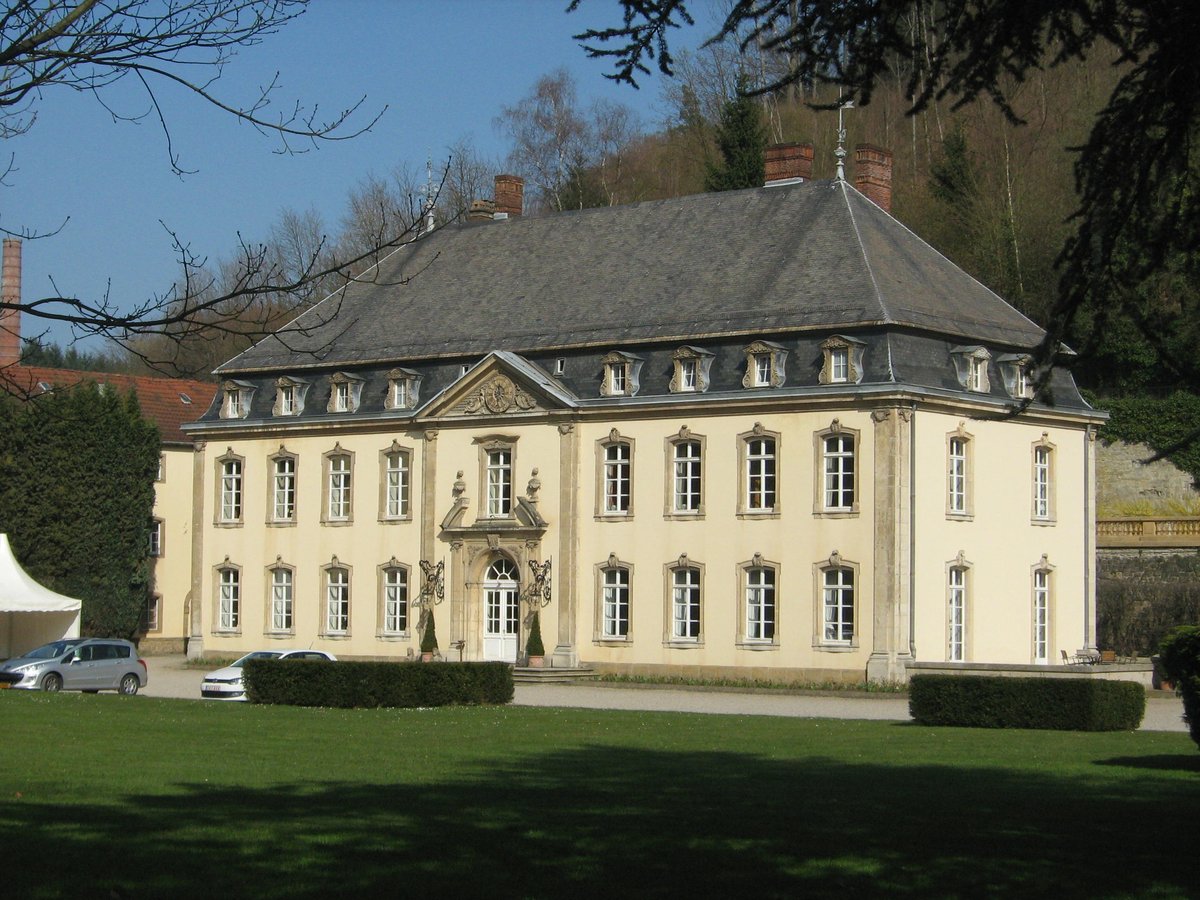
{‘date’: ‘15/06/2025’, ‘task’: {‘model’: ‘gpt-4.1-mini’, ‘query’: ‘Comprehensive guide to visiting Château De Septfontaines, Luxembourg, Luxembourg: history, significance, visitor tips, and everything tourists need to know for a memorable experience.’, ‘verbose’: False, ‘guidelines’: [“Keyword Research: Identify relevant keywords that potential visitors are likely to search for, such as ‘[Monument Name] visiting hours,’ ‘[Monument Name] tickets,’ and ‘[City] historical sites.’ Use these keywords strategically throughout the article, including in the title, headers, and body text, but avoid keyword stuffing.”, ‘Engaging and Informative Title: Craft a title that is both SEO-friendly and compelling to encourage clicks. Include the main keyword and make it clear what the article will cover.’, ‘Structured Content: Use headings (H1, H2, H3) to organize the content effectively. This helps with SEO and makes the article easier for readers to navigate. Include an introduction that hooks the reader, a detailed body that covers all relevant aspects, and a conclusion that summarizes the key points.’, ‘Comprehensive Coverage: Address common questions and topics of interest such as the history of the monument, its cultural significance, visitor information (e.g., ticket prices, opening hours), travel tips, nearby attractions, and accessibility. Include sections that might be unique to the monument, like special events, guided tours, and photographic spots.’, ‘Quality Content: Ensure the content is well-researched, accurate, and provides real value to readers. Use reliable sources and provide factual information. Write in a clear, engaging, and accessible style. Consider your audience and use language that is appropriate for those likely to visit the monument.’, ‘Visuals and Media: Incorporate high-quality images or videos of the monument. These should be optimized for the web (correct sizing, alt tags with keywords). Consider interactive elements like virtual tours or maps.’, ‘Internal and External Links: Include links to other related articles on your site to encourage deeper engagement (internal links). Link to official websites for the monument or credible sources for further reading (external links).’, ‘FAQ: Incorporate FAQ sections to target voice search queries and featured snippets’, ‘Visit and Stay Up to Date: End the article with a call to action, such as encouraging readers to download our mobile app Audiala, check out other related posts, or follow on social media for more updates.’], ‘max_sections’: 4, ‘publish_formats’: {‘pdf’: False, ‘docx’: False, ‘markdown’: True}, ‘follow_guidelines’: True}, ‘title’: ‘A Comprehensive Guide to Visiting Château de Septfontaines, Luxembourg City’, ‘report’: ’# शैतो दे सेप्ट्फ़ोन्टेंस: लक्ज़मबर्ग सिटी ऐतिहासिक स्थलों का दौरा करने के घंटे, टिकट और गाइड\n\n#### दिनांक: 15/06/2025\n\n---\n\n## परिचय\n\nशैतो दे सेप्ट्फ़ोन्टेंस, लक्ज़मबर्ग सिटी और सुंदर वैली ऑफ़ द सेवेन कासल्स के भीतर स्थित, राष्ट्र के बहुस्तरीय इतिहास का एक उल्लेखनीय प्रमाण है। यह शैतो मध्ययुगीन किलेबंदी, 18वीं सदी के औद्योगिक नवाचार और आधुनिक शैक्षिक आकांक्षाओं को जोड़ता है। एक मध्ययुगीन किले से लक्ज़मबर्ग के चीनी मिट्टी के बरतन उद्योग के प्रतीक और हाल ही में, लक्ज़मबर्ग स्कूल ऑफ़ बिज़नेस के परिसर के रूप में इसका विकास, देश के लचीलेपन और परिवर्तन की क्षमता को दर्शाता है।\n\nहालांकि वर्तमान में व्यापक नवीकरण के लिए जनता के लिए बंद है, शैतो दे सेप्ट्फ़ोन्टेंस लक्ज़मबर्ग की वास्तुकला विरासत और सांस्कृतिक विरासत में रुचि रखने वाले किसी भी व्यक्ति के लिए एक आवश्यक मील का पत्थर बना हुआ है। यह गाइड शैतो के इतिहास, वास्तुशिल्प हाइलाइट्स, वर्तमान आगंतुक जानकारी, पहुंच और वैली ऑफ़ द सेवेन कासल्स जैसे आस-पास के आकर्षणों का पता लगाने के सुझावों का एक व्यापक अवलोकन प्रदान करता है। चाहे आप इतिहास के उत्साही हों, वास्तुकला प्रेमी हों, या लक्ज़मबर्ग के परंपरा और नवाचार के अनूठे मिश्रण का अनुभव करने वाले आगंतुक हों, यह लेख आपकी यात्रा की योजना बनाने में आपकी सहायता करेगा।\n\nनवीनतम विवरण और अपडेट के लिए, स्पॉटिंग हिस्ट्री, विजिट लक्ज़मबर्ग, और लक्ज़मबर्ग स्कूल ऑफ़ बिज़नेस जैसे आधिकारिक स्रोतों से परामर्श लें।\n\n---\n\n## विषय-सूची\n\n- परिचय\n- शैतो दे सेप्ट्फ़ोन्टेंस का इतिहास\n- वास्तुशिल्प और कलात्मक विशेषताएं\n- आगंतुक जानकारी\n- पहुंच और यात्रा युक्तियाँ\n- कार्यक्रम, निर्देशित पर्यटन और फोटोग्राफी\n- वैली ऑफ़ द सेवेन कासल्स: वैकल्पिक अनुभव\n- अक्सर पूछे जाने वाले प्रश्न (FAQs)\n- निष्कर्ष और अंतिम सुझाव\n- संदर्भ और आगे पढ़ना\n\n---\n\n## शैतो दे सेप्ट्फ़ोन्टेंस का इतिहास\n\nशैतो दे सेप्ट्फ़ोन्टेंस की उत्पत्ति मध्ययुगीन काल का है, जिसका पहला दर्ज उल्लेख 1192 में हुआ था, जब टिडर सेप्ट्फ़ोन्टेंस का स्वामी था (स्पॉटिंग हिस्ट्री)। शुरू में एक पहाड़ी की चोटी पर एक रणनीतिक सामंती किले के रूप में निर्मित, महल का सैन्य महत्व इसकी प्रारंभिक सदियों में हावी रहा। 1600 में, पुनर्जागरण परिवर्तन ने एक विशाल उत्तरी टॉवर और अलंकृत वास्तुशिल्प विवरण पेश किए, जो रक्षात्मक शक्ति को शैलीगत परिशोधन के साथ जोड़ते थे।\n\nशैतो ने 1779 में एक विनाशकारी आग का सामना किया, जिससे महत्वपूर्ण गिरावट आई। 20वीं सदी में बहाली के प्रयासों ने संरचना को स्थिर कर दिया, हालांकि कुछ आधुनिक सामग्री का उपयोग किया गया था। साइट का सबसे गहरा परिवर्तन 18वीं सदी के अंत में बोच परिवार के साथ आया, जो विलरॉय और बोच चीनी मिट्टी के बरतन कारखाने के सह-संस्थापक थे, जिन्होंने शैतो को निवास और औद्योगिक सफलता के प्रतीक के रूप में स्थापित किया। कारखाने से निकटता रणनीतिक थी, क्योंकि रोलिंगरंड जिले ने चीनी मिट्टी के बरतन उत्पादन के लिए महत्वपूर्ण संसाधन प्रदान किए थे (विकिपीडिया)।\n\n---\n\n## वास्तुशिल्प और कलात्मक विशेषताएं\n\n### मध्ययुगीन नींव\n\nमूल लेआउट में मजबूत चूना पत्थर की दीवारें, संकीर्ण तीर-छेद और एक किलेबंद गेटहाउस शामिल थे। एक केंद्रीय प्रांगण को पर्दे की दीवारों के भीतर सहायक इमारतों से घेरा गया था, जो रक्षात्मक प्राथमिकताओं को दर्शाता था।\n\n### पुनर्जागरण परिवर्तन\n\n1600 में क्रिस्टोफ़ वॉन क्रिएचिंगन द्वारा शुरू किए गए एक प्रमुख जोड़ में उत्तरी प्रवेश द्वार पर पुनर्जागरण टॉवर का निर्माण देखा गया (स्पॉटिंग हिस्ट्री)। सजावटी कंगनी, pilasters, और हेराल्डिक राहतें रक्षात्मक तत्वों को बनाए रखते हुए सौंदर्य अपील की ओर एक बदलाव का संकेत देती हैं।\n\n### 18वीं सदी का मनोर और औद्योगिक विरासत\n\nबोच परिवार के तहत, शैतो एक सुरुचिपूर्ण मनोर के रूप में विकसित हुआ, जिसे परिवार और सांप्रदायिक दोनों कार्यों को पूरा करने के लिए विभाजित किया गया था (स्पॉटिंग हिस्ट्री)। वास्तुकार फ़्रेज़ेज़ को जिम्मेदार ठहराए गए डिज़ाइन ने शास्त्रीय सुविधाओं को व्यावहारिक स्थानों के साथ जोड़ा, जो औद्योगिक बुर्जुआजी के सामाजिक मूल्यों को दर्शाता है।\n\n### कलात्मक तत्व\n\nआंतरिक हाइलाइट्स में विलरॉय और बोच चीनी मिट्टी के बरतन और अवधि के साज-सज्जा के संग्रह शामिल हैं, हालांकि वर्तमान नवीकरण के दौरान बहुत कुछ दुर्गम या अप्रलेखित बना हुआ है। कैस्केड लॉन और शांत तालाबों के साथ उद्यान, शैतो के दृश्य अपील को और बढ़ाते हैं (गाइडटूरोप)।\n\n---\n\n## आगंतुक जानकारी\n\n### देखने के घंटे और टिकट\n\nजून 2025 तक, शैतो दे सेप्ट्फ़ोन्टेंस नवीकरण के लिए जनता के लिए बंद है।\n- कोई देखने का समय या टिकट बिक्री उपलब्ध नहीं है।\n- 2026 और 2027 के बीच पुन: खोलने की उम्मीद है, जब साइट लक्ज़मबर्ग स्कूल ऑफ़ बिज़नेस परिसर के रूप में काम करेगी।\n\n### पहुंच और आसपास का क्षेत्र\n\n- नवीकरण के दौरान ग्राउंड तक पहुंच नहीं है।\n- आगंतुक सार्वजनिक रास्तों और नामित पार्क क्षेत्रों से शैतो के बाहरी हिस्से को देख सकते हैं।\n- चल रहे निर्माण के कारण कृपया साइनेज और बाधाओं का सम्मान करें।\n\n### यात्रा युक्तियाँ\n\n- शैतो रोलिंगरंड जिले में स्थित है, जो लक्ज़मबर्ग सिटी सेंटर से सार्वजनिक परिवहन, कार या पैदल आसानी से पहुँचा जा सकता है।\n- पार्किंग सीमित है; सार्वजनिक परिवहन की सिफारिश की जाती है।\n- आस-पास के स्थलों के साथ अपनी यात्रा को मिलाएं: लक्ज़मबर्ग के यूनेस्को-सूचीबद्ध पुराने शहर, पार्क डी मर्ल, और विलरॉय और बोच फ़ैक्टरी शॉप।\n\n---\n\n## पहुंच और यात्रा युक्तियाँ\n\n- आसपास का पार्क आम तौर पर सुलभ है, लेकिन निर्माण के कारण कुछ रास्ते असमान या अवरुद्ध हो सकते हैं।\n- व्हीलचेयर उपयोगकर्ताओं और गतिशीलता चुनौतियों वाले आगंतुकों को सावधानी बरतनी चाहिए।\n- नवीकरण के दौरान कोई सार्वजनिक सुविधाएं (शौचालय, कैफे) उपलब्ध नहीं हैं।\n\n---\n\n## कार्यक्रम, निर्देशित पर्यटन और फोटोग्राफी\n\n### कार्यक्रम और पर्यटन\n\nशैतो ने ऐतिहासिक रूप से निजी स्वागत और कला प्रदर्शनियों की मेजबानी की है, खासकर सिरेमिक और बोच परिवार से संबंधित। जैसे ही यह एक अकादमिक परिसर में परिवर्तित होता है, भविष्य के सार्वजनिक कार्यक्रमों या खुले दिनों का आयोजन किया जा सकता है। पहुंच और आगामी गतिविधियों पर अपडेट के लिए लक्ज़मबर्ग स्कूल ऑफ़ बिज़नेस वेबसाइट और स्थानीय पर्यटन स्थलों की निगरानी करें।\n\n### फोटोग्राफी\n\n- सार्वजनिक क्षेत्रों से बाहरी फोटोग्राफी की अनुमति है।\n- शैतो और इसके उद्यान उत्कृष्ट फोटो अवसर प्रदान करते हैं, खासकर वसंत और गर्मियों में।\n- कृपया गोपनीयता और प्रतिबंधित क्षेत्रों का सम्मान करें।\n\n---\n\n## वैली ऑफ़ द सेवेन कासल्स: वैकल्पिक अनुभव\n\nजबकि शैतो दे सेप्ट्फ़ोन्टेंस बंद है, वैली ऑफ़ द सेवेन कासल्स का अन्वेषण करें - आइश घाटी के साथ एक 37-किलोमीटर का रास्ता जिसमें सात ऐतिहासिक महल हैं (विजिट लक्ज़मबर्ग)। लंबी पैदल यात्रा, साइकिल चलाना और निर्देशित पर्यटन लक्ज़मबर्ग की मध्ययुगीन विरासत की खोज के लिए विसर्जन के तरीके प्रदान करते हैं। हॉलेंफेल्स जैसे आस-पास के शहरों में आवास विकल्प उपलब्ध हैं (सेप्चाटेउक्स.एलयू)।\n\n---\n\n## अक्सर पूछे जाने वाले प्रश्न (FAQs)\n\nप्रश्न: क्या शैतो दे सेप्ट्फ़ोन्टेंस जनता के लिए खुला है?\nA: नहीं, शैतो वर्तमान में 2026-2027 तक नवीकरण के लिए बंद है।\n\nप्रश्न: क्या निर्देशित पर्यटन या टिकट उपलब्ध हैं?\nA: वर्तमान में कोई पर्यटन या टिकट बिक्री उपलब्ध नहीं है। भविष्य में पुनः खुलने के बाद पहुंच की घोषणा की जा सकती है।\n\nप्रश्न: क्या शैतो व्हीलचेयर सुलभ है?\nA: कुछ पार्क रास्ते सुलभ हैं, लेकिन निर्माण के कारण बाधाएं हो सकती हैं। नवीकरण के दौरान कोई समर्पित सुविधाएं उपलब्ध नहीं हैं।\n\nप्रश्न: क्या मैं शैतो की तस्वीर ले सकता हूँ?\nA: हाँ, सार्वजनिक क्षेत्रों से बाहरी तस्वीरें ली जा सकती हैं।\n\nप्रश्न: आस-पास अन्य आकर्षण क्या हैं?\nA: अतिरिक्त सांस्कृतिक अनुभवों के लिए लक्ज़मबर्ग सिटी के ऐतिहासिक केंद्र, पार्क डी मर्ल, और वैली ऑफ़ द सेवेन कासल्स का अन्वेषण करें।\n\n---\n\n## निष्कर्ष और अंतिम सुझाव\n\nशैतो दे सेप्ट्फ़ोन्टेंस लक्ज़मबर्ग के इतिहास का एक शक्तिशाली प्रतीक है - इसकी मध्ययुगीन जड़ों से, बोच परिवार के साथ इसके औद्योगिक दिनों से, शिक्षा और संस्कृति में इसकी समकालीन भूमिका तक। नवीकरण के लिए बंद होने के बावजूद, शैतो की स्थायी सुंदरता और ऐतिहासिक महत्व को अभी भी बाहर से सराहा जा सकता है। आगंतुकों को लक्ज़मबर्ग की विरासत की अपनी समझ को समृद्ध करने के लिए आसपास के वैली ऑफ़ द सेवेन कासल्स और लक्ज़मबर्ग के जीवंत शहर के केंद्र का पता लगाने के लिए प्रोत्साहित किया जाता है।\n\nआधिकारिक पर्यटन चैनलों और लक्ज़मबर्ग स्कूल ऑफ़ बिज़नेस का अनुसरण करके फिर से खोलने की योजनाओं, टिकट उपलब्धता और विशेष कार्यक्रमों के बारे में सूचित रहें। वैयक्तिकृत पर्यटन और यात्रा युक्तियों के लिए ऑडियल ऐप के साथ अपने अनुभव को बेहतर बनाएं।\n\n---\n\n## सुझाए गए दृश्य और इंटरैक्टिव मीडिया\n\n- शैतो के बाहरी और उद्यानों की उच्च-गुणवत्ता वाली छवियां (जैसे “शैतो दे सेप्ट्फ़ोन्टेंस फ़साड लक्ज़मबर्ग ऐतिहासिक स्थल” जैसे ऑल्ट टैग का उपयोग करें)।\n- लक्ज़मबर्ग सिटी और आस-पास के आकर्षणों के संबंध में शैतो के स्थान को दर्शाने वाला इंटरैक्टिव मानचित्र।\n- वर्चुअल टूर या वीडियो सामग्री (पुनः खोलने के बाद उपलब्ध कराई जानी है)।\n\n---\n\n## संदर्भ और आगे पढ़ना\n\n- स्पॉटिंग हिस्ट्री – सेप्ट्फ़ोन्टेंस कैसल\n- स्पॉटिंग हिस्ट्री – शैतो दे सेप्ट्फ़ोन्टेंस\n- गाइडटूरोप – शैतो दे सेप्ट्फ़ोन्टेंस\n- क्रॉनिकल.एलयू – शैतो दे सेप्ट्फ़ोन्टेंस का भविष्य सुरक्षित\n- लक्ज़मबर्ग स्कूल ऑफ़ बिज़नेस\n- विजिट लक्ज़मबर्ग – वैली ऑफ़ द सेवेन कासल्स\n- सेप्चाटेउक्स.एलयू\n\n---\n\nअधिक अपडेट के लिए हमारे साथ जुड़े रहें, और लक्ज़मबर्ग के ऐतिहासिक स्थलों पर निर्देशित यात्राओं के लिए ऑडियल ऐप डाउनलोड करें।\n’, ‘headers’: {‘date’: ‘Date’, ‘title’: ‘Château de Septfontaines Visiting Hours Tickets and Guide to Luxembourg City Historical Sites’, ‘conclusion’: ‘Summary and Final Tips for Visiting Château de Septfontaines’, ‘references’: ‘References and Further Reading’, ‘introduction’: ‘Introduction to Château de Septfontaines and Its Historical Significance’, ‘table_of_contents’: ‘Table of Contents’}, ‘sources’: [’- Château de Septfontaines: History, Architecture, and Visitor Information, 2025, SpottingHistory https://www.spottinghistory.com/view/3806/septfontaines-castle/’, ’- Château de Septfontaines: Visiting Hours, Tickets, and Cultural Significance in Luxembourg, 2025, SpottingHistory & GuideToEurope https://www.spottinghistory.com/view/3844/chateau-de-septfontaines/, https://guidetoeurope.com/luxembourg/attractions/details/chateau-de-septfontaines’, ’- Château de Septfontaines: Visiting Château de Septfontaines: History, Access, and Nearby Attractions in Luxembourg, 2025, Chronicle.lu & Luxembourg School of Business https://chronicle.lu/category/at-home/33394-future-of-chateau-de-septfontaines-secured-as-lsb-agrees-renewable-5-year-rental-agreement, https://www.luxsb.lu/’, ’- Valley of the Seven Castles, Visit Luxembourg, 2025 https://www.visitluxembourg.com/valley-of-the-seven-castles’], ‘sections’: [‘Historical Overview’, ‘Architectural and Artistic Features’, ‘Cultural Significance’, ‘Visitor Experience’], ‘conclusion’: ‘Château de Septfontaines stands as a captivating symbol of Luxembourg’s layered history, merging medieval military architecture with 18th-century industrial heritage and modern educational aspirations. Although currently closed to the public due to extensive renovations transforming it into the Luxembourg School of Business campus, the château’s historical and cultural significance remains undiminished. Its legacy as a fortress, a porcelain-manufacturing family estate, and a contemporary cultural venue exemplifies Luxembourg’s resilience and adaptability.\n\nVisitors are encouraged to appreciate the château’s exterior beauty and tranquil park surroundings while respecting access restrictions during renovation. Exploring the surrounding Valley of the Seven Castles offers abundant opportunities to experience Luxembourg’s medieval heritage firsthand through accessible castles, hiking trails, and cultural events. As Château de Septfontaines prepares to reopen with renewed purpose, it promises to remain a dynamic hub for education, cultural exchange, and heritage preservation.\n\nStay updated on visiting hours, ticket availability, and special events by following official tourism channels and the Luxembourg School of Business. Enhance your Luxembourg travel experience by downloading the Audiala app for personalized guided tours and travel tips, and explore related historical sites to fully immerse yourself in the country’s rich cultural landscape (Chronicle.lu, GuideToEurope, SpottingHistory).’, ‘introduction’: “Nestled within Luxembourg City and the scenic Valley of the Seven Castles, Château de Septfontaines stands as a remarkable emblem of the country’s rich historical tapestry, blending medieval fortifications with 18th-century industrial and cultural heritage. This château’s multifaceted legacy spans from its roots as a medieval fortress in the 12th century to its pivotal role in Luxembourg’s porcelain industry during the late 18th century, notably associated with the renowned Villeroy & Boch family. Its architectural evolution—from thick limestone defensive walls and Renaissance towers to elegant 18th-century manor house designs—reflects Luxembourg’s broader historical shifts from feudal strongholds to centers of craftsmanship and industrial innovation.\n\nToday, Château de Septfontaines continues to embody Luxembourg’s heritage as it undergoes transformation into the exclusive campus for the Luxembourg School of Business, bridging historical preservation with contemporary educational and cultural functions. While the château is currently closed to the public for renovations, visitors can still appreciate its impressive exterior and surrounding parklands, and explore the nearby Valley of the Seven Castles for a comprehensive experience of Luxembourg’s fortified heritage.\n\nThis guide aims to provide an in-depth overview of Château de Septfontaines, covering its rich history, architectural highlights, cultural significance, current visitor information including visiting hours and ticketing status, accessibility considerations, and nearby attractions. Whether you seek insights into Luxembourg’s historical sites, plan to attend special events, or simply wish to photograph this iconic landmark from the outside, this comprehensive resource will assist you in planning your visit effectively. For more detailed information and updates, official tourism resources and heritage sites offer valuable insights (SpottingHistory, Visit Luxembourg, Luxembourg School of Business).”, ‘research_data’: [{‘draft title’: “Exploring Château de Septfontaines: History, Heritage, and Visiting Tips for Luxembourg’s Historic Site”}, {‘Château de Septfontaines: History, Architecture, and Visitor Information’: ”## Introduction\n\nNestled in Luxembourg’s picturesque Valley of the Seven Castles, Château de Septfontaines is a fascinating site that combines medieval fortification with Renaissance elegance. Although privately owned and not open to the public, this historic castle captivates visitors and history enthusiasts alike with its rich architectural heritage and storied past. This article explores the castle’s history, architectural and artistic features, and provides essential visitor information and travel tips for those exploring the surrounding region.\n\n## History of Château de Septfontaines\n\nThe origins of Château de Septfontaines date back to the medieval period, with the earliest record of the site from 1192 when a noble named Tider was Lord of Septfontaines (SpottingHistory). Initially built as a feudal fortress, its strategic hilltop location in the Valley of the Seven Castles highlights its military and administrative significance. Over the centuries, the castle evolved, notably with a Renaissance makeover in 1600 and suffered damage from a major fire in 1779, followed by periods of decline and partial restoration.\n\n## Architectural and Artistic Features\n\n### Medieval Foundations and Early Construction\n\nThe earliest medieval structures featured thick limestone walls, narrow arrow slits, and a fortified gatehouse, typical of feudal castles designed for defense. The castle’s Romanesque layout included a central courtyard surrounded by ancillary buildings within protective curtain walls.\n\n### Renaissance Transformation: The Northern Tower\n\nIn 1600, Christoph von Criechingen commissioned a massive Renaissance tower at the northern entrance (SpottingHistory). This tower introduced larger windows, decorative stone cornices, pilasters, and heraldic reliefs, blending defensive features with Renaissance aesthetics.\n\n### Fire, Decline, and Restoration\n\nA devastating fire in 1779 destroyed much of the castle, leading to its gradual decline. Restoration efforts beginning in 1920 stabilized the structure but were not always historically accurate, incorporating modern materials that differ from original medieval and Renaissance designs.\n\n### Surviving Features\n\n- Curtain Walls and Towers: Remaining stone walls and towers reveal the castle’s defensive origins and later residential adaptations.\n- Renaissance Tower: The imposing northern tower remains the castle’s architectural highlight.\n- Gatehouse and Courtyard: The main entrance leads to a central courtyard, maintaining the original spatial layout.\n- Materials: Local limestone and sandstone are prominent throughout the surviving structures.\n\n### Artistic Elements\n\nLikely features include heraldic reliefs around entrances, elaborately carved window and door surrounds from the Renaissance period, and possible interior decorations such as painted ceilings and wooden paneling, though much has been lost or remains undocumented.\n\n## Visitor Information\n\n### Accessibility and Visiting Hours\n\nChâteau de Septfontaines is privately owned and currently not open to the public (SpottingHistory). Visitors cannot enter the grounds but can view the castle’s exterior from nearby public roads and walking paths in the village.\n\n### Tickets and Guided Tours\n\nNo tickets or guided tours are available due to the castle’s private status. For an enhanced experience, visitors are encouraged to explore other castles in the Valley of the Seven Castles that offer public access and tours.\n\n### Travel Tips\n\n- Visit during daylight hours for the best views and photography opportunities.\n- Wear comfortable walking shoes to explore nearby trails connecting the valley’s castles.\n- Combine your visit with stops at other nearby castles such as Ansembourg and Koerich, which offer guided tours and visitor facilities.\n\n### Special Events and Photographic Spots\n\nWhile Château de Septfontaines does not host public events, the surrounding valley hosts occasional medieval fairs and cultural festivals. The castle’s silhouette against the valley’s landscape makes for stunning photographs, especially at sunrise or sunset from vantage points along local hiking routes.\n\n## Architectural Context within the Valley of the Seven Castles\n\nThe Valley of the Seven Castles is renowned for its exceptional concentration of medieval fortresses (Visit Luxembourg). Septfontaines stands out for its Renaissance tower and layered history of construction, destruction, and restoration. Its architectural evolution reflects a broader regional trend from fortified castles to noble residences.\n\n## Visuals and Media\n\nFor those interested in visual exploration, high-quality images of Château de Septfontaines can be found through heritage and travel websites. Visitors are encouraged to look for images with alt tags like “Château de Septfontaines Luxembourg,” “Valley of the Seven Castles,” and “Renaissance tower Septfontaines.” Including maps of the valley and virtual tours of accessible nearby castles can enhance the visitor experience.\n\n## Frequently Asked Questions (FAQ)\n\nCan I visit Château de Septfontaines?\nNo, the castle is privately owned and not open to the public. Visitors can view the exterior from nearby public areas.\n\nWhat are the opening hours of Château de Septfontaines?\nThere are no official opening hours since the castle is not accessible to the public.\n\nAre guided tours available?\nNo guided tours are available at Septfontaines, but nearby castles in the valley offer tours.\n\nWhat can I see in the Valley of the Seven Castles?\nThe valley features seven medieval castles, hiking trails, historic villages, and cultural events, ideal for history enthusiasts and nature lovers.\n\nIs Château de Septfontaines wheelchair accessible?\nGiven the private ownership and lack of public access, accessibility information is not applicable.\n\n## Conclusion\n\nChâteau de Septfontaines offers a captivating glimpse into Luxembourg’s medieval and Renaissance past, even if its interiors remain out of reach. Its blend of architectural styles and dramatic history enrich the cultural tapestry of the Valley of the Seven Castles. While direct access is restricted, visitors can appreciate its grandeur from afar and explore the valley’s other historic sites for a fuller experience of Luxembourg’s rich heritage.\n\n## Call to Action\n\nPlan your visit to Luxembourg’s Valley of the Seven Castles today! Download the Audiala app for guided audio tours of accessible castles nearby, check out our related articles on Luxembourg’s historical sites, and follow us on social media for the latest travel tips and cultural events.’}, {‘Château de Septfontaines: Visiting Hours, Tickets, and Cultural Significance in Luxembourg’: ”## Château de Septfontaines: Visiting Hours, Tickets, and Cultural Significance in Luxembourg\n\n### Introduction\n\nNestled just 2.4 km from the heart of Luxembourg City, Château de Septfontaines stands as a remarkable testament to the nation’s industrial heritage and cultural identity. This guide covers everything you need to know about visiting this historic site, including visiting hours, ticket information, accessibility, and highlights of its cultural significance. Whether you’re a history enthusiast, art lover, or traveler exploring Luxembourg’s historical sites, Château de Septfontaines offers a unique blend of history, architecture, and cultural experiences.\n\n### Visiting Hours and Ticket Information\n\nChâteau de Septfontaines is generally accessible through guided tours and special events rather than open daily to the general public. Visiting hours typically align with scheduled tours and exhibitions, which are often announced on the official Luxembourg tourism websites and cultural event calendars. It is recommended to check ahead for current visiting hours and ticket availability.\n\nTicket prices vary depending on the type of visit, such as guided tours, special exhibitions, or private events. Group bookings and educational visits may be arranged by appointment. Visitors interested in attending ceramic art exhibitions or cultural events should consult local listings for up-to-date ticketing information.\n\n### Accessibility and Travel Tips\n\nThe château is located in the Rollingergrund district, easily reachable by public transport and car from Luxembourg City center. Parking is available nearby, but visitors are encouraged to use public transit where possible.\n\nAccessibility for visitors with mobility challenges is supported through adaptations made during recent renovations. However, as the château is a historic building, some areas may have limited access. It is advisable to contact the venue in advance to inquire about specific accessibility accommodations.\n\nNearby attractions include Luxembourg City’s old town, the National Museum of History and Art, and the scenic Pétrusse valley, making Château de Septfontaines an excellent stop on a cultural itinerary.\n\n### Cultural Significance\n\n#### Historical Ties to Luxembourg’s Industrial Heritage\n\nThe Château de Septfontaines is deeply intertwined with Luxembourg’s industrial and artisanal history, most notably through its association with the renowned Villeroy & Boch porcelain factory. Constructed in 1783–1784 by Jean-François and Pierre-Joseph Boch, the château was conceived as both a family residence and a symbol of the Boch family’s success in the ceramics industry (Wikipedia; SpottingHistory). The proximity to the factory, which began operations in 1767, was strategic: the Rollingergrund district offered essential resources such as clay, water, and wood, facilitating the growth of a thriving porcelain enterprise (Wikipedia).\n\nThe château’s architecture reflects its dual purpose. The first floor was divided into two separate sections for the Boch brothers’ families, while the ground floor featured communal spaces such as the dining room and lounge, fostering a sense of unity and collaboration that mirrored the ethos of the factory itself (SpottingHistory). This unique layout is a physical testament to the familial and entrepreneurial spirit that characterized Luxembourg’s industrial rise in the late 18th century.\n\n#### Architectural and Artistic Significance\n\nChâteau de Septfontaines stands as a prime example of late 18th-century architecture in Luxembourg, blending classical elements with subtle modern influences. The château’s design, attributed to architect Fresez, was celebrated even in its own era for its elegance and functionality (Chronicle.lu). The surrounding gardens, with their meticulously manicured lawns and serene ponds, further enhance the château’s aesthetic appeal, offering visitors a harmonious blend of nature and architecture (GuideToEurope).\n\nInside, the château houses a remarkable collection of porcelain, much of it crafted by the Villeroy & Boch factory. These pieces not only showcase the technical prowess and artistic vision of Luxembourg’s artisans but also serve as tangible links to the region’s industrial past (GuideToEurope). The château has also been used as a venue for contemporary ceramic art exhibitions, reinforcing its ongoing role as a center for artistic innovation.\n\n#### Role in Education and Cultural Exchange\n\nIn recent years, the château has taken on a new cultural role as the campus for the Luxembourg School of Business (LSB). This transformation, secured by a renewable five-year lease agreement beginning in 2021, has positioned the château as a hub for international education and cultural exchange (Chronicle.lu). The LSB’s presence brings together students and professors from around the world, fostering a cosmopolitan atmosphere that aligns with Luxembourg’s broader identity as a crossroads of European culture.\n\nThe château’s facilities have been adapted to include classrooms, conference rooms, and accommodation for visiting lecturers, ensuring that the site remains vibrant and relevant in the 21st century (Chronicle.lu). This educational function not only preserves the château’s legacy but also introduces new generations to its historical and cultural significance.\n\n#### Venue for Exclusive Events and Cultural Gatherings\n\nBeyond its educational role, the Château de Septfontaines continues to serve as a prestigious venue for exclusive events, art exhibitions, and cultural gatherings. Its elegant interiors and picturesque gardens provide an ideal backdrop for a variety of functions, from private receptions to public exhibitions (GuideToEurope). These events often highlight the château’s connection to the arts, particularly ceramics, and attract both local residents and international visitors.\n\nThe château’s reputation as a site for cultural exchange is further enhanced by its history of hosting notable guests, including European aristocrats and influential figures in the arts and industry. Stories of royal visits and clandestine meetings add an air of intrigue, reinforcing the château’s status as a place where history and culture intersect (GuideToEurope).\n\n#### Symbol of Luxembourgish Identity and Heritage\n\nAs a listed building, the Château de Septfontaines is recognized as a vital part of Luxembourg’s national heritage (Wikipedia). Its preservation and adaptive reuse reflect the country’s commitment to safeguarding its cultural assets while ensuring their continued relevance. The château embodies key aspects of Luxembourgish identity: resilience, innovation, and a deep respect for tradition.\n\nThe name “Septfontaines,” meaning “Seven Fountains,” is itself a nod to the natural springs that characterize the region, further rooting the château in the local landscape and collective memory (GuideToEurope). The château’s story is thus inseparable from that of Luxembourg itself, making it a powerful symbol of the nation’s past, present, and future.\n\n#### Community Engagement and Accessibility\n\nWhile the château is not regularly open to the general public, its role as an educational and cultural venue ensures accessibility through special events, guided tours, and exhibitions (GuideToEurope). The château’s gardens, celebrated for their tranquility and beauty, provide peaceful retreats and outdoor cultural spaces, attracting visitors and locals alike.\n\n### Guided Tours, Photographic Spots, and Special Events\n\nVisitors interested in exploring Château de Septfontaines should look out for guided tours, which offer in-depth insights into the château’s history, architecture, and art collections. These tours often highlight picturesque photographic spots such as the manicured gardens, historic facades, and interior porcelain exhibits.\n\nSpecial events, including ceramic art exhibitions and exclusive cultural gatherings, are hosted regularly and provide unique opportunities to experience the château’s vibrant cultural life. Keep an eye on official event listings and local tourism platforms for upcoming activities.\n\n### Preservation and Future Prospects\n\nThe château’s ongoing preservation is a collaborative effort involving private stakeholders like Villeroy & Boch, ICN Development, and the Service des Sites et Monuments Nationaux (Chronicle.lu). Renovations ensure the building maintains its structural integrity and aesthetic charm while supporting its modern educational and cultural functions.\n\nLooking ahead, Château de Septfontaines is set to remain a dynamic hub for cultural activity, education, and community engagement, bridging Luxembourg’s rich past with its vibrant present.\n\n### Frequently Asked Questions (FAQ)\n\nWhat are the Château de Septfontaines visiting hours?\nVisiting hours vary according to guided tours and special events. It is recommended to check official tourism websites or contact the venue directly for the latest schedule.\n\nHow do I buy tickets for Château de Septfontaines?\nTickets are typically available through guided tour bookings or event organizers. Some exhibitions and private events may require advance reservations.\n\nIs Château de Septfontaines wheelchair accessible?\nThe château has made accommodations for accessibility; however, as a historic building, some areas may have limited access. Visitors with mobility needs should inquire in advance.\n\nAre there any guided tours available?\nYes, guided tours are offered during certain periods and special events, providing detailed information about the château’s history and art.\n\nAre photography and videography allowed on site?\nPhotography is generally permitted in the gardens and some public areas, but restrictions may apply inside the château or during events. Visitors should confirm policies when booking tours or tickets.\n\n### Conclusion and Call to Action\n\nChâteau de Septfontaines is more than just a historical building; it is a vibrant cultural landmark that captures the essence of Luxembourg’s heritage and ongoing innovation. Whether you are planning a visit to explore Luxembourg historical sites, attend a unique ceramic exhibition, or immerse yourself in the country’s industrial past, the château offers a memorable experience.\n\nFor the latest updates on visiting hours, ticket availability, and upcoming events, be sure to follow official Luxembourg tourism channels and cultural calendars. Don’t forget to download the Audiala app for personalized travel guides and insider tips on Luxembourg attractions.\n\nExplore more on our website for related posts about Luxembourg’s historic sites and cultural gems, and join our community on social media to share your experiences and stay connected.’}, {‘Visiting Château de Septfontaines: History, Access, and Nearby Attractions in Luxembourg’: ”## Introduction\n\nChâteau de Septfontaines is a captivating historical site located in Luxembourg City, steeped in industrial heritage and surrounded by serene parkland. This guide provides essential information for visitors interested in exploring this landmark, including its history, current visiting status, accessibility details, and recommendations for nearby attractions. Whether you’re researching Château de Septfontaines visiting hours, ticket information, or looking for Luxembourg historical sites, this article will help you plan your visit effectively.\n\n## Location and Setting\n\nChâteau de Septfontaines is situated in the heart of Luxembourg City, nestled within a lush, expansive park just minutes from the city center. The estate occupies the historic grounds of the former Villeroy & Boch porcelain manufactory, lending a unique blend of artistic and industrial heritage. The tranquil greenery around the château offers a peaceful escape, contrasting beautifully with the nearby urban environment.\n\n## Historical and Cultural Significance\n\nConstructed in the 18th century, Château de Septfontaines was originally the grand manor house of the Boch brothers, founders of the renowned Villeroy & Boch porcelain company. Unlike fortified castles, this château reflects the refined tastes of the industrial bourgeoisie of the period. It played a significant role in Luxembourg’s economic and cultural development, closely tied to its porcelain industry legacy. The property remains owned by Villeroy & Boch, with architecture and interiors showcasing elegant 18th-century aristocratic styles.\n\n## Visiting Château de Septfontaines: Current Access and Hours\n\n### Visiting Hours and Tickets\n\nAs of June 2025, Château de Septfontaines is undergoing extensive renovations to become the exclusive campus of the Luxembourg School of Business, with completion anticipated between 2026 and 2027. Currently, the château is closed to the public, and there are no visiting hours or ticket sales available. Visitors should note that interior tours and casual visits are not permitted during this period.\n\n### Visitor Access\n\n- The château grounds are not accessible for tours or public events during renovation.\n- Exterior viewing is possible from designated areas in the surrounding parkland.\n- Visitors are advised to respect signage and barriers restricting access due to ongoing construction.\n\n## Accessibility Information\n\nThe park surrounding Château de Septfontaines is generally accessible; however, some pathways may be uneven or temporarily obstructed due to renovation work. Wheelchair users and visitors with mobility challenges should exercise caution and may find some areas difficult to navigate. Note that no public facilities such as restrooms or cafes are available on-site during the renovation.\n\n## Viewing the Château\n\nAlthough interior visits are restricted, the château’s elegant façade and landscaped surroundings can be appreciated from the park. The estate offers excellent photographic opportunities, especially during spring and summer when the gardens are in bloom. Visitors are encouraged to enjoy a leisurely stroll nearby while respecting private property boundaries.\n\n## Practical Tips for Visitors\n\n- Getting There: Château de Septfontaines is easily reachable via Luxembourg City’s efficient public transport network, car, or on foot from the city center.\n - Public buses serve the Rollingergrund district near the château.\n - Parking is limited; consider alternative transport options.\n - Walking or cycling is pleasant, with nearby urban green spaces.\n\n- Nearby Attractions:\n - Luxembourg City Center: Explore UNESCO-listed fortifications, museums, and vibrant shopping.\n - Parc de Merl: Ideal for picnics and relaxation.\n - Villeroy & Boch Factory Shop: Discover the porcelain heritage through shopping and exhibits.\n\n## Events and Guided Tours\n\nHistorically, Château de Septfontaines hosted private events and receptions. With its transformation into an academic campus, public access may be limited to special occasions or open days organized by the Luxembourg School of Business. Currently, there are no guided tours available. Visitors should monitor the LSB website and local tourism portals for updates on future public events.\n\n## Alternative Experiences: Explore the Valley of the Seven Castles\n\nFor those interested in Luxembourg’s castle heritage, the nearby “Valley of the Seven Castles” offers a scenic 37-kilometer trail along the Eisch valley. This route features several historic castles, hiking and cycling paths, and guided tours (septchateaux.lu). Accommodation options range from boutique hotels to campsites in nearby towns like Hollenfels (septchateaux.lu) .\n\n## Frequently Asked Questions (FAQs)\n\nQ: Are there any visiting hours or tickets available for Château de Septfontaines? \nA: Currently, the château is closed to the public due to renovation. No tickets or visiting hours are available until reopening, expected around 2026–2027.\n\nQ: Is the château wheelchair accessible? \nA: The surrounding park is partially accessible, but some paths may be uneven, and access is limited during renovation. No special facilities are currently available.\n\nQ: Can I photograph the château? \nA: Yes, exterior photography is allowed from public areas. Please respect any restricted zones.\n\nQ: Are guided tours offered? \nA: At present, there are no guided tours due to renovations. Future tours may be organized after the site reopens.\n\nQ: What can I do nearby while the château is closed? \nA: Visit Luxembourg City’s historic center, Parc de Merl, or explore the Valley of the Seven Castles for a full cultural experience.\n\n## Conclusion\n\nWhile Château de Septfontaines is temporarily closed for renovation, its rich history and stunning architecture continue to captivate visitors. Plan your visit by considering current access restrictions, explore nearby attractions, and keep updated on reopening plans. This château remains a significant Luxembourg historical site worth experiencing, whether through exterior views or future campus events.\n\n## Suggested Visuals and Interactive Media\n\n- High-quality images of the château’s exterior and park with optimized alt tags such as “Château de Septfontaines facade Luxembourg historical site”.\n- Interactive map showing the château’s location relative to Luxembourg City and nearby attractions.\n- Virtual tours or video content if available post-renovation.\n\n## Internal and External Links\n\nFor more detailed insights, explore related articles on Luxembourg’s castles and cultural sites on our platform. External resources include the Luxembourg City Tourist Office and Visit Guttland.\n\n## Call to Action\n\nStay informed about Château de Septfontaines and other Luxembourg historical sites by following us on social media. Download the Audiala app for personalized tour recommendations and updates on visiting hours, ticketing, and special events. Explore our related posts to enrich your Luxembourg travel experience!”}], ‘table_of_contents’: ’- Introduction\n- History of Château de Septfontaines\n- Architectural and Artistic Features\n - Medieval Foundations and Early Construction\n - Renaissance Transformation: The Northern Tower\n - Fire, Decline, and Restoration\n - Surviving Features\n - Artistic Elements\n- Visitor Information\n - Accessibility and Visiting Hours\n - Tickets and Guided Tours\n - Travel Tips\n - Special Events and Photographic Spots\n- Architectural Context within the Valley of the Seven Castles\n- Cultural Significance\n - Historical Ties to Luxembourg’s Industrial Heritage\n - Architectural and Artistic Significance\n - Role in Education and Cultural Exchange\n - Venue for Exclusive Events and Cultural Gatherings\n - Symbol of Luxembourgish Identity and Heritage\n - Community Engagement and Accessibility\n- Visiting Château de Septfontaines: Current Access and Hours\n- Practical Tips for Visitors\n- Alternative Experiences: Explore the Valley of the Seven Castles\n- Frequently Asked Questions (FAQs)\n- Conclusion\n- Call to Action’}], ‘initial_research’: ’# A Comprehensive Guide to Visiting Château de Septfontaines, Luxembourg City\n\n## Abstract\n\nChâteau de Septfontaines, nestled in the Rollingergrund district of Luxembourg City, stands as a testament to the country’s industrial heritage, architectural elegance, and evolving cultural landscape. This report provides an in-depth exploration of the château’s history, cultural significance, architectural features, and practical visitor information. Drawing on a range of authoritative sources, it aims to equip travelers and history enthusiasts with everything needed for a memorable and insightful visit to one of Luxembourg’s lesser-known but profoundly significant landmarks.\n\n---\n\n## Table of Contents\n\n1. Introduction\n2. Historical Overview\n - Origins and Construction\n - The Boch Family and Villeroy & Boch\n - Later History and Restoration\n - Recent Developments\n3. Architectural and Artistic Features\n - Design and Layout\n - Gardens and Grounds\n - Porcelain Collections and Artistic Legacy\n4. Cultural Significance\n - Role in Luxembourg’s Industrial Heritage\n - A Venue for Learning and Culture\n5. Visitor Experience\n - Access and Location\n - Best Time to Visit\n - Tours and Events\n - Nearby Attractions and Amenities\n6. Practical Tips for Visitors\n - Entry and Accessibility\n - Photography and Etiquette\n - Dining and Accommodation\n7. Conclusion and Opinion\n8. References\n\n---\n\n## Introduction\n\nLuxembourg, a country renowned for its medieval fortresses and cosmopolitan flair, harbors many hidden gems. Among them, the Château de Septfontaines stands out—not for its military might or royal lineage, but for its unique blend of industrial history, architectural refinement, and cultural reinvention. Built in the late 18th century by the Boch family, founders of the iconic Villeroy & Boch porcelain factory, the château has witnessed centuries of change, from the Austrian Netherlands era to its current role as a hub for education and culture. This guide offers a thorough exploration of the château’s past and present, providing practical advice and context for visitors seeking a deeper understanding of Luxembourg’s heritage.\n\n---\n\n## Historical Overview\n\n### Origins and Construction\n\nThe Château de Septfontaines was constructed between 1783 and 1784 by Jean-François and Pierre-Joseph Boch, prominent industrialists who had established their porcelain factory in the nearby Rollingergrund district in 1767. At the time, Luxembourg was part of the Austrian Netherlands, and the region was chosen for its abundance of natural resources—clay, water, and wood—essential for porcelain production (Wikipedia; Spotting History).\n\nThe château’s name, “Septfontaines” (French for “Seven Fountains”), is inspired by the seven natural springs that dot the area, a feature that not only provided practical benefits but also lent a poetic charm to the estate (Guide to Europe).\n\n### The Boch Family and Villeroy & Boch\n\nThe Boch brothers designed the château as a dual-family residence, with the first floor divided into two separate sections for each family’s private quarters, while the ground floor featured shared spaces such as the dining room and lounge. This arrangement reflected both the close partnership and the practical needs of the family business (Wikipedia).\n\nThe château quickly became a symbol of the Boch family’s success and the growing reputation of their porcelain enterprise. Throughout the 19th century, it served as a summer residence and a venue for lavish gatherings, reportedly hosting European aristocrats and even clandestine meetings that influenced the region’s trade and industry (Guide to Europe).\n\n### Later History and Restoration\n\nThe château’s fortunes fluctuated with the tides of European history. It was occupied by French troops during the Napoleonic era and eventually sold in 1914. In 1970, Luitwin von Boch reacquired the property on behalf of Villeroy & Boch, initiating a comprehensive 12-year restoration led by his cousin Antoine de Schorlemer. This painstaking work preserved the château’s architectural integrity and restored its former grandeur (Spotting History).\n\n### Recent Developments\n\nThe closure of the Villeroy & Boch factory in 2010 marked the end of an era, but the château’s story did not end there. In 2020, a renewable five-year lease agreement was signed between Villeroy & Boch, ICN Development, and the Luxembourg School of Business (LSB), securing the château’s future as an educational and cultural venue (Chronicle.lu). The château now houses classrooms, conference rooms, and accommodation for visiting professors, ensuring that its legacy continues to evolve in the 21st century.\n\n---\n\n## Architectural and Artistic Features\n\n### Design and Layout\n\nChâteau de Septfontaines is a fine example of late 18th-century architecture, blending classical elegance with practical design. The building’s symmetrical façade, large windows, and understated ornamentation reflect the tastes of the Enlightenment era. The interior layout, with its dual-family configuration, is unique among European châteaux and offers insight into the social dynamics of the time (Wikipedia).\n\nA notable feature is the Renaissance-style tower at the north entrance, added in 1600 by Christophe de Criechingen. This massive structure predates the main château and adds a layer of historical depth to the site (Visit Luxembourg).\n\n### Gardens and Grounds\n\nThe château is set amidst meticulously landscaped gardens, featuring manicured lawns, serene ponds, and mature trees. These grounds provide a tranquil escape from the urban bustle and are designed to complement the château’s architectural grandeur. The gardens are less publicized than the building itself but are highly regarded by those who visit, offering opportunities for leisurely strolls and photography (Guide to Europe).\n\n### Porcelain Collections and Artistic Legacy\n\nOne of the château’s most distinctive features is its collection of porcelain, crafted by the nearby Villeroy & Boch factory. These pieces are displayed throughout the interior, highlighting the château’s deep connection to local craftsmanship and industrial artistry. In recent years, the château has also hosted exhibitions of contemporary ceramic art, further cementing its role as a center for artistic innovation (Guide to Europe).\n\n---\n\n## Cultural Significance\n\n### Role in Luxembourg’s Industrial Heritage\n\nChâteau de Septfontaines is more than a stately home; it is a monument to Luxembourg’s industrial past. The Boch family’s decision to build both their factory and residence in Rollingergrund was instrumental in transforming the area into a hub of ceramic production. The Villeroy & Boch brand became synonymous with quality and innovation, and the château served as both a symbol and a practical center for this enterprise (Wikipedia).\n\nThe château’s history is intertwined with the broader narrative of European industrialization, reflecting the ambitions and achievements of a family whose products would become household names across the continent.\n\n### A Venue for Learning and Culture\n\nThe recent partnership with the Luxembourg School of Business marks a new chapter in the château’s history. By hosting academic programs, conferences, and cultural events, the château continues to serve as a place of learning and exchange. This adaptive reuse not only preserves the building but also ensures its relevance for future generations (Chronicle.lu).\n\n---\n\n## Visitor Experience\n\n### Access and Location\n\nChâteau de Septfontaines is located at 326 Rue de Rollingergrund, 2441 Limpertsberg, Luxembourg City, approximately 2.4 km (1.5 miles) from the city center. The site is easily accessible by public transport, taxi, or on foot for those staying nearby. For international visitors, the nearest major airport is Frankfurt–Hahn Airport, about 90.6 km (56.3 miles) away, with onward connections available by taxi or shuttle (Guide to Europe).\n\n### Best Time to Visit\n\nThe optimal time to visit the château is during late spring (May–June) and early autumn (September–October), when Luxembourg’s natural beauty is at its peak. These months offer mild temperatures, vibrant landscapes, and fewer crowds. Summer is also pleasant, though early mornings or late afternoons are recommended to avoid peak visitor numbers. For those seeking a quieter experience, weekdays during the off-season (November–April) provide a serene atmosphere ideal for photography and contemplation (Guide to Europe).\n\n### Tours and Events\n\nWhile the château is a private property and not generally open for casual public visits, it occasionally hosts exclusive events, guided tours, and cultural exhibitions. These opportunities allow visitors to experience the château’s interiors, porcelain collections, and gardens in a dynamic context. It is advisable to check the official websites or contact local tourism offices for information on upcoming events and access arrangements (Visit Luxembourg).\n\n### Nearby Attractions and Amenities\n\nThe Rollingergrund district and surrounding areas offer a range of attractions, including:\n\n- Vallée des Sept Châteaux: A scenic 25 km circuit featuring seven historic castles, ideal for hiking and exploration (Visorando).\n- Château de Hesperange, Château de Senningen, Château de Turelbaach, Château de Koerich: Other notable castles within easy reach, each with its own unique history and charm (Visit Luxembourg).\n- Local Restaurants and Hotels: The area boasts a selection of fine dining establishments and charming hotels, such as Hôtel La Gaichel and Auberge de la Gaichel, both within 10 km of the château (Belvicci).\n\n---\n\n## Practical Tips for Visitors\n\n### Entry and Accessibility\n\n- Access: As of 2025, the château is primarily used by the Luxembourg School of Business and is not open for regular public tours. However, special events and guided visits may be available by prior arrangement. It is essential to check in advance and secure reservations where possible (Visit Luxembourg).\n- Mobility: The château grounds are generally accessible, but some areas may present challenges for visitors with limited mobility due to the historic nature of the building.\n\n### Photography and Etiquette\n\n- Photography: Exterior photography is generally permitted, but interior photography may be restricted during private events or exhibitions. Always respect posted signs and staff instructions.\n- Etiquette: As the château is an active educational and cultural venue, visitors are expected to maintain a respectful demeanor, particularly during academic sessions or private functions.\n\n### Dining and Accommodation\n\n- Dining: The vicinity offers a variety of restaurants, from haute cuisine to local specialties. Notable options include Aal Schoul in Hobscheid and Bonifas in Nospelt, both within a short drive (Belvicci).\n- Accommodation: For overnight stays, consider Hôtel La Gaichel or Hostellerie du Peiffeschof, both known for their comfort and character. Luxembourg City itself offers a wide range of hotels to suit all budgets (Belvicci).\n\n---\n\n## Conclusion and Opinion\n\nChâteau de Septfontaines is a remarkable site that encapsulates the intersection of industry, art, and education in Luxembourg’s history. Its origins as the residence of the Boch family and the heart of the Villeroy & Boch porcelain empire lend it a unique place in European industrial heritage. The château’s architectural elegance, combined with its beautifully landscaped gardens and rich artistic legacy, make it a compelling destination for those interested in history, design, and culture.\n\nThe adaptive reuse of the château as a campus for the Luxembourg School of Business is, in my view, a model of sustainable heritage management. It ensures that the building remains vibrant and relevant, fostering new generations of thinkers and leaders while preserving the site’s historical integrity. While public access is limited, the château’s occasional events and exhibitions offer valuable opportunities for engagement.\n\nFor travelers seeking an experience that goes beyond the typical tourist trail, Château de Septfontaines offers a window into Luxembourg’s past and present—a place where the echoes of industrial ambition meet the promise of intellectual and cultural renewal. Its story is one of resilience, adaptation, and quiet grandeur, deserving of greater recognition both within Luxembourg and beyond.\n\n---\n\n## References\n\n- Wikipedia: Château de Septfontaines\n- Spotting History: Château de Septfontaines\n- Visit Luxembourg: Château de Septfontaines\n- Chronicle.lu: Future of Château de Septfontaines Secured\n- Belvicci: Château de Septfontaines\n- Guide to Europe: Château de Septfontaines\n- Visorando: Randonnées Septfontaines\n\n---\n\nThis report is based on information available as of June 15, 2025. For the most current details regarding access and events, please consult the official websites or contact local tourism offices directly.’, ‘table_of_contents’: ’- Introduction\n- History of Château de Septfontaines\n- Architectural and Artistic Features\n - Medieval Foundations and Early Construction\n - Renaissance Transformation: The Northern Tower\n - Fire, Decline, and Restoration\n - Surviving Features\n - Artistic Elements\n- Visitor Information\n - Accessibility and Visiting Hours\n - Tickets and Guided Tours\n - Travel Tips\n - Special Events and Photographic Spots\n- Architectural Context within the Valley of the Seven Castles\n- Cultural Significance\n - Historical Ties to Luxembourg’s Industrial Heritage\n - Architectural and Artistic Significance\n - Role in Education and Cultural Exchange\n - Venue for Exclusive Events and Cultural Gatherings\n - Symbol of Luxembourgish Identity and Heritage\n - Community Engagement and Accessibility\n- Visiting Château de Septfontaines: Current Access and Hours\n- Practical Tips for Visitors\n- Alternative Experiences: Explore the Valley of the Seven Castles\n- Frequently Asked Questions (FAQs)\n- Conclusion\n- Call to Action’}], ‘title’: ‘A Comprehensive Guide to Visiting Château de Septfontaines, Luxembourg City’, ‘report’: ’# शैतो दे सेप्ट्फ़ोन्टेंस: लक्ज़मबर्ग सिटी ऐतिहासिक स्थलों का दौरा करने के घंटे, टिकट और गाइड\n\n#### दिनांक: 15/06/2025\n\n---\n\n## परिचय\n\nशैतो दे सेप्ट्फ़ोन्टेंस, लक्ज़मबर्ग सिटी और सुंदर वैली ऑफ़ द सेवेन कासल्स के भीतर स्थित, राष्ट्र के बहुस्तरीय इतिहास का एक उल्लेखनीय प्रमाण है। यह शैतो मध्ययुगीन किलेबंदी, 18वीं सदी के औद्योगिक नवाचार और आधुनिक शैक्षिक आकांक्षाओं को जोड़ता है। एक मध्ययुगीन किले से लक्ज़मबर्ग के चीनी मिट्टी के बरतन उद्योग के प्रतीक और हाल ही में, लक्ज़मबर्ग स्कूल ऑफ़ बिज़नेस के परिसर के रूप में इसका विकास, देश के लचीलेपन और परिवर्तन की क्षमता को दर्शाता है।\n\nहालांकि वर्तमान में व्यापक नवीकरण के लिए जनता के लिए बंद है, शैतो दे सेप्ट्फ़ोन्टेंस लक्ज़मबर्ग की वास्तुकला विरासत और सांस्कृतिक विरासत में रुचि रखने वाले किसी भी व्यक्ति के लिए एक आवश्यक मील का पत्थर बना हुआ है। यह गाइड शैतो के इतिहास, वास्तुशिल्प हाइलाइट्स, वर्तमान आगंतुक जानकारी, पहुंच और वैली ऑफ़ द सेवेन कासल्स जैसे आस-पास के आकर्षणों का पता लगाने के सुझावों का एक व्यापक अवलोकन प्रदान करता है। चाहे आप इतिहास के उत्साही हों, वास्तुकला प्रेमी हों, या लक्ज़मबर्ग के परंपरा और नवाचार के अनूठे मिश्रण का अनुभव करने वाले आगंतुक हों, यह लेख आपकी यात्रा की योजना बनाने में आपकी सहायता करेगा।\n\nनवीनतम विवरण और अपडेट के लिए, स्पॉटिंग हिस्ट्री, विजिट लक्ज़मबर्ग, और लक्ज़मबर्ग स्कूल ऑफ़ बिज़नेस जैसे आधिकारिक स्रोतों से परामर्श लें।\n\n---\n\n## विषय-सूची\n\n- परिचय\n- शैतो दे सेप्ट्फ़ोन्टेंस का इतिहास\n- वास्तुशिल्प और कलात्मक विशेषताएं\n- आगंतुक जानकारी\n- पहुंच और यात्रा युक्तियाँ\n- कार्यक्रम, निर्देशित पर्यटन और फोटोग्राफी\n- वैली ऑफ़ द सेवेन कासल्स: वैकल्पिक अनुभव\n- अक्सर पूछे जाने वाले प्रश्न (FAQs)\n- निष्कर्ष और अंतिम सुझाव\n- संदर्भ और आगे पढ़ना\n\n---\n\n## शैतो दे सेप्ट्फ़ोन्टेंस का इतिहास\n\nशैतो दे सेप्ट्फ़ोन्टेंस की उत्पत्ति मध्ययुगीन काल का है, जिसका पहला दर्ज उल्लेख 1192 में हुआ था, जब टिडर सेप्ट्फ़ोन्टेंस का स्वामी था (स्पॉटिंग हिस्ट्री)। शुरू में एक पहाड़ी की चोटी पर एक रणनीतिक सामंती किले के रूप में निर्मित, महल का सैन्य महत्व इसकी प्रारंभिक सदियों में हावी रहा। 1600 में, पुनर्जागरण परिवर्तन ने एक विशाल उत्तरी टॉवर और अलंकृत वास्तुशिल्प विवरण पेश किए, जो रक्षात्मक शक्ति को शैलीगत परिशोधन के साथ जोड़ते थे।\n\nशैतो ने 1779 में एक विनाशकारी आग का सामना किया, जिससे महत्वपूर्ण गिरावट आई। 20वीं सदी में बहाली के प्रयासों ने संरचना को स्थिर कर दिया, हालांकि कुछ आधुनिक सामग्री का उपयोग किया गया था। साइट का सबसे गहरा परिवर्तन 18वीं सदी के अंत में बोच परिवार के साथ आया, जो विलरॉय और बोच चीनी मिट्टी के बरतन कारखाने के सह-संस्थापक थे, जिन्होंने शैतो को निवास और औद्योगिक सफलता के प्रतीक के रूप में स्थापित किया। कारखाने से निकटता रणनीतिक थी, क्योंकि रोलिंगरंड जिले ने चीनी मिट्टी के बरतन उत्पादन के लिए महत्वपूर्ण संसाधन प्रदान किए थे (विकिपीडिया)।\n\n---\n\n## वास्तुशिल्प और कलात्मक विशेषताएं\n\n### मध्ययुगीन नींव\n\nमूल लेआउट में मजबूत चूना पत्थर की दीवारें, संकीर्ण तीर-छेद और एक किलेबंद गेटहाउस शामिल थे। एक केंद्रीय प्रांगण को पर्दे की दीवारों के भीतर सहायक इमारतों से घेरा गया था, जो रक्षात्मक प्राथमिकताओं को दर्शाता था।\n\n### पुनर्जागरण परिवर्तन\n\n1600 में क्रिस्टोफ़ वॉन क्रिएचिंगन द्वारा शुरू किए गए एक प्रमुख जोड़ में उत्तरी प्रवेश द्वार पर पुनर्जागरण टॉवर का निर्माण देखा गया (स्पॉटिंग हिस्ट्री)। सजावटी कंगनी, pilasters, और हेराल्डिक राहतें रक्षात्मक तत्वों को बनाए रखते हुए सौंदर्य अपील की ओर एक बदलाव का संकेत देती हैं।\n\n### 18वीं सदी का मनोर और औद्योगिक विरासत\n\nबोच परिवार के तहत, शैतो एक सुरुचिपूर्ण मनोर के रूप में विकसित हुआ, जिसे परिवार और सांप्रदायिक दोनों कार्यों को पूरा करने के लिए विभाजित किया गया था (स्पॉटिंग हिस्ट्री)। वास्तुकार फ़्रेज़ेज़ को जिम्मेदार ठहराए गए डिज़ाइन ने शास्त्रीय सुविधाओं को व्यावहारिक स्थानों के साथ जोड़ा, जो औद्योगिक बुर्जुआजी के सामाजिक मूल्यों को दर्शाता है।\n\n### कलात्मक तत्व\n\nआंतरिक हाइलाइट्स में विलरॉय और बोच चीनी मिट्टी के बरतन और अवधि के साज-सज्जा के संग्रह शामिल हैं, हालांकि वर्तमान नवीकरण के दौरान बहुत कुछ दुर्गम या अप्रलेखित बना हुआ है। कैस्केड लॉन और शांत तालाबों के साथ उद्यान, शैतो के दृश्य अपील को और बढ़ाते हैं (गाइडटूरोप)।\n\n---\n\n## आगंतुक जानकारी\n\n### देखने के घंटे और टिकट\n\nजून 2025 तक, शैतो दे सेप्ट्फ़ोन्टेंस नवीकरण के लिए जनता के लिए बंद है।\n- कोई देखने का समय या टिकट बिक्री उपलब्ध नहीं है।\n- 2026 और 2027 के बीच पुन: खोलने की उम्मीद है, जब साइट लक्ज़मबर्ग स्कूल ऑफ़ बिज़नेस परिसर के रूप में काम करेगी।\n\n### पहुंच और आसपास का क्षेत्र\n\n- नवीकरण के दौरान ग्राउंड तक पहुंच नहीं है।\n- आगंतुक सार्वजनिक रास्तों और नामित पार्क क्षेत्रों से शैतो के बाहरी हिस्से को देख सकते हैं।\n- चल रहे निर्माण के कारण कृपया साइनेज और बाधाओं का सम्मान करें।\n\n### यात्रा युक्तियाँ\n\n- शैतो रोलिंगरंड जिले में स्थित है, जो लक्ज़मबर्ग सिटी सेंटर से सार्वजनिक परिवहन, कार या पैदल आसानी से पहुँचा जा सकता है।\n- पार्किंग सीमित है; सार्वजनिक परिवहन की सिफारिश की जाती है।\n- आस-पास के स्थलों के साथ अपनी यात्रा को मिलाएं: लक्ज़मबर्ग के यूनेस्को-सूचीबद्ध पुराने शहर, पार्क डी मर्ल, और विलरॉय और बोच फ़ैक्टरी शॉप।\n\n---\n\n## पहुंच और यात्रा युक्तियाँ\n\n- आसपास का पार्क आम तौर पर सुलभ है, लेकिन निर्माण के कारण कुछ रास्ते असमान या अवरुद्ध हो सकते हैं।\n- व्हीलचेयर उपयोगकर्ताओं और गतिशीलता चुनौतियों वाले आगंतुकों को सावधानी बरतनी चाहिए।\n- नवीकरण के दौरान कोई सार्वजनिक सुविधाएं (शौचालय, कैफे) उपलब्ध नहीं हैं।\n\n---\n\n## कार्यक्रम, निर्देशित पर्यटन और फोटोग्राफी\n\n### कार्यक्रम और पर्यटन\n\nशैतो ने ऐतिहासिक रूप से निजी स्वागत और कला प्रदर्शनियों की मेजबानी की है, खासकर सिरेमिक और बोच परिवार से संबंधित। जैसे ही यह एक अकादमिक परिसर में परिवर्तित होता है, भविष्य के सार्वजनिक कार्यक्रमों या खुले दिनों का आयोजन किया जा सकता है। पहुंच और आगामी गतिविधियों पर अपडेट के लिए लक्ज़मबर्ग स्कूल ऑफ़ बिज़नेस वेबसाइट और स्थानीय पर्यटन स्थलों की निगरानी करें।\n\n### फोटोग्राफी\n\n- सार्वजनिक क्षेत्रों से बाहरी फोटोग्राफी की अनुमति है।\n- शैतो और इसके उद्यान उत्कृष्ट फोटो अवसर प्रदान करते हैं, खासकर वसंत और गर्मियों में।\n- कृपया गोपनीयता और प्रतिबंधित क्षेत्रों का सम्मान करें।\n\n---\n\n## वैली ऑफ़ द सेवेन कासल्स: वैकल्पिक अनुभव\n\nजबकि शैतो दे सेप्ट्फ़ोन्टेंस बंद है, वैली ऑफ़ द सेवेन कासल्स का अन्वेषण करें - आइश घाटी के साथ एक 37-किलोमीटर का रास्ता जिसमें सात ऐतिहासिक महल हैं (विजिट लक्ज़मबर्ग)। लंबी पैदल यात्रा, साइकिल चलाना और निर्देशित पर्यटन लक्ज़मबर्ग की मध्ययुगीन विरासत की खोज के लिए विसर्जन के तरीके प्रदान करते हैं। हॉलेंफेल्स जैसे आस-पास के शहरों में आवास विकल्प उपलब्ध हैं (सेप्चाटेउक्स.एलयू)।\n\n---\n\n## अक्सर पूछे जाने वाले प्रश्न (FAQs)\n\nप्रश्न: क्या शैतो दे सेप्ट्फ़ोन्टेंस जनता के लिए खुला है?\nA: नहीं, शैतो वर्तमान में 2026-2027 तक नवीकरण के लिए बंद है।\n\nप्रश्न: क्या निर्देशित पर्यटन या टिकट उपलब्ध हैं?\nA: वर्तमान में कोई पर्यटन या टिकट बिक्री उपलब्ध नहीं है। भविष्य में पुनः खुलने के बाद पहुंच की घोषणा की जा सकती है।\n\nप्रश्न: क्या शैतो व्हीलचेयर सुलभ है?\nA: कुछ पार्क रास्ते सुलभ हैं, लेकिन निर्माण के कारण बाधाएं हो सकती हैं। नवीकरण के दौरान कोई समर्पित सुविधाएं उपलब्ध नहीं हैं।\n\nप्रश्न: क्या मैं शैतो की तस्वीर ले सकता हूँ?\nA: हाँ, सार्वजनिक क्षेत्रों से बाहरी तस्वीरें ली जा सकती हैं।\n\nप्रश्न: आस-पास अन्य आकर्षण क्या हैं?\nA: अतिरिक्त सांस्कृतिक अनुभवों के लिए लक्ज़मबर्ग सिटी के ऐतिहासिक केंद्र, पार्क डी मर्ल, और वैली ऑफ़ द सेवेन कासल्स का अन्वेषण करें।\n\n---\n\n## निष्कर्ष और अंतिम सुझाव\n\nशैतो दे सेप्ट्फ़ोन्टेंस लक्ज़मबर्ग के इतिहास का एक शक्तिशाली प्रतीक है - इसकी मध्ययुगीन जड़ों से, बोच परिवार के साथ इसके औद्योगिक दिनों से, शिक्षा और संस्कृति में इसकी समकालीन भूमिका तक। नवीकरण के लिए बंद होने के बावजूद, शैतो की स्थायी सुंदरता और ऐतिहासिक महत्व को अभी भी बाहर से सराहा जा सकता है। आगंतुकों को लक्ज़मबर्ग की विरासत की अपनी समझ को समृद्ध करने के लिए आसपास के वैली ऑफ़ द सेवेन कासल्स और लक्ज़मबर्ग के जीवंत शहर के केंद्र का पता लगाने के लिए प्रोत्साहित किया जाता है।\n\nआधिकारिक पर्यटन चैनलों और लक्ज़मबर्ग स्कूल ऑफ़ बिज़नेस का अनुसरण करके फिर से खोलने की योजनाओं, टिकट उपलब्धता और विशेष कार्यक्रमों के बारे में सूचित रहें। वैयक्तिकृत पर्यटन और यात्रा युक्तियों के लिए ऑडियल ऐप के साथ अपने अनुभव को बेहतर बनाएं।\n\n---\n\n## सुझाए गए दृश्य और इंटरैक्टिव मीडिया\n\n- शैतो के बाहरी और उद्यानों की उच्च-गुणवत्ता वाली छवियां (जैसे “शैतो दे सेप्ट्फ़ोन्टेंस फ़साड लक्ज़मबर्ग ऐतिहासिक स्थल” जैसे ऑल्ट टैग का उपयोग करें)।\n- लक्ज़मबर्ग सिटी और आस-पास के आकर्षणों के संबंध में शैतो के स्थान को दर्शाने वाला इंटरैक्टिव मानचित्र।\n- वर्चुअल टूर या वीडियो सामग्री (पुनः खोलने के बाद उपलब्ध कराई जानी है)।\n\n---\n\n## संदर्भ और आगे पढ़ना\n\n- स्पॉटिंग हिस्ट्री – सेप्ट्फ़ोन्टेंस कैसल\n- स्पॉटिंग हिस्ट्री – शैतो दे सेप्ट्फ़ोन्टेंस\n- गाइडटूरोप – शैतो दे सेप्ट्फ़ोन्टेंस\n- क्रॉनिकल.एलयू – शैतो दे सेप्ट्फ़ोन्टेंस का भविष्य सुरक्षित\n- लक्ज़मबर्ग स्कूल ऑफ़ बिज़नेस\n- विजिट लक्ज़मबर्ग – वैली ऑफ़ द सेवेन कासल्स\n- सेप्चाटेउक्स.एलयू\n\n---\n\nअधिक अपडेट के लिए हमारे साथ जुड़े रहें, और लक्ज़मबर्ग के ऐतिहासिक स्थलों पर निर्देशित यात्राओं के लिए ऑडियल ऐप डाउनलोड करें।’, ‘headers’: {‘date’: ‘Date’, ‘title’: ‘Château de Septfontaines Visiting Hours Tickets and Guide to Luxembourg City Historical Sites’, ‘conclusion’: ‘Summary and Final Tips for Visiting Château de Septfontaines’, ‘references’: ‘References and Further Reading’, ‘introduction’: ‘Introduction to Château de Septfontaines and Its Historical Significance’, ‘table_of_contents’: ‘Table of Contents’}, ‘sources’: [’- Château de Septfontaines: History, Architecture, and Visitor Information, 2025, SpottingHistory https://www.spottinghistory.com/view/3806/septfontaines-castle/’, ’- Château de Septfontaines: Visiting Hours, Tickets, and Cultural Significance in Luxembourg, 2025, SpottingHistory & GuideToEurope https://www.spottinghistory.com/view/3844/chateau-de-septfontaines/, https://guidetoeurope.com/luxembourg/attractions/details/chateau-de-septfontaines’, ’- Château de Septfontaines: Visiting Château de Septfontaines: History, Access, and Nearby Attractions in Luxembourg, 2025, Chronicle.lu & Luxembourg School of Business https://chronicle.lu/category/at-home/33394-future-of-chateau-de-septfontaines-secured-as-lsb-agrees-renewable-5-year-rental-agreement, https://www.luxsb.lu/’, ’- Valley of the Seven Castles, Visit Luxembourg, 2025 https://www.visitluxembourg.com/valley-of-the-seven-castles’], ‘sections’: [‘Historical Overview’, ‘Architectural and Artistic Features’, ‘Cultural Significance’, ‘Visitor Experience’], ‘conclusion’: ‘Château de Septfontaines stands as a captivating symbol of Luxembourg’s layered history, merging medieval military architecture with 18th-century industrial heritage and modern educational aspirations. Although currently closed to the public due to extensive renovations transforming it into the Luxembourg School of Business campus, the château’s historical and cultural significance remains undiminished. Its legacy as a fortress, a porcelain-manufacturing family estate, and a contemporary cultural venue exemplifies Luxembourg’s resilience and adaptability.\n\nVisitors are encouraged to appreciate the château’s exterior beauty and tranquil park surroundings while respecting access restrictions during renovation. Exploring the surrounding Valley of the Seven Castles offers abundant opportunities to experience Luxembourg’s medieval heritage firsthand through accessible castles, hiking trails, and cultural events. As Château de Septfontaines prepares to reopen with renewed purpose, it promises to remain a dynamic hub for education, cultural exchange, and heritage preservation.\n\nStay updated on visiting hours, ticket availability, and special events by following official tourism channels and the Luxembourg School of Business. Enhance your Luxembourg travel experience by downloading the Audiala app for personalized guided tours and travel tips, and explore related historical sites to fully immerse yourself in the country’s rich cultural landscape (Chronicle.lu, GuideToEurope, SpottingHistory).’, ‘introduction’: “Nestled within Luxembourg City and the scenic Valley of the Seven Castles, Château de Septfontaines stands as a remarkable emblem of the country’s rich historical tapestry, blending medieval fortifications with 18th-century industrial and cultural heritage. This château’s multifaceted legacy spans from its roots as a medieval fortress in the 12th century to its pivotal role in Luxembourg’s porcelain industry during the late 18th century, notably associated with the renowned Villeroy & Boch family. Its architectural evolution—from thick limestone defensive walls and Renaissance towers to elegant 18th-century manor house designs—reflects Luxembourg’s broader historical shifts from feudal strongholds to centers of craftsmanship and industrial innovation.\n\nToday, Château de Septfontaines continues to embody Luxembourg’s heritage as it undergoes transformation into the exclusive campus for the Luxembourg School of Business, bridging historical preservation with contemporary educational and cultural functions. While the château is currently closed to the public for renovations, visitors can still appreciate its impressive exterior and surrounding parklands, and explore the nearby Valley of the Seven Castles for a comprehensive experience of Luxembourg’s fortified heritage.\n\nThis guide aims to provide an in-depth overview of Château de Septfontaines, covering its rich history, architectural highlights, cultural significance, current visitor information including visiting hours and ticketing status, accessibility considerations, and nearby attractions. Whether you seek insights into Luxembourg’s historical sites, plan to attend special events, or simply wish to photograph this iconic landmark from the outside, this comprehensive resource will assist you in planning your visit effectively. For more detailed information and updates, official tourism resources and heritage sites offer valuable insights (SpottingHistory, Visit Luxembourg, Luxembourg School of Business).”, ‘research_data’: [{‘draft title’: “Exploring Château de Septfontaines: History, Heritage, and Visiting Tips for Luxembourg’s Historic Site”}, {‘Château de Septfontaines: History, Architecture, and Visitor Information’: ”## Introduction\n\nNestled in Luxembourg’s picturesque Valley of the Seven Castles, Château de Septfontaines is a fascinating site that combines medieval fortification with Renaissance elegance. Although privately owned and not open to the public, this historic castle captivates visitors and history enthusiasts alike with its rich architectural heritage and storied past. This article explores the castle’s history, architectural and artistic features, and provides essential visitor information and travel tips for those exploring the surrounding region.\n\n## History of Château de Septfontaines\n\nThe origins of Château de Septfontaines date back to the medieval period, with the earliest record of the site from 1192 when a noble named Tider was Lord of Septfontaines (SpottingHistory). Initially built as a feudal fortress, its strategic hilltop location in the Valley of the Seven Castles highlights its military and administrative significance. Over the centuries, the castle evolved, notably with a Renaissance makeover in 1600 and suffered damage from a major fire in 1779, followed by periods of decline and partial restoration.\n\n## Architectural and Artistic Features\n\n### Medieval Foundations and Early Construction\n\nThe earliest medieval structures featured thick limestone walls, narrow arrow slits, and a fortified gatehouse, typical of feudal castles designed for defense. The castle’s Romanesque layout included a central courtyard surrounded by ancillary buildings within protective curtain walls.\n\n### Renaissance Transformation: The Northern Tower\n\nIn 1600, Christoph von Criechingen commissioned a massive Renaissance tower at the northern entrance (SpottingHistory). This tower introduced larger windows, decorative stone cornices, pilasters, and heraldic reliefs, blending defensive features with Renaissance aesthetics.\n\n### Fire, Decline, and Restoration\n\nA devastating fire in 1779 destroyed much of the castle, leading to its gradual decline. Restoration efforts beginning in 1920 stabilized the structure but were not always historically accurate, incorporating modern materials that differ from original medieval and Renaissance designs.\n\n### Surviving Features\n\n- Curtain Walls and Towers: Remaining stone walls and towers reveal the castle’s defensive origins and later residential adaptations.\n- Renaissance Tower: The imposing northern tower remains the castle’s architectural highlight.\n- Gatehouse and Courtyard: The main entrance leads to a central courtyard, maintaining the original spatial layout.\n- Materials: Local limestone and sandstone are prominent throughout the surviving structures.\n\n### Artistic Elements\n\nLikely features include heraldic reliefs around entrances, elaborately carved window and door surrounds from the Renaissance period, and possible interior decorations such as painted ceilings and wooden paneling, though much has been lost or remains undocumented.\n\n## Visitor Information\n\n### Accessibility and Visiting Hours\n\nChâteau de Septfontaines is privately owned and currently not open to the public (SpottingHistory). Visitors cannot enter the grounds but can view the castle’s exterior from nearby public roads and walking paths in the village.\n\n### Tickets and Guided Tours\n\nNo tickets or guided tours are available due to the castle’s private status. For an enhanced experience, visitors are encouraged to explore other castles in the Valley of the Seven Castles that offer public access and tours.\n\n### Travel Tips\n\n- Visit during daylight hours for the best views and photography opportunities.\n- Wear comfortable walking shoes to explore nearby trails connecting the valley’s castles.\n- Combine your visit with stops at other nearby castles such as Ansembourg and Koerich, which offer guided tours and visitor facilities.\n\n### Special Events and Photographic Spots\n\nWhile Château de Septfontaines does not host public events, the surrounding valley hosts occasional medieval fairs and cultural festivals. The castle’s silhouette against the valley’s landscape makes for stunning photographs, especially at sunrise or sunset from vantage points along local hiking routes.\n\n## Architectural Context within the Valley of the Seven Castles\n\nThe Valley of the Seven Castles is renowned for its exceptional concentration of medieval fortresses (Visit Luxembourg). Septfontaines stands out for its Renaissance tower and layered history of construction, destruction, and restoration. Its architectural evolution reflects a broader regional trend from fortified castles to noble residences.\n\n## Visuals and Media\n\nFor those interested in visual exploration, high-quality images of Château de Septfontaines can be found through heritage and travel websites. Visitors are encouraged to look for images with alt tags like “Château de Septfontaines Luxembourg,” “Valley of the Seven Castles,” and “Renaissance tower Septfontaines.” Including maps of the valley and virtual tours of accessible nearby castles can enhance the visitor experience.\n\n## Frequently Asked Questions (FAQ)\n\nCan I visit Château de Septfontaines?\nNo, the castle is privately owned and not open to the public. Visitors can view the exterior from nearby public areas.\n\nWhat are the opening hours of Château de Septfontaines?\nThere are no official opening hours since the castle is not accessible to the public.\n\nAre guided tours available?\nNo guided tours are available at Septfontaines, but nearby castles in the valley offer tours.\n\nWhat can I see in the Valley of the Seven Castles?\nThe valley features seven medieval castles, hiking trails, historic villages, and cultural events, ideal for history enthusiasts and nature lovers.\n\nIs Château de Septfontaines wheelchair accessible?\nGiven the private ownership and lack of public access, accessibility information is not applicable.\n\n## Conclusion\n\nChâteau de Septfontaines offers a captivating glimpse into Luxembourg’s medieval and Renaissance past, even if its interiors remain out of reach. Its blend of architectural styles and dramatic history enrich the cultural tapestry of the Valley of the Seven Castles. While direct access is restricted, visitors can appreciate its grandeur from afar and explore the valley’s other historic sites for a fuller experience of Luxembourg’s rich heritage.\n\n## Call to Action\n\nPlan your visit to Luxembourg’s Valley of the Seven Castles today! Download the Audiala app for guided audio tours of accessible castles nearby, check out our related articles on Luxembourg’s historical sites, and follow us on social media for the latest travel tips and cultural events.’}, {‘Château de Septfontaines: Visiting Hours, Tickets, and Cultural Significance in Luxembourg’: ”## Château de Septfontaines: Visiting Hours, Tickets, and Cultural Significance in Luxembourg\n\n### Introduction\n\nNestled just 2.4 km from the heart of Luxembourg City, Château de Septfontaines stands as a remarkable testament to the nation’s industrial heritage and cultural identity. This guide covers everything you need to know about visiting this historic site, including visiting hours, ticket information, accessibility, and highlights of its cultural significance. Whether you’re a history enthusiast, art lover, or traveler exploring Luxembourg’s historical sites, Château de Septfontaines offers a unique blend of history, architecture, and cultural experiences.\n\n### Visiting Hours and Ticket Information\n\nChâteau de Septfontaines is generally accessible through guided tours and special events rather than open daily to the general public. Visiting hours typically align with scheduled tours and exhibitions, which are often announced on the official Luxembourg tourism websites and cultural event calendars. It is recommended to check ahead for current visiting hours and ticket availability.\n\nTicket prices vary depending on the type of visit, such as guided tours, special exhibitions, or private events. Group bookings and educational visits may be arranged by appointment. Visitors interested in attending ceramic art exhibitions or cultural events should consult local listings for up-to-date ticketing information.\n\n### Accessibility and Travel Tips\n\nThe château is located in the Rollingergrund district, easily reachable by public transport and car from Luxembourg City center. Parking is available nearby, but visitors are encouraged to use public transit where possible.\n\nAccessibility for visitors with mobility challenges is supported through adaptations made during recent renovations. However, as the château is a historic building, some areas may have limited access. It is advisable to contact the venue in advance to inquire about specific accessibility accommodations.\n\nNearby attractions include Luxembourg City’s old town, the National Museum of History and Art, and the scenic Pétrusse valley, making Château de Septfontaines an excellent stop on a cultural itinerary.\n\n### Cultural Significance\n\n#### Historical Ties to Luxembourg’s Industrial Heritage\n\nThe Château de Septfontaines is deeply intertwined with Luxembourg’s industrial and artisanal history, most notably through its association with the renowned Villeroy & Boch porcelain factory. Constructed in 1783–1784 by Jean-François and Pierre-Joseph Boch, the château was conceived as both a family residence and a symbol of the Boch family’s success in the ceramics industry (Wikipedia; SpottingHistory). The proximity to the factory, which began operations in 1767, was strategic: the Rollingergrund district offered essential resources such as clay, water, and wood, facilitating the growth of a thriving porcelain enterprise (Wikipedia).\n\nThe château’s architecture reflects its dual purpose. The first floor was divided into two separate sections for the Boch brothers’ families, while the ground floor featured communal spaces such as the dining room and lounge, fostering a sense of unity and collaboration that mirrored the ethos of the factory itself (SpottingHistory). This unique layout is a physical testament to the familial and entrepreneurial spirit that characterized Luxembourg’s industrial rise in the late 18th century.\n\n#### Architectural and Artistic Significance\n\nChâteau de Septfontaines stands as a prime example of late 18th-century architecture in Luxembourg, blending classical elements with subtle modern influences. The château’s design, attributed to architect Fresez, was celebrated even in its own era for its elegance and functionality (Chronicle.lu). The surrounding gardens, with their meticulously manicured lawns and serene ponds, further enhance the château’s aesthetic appeal, offering visitors a harmonious blend of nature and architecture (GuideToEurope).\n\nInside, the château houses a remarkable collection of porcelain, much of it crafted by the Villeroy & Boch factory. These pieces not only showcase the technical prowess and artistic vision of Luxembourg’s artisans but also serve as tangible links to the region’s industrial past (GuideToEurope). The château has also been used as a venue for contemporary ceramic art exhibitions, reinforcing its ongoing role as a center for artistic innovation.\n\n#### Role in Education and Cultural Exchange\n\nIn recent years, the château has taken on a new cultural role as the campus for the Luxembourg School of Business (LSB). This transformation, secured by a renewable five-year lease agreement beginning in 2021, has positioned the château as a hub for international education and cultural exchange (Chronicle.lu). The LSB’s presence brings together students and professors from around the world, fostering a cosmopolitan atmosphere that aligns with Luxembourg’s broader identity as a crossroads of European culture.\n\nThe château’s facilities have been adapted to include classrooms, conference rooms, and accommodation for visiting lecturers, ensuring that the site remains vibrant and relevant in the 21st century (Chronicle.lu). This educational function not only preserves the château’s legacy but also introduces new generations to its historical and cultural significance.\n\n#### Venue for Exclusive Events and Cultural Gatherings\n\nBeyond its educational role, the Château de Septfontaines continues to serve as a prestigious venue for exclusive events, art exhibitions, and cultural gatherings. Its elegant interiors and picturesque gardens provide an ideal backdrop for a variety of functions, from private receptions to public exhibitions (GuideToEurope). These events often highlight the château’s connection to the arts, particularly ceramics, and attract both local residents and international visitors.\n\nThe château’s reputation as a site for cultural exchange is further enhanced by its history of hosting notable guests, including European aristocrats and influential figures in the arts and industry. Stories of royal visits and clandestine meetings add an air of intrigue, reinforcing the château’s status as a place where history and culture intersect (GuideToEurope).\n\n#### Symbol of Luxembourgish Identity and Heritage\n\nAs a listed building, the Château de Septfontaines is recognized as a vital part of Luxembourg’s national heritage (Wikipedia). Its preservation and adaptive reuse reflect the country’s commitment to safeguarding its cultural assets while ensuring their continued relevance. The château embodies key aspects of Luxembourgish identity: resilience, innovation, and a deep respect for tradition.\n\nThe name “Septfontaines,” meaning “Seven Fountains,” is itself a nod to the natural springs that characterize the region, further rooting the château in the local landscape and collective memory (GuideToEurope). The château’s story is thus inseparable from that of Luxembourg itself, making it a powerful symbol of the nation’s past, present, and future.\n\n#### Community Engagement and Accessibility\n\nWhile the château is not regularly open to the general public, its role as an educational and cultural venue ensures accessibility through special events, guided tours, and exhibitions (GuideToEurope). The château’s gardens, celebrated for their tranquility and beauty, provide peaceful retreats and outdoor cultural spaces, attracting visitors and locals alike.\n\n### Guided Tours, Photographic Spots, and Special Events\n\nVisitors interested in exploring Château de Septfontaines should look out for guided tours, which offer in-depth insights into the château’s history, architecture, and art collections. These tours often highlight picturesque photographic spots such as the manicured gardens, historic facades, and interior porcelain exhibits.\n\nSpecial events, including ceramic art exhibitions and exclusive cultural gatherings, are hosted regularly and provide unique opportunities to experience the château’s vibrant cultural life. Keep an eye on official event listings and local tourism platforms for upcoming activities.\n\n### Preservation and Future Prospects\n\nThe château’s ongoing preservation is a collaborative effort involving private stakeholders like Villeroy & Boch, ICN Development, and the Service des Sites et Monuments Nationaux (Chronicle.lu). Renovations ensure the building maintains its structural integrity and aesthetic charm while supporting its modern educational and cultural functions.\n\nLooking ahead, Château de Septfontaines is set to remain a dynamic hub for cultural activity, education, and community engagement, bridging Luxembourg’s rich past with its vibrant present.\n\n### Frequently Asked Questions (FAQ)\n\nWhat are the Château de Septfontaines visiting hours?\nVisiting hours vary according to guided tours and special events. It is recommended to check official tourism websites or contact the venue directly for the latest schedule.\n\nHow do I buy tickets for Château de Septfontaines?\nTickets are typically available through guided tour bookings or event organizers. Some exhibitions and private events may require advance reservations.\n\nIs Château de Septfontaines wheelchair accessible?\nThe château has made accommodations for accessibility; however, as a historic building, some areas may have limited access. Visitors with mobility needs should inquire in advance.\n\nAre there any guided tours available?\nYes, guided tours are offered during certain periods and special events, providing detailed information about the château’s history and art.\n\nAre photography and videography allowed on site?\nPhotography is generally permitted in the gardens and some public areas, but restrictions may apply inside the château or during events. Visitors should confirm policies when booking tours or tickets.\n\n### Conclusion and Call to Action\n\nChâteau de Septfontaines is more than just a historical building; it is a vibrant cultural landmark that captures the essence of Luxembourg’s heritage and ongoing innovation. Whether you are planning a visit to explore Luxembourg historical sites, attend a unique ceramic exhibition, or immerse yourself in the country’s industrial past, the château offers a memorable experience.\n\nFor the latest updates on visiting hours, ticket availability, and upcoming events, be sure to follow official Luxembourg tourism channels and cultural calendars. Don’t forget to download the Audiala app for personalized travel guides and insider tips on Luxembourg attractions.\n\nExplore more on our website for related posts about Luxembourg’s historic sites and cultural gems, and join our community on social media to share your experiences and stay connected.’}, {‘Visiting Château de Septfontaines: History, Access, and Nearby Attractions in Luxembourg’: ”## Introduction\n\nChâteau de Septfontaines is a captivating historical site located in Luxembourg City, steeped in industrial heritage and surrounded by serene parkland. This guide provides essential information for visitors interested in exploring this landmark, including its history, current visiting status, accessibility details, and recommendations for nearby attractions. Whether you’re researching Château de Septfontaines visiting hours, ticket information, or looking for Luxembourg historical sites, this article will help you plan your visit effectively.\n\n## Location and Setting\n\nChâteau de Septfontaines is situated in the heart of Luxembourg City, nestled within a lush, expansive park just minutes from the city center. The estate occupies the historic grounds of the former Villeroy & Boch porcelain manufactory, lending a unique blend of artistic and industrial heritage. The tranquil greenery around the château offers a peaceful escape, contrasting beautifully with the nearby urban environment.\n\n## Historical and Cultural Significance\n\nConstructed in the 18th century, Château de Septfontaines was originally the grand manor house of the Boch brothers, founders of the renowned Villeroy & Boch porcelain company. Unlike fortified castles, this château reflects the refined tastes of the industrial bourgeoisie of the period. It played a significant role in Luxembourg’s economic and cultural development, closely tied to its porcelain industry legacy. The property remains owned by Villeroy & Boch, with architecture and interiors showcasing elegant 18th-century aristocratic styles.\n\n## Visiting Château de Septfontaines: Current Access and Hours\n\n### Visiting Hours and Tickets\n\nAs of June 2025, Château de Septfontaines is undergoing extensive renovations to become the exclusive campus of the Luxembourg School of Business, with completion anticipated between 2026 and 2027. Currently, the château is closed to the public, and there are no visiting hours or ticket sales available. Visitors should note that interior tours and casual visits are not permitted during this period.\n\n### Visitor Access\n\n- The château grounds are not accessible for tours or public events during renovation.\n- Exterior viewing is possible from designated areas in the surrounding parkland.\n- Visitors are advised to respect signage and barriers restricting access due to ongoing construction.\n\n## Accessibility Information\n\nThe park surrounding Château de Septfontaines is generally accessible; however, some pathways may be uneven or temporarily obstructed due to renovation work. Wheelchair users and visitors with mobility challenges should exercise caution and may find some areas difficult to navigate. Note that no public facilities such as restrooms or cafes are available on-site during the renovation.\n\n## Viewing the Château\n\nAlthough interior visits are restricted, the château’s elegant façade and landscaped surroundings can be appreciated from the park. The estate offers excellent photographic opportunities, especially during spring and summer when the gardens are in bloom. Visitors are encouraged to enjoy a leisurely stroll nearby while respecting private property boundaries.\n\n## Practical Tips for Visitors\n\n- Getting There: Château de Septfontaines is easily reachable via Luxembourg City’s efficient public transport network, car, or on foot from the city center.\n - Public buses serve the Rollingergrund district near the château.\n - Parking is limited; consider alternative transport options.\n - Walking or cycling is pleasant, with nearby urban green spaces.\n\n- Nearby Attractions:\n - Luxembourg City Center: Explore UNESCO-listed fortifications, museums, and vibrant shopping.\n - Parc de Merl: Ideal for picnics and relaxation.\n - Villeroy & Boch Factory Shop: Discover the porcelain heritage through shopping and exhibits.\n\n## Events and Guided Tours\n\nHistorically, Château de Septfontaines hosted private events and receptions. With its transformation into an academic campus, public access may be limited to special occasions or open days organized by the Luxembourg School of Business. Currently, there are no guided tours available. Visitors should monitor the LSB website and local tourism portals for updates on future public events.\n\n## Alternative Experiences: Explore the Valley of the Seven Castles\n\nFor those interested in Luxembourg’s castle heritage, the nearby “Valley of the Seven Castles” offers a scenic 37-kilometer trail along the Eisch valley. This route features several historic castles, hiking and cycling paths, and guided tours (septchateaux.lu). Accommodation options range from boutique hotels to campsites in nearby towns like Hollenfels (septchateaux.lu) .\n\n## Frequently Asked Questions (FAQs)\n\nQ: Are there any visiting hours or tickets available for Château de Septfontaines? \nA: Currently, the château is closed to the public due to renovation. No tickets or visiting hours are available until reopening, expected around 2026–2027.\n\nQ: Is the château wheelchair accessible? \nA: The surrounding park is partially accessible, but some paths may be uneven, and access is limited during renovation. No special facilities are currently available.\n\nQ: Can I photograph the château? \nA: Yes, exterior photography is allowed from public areas. Please respect any restricted zones.\n\nQ: Are guided tours offered? \nA: At present, there are no guided tours due to renovations. Future tours may be organized after the site reopens.\n\nQ: What can I do nearby while the château is closed? \nA: Visit Luxembourg City’s historic center, Parc de Merl, or explore the Valley of the Seven Castles for a full cultural experience.\n\n## Conclusion\n\nWhile Château de Septfontaines is temporarily closed for renovation, its rich history and stunning architecture continue to captivate visitors. Plan your visit by considering current access restrictions, explore nearby attractions, and keep updated on reopening plans. This château remains a significant Luxembourg historical site worth experiencing, whether through exterior views or future campus events.\n\n## Suggested Visuals and Interactive Media\n\n- High-quality images of the château’s exterior and park with optimized alt tags such as “Château de Septfontaines facade Luxembourg historical site”.\n- Interactive map showing the château’s location relative to Luxembourg City and nearby attractions.\n- Virtual tours or video content if available post-renovation.\n\n## Internal and External Links\n\nFor more detailed insights, explore related articles on Luxembourg’s castles and cultural sites on our platform. External resources include the Luxembourg City Tourist Office and Visit Guttland.\n\n## Call to Action\n\nStay informed about Château de Septfontaines and other Luxembourg historical sites by following us on social media. Download the Audiala app for personalized tour recommendations and updates on visiting hours, ticketing, and special events. Explore our related posts to enrich your Luxembourg travel experience!”}], ‘table_of_contents’: ’- Introduction\n- History of Château de Septfontaines\n- Architectural and Artistic Features\n - Medieval Foundations and Early Construction\n - Renaissance Transformation: The Northern Tower\n - Fire, Decline, and Restoration\n - Surviving Features\n - Artistic Elements\n- Visitor Information\n - Accessibility and Visiting Hours\n - Tickets and Guided Tours\n - Travel Tips\n - Special Events and Photographic Spots\n- Architectural Context within the Valley of the Seven Castles\n- Cultural Significance\n - Historical Ties to Luxembourg’s Industrial Heritage\n - Architectural and Artistic Significance\n - Role in Education and Cultural Exchange\n - Venue for Exclusive Events and Cultural Gatherings\n - Symbol of Luxembourgish Identity and Heritage\n - Community Engagement and Accessibility\n- Visiting Château de Septfontaines: Current Access and Hours\n- Practical Tips for Visitors\n- Alternative Experiences: Explore the Valley of the Seven Castles\n- Frequently Asked Questions (FAQs)\n- Conclusion\n- Call to Action’}], ‘title’: ‘A Comprehensive Guide to Visiting Château de Septfontaines, Luxembourg City’, ‘report’: ’# शैतो दे सेप्ट्फ़ोन्टेंस: लक्ज़मबर्ग सिटी ऐतिहासिक स्थलों का दौरा करने के घंटे, टिकट और गाइड\n\n#### दिनांक: 15/06/2025\n\n---\n\n## परिचय\n\nशैतो दे सेप्ट्फ़ोन्टेंस, लक्ज़मबर्ग सिटी और सुंदर वैली ऑफ़ द सेवेन कासल्स के भीतर स्थित, राष्ट्र के बहुस्तरीय इतिहास का एक उल्लेखनीय प्रमाण है। यह शैतो मध्ययुगीन किलेबंदी, 18वीं सदी के औद्योगिक नवाचार और आधुनिक शैक्षिक आकांक्षाओं को जोड़ता है। एक मध्ययुगीन किले से लक्ज़मबर्ग के चीनी मिट्टी के बरतन उद्योग के प्रतीक और हाल ही में, लक्ज़मबर्ग स्कूल ऑफ़ बिज़नेस के परिसर के रूप में इसका विकास, देश के लचीलेपन और परिवर्तन की क्षमता को दर्शाता है।\n\nहालांकि वर्तमान में व्यापक नवीकरण के लिए जनता के लिए बंद है, शैतो दे सेप्ट्फ़ोन्टेंस लक्ज़मबर्ग की वास्तुकला विरासत और सांस्कृतिक विरासत में रुचि रखने वाले किसी भी व्यक्ति के लिए एक आवश्यक मील का पत्थर बना हुआ है। यह गाइड शैतो के इतिहास, वास्तुशिल्प हाइलाइट्स, वर्तमान आगंतुक जानकारी, पहुंच और वैली ऑफ़ द सेवेन कासल्स जैसे आस-पास के आकर्षणों का पता लगाने के सुझावों का एक व्यापक अवलोकन प्रदान करता है। चाहे आप इतिहास के उत्साही हों, वास्तुकला प्रेमी हों, या लक्ज़मबर्ग के परंपरा और नवाचार के अनूठे मिश्रण का अनुभव करने वाले आगंतुक हों, यह लेख आपकी यात्रा की योजना बनाने में आपकी सहायता करेगा।\n\nनवीनतम विवरण और अपडेट के लिए, स्पॉटिंग हिस्ट्री, विजिट लक्ज़मबर्ग, और लक्ज़मबर्ग स्कूल ऑफ़ बिज़नेस जैसे आधिकारिक स्रोतों से परामर्श लें।\n\n---\n\n## विषय-सूची\n\n- परिचय\n- शैतो दे सेप्ट्फ़ोन्टेंस का इतिहास\n- वास्तुशिल्प और कलात्मक विशेषताएं\n- आगंतुक जानकारी\n- पहुंच और यात्रा युक्तियाँ\n- कार्यक्रम, निर्देशित पर्यटन और फोटोग्राफी\n- वैली ऑफ़ द सेवेन कासल्स: वैकल्पिक अनुभव\n- अक्सर पूछे जाने वाले प्रश्न (FAQs)\n- निष्कर्ष और अंतिम सुझाव\n- संदर्भ और आगे पढ़ना\n\n---\n\n## शैतो दे सेप्ट्फ़ोन्टेंस का इतिहास\n\nशैतो दे सेप्ट्फ़ोन्टेंस की उत्पत्ति मध्ययुगीन काल का है, जिसका पहला दर्ज उल्लेख 1192 में हुआ था, जब टिडर सेप्ट्फ़ोन्टेंस का स्वामी था (स्पॉटिंग हिस्ट्री)। शुरू में एक पहाड़ी की चोटी पर एक रणनीतिक सामंती किले के रूप में निर्मित, महल का सैन्य महत्व इसकी प्रारंभिक सदियों में हावी रहा। 1600 में, पुनर्जागरण परिवर्तन ने एक विशाल उत्तरी टॉवर और अलंकृत वास्तुशिल्प विवरण पेश किए, जो रक्षात्मक शक्ति को शैलीगत परिशोधन के साथ जोड़ते थे।\n\nशैतो ने 1779 में एक विनाशकारी आग का सामना किया, जिससे महत्वपूर्ण गिरावट आई। 20वीं सदी में बहाली के प्रयासों ने संरचना को स्थिर कर दिया, हालांकि कुछ आधुनिक सामग्री का उपयोग किया गया था। साइट का सबसे गहरा परिवर्तन 18वीं सदी के अंत में बोच परिवार के साथ आया, जो विलरॉय और बोच चीनी मिट्टी के बरतन कारखाने के सह-संस्थापक थे, जिन्होंने शैतो को निवास और औद्योगिक सफलता के प्रतीक के रूप में स्थापित किया। कारखाने से निकटता रणनीतिक थी, क्योंकि रोलिंगरंड जिले ने चीनी मिट्टी के बरतन उत्पादन के लिए महत्वपूर्ण संसाधन प्रदान किए थे (विकिपीडिया)।\n\n---\n\n## वास्तुशिल्प और कलात्मक विशेषताएं\n\n### मध्ययुगीन नींव\n\nमूल लेआउट में मजबूत चूना पत्थर की दीवारें, संकीर्ण तीर-छेद और एक किलेबंद गेटहाउस शामिल थे। एक केंद्रीय प्रांगण को पर्दे की दीवारों के भीतर सहायक इमारतों से घेरा गया था, जो रक्षात्मक प्राथमिकताओं को दर्शाता था।\n\n### पुनर्जागरण परिवर्तन\n\n1600 में क्रिस्टोफ़ वॉन क्रिएचिंगन द्वारा शुरू किए गए एक प्रमुख जोड़ में उत्तरी प्रवेश द्वार पर पुनर्जागरण टॉवर का निर्माण देखा गया (स्पॉटिंग हिस्ट्री)। सजावटी कंगनी, pilasters, और हेराल्डिक राहतें रक्षात्मक तत्वों को बनाए रखते हुए सौंदर्य अपील की ओर एक बदलाव का संकेत देती हैं।\n\n### 18वीं सदी का मनोर और औद्योगिक विरासत\n\nबोच परिवार के तहत, शैतो एक सुरुचिपूर्ण मनोर के रूप में विकसित हुआ, जिसे परिवार और सांप्रदायिक दोनों कार्यों को पूरा करने के लिए विभाजित किया गया था (स्पॉटिंग हिस्ट्री)। वास्तुकार फ़्रेज़ेज़ को जिम्मेदार ठहराए गए डिज़ाइन ने शास्त्रीय सुविधाओं को व्यावहारिक स्थानों के साथ जोड़ा, जो औद्योगिक बुर्जुआजी के सामाजिक मूल्यों को दर्शाता है।\n\n### कलात्मक तत्व\n\nआंतरिक हाइलाइट्स में विलरॉय और बोच चीनी मिट्टी के बरतन और अवधि के साज-सज्जा के संग्रह शामिल हैं, हालांकि वर्तमान नवीकरण के दौरान बहुत कुछ दुर्गम या अप्रलेखित बना हुआ है। कैस्केड लॉन और शांत तालाबों के साथ उद्यान, शैतो के दृश्य अपील को और बढ़ाते हैं (गाइडटूरोप)।\n\n---\n\n## आगंतुक जानकारी\n\n### देखने के घंटे और टिकट\n\nजून 2025 तक, शैतो दे सेप्ट्फ़ोन्टेंस नवीकरण के लिए जनता के लिए बंद है।\n- कोई देखने का समय या टिकट बिक्री उपलब्ध नहीं है।\n- 2026 और 2027 के बीच पुन: खोलने की उम्मीद है, जब साइट लक्ज़मबर्ग स्कूल ऑफ़ बिज़नेस परिसर के रूप में काम करेगी।\n\n### पहुंच और आसपास का क्षेत्र\n\n- नवीकरण के दौरान ग्राउंड तक पहुंच नहीं है।\n- आगंतुक सार्वजनिक रास्तों और नामित पार्क क्षेत्रों से शैतो के बाहरी हिस्से को देख सकते हैं।\n- चल रहे निर्माण के कारण कृपया साइनेज और बाधाओं का सम्मान करें।\n\n### यात्रा युक्तियाँ\n\n- शैतो रोलिंगरंड जिले में स्थित है, जो लक्ज़मबर्ग सिटी सेंटर से सार्वजनिक परिवहन, कार या पैदल आसानी से पहुँचा जा सकता है।\n- पार्किंग सीमित है; सार्वजनिक परिवहन की सिफारिश की जाती है।\n- आस-पास के स्थलों के साथ अपनी यात्रा को मिलाएं: लक्ज़मबर्ग के यूनेस्को-सूचीबद्ध पुराने शहर, पार्क डी मर्ल, और विलरॉय और बोच फ़ैक्टरी शॉप।\n\n---\n\n## पहुंच और यात्रा युक्तियाँ\n\n- आसपास का पार्क आम तौर पर सुलभ है, लेकिन निर्माण के कारण कुछ रास्ते असमान या अवरुद्ध हो सकते हैं।\n- व्हीलचेयर उपयोगकर्ताओं और गतिशीलता चुनौतियों वाले आगंतुकों को सावधानी बरतनी चाहिए।\n- नवीकरण के दौरान कोई सार्वजनिक सुविधाएं (शौचालय, कैफे) उपलब्ध नहीं हैं।\n\n---\n\n## कार्यक्रम, निर्देशित पर्यटन और फोटोग्राफी\n\n### कार्यक्रम और पर्यटन\n\nशैतो ने ऐतिहासिक रूप से निजी स्वागत और कला प्रदर्शनियों की मेजबानी की है, खासकर सिरेमिक और बोच परिवार से संबंधित। जैसे ही यह एक अकादमिक परिसर में परिवर्तित होता है, भविष्य के सार्वजनिक कार्यक्रमों या खुले दिनों का आयोजन किया जा सकता है। पहुंच और आगामी गतिविधियों पर अपडेट के लिए लक्ज़मबर्ग स्कूल ऑफ़ बिज़नेस वेबसाइट और स्थानीय पर्यटन स्थलों की निगरानी करें।\n\n### फोटोग्राफी\n\n- सार्वजनिक क्षेत्रों से बाहरी फोटोग्राफी की अनुमति है।\n- शैतो और इसके उद्यान उत्कृष्ट फोटो अवसर प्रदान करते हैं, खासकर वसंत और गर्मियों में।\n- कृपया गोपनीयता और प्रतिबंधित क्षेत्रों का सम्मान करें।\n\n---\n\n## वैली ऑफ़ द सेवेन कासल्स: वैकल्पिक अनुभव\n\nजबकि शैतो दे सेप्ट्फ़ोन्टेंस बंद है, वैली ऑफ़ द सेवेन कासल्स का अन्वेषण करें - आइश घाटी के साथ एक 37-किलोमीटर का रास्ता जिसमें सात ऐतिहासिक महल हैं (विजिट लक्ज़मबर्ग)। लंबी पैदल यात्रा, साइकिल चलाना और निर्देशित पर्यटन लक्ज़मबर्ग की मध्ययुगीन विरासत की खोज के लिए विसर्जन के तरीके प्रदान करते हैं। हॉलेंफेल्स जैसे आस-पास के शहरों में आवास विकल्प उपलब्ध हैं (सेप्चाटेउक्स.एलयू)।\n\n---\n\n## अक्सर पूछे जाने वाले प्रश्न (FAQs)\n\nप्रश्न: क्या शैतो दे सेप्ट्फ़ोन्टेंस जनता के लिए खुला है?\nA: नहीं, शैतो वर्तमान में 2026-2027 तक नवीकरण के लिए बंद है।\n\nप्रश्न: क्या निर्देशित पर्यटन या टिकट उपलब्ध हैं?\nA: वर्तमान में कोई पर्यटन या टिकट बिक्री उपलब्ध नहीं है। भविष्य में पुनः खुलने के बाद पहुंच की घोषणा की जा सकती है।\n\nप्रश्न: क्या शैतो व्हीलचेयर सुलभ है?\nA: कुछ पार्क रास्ते सुलभ हैं, लेकिन निर्माण के कारण बाधाएं हो सकती हैं। नवीकरण के दौरान कोई समर्पित सुविधाएं उपलब्ध नहीं हैं।\n\nप्रश्न: क्या मैं शैतो की तस्वीर ले सकता हूँ?\nA: हाँ, सार्वजनिक क्षेत्रों से बाहरी तस्वीरें ली जा सकती हैं।\n\nप्रश्न: आस-पास अन्य आकर्षण क्या हैं?\nA: अतिरिक्त सांस्कृतिक अनुभवों के लिए लक्ज़मबर्ग सिटी के ऐतिहासिक केंद्र, पार्क डी मर्ल, और वैली ऑफ़ द सेवेन कासल्स का अन्वेषण करें।\n\n---\n\n## निष्कर्ष और अंतिम सुझाव\n\nशैतो दे सेप्ट्फ़ोन्टेंस लक्ज़मबर्ग के इतिहास का एक शक्तिशाली प्रतीक है - इसकी मध्ययुगीन जड़ों से, बोच परिवार के साथ इसके औद्योगिक दिनों से, शिक्षा और संस्कृति में इसकी समकालीन भूमिका तक। नवीकरण के लिए बंद होने के बावजूद, शैतो की स्थायी सुंदरता और ऐतिहासिक महत्व को अभी भी बाहर से सराहा जा सकता है। आगंतुकों को लक्ज़मबर्ग की विरासत की अपनी समझ को समृद्ध करने के लिए आसपास के वैली ऑफ़ द सेवेन कासल्स और लक्ज़मबर्ग के जीवंत शहर के केंद्र का पता लगाने के लिए प्रोत्साहित किया जाता है।\n\nआधिकारिक पर्यटन चैनलों और लक्ज़मबर्ग स्कूल ऑफ़ बिज़नेस का अनुसरण करके फिर से खोलने की योजनाओं, टिकट उपलब्धता और विशेष कार्यक्रमों के बारे में सूचित रहें। वैयक्तिकृत पर्यटन और यात्रा युक्तियों के लिए ऑडियल ऐप के साथ अपने अनुभव को बेहतर बनाएं।\n\n---\n\n## सुझाए गए दृश्य और इंटरैक्टिव मीडिया\n\n- शैतो के बाहरी और उद्यानों की उच्च-गुणवत्ता वाली छवियां (जैसे “शैतो दे सेप्ट्फ़ोन्टेंस फ़साड लक्ज़मबर्ग ऐतिहासिक स्थल” जैसे ऑल्ट टैग का उपयोग करें)।\n- लक्ज़मबर्ग सिटी और आस-पास के आकर्षणों के संबंध में शैतो के स्थान को दर्शाने वाला इंटरैक्टिव मानचित्र।\n- वर्चुअल टूर या वीडियो सामग्री (पुनः खोलने के बाद उपलब्ध कराई जानी है)।\n\n---\n\n## संदर्भ और आगे पढ़ना\n\n- स्पॉटिंग हिस्ट्री – सेप्ट्फ़ोन्टेंस कैसल\n- स्पॉटिंग हिस्ट्री – शैतो दे सेप्ट्फ़ोन्टेंस\n- गाइडटूरोप – शैतो दे सेप्ट्फ़ोन्टेंस\n- क्रॉनिकल.एलयू – शैतो दे सेप्ट्फ़ोन्टेंस का भविष्य सुरक्षित\n- लक्ज़मबर्ग स्कूल ऑफ़ बिज़नेस\n- विजिट लक्ज़मबर्ग – वैली ऑफ़ द सेवेन कासल्स\n- सेप्चाटेउक्स.एलयू\n\n---\n\nअधिक अपडेट के लिए हमारे साथ जुड़े रहें, और लक्ज़मबर्ग के ऐतिहासिक स्थलों पर निर्देशित यात्राओं के लिए ऑडियल ऐप डाउनलोड करें।’, ‘headers’: {‘date’: ‘Date’, ‘title’: ‘Château de Septfontaines Visiting Hours Tickets and Guide to Luxembourg City Historical Sites’, ‘conclusion’: ‘Summary and Final Tips for Visiting Château de Septfontaines’, ‘references’: ‘References and Further Reading’, ‘introduction’: ‘Introduction to Château de Septfontaines and Its Historical Significance’, ‘table_of_contents’: ‘Table of Contents’}, ‘sources’: [’- Château de Septfontaines: History, Architecture, and Visitor Information, 2025, SpottingHistory https://www.spottinghistory.com/view/3806/septfontaines-castle/’, ’- Château de Septfontaines: Visiting Hours, Tickets, and Cultural Significance in Luxembourg, 2025, SpottingHistory & GuideToEurope https://www.spottinghistory.com/view/3844/chateau-de-septfontaines/, https://guidetoeurope.com/luxembourg/attractions/details/chateau-de-septfontaines’, ’- Château de Septfontaines: Visiting Château de Septfontaines: History, Access, and Nearby Attractions in Luxembourg, 2025, Chronicle.lu & Luxembourg School of Business https://chronicle.lu/category/at-home/33394-future-of-chateau-de-septfontaines-secured-as-lsb-agrees-renewable-5-year-rental-agreement, https://www.luxsb.lu/’, ’- Valley of the Seven Castles, Visit Luxembourg, 2025 https://www.visitluxembourg.com/valley-of-the-seven-castles’], ‘sections’: [‘Historical Overview’, ‘Architectural and Artistic Features’, ‘Cultural Significance’, ‘Visitor Experience’], ‘conclusion’: ‘Château de Septfontaines stands as a captivating symbol of Luxembourg’s layered history, merging medieval military architecture with 18th-century industrial heritage and modern educational aspirations. Although currently closed to the public due to extensive renovations transforming it into the Luxembourg School of Business campus, the château’s historical and cultural significance remains undiminished. Its legacy as a fortress, a porcelain-manufacturing family estate, and a contemporary cultural venue exemplifies Luxembourg’s resilience and adaptability.\n\nVisitors are encouraged to appreciate the château’s exterior beauty and tranquil park surroundings while respecting access restrictions during renovation. Exploring the surrounding Valley of the Seven Castles offers abundant opportunities to experience Luxembourg’s medieval heritage firsthand through accessible castles, hiking trails, and cultural events. As Château de Septfontaines prepares to reopen with renewed purpose, it promises to remain a dynamic hub for education, cultural exchange, and heritage preservation.\n\nStay updated on visiting hours, ticket availability, and special events by following official tourism channels and the Luxembourg School of Business. Enhance your Luxembourg travel experience by downloading the Audiala app for personalized guided tours and travel tips, and explore related historical sites to fully immerse yourself in the country’s rich cultural landscape (Chronicle.lu, GuideToEurope, SpottingHistory).’, ‘introduction’: “Nestled within Luxembourg City and the scenic Valley of the Seven Castles, Château de Septfontaines stands as a remarkable emblem of the country’s rich historical tapestry, blending medieval fortifications with 18th-century industrial and cultural heritage. This château’s multifaceted legacy spans from its roots as a medieval fortress in the 12th century to its pivotal role in Luxembourg’s porcelain industry during the late 18th century, notably associated with the renowned Villeroy & Boch family. Its architectural evolution—from thick limestone defensive walls and Renaissance towers to elegant 18th-century manor house designs—reflects Luxembourg’s broader historical shifts from feudal strongholds to centers of craftsmanship and industrial innovation.\n\nToday, Château de Septfontaines continues to embody Luxembourg’s heritage as it undergoes transformation into the exclusive campus for the Luxembourg School of Business, bridging historical preservation with contemporary educational and cultural functions. While the château is currently closed to the public for renovations, visitors can still appreciate its impressive exterior and surrounding parklands, and explore the nearby Valley of the Seven Castles for a comprehensive experience of Luxembourg’s fortified heritage.\n\nThis guide aims to provide an in-depth overview of Château de Septfontaines, covering its rich history, architectural highlights, cultural significance, current visitor information including visiting hours and ticketing status, accessibility considerations, and nearby attractions. Whether you seek insights into Luxembourg’s historical sites, plan to attend special events, or simply wish to photograph this iconic landmark from the outside, this comprehensive resource will assist you in planning your visit effectively. For more detailed information and updates, official tourism resources and heritage sites offer valuable insights (SpottingHistory, Visit Luxembourg, Luxembourg School of Business).”, ‘research_data’: [{‘draft title’: “Exploring Château de Septfontaines: History, Heritage, and Visiting Tips for Luxembourg’s Historic Site”}, {‘Château de Septfontaines: History, Architecture, and Visitor Information’: ”## Introduction\n\nNestled in Luxembourg’s picturesque Valley of the Seven Castles, Château de Septfontaines is a fascinating site that combines medieval fortification with Renaissance elegance. Although privately owned and not open to the public, this historic castle captivates visitors and history enthusiasts alike with its rich architectural heritage and storied past. This article explores the castle’s history, architectural and artistic features, and provides essential visitor information and travel tips for those exploring the surrounding region.\n\n## History of Château de Septfontaines\n\nThe origins of Château de Septfontaines date back to the medieval period, with the earliest record of the site from 1192 when a noble named Tider was Lord of Septfontaines (SpottingHistory). Initially built as a feudal fortress, its strategic hilltop location in the Valley of the Seven Castles highlights its military and administrative significance. Over the centuries, the castle evolved, notably with a Renaissance makeover in 1600 and suffered damage from a major fire in 1779, followed by periods of decline and partial restoration.\n\n## Architectural and Artistic Features\n\n### Medieval Foundations and Early Construction\n\nThe earliest medieval structures featured thick limestone walls, narrow arrow slits, and a fortified gatehouse, typical of feudal castles designed for defense. The castle’s Romanesque layout included a central courtyard surrounded by ancillary buildings within protective curtain walls.\n\n### Renaissance Transformation: The Northern Tower\n\nIn 1600, Christoph von Criechingen commissioned a massive Renaissance tower at the northern entrance (SpottingHistory). This tower introduced larger windows, decorative stone cornices, pilasters, and heraldic reliefs, blending defensive features with Renaissance aesthetics.\n\n### Fire, Decline, and Restoration\n\nA devastating fire in 1779 destroyed much of the castle, leading to its gradual decline. Restoration efforts beginning in 1920 stabilized the structure but were not always historically accurate, incorporating modern materials that differ from original medieval and Renaissance designs.\n\n### Surviving Features\n\n- Curtain Walls and Towers: Remaining stone walls and towers reveal the castle’s defensive origins and later residential adaptations.\n- Renaissance Tower: The imposing northern tower remains the castle’s architectural highlight.\n- Gatehouse and Courtyard: The main entrance leads to a central courtyard, maintaining the original spatial layout.\n- Materials: Local limestone and sandstone are prominent throughout the surviving structures.\n\n### Artistic Elements\n\nLikely features include heraldic reliefs around entrances, elaborately carved window and door surrounds from the Renaissance period, and possible interior decorations such as painted ceilings and wooden paneling, though much has been lost or remains undocumented.\n\n## Visitor Information\n\n### Accessibility and Visiting Hours\n\nChâteau de Septfontaines is privately owned and currently not open to the public (SpottingHistory). Visitors cannot enter the grounds but can view the castle’s exterior from nearby public roads and walking paths in the village.\n\n### Tickets and Guided Tours\n\nNo tickets or guided tours are available due to the castle’s private status. For an enhanced experience, visitors are encouraged to explore other castles in the Valley of the Seven Castles that offer public access and tours.\n\n### Travel Tips\n\n- Visit during daylight hours for the best views and photography opportunities.\n- Wear comfortable walking shoes to explore nearby trails connecting the valley’s castles.\n- Combine your visit with stops at other nearby castles such as Ansembourg and Koerich, which offer guided tours and visitor facilities.\n\n### Special Events and Photographic Spots\n\nWhile Château de Septfontaines does not host public events, the surrounding valley hosts occasional medieval fairs and cultural festivals. The castle’s silhouette against the valley’s landscape makes for stunning photographs, especially at sunrise or sunset from vantage points along local hiking routes.\n\n## Architectural Context within the Valley of the Seven Castles\n\nThe Valley of the Seven Castles is renowned for its exceptional concentration of medieval fortresses (Visit Luxembourg). Septfontaines stands out for its Renaissance tower and layered history of construction, destruction, and restoration. Its architectural evolution reflects a broader regional trend from fortified castles to noble residences.\n\n## Visuals and Media\n\nFor those interested in visual exploration, high-quality images of Château de Septfontaines can be found through heritage and travel websites. Visitors are encouraged to look for images with alt tags like “Château de Septfontaines Luxembourg,” “Valley of the Seven Castles,” and “Renaissance tower Septfontaines.” Including maps of the valley and virtual tours of accessible nearby castles can enhance the visitor experience.\n\n## Frequently Asked Questions (FAQ)\n\nCan I visit Château de Septfontaines?\nNo, the castle is privately owned and not open to the public. Visitors can view the exterior from nearby public areas.\n\nWhat are the opening hours of Château de Septfontaines?\nThere are no official opening hours since the castle is not accessible to the public.\n\nAre guided tours available?\nNo guided tours are available at Septfontaines, but nearby castles in the valley offer tours.\n\nWhat can I see in the Valley of the Seven Castles?\nThe valley features seven medieval castles, hiking trails, historic villages, and cultural events, ideal for history enthusiasts and nature lovers.\n\nIs Château de Septfontaines wheelchair accessible?\nGiven the private ownership and lack of public access, accessibility information is not applicable.\n\n## Conclusion\n\nChâteau de Septfontaines offers a captivating glimpse into Luxembourg’s medieval and Renaissance past, even if its interiors remain out of reach. Its blend of architectural styles and dramatic history enrich the cultural tapestry of the Valley of the Seven Castles. While direct access is restricted, visitors can appreciate its grandeur from afar and explore the valley’s other historic sites for a fuller experience of Luxembourg’s rich heritage.\n\n## Call to Action\n\nPlan your visit to Luxembourg’s Valley of the Seven Castles today! Download the Audiala app for guided audio tours of accessible castles nearby, check out our related articles on Luxembourg’s historical sites, and follow us on social media for the latest travel tips and cultural events.’}, {‘Visiting Château de Septfontaines: History, Access, and Nearby Attractions in Luxembourg’: ”## Introduction\n\nChâteau de Septfontaines is a captivating historical site located in Luxembourg City, steeped in industrial heritage and surrounded by serene parkland. This guide provides essential information for visitors interested in exploring this landmark, including its history, current visiting status, accessibility details, and recommendations for nearby attractions. Whether you’re researching Château de Septfontaines visiting hours, ticket information, or looking for Luxembourg historical sites, this article will help you plan your visit effectively.\n\n## Location and Setting\n\nChâteau de Septfontaines is situated in the heart of Luxembourg City, nestled within a lush, expansive park just minutes from the city center. The estate occupies the historic grounds of the former Villeroy & Boch porcelain manufactory, lending a unique blend of artistic and industrial heritage. The tranquil greenery around the château offers a peaceful escape, contrasting beautifully with the nearby urban environment.\n\n## Historical and Cultural Significance\n\nConstructed in the 18th century, Château de Septfontaines was originally the grand manor house of the Boch brothers, founders of the renowned Villeroy & Boch porcelain company. Unlike fortified castles, this château reflects the refined tastes of the industrial bourgeoisie of the period. It played a significant role in Luxembourg’s economic and cultural development, closely tied to its porcelain industry legacy. The property remains owned by Villeroy & Boch, with architecture and interiors showcasing elegant 18th-century aristocratic styles.\n\n## Visiting Château de Septfontaines: Current Access and Hours\n\n### Visiting Hours and Tickets\n\nAs of June 2025, Château de Septfontaines is undergoing extensive renovations to become the exclusive campus of the Luxembourg School of Business, with completion anticipated between 2026 and 2027. Currently, the château is closed to the public, and there are no visiting hours or ticket sales available. Visitors should note that interior tours and casual visits are not permitted during this period.\n\n### Visitor Access\n\n- The château grounds are not accessible for tours or public events during renovation.\n- Exterior viewing is possible from designated areas in the surrounding parkland.\n- Visitors are advised to respect signage and barriers restricting access due to ongoing construction.\n\n## Accessibility Information\n\nThe park surrounding Château de Septfontaines is generally accessible; however, some pathways may be uneven or temporarily obstructed due to renovation work. Wheelchair users and visitors with mobility challenges should exercise caution and may find some areas difficult to navigate. Note that no public facilities such as restrooms or cafes are available on-site during the renovation.\n\n## Viewing the Château\n\nAlthough interior visits are restricted, the château’s elegant façade and landscaped surroundings can be appreciated from the park. The estate offers excellent photographic opportunities, especially during spring and summer when the gardens are in bloom. Visitors are encouraged to enjoy a leisurely stroll nearby while respecting private property boundaries.\n\n## Practical Tips for Visitors\n\n- Getting There: Château de Septfontaines is easily reachable via Luxembourg City’s efficient public transport network, car, or on foot from the city center.\n - Public buses serve the Rollingergrund district near the château.\n - Parking is limited; consider alternative transport options.\n - Walking or cycling is pleasant, with nearby urban green spaces.\n\n- Nearby Attractions:\n - Luxembourg City Center: Explore UNESCO-listed fortifications, museums, and vibrant shopping.\n - Parc de Merl: Ideal for picnics and relaxation.\n - Villeroy & Boch Factory Shop: Discover the porcelain heritage through shopping and exhibits.\n\n## Events and Guided Tours\n\nHistorically, Château de Septfontaines hosted private events and receptions. With its transformation into an academic campus, public access may be limited to special occasions or open days organized by the Luxembourg School of Business. Currently, there are no guided tours available. Visitors should monitor the LSB website and local tourism portals for updates on future public events.\n\n## Alternative Experiences: Explore the Valley of the Seven Castles\n\nFor those interested in Luxembourg’s castle heritage, the nearby “Valley of the Seven Castles” offers a scenic 37-kilometer trail along the Eisch valley. This route features several historic castles, hiking and cycling paths, and guided tours (septchateaux.lu). Accommodation options range from boutique hotels to campsites in nearby towns like Hollenfels (septchateaux.lu) .\n\n## Frequently Asked Questions (FAQs)\n\nQ: Are there any visiting hours or tickets available for Château de Septfontaines? \nA: Currently, the château is closed to the public due to renovation. No tickets or visiting hours are available until reopening, expected around 2026–2027.\n\nQ: Is the château wheelchair accessible? \nA: The surrounding park is partially accessible, but some paths may be uneven, and access is limited during renovation. No special facilities are currently available.\n\nQ: Can I photograph the château? \nA: Yes, exterior photography is allowed from public areas. Please respect any restricted zones.\n\nQ: Are guided tours offered? \nA: At present, there are no guided tours due to renovations. Future tours may be organized after the site reopens.\n\nQ: What can I do nearby while the château is closed? \nA: Visit Luxembourg City’s historic center, Parc de Merl, or explore the Valley of the Seven Castles for a full cultural experience.\n\n## Conclusion\n\nWhile Château de Septfontaines is temporarily closed for renovation, its rich history and stunning architecture continue to captivate visitors. Plan your visit by considering current access restrictions, explore nearby attractions, and keep updated on reopening plans. This château remains a significant Luxembourg historical site worth experiencing, whether through exterior views or future campus events.\n\n## Suggested Visuals and Interactive Media\n\n- High-quality images of the château’s exterior and park with optimized alt tags such as “Château de Septfontaines facade Luxembourg historical site”.\n- Interactive map showing the château’s location relative to Luxembourg City and nearby attractions.\n- Virtual tours or video content if available post-renovation.\n\n## Internal and External Links\n\nFor more detailed insights, explore related articles on Luxembourg’s castles and cultural sites on our platform. External resources include the Luxembourg City Tourist Office and Visit Guttland.\n\n## Call to Action\n\nStay informed about Château de Septfontaines and other Luxembourg historical sites by following us on social media. Download the Audiala app for personalized tour recommendations and updates on visiting hours, ticketing, and special events. Explore our related posts to enrich your Luxembourg travel experience!”}], ‘table_of_contents’: ’- Introduction\n- History of Château de Septfontaines\n- Architectural and Artistic Features\n - Medieval Foundations and Early Construction\n - Renaissance Transformation: The Northern Tower\n - Fire, Decline, and Restoration\n - Surviving Features\n - Artistic Elements\n- Visitor Information\n - Accessibility and Visiting Hours\n - Tickets and Guided Tours\n - Travel Tips\n - Special Events and Photographic Spots\n- Architectural Context within the Valley of the Seven Castles\n- Cultural Significance\n - Historical Ties to Luxembourg’s Industrial Heritage\n - Architectural and Artistic Significance\n - Role in Education and Cultural Exchange\n - Venue for Exclusive Events and Cultural Gatherings\n - Symbol of Luxembourgish Identity and Heritage\n - Community Engagement and Accessibility\n- Visiting Château de Septfontaines: Current Access and Hours\n- Practical Tips for Visitors\n- Alternative Experiences: Explore the Valley of the Seven Castles\n- Frequently Asked Questions (FAQs)\n- Conclusion\n- Call to Action’}], ‘title’: ‘A Comprehensive Guide to Visiting Château de Septfontaines, Luxembourg City’, ‘report’: ’# शैतो दे सेप्ट्फ़ोन्टेंस: लक्ज़मबर्ग सिटी ऐतिहासिक स्थलों का दौरा करने के घंटे, टिकट और गाइड\n\n#### दिनांक: 15/06/2025\n\n---\n\n## परिचय\n\nशैतो दे सेप्ट्फ़ोन्टेंस, लक्ज़मबर्ग सिटी और सुंदर वैली ऑफ़ द सेवेन कासल्स के भीतर स्थित, राष्ट्र के बहुस्तरीय इतिहास का एक उल्लेखनीय प्रमाण है। यह शैतो मध्ययुगीन किलेबंदी, 18वीं सदी के औद्योगिक नवाचार और आधुनिक शैक्षिक आकांक्षाओं को जोड़ता है। एक मध्ययुगीन किले से लक्ज़मबर्ग के चीनी मिट्टी के बरतन उद्योग के प्रतीक और हाल ही में, लक्ज़मबर्ग स्कूल ऑफ़ बिज़नेस के परिसर के रूप में इसका विकास, देश के लचीलेपन और परिवर्तन की क्षमता को दर्शाता है।\n\nहालांकि वर्तमान में व्यापक नवीकरण के लिए जनता के लिए बंद है, शैतो दे सेप्ट्फ़ोन्टेंस लक्ज़मबर्ग की वास्तुकला विरासत और सांस्कृतिक विरासत में रुचि रखने वाले किसी भी व्यक्ति के लिए एक आवश्यक मील का पत्थर बना हुआ है। यह गाइड शैतो के इतिहास, वास्तुशिल्प हाइलाइट्स, वर्तमान आगंतुक जानकारी, पहुंच और वैली ऑफ़ द सेवेन कासल्स जैसे आस-पास के आकर्षणों का पता लगाने के सुझावों का एक व्यापक अवलोकन प्रदान करता है। चाहे आप इतिहास के उत्साही हों, वास्तुकला प्रेमी हों, या लक्ज़मबर्ग के परंपरा और नवाचार के अनूठे मिश्रण का अनुभव करने वाले आगंतुक हों, यह लेख आपकी यात्रा की योजना बनाने में आपकी सहायता करेगा।\n\nनवीनतम विवरण और अपडेट के लिए, स्पॉटिंग हिस्ट्री, विजिट लक्ज़मबर्ग, और लक्ज़मबर्ग स्कूल ऑफ़ बिज़नेस जैसे आधिकारिक स्रोतों से परामर्श लें।\n\n---\n\n## विषय-सूची\n\n- परिचय\n- शैतो दे सेप्ट्फ़ोन्टेंस का इतिहास\n- वास्तुशिल्प और कलात्मक विशेषताएं\n- आगंतुक जानकारी\n- पहुंच और यात्रा युक्तियाँ\n- कार्यक्रम, निर्देशित पर्यटन और फोटोग्राफी\n- वैली ऑफ़ द सेवेन कासल्स: वैकल्पिक अनुभव\n- अक्सर पूछे जाने वाले प्रश्न (FAQs)\n- निष्कर्ष और अंतिम सुझाव\n- संदर्भ और आगे पढ़ना\n\n---\n\n## शैतो दे सेप्ट्फ़ोन्टेंस का इतिहास\n\nशैतो दे सेप्ट्फ़ोन्टेंस की उत्पत्ति मध्ययुगीन काल का है, जिसका पहला दर्ज उल्लेख 1192 में हुआ था, जब टिडर सेप्ट्फ़ोन्टेंस का स्वामी था (स्पॉटिंग हिस्ट्री)। शुरू में एक पहाड़ी की चोटी पर एक रणनीतिक सामंती किले के रूप में निर्मित, महल का सैन्य महत्व इसकी प्रारंभिक सदियों में हावी रहा। 1600 में, पुनर्जागरण परिवर्तन ने एक विशाल उत्तरी टॉवर और अलंकृत वास्तुशिल्प विवरण पेश किए, जो रक्षात्मक शक्ति को शैलीगत परिशोधन के साथ जोड़ते थे।\n\nशैतो ने 1779 में एक विनाशकारी आग का सामना किया, जिससे महत्वपूर्ण गिरावट आई। 20वीं सदी में बहाली के प्रयासों ने संरचना को स्थिर कर दिया, हालांकि कुछ आधुनिक सामग्री का उपयोग किया गया था। साइट का सबसे गहरा परिवर्तन 18वीं सदी के अंत में बोच परिवार के साथ आया, जो विलरॉय और बोच चीनी मिट्टी के बरतन कारखाने के सह-संस्थापक थे, जिन्होंने शैतो को निवास और औद्योगिक सफलता के प्रतीक के रूप में स्थापित किया। कारखाने से निकटता रणनीतिक थी, क्योंकि रोलिंगरंड जिले ने चीनी मिट्टी के बरतन उत्पादन के लिए महत्वपूर्ण संसाधन प्रदान किए थे (विकिपीडिया)।\n\n---\n\n## वास्तुशिल्प और कलात्मक विशेषताएं\n\n### मध्ययुगीन नींव\n\nमूल लेआउट में मजबूत चूना पत्थर की दीवारें, संकीर्ण तीर-छेद और एक किलेबंद गेटहाउस शामिल थे। एक केंद्रीय प्रांगण को पर्दे की दीवारों के भीतर सहायक इमारतों से घेरा गया था, जो रक्षात्मक प्राथमिकताओं को दर्शाता था।\n\n### पुनर्जागरण परिवर्तन\n\n1600 में क्रिस्टोफ़ वॉन क्रिएचिंगन द्वारा शुरू किए गए एक प्रमुख जोड़ में उत्तरी प्रवेश द्वार पर पुनर्जागरण टॉवर का निर्माण देखा गया (स्पॉटिंग हिस्ट्री)। सजावटी कंगनी, pilasters, और हेराल्डिक राहतें रक्षात्मक तत्वों को बनाए रखते हुए सौंदर्य अपील की ओर एक बदलाव का संकेत देती हैं।\n\n### 18वीं सदी का मनोर और औद्योगिक विरासत\n\nबोच परिवार के तहत, शैतो एक सुरुचिपूर्ण मनोर के रूप में विकसित हुआ, जिसे परिवार और सांप्रदायिक दोनों कार्यों को पूरा करने के लिए विभाजित किया गया था (स्पॉटिंग हिस्ट्री)। वास्तुकार फ़्रेज़ेज़ को जिम्मेदार ठहराए गए डिज़ाइन ने शास्त्रीय सुविधाओं को व्यावहारिक स्थानों के साथ जोड़ा, जो औद्योगिक बुर्जुआजी के सामाजिक मूल्यों को दर्शाता है।\n\n### कलात्मक तत्व\n\nआंतरिक हाइलाइट्स में विलरॉय और बोच चीनी मिट्टी के बरतन और अवधि के साज-सज्जा के संग्रह शामिल हैं, हालांकि वर्तमान नवीकरण के दौरान बहुत कुछ दुर्गम या अप्रलेखित बना हुआ है। कैस्केड लॉन और शांत तालाबों के साथ उद्यान, शैतो के दृश्य अपील को और बढ़ाते हैं (गाइडटूरोप)।\n\n---\n\n## आगंतुक जानकारी\n\n### देखने के घंटे और टिकट\n\nजून 2025 तक, शैतो दे सेप्ट्फ़ोन्टेंस नवीकरण के लिए जनता के लिए बंद है।\n- कोई देखने का समय या टिकट बिक्री उपलब्ध नहीं है।\n- 2026 और 2027 के बीच पुन: खोलने की उम्मीद है, जब साइट लक्ज़मबर्ग स्कूल ऑफ़ बिज़नेस परिसर के रूप में काम करेगी।\n\n### पहुंच और आसपास का क्षेत्र\n\n- नवीकरण के दौरान ग्राउंड तक पहुंच नहीं है।\n- आगंतुक सार्वजनिक रास्तों और नामित पार्क क्षेत्रों से शैतो के बाहरी हिस्से को देख सकते हैं।\n- चल रहे निर्माण के कारण कृपया साइनेज और बाधाओं का सम्मान करें।\n\n### यात्रा युक्तियाँ\n\n- शैतो रोलिंगरंड जिले में स्थित है, जो लक्ज़मबर्ग सिटी सेंटर से सार्वजनिक परिवहन, कार या पैदल आसानी से पहुँचा जा सकता है।\n- पार्किंग सीमित है; सार्वजनिक परिवहन की सिफारिश की जाती है।\n- आस-पास के स्थलों के साथ अपनी यात्रा को मिलाएं: लक्ज़मबर्ग के यूनेस्को-सूचीबद्ध पुराने शहर, पार्क डी मर्ल, और विलरॉय और बोच फ़ैक्टरी शॉप।\n\n---\n\n## पहुंच और यात्रा युक्तियाँ\n\n- आसपास का पार्क आम तौर पर सुलभ है, लेकिन निर्माण के कारण कुछ रास्ते असमान या अवरुद्ध हो सकते हैं।\n- व्हीलचेयर उपयोगकर्ताओं और गतिशीलता चुनौतियों वाले आगंतुकों को सावधानी बरतनी चाहिए।\n- नवीकरण के दौरान कोई सार्वजनिक सुविधाएं (शौचालय, कैफे) उपलब्ध नहीं हैं।\n\n---\n\n## कार्यक्रम, निर्देशित पर्यटन और फोटोग्राफी\n\n### कार्यक्रम और पर्यटन\n\nशैतो ने ऐतिहासिक रूप से निजी स्वागत और कला प्रदर्शनियों की मेजबानी की है, खासकर सिरेमिक और बोच परिवार से संबंधित। जैसे ही यह एक अकादमिक परिसर में परिवर्तित होता है, भविष्य के सार्वजनिक कार्यक्रमों या खुले दिनों का आयोजन किया जा सकता है। पहुंच और आगामी गतिविधियों पर अपडेट के लिए लक्ज़मबर्ग स्कूल ऑफ़ बिज़नेस वेबसाइट और स्थानीय पर्यटन स्थलों की निगरानी करें।\n\n### फोटोग्राफी\n\n- सार्वजनिक क्षेत्रों से बाहरी फोटोग्राफी की अनुमति है।\n- शैतो और इसके उद्यान उत्कृष्ट फोटो अवसर प्रदान करते हैं, खासकर वसंत और गर्मियों में।\n- कृपया गोपनीयता और प्रतिबंधित क्षेत्रों का सम्मान करें।\n\n---\n\n## वैली ऑफ़ द सेवेन कासल्स: वैकल्पिक अनुभव\n\nजबकि शैतो दे सेप्ट्फ़ोन्टेंस बंद है, वैली ऑफ़ द सेवेन कासल्स का अन्वेषण करें - आइश घाटी के साथ एक 37-किलोमीटर का रास्ता जिसमें सात ऐतिहासिक महल हैं (विजिट लक्ज़मबर्ग)। लंबी पैदल यात्रा, साइकिल चलाना और निर्देशित पर्यटन लक्ज़मबर्ग की मध्ययुगीन विरासत की खोज के लिए विसर्जन के तरीके प्रदान करते हैं। हॉलेंफेल्स जैसे आस-पास के शहरों में आवास विकल्प उपलब्ध हैं (सेप्चाटेउक्स.एलयू)।\n\n---\n\n## अक्सर पूछे जाने वाले प्रश्न (FAQs)\n\nप्रश्न: क्या शैतो दे सेप्ट्फ़ोन्टेंस जनता के लिए खुला है?\nA: नहीं, शैतो वर्तमान में 2026-2027 तक नवीकरण के लिए बंद है।\n\nप्रश्न: क्या निर्देशित पर्यटन या टिकट उपलब्ध हैं?\nA: वर्तमान में कोई पर्यटन या टिकट बिक्री उपलब्ध नहीं है। भविष्य में पुनः खुलने के बाद पहुंच की घोषणा की जा सकती है।\n\nप्रश्न: क्या शैतो व्हीलचेयर सुलभ है?\nA: कुछ पार्क रास्ते सुलभ हैं, लेकिन निर्माण के कारण बाधाएं हो सकती हैं। नवीकरण के दौरान कोई समर्पित सुविधाएं उपलब्ध नहीं हैं।\n\nप्रश्न: क्या मैं शैतो की तस्वीर ले सकता हूँ?\nA: हाँ, सार्वजनिक क्षेत्रों से बाहरी तस्वीरें ली जा सकती हैं।\n\nप्रश्न: आस-पास अन्य आकर्षण क्या हैं?\nA: अतिरिक्त सांस्कृतिक अनुभवों के लिए लक्ज़मबर्ग सिटी के ऐतिहासिक केंद्र, पार्क डी मर्ल, और वैली ऑफ़ द सेवेन कासल्स का अन्वेषण करें।\n\n---\n\n## निष्कर्ष और अंतिम सुझाव\n\nशैतो दे सेप्ट्फ़ोन्टेंस लक्ज़मबर्ग के इतिहास का एक शक्तिशाली प्रतीक है - इसकी मध्ययुगीन जड़ों से, बोच परिवार के साथ इसके औद्योगिक दिनों से, शिक्षा और संस्कृति में इसकी समकालीन भूमिका तक। नवीकरण के लिए बंद होने के बावजूद, शैतो की स्थायी सुंदरता और ऐतिहासिक महत्व को अभी भी बाहर से सराहा जा सकता है। आगंतुकों को लक्ज़मबर्ग की विरासत की अपनी समझ को समृद्ध करने के लिए आसपास के वैली ऑफ़ द सेवेन कासल्स और लक्ज़मबर्ग के जीवंत शहर के केंद्र का पता लगाने के लिए प्रोत्साहित किया जाता है।\n\nआधिकारिक पर्यटन चैनलों और लक्ज़मबर्ग स्कूल ऑफ़ बिज़नेस का अनुसरण करके फिर से खोलने की योजनाओं, टिकट उपलब्धता और विशेष कार्यक्रमों के बारे में सूचित रहें। वैयक्तिकृत पर्यटन और यात्रा युक्तियों के लिए ऑडियल ऐप के साथ अपने अनुभव को बेहतर बनाएं।\n\n---\n\n## सुझाए गए दृश्य और इंटरैक्टिव मीडिया\n\n- शैतो के बाहरी और उद्यानों की उच्च-गुणवत्ता वाली छवियां (जैसे “शैतो दे सेप्ट्फ़ोन्टेंस फ़साड लक्ज़मबर्ग ऐतिहासिक स्थल” जैसे ऑल्ट टैग का उपयोग करें)।\n- लक्ज़मबर्ग सिटी और आस-पास के आकर्षणों के संबंध में शैतो के स्थान को दर्शाने वाला इंटरैक्टिव मानचित्र।\n- वर्चुअल टूर या वीडियो सामग्री (पुनः खोलने के बाद उपलब्ध कराई जानी है)।\n\n---\n\n## संदर्भ और आगे पढ़ना\n\n- स्पॉटिंग हिस्ट्री – सेप्ट्फ़ोन्टेंस कैसल\n- स्पॉटिंग हिस्ट्री – शैतो दे सेप्ट्फ़ोन्टेंस\n- गाइडटूरोप – शैतो दे सेप्ट्फ़ोन्टेंस\n- क्रॉनिकल.एलयू – शैतो दे सेप्ट्फ़ोन्टेंस का भविष्य सुरक्षित\n- लक्ज़मबर्ग स्कूल ऑफ़ बिज़नेस\n- विजिट लक्ज़मबर्ग – वैली ऑफ़ द सेवेन कासल्स\n- सेप्चाटेउक्स.एलयू\n\n---\n\nअधिक अपडेट के लिए हमारे साथ जुड़े रहें, और लक्ज़मबर्ग के ऐतिहासिक स्थलों पर निर्देशित यात्राओं के लिए ऑडियल ऐप डाउनलोड करें।’, ‘headers’: {‘date’: ‘Date’, ‘title’: ‘Château de Septfontaines Visiting Hours Tickets and Guide to Luxembourg City Historical Sites’, ‘conclusion’: ‘Summary and Final Tips for Visiting Château de Septfontaines’, ‘references’: ‘References and Further Reading’, ‘introduction’: ‘Introduction to Château de Septfontaines and Its Historical Significance’, ‘table_of_contents’: ‘Table of Contents’}, ‘sources’: [’- Château de Septfontaines: History, Architecture, and Visitor Information, 2025, SpottingHistory https://www.spottinghistory.com/view/3806/septfontaines-castle/’, ’- Château de Septfontaines: Visiting Hours, Tickets, and Cultural Significance in Luxembourg, 2025, SpottingHistory & GuideToEurope https://www.spottinghistory.com/view/3844/chateau-de-septfontaines/, https://guidetoeurope.com/luxembourg/attractions/details/chateau-de-septfontaines’, ’- Château de Septfontaines: Visiting Château de Septfontaines: History, Access, and Nearby Attractions in Luxembourg, 2025, Chronicle.lu & Luxembourg School of Business https://chronicle.lu/category/at-home/33394-future-of-chateau-de-septfontaines-secured-as-lsb-agrees-renewable-5-year-rental-agreement, https://www.luxsb.lu/’, ’- Valley of the Seven Castles, Visit Luxembourg, 2025 https://www.visitluxembourg.com/valley-of-the-seven-castles’], ‘sections’: [‘Historical Overview’, ‘Architectural and Artistic Features’, ‘Cultural Significance’, ‘Visitor Experience’], ‘conclusion’: ‘Château de Septfontaines stands as a captivating symbol of Luxembourg’s layered history, merging medieval military architecture with 18th-century industrial heritage and modern educational aspirations. Although currently closed to the public due to extensive renovations transforming it into the Luxembourg School of Business campus, the château’s historical and cultural significance remains undiminished. Its legacy as a fortress, a porcelain-manufacturing family estate, and a contemporary cultural venue exemplifies Luxembourg’s resilience and adaptability.\n\nVisitors are encouraged to appreciate the château’s exterior beauty and tranquil park surroundings while respecting access restrictions during renovation. Exploring the surrounding Valley of the Seven Castles offers abundant opportunities to experience Luxembourg’s medieval heritage firsthand through accessible castles, hiking trails, and cultural events. As Château de Septfontaines prepares to reopen with renewed purpose, it promises to remain a dynamic hub for education, cultural exchange, and heritage preservation.\n\nStay updated on visiting hours, ticket availability, and special events by following official tourism channels and the Luxembourg School of Business. Enhance your Luxembourg travel experience by downloading the Audiala app for personalized guided tours and travel tips, and explore related historical sites to fully immerse yourself in the country’s rich cultural landscape (Chronicle.lu, GuideToEurope, SpottingHistory).’, ‘introduction’: “Nestled within Luxembourg City and the scenic Valley of the Seven Castles, Château de Septfontaines stands as a remarkable emblem of the country’s rich historical tapestry, blending medieval fortifications with 18th-century industrial and cultural heritage. This château’s multifaceted legacy spans from its roots as a medieval fortress in the 12th century to its pivotal role in Luxembourg’s porcelain industry during the late 18th century, notably associated with the renowned Villeroy & Boch family. Its architectural evolution—from thick limestone defensive walls and Renaissance towers to elegant 18th-century manor house designs—reflects Luxembourg’s broader historical shifts from feudal strongholds to centers of craftsmanship and industrial innovation.\n\nToday, Château de Septfontaines continues to embody Luxembourg’s heritage as it undergoes transformation into the exclusive campus for the Luxembourg School of Business, bridging historical preservation with contemporary educational and cultural functions. While the château is currently closed to the public for renovations, visitors can still appreciate its impressive exterior and surrounding parklands, and explore the nearby Valley of the Seven Castles for a comprehensive experience of Luxembourg’s fortified heritage.\n\nThis guide aims to provide an in-depth overview of Château de Septfontaines, covering its rich history, architectural highlights, cultural significance, current visitor information including visiting hours and ticketing status, accessibility considerations, and nearby attractions. Whether you seek insights into Luxembourg’s historical sites, plan to attend special events, or simply wish to photograph this iconic landmark from the outside, this comprehensive resource will assist you in planning your visit effectively. For more detailed information and updates, official tourism resources and heritage sites offer valuable insights (SpottingHistory, Visit Luxembourg, Luxembourg School of Business).”, ‘research_data’: [{‘draft title’: “Exploring Château de Septfontaines: History, Heritage, and Visiting Tips for Luxembourg’s Historic Site”}, {‘Château de Septfontaines: History, Architecture, and Visitor Information’: ”## Introduction\n\nNestled in Luxembourg’s picturesque Valley of the Seven Castles, Château de Septfontaines is a fascinating site that combines medieval fortification with Renaissance elegance. Although privately owned and not open to the public, this historic castle captivates visitors and history enthusiasts alike with its rich architectural heritage and storied past. This article explores the castle’s history, architectural and artistic features, and provides essential visitor information and travel tips for those exploring the surrounding region.\n\n## History of Château de Septfontaines\n\nThe origins of Château de Septfontaines date back to the medieval period, with the earliest record of the site from 1192 when a noble named Tider was Lord of Septfontaines (SpottingHistory). Initially built as a feudal fortress, its strategic hilltop location in the Valley of the Seven Castles highlights its military and administrative significance. Over the centuries, the castle evolved, notably with a Renaissance makeover in 1600 and suffered damage from a major fire in 1779, followed by periods of decline and partial restoration.\n\n## Architectural and Artistic Features\n\n### Medieval Foundations and Early Construction\n\nThe earliest medieval structures featured thick limestone walls, narrow arrow slits, and a fortified gatehouse, typical of feudal castles designed for defense. The castle’s Romanesque layout included a central courtyard surrounded by ancillary buildings within protective curtain walls.\n\n### Renaissance Transformation: The Northern Tower\n\nIn 1600, Christoph von Criechingen commissioned a massive Renaissance tower at the northern entrance (SpottingHistory). This tower introduced larger windows, decorative stone cornices, pilasters, and heraldic reliefs, blending defensive features with Renaissance aesthetics.\n\n### Fire, Decline, and Restoration\n\nA devastating fire in 1779 destroyed much of the castle, leading to its gradual decline. Restoration efforts beginning in 1920 stabilized the structure but were not always historically accurate, incorporating modern materials that differ from original medieval and Renaissance designs.\n\n### Surviving Features\n\n- Curtain Walls and Towers: Remaining stone walls and towers reveal the castle’s defensive origins and later residential adaptations.\n- Renaissance Tower: The imposing northern tower remains the castle’s architectural highlight.\n- Gatehouse and Courtyard: The main entrance leads to a central courtyard, maintaining the original spatial layout.\n- Materials: Local limestone and sandstone are prominent throughout the surviving structures.\n\n### Artistic Elements\n\nLikely features include heraldic reliefs around entrances, elaborately carved window and door surrounds from the Renaissance period, and possible interior decorations such as painted ceilings and wooden paneling, though much has been lost or remains undocumented.\n\n## Visitor Information\n\n### Accessibility and Visiting Hours\n\nChâteau de Septfontaines is privately owned and currently not open to the public (SpottingHistory). Visitors cannot enter the grounds but can view the castle’s exterior from nearby public roads and walking paths in the village.\n\n### Tickets and Guided Tours\n\nNo tickets or guided tours are available due to the castle’s private status. For an enhanced experience, visitors are encouraged to explore other castles in the Valley of the Seven Castles that offer public access and tours.\n\n### Travel Tips\n\n- Visit during daylight hours for the best views and photography opportunities.\n- Wear comfortable walking shoes to explore nearby trails connecting the valley’s castles.\n- Combine your visit with stops at other nearby castles such as Ansembourg and Koerich, which offer guided tours and visitor facilities.\n\n### Special Events and Photographic Spots\n\nWhile Château de Septfontaines does not host public events, the surrounding valley hosts occasional medieval fairs and cultural festivals. The castle’s silhouette against the valley’s landscape makes for stunning photographs, especially at sunrise or sunset from vantage points along local hiking routes.\n\n## Architectural Context within the Valley of the Seven Castles\n\nThe Valley of the Seven Castles is renowned for its exceptional concentration of medieval fortresses (Visit Luxembourg). Septfontaines stands out for its Renaissance tower and layered history of construction, destruction, and restoration. Its architectural evolution reflects a broader regional trend from fortified castles to noble residences.\n\n## Visuals and Media\n\nFor those interested in visual exploration, high-quality images of Château de Septfontaines can be found through heritage and travel websites. Visitors are encouraged to look for images with alt tags like “Château de Septfontaines Luxembourg,” “Valley of the Seven Castles,” and “Renaissance tower Septfontaines.” Including maps of the valley and virtual tours of accessible nearby castles can enhance the visitor experience.\n\n## Frequently Asked Questions (FAQ)\n\nCan I visit Château de Septfontaines?\nNo, the castle is privately owned and not open to the public. Visitors can view the exterior from nearby public areas.\n\nWhat are the opening hours of Château de Septfontaines?\nThere are no official opening hours since the castle is not accessible to the public.\n\nAre guided tours available?\nNo guided tours are available at Septfontaines, but nearby castles in the valley offer tours.\n\nWhat can I see in the Valley of the Seven Castles?\nThe valley features seven medieval castles, hiking trails, historic villages, and cultural events, ideal for history enthusiasts and nature lovers.\n\nIs Château de Septfontaines wheelchair accessible?\nGiven the private ownership and lack of public access, accessibility information is not applicable.\n\n## Conclusion\n\nChâteau de Septfontaines offers a captivating glimpse into Luxembourg’s medieval and Renaissance past, even if its interiors remain out of reach. Its blend of architectural styles and dramatic history enrich the cultural tapestry of the Valley of the Seven Castles. While direct access is restricted, visitors can appreciate its grandeur from afar and explore the valley’s other historic sites for a fuller experience of Luxembourg’s rich heritage.\n\n## Call to Action\n\nPlan your visit to Luxembourg’s Valley of the Seven Castles today! Download the Audiala app for guided audio tours of accessible castles nearby, check out our related articles on Luxembourg’s historical sites, and follow us on social media for the latest travel tips and cultural events.’}, {‘Visiting Château de Septfontaines: History, Access, and Nearby Attractions in Luxembourg’: ”## Introduction\n\nChâteau de Septfontaines is a captivating historical site located in Luxembourg City, steeped in industrial heritage and surrounded by serene parkland. This guide provides essential information for visitors interested in exploring this landmark, including its history, current visiting status, accessibility details, and recommendations for nearby attractions. Whether you’re researching Château de Septfontaines visiting hours, ticket information, or looking for Luxembourg historical sites, this article will help you plan your visit effectively.\n\n## Location and Setting\n\nChâteau de Septfontaines is situated in the heart of Luxembourg City, nestled within a lush, expansive park just minutes from the city center. The estate occupies the historic grounds of the former Villeroy & Boch porcelain manufactory, lending a unique blend of artistic and industrial heritage. The tranquil greenery around the château offers a peaceful escape, contrasting beautifully with the nearby urban environment.\n\n## Historical and Cultural Significance\n\nConstructed in the 18th century, Château de Septfontaines was originally the grand manor house of the Boch brothers, founders of the renowned Villeroy & Boch porcelain company. Unlike fortified castles, this château reflects the refined tastes of the industrial bourgeoisie of the period. It played a significant role in Luxembourg’s economic and cultural development, closely tied to its porcelain industry legacy. The property remains owned by Villeroy & Boch, with architecture and interiors showcasing elegant 18th-century aristocratic styles.\n\n## Visiting Château de Septfontaines: Current Access and Hours\n\n### Visiting Hours and Tickets\n\nAs of June 2025, Château de Septfontaines is undergoing extensive renovations to become the exclusive campus of the Luxembourg School of Business, with completion anticipated between 2026 and 2027. Currently, the château is closed to the public, and there are no visiting hours or ticket sales available. Visitors should note that interior tours and casual visits are not permitted during this period.\n\n### Visitor Access\n\n- The château grounds are not accessible for tours or public events during renovation.\n- Exterior viewing is possible from designated areas in the surrounding parkland.\n- Visitors are advised to respect signage and barriers restricting access due to ongoing construction.\n\n## Accessibility Information\n\nThe park surrounding Château de Septfontaines is generally accessible; however, some pathways may be uneven or temporarily obstructed due to renovation work. Wheelchair users and visitors with mobility challenges should exercise caution and may find some areas difficult to navigate. Note that no public facilities such as restrooms or cafes are available on-site during the renovation.\n\n## Viewing the Château\n\nAlthough interior visits are restricted, the château’s elegant façade and landscaped surroundings can be appreciated from the park. The estate offers excellent photographic opportunities, especially during spring and summer when the gardens are in bloom. Visitors are encouraged to enjoy a leisurely stroll nearby while respecting private property boundaries.\n\n## Practical Tips for Visitors\n\n- Getting There: Château de Septfontaines is easily reachable via Luxembourg City’s efficient public transport network, car, or on foot from the city center.\n - Public buses serve the Rollingergrund district near the château.\n - Parking is limited; consider alternative transport options.\n - Walking or cycling is pleasant, with nearby urban green spaces.\n\n- Nearby Attractions:\n - Luxembourg City Center: Explore UNESCO-listed fortifications, museums, and vibrant shopping.\n - Parc de Merl: Ideal for picnics and relaxation.\n - Villeroy & Boch Factory Shop: Discover the porcelain heritage through shopping and exhibits.\n\n## Events and Guided Tours\n\nHistorically, Château de Septfontaines hosted private events and receptions. With its transformation into an academic campus, public access may be limited to special occasions or open days organized by the Luxembourg School of Business. Currently, there are no guided tours available. Visitors should monitor the LSB website and local tourism portals for updates on future public events.\n\n## Alternative Experiences: Explore the Valley of the Seven Castles\n\nFor those interested in Luxembourg’s castle heritage, the nearby “Valley of the Seven Castles” offers a scenic 37-kilometer trail along the Eisch valley. This route features several historic castles, hiking and cycling paths, and guided tours (septchateaux.lu). Accommodation options range from boutique hotels to campsites in nearby towns like Hollenfels (septchateaux.lu) .\n\n## Frequently Asked Questions (FAQs)\n\nQ: Are there any visiting hours or tickets available for Château de Septfontaines? \nA: Currently, the château is closed to the public due to renovation. No tickets or visiting hours are available until reopening, expected around 2026–2027.\n\nQ: Is the château wheelchair accessible? \nA: The surrounding park is partially accessible, but some paths may be uneven, and access is limited during renovation. No special facilities are currently available.\n\nQ: Can I photograph the château? \nA: Yes, exterior photography is allowed from public areas. Please respect any restricted zones.\n\nQ: Are guided tours offered? \nA: At present, there are no guided tours due to renovations. Future tours may be organized after the site reopens.\n\nQ: What can I do nearby while the château is closed? \nA: Visit Luxembourg City’s historic center, Parc de Merl, or explore the Valley of the Seven Castles for a full cultural experience.\n\n## Conclusion\n\nWhile Château de Septfontaines is temporarily closed for renovation, its rich history and stunning architecture continue to captivate visitors. Plan your visit by considering current access restrictions, explore nearby attractions, and keep updated on reopening plans. This château remains a significant Luxembourg historical site worth experiencing, whether through exterior views or future campus events.\n\n## Suggested Visuals and Interactive Media\n\n- High-quality images of the château’s exterior and park with optimized alt tags such as “Château de Septfontaines facade Luxembourg historical site”.\n- Interactive map showing the château’s location relative to Luxembourg City and nearby attractions.\n- Virtual tours or video content if available post-renovation.\n\n## Internal and External Links\n\nFor more detailed insights, explore related articles on Luxembourg’s castles and cultural sites on our platform. External resources include the Luxembourg City Tourist Office and Visit Guttland.\n\n## Call to Action\n\nStay informed about Château de Septfontaines and other Luxembourg historical sites by following us on social media. Download the Audiala app for personalized tour recommendations and updates on visiting hours, ticketing, and special events. Explore our related posts to enrich your Luxembourg travel experience!”}], ‘table_of_contents’: ’- Introduction\n- History of Château de Septfontaines\n- Architectural and Artistic Features\n - Medieval Foundations and Early Construction\n - Renaissance Transformation: The Northern Tower\n - Fire, Decline, and Restoration\n - Surviving Features\n - Artistic Elements\n- Visitor Information\n - Accessibility and Visiting Hours\n - Tickets and Guided Tours\n - Travel Tips\n - Special Events and Photographic Spots\n- Architectural Context within the Valley of the Seven Castles\n- Cultural Significance\n - Historical Ties to Luxembourg’s Industrial Heritage\n - Architectural and Artistic Significance\n - Role in Education and Cultural Exchange\n - Venue for Exclusive Events and Cultural Gatherings\n - Symbol of Luxembourgish Identity and Heritage\n - Community Engagement and Accessibility\n- Visiting Château de Septfontaines: Current Access and Hours\n- Practical Tips for Visitors\n- Alternative Experiences: Explore the Valley of the Seven Castles\n- Frequently Asked Questions (FAQs)\n- Conclusion\n- Call to Action’}], ‘title’: ‘A Comprehensive Guide to Visiting Château de Septfontaines, Luxembourg City’, ‘report’: ’# शैतो दे सेप्ट्फ़ोन्टेंस: लक्ज़मबर्ग सिटी ऐतिहासिक स्थलों का दौरा करने के घंटे, टिकट और गाइड\n\n#### दिनांक: 15/06/2025\n\n---\n\n## परिचय\n\nशैतो दे सेप्ट्फ़ोन्टेंस, लक्ज़मबर्ग सिटी और सुंदर वैली ऑफ़ द सेवेन कासल्स के भीतर स्थित, राष्ट्र के बहुस्तरीय इतिहास का एक उल्लेखनीय प्रमाण है। यह शैतो मध्ययुगीन किलेबंदी, 18वीं सदी के औद्योगिक नवाचार और आधुनिक शैक्षिक आकांक्षाओं को जोड़ता है। एक मध्ययुगीन किले से लक्ज़मबर्ग के चीनी मिट्टी के बरतन उद्योग के प्रतीक और हाल ही में, लक्ज़मबर्ग स्कूल ऑफ़ बिज़नेस के परिसर के रूप में इसका विकास, देश के लचीलेपन और परिवर्तन की क्षमता को दर्शाता है।\n\nहालांकि वर्तमान में व्यापक नवीकरण के लिए जनता के लिए बंद है, शैतो दे सेप्ट्फ़ोन्टेंस लक्ज़मबर्ग की वास्तुकला विरासत और सांस्कृतिक विरासत में रुचि रखने वाले किसी भी व्यक्ति के लिए एक आवश्यक मील का पत्थर बना हुआ है। यह गाइड शैतो के इतिहास, वास्तुशिल्प हाइलाइट्स, वर्तमान आगंतुक जानकारी, पहुंच और वैली ऑफ़ द सेवेन कासल्स जैसे आस-पास के आकर्षणों का पता लगाने के सुझावों का एक व्यापक अवलोकन प्रदान करता है। चाहे आप इतिहास के उत्साही हों, वास्तुकला प्रेमी हों, या लक्ज़मबर्ग के परंपरा और नवाचार के अनूठे मिश्रण का अनुभव करने वाले आगंतुक हों, यह लेख आपकी यात्रा की योजना बनाने में आपकी सहायता करेगा।\n\nनवीनतम विवरण और अपडेट के लिए, स्पॉटिंग हिस्ट्री, विजिट लक्ज़मबर्ग, और लक्ज़मबर्ग स्कूल ऑफ़ बिज़नेस जैसे आधिकारिक स्रोतों से परामर्श लें।\n\n---\n\n## विषय-सूची\n\n- परिचय\n- शैतो दे सेप्ट्फ़ोन्टेंस का इतिहास\n- वास्तुशिल्प और कलात्मक विशेषताएं\n- आगंतुक जानकारी\n- पहुंच और यात्रा युक्तियाँ\n- कार्यक्रम, निर्देशित पर्यटन और फोटोग्राफी\n- वैली ऑफ़ द सेवेन कासल्स: वैकल्पिक अनुभव\n- अक्सर पूछे जाने वाले प्रश्न (FAQs)\n- निष्कर्ष और अंतिम सुझाव\n- संदर्भ और आगे पढ़ना\n\n---\n\n## शैतो दे सेप्ट्फ़ोन्टेंस का इतिहास\n\nशैतो दे सेप्ट्फ़ोन्टेंस की उत्पत्ति मध्ययुगीन काल का है, जिसका पहला दर्ज उल्लेख 1192 में हुआ था, जब टिडर सेप्ट्फ़ोन्टेंस का स्वामी था (स्पॉटिंग हिस्ट्री)। शुरू में एक पहाड़ी की चोटी पर एक रणनीतिक सामंती किले के रूप में निर्मित, महल का सैन्य महत्व इसकी प्रारंभिक सदियों में हावी रहा। 1600 में, पुनर्जागरण परिवर्तन ने एक विशाल उत्तरी टॉवर और अलंकृत वास्तुशिल्प विवरण पेश किए, जो रक्षात्मक शक्ति को शैलीगत परिशोधन के साथ जोड़ते थे।\n\nशैतो ने 1779 में एक विनाशकारी आग का सामना किया, जिससे महत्वपूर्ण गिरावट आई। 20वीं सदी में बहाली के प्रयासों ने संरचना को स्थिर कर दिया, हालांकि कुछ आधुनिक सामग्री का उपयोग किया गया था। साइट का सबसे गहरा परिवर्तन 18वीं सदी के अंत में बोच परिवार के साथ आया, जो विलरॉय और बोच चीनी मिट्टी के बरतन कारखाने के सह-संस्थापक थे, जिन्होंने शैतो को निवास और औद्योगिक सफलता के प्रतीक के रूप में स्थापित किया। कारखाने से निकटता रणनीतिक थी, क्योंकि रोलिंगरंड जिले ने चीनी मिट्टी के बरतन उत्पादन के लिए महत्वपूर्ण संसाधन प्रदान किए थे (विकिपीडिया)।\n\n---\n\n## वास्तुशिल्प और कलात्मक विशेषताएं\n\n### मध्ययुगीन नींव\n\nमूल लेआउट में मजबूत चूना पत्थर की दीवारें, संकीर्ण तीर-छेद और एक किलेबंद गेटहाउस शामिल थे। एक केंद्रीय प्रांगण को पर्दे की दीवारों के भीतर सहायक इमारतों से घेरा गया था, जो रक्षात्मक प्राथमिकताओं को दर्शाता था।\n\n### पुनर्जागरण परिवर्तन\n\n1600 में क्रिस्टोफ़ वॉन क्रिएचिंगन द्वारा शुरू किए गए एक प्रमुख जोड़ में उत्तरी प्रवेश द्वार पर पुनर्जागरण टॉवर का निर्माण देखा गया (स्पॉटिंग हिस्ट्री)। सजावटी कंगनी, pilasters, और हेराल्डिक राहतें रक्षात्मक तत्वों को बनाए रखते हुए सौंदर्य अपील की ओर एक बदलाव का संकेत देती हैं।\n\n### 18वीं सदी का मनोर और औद्योगिक विरासत\n\nबोच परिवार के तहत, शैतो एक सुरुचिपूर्ण मनोर के रूप में विकसित हुआ, जिसे परिवार और सांप्रदायिक दोनों कार्यों को पूरा करने के लिए विभाजित किया गया था (स्पॉटिंग हिस्ट्री)। वास्तुकार फ़्रेज़ेज़ को जिम्मेदार ठहराए गए डिज़ाइन ने शास्त्रीय सुविधाओं को व्यावहारिक स्थानों के साथ जोड़ा, जो औद्योगिक बुर्जुआजी के सामाजिक मूल्यों को दर्शाता है।\n\n### कलात्मक तत्व\n\nआंतरिक हाइलाइट्स में विलरॉय और बोच चीनी मिट्टी के बरतन और अवधि के साज-सज्जा के संग्रह शामिल हैं, हालांकि वर्तमान नवीकरण के दौरान बहुत कुछ दुर्गम या अप्रलेखित बना हुआ है। कैस्केड लॉन और शांत तालाबों के साथ उद्यान, शैतो के दृश्य अपील को और बढ़ाते हैं (गाइडटूरोप)।\n\n---\n\n## आगंतुक जानकारी\n\n### देखने के घंटे और टिकट\n\nजून 2025 तक, शैतो दे सेप्ट्फ़ोन्टेंस नवीकरण के लिए जनता के लिए बंद है।\n- कोई देखने का समय या टिकट बिक्री उपलब्ध नहीं है।\n- 2026 और 2027 के बीच पुन: खोलने की उम्मीद है, जब साइट लक्ज़मबर्ग स्कूल ऑफ़ बिज़नेस परिसर के रूप में काम करेगी।\n\n### पहुंच और आसपास का क्षेत्र\n\n- नवीकरण के दौरान ग्राउंड तक पहुंच नहीं है।\n- आगंतुक सार्वजनिक रास्तों और नामित पार्क क्षेत्रों से शैतो के बाहरी हिस्से को देख सकते हैं।\n- चल रहे निर्माण के कारण कृपया साइनेज और बाधाओं का सम्मान करें।\n\n### यात्रा युक्तियाँ\n\n- शैतो रोलिंगरंड जिले में स्थित है, जो लक्ज़मबर्ग सिटी सेंटर से सार्वजनिक परिवहन, कार या पैदल आसानी से पहुँचा जा सकता है।\n- पार्किंग सीमित है; सार्वजनिक परिवहन की सिफारिश की जाती है।\n- आस-पास के स्थलों के साथ अपनी यात्रा को मिलाएं: लक्ज़मबर्ग के यूनेस्को-सूचीबद्ध पुराने शहर, पार्क डी मर्ल, और विलरॉय और बोच फ़ैक्टरी शॉप।\n\n---\n\n## पहुंच और यात्रा युक्तियाँ\n\n- आसपास का पार्क आम तौर पर सुलभ है, लेकिन निर्माण के कारण कुछ रास्ते असमान या अवरुद्ध हो सकते हैं।\n- व्हीलचेयर उपयोगकर्ताओं और गतिशीलता चुनौतियों वाले आगंतुकों को सावधानी बरतनी चाहिए।\n- नवीकरण के दौरान कोई सार्वजनिक सुविधाएं (शौचालय, कैफे) उपलब्ध नहीं हैं।\n\n---\n\n## कार्यक्रम, निर्देशित पर्यटन और फोटोग्राफी\n\n### कार्यक्रम और पर्यटन\n\nशैतो ने ऐतिहासिक रूप से निजी स्वागत और कला प्रदर्शनियों की मेजबानी की है, खासकर सिरेमिक और बोच परिवार से संबंधित। जैसे ही यह एक अकादमिक परिसर में परिवर्तित होता है, भविष्य के सार्वजनिक कार्यक्रमों या खुले दिनों का आयोजन किया जा सकता है। पहुंच और आगामी गतिविधियों पर अपडेट के लिए लक्ज़मबर्ग स्कूल ऑफ़ बिज़नेस वेबसाइट और स्थानीय पर्यटन स्थलों की निगरानी करें।\n\n### फोटोग्राफी\n\n- सार्वजनिक क्षेत्रों से बाहरी फोटोग्राफी की अनुमति है।\n- शैतो और इसके उद्यान उत्कृष्ट फोटो अवसर प्रदान करते हैं, खासकर वसंत और गर्मियों में।\n- कृपया गोपनीयता और प्रतिबंधित क्षेत्रों का सम्मान करें।\n\n---\n\n## वैली ऑफ़ द सेवेन कासल्स: वैकल्पिक अनुभव\n\nजबकि शैतो दे सेप्ट्फ़ोन्टेंस बंद है, वैली ऑफ़ द सेवेन कासल्स का अन्वेषण करें - आइश घाटी के साथ एक 37-किलोमीटर का रास्ता जिसमें सात ऐतिहासिक महल हैं (विजिट लक्ज़मबर्ग)। लंबी पैदल यात्रा, साइकिल चलाना और निर्देशित पर्यटन लक्ज़मबर्ग की मध्ययुगीन विरासत की खोज के लिए विसर्जन के तरीके प्रदान करते हैं। हॉलेंफेल्स जैसे आस-पास के शहरों में आवास विकल्प उपलब्ध हैं (सेप्चाटेउक्स.एलयू)।\n\n---\n\n## अक्सर पूछे जाने वाले प्रश्न (FAQs)\n\nप्रश्न: क्या शैतो दे सेप्ट्फ़ोन्टेंस जनता के लिए खुला है?\nA: नहीं, शैतो वर्तमान में 2026-2027 तक नवीकरण के लिए बंद है।\n\nप्रश्न: क्या निर्देशित पर्यटन या टिकट उपलब्ध हैं?\nA: वर्तमान में कोई पर्यटन या टिकट बिक्री उपलब्ध नहीं है। भविष्य में पुनः खुलने के बाद पहुंच की घोषणा की जा सकती है।\n\nप्रश्न: क्या शैतो व्हीलचेयर सुलभ है?\nA: कुछ पार्क रास्ते सुलभ हैं, लेकिन निर्माण के कारण बाधाएं हो सकती हैं। नवीकरण के दौरान कोई समर्पित सुविधाएं उपलब्ध नहीं हैं।\n\nप्रश्न: क्या मैं शैतो की तस्वीर ले सकता हूँ?\nA: हाँ, सार्वजनिक क्षेत्रों से बाहरी तस्वीरें ली जा सकती हैं।\n\nप्रश्न: आस-पास अन्य आकर्षण क्या हैं?\nA: अतिरिक्त सांस्कृतिक अनुभवों के लिए लक्ज़मबर्ग City के ऐतिहासिक केंद्र, पार्क डी मर्ल, और वैली ऑफ़ द सेवेन कासल्स का अन्वेषण करें।\n\n---\n\n## निष्कर्ष और अंतिम सुझाव\n\nशैतो दे सेप्ट्फ़ोन्टेंस लक्ज़मबर्ग के इतिहास का एक शक्तिशाली प्रतीक है - इसकी मध्ययुगीन जड़ों से, बोच परिवार के साथ इसके औद्योगिक दिनों से, शिक्षा और संस्कृति में इसकी समकालीन भूमिका तक। नवीकरण के लिए बंद होने के बावजूद, शैतो की स्थायी सुंदरता और ऐतिहासिक महत्व को अभी भी बाहर से सराहा जा सकता है। आगंतुकों को लक्ज़मबर्ग की विरासत की अपनी समझ को समृद्ध करने के लिए आसपास के वैली ऑफ़ द सेवेन कासल्स और लक्ज़मबर्ग के जीवंत शहर के केंद्र का पता लगाने के लिए प्रोत्साहित किया जाता है।\n\nआधिकारिक पर्यटन चैनलों और लक्ज़मबर्ग स्कूल ऑफ़ बिज़नेस का अनुसरण करके फिर से खोलने की योजनाओं, टिकट उपलब्धता और विशेष कार्यक्रमों के बारे में सूचित रहें। वैयक्तिकृत पर्यटन और यात्रा युक्तियों के लिए ऑडियल ऐप के साथ अपने अनुभव को बेहतर बनाएं।\n\n---\n\n## सुझाए गए दृश्य और इंटरैक्टिव मीडिया\n\n- शैतो के बाहरी और उद्यानों की उच्च-गुणवत्ता वाली छवियां (जैसे “शैतो दे सेप्ट्फ़ोन्टेंस फ़साड लक्ज़मबर्ग ऐतिहासिक स्थल” जैसे ऑल्ट टैग का उपयोग करें)।\n- लक्ज़मबर्ग सिटी और आस-पास के आकर्षणों के संबंध में शैतो के स्थान को दर्शाने वाला इंटरैक्टिव मानचित्र।\n- वर्चुअल टूर या वीडियो सामग्री (पुनः खोलने के बाद उपलब्ध कराई जानी है)।\n\n---\n\n## संदर्भ और आगे पढ़ना\n\n- स्पॉटिंग हिस्ट्री – सेप्ट्फ़ोन्टेंस कैसल\n- स्पॉटिंग हिस्ट्री – शैतो दे सेप्ट्फ़ोन्टेंस\n- गाइडटूरोप – शैतो दे सेप्ट्फ़ोन्टेंस\n- क्रॉनिकल.एलयू – शैतो दे सेप्ट्फ़ोन्टेंस का भविष्य सुरक्षित\n- लक्ज़मबर्ग स्कूल ऑफ़ बिज़नेस\n- विजिट लक्ज़मबर्ग – वैली ऑफ़ द सेवेन कासल्स\n- सेप्चाटेउक्स.एलयू\n\n---\n\nअधिक अपडेट के लिए हमारे साथ जुड़े रहें, और लक्ज़मबर्ग के ऐतिहासिक स्थलों पर निर्देशित यात्राओं के लिए ऑडियल ऐप डाउनलोड करें।’, ‘headers’: {‘date’: ‘Date’, ‘title’: ‘Château de Septfontaines Visiting Hours Tickets and Guide to Luxembourg City Historical Sites’, ‘conclusion’: ‘Summary and Final Tips for Visiting Château de Septfontaines’, ‘references’: ‘References and Further Reading’, ‘introduction’: ‘Introduction to Château de Septfontaines and Its Historical Significance’, ‘table_of_contents’: ‘Table of Contents’}, ‘sources’: [’- Château de Septfontaines: History, Architecture, and Visitor Information, 2025, SpottingHistory https://www.spottinghistory.com/view/3806/septfontaines-castle/’, ’- Château de Septfontaines: Visiting Hours, Tickets, and Cultural Significance in Luxembourg, 2025, SpottingHistory & GuideToEurope https://www.spottinghistory.com/view/3844/chateau-de-septfontaines/, https://guidetoeurope.com/luxembourg/attractions/details/chateau-de-septfontaines’, ’- Château de Septfontaines: Visiting Château de Septfontaines: History, Access, and Nearby Attractions in Luxembourg, 2025, Chronicle.lu & Luxembourg School of Business https://chronicle.lu/category/at-home/33394-future-of-chateau-de-septfontaines-secured-as-lsb-agrees-renewable-5-year-rental-agreement, https://www.luxsb.lu/’, ’- Valley of the Seven Castles, Visit Luxembourg, 2025 https://www.visitluxembourg.com/valley-of-the-seven-castles’], ‘sections’: [‘Historical Overview’, ‘Architectural and Artistic Features’, ‘Cultural Significance’, ‘Visitor Experience’], ‘conclusion’: ‘Château de Septfontaines stands as a captivating symbol of Luxembourg’s layered history, merging medieval military architecture with 18th-century industrial heritage and modern educational aspirations. Although currently closed to the public due to extensive renovations transforming it into the Luxembourg School of Business campus, the château’s historical and cultural significance remains undiminished. Its legacy as a fortress, a porcelain-manufacturing family estate, and a contemporary cultural venue exemplifies Luxembourg’s resilience and adaptability.\n\nVisitors are encouraged to appreciate the château’s exterior beauty and tranquil park surroundings while respecting access restrictions during renovation. Exploring the surrounding Valley of the Seven Castles offers abundant opportunities to experience Luxembourg’s medieval heritage firsthand through accessible castles, hiking trails, and cultural events. As Château de Septfontaines prepares to reopen with renewed purpose, it promises to remain a dynamic hub for education, cultural exchange, and heritage preservation.\n\nStay updated on visiting hours, ticket availability, and special events by following official tourism channels and the Luxembourg School of Business. Enhance your Luxembourg travel experience by downloading the Audiala app for personalized guided tours and travel tips, and explore related historical sites to fully immerse yourself in the country’s rich cultural landscape (Chronicle.lu, GuideToEurope, SpottingHistory).’, ‘introduction’: “Nestled within Luxembourg City and the scenic Valley of the Seven Castles, Château de Septfontaines stands as a remarkable emblem of the country’s rich historical tapestry, blending medieval fortifications with 18th-century industrial and cultural heritage. This château’s multifaceted legacy spans from its roots as a medieval fortress in the 12th century to its pivotal role in Luxembourg’s porcelain industry during the late 18th century, notably associated with the renowned Villeroy & Boch family. Its architectural evolution—from thick limestone defensive walls and Renaissance towers to elegant 18th-century manor house designs—reflects Luxembourg’s broader historical shifts from feudal strongholds to centers of craftsmanship and industrial innovation.\n\nToday, Château de Septfontaines continues to embody Luxembourg’s heritage as it undergoes transformation into the exclusive campus for the Luxembourg School of Business, bridging historical preservation with contemporary educational and cultural functions. While the château is currently closed to the public for renovations, visitors can still appreciate its impressive exterior and surrounding parklands, and explore the nearby Valley of the Seven Castles for a comprehensive experience of Luxembourg’s fortified heritage.\n\nThis guide aims to provide an in-depth overview of Château de Septfontaines, covering its rich history, architectural highlights, cultural significance, current visitor information including visiting hours and ticketing status, accessibility considerations, and nearby attractions. Whether you seek insights into Luxembourg’s historical sites, plan to attend special events, or simply wish to photograph this iconic landmark from the outside, this comprehensive resource will assist you in planning your visit effectively. For more detailed information and updates, official tourism resources and heritage sites offer valuable insights (SpottingHistory, Visit Luxembourg, Luxembourg School of Business).”, ‘research_data’: [{‘draft title’: “Exploring Château de Septfontaines: History, Heritage, and Visiting Tips for Luxembourg’s Historic Site”}, {‘Château de Septfontaines: History, Architecture, and Visitor Information’: ”## Introduction\n\nNestled in Luxembourg’s picturesque Valley of the Seven Castles, Château de Septfontaines is a fascinating site that combines medieval fortification with Renaissance elegance. Although privately owned and not open to the public, this historic castle captivates visitors and history enthusiasts alike with its rich architectural heritage and storied past. This article explores the castle’s history, architectural and artistic features, and provides essential visitor information and travel tips for those exploring the surrounding region.\n\n## History of Château de Septfontaines\n\nThe origins of Château de Septfontaines date back to the medieval period, with the earliest record of the site from 1192 when a noble named Tider was Lord of Septfontaines (SpottingHistory). Initially built as a feudal fortress, its strategic hilltop location in the Valley of the Seven Castles highlights its military and administrative significance. Over the centuries, the castle evolved, notably with a Renaissance makeover in 1600 and suffered damage from a major fire in 1779, followed by periods of decline and partial restoration.\n\n## Architectural and Artistic Features\n\n### Medieval Foundations and Early Construction\n\nThe earliest medieval structures featured thick limestone walls, narrow arrow slits, and a fortified gatehouse, typical of feudal castles designed for defense. The castle’s Romanesque layout included a central courtyard surrounded by ancillary buildings within protective curtain walls.\n\n### Renaissance Transformation: The Northern Tower\n\nIn 1600, Christoph von Criechingen commissioned a massive Renaissance tower at the northern entrance (SpottingHistory). This tower introduced larger windows, decorative stone cornices, pilasters, and heraldic reliefs, blending defensive features with Renaissance aesthetics.\n\n### Fire, Decline, and Restoration\n\nA devastating fire in 1779 destroyed much of the castle, leading to its gradual decline. Restoration efforts beginning in 1920 stabilized the structure but were not always historically accurate, incorporating modern materials that differ from original medieval and Renaissance designs.\n\n### Surviving Features\n\n- Curtain Walls and Towers: Remaining stone walls and towers reveal the castle’s defensive origins and later residential adaptations.\n- Renaissance Tower: The imposing northern tower remains the castle’s architectural highlight.\n- Gatehouse and Courtyard: The main entrance leads to a central courtyard, maintaining the original spatial layout.\n- Materials: Local limestone and sandstone are prominent throughout the surviving structures.\n\n### Artistic Elements\n\nLikely features include heraldic reliefs around entrances, elaborately carved window and door surrounds from the Renaissance period, and possible interior decorations such as painted ceilings and wooden paneling, though much has been lost or remains undocumented.\n\n## Visitor Information\n\n### Accessibility and Visiting Hours\n\nChâteau de Septfontaines is privately owned and currently not open to the public (SpottingHistory). Visitors cannot enter the grounds but can view the castle’s exterior from nearby public roads and walking paths in the village.\n\n### Tickets and Guided Tours\n\nNo tickets or guided tours are available due to the castle’s private status. For an enhanced experience, visitors are encouraged to explore other castles in the Valley of the Seven Castles that offer public access and tours.\n\n### Travel Tips\n\n- Visit during daylight hours for the best views and photography opportunities.\n- Wear comfortable walking shoes to explore nearby trails connecting the valley’s castles.\n- Combine your visit with stops at other nearby castles such as Ansembourg and Koerich, which offer guided tours and visitor facilities.\n\n### Special Events and Photographic Spots\n\nWhile Château de Septfontaines does not host public events, the surrounding valley hosts occasional medieval fairs and cultural festivals. The castle’s silhouette against the valley’s landscape makes for stunning photographs, especially at sunrise or sunset from vantage points along local hiking routes.\n\n## Architectural Context within the Valley of the Seven Castles\n\nThe Valley of the Seven Castles is renowned for its exceptional concentration of medieval fortresses (Visit Luxembourg). Septfontaines stands out for its Renaissance tower and layered history of construction, destruction, and restoration. Its architectural evolution reflects a broader regional trend from fortified castles to noble residences.\n\n## Visuals and Media\n\nFor those interested in visual exploration, high-quality images of Château de Septfontaines can be found through heritage and travel websites. Visitors are encouraged to look for images with alt tags like “Château de Septfontaines Luxembourg,” “Valley of the Seven Castles,” and “Renaissance tower Septfontaines.” Including maps of the valley and virtual tours of accessible nearby castles can enhance the visitor experience.\n\n## Frequently Asked Questions (FAQ)\n\nCan I visit Château de Septfontaines?\nNo, the castle is privately owned and not open to the public. Visitors can view the exterior from nearby public areas.\n\nWhat are the opening hours of Château de Septfontaines?\nThere are no official opening hours since the castle is not accessible to the public.\n\nAre guided tours available?\nNo guided tours are available at Septfontaines, but nearby castles in the valley offer tours.\n\nWhat can I see in the Valley of the Seven Castles?\nThe valley features seven medieval castles, hiking trails, historic villages, and cultural events, ideal for history enthusiasts and nature lovers.\n\nIs Château de Septfontaines wheelchair accessible?\nGiven the private ownership and lack of public access, accessibility information is not applicable.\n\n## Conclusion\n\nChâteau de Septfontaines offers a captivating glimpse into Luxembourg’s medieval and Renaissance past, even if its interiors remain out of reach. Its blend of architectural styles and dramatic history enrich the cultural tapestry of the Valley of the Seven Castles. While direct access is restricted, visitors can appreciate its grandeur from afar and explore the valley’s other historic sites for a fuller experience of Luxembourg’s rich heritage.\n\n## Call to Action\n\nPlan your visit to Luxembourg’s Valley of the Seven Castles today! Download the Audiala app for guided audio tours of accessible castles nearby, check out our related articles on Luxembourg’s historical sites, and follow us on social media for the latest travel tips and cultural events.’}, {‘Visiting Château de Septfontaines: History, Access, and Nearby Attractions in Luxembourg’: ”## Introduction\n\nChâteau de Septfontaines is a captivating historical site located in Luxembourg City, steeped in industrial heritage and surrounded by serene parkland. This guide provides essential information for visitors interested in exploring this landmark, including its history, current visiting status, accessibility details, and recommendations for nearby attractions. Whether you’re researching Château de Septfontaines visiting hours, ticket information, or looking for Luxembourg historical sites, this article will help you plan your visit effectively.\n\n## Location and Setting\n\nChâteau de Septfontaines is situated in the heart of Luxembourg City, nestled within a lush, expansive park just minutes from the city center. The estate occupies the historic grounds of the former Villeroy & Boch porcelain manufactory, lending a unique blend of artistic and industrial heritage. The tranquil greenery around the château offers a peaceful escape, contrasting beautifully with the nearby urban environment.\n\n## Historical and Cultural Significance\n\nConstructed in the 18th century, Château de Septfontaines was originally the grand manor house of the Boch brothers, founders of the renowned Villeroy & Boch porcelain company. Unlike fortified castles, this château reflects the refined tastes of the industrial bourgeoisie of the period. It played a significant role in Luxembourg’s economic and cultural development, closely tied to its porcelain industry legacy. The property remains owned by Villeroy & Boch, with architecture and interiors showcasing elegant 18th-century aristocratic styles.\n\n## Visiting Château de Septfontaines: Current Access and Hours\n\n### Visiting Hours and Tickets\n\nAs of June 2025, Château de Septfontaines is undergoing extensive renovations to become the exclusive campus of the Luxembourg School of Business, with completion anticipated between 2026 and 2027. Currently, the château is closed to the public, and there are no visiting hours or ticket sales available. Visitors should note that interior tours and casual visits are not permitted during this period.\n\n### Visitor Access\n\n- The château grounds are not accessible for tours or public events during renovation.\n- Exterior viewing is possible from designated areas in the surrounding parkland.\n- Visitors are advised to respect signage and barriers restricting access due to ongoing construction.\n\n## Accessibility Information\n\nThe park surrounding Château de Septfontaines is generally accessible; however, some pathways may be uneven or temporarily obstructed due to renovation work. Wheelchair users and visitors with mobility challenges should exercise caution and may find some areas difficult to navigate. Note that no public facilities such as restrooms or cafes are available on-site during the renovation.\n\n## Viewing the Château\n\nAlthough interior visits are restricted, the château’s elegant façade and landscaped surroundings can be appreciated from the park. The estate offers excellent photographic opportunities, especially during spring and summer when the gardens are in bloom. Visitors are encouraged to enjoy a leisurely stroll nearby while respecting private property boundaries.\n\n## Practical Tips for Visitors\n\n- Getting There: Château de Septfontaines is easily reachable via Luxembourg City’s efficient public transport network, car, or on foot from the city center.\n - Public buses serve the Rollingergrund district near the château.\n - Parking is limited; consider alternative transport options.\n - Walking or cycling is pleasant, with nearby urban green spaces.\n\n- Nearby Attractions:\n - Luxembourg City Center: Explore UNESCO-listed fortifications, museums, and vibrant shopping.\n - Parc de Merl: Ideal for picnics and relaxation.\n - Villeroy & Boch Factory Shop: Discover the porcelain heritage through shopping and exhibits.\n\n## Events and Guided Tours\n\nHistorically, Château de Septfontaines hosted private events and receptions. With its transformation into an academic campus, public access may be limited to special occasions or open days organized by the Luxembourg School of Business. Currently, there are no guided tours available. Visitors should monitor the LSB website and local tourism portals for updates on future public events.\n\n## Alternative Experiences: Explore the Valley of the Seven Castles\n\nFor those interested in Luxembourg’s castle heritage, the nearby “Valley of the Seven Castles” offers a scenic 37-kilometer trail along the Eisch valley. This route features several historic castles, hiking and cycling paths, and guided tours (septchateaux.lu). Accommodation options range from boutique hotels to campsites in nearby towns like Hollenfels (septchateaux.lu) .\n\n## Frequently Asked Questions (FAQs)\n\nQ: Are there any visiting hours or tickets available for Château de Septfontaines? \nA: Currently, the château is closed to the public due to renovation. No tickets or visiting hours are available until reopening, expected around 2026–2027.\n\nQ: Is the château wheelchair accessible? \nA: The surrounding park is partially accessible, but some paths may be uneven, and access is limited during renovation. No special facilities are currently available.\n\nQ: Can I photograph the château? \nA: Yes, exterior photography is allowed from public areas. Please respect any restricted zones.\n\nQ: Are guided tours offered? \nA: At present, there are no guided tours due to renovations. Future tours may be organized after the site reopens.\n\nQ: What can I do nearby while the château is closed? \nA: Visit Luxembourg City’s historic center, Parc de Merl, or explore the Valley of the Seven Castles for a full cultural experience.\n\n## Conclusion\n\nWhile Château de Septfontaines is temporarily closed for renovation, its rich history and stunning architecture continue to captivate visitors. Plan your visit by considering current access restrictions, explore nearby attractions, and keep updated on reopening plans. This château remains a significant Luxembourg historical site worth experiencing, whether through exterior views or future campus events.\n\n## Suggested Visuals and Interactive Media\n\n- High-quality images of the château’s exterior and park with optimized alt tags such as “Château de Septfontaines facade Luxembourg historical site”.\n- Interactive map showing the château’s location relative to Luxembourg City and nearby attractions.\n- Virtual tours or video content if available post-renovation.\n\n## Internal and External Links\n\nFor more detailed insights, explore related articles on Luxembourg’s castles and cultural sites on our platform. External resources include the Luxembourg City Tourist Office and Visit Guttland.\n\n## Call to Action\n\nStay informed about Château de Septfontaines and other Luxembourg historical sites by following us on social media. Download the Audiala app for personalized tour recommendations and updates on visiting hours, ticketing, and special events. Explore our related posts to enrich your Luxembourg travel experience!”}], ‘table_of_contents’: ’- Introduction\n- History of Château de Septfontaines\n- Architectural and Artistic Features\n - Medieval Foundations and Early Construction\n - Renaissance Transformation: The Northern Tower\n - Fire, Decline, and Restoration\n - Surviving Features\n - Artistic Elements\n- Visitor Information\n - Accessibility and Visiting Hours\n - Tickets and Guided Tours\n - Travel Tips\n - Special Events and Photographic Spots\n- Architectural Context within the Valley of the Seven Castles\n- Cultural Significance\n - Historical Ties to Luxembourg’s Industrial Heritage\n - Architectural and Artistic Significance\n - Role in Education and Cultural Exchange\n - Venue for Exclusive Events and Cultural Gatherings\n - Symbol of Luxembourgish Identity and Heritage\n - Community Engagement and Accessibility\n- Visiting Château de Septfontaines: Current Access and Hours\n- Practical Tips for Visitors\n- Alternative Experiences: Explore the Valley of the Seven Castles\n- Frequently Asked Questions (FAQs)\n- Conclusion\n- Call to Action’}], ‘title’: ‘A Comprehensive Guide to Visiting Château de Septfontaines, Luxembourg City’, ‘report’: ’# शैतो दे सेप्ट्फ़ोन्टेंस: लक्ज़मबर्ग सिटी ऐतिहासिक स्थलों का दौरा करने के घंटे, टिकट और गाइड\n\n#### दिनांक: 15/06/2025\n\n---\n\n## परिचय\n\nशैतो दे सेप्ट्फ़ोन्टेंस, लक्ज़मबर्ग सिटी और सुंदर वैली ऑफ़ द सेवेन कासल्स के भीतर स्थित, राष्ट्र के बहुस्तरीय इतिहास का एक उल्लेखनीय प्रमाण है। यह शैतो मध्ययुगीन किलेबंदी, 18वीं सदी के औद्योगिक नवाचार और आधुनिक शैक्षिक आकांक्षाओं को जोड़ता है। एक मध्ययुगीन किले से लक्ज़मबर्ग के चीनी मिट्टी के बरतन उद्योग के प्रतीक और हाल ही में, लक्ज़मबर्ग स्कूल ऑफ़ बिज़नेस के परिसर के रूप में इसका विकास, देश के लचीलेपन और परिवर्तन की क्षमता को दर्शाता है।\n\nहालांकि वर्तमान में व्यापक नवीकरण के लिए जनता के लिए बंद है, शैतो दे सेप्ट्फ़ोन्टेंस लक्ज़मबर्ग की वास्तुकला विरासत और सांस्कृतिक विरासत में रुचि रखने वाले किसी भी व्यक्ति के लिए एक आवश्यक मील का पत्थर बना हुआ है। यह गाइड शैतो के इतिहास, वास्तुशिल्प हाइलाइट्स, वर्तमान आगंतुक जानकारी, पहुंच और वैली ऑफ़ द सेवेन कासल्स जैसे आस-पास के आकर्षणों का पता लगाने के सुझावों का एक व्यापक अवलोकन प्रदान करता है। चाहे आप इतिहास के उत्साही हों, वास्तुकला प्रेमी हों, या लक्ज़मबर्ग के परंपरा और नवाचार के अनूठे मिश्रण का अनुभव करने वाले आगंतुक हों, यह लेख आपकी यात्रा की योजना बनाने में आपकी सहायता करेगा।\n\nनवीनतम विवरण और अपडेट के लिए, स्पॉटिंग हिस्ट्री, विजिट लक्ज़मबर्ग, और लक्ज़मबर्ग स्कूल ऑफ़ बिज़नेस जैसे आधिकारिक स्रोतों से परामर्श लें।\n\n---\n\n## विषय-सूची\n\n- परिचय\n- शैतो दे सेप्ट्फ़ोन्टेंस का इतिहास\n- वास्तुशिल्प और कलात्मक विशेषताएं\n- आगंतुक जानकारी\n- पहुंच और यात्रा युक्तियाँ\n- कार्यक्रम, निर्देशित पर्यटन और फोटोग्राफी\n- वैली ऑफ़ द सेवेन कासल्स: वैकल्पिक अनुभव\n- अक्सर पूछे जाने वाले प्रश्न (FAQs)\n- निष्कर्ष और अंतिम सुझाव\n- संदर्भ और आगे पढ़ना\n\n---\n\n## शैतो दे सेप्ट्फ़ोन्टेंस का इतिहास\n\nशैतो दे सेप्ट्फ़ोन्टेंस की उत्पत्ति मध्ययुगीन काल का है, जिसका पहला दर्ज उल्लेख 1192 में हुआ था, जब टिडर सेप्ट्फ़ोन्टेंस का स्वामी था (स्पॉटिंग हिस्ट्री)। शुरू में एक पहाड़ी की चोटी पर एक रणनीतिक सामंती किले के रूप में निर्मित, महल का सैन्य महत्व इसकी प्रारंभिक सदियों में हावी रहा। 1600 में, पुनर्जागरण परिवर्तन ने एक विशाल उत्तरी टॉवर और अलंकृत वास्तुशिल्प विवरण पेश किए, जो रक्षात्मक शक्ति को शैलीगत परिशोधन के साथ जोड़ते थे।\n\nशैतो ने 1779 में एक विनाशकारी आग का सामना किया, जिससे महत्वपूर्ण गिरावट आई। 20वीं सदी में बहाली के प्रयासों ने संरचना को स्थिर कर दिया, हालांकि कुछ आधुनिक सामग्री का उपयोग किया गया था। साइट का सबसे गहरा परिवर्तन 18वीं सदी के अंत में बोच परिवार के साथ आया, जो विलरॉय और बोच चीनी मिट्टी के बरतन कारखाने के सह-संस्थापक थे, जिन्होंने शैतो को निवास और औद्योगिक सफलता के प्रतीक के रूप में स्थापित किया। कारखाने से निकटता रणनीतिक थी, क्योंकि रोलिंगरंड जिले ने चीनी मिट्टी के बरतन उत्पादन के लिए महत्वपूर्ण संसाधन प्रदान किए थे (विकिपीडिया)।\n\n---\n\n## वास्तुशिल्प और कलात्मक विशेषताएं\n\n### मध्ययुगीन नींव\n\nमूल लेआउट में मजबूत चूना पत्थर की दीवारें, संकीर्ण तीर-छेद और एक किलेबंद गेटहाउस शामिल थे। एक केंद्रीय प्रांगण को पर्दे की दीवारों के भीतर सहायक इमारतों से घेरा गया था, जो रक्षात्मक प्राथमिकताओं को दर्शाता था।\n\n### पुनर्जागरण परिवर्तन\n\n1600 में क्रिस्टोफ़ वॉन क्रिएचिंगन द्वारा शुरू किए गए एक प्रमुख जोड़ में उत्तरी प्रवेश द्वार पर पुनर्जागरण टॉवर का निर्माण देखा गया (स्पॉटिंग हिस्ट्री)। सजावटी कंगनी, pilasters, और हेराल्डिक राहतें रक्षात्मक तत्वों को बनाए रखते हुए सौंदर्य अपील की ओर एक बदलाव का संकेत देती हैं।\n\n### 18वीं सदी का मनोर और औद्योगिक विरासत\n\nबोच परिवार के तहत, शैतो एक सुरुचिपूर्ण मनोर के रूप में विकसित हुआ, जिसे परिवार और सांप्रदायिक दोनों कार्यों को पूरा करने के लिए विभाजित किया गया था (स्पॉटिंग हिस्ट्री)। वास्तुकार फ़्रेज़ेज़ को जिम्मेदार ठहराए गए डिज़ाइन ने शास्त्रीय सुविधाओं को व्यावहारिक स्थानों के साथ जोड़ा, जो औद्योगिक बुर्जुआजी के सामाजिक मूल्यों को दर्शाता है।\n\n### कलात्मक तत्व\n\nआंतरिक हाइलाइट्स में विलरॉय और बोच चीनी मिट्टी के बरतन और अवधि के साज-सज्जा के संग्रह शामिल हैं, हालांकि वर्तमान नवीकरण के दौरान बहुत कुछ दुर्गम या अप्रलेखित बना हुआ है। कैस्केड लॉन और शांत तालाबों के साथ उद्यान, शैतो के दृश्य अपील को और बढ़ाते हैं (गाइडटूरोप)।\n\n---\n\n## आगंतुक जानकारी\n\n### देखने के घंटे और टिकट\n\nजून 2025 तक, शैतो दे सेप्ट्फ़ोन्टेंस नवीकरण के लिए जनता के लिए बंद है।\n- कोई देखने का समय या टिकट बिक्री उपलब्ध नहीं है।\n- 2026 और 2027 के बीच पुन: खोलने की उम्मीद है, जब साइट लक्ज़मबर्ग स्कूल ऑफ़ बिज़नेस परिसर के रूप में काम करेगी।\n\n### पहुंच और आसपास का क्षेत्र\n\n- नवीकरण के दौरान ग्राउंड तक पहुंच नहीं है।\n- आगंतुक सार्वजनिक रास्तों और नामित पार्क क्षेत्रों से शैतो के बाहरी हिस्से को देख सकते हैं।\n- चल रहे निर्माण के कारण कृपया साइनेज और बाधाओं का सम्मान करें।\n\n### यात्रा युक्तियाँ\n\n- शैतो रोलिंगरंड जिले में स्थित है, जो लक्ज़मबर्ग सिटी सेंटर से सार्वजनिक परिवहन, कार या पैदल आसानी से पहुँचा जा सकता है।\n- पार्किंग सीमित है; सार्वजनिक परिवहन की सिफारिश की जाती है।\n- आस-पास के स्थलों के साथ अपनी यात्रा को मिलाएं: लक्ज़मबर्ग के यूनेस्को-सूचीबद्ध पुराने शहर, पार्क डी मर्ल, और विलरॉय और बोच फ़ैक्टरी शॉप।\n\n---\n\n## पहुंच और यात्रा युक्तियाँ\n\n- आसपास का पार्क आम तौर पर सुलभ है, लेकिन निर्माण के कारण कुछ रास्ते असमान या अवरुद्ध हो सकते हैं।\n- व्हीलचेयर उपयोगकर्ताओं और गतिशीलता चुनौतियों वाले आगंतुकों को सावधानी बरतनी चाहिए।\n- नवीकरण के दौरान कोई सार्वजनिक सुविधाएं (शौचालय, कैफे) उपलब्ध नहीं हैं।\n\n---\n\n## कार्यक्रम, निर्देशित पर्यटन और फोटोग्राफी\n\n### कार्यक्रम और पर्यटन\n\nशैतो ने ऐतिहासिक रूप से निजी स्वागत और कला प्रदर्शनियों की मेजबानी की है, खासकर सिरेमिक और बोच परिवार से संबंधित। जैसे ही यह एक अकादमिक परिसर में परिवर्तित होता है, भविष्य के सार्वजनिक कार्यक्रमों या खुले दिनों का आयोजन किया जा सकता है। पहुंच और आगामी गतिविधियों पर अपडेट के लिए लक्ज़मबर्ग स्कूल ऑफ़ बिज़नेस वेबसाइट और स्थानीय पर्यटन स्थलों की निगरानी करें।\n\n### फोटोग्राफी\n\n- सार्वजनिक क्षेत्रों से बाहरी फोटोग्राफी की अनुमति है।\n- शैतो और इसके उद्यान उत्कृष्ट फोटो अवसर प्रदान करते हैं, खासकर वसंत और गर्मियों में।\n- कृपया गोपनीयता और प्रतिबंधित क्षेत्रों का सम्मान करें।\n\n---\n\n## वैली ऑफ़ द सेवेन कासल्स: वैकल्पिक अनुभव\n\nजबकि शैतो दे सेप्ट्फ़ोन्टेंस बंद है, वैली ऑफ़ द सेवेन कासल्स का अन्वेषण करें - आइश घाटी के साथ एक 37-किलोमीटर का रास्ता जिसमें सात ऐतिहासिक महल हैं (विजिट लक्ज़मबर्ग)। लंबी पैदल यात्रा, साइकिल चलाना और निर्देशित पर्यटन लक्ज़मबर्ग की मध्ययुगीन विरासत की खोज के लिए विसर्जन के तरीके प्रदान करते हैं। हॉलेंफेल्स जैसे आस-पास के शहरों में आवास विकल्प उपलब्ध हैं (सेप्चाटेउक्स.एलयू)।\n\n---\n\n## अक्सर पूछे जाने वाले प्रश्न (FAQs)\n\nप्रश्न: क्या शैतो दे सेप्ट्फ़ोन्टेंस जनता के लिए खुला है?\nA: नहीं, शैतो वर्तमान में 2026-2027 तक नवीकरण के लिए बंद है।\n\nप्रश्न: क्या निर्देशित पर्यटन या टिकट उपलब्ध हैं?\nA: वर्तमान में कोई पर्यटन या टिकट बिक्री उपलब्ध नहीं है। भविष्य में पुनः खुलने के बाद पहुंच की घोषणा की जा सकती है।\n\nप्रश्न: क्या शैतो व्हीलचेयर सुलभ है?\nA: कुछ पार्क रास्ते सुलभ हैं, लेकिन निर्माण के कारण बाधाएं हो सकती हैं। नवीकरण के दौरान कोई समर्पित सुविधाएं उपलब्ध नहीं हैं।\n\nप्रश्न: क्या मैं शैतो की तस्वीर ले सकता हूँ?\nA: हाँ, सार्वजनिक क्षेत्रों से बाहरी तस्वीरें ली जा सकती हैं।\n\nप्रश्न: आस-पास अन्य आकर्षण क्या हैं?\nA: अतिरिक्त सांस्कृतिक अनुभवों के लिए लक्ज़मबर्ग City के ऐतिहासिक केंद्र, पार्क डी मर्ल, और वैली ऑफ़ द सेवेन कासल्स का अन्वेषण करें।\n\n---\n\n## निष्कर्ष और अंतिम सुझाव\n\nशैतो दे सेप्ट्फ़ोन्टेंस लक्ज़मबर्ग के इतिहास का एक शक्तिशाली प्रतीक है - इसकी मध्ययुगीन जड़ों से, बोच परिवार के साथ इसके औद्योगिक दिनों से, शिक्षा और संस्कृति में इसकी समकालीन भूमिका तक। नवीकरण के लिए बंद होने के बावजूद, शैतो की स्थायी सुंदरता और ऐतिहासिक महत्व को अभी भी बाहर से सराहा जा सकता है। आगंतुकों को लक्ज़मबर्ग की विरासत की अपनी समझ को समृद्ध करने के लिए आसपास के वैली ऑफ़ द सेवेन कासल्स और लक्ज़मबर्ग के जीवंत शहर के केंद्र का पता लगाने के लिए प्रोत्साहित किया जाता है।\n\nआधिकारिक पर्यटन चैनलों और लक्ज़मबर्ग स्कूल ऑफ़ बिज़नेस का अनुसरण करके फिर से खोलने की योजनाओं, टिकट उपलब्धता और विशेष कार्यक्रमों के बारे में सूचित रहें। वैयक्तिकृत पर्यटन और यात्रा युक्तियों के लिए ऑडियल ऐप के साथ अपने अनुभव को बेहतर बनाएं।\n\n---\n\n## सुझाए गए दृश्य और इंटरैक्टिव मीडिया\n\n- शैतो के बाहरी और उद्यानों की उच्च-गुणवत्ता वाली छवियां (जैसे “शैतो दे सेप्ट्फ़ोन्टेंस फ़साड लक्ज़मबर्ग ऐतिहासिक स्थल” जैसे ऑल्ट टैग का उपयोग करें)।\n- लक्ज़मबर्ग सिटी और आस-पास के आकर्षणों के संबंध में शैतो के स्थान को दर्शाने वाला इंटरैक्टिव मानचित्र।\n- वर्चुअल टूर या वीडियो सामग्री (पुनः खोलने के बाद उपलब्ध कराई जानी है)।\n\n---\n\n## संदर्भ और आगे पढ़ना\n\n- स्पॉटिंग हिस्ट्री – सेप्ट्फ़ोन्टेंस कैसल\n- स्पॉटिंग हिस्ट्री – शैतो दे सेप्ट्फ़ोन्टेंस\n- गाइडटूरोप – शैतो दे सेप्ट्फ़ोन्टेंस\n- क्रॉनिकल.एलयू – शैतो दे सेप्ट्फ़ोन्टेंस का भविष्य सुरक्षित\n- लक्ज़मबर्ग स्कूल ऑफ़ बिज़नेस\n- विजिट लक्ज़मबर्ग – वैली ऑफ़ द सेवेन कासल्स\n- सेप्चाटेउक्स.एलयू\n\n---\n\nअधिक अपडेट के लिए हमारे साथ जुड़े रहें, और लक्ज़मबर्ग के ऐतिहासिक स्थलों पर निर्देशित यात्राओं के लिए ऑडियल ऐप डाउनलोड करें।’, ‘headers’: {‘date’: ‘Date’, ‘title’: ‘Château de Septfontaines Visiting Hours Tickets and Guide to Luxembourg City Historical Sites’, ‘conclusion’: ‘Summary and Final Tips for Visiting Château de Septfontaines’, ‘references’: ‘References and Further Reading’, ‘introduction’: ‘Introduction to Château de Septfontaines and Its Historical Significance’, ‘table_of_contents’: ‘Table of Contents’}, ‘sources’: [’- Château de Septfontaines: History, Architecture, and Visitor Information, 2025, SpottingHistory https://www.spottinghistory.com/view/3806/septfontaines-castle/’, ’- Château de Septfontaines: Visiting Hours, Tickets, and Cultural Significance in Luxembourg, 2025, SpottingHistory & GuideToEurope https://www.spottinghistory.com/view/3844/chateau-de-septfontaines/, https://guidetoeurope.com/luxembourg/attractions/details/chateau-de-septfontaines’, ’- Château de Septfontaines: Visiting Château de Septfontaines: History, Access, and Nearby Attractions in Luxembourg, 2025, Chronicle.lu & Luxembourg School of Business https://chronicle.lu/category/at-home/33394-future-of-chateau-de-septfontaines-secured-as-lsb-agrees-renewable-5-year-rental-agreement, https://www.luxsb.lu/’, ’- Valley of the Seven Castles, Visit Luxembourg, 2025 https://www.visitluxembourg.com/valley-of-the-seven-castles’], ‘sections’: [‘Historical Overview’, ‘Architectural and Artistic Features’, ‘Cultural Significance’, ‘Visitor Experience’], ‘conclusion’: ‘Château de Septfontaines stands as a captivating symbol of Luxembourg’s layered history, merging medieval military architecture with 18th-century industrial heritage and modern educational aspirations. Although currently closed to the public due to extensive renovations transforming it into the Luxembourg School of Business campus, the château’s historical and cultural significance remains undiminished. Its legacy as a fortress, a porcelain-manufacturing family estate, and a contemporary cultural venue exemplifies Luxembourg’s resilience and adaptability.\n\nVisitors are encouraged to appreciate the château’s exterior beauty and tranquil park surroundings while respecting access restrictions during renovation. Exploring the surrounding Valley of the Seven Castles offers abundant opportunities to experience Luxembourg’s medieval heritage firsthand through accessible castles, hiking trails, and cultural events. As Château de Septfontaines prepares to reopen with renewed purpose, it promises to remain a dynamic hub for education, cultural exchange, and heritage preservation.\n\nStay updated on visiting hours, ticket availability, and special events by following official tourism channels and the Luxembourg School of Business. Enhance your Luxembourg travel experience by downloading the Audiala app for personalized guided tours and travel tips, and explore related historical sites to fully immerse yourself in the country’s rich cultural landscape (Chronicle.lu, GuideToEurope, SpottingHistory).’, ‘introduction’: “Nestled within Luxembourg City and the scenic Valley of the Seven Castles, Château de Septfontaines stands as a remarkable emblem of the country’s rich historical tapestry, blending medieval fortifications with 18th-century industrial and cultural heritage. This château’s multifaceted legacy spans from its roots as a medieval fortress in the 12th century to its pivotal role in Luxembourg’s porcelain industry during the late 18th century, notably associated with the renowned Villeroy & Boch family. Its architectural evolution—from thick limestone defensive walls and Renaissance towers to elegant 18th-century manor house designs—reflects Luxembourg’s broader historical shifts from feudal strongholds to centers of craftsmanship and industrial innovation.\n\nToday, Château de Septfontaines continues to embody Luxembourg’s heritage as it undergoes transformation into the exclusive campus for the Luxembourg School of Business, bridging historical preservation with contemporary educational and cultural functions. While the château is currently closed to the public for renovations, visitors can still appreciate its impressive exterior and surrounding parklands, and explore the nearby Valley of the Seven Castles for a comprehensive experience of Luxembourg’s fortified heritage.\n\nThis guide aims to provide an in-depth overview of Château de Septfontaines, covering its rich history, architectural highlights, cultural significance, current visitor information including visiting hours and ticketing status, accessibility considerations, and nearby attractions. Whether you seek insights into Luxembourg’s historical sites, plan to attend special events, or simply wish to photograph this iconic landmark from the outside, this comprehensive resource will assist you in planning your visit effectively. For more detailed information and updates, official tourism resources and heritage sites offer valuable insights (SpottingHistory, Visit Luxembourg, Luxembourg School of Business).”, ‘research_data’: [{‘draft title’: “Exploring Château de Septfontaines: History, Heritage, and Visiting Tips for Luxembourg’s Historic Site”}, {‘Château de Septfontaines: History, Architecture, and Visitor Information’: ”## Introduction\n\nNestled in Luxembourg’s picturesque Valley of the Seven Castles, Château de Septfontaines is a fascinating site that combines medieval fortification with Renaissance elegance. Although privately owned and not open to the public, this historic castle captivates visitors and history enthusiasts alike with its rich architectural heritage and storied past. This article explores the castle’s history, architectural and artistic features, and provides essential visitor information and travel tips for those exploring the surrounding region.\n\n## History of Château de Septfontaines\n\nThe origins of Château de Septfontaines date back to the medieval period, with the earliest record of the site from 1192 when a noble named Tider was Lord of Septfontaines (SpottingHistory). Initially built as a feudal fortress, its strategic hilltop location in the Valley of the Seven Castles highlights its military and administrative significance. Over the centuries, the castle evolved, notably with a Renaissance makeover in 1600 and suffered damage from a major fire in 1779, followed by periods of decline and partial restoration.\n\n## Architectural and Artistic Features\n\n### Medieval Foundations and Early Construction\n\nThe earliest medieval structures featured thick limestone walls, narrow arrow slits, and a fortified gatehouse, typical of feudal castles designed for defense. The castle’s Romanesque layout included a central courtyard surrounded by ancillary buildings within protective curtain walls.\n\n### Renaissance Transformation: The Northern Tower\n\nIn 1600, Christoph von Criechingen commissioned a massive Renaissance tower at the northern entrance (SpottingHistory). This tower introduced larger windows, decorative stone cornices, pilasters, and heraldic reliefs, blending defensive features with Renaissance aesthetics.\n\n### Fire, Decline, and Restoration\n\nA devastating fire in 1779 destroyed much of the castle, leading to its gradual decline. Restoration efforts beginning in 1920 stabilized the structure but were not always historically accurate, incorporating modern materials that differ from original medieval and Renaissance designs.\n\n### Surviving Features\n\n- Curtain Walls and Towers: Remaining stone walls and towers reveal the castle’s defensive origins and later residential adaptations.\n- Renaissance Tower: The imposing northern tower remains the castle’s architectural highlight.\n- Gatehouse and Courtyard: The main entrance leads to a central courtyard, maintaining the original spatial layout.\n- Materials: Local limestone and sandstone are prominent throughout the surviving structures.\n\n### Artistic Elements\n\nLikely features include heraldic reliefs around entrances, elaborately carved window and door surrounds from the Renaissance period, and possible interior decorations such as painted ceilings and wooden paneling, though much has been lost or remains undocumented.\n\n## Visitor Information\n\n### Accessibility and Visiting Hours\n\nChâteau de Septfontaines is privately owned and currently not open to the public (SpottingHistory). Visitors cannot enter the grounds but can view the castle’s exterior from nearby public roads and walking paths in the village.\n\n### Tickets and Guided Tours\n\nNo tickets or guided tours are available due to the castle’s private status. For an enhanced experience, visitors are encouraged to explore other castles in the Valley of the Seven Castles that offer public access and tours.\n\n### Travel Tips\n\n- Visit during daylight hours for the best views and photography opportunities.\n- Wear comfortable walking shoes to explore nearby trails connecting the valley’s castles.\n- Combine your visit with stops at other nearby castles such as Ansembourg and Koerich, which offer guided tours and visitor facilities.\n\n### Special Events and Photographic Spots\n\nWhile Château de Septfontaines does not host public events, the surrounding valley hosts occasional medieval fairs and cultural festivals. The castle’s silhouette against the valley’s landscape makes for stunning photographs, especially at sunrise or sunset from vantage points along local hiking routes.\n\n## Architectural Context within the Valley of the Seven Castles\n\nThe Valley of the Seven Castles is renowned for its exceptional concentration of medieval fortresses (Visit Luxembourg). Septfontaines stands out for its Renaissance tower and layered history of construction, destruction, and restoration. Its architectural evolution reflects a broader regional trend from fortified castles to noble residences.\n\n## Visuals and Media\n\nFor those interested in visual exploration, high-quality images of Château de Septfontaines can be found through heritage and travel websites. Visitors are encouraged to look for images with alt tags like “Château de Septfontaines Luxembourg,” “Valley of the Seven Castles,” and “Renaissance tower Septfontaines.” Including maps of the valley and virtual tours of accessible nearby castles can enhance the visitor experience.\n\n## Frequently Asked Questions (FAQ)\n\nCan I visit Château de Septfontaines?\nNo, the castle is privately owned and not open to the public. Visitors can view the exterior from nearby public areas.\n\nWhat are the opening hours of Château de Septfontaines?\nThere are no official opening hours since the castle is not accessible to the public.\n\nAre guided tours available?\nNo guided tours are available at Septfontaines, but nearby castles in the valley offer tours.\n\nWhat can I see in the Valley of the Seven Castles?\nThe valley features seven medieval castles, hiking trails, historic villages, and cultural events, ideal for history enthusiasts and nature lovers.\n\nIs Château de Septfontaines wheelchair accessible?\nGiven the private ownership and lack of public access, accessibility information is not applicable.\n\n## Conclusion\n\nChâteau de Septfontaines offers a captivating glimpse into Luxembourg’s medieval and Renaissance past, even if its interiors remain out of reach. Its blend of architectural styles and dramatic history enrich the cultural tapestry of the Valley of the Seven Castles. While direct access is restricted, visitors can appreciate its grandeur from afar and explore the valley’s other historic sites for a fuller experience of Luxembourg’s rich heritage.\n\n## Call to Action\n\nPlan your visit to Luxembourg’s Valley of the Seven Castles today! Download the Audiala app for guided audio tours of accessible castles nearby, check out our related articles on Luxembourg’s historical sites, and follow us on social media for the latest travel tips and cultural events.’}, {‘Visiting Château de Septfontaines: History, Access, and Nearby Attractions in Luxembourg’: ”## Introduction\n\nChâteau de Septfontaines is a captivating historical site located in Luxembourg City, steeped in industrial heritage and surrounded by serene parkland. This guide provides essential information for visitors interested in exploring this landmark, including its history, current visiting status, accessibility details, and recommendations for nearby attractions. Whether you’re researching Château de Septfontaines visiting hours, ticket information, or looking for Luxembourg historical sites, this article will help you plan your visit effectively.\n\n## Location and Setting\n\nChâteau de Septfontaines is situated in the heart of Luxembourg City, nestled within a lush, expansive park just minutes from the city center. The estate occupies the historic grounds of the former Villeroy & Boch porcelain manufactory, lending a unique blend of artistic and industrial heritage. The tranquil greenery around the château offers a peaceful escape, contrasting beautifully with the nearby urban environment.\n\n## Historical and Cultural Significance\n\nConstructed in the 18th century, Château de Septfontaines was originally the grand manor house of the Boch brothers, founders of the renowned Villeroy & Boch porcelain company. Unlike fortified castles, this château reflects the refined tastes of the industrial bourgeoisie of the period. It played a significant role in Luxembourg’s economic and cultural development, closely tied to its porcelain industry legacy. The property remains owned by Villeroy & Boch, with architecture and interiors showcasing elegant 18th-century aristocratic styles.\n\n## Visiting Château de Septfontaines: Current Access and Hours\n\n### Visiting Hours and Tickets\n\nAs of June 2025, Château de Septfontaines is undergoing extensive renovations to become the exclusive campus of the Luxembourg School of Business, with completion anticipated between 2026 and 2027. Currently, the château is closed to the public, and there are no visiting hours or ticket sales available. Visitors should note that interior tours and casual visits are not permitted during this period.\n\n### Visitor Access\n\n- The château grounds are not accessible for tours or public events during renovation.\n- Exterior viewing is possible from designated areas in the surrounding parkland.\n- Visitors are advised to respect signage and barriers restricting access due to ongoing construction.\n\n## Accessibility Information\n\nThe park surrounding Château de Septfontaines is generally accessible; however, some pathways may be uneven or temporarily obstructed due to renovation work. Wheelchair users and visitors with mobility challenges should exercise caution and may find some areas difficult to navigate. Note that no public facilities such as restrooms or cafes are available on-site during the renovation.\n\n## Viewing the Château\n\nAlthough interior visits are restricted, the château’s elegant façade and landscaped surroundings can be appreciated from the park. The estate offers excellent photographic opportunities, especially during spring and summer when the gardens are in bloom. Visitors are encouraged to enjoy a leisurely stroll nearby while respecting private property boundaries.\n\n## Practical Tips for Visitors\n\n- Getting There: Château de Septfontaines is easily reachable via Luxembourg City’s efficient public transport network, car, or on foot from the city center.\n - Public buses serve the Rollingergrund district near the château.\n - Parking is limited; consider alternative transport options.\n - Walking or cycling is pleasant, with nearby urban green spaces.\n\n- Nearby Attractions:\n - Luxembourg City Center: Explore UNESCO-listed fortifications, museums, and vibrant shopping.\n - Parc de Merl: Ideal for picnics and relaxation.\n - Villeroy & Boch Factory Shop: Discover the porcelain heritage through shopping and exhibits.\n\n## Events and Guided Tours\n\nHistorically, Château de Septfontaines hosted private events and receptions. With its transformation into an academic campus, public access may be limited to special occasions or open days organized by the Luxembourg School of Business. Currently, there are no guided tours available. Visitors should monitor the LSB website and local tourism portals for updates on future public events.\n\n## Alternative Experiences: Explore the Valley of the Seven Castles\n\nFor those interested in Luxembourg’s castle heritage, the nearby “Valley of the Seven Castles” offers a scenic 37-kilometer trail along the Eisch valley. This route features several historic castles, hiking and cycling paths, and guided tours (septchateaux.lu). Accommodation options range from boutique hotels to campsites in nearby towns like Hollenfels (septchateaux.lu) .\n\n## Frequently Asked Questions (FAQs)\n\nQ: Are there any visiting hours or tickets available for Château de Septfontaines? \nA: Currently, the château is closed to the public due to renovation. No tickets or visiting hours are available until reopening, expected around 2026–2027.\n\nQ: Is the château wheelchair accessible? \nA: The surrounding park is partially accessible, but some paths may be uneven, and access is limited during renovation. No special facilities are currently available.\n\nQ: Can I photograph the château? \nA: Yes, exterior photography is allowed from public areas. Please respect any restricted zones.\n\nQ: Are guided tours offered? \nA: At present, there are no guided tours due to renovations. Future tours may be organized after the site reopens.\n\nQ: What can I do nearby while the château is closed? \nA: Visit Luxembourg City’s historic center, Parc de Merl, or explore the Valley of the Seven Castles for a full cultural experience.\n\n## Conclusion\n\nWhile Château de Septfontaines is temporarily closed for renovation, its rich history and stunning architecture continue to captivate visitors. Plan your visit by considering current access restrictions, explore nearby attractions, and keep updated on reopening plans. This château remains a significant Luxembourg historical site worth experiencing, whether through exterior views or future campus events.\n\n## Suggested Visuals and Interactive Media\n\n- High-quality images of the château’s exterior and park with optimized alt tags such as “Château de Septfontaines facade Luxembourg historical site”.\n- Interactive map showing the château’s location relative to Luxembourg City and nearby attractions.\n- Virtual tours or video content if available post-renovation.\n\n## Internal and External Links\n\nFor more detailed insights, explore related articles on Luxembourg’s castles and cultural sites on our platform. External resources include the Luxembourg City Tourist Office and Visit Guttland.\n\n## Call to Action\n\nStay informed about Château de Septfontaines and other Luxembourg historical sites by following us on social media. Download the Audiala app for personalized tour recommendations and updates on visiting hours, ticketing, and special events. Explore our related posts to enrich your Luxembourg travel experience!”}], ‘table_of_contents’: ’- Introduction\n- History of Château de Septfontaines\n- Architectural and Artistic Features\n - Medieval Foundations and Early Construction\n - Renaissance Transformation: The Northern Tower\n - Fire, Decline, and Restoration\n - Surviving Features\n - Artistic Elements\n- Visitor Information\n - Accessibility and Visiting Hours\n - Tickets and Guided Tours\n - Travel Tips\n - Special Events and Photographic Spots\n- Architectural Context within the Valley of the Seven Castles\n- Cultural Significance\n - Historical Ties to Luxembourg’s Industrial Heritage\n - Architectural and Artistic Significance\n - Role in Education and Cultural Exchange\n - Venue for Exclusive Events and Cultural Gatherings\n - Symbol of Luxembourgish Identity and Heritage\n - Community Engagement and Accessibility\n- Visiting Château de Septfontaines: Current Access and Hours\n- Practical Tips for Visitors\n- Alternative Experiences: Explore the Valley of the Seven Castles\n- Frequently Asked Questions (FAQs)\n- Conclusion\n- Call to Action’}], ‘title’: ‘A Comprehensive Guide to Visiting Château de Septfontaines, Luxembourg City’, ‘report’: ’# शैतो दे सेप्ट्फ़ोन्टेंस: लक्ज़मबर्ग सिटी ऐतिहासिक स्थलों का दौरा करने के घंटे, टिकट और गाइड\n\n#### दिनांक: 15/06/2025\n\n---\n\n## परिचय\n\nशैतो दे सेप्ट्फ़ोन्टेंस, लक्ज़मबर्ग सिटी और सुंदर वैली ऑफ़ द सेवेन कासल्स के भीतर स्थित, राष्ट्र के बहुस्तरीय इतिहास का एक उल्लेखनीय प्रमाण है। यह शैतो मध्ययुगीन किलेबंदी, 18वीं सदी के औद्योगिक नवाचार और आधुनिक शैक्षिक आकांक्षाओं को जोड़ता है। एक मध्ययुगीन किले से लक्ज़मबर्ग के चीनी मिट्टी के बरतन उद्योग के प्रतीक और हाल ही में, लक्ज़मबर्ग स्कूल ऑफ़ बिज़नेस के परिसर के रूप में इसका विकास, देश के लचीलेपन और परिवर्तन की क्षमता को दर्शाता है।\n\nहालांकि वर्तमान में व्यापक नवीकरण के लिए जनता के लिए बंद है, शैतो दे सेप्ट्फ़ोन्टेंस लक्ज़मबर्ग की वास्तुकला विरासत और सांस्कृतिक विरासत में रुचि रखने वाले किसी भी व्यक्ति के लिए एक आवश्यक मील का पत्थर बना हुआ है। यह गाइड शैतो के इतिहास, वास्तुशिल्प हाइलाइट्स, वर्तमान आगंतुक जानकारी, पहुंच और वैली ऑफ़ द सेवेन कासल्स जैसे आस-पास के आकर्षणों का पता लगाने के सुझावों का एक व्यापक अवलोकन प्रदान करता है। चाहे आप इतिहास के उत्साही हों, वास्तुकला प्रेमी हों, या लक्ज़मबर्ग के परंपरा और नवाचार के अनूठे मिश्रण का अनुभव करने वाले आगंतुक हों, यह लेख आपकी यात्रा की योजना बनाने में आपकी सहायता करेगा।\n\nनवीनतम विवरण और अपडेट के लिए, स्पॉटिंग हिस्ट्री, विजिट लक्ज़मबर्ग, और लक्ज़मबर्ग स्कूल ऑफ़ बिज़नेस जैसे आधिकारिक स्रोतों से परामर्श लें।\n\n---\n\n## विषय-सूची\n\n- परिचय\n- शैतो दे सेप्ट्फ़ोन्टेंस का इतिहास\n- वास्तुशिल्प और कलात्मक विशेषताएं\n- आगंतुक जानकारी\n- पहुंच और यात्रा युक्तियाँ\n- कार्यक्रम, निर्देशित पर्यटन और फोटोग्राफी\n- वैली ऑफ़ द सेवेन कासल्स: वैकल्पिक अनुभव\n- अक्सर पूछे जाने वाले प्रश्न (FAQs)\n- निष्कर्ष और अंतिम सुझाव\n- संदर्भ और आगे पढ़ना\n\n---\n\n## शैतो दे सेप्ट्फ़ोन्टेंस का इतिहास\n\nशैतो दे सेप्ट्फ़ोन्टेंस की उत्पत्ति मध्ययुगीन काल का है, जिसका पहला दर्ज उल्लेख 1192 में हुआ था, जब टिडर सेप्ट्फ़ोन्टेंस का स्वामी था (स्पॉटिंग हिस्ट्री)। शुरू में एक पहाड़ी की चोटी पर एक रणनीतिक सामंती किले के रूप में निर्मित, महल का सैन्य महत्व इसकी प्रारंभिक सदियों में हावी रहा। 1600 में, पुनर्जागरण परिवर्तन ने एक विशाल उत्तरी टॉवर और अलंकृत वास्तुशिल्प विवरण पेश किए, जो रक्षात्मक शक्ति को शैलीगत परिशोधन के साथ जोड़ते थे।\n\nशैतो ने 1779 में एक विनाशकारी आग का सामना किया, जिससे महत्वपूर्ण गिरावट आई। 20वीं सदी में बहाली के प्रयासों ने संरचना को स्थिर कर दिया, हालांकि कुछ आधुनिक सामग्री का उपयोग किया गया था। साइट का सबसे गहरा परिवर्तन 18वीं सदी के अंत में बोच परिवार के साथ आया, जो विलरॉय और बोच चीनी मिट्टी के बरतन कारखाने के सह-संस्थापक थे, जिन्होंने शैतो को निवास और औद्योगिक सफलता के प्रतीक के रूप में स्थापित किया। कारखाने से निकटता रणनीतिक थी, क्योंकि रोलिंगरंड जिले ने चीनी मिट्टी के बरतन उत्पादन के लिए महत्वपूर्ण संसाधन प्रदान किए थे (विकिपीडिया)।\n\n---\n\n## वास्तुशिल्प और कलात्मक विशेषताएं\n\n### मध्ययुगीन नींव\n\nमूल लेआउट में मजबूत चूना पत्थर की दीवारें, संकीर्ण तीर-छेद और एक किलेबंद गेटहाउस शामिल थे। एक केंद्रीय प्रांगण को पर्दे की दीवारों के भीतर सहायक इमारतों से घेरा गया था, जो रक्षात्मक प्राथमिकताओं को दर्शाता था।\n\n### पुनर्जागरण परिवर्तन\n\n1600 में क्रिस्टोफ़ वॉन क्रिएचिंगन द्वारा शुरू किए गए एक प्रमुख जोड़ में उत्तरी प्रवेश द्वार पर पुनर्जागरण टॉवर का निर्माण देखा गया (स्पॉटिंग हिस्ट्री)। सजावटी कंगनी, pilasters, और हेराल्डिक राहतें रक्षात्मक तत्वों को बनाए रखते हुए सौंदर्य अपील की ओर एक बदलाव का संकेत देती हैं।\n\n### 18वीं सदी का मनोर और औद्योगिक विरासत\n\nबोच परिवार के तहत, शैतो एक सुरुचिपूर्ण मनोर के रूप में विकसित हुआ, जिसे परिवार और सांप्रदायिक दोनों कार्यों को पूरा करने के लिए विभाजित किया गया था (स्पॉटिंग हिस्ट्री)। वास्तुकार फ़्रेज़ेज़ को जिम्मेदार ठहराए गए डिज़ाइन ने शास्त्रीय सुविधाओं को व्यावहारिक स्थानों के साथ जोड़ा, जो औद्योगिक बुर्जुआजी के सामाजिक मूल्यों को दर्शाता है।\n\n### कलात्मक तत्व\n\nआंतरिक हाइलाइट्स में विलरॉय और बोच चीनी मिट्टी के बरतन और अवधि के साज-सज्जा के संग्रह शामिल हैं, हालांकि वर्तमान नवीकरण के दौरान बहुत कुछ दुर्गम या अप्रलेखित बना हुआ है। कैस्केड लॉन और शांत तालाबों के साथ उद्यान, शैतो के दृश्य अपील को और बढ़ाते हैं (गाइडटूरोप)।\n\n---\n\n## आगंतुक जानकारी\n\n### देखने के घंटे और टिकट\n\nजून 2025 तक, शैतो दे सेप्ट्फ़ोन्टेंस नवीकरण के लिए जनता के लिए बंद है।\n- कोई देखने का समय या टिकट बिक्री उपलब्ध नहीं है।\n- 2026 और 2027 के बीच पुन: खोलने की उम्मीद है, जब साइट लक्ज़मबर्ग स्कूल ऑफ़ बिज़नेस परिसर के रूप में काम करेगी।\n\n### पहुंच और आसपास का क्षेत्र\n\n- नवीकरण के दौरान ग्राउंड तक पहुंच नहीं है।\n- आगंतुक सार्वजनिक रास्तों और नामित पार्क क्षेत्रों से शैतो के बाहरी हिस्से को देख सकते हैं।\n- चल रहे निर्माण के कारण कृपया साइनेज और बाधाओं का सम्मान करें।\n\n### यात्रा युक्तियाँ\n\n- शैतो रोलिंगरंड जिले में स्थित है, जो लक्ज़मबर्ग सिटी सेंटर से सार्वजनिक परिवहन, कार या पैदल आसानी से पहुँचा जा सकता है।\n- पार्किंग सीमित है; सार्वजनिक परिवहन की सिफारिश की जाती है।\n- आस-पास के स्थलों के साथ अपनी यात्रा को मिलाएं: लक्ज़मबर्ग के यूनेस्को-सूचीबद्ध पुराने शहर, पार्क डी मर्ल, और विलरॉय और बोच फ़ैक्टरी शॉप।\n\n---\n\n## पहुंच और यात्रा युक्तियाँ\n\n- आसपास का पार्क आम तौर पर सुलभ है, लेकिन निर्माण के कारण कुछ रास्ते असमान या अवरुद्ध हो सकते हैं।\n- व्हीलचेयर उपयोगकर्ताओं और गतिशीलता चुनौतियों वाले आगंतुकों को सावधानी बरतनी चाहिए।\n- नवीकरण के दौरान कोई सार्वजनिक सुविधाएं (शौचालय, कैफे) उपलब्ध नहीं हैं।\n\n---\n\n## कार्यक्रम, निर्देशित पर्यटन और फोटोग्राफी\n\n### कार्यक्रम और पर्यटन\n\nशैतो ने ऐतिहासिक रूप से निजी स्वागत और कला प्रदर्शनियों की मेजबानी की है, खासकर सिरेमिक और बोच परिवार से संबंधित। जैसे ही यह एक अकादमिक परिसर में परिवर्तित होता है, भविष्य के सार्वजनिक कार्यक्रमों या खुले दिनों का आयोजन किया जा सकता है। पहुंच और आगामी गतिविधियों पर अपडेट के लिए लक्ज़मबर्ग स्कूल ऑफ़ बिज़नेस वेबसाइट और स्थानीय पर्यटन स्थलों की निगरानी करें।\n\n### फोटोग्राफी\n\n- सार्वजनिक क्षेत्रों से बाहरी फोटोग्राफी की अनुमति है।\n- शैतो और इसके उद्यान उत्कृष्ट फोटो अवसर प्रदान करते हैं, खासकर वसंत और गर्मियों में।\n- कृपया गोपनीयता और प्रतिबंधित क्षेत्रों का सम्मान करें।\n\n---\n\n## वैली ऑफ़ द सेवेन कासल्स: वैकल्पिक अनुभव\n\nजबकि शैतो दे सेप्ट्फ़ोन्टेंस बंद है, वैली ऑफ़ द सेवेन कासल्स का अन्वेषण करें - आइश घाटी के साथ एक 37-किलोमीटर का रास्ता जिसमें सात ऐतिहासिक महल हैं (विजिट लक्ज़मबर्ग)। लंबी पैदल यात्रा, साइकिल चलाना और निर्देशित पर्यटन लक्ज़मबर्ग की मध्ययुगीन विरासत की खोज के लिए विसर्जन के तरीके प्रदान करते हैं। हॉलेंफेल्स जैसे आस-पास के शहरों में आवास विकल्प उपलब्ध हैं (सेप्चाटेउक्स.एलयू)।\n\n---\n\n## अक्सर पूछे जाने वाले प्रश्न (FAQs)\n\nप्रश्न: क्या शैतो दे सेप्ट्फ़ोन्टेंस जनता के लिए खुला है?\nA: नहीं, शैतो वर्तमान में 2026-2027 तक नवीकरण के लिए बंद है।\n\nप्रश्न: क्या निर्देशित पर्यटन या टिकट उपलब्ध हैं?\nA: वर्तमान में कोई पर्यटन या टिकट बिक्री उपलब्ध नहीं है। भविष्य में पुनः खुलने के बाद पहुंच की घोषणा की जा सकती है।\n\nप्रश्न: क्या शैतो व्हीलचेयर सुलभ है?\nA: कुछ पार्क रास्ते सुलभ हैं, लेकिन निर्माण के कारण बाधाएं हो सकती हैं। नवीकरण के दौरान कोई समर्पित सुविधाएं उपलब्ध नहीं हैं।\n\nप्रश्न: क्या मैं शैतो की तस्वीर ले सकता हूँ?\nA: हाँ, सार्वजनिक क्षेत्रों से बाहरी तस्वीरें ली जा सकती हैं।\n\nप्रश्न: आस-पास अन्य आकर्षण क्या हैं?\nA: अतिरिक्त सांस्कृतिक अनुभवों के लिए लक्ज़मबर्ग City के ऐतिहासिक केंद्र, पार्क डी मर्ल, और वैली ऑफ़ द सेवेन कासल्स का अन्वेषण करें।\n\n---\n\n## निष्कर्ष और अंतिम सुझाव\n\nशैतो दे सेप्ट्फ़ोन्टेंस लक्ज़मबर्ग के इतिहास का एक शक्तिशाली प्रतीक है - इसकी मध्ययुगीन जड़ों से, बोच परिवार के साथ इसके औद्योगिक दिनों से, शिक्षा और संस्कृति में इसकी समकालीन भूमिका तक। नवीकरण के लिए बंद होने के बावजूद, शैतो की स्थायी सुंदरता और ऐतिहासिक महत्व को अभी भी बाहर से सराहा जा सकता है। आगंतुकों को लक्ज़मबर्ग की विरासत की अपनी समझ को समृद्ध करने के लिए आसपास के वैली ऑफ़ द सेवेन कासल्स और लक्ज़मबर्ग के जीवंत शहर के केंद्र का पता लगाने के लिए प्रोत्साहित किया जाता है।\n\nआधिकारिक पर्यटन चैनलों और लक्ज़मबर्ग स्कूल ऑफ़ बिज़नेस का अनुसरण करके फिर से खोलने की योजनाओं, टिकट उपलब्धता और विशेष कार्यक्रमों के बारे में सूचित रहें। वैयक्तिकृत पर्यटन और यात्रा युक्तियों के लिए ऑडियल ऐप के साथ अपने अनुभव को बेहतर बनाएं।\n\n---\n\n## सुझाए गए दृश्य और इंटरैक्टिव मीडिया\n\n- शैतो के बाहरी और उद्यानों की उच्च-गुणवत्ता वाली छवियां (जैसे “शैतो दे सेप्ट्फ़ोन्टेंस फ़साड लक्ज़मबर्ग ऐतिहासिक स्थल” जैसे ऑल्ट टैग का उपयोग करें)।\n- लक्ज़मबर्ग सिटी और आस-पास के आकर्षणों के संबंध में शैतो के स्थान को दर्शाने वाला इंटरैक्टिव मानचित्र।\n- वर्चुअल टूर या वीडियो सामग्री (पुनः खोलने के बाद उपलब्ध कराई जानी है)।\n\n---\n\n## संदर्भ और आगे पढ़ना\n\n- स्पॉटिंग हिस्ट्री – सेप्ट्फ़ोन्टेंस कैसल\n- स्पॉटिंग हिस्ट्री – शैतो दे सेप्ट्फ़ोन्टेंस\n- गाइडटूरोप – शैतो दे सेप्ट्फ़ोन्टेंस\n- क्रॉनिकल.एलयू – शैतो दे सेप्ट्फ़ोन्टेंस का भविष्य सुरक्षित\n- लक्ज़मबर्ग स्कूल ऑफ़ बिज़नेस\n- विजिट लक्ज़मबर्ग – वैली ऑफ़ द सेवेन कासल्स\n- सेप्चाटेउक्स.एलयू\n\n---\n\nअधिक अपडेट के लिए हमारे साथ जुड़े रहें, और लक्ज़मबर्ग के ऐतिहासिक स्थलों पर निर्देशित यात्राओं के लिए ऑडियल ऐप डाउनलोड करें।’, ‘headers’: {‘date’: ‘Date’, ‘title’: ‘Château de Septfontaines Visiting Hours Tickets and Guide to Luxembourg City Historical Sites’, ‘conclusion’: ‘Summary and Final Tips for Visiting Château de Septfontaines’, ‘references’: ‘References and Further Reading’, ‘introduction’: ‘Introduction to Château de Septfontaines and Its Historical Significance’, ‘table_of_contents’: ‘Table of Contents’}, ‘sources’: [’- Château de Septfontaines: History, Architecture, and Visitor Information, 2025, SpottingHistory https://www.spottinghistory.com/view/3806/septfontaines-castle/’, ’- Château de Septfontaines: Visiting Hours, Tickets, and Cultural Significance in Luxembourg, 2025, SpottingHistory & GuideToEurope https://www.spottinghistory.com/view/3844/chateau-de-septfontaines/, https://guidetoeurope.com/luxembourg/attractions/details/chateau-de-septfontaines’, ’- Château de Septfontaines: Visiting Château de Septfontaines: History, Access, and Nearby Attractions in Luxembourg, 2025, Chronicle.lu & Luxembourg School of Business https://chronicle.lu/category/at-home/33394-future-of-chateau-de-septfontaines-secured-as-lsb-agrees-renewable-5-year-rental-agreement, https://www.luxsb.lu/’, ’- Valley of the Seven Castles, Visit Luxembourg, 2025 https://www.visitluxembourg.com/valley-of-the-seven-castles’], ‘sections’: [‘Historical Overview’, ‘Architectural and Artistic Features’, ‘Cultural Significance’, ‘Visitor Experience’], ‘conclusion’: ‘Château de Septfontaines stands as a captivating symbol of Luxembourg’s layered history, merging medieval military architecture with 18th-century industrial heritage and modern educational aspirations. Although currently closed to the public due to extensive renovations transforming it into the Luxembourg School of Business campus, the château’s historical and cultural significance remains undiminished. Its legacy as a fortress, a porcelain-manufacturing family estate, and a contemporary cultural venue exemplifies Luxembourg’s resilience and adaptability.\n\nVisitors are encouraged to appreciate the château’s exterior beauty and tranquil park surroundings while respecting access restrictions during renovation. Exploring the surrounding Valley of the Seven Castles offers abundant opportunities to experience Luxembourg’s medieval heritage firsthand through accessible castles, hiking trails, and cultural events. As Château de Septfontaines prepares to reopen with renewed purpose, it promises to remain a dynamic hub for education, cultural exchange, and heritage preservation.\n\nStay updated on visiting hours, ticket availability, and special events by following official tourism channels and the Luxembourg School of Business. Enhance your Luxembourg travel experience by downloading the Audiala app for personalized guided tours and travel tips, and explore related historical sites to fully immerse yourself in the country’s rich cultural landscape (Chronicle.lu, GuideToEurope, SpottingHistory).’, ‘introduction’: “Nestled within Luxembourg City and the scenic Valley of the Seven Castles, Château de Septfontaines stands as a remarkable emblem of the country’s rich historical tapestry, blending medieval fortifications with 18th-century industrial and cultural heritage. This château’s multifaceted legacy spans from its roots as a medieval fortress in the 12th century to its pivotal role in Luxembourg’s porcelain industry during the late 18th century, notably associated with the renowned Villeroy & Boch family. Its architectural evolution—from thick limestone defensive walls and Renaissance towers to elegant 18th-century manor house designs—reflects Luxembourg’s broader historical shifts from feudal strongholds to centers of craftsmanship and industrial innovation.\n\nToday, Château de Septfontaines continues to embody Luxembourg’s heritage as it undergoes transformation into the exclusive campus for the Luxembourg School of Business, bridging historical preservation with contemporary educational and cultural functions. While the château is currently closed to the public for renovations, visitors can still appreciate its impressive exterior and surrounding parklands, and explore the nearby Valley of the Seven Castles for a comprehensive experience of Luxembourg’s fortified heritage.\n\nThis guide aims to provide an in-depth overview of Château de Septfontaines, covering its rich history, architectural highlights, cultural significance, current visitor information including visiting hours and ticketing status, accessibility considerations, and nearby attractions. Whether you seek insights into Luxembourg’s historical sites, plan to attend special events, or simply wish to photograph this iconic landmark from the outside, this comprehensive resource will assist you in planning your visit effectively. For more detailed information and updates, official tourism resources and heritage sites offer valuable insights (SpottingHistory, Visit Luxembourg, Luxembourg School of Business).”, ‘research_data’: [{‘draft title’: “Exploring Château de Septfontaines: History, Heritage, and Visiting Tips for Luxembourg’s Historic Site”}, {‘Château de Septfontaines: History, Architecture, and Visitor Information’: ”## Introduction\n\nNestled in Luxembourg’s picturesque Valley of the Seven Castles, Château de Septfontaines is a fascinating site that combines medieval fortification with Renaissance elegance. Although privately owned and not open to the public, this historic castle captivates visitors and history enthusiasts alike with its rich architectural heritage and storied past. This article explores the castle’s history, architectural and artistic features, and provides essential visitor information and travel tips for those exploring the surrounding region.\n\n## History of Château de Septfontaines\n\nThe origins of Château de Septfontaines date back to the medieval period, with the earliest record of the site from 1192 when a noble named Tider was Lord of Septfontaines (SpottingHistory). Initially built as a feudal fortress, its strategic hilltop location in the Valley of the Seven Castles highlights its military and administrative significance. Over the centuries, the castle evolved, notably with a Renaissance makeover in 1600 and suffered damage from a major fire in 1779, followed by periods of decline and partial restoration.\n\n## Architectural and Artistic Features\n\n### Medieval Foundations and Early Construction\n\nThe earliest medieval structures featured thick limestone walls, narrow arrow slits, and a fortified gatehouse, typical of feudal castles designed for defense. The castle’s Romanesque layout included a central courtyard surrounded by ancillary buildings within protective curtain walls.\n\n### Renaissance Transformation: The Northern Tower\n\nIn 1600, Christoph von Criechingen commissioned a massive Renaissance tower at the northern entrance (SpottingHistory). This tower introduced larger windows, decorative stone cornices, pilasters, and heraldic reliefs, blending defensive features with Renaissance aesthetics.\n\n### Fire, Decline, and Restoration\n\nA devastating fire in 1779 destroyed much of the castle, leading to its gradual decline. Restoration efforts beginning in 1920 stabilized the structure but were not always historically accurate, incorporating modern materials that differ from original medieval and Renaissance designs.\n\n### Surviving Features\n\n- Curtain Walls and Towers: Remaining stone walls and towers reveal the castle’s defensive origins and later residential adaptations.\n- Renaissance Tower: The imposing northern tower remains the castle’s architectural highlight.\n- Gatehouse and Courtyard: The main entrance leads to a central courtyard, maintaining the original spatial layout.\n- Materials: Local limestone and sandstone are prominent throughout the surviving structures.\n\n### Artistic Elements\n\nLikely features include heraldic reliefs around entrances, elaborately carved window and door surrounds from the Renaissance period, and possible interior decorations such as painted ceilings and wooden paneling, though much has been lost or remains undocumented.\n\n## Visitor Information\n\n### Accessibility and Visiting Hours\n\nChâteau de Septfontaines is privately owned and currently not open to the public (SpottingHistory). Visitors cannot enter the grounds but can view the castle’s exterior from nearby public roads and walking paths in the village.\n\n### Tickets and Guided Tours\n\nNo tickets or guided tours are available due to the castle’s private status. For an enhanced experience, visitors are encouraged to explore other castles in the Valley of the Seven Castles that offer public access and tours.\n\n### Travel Tips\n\n- Visit during daylight hours for the best views and photography opportunities.\n- Wear comfortable walking shoes to explore nearby trails connecting the valley’s castles.\n- Combine your visit with stops at other nearby castles such as Ansembourg and Koerich, which offer guided tours and visitor facilities.\n\n### Special Events and Photographic Spots\n\nWhile Château de Septfontaines does not host public events, the surrounding valley hosts occasional medieval fairs and cultural festivals. The castle’s silhouette against the valley’s landscape makes for stunning photographs, especially at sunrise or sunset from vantage points along local hiking routes.\n\n## Architectural Context within the Valley of the Seven Castles\n\nThe Valley of the Seven Castles is renowned for its exceptional concentration of medieval fortresses (Visit Luxembourg). Septfontaines stands out for its Renaissance tower and layered history of construction, destruction, and restoration. Its architectural evolution reflects a broader regional trend from fortified castles to noble residences.\n\n## Visuals and Media\n\nFor those interested in visual exploration, high-quality images of Château de Septfontaines can be found through heritage and travel websites. Visitors are encouraged to look for images with alt tags like “Château de Septfontaines Luxembourg,” “Valley of the Seven Castles,” and “Renaissance tower Septfontaines.” Including maps of the valley and virtual tours of accessible nearby castles can enhance the visitor experience.\n\n## Frequently Asked Questions (FAQ)\n\nCan I visit Château de Septfontaines?\nNo, the castle is privately owned and not open to the public. Visitors can view the exterior from nearby public areas.\n\nWhat are the opening hours of Château de Septfontaines?\nThere are no official opening hours since the castle is not accessible to the public.\n\nAre guided tours available?\nNo guided tours are available at Septfontaines, but nearby castles in the valley offer tours.\n\nWhat can I see in the Valley of the Seven Castles?\nThe valley features seven medieval castles, hiking trails, historic villages, and cultural events, ideal for history enthusiasts and nature lovers.\n\nIs Château de Septfontaines wheelchair accessible?\nGiven the private ownership and lack of public access, accessibility information is not applicable.\n\n## Conclusion\n\nChâteau de Septfontaines offers a captivating glimpse into Luxembourg’s medieval and Renaissance past, even if its interiors remain out of reach. Its blend of architectural styles and dramatic history enrich the cultural tapestry of the Valley of the Seven Castles. While direct access is restricted, visitors can appreciate its grandeur from afar and explore the valley’s other historic sites for a fuller experience of Luxembourg’s rich heritage.\n\n## Call to Action\n\nPlan your visit to Luxembourg’s Valley of the Seven Castles today! Download the Audiala app for guided audio tours of accessible castles nearby, check out our related articles on Luxembourg’s historical sites, and follow us on social media for the latest travel tips and cultural events.’}, {‘Visiting Château de Septfontaines: History, Access, and Nearby Attractions in Luxembourg’: ”## Introduction\n\nChâteau de Septfontaines is a captivating historical site located in Luxembourg City, steeped in industrial heritage and surrounded by serene parkland. This guide provides essential information for visitors interested in exploring this landmark, including its history, current visiting status, accessibility details, and recommendations for nearby attractions. Whether you’re researching Château de Septfontaines visiting hours, ticket information, or looking for Luxembourg historical sites, this article will help you plan your visit effectively.\n\n## Location and Setting\n\nChâteau de Septfontaines is situated in the heart of Luxembourg City, nestled within a lush, expansive park just minutes from the city center. The estate occupies the historic grounds of the former Villeroy & Boch porcelain manufactory, lending a unique blend of artistic and industrial heritage. The tranquil greenery around the château offers a peaceful escape, contrasting beautifully with the nearby urban environment.\n\n## Historical and Cultural Significance\n\nConstructed in the 18th century, Château de Septfontaines was originally the grand manor house of the Boch brothers, founders of the renowned Villeroy & Boch porcelain company. Unlike fortified castles, this château reflects the refined tastes of the industrial bourgeoisie of the period. It played a significant role in Luxembourg’s economic and cultural development, closely tied to its porcelain industry legacy. The property remains owned by Villeroy & Boch, with architecture and interiors showcasing elegant 18th-century aristocratic styles.\n\n## Visiting Château de Septfontaines: Current Access and Hours\n\n### Visiting Hours and Tickets\n\nAs of June 2025, Château de Septfontaines is undergoing extensive renovations to become the exclusive campus of the Luxembourg School of Business, with completion anticipated between 2026 and 2027. Currently, the château is closed to the public, and there are no visiting hours or ticket sales available. Visitors should note that interior tours and casual visits are not permitted during this period.\n\n### Visitor Access\n\n- The château grounds are not accessible for tours or public events during renovation.\n- Exterior viewing is possible from designated areas in the surrounding parkland.\n- Visitors are advised to respect signage and barriers restricting access due to ongoing construction.\n\n## Accessibility Information\n\nThe park surrounding Château de Septfontaines is generally accessible; however, some pathways may be uneven or temporarily obstructed due to renovation work. Wheelchair users and visitors with mobility challenges should exercise caution and may find some areas difficult to navigate. Note that no public facilities such as restrooms or cafes are available on-site during the renovation.\n\n## Viewing the Château\n\nAlthough interior visits are restricted, the château’s elegant façade and landscaped surroundings can be appreciated from the park. The estate offers excellent photographic opportunities, especially during spring and summer when the gardens are in bloom. Visitors are encouraged to enjoy a leisurely stroll nearby while respecting private property boundaries.\n\n## Practical Tips for Visitors\n\n- Getting There: Château de Septfontaines is easily reachable via Luxembourg City’s efficient public transport network, car, or on foot from the city center.\n - Public buses serve the Rollingergrund district near the château.\n - Parking is limited; consider alternative transport options.\n - Walking or cycling is pleasant, with nearby urban green spaces.\n\n- Nearby Attractions:\n - Luxembourg City Center: Explore UNESCO-listed fortifications, museums, and vibrant shopping.\n - Parc de Merl: Ideal for picnics and relaxation.\n - Villeroy & Boch Factory Shop: Discover the porcelain heritage through shopping and exhibits.\n\n## Events and Guided Tours\n\nHistorically, Château de Septfontaines hosted private events and receptions. With its transformation into an academic campus, public access may be limited to special occasions or open days organized by the Luxembourg School of Business. Currently, there are no guided tours available. Visitors should monitor the LSB website and local tourism portals for updates on future public events.\n\n## Alternative Experiences: Explore the Valley of the Seven Castles\n\nFor those interested in Luxembourg’s castle heritage, the nearby “Valley of the Seven Castles” offers a scenic 37-kilometer trail along the Eisch valley. This route features several historic castles, hiking and cycling paths, and guided tours (septchateaux.lu). Accommodation options range from boutique hotels to campsites in nearby towns like Hollenfels (septchateaux.lu) .\n\n## Frequently Asked Questions (FAQs)\n\nQ: Are there any visiting hours or tickets available for Château de Septfontaines? \nA: Currently, the château is closed to the public due to renovation. No tickets or visiting hours are available until reopening, expected around 2026–2027.\n\nQ: Is the château wheelchair accessible? \nA: The surrounding park is partially accessible, but some paths may be uneven, and access is limited during renovation. No special facilities are currently available.\n\nQ: Can I photograph the château? \nA: Yes, exterior photography is allowed from public areas. Please respect any restricted zones.\n\nQ: Are guided tours offered? \nA: At present, there are no guided tours due to renovations. Future tours may be organized after the site reopens.\n\nQ: What can I do nearby while the château is closed? \nA: Visit Luxembourg City’s historic center, Parc de Merl, or explore the Valley of the Seven Castles for a full cultural experience.\n\n## Conclusion\n\nWhile Château de Septfontaines is temporarily closed for renovation, its rich history and stunning architecture continue to captivate visitors. Plan your visit by considering current access restrictions, explore nearby attractions, and keep updated on reopening plans. This château remains a significant Luxembourg historical site worth experiencing, whether through exterior views or future campus events.\n\n## Suggested Visuals and Interactive Media\n\n- High-quality images of the château’s exterior and park with optimized alt tags such as “Château de Septfontaines facade Luxembourg historical site”.\n- Interactive map showing the château’s location relative to Luxembourg City and nearby attractions.\n- Virtual tours or video content if available post-renovation.\n\n## Internal and External Links\n\nFor more detailed insights, explore related articles on Luxembourg’s castles and cultural sites on our platform. External resources include the Luxembourg City Tourist Office and Visit Guttland.\n\n## Call to Action\n\nStay informed about Château de Septfontaines and other Luxembourg historical sites by following us on social media. Download the Audiala app for personalized tour recommendations and updates on visiting hours, ticketing, and special events. Explore our related posts to enrich your Luxembourg travel experience!”}], ‘table_of_contents’: ’- Introduction\n- History of Château de Septfontaines\n- Architectural and Artistic Features\n - Medieval Foundations and Early Construction\n - Renaissance Transformation: The Northern Tower\n - Fire, Decline, and Restoration\n - Surviving Features\n - Artistic Elements\n- Visitor Information\n - Accessibility and Visiting Hours\n - Tickets and Guided Tours\n - Travel Tips\n - Special Events and Photographic Spots\n- Architectural Context within the Valley of the Seven Castles\n- Cultural Significance\n - Historical Ties to Luxembourg’s Industrial Heritage\n - Architectural and Artistic Significance\n - Role in Education and Cultural Exchange\n - Venue for Exclusive Events and Cultural Gatherings\n - Symbol of Luxembourgish Identity and Heritage\n - Community Engagement and Accessibility\n- Visiting Château de Septfontaines: Current Access and Hours\n- Practical Tips for Visitors\n- Alternative Experiences: Explore the Valley of the Seven Castles\n- Frequently Asked Questions (FAQs)\n- Conclusion\n- Call to Action’}], ‘title’: ‘A Comprehensive Guide to Visiting Château de Septfontaines, Luxembourg City’, ‘report’: ’# शैतो दे सेप्ट्फ़ोन्टेंस: लक्ज़मबर्ग सिटी ऐतिहासिक स्थलों का दौरा करने के घंटे, टिकट और गाइड\n\n#### दिनांक: 15/06/2025\n\n---\n\n## परिचय\n\nशैतो दे सेप्ट्फ़ोन्टेंस, लक्ज़मबर्ग सिटी और सुंदर वैली ऑफ़ द सेवेन कासल्स के भीतर स्थित, राष्ट्र के बहुस्तरीय इतिहास का एक उल्लेखनीय प्रमाण है। यह शैतो मध्ययुगीन किलेबंदी, 18वीं सदी के औद्योगिक नवाचार और आधुनिक शैक्षिक आकांक्षाओं को जोड़ता है। एक मध्ययुगीन किले से लक्ज़मबर्ग के चीनी मिट्टी के बरतन उद्योग के प्रतीक और हाल ही में, लक्ज़मबर्ग स्कूल ऑफ़ बिज़नेस के परिसर के रूप में इसका विकास, देश के लचीलेपन और परिवर्तन की क्षमता को दर्शाता है।\n\nहालांकि वर्तमान में व्यापक नवीकरण के लिए जनता के लिए बंद है, शैतो दे सेप्ट्फ़ोन्टेंस लक्ज़मबर्ग की वास्तुकला विरासत और सांस्कृतिक विरासत में रुचि रखने वाले किसी भी व्यक्ति के लिए एक आवश्यक मील का पत्थर बना हुआ है। यह गाइड शैतो के इतिहास, वास्तुशिल्प हाइलाइट्स, वर्तमान आगंतुक जानकारी, पहुंच और वैली ऑफ़ द सेवेन कासल्स जैसे आस-पास के आकर्षणों का पता लगाने के सुझावों का एक व्यापक अवलोकन प्रदान करता है। चाहे आप इतिहास के उत्साही हों, वास्तुकला प्रेमी हों, या लक्ज़मबर्ग के परंपरा और नवाचार के अनूठे मिश्रण का अनुभव करने वाले आगंतुक हों, यह लेख आपकी यात्रा की योजना बनाने में आपकी सहायता करेगा।\n\nनवीनतम विवरण और अपडेट के लिए, स्पॉटिंग हिस्ट्री, विजिट लक्ज़मबर्ग, और लक्ज़मबर्ग स्कूल ऑफ़ बिज़नेस जैसे आधिकारिक स्रोतों से परामर्श लें।\n\n---\n\n## विषय-सूची\n\n- परिचय\n- शैतो दे सेप्ट्फ़ोन्टेंस का इतिहास\n- वास्तुशिल्प और कलात्मक विशेषताएं\n- आगंतुक जानकारी\n- पहुंच और यात्रा युक्तियाँ\n- कार्यक्रम, निर्देशित पर्यटन और फोटोग्राफी\n- वैली ऑफ़ द सेवेन कासल्स: वैकल्पिक अनुभव\n- अक्सर पूछे जाने वाले प्रश्न (FAQs)\n- निष्कर्ष और अंतिम सुझाव\n- संदर्भ और आगे पढ़ना\n\n---\n\n## शैतो दे सेप्ट्फ़ोन्टेंस का इतिहास\n\nशैतो दे सेप्ट्फ़ोन्टेंस की उत्पत्ति मध्ययुगीन काल का है, जिसका पहला दर्ज उल्लेख 1192 में हुआ था, जब टिडर सेप्ट्फ़ोन्टेंस का स्वामी था (स्पॉटिंग हिस्ट्री)। शुरू में एक पहाड़ी की चोटी पर एक रणनीतिक सामंती किले के रूप में निर्मित, महल का सैन्य महत्व इसकी प्रारंभिक सदियों में हावी रहा। 1600 में, पुनर्जागरण परिवर्तन ने एक विशाल उत्तरी टॉवर और अलंकृत वास्तुशिल्प विवरण पेश किए, जो रक्षात्मक शक्ति को शैलीगत परिशोधन के साथ जोड़ते थे।\n\nशैतो ने 1779 में एक विनाशकारी आग का सामना किया, जिससे महत्वपूर्ण गिरावट आई। 20वीं सदी में बहाली के प्रयासों ने संरचना को स्थिर कर दिया, हालांकि कुछ आधुनिक सामग्री का उपयोग किया गया था। साइट का सबसे गहरा परिवर्तन 18वीं सदी के अंत में बोच परिवार के साथ आया, जो विलरॉय और बोच चीनी मिट्टी के बरतन कारखाने के सह-संस्थापक थे, जिन्होंने शैतो को निवास और औद्योगिक सफलता के प्रतीक के रूप में स्थापित किया। कारखाने से निकटता रणनीतिक थी, क्योंकि रोलिंगरंड जिले ने चीनी मिट्टी के बरतन उत्पादन के लिए महत्वपूर्ण संसाधन प्रदान किए थे (विकिपीडिया)।\n\n---\n\n## वास्तुशिल्प और कलात्मक विशेषताएं\n\n### मध्ययुगीन नींव\n\nमूल लेआउट में मजबूत चूना पत्थर की दीवारें, संकीर्ण तीर-छेद और एक किलेबंद गेटहाउस शामिल थे। एक केंद्रीय प्रांगण को पर्दे की दीवारों के भीतर सहायक इमारतों से घेरा गया था, जो रक्षात्मक प्राथमिकताओं को दर्शाता था।\n\n### पुनर्जागरण परिवर्तन\n\n1600 में क्रिस्टोफ़ वॉन क्रिएचिंगन द्वारा शुरू किए गए एकप्रमुख जोड़ में उत्तरी प्रवेश द्वार पर पुनर्जागरण टॉवर का निर्माण देखा गया (स्पॉटिंग हिस्ट्री)। सजावटी कंगनी, pilasters, और हेराल्डिक राहतें रक्षात्मक तत्वों को बनाए रखते हुए सौंदर्य अपील की ओर एक बदलाव का संकेत देती हैं।
18वीं सदी का मनोर और औद्योगिक विरासत
बोच परिवार के तहत, शैतो एक सुरुचिपूर्ण मनोर के रूप में विकसित हुआ, जिसे परिवार और सांप्रदायिक दोनों कार्यों को पूरा करने के लिए विभाजित किया गया था (स्पॉटिंग हिस्ट्री)। वास्तुकार फ़्रेज़ेज़ को जिम्मेदार ठहराए गए डिज़ाइन ने शास्त्रीय सुविधाओं को व्यावहारिक स्थानों के साथ जोड़ा, जो औद्योगिक बुर्जुआजी के सामाजिक मूल्यों को दर्शाता है।
कलात्मक तत्व
आंतरिक हाइलाइट्स में विलरॉय और बोच चीनी मिट्टी के बरतन और अवधि के साज-सज्जा के संग्रह शामिल हैं, हालांकि वर्तमान नवीकरण के दौरान बहुत कुछ दुर्गम या अप्रलेखित बना हुआ है। कैस्केड लॉन और शांत तालाबों के साथ उद्यान, शैतो के दृश्य अपील को और बढ़ाते हैं (गाइडटूरोप)।
आगंतुक जानकारी
देखने के घंटे और टिकट
जून 2025 तक, शैतो दे सेप्ट्फ़ोन्टेंस नवीकरण के लिए जनता के लिए बंद है।
- कोई देखने का समय या टिकट बिक्री उपलब्ध नहीं है।
- 2026 और 2027 के बीच पुन: खोलने की उम्मीद है, जब साइट लक्ज़मबर्ग स्कूल ऑफ़ बिज़नेस परिसर के रूप में काम करेगी।
पहुंच और आसपास का क्षेत्र
- नवीकरण के दौरान ग्राउंड तक पहुंच नहीं है।
- आगंतुक सार्वजनिक रास्तों और नामित पार्क क्षेत्रों से शैतो के बाहरी हिस्से को देख सकते हैं।
- चल रहे निर्माण के कारण कृपया साइनेज और बाधाओं का सम्मान करें।
यात्रा युक्तियाँ
- शैतो रोलिंगरंड जिले में स्थित है, जो लक्ज़मबर्ग सिटी सेंटर से सार्वजनिक परिवहन, कार या पैदल आसानी से पहुँचा जा सकता है।
- पार्किंग सीमित है; सार्वजनिक परिवहन की सिफारिश की जाती है।
- आस-पास के स्थलों के साथ अपनी यात्रा को मिलाएं: लक्ज़मबर्ग के यूनेस्को-सूचीबद्ध पुराने शहर, पार्क डी मर्ल, और विलरॉय और बोच फ़ैक्टरी शॉप।
पहुंच और यात्रा युक्तियाँ
- आसपास का पार्क आम तौर पर सुलभ है, लेकिन निर्माण के कारण कुछ रास्ते असमान या अवरुद्ध हो सकते हैं।
- व्हीलचेयर उपयोगकर्ताओं और गतिशीलता चुनौतियों वाले आगंतुकों को सावधानी बरतनी चाहिए।
- नवीकरण के दौरान कोई सार्वजनिक सुविधाएं (शौचालय, कैफे) उपलब्ध नहीं हैं।
कार्यक्रम, निर्देशित पर्यटन और फोटोग्राफी
कार्यक्रम और पर्यटन
शैतो ने ऐतिहासिक रूप से निजी स्वागत और कला प्रदर्शनियों की मेजबानी की है, खासकर सिरेमिक और बोच परिवार से संबंधित। जैसे ही यह एक अकादमिक परिसर में परिवर्तित होता है, भविष्य के सार्वजनिक कार्यक्रमों या खुले दिनों का आयोजन किया जा सकता है। पहुंच और आगामी गतिविधियों पर अपडेट के लिए लक्ज़मबर्ग स्कूल ऑफ़ बिज़नेस वेबसाइट और स्थानीय पर्यटन स्थलों की निगरानी करें।
फोटोग्राफी
- सार्वजनिक क्षेत्रों से बाहरी फोटोग्राफी की अनुमति है।
- शैतो और इसके उद्यान उत्कृष्ट फोटो अवसर प्रदान करते हैं, खासकर वसंत और गर्मियों में।
- कृपया गोपनीयता और प्रतिबंधित क्षेत्रों का सम्मान करें।
वैली ऑफ़ द सेवेन कासल्स: वैकल्पिक अनुभव
जबकि शैतो दे सेप्ट्फ़ोन्टेंस बंद है, वैली ऑफ़ द सेवेन कासल्स का अन्वेषण करें - आइश घाटी के साथ एक 37-किलोमीटर का रास्ता जिसमें सात ऐतिहासिक महल हैं (विजिट लक्ज़मबर्ग)। लंबी पैदल यात्रा, साइकिल चलाना और निर्देशित पर्यटन लक्ज़मबर्ग की मध्ययुगीन विरासत की खोज के लिए विसर्जन के तरीके प्रदान करते हैं। हॉलेंफेल्स जैसे आस-पास के शहरों में आवास विकल्प उपलब्ध हैं (सेप्चाटेउक्स.एलयू)।
अक्सर पूछे जाने वाले प्रश्न (FAQs)
प्रश्न: क्या शैतो दे सेप्ट्फ़ोन्टेंस जनता के लिए खुला है? A: नहीं, शैतो वर्तमान में 2026-2027 तक नवीकरण के लिए बंद है।
प्रश्न: क्या निर्देशित पर्यटन या टिकट उपलब्ध हैं? A: वर्तमान में कोई पर्यटन या टिकट बिक्री उपलब्ध नहीं है। भविष्य में पुनः खुलने के बाद पहुंच की घोषणा की जा सकती है।
प्रश्न: क्या शैतो व्हीलचेयर सुलभ है? A: कुछ पार्क रास्ते सुलभ हैं, लेकिन निर्माण के कारण बाधाएं हो सकती हैं। नवीकरण के दौरान कोई समर्पित सुविधाएं उपलब्ध नहीं हैं।
प्रश्न: क्या मैं शैतो की तस्वीर ले सकता हूँ? A: हाँ, सार्वजनिक क्षेत्रों से बाहरी तस्वीरें ली जा सकती हैं।
प्रश्न: आस-पास अन्य आकर्षण क्या हैं? A: अतिरिक्त सांस्कृतिक अनुभवों के लिए लक्ज़मबर्ग सिटी के ऐतिहासिक केंद्र, पार्क डी मर्ल, और वैली ऑफ़ द सेवेन कासल्स का अन्वेषण करें।
निष्कर्ष और अंतिम सुझाव
शैतो दे सेप्ट्फ़ोन्टेंस लक्ज़मबर्ग के इतिहास का एक शक्तिशाली प्रतीक है - इसकी मध्ययुगीन जड़ों से, बोच परिवार के साथ इसके औद्योगिक दिनों से, शिक्षा और संस्कृति में इसकी समकालीन भूमिका तक। नवीकरण के लिए बंद होने के बावजूद, शैतो की स्थायी सुंदरता और ऐतिहासिक महत्व को अभी भी बाहर से सराहा जा सकता है। आगंतुकों को लक्ज़मबर्ग की विरासत की अपनी समझ को समृद्ध करने के लिए आसपास के वैली ऑफ़ द सेवेन कासल्स और लक्ज़मबर्ग के जीवंत शहर के केंद्र का पता लगाने के लिए प्रोत्साहित किया जाता है।
आधिकारिक पर्यटन चैनलों और लक्ज़मबर्ग स्कूल ऑफ़ बिज़नेस का अनुसरण करके फिर से खोलने की योजनाओं, टिकट उपलब्धता और विशेष कार्यक्रमों के बारे में सूचित रहें। वैयक्तिकृत पर्यटन और यात्रा युक्तियों के लिए ऑडियल ऐप के साथ अपने अनुभव को बेहतर बनाएं।
सुझाए गए दृश्य और इंटरैक्टिव मीडिया
- शैतो के बाहरी और उद्यानों की उच्च-गुणवत्ता वाली छवियां (जैसे “शैतो दे सेप्ट्फ़ोन्टेंस फ़साड लक्ज़मबर्ग ऐतिहासिक स्थल” जैसे ऑल्ट टैग का उपयोग करें)।
- लक्ज़मबर्ग सिटी और आस-पास के आकर्षणों के संबंध में शैतो के स्थान को दर्शाने वाला इंटरैक्टिव मानचित्र।
- वर्चुअल टूर या वीडियो सामग्री (पुनः खोलने के बाद उपलब्ध कराई जानी है)।
संदर्भ और आगे पढ़ना
- स्पॉटिंग हिस्ट्री – सेप्ट्फ़ोन्टेंस कैसल
- स्पॉटिंग हिस्ट्री – शैतो दे सेप्ट्फ़ोन्टेंस
- गाइडटूरोप – शैतो दे सेप्ट्फ़ोन्टेंस
- क्रॉनिकल.एलयू – शैतो दे सेप्ट्फ़ोन्टेंस का भविष्य सुरक्षित
- लक्ज़मबर्ग स्कूल ऑफ़ बिज़नेस
- विजिट लक्ज़मबर्ग – वैली ऑफ़ द सेवेन कासल्स
- सेप्चाटेउक्स.एलयू
अधिक अपडेट के लिए हमारे साथ जुड़े रहें, और लक्ज़मबर्ग के ऐतिहासिक स्थलों पर निर्देशित यात्राओं के लिए ऑडियल ऐप डाउनलोड करें।