
#District University of Bogotá Visiting Hours, Tickets, and Historical Sites Guide
Date: 14/06/2025
Introduction
The District University of Bogotá, officially known as Universidad Distrital Francisco José de Caldas, is a pivotal institution within Colombia’s capital city, combining a rich academic tradition with a deep cultural and urban significance. Established in 1948 amidst a transformative period in Bogotá’s history, the university was initially founded to broaden access to higher education for the city’s expanding population and has since grown into a multi-campus public university that integrates seamlessly into Bogotá’s urban fabric. Named after the distinguished Colombian scientist Francisco José de Caldas, the university reflects a commitment to scientific advancement, environmental stewardship, and civic engagement.
Visitors to the District University of Bogotá can experience a vibrant academic environment enriched by diverse undergraduate and postgraduate programs, with faculties spanning engineering, natural sciences, arts, and social sciences. Its campuses, notably the historic Macarena and La Macarena areas, offer not only modern educational facilities but also a gateway to Bogotá’s historic district, including nearby cultural landmarks like the Museo del Oro and Plaza de Bolívar. The university fosters dynamic community interaction through exhibitions, lectures, and cultural events, which are often open to the public.
For visitors planning their visit, the university generally welcomes guests Monday through Friday from 8:00 AM to 6:00 PM, with free admission to its campuses and public events, though some special tours or exhibitions may require advance registration. Accessibility is a priority, with facilities accommodating visitors with reduced mobility, and the campuses are conveniently reached via Bogotá’s TransMilenio public transit system. Photographers and cultural enthusiasts will find ample opportunities to capture the university’s blend of historic architecture and modern urban landscape.
This comprehensive guide aims to provide detailed insights into the university’s history, academic importance, visitor information, and recommendations for exploring the surrounding Bogotá historical sites, ensuring a fulfilling and educational visit. To stay informed about events and visitor options, prospective guests are encouraged to consult the official university website and relevant Bogotá tourism resources (Universidad Distrital Francisco José de Caldas Official Site, Bogotá Tourism Official Site, Museo del Oro).
Table of Contents
- Introduction
- University History and Development
- Academic Prestige and Programs
- Campus Layout and Urban Integration
- Visitor Information
- Nearby Bogotá Historical Sites
- Frequently Asked Questions (FAQ)
- Tips for Visitors
- Summary and Conclusion
- References
University History and Development
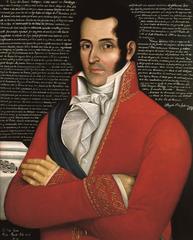
Founded in 1948 as the “Universidad Municipal de Bogotá,” the university was established to expand higher education access amidst the city’s post-war growth. Its central campus, originally at Calle 10 and Carrera 8, placed it at the heart of Bogotá’s political and social life. In 1957, following Bogotá’s designation as a “Distrito Especial,” the university adopted its current name in honor of Francisco José de Caldas—an eminent Colombian scientist and symbol of national scientific progress.
Throughout its history, the university has faced both challenges and triumphs. Notably, political turbulence in the late 1970s led to a temporary closure, but the institution rebounded with renewed commitment, expanding academic offerings and inaugurating the La Macarena campus near key cultural and governmental landmarks. Today, the District University operates a decentralized, multi-campus model, with facilities integrated into various Bogotá neighborhoods, strengthening its role in the city’s social, economic, and cultural development (Universidad Distrital History).
Academic Prestige and Programs
The District University of Bogotá is recognized for its academic rigor, diversity of programs, and strong research orientation (UniversityGuru, QS World University Rankings). With over 26,000 students enrolled, it offers nearly 70 undergraduate and postgraduate degrees, including master’s and doctoral programs. Key areas of study include:
- Engineering and Technology (notably Electronics, Environmental, Cadastral, and Computer Engineering)
- Natural Sciences (Physics, Chemistry, Environmental Science)
- Arts, Design, and Humanities
- Social Sciences and Education
Applied research is a cornerstone, with the university ranking highly for contributions in renewable energy, sustainable urban development, and digital innovation. Partnerships with government, industry, and international institutions foster technology transfer and academic exchange (QS Employability Rankings).
Campus Layout and Urban Integration
Main Campuses
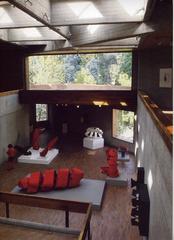
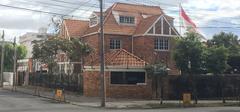
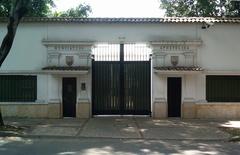
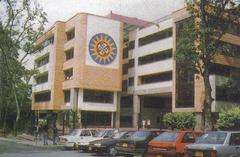
- Macarena A and B: Central to Bogotá, these campuses house the administration, main library, and several faculties, featuring historic architecture and public art.
- Tecnológica Campus: Specializes in engineering and technology, located in Ciudad Bolívar.
- Vivero Forestal Campus: Dedicated to environmental and forestry sciences, with green spaces and ecological trails on the city’s outskirts.
- Satellite Facilities: Smaller centers across Bogotá support specialized programs and community engagement (UniRank).
The campuses are well-connected by Bogotá’s TransMilenio bus system and are embedded in vibrant urban neighborhoods, promoting cultural exchange and community interaction.
Visitor Information
Visiting Hours
- General Access: Monday to Friday, 8:00 AM to 6:00 PM. Some buildings open as early as 7:00 AM and close by 8:00 PM; weekend access is limited.
- Special Events: Hours may vary; consult the official university website for updates (UDFJC Official Site).
Ticketing and Guided Tours
- Entry: Free for general campus visits.
- Special Events/Exhibitions: Some may require advance registration or nominal fees.
- Guided Tours: Offered for prospective students and visitors, usually free but require advance booking via the university’s website or at information desks.
Accessibility
- Physical Access: Most facilities feature ramps, elevators, and accessible restrooms.
- Visitor Services: Information desks at main entrances provide maps, event schedules, and assistance.
- Safety: Controlled access points and security personnel ensure a safe environment.
Photography and Events
- Photography: Outdoor areas and public art can be photographed freely. For indoor areas, especially labs or classrooms, seek permission.
- Cultural Events: Regular concerts, exhibitions, and public lectures are open to all; check the university’s calendar for schedules.
Transportation and Parking
- Public Transit: All major campuses are accessible via TransMilenio and city bus routes.
- Parking: On-site parking is limited; visitors are encouraged to use public transportation or nearby public lots.
Nearby Bogotá Historical Sites
The university’s central campuses are within walking distance or a short ride from several major attractions:
- La Candelaria: Bogotá’s historic district, rich in colonial architecture, museums, and street art (Nomadic Matt).
- Museo del Oro (Gold Museum): World-renowned for its vast collection of pre-Columbian gold artifacts (Museo del Oro).
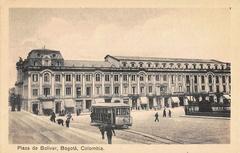
- Plaza de Bolívar: The city’s main square, surrounded by historic government buildings.
- National Museum of Colombia: The country’s oldest and largest museum of history and art.
- Monserrate: Iconic mountain with a 17th-century church and panoramic city views (Monserrate Official Site).
Frequently Asked Questions (FAQ)
Q: What are the university’s visiting hours? A: Most campuses are open Monday through Friday, 8:00 AM to 6:00 PM, with some facilities offering extended hours.
Q: Is entry free, or do I need a ticket? A: General campus access is free; some exhibitions or special events may require tickets.
Q: Are campus tours available? A: Yes, guided tours can be booked in advance, especially for prospective students.
Q: Is the campus accessible for visitors with disabilities? A: Yes, most buildings are equipped with ramps, elevators, and accessible restrooms.
Q: How do I get there using public transport? A: Use the TransMilenio or city buses; most campuses are centrally located and well-connected.
Q: Is photography allowed? A: Outdoor and public art photography is allowed; indoor photography may require permission.
Tips for Visitors
- Book tours in advance to ensure availability, especially during peak academic periods.
- Visit during the academic year (February to June, August to December) for a lively campus atmosphere.
- Check the events calendar for public lectures, exhibitions, and concerts.
- Use public transportation for convenience, as parking is scarce.
- Dress in layers due to Bogotá’s variable climate.
- Download the Audiala app for guided tours, real-time event updates, and enhanced navigation.
Summary and Conclusion
The District University of Bogotá is more than an academic institution—it is a living testament to Colombia’s dedication to accessible, high-quality education, research, and cultural vitality. Its campuses invite visitors to explore a dynamic blend of historical heritage, modern facilities, and active civic life. With free entry, accessible locations, and proximity to Bogotá’s top historical sites, a visit to the university enriches any experience in the capital.
Plan your visit by checking official channels for the latest information, utilize Bogotá’s efficient public transit, and take advantage of university-guided tours and cultural events. Enhance your experience further with digital resources like the Audiala app and stay connected through the university’s social media.
References
- Universidad Distrital Francisco José de Caldas Official Site
- Bogotá Tourism Official Site
- Museo del Oro
- UniversityGuru
- QS World University Rankings
- QS Employability Rankings
- UniRank University Rankings
- Nomadic Matt
- Monserrate Official Site