
हेनेंसाउले मेनज़: यात्रा का समय, टिकट और विस्तृत यात्रा गाइड
दिनांक: 14/06/2025
परिचय: हेनेंसाउले की विरासत
जर्मनी के मेनज़ शहर के हृदय में स्थित, हेनेंसाउले एक विशाल लाल बलुआ पत्थर का स्तंभ है जो शहर के एक हजार साल से अधिक के जीवंत इतिहास को समाहित करता है। मेनज़ कैथेड्रल (मेनज़र डोम) के पास लीबफ्राउएनप्लात्ज़ पर स्थित यह प्राचीन एकल स्तंभ, मेनज़ की रोमन जड़ों, मध्ययुगीन महत्वाकांक्षाओं और आधुनिक लचीलेपन का मूक गवाह है। कभी 11वीं शताब्दी में एक विनाशकारी आग के बाद कैथेड्रल के पुनर्निर्माण के लिए अभिप्रेत, ओडेनवाल्ड की खदानों से इसके वर्तमान शहरी सेटिंग तक की यात्रा किंवदंतियों, कला और स्थायी नागरिक भावना को एक साथ बुनती है।
हेनेंसाउले केवल एक अवशेष नहीं है—यह मेनज़ की विजय, त्रासदियों और परंपराओं को दर्शाने वाली कांस्य राहतों से सजी एक इंटरैक्टिव कैनवास है। एक खुली हवा के स्मारक के रूप में, यह सभी के लिए सुलभ है, मुफ्त है, और त्योहारों, बाजारों और दैनिक शहर जीवन के लिए एक केंद्र बिंदु के रूप में कार्य करता है। यह व्यापक मार्गदर्शिका आपको हेनेंसाउले के बारे में जानने के लिए आवश्यक सब कुछ प्रदान करती है: इसकी उत्पत्ति, ऐतिहासिक संदर्भ, विस्तृत विशेषताएं, आगंतुक लॉजिस्टिक्स और आपकी यात्रा का अधिकतम लाभ उठाने के लिए सुझाव।
आधिकारिक जानकारी और अतिरिक्त संसाधनों के लिए, मेनज़ टूरिज्म, स्टाड्ट मेनज़, और ड्यूश स्टिफ्टुंग डेनक्माल्स्चुट्ज़ से परामर्श करें।
सामग्री की तालिका
- परिचय
- उत्पत्ति और ऐतिहासिक पृष्ठभूमि
- मध्ययुगीन मेनज़ और पवित्र रोमन साम्राज्य
- परित्याग, पुनर्खोज और आधुनिक स्थान
- कलात्मक और वास्तुशिल्प विशेषताएं
- आगंतुक जानकारी
- आगंतुकों के लिए व्यावहारिक सुझाव
- आगंतुक समीक्षाएं और अनुभव
- अक्सर पूछे जाने वाले प्रश्न (एफएक्यू)
- निष्कर्ष
- स्रोत
उत्पत्ति और ऐतिहासिक पृष्ठभूमि
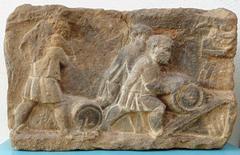
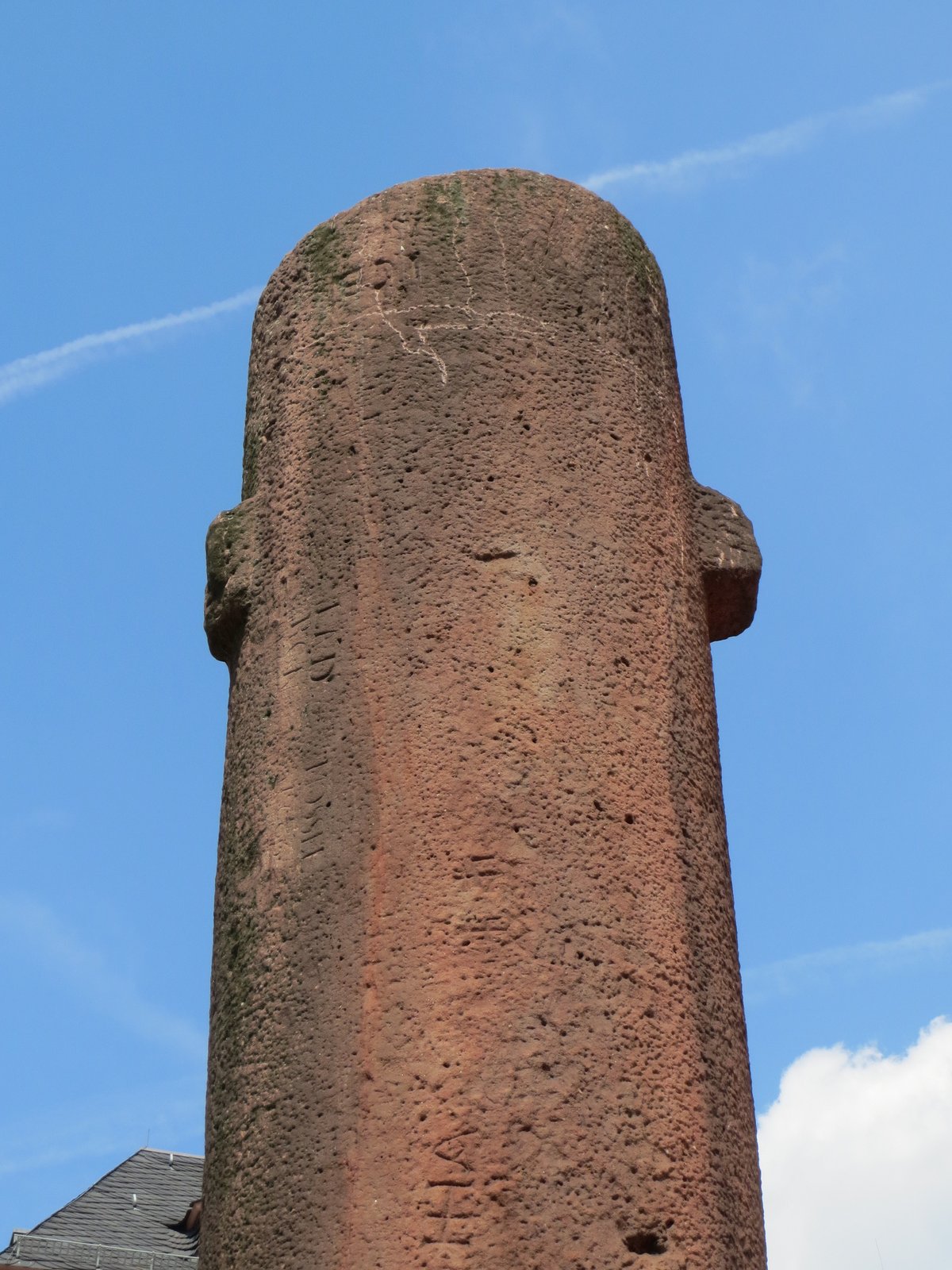
हेनेंसाउले का नाम “हेनेन” (विशालकाय) शब्द से लिया गया है, जो इसके विशाल आकार—लगभग 6.4 मीटर लंबा और 16 से 27 टन वजन का—और इसके आसपास की किंवदंतियों को दर्शाता है। 11वीं शताब्दी की शुरुआत में ओडेनवाल्ड या मिल्टनबर्ग क्षेत्र (मेनज़ टूरिज्म) की खदानों से निकाला गया, यह स्तंभ 1009 की विनाशकारी आग के बाद पुनर्निर्मित मेनज़ कैथेड्रल का हिस्सा बनने वाला था। ओडेनवाल्ड की खदानों से अपने वर्तमान शहरी सेटिंग तक विशाल पत्थर के स्तंभों को ले जाने की परियोजना में मध्ययुगीन इंजीनियरिंग और महत्वाकांक्षा का एक करतब शामिल था।
हालांकि, लॉजिस्टिक चुनौतियों या विकसित वास्तुशिल्प योजनाओं के कारण हेनेंसाउले को कभी भी कैथेड्रल में एकीकृत नहीं किया गया (स्टाड्ट मेनज़)। यह सदियों तक राइन के पास परित्यक्त रहा, विशालकाय और छिपे हुए खजाने के बारे में स्थानीय लोककथाओं से घिरा रहा।
मध्ययुगीन मेनज़ और पवित्र रोमन साम्राज्य
11वीं शताब्दी में, मेनज़ पवित्र रोमन साम्राज्य का एक प्रमुख धार्मिक और राजनीतिक केंद्र था। कैथेड्रल स्वयं एक धार्मिक प्रकाशस्तंभ और शाही राज्याभिषेक का स्थल था। कैथेड्रल के भीतर हेनेंसाउले का इच्छित स्थान शहर के धार्मिक और राजनीतिक महत्व का प्रतीक था (ड्यूश स्टिफ्टुंग डेनक्माल्स्चुट्ज़)। ऐसे मोनोलिथिक स्तंभों को निकालने और ले जाने का अत्यधिक प्रयास इस अवधि के दौरान मेनज़ की आकांक्षाओं और क्षमताओं को रेखांकित करता है।
परित्याग, पुनर्खोज और आधुनिक स्थान
हेनेंसाउले सदियों तक भुला दिया गया, अंततः मिथक और स्थानीय किंवदंतियों का स्रोत बन गया। 19वीं शताब्दी में, मध्ययुगीन विरासत में पुनर्जीवित रुचि के बीच, स्तंभ को फिर से खोजा गया और धीरे-धीरे मेनज़ के लचीलेपन के प्रतीक के रूप में पहचाना गया। 1975 में, मिल्टनबर्ग से हेनेंसाउले मेनज़ को कैथेड्रल की सहस्राब्दी उत्सव के लिए भेंट किया गया और लीबफ्राउएनप्लात्ज़ पर स्थापित किया गया, सीधे कैथेड्रल के सामने (mainzund.de)। तब से यह स्तंभ शहर के शहरी परिदृश्य में एक केंद्रीय मील का पत्थर बन गया है।
कलात्मक और वास्तुशिल्प विशेषताएं
बलुआ पत्थर और आयाम
स्तंभ को लाल बलुआ पत्थर के एक ही ब्लॉक से तराशा गया है, जिसकी ऊंचाई 6.4 मीटर और व्यास लगभग 1.2 मीटर है। इसकी अधूरी स्थिति, दिखाई देने वाले औजार के निशान और सजी हुई सतह मध्ययुगीन स्टोनमेसनरी और रोमनस्क्यू वास्तुशिल्प परंपरा में सीधी अंतर्दृष्टि प्रदान करते हैं (mainzund.de)।
कांस्य आवरण और राहतें
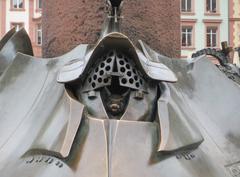
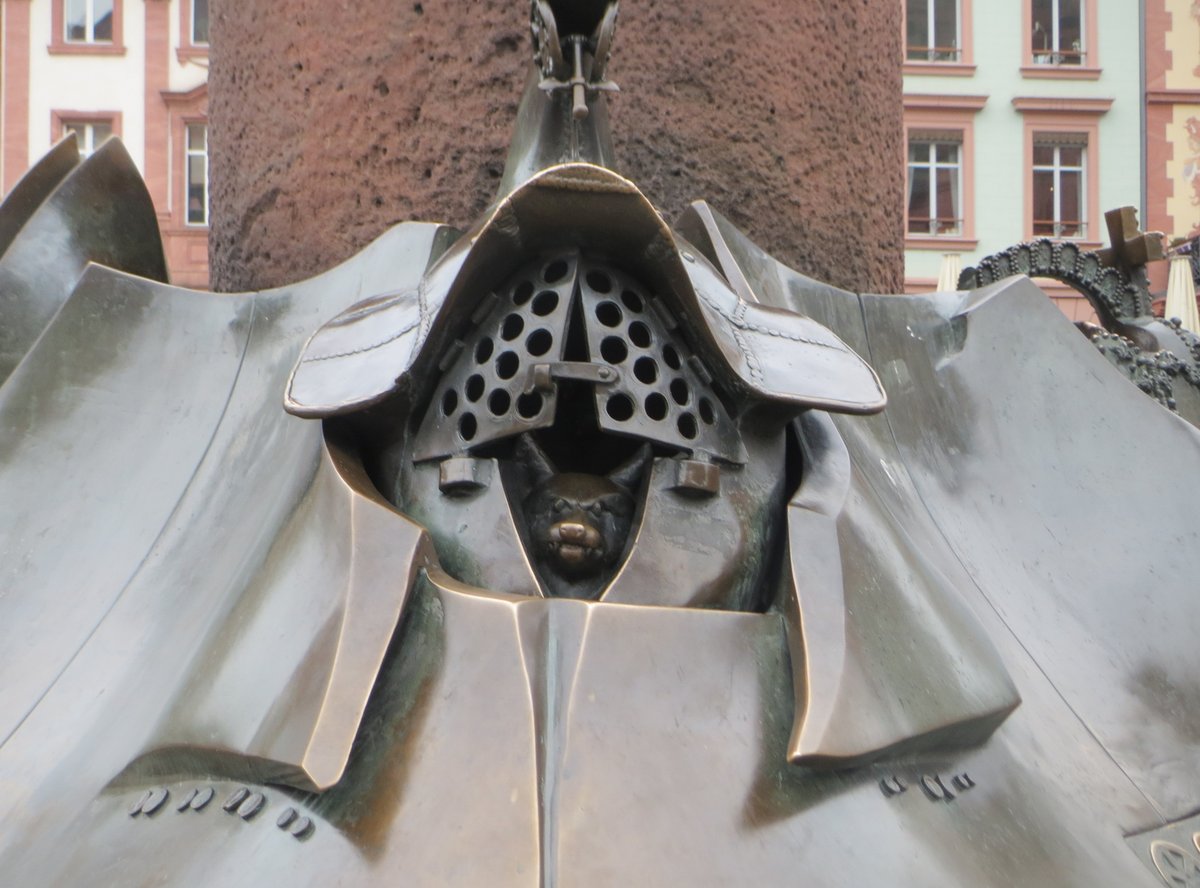
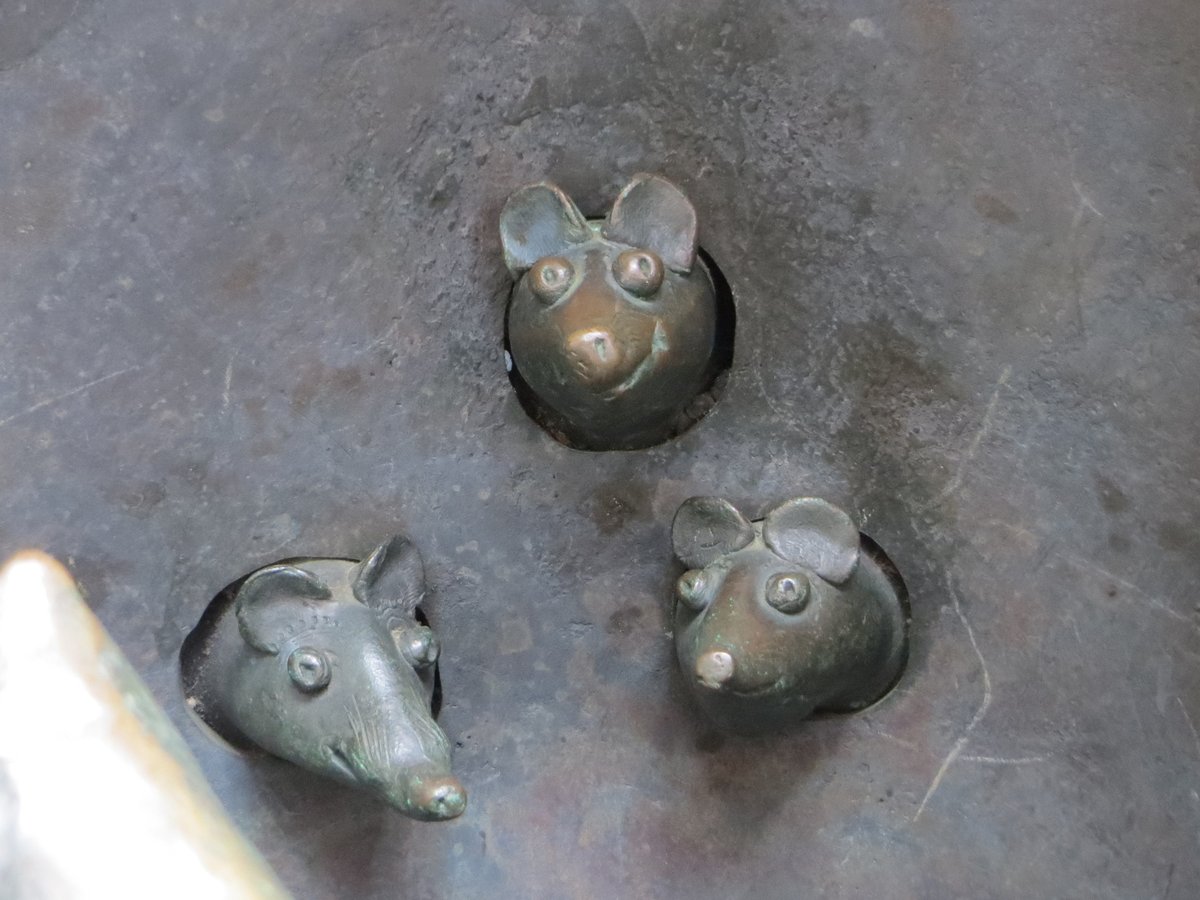
हेनेंसाउले का आधार एक कांस्य आवरण से घिरा हुआ है, जिसे गेर्नोट रम्फ ने बनाया है, जो स्मारक को एक बहुआयामी कहानी में बदल देता है। राहतें मेनज़ की रोमन काल से, इसके शक्तिशाली बिशपिक युग, फ्रांसीसी कब्जे और शाही यात्राओं के माध्यम से मेनज़ की यात्रा को दर्शाती हैं। मुख्य बातें शामिल हैं:
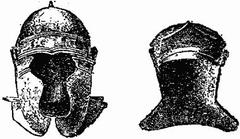
- रोमन विरासत: मेनज़ की प्राचीन उत्पत्ति का प्रतीक एक लीजनरी हेलमेट।
- धार्मिक शक्ति: धार्मिक महत्व को दर्शाने वाला एक बिशप का मिटर।
- कार्निवाल परंपरा: शहर के प्रसिद्ध फास्टनच्ट के लिए एक विदूषक की टोपी।
- मेनज़र रैड (मेनज़ व्हील): ऐतिहासिक और आधुनिक रूपों में प्रतिष्ठित शहर प्रतीक।
- कोफबेडेकुंगेन (सिर ढकना): विभिन्न ऐतिहासिक युगों का प्रतिनिधित्व करने वाले विविध ऐतिहासिक सिर ढकना।
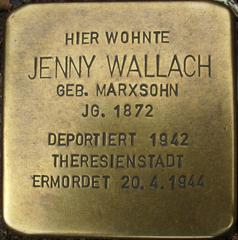
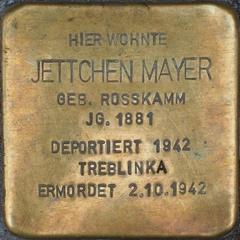
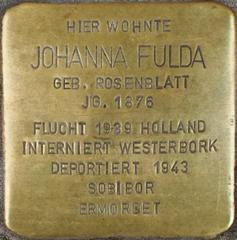
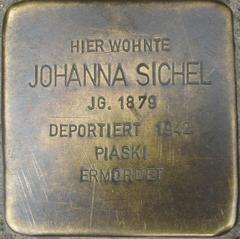
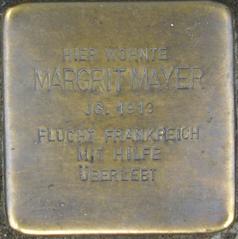
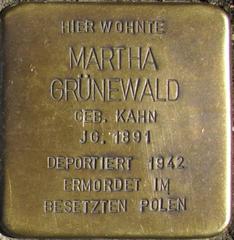
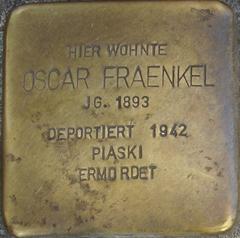
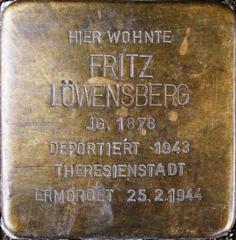
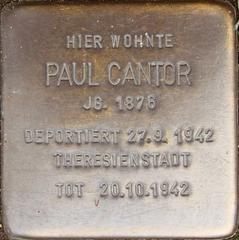
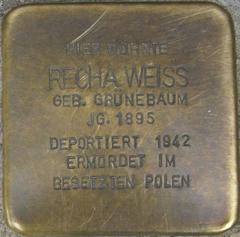
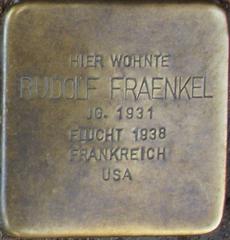
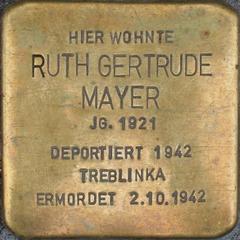
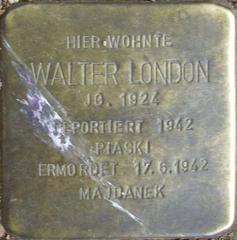
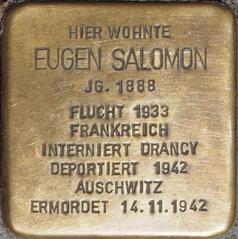
- त्रासदी का स्मरण: यहूदी समुदाय के विनाश और द्वितीय विश्व युद्ध की बमबारी का उल्लेख करने वाली राहतें, जो आगंतुकों को शहर के लचीलेपन की याद दिलाती हैं (स्टाड्ट मेनज़)।
शहरी एकीकरण और बहाली
हेनेंसाउले एक रेत फिल्टर (Sandfang) के ऊपर खड़ा है, जो शहर की जल निकासी अवसंरचना का हिस्सा है, जो संरक्षण और आधुनिक उपयोग दोनों की सुविधा प्रदान करता है। बहाली के प्रयासों—जिसमें 2024 की महत्वपूर्ण सफाई और स्थिरीकरण शामिल है—स्मारक की दीर्घायु सुनिश्चित करते हैं (ड्यूश स्टिफ्टुंग डेनक्माल्स्चुट्ज़)।
आगंतुक जानकारी
स्थान और पहुंच
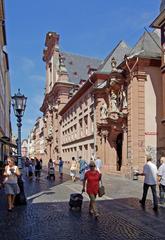
- पता: लीबफ्राउएनप्लात्ज़ (डोमप्लात्ज़), मेनज़—सीधे मेनज़ कैथेड्रल के सामने।
- सार्वजनिक परिवहन: ट्राम या बस (“होफचेन/मार्क्ट” और “डोम/रोमरपैसज” स्टॉप) द्वारा आसानी से पहुँचा जा सकता है; मेनज़ हौप्टबानहोफ से 15 मिनट की पैदल दूरी पर।
- पार्किंग: आस-पास के भूमिगत गैरेज, जैसे “पार्कहॉस एम थिएटर” या “पार्कहॉस राथाउस” (वांडरलॉग)।
यात्रा के घंटे और टिकट
- घंटे: हेनेंसाउले एक बाहरी स्मारक है और साल में 24/7 सुलभ है।
- टिकट: प्रवेश शुल्क या टिकट की आवश्यकता नहीं है।
निर्देशित यात्राएं
- विकल्प: मुफ्त सार्वजनिक पहुंच; मेनज़ पर्यटन कार्यालय और स्थानीय ऑपरेटरों के माध्यम से निर्देशित यात्राएं उपलब्ध हैं, जिनमें अक्सर हेनेंसाउले, मेनज़ कैथेड्रल और गुटेनबर्ग संग्रहालय शामिल होते हैं।
- बुकिंग: शहर के पर्यटक सूचना केंद्रों पर ऑनलाइन या।
यात्रा के सर्वोत्तम समय और फोटोग्राफी युक्तियाँ
- सर्वोत्तम समय: वसंत और शरद ऋतु सुखद मौसम प्रदान करते हैं; सुबह जल्दी और शाम को नाटकीय प्रकाश व्यवस्था और शांत वातावरण मिलता है (वांडरलॉग)।
- फोटोग्राफी: लाल बलुआ पत्थर और कांस्य राहतें गोल्डन आवर के दौरान या रात में रोशनी होने पर सबसे अच्छी तरह कैप्चर की जाती हैं।
आस-पास के आकर्षण
- मेनज़ कैथेड्रल (मेनज़र डोम): सदियों के इतिहास के साथ रोमनस्क्यू उत्कृष्ट कृति।
- गुटेनबर्ग संग्रहालय: चल प्रकार के प्रिंटिंग के आविष्कारक का जश्न मनाता है।
- राइन प्रोमेनेड: सुंदर नदी के किनारे चलना।
- बाजार और कैफे: डोमप्लात्ज़ भोजनालयों और दुकानों से घिरा हुआ है, जो आपकी यात्रा को बढ़ाता है।
आयोजन और स्थानीय संस्कृति
हेनेंसाउले शहर के आयोजनों, जैसे मेनज़ क्रिसमस मार्केट, फास्टनच्ट (कार्निवाल) और जोहानिसनाच्ट के लिए एक केंद्र बिंदु है। ये उत्सव डोमप्लात्ज़ को संगीत, स्थानीय भोजन और जीवंत सामुदायिक भावना से भर देते हैं (alllevents.in)।
आगंतुकों के लिए व्यावहारिक सुझाव
- पहुंच: चौक सपाट और पक्का है, जो व्हीलचेयर और स्ट्रॉलर के लिए उपयुक्त है।
- शौचालय: पास में उपलब्ध हैं।
- मौसम: गर्मियों में पानी और सन प्रोटेक्शन लाएं; सर्दियां ठंडी लेकिन उत्सवपूर्ण हो सकती हैं।
- सुरक्षा: डोमप्लात्ज़ आम तौर पर सुरक्षित है, लेकिन भीड़ भरे आयोजनों के दौरान व्यक्तिगत सामान के प्रति सचेत रहें।
आगंतुक समीक्षाएं और अनुभव
आगंतुक हेनेंसाउले को इसकी प्रभावशाली उपस्थिति, कलात्मक कहानी और मेनज़ के शहरी जीवन में सहज एकीकरण के लिए सराहते हैं। कई लोग कम ऑन-साइट साइनेज के कारण निर्देशित यात्राओं या सूचनात्मक ऐप का उपयोग करने की सलाह देते हैं (वांडरलॉग)।
अक्सर पूछे जाने वाले प्रश्न (एफएक्यू)
प्रश्न: हेनेंसाउले के यात्रा घंटे क्या हैं? A: खुला हवा स्मारक, 24/7 सुलभ।
प्रश्न: क्या हेनेंसाउले देखने के लिए कोई प्रवेश शुल्क है? A: नहीं, यह यात्रा करने के लिए स्वतंत्र है।
प्रश्न: क्या निर्देशित यात्राएं उपलब्ध हैं? A: हाँ, कई शहर की यात्राएं हेनेंसाउले को शामिल करती हैं। मेनज़ पर्यटन कार्यालय से जांचें।
प्रश्न: क्या यह व्हीलचेयर सुलभ है? A: हाँ, डोमप्लात्ज़ पूरी तरह से सुलभ है।
प्रश्न: यात्रा का सबसे अच्छा समय क्या है? A: विस्तार के लिए दिन का समय, माहौल के लिए शाम; क्रिसमस और फास्टनच्ट जैसे उत्सव काल विशेष रूप से जीवंत होते हैं।
निष्कर्ष
हेनेंसाउले केवल एक स्तंभ से कहीं अधिक है—यह मेनज़ की वास्तुशिल्प सरलता, सांस्कृतिक लचीलेपन और सामुदायिक भावना की एक जीवित क्रॉनिकल है। मध्ययुगीन काल से ओडेनवाल्ड और मिल्टनबर्ग क्षेत्रों में उत्खनित एक विशाल रोमनस्क्यू कैथेड्रल स्तंभ के रूप में इसकी उत्पत्ति से लेकर, सदियों के परित्याग और पुनर्खोज के माध्यम से, मेनज़ की पहचान के प्रतीक के रूप में इसकी आधुनिक भूमिका तक, हेनेंसाउले आगंतुकों को शहर के स्तरित अतीत और जीवंत वर्तमान से जुड़ने के लिए आमंत्रित करता है।
अपनी यात्रा की योजना आज ही बनाएं, इमर्सिव ऑडियो टूर के लिए ऑडिएला ऐप डाउनलोड करें, और मेनज़ के समृद्ध ऐतिहासिक परिदृश्य का अन्वेषण करें।
स्रोत
ऑडिएला2024{‘date’: ‘14/06/2025’, ‘task’: {‘model’: ‘gpt-4.1-mini’, ‘query’: ‘Comprehensive guide to visiting Heunensäule, Mainz, Germany: history, significance, visitor tips, and everything tourists need to know for a memorable experience.’, ‘verbose’: False, ‘guidelines’: [“Keyword Research: Identify relevant keywords that potential visitors are likely to search for, such as ‘[Monument Name] visiting hours,’ ‘[Monument Name] tickets,’ and ‘[City] historical sites.’ Use these keywords strategically throughout the article, including in the title, headers, and body text, but avoid keyword stuffing.”, ‘Engaging and Informative Title: Craft a title that is both SEO-friendly and compelling to encourage clicks. Include the main keyword and make it clear what the article will cover.’, ‘Structured Content: Use headings (H1, H2, H3) to organize the content effectively. This helps with SEO and makes the article easier for readers to navigate. Include an introduction that hooks the reader, a detailed body that covers all relevant aspects, and a conclusion that summarizes the key points.’, ‘Comprehensive Coverage: Address common questions and topics of interest such as the history of the monument, its cultural significance, visitor information (e.g., ticket prices, opening hours), travel tips, nearby attractions, and accessibility. Include sections that might be unique to the monument, like special events, guided tours, and photographic spots.’, ‘Quality Content: Ensure the content is well-researched, accurate, and provides real value to readers. Use reliable sources and provide factual information. Write in a clear, engaging, and accessible style. Consider your audience and use language that is appropriate for those likely to visit the monument.’, ‘Visuals and Media: Incorporate high-quality images or videos of the monument. These should be optimized for the web (correct sizing, alt tags with keywords). Consider interactive elements like virtual tours or maps.’, ‘Internal and External Links: Include links to other related articles on your site to encourage deeper engagement (internal links). Link to official websites for the monument or credible sources for further reading (external links).’, ‘FAQ: Incorporate FAQ sections to target voice search queries and featured snippets’, ‘Visit and Stay Up to Date: End the article with a call to action, such as encouraging readers to download our mobile app Audiala, check out other related posts, or follow on social media for more updates.’], ‘max_sections’: 4, ‘publish_formats’: {‘pdf’: False, ‘docx’: False, ‘markdown’: True}, ‘follow_guidelines’: True}, ‘title’: ‘A Comprehensive Guide to Visiting the Heunensäule in Mainz, Germany’, ‘report’: ’# Heunensäule Mainz: Visiting Hours, Tickets, and In-Depth Travel Guide\n#### Date: 14/06/2025\n\n## Introduction: The Legacy of the Heunensäule\n\nLocated at the heart of Mainz, Germany, the Heunensäule is a monumental red sandstone column that encapsulates more than a thousand years of the city’s vibrant history. Towering over Liebfrauenplatz near the Mainz Cathedral (Mainzer Dom), this ancient monolith stands as a silent witness to Mainz’s Roman roots, medieval ambitions, and modern resilience. Once intended for the 11th-century reconstruction of the cathedral after a devastating fire, the column’s journey from the Odenwald quarries to its present urban setting weaves together legends, artistry, and enduring civic spirit.\n\nThe Heunensäule is not just a relic—it is an interactive canvas adorned with bronze reliefs recounting Mainz’s triumphs, tragedies, and traditions. As an open-air monument, it is accessible to all, free of charge, and serves as a focal point for festivals, markets, and daily city life. This comprehensive guide provides everything you need to know about the Heunensäule: its origins, historical context, detailed features, visitor logistics, and tips for making the most of your visit.\n\nFor official information and further resources, consult Mainz Tourismus, Stadt Mainz, and Deutsche Stiftung Denkmalschutz.\n\n---\n\n## Table of Contents\n- Introduction\n- Origins and Historical Background\n- Medieval Mainz and the Holy Roman Empire\n- Abandonment, Rediscovery, and Modern Placement\n- Artistic and Architectural Features\n - Sandstone and Dimensions\n - Bronze Mantle and Reliefs\n - Urban Integration and Restoration\n- Visitor Information\n - Location and Accessibility\n - Visiting Hours and Tickets\n - Guided Tours\n - Best Times and Photography Tips\n - Nearby Attractions\n - Events and Local Culture\n- Practical Tips for Visitors\n- Visitor Reviews and Experience\n- Frequently Asked Questions (FAQ)\n- Conclusion\n- Sources\n\n---\n\n## Origins and Historical Background\n\nThe Heunensäule derives its name from the German word “Heunen” (giants), reflecting both its monumental scale—about 6.4 meters high and weighing between 16 and 27 tons—and the legends that surround it. Quarried in the early 11th century from the Odenwald or Miltenberg region (Mainz Tourismus), the column was intended to be part of the rebuilt Mainz Cathedral after the catastrophic fire of 1009. Under the vision of Archbishop Willigis, the project required transporting massive stone columns over treacherous terrain—a feat of medieval engineering and ambition.\n\nHowever, the Heunensäule was never integrated into the cathedral, likely due to logistical challenges or evolving architectural plans (Stadt Mainz). It remained abandoned near the Rhine for centuries, shrouded in local folklore about giants and hidden treasures.\n\n---\n\n## Medieval Mainz and the Holy Roman Empire\n\nIn the 11th century, Mainz was a major ecclesiastical and political hub, central to the Holy Roman Empire. The cathedral itself was both a religious beacon and a site of imperial coronations. The Heunensäule’s intended placement within the cathedral symbolized the city’s religious and political significance (Deutsche Stiftung Denkmalschutz). The immense effort to quarry and transport such monolithic columns underscored Mainz’s aspirations and capabilities during this period.\n\n---\n\n## Abandonment, Rediscovery, and Modern Placement\n\nThe Heunensäule lay forgotten for centuries, eventually becoming a source of myth and local legend. In the 19th century, amidst a renewed interest in medieval heritage, the column was rediscovered and gradually recognized as a symbol of Mainz’s resilience. In 1975, a Heunensäule was gifted from Miltenberg to Mainz for the cathedral’s millennium celebration and installed on Liebfrauenplatz, directly in front of the cathedral (mainzund.de). The column has since become a central landmark in the city’s urban landscape.\n\n---\n\n## Artistic and Architectural Features\n\n### Sandstone and Dimensions\n\nThe column is hewn from a single block of robust red sandstone, standing 6.4 meters tall and approximately 1.2 meters in diameter. Its unfinished state, visible tool marks, and weathered surface offer direct insight into medieval stonemasonry and Romanesque architectural tradition (mainzund.de).\n\n### Bronze Mantle and Reliefs\n\nThe Heunensäule’s base is encircled by a bronze mantle, crafted by Gernot Rumpf, that transforms the monument into a multidimensional narrative. The reliefs depict Mainz’s journey from Roman times, through its powerful bishopric era, French occupation, and imperial visits. Highlights include:\n\n- Roman Heritage: Legionary helmet symbolizing Mainz’s ancient origins.\n- Ecclesiastical Power: Bishop’s mitre denoting religious significance.\n- Carnival Tradition: Jester’s cap for the city’s famous Fastnacht.\n- Mainz Wheel (Mainzer Rad): Iconic city symbol in historic and modern forms.\n- Kopfbedeckungen (Headgear): Diverse historical headgear representing different eras.\n- Commemoration of Tragedy: Reliefs referencing the destruction of the Jewish community and WWII bombings, reminding visitors of the city’s endurance (Stadt Mainz).\n\n### Urban Integration and Restoration\n\nThe Heunensäule stands atop a sand trap (Sandfang), part of the city’s drainage infrastructure, facilitating both preservation and modern utility. Restoration efforts—including the significant 2024 cleaning and stabilization—ensure the monument’s longevity (Deutsche Stiftung Denkmalschutz).\n\n---\n\n## Visitor Information\n\n### Location and Accessibility\n\n- Address: Liebfrauenplatz (Domplatz), Mainz—directly in front of Mainz Cathedral.\n- Public Transport: Easily accessible by tram or bus (“Höfchen/Markt” and “Dom/Römerpassage” stops); a 15-minute walk from Mainz Hauptbahnhof.\n- Parking: Nearby underground garages, such as “Parkhaus am Theater” or “Parkhaus Rathaus” (Wanderlog).\n\n### Visiting Hours and Tickets\n\n- Hours: The Heunensäule is located outdoors and accessible 24/7, every day of the year.\n- Tickets: No entrance fee or ticket is required.\n\n### Guided Tours\n\n- Options: Free public access; guided tours available via the Mainz tourism office and local operators, often including the Heunensäule, Mainz Cathedral, and Gutenberg Museum.\n- Booking: Online or at city tourist information centers.\n\n### Best Times and Photography Tips\n\n- Best Times: Spring and autumn offer pleasant weather; early mornings and evenings provide dramatic lighting and quieter surroundings (Wanderlog).\n- Photography: The red sandstone and bronze reliefs are best captured during golden hour or when illuminated at night.\n\n### Nearby Attractions\n\n- Mainz Cathedral (Mainzer Dom): Romanesque masterpiece with centuries of history.\n- Gutenberg Museum: Celebrates the inventor of movable type printing.\n- Rhine Promenade: Scenic riverside walks.\n- Markets and Cafés: Domplatz is surrounded by eateries and shops, enhancing your visit.\n\n### Events and Local Culture\n\nThe Heunensäule is a focal point for city events, including the Mainz Christmas Market, Fastnacht (Carnival), and Johannisnacht. These festivities infuse Domplatz with music, local food, and vibrant community spirit (Allevents.in).\n\n---\n\n## Practical Tips for Visitors\n\n- Accessibility: The square is flat and paved, suitable for wheelchairs and strollers.\n- Restrooms: Available nearby.\n- Weather: Bring water and sun protection during summer; winters can be chilly but festive.\n- Safety: Domplatz is generally safe, but remain mindful during crowded events.\n\n---\n\n## Visitor Reviews and Experience\n\nVisitors praise the Heunensäule for its imposing presence, artistic storytelling, and seamless integration into Mainz’s urban life. Many recommend guided tours or using informational apps to deepen the experience due to limited on-site signage (Wanderlog).\n\n---\n\n## Frequently Asked Questions (FAQ)\n\nQ: What are the Heunensäule visiting hours? \nA: Open-air monument, accessible 24/7.\n\nQ: Is there an entrance fee to see the Heunensäule? \nA: No, it is free to visit.\n\nQ: Are guided tours available? \nA: Yes, many city tours include the Heunensäule. Check with Mainz tourism office.\n\nQ: Is it wheelchair accessible? \nA: Yes, Domplatz is fully accessible.\n\nQ: What’s the best time to visit? \nA: Daytime for detail, evenings for ambiance; festive periods like Christmas and Fastnacht are especially lively.\n\n---\n\n## Conclusion\n\nThe Heunensäule is more than just a column—it is a living chronicle of Mainz’s architectural ingenuity, cultural resilience, and communal spirit. From its medieval origins as a cathedral support to its modern role as a civic symbol, the monument connects visitors to the city’s layered past and vibrant present. Whether you visit during a bustling festival or a peaceful morning, the Heunensäule offers a unique and accessible window into Mainz’s enduring legacy.\n\nPlan your visit today, download the Audiala app for immersive audio tours, and explore Mainz’s rich historical landscape.\n\n---\n\n## Sources\n\n- Mainz Tourismus\n- Stadt Mainz\n- mainzund.de\n- Deutsche Stiftung Denkmalschutz\n- Wanderlog\n- Allevents.in\n\n’, ‘headers’: {‘date’: ‘Date’, ‘title’: ‘Heunensauele Mainz Visiting Hours Tickets and Travel Guide’, ‘conclusion’: ‘Summary of key points about visiting Heunensauele Mainz and travel tips’, ‘references’: ‘Sources and official links for Heunensauele Mainz information’, ‘introduction’: ‘Introduction to Heunensauele Mainz and its historical significance’, ‘table_of_contents’: ‘Contents including visiting hours tickets history guided tours and nearby attractions’}, ‘sources’: [’- Visiting the Heunensäule in Mainz: History, Tickets, and Travel Tips, 2024, Mainz Tourismus https://www.mainz-tourismus.com/sehenswuerdigkeiten/heunensaeule/’, ’- Heunensäule Mainz: Visiting Hours, History, and Cultural Significance, 2024, Stadt Mainz https://www.mainz.de/tourismus/sehenswertes/heunensaeule.php’, ’- Architectural and Artistic Features of the Heunensäule, 2024, mainzund.de https://mainzund.de/heunensaeule-in-mainz-zurueck-auf-dem-markt-1000-jahre-altes-wahrzeichen-kehrt-nach-sanierung-zurueck/’, ’- Heunensäule Conservation and Public Engagement, 2024, Deutsche Stiftung Denkmalschutz https://www.denkmalschutz.de/denkmal/Heunensaeule.html’, ’- Visitor Experience and Practical Tips for Heunensäule, 2024, Wanderlog https://wanderlog.com/place/details/263240/heunensule’, ’- Events and Local Life in Mainz, 2024, Allevents.in https://allevents.in/mainz/this-weekend’], ‘sections’: [‘Historical Background’, ‘Architectural and Artistic Features’, ‘Cultural and Symbolic Significance’, ‘Visitor Experience’], ‘conclusion’: ‘The Heunensäule in Mainz is much more than an ancient sandstone column; it is a living chronicle that weaves together the city’s architectural ingenuity, cultural evolution, and communal spirit. From its origins as a monumental Romanesque cathedral column quarried in the Odenwald and Miltenberg regions, through centuries of abandonment and rediscovery, to its modern role as a symbol of Mainz’s identity, the Heunensäule invites visitors to connect deeply with the city’s past and present.\n\nIts artistic adornments—especially the intricate bronze reliefs—offer a multidimensional narrative that encompasses triumphs, traditions, and tragedies, making it a powerful educational and reflective site. Located centrally in Mainz’s market square or Liebfrauenplatz, the monument’s accessibility, free entry, and integration within vibrant urban life enable all visitors to engage with this heritage landmark conveniently and meaningfully.\n\nWhether visiting during the lively Christmas markets, the colorful Fastnacht carnival, or a quiet morning stroll, the Heunensäule serves as a captivating focal point that enriches any itinerary exploring Mainz’s historical sites such as the Mainz Cathedral and Gutenberg Museum. Its ongoing conservation ensures that the monument will continue to inspire future generations.\n\nFor those planning a visit, numerous guided tours and digital resources—including the Audiala app—enhance the experience, providing rich historical context and storytelling. Stay informed about events and explore further cultural landmarks through official channels to fully appreciate Mainz’s unique heritage.\n\nEmbrace the opportunity to witness the Heunensäule firsthand—a monumental symbol of Mainz’s enduring legacy and vibrant cultural life.\n\nFurther information and visitor updates can be found at the official Mainz tourism portals (Mainz Tourismus), the city’s official website (Stadt Mainz), and heritage conservation sites (Deutsche Stiftung Denkmalschutz).’, ‘introduction’: ‘Nestled in the vibrant heart of Mainz, Germany, the Heunensäule stands as a monumental testament to over a millennium of the city’s rich historical and cultural heritage. This imposing red sandstone column, approximately 6.4 meters tall and weighing between 16 to 27 tons depending on sources, captivates visitors not only by its sheer scale but by the fascinating stories it embodies—from medieval ecclesiastical ambitions to enduring local legends inspired by its name, derived from the German word for “giants” (Heunen or Hunnen). Originally quarried in the early 11th century from the red sandstone of the Odenwald region or the Miltenberg area, the column was intended as a structural element for the Mainz Cathedral (Mainzer Dom) after the devastating fire of 1009. However, due to changing architectural plans or damage in transit, it was never installed and lay forgotten for centuries before being rediscovered and relocated to its prominent position in Mainz’s market square or Liebfrauenplatz during the 19th and 20th centuries.\n\nToday, the Heunensäule is more than a historic relic; it is an emblem of Mainz’s resilience and evolving urban identity. Its base is adorned with a bronze mantle featuring reliefs that narrate Mainz’s journey from its Roman origins through ecclesiastical power, vibrant carnival traditions, and somber reflections on turbulent histories such as the destruction of the Jewish community and World War II bombings. Visitors can freely explore this open-air monument at any time of day, with excellent accessibility and no entrance fees, making it an inviting landmark for both history enthusiasts and casual tourists.\n\nSituated near major attractions like the Mainz Cathedral and Gutenberg Museum, the Heunensäule is often a focal point during local festivals, markets, and cultural events, further enriching the visitor experience. Whether you seek to delve into medieval architecture, appreciate artistic storytelling through sculpture, or simply enjoy the lively atmosphere of Mainz’s Domplatz and market square, this comprehensive guide will equip you with practical information on visiting hours, accessibility, guided tours, photographic tips, and nearby points of interest.\n\nFor more detailed insights and official visitor information, consult the Mainz city tourism resources (Mainz Tourismus), the city’s official website (Stadt Mainz), and heritage conservation authorities (Deutsche Stiftung Denkmalschutz).’, ‘research_data’: [{‘Visiting the Heunensäule in Mainz: History, Tickets, and Travel Tips’: ’## Introduction\n\nThe Heunensäule, or “Heunen Column,” is one of Mainz’s most fascinating historical landmarks. Situated near the Mainz Cathedral, this monumental sandstone column carries tales of medieval engineering marvels, local legends, and the ambitious spirit of the Holy Roman Empire. Whether you are a history enthusiast or a traveler exploring Mainz’s rich heritage, this guide covers everything you need to know about visiting the Heunensäule—including its history, visiting hours, ticket information, accessibility, and nearby attractions.\n\n## Origins and Creation of the Heunensäule\n\nThe Heunensäule is a single, massive sandstone monolith approximately 6.4 meters long and weighing around 27 tons (Mainz Tourismus). Its name derives from the German word for “giants” (Heunen or Hunnen), inspired by its impressive size and the myths surrounding it.\n\nQuarried in the early 11th century from the red sandstone of the Odenwald region, about 60 kilometers southeast of Mainz, the column was intended to be part of the reconstructed Mainz Cathedral (Mainzer Dom) after a devastating fire in 1009 (Stadt Mainz). Commissioned by Archbishop Willigis, the project symbolized ecclesiastical and imperial power.\n\n## The Medieval Context: Mainz and the Holy Roman Empire\n\nIn the 11th century, Mainz was a major ecclesiastical and political center within the Holy Roman Empire. The cathedral served as a religious landmark and an imperial coronation site. Transporting the colossal Heunensäule from Odenwald to Mainz was an impressive feat involving wooden logs, oxen, and human labor over challenging Rhine Valley terrain (Deutsche Stiftung Denkmalschutz).\n\n## Abandonment and Rediscovery\n\nDespite the effort to quarry and transport it, the Heunensäule was never installed in the cathedral. Possible reasons include damage during transit or architectural changes (Mainz Stadtgeschichte). Left near the Rhine, it lay forgotten for centuries and became the subject of legends about giants who hurled the column across the land.\n\n## The Heunensäule in Modern Times\n\nRediscovered in the 19th century during a revival of medieval heritage interest, the column was relocated in 1812 to Liebfrauenplatz, a square adjacent to Mainz Cathedral (Mainz Tourismus). It now stands as a testament to medieval craftsmanship and Mainz’s historical identity.\n\n## Symbolic and Cultural Significance\n\nBeyond its architectural importance, the Heunensäule symbolizes Mainz’s resilience through centuries of change (Stadt Mainz). It features prominently in local art, literature, and educational programs and remains a popular subject for visitors and photographers.\n\n## Visitor Information\n\n### Visiting Hours\nThe Heunensäule is located outdoors in Liebfrauenplatz and is accessible year-round, 24 hours a day. There are no official visiting hours or entrance fees.\n\n### Tickets and Guided Tours\nAs an open-air monument, visiting the Heunensäule is free of charge. However, guided tours of Mainz’s historical sites, including the Heunensäule, are available through the Mainz tourism office. Visitors can book these tours online or at local ticket offices.\n\n### Accessibility\nLiebfrauenplatz is wheelchair accessible, with paved surfaces around the column. Nearby public transportation options and parking facilities provide convenient access for all visitors.\n\n### Best Photographic Spots\nThe Heunensäule’s location near Mainz Cathedral offers stunning backdrops for photography. Early morning or late afternoon light enhances the column’s weathered texture and the surrounding historic architecture.\n\n## Nearby Attractions and Events\n\nVisitors to the Heunensäule can also explore nearby Mainz landmarks such as the Mainz Cathedral (Mainzer Dom) and the Gutenberg Museum, dedicated to the inventor of the printing press. Liebfrauenplatz hosts seasonal markets and festivals, making it an ideal spot to experience local culture.\n\n## Conservation and Public Engagement\n\nOngoing conservation efforts ensure the Heunensäule remains protected against weathering and damage (Deutsche Stiftung Denkmalschutz). Informational plaques and guided tours help visitors understand the column’s historical and cultural context.\n\n## FAQ\n\nWhat are the Heunensäule visiting hours?\nThe Heunensäule is an outdoor monument accessible 24/7 without restrictions.\n\nIs there an entrance fee to see the Heunensäule?\nNo, visiting the Heunensäule is free.\n\nHow do I get to the Heunensäule?\nIt is located at Liebfrauenplatz, adjacent to Mainz Cathedral. Accessible by foot, public transit, or car.\n\nAre guided tours available?\nYes, Mainz offers guided tours that include the Heunensäule. Book through the Mainz tourism office.\n\n## Conclusion\n\nThe Heunensäule stands as a powerful symbol of Mainz’s medieval heritage and enduring spirit. Its fascinating history, impressive scale, and accessible location make it a must-see for anyone visiting Mainz. Plan your visit today to experience one of Mainz’s most captivating historical sites.\n\nFor further details, visit the official Mainz city website or the Deutsche Stiftung Denkmalschutz.\n\nDon’t forget to download the Audiala app for guided audio tours and follow us on social media for the latest updates about Mainz’s historical sites.\n\n---\n\nImage suggestions (to be included on the website with alt text):\n- A high-quality photo of the Heunensäule standing in Liebfrauenplatz, with Mainz Cathedral in the background (alt text: “Heunensäule sandstone column near Mainz Cathedral”)\n- Close-up image showing the weathered surface of the Heunensäule (alt text: “Weathered surface detail of the Heunensäule in Mainz”)\n- Map showing the location of the Heunensäule within Mainz’s heritage district (alt text: “Map of Heunensäule location in Mainz”)\n\nInternal links to add on the website: \n- Link to Mainz city guide\n- Link to other historical sites in Mainz\n- Link to Mainz Cathedral and Gutenberg Museum pages’}, {‘Architectural and Artistic Features’: ’## Discover the Heunensäule in Mainz: History, Architecture, and Visitor Information\n\n### Introduction\n\nThe Heunensäule is a fascinating historical monument located in the heart of Mainz, Germany. This imposing red sandstone column offers visitors a glimpse into the city’s rich Romanesque past and its evolving urban identity. Whether you are interested in medieval architecture, Mainz historical sites, or planning your visit to this iconic landmark, this guide provides detailed insights into the Heunensäule’s architectural and artistic features, as well as practical information such as visiting hours, accessibility, and nearby attractions.\n\n### Architectural Features of the Heunensäule\n\n#### Material and Dimensions\n\nThe Heunensäule is a monolithic column made from robust red sandstone sourced from the Miltenberg region in northern Bavaria. This type of sandstone was also used in the construction of the earliest parts of the Mainz Cathedral (Mainzer Dom), establishing a historic connection between the two landmarks (mainzund.de). The column stands 6.40 meters tall with a diameter of about 1.20 meters and weighs approximately 16 metric tons, making it a striking centerpiece in Mainz’s market square.\n\n#### Origin and Intended Purpose\n\nDating back over 1,000 years, the Heunensäule was quarried and partially shaped in the late 10th or early 11th century. Originally intended as a structural column for the predecessor of the Mainz Cathedral, constructed under Archbishop Willigis, it was never completed or installed due to the cathedral’s destruction by fire in 1009. The column remained unfinished and was abandoned in the Miltenberg Felsenmeer, a sandstone boulder field.\n\n#### Monolithic Construction\n\nCarved from a single block of stone, the Heunensäule showcases medieval stonemasonry skills. Its relatively smooth surface with visible tool marks reflects its unfinished nature and aligns with the simple, utilitarian Romanesque architectural style.\n\n#### Placement and Setting\n\nInstalled on the Mainz market square in 1975, the column stands on a custom-designed bronze base that elevates and stabilizes it. Its central location makes it a key landmark and gathering spot, especially during events like the Mainz Christmas Market when it is beautifully lit.\n\n#### The Bronze Pedestal: Artistic Storytelling\n\nThe bronze pedestal is an artistic work featuring reliefs that symbolize Mainz’s heritage:\n\n- Roman Heritage: A legionary helmet representing Mainz’s Roman origins.\n- Ecclesiastical Power: A bishop’s mitre reflecting its religious significance.\n- Carnival Tradition: A jester’s cap celebrating Mainz’s famous Fastnacht (Carnival).\n\nThis combination transforms the Heunensäule into a multidimensional monument connecting the past and present.\n\n#### Integration with Urban Infrastructure\n\nBeneath the column lies a sand trap (Sandfang), designed to capture sediment before rainwater enters the city’s drainage system. This feature required the column’s temporary removal for maintenance and recent restoration in 2024, a process involving careful dismantling and reinstallation with cranes.\n\n#### Restoration and Conservation\n\nThe latest restoration in 2024 focused on cleaning the sandstone and bronze elements, removing biological growth, and stabilizing weathered areas, ensuring the monument’s preservation as a public landmark.\n\n### Visitor Information\n\n#### Visiting Hours\n\nThe Heunensäule is located in an open public square and is accessible 24/7. There are no specific opening or closing times, making it easy for visitors to explore at their convenience.\n\n#### Entrance and Tickets\n\nThere is no entrance fee to visit the Heunensäule, as it is an outdoor monument situated in a public space.\n\n#### Accessibility\n\nThe monument is fully accessible to visitors with mobility challenges. The flat, paved market square allows easy access, and there are nearby public transport stops and parking facilities.\n\n#### Guided Tours and Events\n\nGuided tours of Mainz historical sites, including the Heunensäule and Mainz Cathedral, are available through the Mainz tourism office. The Heunensäule often serves as a focal point during city events such as the Christmas Market and Fastnacht celebrations.\n\n#### Nearby Attractions\n\nVisitors can also explore the Mainz Cathedral (Mainzer Dom), the Gutenberg Museum, and the Rhine River promenade, all within walking distance.\n\n#### Photography Tips\n\nThe bronze reliefs on the pedestal and the contrast between the red sandstone and urban surroundings provide excellent photographic opportunities, especially during sunrise, sunset, and festive lighting.\n\n### Visual Media\n\nHigh-quality images of the Heunensäule, including close-ups of the bronze pedestal, tool marks on the sandstone, and event decorations, are recommended to enhance visitor engagement. Alt tags such as “Heunensäule Mainz visiting hours,” “Heunensäule tickets,” and “Mainz historical sites” should be used for SEO.\n\n### Internal and External Links\n\nFor more information, visitors can consult the official Mainz tourism website and the Mainz Cathedral page. The article also references mainzund.de for detailed historical context.\n\n### Frequently Asked Questions (FAQ)\n\nQ: What are the Heunensäule visiting hours?\nA: The monument is located outdoors in the Mainz market square and is accessible at all times.\n\nQ: Is there an entrance fee to see the Heunensäule?\nA: No, visiting the Heunensäule is free of charge.\n\nQ: Are guided tours available?\nA: Yes, guided tours that include the Heunensäule can be booked through the Mainz tourism office.\n\nQ: Is the Heunensäule accessible for visitors with disabilities?\nA: Yes, the surrounding area is wheelchair accessible with flat, paved surfaces.\n\nQ: When is the best time to visit the Heunensäule?\nA: The monument is beautiful year-round, with special decorations during the Mainz Christmas Market and Fastnacht carnival.\n\n### Conclusion\n\nThe Heunensäule stands as a remarkable testament to Mainz’s medieval heritage and ongoing cultural life. Its impressive architecture, rich symbolism, and central location make it a must-see Mainz historical site. Whether you are a history enthusiast or a casual visitor, the Heunensäule offers an engaging experience that connects the past with the vibrant present.\n\n### Call to Action\n\nPlan your visit to the Heunensäule today! Download the Audiala app for guided audio tours of Mainz historical sites, explore our related articles on Mainz’s cultural landmarks, and follow us on social media for the latest updates and event information.’}, {‘Heunensäule Mainz: Visiting Hours, History, and Cultural Significance’: ’## Discover the Heunensäule in Mainz: Visiting Hours, History, and Cultural Significance\n\nThe Heunensäule stands as one of Mainz’s most remarkable historical monuments. Located prominently on the market square before Mainz Cathedral, this monumental stone column is not only a striking visual landmark but also a powerful symbol of the city’s thousand-year history, resilience, and cultural identity. In this article, we explore the Heunensäule’s origins, artistic features, cultural meaning, and provide practical visitor information including visiting hours and tips for your visit.\n\n### Origins and Historical Background\n\nQuarried in the 11th century from the Bullauer Berge near Miltenberg, the Heunensäule was originally intended as a support column for the reconstruction of the Willigis Cathedral after it burned down in 1009. However, the columns were never used for this purpose, likely due to changes in architectural plans. For centuries, these massive sandstone monoliths—originally numbering up to 42—remained scattered in the Odenwald region, silently witnessing Mainz’s medieval ambitions and challenges.\n\nIn 1975, one of these columns was relocated to Mainz as a gift from Miltenberg for the cathedral’s 1000th anniversary. Installed at the heart of the city’s market square, the 16-ton, 6.4-meter-high Heunensäule reconnects Mainz with its Romanesque roots and ecclesiastical heritage, symbolizing both historical continuity and renewal.\n\n### Artistic Features: The Bronze Mantle\n\nEncasing the base of the Heunensäule is a bronze sculpture created by renowned Palatine sculptor Gernot Rumpf. This bronze mantle serves as a narrative artwork, depicting key episodes and symbols from Mainz’s extensive history.\n\n#### Visual Storytelling Highlights\n\n- City History in Relief: The bronze reliefs illustrate Mainz’s journey from Roman times through its powerful bishopric era, French occupation, and significant imperial visits. Each side of the mantle tells a distinct chapter, inviting visitors to explore the city’s diverse past.\n- The Mainzer Rad (Mainz Wheel): Featured in historical and modern forms, this iconic city symbol represents Mainz’s continuity and adaptation over centuries.\n- Kopfbedeckungen (Headgear): At each corner of the base, different headgear symbolize various historical periods and social groups, including Roman helmets and the Phrygian cap of the French Revolution, reflecting Mainz’s rich and cosmopolitan heritage.\n\n#### Commemoration of Challenging Histories\n\nTwo poignant reliefs highlight difficult chapters in Mainz’s past: one depicting the burning of “Magenza” (the Hebrew name for Mainz) under the Star of David, referencing the destruction of the Jewish community culminating in the Holocaust; and another portraying devastation from Allied bombings in World War II. These images stand as solemn reminders of the city’s endurance and capacity for renewal.\n\n### Civic Role and Urban Identity\n\nPositioned at the center of the market square opposite the cathedral, the Heunensäule asserts Mainz’s cultural and historical centrality. Its imposing presence, often likened to ancient obelisks, marks it as a focal point for residents and visitors alike.\n\n#### Living Monument\n\n- Community Events: The column anchors Mainz’s Christmas market, supporting the central “Lichterzelt” (light tent) that brightens the square during the festive season.\n- Festival Landmark: It serves as a key landmark during Johannisnacht, an annual festival celebrating the city’s heritage.\n\nFor locals, the Heunensäule symbolizes both change and stability, having transformed the market square in 1975 by replacing postwar tram tracks with a monument that connects to deeper historical roots. Visitors often assume it is ancient, reflecting how naturally it has integrated into Mainz’s urban fabric.\n\n### Visiting the Heunensäule: Practical Information\n\nLocation: Market Square (Marktplatz), Mainz, directly in front of Mainz Cathedral.\n\nVisiting Hours: The Heunensäule is an outdoor monument accessible 24/7.\n\nEntry Fee: There is no ticket required to visit the Heunensäule.\n\nAccessibility: The market square is pedestrian-friendly and accessible to visitors with mobility impairments.\n\nGuided Tours: Many guided city tours of Mainz include stops at the Heunensäule. Self-guided tours are also available, with informative brochures and mobile app guides. Check local tourist information centers for the latest schedules.\n\nNearby Attractions: Mainz Cathedral, Gutenberg Museum, and the Rhine River promenade are within walking distance, making it easy to combine visits.\n\nTravel Tips: Visit during daylight hours to fully appreciate the detailed bronze reliefs. The Christmas market season offers a unique festive atmosphere around the monument.\n\n### Frequently Asked Questions (FAQs)\n\nQ: What are the Heunensäule visiting hours?\nA: The monument is located outdoors in the market square and can be visited any time, day or night.\n\nQ: Is there an entry fee to see the Heunensäule?\nA: No, visiting the Heunensäule is free.\n\nQ: Are guided tours available?\nA: Yes, many guided tours of Mainz include the Heunensäule. Check with the Mainz tourist office for schedules or use self-guided apps.\n\nQ: What is the best time to visit the Heunensäule?\nA: Daytime visits allow better viewing of the bronze reliefs, while the Christmas market season offers a festive experience.\n\n### Educational and Cultural Importance\n\nThe Heunensäule serves as an open-air history lesson, inviting visitors to engage with over a millennium of Mainz’s history through its detailed bronze mantle. It is a favored stop on both guided and self-guided tours, making history accessible and engaging.\n\n### Symbol of Intercity Connection\n\nThis column also symbolizes the enduring friendship between Mainz and Miltenberg. The gift of the Heunensäule for the cathedral’s millennium celebration underscores the shared heritage and historical solidarity between these cities.\n\n### Preservation and Future Care\n\nDespite being over 1,000 years old, the Heunensäule remains well-preserved thanks to the durable Odenwald sandstone and ongoing restoration efforts. Recent maintenance, including foundation work, ensures that this important monument will endure for future generations.\n\n### Conclusion: Experience Mainz’s Living Chronicle\n\nThe Heunensäule is much more than a stone column; it is a living chronicle of Mainz’s triumphs, tragedies, and transformations. Whether you are a history enthusiast or a casual visitor, this monument offers a unique window into the city’s rich past and vibrant present.\n\nPlan your visit today to experience the Heunensäule and discover why it remains an indispensable symbol of Mainz’s cultural identity.\n\n---\n\nExplore More:\n- Check out related articles on Mainz’s historical sites and cultural events.\n- Download the Audiala app for guided tours and audio descriptions of Mainz landmarks.\n- Follow us on social media for the latest news on events and attractions in Mainz, and explore related articles to enrich your travel experience.\n\n \n\nImage credit: Mainz Tourism Office\n\nInteractive Map of Mainz Historical Sites\n\n---’}, {‘Visitor Experience’: ’# Visiting the Heunensäule in Mainz: Hours, Tickets, and Visitor Information\n\n## Introduction\n\nDiscover the Heunensäule, a striking historical monument located in the heart of Mainz, Germany. This guide provides essential visitor information including visiting hours, ticket details, location accessibility, and tips to enhance your experience of this unique Mainz historical site.\n\n## Location and Accessibility\n\nThe Heunensäule is prominently located in the heart of Mainz on the historic Domplatz (Cathedral Square), directly adjacent to the imposing Mainz Cathedral (Mainzer Dom). This central spot makes it easily accessible for visitors exploring Mainz’s old town. The Domplatz is a pedestrian-friendly area surrounded by cafes, shops, and other historical landmarks, making it an ideal starting point for a walking tour of Mainz.\n\nPublic transportation in Mainz is efficient and well-connected. The Domplatz can be reached via several city bus and tram lines, with the nearest stops being “Höfchen/Markt” and “Dom/Römerpassage.” Mainz Hauptbahnhof (Mainz Central Station) is about a 15-minute walk or a short tram ride away. Parking is available in nearby underground garages, such as “Parkhaus am Theater” or “Parkhaus Rathaus,” though spaces may fill quickly during weekends and events (Wanderlog).\n\n## Heunensäule Visiting Hours and Tickets\n\nThe Heunensäule is located outdoors in the public Domplatz and is accessible year-round with no entrance fee or ticket required. There are no restricted visiting hours, allowing visitors to explore the monument at any time of day. For the best experience, consider visiting during daylight hours to appreciate its details and surroundings, or in the evening when the square is beautifully illuminated.\n\n## Visitor Experience and Atmosphere\n\nThe Heunensäule is an impressive block of red sandstone standing approximately 6.4 meters tall and weighing around 7.5 tons. Its weathered surface and grandeur make it a popular subject for photography and contemplation. The vibrant atmosphere of Domplatz, especially on weekends and during events, features musicians, street performers, and markets, enhancing your visit.\n\nVisitors can approach the monument closely, examine its details, and enjoy seating and shaded areas around the square. The monument is not cordoned off, allowing an intimate experience.\n\n## Historical and Cultural Interpretation\n\nInterpretive signage in German and English provides background on the Heunensäule’s origins and significance. Dating back to the early Middle Ages, the column was quarried in the Odenwald region and intended for the Mainz Cathedral but was never incorporated. It symbolizes Mainz’s medieval architectural ambitions and historical resilience.\n\nLocal guides and informational plaques link the Heunensäule to Mainz’s Roman and medieval history, making it a focal point for educational tours and school groups (Wanderlog).\n\n## Best Times to Visit\n\nWhile accessible all year, the best times to visit the Heunensäule are during spring and early autumn when Mainz enjoys mild weather with average daytime temperatures between 15°C and 25°C (59°F to 77°F) and relatively low rainfall (Wanderlog).\n\nWeekends bring local events and markets, creating a lively atmosphere. Those seeking a quieter visit may prefer weekday mornings. Evening visits offer unique nighttime illumination of the monument and Domplatz.\n\n## Nearby Attractions and Amenities\n\nThe Heunensäule’s central location places it within walking distance of major Mainz attractions. Visit the Mainz Cathedral with its Romanesque architecture and centuries of history, or explore the Gutenberg Museum nearby, dedicated to the printing press inventor.\n\nNumerous cafes, bakeries, and restaurants around Domplatz serve local specialties like Spundekäs and regional wines. Public restrooms are available, and the area is wheelchair accessible with smooth pavements and ramps.\n\n## Events and Local Life\n\nDomplatz is a lively hub hosting farmers’ markets, music festivals, and wine tastings throughout the year. The Heunensäule often serves as a meeting point or backdrop during events such as the Mainz Wine Market and Christmas Market, enriching your cultural experience (Allevents.in).\n\n## Practical Tips for Visitors\n\n- Photography: Visit early morning or late afternoon for dramatic lighting on the Heunensäule’s surface. Nighttime illumination offers distinctive photo opportunities.\n- Guided Tours: Many local tour operators include the Heunensäule in walking tours, available in multiple languages.\n- Accessibility: The monument and Domplatz are accessible for visitors with mobility challenges. Benches and shaded areas are available.\n- Weather: Mainz has a temperate climate; summers can be hot and crowded. Bring water, sun protection, and comfortable shoes.\n- Safety: The area is generally safe; remain mindful of personal belongings during crowded events.\n\n## Visitor Reviews and Feedback\n\nVisitors describe the Heunensäule as an impressive, thought-provoking monument and a must-see for history enthusiasts. Many appreciate its accessibility in an open, welcoming environment. Some note that guided tours or prior research enhance the experience due to limited signage (Wanderlog).\n\n## Suggested Itineraries\n\nPlan a day in Mainz including the Heunensäule:\n\n1. Morning: Visit Mainz Cathedral, then the Heunensäule at Domplatz.\n2. Midday: Explore the Gutenberg Museum and enjoy lunch at a nearby café.\n3. Afternoon: Walk along the Rhine promenade or visit Roman Theatre ruins.\n4. Evening: Return to Domplatz for evening illumination and dinner.\n\nThis itinerary highlights Mainz’s historical and cultural richness (Wanderlog).\n\n## Frequently Asked Questions (FAQ)\n\nQ: Are there any tickets required to visit the Heunensäule?\nA: No tickets are required; the monument is freely accessible in the public Domplatz.\n\nQ: What are the visiting hours for the Heunensäule?\nA: The Heunensäule is outdoors and accessible 24/7 with no restrictions.\n\nQ: Is the Heunensäule wheelchair accessible?\nA: Yes, Domplatz has smooth pavements and ramps making it accessible.\n\nQ: Are guided tours available?\nA: Yes, several local operators offer tours including the Heunensäule.\n\nQ: What is the best time of day to visit?\nA: Early morning or late afternoon for photography; evening for illuminated views.\n\n## Visuals and Interactive Elements\n\nFor an enhanced experience, visitors can find high-quality images and virtual tours of the Heunensäule on official Mainz tourism websites. Optimized alt tags describe the monument’s red sandstone column, Domplatz setting, and nighttime illumination.\n\n## Internal and External Links\n\n- Learn more about the Mainz Cathedral and Gutenberg Museum.\n- Check official city resources and event platforms such as Allevents.in for current happenings.\n\n## Conclusion\n\nThe Heunensäule stands as a captivating Mainz historical site, accessible to all without tickets or time restrictions. Whether you’re a history lover, photographer, or casual visitor, this monument offers a unique glimpse into Mainz’s medieval past amidst a vibrant modern setting. Plan your visit today to experience the Heunensäule’s grandeur and the lively atmosphere of Domplatz.\n\n## Stay Connected\n\nDownload the Audiala app for guided tours and up-to-date visitor information. Follow us on social media for the latest news on events and attractions in Mainz, and explore related articles to enrich your travel experience.’}], ‘table_of_contents’: ’- Introduction\n- Origins and Creation of the Heunensäule\n- The Medieval Context: Mainz and the Holy Roman Empire\n- Abandonment and Rediscovery\n- The Heunensäule in Modern Times\n- Symbolic and Cultural Significance\n- Architectural Features of the Heunensäule\n - Material and Dimensions\n - Origin and Intended Purpose\n - Monolithic Construction\n - Placement and Setting\n - The Bronze Pedestal: Artistic Storytelling\n - Integration with Urban Infrastructure\n - Restoration and Conservation\n- Visitor Information\n - Visiting Hours\n - Tickets and Guided Tours\n - Accessibility\n - Best Photographic Spots\n- Nearby Attractions and Events\n- Conservation and Public Engagement\n- Visitor Experience\n - Location and Accessibility\n - Heunensäule Visiting Hours and Tickets\n - Visitor Experience and Atmosphere\n - Historical and Cultural Interpretation\n - Best Times to Visit\n - Nearby Attractions and Amenities\n - Events and Local Life\n - Practical Tips for Visitors\n - Visitor Reviews and Feedback\n - Suggested Itineraries\n- FAQ\n- Conclusion’}ऑडिएला2024## निष्कर्ष
हेनेंसाउले केवल एक स्तंभ से कहीं अधिक है—यह मेनज़ की वास्तुशिल्प सरलता, सांस्कृतिक लचीलेपन और सामुदायिक भावना की एक जीवित क्रॉनिकल है। मध्ययुगीन काल से ओडेनवाल्ड और मिल्टनबर्ग क्षेत्रों में उत्खनित एक विशाल रोमनस्क्यू कैथेड्रल स्तंभ के रूप में इसकी उत्पत्ति से लेकर, सदियों के परित्याग और पुनर्खोज के माध्यम से, मेनज़ की पहचान के प्रतीक के रूप में इसकी आधुनिक भूमिका तक, हेनेंसाउले आगंतुकों को शहर के स्तरित अतीत और जीवंत वर्तमान से जुड़ने के लिए आमंत्रित करता है।
अपनी यात्रा की योजना आज ही बनाएं, इमर्सिव ऑडियो टूर के लिए ऑडिएला ऐप डाउनलोड करें, और मेनज़ के समृद्ध ऐतिहासिक परिदृश्य का अन्वेषण करें।
स्रोत
ऑडिएला2024****ऑडिएला2024