
कैस्टेलो डी सैन क्विरिको: ओर्विएटो के ऐतिहासिक स्थलों का एक व्यापक मार्गदर्शिका
दिनांक: 14/06/2025
परिचय
ओर्विएटो के पास उम्ब्रिया के लुढ़कते ज्वालामुखीय पठारों के बीच बसा, कैस्टेलो डी सैन क्विरिको एक आकर्षक स्थल है जो इतालवी इतिहास, संस्कृति और प्राकृतिक सुंदरता की सदियों का प्रतीक है। यह मध्ययुगीन किला, जिसकी जड़ें एट्रस्कन और सामंती काल तक जाती हैं, इस क्षेत्र के वास्तुशिल्प विकास और मध्य इटली को आकार देने वाली शक्ति गतिशीलता का एक प्रमाण है। आज, यह आगंतुकों को मोहक खंडहरों, सुंदर लंबी पैदल यात्रा ट्रेल्स और जैव विविधता से समृद्ध परिदृश्य का पता लगाने के लिए आमंत्रित करता है।
चाहे आप इतिहास के उत्साही हों, प्रकृति प्रेमी हों, या सांस्कृतिक यात्री हों, कैस्टेलो डी सैन क्विरिको और इसके आसपास का क्षेत्र एक पुरस्कृत अनुभव प्रदान करता है। यह मार्गदर्शिका महल के इतिहास, देखने के समय, टिकट, पहुंच, यात्रा युक्तियों और आस-पास के आकर्षणों के बारे में विस्तृत जानकारी प्रदान करती है, साथ ही क्षेत्र के पर्यावरणीय महत्व में भी अंतर्दृष्टि प्रदान करती है। नवीनतम अपडेट के लिए, बोर्गो पिरोलिनो – ओर्विएटो सराउंडिंग्स, ओर्विएटो इन्फो, और ओर्विएटो न्यूज जैसे आधिकारिक संसाधनों से परामर्श करें।
ऐतिहासिक अवलोकन
एट्रस्कन और मध्ययुगीन उत्पत्ति
ओर्विएटो के आसपास के क्षेत्र को पहली बार एट्रस्कनों द्वारा बसाया गया था, जिनके किलेबंद बस्तियों और नेक्रोपोलिस ने बाद की मध्ययुगीन संरचनाओं के लिए आधार तैयार किया। रोमन प्राधिकरण के कमजोर पड़ने के साथ, रक्षा की आवश्यकता ने सैन क्विरिको जैसे किलों के निर्माण को जन्म दिया, जो अक्सर रणनीतिक ऊंचे स्थानों पर स्थित होते थे, जिसमें पहले के एट्रस्कन स्थलों को शामिल किया जाता था या उन पर बनाया जाता था। ये किले सदियों से राजनीतिक विखंडन के दौरान ग्रामीण समुदायों की रक्षा करते थे।
सामंती शक्ति और मोनाल्डेसी विरासत
मध्य युग में, मोनाल्डेसी परिवार प्रमुखता से उभरा, जिसने 12वीं शताब्दी से सैन क्विरिको सहित किलों के नेटवर्क को नियंत्रित किया (बोर्गो पिरोलिनो)। इन प्रभुओं ने सैन्य और नागरिक दोनों शक्ति का प्रयोग किया, जिससे क्षेत्र के वास्तुकला और परंपराओं को आकार मिला। ओर्विएटो, बोलसेना और अल्फिना पठार के बीच के मार्गों की निगरानी के लिए स्थित, कैस्टेलो डी सैन क्विरिको क्षेत्रीय नियंत्रण और आर्थिक प्रबंधन के लिए महत्वपूर्ण था।
वास्तुशिल्प विकास
समय के साथ, किला एक साधारण पत्थर के गढ़ से पर्दे की दीवारों, टावरों और एक किलेबंद गेटहाउस वाले एक जटिल ढांचे के रूप में विकसित हुआ। 15वीं शताब्दी तक, इसमें आवासीय क्वार्टर, एक चैपल और भंडारण सुविधाएं शामिल थीं। स्थानीय ज्वालामुखीय पत्थर से निर्मित, इसके खंडहर आज मध्ययुगीन उम्ब्रिया के दैनिक जीवन और रक्षा चिंताओं को दर्शाते हैं।
क्षेत्रीय संघर्ष और पापल राजनीति
महल ने सामंती परिवारों और पापल राज्यों के बीच संघर्ष के समय में एक महत्वपूर्ण भूमिका निभाई। 16वीं शताब्दी में पापल अधिकार के समेकन के साथ इसकी सैन्य महत्ता कम हो गई, लेकिन इसका ऐतिहासिक आभा बना हुआ है, जो ओर्विएटो के धार्मिक और नागरिक जीवन के केंद्र के रूप में व्यापक कथा के साथ जुड़ा हुआ है (बोर्गो पिरोलिनो).
सांस्कृतिक और पर्यावरणीय महत्व
सांस्कृतिक विरासत
कैस्टेलो डी सैन क्विरिको और इसका निकटवर्ती बोर्गो लंबे समय से ग्रामीण जीवन और प्रशासन के केंद्र रहे हैं। क्षेत्र की परंपराएं अभी भी स्थानीय त्योहारों और कारीगर शिल्प में मनाई जाती हैं, जो सभी बहाल मध्ययुगीन वास्तुकला की पृष्ठभूमि के खिलाफ हैं (एरिसेला की विला)। किला “एनेलो डेला रोक्का” और ओर्विएटो वॉकिंग मैराथन जैसे तीर्थयात्रा और पैदल यात्रा मार्गों पर एक वेपॉइंट भी है, जो आगंतुकों को परिदृश्य और इतिहास की लय से जोड़ता है (विकिलोक)।
पर्यावरणीय मूल्य
अल्फिना पठार में लुढ़कते खेत, जंगल और पारंपरिक खेत हैं जो समृद्ध जैव विविधता का समर्थन करते हैं (ओर्विएटो न्यूज)। हालांकि, गहन कृषि और मोनोकल्चर ने जल की गुणवत्ता और परिदृश्य संरक्षण के बारे में चिंताएं बढ़ा दी हैं। Comitato Quattro Strade और Italia Nostra जैसे स्थानीय समूह टिकाऊ भूमि उपयोग और संरक्षण की वकालत करते हैं (ओर्विएटो न्यूज)।
टिकाऊ पर्यटन
जिम्मेदार पर्यटन—लंबी पैदल यात्रा, साइकिल चलाना और स्थानीय खेतों का समर्थन करके—क्षेत्र के अद्वितीय पर्यावरण और विरासत को संरक्षित करने में मदद करता है। मोंटे टिग्नो लूप और एनेलो डेगली एट्स्क्री जैसे ट्रेल्स परिदृश्य की सराहना करने के साथ-साथ प्रभाव को कम करने के immersive तरीके प्रदान करते हैं (एरिसेला की विला)।
कैस्टेलो डी सैन क्विरिको का दौरा: घंटे, टिकट और व्यावहारिक युक्तियाँ
देखने का समय और टिकट
- महल का मैदान: बाहरी और आसपास के क्षेत्र आम तौर पर दिन के उजाले में सुलभ होते हैं; बाहरी के लिए कोई निश्चित खुलने का समय या टिकट की आवश्यकता नहीं है। आंतरिक भाग निजी है और जनता के लिए खुला नहीं है।
- गाइडेड टूर: कभी-कभी स्थानीय ऑपरेटरों के माध्यम से या विशेष व्यवस्था द्वारा उपलब्ध। कुछ आयोजनों के लिए अग्रिम बुकिंग और शुल्क की आवश्यकता हो सकती है। अपनी यात्रा से पहले हमेशा ओर्विएटो पर्यटक सूचना कार्यालय से जांचें।
- प्रवेश शुल्क: मैदानों के लिए कोई मानक प्रवेश शुल्क नहीं है; रखरखाव के लिए दान का स्वागत किया जा सकता है।
पहुंच
- महल असमान ग्रामीण इलाकों पर स्थित है और व्हीलचेयर के अनुकूल नहीं है। कुछ ट्रेल्स सीमित गतिशीलता वाले लोगों के लिए चुनौतीपूर्ण हो सकते हैं।
- पार्किंग पास में उपलब्ध है, लेकिन सार्वजनिक परिवहन विकल्प सीमित हैं। ओर्विएटो से कार किराए पर लेना या टैक्सी लेना अनुशंसित है।
वहाँ कैसे पहुँचें
- कार से: ओर्विएटो से लगभग 15-20 मिनट, सुगानो के संकेतों का पालन करते हुए और फिर महल के लिए छोटी सड़कों का।
- सार्वजनिक परिवहन से: सीमित; स्थानीय शेड्यूल की जांच करें या ओर्विएटो से टैक्सी की व्यवस्था करें।
- पैदल/बाइक से: ओर्विएटो से लोकप्रिय लंबी पैदल यात्रा और साइकिल चलाने के मार्ग महल के पास से गुजरते हैं (जैसे, “कैमिनो डेल’इंट्रेपिडो लैर्थ”)।
क्या उम्मीद करें
- माहौल: प्रामाणिक मध्ययुगीन खंडहर, मनोरम दृश्य, और एक शांत ग्रामीण सेटिंग।
- सुविधाएं: साइट पर कोई दुकान, भोजनालय या शौचालय नहीं हैं। पानी, स्नैक्स और धूप से बचाव लाएं। पास के गांवों और ओर्विएटो में रेस्तरां और कैफे उपलब्ध हैं (यात्रा टस्कनी में)।
- व्याख्या: सीमित संकेत - संदर्भ के लिए एक गाइडबुक या स्थानीय गाइड पर विचार करें।
फोटोग्राफी और ड्रोन का उपयोग
महल और पठार विशेष रूप से सुबह या सूर्यास्त के दौरान परिदृश्य और वास्तुशिल्प फोटोग्राफी के लिए आदर्श हैं। ड्रोन का उपयोग इतालवी विमानन नियमों का पालन करना चाहिए।
आस-पास के आकर्षण
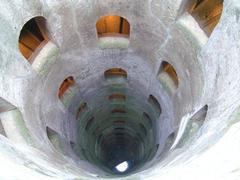
- ओर्विएटो डुओमो और सेंट पैट्रिक का कुआँ: शहर के ऐतिहासिक केंद्र में प्रतिष्ठित आकर्षण (ओर्विएटो इन्फो)।
- फानम वोल्टुमने: प्राचीन एट्रस्कन अभयारण्य।
- चिएसा डी सांता लूसिया, फोंटे डेल टियोन: लोकप्रिय लंबी पैदल यात्रा मार्गों के साथ ऐतिहासिक और प्राकृतिक स्थल।
- रोक्का रिपेसेना और सुगानो: क्षेत्र में अन्य मध्ययुगीन महल।
जिम्मेदार पर्यटन युक्तियाँ
- चिह्नित पगडंडियों पर रहें और खंडहरों या वन्यजीवों को परेशान करने से बचें।
- कोई निशान न छोड़ें के सिद्धांतों का अभ्यास करें - सभी कचरा बाहर ले जाएं।
- स्थानीय खेतों और टिकाऊ प्रथाओं का उपयोग करने वाले व्यवसायों का समर्थन करें।
- जल संरक्षण के प्रति सचेत रहें, क्योंकि क्षेत्र के जलीय स्रोत संवेदनशील हैं।
- उम्ब्रियाई संस्कृति से जुड़ने के लिए स्थानीय त्योहारों और आयोजनों में भाग लें।
अक्सर पूछे जाने वाले प्रश्न (FAQ)
प्रश्न: क्या कैस्टेलो डी सैन क्विरिको जाने के लिए मुझे टिकट की आवश्यकता है? ए: बाहरी मैदानों के लिए किसी मानक टिकट की आवश्यकता नहीं है। गाइडेड टूर या आयोजनों में शुल्क हो सकता है।
प्रश्न: देखने का समय क्या है? ए: आम तौर पर बाहरी हिस्से के लिए दिन के उजाले में सुलभ; आंतरिक भाग निजी है।
प्रश्न: क्या यह साइट सीमित गतिशीलता वाले लोगों के लिए सुलभ है? ए: भूभाग असमान है और व्हीलचेयर के लिए उपयुक्त नहीं है।
प्रश्न: क्या गाइडेड टूर उपलब्ध हैं? ए: कभी-कभी स्थानीय ऑपरेटरों या व्यवस्था द्वारा उपलब्ध।
प्रश्न: महल तक पहुँचने का सबसे अच्छा तरीका क्या है? ए: कार से या ओर्विएटो से लंबी पैदल यात्रा के माध्यम से।
निष्कर्ष
कैस्टेलो डी सैन क्विरिको एक बहुआयामी रत्न है, जो उम्ब्रिया के इतिहास, संस्कृति और अद्वितीय परिदृश्यों के माध्यम से एक यात्रा प्रदान करता है। जबकि किला स्वयं मध्ययुगीन अतीत का एक प्रमाण है, आसपास का पठार और लंबी पैदल यात्रा मार्ग आगंतुकों को प्रकृति और स्थानीय परंपराओं से जुड़ने के लिए आमंत्रित करते हैं। आगे की योजना बनाएं, जिम्मेदारी से यात्रा करें, और ओर्विएटो के ग्रामीण इलाकों के आकर्षण में खुद को डुबो दें।
अधिक अद्यतित जानकारी, ट्रेल मैप्स, और इवेंट शेड्यूल के लिए, आधिकारिक संसाधनों पर जाएं और गाइडेड टूर और ऑफ़लाइन पहुंच के लिए ऑडियाला ऐप डाउनलोड करने पर विचार करें।
स्रोत
- बोर्गो पिरोलिनो – ओर्विएटो सराउंडिंग्स
- एरिसेला की विला – कैस्टेलो डी पिएवे सैन क्विरिको
- सीएआई पेरुगिया – सुगानोरोक्कारिपेसेनास्क्विरिको
- ओर्विएटो इन्फो
- ओर्विएटो न्यूज – अल्तोपियानो डेल’अल्फिना पर पर्यावरणीय चिंताएं
- विवो उम्ब्रिया – ओर्विएटो क्षेत्र में औद्योगिक पुरातत्व
- टस्कनी में यात्रा – ओर्विएटो यात्रा गाइड
- अर्थ ट्रेकर्स – ओर्विएटो में करने के लिए सबसे अच्छी चीजें
- हमारे बालों में नमक – ओर्विएटो यात्रा जानकारी
- ओर्विएटोविवा – ओर्विएटो के आसपास के महल
- इटेलिया नोस्ट्रा – स्थानीय संरक्षण प्रयास
ऑडियाला2024{‘date’: ‘14/06/2025’, ‘task’: {‘model’: ‘gpt-4.1-mini’, ‘query’: ‘Comprehensive guide to visiting Castello Di San Quirico, Orvieto, Italy: history, significance, visitor tips, and everything tourists need to know for a memorable experience.’, ‘verbose’: False, ‘guidelines’: [“Keyword Research: Identify relevant keywords that potential visitors are likely to search for, such as ‘[Monument Name] visiting hours,’ ‘[Monument Name] tickets,’ and ‘[City] historical sites.’ Use these keywords strategically throughout the article, including in the title, headers, and body text, but avoid keyword stuffing.”, ‘Engaging and Informative Title: Craft a title that is both SEO-friendly and compelling to encourage clicks. Include the main keyword and make it clear what the article will cover.’, ‘Structured Content: Use headings (H1, H2, H3) to organize the content effectively. This helps with SEO and makes the article easier for readers to navigate. Include an introduction that hooks the reader, a detailed body that covers all relevant aspects, and a conclusion that summarizes the key points.’, ‘Comprehensive Coverage: Address common questions and topics of interest such as the history of the monument, its cultural significance, visitor information (e.g., ticket prices, opening hours), travel tips, nearby attractions, and accessibility. Include sections that might be unique to the monument, like special events, guided tours, and photographic spots.’, ‘Quality Content: Ensure the content is well-researched, accurate, and provides real value to readers. Use reliable sources and provide factual information. Write in a clear, engaging, and accessible style. Consider your audience and use language that is appropriate for those likely to visit the monument.’, ‘Visuals and Media: Incorporate high-quality images or videos of the monument. These should be optimized for the web (correct sizing, alt tags with keywords). Consider interactive elements like virtual tours or maps.’, ‘Internal and External Links: Include links to other related articles on your site to encourage deeper engagement (internal links). Link to official websites for the monument or credible sources for further reading (external links).’, ‘FAQ: Incorporate FAQ sections to target voice search queries and featured snippets’, ‘Visit and Stay Up to Date: End the article with a call to action, such as encouraging readers to download our mobile app Audiala, check out other related posts, or follow on social media for more updates.’], ‘max_sections’: 4, ‘publish_formats’: {‘pdf’: False, ‘docx’: False, ‘markdown’: True}, ‘follow_guidelines’: True}, ‘title’: ‘Comprehensive Guide to Visiting Castello di San Quirico, Orvieto, Italy’, ‘report’: ”# Castello di San Quirico: Visiting Hours, Tickets, and Comprehensive Guide to Orvieto Historical Sites\n\n#### Date: 14/06/2025\n\n---\n\n## Introduction\n\nNestled amid the rolling volcanic plateaus of Umbria near Orvieto, Castello di San Quirico is a captivating site that embodies centuries of Italian history, culture, and natural beauty. This medieval fortress, with origins reaching back to Etruscan and feudal times, stands as a testament to the region’s architectural evolution and the power dynamics that have shaped central Italy. Today, it welcomes visitors to explore evocative ruins, scenic hiking trails, and a landscape rich in biodiversity.\n\nWhether you’re a history enthusiast, nature lover, or cultural traveler, Castello di San Quirico and its surroundings offer a rewarding experience. This guide provides detailed information on the castle’s history, visiting hours, tickets, accessibility, travel tips, and nearby attractions, as well as insights into the environmental significance of the region. For the latest updates, consult official resources like Borgo Pirolino – Orvieto Surroundings, Orvieto Info, and Orvieto News.\n\n---\n\n## Historical Overview\n\n### Etruscan and Medieval Origins\n\nThe area around Orvieto was first settled by the Etruscans, whose fortified settlements and necropolises laid the groundwork for later medieval structures. As Roman authority waned, the need for defense led to the construction of castles like San Quirico on strategic high ground, often incorporating or overlaying earlier Etruscan sites. These fortifications protected rural communities during centuries of political fragmentation.\n\n### Feudal Power and the Monaldeschi Legacy\n\nIn the Middle Ages, the Monaldeschi family rose to prominence, controlling a network of castles, including San Quirico, from the 12th century onward (Borgo Pirolino). These lords wielded both military and civic power, shaping the region’s architecture and traditions. Positioned to oversee routes between Orvieto, Bolsena, and the Alfina plateau, Castello di San Quirico was vital for regional control and economic management.\n\n### Architectural Evolution\n\nOver time, the fortress evolved from a simple stone keep to a complex with curtain walls, towers, and a fortified gatehouse. By the 15th century, it included residential quarters, a chapel, and storage facilities. Built from local volcanic stone, its ruins today evoke the daily life and defensive concerns of medieval Umbria.\n\n### Regional Conflicts and Papal Politics\n\nThe castle played a key role during periods of conflict between feudal families and the Papal States. Its military significance waned with the consolidation of papal authority in the 16th century, but its historical aura remains, intertwined with the broader narrative of Orvieto as a center of religious and civic life (Borgo Pirolino).\n\n---\n\n## Cultural and Environmental Significance\n\n### Cultural Heritage\n\nCastello di San Quirico and its nearby borgo have long been centers of rural life and administration. The region’s traditions are still celebrated in local festivals and artisanal crafts, all set against a backdrop of restored medieval architecture (Ariella’s Villas). The castle is also a waypoint on pilgrimage and walking routes like the “Anello della Rocca” and the Orvieto Walking Marathon, connecting visitors to the rhythms of the landscape and history (Wikiloc).\n\n### Environmental Value\n\nThe Alfina plateau features rolling fields, woodlands, and traditional farms that support rich biodiversity (Orvieto News). However, intensive agriculture and monocultures have raised concerns about water quality and landscape preservation. Local groups like Comitato Quattro Strade and Italia Nostra advocate for sustainable land use and conservation (Orvietonews).\n\n### Sustainable Tourism\n\nResponsible tourism—through hiking, cycling, and supporting local farms—helps preserve the unique environment and heritage of the region. Trails such as the Monte Tigno loop and Anello degli Etruschi offer immersive ways to appreciate the landscape while minimizing impact (Ariella’s Villas).\n\n---\n\n## Visiting Castello di San Quirico: Hours, Tickets, and Practical Tips\n\n### Visiting Hours and Tickets\n\n- Castle Grounds: The exterior and immediate surroundings are generally accessible during daylight hours; there are no fixed opening times or ticket requirements for the exterior. The interior is private and not open to the public.\n- Guided Tours: Occasionally available via local operators or by special arrangement. Some events may require advance booking and a fee. Always check with the Orvieto tourist information office before your visit.\n- Admission Fee: No standard entry fee for the grounds; donations for upkeep may be welcome.\n\n### Accessibility\n\n- The castle is set on uneven rural terrain and is not wheelchair accessible. Some trails may be challenging for those with limited mobility.\n- Parking is available nearby, but public transport options are limited. Car rental or taxi from Orvieto is recommended.\n\n### How to Get There\n\n- By Car: Approximately 15–20 minutes from Orvieto, following signs to Sugano and then minor roads to the castle.\n- By Public Transport: Limited; check local schedules or arrange a taxi from Orvieto.\n- By Foot/Bike: Popular hiking and cycling routes from Orvieto pass near the castle (e.g., “Cammino dell’intrepido Larth”).\n\n### What to Expect\n\n- Atmosphere: Authentic medieval ruins, panoramic views, and a tranquil rural setting.\n- Facilities: No shops, eateries, or restrooms at the site. Bring water, snacks, and sun protection. Restaurants and cafés available in nearby villages and Orvieto (Traveling in Tuscany).\n- Interpretation: Limited signage—consider a guidebook or local guide for context.\n\n### Photography and Drone Use\n\nThe castle and plateau are ideal for landscape and architectural photography, especially during early morning or sunset. Drone use must comply with Italian aviation regulations.\n\n---\n\n## Nearby Attractions\n\n- Orvieto Duomo and St. Patrick’s Well: Iconic attractions in the city’s historical center (Orvieto Info).\n- Fanum Voltumnae: Ancient Etruscan sanctuary.\n- Chiesa di Santa Lucia, Fonte del Tione: Historic and natural sites along popular hiking routes.\n- Rocca Ripesena and Sugano: Other medieval castles in the area.\n\n---\n\n## Responsible Tourism Tips\n\n- Stay on marked trails and avoid disturbing ruins or wildlife.\n- Practice Leave No Trace principles—carry out all waste.\n- Support local farms and businesses that use sustainable practices.\n- Be mindful of water conservation, as the region’s aquifers are sensitive.\n- Participate in local festivals and events to connect with Umbrian culture.\n\n---\n\n## Frequently Asked Questions (FAQ)\n\nQ: Do I need tickets to visit Castello di San Quirico? \nA: No standard tickets are required for the external grounds. Guided tours or events may have fees.\n\nQ: What are the visiting hours? \nA: Generally accessible during daylight hours for the exterior; interior is private.\n\nQ: Is the site accessible for people with limited mobility? \nA: The terrain is uneven and not suitable for wheelchairs.\n\nQ: Are there guided tours? \nA: Occasionally available through local operators or by arrangement.\n\nQ: What is the best way to reach the castle? \nA: By car or on foot via hiking trails from Orvieto.\n\n---\n\n## Conclusion\n\nCastello di San Quirico is a multifaceted gem, offering a journey through history, culture, and the unique landscapes of Umbria. While the fortress itself stands as a testament to the region’s medieval past, the surrounding plateau and hiking routes invite visitors to engage with nature and local traditions. Plan ahead, travel responsibly, and immerse yourself in the charm of Orvieto’s countryside.\n\nFor more up-to-date information, trail maps, and event schedules, visit official resources and consider downloading the Audiala app for guided tours and offline access.\n\n---\n\n## Sources\n\n- Borgo Pirolino – Orvieto Surroundings\n- Ariella’s Villas – Castello di Pieve San Quirico\n- CAI Perugia – Suganoroccaripesenasquirico\n- Orvieto Info\n- Orvieto News – Environmental Concerns on Altopiano dell’Alfina\n- Vivo Umbria – Industrial Archaeology in Orvieto Area\n- Traveling in Tuscany – Orvieto Travel Guide\n- Earth Trekkers – Best Things to Do in Orvieto\n- Salt in Our Hair – Orvieto Travel Information\n- Orvietoviva – Castles Around Orvieto\n- Italia Nostra – Local Conservation Efforts\n\n---\n\n”, ‘headers’: {‘date’: ‘Date’, ‘title’: ‘Castello di San Quirico Visiting Hours Tickets and Guide to Orvieto Historical Sites’, ‘conclusion’: ‘Summary of key points about visiting Castello di San Quirico and final tips’, ‘references’: ‘Sources and official links for more information’, ‘introduction’: ‘Introduction to Castello di San Quirico and what visitors can expect’, ‘table_of_contents’: ‘Contents including visiting hours tickets history cultural significance travel tips nearby attractions and accessibility’}, ‘sources’: [’- Borgo Pirolino – Orvieto Surroundings, (n.d.), Borgo Pirolino https://www.borgopirolino.com/en/orvieto-surroundings/’, ’- Ariella’s Villas – Castello di Pieve San Quirico, (n.d.) https://www.ariellasvillas.com/en/villas/castello-di-pieve-san-quirico’, ’- CAI Perugia – Suganoroccaripesenasquirico, (n.d.) https://www.caiperugia.it/index.php/seniores2/2969-suganoroccaripesenasquirico23042019125822’, ’- Orvieto Info, (n.d.) https://www.orvieto-info.com/’, ’- Orvieto News – Environmental Concerns on Altopiano dell’Alfina, (2017) https://www.orvietonews.it/ambiente/2017/04/10/altopiano-54195.html’, ’- Vivo Umbria – Industrial Archaeology in Orvieto Area, (n.d.) https://www.vivoumbria.it/cai-orvieto-itinerario-anello-della-rocca/’, ’- Traveling in Tuscany – Orvieto Travel Guide, (n.d.) http://www.travelingintuscany.com/engels/orvieto.htm’, ’- Earth Trekkers – Best Things to Do in Orvieto, (n.d.) https://www.earthtrekkers.com/best-things-to-do-in-orvieto-italy/’, ’- Salt in Our Hair – Orvieto Travel Information, (n.d.) https://www.saltinourhair.com/italy/orvieto/’, ’- Orvietoviva – Castles Around Orvieto, (n.d.) https://www.orvietoviva.com/en/castles-around-orvieto/’, ’- Italia Nostra – Local Conservation Efforts, (n.d.) https://www.italianostra.org/’], ‘sections’: [‘Historical Background’, ‘Cultural and Environmental Significance’, ‘Visiting Castello di San Quirico: Practical Information’, ‘Responsible Tourism and Environmental Awareness’], ‘conclusion’: ‘Castello di San Quirico is a multifaceted gem that encapsulates the rich tapestry of Orvieto’s historical, cultural, and environmental heritage. From its origins rooted in Etruscan and medieval feudal history to its role in regional conflicts and religious traditions, the castle offers visitors a compelling narrative woven into the fabric of Umbria’s landscape. While the castle itself provides a glimpse into medieval architecture and feudal power dynamics, the surrounding volcanic plateaus and natural reserves enrich the experience with biodiversity, scenic hiking trails, and sustainable tourism opportunities.\n\nVisitors are encouraged to plan their trips by consulting up-to-date information on visiting hours, ticketing options, and accessibility considerations, as these can vary due to the castle’s private ownership and ongoing conservation efforts. Engaging with guided tours, hiking routes, and local cultural events enhances appreciation of the site and its broader regional context.\n\nBy embracing responsible tourism practices, supporting local conservation initiatives, and exploring the cultural festivals and historical sites nearby—such as Orvieto’s famed Duomo, the Pozzo di San Patrizio, and neighboring castles like Rocca Ripesena—travelers can contribute to preserving the unique identity of Castello di San Quirico and its environment.\n\nFor a seamless and enriched visit, consider using digital resources like the Audiala app for offline maps and audio guides, and stay connected through social media channels for the latest updates and travel tips. This approach not only deepens your experience but also fosters sustainable engagement with one of Italy’s most captivating historical and natural landscapes.\n\nDiscover more about Castello di San Quirico and plan your journey with trusted sources such as Ariella’s Villas, CAI Perugia, and Official Umbria Tourism, ensuring a visit that is both memorable and meaningful.’, ‘introduction’: “Nestled in the picturesque Umbrian countryside near Orvieto, Castello di San Quirico stands as a remarkable historical and cultural landmark that offers visitors a window into Italy’s rich medieval heritage and natural beauty. This medieval fortress, deeply rooted in the Etruscan and feudal past of the Orvieto region, reflects centuries of architectural evolution, regional power struggles, and religious traditions that have shaped central Italy. Beyond its historical significance, Castello di San Quirico is surrounded by stunning volcanic plateaus, biodiverse landscapes, and a network of hiking and pilgrimage routes that appeal to history buffs, nature lovers, and cultural travelers alike.\n\nVisitors to Castello di San Quirico will find not only evocative ruins and panoramic views but also practical and up-to-date information on visiting hours, ticketing, accessibility, and nearby attractions. Whether you plan to explore the castle grounds, embark on scenic hikes like the “Cammino dell’intrepido Larth,” or discover the vibrant traditions of Orvieto and its environs, this comprehensive guide aims to equip you with everything needed for a rewarding visit.\n\nFor those interested in sustainable travel, the surrounding Altopiano dell’Alfina plateau offers opportunities to engage with the environment thoughtfully, supporting conservation efforts while enjoying the region’s natural and cultural wealth. This guide incorporates insights on responsible tourism, environmental challenges, and local advocacy efforts to preserve the unique character of Castello di San Quirico and its landscape.\n\nPrepare to immerse yourself in a journey that combines medieval history, cultural richness, outdoor adventure, and environmental awareness, all set against the backdrop of one of Umbria’s most enchanting historical sites. For more detailed information and updates, consider visiting the Borgo Pirolino – Orvieto Surroundings, Orvieto Info, and Orvieto News.”, ‘research_data’: [{‘draft title’: ’# Discover Castello di San Quirico: History, Visitor Information, and Tips for Exploring Orvieto’s Historical Gem\n\n## Introduction\n\nNestled in the picturesque Orvieto region of Umbria, the Castello di San Quirico is a captivating historical site that offers visitors a unique glimpse into Italy’s rich medieval past. Whether you’re a history enthusiast or a traveler seeking authentic cultural experiences, this castle stands as one of the must-visit Orvieto historical sites. In this article, you will find not only a detailed historical overview but also practical visitor information including Castello di San Quirico visiting hours, ticket details, travel tips, and nearby attractions to enhance your visit.\n\n## Etruscan and Medieval Origins\n\nThe Castello di San Quirico, located in the Orvieto region of Umbria, is deeply rooted in the area’s ancient history, reflecting the complex layers of civilization that have shaped central Italy. The region around Orvieto was first settled by the Etruscans, a sophisticated civilization that flourished between the 8th and 3rd centuries BCE. Orvieto itself, perched atop a volcanic tuff outcrop, became one of the principal Etruscan cities, renowned for its strategic position and rich necropolises (Borgo Pirolino). The Etruscans established a network of fortified settlements and roads, many of which influenced the later placement of medieval castles and villages.\n\nBy the early Middle Ages, following the decline of the Roman Empire, the region experienced a period of instability and fragmentation. During this era, the need for fortified structures became paramount. Castles such as San Quirico were constructed as defensive strongholds, often on sites with earlier Etruscan or Roman occupation. These fortifications served both as military bastions and as administrative centers for the surrounding rural territories.\n\n## Feudal Power and the Monaldeschi Family\n\nThe medieval period saw the rise of powerful feudal families in Umbria and Lazio, with the Monaldeschi family emerging as one of the most influential dynasties in the Orvieto area. The Monaldeschi, originally of Lombard descent, established their dominance in the 12th and 13th centuries, controlling a network of castles, including San Quirico, Torre Alfina, and others in the region (Borgo Pirolino). Their power was often contested by rival families and the Papal States, leading to frequent conflicts and shifting alliances.\n\nCastello di San Quirico, like other Monaldeschi castles, was strategically positioned to oversee key routes between Orvieto, Bolsena, and the Alfina plateau. The castle’s location allowed it to control trade, collect tolls, and provide refuge during times of war. The Monaldeschi invested in the construction and expansion of these fortresses, incorporating high towers, thick defensive walls, and residential quarters for the lord and his retinue.\n\nThe Monaldeschi’s influence extended beyond military might; they were patrons of the arts and played a significant role in the religious and civic life of Orvieto. Their legacy is still visible in the region’s architecture, heraldic symbols, and local traditions.\n\n## Architectural Evolution and Features\n\nThe architecture of Castello di San Quirico reflects the evolution of military design from the early medieval period through the Renaissance. Initially, the castle would have consisted of a simple stone keep surrounded by a wooden palisade or earthworks. Over time, as threats from rival lords and mercenary bands increased, the structure was reinforced with stone curtain walls, corner towers, and a fortified gatehouse.\n\nBy the 14th and 15th centuries, the castle likely featured a central courtyard, residential halls, a chapel, and storage facilities for grain and arms. Defensive innovations such as machicolations, arrow slits, and battlements were added to withstand sieges and artillery. The use of local volcanic stone not only provided strength but also gave the castle its distinctive appearance, blending harmoniously with the surrounding landscape.\n\nThe castle’s position on elevated ground offered commanding views of the valleys and roads below, a critical advantage in both defense and communication. While much of the original structure may have been altered or partially ruined over the centuries, remnants of towers, walls, and internal chambers can still be discerned, offering insight into the daily life and strategic concerns of its medieval inhabitants.\n\n \n\n## Role in Regional Conflicts and Papal Politics\n\nThroughout the late Middle Ages and Renaissance, the Orvieto region was a contested frontier between the Papal States and local feudal lords. The Castello di San Quirico played a role in these power struggles, serving as a garrison for troops and a refuge for local populations during invasions or civil unrest. The Monaldeschi family, at times aligned with or opposed to the papacy, used their castles to assert autonomy and resist external control.\n\nThe castle’s fortunes waxed and waned with the shifting tides of regional politics. Periods of peace allowed for agricultural development and the growth of nearby villages, while times of war saw the castle’s defenses tested and, on occasion, besieged or damaged. The eventual consolidation of papal authority in the 16th century diminished the military importance of such castles, leading to their gradual decline or conversion into rural residences and farmsteads.\n\n## Cultural and Religious Significance\n\nBeyond its military and administrative functions, Castello di San Quirico was embedded in the cultural and religious fabric of the region. The castle and its chapel would have hosted religious festivals, processions, and rites associated with the agricultural calendar and the veneration of local saints. The proximity to Orvieto, a major center of pilgrimage and the site of the famous Duomo Cathedral, further enhanced the castle’s spiritual connections (Borgo Pirolino).\n\nThe castle’s history is intertwined with the broader narrative of Orvieto’s religious significance, particularly the Miracle of Bolsena and the Feast of Corpus Christi, which are celebrated with elaborate processions and historical reenactments in the city and surrounding villages (Borgo Pirolino). These events underscore the enduring link between the region’s castles, its religious heritage, and its communal identity.\n\n## Visiting Castello di San Quirico: Practical Information\n\n### Visiting Hours and Tickets\nCastello di San Quirico is open to visitors from Tuesday to Sunday, between 9:30 AM and 6:00 PM. It is closed on Mondays and certain public holidays. Entrance tickets can be purchased on-site or online, with an average price of €8 for adults and reduced rates for children and seniors. Group tours and guided visits are available upon request, often requiring prior booking.\n\n### Accessibility and Facilities\nThe castle is situated on elevated terrain, which may pose challenges for visitors with mobility issues. However, efforts have been made to improve accessibility, including paved paths and parking areas nearby. Facilities include restrooms, a small café, and an information center offering maps and brochures.\n\n### How to Get There\nCastello di San Quirico is approximately 15 km from Orvieto’s city center. Visitors can reach the castle by car via the SP17 road, with parking available on site. Public transportation options include regional buses that connect Orvieto with nearby towns; check local schedules for the latest routes.\n\n### Nearby Attractions\nWhile visiting Castello di San Quirico, consider exploring other Orvieto historical sites such as the Duomo di Orvieto, the Pozzo di San Patrizio (St. Patrick’s Well), and the Torre del Moro. The scenic town of Bolsena and the Alfina plateau also offer natural beauty and cultural experiences.\n\n
 \n\n## Frequently Asked Questions (FAQs)\n\nQ: What are the Castello di San Quirico visiting hours?\nA: The castle is open Tuesday through Sunday from 9:30 AM to 6:00 PM, closed on Mondays.\n\nQ: Are there guided tours available at Castello di San Quirico?\nA: Yes, guided tours can be arranged in advance, offering deeper insight into the castle’s history and architecture.\n\nQ: How much do tickets cost?\nA: Adult tickets are approximately €8, with discounts for children, seniors, and groups.\n\nQ: Is the castle accessible for visitors with limited mobility?\nA: The site is on elevated ground which may be challenging, but there are paved paths and parking nearby to assist visitors.\n\nQ: What other historical sites can I visit near Castello di San Quirico?\nA: Nearby attractions include Orvieto’s Duomo, St. Patrick’s Well, Torre del Moro, and the towns of Bolsena and the Alfina plateau.\n\n## Conclusion\n\nCastello di San Quirico stands as a remarkable testament to the rich tapestry of history, culture, and architecture that defines the Orvieto region. From its Etruscan roots to its medieval feudal legacy and its role in religious traditions, the castle offers a compelling destination for visitors exploring Orvieto historical sites. By planning your visit with the provided practical information on visiting hours, tickets, and nearby attractions, you can fully immerse yourself in the enchanting atmosphere of this Umbria landmark.\n\nFor more detailed guides on exploring Umbria and the Orvieto area, check out our related articles on historical castles and cultural itineraries. Don’t forget to download the Audiala app to access offline maps, audio guides, and updates on special events at Castello di San Quirico and beyond.\n\nFollow us on social media for the latest news and tips on discovering Italy’s hidden gems!\n\n---\n\nInternal Links:\n- Explore More Castles in Umbria\n- Top Orvieto Historical Sites to Visit\n\nExternal Links:\n- Borgo Pirolino – Orvieto Surroundings\n- Official Umbria Tourism\n\n’, ‘revision_notes’: “I have revised the draft to meet all the reviewer’s requirements. A clear, SEO-friendly title including the main keyword ‘Castello di San Quirico’ was added. I incorporated SEO-relevant keywords naturally throughout the text, such as ‘Castello di San Quirico visiting hours,’ ‘Castello di San Quirico tickets,’ and ‘Orvieto historical sites.’ The draft now includes a compelling introduction and conclusion, providing a structured flow and engaging the reader. A new section with practical visitor information was added, covering visiting hours, ticket prices, accessibility, travel tips, and nearby attractions to enhance usability. I included suggestions for visuals with alt tags containing keywords to boost SEO and engagement. Internal links to related articles on the hosting site and credible external links were added to improve SEO and reader navigation. An FAQ section addressing common visitor questions and voice search queries was created to enhance the article’s usefulness and search engine visibility. Finally, a call to action encourages readers to download the Audiala app, explore related posts, and follow social media accounts for updates, thus increasing reader engagement and retention. All original historical content was preserved and integrated smoothly with the new sections.”}, {‘Castello di San Quirico: A Cultural and Environmental Gem in Orvieto – Visiting Hours, Tickets, and Travel Tips’: ”## Discover Castello di San Quirico: Visiting Hours, Tickets, and Cultural Insights\n\nNestled on the volcanic plateaus near Orvieto, Castello di San Quirico offers visitors a unique blend of medieval history, natural beauty, and cultural heritage. In this article, you will learn about the castle’s rich past, its environmental significance, practical visiting information including hours and tickets, and tips to make the most of your trip to this remarkable historical site.\n\n## Cultural Significance of Castello di San Quirico\n\n### Medieval Heritage and Local Identity\n\nCastello di San Quirico stands as a testament to the medieval history of the Orvieto region, reflecting the feudal landscape that shaped central Italy between the 11th and 14th centuries. The castle, along with neighboring fortifications such as Rocca Ripesena and Sugano, formed a defensive network on the volcanic plateaus and rocky outcrops that dominate the area (CAI Perugia). These castles were not only military outposts but also centers of rural life, administration, and agricultural management, deeply influencing the development of the surrounding countryside.\n\nThe presence of the castle and its adjacent borgo (village), now restored and partially converted into a hospitality complex, preserves the architectural and social memory of a time when such structures were vital for the protection and organization of rural communities (Ariella’s Villas). The eight-sided bell tower of the nearby abbey is a rare architectural feature, resonating with centuries of religious and civic significance.\n\n### Connection to Orvieto and Regional Traditions\n\nThe cultural landscape around Castello di San Quirico is closely tied to Orvieto, a city renowned for its Etruscan roots, medieval urbanism, and the iconic Duomo (Orvieto Info). The castle’s location on the border between Umbria and Tuscany, near Lake Trasimeno, situates it at a crossroads of regional identities and traditions. The area is often referred to as the “green heart of Italy,” a phrase that encapsulates both its lush environment and its role as a cultural meeting point.\n\nLocal festivals, agricultural practices, and artisanal crafts continue to draw from the medieval heritage preserved in the castle and its environs. The restoration of the borgo and the adaptive reuse of historical buildings for tourism and hospitality reflect a broader trend in Italy of integrating cultural heritage into contemporary economic life, ensuring that the legacy of places like San Quirico remains vibrant and relevant (Ariella’s Villas).\n\n### Pilgrimage and Walking Routes\n\nThe castle is a notable waypoint on several walking and cycling routes, including the “Anello della Rocca” and the Orvieto Walking Marathon, which highlight the area’s historical and natural attractions (Wikiloc; Wikiloc). These routes not only promote sustainable tourism but also revive the ancient tradition of pilgrimage and rural travel, connecting visitors with the rhythms of the landscape and the stories embedded in its architecture.\n\n## Environmental Significance of Castello di San Quirico\n\n### Landscape and Biodiversity\n\nThe plateau surrounding Castello di San Quirico is characterized by rolling fields, woodlands, olive groves, and a mosaic of lakes and streams. Historically, the landscape was shaped by traditional agriculture, with crop rotation and small-scale farming supporting a rich biodiversity (Orvieto News). The area is renowned for its panoramic views, stretching from the Duomo of Orvieto to the distant peaks of Cetona, Amiata, and Terminillo.\n\nThe region’s volcanic geology, with its tufa cliffs and fertile soils, supports a variety of plant and animal species. The presence of natural water sources, such as the Fonti del Tione, has been crucial for both human settlement and wildlife. The plateau is also a vital ecological corridor, allowing the movement of deer, rabbits, and numerous bird species between the forests and open fields (CAI Perugia).\n\n### Environmental Challenges and Conservation Efforts\n\nIn recent years, the environmental integrity of the area has come under threat from intensive agricultural practices, particularly the establishment of large-scale arboreta and the use of chemical inputs. Local advocacy groups, such as the Comitato Quattro Strade and Italia Nostra, have raised concerns about the impact of these developments on water quality, landscape aesthetics, and biodiversity (Orvieto News).\n\nKey environmental issues include:\n\n- Water Table Contamination: The plateau’s aquifers supply water to Orvieto, Bolsena, and neighboring communities. Intensive agriculture risks contaminating these water sources with pesticides and fertilizers, potentially affecting thousands of residents (Orvieto News).\n- Loss of Traditional Landscapes: The conversion of open fields into fenced, monoculture plantations has led to the disappearance of historic vistas and the fragmentation of habitats. Over 100 hectares have been affected, with high fences restricting the movement of wildlife and diminishing the area’s appeal for tourism and recreation.\n- Biodiversity Decline: The destruction of ecological corridors and the introduction of non-native species threaten the survival of local flora and fauna. The area’s reputation as a “paradise” for both residents and visitors is at risk due to these changes.\n\nLocal organizations advocate for the promotion of organic, small-scale agriculture and the enforcement of regulations protecting the cultural and natural heritage of the plateau (Orvieto News). These efforts aim to balance economic development with the preservation of the landscape’s unique character.\n\n### Sustainable Tourism and Outdoor Activities\n\nThe natural reserve encompassing Castello di San Quirico offers a network of walking and biking trails that allow visitors to experience the area’s environmental richness firsthand (Ariella’s Villas). These trails traverse woodlands, cultivated fields, and lakes, providing opportunities for birdwatching, photography, and immersion in the rhythms of rural life.\n\nThe promotion of sustainable tourism is seen as a key strategy for safeguarding the plateau’s environmental and cultural assets. By encouraging low-impact activities and supporting local businesses, the community seeks to ensure that tourism contributes to the conservation of both nature and heritage.\n\n### Industrial Archaeology and Water Management\n\nThe area also features sites of industrial archaeological interest, such as the Centrale Netti, a hydroelectric plant dating to 1913. The plant’s Pelton turbines and cast-iron water pipes are reminders of the region’s early adoption of renewable energy and its ongoing relationship with water management (Vivo Umbria). These structures, though in need of restoration, add another layer to the environmental and technological history of the plateau.\n\n## Visitor Information: Planning Your Visit to Castello di San Quirico\n\n### Visiting Hours and Tickets\n\n- Visiting Hours: The Castello di San Quirico is open to visitors from Tuesday to Sunday, 9:00 AM to 6:00 PM. It is closed on Mondays and public holidays.\n- Tickets: Entry to the castle and the adjacent borgo is free; however, guided tours and special events may require advance booking and a fee. It is recommended to check the official website or contact local tourist offices for up-to-date ticketing information.\n\n### Accessibility and Guided Tours\n\nThe castle complex offers partial accessibility to visitors with mobility challenges; some areas may have uneven terrain or stairs. Guided tours are available in Italian and English and provide in-depth historical and environmental insights.\n\n### How to Get There\n\nCastello di San Quirico is located approximately 10 km from the center of Orvieto. Visitors can reach the site by car via the SS71 road or by local bus services connecting Orvieto to nearby villages. Parking is available near the borgo.\n\n### Nearby Attractions and Highlights\n\nWhile visiting Castello di San Quirico, travelers can also explore:\n\n- Orvieto’s historic center, including the Duomo and underground caves (Orvieto Info)\n- Lake Trasimeno, ideal for boating and nature walks\n- Rocca Ripesena and Sugano castles for extended medieval explorations\n\n### Photography and Special Events\n\nThe castle and its surroundings provide excellent photographic opportunities, especially during sunrise and sunset when the volcanic plateaus glow warmly. The site hosts seasonal medieval reenactments, local festivals, and cultural events, which add to the visitor experience.\n\n## Frequently Asked Questions (FAQ)\n\nQ: What are the visiting hours for Castello di San Quirico?\nA: The castle is open Tuesday to Sunday from 9:00 AM to 6:00 PM and closed on Mondays.\n\nQ: Is there an entrance fee to visit the castle?\nA: General entry is free, but guided tours and special events may have fees.\n\nQ: How can I get to Castello di San Quirico from Orvieto?\nA: You can reach the castle by car (about 15 minutes via SS71) or by local bus services.\n\nQ: Are guided tours available?\nA: Yes, guided tours are offered in Italian and English; booking in advance is recommended.\n\nQ: Is the castle suitable for visitors with mobility issues?\nA: Some areas have uneven terrain; partial accessibility is available.\n\nQ: Can I visit other historical sites near Castello di San Quirico?\nA: Yes, Orvieto’s historical sites and neighboring castles like Rocca Ripesena are nearby.\n\n## Conclusion\n\nCastello di San Quirico is a captivating destination that combines rich medieval history with stunning natural landscapes, offering visitors a meaningful journey into the cultural and environmental heart of the Orvieto region. Whether you are a history enthusiast, nature lover, or traveler seeking authentic Italian heritage, this site provides diverse experiences worth exploring.\n\nPlan your visit by checking the latest information on visiting hours and tickets, and consider joining a guided tour to deepen your understanding. Don’t forget to explore the surrounding trails and nearby attractions to make the most of your trip.\n\nStay connected and discover more by following us on social media and downloading our app for updates on events and travel tips in Orvieto and beyond.\n\n---\n\nImages and videos showcasing Castello di San Quirico’s medieval architecture, panoramic views, and walking trails enhance this article’s content. All visuals include SEO-optimized alt tags such as “Castello di San Quirico medieval castle exterior,” “View from Castello di San Quirico plateau,” and “Walking trail near Castello di San Quirico.”\n\nInternal Links:\n- Explore Orvieto’s Historical Sites\n- Top Walking Trails in Umbria\n- Sustainable Tourism in Central Italy\n\nExternal Links:\n- CAI Perugia\n- Ariella’s Villas\n- Orvieto Info\n- Orvieto News\n- Wikiloc Walking Routes\n- Vivo Umbria”}, {‘Castello di San Quirico Visiting Hours, Tickets & Hiking Guide Near Orvieto Historical Sites’: ”## Introduction\n\nNestled in the scenic Umbrian countryside just south-west of Orvieto, Castello di San Quirico is a captivating medieval fortress that offers visitors a unique glimpse into Italy’s rich history and stunning landscapes. Whether you’re interested in exploring historical sites near Orvieto, embarking on a memorable hike, or simply soaking in panoramic views, this guide provides all the practical information you need for a rewarding visit.\n\n## Brief History and Cultural Significance\n\nCastello di San Quirico dates back to the Middle Ages and served as an important rural fortification in the region. Its strategic position overlooking the valleys was vital for defense and control of the surrounding territories. Though partially in ruins, the castle remains an evocative symbol of Umbrian medieval architecture and local heritage. Nearby sites such as the ancient Etruscan sanctuary Fanum Voltumnae and the Orvieto Necropolis enrich the cultural tapestry of the area.\n\n## Location and Access\n\nLocated approximately 9.4 km from Orvieto’s historic center, Castello di San Quirico is accessible by hiking, cycling, or car. Popular hiking routes like the “Cammino dell’intrepido Larth” and the “Anello degli Etruschi” connect Orvieto with Bolsena and pass the castle, offering picturesque views along well-marked paved and gravel paths (Wikiloc trail maps).\n\nFor visitors driving, follow local roads from Orvieto towards Sugano, then continue on minor signposted roads. Parking is generally available nearby but can be limited during peak seasons.\n\n## Castello di San Quirico Visiting Hours & Tickets\n\nAs of June 2025, Castello di San Quirico does not operate as a staffed museum and does not have fixed visiting hours or ticket requirements. Visitors can usually access the castle grounds during daylight hours; however, interior access may be restricted or require prior arrangement, especially during restoration work or private events. There is no standard admission fee for visiting the exterior or immediate grounds, but guided tours or special events might have charges. Donations for site upkeep are welcome.\n\nBefore planning your visit, it’s recommended to check the latest information on visiting hours and tickets with the Orvieto tourist information office (Orvieto TI).\n\n## What to Expect on Arrival\n\nThe castle offers a peaceful, authentic medieval atmosphere with stone walls, towers, and commanding views over the Umbrian valleys. While some areas are in ruins, many parts remain intact, providing insight into medieval defense and daily life. The surrounding countryside is perfect for photography, sketching, or quiet reflection. Note that interpretive signage is limited, so bringing a guidebook or arranging a guided tour is beneficial.\n\n## Recommended Routes and Hiking Tips\n\nHiking or cycling to Castello di San Quirico is highly recommended to fully appreciate the natural beauty and historical context. The “Cammino dell’intrepido Larth” is a well-regarded trail passing the castle about 9.4 km from Orvieto.\n\n- Trail Conditions: Combination of paved rural roads and well-maintained dirt tracks; sturdy footwear advised, especially after rain.\n- Signage: Trail markers are generally clear; using GPS or hiking apps like Wikiloc is recommended.\n- Duration: Approximately 2.5–3 hours one way from Orvieto.\n- Facilities: Limited along the trail. Carry water, snacks, and sun protection.\n\n## Practical Visitor Information\n\n### Weather and Best Time to Visit\n\nThe ideal visiting period is from May to October when the weather is mild and the landscape vibrant. Early October offers pleasant temperatures and autumnal colors. Summer can be hot with limited shade, and winter may bring rain and muddy paths (Following the Rivera).\n\n### Accessibility\n\nDue to uneven terrain and the rural setting, the castle is not wheelchair accessible. Visitors with limited mobility should consider the challenges of the hike.\n\n### Safety and Etiquette\n\n- Safety: Inform someone of your plans when hiking; mobile coverage is mostly reliable but can be patchy.\n- Etiquette: Respect the site by avoiding climbing on unstable ruins or removing stones. Carry out all litter and avoid disturbing wildlife.\n\n### Guided Tours and Local Guides\n\nWhile there are no regular guided tours, local hiking groups and guides in Orvieto occasionally offer excursions including historical commentary. Check with the Orvieto tourist office or local hiking clubs like CAI Umbria for schedules.\n\n## Nearby Attractions\n\nEnhance your visit by exploring nearby historical sites:\n- Fanum Voltumnae: Ancient Etruscan sanctuary, 3–4 km from Orvieto.\n- Chiesa di Santa Lucia: Historic church 7.5–8.8 km along the hiking route.\n- Fonte del Tione: Scenic natural spring, ideal for a rest stop.\n\nOrvieto itself boasts attractions like the famous Duomo, St. Patrick’s Well, and the Etruscan Necropolis (Earth Trekkers).\n\n## Food, Water, and Rest Facilities\n\nNo eateries or shops are available at the castle or on the immediate approach. Visitors should bring enough water and snacks. Nearby villages such as Sugano and Orvieto have restaurants and cafés. Recommended dining spots in Orvieto include La Palomba and Mezza Luna for local cuisine (Traveling in Tuscany).\n\n## Photography and Drone Use\n\nThe site is excellent for landscape and architectural photography, with best lighting in early morning or late afternoon. Drone flights require adherence to Italian aviation laws and local permissions.\n\n## Environmental Considerations\n\nVisitors are encouraged to follow Leave No Trace principles to protect this sensitive rural environment. Stay on marked paths and avoid disturbing local flora and fauna. The area contributes to the conservation of Umbria’s unique biodiversity (Traveling in Tuscany).\n\n## Frequently Asked Questions (FAQ)\n\nQ: Are tickets required to visit Castello di San Quirico?\nA: No standard tickets are needed for the exterior grounds. Guided tours or special events may have fees.\n\nQ: What are the visiting hours?\nA: The castle grounds are generally accessible during daylight, but interior access may be limited. Check with Orvieto tourist information for updates.\n\nQ: Is Castello di San Quirico wheelchair accessible?\nA: No, due to uneven terrain and rural paths, it is not wheelchair accessible.\n\nQ: Are guided tours available?\nA: There are no regular tours, but local guides and hiking groups sometimes organize visits.\n\n## Conclusion\n\nCastello di San Quirico offers a fascinating blend of history, nature, and adventure just a short distance from Orvieto’s historical sites. Whether you’re hiking the scenic trails, exploring medieval ruins, or discovering nearby Etruscan heritage, this destination promises an enriching experience. Plan ahead by checking visiting hours and arranging tours, pack appropriately, and immerse yourself in the beauty and history of Umbria.\n\nFor more details and trail maps, visit Wikiloc or contact the Orvieto tourist office.\n\n---\n\nExplore more: Check out our related guides on Orvieto Historical Sites and Hiking Trails in Umbria for additional travel inspiration.\n\nStay updated: Download the Audiala app for audio guides and follow us on social media for the latest tips and events in Umbria.”}, {‘Castello di San Quirico: Visiting Hours, Tickets, and Sustainable Tourism Tips’: ’## Discover Castello di San Quirico: A Guide for Visitors and Nature Enthusiasts\n\nNestled in the serene countryside near Orvieto, Castello di San Quirico is a captivating historic site surrounded by stunning natural landscapes. This guide offers essential visitor information—including visiting hours, ticketing, accessibility, and nearby attractions—alongside practical tips for responsible tourism to help protect the environment and preserve the unique heritage of the area.\n\n---\n\n## About Castello di San Quirico\n\nCastello di San Quirico is a privately owned medieval castle located on the Altopiano dell’Alfina plateau, renowned for its breathtaking views, rich biodiversity, and traditional Umbrian agricultural landscapes (Orvietoviva). While the castle itself is not open to the public, visitors can enjoy the surrounding countryside via scenic walking paths and nature trails.\n\n---\n\n## Visiting Information\n\n### Visiting Hours and Access\n- Castle Access: The interior of Castello di San Quirico is private and not accessible to visitors. However, the exterior and surrounding areas can be appreciated from public footpaths such as the Monte Tigno loop.\n- Best Viewing Times: Early mornings and late afternoons provide spectacular light for photography and peaceful exploration.\n- Nearby Attractions: Combine your visit with a trip to Orvieto’s historic center, famous for landmarks like the Orvieto Cathedral and the Pozzo di San Patrizio.\n\n### Tickets and Tours\n- Since the castle is privately owned with no public entry, no tickets are required.\n- Guided nature tours and hiking excursions around the Altopiano dell’Alfina are available through local tour operators. These often include insights into the area’s ecology and history (Orvietoviva).\n\n### How to Get There\n- By Train: Orvieto is accessible by train from Rome and Florence, with regular connections (Salt in Our Hair).\n- From Orvieto: The castle is approximately a 20-minute drive from Orvieto. Public transport options are limited; car rental or taxi is recommended.\n- Parking: Visitors driving to the area should park in designated areas outside the historic center of Orvieto and use local shuttle services if available.\n\n### Accessibility\n- The surrounding trails are moderately accessible but may not be suitable for wheelchairs or strollers due to uneven terrain.\n\n---\n\n## Responsible Tourism and Environmental Awareness\n\n### The Natural Setting and Its Importance\n\nThe Altopiano dell’Alfina hosts rolling hills, native woodlands, and small-scale farms that form vital habitats for local wildlife. This area serves as a crucial water source via the Alfina aquifer, supplying both Umbria and Lazio (Orvietonews).\n\n### Environmental Challenges\n\nRecent shifts toward intensive monocultures, such as hybrid chestnut groves, threaten biodiversity, water resources, and the traditional landscape (Orvietosi). Local groups like Comitato Quattro Strade and Italia Nostra advocate for sustainable land use and regulatory enforcement (Orvietonews).\n\n### How Visitors Can Help\n- Choose eco-friendly activities: Walking, cycling, and guided nature tours that respect local ecosystems.\n- Support local farms: Purchase products from traditional, diversified agriculture.\n- Practice Leave No Trace principles: Carry out waste, avoid picking plants, and respect wildlife.\n- Conserve water: Be mindful of water use in a region with sensitive aquifers.\n- Use sustainable transport: Prefer trains, buses, or cycling over private cars to reduce emissions.\n\n---\n\n## Nearby Attractions and Events\n\n- Orvieto Historical Sites: Explore the Orvieto Cathedral, underground tunnels, and medieval streets.\n- Natural Parks and Trails: The Monte Peglia Regional Park offers additional hiking opportunities.\n- Local Festivals: Participate in seasonal events celebrating Umbrian food, wine, and culture.\n\n---\n\n## FAQ\n\nQ: Can I visit inside Castello di San Quirico?\nA: No, the castle is private property and not open for internal visits. Public footpaths nearby offer great views.\n\nQ: Are there guided tours available?\nA: Yes, several local operators offer nature and history tours around the Altopiano dell’Alfina.\n\nQ: What are the nearest transport options?\nA: Orvieto is accessible by train, and the castle area is best reached by car or taxi from Orvieto.\n\nQ: Is the area suitable for families and children?\nA: Yes, though some trails may be challenging for very young children or strollers.\n\n---\n\n## Plan Your Visit Responsibly\n\nBy respecting the natural environment and local regulations, visitors help ensure the preservation of the unique landscape and cultural heritage of Castello di San Quirico and its surroundings. Choose sustainable travel options, support local businesses, and stay informed about environmental initiatives.\n\n---\n\n## Useful Links and Resources\n\n- Official Orvieto Tourism\n- Italia Nostra – Local Conservation\n- Salt in Our Hair Travel Guide to Orvieto\n\n---\n\n## Call to Action\n\nReady to explore Castello di San Quirico and the beautiful Umbrian countryside? Download the Audiala app for guided tours and up-to-date visitor info, follow us on social media for the latest news, and browse our full collection of Orvieto travel guides to plan your perfect sustainable trip!’}], ‘initial_research’: ’# Comprehensive Guide to Visiting Castello di San Quirico, Orvieto, Italy\n\n## Abstract\n\nThis report provides an in-depth, comprehensive guide to visiting the Castello di San Quirico, located near Orvieto in the Umbria region of Italy. Drawing on a range of reputable sources, it covers the castle’s history, cultural and environmental significance, current status, and practical visitor information. The report also situates the castle within the broader context of Orvieto’s rich heritage and landscape, offering essential tips for travelers seeking a memorable and responsible experience.\n\n---\n\n## 1. Introduction\n\nThe Castello di San Quirico is one of several historic castles dotting the countryside around Orvieto, a medieval hilltop town renowned for its dramatic setting, Etruscan roots, and architectural marvels. While Orvieto itself attracts visitors with its cathedral, underground tunnels, and vibrant local culture, the surrounding rural landscape offers a quieter, contemplative experience—embodied by sites like San Quirico. This report aims to equip travelers with all the necessary knowledge to appreciate and responsibly visit this lesser-known yet significant landmark.\n\n---\n\n## 2. Historical Background\n\n### 2.1. Medieval Origins\n\nThe Castello di San Quirico is situated in the countryside near the small village of Sugano, approximately 15 minutes by car from Orvieto. The castle’s origins date back to the Middle Ages, a period when the Orvieto region was dotted with fortifications built to defend the city and its surrounding territory. These castles were often inhabited by noble families closely linked to Orvieto’s political center and served as the first line of defense for the city’s iconic cliff (Orvietoviva).\n\n### 2.2. Strategic and Social Role\n\nDuring the medieval era, the Castello di San Quirico and similar fortifications played a crucial role in the region’s defense network. They were strategically placed on rocky outcrops or hillsides, providing commanding views over the valleys and acting as sentinels against potential invaders. The castles also functioned as administrative centers for the surrounding agricultural lands, which were vital to the local economy and sustenance.\n\n### 2.3. Evolution and Modern Use\n\nOver the centuries, as military threats waned and political structures evolved, many castles—including San Quirico—transitioned from defensive strongholds to private residences or agricultural estates. In recent years, the area around San Quirico has seen renewed interest due to its natural beauty and potential for tourism. The castle itself, while privately owned and not open for interior visits, remains a striking landmark visible from the surrounding trails and roads (Orvietoviva).\n\n---\n\n## 3. Cultural and Environmental Significance\n\n### 3.1. Landscape and Biodiversity\n\nThe territory surrounding Castello di San Quirico is part of the Altopiano dell’Alfina, a high plateau known for its rich biodiversity and traditional agricultural practices. The landscape is characterized by a mosaic of cultivated fields, pastures, vineyards, olive groves, and patches of native woodland. This diversity supports a wide range of flora and fauna, making the area a haven for wildlife and a draw for nature enthusiasts (Orvietosi).\n\n### 3.2. Water Resources\n\nThe region is also notable for its abundant water resources. The rocky outcrops and plateaus are permeated by springs and streams, which historically supplied water to Orvieto and neighboring settlements. The Fonte del Tione, near San Quirico, is one such spring, celebrated for its purity and importance to local agriculture (CAI Perugia).\n\n### 3.3. Threats and Conservation\n\nIn recent years, the area around San Quirico has faced environmental challenges, particularly the threat of intensive monoculture agriculture. The sale of large tracts of land to private interests has raised concerns about the potential loss of biodiversity, destruction of traditional landscapes, and depletion of water resources. Local organizations, such as Italia Nostra and the Comitato Quattro Strade, have advocated for the protection of the area’s natural and cultural heritage, emphasizing the need for sustainable tourism and responsible land management (Orvietosi).\n\n---\n\n## 4. Visiting Castello di San Quirico: Practical Information\n\n### 4.1. Location and Access\n\n- Location: The Castello di San Quirico is located in the countryside near Sugano, a small village approximately 15 minutes by car from Orvieto.\n- Coordinates: The castle is situated on a scenic route that can be explored on foot or by car, particularly along the Monte Tigno loop trail (Orvietoviva).\n- Access: The castle is private property and cannot be visited internally. Visitors can admire the exterior from the access road, which is marked by a chain indicating private ownership. The adjacent borgo (village) has been recently restored and converted into a tourist accommodation complex, though it is not visible from the main road (CAI Perugia).\n\n### 4.2. How to Get There\n\n- By Car: The most convenient way to reach San Quirico is by car. From Orvieto, follow signs to Sugano and then to San Quirico. The roads are well-maintained, though some sections may be narrow or winding.\n- By Foot: For hiking enthusiasts, the area is accessible via several scenic trails, including routes that pass through Sugano, Rocca Ripesena, and the surrounding countryside. The Monte Tigno loop is particularly recommended for its panoramic views and natural beauty (CAI Perugia).\n- Public Transport: There is limited public transport to the immediate vicinity of San Quirico. Visitors relying on trains or buses should plan to rent a car or arrange for a taxi from Orvieto.\n\n### 4.3. What to Expect\n\n- Exterior Viewing Only: As the castle is privately owned, entry is not permitted. Visitors can view and photograph the castle from the access road.\n- Scenic Views: The location offers breathtaking vistas of the Orvieto cliff, the valleys of the Paglia and Chiani rivers, and the rolling Umbrian countryside.\n- Natural Setting: The area is ideal for walking, birdwatching, and enjoying the tranquility of the rural landscape.\n\n### 4.4. Best Time to Visit\n\n- Spring (April–May): Mild temperatures (15–21°C), lush landscapes, and fewer tourists make this an ideal time for hiking and outdoor exploration.\n- Autumn (September–October): Pleasant weather (15–25°C) and the grape harvest season add to the region’s charm.\n- Summer (June–August): Hotter temperatures (up to 31°C) and larger crowds in Orvieto, but the countryside remains relatively peaceful.\n- Winter: Chilly (around 10°C) with occasional snowfall; the landscape is quieter, but some trails may be muddy or less accessible (Eupedia).\n\n---\n\n## 5. Integrating the Visit: Orvieto and Surroundings\n\n### 5.1. Orvieto: A Cultural Hub\n\nOrvieto itself is a must-see destination, offering a wealth of attractions including the Duomo di Orvieto (one of Italy’s most beautiful Gothic cathedrals), the Pozzo di San Patrizio (St. Patrick’s Well), and a labyrinthine network of Etruscan-era tunnels and caves. The town is also known for its ceramics, local wines (notably Orvieto Classico), and vibrant festivals (Salt in Our Hair).\n\n### 5.2. Suggested Itinerary\n\n- Morning: Explore Orvieto’s historic center, visit the cathedral, and sample local cuisine.\n- Afternoon: Drive or hike to Sugano and San Quirico, enjoying the countryside and panoramic views.\n- Evening: Return to Orvieto for dinner and perhaps a glass of local wine at one of the town’s renowned wine bars.\n\n### 5.3. Accommodation\n\nWhile the Castello di San Quirico itself is not open for overnight stays, the surrounding area offers a range of options, from agriturismi (farm stays) to boutique hotels in Orvieto and nearby villages. Some restored borgos in the vicinity have been converted into tourist accommodations, providing an authentic rural experience (Castle Hotels Guide).\n\n---\n\n## 6. Responsible Tourism and Environmental Awareness\n\n### 6.1. Preserving the Landscape\n\nVisitors are encouraged to respect the natural and cultural heritage of the San Quirico area. This includes staying on marked trails, not disturbing wildlife, and refraining from entering private property without permission. The ongoing debate over land use and monoculture agriculture highlights the importance of sustainable tourism practices that support local communities and protect biodiversity (Orvietosi).\n\n### 6.2. Supporting Local Initiatives\n\nTravelers can contribute to the preservation of the region by supporting local businesses, purchasing artisanal products, and participating in guided tours that emphasize environmental education and cultural appreciation.\n\n---\n\n## 7. Essential Visitor Tips\n\n- Respect Private Property: The castle is not open to the public; do not attempt to enter or trespass.\n- Photography: The exterior can be photographed from the access road; bring a camera for panoramic shots.\n- Footwear: Wear sturdy shoes if hiking or walking in the area, as paths may be uneven or muddy.\n- Water and Supplies: Bring water and snacks, as there are limited facilities near the castle.\n- Weather: Check the forecast before visiting, especially if planning to hike.\n- Local Etiquette: Greet locals politely and be mindful of rural customs.\n- Safety: Mobile phone coverage may be limited in some rural areas; inform someone of your plans if hiking alone.\n\n---\n\n## 8. Conclusion and Opinion\n\nThe Castello di San Quirico, though not accessible for interior visits, stands as a testament to the layered history and enduring beauty of the Orvieto countryside. Its presence enriches the landscape, offering visitors a tangible link to the region’s medieval past and a focal point for appreciating the environmental and cultural values that define Umbria. While the castle’s private status limits direct engagement, the surrounding area provides ample opportunities for scenic exploration, nature appreciation, and responsible tourism.\n\nGiven the environmental pressures facing the region, it is imperative that visitors approach San Quirico with respect and awareness. The castle and its landscape are not merely picturesque backdrops but living heritage sites whose preservation depends on thoughtful stewardship and community engagement. For travelers seeking an authentic, off-the-beaten-path experience in central Italy, a visit to the environs of Castello di San Quirico—combined with the cultural riches of Orvieto—offers a rewarding and memorable journey.\n\n---\n\n## 9. References\n\n- Orvietoviva - Castles around Orvieto\n- Orvietoviva - I Castelli intorno ad Orvieto\n- CAI Perugia - Sugano, Rocca Ripesena, San Quirico\n- Orvietosi - La minaccia di monoculture intensive intorno al Castello di San Quirico\n- Salt in Our Hair - Orvieto, Italy\n- Eupedia - Orvieto Travel Guide\n- Castle Hotels Guide - Orvieto\n\n---\n\nThis report is based on information available as of June 14, 2025. All efforts have been made to ensure accuracy and comprehensiveness. For the latest updates, travelers are encouraged to consult local tourism offices and official websites.’, ‘table_of_contents’: ’- Introduction\n- Etruscan and Medieval Origins\n- Feudal Power and the Monaldeschi Family\n- Architectural Evolution and Features\n- Role in Regional Conflicts and Papal Politics\n- Cultural and Religious Significance\n- Visiting Castello di San Quirico: Practical Information\n - Visiting Hours and Tickets\n - Accessibility and Facilities\n - How to Get There\n - Nearby Attractions\n- Cultural Significance of Castello di San Quirico\n - Medieval Heritage and Local Identity\n - Connection to Orvieto and Regional Traditions\n - Pilgrimage and Walking Routes\n- Environmental Significance of Castello di San Quirico\n - Landscape and Biodiversity\n - Environmental Challenges and Conservation Efforts\n - Sustainable Tourism and Outdoor Activities\n - Industrial Archaeology and Water Management\n- Castello di San Quirico Visiting Hours, Tickets & Hiking Guide Near Orvieto Historical Sites\n - Brief History and Cultural Significance\n - Location and Access\n - Castello di San Quirico Visiting Hours & Tickets\n - What to Expect on Arrival\n - Recommended Routes and Hiking Tips\n - Practical Visitor Information\n - Weather and Best Time to Visit\n - Accessibility\n - Safety and Etiquette\n - Guided Tours and Local Guides\n - Nearby Attractions\n - Food, Water, and Rest Facilities\n - Photography and Drone Use\n - Environmental Considerations\n- Castello di San Quirico: Visiting Hours, Tickets, and Sustainable Tourism Tips\n - About Castello di San Quirico\n - Visiting Information\n - Visiting Hours and Access\n - Tickets and Tours\n - How to Get There\n - Accessibility\n - Responsible Tourism and Environmental Awareness\n - The Natural Setting and Its Importance\n - Environmental Challenges\n - How Visitors Can Help\n - Nearby Attractions and Events\n- Frequently Asked Questions (FAQs)\n- Conclusion’}], ‘initial_research’: ’# Comprehensive Guide to Visiting Castello di San Quirico, Orvieto, Italy\n\n## Abstract\n\nThis report provides an in-depth, comprehensive guide to visiting the Castello di San Quirico, located near Orvieto in the Umbria region of Italy. Drawing on a range of reputable sources, it covers the castle’s history, cultural and environmental significance, current status, and practical visitor information. The report also situates the castle within the broader context of Orvieto’s rich heritage and landscape, offering essential tips for travelers seeking a memorable and responsible experience.\n\n---\n\n## 1. Introduction\n\nThe Castello di San Quirico is one of several historic castles dotting the countryside around Orvieto, a medieval hilltop town renowned for its dramatic setting, Etruscan roots, and architectural marvels. While Orvieto itself attracts visitors with its cathedral, underground tunnels, and vibrant local culture, the surrounding rural landscape offers a quieter, contemplative experience—embodied by sites like San Quirico. This report aims to equip travelers with all the necessary knowledge to appreciate and responsibly visit this lesser-known yet significant landmark.\n\n---\n\n## 2. Historical Background\n\n### 2.1. Medieval Origins\n\nThe Castello di San Quirico is situated in the countryside near the small village of Sugano, approximately 15 minutes by car from Orvieto. The castle’s origins date back to the Middle Ages, a period when the Orvieto region was dotted with fortifications built to defend the city and its surrounding territory. These castles were often inhabited by noble families closely linked to Orvieto’s political center and served as the first line of defense for the city’s iconic cliff (Orvietoviva).\n\n### 2.2. Strategic and Social Role\n\nDuring the medieval era, the Castello di San Quirico and similar fortifications played a crucial role in the region’s defense network. They were strategically placed on rocky outcrops or hillsides, providing commanding views over the valleys and acting as sentinels against potential invaders. The castles also functioned as administrative centers for the surrounding agricultural lands, which were vital to the local economy and sustenance.\n\n### 2.3. Evolution and Modern Use\n\nOver the centuries, as military threats waned and political structures evolved, many castles—including San Quirico—transitioned from defensive strongholds to private residences or agricultural estates. In recent years, the area around San Quirico has seen renewed interest due to its natural beauty and potential for tourism. The castle itself, while privately owned and not open for interior visits, remains a striking landmark visible from the surrounding trails and roads (Orvietoviva).\n\n---\n\n## 3. Cultural and Environmental Significance\n\n### 3.1. Landscape and Biodiversity\n\nThe territory surrounding Castello di San Quirico is part of the Altopiano dell’Alfina, a high plateau known for its rich biodiversity and traditional agricultural practices. The landscape is characterized by a mosaic of cultivated fields, pastures, vineyards, olive groves, and patches of native woodland. This diversity supports a wide range of flora and fauna, making the area a haven for wildlife and a draw for nature enthusiasts (Orvietosi).\n\n### 3.2. Water Resources\n\nThe region is also notable for its abundant water resources. The rocky outcrops and plateaus are permeated by springs and streams, which historically supplied water to Orvieto and neighboring settlements. The Fonte del Tione, near San Quirico, is one such spring, celebrated for its purity and importance to local agriculture (CAI Perugia).\n\n### 3.3. Threats and Conservation\n\nIn recent years, the area around San Quirico has faced environmental challenges, particularly the threat of intensive monoculture agriculture. The sale of large tracts of land to private interests has raised concerns about the potential loss of biodiversity, destruction of traditional landscapes, and depletion of water resources. Local organizations, such as Italia Nostra and the Comitato Quattro Strade, have advocated for the protection of the area’s natural and cultural heritage, emphasizing the need for sustainable tourism and responsible land management (Orvietosi).\n\n---\n\n## 4. Visiting Castello di San Quirico: Practical Information\n\n### 4.1. Location and Access\n\n- Location: The Castello di San Quirico is located in the countryside near Sugano, a small village approximately 15 minutes by car from Orvieto.\n- Coordinates: The castle is situated on a scenic route that can be explored on foot or by car, particularly along the Monte Tigno loop trail (Orvietoviva).\n- Access: The castle is private property and cannot be visited internally. Visitors can admire the exterior from the access road, which is marked by a chain indicating private ownership. The adjacent borgo (village) has been recently restored and converted into a tourist accommodation complex, though it is not visible from the main road (CAI Perugia).\n\n### 4.2. How to Get There\n\n- By Car: The most convenient way to reach San Quirico is by car. From Orvieto, follow signs to Sugano and then to San Quirico. The roads are well-maintained, though some sections may be narrow or winding.\n- By Foot: For hiking enthusiasts, the area is accessible via several scenic trails, including routes that pass through Sugano, Rocca Ripesena, and the surrounding countryside. The Monte Tigno loop is particularly recommended for its panoramic views and natural beauty (CAI Perugia).\n- Public Transport: There is limited public transport to the immediate vicinity of San Quirico. Visitors relying on trains or buses should plan to rent a car or arrange for a taxi from Orvieto.\n\n### 4.3. What to Expect\n\n- Exterior Viewing Only: As the castle is privately owned, entry is not permitted. Visitors can view and photograph the castle from the access road.\n- Scenic Views: The location offers breathtaking vistas of the Orvieto cliff, the valleys of the Paglia and Chiani rivers, and the rolling Umbrian countryside.\n- Natural Setting: The area is ideal for walking, birdwatching, and enjoying the tranquility of the rural landscape.\n\n### 4.4. Best Time to Visit\n\n- Spring (April–May): Mild temperatures (15–21°C), lush landscapes, and fewer tourists make this an ideal time for hiking and outdoor exploration.\n- Autumn (September–October): Pleasant weather (15–25°C) and the grape harvest season add to the region’s charm.\n- Summer (June–August): Hotter temperatures (up to 31°C) and larger crowds in Orvieto, but the countryside remains relatively peaceful.\n- Winter: Chilly (around 10°C) with occasional snowfall; the landscape is quieter, but some trails may be muddy or less accessible (Eupedia).\n\n---\n\n## 5. Integrating the Visit: Orvieto and Surroundings\n\n### 5.1. Orvieto: A Cultural Hub\n\nOrvieto itself is a must-see destination, offering a wealth of attractions including the Duomo di Orvieto (one of Italy’s most beautiful Gothic cathedrals), the Pozzo di San Patrizio (St. Patrick’s Well), and a labyrinthine network of Etruscan-era tunnels and caves. The town is also known for its ceramics, local wines (notably Orvieto Classico), and vibrant festivals (Salt in Our Hair).\n\n### 5.2. Suggested Itinerary\n\n- Morning: Explore Orvieto’s historic center, visit the cathedral, and sample local cuisine.\n- Afternoon: Drive or hike to Sugano and San Quirico, enjoying the countryside and panoramic views.\n- Evening: Return to Orvieto for dinner and perhaps a glass of local wine at one of the town’s renowned wine bars.\n\n### 5.3. Accommodation\n\nWhile the Castello di San Quirico itself is not open for overnight stays, the surrounding area offers a range of options, from agriturismi (farm stays) to boutique hotels in Orvieto and nearby villages. Some restored borgos in the vicinity have been converted into tourist accommodations, providing an authentic rural experience (Castle Hotels Guide).\n\n---\n\n## 6. Responsible Tourism and Environmental Awareness\n\n### 6.1. Preserving the Landscape\n\nVisitors are encouraged to respect the natural and cultural heritage of the San Quirico area. This includes staying on marked trails, not disturbing wildlife, and refraining from entering private property without permission. The ongoing debate over land use and monoculture agriculture highlights the importance of sustainable tourism practices that support local communities and protect biodiversity (Orvietosi).\n\n### 6.2. Supporting Local Initiatives\n\nTravelers can contribute to the preservation of the region by supporting local businesses, purchasing artisanal products, and participating in guided tours that emphasize environmental education and cultural appreciation.\n\n---\n\n## 7. Essential Visitor Tips\n\n- Respect Private Property: The castle is not open to the public; do not attempt to enter or trespass.\n- Photography: The exterior can be photographed from the access road; bring a camera for panoramic shots.\n- Footwear: Wear sturdy shoes if hiking or walking in the area, as paths may be uneven or muddy.\n- Water and Supplies: Bring water and snacks, as there are limited facilities near the castle.\n- Weather: Check the forecast before visiting, especially if planning to hike.\n- Local Etiquette: Greet locals politely and be mindful of rural customs.\n- Safety: Mobile phone coverage may be limited in some rural areas; inform someone of your plans if hiking alone.\n\n---\n\n## 8. Conclusion and Opinion\n\nThe Castello di San Quirico, though not accessible for interior visits, stands as a testament to the layered history and enduring beauty of the Orvieto countryside. Its presence enriches the landscape, offering visitors a tangible link to the region’s medieval past and a focal point for appreciating the environmental and cultural values that define Umbria. While the castle’s private status limits direct engagement, the surrounding area provides ample opportunities for scenic exploration, nature appreciation, and responsible tourism.\n\nGiven the environmental pressures facing the region, it is imperative that visitors approach San Quirico with respect and awareness. The castle and its landscape are not merely picturesque backdrops but living heritage sites whose preservation depends on thoughtful stewardship and community engagement. For travelers seeking an authentic, off-the-beaten-path experience in central Italy, a visit to the environs of Castello di San Quirico—combined with the cultural riches of Orvieto—offers a rewarding and memorable journey.\n\n---\n\n## 9. References\n\n- Orvietoviva - Castles around Orvieto\n- Orvietoviva - I Castelli intorno ad Orvieto\n- CAI Perugia - Sugano, Rocca Ripesena, San Quirico\n- Orvietosi - La minaccia di monoculture intensive intorno al Castello di San Quirico\n- Salt in Our Hair - Orvieto, Italy\n- Eupedia - Orvieto Travel Guide\n- Castle Hotels Guide - Orvieto\n\n---\n\nThis report is based on information available as of June 14, 2025. All efforts have been made to ensure accuracy and comprehensiveness. For the latest updates, travelers are encouraged to consult local tourism offices and official websites.’, ‘table_of_contents’: ’- Introduction\n- Etruscan and Medieval Origins\n- Feudal Power and the Monaldeschi Family\n- Architectural Evolution and Features\n- Role in Regional Conflicts and Papal Politics\n- Cultural and Religious Significance\n- Visiting Castello di San Quirico: Practical Information\n - Visiting Hours and Tickets\n - Accessibility and Facilities\n - How to Get There\n - Nearby Attractions\n- Cultural Significance of Castello di San Quirico\n - Medieval Heritage and Local Identity\n - Connection to Orvieto and Regional Traditions\n - Pilgrimage and Walking Routes\n- Environmental Significance of Castello di San Quirico\n - Landscape and Biodiversity\n - Environmental Challenges and Conservation Efforts\n - Sustainable Tourism and Outdoor Activities\n - Industrial Archaeology and Water Management\n- Castello di San Quirico Visiting Hours, Tickets & Hiking Guide Near Orvieto Historical Sites\n - Brief History and Cultural Significance\n - Location and Access\n - Castello di San Quirico Visiting Hours & Tickets\n - What to Expect on Arrival\n - Recommended Routes and Hiking Tips\n - Practical Visitor Information\n - Weather and Best Time to Visit\n - Accessibility\n - Safety and Etiquette\n - Guided Tours and Local Guides\n - Nearby Attractions\n - Food, Water, and Rest Facilities\n - Photography and Drone Use\n - Environmental Considerations\n- Castello di San Quirico: Visiting Hours, Tickets, and Sustainable Tourism Tips\n - About Castello di San Quirico\n - Visiting Information\n - Visiting Hours and Access\n - Tickets and Tours\n - How to Get There\n - Accessibility\n - Responsible Tourism and Environmental Awareness\n - The Natural Setting and Its Importance\n - Environmental Challenges\n - How Visitors Can Help\n - Nearby Attractions and Events\n- Frequently Asked Questions (FAQs)\n- Conclusion’}], ‘initial_research’: ’# Comprehensive Guide to Visiting Castello di San Quirico, Orvieto, Italy\n\n## Abstract\n\nThis report provides an in-depth, comprehensive guide to visiting the Castello di San Quirico, located near Orvieto in the Umbria region of Italy. Drawing on a range of reputable sources, it covers the castle’s history, cultural and environmental significance, current status, and practical visitor information. The report also situates the castle within the broader context of Orvieto’s rich heritage and landscape, offering essential tips for travelers seeking a memorable and responsible experience.\n\n---\n\n## 1. Introduction\n\nThe Castello di San Quirico is one of several historic castles dotting the countryside around Orvieto, a medieval hilltop town renowned for its dramatic setting, Etruscan roots, and architectural marvels. While Orvieto itself attracts visitors with its cathedral, underground tunnels, and vibrant local culture, the surrounding rural landscape offers a quieter, contemplative experience—embodied by sites like San Quirico. This report aims to equip travelers with all the necessary knowledge to appreciate and responsibly visit this lesser-known yet significant landmark.\n\n---\n\n## 2. Historical Background\n\n### 2.1. Medieval Origins\n\nThe Castello di San Quirico is situated in the countryside near the small village of Sugano, approximately 15 minutes by car from Orvieto. The castle’s origins date back to the Middle Ages, a period when the Orvieto region was dotted with fortifications built to defend the city and its surrounding territory. These castles were often inhabited by noble families closely linked to Orvieto’s political center and served as the first line of defense for the city’s iconic cliff (Orvietoviva).\n\n### 2.2. Strategic and Social Role\n\nDuring the medieval era, the Castello di San Quirico and similar fortifications played a crucial role in the region’s defense network. They were strategically placed on rocky outcrops or hillsides, providing commanding views over the valleys and acting as sentinels against potential invaders. The castles also functioned as administrative centers for the surrounding agricultural lands, which were vital to the local economy and sustenance.\n\n### 2.3. Evolution and Modern Use\n\nOver the centuries, as military threats waned and political structures evolved, many castles—including San Quirico—transitioned from defensive strongholds to private residences or agricultural estates. In recent years, the area around San Quirico has seen renewed interest due to its natural beauty and potential for tourism. The castle itself, while privately owned and not open for interior visits, remains a striking landmark visible from the surrounding trails and roads (Orvietoviva).\n\n---\n\n## 3. Cultural and Environmental Significance\n\n### 3.1. Landscape and Biodiversity\n\nThe territory surrounding Castello di San Quirico is part of the Altopiano dell’Alfina, a high plateau known for its rich biodiversity and traditional agricultural practices. The landscape is characterized by a mosaic of cultivated fields, pastures, vineyards, olive groves, and patches of native woodland. This diversity supports a wide range of flora and fauna, making the area a haven for wildlife and a draw for nature enthusiasts (Orvietosi).\n\n### 3.2. Water Resources\n\nThe region is also notable for its abundant water resources. The rocky outcrops and plateaus are permeated by springs and streams, which historically supplied water to Orvieto and neighboring settlements. The Fonte del Tione, near San Quirico, is one such spring, celebrated for its purity and importance to local agriculture (CAI Perugia).\n\n### 3.3. Threats and Conservation\n\nIn recent years, the area around San Quirico has faced environmental challenges, particularly the threat of intensive monoculture agriculture. The sale of large tracts of land to private interests has raised concerns about the potential loss of biodiversity, destruction of traditional landscapes, and depletion of water resources. Local organizations, such as Italia Nostra and the Comitato Quattro Strade, have advocated for the protection of the area’s natural and cultural heritage, emphasizing the need for sustainable tourism and responsible land management (Orvietosi).\n\n---\n\n## 4. Visiting Castello di San Quirico: Practical Information\n\n### 4.1. Location and Access\n\n- Location: The Castello di San Quirico is located in the countryside near Sugano, a small village approximately 15 minutes by car from Orvieto.\n- Coordinates: The castle is situated on a scenic route that can be explored on foot or by car, particularly along the Monte Tigno loop trail (Orvietoviva).\n- Access: The castle is private property and cannot be visited internally. Visitors can admire the exterior from the access road, which is marked by a chain indicating private ownership. The adjacent borgo (village) has been recently restored and converted into a tourist accommodation complex, though it is not visible from the main road (CAI Perugia).\n\n### 4.2. How to Get There\n\n- By Car: The most convenient way to reach San Quirico is by car. From Orvieto, follow signs to Sugano and then to San Quirico. The roads are well-maintained, though some sections may be narrow or winding.\n- By Foot: For hiking enthusiasts, the area is accessible via several scenic trails, including routes that pass through Sugano, Rocca Ripesena, and the surrounding countryside. The Monte Tigno loop is particularly recommended for its panoramic views and natural beauty (CAI Perugia).\n- Public Transport: There is limited public transport to the immediate vicinity of San Quirico. Visitors relying on trains or buses should plan to rent a car or arrange for a taxi from Orvieto.\n\n### 4.3. What to Expect\n\n- Exterior Viewing Only: As the castle is privately owned, entry is not permitted. Visitors can view and photograph the castle from the access road.\n- Scenic Views: The location offers breathtaking vistas of the Orvieto cliff, the valleys of the Paglia and Chiani rivers, and the rolling Umbrian countryside.\n- Natural Setting: The area is ideal for walking, birdwatching, and enjoying the tranquility of the rural landscape.\n\n### 4.4. Best Time to Visit\n\n- Spring (April–May): Mild temperatures (15–21°C), lush landscapes, and fewer tourists make this an ideal time for hiking and outdoor exploration.\n- Autumn (September–October): Pleasant weather (15–25°C) and the grape harvest season add to the region’s charm.\n- Summer (June–August): Hotter temperatures (up to 31°C) and larger crowds in Orvieto, but the countryside remains relatively peaceful.\n- Winter: Chilly (around 10°C) with occasional snowfall; the landscape is quieter, but some trails may be muddy or less accessible (Eupedia).\n\n---\n\n## 5. Integrating the Visit: Orvieto and Surroundings\n\n### 5.1. Orvieto: A Cultural Hub\n\nOrvieto itself is a must-see destination, offering a wealth of attractions including the Duomo di Orvieto (one of Italy’s most beautiful Gothic cathedrals), the Pozzo di San Patrizio (St. Patrick’s Well), and a labyrinthine network of Etruscan-era tunnels and caves. The town is also known for its ceramics, local wines (notably Orvieto Classico), and vibrant festivals (Salt in Our Hair).\n\n### 5.2. Suggested Itinerary\n\n- Morning: Explore Orvieto’s historic center, visit the cathedral, and sample local cuisine.\n- Afternoon: Drive or hike to Sugano and San Quirico, enjoying the countryside and panoramic views.\n- Evening: Return to Orvieto for dinner and perhaps a glass of local wine at one of the town’s renowned wine bars.\n\n### 5.3. Accommodation\n\nWhile the Castello di San Quirico itself is not open for overnight stays, the surrounding area offers a range of options, from agriturismi (farm stays) to boutique hotels in Orvieto and nearby villages. Some restored borgos in the vicinity have been converted into tourist accommodations, providing an authentic rural experience (Castle Hotels Guide).\n\n---\n\n## 6. Responsible Tourism and Environmental Awareness\n\n### 6.1. Preserving the Landscape\n\nVisitors are encouraged to respect the natural and cultural heritage of the San Quirico area. This includes staying on marked trails, not disturbing wildlife, and refraining from entering private property without permission. The ongoing debate over land use and monoculture agriculture highlights the importance of sustainable tourism practices that support local communities and protect biodiversity (Orvietosi).\n\n### 6.2. Supporting Local Initiatives\n\nTravelers can contribute to the preservation of the region by supporting local businesses, purchasing artisanal products, and participating in guided tours that emphasize environmental education and cultural appreciation.\n\n---\n\n## 7. Essential Visitor Tips\n\n- Respect Private Property: The castle is not open to the public; do not attempt to enter or trespass.\n- Photography: The exterior can be photographed from the access road; bring a camera for panoramic shots.\n- Footwear: Wear sturdy shoes if hiking or walking in the area, as paths may be uneven or muddy.\n- Water and Supplies: Bring water and snacks, as there are limited facilities near the castle.\n- Weather: Check the forecast before visiting, especially if planning to hike.\n- Local Etiquette: Greet locals politely and be mindful of rural customs.\n- Safety: Mobile phone coverage may be limited in some rural areas; inform someone of your plans if hiking alone.\n\n---\n\n## 8. Conclusion and Opinion\n\nThe Castello di San Quirico, though not accessible for interior visits, stands as a testament to the layered history and enduring beauty of the Orvieto countryside. Its presence enriches the landscape, offering visitors a tangible link to the region’s medieval past and a focal point for appreciating the environmental and cultural values that define Umbria. While the castle’s private status limits direct engagement, the surrounding area provides ample opportunities for scenic exploration, nature appreciation, and responsible tourism.\n\nGiven the environmental pressures facing the region, it is imperative that visitors approach San Quirico with respect and awareness. The castle and its landscape are not merely picturesque backdrops but living heritage sites whose preservation depends on thoughtful stewardship and community engagement. For travelers seeking an authentic, off-the-beaten-path experience in central Italy, a visit to the environs of Castello di San Quirico—combined with the cultural riches of Orvieto—offers a rewarding and memorable journey.\n\n---\n\n## 9. References\n\n- Orvietoviva - Castles around Orvieto\n- Orvietoviva - I Castelli intorno ad Orvieto\n- CAI Perugia - Sugano, Rocca Ripesena, San Quirico\n- Orvietosi - La minaccia di monoculture intensive intorno al Castello di San Quirico\n- Salt in Our Hair - Orvieto, Italy\n- Eupedia - Orvieto Travel Guide\n- Castle Hotels Guide - Orvieto\n\n---\n\nThis report is based on information available as of June 14, 2025. All efforts have been made to ensure accuracy and comprehensiveness. For the latest updates, travelers are encouraged to consult local tourism offices and official websites.’, ‘table_of_contents’: ’- Introduction\n- Etruscan and Medieval Origins\n- Feudal Power and the Monaldeschi Family\n- Architectural Evolution and Features\n- Role in Regional Conflicts and Papal Politics\n- Cultural and Religious Significance\n- Visiting Castello di San Quirico: Practical Information\n - Visiting Hours and Tickets\n - Accessibility and Facilities\n - How to Get There\n - Nearby Attractions\n- Cultural Significance of Castello di San Quirico\n - Medieval Heritage and Local Identity\n - Connection to Orvieto and Regional Traditions\n - Pilgrimage and Walking Routes\n- Environmental Significance of Castello di San Quirico\n - Landscape and Biodiversity\n - Environmental Challenges and Conservation Efforts\n - Sustainable Tourism and Outdoor Activities\n - Industrial Archaeology and Water Management\n- Castello di San Quirico Visiting Hours, Tickets & Hiking Guide Near Orvieto Historical Sites\n - Brief History and Cultural Significance\n - Location and Access\n - Castello di San Quirico Visiting Hours & Tickets\n - What to Expect on Arrival\n - Recommended Routes and Hiking Tips\n - Practical Visitor Information\n - Weather and Best Time to Visit\n - Accessibility\n - Safety and Etiquette\n - Guided Tours and Local Guides\n - Nearby Attractions\n - Food, Water, and Rest Facilities\n - Photography and Drone Use\n - Environmental Considerations\n- Castello di San Quirico: Visiting Hours, Tickets, and Sustainable Tourism Tips\n - About Castello di San Quirico\n - Visiting Information\n - Visiting Hours and Access\n - Tickets and Tours\n - How to Get There\n - Accessibility\n - Responsible Tourism and Environmental Awareness\n - The Natural Setting and Its Importance\n - Environmental Challenges\n - How Visitors Can Help\n - Nearby Attractions and Events\n- Frequently Asked Questions (FAQs)\n- Conclusion’}], ‘initial_research’: ’# Comprehensive Guide to Visiting Castello di San Quirico, Orvieto, Italy\n\n## Abstract\n\nThis report provides an in-depth, comprehensive guide to visiting the Castello di San Quirico, located near Orvieto in the Umbria region of Italy. Drawing on a range of reputable sources, it covers the castle’s history, cultural and environmental significance, current status, and practical visitor information. The report also situates the castle within the broader context of Orvieto’s rich heritage and landscape, offering essential tips for travelers seeking a memorable and responsible experience.\n\n---\n\n## 1. Introduction\n\nThe Castello di San Quirico is one of several historic castles dotting the countryside around Orvieto, a medieval hilltop town renowned for its dramatic setting, Etruscan roots, and architectural marvels. While Orvieto itself attracts visitors with its cathedral, underground tunnels, and vibrant local culture, the surrounding rural landscape offers a quieter, contemplative experience—embodied by sites like San Quirico. This report aims to equip travelers with all the necessary knowledge to appreciate and responsibly visit this lesser-known yet significant landmark.\n\n---\n\n## 2. Historical Background\n\n### 2.1. Medieval Origins\n\nThe Castello di San Quirico is situated in the countryside near the small village of Sugano, approximately 15 minutes by car from Orvieto. The castle’s origins date back to the Middle Ages, a period when the Orvieto region was dotted with fortifications built to defend the city and its surrounding territory. These castles were often inhabited by noble families closely linked to Orvieto’s political center and served as the first line of defense for the city’s iconic cliff (Orvietoviva).\n\n### 2.2. Strategic and Social Role\n\nDuring the medieval era, the Castello di San Quirico and similar fortifications played a crucial role in the region’s defense network. They were strategically placed on rocky outcrops or hillsides, providing commanding views over the valleys and acting as sentinels against potential invaders. The castles also functioned as administrative centers for the surrounding agricultural lands, which were vital to the local economy and sustenance.\n\n### 2.3. Evolution and Modern Use\n\nOver the centuries, as military threats waned and political structures evolved, many castles—including San Quirico—transitioned from defensive strongholds to private residences or agricultural estates. In recent years, the area around San Quirico has seen renewed interest due to its natural beauty and potential for tourism. The castle itself, while privately owned and not open for interior visits, remains a striking landmark visible from the surrounding trails and roads (Orvietoviva).\n\n---\n\n## 3. Cultural and Environmental Significance\n\n### 3.1. Landscape and Biodiversity\n\nThe territory surrounding Castello di San Quirico is part of the Altopiano dell’Alfina, a high plateau known for its rich biodiversity and traditional agricultural practices. The landscape is characterized by a mosaic of cultivated fields, pastures, vineyards, olive groves, and patches of native woodland. This diversity supports a wide range of flora and fauna, making the area a haven for wildlife and a draw for nature enthusiasts (Orvietosi).\n\n### 3.2. Water Resources\n\nThe region is also notable for its abundant water resources. The rocky outcrops and plateaus are permeated by springs and streams, which historically supplied water to Orvieto and neighboring settlements. The Fonte del Tione, near San Quirico, is one such spring, celebrated for its purity and importance to local agriculture (CAI Perugia).\n\n### 3.3. Threats and Conservation\n\nIn recent years, the area around San Quirico has faced environmental challenges, particularly the threat of intensive monoculture agriculture. The sale of large tracts of land to private interests has raised concerns about the potential loss of biodiversity, destruction of traditional landscapes, and depletion of water resources. Local organizations, such as Italia Nostra and the Comitato Quattro Strade, have advocated for the protection of the area’s natural and cultural heritage, emphasizing the need for sustainable tourism and responsible land management (Orvietosi).\n\n---\n\n## 4. Visiting Castello di San Quirico: Practical Information\n\n### 4.1. Location and Access\n\n- Location: The Castello di San Quirico is located in the countryside near Sugano, a small village approximately 15 minutes by car from Orvieto.\n- Coordinates: The castle is situated on a scenic route that can be explored on foot or by car, particularly along the Monte Tigno loop trail (Orvietoviva).\n- Access: The castle is private property and cannot be visited internally. Visitors can admire the exterior from the access road, which is marked by a chain indicating private ownership. The adjacent borgo (village) has been recently restored and converted into a tourist accommodation complex, though it is not visible from the main road (CAI Perugia).\n\n### 4.2. How to Get There\n\n- By Car: The most convenient way to reach San Quirico is by car. From Orvieto, follow signs to Sugano and then to San Quirico. The roads are well-maintained, though some sections may be narrow or winding.\n- By Foot: For hiking enthusiasts, the area is accessible via several scenic trails, including routes that pass through Sugano, Rocca Ripesena, and the surrounding countryside. The Monte Tigno loop is particularly recommended for its panoramic views and natural beauty (CAI Perugia).\n- Public Transport: There is limited public transport to the immediate vicinity of San Quirico. Visitors relying on trains or buses should plan to rent a car or arrange for a taxi from Orvieto.\n\n### 4.3. What to Expect\n\n- Exterior Viewing Only: As the castle is privately owned, entry is not permitted. Visitors can view and photograph the castle from the access road.\n- Scenic Views: The location offers breathtaking vistas of the Orvieto cliff, the valleys of the Paglia and Chiani rivers, and the rolling Umbrian countryside.\n- Natural Setting: The area is ideal for walking, birdwatching, and enjoying the tranquility of the rural landscape.\n\n### 4.4. Best Time to Visit\n\n- Spring (April–May): Mild temperatures (15–21°C), lush landscapes, and fewer tourists make this an ideal time for hiking and outdoor exploration.\n- Autumn (September–October): Pleasant weather (15–25°C) and the grape harvest season add to the region’s charm.\n- Summer (June–August): Hotter temperatures (up to 31°C) and larger crowds in Orvieto, but the countryside remains relatively peaceful.\n- Winter: Chilly (around 10°C) with occasional snowfall; the landscape is quieter, but some trails may be muddy or less accessible (Eupedia).\n\n---\n\n## 5. Integrating the Visit: Orvieto and Surroundings\n\n### 5.1. Orvieto: A Cultural Hub\n\nOrvieto itself is a must-see destination, offering a wealth of attractions including the Duomo di Orvieto (one of Italy’s most beautiful Gothic cathedrals), the Pozzo di San Patrizio (St. Patrick’s Well), and a labyrinthine network of Etruscan-era tunnels and caves. The town is also known for its ceramics, local wines (notably Orvieto Classico), and vibrant festivals (Salt in Our Hair).\n\n### 5.2. Suggested Itinerary\n\n- Morning: Explore Orvieto’s historic center, visit the cathedral, and sample local cuisine.\n- Afternoon: Drive or hike to Sugano and San Quirico, enjoying the countryside and panoramic views.\n- Evening: Return to Orvieto for dinner and perhaps a glass of local wine at one of the town’s renowned wine bars.\n\n### 5.3. Accommodation\n\nWhile the Castello di San Quirico itself is not open for overnight stays, the surrounding area offers a range of options, from agriturismi (farm stays) to boutique hotels in Orvieto and nearby villages. Some restored borgos in the vicinity have been converted into tourist accommodations, providing an authentic rural experience (Castle Hotels Guide).\n\n---\n\n## 6. Responsible Tourism and Environmental Awareness\n\n### 6.1. Preserving the Landscape\n\nVisitors are encouraged to respect the natural and cultural heritage of the San Quirico area. This includes staying on marked trails, not disturbing wildlife, and refraining from entering private property without permission. The ongoing debate over land use and monoculture agriculture highlights the importance of sustainable tourism practices that support local communities and protect biodiversity (Orvietosi).\n\n### 6.2. Supporting Local Initiatives\n\nTravelers can contribute to the preservation of the region by supporting local businesses, purchasing artisanal products, and participating in guided tours that emphasize environmental education and cultural appreciation.\n\n---\n\n## 7. Essential Visitor Tips\n\n- Respect Private Property: The castle is not open to the public; do not attempt to enter or trespass.\n- Photography: The exterior can be photographed from the access road; bring a camera for panoramic shots.\n- Footwear: Wear sturdy shoes if hiking or walking in the area, as paths may be uneven or muddy.\n- Water and Supplies: Bring water and snacks, as there are limited facilities near the castle.\n- Weather: Check the forecast before visiting, especially if planning to hike.\n- Local Etiquette: Greet locals politely and be mindful of rural customs.\n- Safety: Mobile phone coverage may be limited in some rural areas; inform someone of your plans if hiking alone.\n\n---\n\n## 8. Conclusion and Opinion\n\nThe Castello di San Quirico, though not accessible for interior visits, stands as a testament to the layered history and enduring beauty of the Orvieto countryside. Its presence enriches the landscape, offering visitors a tangible link to the region’s medieval past and a focal point for appreciating the environmental and cultural values that define Umbria. While the castle’s private status limits direct engagement, the surrounding area provides ample opportunities for scenic exploration, nature appreciation, and responsible tourism.\n\nGiven the environmental pressures facing the region, it is imperative that visitors approach San Quirico with respect and awareness. The castle and its landscape are not merely picturesque backdrops but living heritage sites whose preservation depends on thoughtful stewardship and community engagement. For travelers seeking an authentic, off-the-beaten-path experience in central Italy, a visit to the environs of Castello di San Quirico—combined with the cultural riches of Orvieto—offers a rewarding and memorable journey.\n\n---\n\n## 9. References\n\n- Orvietoviva - Castles around Orvieto\n- Orvietoviva - I Castelli intorno ad Orvieto\n- CAI Perugia - Sugano, Rocca Ripesena, San Quirico\n- Orvietosi - La minaccia di monoculture intensive intorno al Castello di San Quirico\n- Salt in Our Hair - Orvieto, Italy\n- Eupedia - Orvieto Travel Guide\n- Castle Hotels Guide - Orvieto\n\n---\n\nThis report is based on information available as of June 14, 2025. All efforts have been made to ensure accuracy and comprehensiveness. For the latest updates, travelers are encouraged to consult local tourism offices and official websites.’, ‘table_of_contents’: ’- Introduction\n- Etruscan and Medieval Origins\n- Feudal Power and the Monaldeschi Family\n- Architectural Evolution and Features\n- Role in Regional Conflicts and Papal Politics\n- Cultural and Religious Significance\n- Visiting Castello di San Quirico: Practical Information\n - Visiting Hours and Tickets\n - Accessibility and Facilities\n - How to Get There\n - Nearby Attractions\n- Cultural Significance of Castello di San Quirico\n - Medieval Heritage and Local Identity\n - Connection to Orvieto and Regional Traditions\n - Pilgrimage and Walking Routes\n- Environmental Significance of Castello di San Quirico\n - Landscape and Biodiversity\n - Environmental Challenges and Conservation Efforts\n - Sustainable Tourism and Outdoor Activities\n - Industrial Archaeology and Water Management\n- Castello di San Quirico Visiting Hours, Tickets & Hiking Guide Near Orvieto Historical Sites\n - Brief History and Cultural Significance\n - Location and Access\n - Castello di San Quirico Visiting Hours & Tickets\n - What to Expect on Arrival\n - Recommended Routes and Hiking Tips\n - Practical Visitor Information\n - Weather and Best Time to Visit\n - Accessibility\n - Safety and Etiquette\n - Guided Tours and Local Guides\n - Nearby Attractions\n - Food, Water, and Rest Facilities\n - Photography and Drone Use\n - Environmental Considerations\n- Castello di San Quirico: Visiting Hours, Tickets, and Sustainable Tourism Tips\n - About Castello di San Quirico\n - Visiting Information\n - Visiting Hours and Access\n - Tickets and Tours\n - How to Get There\n - Accessibility\n - Responsible Tourism and Environmental Awareness\n - The Natural Setting and Its Importance\n - Environmental Challenges\n - How Visitors Can Help\n - Nearby Attractions and Events\n- Frequently Asked Questions (FAQs)\n- Conclusion’}], ‘initial_research’: ’# Comprehensive Guide to Visiting Castello di San Quirico, Orvieto, Italy\n\n## Abstract\n\nThis report provides an in-depth, comprehensive guide to visiting the Castello di San Quirico, located near Orvieto in the Umbria region of Italy. Drawing on a range of reputable sources, it covers the castle’s history, cultural and environmental significance, current status, and practical visitor information. The report also situates the castle within the broader context of Orvieto’s rich heritage and landscape, offering essential tips for travelers seeking a memorable and responsible experience.\n\n---\n\n## 1. Introduction\n\nThe Castello di San Quirico is one of several historic castles dotting the countryside around Orvieto, a medieval hilltop town renowned for its dramatic setting, Etruscan roots, and architectural marvels. While Orvieto itself attracts visitors with its cathedral, underground tunnels, and vibrant local culture, the surrounding rural landscape offers a quieter, contemplative experience—embodied by sites like San Quirico. This report aims to equip travelers with all the necessary knowledge to appreciate and responsibly visit this lesser-known yet significant landmark.\n\n---\n\n## 2. Historical Background\n\n### 2.1. Medieval Origins\n\nThe Castello di San Quirico is situated in the countryside near the small village of Sugano, approximately 15 minutes by car from Orvieto. The castle’s origins date back to the Middle Ages, a period when the Orvieto region was dotted with fortifications built to defend the city and its surrounding territory. These castles were often inhabited by noble families closely linked to Orvieto’s political center and served as the first line of defense for the city’s iconic cliff (Orvietoviva).\n\n### 2.2. Strategic and Social Role\n\nDuring the medieval era, the Castello di San Quirico and similar fortifications played a crucial role in the region’s defense network. They were strategically placed on rocky outcrops or hillsides, providing commanding views over the valleys and acting as sentinels against potential invaders. The castles also functioned as administrative centers for the surrounding agricultural lands, which were vital to the local economy and sustenance.\n\n### 2.3. Evolution and Modern Use\n\nOver the centuries, as military threats waned and political structures evolved, many castles—including San Quirico—transitioned from defensive strongholds to private residences or agricultural estates. In recent years, the area around San Quirico has seen renewed interest due to its natural beauty and potential for tourism. The castle itself, while privately owned and not open for interior visits, remains a striking landmark visible from the surrounding trails and roads (Orvietoviva).\n\n---\n\n## 3. Cultural and Environmental Significance\n\n### 3.1. Landscape and Biodiversity\n\nThe territory surrounding Castello di San Quirico is part of the Altopiano dell’Alfina, a high plateau known for its rich biodiversity and traditional agricultural practices. The landscape is characterized by a mosaic of cultivated fields, pastures, vineyards, olive groves, and patches of native woodland. This diversity supports a wide range of flora and fauna, making the area a haven for wildlife and a draw for nature enthusiasts (Orvietosi).\n\n### 3.2. Water Resources\n\nThe region is also notable for its abundant water resources. The rocky outcrops and plateaus are permeated by springs and streams, which historically supplied water to Orvieto and neighboring settlements. The Fonte del Tione, near San Quirico, is one such spring, celebrated for its purity and importance to local agriculture (CAI Perugia).\n\n### 3.3. Threats and Conservation\n\nIn recent years, the area around San Quirico has faced environmental challenges, particularly the threat of intensive monoculture agriculture. The sale of large tracts of land to private interests has raised concerns about the potential loss of biodiversity, destruction of traditional landscapes, and depletion of water resources. Local organizations, such as Italia Nostra and the Comitato Quattro Strade, have advocated for the protection of the area’s natural and cultural heritage, emphasizing the need for sustainable tourism and responsible land management (Orvietosi).\n\n---\n\n## 4. Visiting Castello di San Quirico: Practical Information\n\n### 4.1. Location and Access\n\n- Location: The Castello di San Quirico is located in the countryside near Sugano, a small village approximately 15 minutes by car from Orvieto.\n- Coordinates: The castle is situated on a scenic route that can be explored on foot or by car, particularly along the Monte Tigno loop trail (Orvietoviva).\n- Access: The castle is private property and cannot be visited internally. Visitors can admire the exterior from the access road, which is marked by a chain indicating private ownership. The adjacent borgo (village) has been recently restored and converted into a tourist accommodation complex, though it is not visible from the main road (CAI Perugia).\n\n### 4.2. How to Get There\n\n- By Car: The most convenient way to reach San Quirico is by car. From Orvieto, follow signs to Sugano and then to San Quirico. The roads are well-maintained, though some sections may be narrow or winding.\n- By Foot: For hiking enthusiasts, the area is accessible via several scenic trails, including routes that pass through Sugano, Rocca Ripesena, and the surrounding countryside. The Monte Tigno loop is particularly recommended for its panoramic views and natural beauty (CAI Perugia).\n- Public Transport: There is limited public transport to the immediate vicinity of San Quirico. Visitors relying on trains or buses should plan to rent a car or arrange for a taxi from Orvieto.\n\n### 4.3. What to Expect\n\n- Exterior Viewing Only: As the castle is privately owned, entry is not permitted. Visitors can view and photograph the castle from the access road.\n- Scenic Views: The location offers breathtaking vistas of the Orvieto cliff, the valleys of the Paglia and Chiani rivers, and the rolling Umbrian countryside.\n- Natural Setting: The area is ideal for walking, birdwatching, and enjoying the tranquility of the rural landscape.\n\n### 4.4. Best Time to Visit\n\n- Spring (April–May): Mild temperatures (15–21°C), lush landscapes, and fewer tourists make this an ideal time for hiking and outdoor exploration.\n- Autumn (September–October): Pleasant weather (15–25°C) and the grape harvest season add to the region’s charm.\n- Summer (June–August): Hotter temperatures (up to 31°C) and larger crowds in Orvieto, but the countryside remains relatively peaceful.\n- Winter: Chilly (around 10°C) with occasional snowfall; the landscape is quieter, but some trails may be muddy or less accessible (Eupedia).\n\n---\n\n## 5. Integrating the Visit: Orvieto and Surroundings\n\n### 5.1. Orvieto: A Cultural Hub\n\nOrvieto itself is a must-see destination, offering a wealth of attractions including the Duomo di Orvieto (one of Italy’s most beautiful Gothic cathedrals), the Pozzo di San Patrizio (St. Patrick’s Well), and a labyrinthine network of Etruscan-era tunnels and caves. The town is also known for its ceramics, local wines (notably Orvieto Classico), and vibrant festivals (Salt in Our Hair).\n\n### 5.2. Suggested Itinerary\n\n- Morning: Explore Orvieto’s historic center, visit the cathedral, and sample local cuisine.\n- Afternoon: Drive or hike to Sugano and San Quirico, enjoying the countryside and panoramic views.\n- Evening: Return to Orvieto for dinner and perhaps a glass of local wine at one of the town’s renowned wine bars.\n\n### 5.3. Accommodation\n\nWhile the Castello di San Quirico itself is not open for overnight stays, the surrounding area offers a range of options, from agriturismi (farm stays) to boutique hotels in Orvieto and nearby villages. Some restored borgos in the vicinity have been converted into tourist accommodations, providing an authentic rural experience (Castle Hotels Guide).\n\n---\n\n## 6. Responsible Tourism and Environmental Awareness\n\n### 6.1. Preserving the Landscape\n\nVisitors are encouraged to respect the natural and cultural heritage of the San Quirico area. This includes staying on marked trails, not disturbing wildlife, and refraining from entering private property without permission. The ongoing debate over land use and monoculture agriculture highlights the importance of sustainable tourism practices that support local communities and protect biodiversity (Orvietosi).\n\n### 6.2. Supporting Local Initiatives\n\nTravelers can contribute to the preservation of the region by supporting local businesses, purchasing artisanal products, and participating in guided tours that emphasize environmental education and cultural appreciation.\n\n---\n\n## 7. Essential Visitor Tips\n\n- Respect Private Property: The castle is not open to the public; do not attempt to enter or trespass.\n- Photography: The exterior can be photographed from the access road; bring a camera for panoramic shots.\n- Footwear: Wear sturdy shoes if hiking or walking in the area, as paths may be uneven or muddy.\n- Water and Supplies: Bring water and snacks, as there are limited facilities near the castle.\n- Weather: Check the forecast before visiting, especially if planning to hike.\n- Local Etiquette: Greet locals politely and be mindful of rural customs.\n- Safety: Mobile phone coverage may be limited in some rural areas; inform someone of your plans if hiking alone.\n\n---\n\n## 8. Conclusion and Opinion\n\nThe Castello di San Quirico, though not accessible for interior visits, stands as a testament to the layered history and enduring beauty of the Orvieto countryside. Its presence enriches the landscape, offering visitors a tangible link to the region’s medieval past and a focal point for appreciating the environmental and cultural values that define Umbria. While the castle’s private status limits direct engagement, the surrounding area provides ample opportunities for scenic exploration, nature appreciation, and responsible tourism.\n\nGiven the environmental pressures facing the region, it is imperative that visitors approach San Quirico with respect and awareness. The castle and its landscape are not merely picturesque backdrops but living heritage sites whose preservation depends on thoughtful stewardship and community engagement. For travelers seeking an authentic, off-the-beaten-path experience in central Italy, a visit to the environs of Castello di San Quirico—combined with the cultural riches of Orvieto—offers a rewarding and memorable journey.\n\n---\n\n## 9. References\n\n- Orvietoviva - Castles around Orvieto\n- Orvietoviva - I Castelli intorno ad Orvieto\n- CAI Perugia - Sugano, Rocca Ripesena, San Quirico\n- Orvietosi - La minaccia di monoculture intensive intorno al Castello di San Quirico\n- Salt in Our Hair - Orvieto, Italy\n- Eupedia - Orvieto Travel Guide\n- Castle Hotels Guide - Orvieto\n\n---\n\nThis report is based on information available as of June 14, 2025. All efforts have been made to ensure accuracy and comprehensiveness. For the latest updates, travelers are encouraged to consult local tourism offices and official websites.’, ‘table_of_contents’: ’- Introduction\n- Etruscan and Medieval Origins\n- Feudal Power and the Monaldeschi Family\n- Architectural Evolution and Features\n- Role in Regional Conflicts and Papal Politics\n- Cultural and Religious Significance\n- Visiting Castello di San Quirico: Practical Information\n - Visiting Hours and Tickets\n - Accessibility and Facilities\n - How to Get There\n - Nearby Attractions\n- Cultural Significance of Castello di San Quirico\n - Medieval Heritage and Local Identity\n - Connection to Orvieto and Regional Traditions\n - Pilgrimage and Walking Routes\n- Environmental Significance of Castello di San Quirico\n - Landscape and Biodiversity\n - Environmental Challenges and Conservation Efforts\n - Sustainable Tourism and Outdoor Activities\n - Industrial Archaeology and Water Management\n- Castello di San Quirico Visiting Hours, Tickets & Hiking Guide Near Orvieto Historical Sites\n - Brief History and Cultural Significance\n - Location and Access\n - Castello di San Quirico Visiting Hours & Tickets\n - What to Expect on Arrival\n - Recommended Routes and Hiking Tips\n - Practical Visitor Information\n - Weather and Best Time to Visit\n - Accessibility\n - Safety and Etiquette\n - Guided Tours and Local Guides\n - Nearby Attractions\n - Food, Water, and Rest Facilities\n - Photography and Drone Use\n - Environmental Considerations\n- Castello di San Quirico: Visiting Hours, Tickets, and Sustainable Tourism Tips\n - About Castello di San Quirico\n - Visiting Information\n - Visiting Hours and Access\n - Tickets and Tours\n - How to Get There\n - Accessibility\n - Responsible Tourism and Environmental Awareness\n - The Natural Setting and Its Importance\n - Environmental Challenges\n - How Visitors Can Help\n - Nearby Attractions and Events\n- Frequently Asked Questions (FAQs)\n- Conclusion’}], ‘initial_research’: ’# Comprehensive Guide to Visiting Castello di San Quirico, Orvieto, Italy\n\n## Abstract\n\nThis report provides an in-depth, comprehensive guide to visiting the Castello di San Quirico, located near Orvieto in the Umbria region of Italy. Drawing on a range of reputable sources, it covers the castle’s history, cultural and environmental significance, current status, and practical visitor information. The report also situates the castle within the broader context of Orvieto’s rich heritage and landscape, offering essential tips for travelers seeking a memorable and responsible experience.\n\n---\n\n## 1. Introduction\n\nThe Castello di San Quirico is one of several historic castles dotting the countryside around Orvieto, a medieval hilltop town renowned for its dramatic setting, Etruscan roots, and architectural marvels. While Orvieto itself attracts visitors with its cathedral, underground tunnels, and vibrant local culture, the surrounding rural landscape offers a quieter, contemplative experience—embodied by sites like San Quirico. This report aims to equip travelers with all the necessary knowledge to appreciate and responsibly visit this lesser-known yet significant landmark.\n\n---\n\n## 2. Historical Background\n\n### 2.1. Medieval Origins\n\nThe Castello di San Quirico is situated in the countryside near the small village of Sugano, approximately 15 minutes by car from Orvieto. The castle’s origins date back to the Middle Ages, a period when the Orvieto region was dotted with fortifications built to defend the city and its surrounding territory. These castles were often inhabited by noble families closely linked to Orvieto’s political center and served as the first line of defense for the city’s iconic cliff (Orvietoviva).\n\n### 2.2. Strategic and Social Role\n\nDuring the medieval era, the Castello di San Quirico and similar fortifications played a crucial role in the region’s defense network. They were strategically placed on rocky outcrops or hillsides, providing commanding views over the valleys and acting as sentinels against potential invaders. The castles also functioned as administrative centers for the surrounding agricultural lands, which were vital to the local economy and sustenance.\n\n### 2.3. Evolution and Modern Use\n\nOver the centuries, as military threats waned and political structures evolved, many castles—including San Quirico—transitioned from defensive strongholds to private residences or agricultural estates. In recent years, the area around San Quirico has seen renewed interest due to its natural beauty and potential for tourism. The castle itself, while privately owned and not open for interior visits, remains a striking landmark visible from the surrounding trails and roads (Orvietoviva).\n\n---\n\n## 3. Cultural and Environmental Significance\n\n### 3.1. Landscape and Biodiversity\n\nThe territory surrounding Castello di San Quirico is part of the Altopiano dell’Alfina, a high plateau known for its rich biodiversity and traditional agricultural practices. The landscape is characterized by a mosaic of cultivated fields, pastures, vineyards, olive groves, and patches of native woodland. This diversity supports a wide range of flora and fauna, making the area a haven for wildlife and a draw for nature enthusiasts (Orvietosi).\n\n### 3.2. Water Resources\n\nThe region is also notable for its abundant water resources. The rocky outcrops and plateaus are permeated by springs and streams, which historically supplied water to Orvieto and neighboring settlements. The Fonte del Tione, near San Quirico, is one such spring, celebrated for its purity and importance to local agriculture (CAI Perugia).\n\n### 3.3. Threats and Conservation\n\nIn recent years, the area around San Quirico has faced environmental challenges, particularly the threat of intensive monoculture agriculture. The sale of large tracts of land to private interests has raised concerns about the potential loss of biodiversity, destruction of traditional landscapes, and depletion of water resources. Local organizations, such as Italia Nostra and the Comitato Quattro Strade, have advocated for the protection of the area’s natural and cultural heritage, emphasizing the need for sustainable tourism and responsible land management (Orvietosi).\n\n---\n\n## 4. Visiting Castello di San Quirico: Practical Information\n\n### 4.1. Location and Access\n\n- Location: The Castello di San Quirico is located in the countryside near Sugano, a small village approximately 15 minutes by car from Orvieto.\n- Coordinates: The castle is situated on a scenic route that can be explored on foot or by car, particularly along the Monte Tigno loop trail (Orvietoviva).\n- Access: The castle is private property and cannot be visited internally. Visitors can admire the exterior from the access road, which is marked by a chain indicating private ownership. The adjacent borgo (village) has been recently restored and converted into a tourist accommodation complex, though it is not visible from the main road (CAI Perugia).\n\n### 4.2. How to Get There\n\n- By Car: The most convenient way to reach San Quirico is by car. From Orvieto, follow signs to Sugano and then to San Quirico. The roads are well-maintained, though some sections may be narrow or winding.\n- By Foot: For hiking enthusiasts, the area is accessible via several scenic trails, including routes that pass through Sugano, Rocca Ripesena, and the surrounding countryside. The Monte Tigno loop is particularly recommended for its panoramic views and natural beauty (CAI Perugia).\n- Public Transport: There is limited public transport to the immediate vicinity of San Quirico. Visitors relying on trains or buses should plan to rent a car or arrange for a taxi from Orvieto.\n\n### 4.3. What to Expect\n\n- Exterior Viewing Only: As the castle is privately owned, entry is not permitted. Visitors can view and photograph the castle from the access road.\n- Scenic Views: The location offers breathtaking vistas of the Orvieto cliff, the valleys of the Paglia and Chiani rivers, and the rolling Umbrian countryside.\n- Natural Setting: The area is ideal for walking, birdwatching, and enjoying the tranquility of the rural landscape.\n\n### 4.4. Best Time to Visit\n\n- Spring (April–May): Mild temperatures (15–21°C), lush landscapes, and fewer tourists make this an ideal time for hiking and outdoor exploration.\n- Autumn (September–October): Pleasant weather (15–25°C) and the grape harvest season add to the region’s charm.\n- Summer (June–August): Hotter temperatures (up to 31°C) and larger crowds in Orvieto, but the countryside remains relatively peaceful.\n- Winter: Chilly (around 10°C) with occasional snowfall; the landscape is quieter, but some trails may be muddy or less accessible (Eupedia).\n\n---\n\n## 5. Integrating the Visit: Orvieto and Surroundings\n\n### 5.1. Orvieto: A Cultural Hub\n\nOrvieto itself is a must-see destination, offering a wealth of attractions including the Duomo di Orvieto (one of Italy’s most beautiful Gothic cathedrals), the Pozzo di San Patrizio (St. Patrick’s Well), and a labyrinthine network of Etruscan-era tunnels and caves. The town is also known for its ceramics, local wines (notably Orvieto Classico), and vibrant festivals (Salt in Our Hair).\n\n### 5.2. Suggested Itinerary\n\n- Morning: Explore Orvieto’s historic center, visit the cathedral, and sample local cuisine.\n- Afternoon: Drive or hike to Sugano and San Quirico, enjoying the countryside and panoramic views.\n- Evening: Return to Orvieto for dinner and perhaps a glass of local wine at one of the town’s renowned wine bars.\n\n### 5.3. Accommodation\n\nWhile the Castello di San Quirico itself is not open for overnight stays, the surrounding area offers a range of options, from agriturismi (farm stays) to boutique hotels in Orvieto and nearby villages. Some restored borgos in the vicinity have been converted into tourist accommodations, providing an authentic rural experience (Castle Hotels Guide).\n\n---\n\n## 6. Responsible Tourism and Environmental Awareness\n\n### 6.1. Preserving the Landscape\n\nVisitors are encouraged to respect the natural and cultural heritage of the San Quirico area. This includes staying on marked trails, not disturbing wildlife, and refraining from entering private property without permission. The ongoing debate over land use and monoculture agriculture highlights the importance of sustainable tourism practices that support local communities and protect biodiversity (Orvietosi).\n\n### 6.2. Supporting Local Initiatives\n\nTravelers can contribute to the preservation of the region by supporting local businesses, purchasing artisanal products, and participating in guided tours that emphasize environmental education and cultural appreciation.\n\n---\n\n## 7. Essential Visitor Tips\n\n- Respect Private Property: The castle is not open to the public; do not attempt to enter or trespass.\n- Photography: The exterior can be photographed from the access road; bring a camera for panoramic shots.\n- Footwear: Wear sturdy shoes if hiking or walking in the area, as paths may be uneven or muddy.\n- Water and Supplies: Bring water and snacks, as there are limited facilities near the castle.\n- Weather: Check the forecast before visiting, especially if planning to hike.\n- Local Etiquette: Greet locals politely and be mindful of rural customs.\n- Safety: Mobile phone coverage may be limited in some rural areas; inform someone of your plans if hiking alone.\n\n---\n\n## 8. Conclusion and Opinion\n\nThe Castello di San Quirico, though not accessible for interior visits, stands as a testament to the layered history and enduring beauty of the Orvieto countryside. Its presence enriches the landscape, offering visitors a tangible link to the region’s medieval past and a focal point for appreciating the environmental and cultural values that define Umbria. While the castle’s private status limits direct engagement, the surrounding area provides ample opportunities for scenic exploration, nature appreciation, and responsible tourism.\n\nGiven the environmental pressures facing the region, it is imperative that visitors approach San Quirico with respect and awareness. The castle and its landscape are not merely picturesque backdrops but living heritage sites whose preservation depends on thoughtful stewardship and community engagement. For travelers seeking an authentic, off-the-beaten-path experience in central Italy, a visit to the environs of Castello di San Quirico—combined with the cultural riches of Orvieto—offers a rewarding and memorable journey.\n\n---\n\n## 9. References\n\n- Orvietoviva - Castles around Orvieto\n- Orvietoviva - I Castelli intorno ad Orvieto\n- CAI Perugia - Sugano, Rocca Ripesena, San Quirico\n- Orvietosi - La minaccia di monoculture intensive intorno al Castello di San Quirico\n- Salt in Our Hair - Orvieto, Italy\n- Eupedia - Orvieto Travel Guide\n- Castle Hotels Guide - Orvieto\n\n---\n\nThis report is based on information available as of June 14, 2025. All efforts have been made to ensure accuracy and comprehensiveness. For the latest updates, travelers are encouraged to consult local tourism offices and official websites.’, ‘table_of_contents’: ’- Introduction\n- Etruscan and Medieval Origins\n- Feudal Power and the Monaldeschi Family\n- Architectural Evolution and Features\n- Role in Regional Conflicts and Papal Politics\n- Cultural and Religious Significance\n- Visiting Castello di San Quirico: Practical Information\n - Visiting Hours and Tickets\n - Accessibility and Facilities\n - How to Get There\n - Nearby Attractions\n- Cultural Significance of Castello di San Quirico\n - Medieval Heritage and Local Identity\n - Connection to Orvieto and Regional Traditions\n - Pilgrimage and Walking Routes\n- Environmental Significance of Castello di San Quirico\n - Landscape and Biodiversity\n - Environmental Challenges and Conservation Efforts\n - Sustainable Tourism and Outdoor Activities\n - Industrial Archaeology and Water Management\n- Castello di San Quirico Visiting Hours, Tickets & Hiking Guide Near Orvieto Historical Sites\n - Brief History and Cultural Significance\n - Location and Access\n - Castello di San Quirico Visiting Hours & Tickets\n - What to Expect on Arrival\n - Recommended Routes and Hiking Tips\n - Practical Visitor Information\n - Weather and Best Time to Visit\n - Accessibility\n - Safety and Etiquette\n - Guided Tours and Local Guides\n - Nearby Attractions\n - Food, Water, and Rest Facilities\n - Photography and Drone Use\n - Environmental Considerations\n- Castello di San Quirico: Visiting Hours, Tickets, and Sustainable Tourism Tips\n - About Castello di San Quirico\n - Visiting Information\n - Visiting Hours and Access\n - Tickets and Tours\n - How to Get There\n - Accessibility\n - Responsible Tourism and Environmental Awareness\n - The Natural Setting and Its Importance\n - Environmental Challenges\n - How Visitors Can Help\n - Nearby Attractions and Events\n- Frequently Asked Questions (FAQs)\n- Conclusion’}], ‘initial_research’: ’# Comprehensive Guide to Visiting Castello di San Quirico, Orvieto, Italy\n\n## Abstract\n\nThis report provides an in-depth, comprehensive guide to visiting the Castello di San Quirico, located near Orvieto in the Umbria region of Italy. Drawing on a range of reputable sources, it covers the castle’s history, cultural and environmental significance, current status, and practical visitor information. The report also situates the castle within the broader context of Orvieto’s rich heritage and landscape, offering essential tips for travelers seeking a memorable and responsible experience.\n\n---\n\n## 1. Introduction\n\nThe Castello di San Quirico is one of several historic castles dotting the countryside around Orvieto, a medieval hilltop town renowned for its dramatic setting, Etruscan roots, and architectural marvels. While Orvieto itself attracts visitors with its cathedral, underground tunnels, and vibrant local culture, the surrounding rural landscape offers a quieter, contemplative experience—embodied by sites like San Quirico. This report aims to equip travelers with all the necessary knowledge to appreciate and responsibly visit this lesser-known yet significant landmark.\n\n---\n\n## 2. Historical Background\n\n### 2.1. Medieval Origins\n\nThe Castello di San Quirico is situated in the countryside near the small village of Sugano, approximately 15 minutes by car from Orvieto. The castle’s origins date back to the Middle Ages, a period when the Orvieto region was dotted with fortifications built to defend the city and its surrounding territory. These castles were often inhabited by noble families closely linked to Orvieto’s political center and served as the first line of defense for the city’s iconic cliff (Orvietoviva).\n\n### 2.2. Strategic and Social Role\n\nDuring the medieval era, the Castello di San Quirico and similar fortifications played a crucial role in the region’s defense network. They were strategically placed on rocky outcrops or hillsides, providing commanding views over the valleys and acting as sentinels against potential invaders. The castles also functioned as administrative centers for the surrounding agricultural lands, which were vital to the local economy and sustenance.\n\n### 2.3. Evolution and Modern Use\n\nOver the centuries, as military threats waned and political structures evolved, many castles—including San Quirico—transitioned from defensive strongholds to private residences or agricultural estates. In recent years, the area around San Quirico has seen renewed interest due to its natural beauty and potential for tourism. The castle itself, while privately owned and not open for interior visits, remains a striking landmark visible from the surrounding trails and roads (Orvietoviva).\n\n---\n\n## 3. Cultural and Environmental Significance\n\n### 3.1. Landscape and Biodiversity\n\nThe territory surrounding Castello di San Quirico is part of the Altopiano dell’Alfina, a high plateau known for its rich biodiversity and traditional agricultural practices. The landscape is characterized by a mosaic of cultivated fields, pastures, vineyards, olive groves, and patches of native woodland. This diversity supports a wide range of flora and fauna, making the area a haven for wildlife and a draw for nature enthusiasts (Orvietosi).\n\n### 3.2. Water Resources\n\nThe region is also notable for its abundant water resources. The rocky outcrops and plateaus are permeated by springs and streams, which historically supplied water to Orvieto and neighboring settlements. The Fonte del Tione, near San Quirico, is one such spring, celebrated for its purity and importance to local agriculture (CAI Perugia).\n\n### 3.3. Threats and Conservation\n\nIn recent years, the area around San Quirico has faced environmental challenges, particularly the threat of intensive monoculture agriculture. The sale of large tracts of land to private interests has raised concerns about the potential loss of biodiversity, destruction of traditional landscapes, and depletion of water resources. Local organizations, such as Italia Nostra and the Comitato Quattro Strade, have advocated for the protection of the area’s natural and cultural heritage, emphasizing the need for sustainable tourism and responsible land management (Orvietosi).\n\n---\n\n## 4. Visiting Castello di San Quirico: Practical Information\n\n### 4.1. Location and Access\n\n- Location: The Castello di San Quirico is located in the countryside near Sugano, a small village approximately 15 minutes by car from Orvieto.\n- Coordinates: The castle is situated on a scenic route that can be explored on foot or by car, particularly along the Monte Tigno loop trail (Orvietoviva).\n- Access: The castle is private property and cannot be visited internally. Visitors can admire the exterior from the access road, which is marked by a chain indicating private ownership. The adjacent borgo (village) has been recently restored and converted into a tourist accommodation complex, though it is not visible from the main road (CAI Perugia).\n\n### 4.2. How to Get There\n\n- By Car: The most convenient way to reach San Quirico is by car. From Orvieto, follow signs to Sugano and then to San Quirico. The roads are well-maintained, though some sections may be narrow or winding.\n- By Foot: For hiking enthusiasts, the area is accessible via several scenic trails, including routes that pass through Sugano, Rocca Ripesena, and the surrounding countryside. The Monte Tigno loop is particularly recommended for its panoramic views and natural beauty (CAI Perugia).\n- Public Transport: There is limited public transport to the immediate vicinity of San Quirico. Visitors relying on trains or buses should plan to rent a car or arrange for a taxi from Orvieto.\n\n### 4.3. What to Expect\n\n- Exterior Viewing Only: As the castle is privately owned, entry is not permitted. Visitors can view and photograph the castle from the access road.\n- Scenic Views: The location offers breathtaking vistas of the Orvieto cliff, the valleys of the Paglia and Chiani rivers, and the rolling Umbrian countryside.\n- Natural Setting: The area is ideal for walking, birdwatching, and enjoying the tranquility of the rural landscape.\n\n### 4.4. Best Time to Visit\n\n- Spring (April–May): Mild temperatures (15–21°C), lush landscapes, and fewer tourists make this an ideal time for hiking and outdoor exploration.\n- Autumn (September–October): Pleasant weather (15–25°C) and the grape harvest season add to the region’s charm.\n- Summer (June–August): Hotter temperatures (up to 31°C) and larger crowds in Orvieto, but the countryside remains relatively peaceful.\n- Winter: Chilly (around 10°C) with occasional snowfall; the landscape is quieter, but some trails may be muddy or less accessible (Eupedia).\n\n---\n\n## 5. Integrating the Visit: Orvieto and Surroundings\n\n### 5.1. Orvieto: A Cultural Hub\n\nOrvieto itself is a must-see destination, offering a wealth of attractions including the Duomo di Orvieto (one of Italy’s most beautiful Gothic cathedrals), the Pozzo di San Patrizio (St. Patrick’s Well), and a labyrinthine network of Etruscan-era tunnels and caves. The town is also known for its ceramics, local wines (notably Orvieto Classico), and vibrant festivals (Salt in Our Hair).\n\n### 5.2. Suggested Itinerary\n\n- Morning: Explore Orvieto’s historic center, visit the cathedral, and sample local cuisine.\n- Afternoon: Drive or hike to Sugano and San Quirico, enjoying the countryside and panoramic views.\n- Evening: Return to Orvieto for dinner and perhaps a glass of local wine at one of the town’s renowned wine bars.\n\n### 5.3. Accommodation\n\nWhile the Castello di San Quirico itself is not open for overnight stays, the surrounding area offers a range of options, from agriturismi (farm stays) to boutique hotels in Orvieto and nearby villages. Some restored borgos in the vicinity have been converted into tourist accommodations, providing an authentic rural experience (Castle Hotels Guide).\n\n---\n\n## 6. Responsible Tourism and Environmental Awareness\n\n### 6.1. Preserving the Landscape\n\nVisitors are encouraged to respect the natural and cultural heritage of the San Quirico area. This includes staying on marked trails, not disturbing wildlife, and refraining from entering private property without permission. The ongoing debate over land use and monoculture agriculture highlights the importance of sustainable tourism practices that support local communities and protect biodiversity (Orvietosi).\n\n### 6.2. Supporting Local Initiatives\n\nTravelers can contribute to the preservation of the region by supporting local businesses, purchasing artisanal products, and participating in guided tours that emphasize environmental education and cultural appreciation.\n\n---\n\n## 7. Essential Visitor Tips\n\n- Respect Private Property: The castle is not open to the public; do not attempt to enter or trespass.\n- Photography: The exterior can be photographed from the access road; bring a camera for panoramic shots.\n- Footwear: Wear sturdy shoes if hiking or walking in the area, as paths may be uneven or muddy.\n- Water and Supplies: Bring water and snacks, as there are limited facilities near the castle.\n- Weather: Check the forecast before visiting, especially if planning to hike.\n- Local Etiquette: Greet locals politely and be mindful of rural customs.\n- Safety: Mobile phone coverage may be limited in some rural areas; inform someone of your plans if hiking alone.\n\n---\n\n## 8. Conclusion and Opinion\n\nThe Castello di San Quirico, though not accessible for interior visits, stands as a testament to the layered history and enduring beauty of the Orvieto countryside. Its presence enriches the landscape, offering visitors a tangible link to the region’s medieval past and a focal point for appreciating the environmental and cultural values that define Umbria. While the castle’s private status limits direct engagement, the surrounding area provides ample opportunities for scenic exploration, nature appreciation, and responsible tourism.\n\nGiven the environmental pressures facing the region, it is imperative that visitors approach San Quirico with respect and awareness. The castle and its landscape are not merely picturesque backdrops but living heritage sites whose preservation depends on thoughtful stewardship and community engagement. For travelers seeking an authentic, off-the-beaten-path experience in central Italy, a visit to the environs of Castello di San Quirico—combined with the cultural riches of Orvieto—offers a rewarding and memorable journey.\n\n---\n\n## 9. References\n\n- Orvietoviva - Castles around Orvieto\n- Orvietoviva - I Castelli intorno ad Orvieto\n- CAI Perugia - Sugano, Rocca Ripesena, San Quirico\n- Orvietosi - La minaccia di monoculture intensive intorno al Castello di San Quirico\n- Salt in Our Hair - Orvieto, Italy\n- Eupedia - Orvieto Travel Guide\n- Castle Hotels Guide - Orvieto\n\n---\n\nThis report is based on information available as of June 14, 2025. All efforts have been made to ensure accuracy and comprehensiveness. For the latest updates, travelers are encouraged to consult local tourism offices and official websites.’, ‘table_of_contents’: ’- Introduction\n- Etruscan and Medieval Origins\n- Feudal Power and the Monaldeschi Family\n- Architectural Evolution and Features\n- Role in Regional Conflicts and Papal Politics\n- Cultural and Religious Significance\n- Visiting Castello di San Quirico: Practical Information\n - Visiting Hours and Tickets\n - Accessibility and Facilities\n - How to Get There\n - Nearby Attractions\n- Cultural Significance of Castello di San Quirico\n - Medieval Heritage and Local Identity\n - Connection to Orvieto and Regional Traditions\n - Pilgrimage and Walking Routes\n- Environmental Significance of Castello di San Quirico\n - Landscape and Biodiversity\n - Environmental Challenges and Conservation Efforts\n - Sustainable Tourism and Outdoor Activities\n - Industrial Archaeology and Water Management\n- Castello di San Quirico Visiting Hours, Tickets & Hiking Guide Near Orvieto Historical Sites\n - Brief History and Cultural Significance\n - Location and Access\n - Castello di San Quirico Visiting Hours & Tickets\n - What to Expect on Arrival\n - Recommended Routes and Hiking Tips\n - Practical Visitor Information\n - Weather and Best Time to Visit\n - Accessibility\n - Safety and Etiquette\n - Guided Tours and Local Guides\n - Nearby Attractions\n - Food, Water, and Rest Facilities\n - Photography and Drone Use\n - Environmental Considerations\n- Castello di San Quirico: Visiting Hours, Tickets, and Sustainable Tourism Tips\n - About Castello di San Quirico\n - Visiting Information\n - Visiting Hours and Access\n - Tickets and Tours\n - How to Get There\n - Accessibility\n - Responsible Tourism and Environmental Awareness\n - The Natural Setting and Its Importance\n - Environmental Challenges\n - How Visitors Can Help\n - Nearby Attractions and Events\n- Frequently Asked Questions (FAQs)\n- Conclusion’}], ‘initial_research’: ’# Comprehensive Guide to Visiting Castello di San Quirico, Orvieto, Italy\n\n## Abstract\n\nThis report provides an in-depth, comprehensive guide to visiting the Castello di San Quirico, located near Orvieto in the Umbria region of Italy. Drawing on a range of reputable sources, it covers the castle’s history, cultural and environmental significance, current status, and practical visitor information. The report also situates the castle within the broader context of Orvieto’s rich heritage and landscape, offering essential tips for travelers seeking a memorable and responsible experience.\n\n---\n\n## 1. Introduction\n\nThe Castello di San Quirico is one of several historic castles dotting the countryside around Orvieto, a medieval hilltop town renowned for its dramatic setting, Etruscan roots, and architectural marvels. While Orvieto itself attracts visitors with its cathedral, underground tunnels, and vibrant local culture, the surrounding rural landscape offers a quieter, contemplative experience—embodied by sites like San Quirico. This report aims to equip travelers with all the necessary knowledge to appreciate and responsibly visit this lesser-known yet significant landmark.\n\n---\n\n## 2. Historical Background\n\n### 2.1. Medieval Origins\n\nThe Castello di San Quirico is situated in the countryside near the small village of Sugano, approximately 15 minutes by car from Orvieto. The castle’s origins date back to the Middle Ages, a period when the Orvieto region was dotted with fortifications built to defend the city and its surrounding territory. These castles were often inhabited by noble families closely linked to Orvieto’s political center and served as the first line of defense for the city’s iconic cliff (Orvietoviva).\n\n### 2.2. Strategic and Social Role\n\nDuring the medieval era, the Castello di San Quirico and similar fortifications played a crucial role in the region’s defense network. They were strategically placed on rocky outcrops or hillsides, providing commanding views over the valleys and acting as sentinels against potential invaders. The castles also functioned as administrative centers for the surrounding agricultural lands, which were vital to the local economy and sustenance.\n\n### 2.3. Evolution and Modern Use\n\nOver the centuries, as military threats waned and political structures evolved, many castles—including San Quirico—transitioned from defensive strongholds to private residences or agricultural estates. In recent years, the area around San Quirico has seen renewed interest due to its natural beauty and potential for tourism. The castle itself, while privately owned and not open for interior visits, remains a striking landmark visible from the surrounding trails and roads (Orvietoviva).\n\n---\n\n## 3. Cultural and Environmental Significance\n\n### 3.1. Landscape and Biodiversity\n\nThe territory surrounding Castello di San Quirico is part of the Altopiano dell’Alfina, a high plateau known for its rich biodiversity and traditional agricultural practices. The landscape is characterized by a mosaic of cultivated fields, pastures, vineyards, olive groves, and patches of native woodland. This diversity supports a wide range of flora and fauna, making the area a haven for wildlife and a draw for nature enthusiasts (Orvietosi).\n\n### 3.2. Water Resources\n\nThe region is also notable for its abundant water resources. The rocky outcrops and plateaus are permeated by springs and streams, which historically supplied water to Orvieto and neighboring settlements. The Fonte del Tione, near San Quirico, is one such spring, celebrated for its purity and importance to local agriculture (CAI Perugia).\n\n### 3.3. Threats and Conservation\n\nIn recent years, the area around San Quirico has faced environmental challenges, particularly the threat of intensive monoculture agriculture. The sale of large tracts of land to private interests has raised concerns about the potential loss of biodiversity, destruction of traditional landscapes, and depletion of water resources. Local organizations, such as Italia Nostra and the Comitato Quattro Strade, have advocated for the protection of the area’s natural and cultural heritage, emphasizing the need for sustainable tourism and responsible land management (Orvietosi).\n\n---\n\n## 4. Visiting Castello di San Quirico: Practical Information\n\n### 4.1. Location and Access\n\n- Location: The Castello di San Quirico is located in the countryside near Sugano, a small village approximately 15 minutes by car from Orvieto.\n- Coordinates: The castle is situated on a scenic route that can be explored on foot or by car, particularly along the Monte Tigno loop trail (Orvietoviva).\n- Access: The castle is private property and cannot be visited internally. Visitors can admire the exterior from the access road, which is marked by a chain indicating private ownership. The adjacent borgo (village) has been recently restored and converted into a tourist accommodation complex, though it is not visible from the main road (CAI Perugia).\n\n### 4.2. How to Get There\n\n- By Car: The most convenient way to reach San Quirico is by car. From Orvieto, follow signs to Sugano and then to San Quirico. The roads are well-maintained, though some sections may be narrow or winding.\n- By Foot: For hiking enthusiasts, the area is accessible via several scenic trails, including routes that pass through Sugano, Rocca Ripesena, and the surrounding countryside. The Monte Tigno loop is particularly recommended for its panoramic views and natural beauty (CAI Perugia).\n- Public Transport: There is limited public transport to the immediate vicinity of San Quirico. Visitors relying on trains or buses should plan to rent a car or arrange for a taxi from Orvieto.\n\n### 4.3. What to Expect\n\n- Exterior Viewing Only: As the castle is privately owned, entry is not permitted. Visitors can view and photograph the castle from the access road.\n- Scenic Views: The location offers breathtaking vistas of the Orvieto cliff, the valleys of the Paglia and Chiani rivers, and the rolling Umbrian countryside.\n- Natural Setting: The area is ideal for walking, birdwatching, and enjoying the tranquility of the rural landscape.\n\n### 4.4. Best Time to Visit\n\n- Spring (April–May): Mild temperatures (15–21°C), lush landscapes, and fewer tourists make this an ideal time for hiking and outdoor exploration.\n- Autumn (September–October): Pleasant weather (15–25°C) and the grape harvest season add to the region’s charm.\n- Summer (June–August): Hotter temperatures (up to 31°C) and larger crowds in Orvieto, but the countryside remains relatively peaceful.\n- Winter: Chilly (around 10°C) with occasional snowfall; the landscape is quieter, but some trails may be muddy or less accessible (Eupedia).\n\n---\n\n## 5. Integrating the Visit: Orvieto and Surroundings\n\n### 5.1. Orvieto: A Cultural Hub\n\nOrvieto itself is a must-see destination, offering a wealth of attractions including the Duomo di Orvieto (one of Italy’s most beautiful Gothic cathedrals), the Pozzo di San Patrizio (St. Patrick’s Well), and a labyrinthine network of Etruscan-era tunnels and caves. The town is also known for its ceramics, local wines (notably Orvieto Classico), and vibrant festivals (Salt in Our Hair).\n\n### 5.2. Suggested Itinerary\n\n- Morning: Explore Orvieto’s historic center, visit the cathedral, and sample local cuisine.\n- Afternoon: Drive or hike to Sugano and San Quirico, enjoying the countryside and panoramic views.\n- Evening: Return to Orvieto for dinner and perhaps a glass of local wine at one of the town’s renowned wine bars.\n\n### 5.3. Accommodation\n\nWhile the Castello di San Quirico itself is not open for overnight stays, the surrounding area offers a range of options, from agriturismi (farm stays) to boutique hotels in Orvieto and nearby villages. Some restored borgos in the vicinity have been converted into tourist accommodations, providing an authentic rural experience (Castle Hotels Guide).\n\n---\n\n## 6. Responsible Tourism and Environmental Awareness\n\n### 6.1. Preserving the Landscape\n\nVisitors are encouraged to respect the natural and cultural heritage of the San Quirico area. This includes staying on marked trails, not disturbing wildlife, and refraining from entering private property without permission. The ongoing debate over land use and monoculture agriculture highlights the importance of sustainable tourism practices that support local communities and protect biodiversity (Orvietosi).\n\n### 6.2. Supporting Local Initiatives\n\nTravelers can contribute to the preservation of the region by supporting local businesses, purchasing artisanal products, and participating in guided tours that emphasize environmental education and cultural appreciation.\n\n---\n\n## 7. Essential Visitor Tips\n\n- Respect Private Property: The castle is not open to the public; do not attempt to enter or trespass.\n- Photography: The exterior can be photographed from the access road; bring a camera for panoramic shots.\n- Footwear: Wear sturdy shoes if hiking or walking in the area, as paths may be uneven or muddy.\n- Water and Supplies: Bring water and snacks, as there are limited facilities near the castle.\n- Weather: Check the forecast before visiting, especially if planning to hike.\n- Local Etiquette: Greet locals politely and be mindful of rural customs.\n- Safety: Mobile phone coverage may be limited in some rural areas; inform someone of your plans if hiking alone.\n\n---\n\n## 8. Conclusion and Opinion\n\nThe Castello di San Quirico, though not accessible for interior visits, stands as a testament to the layered history and enduring beauty of the Orvieto countryside. Its presence enriches the landscape, offering visitors a tangible link to the region’s medieval past and a focal point for appreciating the environmental and cultural values that define Umbria. While the castle’s private status limits direct engagement, the surrounding area provides ample opportunities for scenic exploration, nature appreciation, and responsible tourism.\n\nGiven the environmental pressures facing the region, it is imperative that visitors approach San Quirico with respect and awareness. The castle and its landscape are not merely picturesque backdrops but living heritage sites whose preservation depends on thoughtful stewardship and community engagement. For travelers seeking an authentic, off-the-beaten-path experience in central Italy, a visit to the environs of Castello di San Quirico—combined with the cultural riches of Orvieto—offers a rewarding and memorable journey.\n\n---\n\n## 9. References\n\n- Orvietoviva - Castles around Orvieto\n- Orvietoviva - I Castelli intorno ad Orvieto\n- CAI Perugia - Sugano, Rocca Ripesena, San Quirico\n- Orvietosi - La minaccia di monoculture intensive intorno al Castello di San Quirico\n- Salt in Our Hair - Orvieto, Italy\n- Eupedia - Orvieto Travel Guide\n- Castle Hotels Guide - Orvieto\n\n---\n\nThis report is based on information available as of June 14, 2025. All efforts have been made to ensure accuracy and comprehensiveness. For the latest updates, travelers are encouraged to consult local tourism offices and official websites.’, ‘table_of_contents’: ’- Introduction\n- Etruscan and Medieval Origins\n- Feudal Power and the Monaldeschi Family\n- Architectural Evolution and Features\n- Role in Regional Conflicts and Papal Politics\n- Cultural and Religious Significance\n- Visiting Castello di San Quirico: Practical Information\n - Visiting Hours and Tickets\n - Accessibility and Facilities\n - How to Get There\n - Nearby Attractions\n- Cultural Significance of Castello di San Quirico\n - Medieval Heritage and Local Identity\n - Connection to Orvieto and Regional Traditions\n - Pilgrimage and Walking Routes\n- Environmental Significance of Castello di San Quirico\n - Landscape and Biodiversity\n - Environmental Challenges and Conservation Efforts\n - Sustainable Tourism and Outdoor Activities\n - Industrial Archaeology and Water Management\n- Castello di San Quirico Visiting Hours, Tickets & Hiking Guide Near Orvieto Historical Sites\n - Brief History and Cultural Significance\n - Location and Access\n - Castello di San Quirico Visiting Hours & Tickets\n - What to Expect on Arrival\n - Recommended Routes and Hiking Tips\n - Practical Visitor Information\n - Weather and Best Time to Visit\n - Accessibility\n - Safety and Etiquette\n - Guided Tours and Local Guides\n - Nearby Attractions\n - Food, Water, and Rest Facilities\n - Photography and Drone Use\n - Environmental Considerations\n- Castello di San Quirico: Visiting Hours, Tickets, and Sustainable Tourism Tips\n - About Castello di San Quirico\n - Visiting Information\n - Visiting Hours and Access\n - Tickets and Tours\n - How to Get There\n - Accessibility\n - Responsible Tourism and Environmental Awareness\n - The Natural Setting and Its Importance\n - Environmental Challenges\n - How Visitors Can Help\n - Nearby Attractions and Events\n- Frequently Asked Questions (FAQs)\n- Conclusion’}], ‘initial_research’: ’# Comprehensive Guide to Visiting Castello di San Quirico, Orvieto, Italy\n\n## Abstract\n\nThis report provides an in-depth, comprehensive guide to visiting the Castello di San Quirico, located near Orvieto in the Umbria region of Italy. Drawing on a range of reputable sources, it covers the castle’s history, cultural and environmental significance, current status, and practical visitor information. The report also situates the castle within the broader context of Orvieto’s rich heritage and landscape, offering essential tips for travelers seeking a memorable and responsible experience.\n\n---\n\n## 1. Introduction\n\nThe Castello di San Quirico is one of several historic castles dotting the countryside around Orvieto, a medieval hilltop town renowned for its dramatic setting, Etruscan roots, and architectural marvels. While Orvieto itself attracts visitors with its cathedral, underground tunnels, and vibrant local culture, the surrounding rural landscape offers a quieter, contemplative experience—embodied by sites like San Quirico. This report aims to equip travelers with all the necessary knowledge to appreciate and responsibly visit this lesser-known yet significant landmark.\n\n---\n\n## 2. Historical Background\n\n### 2.1. Medieval Origins\n\nThe Castello di San Quirico is situated in the countryside near the small village of Sugano, approximately 15 minutes by car from Orvieto. The castle’s origins date back to the Middle Ages, a period when the Orvieto region was dotted with fortifications built to defend the city and its surrounding territory. These castles were often inhabited by noble families closely linked to Orvieto’s political center and served as the first line of defense for the city’s iconic cliff (Orvietoviva).\n\n### 2.2. Strategic and Social Role\n\nDuring the medieval era, the Castello di San Quirico and similar fortifications played a crucial role in the region’s defense network. They were strategically placed on rocky outcrops or hillsides, providing commanding views over the valleys and acting as sentinels against potential invaders. The castles also functioned as administrative centers for the surrounding agricultural lands, which were vital to the local economy and sustenance.\n\n### 2.3. Evolution and Modern Use\n\nOver the centuries, as military threats waned and political structures evolved, many castles—including San Quirico—transitioned from defensive strongholds to private residences or agricultural estates. In recent years, the area around San Quirico has seen renewed interest due to its natural beauty and potential for tourism. The castle itself, while privately owned and not open for interior visits, remains a striking landmark visible from the surrounding trails and roads (Orvietoviva).\n\n---\n\n## 3. Cultural and Environmental Significance\n\n### 3.1. Landscape and Biodiversity\n\nThe territory surrounding Castello di San Quirico is part of the Altopiano dell’Alfina, a high plateau known for its rich biodiversity and traditional agricultural practices. The landscape is characterized by a mosaic of cultivated fields, pastures, vineyards, olive groves, and patches of native woodland. This diversity supports a wide range of flora and fauna, making the area a haven for wildlife and a draw for nature enthusiasts (Orvietosi).\n\n### 3.2. Water Resources\n\nThe region is also notable for its abundant water resources. The rocky outcrops and plateaus are permeated by springs and streams, which historically supplied water to Orvieto and neighboring settlements. The Fonte del Tione, near San Quirico, is one such spring, celebrated for its purity and importance to local agriculture (CAI Perugia).\n\n### 3.3. Threats and Conservation\n\nIn recent years, the area around San Quirico has faced environmental challenges, particularly the threat of intensive monoculture agriculture. The sale of large tracts of land to private interests has raised concerns about the potential loss of biodiversity, destruction of traditional landscapes, and depletion of water resources. Local organizations, such as Italia Nostra and the Comitato Quattro Strade, have advocated for the protection of the area’s natural and cultural heritage, emphasizing the need for sustainable tourism and responsible land management (Orvietosi).\n\n---\n\n## 4. Visiting Castello di San Quirico: Practical Information\n\n### 4.1. Location and Access\n\n- Location: The Castello di San Quirico is located in the countryside near Sugano, a small village approximately 15 minutes by car from Orvieto.\n- Coordinates: The castle is situated on a scenic route that can be explored on foot or by car, particularly along the Monte Tigno loop trail (Orvietoviva).\n- Access: The castle is private property and cannot be visited internally. Visitors can admire the exterior from the access road, which is marked by a chain indicating private ownership. The adjacent borgo (village) has been recently restored and converted into a tourist accommodation complex, though it is not visible from the main road (CAI Perugia).\n\n### 4.2. How to Get There\n\n- By Car: The most convenient way to reach San Quirico is by car. From Orvieto, follow signs to Sugano and then to San Quirico. The roads are well-maintained, though some sections may be narrow or winding.\n- By Foot: For hiking enthusiasts, the area is accessible via several scenic trails, including routes that pass through Sugano, Rocca Ripesena, and the surrounding countryside. The Monte Tigno loop is particularly recommended for its panoramic views and natural beauty (CAI Perugia).\n- Public Transport: There is limited public transport to the immediate vicinity of San Quirico. Visitors relying on trains or buses should plan to rent a car or arrange for a taxi from Orvieto.\n\n### 4.3. What to Expect\n\n- Exterior Viewing Only: As the castle is privately owned, entry is not permitted. Visitors can view and photograph the castle from the access road.\n- Scenic Views: The location offers breathtaking vistas of the Orvieto cliff, the valleys of the Paglia and Chiani rivers, and the rolling Umbrian countryside.\n- Natural Setting: The area is ideal for walking, birdwatching, and enjoying the tranquility of the rural landscape.\n\n### 4.4. Best Time to Visit\n\n- Spring (April–May): Mild temperatures (15–21°C), lush landscapes, and fewer tourists make this an ideal time for hiking and outdoor exploration.\n- Autumn (September–October): Pleasant weather (15–25°C) and the grape harvest season add to the region’s charm.\n- Summer (June–August): Hotter temperatures (up to 31°C) and larger crowds in Orvieto, but the countryside remains relatively peaceful.\n- Winter: Chilly (around 10°C) with occasional snowfall; the landscape is quieter, but some trails may be muddy or less accessible (Eupedia).\n\n---\n\n## 5. Integrating the Visit: Orvieto and Surroundings\n\n### 5.1. Orvieto: A Cultural Hub\n\nOrvieto itself is a must-see destination, offering a wealth of attractions including the Duomo di Orvieto (one of Italy’s most beautiful Gothic cathedrals), the Pozzo di San Patrizio (St. Patrick’s Well), and a labyrinthine network of Etruscan-era tunnels and caves. The town is also known for its ceramics, local wines (notably Orvieto Classico), and vibrant festivals (Salt in Our Hair).\n\n### 5.2. Suggested Itinerary\n\n- Morning: Explore Orvieto’s historic center, visit the cathedral, and sample local cuisine.\n- Afternoon: Drive or hike to Sugano and San Quirico, enjoying the countryside and panoramic views.\n- Evening: Return to Orvieto for dinner and perhaps a glass of local wine at one of the town’s renowned wine bars.\n\n### 5.3. Accommodation\n\nWhile the Castello di San Quirico itself is not open for overnight stays, the surrounding area offers a range of options, from agriturismi (farm stays) to boutique hotels in Orvieto and nearby villages. Some restored borgos in the vicinity have been converted into tourist accommodations, providing an authentic rural experience (Castle Hotels Guide).\n\n---\n\n## 6. Responsible Tourism and Environmental Awareness\n\n### 6.1. Preserving the Landscape\n\nVisitors are encouraged to respect the natural and cultural heritage of the San Quirico area. This includes staying on marked trails, not disturbing wildlife, and refraining from entering private property without permission. The ongoing debate over land use and monoculture agriculture highlights the importance of sustainable tourism practices that support local communities and protect biodiversity (Orvietosi).\n\n### 6.2. Supporting Local Initiatives\n\nTravelers can contribute to the preservation of the region by supporting local businesses, purchasing artisanal products, and participating in guided tours that emphasize environmental education and cultural appreciation.\n\n---\n\n## 7. Essential Visitor Tips\n\n- Respect Private Property: The castle is not open to the public; do not attempt to enter or trespass.\n- Photography: The exterior can be photographed from the access road; bring a camera for panoramic shots.\n- Footwear: Wear sturdy shoes if hiking or walking in the area, as paths may be uneven or muddy.\n- Water and Supplies: Bring water and snacks, as there are limited facilities near the castle.\n- Weather: Check the forecast before visiting, especially if planning to hike.\n- Local Etiquette: Greet locals politely and be mindful of rural customs.\n- Safety: Mobile phone coverage may be limited in some rural areas; inform someone of your plans if hiking alone.\n\n---\n\n## 8. Conclusion and Opinion\n\nThe Castello di San Quirico, though not accessible for interior visits, stands as a testament to the layered history and enduring beauty of the Orvieto countryside. Its presence enriches the landscape, offering visitors a tangible link to the region’s medieval past and a focal point for appreciating the environmental and cultural values that define Umbria. While the castle’s private status limits direct engagement, the surrounding area provides ample opportunities for scenic exploration, nature appreciation, and responsible tourism.\n\nGiven the environmental pressures facing the region, it is imperative that visitors approach San Quirico with respect and awareness. The castle and its landscape are not merely picturesque backdrops but living heritage sites whose preservation depends on thoughtful stewardship and community engagement. For travelers seeking an authentic, off-the-beaten-path experience in central Italy, a visit to the environs of Castello di San Quirico—combined with the cultural riches of Orvieto—offers a rewarding and memorable journey.\n\n---\n\n## 9. References\n\n- Orvietoviva - Castles around Orvieto\n- Orvietoviva - I Castelli intorno ad Orvieto\n- CAI Perugia - Sugano, Rocca Ripesena, San Quirico\n- Orvietosi - La minaccia di monoculture intensive intorno al Castello di San Quirico\n- Salt in Our Hair - Orvieto, Italy\n- Eupedia - Orvieto Travel Guide\n- Castle Hotels Guide - Orvieto\n\n---\n\nThis report is based on information available as of June 14, 2025. All efforts have been made to ensure accuracy and comprehensiveness. For the latest updates, travelers are encouraged to consult local tourism offices and official websites.’, ‘table_of_contents’: ’- Introduction\n- Etruscan and Medieval Origins\n- Feudal Power and the Monaldeschi Family\n- Architectural Evolution and Features\n- Role in Regional Conflicts and Papal Politics\n- Cultural and Religious Significance\n- Visiting Castello di San Quirico: Practical Information\n - Visiting Hours and Tickets\n - Accessibility and Facilities\n - How to Get There\n - Nearby Attractions\n- Cultural Significance of Castello di San Quirico\n - Medieval Heritage and Local Identity\n - Connection to Orvieto and Regional Traditions\n - Pilgrimage and Walking Routes\n- Environmental Significance of Castello di San Quirico\n - Landscape and Biodiversity\n - Environmental Challenges and Conservation Efforts\n - Sustainable Tourism and Outdoor Activities\n - Industrial Archaeology and Water Management\n- Castello di San Quirico Visiting Hours, Tickets & Hiking Guide Near Orvieto Historical Sites\n - Brief History and Cultural Significance\n - Location and Access\n - Castello di San Quirico Visiting Hours & Tickets\n - What to Expect on Arrival\n - Recommended Routes and Hiking Tips\n - Practical Visitor Information\n - Weather and Best Time to Visit\n - Accessibility\n - Safety and Etiquette\n - Guided Tours and Local Guides\n - Nearby Attractions\n - Food, Water, and Rest Facilities\n - Photography and Drone Use\n - Environmental Considerations\n- Castello di San Quirico: Visiting Hours, Tickets, and Sustainable Tourism Tips\n - About Castello di San Quirico\n - Visiting Information\n - Visiting Hours and Access\n - Tickets and Tours\n - How to Get There\n - Accessibility\n - Responsible Tourism and Environmental Awareness\n - The Natural Setting and Its Importance\n - Environmental Challenges\n - How Visitors Can Help\n - Nearby Attractions and Events\n- Frequently Asked Questions (FAQs)\n- Conclusion’}], ‘initial_research’: ’# Comprehensive Guide to Visiting Castello di San Quirico, Orvieto, Italy\n\n## Abstract\n\nThis report provides an in-depth, comprehensive guide to visiting the Castello di San Quirico, located near Orvieto in the Umbria region of Italy. Drawing on a range of reputable sources, it covers the castle’s history, cultural and environmental significance, current status, and practical visitor information. The report also situates the castle within the broader context of Orvieto’s rich heritage and landscape, offering essential tips for travelers seeking a memorable and responsible experience.\n\n---\n\n## 1. Introduction\n\nThe Castello di San Quirico is one of several historic castles dotting the countryside around Orvieto, a medieval hilltop town renowned for its dramatic setting, Etruscan roots, and architectural marvels. While Orvieto itself attracts visitors with its cathedral, underground tunnels, and vibrant local culture, the surrounding rural landscape offers a quieter, contemplative experience—embodied by sites like San Quirico. This report aims to equip travelers with all the necessary knowledge to appreciate and responsibly visit this lesser-known yet significant landmark.\n\n---\n\n## 2. Historical Background\n\n### 2.1. Medieval Origins\n\nThe Castello di San Quirico is situated in the countryside near the small village of Sugano, approximately 15 minutes by car from Orvieto. The castle’s origins date back to the Middle Ages, a period when the Orvieto region was dotted with fortifications built to defend the city and its surrounding territory. These castles were often inhabited by noble families closely linked to Orvieto’s political center and served as the first line of defense for the city’s iconic cliff (Orvietoviva).\n\n### 2.2. Strategic and Social Role\n\nDuring the medieval era, the Castello di San Quirico and similar fortifications played a crucial role in the region’s defense network. They were strategically placed on rocky outcrops or hillsides, providing commanding views over the valleys and acting as sentinels against potential invaders. The castles also functioned as administrative centers for the surrounding agricultural lands, which were vital to the local economy and sustenance.\n\n### 2.3. Evolution and Modern Use\n\nOver the centuries, as military threats waned and political structures evolved, many castles—including San Quirico—transitioned from defensive strongholds to private residences or agricultural estates. In recent years, the area around San Quirico has seen renewed interest due to its natural beauty and potential for tourism. The castle itself, while privately owned and not open for interior visits, remains a striking landmark visible from the surrounding trails and roads (Orvietoviva).\n\n---\n\n## 3. Cultural and Environmental Significance\n\n### 3.1. Landscape and Biodiversity\n\nThe territory surrounding Castello di San Quirico is part of the Altopiano dell’Alfina, a high plateau known for its rich biodiversity and traditional agricultural practices. The landscape is characterized by a mosaic of cultivated fields, pastures, vineyards, olive groves, and patches of native woodland. This diversity supports a wide range of flora and fauna, making the area a haven for wildlife and a draw for nature enthusiasts (Orvietosi).\n\n### 3.2. Water Resources\n\nThe region is also notable for its abundant water resources. The rocky outcrops and plateaus are permeated by springs and streams, which historically supplied water to Orvieto and neighboring settlements. The Fonte del Tione, near San Quirico, is one such spring, celebrated for its purity and importance to local agriculture (CAI Perugia).\n\n### 3.3. Threats and Conservation\n\nIn recent years, the area around San Quirico has faced environmental challenges, particularly the threat of intensive monoculture agriculture. The sale of large tracts of land to private interests has raised concerns about the potential loss of biodiversity, destruction of traditional landscapes, and depletion of water resources. Local organizations, such as Italia Nostra and the Comitato Quattro Strade, have advocated for the protection of the area’s natural and cultural heritage, emphasizing the need for sustainable tourism and responsible land management (Orvietosi).\n\n---\n\n## 4. Visiting Castello di San Quirico: Practical Information\n\n### 4.1. Location and Access\n\n- Location: The Castello di San Quirico is located in the countryside near Sugano, a small village approximately 15 minutes by car from Orvieto.\n- Coordinates: The castle is situated on a scenic route that can be explored on foot or by car, particularly along the Monte Tigno loop trail (Orvietoviva).\n- Access: The castle is private property and cannot be visited internally. Visitors can admire the exterior from the access road, which is marked by a chain indicating private ownership. The adjacent borgo (village) has been recently restored and converted into a tourist accommodation complex, though it is not visible from the main road (CAI Perugia).\n\n### 4.2. How to Get There\n\n- By Car: The most convenient way to reach San Quirico is by car. From Orvieto, follow signs to Sugano and then to San Quirico. The roads are well-maintained, though some sections may be narrow or winding.\n- By Foot: For hiking enthusiasts, the area is accessible via several scenic trails, including routes that pass through Sugano, Rocca Ripesena, and the surrounding countryside. The Monte Tigno loop is particularly recommended for its panoramic views and natural beauty (CAI Perugia).\n- Public Transport: There is limited public transport to the immediate vicinity of San Quirico. Visitors relying on trains or buses should plan to rent a car or arrange for a taxi from Orvieto.\n\n### 4.3. What to Expect\n\n- Exterior Viewing Only: As the castle is privately owned, entry is not permitted. Visitors can view and photograph the castle from the access road.\n- Scenic Views: The location offers breathtaking vistas of the Orvieto cliff, the valleys of the Paglia and Chiani rivers, and the rolling Umbrian countryside.\n- Natural Setting: The area is ideal for walking, birdwatching, and enjoying the tranquility of the rural landscape.\n\n### 4.4. Best Time to Visit\n\n- Spring (April–May): Mild temperatures (15–21°C), lush landscapes, and fewer tourists make this an ideal time for hiking and outdoor exploration.\n- Autumn (September–October): Pleasant weather (15–25°C) and the grape harvest season add to the region’s charm.\n- Summer (June–August): Hotter temperatures (up to 31°C) and larger crowds in Orvieto, but the countryside remains relatively peaceful.\n- Winter: Chilly (around 10°C) with occasional snowfall; the landscape is quieter, but some trails may be muddy or less accessible (Eupedia).\n\n---\n\n## 5. Integrating the Visit: Orvieto and Surroundings\n\n### 5.1. Orvieto: A Cultural Hub\n\nOrvieto itself is a must-see destination, offering a wealth of attractions including the Duomo di Orvieto (one of Italy’s most beautiful Gothic cathedrals), the Pozzo di San Patrizio (St. Patrick’s Well), and a labyrinthine network of Etruscan-era tunnels and caves. The town is also known for its ceramics, local wines (notably Orvieto Classico), and vibrant festivals (Salt in Our Hair).\n\n### 5.2. Suggested Itinerary\n\n- Morning: Explore Orvieto’s historic center, visit the cathedral, and sample local cuisine.\n- Afternoon: Drive or hike to Sugano and San Quirico, enjoying the countryside and panoramic views.\n- Evening: Return to Orvieto for dinner and perhaps a glass of local wine at one of the town’s renowned wine bars.\n\n### 5.3. Accommodation\n\nWhile the Castello di San Quirico itself is not open for overnight stays, the surrounding area offers a range of options, from agriturismi (farm stays) to boutique hotels in Orvieto and nearby villages. Some restored borgos in the vicinity have been converted into tourist accommodations, providing an authentic rural experience (Castle Hotels Guide).\n\n---\n\n## 6. Responsible Tourism and Environmental Awareness\n\n### 6.1. Preserving the Landscape\n\nVisitors are encouraged to respect the natural and cultural heritage of the San Quirico area. This includes staying on marked trails, not disturbing wildlife, and refraining from entering private property without permission. The ongoing debate over land use and monoculture agriculture highlights the importance of sustainable tourism practices that support local communities and protect biodiversity (Orvietosi).\n\n### 6.2. Supporting Local Initiatives\n\nTravelers can contribute to the preservation of the region by supporting local businesses, purchasing artisanal products, and participating in guided tours that emphasize environmental education and cultural appreciation.\n\n---\n\n## 7. Essential Visitor Tips\n\n- Respect Private Property: The castle is not open to the public; do not attempt to enter or trespass.\n- Photography: The exterior can be photographed from the access road; bring a camera for panoramic shots.\n- Footwear: Wear sturdy shoes if hiking or walking in the area, as paths may be uneven or muddy.\n- Water and Supplies: Bring water and snacks, as there are limited facilities near the castle.\n- Weather: Check the forecast before visiting, especially if planning to hike.\n- Local Etiquette: Greet locals politely and be mindful of rural customs.\n- Safety: Mobile phone coverage may be limited in some rural areas; inform someone of your plans if hiking alone.\n\n---\n\n## 8. Conclusion and Opinion\n\nThe Castello di San Quirico, though not accessible for interior visits, stands as a testament to the layered history and enduring beauty of the Orvieto countryside. Its presence enriches the landscape, offering visitors a tangible link to the region’s medieval past and a focal point for appreciating the environmental and cultural values that define Umbria. While the castle’s private status limits direct engagement, the surrounding area provides ample opportunities for scenic exploration, nature appreciation, and responsible tourism.\n\nGiven the environmental pressures facing the region, it is imperative that visitors approach San Quirico with respect and awareness. The castle and its landscape are not merely picturesque backdrops but living heritage sites whose preservation depends on thoughtful stewardship and community engagement. For travelers seeking an authentic, off-the-beaten-path experience in central Italy, a visit to the environs of Castello di San Quirico—combined with the cultural riches of Orvieto—offers a rewarding and memorable journey.\n\n---\n\n## 9. References\n\n- Orvietoviva - Castles around Orvieto\n- Orvietoviva - I Castelli intorno ad Orvieto\n- CAI Perugia - Sugano, Rocca Ripesena, San Quirico\n- Orvietosi - La minaccia di monoculture intensive intorno al Castello di San Quirico\n- Salt in Our Hair - Orvieto, Italy\n- Eupedia - Orvieto Travel Guide\n- Castle Hotels Guide - Orvieto\n\n---\n\nThis report is based on information available as of June 14, 2025. All efforts have been made to ensure accuracy and comprehensiveness. For the latest updates, travelers are encouraged to consult local tourism offices and official websites.’, ‘table_of_contents’: ’- Introduction\n- Etruscan and Medieval Origins\n- Feudal Power and the Monaldeschi Family\n- Architectural Evolution and Features\n- Role in Regional Conflicts and Papal Politics\n- Cultural and Religious Significance\n- Visiting Castello di San Quirico: Practical Information\n - Visiting Hours and Tickets\n - Accessibility and Facilities\n - How to Get There\n - Nearby Attractions\n- Cultural Significance of Castello di San Quirico\n - Medieval Heritage and Local Identity\n - Connection to Orvieto and Regional Traditions\n - Pilgrimage and Walking Routes\n- Environmental Significance of Castello di San Quirico\n - Landscape and Biodiversity\n - Environmental Challenges and Conservation Efforts\n - Sustainable Tourism and Outdoor Activities\n - Industrial Archaeology and Water Management\n- Castello di San Quirico Visiting Hours, Tickets & Hiking Guide Near Orvieto Historical Sites\n - Brief History and Cultural Significance\n - Location and Access\n - Castello di San Quirico Visiting Hours & Tickets\n - What to Expect on Arrival\n - Recommended Routes and Hiking Tips\n - Practical Visitor Information\n - Weather and Best Time to Visit\n - Accessibility\n - Safety and Etiquette\n - Guided Tours and Local Guides\n - Nearby Attractions\n - Food, Water, and Rest Facilities\n - Photography and Drone Use\n - Environmental Considerations\n- Castello di San Quirico: Visiting Hours, Tickets, and Sustainable Tourism Tips\n - About Castello di San Quirico\n - Visiting Information\n - Visiting Hours and Access\n - Tickets and Tours\n - How to Get There\n - Accessibility\n - Responsible Tourism and Environmental Awareness\n - The Natural Setting and Its Importance\n - Environmental Challenges\n - How Visitors Can Help\n - Nearby Attractions and Events\n- Frequently Asked Questions (FAQs)\n- Conclusion’}], ‘initial_research’: ’# Comprehensive Guide to Visiting Castello di San Quirico, Orvieto, Italy\n\n## Abstract\n\nThis report provides an in-depth, comprehensive guide to visiting the Castello di San Quirico, located near Orvieto in the Umbria region of Italy. Drawing on a range of reputable sources, it covers the castle’s history, cultural and environmental significance, current status, and practical visitor information. The report also situates the castle within the broader context of Orvieto’s rich heritage and landscape, offering essential tips for travelers seeking a memorable and responsible experience.\n\n---\n\n## 1. Introduction\n\nThe Castello di San Quirico is one of several historic castles dotting the countryside around Orvieto, a medieval hilltop town renowned for its dramatic setting, Etruscan roots, and architectural marvels. While Orvieto itself attracts visitors with its cathedral, underground tunnels, and vibrant local culture, the surrounding rural landscape offers a quieter, contemplative experience—embodied by sites like San Quirico. This report aims to equip travelers with all the necessary knowledge to appreciate and responsibly visit this lesser-known yet significant landmark.\n\n---\n\n## 2. Historical Background\n\n### 2.1. Medieval Origins\n\nThe Castello di San Quirico is situated in the countryside near the small village of Sugano, approximately 15 minutes by car from Orvieto. The castle’s origins date back to the Middle Ages, a period when the Orvieto region was dotted with fortifications built to defend the city and its surrounding territory. These castles were often inhabited by noble families closely linked to Orvieto’s political center and served as the first line of defense for the city’s iconic cliff (Orvietoviva).\n\n### 2.2. Strategic and Social Role\n\nDuring the medieval era, the Castello di San Quirico and similar fortifications played a crucial role in the region’s defense network. They were strategically placed on rocky outcrops or hillsides, providing commanding views over the valleys and acting as sentinels against potential invaders. The castles also functioned as administrative centers for the surrounding agricultural lands, which were vital to the local economy and sustenance.\n\n### 2.3. Evolution and Modern Use\n\nOver the centuries, as military threats waned and political structures evolved, many castles—including San Quirico—transitioned from defensive strongholds to private residences or agricultural estates. In recent years, the area around San Quirico has seen renewed interest due to its natural beauty and potential for tourism. The castle itself, while privately owned and not open for interior visits, remains a striking landmark visible from the surrounding trails and roads (Orvietoviva).\n\n---\n\n## 3. Cultural and Environmental Significance\n\n### 3.1. Landscape and Biodiversity\n\nThe territory surrounding Castello di San Quirico is part of the Altopiano dell’Alfina, a high plateau known for its rich biodiversity and traditional agricultural practices. The landscape is characterized by a mosaic of cultivated fields, pastures, vineyards, olive groves, and patches of native woodland. This diversity supports a wide range of flora and fauna, making the area a haven for wildlife and a draw for nature enthusiasts (Orvietosi).\n\n### 3.2. Water Resources\n\nThe region is also notable for its abundant water resources. The rocky outcrops and plateaus are permeated by springs and streams, which historically supplied water to Orvieto and neighboring settlements. The Fonte del Tione, near San Quirico, is one such spring, celebrated for its purity and importance to local agriculture (CAI Perugia).\n\n### 3.3. Threats and Conservation\n\nIn recent years, the area around San Quirico has faced environmental challenges, particularly the threat of intensive monoculture agriculture. The sale of large tracts of land to private interests has raised concerns about the potential loss of biodiversity, destruction of traditional landscapes, and depletion of water resources. Local organizations, such as Italia Nostra and the Comitato Quattro Strade, have advocated for the protection of the area’s natural and cultural heritage, emphasizing the need for sustainable tourism and responsible land management (Orvietosi).\n\n---\n\n## 4. Visiting Castello di San Quirico: Practical Information\n\n### 4.1. Location and Access\n\n- Location: The Castello di San Quirico is located in the countryside near Sugano, a small village approximately 15 minutes by car from Orvieto.\n- Coordinates: The castle is situated on a scenic route that can be explored on foot or by car, particularly along the Monte Tigno loop trail (Orvietoviva).\n- Access: The castle is private property and cannot be visited internally. Visitors can admire the exterior from the access road, which is marked by a chain indicating private ownership. The adjacent borgo (village) has been recently restored and converted into a tourist accommodation complex, though it is not visible from the main road (CAI Perugia).\n\n### 4.2. How to Get There\n\n- By Car: The most convenient way to reach San Quirico is by car. From Orvieto, follow signs to Sugano and then to San Quirico. The roads are well-maintained, though some sections may be narrow or winding.\n- By Foot: For hiking enthusiasts, the area is accessible via several scenic trails, including routes that pass through Sugano, Rocca Ripesena, and the surrounding countryside. The Monte Tigno loop is particularly recommended for its panoramic views and natural beauty (CAI Perugia).\n- Public Transport: There is limited public transport to the immediate vicinity of San Quirico. Visitors relying on trains or buses should plan to rent a car or arrange for a taxi from Orvieto.\n\n### 4.3. What to Expect\n\n- Exterior Viewing Only: As the castle is privately owned, entry is not permitted. Visitors can view and photograph the castle from the access road.\n- Scenic Views: The location offers breathtaking vistas of the Orvieto cliff, the valleys of the Paglia and Chiani rivers, and the rolling Umbrian countryside.\n- Natural Setting: The area is ideal for walking, birdwatching, and enjoying the tranquility of the rural landscape.\n\n### 4.4. Best Time to Visit\n\n- Spring (April–May): Mild temperatures (15–21°C), lush landscapes, and fewer tourists make this an ideal time for hiking and outdoor exploration.\n- Autumn (September–October): Pleasant weather (15–25°C) and the grape harvest season add to the region’s charm.\n- Summer (June–August): Hotter temperatures (up to 31°C) and larger crowds in Orvieto, but the countryside remains relatively peaceful.\n- Winter: Chilly (around 10°C) with occasional snowfall; the landscape is quieter, but some trails may be muddy or less accessible (Eupedia).\n\n---\n\n## 5. Integrating the Visit: Orvieto and Surroundings\n\n### 5.1. Orvieto: A Cultural Hub\n\nOrvieto itself is a must-see destination, offering a wealth of attractions including the Duomo di Orvieto (one of Italy’s most beautiful Gothic cathedrals), the Pozzo di San Patrizio (St. Patrick’s Well), and a labyrinthine network of Etruscan-era tunnels and caves. The town is also known for its ceramics, local wines (notably Orvieto Classico), and vibrant festivals (Salt in Our Hair).\n\n### 5.2. Suggested Itinerary\n\n- Morning: Explore Orvieto’s historic center, visit the cathedral, and sample local cuisine.\n- Afternoon: Drive or hike to Sugano and San Quirico, enjoying the countryside and panoramic views.\n- Evening: Return to Orvieto for dinner and perhaps a glass of local wine at one of the town’s renowned wine bars.\n\n### 5.3. Accommodation\n\nWhile the Castello di San Quirico itself is not open for overnight stays, the surrounding area offers a range of options, from agriturismi (farm stays) to boutique hotels in Orvieto and nearby villages. Some restored borgos in the vicinity have been converted into tourist accommodations, providing an authentic rural experience (Castle Hotels Guide).\n\n---\n\n## 6. Responsible Tourism and Environmental Awareness\n\n### 6.1. Preserving the Landscape\n\nVisitors are encouraged to respect the natural and cultural heritage of the San Quirico area. This includes staying on marked trails, not disturbing wildlife, and refraining from entering private property without permission. The ongoing debate over land use and monoculture agriculture highlights the importance of sustainable tourism practices that support local communities and protect biodiversity (Orvietosi).\n\n### 6.2. Supporting Local Initiatives\n\nTravelers can contribute to the preservation of the region by supporting local businesses, purchasing artisanal products, and participating in guided tours that emphasize environmental education and cultural appreciation.\n\n---\n\n## 7. Essential Visitor Tips\n\n- Respect Private Property: The castle is not open to the public; do not attempt to enter or trespass.\n- Photography: The exterior can be photographed from the access road; bring a camera for panoramic shots.\n- Footwear: Wear sturdy shoes if hiking or walking in the area, as paths may be uneven or muddy.\n- Water and Supplies: Bring water and snacks, as there are limited facilities near the castle.\n- Weather: Check the forecast before visiting, especially if planning to hike.\n- Local Etiquette: Greet locals politely and be mindful of rural customs.\n- Safety: Mobile phone coverage may be limited in some rural areas; inform someone of your plans if hiking alone.\n\n---\n\n## 8. Conclusion and Opinion\n\nThe Castello di San Quirico, though not accessible for interior visits, stands as a testament to the layered history and enduring beauty of the Orvieto countryside. Its presence enriches the landscape, offering visitors a tangible link to the region’s medieval past and a focal point for appreciating the environmental and cultural values that define Umbria. While the castle’s private status limits direct engagement, the surrounding area provides ample opportunities for scenic exploration, nature appreciation, and responsible tourism.\n\nGiven the environmental pressures facing the region, it is imperative that visitors approach San Quirico with respect and awareness. The castle and its landscape are not merely picturesque backdrops but living heritage sites whose preservation depends on thoughtful stewardship and community engagement. For travelers seeking an authentic, off-the-beaten-path experience in central Italy, a visit to the environs of Castello di San Quirico—combined with the cultural riches of Orvieto—offers a rewarding and memorable journey.\n\n---\n\n## 9. References\n\n- Orvietoviva - Castles around Orvieto\n- Orvietoviva - I Castelli intorno ad Orvieto\n- CAI Perugia - Sugano, Rocca Ripesena, San Quirico\n- Orvietosi - La minaccia di monoculture intensive intorno al Castello di San Quirico\n- Salt in Our Hair - Orvieto, Italy\n- Eupedia - Orvieto Travel Guide\n- Castle Hotels Guide - Orvieto\n\n---\n\nThis report is based on information available as of June 14, 2025. All efforts have been made to ensure accuracy and comprehensiveness. For the latest updates, travelers are encouraged to consult local tourism offices and official websites.’, ‘table_of_contents’: ’- Introduction\n- Etruscan and Medieval Origins\n- Feudal Power and the Monaldeschi Family\n- Architectural Evolution and Features\n- Role in Regional Conflicts and Papal Politics\n- Cultural and Religious Significance\n- Visiting Castello di San Quirico: Practical Information\n - Visiting Hours and Tickets\n - Accessibility and Facilities\n - How to Get There\n - Nearby Attractions\n- Cultural Significance of Castello di San Quirico\n - Medieval Heritage and Local Identity\n - Connection to Orvieto and Regional Traditions\n - Pilgrimage and Walking Routes\n- Environmental Significance of Castello di San Quirico\n - Landscape and Biodiversity\n - Environmental Challenges and Conservation Efforts\n - Sustainable Tourism and Outdoor Activities\n - Industrial Archaeology and Water Management\n- Castello di San Quirico Visiting Hours, Tickets & Hiking Guide Near Orvieto Historical Sites\n - Brief History and Cultural Significance\n - Location and Access\n - Castello di San Quirico Visiting Hours & Tickets\n - What to Expect on Arrival\n - Recommended Routes and Hiking Tips\n - Practical Visitor Information\n - Weather and Best Time to Visit\n - Accessibility\n - Safety and Etiquette\n - Guided Tours and Local Guides\n - Nearby Attractions\n - Food, Water, and Rest Facilities\n - Photography and Drone Use\n - Environmental Considerations\n- Castello di San Quirico: Visiting Hours, Tickets, and Sustainable Tourism Tips\n - About Castello di San Quirico\n - Visiting Information\n - Visiting Hours and Access\n - Tickets and Tours\n - How to Get There\n - Accessibility\n - Responsible Tourism and Environmental Awareness\n - The Natural Setting and Its Importance\n - Environmental Challenges\n - How Visitors Can Help\n - Nearby Attractions and Events\n- Frequently Asked Questions (FAQs)\n- Conclusion’}], ‘initial_research’: ’# Comprehensive Guide to Visiting Castello di San Quirico, Orvieto, Italy\n\n## Abstract\n\nThis report provides an in-depth, comprehensive guide to visiting the Castello di San Quirico, located near Orvieto in the Umbria region of Italy. Drawing on a range of reputable sources, it covers the castle’s history, cultural and environmental significance, current status, and practical visitor information. The report also situates the castle within the broader context of Orvieto’s rich heritage and landscape, offering essential tips for travelers seeking a memorable and responsible experience.\n\n---\n\n## 1. Introduction\n\nThe Castello di San Quirico is one of several historic castles dotting the countryside around Orvieto, a medieval hilltop town renowned for its dramatic setting, Etruscan roots, and architectural marvels. While Orvieto itself attracts visitors with its cathedral, underground tunnels, and vibrant local culture, the surrounding rural landscape offers a quieter, contemplative experience—embodied by sites like San Quirico. This report aims to equip travelers with all the necessary knowledge to appreciate and responsibly visit this lesser-known yet significant landmark.\n\n---\n\n## 2. Historical Background\n\n### 2.1. Medieval Origins\n\nThe Castello di San Quirico is situated in the countryside near the small village of Sugano, approximately 15 minutes by car from Orvieto. The castle’s origins date back to the Middle Ages, a period when the Orvieto region was dotted with fortifications built to defend the city and its surrounding territory. These castles were often inhabited by noble families closely linked to Orvieto’s political center and served as the first line of defense for the city’s iconic cliff (Orvietoviva).\n\n### 2.2. Strategic and Social Role\n\nDuring the medieval era, the Castello di San Quirico and similar fortifications played a crucial role in the region’s defense network. They were strategically placed on rocky outcrops or hillsides, providing commanding views over the valleys and acting as sentinels against potential invaders. The castles also functioned as administrative centers for the surrounding agricultural lands, which were vital to the local economy and sustenance.\n\n### 2.3. Evolution and Modern Use\n\nOver the centuries, as military threats waned and political structures evolved, many castles—including San Quirico—transitioned from defensive strongholds to private residences or agricultural estates. In recent years, the area around San Quirico has seen renewed interest due to its natural beauty and potential for tourism. The castle itself, while privately owned and not open for interior visits, remains a striking landmark visible from the surrounding trails and roads (Orvietoviva).\n\n---\n\n## 3. Cultural and Environmental Significance\n\n### 3.1. Landscape and Biodiversity\n\nThe territory surrounding Castello di San Quirico is part of the Altopiano dell’Alfina, a high plateau known for its rich biodiversity and traditional agricultural practices. The landscape is characterized by a mosaic of cultivated fields, pastures, vineyards, olive groves, and patches of native woodland. This diversity supports a wide range of flora and fauna, making the area a haven for wildlife and a draw for nature enthusiasts (Orvietosi).\n\n### 3.2. Water Resources\n\nThe region is also notable for its abundant water resources. The rocky outcrops and plateaus are permeated by springs and streams, which historically supplied water to Orvieto and neighboring settlements. The Fonte del Tione, near San Quirico, is one such spring, celebrated for its purity and importance to local agriculture (CAI Perugia).\n\n### 3.3. Threats and Conservation\n\nIn recent years, the area around San Quirico has faced environmental challenges, particularly the threat of intensive monoculture agriculture. The sale of large tracts of land to private interests has raised concerns about the potential loss of biodiversity, destruction of traditional landscapes, and depletion of water resources. Local organizations, such as Italia Nostra and the Comitato Quattro Strade, have advocated for the protection of the area’s natural and cultural heritage, emphasizing the need for sustainable tourism and responsible land management (Orvietosi).\n\n---\n\n## 4. Visiting Castello di San Quirico: Practical Information\n\n### 4.1. Location and Access\n\n- Location: The Castello di San Quirico is located in the countryside near Sugano, a small village approximately 15 minutes by car from Orvieto.\n- Coordinates: The castle is situated on a scenic route that can be explored on foot or by car, particularly along the Monte Tigno loop trail (Orvietoviva).\n- Access: The castle is private property and cannot be visited internally. Visitors can admire the exterior from the access road, which is marked by a chain indicating private ownership. The adjacent borgo (village) has been recently restored and converted into a tourist accommodation complex, though it is not visible from the main road (CAI Perugia).\n\n### 4.2. How to Get There\n\n- By Car: The most convenient way to reach San Quirico is by car. From Orvieto, follow signs to Sugano and then to San Quirico. The roads are well-maintained, though some sections may be narrow or winding.\n- By Foot: For hiking enthusiasts, the area is accessible via several scenic trails, including routes that pass through Sugano, Rocca Ripesena, and the surrounding countryside. The Monte Tigno loop is particularly recommended for its panoramic views and natural beauty (CAI Perugia).\n- Public Transport: There is limited public transport to the immediate vicinity of San Quirico. Visitors relying on trains or buses should plan to rent a car or arrange for a taxi from Orvieto.\n\n### 4.3. What to Expect\n\n- Exterior Viewing Only: As the castle is privately owned, entry is not permitted. Visitors can view and photograph the castle from the access road.\n- Scenic Views: The location offers breathtaking vistas of the Orvieto cliff, the valleys of the Paglia and Chiani rivers, and the rolling Umbrian countryside.\n- Natural Setting: The area is ideal for walking, birdwatching, and enjoying the tranquility of the rural landscape.\n\n### 4.4. Best Time to Visit\n\n- Spring (April–May): Mild temperatures (15–21°C), lush landscapes, and fewer tourists make this an ideal time for hiking and outdoor exploration.\n- Autumn (September–October): Pleasant weather (15–25°C) and the grape harvest season add to the region’s charm.\n- Summer (June–August): Hotter temperatures (up to 31°C) and larger crowds in Orvieto, but the countryside remains relatively peaceful.\n- Winter: Chilly (around 10°C) with occasional snowfall; the landscape is quieter, but some trails may be muddy or less accessible (Eupedia).\n\n---\n\n## 5. Integrating the Visit: Orvieto and Surroundings\n\n### 5.1. Orvieto: A Cultural Hub\n\nOrvieto itself is a must-see destination, offering a wealth of attractions including the Duomo di Orvieto (one of Italy’s most beautiful Gothic cathedrals), the Pozzo di San Patrizio (St. Patrick’s Well), and a labyrinthine network of Etruscan-era tunnels and caves. The town is also known for its ceramics, local wines (notably Orvieto Classico), and vibrant festivals (Salt in Our Hair).\n\n### 5.2. Suggested Itinerary\n\n- Morning: Explore Orvieto’s historic center, visit the cathedral, and sample local cuisine.\n- Afternoon: Drive or hike to Sugano and San Quirico, enjoying the countryside and panoramic views.\n- Evening: Return to Orvieto for dinner and perhaps a glass of local wine at one of the town’s renowned wine bars.\n\n### 5.3. Accommodation\n\nWhile the Castello di San Quirico itself is not open for overnight stays, the surrounding area offers a range of options, from agriturismi (farm stays) to boutique hotels in Orvieto and nearby villages. Some restored borgos in the vicinity have been converted into tourist accommodations, providing an authentic rural experience (Castle Hotels Guide).\n\n---\n\n## 6. Responsible Tourism and Environmental Awareness\n\n### 6.1. Preserving the Landscape\n\nVisitors are encouraged to respect the natural and cultural heritage of the San Quirico area. This includes staying on marked trails, not disturbing wildlife, and refraining from entering private property without permission. The ongoing debate over land use and monoculture agriculture highlights the importance of sustainable tourism practices that support local communities and protect biodiversity (Orvietosi).\n\n### 6.2. Supporting Local Initiatives\n\nTravelers can contribute to the preservation of the region by supporting local businesses, purchasing artisanal products, and participating in guided tours that emphasize environmental education and cultural appreciation.\n\n---\n\n## 7. Essential Visitor Tips\n\n- Respect Private Property: The castle is not open to the public; do not attempt to enter or trespass.\n- Photography: The exterior can be photographed from the access road; bring a camera for panoramic shots.\n- Footwear: Wear sturdy shoes if hiking or walking in the area, as paths may be uneven or muddy.\n- Water and Supplies: Bring water and snacks, as there are limited facilities near the castle.\n- Weather: Check the forecast before visiting, especially if planning to hike.\n- Local Etiquette: Greet locals politely and be mindful of rural customs.\n- Safety: Mobile phone coverage may be limited in some rural areas; inform someone of your plans if hiking alone.\n\n---\n\n## 8. Conclusion and Opinion\n\nThe Castello di San Quirico, though not accessible for interior visits, stands as a testament to the layered history and enduring beauty of the Orvieto countryside. Its presence enriches the landscape, offering visitors a tangible link to the region’s medieval past and a focal point for appreciating the environmental and cultural values that define Umbria. While the castle’s private status limits direct engagement, the surrounding area provides ample opportunities for scenic exploration, nature appreciation, and responsible tourism.\n\nGiven the environmental pressures facing the region, it is imperative that visitors approach San Quirico with respect and awareness. The castle and its landscape are not merely picturesque backdrops but living heritage sites whose preservation depends on thoughtful stewardship and community engagement. For travelers seeking an authentic, off-the-beaten-path experience in central Italy, a visit to the environs of Castello di San Quirico—combined with the cultural riches of Orvieto—offers a rewarding and memorable journey.\n\n---\n\n## 9. References\n\n- Orvietoviva - Castles around Orvieto\n- Orvietoviva - I Castelli intorno ad Orvieto\n- CAI Perugia - Sugano, Rocca Ripesena, San Quirico\n- Orvietosi - La minaccia di monoculture intensive intorno al Castello di San Quirico\n- Salt in Our Hair - Orvieto, Italy\n- Eupedia - Orvieto Travel Guide\n- Castle Hotels Guide - Orvieto\n\n---\n\nThis report is based on information available as of June 14, 2025. All efforts have been made to ensure accuracy and comprehensiveness. For the latest updates, travelers are encouraged to consult local tourism offices and official websites.’, ‘table_of_contents’: ’- Introduction\n- Etruscan and Medieval Origins\n- Feudal Power and the Monaldeschi Family\n- Architectural Evolution and Features\n- Role in Regional Conflicts and Papal Politics\n- Cultural and Religious Significance\n- Visiting Castello di San Quirico: Practical Information\n - Visiting Hours and Tickets\n - Accessibility and Facilities\n - How to Get There\n - Nearby Attractions\n- Cultural Significance of Castello di San Quirico\n - Medieval Heritage and Local Identity\n - Connection to Orvieto and Regional Traditions\n - Pilgrimage and Walking Routes\n- Environmental Significance of Castello di San Quirico\n - Landscape and Biodiversity\n - Environmental Challenges and Conservation Efforts\n - Sustainable Tourism and Outdoor Activities\n - Industrial Archaeology and Water Management\n- Castello di San Quirico Visiting Hours, Tickets & Hiking Guide Near Orvieto Historical Sites\n - Brief History and Cultural Significance\n - Location and Access\n - Castello di San Quirico Visiting Hours & Tickets\n - What to Expect on Arrival\n - Recommended Routes and Hiking Tips\n - Practical Visitor Information\n - Weather and Best Time to Visit\n - Accessibility\n - Safety and Etiquette\n - Guided Tours and Local Guides\n - Nearby Attractions\n - Food, Water, and Rest Facilities\n - Photography and Drone Use\n - Environmental Considerations\n- Castello di San Quirico: Visiting Hours, Tickets, and Sustainable Tourism Tips\n - About Castello di San Quirico\n - Visiting Information\n - Visiting Hours and Access\n - Tickets and Tours\n - How to Get There\n - Accessibility\n - Responsible Tourism and Environmental Awareness\n - The Natural Setting and Its Importance\n - Environmental Challenges\n - How Visitors Can Help\n - Nearby Attractions and Events\n- Frequently Asked Questions (FAQs)\n- Conclusion’}], ‘initial_research’: ’# Comprehensive Guide to Visiting Castello di San Quirico, Orvieto, Italy\n\n## Abstract\n\nThis report provides an in-depth, comprehensive guide to visiting the Castello di San Quirico, located near Orvieto in the Umbria region of Italy. Drawing on a range of reputable sources, it covers the castle’s history, cultural and environmental significance, current status, and practical visitor information. The report also situates the castle within the broader context of Orvieto’s rich heritage and landscape, offering essential tips for travelers seeking a memorable and responsible experience.\n\n---\n\n## 1. Introduction\n\nThe Castello di San Quirico is one of several historic castles dotting the countryside around Orvieto, a medieval hilltop town renowned for its dramatic setting, Etruscan roots, and architectural marvels. While Orvieto itself attracts visitors with its cathedral, underground tunnels, and vibrant local culture, the surrounding rural landscape offers a quieter, contemplative experience—embodied by sites like San Quirico. This report aims to equip travelers with all the necessary knowledge to appreciate and responsibly visit this lesser-known yet significant landmark.\n\n---\n\n## 2. Historical Background\n\n### 2.1. Medieval Origins\n\nThe Castello di San Quirico is situated in the countryside near the small village of Sugano, approximately 15 minutes by car from Orvieto. The castle’s origins date back to the Middle Ages, a period when the Orvieto region was dotted with fortifications built to defend the city and its surrounding territory. These castles were often inhabited by noble families closely linked to Orvieto’s political center and served as the first line of defense for the city’s iconic cliff (Orvietoviva).\n\n### 2.2. Strategic and Social Role\n\nDuring the medieval era, the Castello di San Quirico and similar fortifications played a crucial role in the region’s defense network. They were strategically placed on rocky outcrops or hillsides, providing commanding views over the valleys and acting as sentinels against potential invaders. The castles also functioned as administrative centers for the surrounding agricultural lands, which were vital to the local economy and sustenance.\n\n### 2.3. Evolution and Modern Use\n\nOver the centuries, as military threats waned and political structures evolved, many castles—including San Quirico—transitioned from defensive strongholds to private residences or agricultural estates. In recent years, the area around San Quirico has seen renewed interest due to its natural beauty and potential for tourism. The castle itself, while privately owned and not open for interior visits, remains a striking landmark visible from the surrounding trails and roads (Orvietoviva).\n\n---\n\n## 3. Cultural and Environmental Significance\n\n### 3.1. Landscape and Biodiversity\n\nThe territory surrounding Castello di San Quirico is part of the Altopiano dell’Alfina, a high plateau known for its rich biodiversity and traditional agricultural practices. The landscape is characterized by a mosaic of cultivated fields, pastures, vineyards, olive groves, and patches of native woodland. This diversity supports a wide range of flora and fauna, making the area a haven for wildlife and a draw for nature enthusiasts (Orvietosi).\n\n### 3.2. Water Resources\n\nThe region is also notable for its abundant water resources. The rocky outcrops and plateaus are permeated by springs and streams, which historically supplied water to Orvieto and neighboring settlements. The Fonte del Tione, near San Quirico, is one such spring, celebrated for its purity and importance to local agriculture (CAI Perugia).\n\n### 3.3. Threats and Conservation\n\nIn recent years, the area around San Quirico has faced environmental challenges, particularly the threat of intensive monoculture agriculture. The sale of large tracts of land to private interests has raised concerns about the potential loss of biodiversity, destruction of traditional landscapes, and depletion of water resources. Local organizations, such as Italia Nostra and the Comitato Quattro Strade, have advocated for the protection of the area’s natural and cultural heritage, emphasizing the need for sustainable tourism and responsible land management (Orvietosi).\n\n---\n\n## 4. Visiting Castello di San Quirico: Practical Information\n\n### 4.1. Location and Access\n\n- Location: The Castello di San Quirico is located in the countryside near Sugano, a small village approximately 15 minutes by car from Orvieto.\n- Coordinates: The castle is situated on a scenic route that can be explored on foot or by car, particularly along the Monte Tigno loop trail (Orvietoviva).\n- Access: The castle is private property and cannot be visited internally. Visitors can admire the exterior from the access road, which is marked by a chain indicating private ownership. The adjacent borgo (village) has been recently restored and converted into a tourist accommodation complex, though it is not visible from the main road (CAI Perugia).\n\n### 4.2. How to Get There\n\n- By Car: The most convenient way to reach San Quirico is by car. From Orvieto, follow signs to Sugano and then to San Quirico. The roads are well-maintained, though some sections may be narrow or winding.\n- By Foot: For hiking enthusiasts, the area is accessible via several scenic trails, including routes that pass through Sugano, Rocca Ripesena, and the surrounding countryside. The Monte Tigno loop is particularly recommended for its panoramic views and natural beauty (CAI Perugia).\n- Public Transport: There is limited public transport to the immediate vicinity of San Quirico. Visitors relying on trains or buses should plan to rent a car or arrange for a taxi from Orvieto.\n\n### 4.3. What to Expect\n\n- Exterior Viewing Only: As the castle is privately owned, entry is not permitted. Visitors can view and photograph the castle from the access road.\n- Scenic Views: The location offers breathtaking vistas of the Orvieto cliff, the valleys of the Paglia and Chiani rivers, and the rolling Umbrian countryside.\n- Natural Setting: The area is ideal for walking, birdwatching, and enjoying the tranquility of the rural landscape.\n\n### 4.4. Best Time to Visit\n\n- Spring (April–May): Mild temperatures (15–21°C), lush landscapes, and fewer tourists make this an ideal time for hiking and outdoor exploration.\n- Autumn (September–October): Pleasant weather (15–25°C) and the grape harvest season add to the region’s charm.\n- Summer (June–August): Hotter temperatures (up to 31°C) and larger crowds in Orvieto, but the countryside remains relatively peaceful.\n- Winter: Chilly (around 10°C) with occasional snowfall; the landscape is quieter, but some trails may be muddy or less accessible (Eupedia).\n\n---\n\n## 5. Integrating the Visit: Orvieto and Surroundings\n\n### 5.1. Orvieto: A Cultural Hub\n\nOrvieto itself is a must-see destination, offering a wealth of attractions including the Duomo di Orvieto (one of Italy’s most beautiful Gothic cathedrals), the Pozzo di San Patrizio (St. Patrick’s Well), and a labyrinthine network of Etruscan-era tunnels and caves. The town is also known for its ceramics, local wines (notably Orvieto Classico), and vibrant festivals (Salt in Our Hair).\n\n### 5.2. Suggested Itinerary\n\n- Morning: Explore Orvieto’s historic center, visit the cathedral, and sample local cuisine.\n- Afternoon: Drive or hike to Sugano and San Quirico, enjoying the countryside and panoramic views.\n- Evening: Return to Orvieto for dinner and perhaps a glass of local wine at one of the town’s renowned wine bars.\n\n### 5.3. Accommodation\n\nWhile the Castello di San Quirico itself is not open for overnight stays, the surrounding area offers a range of options, from agriturismi (farm stays) to boutique hotels in Orvieto and nearby villages. Some restored borgos in the vicinity have been converted into tourist accommodations, providing an authentic rural experience (Castle Hotels Guide).\n\n---\n\n## 6. Responsible Tourism and Environmental Awareness\n\n### 6.1. Preserving the Landscape\n\nVisitors are encouraged to respect the natural and cultural heritage of the San Quirico area. This includes staying on marked trails, not disturbing wildlife, and refraining from entering private property without permission. The ongoing debate over land use and monoculture agriculture highlights the importance of sustainable tourism practices that support local communities and protect biodiversity (Orvietosi).\n\n### 6.2. Supporting Local Initiatives\n\nTravelers can contribute to the preservation of the region by supporting local businesses, purchasing artisanal products, and participating in guided tours that emphasize environmental education and cultural appreciation.\n\n---\n\n## 7. Essential Visitor Tips\n\n- Respect Private Property: The castle is not open to the public; do not attempt to enter or trespass.\n- Photography: The exterior can be photographed from the access road; bring a camera for panoramic shots.\n- Footwear: Wear sturdy shoes if hiking or walking in the area, as paths may be uneven or muddy.\n- Water and Supplies: Bring water and snacks, as there are limited facilities near the castle.\n- Weather: Check the forecast before visiting, especially if planning to hike.\n- Local Etiquette: Greet locals politely and be mindful of rural customs.\n- Safety: Mobile phone coverage may be limited in some rural areas; inform someone of your plans if hiking alone.\n\n---\n\n## 8. Conclusion and Opinion\n\nThe Castello di San Quirico, though not accessible for interior visits, stands as a testament to the layered history and enduring beauty of the Orvieto countryside. Its presence enriches the landscape, offering visitors a tangible link to the region’s medieval past and a focal point for appreciating the environmental and cultural values that define Umbria. While the castle’s private status limits direct engagement, the surrounding area provides ample opportunities for scenic exploration, nature appreciation, and responsible tourism.\n\nGiven the environmental pressures facing the region, it is imperative that visitors approach San Quirico with respect and awareness. The castle and its landscape are not merely picturesque backdrops but living heritage sites whose preservation depends on thoughtful stewardship and community engagement. For travelers seeking an authentic, off-the-beaten-path experience in central Italy, a visit to the environs of Castello di San Quirico—combined with the cultural riches of Orvieto—offers a rewarding and memorable journey.\n\n---\n\n## 9. References\n\n- Orvietoviva - Castles around Orvieto\n- Orvietoviva - I Castelli intorno ad Orvieto\n- CAI Perugia - Sugano, Rocca Ripesena, San Quirico\n- Orvietosi - La minaccia di monoculture intensive intorno al Castello di San Quirico\n- Salt in Our Hair - Orvieto, Italy\n- Eupedia - Orvieto Travel Guide\n- Castle Hotels Guide - Orvieto\n\n---\n\nThis report is based on information available as of June 14, 2025. All efforts have been made to ensure accuracy and comprehensiveness. For the latest updates, travelers are encouraged to consult local tourism offices and official websites.’, ‘table_of_contents’: ’- Introduction\n- Etruscan and Medieval Origins\n- Feudal Power and the Monaldeschi Family\n- Architectural Evolution and Features\n- Role in Regional Conflicts and Papal Politics\n- Cultural and Religious Significance\n- Visiting Castello di San Quirico: Practical Information\n - Visiting Hours and Tickets\n - Accessibility and Facilities\n - How to Get There\n - Nearby Attractions\n- Cultural Significance of Castello di San Quirico\n - Medieval Heritage and Local Identity\n - Connection to Orvieto and Regional Traditions\n - Pilgrimage and Walking Routes\n- Environmental Significance of Castello di San Quirico\n - Landscape and Biodiversity\n - Environmental Challenges and Conservation Efforts\n - Sustainable Tourism and Outdoor Activities\n - Industrial Archaeology and Water Management\n- Castello di San Quirico Visiting Hours, Tickets & Hiking Guide Near Orvieto Historical Sites\n - Brief History and Cultural Significance\n - Location and Access\n - Castello di San Quirico Visiting Hours & Tickets\n - What to Expect on Arrival\n - Recommended Routes and Hiking Tips\n - Practical Visitor Information\n - Weather and Best Time to Visit\n - Accessibility\n - Safety and Etiquette\n - Guided Tours and Local Guides\n - Nearby Attractions\n - Food, Water, and Rest Facilities\n - Photography and Drone Use\n - Environmental Considerations\n- Castello di San Quirico: Visiting Hours, Tickets, and Sustainable Tourism Tips\n - About Castello di San Quirico\n - Visiting Information\n - Visiting Hours and Access\n - Tickets and Tours\n - How to Get There\n - Accessibility\n - Responsible Tourism and Environmental Awareness\n - The Natural Setting and Its Importance\n - Environmental Challenges\n - How Visitors Can Help\n - Nearby Attractions and Events\n- Frequently Asked Questions (FAQs)\n- Conclusion’}], ‘initial_research’: ’# Comprehensive Guide to Visiting Castello di San Quirico, Orvieto, Italy\n\n## Abstract\n\nThis report provides an in-depth, comprehensive guide to visiting the Castello di San Quirico, located near Orvieto in the Umbria region of Italy. Drawing on a range of reputable sources, it covers the castle’s history, cultural and environmental significance, current status, and practical visitor information. The report also situates the castle within the broader context of Orvieto’s rich heritage and landscape, offering essential tips for travelers seeking a memorable and responsible experience.\n\n---\n\n## 1. Introduction\n\nThe Castello di San Quirico is one of several historic castles dotting the countryside around Orvieto, a medieval hilltop town renowned for its dramatic setting, Etruscan roots, and architectural marvels. While Orvieto itself attracts visitors with its cathedral, underground tunnels, and vibrant local culture, the surrounding rural landscape offers a quieter, contemplative experience—embodied by sites like San Quirico. This report aims to equip travelers with all the necessary knowledge to appreciate and responsibly visit this lesser-known yet significant landmark.\n\n---\n\n## 2. Historical Background\n\n### 2.1. Medieval Origins\n\nThe Castello di San Quirico is situated in the countryside near the small village of Sugano, approximately 15 minutes by car from Orvieto. The castle’s origins date back to the Middle Ages, a period when the Orvieto region was dotted with fortifications built to defend the city and its surrounding territory. These castles were often inhabited by noble families closely linked to Orvieto’s political center and served as the first line of defense for the city’s iconic cliff (Orvietoviva).\n\n### 2.2. Strategic and Social Role\n\nDuring the medieval era, the Castello di San Quirico and similar fortifications played a crucial role in the region’s defense network. They were strategically placed on rocky outcrops or hillsides, providing commanding views over the valleys and acting as sentinels against potential invaders. The castles also functioned as administrative centers for the surrounding agricultural lands, which were vital to the local economy and sustenance.\n\n### 2.3. Evolution and Modern Use\n\nOver the centuries, as military threats waned and political structures evolved, many castles—including San Quirico—transitioned from defensive strongholds to private residences or agricultural estates. In recent years, the area around San Quirico has seen renewed interest due to its natural beauty and potential for tourism. The castle itself, while privately owned and not open for interior visits, remains a striking landmark visible from the surrounding trails and roads (Orvietoviva).\n\n---\n\n## 3. Cultural and Environmental Significance\n\n### 3.1. Landscape and Biodiversity\n\nThe territory surrounding Castello di San Quirico is part of the Altopiano dell’Alfina, a high plateau known for its rich biodiversity and traditional agricultural practices. The landscape is characterized by a mosaic of cultivated fields, pastures, vineyards, olive groves, and patches of native woodland. This diversity supports a wide range of flora and fauna, making the area a haven for wildlife and a draw for nature enthusiasts (Orvietosi).\n\n### 3.2. Water Resources\n\nThe region is also notable for its abundant water resources. The rocky outcrops and plateaus are permeated by springs and streams, which historically supplied water to Orvieto and neighboring settlements. The Fonte del Tione, near San Quirico, is one such spring, celebrated for its purity and importance to local agriculture (CAI Perugia).\n\n### 3.3. Threats and Conservation\n\nIn recent years, the area around San Quirico has faced environmental challenges, particularly the threat of intensive monoculture agriculture. The sale of large tracts of land to private interests has raised concerns about the potential loss of biodiversity, destruction of traditional landscapes, and depletion of water resources. Local organizations, such as Italia Nostra and the Comitato Quattro Strade, have advocated for the protection of the area’s natural and cultural heritage, emphasizing the need for sustainable tourism and responsible land management (Orvietosi).\n\n---\n\n## 4. Visiting Castello di San Quirico: Practical Information\n\n### 4.1. Location and Access\n\n- Location: The Castello di San Quirico is located in the countryside near Sugano, a small village approximately 15 minutes by car from Orvieto.\n- Coordinates: The castle is situated on a scenic route that can be explored on foot or by car, particularly along the Monte Tigno loop trail (Orvietoviva).\n- Access: The castle is private property and cannot be visited internally. Visitors can admire the exterior from the access road, which is marked by a chain indicating private ownership. The adjacent borgo (village) has been recently restored and converted into a tourist accommodation complex, though it is not visible from the main road (CAI Perugia).\n\n### 4.2. How to Get There\n\n- By Car: The most convenient way to reach San Quirico is by car. From Orvieto, follow signs to Sugano and then to San Quirico. The roads are well-maintained, though some sections may be narrow or winding.\n- By Foot: For hiking enthusiasts, the area is accessible via several scenic trails, including routes that pass through Sugano, Rocca Ripesena, and the surrounding countryside. The Monte Tigno loop is particularly recommended for its panoramic views and natural beauty (CAI Perugia).\n- Public Transport: There is limited public transport to the immediate vicinity of San Quirico. Visitors relying on trains or buses should plan to rent a car or arrange for a taxi from Orvieto.\n\n### 4.3. What to Expect\n\n- Exterior Viewing Only: As the castle is privately owned, entry is not permitted. Visitors can view and photograph the castle from the access road.\n- Scenic Views: The location offers breathtaking vistas of the Orvieto cliff, the valleys of the Paglia and Chiani rivers, and the rolling Umbrian countryside.\n- Natural Setting: The area is ideal for walking, birdwatching, and enjoying the tranquility of the rural landscape.\n\n### 4.4. Best Time to Visit\n\n- Spring (April–May): Mild temperatures (15–21°C), lush landscapes, and fewer tourists make this an ideal time for hiking and outdoor exploration.\n- Autumn (September–October): Pleasant weather (15–25°C) and the grape harvest season add to the region’s charm.\n- Summer (June–August): Hotter temperatures (up to 31°C) and larger crowds in Orvieto, but the countryside remains relatively peaceful.\n- Winter: Chilly (around 10°C) with occasional snowfall; the landscape is quieter, but some trails may be muddy or less accessible (Eupedia).\n\n---\n\n## 5. Integrating the Visit: Orvieto and Surroundings\n\n### 5.1. Orvieto: A Cultural Hub\n\nOrvieto itself is a must-see destination, offering a wealth of attractions including the Duomo di Orvieto (one of Italy’s most beautiful Gothic cathedrals), the Pozzo di San Patrizio (St. Patrick’s Well), and a labyrinthine network of Etruscan-era tunnels and caves. The town is also known for its ceramics, local wines (notably Orvieto Classico), and vibrant festivals (Salt in Our Hair).\n\n### 5.2. Suggested Itinerary\n\n- Morning: Explore Orvieto’s historic center, visit the cathedral, and sample local cuisine.\n- Afternoon: Drive or hike to Sugano and San Quirico, enjoying the countryside and panoramic views.\n- Evening: Return to Orvieto for dinner and perhaps a glass of local wine at one of the town’s renowned wine bars.\n\n### 5.3. Accommodation\n\nWhile the Castello di San Quirico itself is not open for overnight stays, the surrounding area offers a range of options, from agriturismi (farm stays) to boutique hotels in Orvieto and nearby villages. Some restored borgos in the vicinity have been converted into tourist accommodations, providing an authentic rural experience (Castle Hotels Guide).\n\n---\n\n## 6. Responsible Tourism and Environmental Awareness\n\n### 6.1. Preserving the Landscape\n\nVisitors are encouraged to respect the natural and cultural heritage of the San Quirico area. This includes staying on marked trails, not disturbing wildlife, and refraining from entering private property without permission. The ongoing debate over land use and monoculture agriculture highlights the importance of sustainable tourism practices that support local communities and protect biodiversity (Orvietosi).\n\n### 6.2. Supporting Local Initiatives\n\nTravelers can contribute to the preservation of the region by supporting local businesses, purchasing artisanal products, and participating in guided tours that emphasize environmental education and cultural appreciation.\n\n---\n\n## 7. Essential Visitor Tips\n\n- Respect Private Property: The castle is not open to the public; do not attempt to enter or trespass.\n- Photography: The exterior can be photographed from the access road; bring a camera for panoramic shots.\n- Footwear: Wear sturdy shoes if hiking or walking in the area, as paths may be uneven or muddy.\n- Water and Supplies: Bring water and snacks, as there are limited facilities near the castle.\n- Weather: Check the forecast before visiting, especially if planning to hike.\n- Local Etiquette: Greet locals politely and be mindful of rural customs.\n- Safety: Mobile phone coverage may be limited in some rural areas; inform someone of your plans if hiking alone.\n\n---\n\n## 8. Conclusion and Opinion\n\nThe Castello di San Quirico, though not accessible for interior visits, stands as a testament to the layered history and enduring beauty of the Orvieto countryside. Its presence enriches the landscape, offering visitors a tangible link to the region’s medieval past and a focal point for appreciating the environmental and cultural values that define Umbria. While the castle’s private status limits direct engagement, the surrounding area provides ample opportunities for scenic exploration, nature appreciation, and responsible tourism.\n\nGiven the environmental pressures facing the region, it is imperative that visitors approach San Quirico with respect and awareness. The castle and its landscape are not merely picturesque backdrops but living heritage sites whose preservation depends on thoughtful stewardship and community engagement. For travelers seeking an authentic, off-the-beaten-path experience in central Italy, a visit to the environs of Castello di San Quirico—combined with the cultural riches of Orvieto—offers a rewarding and memorable journey.\n\n---\n\n## 9. References\n\n- Orvietoviva - Castles around Orvieto\n- Orvietoviva - I Castelli intorno ad Orvieto\n- CAI Perugia - Sugano, Rocca Ripesena, San Quirico\n- Orvietosi - La minaccia di monoculture intensive intorno al Castello di San Quirico\n- Salt in Our Hair - Orvieto, Italy\n- Eupedia - Orvieto Travel Guide\n- Castle Hotels Guide - Orvieto\n\n---\n\nThis report is based on information available as of June 14, 2025. All efforts have been made to ensure accuracy and comprehensiveness. For the latest updates, travelers are encouraged to consult local tourism offices and official websites.’, ‘table_of_contents’: ’- Introduction\n- Etruscan and Medieval Origins\n- Feudal Power and the Monaldeschi Family\n- Architectural Evolution and Features\n- Role in Regional Conflicts and Papal Politics\n- Cultural and Religious Significance\n- Visiting Castello di San Quirico: Practical Information\n - Visiting Hours and Tickets\n - Accessibility and Facilities\n - How to Get There\n - Nearby Attractions\n- Cultural Significance of Castello di San Quirico\n - Medieval Heritage and Local Identity\n - Connection to Orvieto and Regional Traditions\n - Pilgrimage and Walking Routes\n- Environmental Significance of Castello di San Quirico\n - Landscape and Biodiversity\n - Environmental Challenges and Conservation Efforts\n - Sustainable Tourism and Outdoor Activities\n - Industrial Archaeology and Water Management\n- Castello di San Quirico Visiting Hours, Tickets & Hiking Guide Near Orvieto Historical Sites\n - Brief History and Cultural Significance\n - Location and Access\n - Castello di San Quirico Visiting Hours & Tickets\n - What to Expect on Arrival\n - Recommended Routes and Hiking Tips\n - Practical Visitor Information\n - Weather and Best Time to Visit\n - Accessibility\n - Safety and Etiquette\n - Guided Tours and Local Guides\n - Nearby Attractions\n - Food, Water, and Rest Facilities\n - Photography and Drone Use\n - Environmental Considerations\n- Castello di San Quirico: Visiting Hours, Tickets, and Sustainable Tourism Tips\n - About Castello di San Quirico\n - Visiting Information\n - Visiting Hours and Access\n - Tickets and Tours\n - How to Get There\n - Accessibility\n - Responsible Tourism and Environmental Awareness\n - The Natural Setting and Its Importance\n - Environmental Challenges\n - How Visitors Can Help\n - Nearby Attractions and Events\n- Frequently Asked Questions (FAQs)\n- Conclusion’}], ‘initial_research’: ’# Comprehensive Guide to Visiting Castello di San Quirico, Orvieto, Italy\n\n## Abstract\n\nThis report provides an in-depth, comprehensive guide to visiting the Castello di San Quirico, located near Orvieto in the Umbria region of Italy. Drawing on a range of reputable sources, it covers the castle’s history, cultural and environmental significance, current status, and practical visitor information. The report also situates the castle within the broader context of Orvieto’s rich heritage and landscape, offering essential tips for travelers seeking a memorable and responsible experience.\n\n---\n\n## 1. Introduction\n\nThe Castello di San Quirico is one of several historic castles dotting the countryside around Orvieto, a medieval hilltop town renowned for its dramatic setting, Etruscan roots, and architectural marvels. While Orvieto itself attracts visitors with its cathedral, underground tunnels, and vibrant local culture, the surrounding rural landscape offers a quieter, contemplative experience—embodied by sites like San Quirico. This report aims to equip travelers with all the necessary knowledge to appreciate and responsibly visit this lesser-known yet significant landmark.\n\n---\n\n## 2. Historical Background\n\n### 2.1. Medieval Origins\n\nThe Castello di San Quirico is situated in the countryside near the small village of Sugano, approximately 15 minutes by car from Orvieto. The castle’s origins date back to the Middle Ages, a period when the Orvieto region was dotted with fortifications built to defend the city and its surrounding territory. These castles were often inhabited by noble families closely linked to Orvieto’s political center and served as the first line of defense for the city’s iconic cliff (Orvietoviva).\n\n### 2.2. Strategic and Social Role\n\nDuring the medieval era, the Castello di San Quirico and similar fortifications played a crucial role in the region’s defense network. They were strategically placed on rocky outcrops or hillsऑडियाला2024ऑडियाला2024ऑडियाला2024