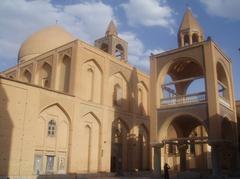

Darvazeh No Mosque: Darvazeh No Mosque Visiting Hours, Ticket Information, and Historical Significance in Isfahan
Date: 14/06/2025
Introduction
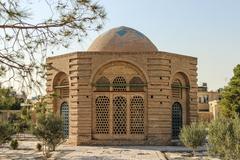
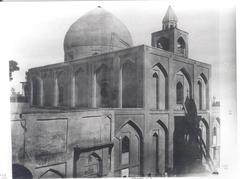
Darvazeh No Mosque, situated in the historic heart of Isfahan, Iran, represents a distinguished example of Qajar-era Persian-Islamic architecture and serves as a vibrant locus of religious and community life. Its name, meaning “New Gate Mosque,” highlights its strategic location near one of Isfahan’s historic city gates, linking it intrinsically to the urban development and cultural tapestry of this renowned city. Though less internationally celebrated than monumental sites like the Shah Mosque or Jameh Mosque, Darvazeh No Mosque offers a unique and intimate window into the neighborhood mosque tradition that has sustained local worship and social interaction for centuries. Constructed during the Qajar dynasty (late 18th to early 20th centuries), the mosque embodies a synthesis of traditional Persian architectural motifs—such as domes, iwans, and intricate tilework—with the creative evolution that marked this period of Iranian history (dbpedia.org, Penguin Travel).
Visitors to Darvazeh No Mosque can expect to engage with a richly decorated space featuring vibrant blue and turquoise tiles, elaborate calligraphy, and a traditional courtyard layout that fosters communal prayer and reflection. The mosque remains active for worship, hosting daily prayers and religious festivals, thereby maintaining its living heritage status and offering travelers an authentic glimpse into Islamic spirituality and Persian cultural pride (CABI Blog).
Practical visitor information is essential for planning an enriching visit. The mosque is generally open daily from 8:00 AM to 6:00 PM, with free entrance and optional donations supporting conservation efforts. Accessibility is moderate due to the historic architecture, and respectful adherence to dress codes and etiquette enhances the visitor experience. Located within walking distance of Isfahan’s iconic Naqsh-e Jahan Square and bustling bazaars, Darvazeh No Mosque provides an excellent complement to broader explorations of the city’s rich heritage (orienttrips.com, Irun2Iran).
This comprehensive guide aims to equip travelers and researchers alike with detailed insights into Darvazeh No Mosque’s historical significance, architectural splendor, cultural role, and practical visiting information—ensuring a meaningful and informed experience in one of Isfahan’s treasured historic gems.
Historical Context
Darvazeh No Mosque traces its origins to the Qajar dynasty (1789–1925), a period marked by a revival of Persian artistic traditions and the incorporation of contemporary influences. The mosque’s name, meaning “New Gate Mosque,” references its proximity to a key city entrance established during Isfahan’s urban expansion. Its construction reflects the Qajar-era’s architectural tendencies, blending continuity with innovation and serving as a vital religious and social institution for its neighborhood (dbpedia.org, Eligasht).
The mosque is registered under Iran’s national heritage laws, ensuring its protection and maintenance. Conservation efforts are overseen by the Iranian Cultural Heritage, Handicrafts and Tourism Organization (ICHHTO) and local communities, focusing on structural reinforcement, tile and stucco repair, and the use of traditional materials and skilled artisans. The mosque’s inclusion under Isfahan’s UNESCO World Heritage status underscores its importance in preserving Iran’s rich cultural tapestry (whc.unesco.org, tehrantimes.com).
Architectural Features
Darvazeh No Mosque embodies traditional Persian mosque design with Qajar-era enhancements:
- Layout: A classic four-iwan configuration, with a central courtyard (sahn) surrounded by arcaded galleries, offering a tranquil gathering space.
- Prayer Hall: The hypostyle shabestan (prayer hall) is designed for flexibility and communal worship.
- Domes: Double-shell domes, adorned with blue and turquoise haft rangi (seven-color) tiles, provide both visual splendor and thermal comfort.
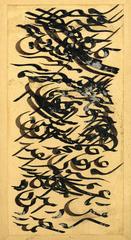
- Tilework and Calligraphy: Surfaces are richly decorated with geometric patterns, arabesques, and Quranic inscriptions in thuluth and nastaliq scripts, emphasizing spiritual and artistic unity.
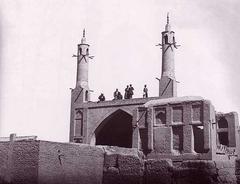
- Minarets: Slender, tile-clad minarets enhance the city skyline and facilitate the call to prayer, symbolizing the connection between earth and the divine.
- [Materials: Brick forms the structural core, complemented by timber detailing in doors and ceilings, reflecting local craftsmanship (orienttrips.com).](#materials:-brick-forms-the-structural-core,-complemented-by-timber-detailing-in-doors-and-ceilings,-reflecting-local-craftsmanship-(orienttrips.com).)
Religious and Community Role
Darvazeh No Mosque is an active place of worship, hosting daily prayers, Friday congregational gatherings, and religious festivals such as Ramadan and Muharram. Beyond its religious function, the mosque serves as a community center, offering educational programs, Quranic classes, lectures, and charity initiatives. Its enduring role fosters social cohesion and cultural pride among Isfahan’s residents (CABI Blog).
Visiting Darvazeh No Mosque: Hours, Tickets, and Accessibility
Visiting Hours: Open daily from 8:00 AM to 6:00 PM. Hours may vary on Fridays and religious holidays. To enjoy a quieter visit, plan around prayer times.
Tickets: Entry is generally free. Voluntary donations are welcomed to support ongoing maintenance and preservation. Guided tours may involve a modest fee (Irun2Iran).
Accessibility: The mosque’s single-story layout and courtyard provide reasonable access, but some historical architectural features may pose challenges for visitors with limited mobility. Assistance is available through local tourist offices.
Photography: Permitted in most areas, with the request to avoid flash and respect worshippers’ privacy.
Location: Situated near one of Isfahan’s main city gates, Darvazeh No Mosque is within walking distance of major attractions like Naqsh-e Jahan Square and traditional bazaars, and is easily accessible via taxis and public transportation (English IUT).
Dress Code, Etiquette, and Cultural Sensitivity
- Women: Headscarves, long sleeves, and loose-fitting clothing covering arms and legs are required; a chador is recommended and sometimes provided.
- Men: Long trousers and sleeved shirts are required; shorts and sleeveless tops are prohibited.
- Shoes: Remove before entering prayer areas; storage is typically available.
- Behavior: Maintain silence, avoid walking in front of worshippers, and use designated visitor zones. Eating and drinking inside are not permitted.
- Gender Segregation: Separate prayer areas for men and women; follow signage or staff guidance.
- Cleanliness: Enter in a clean state; non-Muslims are not obliged to perform ablutions but washing hands and face is courteous.
- Cultural Customs: Greet with “Salaam” and avoid physical contact between unrelated men and women. Learning basic Persian phrases enhances interactions (IranAmaze).
Nearby Attractions and Amenities
Combine your visit with nearby Isfahan highlights such as:
- Naqsh-e Jahan Square: A UNESCO-listed plaza with grand mosques and palaces.
- Qeysarieh Bazaar: A bustling traditional market.
- Vank Cathedral: In the historic Armenian Jolfa quarter.
- Cafés and Shops: Sample local cuisine and purchase handicrafts (IranAmaze).
Best Times to Visit
Spring (March–May) and autumn (September–November) offer mild weather ideal for sightseeing. Early mornings and late afternoons provide optimal lighting and fewer crowds (Koryo Group).
Responsible Tourism
- Support local artisans and businesses.
- Keep the mosque and its surroundings clean.
- Respect mosque regulations and local customs.
- Donations are appreciated but not mandatory.
Frequently Asked Questions (FAQ)
Q: What are the visiting hours of Darvazeh No Mosque? A: Open daily from 8:00 AM to 6:00 PM; check for changes during holidays.
Q: Is there an entrance fee? A: No, entry is generally free. Donations are welcome.
Q: Are non-Muslims permitted to visit? A: Yes, non-Muslims can visit outside of prayer times if respectful of mosque rules.
Q: Is the mosque accessible for people with disabilities? A: Reasonable access is provided, but some features may pose challenges.
Q: Can I take photographs inside? A: Yes, with permission and without flash; avoid photographing worshippers.
Q: Are guided tours available? A: Yes, bookable through local agencies or tourism offices.
Summary and Invitation
Darvazeh No Mosque is a living testament to Isfahan’s rich history and Islamic heritage, blending intricate artistry, architectural innovation, and vibrant community life. Its accessible location, welcoming atmosphere, and active preservation efforts make it a rewarding destination for travelers and scholars alike. By following dress codes, respecting customs, and supporting conservation, visitors help sustain this treasured site for future generations.
Enhance your journey with resources like the Audiala app for personalized tours, and stay connected through social media for up-to-date travel tips and insights into Isfahan’s cultural gems.
References
- Darvazeh No Mosque in Isfahan: Visiting Hours, Tickets, and Historical Insights (dbpedia.org)
- Isfahan: Exploring the Timeless Beauty of Iran’s Cultural Gem (Penguin Travel)
- Architecture of Isfahan: Marvels of Islamic Design and Engineering (orienttrips.com)
- Religious Tourism: What Is It and Why Is It So Important? (CABI Blog)
- Seyyed Mosque Restoration in Progress but Unified Efforts Essential (tehrantimes.com)
- Isfahan Travel Guide (Irun2Iran)
- About Isfahan (English IUT)
- Isfahan Travel Guide (IranAmaze)
- Top Isfahan Historical Places (IranAmaze)
- Isfahan, Iran – Iran Travel Guide (Koryo Group)
- Historical and Touristic Places of Isfahan (iranparadise.com)
- Isfahan Travel Guide (saadatrent.com)