
तमिलनाडु विश्वविद्यालय तंजावुर: एक व्यापक मार्गदर्शिका
दिनांक: 03/07/2025
परिचय
तमिलनाडु विश्वविद्यालय, तंजावुर, तमिलनाडु में स्थित, तमिल भाषा, साहित्य और संस्कृति के संरक्षण, अध्ययन और प्रचार के लिए एक प्रमुख संस्थान है। 1980 के दशक की शुरुआत में तमिल विद्वानों और राजनीतिक नेताओं की दशकों की वकालत के बाद स्थापित, विश्वविद्यालय एक शैक्षणिक शक्ति केंद्र और सांस्कृतिक गंतव्य दोनों बन गया है। इसका विशाल परिसर, वास्तुशिल्प लालित्य, दुर्लभ संग्रह और जीवंत कार्यक्रम इसे दक्षिण भारतीय विरासत में रुचि रखने वाले पर्यटकों, शोधकर्ताओं और किसी भी व्यक्ति के लिए एक आवश्यक पड़ाव बनाते हैं (तमिल विश्वविद्यालय की आधिकारिक साइट; विकिपीडिया)।
यह व्यापक मार्गदर्शिका तमिलनाडु विश्वविद्यालय के इतिहास, आगंतुक जानकारी, परिसर के आकर्षणों और आपकी यात्रा का अधिकतम लाभ उठाने के लिए युक्तियों का विस्तृत अवलोकन प्रदान करती है, साथ ही तंजावुर के आस-पास के ऐतिहासिक स्थलों के लिए भी सुझाव दिए गए हैं।
विषय सूची
- परिचय
- ऐतिहासिक पृष्ठभूमि और स्थापना
- तमिल विश्वविद्यालय का दौरा: व्यावहारिक जानकारी
- परिसर के मुख्य आकर्षण और दर्शनीय स्थल
- सांस्कृतिक महत्व
- आगंतुक सुझाव
- अक्सर पूछे जाने वाले प्रश्न (FAQ)
- तमिल विश्वविद्यालय कैसे पहुंचें
- संपर्क जानकारी
- सारांश और अंतिम सुझाव
- संदर्भ
ऐतिहासिक पृष्ठभूमि और स्थापना
दृष्टि और प्रारंभिक वकालत
तमिल अध्ययन को समर्पित एक विश्वविद्यालय का विचार 1925 में अग्रणी तमिल विद्वानों द्वारा कल्पित किया गया था। उनका दृष्टिकोण तमिल सभ्यता की विरासत को सुरक्षित रखने और बढ़ावा देने के लिए एक शोध-केंद्रित संस्थान बनाना था। द्रमुक आंदोलन के उदय और तमिल के वैश्विक महत्व की बढ़ती पहचान के साथ यह आकांक्षा मजबूत हुई (तमिल विश्वविद्यालय की आधिकारिक साइट)।
विधायी आधार
1981 में, तमिलनाडु के तत्कालीन मुख्यमंत्री डॉ. एम.जी. रामचंद्रन ने पाँचवीं विश्व तमिल सम्मेलन में तमिलनाडु विश्वविद्यालय की स्थापना की घोषणा की। थंजावुर को स्थान के रूप में चुना गया, जो कला और संस्कृति के केंद्र के रूप में इसकी ऐतिहासिक स्थिति को देखते हुए था। तमिलनाडु राज्य विधानसभा ने जल्द ही तमिलनाडु विश्वविद्यालय अधिनियम (अधिनियम संख्या 9, 1982) पारित किया, और विश्वविद्यालय अनुदान आयोग ने 1985 में औपचारिक रूप से संस्थान को मान्यता दी (कॉलेजडेखो; सक्सेससीडीएस)।
विस्तार और शैक्षणिक कार्यक्रम
तमिल विश्वविद्यालय ने भाषा, साहित्य, पुरातत्व और कला पर ध्यान केंद्रित करते हुए एक शोध-संचालित संस्थान के रूप में शुरुआत की। समय के साथ, इसने स्नातकोत्तर, एम.फिल., और पीएच.डी. कार्यक्रम शुरू किए, और बाद में पहुँच का विस्तार करने के लिए दूरस्थ शिक्षा निदेशालय भी खोला। आज, यह कला, विज्ञान, संस्कृति और जीआईएस और रिमोट सेंसिंग जैसे आधुनिक क्षेत्रों में 130 से अधिक पाठ्यक्रम प्रदान करता है (कॉलेजडेखो)।
परिसर और वास्तुकला
लगभग 900 एकड़ में फैला, तमिलनाडु विश्वविद्यालय का परिसर तमिलनाडु में सबसे बड़ा है। इसकी इमारतें पारंपरिक तमिल रूपांकनों—जैसे गोपुरम-प्रेरित प्रशासनिक ब्लॉक—को आधुनिक सुविधाओं के साथ मिश्रित करती हैं। मुख्य संरचनाओं में संसद-प्रेरित पुस्तकालय, कारिकालन गैलरी, छात्रावास, खेल के मैदान और एक स्वास्थ्य केंद्र शामिल हैं (विकिपीडिया; कॉलेजडेखो)।
मान्यता और सहयोग
विश्वविद्यालय के पास बी+ एनएएसी ग्रेड है और यह अंतर्राष्ट्रीय तमिल अध्ययन संस्थान और पांडिचेरी भाषाविज्ञान और संस्कृति संस्थान जैसे संस्थानों के साथ सहयोग करता है, जिससे एक जीवंत अनुसंधान वातावरण को बढ़ावा मिलता है (सक्सेससीडीएस)।
तमिलनाडु विश्वविद्यालय का दौरा: व्यावहारिक जानकारी
आगंतुक घंटे और प्रवेश
- सामान्य घंटे: सुबह 9:00 बजे से शाम 5:00 बजे तक, सोमवार से शनिवार।
- बंद: रविवार, सार्वजनिक अवकाश और परीक्षा अवधि के दौरान।
- प्रवेश: सामान्य आगंतुकों के लिए निःशुल्क। कुछ आकर्षणों (संग्रहालय, गैलरी) के लिए एक छोटा शुल्क (भारतीय आगंतुकों के लिए 30 रुपये, अंतर्राष्ट्रीय आगंतुकों के लिए 100 रुपये) लिया जा सकता है।
निर्देशित पर्यटन और कार्यक्रम
- निर्देशित पर्यटन: पूर्व-अनुरोध पर उपलब्ध; समूहों और अकादमिक आगंतुकों के लिए आदर्श।
- विशेष कार्यक्रम: वार्षिक सांस्कृतिक उत्सव, विश्व तमिल सम्मेलन कार्यक्रम, और सार्वजनिक व्याख्यान आगंतुकों के लिए खुले हैं। अनुसूचियों के लिए आधिकारिक वेबसाइट देखें।
पहुंच और सुविधाएं
- पहुंच: व्हीलचेयर रैंप, सुलभ रास्ते और आरक्षित पार्किंग उपलब्ध हैं।
- पार्किंग: निजी वाहनों के लिए परिसर में पर्याप्त पार्किंग।
- शौचालय: प्रमुख भवनों में स्वच्छ शौचालय और पेयजल सुविधाएं।
- भोजन: परिसर कैंटीन दक्षिण भारतीय व्यंजन प्रदान करती है। तंजावुर शहर में व्यापक भोजन विकल्प उपलब्ध हैं।
परिसर के मुख्य आकर्षण और दर्शनीय स्थल
मुख्य आकर्षण
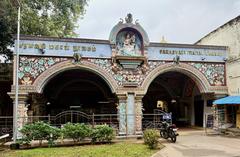
- प्रशासनिक ब्लॉक: अपने भव्य गोपुरम डिजाइन के लिए उल्लेखनीय।
- पुस्तकालय और पांडुलिपि अनुभाग: 500,000 से अधिक पुस्तकें और दुर्लभ ताड़-पत्ता पांडुलिपियां रखता है। कुछ संग्रहों तक पहुँच के लिए पूर्व अनुमति की आवश्यकता होती है।
- संग्रहालय: तमिल कला और इतिहास में अंतर्दृष्टि प्रदान करने वाले कलाकृतियों, प्राचीन पांडुलिपियों, सिक्कों और संगीत वाद्ययंत्रों को प्रदर्शित करता है (एडवेंचर बैकपैक)।
- शिल्प उद्यान: देवताओं, कवियों और ऐतिहासिक हस्तियों की जीवन-आकार की मूर्तियां; फोटोग्राफी के लिए एक पसंदीदा स्थान (टस्क ट्रैवल)।
- कारिकालन गैलरी: तमिल इतिहास और संस्कृति के लिए प्रदर्शनी स्थल।
- सांस्कृतिक संग्रहालय: तमिलनाडु के दैनिक जीवन, पारंपरिक वेशभूषा और रीति-रिवाजों को प्रदर्शित करता है।
- वनस्पति उद्यान: स्वदेशी वनस्पतियों की विशेषता; निर्देशित प्रकृति सैर तमिल संस्कृति में पौधों की भूमिका पर प्रकाश डालती है।
- खुला-वायु सभागार: नृत्य, संगीत और सांस्कृतिक प्रदर्शनों के लिए स्थल।
सर्वश्रेष्ठ फोटोग्राफिक स्थान
- गोपुरम-शैली का प्रशासनिक ब्लॉक
- संसद-प्रेरित पुस्तकालय
- कारिकालन गैलरी और परिसर उद्यान
सांस्कृतिक महत्व
तमिल विश्वविद्यालय तमिल पहचान का एक जीवंत केंद्र है, जो भाषा, साहित्य और अमूर्त विरासत के अनुसंधान, दस्तावेज़ीकरण और संरक्षण की मेजबानी करता है। यह साहित्यिक बैठकें, त्यौहार और कला कार्यशालाएं आयोजित करता है, जो विद्वानों के प्रयासों और सामुदायिक जुड़ाव दोनों का समर्थन करता है। इसके विस्तार कार्यक्रम स्कूलों और ग्रामीण समुदायों में तमिल सीखने को बढ़ावा देते हैं, जबकि अंतर्राष्ट्रीय सहयोग एक महानगरीय शैक्षणिक वातावरण को बढ़ावा देते हैं (टस्क ट्रैवल; एडवेंचर बैकपैक)।
आगंतुक सुझाव
- यात्रा का सबसे अच्छा समय: अक्टूबर से मार्च तक सुखद मौसम और सांस्कृतिक कार्यक्रमों के लिए।
- पोशाक: मामूली, आरामदायक कपड़े की सिफारिश की जाती है।
- फोटोग्राफी: बाहरी और मूर्तिकला क्षेत्रों में अनुमति है; इनडोर या अनुसंधान क्षेत्रों के लिए अनुमति लें।
- अग्रिम बुकिंग: व्यस्त मौसम के दौरान, विशेष रूप से निर्देशित पर्यटन और कार्यक्रम टिकटों के लिए अनुशंसित।
- यात्रा आवश्यक वस्तुएँ: आरामदायक जूते पहनें, पानी साथ ले जाएं, और गर्मी के महीनों के दौरान धूप से बचाव करें।
अक्सर पूछे जाने वाले प्रश्न (FAQ)
प्रश्न: तमिलनाडु विश्वविद्यालय के आगंतुक घंटे क्या हैं? उत्तर: सुबह 9:00 बजे से शाम 5:00 बजे तक, सोमवार से शनिवार; रविवार और सार्वजनिक अवकाश पर बंद।
प्रश्न: क्या प्रवेश के लिए टिकट की आवश्यकता है? उत्तर: सामान्य प्रवेश निःशुल्क है; कुछ आकर्षणों के लिए एक छोटा शुल्क लग सकता है।
प्रश्न: क्या निर्देशित पर्यटन उपलब्ध हैं? उत्तर: हाँ, आगंतुक केंद्र या प्रशासन के माध्यम से पूर्व व्यवस्था द्वारा।
प्रश्न: क्या परिसर विकलांग आगंतुकों के लिए सुलभ है? उत्तर: हाँ, अधिकांश प्रमुख भवनों में रैंप और सुलभ सुविधाएं हैं।
प्रश्न: क्या मैं तस्वीरें ले सकता हूँ? उत्तर: फोटोग्राफी बाहरी क्षेत्रों में अनुमत है; इनडोर स्थानों के लिए अनुमति की आवश्यकता होती है।
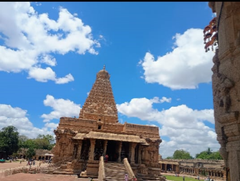
प्रश्न: आस-पास कौन से उल्लेखनीय स्थल हैं? उत्तर: बृहदीश्वर मंदिर, तंजावुर पैलेस और सरस्वती महल पुस्तकालय सभी थोड़े दूरी पर हैं।
तमिलनाडु विश्वविद्यालय कैसे पहुंचें
- हवाई मार्ग द्वारा: तिरुचिरापल्ली अंतर्राष्ट्रीय हवाई अड्डा (60 किमी दूर)
- ट्रेन द्वारा: तंजावुर रेलवे स्टेशन (प्रमुख शहरों से अच्छी तरह से जुड़ा हुआ)
- सड़क मार्ग द्वारा: तंजावुर शहर के केंद्र से नियमित बस और टैक्सी सेवाएं; विश्वविद्यालय शहर से लगभग 7-10 किमी दूर है (शिक्षा)।
संपर्क जानकारी
- पता: तमिलनाडु विश्वविद्यालय, तमिलनाडु विश्वविद्यालय रोड, तंजावुर – 613010, तमिलनाडु, भारत।
- फोन: +91 4362 226720
- ईमेल: [email protected]
- वेबसाइट: tamiluniversity.ac.in
वर्तमान आगंतुक घंटों, कार्यक्रम विवरण और निर्देशित पर्यटन बुकिंग के लिए, आधिकारिक विश्वविद्यालय वेबसाइट देखें।
सारांश और अंतिम सुझाव
तंजावुर में तमिलनाडु विश्वविद्यालय अकादमिक उपलब्धि और जीवंत विरासत का एक अनूठा संगम है। इसका विशाल परिसर, दुर्लभ संग्रह और सांस्कृतिक कार्यक्रम तमिल सभ्यता में रुचि रखने वाले आगंतुकों के लिए एक तल्लीन कर देने वाला अनुभव प्रदान करते हैं। निःशुल्क सामान्य प्रवेश, सुलभ आगंतुक घंटे, और तंजावुर के प्रतिष्ठित स्थलों से निकटता इसे दक्षिण भारत के किसी भी यात्रा कार्यक्रम में एक आदर्श जोड़ बनाती है। हमेशा आगंतुक घंटों और कार्यक्रम अनुसूचियों की पहले से पुष्टि करें, और अप-टू-डेट यात्रा युक्तियों और सांस्कृतिक अंतर्दृष्टि के लिए ऑडियल ऐप जैसे डिजिटल उपकरणों का उपयोग करने पर विचार करें। इस प्रकार, तमिलनाडु विश्वविद्यालय न केवल तमिल विरासत का संरक्षण करता है, बल्कि तमिल संस्कृति की गहरी विरासत से जुड़ने के लिए सभी को आमंत्रित करते हुए, स्थानीय और वैश्विक दर्शकों के बीच इसकी प्रशंसा को सक्रिय रूप से बढ़ावा देता है (तमिल विश्वविद्यालय की आधिकारिक साइट)।
संदर्भ
- तमिल विश्वविद्यालय की आधिकारिक साइट
- विकिपीडिया
- कॉलेजडेखो
- सक्सेससीडीएस
- एडवेंचर बैकपैक
- टस्क ट्रैवल
- शिक्षा
तंजावुर के ऐतिहासिक स्थलों पर अधिक जानकारी के लिए, देखें:
ऑडियल2024{‘date’: ‘03/07/2025’, ‘task’: {‘model’: ‘gpt-4.1-mini’, ‘query’: ‘Comprehensive guide to visiting Tamil University, Thanjavur, India: history, significance, visitor tips, and everything tourists need to know for a memorable experience.’, ‘verbose’: False, ‘guidelines’: [“Keyword Research: Identify relevant keywords that potential visitors are likely to search for, such as ‘[Monument Name] visiting hours,’ ‘[Monument Name] tickets,’ and ‘[City] historical sites.’ Use these keywords strategically throughout the article, including in the title, headers, and body text, but avoid keyword stuffing.”, ‘Engaging and Informative Title: Craft a title that is both SEO-friendly and compelling to encourage clicks. Include the main keyword and make it clear what the article will cover.’, ‘Structured Content: Use headings (H1, H2, H3) to organize the content effectively. This helps with SEO and makes the article easier for readers to navigate. Include an introduction that hooks the reader, a detailed body that covers all relevant aspects, and a conclusion that summarizes the key points.’, ‘Comprehensive Coverage: Address common questions and topics of interest such as the history of the monument, its cultural significance, visitor information (e.g., ticket prices, opening hours), travel tips, nearby attractions, and accessibility. Include sections that might be unique to the monument, like special events, guided tours, and photographic spots.’, ‘Quality Content: Ensure the content is well-researched, accurate, and provides real value to readers. Use reliable sources and provide factual information. Write in a clear, engaging, and accessible style. Consider your audience and use language that is appropriate for those likely to visit the monument.’, ‘Visuals and Media: Incorporate high-quality images or videos of the monument. These should be optimized for the web (correct sizing, alt tags with keywords). Consider interactive elements like virtual tours or maps.’, ‘Internal and External Links: Include links to other related articles on your site to encourage deeper engagement (internal links). Link to official websites for the monument or credible sources for further reading (external links).’, ‘FAQ: Incorporate FAQ sections to target voice search queries and featured snippets’, ‘Visit and Stay Up to Date: End the article with a call to action, such as encouraging readers to download our mobile app Audiala, check out other related posts, or follow on social media for more updates.’], ‘max_sections’: 4, ‘publish_formats’: {‘pdf’: False, ‘docx’: False, ‘markdown’: True}, ‘follow_guidelines’: True}, ‘title’: ‘Comprehensive Guide to Visiting Tamil University, Thanjavur, India’, ‘report’: ”# Tamil University Thanjavur Visiting Hours, Tickets, and Historical Sites Guide\n#### Date: 03/07/2025\n\n## Introduction\n\nTamil University, located in Thanjavur, Tamil Nadu, is a premier institution devoted to the preservation, study, and promotion of Tamil language, literature, and culture. Established in the early 1980s after decades of advocacy by Tamil scholars and political leaders, the university has become both an academic powerhouse and a cultural destination. Its sprawling campus, architectural elegance, rare collections, and vibrant events make it an essential stop for tourists, researchers, and anyone interested in South Indian heritage (Tamil University Official Site; Wikipedia).\n\nThis comprehensive guide offers a detailed overview of Tamil University’s history, visitor information, campus attractions, and tips for making the most of your visit, as well as recommendations for nearby Thanjavur historical sites.\n\n---\n\n## Table of Contents\n\n- Introduction\n- Historical Background and Establishment\n- Visiting Tamil University: Practical Information\n- Campus Highlights and Attractions\n- Cultural Significance\n- Visitor Tips\n- Frequently Asked Questions (FAQ)\n- How to Reach Tamil University\n- Contact Information\n- Summary and Final Tips\n- References\n\n---\n\n## Historical Background and Establishment\n\n### Vision and Early Advocacy\n\nThe idea for a university dedicated to Tamil studies was conceived as early as 1925 by leading Tamil scholars. Their vision was to create a research-focused institution to safeguard and promote Tamil civilization’s heritage. This aspiration gained momentum with the rise of the Dravidian movement and growing recognition of Tamil’s global significance (Tamil University Official Site).\n\n### Legislative Foundation\n\nIn 1981, Dr. M.G. Ramachandran, then Chief Minister of Tamil Nadu, announced the founding of Tamil University at the Fifth World Tamil Conference. Thanjavur was chosen as the location, given its historical status as the heart of Tamil art and culture. The Tamil Nadu State Assembly soon passed the Tamil University Act (Act No. 9 of 1982), and the University Grants Commission formally recognized the institution in 1985 (CollegeDekho; SuccessCDs).\n\n### Expansion and Academic Programs\n\nTamil University began as a research-driven institution focusing on language, literature, archaeology, and the arts. Over time, it introduced postgraduate, M.Phil., and Ph.D. programs, and later, the Directorate of Distance Education to broaden access. Today, it offers over 130 courses in arts, sciences, culture, and modern fields like GIS and remote sensing (CollegeDekho).\n\n### Campus and Architecture\n\nSpread across nearly 900 acres, Tamil University’s campus is the largest in Tamil Nadu. Its buildings blend traditional Tamil motifs—such as the gopuram-inspired administrative block—with modern facilities. Key structures include the Parliament-inspired library, Karikalan Gallery, hostels, sports grounds, and a healthcare center (Wikipedia; CollegeDekho).\n\n### Recognition and Collaborations\n\nThe university holds a B+ NAAC grade and collaborates with institutions like the International Institute of Tamil Studies and the Pondicherry Institute of Linguistics and Culture, fostering a vibrant research environment (SuccessCDs).\n\n---\n\n## Visiting Tamil University: Practical Information\n\n### Visiting Hours and Entry\n\n- General Hours: 9:00 AM to 5:00 PM, Monday to Saturday \n- Closed: Sundays, public holidays, and during examination periods \n- Entry: Free for general visitors. Some attractions (museum, galleries) may charge a nominal fee (INR 30 for Indian visitors, INR 100 for international visitors).\n\n### Guided Tours and Events\n\n- Guided Tours: Available on advance request; ideal for groups and academic visitors.\n- Special Events: Annual cultural festivals, World Tamil Conference events, and public lectures are open to visitors. Check the official website for schedules.\n\n### Accessibility and Facilities\n\n- Accessibility: Wheelchair ramps, accessible pathways, and reserved parking are available.\n- Parking: Ample on-campus parking for private vehicles.\n- Restrooms: Clean restrooms and drinking water facilities at major buildings.\n- Food: Campus canteen offers South Indian cuisine. Wider food options are available in Thanjavur city.\n\n---\n\n## Campus Highlights and Attractions\n\n### Major Attractions\n\n- Administrative Block: Notable for its grand gopuram design.\n- Library and Manuscript Section: Houses over 500,000 books and rare palm-leaf manuscripts. Some collections require advance permission for access.\n- Museum: Features artifacts, ancient manuscripts, coins, and musical instruments, offering insights into Tamil art and history (Adventure Backpack).\n- Sculpture Garden: Life-sized statues of deities, poets, and historic figures; a favorite spot for photography (Tusk Travel).\n- Karikalan Gallery: Exhibition space for Tamil history and culture.\n- Cultural Museum: Showcases daily life, traditional costumes, and rituals of Tamil Nadu.\n- Botanical Garden: Features indigenous flora; guided nature walks highlight the role of plants in Tamil culture.\n- Open-Air Auditorium: Venue for dance, music, and cultural performances.\n\n### Best Photographic Spots\n\n- The gopuram-style administrative block\n- The Parliament-inspired library\n- Karikalan Gallery and campus gardens\n\n---\n\n## Cultural Significance\n\nTamil University is a living center of Tamil identity, hosting research, documentation, and preservation of language, literature, and intangible heritage. It organizes literary meets, festivals, and arts workshops, supporting both scholarly pursuits and community engagement. Its extension programs promote Tamil learning in schools and rural communities, while international collaborations foster a cosmopolitan academic environment (Tusk Travel; Adventure Backpack).\n\n---\n\n## Visitor Tips\n\n- Best Time to Visit: October to March for pleasant weather and cultural events.\n- Dress Code: Modest, comfortable clothing recommended.\n- Photography: Permitted in outdoor and sculpture areas; seek permission for indoor or research zones.\n- Advance Booking: Recommended for guided tours and event tickets, especially during peak season.\n- Travel Essentials: Wear comfortable footwear, carry water, and protect against the sun during summer months.\n\n---\n\n## Frequently Asked Questions (FAQ)\n\nQ: What are Tamil University’s visiting hours? \nA: 9:00 AM to 5:00 PM, Monday to Saturday; closed on Sundays and public holidays.\n\nQ: Do I need a ticket to enter? \nA: General entry is free; certain attractions may charge a small fee.\n\nQ: Are guided tours available? \nA: Yes, by prior arrangement through the visitor center or administration.\n\nQ: Is the campus accessible for visitors with disabilities? \nA: Yes, most major buildings have ramps and accessible facilities.\n\nQ: Can I take photographs? \nA: Photography is allowed in outdoor areas; permission is needed for indoor spaces.\n\nQ: What notable sites are nearby? \nA: Brihadeeswarar Temple, Thanjavur Palace, and Saraswathi Mahal Library are all within a short distance.\n\n---\n\n## How to Reach Tamil University\n\n- By Air: Tiruchirappalli International Airport (60 km away)\n- By Train: Thanjavur Railway Station (well-connected to major cities)\n- By Road: Regular bus and taxi services from Thanjavur city center; the university is about 7–10 km from town (Shiksha)\n\n---\n\n## Contact Information\n\n- Address: Tamil University, Tamil University Road, Thanjavur – 613010, Tamil Nadu, India \n- Phone: +91 4362 226720 \n- Email: [email protected] \n- Website: tamiluniversity.ac.in\n\nFor current visiting hours, event details, and guided tour bookings, consult the official university website.\n\n---\n\n## Summary and Final Tips\n\nTamil University in Thanjavur is a unique intersection of academic achievement and living heritage. Its expansive campus, rare collections, and cultural programming offer an immersive experience for visitors interested in Tamil civilization. Free general entry, accessible facilities, and proximity to Thanjavur’s iconic landmarks make it an ideal addition to any itinerary in South India. Always confirm visiting hours and event schedules in advance, and consider using digital tools like the Audiala app for up-to-date travel tips and cultural insights.\n\n---\n\n## References\n\n- Tamil University Official Site\n- Wikipedia\n- CollegeDekho\n- SuccessCDs\n- Adventure Backpack\n- Tusk Travel\n- Shiksha\n\nFor more information on Thanjavur’s historical sites, see:\n- Brihadeeswarar Temple Visiting Information\n- Thanjavur Tourism Guide\n\n---\n\n”, ‘headers’: {‘date’: ‘Date’, ‘title’: ‘Tamil University Thanjavur Visiting Hours Tickets and Historical Sites Guide’, ‘conclusion’: ‘Summary of key points about visiting Tamil University Thanjavur and final tips’, ‘references’: ‘References and links to official Tamil University website and related sources’, ‘introduction’: ‘Introduction to Tamil University Thanjavur and what visitors can expect’, ‘table_of_contents’: ‘Table of Contents covering visiting hours tickets history travel tips and nearby attractions’}, ‘sources’: [’- Tamil University Official Site, 2025, Tamil University https://www.tamiluniversity.ac.in/english/welcome-to-tamil-university/’, ’- Wikipedia, 2025, Tamil University https://en.wikipedia.org/wiki/Tamil_University’, ’- CollegeDekho, 2025, Tamil University Overview https://www.collegedekho.com/colleges/tamil-university’, ’- SuccessCDs, 2025, Tamil University Details https://www.successcds.net/universityindia/Tamil-University-Thanjavur.html’, ’- Adventure Backpack, 2025, Thanjavur Itinerary https://adventurebackpack.com/thanjavur-tanjore-itinerary/’, ’- Tusk Travel, 2025, Things to Do in Thanjavur https://www.tusktravel.com/blog/things-to-do-in-thanjavur/’], ‘sections’: [‘Historical Background and Establishment’, ‘Academic Programs and Research Contributions’, ‘Campus Attractions and Cultural Significance’, ‘Visitor Experience and Practical Information’], ‘conclusion’: ‘Tamil University in Thanjavur offers an exceptional blend of academic excellence and cultural heritage, making it a vital destination for visitors interested in Tamil language, literature, and arts as well as South Indian history. Its establishment stands as a testament to sustained scholarly and political efforts to safeguard Tamil civilization’s legacy, anchored in a city celebrated for its historical and artistic prominence (Tamil University Official Site; Wikipedia).\n\nWith a sprawling campus that combines traditional Tamil architectural grandeur and modern research facilities, the university provides visitors access to rich cultural resources including museums, rare manuscript archives, sculpture gardens, and vibrant cultural events. These offerings enable immersive experiences that connect visitors directly to Tamil Nadu’s living traditions and intellectual heritage (Adventure Backpack; Tusk Travel).\n\nPractical visiting details such as free campus entry, accessible visiting hours from 9:00 AM to 5:00 PM, and availability of guided tours ensure the university is welcoming to a broad audience of tourists, scholars, and cultural enthusiasts. Additionally, its proximity to significant historical sites like the Brihadeeswarar Temple and Thanjavur Palace allows visitors to create a comprehensive cultural itinerary (CollegeDekho).\n\nFor those planning a visit, it is advisable to check the university’s official website for updated information on events, guided tours, and accessibility. Leveraging tools such as the Audiala app can further enhance the visitor experience by providing personalized travel tips and updates. Tamil University thus not only preserves Tamil heritage but actively promotes its appreciation among local and global audiences, inviting everyone to engage with the profound legacy of Tamil culture (Tamil University Official Site).’, ‘introduction’: ‘Tamil University in Thanjavur, India, stands as a unique institution dedicated to the preservation, study, and promotion of Tamil language, literature, and culture. Established in the early 1980s, the university emerged from decades of scholarly advocacy and political commitment to create a specialized center for Tamilology. Its location in Thanjavur—historically renowned as the “epicenter of Tamil art and culture”—further enriches its identity, linking contemporary academic pursuits with the city’s illustrious Chola heritage and vibrant cultural legacy (Tamil University Official Site; Wikipedia).\n\nSpanning nearly 900 acres, Tamil University’s expansive campus melds traditional Tamil architectural motifs with modern facilities, offering visitors a visually compelling and intellectually stimulating environment. The university hosts a range of attractions including rare manuscript collections, museums, sculpture gardens, cultural museums, and botanical gardens, each reflecting facets of Tamil civilization’s rich history and arts (Adventure Backpack; Tusk Travel).\n\nVisitors can explore the campus from 9:00 AM to 5:00 PM on most days without an entry fee, with guided tours available upon advance arrangement. The university also organizes cultural events, academic seminars, and festivals that provide deeper engagement with Tamil traditions and contemporary scholarship (CollegeDekho; Tamil University Official Site).\n\nLocated just a few kilometers from iconic Thanjavur landmarks such as the Brihadeeswarar Temple and the Thanjavur Palace, Tamil University serves as both an academic hub and a cultural gateway for tourists and scholars alike. This comprehensive guide aims to equip prospective visitors with detailed information about the university’s history, cultural significance, practical visiting details including hours and ticketing, accessibility, and nearby attractions, ensuring a rewarding and well-planned visit (CollegeDekho; SuccessCDs).’, ‘research_data’: [{‘Tamil University Thanjavur: Visiting Hours, Tickets, History, and Cultural Significance’: ’## Welcome to Tamil University Thanjavur: A Cultural and Historical Jewel\n\nNestled in the heart of Thanjavur, Tamil University stands as a beacon for Tamil language, literature, and cultural heritage. Whether you’re a history enthusiast, a cultural tourist, or a scholar, this unique institution offers a fascinating glimpse into the vibrant Tamil civilization. In this guide, we’ll explore the university’s rich history, practical visiting information including Tamil University visiting hours and tickets, tips for tourists, and nearby historical sites to enrich your visit.\n\n## Historical Background and Establishment\n\n### Vision and Early Advocacy for a Tamil University\n\nThe conceptual roots of Tamil University in Thanjavur trace back to the early 20th century, reflecting the aspirations of Tamil scholars and cultural leaders to create a dedicated institution for the advancement of Tamil language, literature, and culture. The idea was first formally proposed in 1925 by prominent Tamil intellectuals, who recognized the need for a specialized center to preserve and promote the rich heritage of Tamil civilization (Tamil University Official Site). Despite early advocacy, it took several decades for this vision to materialize, gaining momentum alongside the broader Dravidian cultural renaissance and Tamil identity assertion in post-independence India.\n\n### Political Commitment and Legislative Foundation\n\nThe decisive step toward establishing Tamil University was taken in the late 20th century, under the leadership of Dr. M.G. Ramachandran, then Chief Minister of Tamil Nadu. At the Fifth World Tamil Conference in Madurai (1981), Dr. Ramachandran announced the creation of a university exclusively devoted to Tamil studies, citing Thanjavur’s historical status as a center of art and culture as an ideal location (Tamil University Official Site). This announcement led to the Tamil Nadu State Assembly unanimously passing the Tamil University Act (Act No. 9 of 1982) in September 1981, which laid the legal foundation for the university (CollegeDekho).\n\nThe first Vice-Chancellor took office soon after, and the University Grants Commission (UGC), New Delhi, recognized Tamil University on June 11, 1985, granting it authority to confer degrees and conduct advanced research (SuccessCDs).\n\n### Why Thanjavur?\n\nThanjavur, often called the “epicenter of Tamil art and culture,” was chosen for its rich historical and cultural heritage. Known for literary, musical, dance, painting, sculpture, and temple architectural contributions, the city’s legacy under the Chola dynasty made it a natural home for the university (Wikipedia).\n\n### Institutional Mandate and Early Focus\n\nDesigned as a research-oriented institution specializing in Tamilology, Tamil University focuses on multidisciplinary studies including language, literature, history, archaeology, epigraphy, philosophy, and the arts (Tamil University Official Site). Its motto, “Ulluvathellam Uyarvullal” (“Think highly of all you think”), reflects its dedication to intellectual excellence.\n\nInitially centered on research, the university established departments dedicated to preserving palm-leaf manuscripts, rare-paper manuscripts, epigraphy, lexicography, folklore, and ancient sciences.\n\n### Expansion of Academic Programs\n\nFrom 1992 onward, Tamil University expanded to offer M.Phil. and Ph.D. programs, then postgraduate courses in humanities (2002) and sciences (2005). The Directorate of Distance Education broadened access to working professionals and international students (CollegeDekho). Today, it offers over 130 courses across 10 streams including arts, music, culture, linguistics, archaeology, environmental sciences, and modern fields like remote sensing and GIS applications.\n\n### Campus and Facilities\n\nSpanning approximately 850–900 acres—the largest university campus in Tamil Nadu (Wikipedia)—the campus blends traditional and modern architecture. The administrative block resembles a gopuram (temple tower), symbolizing Tamil cultural roots, while the library, inspired by the Indian Parliament building, underscores academic ambition.\n\nOther highlights include the Karikalan Gallery (seating 2,000, built for the World Tamil Conference), modern classrooms, research centers, hostels, sports grounds, a healthcare center, and staff housing (CollegeDekho).\n\n### Recognition and Collaborations\n\nRecognized by UGC since 1985, Tamil University holds a B+ NAAC grade (CGPA 2.52/7). It collaborates with renowned institutions such as the International Institute of Tamil Studies (Chennai) and Pondicherry Institute of Linguistics and Culture, enhancing its research network (SuccessCDs).\n\n## Visiting Tamil University: Practical Information\n\n### Tamil University Visiting Hours\n\n- Open daily from 9:00 AM to 5:00 PM.\n- Closed on public holidays and during university examination periods.\n\n### Tickets and Entry\n\n- Entry to the campus is free for visitors.\n- Guided tours can be arranged in advance through the university’s visitor center.\n\n### Guided Tours and Special Events\n\n- Guided tours provide insights into the university’s history, research centers, and architectural highlights.\n- Special cultural events and exhibitions are held during the annual World Tamil Conference and other festivals.\n\n### Accessibility and Visitor Facilities\n\n- The campus is wheelchair accessible with ramps and reserved parking.\n- The university offers ample parking space and clean restrooms.\n- Photography is permitted in designated areas; however, prior permission is required for research facilities.\n\n### Best Photographic Spots\n\n- The gopuram-style administrative block.\n- The Parliament-inspired library building.\n- Karikalan Gallery and the lush campus gardens.\n\n### Nearby Attractions and Thanjavur Historical Sites\n\n- Brihadeeswarar Temple (UNESCO World Heritage Site)\n- Thanjavur Maratha Palace\n- Saraswathi Mahal Library\n- Local museums and traditional art centers\n\nThese sites complement your visit and offer a deeper dive into Tamil culture and history.\n\n## Frequently Asked Questions (FAQ)\n\nQ: What are Tamil University’s visiting hours?\nA: The university is open from 9:00 AM to 5:00 PM daily, except on public holidays and during exams.\n\nQ: Are tickets required to enter Tamil University?\nA: No entry fee is charged; visiting the campus is free.\n\nQ: Can I join a guided tour?\nA: Yes, guided tours are available by prior appointment through the university’s visitor center.\n\nQ: Is photography allowed?\nA: Photography is allowed in public areas; permission is required for research and restricted zones.\n\nQ: How can I reach Tamil University?\nA: The university is well connected by road and is approximately 5 km from Thanjavur railway station.\n\n## Conclusion: Experience the Heart of Tamil Culture\n\nTamil University in Thanjavur offers not just an academic haven but a vibrant cultural journey into Tamil heritage. From its sprawling campus rooted in history to its dynamic research and educational programs, the university invites visitors to explore and appreciate the legacy of Tamil civilization.\n\nPlan your visit today, explore nearby historical sites, and immerse yourself in the living traditions of Tamil Nadu.\n\n---\n\n### Stay Connected and Explore More\n\nFor updated visiting hours, special events, and guided tour bookings, download the Audiala app. Explore related articles on Tamil culture, Thanjavur tourism, and South Indian heritage on our site. Follow us on social media for the latest news and visitor tips.\n\n \n\n
\n\n \n\nExplore a Virtual Tour of Tamil University\n\n---’}, {‘Exploring Tamil University, Thanjavur: A Guide for Visitors and Scholars’: ’## Introduction\n\nTamil University, located in the historic city of Thanjavur, Tamil Nadu, is not only a premier institution for Tamil studies but also an architectural and cultural landmark that attracts visitors interested in education, heritage, and tourism. This guide provides essential visitor information, highlights unique features of the university campus, and offers travel tips to help you make the most of your visit.\n\n## About Tamil University\n\nEstablished with the mission to promote advanced Tamil language and culture studies, Tamil University is set amidst lush green surroundings that reflect the rich heritage of Thanjavur. The campus is home to several faculties, research centers, and cultural venues, making it a vibrant destination for scholars and tourists alike.\n\n## Visiting Hours and Entry\n\n- Visiting Hours: The university campus is open to visitors from 9:00 AM to 5:00 PM, Monday through Saturday. It is advisable to check the official website or contact the university in advance to confirm timings, especially during holidays and special events.\n- Entry Fees: There is no general entry fee to explore the university grounds. However, access to certain exhibitions, galleries like the Karikalan Gallery, or special events may require a nominal ticket.\n\n## Key Attractions on Campus\n\n- Architectural Highlights: The university library boasts unique architecture inspired by Tamil culture and houses rare manuscripts.\n- Karikalan Gallery: Dedicated to Tamil history and culture, this gallery hosts exhibitions that showcase artifacts and scholarly works.\n- Open-Air Theatre: A venue for cultural programs, seminars, and performances that visitors can attend.\n\n## Guided Tours and Cultural Events\n\nVisitors can request guided tours to learn about Tamil University’s academic heritage and research contributions. The university frequently organizes seminars, workshops, and cultural festivals that are open to the public. Checking the events calendar on the official website can help you plan your visit around these activities.\n\n## Accessibility and Facilities\n\n- Accessibility: The campus is wheelchair accessible, with ramps and designated pathways.\n- Facilities: On-campus cafeterias and rest areas are available for visitors. Clean restrooms and parking spaces are also provided.\n\n## Nearby Attractions in Thanjavur\n\nWhile visiting Tamil University, consider exploring these nearby historical sites:\n\n- Brihadeeswarar Temple: A UNESCO World Heritage site renowned for its Dravidian architecture.\n- Thanjavur Palace: Historic royal residence showcasing art and culture.\n- Art Galleries and Museums: Featuring traditional Tamil art and artifacts.\n\n## Travel Tips\n\n- Wear comfortable footwear as the campus is expansive.\n- Carry water and sun protection, especially during summer months.\n- Use public transport or taxis to reach the university easily from Thanjavur city center.\n\n## Frequently Asked Questions (FAQs)\n\nQ1: Is Tamil University open to tourists who are not students?\nA1: Yes, visitors interested in Tamil culture, history, and architecture are welcome to explore the campus during visiting hours.\n\nQ2: Are photography and videography permitted on campus?\nA2: Photography is generally allowed in open areas but may be restricted inside galleries or during events. It is best to seek permission from university authorities.\n\nQ3: Are there any accommodations near Tamil University?\nA3: Yes, Thanjavur offers a variety of hotels and guesthouses suitable for tourists and visiting scholars.\n\nQ4: How can I attend cultural events at Tamil University?\nA4: Check the university’s official website or contact the administration for schedules and registration details.\n\n## How to Reach Tamil University\n\n- By Air: The nearest airport is Tiruchirappalli International Airport, approximately 60 km from Thanjavur.\n- By Train: Thanjavur Railway Station is well connected to major cities.\n- By Road: Regular bus services and taxis connect Thanjavur with nearby towns.\n\n## Stay Connected\n\nFor the latest updates on visiting hours, events, and academic programs, follow Tamil University on social media and download their official mobile app if available. Engage with their online portals to explore virtual tours and digital archives.\n\n## Conclusion\n\nTamil University in Thanjavur offers a unique blend of academic excellence and cultural heritage, making it a must-visit destination for tourists and scholars interested in Tamil studies and South Indian history. Plan your visit to explore its beautiful campus, attend enriching events, and immerse yourself in the rich Tamil legacy.\n\n---\n\nFor more detailed visitor information and event schedules, please visit the official Tamil University website.\n\n### Related Links\n- Brihadeeswarar Temple Visiting Information\n- Thanjavur Tourism Guide\n\n\nImages and videos of Tamil University and its campus can be found on the official website and social media pages.’}, {‘Campus Attractions and Cultural Significance at Tamil University: Visiting Hours, Tickets, and Travel Tips for Tourists’: ”## Discover Tamil University: A Must-Visit Cultural and Historical Site in Thanjavur\n\nTamil University in Thanjavur is not just an academic institution but a vibrant hub that showcases the rich heritage of Tamil culture, language, and arts. This article provides a comprehensive guide for visitors interested in exploring Tamil University’s campus attractions, learning about its cultural significance, and planning a visit with practical information including visiting hours, ticket details, and travel tips.\n\n---\n\n## Campus Attractions at Tamil University\n\n### Tamil University Museum\n\nThe Tamil University Museum is a central highlight for visitors, offering a curated journey through the evolution of Tamil culture, language, and history. Located approximately 10 kilometers from Thanjavur’s town center, the museum houses a diverse collection of artifacts, including ancient manuscripts, palm-leaf texts, rare coins, and traditional musical instruments. The exhibits are thoughtfully arranged to provide insight into the literary, artistic, and scientific achievements of Tamil civilization. Notably, the museum’s collection of stone sculptures and bronze icons reflects the region’s deep-rooted artistic traditions, with detailed notes explaining their historical and religious significance (Adventure Backpack).\n\n### Sculpture Garden\n\nAdjacent to the museum, the Sculpture Garden is an open-air gallery featuring life-sized stone and bronze statues representing deities, poets, and historical figures from Tamil history. The garden evokes the ambiance of ancient Tamil landscapes, with sculptures of Nataraja, Vishnu, and Durga standing out for their craftsmanship and iconographic detail. Informational plaques accompany each piece, offering visitors a deeper understanding of religious and artistic life during the Chola era and beyond (Tusk Travel).\n\n### Library and Manuscript Section\n\nThe university’s library is a treasure trove for scholars and enthusiasts of Tamil literature, boasting an extensive collection of over 500,000 books, rare manuscripts, and periodicals in Tamil and other South Indian languages. The manuscript section is renowned for its palm-leaf manuscripts, some dating back several centuries, covering literature, medicine, astronomy, and philosophy. Access to certain rare collections may require prior permission, but guided tours are available for general visitors, providing an overview of preservation and digitization efforts (Adventure Backpack).\n\n### Academic Buildings and Lecture Halls\n\nThe campus architecture blends traditional Tamil design with modern functionality. The main administrative block and academic buildings feature motifs inspired by ancient Tamil temples, including intricately carved pillars and mural paintings. Visitors can often observe academic activities, seminars, and cultural workshops, especially during the academic year. Public lectures and symposiums on Tamil language, literature, and culture are regularly hosted and open to tourists and researchers.\n\n### Cultural Museum\n\nDedicated to everyday life, rituals, and festivals of Tamil Nadu, the Cultural Museum exhibits traditional costumes, jewelry, agricultural implements, and artifacts reflecting Tamil society across historical periods. Interactive displays and audio-visual presentations make this museum engaging for visitors of all ages (Tusk Travel).\n\n### Botanical Garden\n\nThe botanical garden is a serene retreat featuring indigenous plants, medicinal herbs, and flowering trees mentioned in classical Tamil literature. Serving both as a research facility and recreational space, it includes walking paths and shaded seating. Guided nature walks highlight the significance of flora in Tamil culture and traditional medicine.\n\n### Open-Air Auditorium\n\nDesigned in the style of ancient Tamil assembly halls, the open-air auditorium hosts cultural performances, academic gatherings, and festivals. Regular events include classical music concerts, Bharatanatyam dance recitals, and poetry readings. These events, often open to the public, offer tourists an authentic experience of Tamil performing arts.\n\n---\n\n## Visitor Information: Tamil University Visiting Hours, Tickets, and More\n\n- Visiting Hours: Most campus attractions, including the museum and sculpture garden, are open from 10:00 AM to 5:00 PM, Monday to Saturday. The campus is closed on Sundays and public holidays. Visitors are advised to check the official university website for updates and special events.\n- Tickets and Entry Fees: Entry to the museum, sculpture garden, and cultural museum typically requires a nominal ticket fee of INR 30 for Indian visitors and INR 100 for international tourists. The botanical garden and open-air auditorium usually have free access. Guided tours and special exhibitions may have separate charges.\n- Guided Tours and Special Events: Guided tours are available for groups and individual visitors, offering detailed commentary on exhibits and campus history. Advance booking is recommended, especially during peak tourist seasons (October to March). The university also hosts annual festivals, cultural fairs, and public lectures which visitors can attend.\n- Accessibility: The campus is wheelchair accessible, with ramps and designated pathways in major attractions. Restrooms and drinking water facilities are available throughout the campus. Assistance for differently-abled visitors can be requested at the information desk.\n- Travel and Parking: Tamil University is located about 10 kilometers from the center of Thanjavur. Visitors can reach the campus by taxi, auto-rickshaw, or local bus services. Parking facilities are available on-site for private vehicles.\n- Nearby Attractions: While visiting Tamil University, tourists can also explore nearby Thanjavur historical sites such as the Brihadeeswara Temple, Thanjavur Palace, and the Art Gallery, enriching their cultural experience.\n\n---\n\n## Cultural Significance of Tamil University\n\n### Center for Tamil Language and Literature\n\nEstablished in 1981, Tamil University advances research and education in Tamil language, literature, and culture. It symbolizes Tamil identity and pride, attracting scholars from India and abroad. Its research includes critical editions of classical texts, linguistic studies, and translations that enhance global understanding of Tamil heritage (Tusk Travel).\n\n### Preservation of Intangible Heritage\n\nThe university actively preserves intangible Tamil cultural elements such as oral traditions, folk music, and indigenous knowledge through documentation and promotion of traditional art forms, rituals, and festivals.\n\n### Community Engagement and Festivals\n\nTamil University plays a pivotal role in Thanjavur’s cultural life by organizing festivals, literary meets, and cultural fairs that attract diverse participants. Events like the Tamil New Year celebrations, classical music and dance festivals, and exhibitions of Tanjore paintings provide immersive visitor experiences (Adventure Backpack).\n\n### Research and International Collaboration\n\nThe university collaborates globally through joint research projects, exchange programs, and conferences, contributing to Tamil culture’s worldwide appreciation. Visitors may notice a cosmopolitan atmosphere on campus.\n\n### Promotion of Tamil Arts and Crafts\n\nSupporting local artisans, the university hosts exhibitions and workshops on traditional arts like Tanjore painting, bronze casting, and textile weaving. Visitors can observe artisans at work and purchase authentic souvenirs (Tusk Travel).\n\n### Educational Outreach\n\nThrough extension programs, Tamil University promotes Tamil language learning and cultural appreciation in schools and rural communities. Visitors may participate in educational camps, language immersion programs, and heritage walks.\n\n### Role in Regional Identity\n\nAs a custodian of Tamil heritage, the university enhances Thanjavur’s cultural identity, complementing historic landmarks such as Brihadeeswara Temple and Thanjavur Palace. Visiting Tamil University offers context linking ancient history with contemporary culture (Tusk Travel).\n\n---\n\n## Visitor Tips for Exploring Tamil University\n\n- Best Time to Visit: October to March offers pleasant weather and many cultural events.\n- Dress Code: Modest attire is recommended as the university is an academic institution.\n- Photography: Allowed in outdoor areas and sculpture garden; permission required inside museums and library.\n- Booking: Reserve guided tours and special event tickets in advance, especially during peak seasons.\n\n---\n\n## Frequently Asked Questions (FAQ)\n\nQ: What are Tamil University’s visiting hours?\nA: The campus attractions are open from 10:00 AM to 5:00 PM, Monday to Saturday. Closed on Sundays and public holidays.\n\nQ: Are there entry fees or tickets required?\nA: Yes, a nominal fee applies to some attractions like the museum and sculpture garden. Botanical garden access is generally free.\n\nQ: How can I reach Tamil University?\nA: It is located about 10 km from Thanjavur city center. Visitors can use taxis, auto-rickshaws, or local buses.\n\nQ: Is Tamil University accessible for visitors with disabilities?\nA: Yes, the campus has ramps, accessible pathways, and facilities for differently-abled visitors.\n\nQ: Are guided tours available?\nA: Yes, guided tours can be booked in advance and provide detailed information about the campus and exhibits.\n\nQ: What nearby attractions can I visit along with Tamil University?\nA: Brihadeeswara Temple, Thanjavur Palace, and local art galleries are nearby and highly recommended.\n\n---\n\n## Conclusion\n\nTamil University in Thanjavur offers a rich cultural experience through its museums, gardens, and academic heritage, making it a must-visit for anyone interested in Tamil Nadu’s history and arts. With detailed visiting information, engaging attractions, and vibrant cultural events, the university invites tourists to explore and appreciate Tamil culture deeply.\n\nFor more travel guides on Thanjavur historical sites and Tamil Nadu attractions, explore our related articles. Don’t forget to download the Audiala app for personalized travel tips, updates on cultural events, and easy itinerary planning to make your visit to Tamil University and the region unforgettable!”}, {‘Tamil University Visiting Hours, Tickets, and Guide to Thanjavur Historical Sites’: ”## Welcome to Tamil University: Your Complete Visitor Guide\n\nPlanning a visit to Tamil University in Thanjavur? This guide covers everything you need to know about Tamil University visiting hours, tickets, campus layout, accessibility, visitor facilities, and nearby Thanjavur historical sites. Whether you’re a student, researcher, cultural enthusiast, or tourist, you’ll find practical tips and insights to make your visit enriching and enjoyable.\n\n## Campus Layout and Atmosphere at Tamil University\n\nSituated on an expansive 800-acre campus, Tamil University offers one of the most spacious university environments in Thanjavur (CollegeDekho). The campus beautifully blends traditional Tamil architecture with modern academic facilities. A standout feature is the administrative block with its imposing gopuram (temple tower) design, visible from the National Highway connecting Thanjavur and Trichy.\n\nVisitors often praise the serene, culturally vibrant atmosphere, complete with landscaped gardens and open spaces perfect for leisurely exploration or study. The pedestrian-friendly campus features shaded walkways and bilingual signage in Tamil and English, making navigation easy for first-time visitors.\n\n## Tamil University Visiting Hours and Ticket Information\n\n- Visiting Hours: Tamil University is generally open to visitors from 9:00 AM to 5:00 PM, Monday through Saturday. It is recommended to avoid Sundays and public holidays when the campus may be closed or have limited access.\n\n- Tickets and Entry Fees: Entry to the campus is free for general visitors. However, access to specific areas such as the central library or special exhibitions may require prior permission or tickets, especially for research groups or academic visitors. Visitors are encouraged to contact the university administration in advance to arrange access.\n\n## How to Reach Tamil University and Accessibility\n\nLocated about 7 km from central Thanjavur on Tamil University Road, the university is easily reachable by:\n\n- Public Transport: Regular buses and auto-rickshaws connect Tamil University with Thanjavur Junction railway station and the central bus stand (Shiksha).\n- By Car: Ample parking is available near the main entrance.\n- Nearest Airport: Tiruchirappalli International Airport, approximately 60 km away, offers domestic and limited international flights. Taxis and private cabs can be hired from the airport.\n\nThe campus accommodates visitors with mobility challenges, offering wheelchair access in most buildings, though some older structures may have limited accessibility.\n\n## Visitor Facilities and Amenities\n\n### Library and Research Centers\n\nThe central library is a treasure trove for those interested in Tamil language, literature, and heritage, housing rare manuscripts and extensive research materials. While access is typically reserved for students and researchers, guided tours can sometimes be arranged with prior permission (Collegedunia).\n\n### Accommodation and Food\n\nOn-campus hostels primarily serve enrolled students, but visitors can find several hotels and guesthouses in Thanjavur city catering to various budgets. Early booking is advisable during university events or examination seasons.\n\nThe campus canteen offers authentic South Indian meals and snacks, though options are limited. For a wider selection, explore restaurants and cafes in nearby Thanjavur (CollegeDekho).\n\n### Restrooms and Accessibility\n\nRestroom facilities are available in major buildings. Accessibility is generally good, but visitors with specific needs should inquire ahead.\n\n## Guided Tours, Cultural Experiences, and Photographic Spots\n\nTamil University occasionally hosts cultural events, seminars, and exhibitions open to the public, showcasing Tamil music, Bharatanatyam dance, and literary discussions. Visitors interested in these experiences should check the university’s official website or contact administration for schedules (Tamil University Official).\n\nWhile regular guided tours are not offered, academic groups or cultural delegations can request special campus tours including the library, heritage sites, and key departments.\n\nPhotography is allowed in outdoor areas; however, always seek permission before photographing inside buildings or during academic sessions.\n\n## Practical Tips for Visitors\n\n- Best Time to Visit: November to February offers pleasant weather. Summers (March to June) can be very hot, and monsoons (July to September) bring heavy rains.\n- Dress Code: Modest attire covering shoulders and knees is recommended, with light cotton clothing suited to the climate.\n- Language: Tamil is the primary language, but English is widely understood. Signage is bilingual.\n- Safety: The campus is safe with security personnel at entrances. Visitors may need to sign in and carry government-issued ID.\n\n## Nearby Thanjavur Historical Sites\n\nTamil University’s location makes it ideal for exploring Thanjavur’s rich heritage, including:\n\n- Brihadeeswarar Temple: A UNESCO World Heritage Site about 5 km away.\n- Thanjavur Palace: Featuring art and historical exhibits.\n- Saraswathi Mahal Library: One of Asia’s oldest libraries.\n\nMany visitors combine their campus visit with these cultural landmarks to enrich their experience.\n\n## Accessibility for International Visitors\n\nInternational visitors are welcomed and encouraged to arrange visits or appointments in advance. Carrying passport and visa copies is recommended for identification (UniversityGuru).\n\n## Special Events and Academic Calendar\n\nAnnual convocations, cultural festivals, and research conferences are held regularly. Dates are updated on the university website and notice boards. Advance registration may be required to participate.\n\n## Directorate of Distance Education\n\nEstablished in 2005, the Directorate offers various programs and reflects the university’s commitment to spreading Tamil studies beyond its campus (CollegeBatch).\n\n## Frequently Asked Questions (FAQ)\n\nQ: What are Tamil University visiting hours? \nA: The campus is open from 9:00 AM to 5:00 PM, Monday to Saturday.\n\nQ: Is there an entry fee? \nA: General entry is free, but special areas may require permission.\n\nQ: Can I join a guided tour? \nA: Guided tours are by special arrangement for groups or researchers.\n\nQ: Are cameras allowed? \nA: Photography is allowed outdoors; permission is needed indoors.\n\nQ: What is the best time to visit? \nA: November to February offers the most comfortable weather.\n\n## Visuals and Interactive Resources\n\nFor a virtual experience, check the university’s website for maps, event galleries, and possible virtual tours. Including photos of key campus landmarks and nearby historical sites can enhance your visit planning.\n\n## Contact Information and Visitor Support\n\n- Address: Tamil University, Tamil University Road, Thanjavur – 613010, Tamil Nadu, India \n- Phone: +91 4362 226720 \n- Email: [email protected] \n- Website: tamiluniversity.ac.in\n\n## Plan Your Visit Today!\n\nExplore Tamil University and the rich cultural heritage of Thanjavur. For updates, guided tour requests, and more, visit the official website or contact the administration. Don’t forget to download the Audiala app for additional travel tips and exclusive content about Tamil Nadu’s historical sites. Follow us on social media to stay connected with the latest events and visitor information.\n\n---\n\nEnjoy a memorable and culturally enriching visit to Tamil University and the historic city of Thanjavur!”}], ‘table_of_contents’: ’- Welcome to Tamil University\n- Historical Background and Establishment\n - Vision and Early Advocacy for a Tamil University\n - Political Commitment and Legislative Foundation\n - Why Thanjavur?\n - Institutional Mandate and Early Focus\n - Expansion of Academic Programs\n - Campus and Facilities\n - Recognition and Collaborations\n- Visiting Tamil University: Practical Information\n - Tamil University Visiting Hours\n - Tickets and Entry\n - Guided Tours and Special Events\n - Accessibility and Visitor Facilities\n - Best Photographic Spots\n - Nearby Attractions and Thanjavur Historical Sites\n- Frequently Asked Questions (FAQ)\n- Campus Attractions and Cultural Significance at Tamil University\n - Tamil University Museum\n - Sculpture Garden\n - Library and Manuscript Section\n - Academic Buildings and Lecture Halls\n - Cultural Museum\n - Botanical Garden\n - Open-Air Auditorium\n- Visitor Information: Tamil University Visiting Hours, Tickets, and More\n- Cultural Significance of Tamil University\n - Center for Tamil Language and Literature\n - Preservation of Intangible Heritage\n - Community Engagement and Festivals\n - Research and International Collaboration\n - Promotion of Tamil Arts and Crafts\n - Educational Outreach\n - Role in Regional Identity\n- Visitor Tips for Exploring Tamil University\n- Tamil University Visiting Hours, Tickets, and Guide to Thanjavur Historical Sites\n - Campus Layout and Atmosphere at Tamil University\n - Tamil University Visiting Hours and Ticket Information\n - How to Reach Tamil University and Accessibility\n - Visitor Facilities and Amenities\n - Guided Tours, Cultural Experiences, and Photographic Spots\n - Practical Tips for Visitors\n - Nearby Thanjavur Historical Sites\n - Accessibility for International Visitors\n - Special Events and Academic Calendar\n - Directorate of Distance Education\n - Frequently Asked Questions (FAQ)\n - Visuals and Interactive Resources\n - Contact Information and Visitor Support\n- Plan Your Visit Today!‘}