
Gapaardstraat Bruges:Visiting Hours Tickets and Historical Sites Guide
Date: 15/06/2025
Introduction
Bruges, often called the “Venice of the North,” is celebrated for its exceptionally preserved medieval cityscape and serene canals. While landmarks like the Markt and Burg squares are major draws, the true essence of Bruges is often found on its quieter, less-trafficked streets. Gapaardstraat, a charming and atmospheric lane, offers visitors an authentic glimpse into the city’s residential life and historical architecture, providing a tranquil escape from the bustling tourist hubs. This guide aims to provide a comprehensive overview of Gapaardstraat, covering its historical context, urban significance, architectural highlights, practical visitor tips, and nearby points of interest, ensuring a fulfilling and immersive experience for every traveler.
(Visit Bruges, UNESCO World Heritage, Mundo Wanderlust)
Table of Contents
- Introduction
- Historical Context of Bruges and Gapaardstraat
- Significance of Gapaardstraat in Bruges’ Urban Fabric
- What to See and Do on Gapaardstraat
- Practical Visitor Tips
- Gapaardstraat in the Context of Sustainable Tourism
- Recommendations for a Memorable Visit
- Conclusion
- References and Official Links for More Information
Historical Context of Bruges and Gapaardstraat
Bruges: A City Preserved in Time
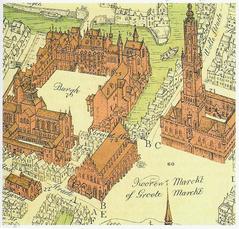
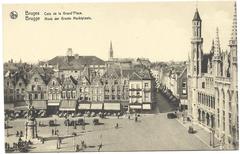
Bruges’ history dates back to the 9th century. Its strategic location, enhanced by a 12th-century flood that created a direct channel to the North Sea, transformed it into a major European trading port and economic center. By the 14th century, Bruges hosted the world’s first stock exchange, attracting merchants and artisans from across the continent. Despite a decline in importance due to the silting of the Zwin channel by the 16th century, this very isolation helped preserve its medieval urban fabric. Today, Bruges is recognized as a UNESCO World Heritage Site for its remarkably intact medieval architecture and urban planning, making it a living testament to European history.
(Visit Bruges, UNESCO World Heritage)
The Evolution of Gapaardstraat
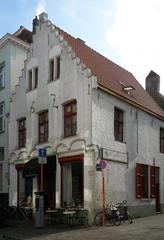
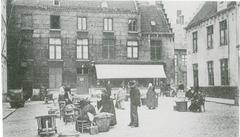
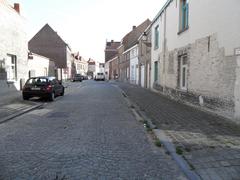
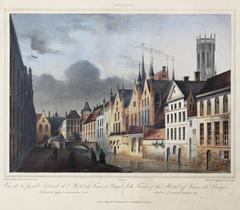
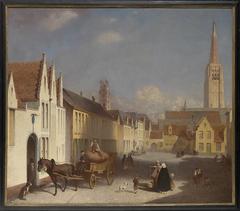
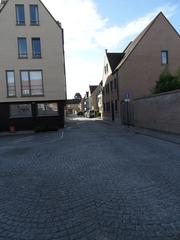
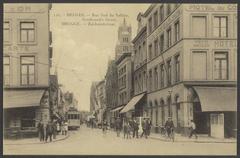
Gapaardstraat, meaning “Horse Street,” is a testament to Bruges’ historical infrastructure. While not as prominent as the city’s main squares, its existence reflects the organic growth of medieval urban planning. The street likely served as a route for horse-drawn traffic, connecting residential areas with commercial zones or waterways. The architecture along Gapaardstraat, typical of Bruges’ older streets, includes traditional Flemish houses with brick facades and stepped gables, offering a glimpse into the lives of the city’s inhabitants throughout the centuries. Its preservation is key to understanding the layered history of Bruges.
Significance of Gapaardstraat in Bruges’ Urban Fabric
Architectural Character
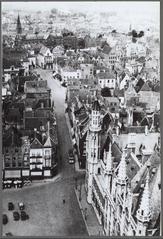
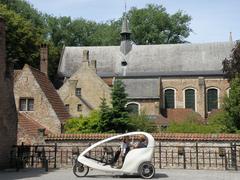
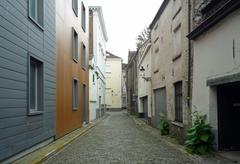
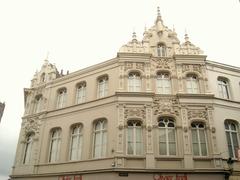
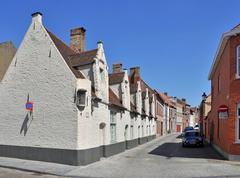
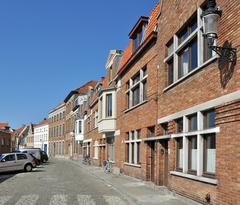
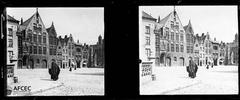
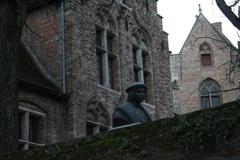
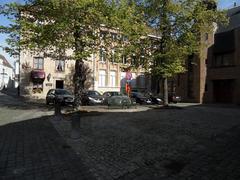
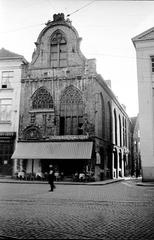
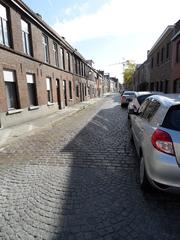
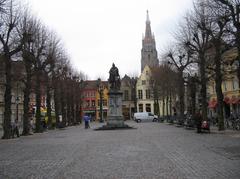
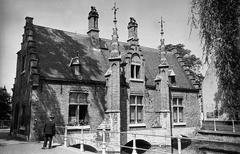
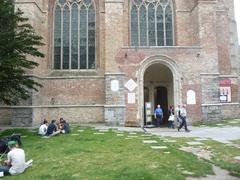
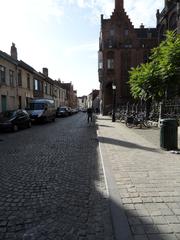
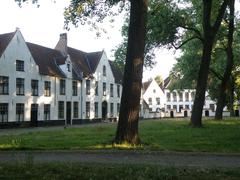
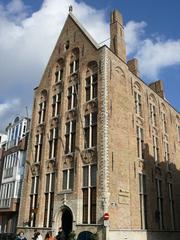
Gapaardstraat showcases the quintessential architectural style of Bruges’ historic center. Visitors will observe well-preserved brick facades, characteristic stepped gables, and narrow, winding cobblestone lanes. The buildings, often two to three stories high, reflect the functional yet aesthetically pleasing design principles of medieval and early modern Flemish architecture. Many structures feature original elements such as stone window frames, ornate doorways, and small, intimate courtyards, illustrating the domestic life and architectural evolution of the period. The street’s relatively undisturbed nature provides an authentic visual experience of Bruges’ past.
Cultural and Social Role
As a residential street, Gapaardstraat plays a crucial role in maintaining Bruges’ identity as a living historical city. Unlike many commercially dominated areas, it offers a glimpse into the everyday lives of its residents, contributing to the city’s authentic charm. Its proximity to major attractions, coupled with its tranquil atmosphere, makes it an ideal spot for contemplative walks and photography, allowing visitors to connect with Bruges on a more personal level. The street represents a successful balance between heritage preservation and contemporary livability.
What to See and Do on Gapaardstraat
Architectural Details and Atmosphere
Take your time to appreciate the intricate details of the historic buildings lining Gapaardstraat. Observe the textures of the brickwork, the unique designs of the stepped gables, and the charm of traditional wooden doors and windows. The well-worn cobblestones underfoot add to the immersive historical experience. The street’s quiet ambiance makes it perfect for photography, especially during the soft light of early mornings or late afternoons.
Nearby Attractions
Gapaardstraat’s central location makes it an excellent starting point or connecting passage to many of Bruges’ renowned sites:
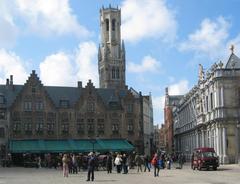
- Markt (Market Square): A short walk away, this bustling square features the iconic Belfry and is a hub of activity.
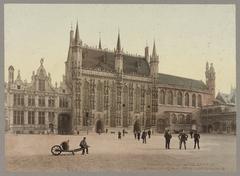
- Burg Square: Home to the magnificent City Hall and the Basilica of the Holy Blood, showcasing impressive Gothic and Renaissance architecture.
- Groeningemuseum: Visit this museum to admire masterpieces by Flemish Primitive painters like Jan van Eyck and Hans Memling.
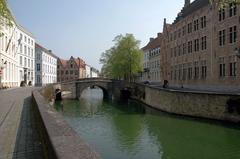
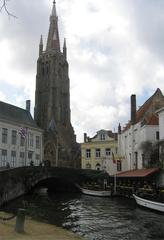
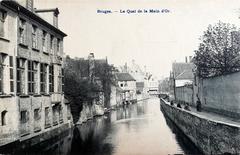
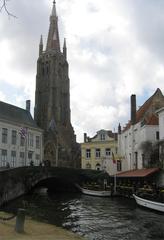
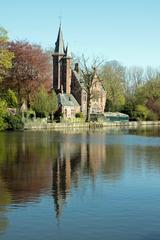
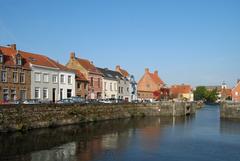
- Canals: Explore the picturesque canals that crisscross Bruges, perhaps by taking a relaxing boat tour. Nearby bridges offer classic “Venice of the North” views.
Local Experiences
While Gapaardstraat itself is primarily residential, the surrounding streets are home to delightful independent cafés, artisan chocolatiers, and unique boutiques. Take the opportunity to sample Belgian chocolates or enjoy a coffee while soaking in the local atmosphere. Exploring the street on foot or by bicycle is highly recommended, as Bruges is a very cycle-friendly city.
Practical Visitor Tips
Getting There
Gapaardstraat is situated in the heart of Bruges’ historic center. It is easily accessible on foot from the main squares like Markt and Burg (approximately a 10-15 minute walk). Visitors arriving by train can reach it via a 20-minute walk or a short bus ride from Bruges Railway Station.
When to Visit
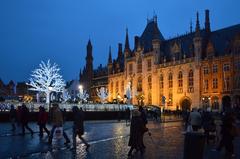
The best times to visit Bruges, and Gapaardstraat in particular, are during the spring (April-June) and autumn (September-October) for milder weather and fewer crowds. Summer is peak season, while winter offers a magical, festive atmosphere. For the most peaceful experience of Gapaardstraat, visit on a weekday morning or late afternoon.
Accessibility
Gapaardstraat is paved with traditional cobblestones, which can be uneven and challenging for visitors with mobility impairments or those using strollers. Comfortable walking shoes are essential. While there are no specific tourist facilities directly on the street, amenities are readily available in nearby areas. The city provides accessibility guides for navigating Bruges.
Safety and Etiquette
Bruges is a very safe city. However, standard precautions against petty theft in crowded areas are advisable. As Gapaardstraat is a residential street, visitors are kindly asked to respect the privacy of the inhabitants by keeping noise levels low and refraining from taking photographs of private residences or their occupants without permission.
Gapaardstraat in the Context of Sustainable Tourism
Bruges actively promotes sustainable tourism, balancing the needs of its residents with the influx of visitors. Efforts to preserve the historic center, such as limiting car access in certain areas and encouraging cycling, contribute to maintaining the city’s unique character. Exploring quieter streets like Gapaardstraat aligns with these principles by helping to disperse tourist traffic and supporting the preservation of local neighborhoods. Visitors are encouraged to be mindful of their impact, support local businesses, and adhere to respectful tourism practices.
Recommendations for a Memorable Visit
- Combine with a Guided Tour: Enhance your understanding of Gapaardstraat and its surroundings by joining a local walking tour that often includes these less-obvious historical routes.
- Explore at Your Own Pace: Allow ample time for spontaneous wandering. Discovering hidden courtyards and quiet corners is part of Bruges’ charm.
- Engage with Local Culture: Visit nearby markets, sample Belgian specialties like waffles and chocolates, and perhaps visit a traditional pub.
- Support Local Businesses: Patronize independent shops and cafés to contribute directly to the local economy and experience authentic Bruges.
Conclusion: Gapaardstraat as a Gateway to Authentic Bruges
Gapaardstraat stands as a quiet yet significant contributor to Bruges’ rich historical tapestry. It offers visitors an authentic experience of the city’s medieval past and its living present, away from the main tourist trails. Its well-preserved architecture, tranquil atmosphere, and strategic location make it an essential stop for those wishing to delve deeper into the heart of Bruges. By planning your visit with attention to the practical tips provided, you can fully appreciate the enduring charm and historical depth of this captivating street.
For more insights into Bruges’ historical sites, travel guides, and up-to-date information, download the Audiala app and follow us on social media.
References and Official Links for More Information
- Visit Bruges
- UNESCO World Heritage
- Mundo Wanderlust
- Lonely Planet
- Visit Bruges Practical Info
- Visit Bruges Accessibility
- Full Suitcase
- Sacred Wanderings
- Wanderlog
- Re-Value Cities
- Stirworld
- Tourist Secrets
- Nomadic Matt
- TripMyDream
- Destination Abroad
For more travel guides, insider tips, and up-to-date information on Bruges’ historical sites, download the Audiala app and follow us on social media.