
लिबर्टी हॉल, डबलिन: आगंतुकों के लिए एक व्यापक मार्गदर्शिका
दिनांक: 04/07/2025
परिचय
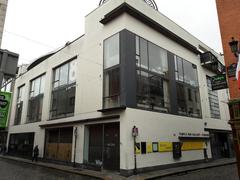
लिबर्टी हॉल डबलिन के सबसे प्रतिष्ठित स्थलों में से एक है, जो आयरलैंड के श्रमिक इतिहास, क्रांतिकारी विरासत और वास्तुशिल्प नवाचार का एक अनूठा मिश्रण प्रस्तुत करता है। आयरिश ट्रांसपोर्ट एंड जनरल वर्कर्स यूनियन (ITGWU) और आयरिश सिटीजन आर्मी (ICA) के पूर्व मुख्यालय के रूप में, लिबर्टी हॉल ने 1913 के डबलिन लॉक-आउट और 1916 के ईस्टर राइजिंग जैसी मूलभूत घटनाओं में एक महत्वपूर्ण भूमिका निभाई। डेसमंड री ओ’केली द्वारा 1965 में पूरा किया गया इसका बोल्ड मध्य-20वीं सदी का अंतर्राष्ट्रीय आधुनिकतावादी डिज़ाइन, डबलिन के पारंपरिक शहर के दृश्य से एक नाटकीय प्रस्थान का प्रतीक था, जो प्रगति और सामाजिक एकजुटता के लिए आयरलैंड की प्रतिबद्धता का प्रतीक था।
हालांकि इसके कार्य जारी रहने के कारण भवन तक सामान्य जनता की पहुंच सीमित है, लिबर्टी हॉल थिएटर एक जीवंत सांस्कृतिक स्थल बना हुआ है। नदी लिफ़ी के साथ इसका स्थान और कस्टम हाउस और जनरल पोस्ट ऑफिस (GPO) जैसे प्रमुख आकर्षणों से इसकी निकटता, इसे डबलिन के क्रांतिकारी इतिहास और वास्तुशिल्प विकास में रुचि रखने वाले किसी भी व्यक्ति के लिए एक आवश्यक गंतव्य बनाती है। यह मार्गदर्शिका लिबर्टी हॉल के आगंतुक घंटों, टिकटिंग, पहुंच, ऐतिहासिक संदर्भ और आस-पास के आकर्षणों पर विस्तृत जानकारी प्रदान करती है, जिससे इस प्रतीकात्मक डबलिन स्थल की सार्थक यात्रा सुनिश्चित हो सके (किडल, हिस्ट्री आयरलैंड, आर.टी.ई. आर्काइव्स, आयरलैंड की इमारतें)।
ऐतिहासिक अवलोकन
उत्पत्ति और प्रारंभिक इतिहास
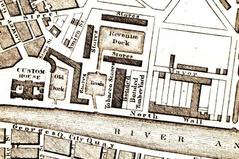
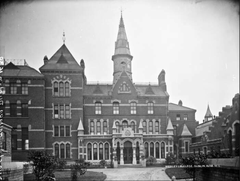
मूल रूप से नॉर्थम्बरलैंड होटल, लिबर्टी हॉल 20वीं सदी की शुरुआत में ITGWU और ICA के मुख्यालय बन गया। ईडन क्वाई पर कस्टम हाउस के बगल में इसका रणनीतिक स्थान, इसे डबलिन के राजनीतिक और सामाजिक परिवर्तन के केंद्र में रखता था। भवन शीघ्र ही श्रमिक सक्रियता और आयरिश राष्ट्रवाद का केंद्र बन गया।
1913 डबलिन लॉक-आउट
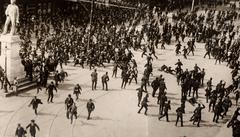
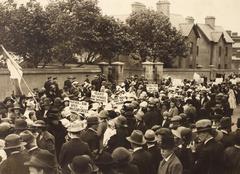
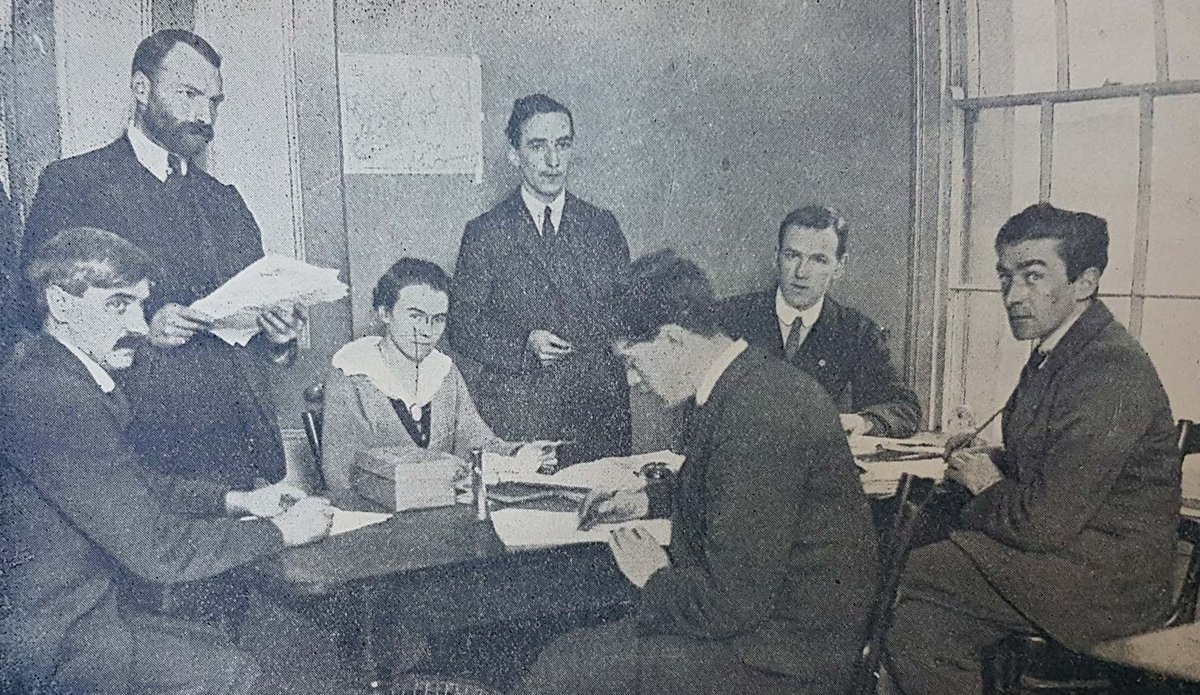
1913 के लॉक-आउट के दौरान, लिबर्टी हॉल श्रमिकों के आंदोलन का परिचालन हृदय था। यहाँ, श्रमिक नेताओं ने हड़तालों और राहत प्रयासों का आयोजन किया, और मौड गोन और कॉन्स्टेंस मार्कीविच जैसे प्रमुख कार्यकर्ताओं ने प्रभावित परिवारों का समर्थन करने के लिए एक सूप किचन की स्थापना की। इस मानवीय प्रतिक्रिया ने सामाजिक एकजुटता के लिए लिबर्टी हॉल की दोहरी भूमिका को रेखांकित किया (किडल)।
1916 ईस्टर राइजिंग
लिबर्टी हॉल का इतिहास ईस्टर राइजिंग के दौरान मजबूत हुआ। ICA ने हथियार बनाने और आयरिश गणराज्य की घोषणा छापने के लिए इमारत का उपयोग किया। ईस्टर सोमवार, 1916 को, विद्रोही लिबर्टी हॉल में इकट्ठा हुए और GPO चले गए। राइजिंग के दौरान ब्रिटिश तोपखाने द्वारा बमबारी की जाने वाली यह पहली इमारत थी, जिसने महत्वपूर्ण क्षति का सामना किया लेकिन स्थायी प्रतीकात्मक महत्व प्राप्त किया (आर.टी.ई. आर्काइव्स)।
अंतर-युद्ध वर्ष और पुनर्निर्माण
राइजिंग के बाद, लिबर्टी हॉल को उसके पूर्व डिजाइन के अनुसार फिर से बनाया गया और आयरिश स्वतंत्रता संग्राम और गृह युद्ध के दौरान श्रमिक गतिविधि और गणतांत्रिक संगठन के केंद्र के रूप में काम करना जारी रखा (हिस्ट्री आयरलैंड)।
आधुनिक परिवर्तन: 1960 का पुनर्निर्माण
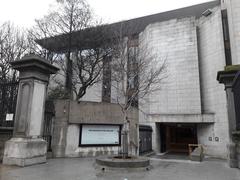
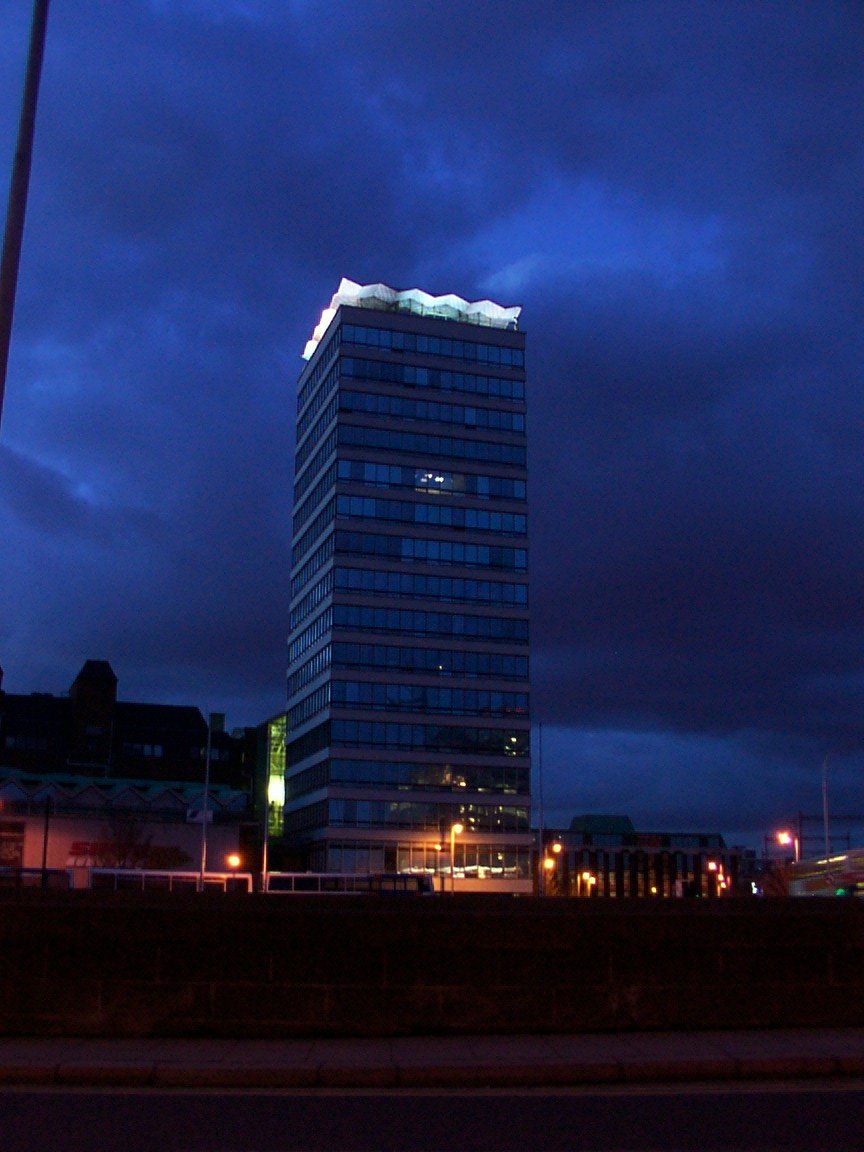
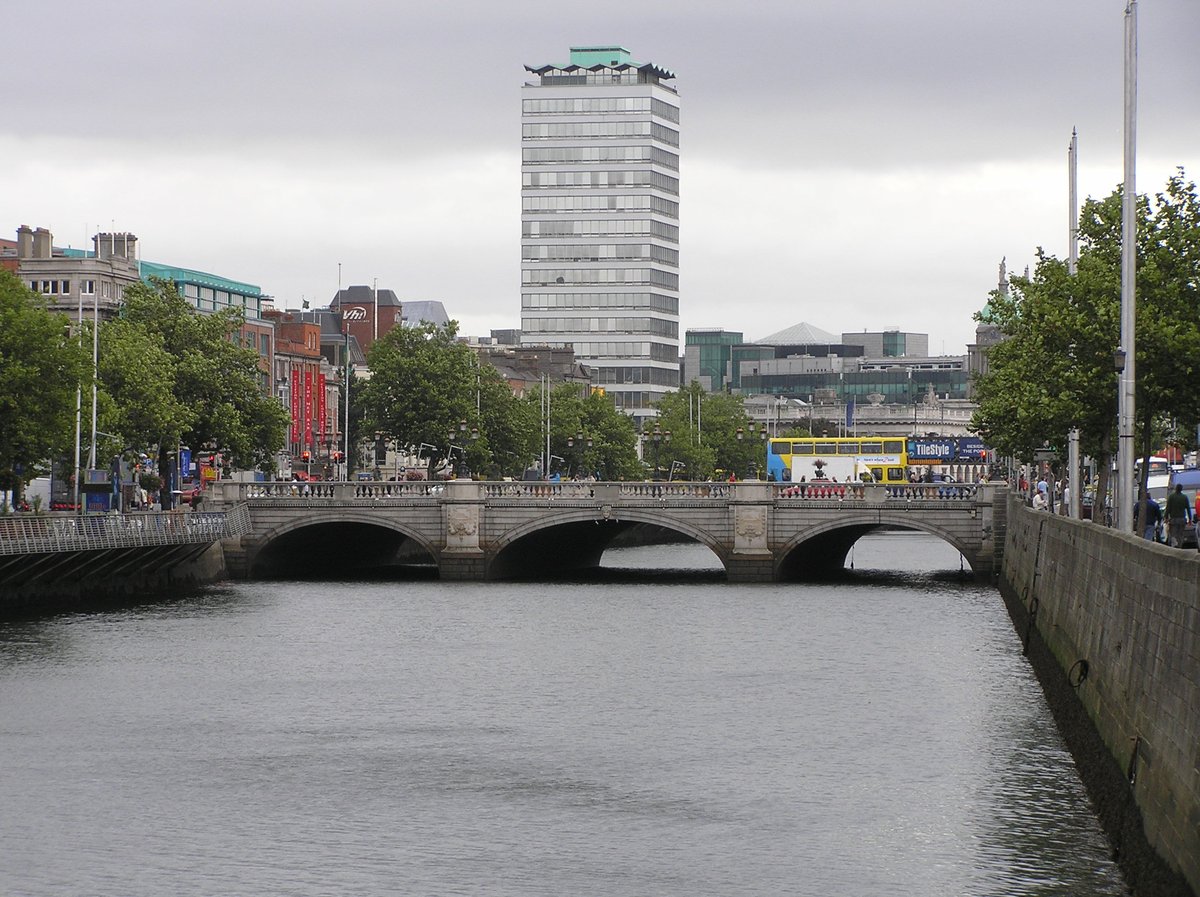
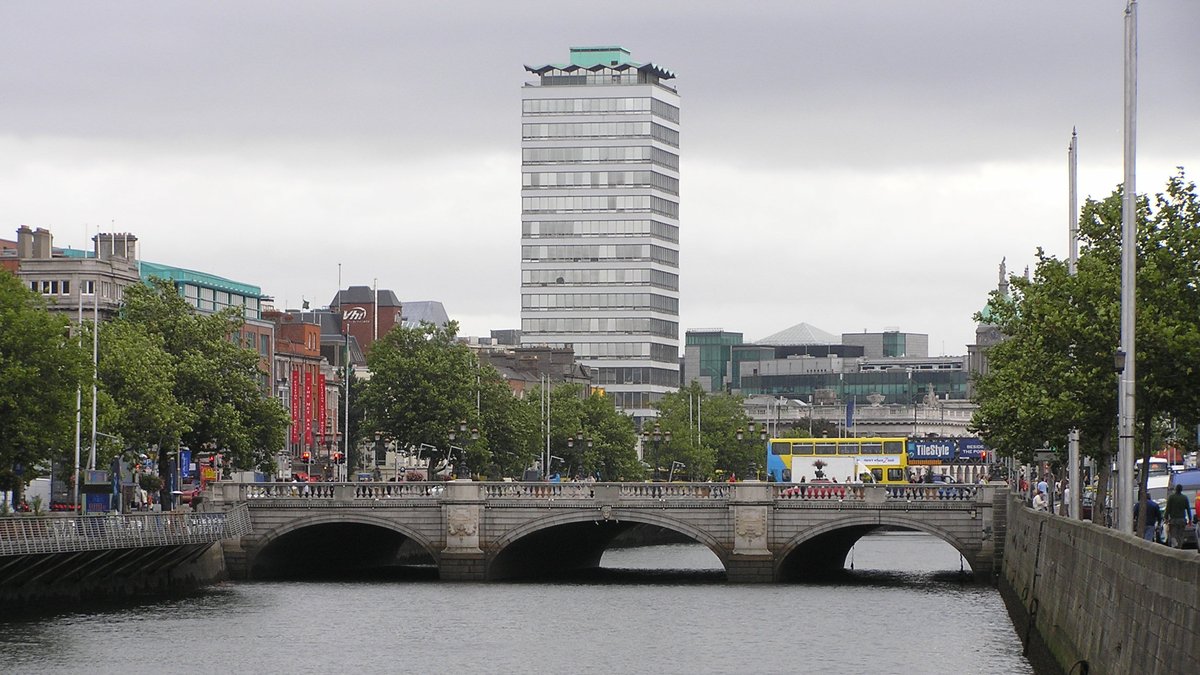
1950 के दशक के अंत तक, संरचनात्मक समस्याओं के कारण पुराने लिबर्टी हॉल को ध्वस्त कर दिया गया था। 1965 में पूरा हुआ नया भवन, आयरलैंड की पहली गगनचुंबी इमारत थी, जिसकी ऊंचाई 59.4 मीटर (195 फीट) और 17 मंजिलें थीं। डेसमंड री ओ’केली द्वारा डिजाइन की गई, इसने अपने प्रबलित कंक्रीट फ्रेम, पर्दा दीवार ग्लेज़िंग और कैंटिलीवर तांबे की छत के साथ अंतर्राष्ट्रीय आधुनिकतावादी सिद्धांतों को समाहित किया। भवन का डिजाइन वैश्विक प्रवृत्तियों से प्रेरित था, विशेष रूप से मैनहट्टन के लीवर हाउस, और इसे वास्तुशिल्प प्रशंसा मिली (हिस्ट्री आयरलैंड)।
लिबर्टी हॉल के पूरा होने ने श्रमिक आंदोलन की निरंतर प्रासंगिकता को स्थापित किया और डबलिन शहर के दृश्य में एक नए वास्तुशिल्प युग की शुरुआत की। इसके भूतल पर सार्वजनिक थिएटर और ऊपर खुले योजना कार्यालय आधुनिक पारदर्शिता और सामूहिक उद्देश्य के मूल्यों को दर्शाते हैं (किडल)।
समकालीन डबलिन में लिबर्टी हॉल
आज, लिबर्टी हॉल डबलिन के क्षितिज की एक प्रमुख विशेषता और आयरलैंड के श्रमिक आंदोलन का एक जीवित प्रतीक बना हुआ है। हालिया विकासों द्वारा ऊंचाई में पार कर जाने के बावजूद, यह अपने वास्तुशिल्प और ऐतिहासिक महत्व को बनाए रखता है। भवन अभी भी SIPTU का मुख्यालय है और सांस्कृतिक कार्यक्रमों और सामाजिक सक्रियता का केंद्र है। उल्लेखनीय रूप से, लिबर्टी हॉल ने 1983 में आयरलैंड के पहले LGBTQ+ गौरव विरोध प्रदर्शन सहित प्रमुख राजनीतिक और सामाजिक सभाओं की मेजबानी की है (यात्रियों का ब्रह्मांड)।
लिबर्टी हॉल का दौरा: घंटे, टिकट और पहुंच
आगंतुक घंटे
- बाहरी दृश्य: हर समय उपलब्ध।
- लिबर्टी हॉल थिएटर: कार्यक्रम के अनुसार खुलने का समय बदलता रहता है; आधिकारिक थिएटर अनुसूची की जाँच करें।
- भवन पहुंच: कार्यालय क्षेत्रों और पूर्व अवलोकन गैलरी तक सामान्य जनता की पहुंच उपलब्ध नहीं है।
टिकट और प्रवेश
- बाहरी: देखने के लिए नि:शुल्क।
- थिएटर कार्यक्रम: प्रदर्शन के अनुसार टिकट की कीमतें भिन्न होती हैं; ऑनलाइन या बॉक्स ऑफिस पर खरीदें।
पहुंच
- लिबर्टी हॉल के आसपास का क्षेत्र व्हीलचेयर के अनुकूल है, और थिएटर में बिना सीढ़ियों के प्रवेश और सार्वजनिक स्थानों तक लिफ्ट की सुविधा है। विशिष्ट आवश्यकताओं के लिए, अग्रिम रूप से थिएटर या SIPTU से संपर्क करें (लिबर्टी हॉल थिएटर)।
वहां कैसे पहुंचे
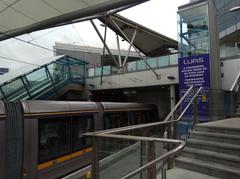
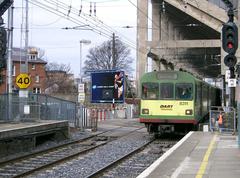
- सार्वजनिक परिवहन: तारा स्ट्रीट ट्रेन स्टेशन, एब्बे स्ट्रीट LUAS स्टॉप और प्रमुख डबलिन बस मार्गों के करीब।
- आस-पास के कार पार्क: उपलब्ध हैं, हालांकि पार्किंग सीमित और महंगी है; सार्वजनिक परिवहन की सिफारिश की जाती है।
वास्तुशिल्प मुख्य बातें
- आधुनिकतावादी डिज़ाइन: आयरलैंड में प्रबलित कंक्रीट और पर्दा दीवार निर्माण का एक अग्रणी उदाहरण।
- तांबे से ढकी छत: विशिष्ट कैंटिलीवर छत आस-पास की ऐतिहासिक इमारतों को दर्शाती है।
- मुखौटा विकास: मूल रूप से पारदर्शी ग्लेज़िंग के साथ फिट किया गया था, जिसे बाद में 1972 की कार बमबारी के बाद परावर्तक कांच से बदल दिया गया।
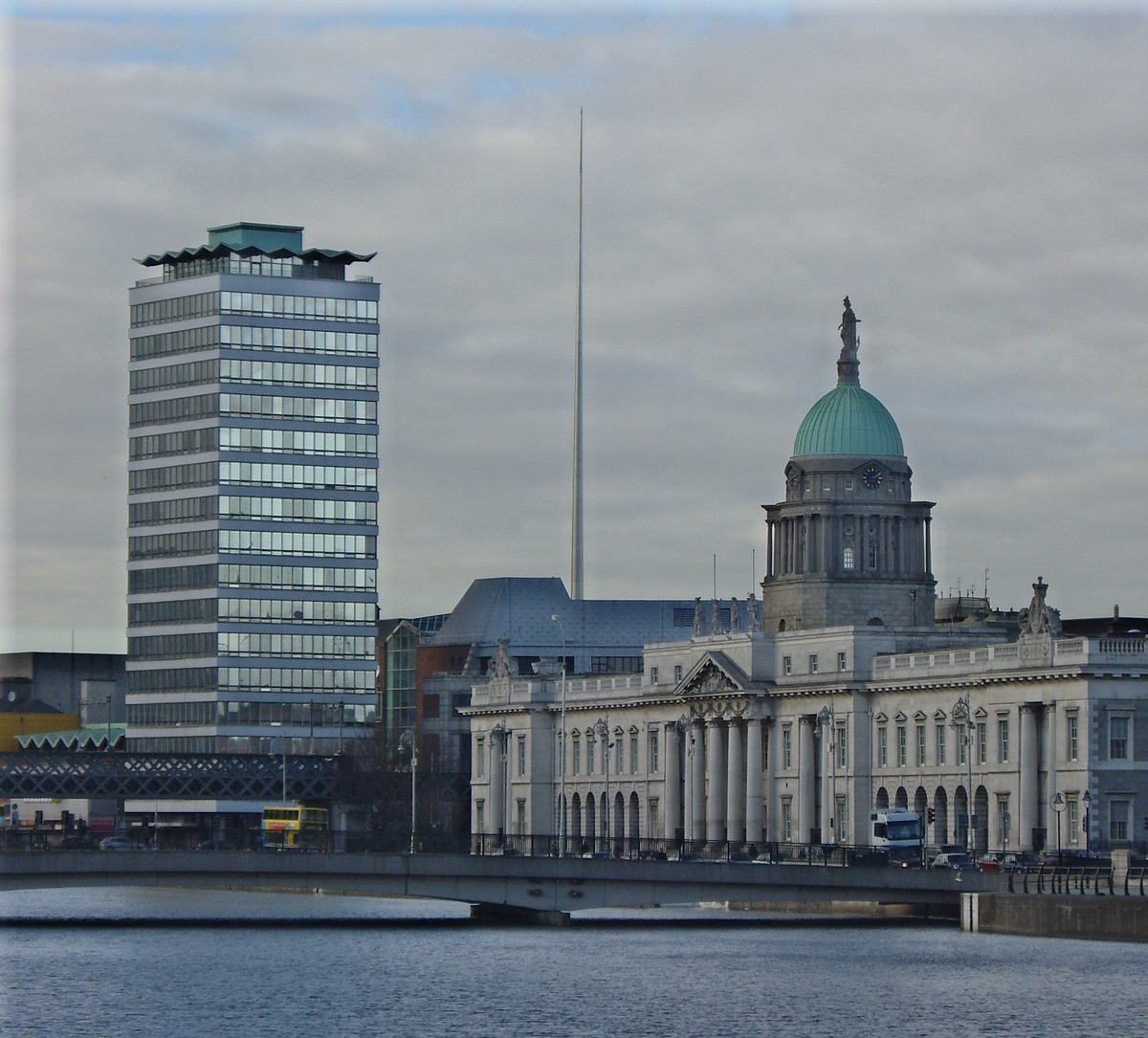
- शहरी संदर्भ: नदी लिफ़ी पर प्रमुख रूप से स्थित, कस्टम हाउस के निकट, ऐतिहासिक और आधुनिक डबलिन के बीच एक दृश्य संबंध बनाते हुए (आयरलैंड की इमारतें)।
आस-पास के आकर्षण
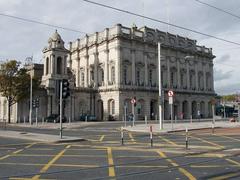
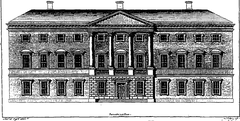
- कस्टम हाउस: नदी के पार ऐतिहासिक नवशास्त्रीय इमारत।
- जनरल पोस्ट ऑफिस (GPO): 1916 राइजिंग का मुख्य स्थल, थोड़ी पैदल दूरी पर।
- जेम्स कॉनली मेमोरियल: लिबर्टी हॉल के ठीक सामने, श्रम नेता के प्रति श्रद्धांजलि।
- बुसारस: एक और प्रमुख आधुनिकतावादी संरचना।
- नदी लिफ़ी वॉकवे: शहर का पता लगाने के लिए सुंदर मार्ग।
आगंतुकों के लिए सुझाव
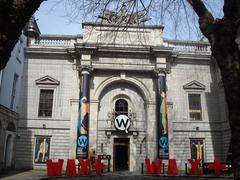
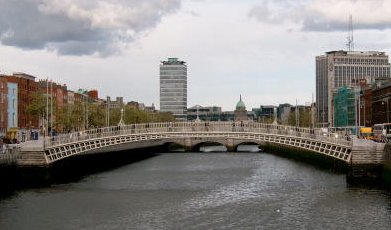
- सर्वश्रेष्ठ दृश्य: लिबर्टी हॉल को नदी लिफ़ी के दक्षिणी किनारे या आस-पास के पुलों से तस्वीरें लें।
- संयुक्त यात्राएँ: 1916 राइजिंग स्थलों या डबलिन की आधुनिकतावादी इमारतों के पैदल दौरे में लिबर्टी हॉल को शामिल करें।
- सांस्कृतिक अनुभव: लिबर्टी हॉल थिएटर में एक प्रदर्शन में भाग लें या गहरी सांस्कृतिक संबंध के लिए एक ऐतिहासिक पैदल दौरे में शामिल हों।
अक्सर पूछे जाने वाले प्रश्न (FAQs)
प्रश्न: लिबर्टी हॉल के आगंतुक घंटे क्या हैं? उ: बाहरी दृश्य किसी भी समय उपलब्ध है; थिएटर के घंटे कार्यक्रम के अनुसार भिन्न होते हैं।
प्रश्न: क्या कोई प्रवेश शुल्क है? उ: बाहरी देखने के लिए कोई शुल्क नहीं है; थिएटर कार्यक्रमों के लिए टिकट की आवश्यकता होती है।
प्रश्न: क्या भवन विकलांग लोगों के लिए सुलभ है? उ: हां, थिएटर और आसपास का क्षेत्र सुलभ है; विशिष्ट आवास के लिए पहले संपर्क करें।
प्रश्न: क्या निर्देशित पर्यटन उपलब्ध हैं? उ: कोई नियमित आंतरिक पर्यटन नहीं हैं, लेकिन लिबर्टी हॉल को अक्सर डबलिन के ऐतिहासिक पैदल दौरों में शामिल किया जाता है।
प्रश्न: आस-पास के सबसे अच्छे आकर्षण क्या हैं? उ: कस्टम हाउस, GPO, बुसारस और नदी लिफ़ी वॉकवे।
निष्कर्ष
लिबर्टी हॉल आयरलैंड के अशांत श्रम इतिहास, क्रांतिकारी भावना और वास्तुशिल्प नवाचार का एक प्रमाण है। नदी लिफ़ी के साथ इसकी स्थायी उपस्थिति और एक यूनियन मुख्यालय और सांस्कृतिक स्थल के रूप में इसका चल रहा उपयोग डबलिन के शहरी और सामाजिक परिदृश्य में इसकी निरंतर प्रासंगिकता सुनिश्चित करता है। हालांकि आंतरिक पहुंच सीमित है, आगंतुक अपने आसपास के क्षेत्र से और अपने थिएटर में कार्यक्रमों के माध्यम से लिबर्टी हॉल के प्रतीकात्मक और वास्तुशिल्प महत्व की सराहना कर सकते हैं।
अपनी यात्रा का अधिकतम लाभ उठाने के लिए, पहले से योजना बनाएं, थिएटर के कार्यक्रम की जाँच करें, और एक ऐतिहासिक पैदल दौरे में शामिल होने पर विचार करें। अद्यतन जानकारी के लिए, SIPTU वेबसाइट या लिबर्टी हॉल थिएटर से परामर्श करें।
स्रोत
- किडल
- हिस्ट्री आयरलैंड
- आर.टी.ई. आर्काइव्स
- आयरलैंड की इमारतें
- आयरिश स्टडीज SUNY Geneseo
- SIPTU आधिकारिक वेबसाइट
- यात्रियों का ब्रह्मांड
- लिबर्टी हॉल थिएटर
- लोनली प्लैनेट
- आयरलैंड आपके सामने
- सभी के लिए पूर्व दीवार
- स्थानीय लोगों के साथ आयरलैंड
- डबलिन पीसीडी
- हॉप ऑन हॉप ऑफ डबलिन
- यात्रा के ड्राफ्ट
- आयरिश रोड ट्रिप
- ट्रैक जोन
- इवेंडेो
- आरएमटी
- इवेंटब्राइट
- आयरिश टाइम्स
- सी20 सोसाइटी
- आर्किसीक
ऑडिएला2024’, ‘initial_research’: ’# Liberty Hall, Dublin: A Comprehensive Visitor’s Guide\n\n## Abstract\n\nLiberty Hall stands as one of Dublin’s most iconic and historically significant buildings. Once the tallest structure in Ireland, it has been at the heart of the nation’s labor movement, a witness to pivotal moments in Irish history, and a symbol of modernist architecture. This report provides an in-depth exploration of Liberty Hall’s history, cultural significance, architectural features, and practical information for visitors, ensuring a memorable and insightful experience for all who wish to engage with this landmark.\n\n---\n\n## Table of Contents\n\n1. Introduction\n2. Historical Overview\n - Origins and Early 20th Century\n - Role in the 1913 Lockout and Easter Rising\n - Post-Independence and Modern Era\n3. Architectural Features\n - Design and Construction\n - International Modernism and Aesthetic\n - Renovations and Changes\n4. Cultural and Social Significance\n - Liberty Hall as a Symbol\n - Events and Festivals\n - Liberty Hall in Popular Culture\n5. Visitor Information and Tips\n - Location and Accessibility\n - What to See and Do\n - Nearby Attractions\n - Safety and Practical Advice\n6. Conclusion\n7. References\n\n---\n\n## Introduction\n\nLiberty Hall (Irish: Halla na Saoirse) is more than just a building in Dublin; it is a living monument to Ireland’s turbulent journey toward social justice, workers’ rights, and national identity. Located at the intersection of Eden Quay and Beresford Place, overlooking the River Liffey, Liberty Hall is the headquarters of the Services, Industrial, Professional, and Technical Union (SIPTU), Ireland’s largest trade union. Its striking modernist silhouette is a familiar sight on Dublin’s skyline, and its legacy is deeply woven into the fabric of the city’s history and culture (Wikipedia; Buildings of Ireland).\n\n---\n\n## Historical Overview\n\n### Origins and Early 20th Century\n\nThe site of Liberty Hall has been associated with the Irish labor movement since the early 20th century. The original Liberty Hall was constructed as the headquarters of the Irish Transport and General Workers Union (ITGWU), founded by the legendary labor leader James Larkin. This building quickly became a focal point for labor activism and political agitation in Dublin (Wikipedia).\n\n### Role in the 1913 Lockout and Easter Rising\n\nLiberty Hall’s historical significance is most pronounced during two key events: the 1913 Dublin Lockout and the 1916 Easter Rising.\n\n- 1913 Lockout: During this major industrial dispute, Liberty Hall served as the nerve center for the ITGWU and the Irish Citizen Army (ICA), a workers’ militia formed to protect strikers. It was here that Maud Gonne and Countess Markievicz organized a soup kitchen to feed striking workers and their families (Irish Times).\n- 1916 Easter Rising: Liberty Hall played a pivotal role in the lead-up to the Easter Rising. The Proclamation of the Irish Republic was printed within its walls, and on April 24, 1916, members of the ICA assembled here before marching to the General Post Office (GPO), the main site of the rebellion. The building was subsequently shelled by the British gunboat Helga, leaving it badly damaged (Buildings of Ireland; RTÉ Archives).\n\n### Post-Independence and Modern Era\n\nAfter the destruction of the original building, Liberty Hall continued to serve as a hub for trade union activity. In the 1960s, the decision was made to replace the old structure with a new, modernist tower. The current Liberty Hall was designed by architect Desmond Rea O’Kelly and completed in 1965. At 59.4 meters (195 feet) and 17 storeys, it was Ireland’s tallest building at the time (Wikipedia; RTÉ Archives).\n\nThe building was officially opened on May Day, 1 May 1965, a fitting tribute to its labor movement roots. Over the decades, Liberty Hall has remained a center for union activity, cultural events, and political gatherings, adapting to the changing landscape of Dublin while retaining its symbolic power (Buildings of Ireland).\n\n---\n\n## Architectural Features\n\n### Design and Construction\n\nLiberty Hall is a prime example of International Modernism, a style characterized by functional design, minimal ornamentation, and the use of modern materials. The building’s slender form, glazed curtain wall, and cantilevered copper roof set it apart from the predominantly Georgian and Victorian architecture of central Dublin (Buildings of Ireland).\n\n- Architect: Desmond Rea O’Kelly\n- Construction Period: 1961–1965\n- Height: 59.4 meters (195 feet)\n- Floors: 17 storeys\n- Original Use: Office and union headquarters\n- Current Use: SIPTU headquarters and cultural venue\n\n### International Modernism and Aesthetic\n\nLiberty Hall’s design embodies the functional aesthetic of the International Style. Its transparency and slenderness were intended to symbolize openness and progress. The copper cantilevered roof, which echoes the nearby Busáras (Dublin’s central bus station), adds a distinctive flourish and reduces the visual impact of the building’s core structure (Buildings of Ireland).\n\nThe original curtain wall allowed natural light to flood the interior and gave the building a sense of transparency. However, after a car bomb explosion in 1972 shattered the windows, they were replaced with reflective glass, altering the building’s appearance but maintaining its modernist ethos (Buildings of Ireland).\n\n### Renovations and Changes\n\nOver the years, Liberty Hall has undergone several renovations to maintain its structural integrity and adapt to new uses. While there have been proposals to demolish and replace the building, it remains standing as of July 2025, continuing to provoke debate about its architectural value and place in Dublin’s evolving skyline (Irish Times).\n\n---\n\n## Cultural and Social Significance\n\n### Liberty Hall as a Symbol\n\nLiberty Hall is more than an office block; it is a symbol of Ireland’s struggle for workers’ rights, social justice, and national self-determination. Its association with the ITGWU, the Irish Citizen Army, and key historical events has imbued it with a resonance that transcends its physical form (Irish Times).\n\nFor many Dubliners, Liberty Hall is a touchstone of collective memory. It has inspired poets, artists, and filmmakers, serving as a backdrop to the city’s social and political life. Its presence on the skyline is a constant reminder of the sacrifices and achievements of those who fought for a fairer Ireland.\n\n### Events and Festivals\n\nLiberty Hall continues to play an active role in Dublin’s cultural and political life. It regularly hosts conferences, debates, concerts, and festivals, particularly those related to labor, socialism, and progressive causes.\n\n- Tressell Festival: An annual event celebrating the radical spirit of Robert Tressell, author of The Ragged-Trousered Philanthropists. The festival brings together trade unionists, activists, and artists for a day of debate, music, and drama. In 2025, U.S. Senator Bernie Sanders is scheduled to deliver the keynote address (Labour.ie).\n- Cultural Events: Liberty Hall’s auditorium and meeting spaces are used for concerts, theatrical performances, and community gatherings, reflecting its ongoing commitment to art and culture as tools for social change (Irish Times).\n\n### Liberty Hall in Popular Culture\n\nLiberty Hall has featured in Irish literature, film, and music. It appears in the 1988 film The Courier, which captured the gritty urban landscape of Dublin and used the building as a symbol of the city’s collective memory (Irish Times). The building’s enduring presence has inspired poets and writers, including Michael O’Loughlin, who wrote an elegy for Liberty Hall as a meditation on family, memory, and the passage of time.\n\n---\n\n## Visitor Information and Tips\n\n### Location and Accessibility\n\n- Address: Eden Quay & Beresford Place, Dublin 1, Ireland\n- Coordinates: 53.34833°N, 6.25528°W (Wikipedia)\n- Public Transport: Liberty Hall is centrally located and easily accessible by foot from O’Connell Street, Dublin’s main thoroughfare. The building is also served by numerous bus routes, and is a short walk from the Connolly and Tara Street train stations. The LUAS (tram) Red Line stops nearby at Abbey Street (Dublin Tour Guide).\n\n#### Accessibility Tips\n\n- On Foot: Dublin’s city center is compact, and Liberty Hall is within easy walking distance of many major attractions.\n- Leap Card: For longer journeys, consider purchasing a Leap Card for convenient access to buses, trams, and trains (Dublin Tour Guide).\n- Taxis and Rideshares: Widely available, but be aware of potential traffic congestion in central Dublin.\n\n### What to See and Do\n\n#### Exterior and Surroundings\n\nWhile Liberty Hall is primarily an office building and union headquarters, its exterior is a must-see for architecture enthusiasts and history buffs. The building’s modernist design stands in stark contrast to the surrounding historic architecture, making it a striking subject for photography.\n\n#### Interior Access\n\n- Public Access: The building is not generally open to the public for tours. However, the Liberty Hall Theatre, located within the building, hosts a variety of public events, including plays, concerts, and lectures. Check the Liberty Hall Theatre website for upcoming events.\n- Special Events: During festivals and union events, parts of the building may be open to visitors. The Tressell Festival and other cultural gatherings provide unique opportunities to experience the building’s interior and engage with Dublin’s activist community (Labour.ie).\n\n#### Viewing Deck\n\nIn the late 1960s, Liberty Hall’s top floor pavilion was open to the public as a viewing deck, offering panoramic views of Dublin. While this is no longer a regular feature, visitors should inquire about special events or open days that may allow access to the upper floors (Archiseek).\n\n### Nearby Attractions\n\nLiberty Hall’s central location makes it an excellent starting point for exploring Dublin’s rich array of attractions:\n\n- O’Connell Street: Dublin’s main boulevard, home to the Spire, the GPO, and numerous statues and monuments.\n- Trinity College and the Book of Kells: A short walk away, this historic university houses Ireland’s most famous manuscript (Mamalovesireland).\n- Ha’penny Bridge: An iconic pedestrian bridge over the River Liffey, offering classic views of the city (Ireland Before You Die).\n- EPIC The Irish Emigration Museum: A modern interactive museum exploring the history of Irish emigration (Mamalovesireland).\n- Traditional Pubs: Experience Dublin’s legendary pub culture at nearby establishments such as The Brazen Head or The Stag’s Head (The Irish Road Trip).\n\n### Safety and Practical Advice\n\n- Safety: Dublin is generally a safe city for tourists. Exercise standard precautions, especially in crowded areas and after dark around O’Connell Street (Lonely Planet; Emily Embarks).\n- Weather: Dublin’s weather can be unpredictable, even in summer. Bring a light rain jacket and dress in layers (The Irish Road Trip).\n- Budgeting: Dublin is an expensive city. Plan accordingly for accommodation, dining, and attractions (Mamalovesireland).\n- Best Time to Visit: July offers the best weather, with average temperatures around 15.4°C (59.7°F), but be prepared for occasional rain (The Irish Road Trip).\n\n---\n\n## Conclusion\n\nLiberty Hall is a cornerstone of Dublin’s historical, architectural, and cultural landscape. Its legacy as the epicenter of Ireland’s labor movement, its role in the nation’s fight for independence, and its bold modernist design make it a must-see for any visitor seeking to understand the soul of Dublin. While access to the building’s interior is limited, its presence on the city’s skyline and its ongoing role as a venue for cultural and political events ensure that Liberty Hall remains a living symbol of Ireland’s enduring quest for liberty and equality.\n\nFor those interested in Irish history, architecture, or social justice, a visit to Liberty Hall offers a unique window into the struggles and triumphs that have shaped modern Ireland. Whether you attend a festival, photograph its striking façade, or simply reflect on its storied past, Liberty Hall is an essential stop on any Dublin itinerary.\n\n---\n\n## References\n\n- Liberty Hall – Wikipedia\n- Liberty Hall – Buildings of Ireland\n- The Road to Liberty Hall – Irish Times\n- Liberty Hall Construction – RTÉ Archives\n- 1965 – Liberty Hall, Eden Quay, Dublin – Archiseek\n- Facing down the Carnival of Reaction: Tressell Festival Returns – Labour.ie\n- Liberty Hall Theatre Events – Ents24\n- Dublin in July: Weather, Tips + Things To Do – The Irish Road Trip\n- Things to Do in Dublin Bucket List – Ireland Before You Die\n- Dublin for First-Timers: What You Need to Know Before You Visit – Dublin Tour Guide\n- Dublin Travel Guide – Mamalovesireland\n- Is Dublin Safe for Tourists? – Emily Embarks\n- Things to Know Before Traveling to Dublin – Lonely Planet’, ‘table_of_contents’: ’- Introduction\n- Historical Overview\n - Origins and Early History\n - The 1913 Dublin Lock-out\n - The Easter Rising of 1916\n - Interwar Years and Rebuilding\n- Modernist Transformation: The 1960s Rebuild\n - Architectural Innovation\n - Social and Political Symbolism\n- Visitor Information: Liberty Hall Visiting Hours, Tickets, and Accessibility\n - Visiting Hours\n - Tickets and Admission\n - Accessibility\n - Travel Tips\n - Special Events and Guided Tours\n- Later Developments and Preservation\n- Liberty Hall in Contemporary Dublin\n- Frequently Asked Questions (FAQs)\n- Conclusion’}], ‘sections’: [‘Historical Overview’, ‘Architectural Features’, ‘Cultural and Social Significance’, ‘Visitor Information and Tips’], ‘conclusion’: ‘Liberty Hall remains a powerful emblem of Dublin’s labor heritage, revolutionary history, and architectural innovation. From its origins as the nerve center of the Irish labor movement and the Irish Citizen Army to its transformation into Ireland’s first skyscraper, the building reflects a dynamic narrative of social progress and modernist design. Despite challenges such as wartime damage and debates over its aesthetic value, Liberty Hall continues to serve as the headquarters of SIPTU and a vibrant cultural venue through its theatre and hosted events. Its prominent location along the River Liffey, adjacent to landmarks like the Custom House, and its inclusion in historical walking tours underscore its ongoing relevance to both locals and visitors.\n\nFor those planning a visit, Liberty Hall offers free access to its exterior year-round, with guided tours and special events available periodically. Its commitment to accessibility ensures that visitors with diverse needs can engage with this historic site. Combining a visit to Liberty Hall with nearby attractions enriches the experience of Dublin’s revolutionary past and architectural evolution.\n\nExplore the layers of history, culture, and design that make Liberty Hall a must-see Dublin landmark. Stay updated on visiting hours, ticket availability, and upcoming events by consulting official sources, and enhance your journey through Dublin’s storied sites with tools like the Audiala app. Liberty Hall is not merely a building but a living monument to Ireland’s enduring quest for liberty, solidarity, and cultural expression (Kiddle, Irish Studies SUNY Geneseo, SIPTU).’, ‘introduction’: “Liberty Hall in Dublin is a landmark that vividly encapsulates Ireland’s rich labor history, revolutionary spirit, and architectural evolution. Originally serving as the headquarters of the Irish Transport and General Workers’ Union (ITGWU) and the Irish Citizen Army (ICA), Liberty Hall was at the epicenter of pivotal events such as the 1913 Dublin Lock-out and the 1916 Easter Rising. Its significance extends beyond politics and labor activism, as it also embodies the social solidarity and cultural expression that have shaped modern Dublin. Today, Liberty Hall stands as Ireland’s first skyscraper and a striking example of mid-20th-century International Modernism, designed by Desmond Rea O’Kelly and completed in 1965. The building’s innovative architectural features, such as its reinforced concrete structure and glazed curtain wall façade, marked a bold departure from Dublin’s traditional cityscape, symbolizing progress and modernity.\n\nVisitors to Liberty Hall can explore its historical legacy through guided tours and cultural events, or simply appreciate its imposing presence along Dublin’s River Liffey. Although public access inside the building is limited due to its function as a working union headquarters, the Liberty Hall Theatre offers a vibrant program of performances reflecting the ongoing intersection of activism and art. The site’s accessibility via public transport and its proximity to other key Dublin attractions, including the Custom House and the General Post Office, make it an essential stop for those interested in Ireland’s revolutionary history and architectural heritage.\n\nThis comprehensive visitor’s guide covers everything from Liberty Hall’s visiting hours, ticketing, and accessibility, to its historical significance and architectural highlights, ensuring that visitors can fully appreciate this iconic symbol of Dublin’s labor movement and cultural identity (Kiddle, History Ireland, RTÉ Archives, Buildings of Ireland).”, ‘research_data’: [{‘Liberty Hall Dublin: Visiting Hours, Tickets, and Historical Significance’: ’## Introduction\n\nLiberty Hall stands as one of Dublin’s most iconic historical sites, renowned not only for its towering modernist architecture but also for its profound role in Ireland’s labor movement and revolutionary history. Whether you’re a history enthusiast, an architecture lover, or a curious traveler, visiting Liberty Hall provides a unique glimpse into Dublin’s past and present. This guide covers everything you need to know about Liberty Hall visiting hours, tickets, accessibility, and more, ensuring a comprehensive and enjoyable experience.\n\n## Historical Overview\n\n### Origins and Early History\n\nLiberty Hall’s story begins in the late 19th and early 20th centuries, when the original building—once the Northumberland Hotel—was repurposed as the headquarters for the Irish Transport and General Workers’ Union (ITGWU) and the Irish Citizen Army (ICA) (Kiddle). Its location, adjacent to Dublin’s Custom House and overlooking the River Liffey, placed it at the heart of the city’s political and social ferment. The building quickly became a focal point for labor activism and Irish nationalism, reflecting the turbulent times that shaped modern Ireland.\n\n### The 1913 Dublin Lock-out\n\nOne of Liberty Hall’s most significant early chapters unfolded during the 1913 Dublin Lock-out, a major industrial dispute between thousands of workers and their employers. As the headquarters of the ITGWU, Liberty Hall was the nerve center for strike organization and relief efforts. Notably, prominent activists such as Maud Gonne and Constance Markievicz established a soup kitchen within its walls, providing vital sustenance to destitute families affected by the lock-out (Kiddle). This humanitarian response underscored Liberty Hall’s role as both a symbol and a practical instrument of social solidarity.\n\n### The Easter Rising of 1916\n\nLiberty Hall’s place in Irish history was cemented during the Easter Rising of 1916. In the lead-up to the rebellion, the building was used covertly for the manufacture of weapons, including bombs and bayonets, by the ICA (Kiddle). On Easter Monday, the leaders of the Rising assembled outside Liberty Hall before marching to the General Post Office (GPO), the main site of the insurrection. The British authorities, mistakenly believing Liberty Hall remained a rebel stronghold, targeted it as the first building to be shelled by artillery. The structure was severely damaged, but its symbolic importance only grew in the aftermath (RTÉ Archives).\n\n### Interwar Years and Rebuilding\n\nFollowing the destruction of the original building during the Rising, Liberty Hall was reconstructed to its previous design. It continued to serve as a hub for labor and republican activity throughout the Irish War of Independence and the Civil War. The building’s association with the ITGWU and the ICA ensured its continued prominence in the collective memory of Dubliners and the wider Irish public (History Ireland).\n\n## Modernist Transformation: The 1960s Rebuild\n\nBy the mid-20th century, the old Liberty Hall had become structurally unsound and was evacuated in 1956, then demolished in 1958 (History Ireland). The ITGWU commissioned a new headquarters, and the result was a radical departure from the past: a modernist high-rise designed by Desmond Rea O’Kelly, who was both a structural engineer and an architect (History Ireland). Construction began in 1961 and was completed in 1965, with the building officially opening on May Day—1 May 1965—an apt date for a union headquarters (RTÉ Archives).\n\n### Architectural Innovation\n\nLiberty Hall was Ireland’s first skyscraper, standing at 59.4 meters (195 feet) with 17 storeys, making it the tallest building in the country at the time (Kiddle). Its design was technologically advanced for its era, utilizing reinforced concrete and a structural system based on eight columns set back from the corners, creating the illusion of suspended floor plates. The building’s massing consisted of a wide base—housing a public theatre—and a slender square tower, inspired by international modernist trends such as Manhattan’s Lever House (History Ireland).\n\nThe tower’s original appearance featured alternating bands of white mosaic and transparent glass, creating a striking visual effect by day and night. The copper-clad roof, cantilevered from the central core, paid homage to the neighboring 18th-century Custom House (History Ireland). The building’s innovative engineering and aesthetics earned it a commendation in the Royal Institute of the Architects of Ireland (RIAI) Triennial Gold Medal competition for the best building of 1965–67 (History Ireland).\n\n### Social and Political Symbolism\n\nThe new Liberty Hall quickly became a landmark in Dublin’s skyline and a symbol of modern Ireland. Its construction marked a shift in the city’s architectural landscape, introducing the concept of the high-rise office block. The building’s association with the labor movement continued, as it became the headquarters for SIPTU (Services, Industrial, Professional, and Technical Union), the successor to the ITGWU (Kiddle).\n\nLiberty Hall’s role as a site of protest and activism endured into the late 20th and early 21st centuries. Notably, it was the site of Ireland’s first LGBTQ+ pride protest in 1983, underscoring its ongoing significance as a gathering place for social movements (Travelers Universe).\n\n## Visitor Information: Liberty Hall Visiting Hours, Tickets, and Accessibility\n\n### Visiting Hours\nLiberty Hall is generally open Monday to Friday from 9:00 AM to 5:00 PM. It is closed on weekends and public holidays. Visitors planning to attend special events or guided tours should check the official Liberty Hall website or contact SIPTU for updated schedules.\n\n### Tickets and Admission\nEntry to Liberty Hall’s ground floor and exhibitions is free of charge. However, access to certain events, guided tours, or the theatre may require tickets, which can be purchased online or at the venue. It is recommended to book in advance for popular events.\n\n### Accessibility\nLiberty Hall is wheelchair accessible, with ramps and elevators available. Visitors with mobility impairments or other special needs are encouraged to contact the venue ahead of their visit to ensure appropriate accommodations.\n\n### Travel Tips\n- Liberty Hall is located near Dublin’s Custom House Quay, easily reachable by bus, Luas tram, and on foot from central Dublin.\n- Nearby attractions include the Custom House, the 3Arena, and the River Liffey promenade.\n- Photography is permitted in most public areas; the building offers excellent photographic spots with views of the River Liffey and Dublin’s skyline.\n\n### Special Events and Guided Tours\nLiberty Hall hosts cultural events, exhibitions, and occasional guided tours focusing on its historical and architectural significance. Visitors interested in attending should monitor announcements on the official SIPTU or Liberty Hall websites.\n\n## Later Developments and Preservation\n\nLiberty Hall has faced challenges and changes over the decades. In December 1972, a car bomb explosion shattered most of its glass, leading to the installation of reflective windows and the closure of its public viewing platform (Kiddle). The building’s exterior, once celebrated for its translucency, suffered from weathering and alterations, leading to debates about its aesthetic value—some critics labeled it an “eyesore,” while others defended its status as a modernist icon (History Ireland).\n\nIn 2006, SIPTU proposed replacing Liberty Hall with a new, taller headquarters, but planning authorities ultimately rejected the project, citing concerns about the scale and impact on Dublin’s cityscape (Kiddle). Despite these controversies, Liberty Hall remains structurally sound and continues to serve as a union headquarters and a venue for cultural events.\n\n## Liberty Hall in Contemporary Dublin\n\nToday, Liberty Hall stands as the fourth tallest building in Dublin, its silhouette a familiar feature of the city’s riverscape (Kiddle). It is not only a working office but also a living monument to Ireland’s labor history, revolutionary past, and evolving social movements. The building is frequently included in historical and cultural walking tours, such as the Dublin LGBTQ Pride Historical and Cultural Walking Tour, which highlights its role in both the 1916 Rising and the ongoing struggle for equality (Travelers Universe).\n\n## Frequently Asked Questions (FAQs)\n\nWhat are Liberty Hall’s visiting hours?\nLiberty Hall is typically open Monday to Friday from 9:00 AM to 5:00 PM. It is closed on weekends and public holidays.\n\nIs there an admission fee for Liberty Hall?\nGeneral entry to Liberty Hall and its exhibitions is free, though some events and guided tours may require tickets.\n\nHow do I get to Liberty Hall?\nLiberty Hall is located on Eden Quay, near the Custom House. It is accessible by bus, Luas tram, and on foot from central Dublin.\n\nIs Liberty Hall accessible for people with disabilities?\nYes, the building is wheelchair accessible with elevators and ramps.\n\nAre guided tours available at Liberty Hall?\nGuided tours are occasionally offered; visitors should check the official website or contact SIPTU for current offerings.\n\nAre there any nearby attractions to visit along with Liberty Hall?\nYes, nearby attractions include the Custom House, the 3Arena, and the River Liffey promenade.\n\n## Conclusion\n\nLiberty Hall Dublin offers visitors a captivating blend of rich history, striking modernist architecture, and vibrant social significance. From its origins as a labor movement headquarters to its status as a contemporary cultural venue, Liberty Hall remains a must-visit Dublin historical site. Whether you’re planning your visit during regular hours or attending a special event, this landmark promises an insightful and memorable experience.\n\nFor the latest updates on Liberty Hall visiting hours, tickets, and events, be sure to check official sources and plan ahead to make the most of your visit.\n\n---\n\nExplore more about Dublin’s historical sites and cultural landmarks in our related articles. Download the Audiala app today for personalized travel guides and follow us on social media for the latest updates and exclusive content.\n\n---\n\n \n\nImage: Liberty Hall Dublin, Ireland’s first skyscraper and a landmark of labor history (Photo credit: Wikipedia Commons)’}, {‘draft title’: ’# Liberty Hall Dublin: Visiting Hours, Tickets, and Architectural Highlights of a Dublin Historical Site\n\n## Introduction\n\nLiberty Hall stands as a striking symbol of Dublin’s architectural evolution and the Irish labor movement’s enduring legacy. Situated prominently on Eden Quay and Beresford Place, this landmark combines rich historical significance with pioneering modernist design. Whether you are a history enthusiast, architecture lover, or curious visitor, this guide covers everything you need to know about Liberty Hall, including visiting hours, ticket information, accessibility, nearby attractions, and key architectural features.\n\n## Site Context and Urban Placement\n\nLiberty Hall occupies a strategic position on the north bank of the River Liffey, adjacent to Dublin’s iconic Custom House. Its slender, vertical form connects the historic city center with the modern business district, making it visible from various vantage points (Buildings of Ireland). The building was intentionally placed to assert the presence of the Irish labor movement at Dublin’s heart, symbolizing progress and post-war modernity.\n\n## Design Philosophy and International Modernism\n\nCompleted in 1965 and designed by Desmond Rea O’Kelly, Liberty Hall is one of Ireland’s earliest and most significant examples of International Modernism (C20 Society). Its functional aesthetic, characterized by simplicity, transparency, and minimal ornamentation, marked a radical departure from Dublin’s traditional Georgian and Victorian architecture. The building reflects the labor movement’s values of efficiency, transparency, and egalitarianism through its clean lines and use of modern materials.\n\n## Structural System and Materials\n\nAt 59.4 meters tall with 16 storeys, Liberty Hall was Ireland’s tallest building upon completion (Archiseek). Its reinforced concrete frame allowed for innovative open-plan office spaces, a rarity in 1960s Dublin. The original glazed curtain wall façade, composed of large glass panels within aluminum mullions, created a light, transparent appearance that maximized natural light.\n\n## Façade Evolution and Impact of the 1972 Bombing\n\nThe 1972 car bomb caused significant damage to the original glass façade, leading to its replacement with glazing featuring a reflective silver film (C20 Society). This change reduced transparency and altered the building’s visual character. Additionally, the once-sparkling white mosaic tiles on the lower façade were covered with putty, which has since discolored, contributing to shifting public perceptions of the building.\n\n## Roof and Pavilion\n\nLiberty Hall’s distinctive copper-clad, cantilevered roof reduces the visual bulk of the core structure and forms a striking silhouette against Dublin’s skyline (Buildings of Ireland). The roof echoes the nearby Busáras building, creating a visual dialogue between two modernist landmarks. The top-floor pavilion once served as a public viewing deck in the late 1960s, offering panoramic views of the city and river (Archiseek), though it is now closed to visitors.\n\n## Interior Layout and Functionality\n\nDesigned as the headquarters of the Irish Transport and General Workers’ Union (now SIPTU), Liberty Hall features flexible open-plan office floors and public meeting spaces on the ground floor (Buildings of Ireland). Its efficient core contains elevators, stairwells, and services, maximizing usable space.\n\n## Technical Innovations\n\nThe building introduced pioneering technical features for Irish architecture, including a reinforced concrete high-rise frame, curtain wall system, central heating, air conditioning, and high-speed elevators. These innovations required close collaboration between architects and engineers, setting new standards in office building design (Buildings of Ireland).\n\n## Relationship to Surroundings and Urban Impact\n\nLiberty Hall’s height and modernist design create a landmark presence on the Dublin skyline, sharply contrasting with surrounding low-rise Georgian and Victorian buildings (C20 Society). Its location next to the River Liffey and facing the neoclassical Custom House generates a dramatic juxtaposition of old and new architectural styles.\n\n## Conservation, Alterations, and Future Prospects\n\nThe building has undergone several alterations, notably the façade replacement and mosaic tile covering, sparking debate about its architectural integrity (C20 Society). Proposals to demolish and replace Liberty Hall have met mixed reactions. Architect Desmond Rea O’Kelly acknowledged the potential need for change while emphasizing respect for its historical significance. As of July 2025, Liberty Hall continues to serve as SIPTU’s headquarters and hosts cultural projects (Buildings of Ireland).\n\n## Visiting Liberty Hall: Hours, Tickets, and Accessibility\n\n### Visiting Hours\nLiberty Hall is not generally open to the public. The public viewing deck on the top floor, once accessible in the late 1960s, is currently closed. Visitors can enjoy the building’s exterior and nearby surroundings at any time.\n\n### Tickets and Entry Fees\nThere is no entry fee for viewing Liberty Hall from outside, as the building does not operate as a public museum or visitor center. For events or guided tours (when available), ticketing information is announced through SIPTU or official Dublin city cultural listings.\n\n### Accessibility\nThe immediate area around Liberty Hall is accessible via public transport, with nearby bus stops and the Tara Street train station within walking distance. The surrounding public spaces are pedestrian-friendly, though the building itself does not offer public access.\n\n### Travel Tips\n- Best vantage points for photography include Beresford Place, Eden Quay, and along the River Liffey’s north bank.\n- Combine your visit with nearby historical sites such as the Custom House and Busáras.\n- Check SIPTU’s official website or Dublin city event calendars for any special access or cultural events hosted at Liberty Hall.\n\n## Nearby Attractions\n\n- The Custom House: A neoclassical masterpiece directly opposite Liberty Hall.\n- Busáras: Dublin’s central bus station, another key modernist building.\n- The River Liffey Walkways: Scenic paths offering views of Liberty Hall and other landmarks.\n\n## Visitor Experience and Architectural Highlights\n\nThough public access inside Liberty Hall is limited, visitors can appreciate Ireland’s first skyscraper from multiple angles. The interplay of glass, concrete, and copper, combined with its slender silhouette, offers a compelling example of mid-20th-century modernism. Its proximity to other architectural landmarks creates a rich context for exploring Dublin’s evolving built environment (Archiseek).\n\n## Visuals and Media\n\nFor an enhanced visitor experience, we recommend viewing high-quality images and virtual tours available through the Buildings of Ireland website. These visuals capture Liberty Hall’s architectural details and its urban context effectively.\n\n## Frequently Asked Questions (FAQs)\n\nQ: What are the visiting hours of Liberty Hall?\nA: Liberty Hall is not generally open to the public. Visitors can view the exterior at any time.\n\nQ: Is there an entry fee?\nA: No, there is no entry fee as the building is not a public museum.\n\nQ: Are guided tours available?\nA: Guided tours are not regularly offered but may be available during special events. Check SIPTU or Dublin cultural listings for updates.\n\nQ: How can I get to Liberty Hall?\nA: Liberty Hall is accessible via multiple bus routes and is within walking distance from Tara Street train station.\n\nQ: Are there nearby attractions worth visiting?\nA: Yes, the Custom House, Busáras, and River Liffey walkways are close by and offer additional historical and architectural interest.\n\n## Conclusion\n\nLiberty Hall remains a pivotal Dublin historical site and architectural landmark, embodying Ireland’s mid-20th-century modernist movement and labor history. While public access inside is limited, its exterior presence and surrounding context make it a must-see for visitors interested in Dublin’s urban and cultural evolution.\n\nFor the latest visiting information, events, and more, visit the official SIPTU website and the Buildings of Ireland portal.\n\n## Call to Action\n\nDiscover more about Dublin’s architectural heritage and plan your visit with the Audiala mobile app—your perfect companion for exploring Ireland’s historic sites. Download now, explore related posts, and follow us on social media for the latest updates and insider tips!’}, {‘Liberty Hall Dublin: Visiting Hours, Tickets, and Historical Guide’: ’## Introduction\n\nLiberty Hall in Dublin is a landmark steeped in rich labor history and cultural significance. Whether you’re planning your visit to Liberty Hall to admire its unique architecture, explore nearby Dublin historical sites, or attend a performance at the Liberty Hall Theatre, this guide covers everything you need to know— from visiting hours and tickets to accessibility and local tips.\n\n## Location and Accessibility\n\nLiberty Hall is located on Eden Quay, in the heart of Dublin’s city centre, just north of the River Liffey. Its central position makes it easily accessible by various modes of public transport. The building is a short walk from O’Connell Street, Dublin’s main thoroughfare, and is well-served by Dublin Bus routes, the LUAS light rail (Abbey Street stop), and the DART commuter train (Tara Street Station). For those arriving by car, there are several public car parks nearby, though parking in central Dublin can be limited and expensive. Walking or using public transport is generally recommended for convenience (Lonely Planet).\n\n## Visiting Liberty Hall: What to Expect\n\n### Exterior and Surroundings\n\nLiberty Hall is Dublin’s second-tallest storied building, standing at 59.4 meters (195 feet) with 17 floors. Its modernist design, completed in 1965, is a striking contrast to the surrounding Georgian and neoclassical architecture. The building’s reflective glass façade, installed after a 1972 car bomb incident, is a distinctive feature (Lonely Planet). While opinions on its aesthetics are divided, Liberty Hall remains an unmistakable city landmark.\n\nThe area around Liberty Hall is rich in historical and cultural sites. Notable nearby attractions include the Custom House (0.09 miles), the General Post Office (GPO), the James Connolly Memorial (0.03 miles), and the Jim Larkin Statue (0.18 miles), all within easy walking distance (Lonely Planet).\n\n### Interior Access and Tours\n\nLiberty Hall is the headquarters of SIPTU (Services, Industrial, Professional and Technical Union), Ireland’s largest trade union. As an active office building, general public access to the interior is limited. The famous viewing platform, which once offered panoramic views of Dublin, has been closed since the 1972 bombing and remains inaccessible to visitors (Lonely Planet).\n\nHowever, the Liberty Hall Theatre, located at the base of the building, is open to the public and hosts a variety of cultural events, including plays, concerts, and talks. Tickets for Liberty Hall Theatre performances can be purchased online or at the box office. While there are no regular guided tours of the building itself, Liberty Hall is often included as a stop on historical walking tours of Dublin, particularly those focusing on the 1916 Easter Rising and the city’s labor history (Ireland Before You Die).\n\n### Liberty Hall Visiting Hours and Tickets\n\n- Visiting Hours: The exterior of Liberty Hall is viewable at all times. The Liberty Hall Theatre’s opening hours vary depending on scheduled events—check the official theatre schedule before your visit.\n- Tickets: Admission to view the building’s exterior is free. Tickets for theatre performances at Liberty Hall vary by event and can be purchased online or at the box office.\n\n### Best Times to Visit\n\nLiberty Hall can be appreciated year-round, but the best experience is during daylight hours when the building’s glass façade reflects the cityscape and the River Liffey. The surrounding area is lively during weekdays, especially during working hours, and quieter on weekends. If you wish to attend a performance at the Liberty Hall Theatre, check the official schedule in advance.\n\nDublin’s weather is famously unpredictable, so bring a rain jacket or umbrella regardless of the season (Dublin PCD). Major city events, such as St. Patrick’s Festival in March or Bloomsday in June, can make the area busier and more vibrant (Hop On Hop Off Dublin).\n\n## Visitor Tips\n\n### Historical Context\n\nLiberty Hall is a site of immense historical significance. The original building, a former hotel, was acquired in 1912 by Jim Larkin and the Irish Transport & General Workers Union (ITGWU). It became the nerve center for labor activism, the 1913 Dublin Lockout, and the headquarters for James Connolly’s Irish Citizen Army (Ireland With Locals). During the 1916 Easter Rising, Liberty Hall served as the mustering point for nearly 1,000 Volunteers before their march to the GPO, symbolizing the legitimacy and organization of the rebellion (Ireland Before You Die). The building was shelled by British forces during the Rising but survived, albeit with significant damage (East Wall For All).\n\n### Photography\n\nLiberty Hall’s exterior is a popular subject for photography, especially with the River Liffey in the foreground. The building’s reflective windows create interesting visual effects, particularly at sunrise or sunset. For the best photos, position yourself on the south side of the river or on nearby bridges.\n\n### Walking Tours\n\nTo fully appreciate Liberty Hall’s historical context, consider joining a guided walking tour that covers the 1916 Rising and Dublin’s labor movement. Many tours start from O’Connell Street and include stops at Liberty Hall, the GPO, and other key sites. These tours provide in-depth stories and insights that are not available from signage alone (Traveldrafts).\n\n### Nearby Amenities\n\nThe area around Liberty Hall is well-equipped for visitors. There are numerous cafés, pubs, and restaurants within a short walk, offering everything from traditional Irish fare to international cuisine. Public toilets are available in nearby shopping centers and transport hubs. ATMs and currency exchange services are also readily accessible (The Irish Road Trip).\n\n### Safety and Etiquette\n\nDublin city centre is generally safe, but as with any urban area, keep an eye on your belongings, especially in crowded areas. The area around Liberty Hall is busy during the day but can be quieter at night. If attending an evening event at the Liberty Hall Theatre, plan your route in advance and consider using a taxi or rideshare service for late-night travel.\n\nWhen visiting, remember that Liberty Hall is a working office building. Be respectful of staff and avoid entering areas marked as private or restricted. If you’re unsure about access, ask at the reception or check the SIPTU website for visitor information.\n\n## Accessibility\n\nLiberty Hall and its theatre are accessible to visitors with mobility impairments. The main entrance is step-free, and lifts serve all public areas of the building. If you have specific accessibility needs, contact the theatre or SIPTU in advance to ensure a smooth visit (Liberty Hall Theatre).\n\n## Events and Cultural Activities\n\nThe Liberty Hall Theatre is a vibrant cultural venue, hosting a diverse program of events throughout the year. From Irish plays and music performances to political debates and community gatherings, the theatre reflects the building’s ongoing role in Dublin’s social and cultural life. Check the theatre’s official website for up-to-date listings and ticket information.\n\nDuring major city festivals, such as TradFest in January or the Bram Stoker Festival in October, Liberty Hall and its surroundings often feature special events and increased foot traffic (Hop On Hop Off Dublin).\n\n## Practical Information\n\n- Address: Liberty Hall, Eden Quay, Dublin 1, Ireland\n- Public Transport: LUAS (Abbey Street), DART (Tara Street), Dublin Bus (multiple routes)\n- Opening Hours: Exterior viewable at all times; theatre hours vary by event\n- Admission: No charge to view the exterior; theatre event prices vary\n- Contact: Liberty Hall Theatre, SIPTU\n\n## Frequently Asked Questions (FAQ)\n\nQ: What are Liberty Hall’s visiting hours?\nA: The exterior of Liberty Hall can be viewed any time. The Liberty Hall Theatre’s hours depend on scheduled events—check their official website for details.\n\nQ: How do I get tickets for Liberty Hall Theatre performances?\nA: Tickets can be purchased online through the Liberty Hall Theatre website or at the box office.\n\nQ: Is Liberty Hall accessible for disabled visitors?\nA: Yes, Liberty Hall and its theatre have step-free access and lifts. Contact the theatre or SIPTU ahead of your visit for any specific needs.\n\nQ: Are guided tours available inside Liberty Hall?\nA: There are no regular public tours of the building interior, but Liberty Hall is included in many historical walking tours around Dublin.\n\nQ: Can I park near Liberty Hall?\nA: There are public car parks nearby, but parking can be limited and expensive. Public transport or walking is recommended.\n\n## Visuals and Media Recommendations\n\nFor an enhanced visitor experience and better engagement, high-quality images showcasing Liberty Hall’s exterior, the reflective glass façade, and nearby historical sites are recommended. Descriptive alt tags with keywords such as “Liberty Hall Dublin exterior” and “Liberty Hall historical site” should be used. Additionally, embedding interactive maps highlighting Liberty Hall’s location and nearby attractions would benefit readers. If available, virtual tours or video content of the Liberty Hall Theatre and surrounding area can further enrich the article.\n\n## Additional Recommendations\n\n- Combine your visit to Liberty Hall with nearby attractions such as the GPO, Custom House, and the Spire for a comprehensive historical experience (Lonely Planet).\n- For a deeper understanding of the 1916 Rising, consider visiting Kilmainham Gaol and Glasnevin Cemetery, both accessible by public transport (Ireland Before You Die).\n- Dress for the weather and wear comfortable shoes, as much of Dublin’s history is best explored on foot (Dublin PCD).\n\n## Conclusion\n\nLiberty Hall stands as a symbol of Dublin’s vibrant labor history and cultural life. By planning your visit with respect to the building’s visiting hours, ticketing options, and accessibility, you can enjoy a meaningful experience at this iconic Dublin historical site. Don’t forget to explore the surrounding landmarks and consider joining a guided walking tour for deeper insights.\n\nFor the latest updates on Liberty Hall and other Dublin historical sites, follow our social media channels and download the Audiala app to customize your Dublin travel experience. Start planning your visit today and immerse yourself in the rich history and culture Liberty Hall has to offer!’}, {‘Liberty Hall Dublin: Visiting Hours, Tickets, and Historical Guide’: ’## Introduction\n\nLiberty Hall in Dublin is a landmark steeped in rich labor history and cultural significance. Whether you’re planning your visit to Liberty Hall to admire its unique architecture, explore nearby Dublin historical sites, or attend a performance at the Liberty Hall Theatre, this guide covers everything you need to know— from visiting hours and tickets to accessibility and local tips.\n\n## Location and Accessibility\n\nLiberty Hall is located on Eden Quay, in the heart of Dublin’s city centre, just north of the River Liffey. Its central position makes it easily accessible by various modes of public transport. The building is a short walk from O’Connell Street, Dublin’s main thoroughfare, and is well-served by Dublin Bus routes, the LUAS light rail (Abbey Street stop), and the DART commuter train (Tara Street Station). For those arriving by car, there are several public car parks nearby, though parking in central Dublin can be limited and expensive. Walking or using public transport is generally recommended for convenience (Lonely Planet).\n\n## Visiting Liberty Hall: What to Expect\n\n### Exterior and Surroundings\n\nLiberty Hall is Dublin’s second-tallest storied building, standing at 59.4 meters (195 feet) with 17 floors. Its modernist design, completed in 1965, is a striking contrast to the surrounding Georgian and neoclassical architecture. The building’s reflective glass façade, installed after a 1972 car bomb incident, is a distinctive feature (Lonely Planet). While opinions on its aesthetics are divided, Liberty Hall remains an unmistakable city landmark.\n\nThe area around Liberty Hall is rich in historical and cultural sites. Notable nearby attractions include the Custom House (0.09 miles), the General Post Office (GPO), the James Connolly Memorial (0.03 miles), and the Jim Larkin Statue (0.18 miles), all within easy walking distance (Lonely Planet).\n\n### Interior Access and Tours\n\nLiberty Hall is the headquarters of SIPTU (Services, Industrial, Professional and Technical Union), Ireland’s largest trade union. As an active office building, general public access to the interior is limited. The famous viewing platform, which once offered panoramic views of Dublin, has been closed since the 1972 bombing and remains inaccessible to visitors (Lonely Planet).\n\nHowever, the Liberty Hall Theatre, located at the base of the building, is open to the public and hosts a variety of cultural events, including plays, concerts, and talks. Tickets for Liberty Hall Theatre performances can be purchased online or at the box office. While there are no regular guided tours of the building itself, Liberty Hall is often included as a stop on historical walking tours of Dublin, particularly those focusing on the 1916 Easter Rising and the city’s labor history (Ireland Before You Die).\n\n### Liberty Hall Visiting Hours and Tickets\n\n- Visiting Hours: The exterior of Liberty Hall is viewable at all times. The Liberty Hall Theatre’s opening hours vary depending on scheduled events—check the official theatre schedule before your visit.\n- Tickets: Admission to view the building’s exterior is free. Tickets for theatre performances at Liberty Hall vary by event and can be purchased online or at the box office.\n\n### Best Times to Visit\n\nLiberty Hall can be appreciated year-round, but the best experience is during daylight hours when the building’s glass façade reflects the cityscape and the River Liffey. The surrounding area is lively during weekdays, especially during working hours, and quieter on weekends. If you wish to attend a performance at the Liberty Hall Theatre, check the official schedule in advance.\n\nDublin’s weather is famously unpredictable, so bring a rain jacket or umbrella regardless of the season (Dublin PCD). Major city events, such as St. Patrick’s Festival in March or Bloomsday in June, can make the area busier and more vibrant (Hop On Hop Off Dublin).\n\n## Visitor Tips\n\n### Historical Context\n\nLiberty Hall is a site of immense historical significance. The original building, a former hotel, was acquired in 1912 by Jim Larkin and the Irish Transport & General Workers Union (ITGWU). It became the nerve center for labor activism, the 1913 Dublin Lockout, and the headquarters for James Connolly’s Irish Citizen Army (Ireland With Locals). During the 1916 Easter Rising, Liberty Hall served as the mustering point for nearly 1,000 Volunteers before their march to the GPO, symbolizing the legitimacy and organization of the rebellion (Ireland Before You Die). The building was shelled by British forces during the Rising but survived, albeit with significant damage (East Wall For All).\n\n### Photography\n\nLiberty Hall’s exterior is a popular subject for photography, especially with the River Liffey in the foreground. The building’s reflective windows create interesting visual effects, particularly at sunrise or sunset. For the best photos, position yourself on the south side of the river or on nearby bridges.\n\n### Walking Tours\n\nTo fully appreciate Liberty Hall’s historical context, consider joining a guided walking tour that covers the 1916 Rising and Dublin’s labor movement. Many tours start from O’Connell Street and include stops at Liberty Hall, the GPO, and other key sites. These tours provide in-depth stories and insights that are not available from signage alone (Traveldrafts).\n\n### Nearby Amenities\n\nThe area around Liberty Hall is well-equipped for visitors. There are numerous cafés, pubs, and restaurants within a short walk, offering everything from traditional Irish fare to international cuisine. Public toilets are available in nearby shopping centers and transport hubs. ATMs and currency exchange services are also readily accessible (The Irish Road Trip).\n\n### Safety and Etiquette\n\nDublin city centre is generally safe, but as with any urban area, keep an eye on your belongings, especially in crowded areas. The area around Liberty Hall is busy during the day but can be quieter at night. If attending an evening event at the Liberty Hall Theatre, plan your route in advance and consider using a taxi or rideshare service for late-night travel.\n\nWhen visiting, remember that Liberty Hall is a working office building. Be respectful of staff and avoid entering areas marked as private or restricted. If you’re unsure about access, ask at the reception or check the SIPTU website for visitor information.\n\n## Accessibility\n\nLiberty Hall and its theatre are accessible to visitors with mobility impairments. The main entrance is step-free, and lifts serve all public areas of the building. If you have specific accessibility needs, contact the theatre or SIPTU in advance to ensure a smooth visit (Liberty Hall Theatre).\n\n## Events and Cultural Activities\n\nThe Liberty Hall Theatre is a vibrant cultural venue, hosting a diverse program of events throughout the year. From Irish plays and music performances to political debates and community gatherings, the theatre reflects the building’s ongoing role in Dublin’s social and cultural life. Check the theatre’s official website for up-to-date listings and ticket information.\n\nDuring major city festivals, such as TradFest in January or the Bram Stoker Festival in October, Liberty Hall and its surroundings often feature special events and increased foot traffic (Hop On Hop Off Dublin).\n\n## Practical Information\n\n- Address: Liberty Hall, Eden Quay, Dublin 1, Ireland\n- Public Transport: LUAS (Abbey Street), DART (Tara Street), Dublin Bus (multiple routes)\n- Opening Hours: Exterior viewable at all times; theatre hours vary by event\n- Admission: No charge to view the exterior; theatre event prices vary\n- Contact: Liberty Hall Theatre, SIPTU\n\n## Frequently Asked Questions (FAQ)\n\nQ: What are Liberty Hall’s visiting hours?\nA: The exterior of Liberty Hall can be viewed any time. The Liberty Hall Theatre’s hours depend on scheduled events—check their official website for details.\n\nQ: How do I get tickets for Liberty Hall Theatre performances?\nA: Tickets can be purchased online through the Liberty Hall Theatre website or at the box office.\n\nQ: Is Liberty Hall accessible for disabled visitors?\nA: Yes, Liberty Hall and its theatre have step-free access and lifts. Contact the theatre or SIPTU ahead of your visit for any specific needs.\n\nQ: Are guided tours available inside Liberty Hall?\nA: There are no regular public tours of the building interior, but Liberty Hall is included in many historical walking tours around Dublin.\n\nQ: Can I park near Liberty Hall?\nA: There are public car parks nearby, but parking can be limited and expensive. Public transport or walking is recommended.\n\n## Visuals and Media Recommendations\n\nFor an enhanced visitor experience and better engagement, high-quality images showcasing Liberty Hall’s exterior, the reflective glass façade, and nearby historical sites are recommended. Descriptive alt tags with keywords such as “Liberty Hall Dublin exterior” and “Liberty Hall historical site” should be used. Additionally, embedding interactive maps highlighting Liberty Hall’s location and nearby attractions would benefit readers. If available, virtual tours or video content of the Liberty Hall Theatre and surrounding area can further enrich the article.\n\n## Additional Recommendations\n\n- Combine your visit to Liberty Hall with nearby attractions such as the GPO, Custom House, and the Spire for a comprehensive historical experience (Lonely Planet).\n- For a deeper understanding of the 1916 Rising, consider visiting Kilmainham Gaol and Glasnevin Cemetery, both accessible by public transport (Ireland Before You Die).\n- Dress for the weather and wear comfortable shoes, as much of Dublin’s history is best explored on foot (Dublin PCD).\n\n## Conclusion\n\nLiberty Hall stands as a symbol of Dublin’s vibrant labor history and cultural life. By planning your visit with respect to the building’s visiting hours, ticketing options, and accessibility, you can enjoy a meaningful experience at this iconic Dublin historical site. Don’t forget to explore the surrounding landmarks and consider joining a guided walking tour for deeper insights.\n\nFor the latest updates on Liberty Hall and other Dublin historical sites, follow our social media channels and download the Audiala app to customize your Dublin travel experience. Start planning your visit today and immerse yourself in the rich history and culture Liberty Hall has to offer!’}, {‘Liberty Hall Dublin: Visiting Hours, Tickets, and Historical Guide’: ’## Introduction\n\nLiberty Hall in Dublin is a landmark steeped in rich labor history and cultural significance. Whether you’re planning your visit to Liberty Hall to admire its unique architecture, explore nearby Dublin historical sites, or attend a performance at the Liberty Hall Theatre, this guide covers everything you need to know— from visiting hours and tickets to accessibility and local tips.\n\n## Location and Accessibility\n\nLiberty Hall is located on Eden Quay, in the heart of Dublin’s city centre, just north of the River Liffey. Its central position makes it easily accessible by various modes of public transport. The building is a short walk from O’Connell Street, Dublin’s main thoroughfare, and is well-served by Dublin Bus routes, the LUAS light rail (Abbey Street stop), and the DART commuter train (Tara Street Station). For those arriving by car, there are several public car parks nearby, though parking in central Dublin can be limited and expensive. Walking or using public transport is generally recommended for convenience (Lonely Planet).\n\n## Visiting Liberty Hall: What to Expect\n\n### Exterior and Surroundings\n\nLiberty Hall is Dublin’s second-tallest storied building, standing at 59.4 meters (195 feet) with 17 floors. Its modernist design, completed in 1965, is a striking contrast to the surrounding Georgian and neoclassical architecture. The building’s reflective glass façade, installed after a 1972 car bomb incident, is a distinctive feature (Lonely Planet). While opinions on its aesthetics are divided, Liberty Hall remains an unmistakable city landmark.\n\nThe area around Liberty Hall is rich in historical and cultural sites. Notable nearby attractions include the Custom House (0.09 miles), the General Post Office (GPO), the James Connolly Memorial (0.03 miles), and the Jim Larkin Statue (0.18 miles), all within easy walking distance (Lonely Planet).\n\n### Interior Access and Tours\n\nLiberty Hall is the headquarters of SIPTU (Services, Industrial, Professional and Technical Union), Ireland’s largest trade union. As an active office building, general public access to the interior is limited. The famous viewing platform, which once offered panoramic views of Dublin, has been closed since the 1972 bombing and remains inaccessible to visitors (Lonely Planet).\n\nHowever, the Liberty Hall Theatre, located at the base of the building, is open to the public and hosts a variety of cultural events, including plays, concerts, and talks. Tickets for Liberty Hall Theatre performances can be purchased online or at the box office. While there are no regular guided tours of the building itself, Liberty Hall is often included as a stop on historical walking tours of Dublin, particularly those focusing on the 1916 Easter Rising and the city’s labor history (Ireland Before You Die).\n\n### Liberty Hall Visiting Hours and Tickets\n\n- Visiting Hours: The exterior of Liberty Hall is viewable at all times. The Liberty Hall Theatre’s opening hours vary depending on scheduled events—check the official theatre schedule before your visit.\n- Tickets: Admission to view the building’s exterior is free. Tickets for theatre performances at Liberty Hall vary by event and can be purchased online or at the box office.\n\n### Best Times to Visit\n\nLiberty Hall can be appreciated year-round, but the best experience is during daylight hours when the building’s glass façade reflects the cityscape and the River Liffey. The surrounding area is lively during weekdays, especially during working hours, and quieter on weekends. If you wish to attend a performance at the Liberty Hall Theatre, check the official schedule in advance.\n\nDublin’s weather is famously unpredictable, so bring a rain jacket or umbrella regardless of the season (Dublin PCD). Major city events, such as St. Patrick’s Festival in March or Bloomsday in June, can make the area busier and more vibrant (Hop On Hop Off Dublin).\n\n## Visitor Tips\n\n### Historical Context\n\nLiberty Hall is a site of immense historical significance. The original building, a former hotel, was acquired in 1912 by Jim Larkin and the Irish Transport & General Workers Union (ITGWU). It became the nerve center for labor activism, the 1913 Dublin Lockout, and the headquarters for James Connolly’s Irish Citizen Army (Ireland With Locals). During the 1916 Easter Rising, Liberty Hall served as the mustering point for nearly 1,000 Volunteers before their march to the GPO, symbolizing the legitimacy and organization of the rebellion (Ireland Before You Die). The building was shelled by British forces during the Rising but survived, albeit with significant damage (East Wall For All).\n\n### Photography\n\nLiberty Hall’s exterior is a popular subject for photography, especially with the River Liffey in the foreground. The building’s reflective windows create interesting visual effects, particularly at sunrise or sunset. For the best photos, position yourself on the south side of the river or on nearby bridges.\n\n### Walking Tours\n\nTo fully appreciate Liberty Hall’s historical context, consider joining a guided walking tour that covers the 1916 Rising and Dublin’s labor movement. Many tours start from O’Connell Street and include stops at Liberty Hall, the GPO, and other key sites. These tours provide in-depth stories and insights that are not available from signage alone (Traveldrafts).\n\n### Nearby Amenities\n\nThe area around Liberty Hall is well-equipped for visitors. There are numerous cafés, pubs, and restaurants within a short walk, offering everything from traditional Irish fare to international cuisine. Public toilets are available in nearby shopping centers and transport hubs. ATMs and currency exchange services are also readily accessible (The Irish Road Trip).\n\n### Safety and Etiquette\n\nDublin city centre is generally safe, but as with any urban area, keep an eye on your belongings, especially in crowded areas. The area around Liberty Hall is busy during the day but can be quieter at night. If attending an evening event at the Liberty Hall Theatre, plan your route in advance and consider using a taxi or rideshare service for late-night travel.\n\nWhen visiting, remember that Liberty Hall is a working office building. Be respectful of staff and avoid entering areas marked as private or restricted. If you’re unsure about access, ask at the reception or check the SIPTU website for visitor information.\n\n## Accessibility\n\nLiberty Hall and its theatre are accessible to visitors with mobility impairments. The main entrance is step-free, and lifts serve all public areas of the building. If you have specific accessibility needs, contact the theatre or SIPTU in advance to ensure a smooth visit (Liberty Hall Theatre).\n\n## Events and Cultural Activities\n\nThe Liberty Hall Theatre is a vibrant cultural venue, hosting a diverse program of events throughout the year. From Irish plays and music performances to political debates and community gatherings, the theatre reflects the building’s ongoing role in Dublin’s social and cultural life. Check the theatre’s official website for up-to-date listings and ticket information.\n\nDuring major city festivals, such as TradFest in January or the Bram Stoker Festival in October, Liberty Hall and its surroundings often feature special events and increased foot traffic (Hop On Hop Off Dublin).\n\n## Practical Information\n\n- Address: Liberty Hall, Eden Quay, Dublin 1, Ireland\n- Public Transport: LUAS (Abbey Street), DART (Tara Street), Dublin Bus (multiple routes)\n- Opening Hours: Exterior viewable at all times; theatre hours vary by event\n- Admission: No charge to view the exterior; theatre event prices vary\n- Contact: Liberty Hall Theatre, SIPTU\n\n## Frequently Asked Questions (FAQ)\n\nQ: What are Liberty Hall’s visiting hours?\nA: The exterior of Liberty Hall can be viewed any time. The Liberty Hall Theatre’s hours depend on scheduled events—check their official website for details.\n\nQ: How do I get tickets for Liberty Hall Theatre performances?\nA: Tickets can be purchased online through the Liberty Hall Theatre website or at the box office.\n\nQ: Is Liberty Hall accessible for disabled visitors?\nA: Yes, Liberty Hall and its theatre have step-free access and lifts. Contact the theatre or SIPTU ahead of your visit for any specific needs.\n\nQ: Are guided tours available inside Liberty Hall?\nA: There are no regular public tours of the building interior, but Liberty Hall is included in many historical walking tours around Dublin.\n\nQ: Can I park near Liberty Hall?\nA: There are public car parks nearby, but parking can be limited and expensive. Public transport or walking is recommended.\n\n## Visuals and Media Recommendations\n\nFor an enhanced visitor experience and better engagement, high-quality images showcasing Liberty Hall’s exterior, the reflective glass façade, and nearby historical sites are recommended. Descriptive alt tags with keywords such as “Liberty Hall Dublin exterior” and “Liberty Hall historical site” should be used. Additionally, embedding interactive maps highlighting Liberty Hall’s location and nearby attractions would benefit readers. If available, virtual tours or video content of the Liberty Hall Theatre and surrounding area can further enrich the article.\n\n## Additional Recommendations\n\n- Combine your visit to Liberty Hall with nearby attractions such as the GPO, Custom House, and the Spire for a comprehensive historical experience (Lonely Planet).\n- For a deeper understanding of the 1916 Rising, consider visiting Kilmainham Gaol and Glasnevin Cemetery, both accessible by public transport (Ireland Before You Die).\n- Dress for the weather and wear comfortable shoes, as much of Dublin’s history is best explored on foot (Dublin PCD).\n\n## Conclusion\n\nLiberty Hall stands as a symbol of Dublin’s vibrant labor history and cultural life. By planning your visit with respect to the building’s visiting hours, ticketing options, and accessibility, you can enjoy a meaningful experience at this iconic Dublin historical site. Don’t forget to explore the surrounding landmarks and consider joining a guided walking tour for deeper insights.\n\nFor the latest updates on Liberty Hall and other Dublin historical sites, follow our social media channels and download the Audiala app to customize your Dublin travel experience. Start planning your visit today and immerse yourself in the rich history and culture Liberty Hall has to offer!’}], ‘table_of_contents’: ’- Introduction\n- Historical Overview\n - Origins and Early History\n - The 1913 Dublin Lock-out\n - The Easter Rising of 1916\n - Interwar Years and Rebuilding\n- Modernist Transformation: The 1960s Rebuild\n - Architectural Innovation\n - Social and Political Symbolism\n- Visitor Information: Liberty Hall Visiting Hours, Tickets, and Accessibility\n - Visiting Hours\n - Tickets and Admission\n - Accessibility\n - Travel Tips\n - Special Events and Guided Tours\n- Later Developments and Preservation\n- Liberty Hall in Contemporary Dublin\n- Frequently Asked Questions (FAQs)\n- Conclusion’}