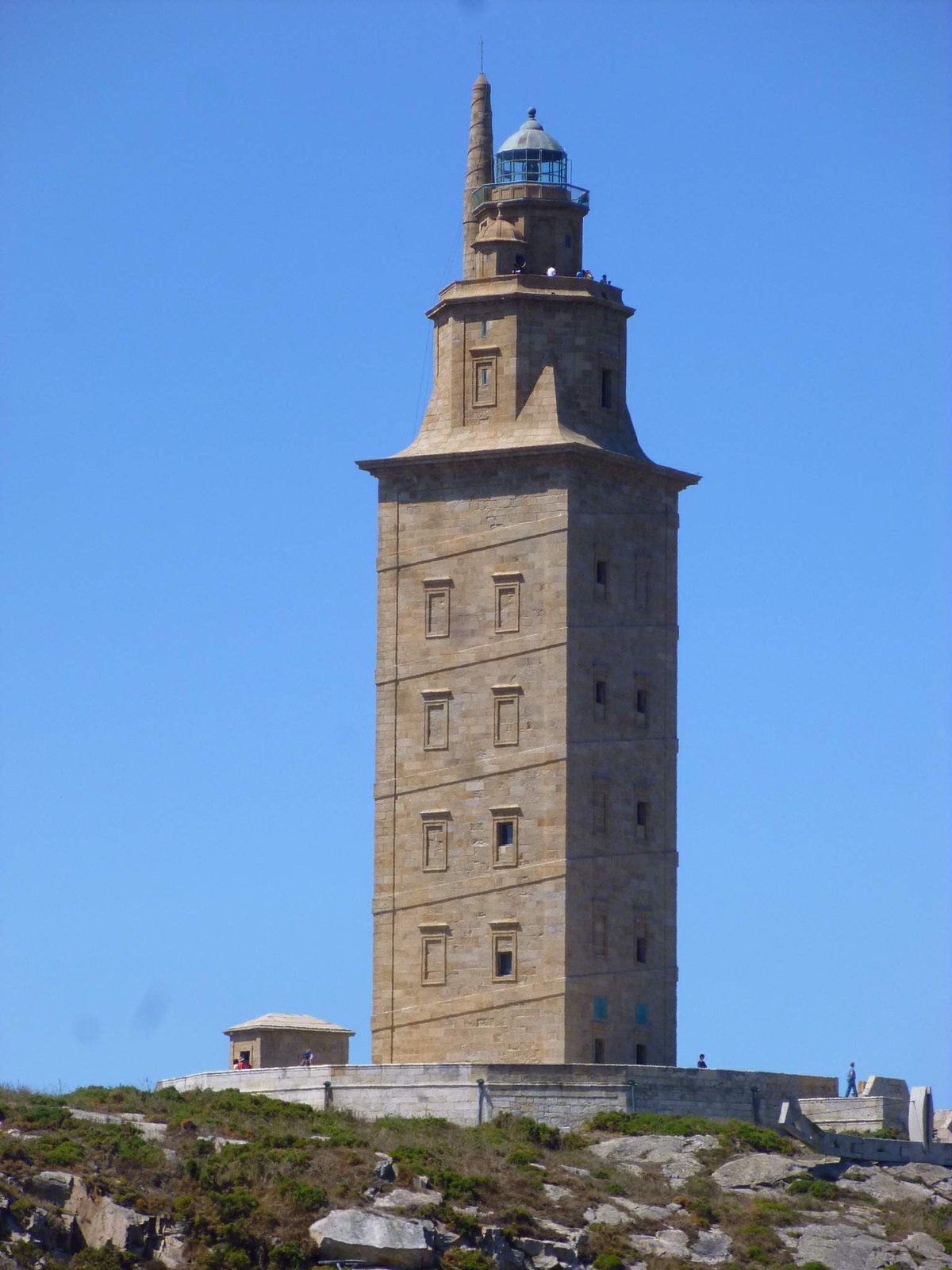
{'date': '04/07/2025', 'task': {'model': 'gpt-4.1-mini', 'query': 'Comprehensive guide to visiting Cárcere Da Coruña, A Coruña, Spain: history, significance, visitor tips, and everything tourists need to know for a memorable experience.', 'verbose': False, 'guidelines': ["Keyword Research: Identify relevant keywords that potential visitors are likely to search for, such as '[Monument Name] visiting hours,' '[Monument Name] tickets,' and '[City] historical sites.' Use these keywords strategically throughout the article, including in the title, headers, and body text, but avoid keyword stuffing.", 'Engaging and Informative Title: Craft a title that is both SEO-friendly and compelling to encourage clicks. Include the main keyword and make it clear what the article will cover.', 'Structured Content: Use headings (H1, H2, H3) to organize the content effectively. This helps with SEO and makes the article easier for readers to navigate. Include an introduction that hooks the reader, a detailed body that covers all relevant aspects, and a conclusion that summarizes the key points.', 'Comprehensive Coverage: Address common questions and topics of interest such as the history of the monument, its cultural significance, visitor information (e.g., ticket prices, opening hours), travel tips, nearby attractions, and accessibility. Include sections that might be unique to the monument, like special events, guided tours, and photographic spots.', 'Quality Content: Ensure the content is well-researched, accurate, and provides real value to readers. Use reliable sources and provide factual information. Write in a clear, engaging, and accessible style. Consider your audience and use language that is appropriate for those likely to visit the monument.', 'Visuals and Media: Incorporate high-quality images or videos of the monument. These should be optimized for the web (correct sizing, alt tags with keywords). Consider interactive elements like virtual tours or maps.', 'Internal and External Links: Include links to other related articles on your site to encourage deeper engagement (internal links). Link to official websites for the monument or credible sources for further reading (external links).', 'FAQ: Incorporate FAQ sections to target voice search queries and featured snippets', 'Visit and Stay Up to Date: End the article with a call to action, such as encouraging readers to download our mobile app Audiala, check out other related posts, or follow on social media for more updates.'], 'max_sections': 4, 'publish_formats': {'pdf': False, 'docx': False, 'markdown': True}, 'follow_guidelines': True}, 'title': 'Comprehensive Guide to Visiting Cárcere Da Coruña, A Coruña, Spain', 'report': '# Cárcere Da Coruña: Visiting Hours, Tickets, and Complete Guide to A Coruña’s Historic Prison\n\n#### Date: 04/07/2025\n\n---\n\n## Introduction\n\nNestled in the heart of A Coruña, Galicia, the Cárcere Da Coruña (Old Provincial Prison) stands as a powerful symbol of the city’s turbulent past and its transformation into a place of community, memory, and culture. Originally constructed between 1925 and 1927, this imposing structure has witnessed some of Spain’s darkest periods, including the Spanish Civil War and Franco’s dictatorship, during which it held political prisoners, activists, and common criminals. Today, the Cárcere Da Coruña serves as both a historical monument and a dynamic cultural center, offering visitors an immersive journey into Galicia’s social and political history.\n\nThis comprehensive guide details everything you need to know for your visit: historical background, visiting hours, ticketing, accessibility, guided tours, nearby attractions, and practical tips for a meaningful experience. Whether you’re a history enthusiast, a cultural explorer, or a curious traveler, Cárcere Da Coruña is a must-see on your itinerary through A Coruña’s remarkable heritage.\n\nFor the most up-to-date information, consult the Proxecto Cárcere website and the A Coruña municipal portal.\n\n---\n\n## Historical Overview\n\n### Origins and Construction\n\nThe Cárcere Da Coruña, also known as the Prisión Provincial de La Coruña or "Cárcel de la Torre" (due to its proximity to the Tower of Hercules), was designed by Juan Álvarez de Mendoza and local architect Pedro Mariño. Its construction answered the need for modern penal facilities in a city marked by maritime commerce and social complexity (gl.wikipedia.org, es.wikipedia.org).\n\n### Role in the 20th Century\n\nDuring the Spanish Civil War and subsequent Francoist repression, the Cárcere became Galicia’s principal site of political incarceration. It housed hundreds of political prisoners—labor leaders, intellectuals, guerrilla fighters, and entire municipal councils. Notable inmates included Alfredo Suárez Ferrín (A Coruña’s last Republican mayor) and Benigno Andrade “Foucellas,” among others. Harsh conditions, overcrowding, and the collective spirit of resistance among inmates are well-documented in personal testimonies and historical research (memoriadocarcere.com).\n\n### Closure and Transformation\n\nThe prison ceased operation in 1998, later serving briefly as a Social Reintegration Center until 2009. Its closure reflected broader European trends in penal reform and the movement to repurpose sites of state violence into spaces for historical memory and civic engagement. In 2019, it was declared an Asset of Cultural Interest (Bien de Interés Cultural), paving the way for its ongoing rehabilitation as a center for cultural and educational activities (es.wikipedia.org).\n\n---\n\n## Architectural Features\n\nThe Cárcere Da Coruña is a striking example of early 20th-century panoptic prison design. Three cell wings radiate from a central surveillance rotunda, allowing for maximum control. Its granite masonry, red-painted walls, and four corner watchtowers evoke both austerity and strength. The building’s layout facilitated segregation by gender and offense, reflecting contemporary penal philosophies (Patrimonio Galego).\n\n---\n\n## Contemporary Use: From Prison to Cultural Landmark\n\nFollowing extensive advocacy by the Proxecto Cárcere citizens’ platform, the site now serves as a dynamic space for historical memory, cultural programming, and community engagement. Its activities range from art exhibitions and film screenings to guided tours and educational workshops on human rights, democracy, and social justice (memoriadocarcere.com).\n\n---\n\n## Visiting Cárcere Da Coruña: Hours, Tickets, and Access\n\n### Location\n\n- Address: Rúa Progreso, s/n, 15006 A Coruña, Galicia, Spain\n- District: Monte Alto, near the Tower of Hercules and the Old Town\n\n### Getting There\n\n- Public Transport: Multiple city bus lines serve the area; stops are within walking distance.\n- On Foot: The Cárcere is a 15–20 minute walk from the city center.\n- By Car: Limited street parking nearby. Secure paid parking is available at Parking La Marina.\n\n### Opening Hours and Admission\n\n- General Admission: The Cárcere operates as a cultural venue with variable hours, primarily open during scheduled exhibitions, events, and guided tours.\n- Typical Schedule: Tuesday–Saturday 10:00–19:00; Sunday 10:00–15:00. Closed Mondays and public holidays. Always confirm current hours before visiting (A Coruña municipal portal).\n- Tickets: Open days and many events are free. Special exhibitions and guided tours may require advance booking and a nominal fee (€3–€7).\n\n### Guided Tours and Activities\n\n- Guided Tours: In-depth tours led by local historians or former inmates, often in Spanish or Galician (English by request). Book through Proxecto Cárcere or the municipal culture portal.\n- Workshops & Exhibitions: Regular programming on themes of memory, democracy, and social justice. Check the event calendar.\n\n### Accessibility\n\n- Mobility: Ramps and lifts provide access to main areas; some historic sections may have limited accessibility.\n- Facilities: Accessible toilets, cloakroom, Wi-Fi, rest areas. Advance notice recommended for special accommodations (Accessible A Coruña Guide).\n\n---\n\n## Visitor Tips and Practical Information\n\n- Photography: Allowed in most areas; restrictions may apply during exhibitions or performances.\n- Language: Most materials in Galician and Spanish; English support available for tours and brochures.\n- Visitor Conduct: Respect the site’s solemn history—many exhibitions are moving and thought-provoking.\n- Family-Friendly: Suitable for all ages, though some content may require parental guidance.\n- Nearby Amenities: Cafés, restaurants, and shops abound in the city center; parks like San Carlos Garden offer relaxation.\n\n---\n\n## Nearby Attractions\n\n- Tower of Hercules: Oldest functioning Roman lighthouse, UNESCO World Heritage Site (coruna.gal)\n- Parque Escultórico da Torre de Hércules: Sculpture park with panoramic coastal views\n- Castelo de Santo Antón: 16th-century fortress and archaeology museum (goaskalocal.com)\n- Old Town (Cidade Vella): Medieval streets and vibrant local culture\n\n---\n\n## Frequently Asked Questions (FAQ)\n\nQ: What are the visiting hours? \nA: Variable, typically Tuesday–Saturday 10:00–19:00; Sunday 10:00–15:00. Closed Mondays. Always check the official website for updates.\n\nQ: Do I need to buy tickets? \nA: General admission is often free; some tours and events require advance booking and a fee.\n\nQ: Are tours available in English? \nA: Yes, with prior arrangement.\n\nQ: Is the site accessible for people with disabilities? \nA: Yes, main areas are accessible; contact staff for specific needs.\n\nQ: Can I take photos inside? \nA: Generally yes, but confirm during exhibitions or performances.\n\n---\n\n## Essential Visitor Information\n\n- Best Time to Visit: May–September for mild weather. Book tours in advance, especially during festivals.\n- Sustainability: Use public transport, minimize waste, and support local businesses.\n- Safety: The site is safe and welcoming; bring a light jacket for cooler interior areas.\n- Language Tips: Basic Spanish or Galician is helpful; staff are usually multilingual.\n\n---\n\n## Conclusion\n\nThe Cárcere Da Coruña is not only a relic of Galicia’s complex history but a vibrant testament to resilience, reconciliation, and the power of memory. Its adaptive reuse as a cultural center invites visitors to reflect on the past while engaging with contemporary values of democracy and inclusion. Combine your visit with other historic sites for a rich exploration of A Coruña’s heritage, and check official resources for current events and exhibitions.\n\nFor real-time updates, follow Proxecto Cárcere on social media and download the Audiala app for audio guides, curated itineraries, and exclusive content.\n\n---\n\n## Sources and Official Links\n\n- Cárcere Da Coruña: Historical Landmark Guide (PDF)\n- Memoria do Cárcere da Coruña Official Site\n- Wikipedia: Prisión Provincial de La Coruña\n- A Coruña Wikipedia\n- Proxecto Cárcere Blog\n- Galicia Travels: Festivals and Events in A Coruña\n- Patrimonio Galego: Antiga Cárcere Provincial da Coruña\n- A Coruña Official Tourism Portal\n\n---\n\n\n\n\n---\n\n'}
कोरुना की जेल
ए करुन्यSpain 43° N · 8° W अपडेट किया गया Aug 2025
{'date': '04/07/2025', 'task': {'model': 'gpt-4.1-mini', 'query': 'Comprehensive guide to visiting Cárcere Da Coruña, A Coruña, Spain: history, significance,…
More in ए करुन्य.
खोजने योग्य 94 जगहें — कुछ साथ देखने लायक।




जहाँ छोड़ा था वहीं से शुरू करें
सहेजी और हाल में पढ़ी जगहें — सिर्फ़ इसी डिवाइस पर।