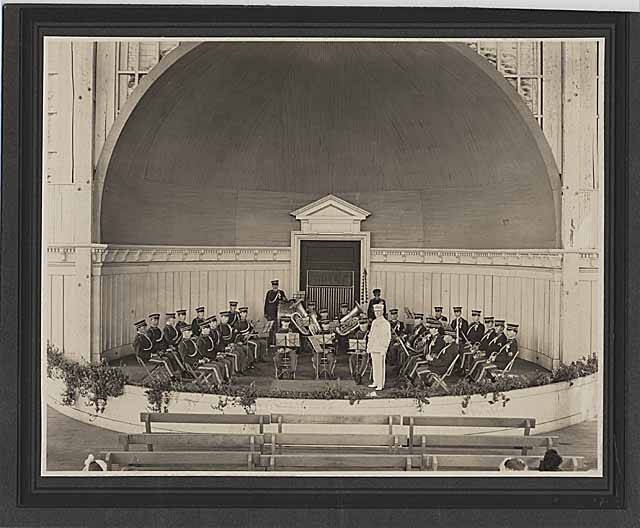
{'date': '04/07/2025', 'task': {'model': 'gpt-4.1-mini', 'query': 'Comprehensive guide to visiting Padelford Hall, Seattle, United States of America: history, significance, visitor tips, and everything tourists need to know for a memorable experience.', 'verbose': False, 'guidelines': ["Keyword Research: Identify relevant keywords that potential visitors are likely to search for, such as '[Monument Name] visiting hours,' '[Monument Name] tickets,' and '[City] historical sites.' Use these keywords strategically throughout the article, including in the title, headers, and body text, but avoid keyword stuffing.", 'Engaging and Informative Title: Craft a title that is both SEO-friendly and compelling to encourage clicks. Include the main keyword and make it clear what the article will cover.', 'Structured Content: Use headings (H1, H2, H3) to organize the content effectively. This helps with SEO and makes the article easier for readers to navigate. Include an introduction that hooks the reader, a detailed body that covers all relevant aspects, and a conclusion that summarizes the key points.', 'Comprehensive Coverage: Address common questions and topics of interest such as the history of the monument, its cultural significance, visitor information (e.g., ticket prices, opening hours), travel tips, nearby attractions, and accessibility. Include sections that might be unique to the monument, like special events, guided tours, and photographic spots.', 'Quality Content: Ensure the content is well-researched, accurate, and provides real value to readers. Use reliable sources and provide factual information. Write in a clear, engaging, and accessible style. Consider your audience and use language that is appropriate for those likely to visit the monument.', 'Visuals and Media: Incorporate high-quality images or videos of the monument. These should be optimized for the web (correct sizing, alt tags with keywords). Consider interactive elements like virtual tours or maps.', 'Internal and External Links: Include links to other related articles on your site to encourage deeper engagement (internal links). Link to official websites for the monument or credible sources for further reading (external links).', 'FAQ: Incorporate FAQ sections to target voice search queries and featured snippets', 'Visit and Stay Up to Date: End the article with a call to action, such as encouraging readers to download our mobile app Audiala, check out other related posts, or follow on social media for more updates.'], 'max_sections': 4, 'publish_formats': {'pdf': False, 'docx': False, 'markdown': True}, 'follow_guidelines': True}, 'title': 'Padelford Hall Seattle: Visiting Hours, Tickets, and Historical Guide', 'report': "# पैडेलफोर्ड हॉल सिएटल: यात्रा का समय, टिकट, और ऐतिहासिक गाइड\n\n#### दिनांक: 04/07/2025\n\n---\n\n## परिचय\n\nसिएटल में वाशिंगटन विश्वविद्यालय (UW) परिसर में स्थित पैडेलफोर्ड हॉल, 20वीं सदी के मध्य की वास्तुकला का एक प्रतिष्ठित उदाहरण और एक महत्वपूर्ण शैक्षणिक केंद्र है। 1960 के दशक में पूरा हुआ यह भवन अपनी क्रूरतावादी शैली, भूलभुलैया जैसे आंतरिक भाग, और यूडब्ल्यू के मानविकी और सामाजिक विज्ञान कार्यक्रमों के साथ गहरे संबंधों के लिए खड़ा है। यह व्यापक मार्गदर्शिका पैडेलफोर्ड हॉल के इतिहास, वास्तुकला, यात्रा के घंटों, पहुंच, और आपकी यात्रा का सबसे अधिक लाभ उठाने के सुझावों के बारे में विस्तृत जानकारी प्रदान करती है, साथ ही परिसर में आस-पास के आकर्षणों के बारे में भी बताती है। चाहे आप वास्तुकला के उत्साही हों, संभावित छात्र हों, या सिएटल यात्री हों, पैडेलफोर्ड हॉल विश्वविद्यालय की समृद्ध शैक्षणिक और सांस्कृतिक विरासत की एक सार्थक झलक प्रदान करता है (UW मैगज़ीन; DPLA).\n\n---\n\n## विषय सूची\n\n- अवलोकन और ऐतिहासिक महत्व\n- वास्तु डिजाइन और लेआउट\n- यात्रा घंटे, टिकट, और पहुंच\n- पैडेलफोर्ड हॉल की खोज: क्या देखें और करें\n- परिसर नेविगेशन और आस-पास के आकर्षण\n- सुविधाएं, पार्किंग, और परिवहन\n- अक्सर पूछे जाने वाले प्रश्न (FAQ)\n- अपनी यात्रा की योजना बनाएं: सुझाव और संसाधन\n- संदर्भ\n\n---\n\n## अवलोकन और ऐतिहासिक महत्व\n\n### उत्पत्ति और नामकरण\n\nपैडेलफोर्ड हॉल का नाम फ्रेडरिक मॉर्गन पैडेलफोर्ड (1875–1942) के नाम पर रखा गया है, जो यूडब्ल्यू में एक अग्रणी अंग्रेजी प्रोफेसर और प्रशासक थे। 20वीं सदी की शुरुआत में उनका नेतृत्व विश्वविद्यालय के मानविकी कार्यक्रमों को गहराई से आकार दिया। पैडेलफोर्ड परिवार के निरंतर समर्थन ने शैक्षणिक विकास और परिसर की पहलों को बढ़ावा दिया है, जिससे विश्वविद्यालय में भवन की प्रतीकात्मक भूमिका मजबूत हुई है (DPLA; UW मैगज़ीन).\n\n### ऐतिहासिक संदर्भ\n\n1960 के दशक में विश्वविद्यालय के तीव्र विस्तार के दौरान निर्मित, पैडेलफोर्ड हॉल को बढ़ते शैक्षणिक विभागों के लिए अत्यधिक आवश्यक स्थान प्रदान करने के लिए डिज़ाइन किया गया था। ड्रमहेलर फाउंटेन और लिबरल आर्ट्स क्वाड्रेंगल के पास इसका रणनीतिक स्थान इसे यूडब्ल्यू परिसर के केंद्र में रखता है (हिस्टोरिक सिएटल).\n\n---\n\n## वास्तु डिजाइन और लेआउट\n\n### डिजाइन दर्शन\n\nपैडेलफोर्ड हॉल, वॉकर मैकगोफ आर्किटेक्ट्स के ब्रूस मॉरिस वॉकर द्वारा डिजाइन किया गया, मध्य-शताब्दी आधुनिक और क्रूरतावादी वास्तुशिल्प आंदोलनों का एक उदाहरण है। इमारत का कंक्रीट का अग्रभाग, कार्यात्मक लेआउट, और विभाजित-स्तर संरचना अलंकरण पर उपयोगितावादी डिजाइन के प्रति युग की प्रतिबद्धता को दर्शाती है (UW मैगज़ीन).\n\n### संरचना और विशेषताएं\n\n- तीन विंग (ए, बी, और सी): प्रत्येक विंग में कई मंजिलें हैं, जिनमें आपस में जुड़े गलियारे हैं जिन्हें “पैडेलफोर्ड भूलभुलैया” उपनाम दिया गया है।\n- विभागीय विविधता: अंग्रेजी, दर्शनशास्त्र, भाषाविज्ञान, सिनेमा और मीडिया अध्ययन, गणित, और बहुत कुछ के विभागों का घर।\n- शैक्षणिक और छात्र स्थान: कार्यालय, सेमिनार कक्ष, व्याख्यान कक्ष, और गणित अनुसंधान पुस्तकालय (सी-306) इसके विंग में वितरित हैं (गणित अनुसंधान पुस्तकालय).\n- वास्तुशिल्प विवरण: उजागर कंक्रीट, विशाल खिड़कियां, और ऊपरी मंजिलों से परिसर के मनोरम दृश्य।\n\n### नवीनीकरण और संरक्षण\n\nपैडेलफोर्ड हॉल में मुख्य रूप से पहुंच और आंतरिक सुविधाओं में सुधार पर केंद्रित मामूली नवीनीकरण हुए हैं, जबकि इसके मूल वास्तुशिल्प चरित्र को बनाए रखा गया है। यद्यपि यह नेशनल रजिस्टर ऑफ हिस्टोरिक प्लेसेस में सूचीबद्ध नहीं है, यह एक महत्वपूर्ण परिसर मील का पत्थर बना हुआ है (हिस्टोरिक सिएटल).\n\n---\n\n## यात्रा घंटे, टिकट, और पहुंच\n\n### यात्रा घंटे\n\n- मानक घंटे: सोमवार-शुक्रवार, सुबह 8:00 बजे से शाम 6:00 बजे तक (शैक्षणिक वर्ष)।\n- सप्ताहांत/छुट्टियों की पहुंच: आम तौर पर बंद; विश्वविद्यालय की छुट्टियों के दौरान घंटे भिन्न हो सकते हैं (UW आगंतुक केंद्र).\n- अद्यतित जानकारी: छुट्टियों के घंटों के लिए विशिष्ट विभागों या अंग्रेजी विभाग से जांचें।\n\n### टिकट और प्रवेश\n\n- प्रवेश: नि:शुल्क; टिकटों की आवश्यकता नहीं है। पैडेलफोर्ड हॉल व्यावसायिक घंटों के दौरान आगंतुकों के लिए खुला एक सक्रिय शैक्षणिक भवन है।\n- निर्देशित पर्यटन: सामान्य यूडब्ल्यू परिसर पर्यटन में शामिल (देखें परिसर पर्यटन). पैडेलफोर्ड हॉल-विशिष्ट पर्यटन नहीं।\n\n### पहुंच\n\n- प्रवेश द्वार और लिफ्ट: एडीए-अनुरूप रैंप और स्वचालित दरवाजे; लिफ्ट सभी विंग की सेवा करते हैं, हालांकि उनके मूल डिजाइन में विंग के बीच स्थानांतरण की आवश्यकता हो सकती है।\n- शौचालय: कई मंजिलों पर सुलभ सुविधाएं।\n- वेफाइंडिंग: स्पर्शनीय और ब्रेल साइनेज; प्रवेश द्वारों और ऑनलाइन पर भवन मानचित्र (UW परिसर मानचित्र).\n- गतिशीलता सहायता: अतिरिक्त आवास की आवश्यकता वाले आगंतुकों को अग्रिम रूप से विभागों से संपर्क करना चाहिए (गतिशीलता संसाधन).\n\n---\n\n## पैडेलफोर्ड हॉल की खोज: क्या देखें और करें\n\n### वास्तुशिल्प मुख्य आकर्षण\n\n- भूलभुलैया वाले गलियारे: विभाजित-स्तर, आपस में जुड़े हुए डिजाइन एक यादगार नेविगेशन चुनौती है, जो भवन की “भूलभुलैया” प्रतिष्ठा का प्रतीक है।\n- कंक्रीट का अग्रभाग: 1960 के दशक के क्रूरतावाद का एक उत्कृष्ट उदाहरण; चारों ओर स्थित कॉलेज गोथिक वास्तुकला के साथ तरा हुआ बाहरी भाग।\n- दृश्य: ऊपरी मंजिलों से लेक वाशिंगटन और कैस्केड पहाड़ों के मनोरम दृश्य मिलते हैं।\n\n### शैक्षणिक और सांस्कृतिक स्थान\n\n- अंग्रेजी विभाग: सार्वजनिक व्याख्यानों और कार्यक्रमों के लिए एक केंद्र (विभाग अध्यक्ष का नोट).\n- गणित अनुसंधान पुस्तकालय: पोस्ट किए गए घंटों के दौरान आगंतुकों के लिए खुला (गणित अनुसंधान पुस्तकालय जानकारी).\n- मानविकी शैक्षणिक सेवाएँ (HAS) केंद्र: छात्रों और आगंतुकों के लिए सुविधाओं के साथ स्वागत योग्य स्थान।\n\n### कार्यक्रम\n\nकभी-कभी, भवन सार्वजनिक व्याख्यानों, प्रदर्शनियों और छात्र गतिविधियों की मेजबानी करता है। विवरण के लिए UW कार्यक्रम कैलेंडर देखें।\n\n---\n\n## परिसर नेविगेशन और आस-पास के आकर्षण\n\n### नेविगेशन युक्तियाँ\n\n- कमरा संख्यांकन: विंग और मंजिल इंगित करता है (जैसे, बी-110 = बी विंग, पहली मंजिल)।\n- मानचित्र और निर्देशिकाएँ: प्रवेश द्वारों पर और ऑनलाइन उपलब्ध (UW पुस्तकालय मानचित्र).\n- विभागीय सहायता: व्यावसायिक घंटों के दौरान मुख्य कार्यालय डेस्क पर पूछें।\n\n### आस-पास के ऐतिहासिक और सांस्कृतिक स्थल\n\n- सुज़ालो पुस्तकालय: एक कॉलेज गोथिक उत्कृष्ट कृति और परिसर का बौद्धिक हृदय (सुज़ालो पुस्तकालय).\n- ड्रमहेलर फाउंटेन और रेड स्क्वायर: छात्रों और आगंतुकों के लिए प्रतिष्ठित सभा स्थल।\n- हस्की यूनियन बिल्डिंग (HUB): भोजन, दुकानें, और कार्यक्रम स्थल (HUB फ़ूड कोर्ट).\n- बर्क संग्रहालय और हेनरी आर्ट गैलरी: क्षेत्रीय प्राकृतिक इतिहास और समकालीन कला।\n- द क्वाड: वसंत में चेरी ब्लॉसम के लिए प्रसिद्ध।\n\n---\n\n## सुविधाएं, पार्किंग, और परिवहन\n\n- भोजन: ऑन-साइट कैफे नहीं हैं, लेकिन HUB और परिसर में भोजन सुविधाएं पास में हैं (HUB फ़ूड कोर्ट).\n- आराम क्षेत्र: लिबरल आर्ट्स क्वाड्रेंगल के आसपास बेंच और हरित स्थान।\n- पार्किंग: परिसर के गैरेज और पार्किंग में भुगतान पार्किंग, पैडेलफोर्ड के पास ADA स्थान (UW पार्किंग मानचित्र).\n- सार्वजनिक परिवहन: किंग काउंटी मेट्रो बसों और UW लाइट रेल स्टेशन द्वारा सेवा प्रदान (मेट्रो ट्रांजिट जानकारी).\n- बाइक रैक: मुख्य प्रवेश द्वारों के पास उपलब्ध।\n\n---\n\n## अक्सर पूछे जाने वाले प्रश्न (FAQ)\n\nप्रश्न: पैडेलफोर्ड हॉल के नियमित यात्रा घंटे क्या हैं?\nउत्तर: सोमवार-शुक्रवार, सुबह 8:00 बजे - शाम 6:00 बजे (सप्ताहांत और छुट्टियों पर बंद)।\n\nप्रश्न: क्या प्रवेश शुल्क है?\nउत्तर: नहीं, पैडेलफोर्ड हॉल व्यावसायिक घंटों के दौरान सभी आगंतुकों के लिए निःशुल्क है।\n\nप्रश्न: क्या भवन व्हीलचेयर सुलभ है?\nउत्तर: हाँ, एडीए-अनुरूप प्रवेश द्वार, रैंप, लिफ्ट और शौचालय के साथ।\n\nप्रश्न: क्या निर्देशित पर्यटन उपलब्ध हैं?\nउत्तर: पैडेलफोर्ड हॉल को UW परिसर पर्यटन में शामिल किया गया है; परिसर पर्यटन देखें।\n\nप्रश्न: क्या मैं अंदर तस्वीरें ले सकता हूँ?\nउत्तर: सार्वजनिक स्थानों पर फोटोग्राफी की अनुमति है; गोपनीयता और साइनेज का सम्मान करें।\n\nप्रश्न: मैं कहाँ पार्क कर सकता हूँ?\nउत्तर: आस-पास के गैरेज और पार्किंग में भुगतान पार्किंग उपलब्ध है; सार्वजनिक परिवहन की पुरजोर सलाह दी जाती है।\n\nप्रश्न: पैडेलफोर्ड हॉल में कौन से विभाग स्थित हैं?\nउत्तर: अंग्रेजी, गणित, सिनेमा और मीडिया अध्ययन, लिंग, महिला और कामुकता अध्ययन, और अन्य।\n\n---\n\n## अपनी यात्रा की योजना बनाएं: सुझाव और संसाधन\n\n- विभागीय वेबसाइटें जांचें: वर्तमान घंटों, कार्यक्रम सूची, और संपर्क जानकारी के लिए।\n- ऑडियला ऐप डाउनलोड करें: इंटरैक्टिव परिसर मानचित्र और स्व-निर्देशित ऑडियो टूर के लिए (ऑडियला ऐप).\n- मौसम के अनुसार कपड़े पहनें: सिएटल की जलवायु परिवर्तनशील है; बारिश के गियर और परतें पहनें (सिएटल यात्रा गाइड).\n- परिवहन की योजना बनाएं: जब संभव हो तो सार्वजनिक परिवहन का उपयोग करें; पार्किंग सीमित है।\n- सम्मानजनक रहें: कम शोर बनाए रखें, निर्देशों का पालन करें, और चल रही कक्षाओं और विश्वविद्यालय की गतिविधियों का सम्मान करें।\n\n---\n\n## संदर्भ और आगे पढ़ना\n\n- पैडेलफोर्ड हॉल: सिएटल का एक ऐतिहासिक मील का पत्थर और वाशिंगटन विश्वविद्यालय के प्रतिष्ठित भवन का आगंतुक मार्गदर्शिका, 2024, UW मैगज़ीन\n- डिजिटल पब्लिक लाइब्रेरी ऑफ अमेरिका (DPLA), 2024, पैडेलफोर्ड हॉल ऐतिहासिक संदर्भ\n- पैडेलफोर्ड हॉल की खोज: यात्रा घंटे, वास्तुकला, और एक ऐतिहासिक UW भवन की खोज के लिए युक्तियाँ, 2024, डेली UW\n- वाशिंगटन विश्वविद्यालय में पैडेलफोर्ड हॉल की यात्रा: घंटे, पर्यटन, और इतिहास, 2024, UW आगंतुक केंद्र\n- हिस्टोरिक सिएटल: लैंडमार्क और ऐतिहासिक रजिस्टर, 2024\n- सिनेमा और मीडिया अध्ययन विभाग संपर्क, वाशिंगटन विश्वविद्यालय, 2024\n- वाशिंगटन विश्वविद्यालय परिसर पर्यटन, 2024\n- सिएटल लैंडमार्क और UW परिसर पर्यटन के लिए ऑडियला ऐप, 2024\n\n---\n\nहम पैडेलफोर्ड हॉल और वाशिंगटन विश्वविद्यालय समुदाय में आपका स्वागत करने के लिए तत्पर हैं!\n\n---\n\n", 'headers': {'date': 'Date', 'title': 'Padelford Hall Seattle Visiting Hours Tickets and Historical Sites Guide', 'conclusion': 'Summary and Visit Tips for Padelford Hall', 'references': 'References and Further Reading', 'introduction': 'Introduction to Padelford Hall Seattle', 'table_of_contents': 'Table of Contents'}, 'sources': ['- Padelford Hall: A Historic Seattle Landmark and Visitor’s Guide to the University of Washington’s Iconic Building, 2024, UW Magazine https://magazine.washington.edu/tag/padelford-hall/', '- Digital Public Library of America (DPLA), 2024, Padelford Hall Historical Context https://dp.la/item/8e43095a19e159655f9d520f8d3f67c6', '- Discovering Padelford Hall: Visiting Hours, Architecture, and Tips for Exploring a Historic UW Building, 2024, Daily UW https://www.dailyuw.com/special_sections/infrastructure/if-you-want-to-make-money-study-stem-are-uw-buildings-saying-this-too/article_5816962a-982c-11ec-9b83-afd714cfdc73.html', '- Visiting Padelford Hall at the University of Washington: Hours, Tours, and History, 2024, UW Visitor Center https://visit.uw.edu/', '- Historic Seattle: Landmarks and Historic Registers, 2024 https://historicseattle.org/advocacy/landmarks-historic-registers/', '- Department of Cinema & Media Studies Contact, University of Washington, 2024 https://cinema.washington.edu/contact', '- University of Washington Campus Tours, 2024 https://admit.washington.edu/visit/campus-tours/', '- Audiala App for Seattle Landmarks and UW Campus Tours, 2024 https://audiala.com'], 'sections': ['Historical Background and Site History', 'Architectural Significance and Renovations', 'Academic and Cultural Importance', 'Navigating Padelford Hall: Layout, Accessibility, and Visitor Experience'], 'conclusion': 'Padelford Hall remains a remarkable embodiment of the University of Washington’s commitment to academic excellence, architectural innovation, and community engagement. Its mid-century modern and Brutalist design not only reflects a significant era in university architecture but also supports a diverse range of humanities and social sciences departments, fostering interdisciplinary collaboration and intellectual vitality. Visitors to Padelford Hall can appreciate both its historical roots—honoring Frederick Morgan Padelford’s lasting legacy—and its ongoing evolution as a vibrant academic and cultural center within the UW campus.\n\nOpen freely to the public during regular campus hours without the need for tickets, the building offers accessibility accommodations and invites exploration through general campus tours or self-guided visits. While its maze-like corridors may challenge newcomers, they also contribute to the building’s charm and memorable visitor experience. Complementing the visit with nearby attractions such as Suzzallo Library, Drumheller Fountain, and Red Square enriches a day spent immersed in Seattle’s historic university heritage and architectural diversity.\n\nFor those planning a visit, utilizing public transportation like the Link Light Rail and consulting available campus resources—including maps, guided tours, and the Audiala app—can greatly enhance navigation and enjoyment. Whether your interest lies in architecture, history, or the dynamic academic life of UW, Padelford Hall offers a compelling destination that embodies the spirit of Seattle’s educational and cultural landscape. Stay informed and connected by visiting the University of Washington’s official sites and engaging with campus events and updates (UW Visitor Center; Audiala app).', 'introduction': 'Nestled within the vibrant University of Washington (UW) campus in Seattle, Padelford Hall stands as a distinguished architectural and academic landmark that offers visitors a unique glimpse into mid-20th-century design and rich university heritage. Originally completed in the mid-1960s during a period of rapid university expansion, this iconic building exemplifies mid-century modern and Brutalist architectural styles with its concrete facades, interconnected wings, and complex interior layout, affectionately known as "the Padelford maze." Named in honor of Frederick Morgan Padelford, a prominent English Department professor and administrator who shaped UW’s humanities programs in the early 1900s, Padelford Hall continues to serve as a dynamic hub for diverse academic departments including English, Philosophy, Linguistics, Cinema & Media Studies, and Mathematics (UW Magazine; DPLA).\n\nVisitors planning to explore Padelford Hall can expect free access during standard University of Washington business hours, typically Monday through Friday from 8:00 AM to 6:00 PM, with no admission tickets required. The building is wheelchair accessible, equipped with ramps and elevators, though the intricate interior layout may require some navigation planning. Though dedicated tours of Padelford Hall are not regularly offered, it is frequently featured in UW’s general campus tours, providing deep insights into the building’s architectural significance and academic role (UW Visitor Center; Department of Cinema & Media Studies).\n\nBeyond its architectural and academic importance, Padelford Hall is embedded in the cultural fabric of the UW community, inspiring campus traditions and serving as a gathering place for lectures, seminars, and student events. Its proximity to other notable campus landmarks such as Suzzallo Library, Drumheller Fountain, and Red Square enhances the visitor experience, offering excellent photographic opportunities and a well-rounded exploration of Seattle’s historic university sites. Whether you are a prospective student, architecture enthusiast, or history buff, this comprehensive guide will equip you with essential information and tips to make the most of your visit to Padelford Hall (Historic Seattle; Daily UW).', 'research_data': [{'Padelford Hall: A Historic Seattle Landmark and Visitor’s Guide to the University of Washington’s Iconic Building': '## Welcome to Padelford Hall: History, Architecture, and Visitor Information\n\nNestled on the University of Washington (UW) campus in Seattle, Padelford Hall is a must-see for visitors interested in mid-century modern architecture, academic history, and Seattle historical sites. This guide covers everything from the building’s origins and architectural features to practical information like visiting hours, accessibility, and nearby attractions. Whether you're a prospective visitor, student, or history enthusiast, discover why Padelford Hall remains a vibrant part of the UW community.\n\n## Origins and Naming of Padelford Hall\n\nPadelford Hall honors Frederick Morgan Padelford (1875–1942), a renowned English Department professor and administrator at UW from 1901 until his passing in 1942. His influence shaped the university’s academic landscape in the early 20th century, particularly within the humanities (DPLA). The Padelford family’s legacy continues with a major philanthropic gift in 1997 from descendant Philip Padelford, supporting academic excellence and campus development (UW Magazine).\n\n## Architectural Design and Construction\n\nDesigned in 1963 by Bruce Morris Walker of Walker McGough Architects, Padelford Hall exemplifies mid-century modernism with its concrete facades and functional layout. Completed in 1966 during a period of rapid UW expansion, the building features a complex, maze-like interior with split levels and interconnected wings, affectionately dubbed “the Padelford maze” by students and faculty alike (UW Magazine).\n\n## Historical Context and Campus Development\n\nPadelford Hall was constructed amid the 1960s surge in higher education enrollment, strategically located on the northeastern edge of UW’s central campus near the Drumheller Fountain. It was originally designed to house the English, Philosophy, and Linguistics departments, supporting offices, classrooms, and seminar spaces (DPLA).\n\n## Evolution of Use and Academic Significance\n\nOver the decades, Padelford Hall has remained a hub for humanities and social sciences, adapting through renovations to host diverse academic programs and interdisciplinary studies. It continues to facilitate lectures, seminars, and conferences, fostering intellectual exchange and academic innovation.\n\n## Cultural and Community Impact\n\nBeyond academics, the building’s maze-like design has become a beloved campus tradition, inspiring camaraderie among students navigating its corridors. The Padelford family’s ongoing philanthropy has also supported scholarships, faculty positions, and campus initiatives, solidifying the building’s symbolic role within UW’s community (UW Magazine).\n\n## Visiting Padelford Hall: Hours, Access, and Tips\n\n- Visiting Hours: Padelford Hall is generally open during standard UW campus hours, Monday through Friday, 8:00 AM to 6:00 PM. Hours may vary during holidays or special events.\n- Tickets and Access: No tickets are required for entry as Padelford Hall is primarily an academic building. Visitors should respect ongoing classes and university activities.\n- Accessibility: The building is wheelchair accessible with elevators and ramps. For specific accommodations, visitors can contact the UW Disability Resources for Students office.\n- Guided Tours and Special Events: UW occasionally offers guided campus tours including Padelford Hall. Check the official UW Visitor Center for schedules and special events.\n- Travel Tips: Padelford Hall is accessible via Seattle’s public transit, including the Link Light Rail (University of Washington Station). Parking is limited on campus; visitors are encouraged to use public transportation or nearby paid lots.\n\n## Nearby Attractions and Photographic Spots\n\nVisitors can explore other nearby Seattle historical sites and UW landmarks such as Drumheller Fountain, the Suzzallo Library, and Red Square. Padelford Hall’s unique architecture provides excellent photo opportunities, especially around its concrete facades and the adjacent outdoor spaces.\n\n## Architectural Features and Layout\n\nThe building’s extensive use of concrete and glass reflects the era’s modernist style. Its interconnected wings house faculty offices, seminar rooms, lecture halls, and student lounges across multiple levels. The intentionally complex layout maximizes space on a constrained site but challenges newcomers to navigate its corridors—a memorable part of the UW experience (DPLA).\n\n## Preservation Status and Historical Recognition\n\nWhile not listed on the National Register of Historic Places or designated as a Seattle Landmark, Padelford Hall is recognized for its architectural and cultural significance within the UW campus and the broader community (Historic Seattle).\n\n## Frequently Asked Questions (FAQs)\n\nQ: How do I get to Padelford Hall?\nA: Padelford Hall is located on the northeastern side of the UW Seattle campus, near Drumheller Fountain. It is accessible via public transportation, including the Link Light Rail to University of Washington Station.\n\nQ: Are tours available of Padelford Hall?\nA: Guided campus tours often include Padelford Hall. Check the UW Visitor Center website for tour availability.\n\nQ: Is Padelford Hall wheelchair accessible?\nA: Yes, the building features elevators and ramps to accommodate visitors with mobility needs.\n\nQ: What are the best times to visit?\nA: Weekdays during regular campus hours (8 AM–6 PM) are best to experience the building without interruptions.\n\n## Conclusion: Experience Padelford Hall and UW’s Rich Heritage\n\nPadelford Hall stands as a testament to the University of Washington’s history, architectural innovation, and academic spirit. Whether you're visiting for its cultural significance, unique design, or as part of exploring Seattle historical sites, the building offers an enriching experience for all. Plan your visit today and immerse yourself in the vibrant campus life and legacy.\n\nFor more information and updates, visit the official UW Padelford Hall page and explore related sites like the Suzzallo Library and Drumheller Fountain. Don't forget to download the Audiala app to discover more about Seattle's landmarks and stay connected with campus events.\n\n---\n\n\nAlt text: Exterior view of Padelford Hall on the University of Washington campus in Seattle\n\n\nAlt text: Interior labyrinthine corridor inside Padelford Hall\n\n---\n\nRelated Articles:\n- Suzzallo Library: The Heart of UW’s Campus\n- Exploring Seattle Historical Sites\n- University of Washington Campus Tours'}, {'Discovering Padelford Hall: Visiting Hours, Architecture, and Tips for Exploring a Historic UW Building': "## Introduction\n\nNestled within the University of Washington (UW) campus in Seattle, Padelford Hall is a unique architectural landmark offering visitors a glimpse into mid-20th-century institutional design. Known for its distinctive Brutalist concrete façade and labyrinthine interior, Padelford Hall serves as a hub for humanities and social sciences and reflects the evolving priorities of university architecture. Whether you're planning a campus tour, interested in Seattle historical sites, or curious about UW’s diverse academic spaces, this guide provides essential information on Padelford Hall's visiting hours, architectural significance, and practical tips for your visit.\n\n## Architectural Context and Design Philosophy\n\nCompleted in 1967, Padelford Hall embodies the pragmatic architectural style of its time, emphasizing function and capacity over decorative elements. Its rain-stained concrete exterior is a hallmark of the Brutalist movement, contrasting with the ornate Collegiate Gothic buildings such as Suzzallo Library found elsewhere on campus. The building’s three interconnected wings—A, B, and C—house a variety of departments ranging from Mathematics and Statistics to Gender, Women & Sexuality Studies, showcasing its adaptability and interdisciplinary role.\n\n## Notable Architectural Features\n\n### Labyrinthine Interior\n\nVisitors often remark on Padelford Hall's maze-like corridors that twist and turn across multiple floors, with staircases and elevators that can be confusing to navigate. This intricate layout was designed to maximize interior space but has become a defining and memorable aspect of the building.\n\n### Concrete Façade\n\nThe exposed concrete exterior, weathered by Seattle’s damp climate, tells a story of durability and straightforwardness, emblematic of 1960s Brutalist architecture. While some may find its appearance austere, it remains a significant example of the era’s design ethos.\n\n### Academic Diversity Within\n\nDespite its utilitarian design, Padelford Hall is home to a wide range of academic departments, including the Department of Cinema & Media Studies (located in B-wing, 5th floor), American Ethnic Studies, and English, reflecting the university’s commitment to a broad academic spectrum.\n\n## Visiting Padelford Hall\n\n### Visiting Hours\n\nPadelford Hall is generally open during standard University of Washington hours, Monday through Friday, from 8:00 AM to 6:00 PM. Access may be limited during university holidays, breaks, or outside of class times. Visitors are encouraged to check with specific departments for any restricted access.\n\n### Tickets and Tours\n\nNo tickets are required to enter Padelford Hall. Visitors interested in guided campus tours, which include Padelford Hall among other notable UW buildings, can check the University of Washington’s official campus tours website for schedules and booking information. Guided tours provide valuable insights into the building’s history and architectural context.\n\n### Accessibility\n\nPadelford Hall is equipped with elevators and ramps to accommodate visitors with mobility challenges. However, the elevators are original to the building and may operate slowly or not serve all floors directly. Visitors requiring special accommodations should plan accordingly and contact departments in advance to ensure smooth access.\n\n### Navigational Tips\n\nGiven its complex layout, first-time visitors should consult campus maps or digital directories before visiting. The building’s three wings can be confusing, so allowing extra time to find your destination is recommended.\n\n## Nearby Attractions and Photographic Spots\n\nWhile exploring Padelford Hall, visitors can also enjoy nearby UW landmarks such as Suzzallo Library, Red Square, and Drumheller Fountain. The contrast between Padelford’s Brutalist design and the surrounding Collegiate Gothic and modern buildings offers excellent photographic opportunities.\n\n## Renovations and Modernization Efforts\n\nSince its construction, Padelford Hall has undergone modest updates, including minor interior improvements and accessibility enhancements. However, it remains largely in its original form, reflecting both budgetary challenges and the enduring functionality of its design. The building stands in contrast to more recently renovated UW facilities, highlighting ongoing discussions about renovation equity across campus.\n\n## Architectural Significance in Campus Context\n\nPadelford Hall’s Brutalist style distinctly contrasts with UW’s historic and contemporary buildings, symbolizing a pivotal era in university design. It remains a tangible representation of UW’s commitment to diverse academic disciplines and continues to be a memorable part of the student and visitor experience.\n\n## Frequently Asked Questions (FAQ)\n\nQ: What are the visiting hours for Padelford Hall? \nA: Generally, Padelford Hall is open Monday to Friday, 8:00 AM to 6:00 PM, but hours may vary during university breaks.\n\nQ: Is Padelford Hall wheelchair accessible? \nA: Yes, the building has elevators and ramps, though some features are original and may operate slowly. Visitors with accessibility needs should contact departments ahead of time.\n\nQ: Are guided tours of Padelford Hall available? \nA: While Padelford Hall does not offer standalone tours, it is included in University of Washington campus tours, which can be booked through the university’s official website.\n\nQ: Do I need tickets to visit Padelford Hall? \nA: No tickets are required to visit the building.\n\nQ: What departments are located in Padelford Hall? \nA: Departments include Cinema & Media Studies, Mathematics, American Ethnic Studies, English, Gender, Women & Sexuality Studies, among others.\n\n## Conclusion\n\nPadelford Hall is more than just a university building—it is a distinctive architectural landmark and a hub of academic diversity at the University of Washington. Whether you're visiting for its unique design, academic departments, or as part of a broader exploration of Seattle historical sites, understanding its layout, visiting hours, and accessibility can enhance your experience. Plan ahead, explore surrounding campus attractions, and immerse yourself in the rich history and ongoing story of Padelford Hall.\n\n---\n\nFor more information on Padelford Hall’s departments and contact details, visit the Department of Cinema & Media Studies contact page. To learn about campus tours and visitor information, check the University of Washington campus tours. For broader insights into UW’s architecture and renovation debates, see the Daily UW’s infrastructure coverage.\n\n### Plan Your Visit and Stay Connected\n\nDownload the Audiala app for guided campus tours and interactive maps to enhance your visit to Padelford Hall and other University of Washington landmarks. Follow us on social media for updates on campus events, architectural highlights, and more insightful articles about Seattle historical sites and university life."}, {'Visiting Padelford Hall at the University of Washington: Hours, Tours, and History': "## Welcome to Padelford Hall: A Unique Seattle Landmark\n\nDiscover Padelford Hall, a distinctive academic and cultural landmark located on the University of Washington (UW) campus in Seattle. Whether you're a visitor, student, or history enthusiast, this guide will help you explore Padelford Hall’s rich history, architectural uniqueness, and practical visitor information to make your visit enjoyable and informative.\n\n---\n\n## Visitor Information: Hours, Access, and Tours\n\nVisiting Hours: Padelford Hall is generally open Monday through Friday from 8:00 AM to 6:00 PM during the academic year. It is closed on weekends and university holidays. Since it is an active academic building, public access may be limited outside of these hours.\n\nEntry and Tickets: Entry to Padelford Hall is free and open to the public during visiting hours. No tickets are required.\n\nGuided Tours: While there are no regular guided tours specifically for Padelford Hall, visitors can join general University of Washington campus tours, which often include the building’s exterior and surrounding landmarks. Check the UW Visitor Center website for tour schedules and registration (UW Visitor Center).\n\nAccessibility: Padelford Hall is wheelchair accessible. The C-wing entrance features ADA-compliant access, and elevators have been renovated to meet current standards. Visitors with mobility needs can easily reach key areas such as the Humanities Academic Services (HAS) Center.\n\nParking and Transportation: Visitor parking is available in nearby campus lots and garages, including the Central Plaza Garage. Consider using public transportation; the UW Light Rail Station and multiple bus routes serve the campus area.\n\n---\n\n## Exploring Padelford Hall: What to See and Do\n\nArchitectural Highlights: Built between 1963 and 1967, Padelford Hall showcases mid-20th-century architectural innovation, designed by Walker & McGough with input from Minoru Yamasaki. Its multi-winged layout adapts to the sloping terrain, offering unique interior spaces and spectacular views of Lake Washington and the Cascade Mountains.\n\nPhoto Opportunities: Don’t miss panoramic views from the upper floors overlooking the lake and mountains, perfect for photography enthusiasts. The building’s distinctive design and surrounding greenery also provide striking backdrops.\n\nAcademic and Cultural Spaces: Padelford Hall houses the Department of English, Department of Mathematics, and the Comparative History of Ideas program, among others. Visitors can explore the Humanities Academic Services (HAS) Center, which offers a welcoming environment with amenities such as comfortable seating and refreshments.\n\nEvents and Community Engagement: Occasionally, Padelford Hall hosts lectures, exhibitions, and student events that may be open to the public. Check the UW events calendar for upcoming activities (UW Events).\n\n---\n\n## A Brief History of Padelford Hall\n\nNamed after Frederick Morgan Padelford, a former English professor and dean (1901–1942), Padelford Hall reflects UW’s dedication to the humanities. Constructed during a significant period of campus expansion, the building has served as a hub for scholarship and student activism. Known for its maze-like corridors, the building’s design has sparked campus lore and remains a symbol of academic freedom and community engagement.\n\n---\n\n## Nearby Attractions and Amenities\n\n- Husky Union Building (HUB): A central student hub with dining, shops, and event spaces.\n- Hall Health Center: UW’s student health clinic.\n- The Quad: A picturesque green space popular during spring cherry blossom season.\n- Seattle Attractions: Easily accessible to downtown Seattle, Pike Place Market, and Lake Union.\n\n---\n\n## Frequently Asked Questions (FAQ)\n\nQ: What are Padelford Hall’s visiting hours?\nA: Monday to Friday, 8:00 AM to 6:00 PM. Closed on weekends and holidays.\n\nQ: Is there an entry fee?\nA: No, entry to Padelford Hall is free.\n\nQ: Are guided tours available?\nA: No dedicated Padelford Hall tours, but general UW campus tours often include the building’s exterior.\n\nQ: Is the building wheelchair accessible?\nA: Yes, with ADA-compliant entrances and elevators.\n\nQ: Where can I park?\nA: Visitor parking is available in nearby campus garages; public transit options are also convenient.\n\nQ: Can I take photos inside?\nA: Photography is generally allowed in public areas; please respect privacy and university policies.\n\n---\n\n## Plan Your Visit Today!\n\nExperience the unique blend of history, architecture, and academic spirit at Padelford Hall. Whether you're here for a campus tour, a special event, or to explore Seattle’s rich university culture, Padelford Hall offers something for every visitor.\n\nFor the latest updates, guided tour schedules, and visitor tips, visit the University of Washington Visitor Center and follow UW on social media.\n\nDon’t forget to download the Audiala app for curated walking tours and insider guides to UW and Seattle’s top landmarks!\n\n---\n\nWe look forward to welcoming you to Padelford Hall and the University of Washington campus!"}, {'Discover Padelford Hall: Visiting Hours, Accessibility, and Seattle Campus Experience': "## Discover Padelford Hall: Visiting Hours, Accessibility, and Seattle Campus Experience\n\n### Visiting Hours and Admission\n\nPadelford Hall is open to the public during regular University of Washington business hours, typically Monday through Friday from 8:00 AM to 5:00 PM. The building does not require tickets or admission fees, making it freely accessible to visitors interested in exploring the academic and cultural environment of the UW Seattle campus. Weekend access may be limited or restricted due to university events or maintenance.\n\nFor the most current visiting hours, visitors should check the University of Washington’s official site or contact the English Department directly.\n\n### Building Layout and Structure\n\nPadelford Hall is a prominent academic building on the University of Washington’s Seattle campus, home to the Department of English and several other academic units. Located on the upper campus adjacent to the Liberal Arts Quadrangle, it is accessible from Stevens Way NE, the main loop road around campus (UW Campus Map).\n\nThe building features a unique, multi-wing design divided into three main wings: A, B, and C. Each wing contains multiple floors, with room numbers reflecting wing and floor (e.g., C-306 is the third floor of the C wing). While interconnected, the split-level design and multiple entrances can be confusing for first-time visitors.\n\n- A Wing: Faculty offices and seminar rooms.\n- B Wing: Additional offices, classrooms, and departmental spaces.\n- C Wing: Houses the Mathematics Research Library (C-306), offices, and meeting rooms (Mathematics Research Library).\n\nThe mid-20th-century architecture includes concrete facades and large windows overlooking campus green spaces. Wide, well-lit hallways aid navigation, but visitors should watch for signage, as floor levels do not align perfectly across wings.\n\n### Accessibility Features\n\nPadelford Hall strives to accommodate all visitors despite its complex layout:\n\n- Entrances: Accessible ramps and automatic doors at main entrances, with the east side near Stevens Way NE being the most accessible.\n- Elevators: Available in each wing, though some transfers between elevators may be necessary due to split-level floors.\n- Restrooms: Accessible restrooms on multiple floors, clearly marked.\n- Wayfinding: Directional signs, tactile signage, and Braille at elevator banks and room entrances assist visitors with visual impairments.\n- Campus Tours: UW offers stair-free campus tour routes (Campus Tours Accessibility), but visitors needing mobility devices should bring their own (Mobility Resources).\n\n### Visitor Experience and Tips\n\n#### Navigating the Building\n\nFirst-time visitors should:\n\n- Use Building Maps: Available at entrances and online; refer to the UW Libraries map for the Mathematics Research Library.\n- Understand Room Numbering: Room numbers indicate wing and floor (e.g., B-110 is B wing, first floor).\n- Seek Assistance: English Department offices provide directions during business hours.\n\n#### Departmental and Library Visits\n\nPadelford Hall welcomes visitors during open hours and offers enriching experiences:\n\n- English Department: One of UW's largest departments, offering public lectures and events (Department Chair’s Note).\n- Mathematics Research Library: Located in C-306, open during posted hours with staff assistance (Mathematics Research Library Info).\n\n#### Events and Tours\n\nThough there are no dedicated Padelford Hall tours, it features in campus-wide tours and self-guided itineraries:\n\n- Student-Led Campus Tours: 75-minute walking tours covering Padelford Hall and nearby sites (Campus Tours).\n- Self-Guided Tours: Download maps or audio tours for independent exploration (Self-Guided Tour).\n- Departmental Sessions: Prospective students can join sessions including facility tours (Departmental Tours).\n\n### Nearby Seattle Historical Sites and Attractions\n\nVisitors to Padelford Hall can also explore notable Seattle sites nearby:\n\n- University of Washington Campus: Historic buildings and beautiful green spaces.\n- Burke Museum of Natural History and Culture: Showcasing regional heritage.\n- Henry Art Gallery: Contemporary art exhibitions.\n- Seattle’s Waterfront: Approximately a 20-minute drive, featuring Pike Place Market and the Seattle Aquarium.\n\n### Amenities and Nearby Facilities\n\nWhile Padelford Hall lacks on-site dining, visitors can find options nearby:\n\n- Husky Union Building (HUB): Food court, vending machines, and lounges within walking distance (HUB Food Court).\n- Rest Areas: Benches and green spaces around the Liberal Arts Quadrangle.\n\n### Parking and Transportation\n\n- Parking: Available along Stevens Way NE; accessible spaces near the building (UW Parking Map).\n- Public Transit: King County Metro buses serve the area; set destination to “UNIVERSITY OF WASHINGTON HUB” for convenience (Metro Transit Info).\n- Walking and Biking: Pedestrian-friendly campus paths and bike racks near Padelford Hall.\n\n### Safety and Security\n\nPadelford Hall is located in a secure, well-patrolled area with emergency phones throughout campus. Visitors should remain aware of surroundings and secure belongings, especially after dark.\n\n### Seasonal Considerations\n\nSeattle’s weather is variable, with frequent rain and cool temperatures year-round. Visitors should dress in layers and carry rain gear (Seattle Travel Guide). The building is climate-controlled but some entrances may be drafty in winter.\n\n### Visitor Etiquette\n\nTo maintain a respectful academic environment, visitors should:\n\n- Keep noise levels low.\n- Respect office hours.\n- Follow signage and access restrictions.\n\n### Notable Information for International and First-Time Visitors\n\n- All signage is in English.\n- Guest Wi-Fi is available; instructions at main entrances.\n- The university values diversity and inclusion; visitors should be respectful of the community.\n\n### Frequently Asked Questions (FAQ)\n\nQ: Is Padelford Hall open to the public?\nA: Yes, during regular business hours Monday through Friday, with free admission.\n\nQ: Are guided tours available?\nA: There are no dedicated Padelford Hall tours, but it is included in campus-wide student-led and self-guided tours.\n\nQ: What are the best times to visit?\nA: Weekdays during business hours are ideal. Avoid weekends and university holidays when access may be limited.\n\nQ: Are there any entrance fees or tickets required?\nA: No, Padelford Hall is free to visit.\n\nQ: Is the building wheelchair accessible?\nA: Yes, with accessible entrances, elevators, and restrooms.\n\n### Visual Resources\n\nVisitors can access detailed maps and virtual tours of the University of Washington campus, including Padelford Hall, through the following links:\n\n- UW Campus Interactive Map\n- Mathematics Research Library Virtual Tour\n\nImages of Padelford Hall’s architecture and interiors can be found on the UW Department of English website and campus galleries.\n\n---\n\n### Plan Your Visit to Padelford Hall Today!\n\nExplore the rich academic heritage and unique architecture of Padelford Hall on the University of Washington’s vibrant Seattle campus. Download the Audiala app for campus maps, event updates, and guided audio tours to enhance your visit. Follow the university’s social media channels for the latest news and upcoming events.\n\nFor more information, visit the University of Washington’s official websites and campus visit resources.\n\nWe look forward to welcoming you to Padelford Hall and the University of Washington community!"}], 'table_of_contents': '- Welcome to Padelford Hall: History, Architecture, and Visitor Information\n- Origins and Naming of Padelford Hall\n- Architectural Design and Construction\n- Historical Context and Campus Development\n- Evolution of Use and Academic Significance\n- Cultural and Community Impact\n- Visiting Padelford Hall: Hours, Access, and Tips\n - Visiting Hours\n - Tickets and Access\n - Accessibility\n - Guided Tours and Special Events\n - Travel Tips\n- Nearby Attractions and Photographic Spots\n- Architectural Features and Layout\n- Preservation Status and Historical Recognition\n- Frequently Asked Questions (FAQs)\n- Conclusion: Experience Padelford Hall and UW’s Rich Heritage'}, 'initial_research': '# Comprehensive Guide to Visiting Padelford Hall, Seattle, United States of America\n\n## Abstract\n\nPadelford Hall, located on the University of Washington’s Seattle campus, is a building steeped in academic history, architectural intrigue, and campus lore. Since its opening in 1967, it has served as a hub for the humanities and social sciences, housing departments such as English, Mathematics, American Ethnic Studies, and Gender, Women & Sexuality Studies. This report provides an in-depth exploration of Padelford Hall’s history, architectural significance, cultural role, and practical visitor information, offering a nuanced perspective for tourists, prospective students, and architecture enthusiasts alike.\n\n---\n\n## Table of Contents\n\n1. Introduction\n2. Historical Background\n3. Architectural Significance\n4. Academic and Cultural Importance\n5. Navigating Padelford Hall: Layout and Visitor Experience\n6. Visitor Tips and Practical Information\n7. Padelford Hall in the Context of UW and Seattle\n8. Conclusion: Why Visit Padelford Hall?\n9. References\n\n---\n\n## Introduction\n\nPadelford Hall stands as one of the most distinctive and debated buildings on the University of Washington (UW) campus in Seattle. While it may not possess the gothic grandeur of Suzzallo Library or the modern sheen of the Bill & Melinda Gates Center, Padelford’s brutalist architecture, labyrinthine layout, and panoramic views of the Cascades and Lake Washington have made it a memorable—if sometimes confounding—landmark. For visitors interested in the intersection of architecture, campus culture, and academic history, Padelford Hall offers a unique window into the evolution of higher education and urban design in the Pacific Northwest.\n\n---\n\n## Historical Background\n\n### Origins and Naming\n\nPadelford Hall is named after Frederick Morgan Padelford (1875–1942), a prominent figure in UW’s early 20th-century history. Padelford joined the university as an English professor in 1901 and served for over four decades, eventually becoming dean of the graduate school. His dedication to scholarship and administration left a lasting legacy, meriting the honor of having this major academic building bear his name (Wikipedia; PCAD).\n\n### Construction and Development\n\nThe planning for Padelford Hall began in the early 1960s, with the building program formulated by a UW Ad Hoc Programming Committee in May 1963. The architectural firm Walker & McGough, led by Bruce Morris Walker, was selected to design the building, with George E. Teufel Company serving as the general contractor. The project was ambitious, with a total cost of $5,013,000, which also included the construction of an adjacent parking garage. The building was partially opened in October 1966 and completed in December 1966, with a total square footage of 68,880 square feet dedicated to the College of Arts and Sciences (PCAD).\n\n### Site History\n\nThe site chosen for Padelford Hall had previously been home to a bowl-shaped amphitheater dating back to the Alaska-Yukon-Pacific Exposition of 1909. This unique topography influenced the building’s multi-level, terraced design, which would later become both a point of architectural interest and a source of navigational confusion (UW Magazine).\n\n---\n\n## Architectural Significance\n\n### Design and Style\n\nPadelford Hall is a quintessential example of mid-20th-century brutalist architecture, characterized by its raw concrete façade, geometric forms, and functionalist ethos. The building’s design was recognized with a Seattle merit award from the American Institute of Architects upon its completion in 1967 (Wikipedia). However, its stark, rain-stained exterior and unconventional layout have made it a subject of both admiration and criticism.\n\n#### Key Features\n\n- Brutalist Aesthetic: The building’s concrete exterior stands in stark contrast to the collegiate gothic style prevalent elsewhere on campus, such as Suzzallo Library and Denny Hall. This divergence has sparked ongoing debate about its fit within the campus landscape (UW Magazine).\n- Labyrinthine Layout: Padelford is infamous for its complex, multi-winged structure, featuring disconnected towers, dead-end hallways, and multiple levels that do not always align. This design, while innovative in its adaptation to the site’s topography, has led to decades of confusion for students and visitors alike.\n- Panoramic Views: Despite its navigational challenges, Padelford offers some of the best views on campus. Offices on the eastern side boast sweeping vistas of Lake Washington, Mount Rainier, and the Cascades, providing a unique compensation for the building’s otherwise austere interior (UW Magazine).\n\n### Renovations and Accessibility\n\nPadelford Hall has undergone several renovations to improve accessibility and safety. Notably, between 2011 and 2012, two elevators were completely renovated to meet ADA and current elevator code requirements. A new roof was installed in 2012, reflecting ongoing efforts to maintain and modernize the building while preserving its historical character (PCAD).\n\n---\n\n## Academic and Cultural Importance\n\n### Departments and Academic Life\n\nPadelford Hall is home to a diverse array of academic departments, including:\n\n- English\n- Mathematics\n- Statistics\n- American Ethnic Studies\n- Gender, Women & Sexuality Studies\n- Comparative History of Ideas\n\nThis mix of disciplines underscores Padelford’s role as a crossroads for the humanities and social sciences at UW. The building’s corridors have witnessed countless lectures, seminars, and scholarly debates, as well as frequent student and staff protests, reflecting its centrality to campus intellectual and political life (Wikipedia).\n\n### Cultural Role and Campus Lore\n\nPadelford’s reputation as a “maze” is legendary among students and faculty. Stories abound of newcomers getting lost in its corridors, and even long-term occupants admit to occasionally losing their bearings. This has fostered a sense of camaraderie and shared experience among those who work and study within its walls (UW Magazine).\n\nThe building’s design has also made it a frequent site for student activism and protest, further cementing its place in campus culture. Its location, slightly removed from the main quadrangle, provides both a sense of seclusion and a stage for gatherings and demonstrations.\n\n---\n\n## Navigating Padelford Hall: Layout and Visitor Experience\n\n### Structure and Orientation\n\nPadelford Hall consists of multiple wings and levels, each with its own set of corridors, stairwells, and elevators. The building is divided into three main towers—A, B, and C—each with several floors labeled with a combination of letters and numbers (e.g., A-PL, B-PL). The “PL” (Plaza Level) is a recurring feature, but the towers are not always interconnected at every level, leading to frequent confusion.\n\n#### Tips for Navigation\n\n- Allow Extra Time: If you have an appointment or event in Padelford, plan to arrive early to allow for navigation.\n- Use Campus Maps: The UW campus map and building directories are invaluable for finding your way.\n- Ask for Help: Faculty and staff are accustomed to giving directions—don’t hesitate to ask.\n- Look for Signage: While not always intuitive, signs are posted throughout the building to guide visitors to major departments and exits.\n\n### Accessibility\n\nPadelford Hall is accessible via ramps and elevators, though the building’s age and design mean that some routes may be less direct than in newer facilities. Recent elevator upgrades have improved access for those with mobility challenges (PCAD). Visitors requiring step-free routes should consult the UW accessibility resources before arrival.\n\n### Notable Spaces\n\n- Department Offices: Most departmental offices are located on the upper floors, often with impressive views.\n- Classrooms and Seminar Rooms: Spread throughout the building, these spaces host a wide range of courses and events.\n- Study Areas: While not as grand as Suzzallo Library, Padelford offers quiet nooks for study and reflection, particularly in the less-trafficked wings.\n\n---\n\n## Visitor Tips and Practical Information\n\n### Getting There\n\nPadelford Hall is situated on the eastern edge of the UW campus, near the intersection of Stevens Way NE and Pend Oreille Road NE. The building is accessible by foot, bicycle, and public transit. Parking is available in the adjacent garage, though spaces can be limited during peak hours (PCAD).\n\n#### Directions\n\n- From Red Square: Head east along Stevens Way NE; Padelford is approximately a 10-minute walk.\n- By Bus: Several King County Metro routes serve the UW campus, with stops nearby.\n- By Car: Use the Padelford Parking Garage, accessible from Pend Oreille Road NE.\n\n### Campus Tours\n\nWhile Padelford Hall is not always a featured stop on general campus tours, visitors can explore the building as part of a self-guided tour or request departmental visits. The UW Office of Admissions offers 75-minute student-led walking tours that cover campus highlights, and self-guided tour materials are available online (UW Admissions).\n\n### Best Times to Visit\n\n- Academic Year: The building is most active during the fall, winter, and spring quarters.\n- Summer: Campus is quieter, but some departments may have reduced hours.\n- Weekdays: Offices and classrooms are open; weekends may see limited access.\n\n### What to Bring\n\n- Campus Map or Smartphone: For navigation.\n- Rain Gear: Seattle’s weather is famously unpredictable; a rain jacket or umbrella is advisable (Le Travel Style).\n- Camera: For capturing the views from the eastern offices or the building’s unique architecture.\n\n### Accessibility and Amenities\n\n- Elevators and Ramps: Available, though routes may be circuitous.\n- Restrooms: Located on most floors.\n- Food and Drink: No dining facilities within Padelford, but nearby options include the Husky Union Building (HUB) and campus cafes (HUB).\n\n---\n\n## Padelford Hall in the Context of UW and Seattle\n\n### Architectural Diversity\n\nPadelford Hall exemplifies the architectural diversity of the UW campus, which ranges from gothic revival to modernist and brutalist styles. This variety reflects the university’s long history (founded in 1861) and its ongoing evolution in response to changing academic and societal needs (Daily UW).\n\n### STEM vs. Humanities: A Campus Debate\n\nPadelford’s utilitarian design is often contrasted with the newer, more technologically advanced buildings dedicated to STEM fields, such as the Bill & Melinda Gates Center for Computer Science & Engineering. This has sparked debate about resource allocation and the perceived value of humanities versus STEM disciplines. However, as many observers note, most UW buildings—regardless of discipline—are products of their era, and Padelford’s enduring presence attests to the lasting importance of the liberal arts (Daily UW).\n\n### Views and Surroundings\n\nPadelford’s location offers some of the best natural vistas on campus. On clear days, visitors can enjoy views of Lake Washington, Mount Rainier, and the Cascade Mountains—a reminder of Seattle’s unique blend of urban and natural beauty (UW Magazine).\n\n### Integration with Campus Life\n\nDespite its architectural quirks, Padelford Hall remains a vital part of UW’s academic and social fabric. It is a place where students from diverse backgrounds and disciplines converge, fostering interdisciplinary dialogue and collaboration.\n\n---\n\n## Conclusion: Why Visit Padelford Hall?\n\nPadelford Hall is more than just a building—it is a living testament to the University of Washington’s history, values, and ongoing evolution. For visitors, it offers:\n\n- A glimpse into mid-century architectural experimentation.\n- A window into the daily life of one of America’s leading public universities.\n- A chance to experience the challenges and rewards of navigating a truly unique academic space.\n- Access to some of the most inspiring views in Seattle.\n\nWhile it may not be the most photogenic or intuitive building on campus, Padelford’s character, history, and role in campus culture make it a must-see for those interested in higher education, architecture, or the humanities. Visitors are encouraged to approach the building with patience, curiosity, and a sense of adventure—qualities that Padelford Hall has inspired in generations of Huskies.\n\n---\n\n## References\n\n- Padelford Hall - Wikipedia\n- Padelford Hall - PCAD\n- 40 Years On, Padelford Hall Continues to Mystify - UW Magazine\n- If you want to make money, study STEM: Are UW buildings saying this, too? - The Daily UW\n- Visit the UW - Office of Admissions\n- Campus Tours - Office of Admissions\n- Plan Your Visit - HUB\n- Seattle Travel Guide - Le Travel Style\n\n---\n\nThis report was prepared in accordance with APA guidelines and is based on publicly available sources as of July 4, 2025.', 'table_of_contents': '- Welcome to Padelford Hall: History, Architecture, and Visitor Information\n- Origins and Naming of Padelford Hall\n- Architectural Design and Construction\n- Historical Context and Campus Development\n- Evolution of Use and Academic Significance\n- Cultural and Community Impact\n- Visiting Padelford Hall: Hours, Access, and Tips\n - Visiting Hours\n - Tickets and Access\n - Accessibility\n - Guided Tours and Special Events\n - Travel Tips\n- Nearby Attractions and Photographic Spots\n- Architectural Features and Layout\n- Preservation Status and Historical Recognition\n- Frequently Asked Questions (FAQs)\n- Conclusion: Experience Padelford Hall and UW’s Rich Heritage'}