
Table of Contents
- Introduction
- The Stolpersteine Project: Origins and Goals
- Stolpersteine in Mainz: Local Implementation
- Gerson Haas Stolperstein: Location and Description
- Visiting Information
- Cultural and Memorial Significance
- The Research and Installation Process
- Digital Resources and Ongoing Documentation
- Practical Tips for Visitors
- FAQ
- Conclusion
- Sources
The Stolpersteine Project: Origins and Goals
The Stolpersteine project is the world’s largest decentralized memorial, conceived by artist Gunter Demnig in 1992. Each Stolperstein—a 10 x 10 cm brass plate—bears the name and fate of a Nazi victim and is set into the pavement outside their last chosen residence. The intention is to integrate remembrance into the everyday environment, encouraging passersby to “stumble” upon these individual histories and pause in reflection.
As of 2024, over 116,000 Stolpersteine have been installed across more than 30 European countries. The project’s decentralized nature ensures that remembrance is not confined to museums or monuments but woven into the very streets where victims once lived.
Stolpersteine in Mainz: Local Implementation
Mainz, known for its significant Jewish community dating back to the Middle Ages, suffered immense losses during the Holocaust. By 1945, over half of its Jewish population had been murdered or driven into exile. The first Stolpersteine in Mainz were installed in 2007, and as of 2025, more than 350 stones commemorate victims throughout the city.
These memorials are the result of collaborative research among local historians, the Haus des Erinnerns – für Demokratie und Akzeptanz Mainz, and the Verein für Sozialgeschichte Mainz e. V. Each placement is carefully chosen to mark the last address victims selected freely before their persecution or deportation, restoring names and stories to public memory.
Gerson Haas Stolperstein: Location and Description
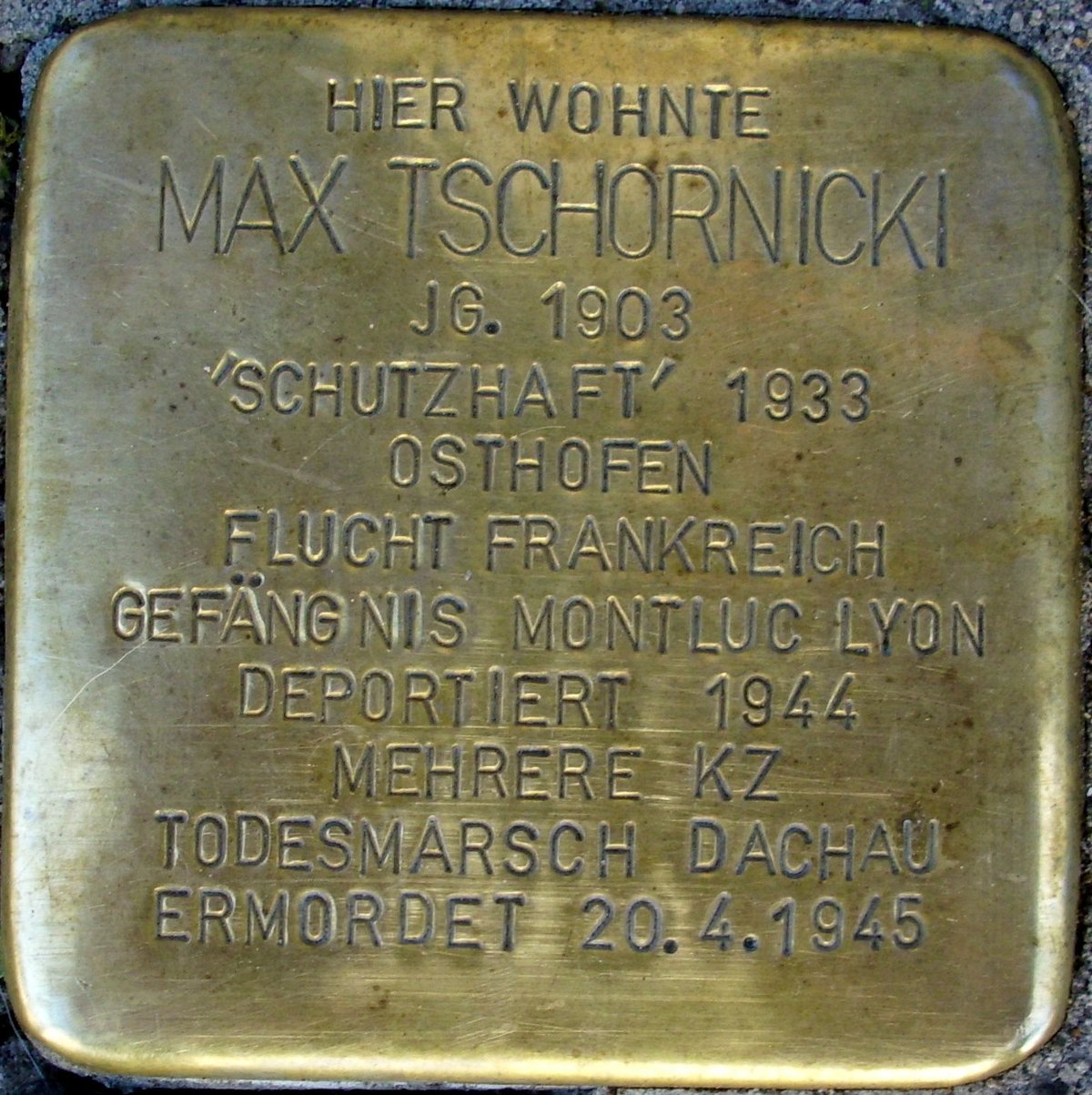
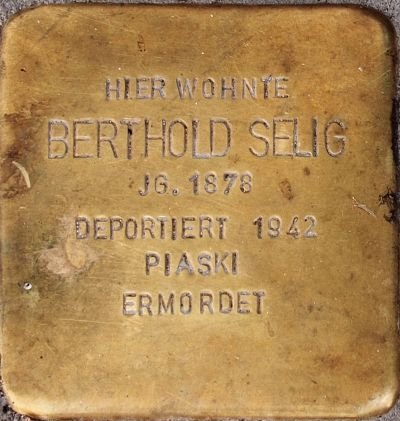
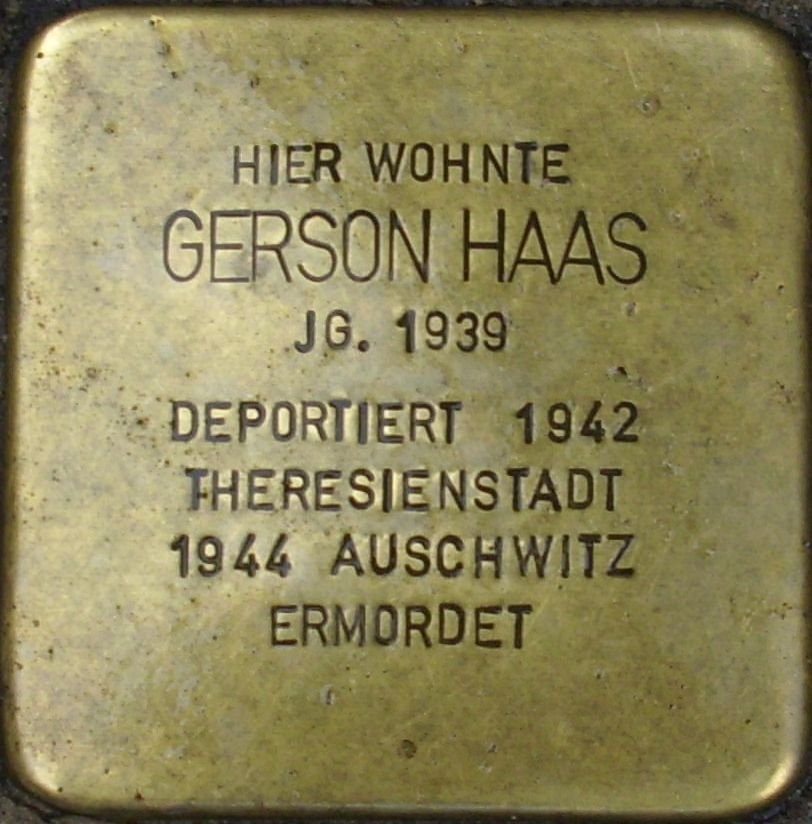
The Stolperstein for Gerson Haas is located in Mainz-Altstadt, the city’s historic old town. The exact address can be found in local Stolperstein registries and photographic documentation. Crafted in Berlin, the stone is inscribed with Haas’s name, date of birth, date of deportation, and fate, in keeping with Stolperstein tradition:
Hier wohnte Gerson Haas [Year of birth] Deportiert [Year] [Fate, e.g., Ermordet in Auschwitz]
The small, ground-level placement invites visitors to bow their heads to read the inscription, symbolically honoring the memory of the individual.
Visiting Information
Accessibility and Visiting Hours
- Open Access Stolpersteine are embedded in public sidewalks and are accessible 24/7.
- Admission No tickets or fees are required.
- Accessibility The site is at street level, generally accessible, but some streets in the Altstadt have uneven cobblestones. Wheelchair users should plan accordingly.
Finding the Stolperstein
To locate the Stolperstein for Gerson Haas, visitors can consult the official Stolperstein database, the Haus des Erinnerns, or use local maps and apps. The stones are typically found in the Altstadt, a pedestrian-friendly area with historical architecture.
Mainz Hauptbahnhof (Central Station) is the nearest major transit hub, and the Altstadt is easily reached by foot, bus, or tram.
Guided Tours and Suggested Routes
While there may not be dedicated tours for the Gerson Haas Stolperstein alone, the Haus des Erinnerns and local historical societies offer walking tours focusing on Jewish heritage and the Stolpersteine project. These tours often include visits to the Old Jewish Cemetery, the New Synagogue, and other Holocaust memorials.
Nearby Mainz Historical Sites
- Mainz Synagogue A symbol of renewal, built after WWII.
- Jewish Cemetery One of Europe’s oldest, located in the Mombach district.
- Mainz Cathedral and Gutenberg Museum Key historical landmarks in the city center.
- Haus des Erinnerns Offers exhibitions and educational programs related to Nazi history and remembrance.
Cultural and Memorial Significance
Stolpersteine in Mainz—and across Europe—transform ordinary cityscapes into living memorials. Unlike centralized monuments, these stones emphasize the individuality of victims and restore erased identities. The act of reading a name, pausing in reflection, and sometimes cleaning the brass plate connects the present with the past on a personal level.
Stolpersteine honor not only Jewish victims but also Roma and Sinti, political dissidents, people with disabilities, LGBTQ+ individuals, and others persecuted under National Socialism. The project’s inclusivity broadens the scope of remembrance and encourages reflection on tolerance and human rights.
The Research and Installation Process
Each Stolperstein is the result of meticulous research by community members, historians, and relatives. Archival material, testimonies, and municipal records are used to confirm identities and addresses. The stones are installed in cooperation with Gunter Demnig’s team and local authorities, often accompanied by small ceremonies or educational events.
Digital Resources and Ongoing Documentation
The Stolperstein Database and the Haus des Erinnerns registry provide searchable information, photographs, and biographical details. These resources support ongoing research, educational outreach, and family connections across generations.
Practical Tips for Visitors
- Preparation Learn about Gerson Haas before your visit using online databases or local resources.
- Map Your Route Plan to visit multiple Stolpersteine or related sites in the Altstadt.
- On-Site Etiquette Be respectful of residents and businesses; keep noise to a minimum.
- Photography Discreet photography is allowed; avoid photographing people without consent.
- Tokens of Remembrance Placing a small stone or flower is a meaningful gesture.
- Accessibility Some streets are cobbled and uneven—wear suitable shoes and check accessibility if you have mobility concerns.
- Participate in Cleaning On remembrance days, community members often clean Stolpersteine with a soft cloth.
Frequently Asked Questions (FAQ)
Q: What are the visiting hours for the Gerson Haas Stolperstein? A: The memorial is accessible at all times. Daylight hours are recommended for visibility.
Q: Is there an entrance fee or ticket required? A: No. The Stolpersteine are freely accessible public memorials.
Q: Are guided tours available? A: Yes. The Haus des Erinnerns and local organizations offer tours focusing on Jewish heritage and the Stolpersteine.
Q: Is the Stolperstein wheelchair accessible? A: Generally yes, but some streets in the Altstadt have uneven cobblestones. Plan ahead if you have mobility concerns.
Q: Can I take photographs? A: Yes, but be discreet and respectful of privacy.
Conclusion
The Stolperstein for Gerson Haas in Mainz embodies the profound power of personal remembrance embedded within a city’s fabric. As part of the expansive Stolpersteine project—now encompassing over 100,000 stones across Europe—this memorial transforms ordinary sidewalks into sites of solemn reflection and education, ensuring that the victims of Nazi persecution are neither forgotten nor reduced to mere statistics.
Visitors to the Gerson Haas Stolperstein benefit from the memorial’s unrestricted accessibility, the wealth of historical context provided by local organizations such as the Haus des Erinnerns, and opportunities to engage in commemorative events and guided tours. The integration of this memorial within Mainz’s historic Altstadt and its proximity to other significant Jewish heritage sites—like the New Synagogue and Old Jewish Cemetery—offer a meaningful, holistic journey through the city’s layered past.
By honoring individuals like Gerson Haas through these small yet powerful memorials, Mainz continues to foster a culture of remembrance that confronts past atrocities while promoting dialogue on tolerance and human dignity. Visitors are encouraged to reflect respectfully, utilize digital resources for deeper understanding, and participate in local remembrance activities. For an enhanced experience, tools like the Audiala app provide guided audio tours, helping to connect the personal narratives of the Stolpersteine with Mainz’s broader historical tapestry.
Ultimately, the Stolperstein for Gerson Haas is not only a tribute to one individual’s life but also a vital educational touchstone that invites all who encounter it to remember, learn, and commit to a more just future.
Sources and Further Reading
- mainz.de: Stolpersteine in Mainz
- pragueviews.com: Stolpersteine – Stumbling Stones
- stolpersteine.eu: Facts and Figures
- haus-des-erinnerns-mainz.de: Stolpersteine Overview
- mainz-tourismus.com: Exploring the history of Mainz
- rheinhessen.de: UNESCO SchUM City Mainz
- folklife.si.edu: Stumbling Stones Holocaust Memorials
- Wikipedia: Liste der Stolpersteine in Mainz
- Mapcarta: Mainz Hauptbahnhof
- Wikimedia Commons: Stolpersteine in Mainz-Altstadt