
Table of Contents
- Historical Overview
- Visiting the Theatre of Pompey
- Nearby Attractions
- Frequently Asked Questions
- Conclusion
- Sources and Further Reading
Historical Overview
Origins and Political Context
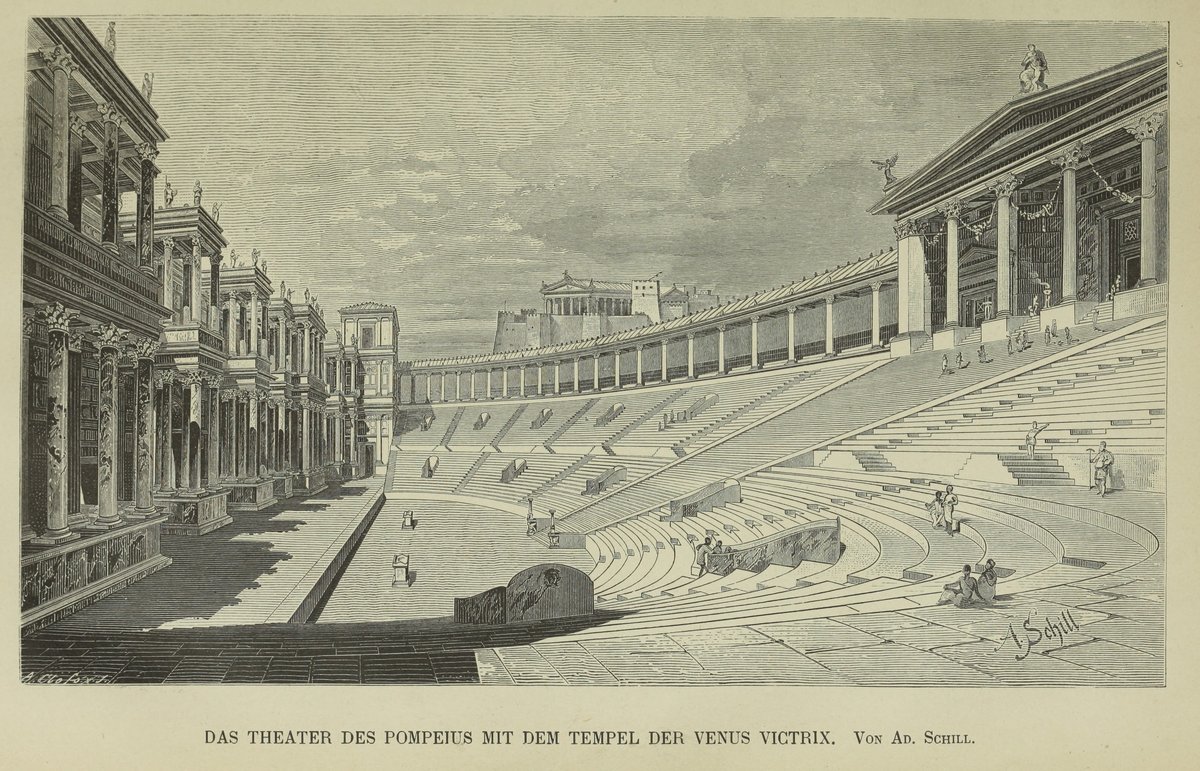
Construction of the Theatre of Pompey (Theatrum Pompeium) began in 61 BCE and was completed in 55 BCE by Gnaeus Pompeius Magnus, known as Pompey the Great. At the time, permanent theatres were forbidden within the sacred boundary of Rome, so Pompey cleverly situated his theatre just outside the pomerium in the Campus Martius and crowned it with a temple to Venus Victrix. This allowed him to present the structure as a religious sanctuary with steps, rather than a theatre, skillfully navigating Roman law and tradition (Metropolitan Museum of Art).
Architectural Innovation
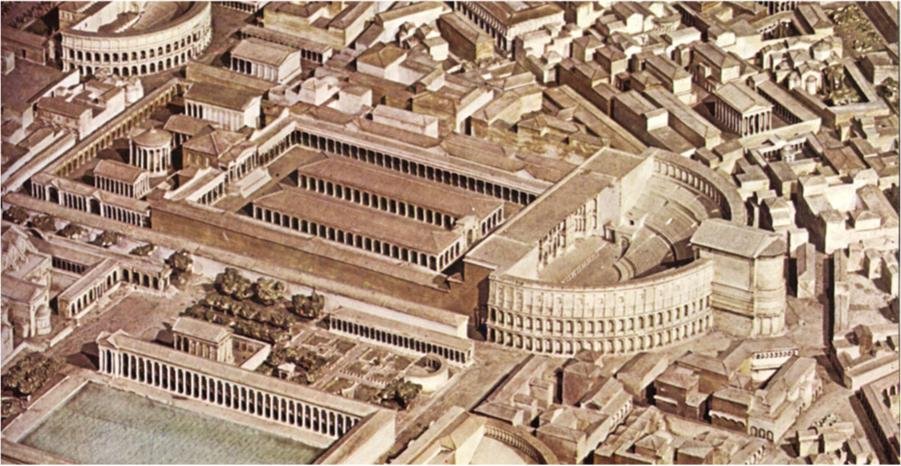
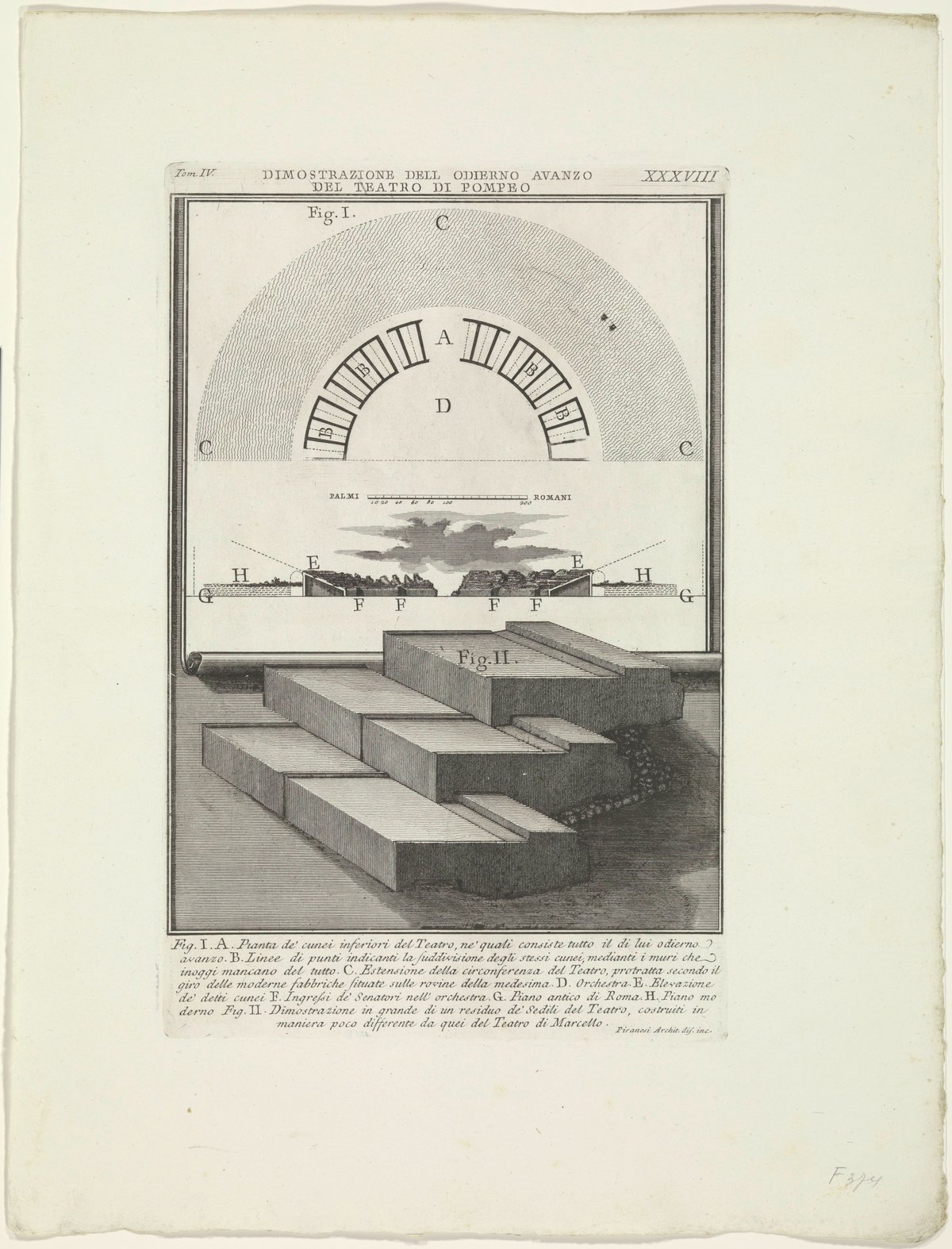
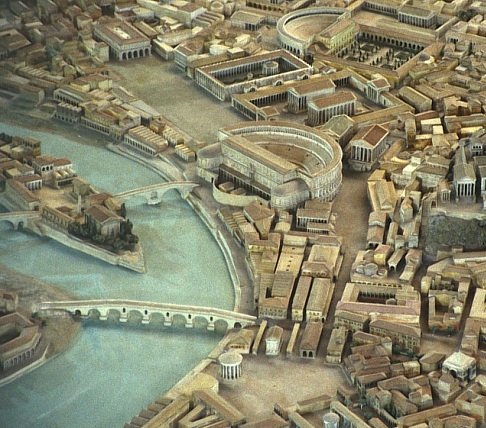
Drawing inspiration from Greek theatres, particularly that of Mytilene, Pompey’s theatre was the first in Rome to be constructed as a freestanding stone structure rather than using a natural hillside. It incorporated advanced Roman engineering, with concrete and vaulted arches supporting a cavea (seating area) that could accommodate up to 20,000 spectators (Metropolitan Museum of Art; Britannica). The semi-circular design, multi-level corridors, and vomitoria (entrances/exits) facilitated efficient crowd movement and excellent acoustics.
The theatre complex included:
- The Porticus Pompeiana: A covered portico lined with gardens, sculptures, and fountains.
- The Temple of Venus Victrix: Atop the cavea, symbolizing the blend of religious and secular functions.
- The Curia of Pompey: A senate meeting hall, later infamous as the site of Julius Caesar’s assassination.
Cultural and Social Impact
The Theatre of Pompey was more than an entertainment venue. It was a hub for public gatherings, political assemblies, and artistic exhibitions. The lavish decorations, including Greek statues and war trophies, served as both cultural enrichment and political propaganda, reinforcing Pompey’s reputation and celebrating Rome’s expanding power (CSUS PDF).
Julius Caesar’s Assassination
On the Ides of March, 44 BCE, Julius Caesar was assassinated in the Curia of Pompey, forever linking the theatre to one of the most pivotal moments in Roman history (TravelPander). This event marked the end of the Roman Republic and imbued the site with lasting political significance.
Decline and Rediscovery
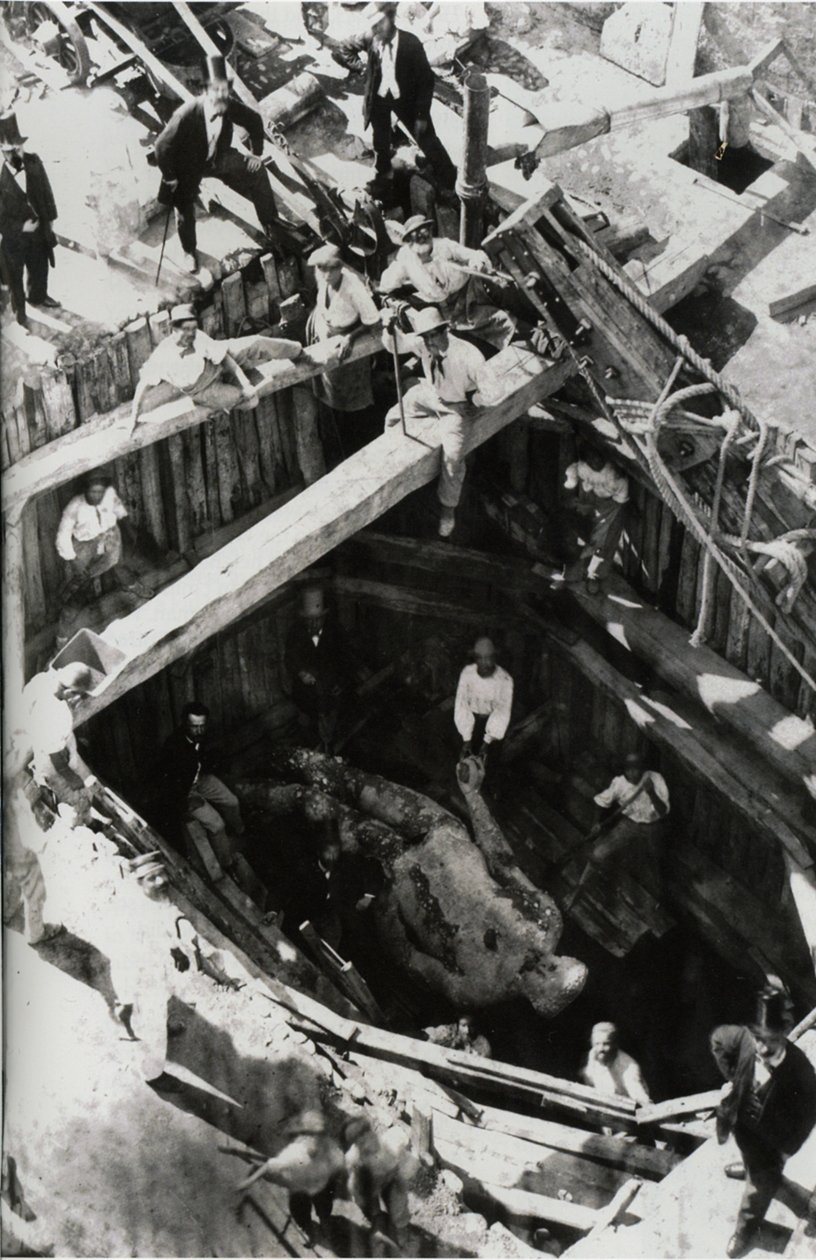
The theatre underwent several restorations by emperors including Augustus and Tiberius. Over the centuries, much of it was dismantled and repurposed, but its foundations remain integrated into modern Rome’s urban fabric, particularly around Piazza di Grotta Pinta, Campo de’ Fiori, and Largo di Torre Argentina (Rome on Rome; Ancient Theatre Archive).
Visiting the Theatre of Pompey
Location
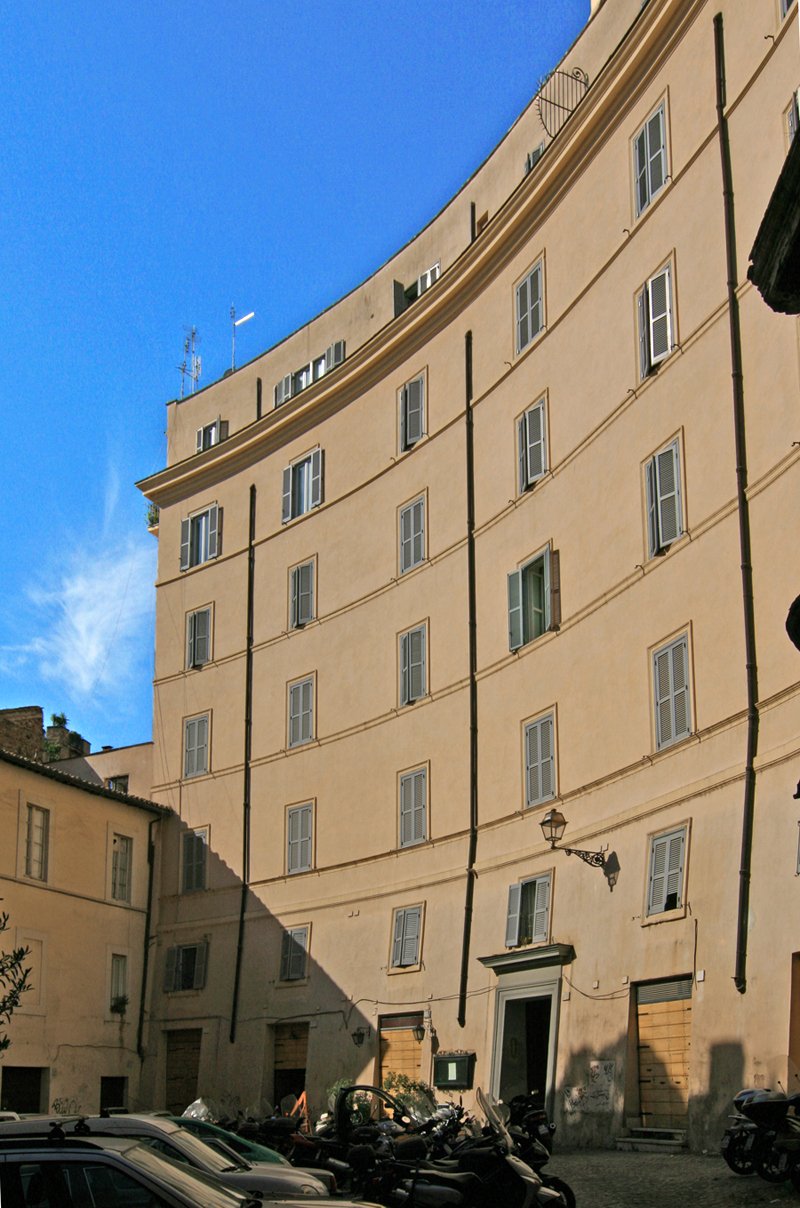
The theatre’s original footprint extends from Corso Vittorio Emanuele II to Via Giubbonari, near Campo de’ Fiori. The curved street of Piazza di Grotta Pinta mirrors the ancient cavea (3dvisa.cch.kcl.ac.uk; Wikipedia).
Visiting Hours
There is no centralized archaeological park, so visiting hours depend on the access points:
- Piazza di Grotta Pinta and surrounding streets Always accessible.
- Ristorante Da Pancrazio and Hotel Lunetta Open during business hours—reservations recommended for access to substructures.
- Largo di Torre Argentina Open to the public daily, usually 9:00 AM–7:00 PM.
Always confirm with individual establishments or local tourism sites for up-to-date information.
Tickets and Entry
There are no official entry tickets for the theatre itself. Access is typically granted through private businesses that have incorporated the ruins, such as:
- Ristorante Da Pancrazio Offers basement tours to diners (Ancient Theatre Archive).
- Hotel Lunetta Guided tours for guests upon request.
Broader walking tours of the district may include access to these spaces. Nearby attractions like Largo di Torre Argentina may have small entry fees.
Accessibility
Most of the theatre’s remains are underground and within older buildings, so accessibility for those with mobility challenges is limited. However, the area around Campo de’ Fiori and Largo di Torre Argentina is generally accessible, and some modern renovations have improved pathways (Romewise).
Tips for Visitors
- Wear comfortable shoes for cobblestone and uneven surfaces.
- Best times Early morning or late afternoon for fewer crowds and better photos.
- No central ticket booth Plan ahead and make reservations if you wish to visit basement ruins.
- Combine your visit Explore nearby sites like the Pantheon, Roman Forum, and Piazza Navona.
- Photography The curved outlines of ancient streets and remains integrated into modern buildings provide unique photo opportunities.
Guided Tours
Several local tour operators offer walking tours that include the Theatre of Pompey and other ancient sites. These tours provide expert insights and may arrange access to areas not normally open to the public (The Collector).
Nearby Attractions
- Campo de’ Fiori Lively market and nightlife hub.
- Largo di Torre Argentina Archaeological site with Republican temples and the Curia of Pompey.
- Piazza Navona Built atop the Stadium of Domitian, rich in Baroque architecture.
- Pantheon Masterpiece of Roman engineering, a short walk away.
- Palazzo della Cancelleria Renaissance palace incorporating ancient theatre materials.
Frequently Asked Questions
Q: Is there an official ticket office for the Theatre of Pompey? A: No, access is through private establishments or public streets. Some guided tours may charge a fee.
Q: What are the visiting hours? A: Public streets are always open; restaurants and hotels with ruins follow normal business hours.
Q: Can I see the temple of Venus Victrix? A: The temple itself no longer stands, but its original location is marked by the site’s layout.
Q: Is the site accessible for people with disabilities? A: Accessibility is limited in underground areas. Surface routes and nearby archaeological parks offer better accommodations.
Q: Are guided tours available? A: Yes, many Rome walking tours include the theatre’s remains and historical background.
Conclusion
The Theatre of Pompey is a testament to the ingenuity, ambition, and complexity of ancient Rome. Its architectural innovations set new standards for public entertainment venues and influenced theatre design for centuries. The site’s historical resonance—marked by the assassination of Julius Caesar—adds a dramatic dimension to its legacy. Today, visitors can experience the theatre’s enduring impact through guided tours, the unique street layout, and remnants preserved in local businesses. For the most up-to-date information on visiting, tours, and special events, download the Audiala app and connect with Rome’s vibrant community of history enthusiasts.
Sources and Further Reading
- Metropolitan Museum of Art
- The Collector
- Rome on Rome
- Ancient Theatre Archive
- Romewise
- TravelPander
- Britannica
- 3dvisa.cch.kcl.ac.uk
- CSUS PDF
- Wikipedia