{
'date': '14/06/2025',
'task': {
'model': 'gpt-4.1-mini',
'query': 'Comprehensive guide to visiting Horticultural Plot (Viii.6.2), Pompeii, Italy: history, significance, visitor tips, and everything tourists need to know for a memorable experience.',
'verbose': False,
'guidelines': [
'Keyword Research: Identify relevant keywords that potential visitors are likely to search for, such as '[Monument Name] visiting hours,' '[Monument Name] tickets,' and '[City] historical sites.' Use these keywords strategically throughout the article, including in the title, headers, and body text, but avoid keyword stuffing.',
'Engaging and Informative Title: Craft a title that is both SEO-friendly and compelling to encourage clicks. Include the main keyword and make it clear what the article will cover.',
'Structured Content: Use headings (H1, H2, H3) to organize the content effectively. This helps with SEO and makes the article easier for readers to navigate. Include an introduction that hooks the reader, a detailed body that covers all relevant aspects, and a conclusion that summarizes the key points.',
'Comprehensive Coverage: Address common questions and topics of interest such as the history of the monument, its cultural significance, visitor information (e.g., ticket prices, opening hours), travel tips, nearby attractions, and accessibility. Include sections that might be unique to the monument, like special events, guided tours, and photographic spots.',
'Quality Content: Ensure the content is well-researched, accurate, and provides real value to readers. Use reliable sources and provide factual information. Write in a clear, engaging, and accessible style. Consider your audience and use language that is appropriate for those likely to visit the monument.',
'Visuals and Media: Incorporate high-quality images or videos of the monument. These should be optimized for the web (correct sizing, alt tags with keywords). Consider interactive elements like virtual tours or maps.',
'Internal and External Links: Include links to other related articles on your site to encourage deeper engagement (internal links). Link to official websites for the monument or credible sources for further reading (external links).',
'FAQ: Incorporate FAQ sections to target voice search queries and featured snippets',
'Visit and Stay Up to Date: End the article with a call to action, such as encouraging readers to download our mobile app Audiala, check out other related posts, or follow on social media for more updates.'
],
'max_sections': 4,
'publish_formats': {
'pdf': False,
'docx': False,
'markdown': True
},
'follow_guidelines': True
},
'title': 'Pompeii Horticultural Plot (VIII.6.2): A Comprehensive Guide to Visiting',
'report': '# पोम्पेई का बागवानी भूखंड (VIII.6.2): यात्रा के लिए एक व्यापक गाइड\n#### दिनांक: 14/06/2025\n\n## पोम्पेई के बागवानी भूखंड VIII.6.2 का परिचय\n\nपोम्पेई के प्राचीन शहर के भीतर स्थित, बागवानी भूखंड (VIII.6.2) रोमन बागवानी, शहरी कृषि और 79 ईस्वी में माउंट वेसुवियस के विस्फोट से पहले के सामाजिक जीवन की एक दुर्लभ झलक प्रदान करता है। यह केवल एक सजावटी उद्यान से कहीं अधिक है, यह भूखंड रोमन समाज में उद्यानों के बहुआयामी महत्व को प्रदर्शित करता है, जिसमें सुंदरता, खाद्य उत्पादन और सामाजिक स्थिति का संयोजन है। रोमन उद्यान घरेलू उपभोग, अवकाश और बौद्धिक आदान-प्रदान के लिए आवश्यक थे, जो एमोनितास (मनोरंजन) और यूटिलिटास (उपयोगिता) के आदर्शों का प्रतीक हैं (यूनिवर्सिटी ऑफ रीडिंग)।\n\nभूखंड VIII.6.2 के पुरातात्विक अध्ययनों में व्यवस्थित रोपण बिस्तर, सिंचाई प्रणाली और अंजीर, जैतून और अनार जैसे पौधों के अवशेषों का पता चला है। ये विशेषताएं ग्राफ्टिंग और लेयरिंग जैसी परिष्कृत रोमन बागवानी तकनीकों को उजागर करती हैं (अंतर्राष्ट्रीय बागवानी विज्ञान सोसायटी; पोम्पेई इन पिक्चर्स)। आज, यह भूखंड पोम्पेई के हलचल भरे केंद्रीय क्षेत्रों के लिए एक शांत विकल्प प्रदान करता है, जिसमें व्याख्यात्मक साइनेज, निर्देशित पर्यटन और डिजिटल संसाधन प्राचीन कृषि पद्धतियों पर प्रकाश डालते हैं (पोम्पेई आधिकारिक मानचित्र; पोम्पेई पुरातत्व पार्क आगंतुक सूचना)।\n\nयह मार्गदर्शिका भूखंड के ऐतिहासिक महत्व, पुरातात्विक मुख्य आकर्षणों और व्यावहारिक आगंतुक जानकारी—जिसमें देखने के घंटे, टिकटिंग, पहुंच और यात्रा सुझाव शामिल हैं—का एक व्यापक अवलोकन प्रदान करती है, ताकि आपको इस अनूठी साइट की सार्थक यात्रा की योजना बनाने में मदद मिल सके।\n\n---\n\n## सामग्री की तालिका\n- परिचय\n- बागवानी भूखंड (VIII.6.2) का ऐतिहासिक संदर्भ\n - रोमन उद्यान: सामाजिक, आर्थिक और सांस्कृतिक भूमिकाएँ\n - पुरातात्विक खोजें और उत्खनन अंतर्दृष्टि\n - कुलीन पहचान और उद्यानों की भूमिका\n - पुरातात्विक साक्ष्य और रोपण तकनीक\n - शहरी पोम्पेई में बागवानी भूखंड\n- बागवानी भूखंड का दौरा: टिकट, घंटे और सुझाव\n - पोम्पेई टिकट और देखने के घंटे\n - पहुंच और सुविधाएं\n - निर्देशित पर्यटन और कार्यक्रम\n - यात्रा सुझाव और आस-पास के आकर्षण\n- दृश्य और मीडिया\n- अक्सर पूछे जाने वाले प्रश्न (FAQs)\n- सारांश और निष्कर्ष\n\n---\n\n## बागवानी भूखंड (VIII.6.2) का ऐतिहासिक संदर्भ\n\n### रोमन उद्यान: सामाजिक, आर्थिक और सांस्कृतिक भूमिकाएँ\n\nप्राचीन पोम्पेई के उद्यान वास्तुकला और दैनिक जीवन दोनों का अभिन्न अंग थे। ये स्थान अपने मालिकों की धन और स्थिति को दर्शाते थे, अवकाश और सामाजिक समारोहों के स्थल प्रदान करते थे, और छोटे पैमाने पर खाद्य उत्पादन का समर्थन करते थे। बागवानी भूखंड (VIII.6.2) इस द्वैत का एक उदाहरण है: यह उत्पादक कृषि को सौंदर्य आनंद के साथ एकीकृत करता है, जो रोमन आदर्शों, आनंद और उपयोगिता के अनुरूप है (यूनिवर्सिटी ऑफ रीडिंग)।\n\n### पुरातात्विक खोजें और उत्खनन अंतर्दृष्टि\n\nVIII.6.2 में उत्खनन से व्यवस्थित रोपण के प्रमाण मिले हैं, जिसमें रोपण गड्ढे, जड़ों के गुहाएं, बीज और लकड़ी के खंभे के अवशेष शामिल हैं। संवेदनशील पौधों के लिए मिट्टी की नमी और तापमान को नियंत्रित करने हेतु दबे हुए पौधों के गमलों (ओले) का उपयोग रोमन बागवानी ज्ञान को और स्पष्ट करता है (अंतर्राष्ट्रीय बागवानी विज्ञान सोसायटी)। पुरावनस्पति विश्लेषण में अंजीर, जैतून, अंगूर, अनार और गुलाब की उपस्थिति की पुष्टि की गई है, साथ ही ग्राफ्टिंग और लेयरिंग जैसी उन्नत तकनीकों का भी पता चला है।\n\n### कुलीन पहचान और उद्यानों की भूमिका\n\nVIII.6.2 जैसे उद्यान स्थिति और परिष्कार के प्रतीक थे। चौड़े रास्तों और सावधानीपूर्वक व्यवस्थित रोपण के साथ लेआउट, मालिक की संपत्ति और स्वाद को दर्शाता है। उद्यानों का उपयोग सैर, बातचीत, अनुष्ठानों और दुर्लभ पौधों और नवीन तकनीकों के प्रदर्शन के लिए किया जाता था। पोम्पेई से शिलालेख और भित्ति चित्र अक्सर उद्यान दृश्यों को चित्रित करते हैं, जो उनके सांस्कृतिक महत्व पर जोर देते हैं।\n\n### पुरावनस्पति साक्ष्य और रोपण तकनीक\n\nपौधों के अवशेषों के विश्लेषण से पोम्पेई के उद्यानों में फसलों और सजावटी पौधों की विविधता की पुष्टि होती है। ग्राफ्टिंग और लेयरिंग जैसी तकनीकें आम थीं, जबकि जल प्रबंधन प्रणालियाँ—सिंचाई चैनल, कुंड और सजावटी फव्वारे—पौधों के विकास का समर्थन करते थे और वातावरण को बढ़ाते थे (अंतर्राष्ट्रीय बागवानी विज्ञान सोसायटी)।\n\n### शहरी पोम्पेई में बागवानी भूखंड\n\nशहर के ग्रिड के भीतर रणनीतिक रूप से स्थित, बागवानी भूखंड (VIII.6.2) शहरी जीवन में कृषि के एकीकरण को दर्शाता है। पोम्पेई की बाहरी सीमा पर स्थित भव्य विला उद्यानों के विपरीत, यह मामूली भूखंड अपने मालिकों के लिए दैनिक जीवन-यापन और एक शांतिपूर्ण आश्रय प्रदान करता था (यूनिवर्सिटी ऑफ रीडिंग)।\n\n---\n\n## बागवानी भूखंड का दौरा: टिकट, घंटे और सुझाव\n\n### पोम्पेई टिकट और देखने के घंटे\n\n- देखने के घंटे: पोम्पेई पुरातत्व पार्क आम तौर पर प्रतिदिन सुबह 9:00 बजे से शाम 7:00 बजे तक खुला रहता है (अंतिम प्रवेश 5:30 बजे)। मौसमी भिन्नताएँ लागू होती हैं—हमेशा अद्यतन के लिए आधिकारिक आगंतुक सेवाओं की जाँच करें।\n- टिकट: वयस्क टिकटों की कीमत लगभग €16 है, जिसमें यूरोपीय संघ के युवाओं और संयुक्त साइट पास के लिए छूट मिलती है। टिकट ऑनलाइन या प्रवेश पर खरीदे जा सकते हैं, व्यस्त अवधियों के दौरान पूर्व-बुकिंग की सलाह दी जाती है।\n\n### पहुंच और सुविधाएं\n\nVIII.6.2 के आसपास का इलाका बजरी रास्तों के साथ अपेक्षाकृत समतल है, जो इसे पोम्पेई के अन्य हिस्सों की तुलना में अधिक सुलभ बनाता है। "पोम्पेई सभी के लिए" पहल निर्दिष्ट व्हीलचेयर-अनुकूल मार्ग प्रदान करती है (पोम्पेई पहुंच)। मुख्य प्रवेश द्वारों और एम्फीथिएटर के पास शौचालय और जलपान की सुविधाएँ स्थित हैं।\n\n### निर्देशित पर्यटन और कार्यक्रम\n\nपोम्पेई के उद्यानों—VIII.6.2 सहित—के विशेष निर्देशित पर्यटन उपलब्ध हैं जो प्राचीन पौधों की प्रजातियों और बागवानी विधियों में अंतर्दृष्टि प्रदान करते हैं (अंतर्राष्ट्रीय बागवानी विज्ञान सोसायटी)। पार्क कभी-कभी बागवानी विरासत को उजागर करने वाले कार्यक्रमों और प्रदर्शनियों की मेजबानी करता है।\n\n### यात्रा सुझाव और आस-पास के आकर्षण\n\n- वहां कैसे पहुंचे: बागवानी भूखंड सबसे अच्छा एम्फीथिएटर और शहर की दीवारों के पास, पिआज़ा एम्फिटिएट्रो प्रवेश द्वार से पहुँचा जा सकता है (पोम्पेई आधिकारिक मानचित्र)।\n- क्या लाएं: पानी, धूप से सुरक्षा, मजबूत जूते, और एक गाइडबुक या मोबाइल ऐप।\n- यात्रा का सबसे अच्छा समय: भीड़ और गर्मी से बचने के लिए सुबह जल्दी या देर शाम (नोमैडिक मैट)।\n- आस-पास के आकर्षण: फोरम, हाउस ऑफ द वेटि, एम्फीथिएटर, मार्केट गार्डन, और हाउस ऑफ द ग्लैडिएटर।\n\n---\n\n## दृश्य और मीडिया\n\nअपनी यात्रा या अध्ययन को बेहतर बनाएं:\n- रोपण बिस्तरों, सिंचाई चैनलों और पुनर्निर्मित दीवारों की तस्वीरें और आरेख।\n- आधिकारिक पोम्पेई संसाधनों के माध्यम से इंटरैक्टिव मानचित्र और वर्चुअल टूर।\n- छवियों के लिए ऑल्ट टेक्स्ट में एसईओ कीवर्ड शामिल होने चाहिए, जैसे “बागवानी भूखंड पोम्पेई पुरातात्विक स्थल।”\n\n---\n\n## अक्सर पूछे जाने वाले प्रश्न (FAQs)\n\nप्रश्न: पोम्पेई में बागवानी भूखंड के देखने के घंटे क्या हैं?\nउत्तर: यह स्थल सामान्य पार्क घंटों के दौरान खुला रहता है, आमतौर पर सुबह 9:00 बजे से शाम 7:00 बजे तक (अंतिम प्रवेश 5:30 बजे)। अपनी यात्रा से पहले आधिकारिक स्रोतों की जाँच करें।\n\nप्रश्न: मैं पोम्पेई टिकट कैसे खरीदूं?\nउत्तर: प्रवेश द्वार पर या ऑनलाइन टिकट खरीदें। उच्च मौसम में कतारों से बचने के लिए अग्रिम बुकिंग की सलाह दी जाती है।\n\nप्रश्न: क्या बागवानी भूखंड व्हीलचेयर उपयोगकर्ताओं के लिए सुलभ है?\nउत्तर: इलाका अपेक्षाकृत समतल है और सुलभ मार्गों में शामिल है, लेकिन कुछ प्राचीन फ़र्श चुनौतीपूर्ण हो सकते हैं।\n\nप्रश्न: क्या बागवानी भूखंड के लिए निर्देशित पर्यटन उपलब्ध हैं?\nउत्तर: हाँ, निजी गाइड इस भूखंड को शामिल कर सकते हैं; विशेष पर्यटन समय-समय पर पेश किए जाते हैं।\n\nप्रश्न: क्या मैं तस्वीरें ले सकता हूँ?\nउत्तर: व्यक्तिगत फोटोग्राफी की अनुमति है; तिपाई और ड्रोन के लिए पूर्व प्राधिकरण की आवश्यकता होती है।\n\n---\n\n## पोम्पेई के बागवानी भूखंड VIII.6.2 के लिए सारांश और आगंतुक सुझाव\n\nबागवानी भूखंड (VIII.6.2) प्राचीन रोमन सरलता का एक प्रमाण है, जो दर्शाता है कि कैसे उद्यानों ने पोम्पेई के घने शहरी वातावरण के भीतर आर्थिक, सामाजिक और सौंदर्य कार्य किए। फसल विविधता और उन्नत बागवानी तकनीकों के पुरातात्विक प्रमाण रोमन बागवानी की परिष्कार और शहर की आबादी को बनाए रखने में इसकी महत्वपूर्ण भूमिका को रेखांकित करते हैं (अंतर्राष्ट्रीय बागवानी विज्ञान सोसायटी; इलेक्ट्रम मैगज़ीन)। आज, यह स्थल मुख्य भीड़ से दूर एक शांत, ज्ञानवर्धक अनुभव प्रदान करता है।\n\nअपनी यात्रा का अधिकतम लाभ उठाने के लिए:\n- टिकटिंग और देखने के घंटों की पहले से जाँच करें।\n- आराम और जलयोजन के लिए आवश्यक चीजें लाएँ।\n- गहरी समझ के लिए गाइडबुक, ऐप या गाइड किराए पर लें।\n- आस-पास के ऐतिहासिक स्थलों के साथ अपनी यात्रा को संयोजित करने पर विचार करें।\n\nअधिक जानकारी और अपडेट के लिए, ऑडिएला ऐप डाउनलोड करें, आधिकारिक पोम्पेई संसाधनों का अन्वेषण करें, और संबंधित चैनलों को फ़ॉलो करें (पोम्पेई पुरातत्व पार्क आगंतुक सूचना; यूनिवर्सिटी ऑफ रीडिंग; नोमैडिक मैट)।\n\n---\n\n## संदर्भ और आगे पढ़ना\n\n- रोमन उद्यान: प्राचीन काल में सौंदर्य और उपयोगिता, यूनिवर्सिटी ऑफ रीडिंग\n- पोम्पेई की बागवानी प्रथाओं में पुरातात्विक अंतर्दृष्टि, अंतर्राष्ट्रीय बागवानी विज्ञान सोसायटी\n- पोम्पेई इन पिक्चर्स: बागवानी भूखंड VIII.6.2\n- पोम्पेई पुरातत्व पार्क आगंतुक सूचना\n- पोम्पेई के उद्यानों का अन्वेषण एक रोमन विरासत के रूप में, इलेक्ट्रुम मैगज़ीन\n- पोम्पेई का दौरा: व्यापक आगंतुक गाइड, नोमैडिक मैट\n- पोम्पेई आधिकारिक मानचित्र और आगंतुक पहुंच\n- पोम्पेई पहुंच सूचना\n\n---\n',
'headers': {
'date': 'दिनांक',
'title': 'पोम्पेई के बागवानी भूखंड VIII.6.2 का दौरा: यात्रा घंटों, टिकटों और आगंतुक गाइड के साथ एक व्यापक गाइड',
'conclusion': 'पोम्पेई के बागवानी भूखंड VIII.6.2 के लिए सारांश और आगंतुक सुझाव',
'references': 'संदर्भ और आगे पढ़ना',
'introduction': 'पोम्पेई के बागवानी भूखंड VIII.6.2 का परिचय',
'table_of_contents': 'सामग्री की तालिका'
},
'sources': [
'- Walking, Talking and Showing Off: A History of Roman Gardens, 2020, University of Reading https://research.reading.ac.uk/research-blog/2020/05/21/walking-talking-and-showing-off-a-history-of-roman-gardens/',
"- Archaeological Insights into Pompeii's Horticultural Practices, 2021, International Society for Horticultural Science https://www.ishs.org/ishs-article/881_147",
'- Pompeii in Pictures: Horticultural Plot VIII.6.2, 2023 https://pompeiiinpictures.com/pompeiiinpictures/R8/8%2006%2006%20p2.htm',
'- Pompeii Archaeological Park Visitor Information, 2025 https://pompeiisites.org/en/visiting-info/visitor-services/',
'- Exploring the Gardens of Pompeii as a Roman Legacy, 2015, Electrum Magazine https://www.electrummagazine.com/2015/12/the-gardens-of-pompeii-as-a-roman-legacy/',
'- Visiting Pompeii: Comprehensive Visitor Guide, 2025, Nomadic Matt https://www.nomadicmatt.com/travel-blogs/visiting-pompeii/',
'- Pompeii Official Map and Visitor Access, 2025 https://pompeiisites.org/en/visiting-info/',
'- Pompeii Accessibility Information, 2025 https://pompeiisites.org/en/visiting-info/'
],
'sections': [
'Historical Context and Archaeological Significance of the Horticultural Plot',
'Ancient Pompeii Gardens and Horticulture: Types and Socioeconomic Roles',
'Site Description, Access, and Visitor Experience at the Horticultural Plot (VIII.6.2)',
'Cultural Insights, Environmental Adaptation, and Modern Relevance of Urban Agriculture in Pompeii'
],
'conclusion': 'पोम्पेई का बागवानी भूखंड (VIII.6.2) प्राचीन रोमन सरलता का एक उल्लेखनीय प्रमाण है, जो दर्शाता है कि कैसे उद्यानों ने पोम्पेई के घने शहरी वातावरण के भीतर आर्थिक, सामाजिक और सौंदर्य कार्यों को पूरा किया। फसल विविधता और उन्नत बागवानी तकनीकों के पुरातात्विक प्रमाण रोमन बागवानी की परिष्कार और शहर की आबादी को बनाए रखने में इसकी महत्वपूर्ण भूमिका को रेखांकित करते हैं (अंतर्राष्ट्रीय बागवानी विज्ञान सोसायटी; इलेक्ट्रम मैगज़ीन)। आज, यह स्थल मुख्य भीड़ से दूर एक शांत, ज्ञानवर्धक अनुभव प्रदान करता है।\n\nअपनी यात्रा का अधिकतम लाभ उठाने के लिए, टिकटिंग विकल्पों, मौसमी देखने के घंटों और उपयुक्त यात्रा तैयारियों पर ध्यान देकर योजना बनाएं, जो आपको न केवल बागवानी भूखंड बल्कि पोम्पेई के शहरी वातावरण के समृद्ध टेपेस्ट्री का पता लगाने की अनुमति देगा। ऐसा करके, आप एक जीवित विरासत से जुड़ते हैं जो स्थायी शहरी कृषि पर आधुनिक चर्चाओं और खेती प्रकृति के साथ स्थायी मानवीय संबंध को सूचित करना जारी रखती है। पोम्पेई के अतीत की इस समृद्ध यात्रा को अपनाएं और उन कहानियों की खोज करें जो प्राचीन पौधों और उद्यानों में अभी भी कहने के लिए हैं।\n\nअद्यतित जानकारी और अपने अन्वेषण को गहरा करने के लिए, ऑडिएला ऐप डाउनलोड करने, आधिकारिक पोम्पेई सोशल मीडिया चैनलों का अनुसरण करने और आगे के विद्वानों और आगंतुक संसाधनों का अध्ययन करने पर विचार करें (पोम्पेई पुरातत्व पार्क आगंतुक सूचना; यूनिवर्सिटी ऑफ रीडिंग)।',
'introduction': 'पोम्पेई के प्राचीन शहर के भीतर स्थित, बागवानी भूखंड (VIII.6.2) रोमन बागवानी, शहरी कृषि और 79 ईस्वी में माउंट वेसुवियस के विनाशकारी विस्फोट से पहले के सामाजिक जीवन की एक आकर्षक खिड़की प्रस्तुत करता है। यह केवल एक साधारण सजावटी उद्यान से कहीं अधिक है, यह भूखंड पोम्पेई में उद्यानों की बहुआयामी भूमिका को दर्शाता है—सौंदर्य संबंधी सुंदरता को व्यावहारिक खाद्य उत्पादन के साथ जोड़ता है, जो उनके मालिकों के आर्थिक निर्वाह और सांस्कृतिक पहचान दोनों को दर्शाता है। रोमन उद्यान, जिसमें शहर के आवासीय क्वार्टरों में एम्बेडेड बागवानी भूखंड शामिल हैं, न केवल घरेलू उपभोग के लिए आवश्यक थे, बल्कि अवकाश, बौद्धिक चर्चा और स्थिति प्रदर्शन के सामाजिक स्थानों के रूप में भी कार्य करते थे, जो रोमन आदर्शों, एमोनितास (मनोरंजन) और यूटिलिटास (उपयोगिता) को मूर्त रूप देते थे (यूनिवर्सिटी ऑफ रीडिंग)।\n\nसाइट पर पुरातात्विक उत्खनन ने व्यवस्थित रोपण बिस्तरों, सिंचाई चैनलों और अंजीर, जैतून और अनार जैसे फलों के पेड़ों के अवशेषों का खुलासा किया है, जो ग्राफ्टिंग और लेयरिंग जैसी परिष्कृत बागवानी तकनीकों पर प्रकाश डालते हैं (अंतर्राष्ट्रीय बागवानी विज्ञान सोसायटी)। ये निष्कर्ष पोम्पेई के शहरी ताने-बाने के भीतर शहरी कृषि के एकीकरण को दर्शाते हैं, जो एक प्राचीन शहरी संदर्भ में स्थिरता और आत्मनिर्भरता पर जोर देते हैं (पोम्पेई इन पिक्चर्स)।\n\nसमकालीन आगंतुकों के लिए, बागवानी भूखंड व्यस्त केंद्रीय स्थलों से दूर एक शांत, ध्यानपूर्ण अनुभव प्रदान करता है, जो व्याख्यात्मक साइनेज, निर्देशित पर्यटन और डिजिटल संसाधनों से समृद्ध होता है जो प्राचीन कृषि पद्धतियों और रोजमर्रा के रोमन जीवन में उनके महत्व पर प्रकाश डालते हैं (पोम्पेई आधिकारिक मानचित्र)। यह मार्गदर्शिका भूखंड के ऐतिहासिक महत्व, पुरातात्विक मुख्य आकर्षणों और व्यावहारिक आगंतुक जानकारी का एक व्यापक अवलोकन प्रदान करती है, जिसमें पोम्पेई देखने के घंटे, टिकटिंग, पहुंच और यात्रा सुझाव शामिल हैं, ताकि आपको इस अनूठी पुरातात्विक रत्न की सार्थक यात्रा की योजना बनाने में मदद मिल सके (पोम्पेई पुरातत्व पार्क आगंतुक सूचना)।',
'research_data': [
{
'Exploring the Horticultural Plot (Viii.6.2) in Pompeii: Historical Significance, Visiting Hours, Tickets & Visitor Guide': '## Introduction\n\nDiscover the fascinating Horticultural Plot (Viii.6.2) in Pompeii, a unique archaeological site that offers insight into Roman horticulture, social life, and urban green spaces. This guide provides historical context, archaeological findings, and practical visitor information including Pompeii tickets, visiting hours, accessibility, and nearby attractions to help you plan your visit.\n\n---\n\n## Historical Context of the Horticultural Plot (Viii.6.2) in Pompeii\n\n### Roman Gardens: Social, Economic, and Cultural Roles\n\nGardens in ancient Pompeii were not merely decorative spaces but played a multifaceted role in Roman society. They were integral to domestic architecture, reflecting both the wealth and social status of their owners and serving as sites for leisure, horticultural experimentation, and small-scale agricultural production. The Roman concept of amoenitas (delightfulness) combined with utilitas (usefulness) is evident in these gardens, blending aesthetic pleasure with practical use (University of Reading).\n\nThe Horticultural Plot (Viii.6.2), located in Regio VIII, Insula 6, doorway 2, is a prime example of this duality. Situated in a residential quarter among houses and shops, it was likely a cultivated garden or orchard at the time of the 79 AD eruption. Archaeological evidence shows the plot was used for growing fruit trees, vegetables, and ornamental plants, providing sustenance and a social setting.\n\n### Archaeological Discoveries and Excavation Insights\n\nExcavations at the Horticultural Plot have uncovered regularly spaced planting pits indicating systematic cultivation. These pits contained ancient plant roots, seeds, and wooden stake remnants used for supporting vines or young trees (International Society for Horticultural Science).\n\nA notable technique discovered is the use of buried plant pots (ollae), partially embedded in soil to regulate moisture and temperature for delicate plants, illustrating advanced Roman horticultural knowledge (University of Reading).\n\nPollen and soil studies identified species such as figs, olives, grapes, pomegranates, and roses. The presence of grafted fruit trees and layered plantings suggests this was a pleasure garden with productive elements, designed for both visual enjoyment and practical use.\n\n### Horticultural Plot (Viii.6.2) and Elite Identity\n\nOwning and maintaining a well-designed garden was a status symbol in Pompeii. The plot's layout—with wide walkways and carefully arranged plants—reflects its owner's wealth and horticultural skill. Gardens served as spaces for walking, intellectual conversation, rituals, and displaying rare plants and innovative gardening techniques to guests (University of Reading).\n\nInscriptions and wall paintings from Pompeian houses often depict garden scenes, underscoring their cultural importance. Some gardens included inscribed advice on exercise, such as suggested walking distances, highlighting the integration of physical activity and leisure.\n\n### Archaeobotanical Evidence and Planting Techniques\n\nAnalysis of ancient plant remains confirmed the diversity of crops and ornamental plants. Techniques such as grafting and layering were employed, indicating sophisticated plant propagation methods (International Society for Horticultural Science).\n\nPompeian gardens like Viii.6.2 were typically enclosed by walls or hedges for privacy and protection. Water management elements such as irrigation channels, cisterns, and decorative fountains supported plant growth and enhanced the sensory experience with sounds and scents.\n\n### The Horticultural Plot in Pompeii's Urban Fabric\n\nLocated within Pompeii's city grid, the Horticultural Plot exemplifies urban horticulture amid residential buildings. Unlike grand villa gardens on the outskirts, this modest plot served daily household needs, providing fresh produce and a peaceful retreat (University of Reading).\n\nRoman leaders like Augustus and Caesar valued public gardens for urban improvement. While the plot was privately owned, it reflects wider Roman appreciation for urban green spaces.\n\n---\n\n## Visiting the Horticultural Plot (Viii.6.2): Tickets, Hours & Travel Tips\n\n### Pompeii Tickets and Visiting Hours\n\nThe Horticultural Plot is accessible as part of the Pompeii Archaeological Park. \n\n- Opening Hours: The park is generally open daily from 9:00 AM to 7:00 PM (last admission at 5:30 PM), but hours may vary seasonally. Always check official Pompeii sites for up-to-date information.\n\n- Ticket Prices: Adult tickets are approximately €16; reduced and combined tickets (including other archaeological sites) are available. Tickets can be purchased online or at the entrance. For convenience, pre-booking Pompeii tickets online is recommended to avoid queues.\n\n### Accessibility and Facilities\n\nThe site includes pathways suitable for visitors with mobility challenges. Facilities such as restrooms, refreshment points, and bookshops are available within the park.\n\n### Guided Tours and Special Events\n\nGuided tours focusing on Pompeii's gardens, including the Horticultural Plot, are offered regularly. These tours provide expert insights into ancient plant species, gardening methods, and cultural significance (International Society for Horticultural Science).\n\nSpecial events and seasonal exhibitions occasionally highlight Pompeii's horticultural heritage. Check the official park calendar for updates.\n\n### Nearby Attractions\n\nWhile visiting the Horticultural Plot, consider exploring nearby Pompeii landmarks such as the Forum, the House of the Vettii, and the Amphitheater. The site's location within the urban grid makes it easy to combine with other historical explorations.\n\n### Travel Tips\n\n- Wear comfortable walking shoes and bring water.\n- Early morning visits are recommended to avoid crowds and midday heat.\n- Photography is allowed; some spots provide excellent views of the garden layout.\n\n---\n\n## Visuals and Media\n\nFor a richer experience, visitors and readers can benefit from:\n\n- Photographs and diagrams of the Horticultural Plot showcasing planting pits and irrigation remnants.\n- Maps embedded on official websites pinpointing the plot within Pompeii.\n- Virtual tours available through Pompeii Archaeological Park digital resources enhance remote engagement.\n\nAlt text for images should include keywords like "Horticultural Plot Pompeii", "Pompeii historical sites", and "Roman garden archaeology" to optimize SEO.\n\n---\n\n## Frequently Asked Questions (FAQs)\n\nQ: What are the visiting hours for the Horticultural Plot in Pompeii?\nA: The Pompeii Archaeological Park is typically open from 9:00 AM to 7:00 PM, with last admission at 5:30 PM. Hours may vary seasonally.\n\nQ: How do I purchase tickets to visit Pompeii and the Horticultural Plot?\nA: Tickets can be bought online via official Pompeii sites or at park entrances. Online booking is recommended to avoid lines.\n\nQ: Is the Horticultural Plot accessible for visitors with mobility issues?\nA: Yes, the site includes accessible pathways and visitor facilities.\n\nQ: Are guided tours available for the Horticultural Plot?\nA: Yes, there are specialized guided tours focusing on Pompeii’s gardens and horticultural history.\n\nQ: Can I take photos at the Horticultural Plot?\nA: Photography is allowed, and some areas offer excellent opportunities for capturing the garden layout.\n\n---\n\n## Conclusion and Call to Action\n\nThe Horticultural Plot (Viii.6.2) in Pompeii is a remarkable window into Roman life, showcasing the blend of beauty and utility in ancient horticulture. Whether you're a history enthusiast, garden lover, or casual visitor, this site enriches your understanding of Pompeii's cultural fabric.\n\nPlan your visit today by securing Pompeii tickets online, checking current visiting hours, and considering a guided tour to fully appreciate the horticultural heritage. For more information and updates, follow official Pompeii Archaeological Park social media channels and explore related articles on Roman gardens and archaeology.\n\nEnhance your visit by downloading the Audiala app for expert audio guides and immersive storytelling as you explore Pompeii's historical sites, including the enchanting Horticultural Plot.\n\n---\n\n## Internal Links\n\n- Roman Gardens: Beauty and Utility in Ancient Times\n- Pompeii Archaeological Park Visitor Information\n- Top Attractions Near the Horticultural Plot\n\n---\n\nThis comprehensive guide integrates historical insights, archaeological significance, and practical visitor information to help travelers and scholars alike engage deeply with the Horticultural Plot in Pompeii.'
},
{
'Exploring Ancient Pompeii Gardens: Visiting Hours, Tickets, and Historical Insights': '## Exploring Ancient Pompeii Gardens: Visiting Hours, Tickets, and Historical Insights\n\nAncient Pompeii's gardens offer a captivating glimpse into Roman horticulture and urban life. This article explores the types of gardens found in Pompeii, their socioeconomic roles, archaeological evidence, and practical visitor information including visiting hours, ticket options, and tips for an enjoyable visit.\n\n## Types of Gardens in Ancient Pompeii\n\n### Domestic Gardens: Hortus, Peristyle, and Viridarium\n\nGardens were a defining feature of Pompeian domestic architecture, found in approximately one-third of all houses in the city (Electrum Magazine). The most common types included:\n\n- Hortus: The basic kitchen or utility garden, often located at the rear of modest homes. These plots provided essential vegetables, herbs, and sometimes fruit for household consumption. The hortus was typically rectangular, enclosed by walls, and might include planting beds, small trees, and simple irrigation channels (Electrum Magazine).\n- Peristyle Gardens: Inspired by Greek design, these gardens were surrounded by colonnaded walkways (peristyles) and formed the centerpiece of wealthier homes. They combined ornamental plantings, fountains, statuary, and shaded seating areas, serving both aesthetic and social functions (Electrum Magazine).\n- Viridarium: Larger, elite gardens such as those in the House of the Faun or House of the Vettii, featuring expansive lawns, topiary, and exotic plants. These spaces were symbols of status and luxury, often used for entertaining guests (Electrum Magazine).\n\nEven smaller homes might have a xystus—a narrow garden walk with a few trees and herbs, demonstrating that green spaces were not exclusive to the wealthy (Electrum Magazine).\n\n### Horticultural Plots and Urban Agriculture\n\nBeyond ornamental gardens, Pompeii featured dedicated horticultural plots (horti) within the city, such as the one at VIII.6.2. These plots were used for intensive cultivation of vegetables, fruit trees, and vines, supporting both household needs and local commerce (Pompeii in Pictures). Archaeobotanical studies have revealed that families grew figs, olives, cherries, and a variety of vegetables, with the range of cultivated plants expanding as water management improved (Electrum Magazine).\n\n### Public and Sacred Gardens\n\nWhile most gardens were private, some public spaces and sanctuaries also featured green areas. These included temple precincts and communal spaces, where gardens served religious, commemorative, or recreational purposes (Electrum Magazine).\n\n## Archaeological Evidence and Botanical Insights\n\n### Excavation Techniques and Discoveries\n\nThe study of Pompeian gardens was revolutionized by Wilhelmina Jashemski in the 1960s and 1970s. She pioneered the use of plaster casts of root cavities to identify plant species, examined soil contours for planting beds and irrigation channels, and analyzed floral and faunal remains (Electrum Magazine). Her work established that gardens were integral to daily life and that even modest homes prioritized green space.\n\nRecent excavations at sites like VIII.6.6 have uncovered features such as rainwater basins, irrigation channels, and garden tools, confirming the sophistication of Pompeian horticulture (Pompeii in Pictures). Botanical analysis has identified a wide range of cultivated plants, including grapevines, olives, figs, cherries, apples, pears, pomegranates, and various herbs (Academia.edu).\n\n### Water Management and Garden Infrastructure\n\nEffective water management was crucial for urban gardening. Many gardens, including those at VIII.6.2 and VIII.6.6, featured cisterns, basins, and channels to collect and distribute rainwater (Pompeii in Pictures). Some gardens had elaborate irrigation systems, while others relied on simple channels running beneath sidewalks to direct water into planting beds.\n\nThe presence of drainage holes in Roman flower pots and the use of terracotta pipes further illustrate the advanced horticultural technology employed by Pompeians (Art & Object).\n\n## Socioeconomic Roles of Gardens and Horticulture\n\n### Food Production and Economic Value\n\nGardens played a vital role in the urban food supply. The fertile volcanic soil of the region allowed for the cultivation of a diverse array of crops, which supplemented the diets of city dwellers and reduced reliance on imported goods (Pompeii Archaeological Park). Horticultural plots like VIII.6.2 were likely used for both subsistence and small-scale commercial production, with surplus produce sold in local markets.\n\nWine and olive oil production were particularly significant, with vineyards and olive groves dotting the city’s outskirts and even appearing within urban plots (Pompeii Archaeological Park). Archaeobotanical evidence suggests that the range and quantity of cultivated plants increased over time, reflecting both economic growth and changing dietary preferences (Academia.edu).\n\n### Social Status and Cultural Identity\n\nGardens were potent symbols of wealth, status, and cultural sophistication. The size, design, and ornamentation of a garden reflected the owner’s social standing. Elite gardens boasted exotic plants, elaborate water features, and statuary, while more modest homes made do with practical kitchen gardens (Electrum Magazine). The integration of Greek and Roman design elements, such as peristyles and paradeisos, signaled cosmopolitan tastes and a connection to broader Mediterranean traditions.\n\nGardens also served as venues for social gatherings, religious rituals, and leisure activities. Household shrines (aediculae) were often located in gardens, and wall paintings depicted lush landscapes and mythological scenes, blurring the line between nature and art (Pompeii in Pictures).\n\n### Labor, Skills, and Economic Networks\n\nThe expansion and maintenance of gardens required skilled labor—gardeners, horticulturists, and craftsmen who built and maintained infrastructure (Art & Object). The demand for plants, seeds, and garden materials fostered economic networks that extended beyond Pompeii, linking the city to regional and imperial markets.\n\nThe presence of tools and evidence of ongoing cultivation at sites like VIII.6.6 underscores the importance of horticulture as both a household activity and a source of employment (Pompeii in Pictures).\n\n## Horticultural Plot (VIII.6.2): Layout, Features, and Visitor Insights\n\n### Site Layout and Archaeological Features\n\nThe Horticultural Plot at VIII.6.2 is situated within Regio VIII, Insula 6, and is one of several such plots in the area (Pompeii in Pictures). The plot is characterized by:\n\n- Enclosure walls separating it from neighboring houses and streets.\n- Evidence of planting beds, possibly for vegetables, herbs, and fruit trees.\n- Remnants of irrigation channels and a rainwater basin, indicating sophisticated water management (Pompeii in Pictures).\n- Graffiti and wall paintings, including animal motifs and aedicula shrines, suggesting both practical and ritual uses (Pompeii in Pictures).\n\n### Interpretation and Significance\n\nThe plot at VIII.6.2 exemplifies the integration of agriculture and urban life in Pompeii. It likely served as a working garden, providing food for the household and possibly for sale. The presence of shrines and decorative elements indicates that gardens were also spaces of spiritual and aesthetic value.\n\n### Visitor Experience and Tips\n\n- Access and Location: The plot is located along the Vicolo delle Pareti Rosse, accessible via Pompeii’s main street grid (Pompeii in Pictures).\n- What to Look For: Visitors should note the carefully planned planting beds, irrigation channels, and surviving wall decorations that reveal ancient gardening practices.\n- Practical Advice: Wear sturdy footwear as paths can be uneven and bring sun protection, since open garden areas offer limited shade (Helen on Her Holidays).\n\n## Visitor Information: Pompeii Visiting Hours, Tickets, and Accessibility\n\n### Visiting Hours\n\nPompeii Archaeological Park is generally open daily, with seasonal variations:\n- Opening times: 9:00 AM to 7:00 PM (last entry at 5:30 PM)\n- Closed: January 1st, May 1st, and December 25th\n\nAlways check the official Pompeii Archaeological Park website for the most current visiting hours and special closures.\n\n### Tickets and Prices\n\n- General admission: Approximately €16\n- Reduced tickets: Available for EU citizens aged 18-25, approx. €2\n- Free entry: For children under 18, residents of Pompeii, and certain other categories\n\nTickets can be purchased online in advance or at the entrance. Booking ahead is recommended during peak tourist seasons to avoid queues.\n\n### Accessibility\n\nPompeii’s archaeological site includes uneven terrain and some areas with limited wheelchair access. However, there are designated accessible routes and shuttle services for visitors with mobility challenges.\n\nFor detailed information on accessibility and services, visit the official site’s visitor information page.\n\n### Guided Tours and Resources\n\nMany guided tours focus on Pompeii’s gardens and domestic spaces, enriching the visitor experience. Audio guides and mobile apps, including the Audiala app, provide interactive maps and detailed historical insights.\n\n## Visuals and Media Suggestions\n\nFor a richer experience, visitors and readers are encouraged to explore:\n- High-resolution images of Pompeii’s peristyle gardens and horticultural plots with descriptive alt text (e.g., "Peristyle garden with colonnade in Pompeii")\n- Interactive digital maps of Pompeii highlighting garden locations\n- Virtual tours available through Pompeii official platforms or partnering museums\n\n## Frequently Asked Questions (FAQ)\n\nQ: What are Pompeii’s visiting hours?\nA: Typically 9:00 AM to 7:00 PM, but check the official site for updates.\n\nQ: How can I buy Pompeii tickets?\nA: Tickets can be purchased online in advance via the official website or at the entrance.\n\nQ: Are Pompeii gardens accessible for people with disabilities?\nA: Some accessible routes and services exist, but parts of the site may be challenging. Check official accessibility info before visiting.\n\nQ: Can I visit the Horticultural Plot VIII.6.2 specifically?\nA: Yes, it is part of the Pompeii site and accessible during regular visiting hours.\n\nQ: Is photography allowed in the gardens?\nA: Generally yes, but avoid flash photography and respect signage.\n\n## The Enduring Legacy of Pompeii’s Gardens\n\nThe gardens and horticultural plots of Pompeii, such as VIII.6.2, provide a unique window into the economic, social, and cultural fabric of the ancient city. Their preservation and ongoing study continue to inform our understanding of Roman urban life and the enduring human connection to cultivated green spaces (Electrum Magazine).\n\n---\n\nPlan your visit today! Download the Audiala app for guided tours of Pompeii’s gardens, explore related articles on ancient Roman culture, and follow us on social media for the latest updates on Pompeii historical sites and visitor tips.'
},
{
'Visiting the Horticultural Plot (VIII.6.2) in Pompeii: Hours, Tickets, and Visitor Guide': '## Physical Layout and Features of the Horticultural Plot (VIII.6.2)\n\nThe Horticultural Plot (VIII.6.2) is a remarkable example of ancient Roman horticulture located in the southern sector of Pompeii, within Regio VIII, Insula 6. Situated near the Via Stabiana, a principal thoroughfare, it neighbors other significant Pompeii historical sites such as the Market Garden (VIII.6.4-5) and the House and Bakery (VIII.6.9-10/1) (Roman Gardens Project). This open, rectangular plot was originally designed for agricultural and horticultural purposes rather than residential or commercial use.\n\nExcavations reveal the plot was used for cultivating fruit trees, vegetables, and possibly grapevines, underscoring the importance of urban agriculture in Pompeii. Soil composition and preserved root cavities indicate systematic planting, supported by irrigation channels and planting beds. The plot’s boundaries are marked by low walls, some partially reconstructed to help visitors interpret the site.\n\nIts proximity to the amphitheater and city walls makes the Horticultural Plot Pompeii a conveniently accessible site along main visitor routes, though it remains less crowded than the central forum or famous houses. This open site offers a rare glimpse into the agricultural practices that sustained Pompeii’s urban population, contrasting with the densely built residential and commercial areas nearby.\n\n## Access, Visiting Hours, and Tickets\n\n### Location and Entry Points\n\nVisitors can access the Horticultural Plot (VIII.6.2) through the main entrances of the Pompeii Archaeological Park, particularly the Piazza Anfiteatro gate, closest to the amphitheater and southern city districts. From this gate, follow Via dell’Abbondanza east, then turn south onto Via Stabiana. The plot is clearly signposted as “VIII.6.2” and is a short walk from the amphitheater, making it an ideal stop for visitors exploring Pompeii’s less-trafficked southern sector (Pompeii Official Map).\n\n### Visiting Hours and Tickets\n\nThe Horticultural Plot is accessible during the Pompeii Archaeological Park’s standard visiting hours, typically from 9:00 AM to 7:00 PM (last admission 5:30 PM), though hours may vary seasonally. Tickets to Pompeii cover entry to all open areas, including the Horticultural Plot. It is recommended to purchase tickets in advance online to avoid queues, especially during peak tourist seasons (Pompeii Tickets Info).\n\n### Accessibility\n\nThe terrain around the Horticultural Plot is relatively flat with compacted earth and gravel paths, making it more accessible than steeper or uneven parts of Pompeii. However, visitors with mobility challenges should note that ancient paving stones and occasional steps can present minor obstacles. The park’s “Pompeii for All” initiative offers designated wheelchair-friendly routes and support for visitors with limited mobility (Pompeii Accessibility).\n\n### Signage and Interpretation\n\nWhile interpretive signage at the Horticultural Plot is limited compared to major attractions like the Forum, some panels provide essential information about the site’s function and archaeological importance. Visitors are encouraged to use official guidebooks, mobile apps, or hire licensed guides to gain deeper insights into Pompeii’s horticultural practices and their role in daily life (Italy Beyond the Obvious).\n\n## Visitor Experience\n\n### Atmosphere and Ambience\n\nUnlike Pompeii’s busier central areas, the Horticultural Plot offers a peaceful and contemplative environment. The open space, marked by remnants of planting beds and low walls, invites visitors to imagine the rhythms of ancient agricultural work. The relative absence of crowds makes it an excellent spot for a quieter, reflective experience away from main tourist routes (Nomadic Matt).\n\nThe site is often bathed in sunlight with minimal natural shade, enhancing its openness but requiring visitors to prepare for heat and sun exposure, especially in summer.\n\n### Educational Value\n\nThe Horticultural Plot is essential for understanding agriculture’s integration within Pompeii’s urban fabric. Archaeobotanical studies have identified remains of fruit trees like figs, olives, and pomegranates, alongside evidence of vegetable cultivation. These findings demonstrate a diverse crop range and sophisticated Roman horticultural techniques including crop rotation, irrigation, and soil management.\n\nFor those fascinated by ancient Roman daily life, the plot offers tangible evidence of local food production and consumption. It also highlights gardens and small-scale agriculture’s social and economic significance in sustaining Pompeii’s population.\n\n### Guided and Self-Guided Visits\n\nThough not always included in standard guided tours, private guides can tailor itineraries to include the Horticultural Plot for visitors interested in ancient agriculture or lesser-known Pompeii areas. Self-guided visitors should consult the official site map and consider digital resources to enrich their understanding of the plot’s features and significance (Nomad Epicureans).\n\n## Practical Tips for Visiting\n\n- Best Times to Visit: Early mornings or late afternoons are ideal to avoid heat and crowds. Visiting during shoulder seasons (April–June and September–October) offers more comfortable outdoor exploration (Nomadic Matt).\n- What to Bring: Water bottle (few fountains nearby), sun protection (hat, sunglasses, sunscreen), comfortable footwear (uneven, dusty paths), and a guidebook or app for interpretation.\n- Facilities: No restrooms or refreshment stands are adjacent; nearest facilities are near main entrances and the amphitheater.\n- Photography: Allowed for personal use; tripods and drones require prior authorization (Pompeii Visitor Regulations).\n- Safety: Limited shelter from weather changes; prepare for heat in summer and slippery ground in winter.\n\n## Integration with Broader Pompeii Visit\n\nThe Horticultural Plot (VIII.6.2) complements a broader exploration of Pompeii’s southern sector. Its proximity to the amphitheater, Market Garden, and House of the Gladiators allows visitors to craft a thematic itinerary focused on daily life, food production, and leisure in ancient Pompeii. Garden enthusiasts can also visit other horticultural sites such as the Garden of the Fugitives and the House of Venus in the Shell (Nomadic Matt).\n\n## Frequently Asked Questions (FAQ)\n\nQ: What are the Horticultural Plot Pompeii visiting hours?\nA: The site is open during Pompeii Archaeological Park hours, generally 9:00 AM to 7:00 PM, with last entry at 5:30 PM. Hours can vary seasonally.\n\nQ: Do I need a separate ticket for the Horticultural Plot?\nA: No, entry to the Horticultural Plot is included with the general Pompeii Archaeological Park ticket.\n\nQ: Is the Horticultural Plot accessible for wheelchair users?\nA: The terrain is relatively flat, but some ancient paving may be challenging. The park provides designated accessible routes under the “Pompeii for All” initiative.\n\nQ: Are guided tours available for the Horticultural Plot?\nA: While not always included in standard tours, private guides can include this site upon request.\n\nQ: Can I take photographs at the Horticultural Plot?\nA: Yes, personal photography is allowed, but tripods and drones require permission.\n\n## Visuals and Media Suggestions\n\nPlaceholder for images: Include high-quality photographs of the Horticultural Plot showcasing planting beds, irrigation channels, and reconstructed walls. Optimize alt tags with keywords such as "Horticultural Plot Pompeii archaeological site" and "Ancient Roman garden Pompeii." Consider embedding a short video walkthrough or interactive map highlighting the plot’s location relative to Pompeii’s landmarks.\n\n## Internal Links\n\nFor further exploration, visit our articles on Pompeii Amphitheater Guide, Market Garden in Pompeii, and Roman Gardens of Pompeii to enrich your visit.\n\n---\n\nPlanning your visit to the Horticultural Plot (VIII.6.2) offers a unique window into Pompeii’s agricultural heritage. To make the most of your experience, download the official Pompeii Archaeological Park mobile app, explore related articles, and follow our social media channels for the latest updates and tips. Embrace the opportunity to discover a quieter, yet profoundly informative corner of Pompeii’s ancient cityscape.'
},
{
'Cultural Insights, Environmental Adaptation, and Visitor Information for Pompeii’s Urban Agriculture': '## Discover Pompeii’s Urban Agriculture: Cultural Insights, Visiting Hours, Tickets, and Tips for Tourists\n\n### Introduction: Exploring Pompeii Beyond the Ruins\nWhen planning a visit to Pompeii, one of the world’s most famous historical sites, it’s easy to focus solely on the grand monuments and ancient streets. However, Pompeii’s unique urban agriculture—exemplified by horticultural plots like VIII.6.2—offers fascinating insights into daily life, sustainability, and city planning in antiquity. This article provides a blend of cultural and environmental insights alongside practical visitor information, including Pompeii visiting hours, ticket options, accessibility, and travel tips, helping you make the most of your trip.\n\n### The Role of Horticultural Plots in Pompeian Society\nPompeii’s cityscape was a rich mosaic of homes, shops, workshops, and cultivated horticultural plots. Unlike modern cities that separate agricultural zones, Pompeii integrated food production within urban life (sites.google.com). These gardens were productive spaces growing fruit trees, vegetables, and herbs in polyculture arrangements. Archaeological evidence reveals that gardens, including those in Regio VIII, Insula 6, contributed significantly to daily food supply and social life (pompeii.uk).\n\n### Environmental Adaptation and Agricultural Practices\nPompeii’s fertile volcanic soils and Mediterranean climate supported diverse crops such as olives, grapes, figs, cereals, and pulses (discovery.ucl.ac.uk). Urban gardens maximized limited space, often situated in house courtyards or city block margins, reflecting early sustainable urban planning. Water management through cisterns and aqueducts ensured irrigation despite dry periods.\n\n### Archaeobotanical Evidence and Dietary Diversity\nPlant remains from Pompeii reveal a rich variety of fruits, vegetables, and legumes, highlighting both local cultivation and Roman trade influences (academia.edu). Commercial vineyards and orchards within the city further emphasize urban agriculture’s economic role.\n\n### Social and Economic Significance\nGardens like VIII.6.2 served as food sources, social spaces, and status symbols. They supported household self-sufficiency and stimulated local markets, blending private and public life (sites.google.com).\n\n---\n\n### Pompeii Visiting Hours, Tickets, and Accessibility\nVisiting Hours: Pompeii archaeological site is generally open daily from 9:00 AM to 7:00 PM, with last entry at 6:00 PM. Hours may vary seasonally or due to special events—check the official website before your visit.\n\nTickets: Tickets can be purchased online or on-site. Prices vary for adults, EU citizens under 25, seniors, and children. Discounts and combined tickets with nearby sites like Herculaneum are available. Booking Pompeii tickets in advance is recommended to avoid long queues.\n\nAccessibility: The site offers wheelchair access to some areas, but uneven terrain and ruins can pose challenges. Assistance services and accessible routes are available—contact the visitor center for details.\n\n### Travel Tips and Nearby Attractions\nPompeii is accessible via Naples or Sorrento by train or bus. Wear comfortable shoes and bring water, especially in summer. Nearby attractions include Mount Vesuvius, the Amalfi Coast, and the ancient city of Herculaneum.\n\n### Guided Tours and Special Events\nConsider joining guided tours to enrich your experience with expert insights into Pompeii’s history and urban agriculture. Seasonal events and exhibitions often highlight specific aspects of Pompeii’s heritage.\n\n### Engaging with Pompeii’s Horticultural Heritage\nExploring horticultural plots like VIII.6.2 brings Pompeii’s agricultural past to life. Interpretive signage and guided tours provide context, while virtual tours and maps enhance visitor engagement. Look out for high-quality images and videos on official platforms to preview your visit.\n\n### FAQ – Common Questions About Visiting Pompeii\nQ: What are Pompeii’s visiting hours?\nA: Typically 9:00 AM to 7:00 PM, last entry at 6:00 PM. Check official sources for updates.\n\nQ: How can I buy Pompeii tickets?\nA: Tickets can be purchased online for convenience or on-site, with discounts available.\n\nQ: Is Pompeii accessible for people with disabilities?\nA: Some areas are accessible; however, the terrain may be challenging. Contact visitor services for assistance.\n\nQ: Are guided tours available?\nA: Yes, many companies offer tours focusing on history, archaeology, and urban agriculture.\n\n---\n\n### Conclusion: Plan Your Visit and Discover the Living Heritage of Pompeii\nPompeii’s urban agriculture offers a unique perspective on ancient life that complements its famous ruins. By understanding the cultural and environmental context, visitors can appreciate the city’s sustainable practices and daily rhythms. Remember to check Pompeii visiting hours and ticket options ahead of time, consider guided tours, and explore nearby attractions to enrich your experience.\n\nStay informed and enhance your visit by downloading the Audiala app, following related posts on our site, and engaging with Pompeii’s history on social media. Whether you’re a history enthusiast or a curious traveler, Pompeii’s horticultural heritage awaits your discovery.\n\n---\n\nInternal Links:\n- Guide to Visiting Pompeii\n- Exploring Herculaneum: A Neighboring Ancient City\n- Sustainable Urban Agriculture: Lessons from History\n\nExternal Links:\n- Official Pompeii Archaeological Site: pompeiisites.org\n- Pompeii Urban Agriculture Research: sites.google.com\n- Archaeobotanical Studies: discovery.ucl.ac.uk\n\nVisuals and Media Suggestions:\n- High-resolution images of horticultural plots with descriptive alt text such as "Pompeii horticultural plot VIII.6.2 showing ancient fruit trees and planting beds"\n- Interactive map highlighting key garden areas within Pompeii\n- Virtual tour videos of Pompeii’s urban agriculture sites\n'
}
],
'initial_research': '# Comprehensive Guide to Visiting the Horticultural Plot (VIII.6.2), Pompeii, Italy\n\n## Abstract\n\nThis report provides an in-depth, comprehensive guide to the Horticultural Plot (VIII.6.2) in Pompeii, Italy. It covers the historical context, archaeological significance, and practical visitor information, aiming to equip travelers with the knowledge needed for a meaningful and memorable visit. Drawing on the latest research and visitor resources, the report situates the Horticultural Plot within the broader context of Pompeii’s urban landscape and offers actionable advice for exploring this unique archaeological feature.\n\n---\n\n## Table of Contents\n\n1. Introduction\n2. Historical Context of Pompeii and Region VIII\n3. The Horticultural Plot (VIII.6.2): Description and Archaeological Significance\n4. The Role of Gardens and Horticulture in Ancient Pompeii\n5. Visiting the Horticultural Plot: Location, Access, and What to Expect\n6. Practical Visitor Tips\n7. Integrating the Horticultural Plot into Your Pompeii Itinerary\n8. Cultural Insights and Broader Relevance\n9. Conclusion\n10. References\n\n---\n\n## 1. Introduction\n\nPompeii, a UNESCO World Heritage Site since 1997, is renowned for its remarkably preserved ruins, offering an unparalleled window into Roman urban life as it existed before the catastrophic eruption of Mount Vesuvius in 79 AD (Helen on Her Holidays). While the city’s grand villas, temples, and amphitheatres often capture the spotlight, its more humble features—such as gardens and horticultural plots—are equally vital for understanding the daily rhythms and sustenance of its ancient inhabitants.\n\nThe Horticultural Plot (VIII.6.2), located in Region VIII, Insula 6, is one such site. Though less visited than Pompeii’s monumental structures, it offers unique insights into the agricultural practices, urban planning, and environmental adaptation of the ancient city. This guide explores the plot’s history, archaeological importance, and practicalities for visitors, ensuring a well-rounded and informed experience.\n\n---\n\n## 2. Historical Context of Pompeii and Region VIII\n\n### 2.1. Pompeii: A Brief Overview\n\nPompeii was a thriving Roman city, strategically situated near the Bay of Naples. By the 1st century AD, it was a bustling urban center with a population estimated between 11,000 and 15,000. The city’s destruction in 79 AD by the eruption of Mount Vesuvius led to its burial under meters of volcanic ash, preserving buildings, artifacts, and even organic material in extraordinary detail (The Geographical Cure).\n\n### 2.2. Region VIII: Urban Layout and Significance\n\nRegion VIII is one of the city’s most archaeologically rich areas, encompassing a mix of residential, commercial, and public spaces. Insula 6, where the Horticultural Plot (VIII.6.2) is located, lies near notable landmarks such as the Temple of Apollo and the Forum, placing it at the heart of Pompeii’s civic and religious life (Mapcarta).\n\n---\n\n## 3. The Horticultural Plot (VIII.6.2): Description and Archaeological Significance\n\n### 3.1. Site Description\n\nThe Horticultural Plot (VIII.6.2) is identified as a garden or cultivated area within Insula 6 of Region VIII. Archaeological plans and photographic documentation indicate that it was likely used for growing vegetables, herbs, or possibly fruit trees, serving either a private household or a small community (Pompeii in Pictures). The plot is adjacent to other residential and commercial structures, including bakeries and houses, suggesting its integration into the daily life of the neighborhood.\n\n### 3.2. Archaeological Investigations\n\nWhile the plot itself has not been the subject of as many high-profile excavations as some of Pompeii’s grander sites, its significance lies in the preservation of ancient horticultural practices. Excavations in similar plots have revealed planting beds, irrigation channels, and even root cavities, allowing archaeologists to reconstruct the types of plants cultivated and the methods used (Pompeii in Pictures).\n\n### 3.3. Importance in Urban Ecology\n\nThe presence of horticultural plots like VIII.6.2 within the city walls underscores the importance of urban agriculture in Pompeii. These spaces provided fresh produce, medicinal herbs, and possibly ornamental plants, contributing to both the diet and the aesthetic environment of the city. Their integration into the urban fabric reflects a sophisticated approach to land use and resource management.\n\n---\n\n## 4. The Role of Gardens and Horticulture in Ancient Pompeii\n\n### 4.1. Types of Gardens\n\nPompeii featured a variety of gardens, including:\n\n- Peristyle Gardens: Ornamental gardens within the courtyards of wealthy homes.\n- Kitchen Gardens: Practical plots for growing food and herbs, often attached to modest dwellings.\n- Public Gardens: Larger green spaces, sometimes associated with temples or public buildings.\n\nThe Horticultural Plot (VIII.6.2) likely falls into the category of a kitchen or utilitarian garden, serving everyday needs rather than purely decorative purposes.\n\n### 4.2. Archaeobotanical Evidence\n\nExcavations across Pompeii have yielded seeds, pollen, and root cavities, enabling researchers to identify crops such as beans, onions, garlic, figs, grapes, and olives. The careful layout of planting beds and irrigation systems attests to the advanced agricultural knowledge of Pompeii’s residents (Pompeii in Pictures).\n\n### 4.3. Social and Economic Role\n\nGardens were not only sources of food but also spaces for relaxation, socialization, and even religious rituals. The cultivation of plants within the city walls reduced reliance on external food sources and provided a buffer against supply disruptions.\n\n---\n\n## 5. Visiting the Horticultural Plot: Location, Access, and What to Expect\n\n### 5.1. Location and Orientation\n\n- Address: Region VIII, Insula 6, Entrance 2 (VIII.6.2), Pompeii Archaeological Park\n- Nearby Landmarks: Temple of Apollo, Forum, other houses and bakeries in Insula 6 (Mapcarta)\n\nThe plot is accessible via the main walking routes through Region VIII. It is marked on official site maps, which are available for download in multiple languages (Pompeii Sites – Map and Guide).\n\n### 5.2. What to See\n\nWhile the Horticultural Plot may not feature elaborate ruins or frescoes, its value lies in the subtle traces of ancient cultivation:\n\n- Planting Beds: Look for low, rectangular depressions or raised beds, which indicate where crops were grown.\n- Boundary Walls: The plot is typically enclosed by simple stone walls, sometimes with remnants of gates or doorways.\n- Irrigation Features: Channels or small cisterns may be visible, illustrating ancient water management techniques.\n- Contextual Setting: The proximity to houses and shops provides a sense of how integrated these spaces were into daily life.\n\n### 5.3. Interpretive Signage and Guides\n\nInterpretive signage at the site may be limited, so it is advisable to use an official guidebook or audio guide for context (Pompeii Sites). Guided tours can be booked at the main entrances, and knowledgeable guides can provide insights into the significance of such plots within the broader urban landscape.\n\n---\n\n## 6. Practical Visitor Tips\n\n### 6.1. Planning Your Visit\n\n- Opening Hours: Pompeii is generally open from 9:00 AM to 7:00 PM (last entry at 5:30 PM), but hours may vary seasonally. Check the official website for up-to-date information.\n- Tickets: Purchase tickets online in advance to avoid queues, especially during peak season. Entry is limited to 20,000 visitors per day, and time slots are enforced (Pompeii Sites).\n- Entrances: The Porta Marina entrance is closest to Region VIII and is well-served by public transport (The Times).\n\n### 6.2. Navigating the Site\n\n- Maps: Download the latest site map before your visit (Pompeii Sites – Map and Guide).\n- Footwear: Wear sturdy, comfortable shoes; the ancient streets are uneven and can be slippery.\n- Sun Protection: There is little shade, so bring a hat, sunscreen, and water. Summer temperatures can exceed 40°C (104°F) (Helen on Her Holidays).\n- Bags: Only small bags (max 30x30x15 cm) are allowed inside the site (Pompeii Sites).\n\n### 6.3. Accessibility\n\n- Mobility: Some areas of Pompeii are challenging for visitors with limited mobility due to uneven terrain. However, main routes are increasingly accessible, and staff can advise on the best paths (Pompeii Sites).\n- Facilities: Restrooms and water fountains are available at several points within the park.\n\n### 6.4. Guided Tours and Audio Guides\n\n- Guided Tours: Highly recommended for in-depth understanding. Book at the information desks or online (Visit Pompeii Vesuvius).\n- Audio Guides: Available for rent at the entrances; these provide detailed commentary and help with navigation (The Times).\n\n### 6.5. Respectful Behavior\n\n- Preservation: Do not touch, climb, or remove any artifacts or stones. Stay on marked paths to protect the site for future generations (Pompeii Archaeological Park).\n- Photography: Allowed for personal use, but avoid flash in sensitive areas.\n\n---\n\n## 7. Integrating the Horticultural Plot into Your Pompeii Itinerary\n\n### 7.1. Suggested Walking Route\n\nGiven the vastness of Pompeii (over 160 acres), it is easy to overlook smaller sites like the Horticultural Plot. To ensure a comprehensive visit:\n\n1. Start at Porta Marina: Enter via the main gate and proceed toward the Forum.\n2. Visit the Temple of Apollo: A major landmark near Region VIII.\n3. Explore Insula 6: Locate the Horticultural Plot (VIII.6.2) using your map.\n4. Continue to Other Highlights: After visiting the plot, proceed to nearby houses, bakeries, and the Forum for a well-rounded experience (Nomad Epicureans).\n\n### 7.2. Time Management\n\n- Duration: Allocate at least 15–30 minutes to explore the plot and its surroundings, more if you are interested in ancient agriculture or urban planning.\n- Pacing: Combine your visit with other lesser-known sites to avoid crowds and gain a deeper appreciation of Pompeii’s complexity (Nomadic Matt).\n\n---\n\n## 8. Cultural Insights and Broader Relevance\n\n### 8.1. Environmental Adaptation\n\nThe Horticultural Plot exemplifies how Pompeii’s residents adapted to their environment, maximizing limited urban space for food production. This reflects a broader Roman ethos of self-sufficiency and practical ingenuity.\n\n### 8.2. Archaeological Value\n\nWhile monumental architecture often dominates public imagination, the study of gardens and horticultural plots has revolutionized our understanding of ancient diets, health, and social organization. The preservation of root cavities and planting beds allows for detailed archaeobotanical analysis, offering clues about trade, climate, and daily routines (Pompeii in Pictures).\n\n### 8.3. Modern Relevance\n\nUrban agriculture is once again gaining prominence in contemporary cities. The ancient practices evident in Pompeii’s horticultural plots provide valuable lessons for sustainable urban living today.\n\n---\n\n## 9. Conclusion\n\nThe Horticultural Plot (VIII.6.2) may not be among Pompeii’s most famous attractions, but it is a site of quiet significance. It offers a tangible connection to the everyday lives of ancient Romans, illustrating how they balanced practicality with urban living. For visitors seeking a deeper, more nuanced understanding of Pompeii, a visit to this plot is highly recommended.\n\nBy integrating the Horticultural Plot into your itinerary, you not only enrich your appreciation of the city’s complexity but also participate in the ongoing dialogue between past and present. With careful planning and a spirit of curiosity, your visit to VIII.6.2 can be both enlightening and memorable.\n\n---\n\n## 10. References\n\n- Mapcarta\n- Pompeii Sites – Map and Guide\n- Pompeii in Pictures\n- Helen on Her Holidays\n- The Geographical Cure\n- Nomad Epicureans\n- Nomadic Matt\n- Pompeii Archaeological Park\n- The Times\n- Visit Pompeii Vesuvius\n\n---\n\nThis report is based on the most current information available as of June 14, 2025. For the latest updates, always consult the official Pompeii Archaeological Park website before your visit.'
},
{
'Visiting the Horticultural Plot (VIII.6.2) in Pompeii: Hours, Tickets, and Visitor Guide': '## Physical Layout and Features of the Horticultural Plot (VIII.6.2)\n\nThe Horticultural Plot (VIII.6.2) is a remarkable example of ancient Roman horticulture located in the southern sector of Pompeii, within Regio VIII, Insula 6. Situated near the Via Stabiana, a principal thoroughfare, it neighbors other significant Pompeii historical sites such as the Market Garden (VIII.6.4-5) and the House and Bakery (VIII.6.9-10/1) (Roman Gardens Project). This open, rectangular plot was originally designed for agricultural and horticultural purposes rather than residential or commercial use.\n\nExcavations reveal the plot was used for cultivating fruit trees, vegetables, and possibly grapevines, underscoring the importance of urban agriculture in Pompeii. Soil composition and preserved root cavities indicate systematic planting, supported by irrigation channels and planting beds. The plot’s boundaries are marked by low walls, some partially reconstructed to help visitors interpret the site.\n\nIts proximity to the amphitheater and city walls makes the Horticultural Plot Pompeii a conveniently accessible site along main visitor routes, though it remains less crowded than the central forum or famous houses. This open site offers a rare glimpse into the agricultural practices that sustained Pompeii’s urban population, contrasting with the densely built residential and commercial areas nearby.\n\n## Access, Visiting Hours, and Tickets\n\n### Location and Entry Points\n\nVisitors can access the Horticultural Plot (VIII.6.2) through the main entrances of the Pompeii Archaeological Park, particularly the Piazza Anfiteatro gate, closest to the amphitheater and southern city districts. From this gate, follow Via dell’Abbondanza east, then turn south onto Via Stabiana. The plot is clearly signposted as “VIII.6.2” and is a short walk from the amphitheater, making it an ideal stop for visitors exploring Pompeii’s less-trafficked southern sector (Pompeii Official Map).\n\n### Visiting Hours and Tickets\n\nThe Horticultural Plot is accessible during the Pompeii Archaeological Park’s standard visiting hours, typically from 9:00 AM to 7:00 PM (last admission 5:30 PM), though hours may vary seasonally. Tickets to Pompeii cover entry to all open areas, including the Horticultural Plot. It is recommended to purchase tickets in advance online to avoid queues, especially during peak tourist seasons (Pompeii Tickets Info).\n\n### Accessibility\n\nThe terrain around the Horticultural Plot is relatively flat with compacted earth and gravel paths, making it more accessible than steeper or uneven parts of Pompeii. However, visitors with mobility challenges should note that ancient paving stones and occasional steps can present minor obstacles. The park’s “Pompeii for All” initiative offers designated wheelchair-friendly routes and support for visitors with limited mobility (Pompeii Accessibility).\n\n### Signage and Interpretation\n\nWhile interpretive signage at the Horticultural Plot is limited compared to major attractions like the Forum, some panels provide essential information about the site’s function and archaeological importance. Visitors are encouraged to use official guidebooks, mobile apps, or hire licensed guides to gain deeper insights into Pompeii’s horticultural practices and their role in daily life (Italy Beyond the Obvious).\n\n## Visitor Experience\n\n### Atmosphere and Ambience\n\nUnlike Pompeii’s busier central areas, the Horticultural Plot offers a peaceful and contemplative environment. The open space, marked by remnants of planting beds and low walls, invites visitors to imagine the rhythms of ancient agricultural work. The relative absence of crowds makes it an excellent spot for a quieter, reflective experience away from main tourist routes (Nomadic Matt).\n\nThe site is often bathed in sunlight with minimal natural shade, enhancing its openness but requiring visitors to prepare for heat and sun exposure, especially in summer.\n\n### Educational Value\n\nThe Horticultural Plot is essential for understanding agriculture’s integration within Pompeii’s urban fabric. Archaeobotanical studies have identified remains of fruit trees like figs, olives, and pomegranates, alongside evidence of vegetable cultivation. These findings demonstrate a diverse crop range and sophisticated Roman horticultural techniques including crop rotation, irrigation, and soil management.\n\nFor those fascinated by ancient Roman daily life, the plot offers tangible evidence of local food production and consumption. It also highlights gardens and small-scale agriculture’s social and economic significance in sustaining Pompeii’s population.\n\n### Guided and Self-Guided Visits\n\nThough not always included in standard guided tours, private guides can tailor itineraries to include the Horticultural Plot for visitors interested in ancient agriculture or lesser-known Pompeii areas. Self-guided visitors should consult the official site map and consider digital resources to enrich their understanding of the plot’s features and significance (Nomad Epicureans).\n\n## Practical Tips for Visiting\n\n- Best Times to Visit: Early mornings or late afternoons are ideal to avoid heat and crowds. Visiting during shoulder seasons (April–June and September–October) offers more comfortable outdoor exploration (Nomadic Matt).\n- What to Bring: Water bottle (few fountains nearby), sun protection (hat, sunglasses, sunscreen), comfortable footwear (uneven, dusty paths), and a guidebook or app for interpretation.\n- Facilities: No restrooms or refreshment stands are adjacent; nearest facilities are near main entrances and the amphitheater.\n- Photography: Allowed for personal use; tripods and drones require prior authorization (Pompeii Visitor Regulations).\n- Safety: Limited shelter from weather changes; prepare for heat in summer and slippery ground in winter.\n\n## Integration with Broader Pompeii Visit\n\nThe Horticultural Plot (VIII.6.2) complements a broader exploration of Pompeii’s southern sector. Its proximity to the amphitheater, Market Garden, and House of the Gladiators allows visitors to craft a thematic itinerary focused on daily life, food production, and leisure in ancient Pompeii. Garden enthusiasts can also visit other horticultural sites such as the Garden of the Fugitives and the House of Venus in the Shell (Nomadic Matt).\n\n## Frequently Asked Questions (FAQ)\n\nQ: What are the Horticultural Plot Pompeii visiting hours?\nA: The site is open during Pompeii Archaeological Park hours, generally 9:00 AM to 7:00 PM, with last entry at 5:30 PM. Hours can vary seasonally.\n\nQ: Do I need a separate ticket for the Horticultural Plot?\nA: No, entry to the Horticultural Plot is included with the general Pompeii Archaeological Park ticket.\n\nQ: Is the Horticultural Plot accessible for wheelchair users?\nA: The terrain is relatively flat, but some ancient paving may be challenging. The park provides designated accessible routes under the “Pompeii for All” initiative.\n\nQ: Are guided tours available for the Horticultural Plot?\nA: While not always included in standard tours, private guides can include this site upon request.\n\nQ: Can I take photographs at the Horticultural Plot?\nA: Yes, personal photography is allowed, but tripods and drones require permission.\n\n## Visuals and Media Suggestions\n\nPlaceholder for images: Include high-quality photographs of the Horticultural Plot showcasing planting beds, irrigation channels, and reconstructed walls. Optimize alt tags with keywords such as "Horticultural Plot Pompeii archaeological site" and "Ancient Roman garden Pompeii." Consider embedding a short video walkthrough or interactive map highlighting the plot’s location relative to Pompeii’s landmarks.\n\n## Internal Links\n\nFor further exploration, visit our articles on Pompeii Amphitheater Guide, Market Garden in Pompeii, and Roman Gardens of Pompeii to enrich your visit.\n\n---\n\nPlanning your visit to the Horticultural Plot (VIII.6.2) offers a unique window into Pompeii’s agricultural heritage. To make the most of your experience, download the official Pompeii Archaeological Park mobile app, explore related articles, and follow our social media channels for the latest updates and tips. Embrace the opportunity to discover a quieter, yet profoundly informative corner of Pompeii’s ancient cityscape.'
},
{
'Cultural Insights, Environmental Adaptation, and Visitor Information for Pompeii’s Urban Agriculture': '## Discover Pompeii’s Urban Agriculture: Cultural Insights, Visiting Hours, Tickets, and Tips for Tourists\n\n### Introduction: Exploring Pompeii Beyond the Ruins\nWhen planning a visit to Pompeii, one of the world’s most famous historical sites, it’s easy to focus solely on the grand monuments and ancient streets. However, Pompeii’s unique urban agriculture—exemplified by horticultural plots like VIII.6.2—offers fascinating insights into daily life, sustainability, and city planning in antiquity. This article provides a blend of cultural and environmental insights alongside practical visitor information, including Pompeii visiting hours, ticket options, accessibility, and travel tips, helping you make the most of your trip.\n\n### The Role of Horticultural Plots in Pompeian Society\nPompeii’s cityscape was a rich mosaic of homes, shops, workshops, and cultivated horticultural plots. Unlike modern cities that separate agricultural zones, Pompeii integrated food production within urban life (sites.google.com). These gardens were productive spaces growing fruit trees, vegetables, and herbs in polyculture arrangements. Archaeological evidence reveals that gardens, including those in Regio VIII, Insula 6, contributed significantly to daily food supply and social life (pompeii.uk).\n\n### Environmental Adaptation and Agricultural Practices\nPompeii’s fertile volcanic soils and Mediterranean climate supported diverse crops such as olives, grapes, figs, cereals, and pulses (discovery.ucl.ac.uk). Urban gardens maximized limited space, often situated in house courtyards or city block margins, reflecting early sustainable urban planning. Water management through cisterns and aqueducts ensured irrigation despite dry periods.\n\n### Archaeobotanical Evidence and Dietary Diversity\nPlant remains from Pompeii reveal a rich variety of fruits, vegetables, and legumes, highlighting both local cultivation and Roman trade influences (academia.edu). Commercial vineyards and orchards within the city further emphasize urban agriculture’s economic role.\n\n### Social and Economic Significance\nGardens like VIII.6.2 served as food sources, social spaces, and status symbols. They supported household self-sufficiency and stimulated local markets, blending private and public life (sites.google.com).\n\n---\n\n### Pompeii Visiting Hours, Tickets, and Accessibility\nVisiting Hours: Pompeii archaeological site is generally open daily from 9:00 AM to 7:00 PM, with last entry at 6:00 PM. Hours may vary seasonally or due to special events—check the official website before your visit.\n\nTickets: Tickets can be purchased online or on-site. Prices vary for adults, EU citizens under 25, seniors, and children. Discounts and combined tickets with nearby sites like Herculaneum are available. Booking Pompeii tickets in advance is recommended to avoid long queues.\n\nAccessibility: The site offers wheelchair access to some areas, but uneven terrain and ruins can pose challenges. Assistance services and accessible routes are available—contact the visitor center for details.\n\n### Travel Tips and Nearby Attractions\nPompeii is accessible via Naples or Sorrento by train or bus. Wear comfortable shoes and bring water, especially in summer. Nearby attractions include Mount Vesuvius, the Amalfi Coast, and the ancient city of Herculaneum.\n\n### Guided Tours and Special Events\nConsider joining guided tours to enrich your experience with expert insights into Pompeii’s history and urban agriculture. Seasonal events and exhibitions often highlight specific aspects of Pompeii’s heritage.\n\n### Engaging with Pompeii’s Horticultural Heritage\nExploring horticultural plots like VIII.6.2 brings Pompeii’s agricultural past to life. Interpretive signage and guided tours provide context, while virtual tours and maps enhance visitor engagement. Look out for high-quality images and videos on official platforms to preview your visit.\n\n### FAQ – Common Questions About Visiting Pompeii\nQ: What are Pompeii’s visiting hours?\nA: Typically 9:00 AM to 7:00 PM, last entry at 6:00 PM. Check official sources for updates.\n\nQ: How can I buy Pompeii tickets?\nA: Tickets can be purchased online for convenience or on-site, with discounts available.\n\nQ: Is Pompeii accessible for people with disabilities?\nA: Some areas are accessible; however, the terrain may be challenging. Contact visitor services for assistance.\n\nQ: Are guided tours available?\nA: Yes, many companies offer tours focusing on history, archaeology, and urban agriculture.\n\n---\n\n### Conclusion: Plan Your Visit and Discover the Living Heritage of Pompeii\nPompeii’s urban agriculture offers a unique perspective on ancient life that complements its famous ruins. By understanding the cultural and environmental context, visitors can appreciate the city’s sustainable practices and daily rhythms. Remember to check Pompeii visiting hours and ticket options ahead of time, consider guided tours, and explore nearby attractions to enrich your experience.\n\nStay informed and enhance your visit by downloading the Audiala app, following related posts on our site, and engaging with Pompeii’s history on social media. Whether you’re a history enthusiast or a curious traveler, Pompeii’s horticultural heritage awaits your discovery.\n\n---\n\nInternal Links:\n- Guide to Visiting Pompeii\n- Exploring Herculaneum: A Neighboring Ancient City\n- Sustainable Urban Agriculture: Lessons from History\n\nExternal Links:\n- Official Pompeii Archaeological Site: pompeiisites.org\n- Pompeii Urban Agriculture Research: sites.google.com\n- Archaeobotanical Studies: discovery.ucl.ac.uk\n\nVisuals and Media Suggestions:\n- High-resolution images of horticultural plots with descriptive alt text such as "Pompeii horticultural plot VIII.6.2 showing ancient fruit trees and planting beds"\n- Interactive map highlighting key garden areas within Pompeii\n- Virtual tour videos of Pompeii’s urban agriculture sites\n'
}
],
'initial_research': '# Comprehensive Guide to Visiting the Horticultural Plot (VIII.6.2), Pompeii, Italy\n\n## Abstract\n\nThis report provides an in-depth, comprehensive guide to the Horticultural Plot (VIII.6.2) in Pompeii, Italy. It covers the historical context, archaeological significance, and practical visitor information, aiming to equip travelers with the knowledge needed for a meaningful and memorable visit. Drawing on the latest research and visitor resources, the report situates the Horticultural Plot within the broader context of Pompeii’s urban landscape and offers actionable advice for exploring this unique archaeological feature.\n\n---\n\n## Table of Contents\n\n1. Introduction\n2. Historical Context of Pompeii and Region VIII\n3. The Horticultural Plot (VIII.6.2): Description and Archaeological Significance\n4. The Role of Gardens and Horticulture in Ancient Pompeii\n5. Visiting the Horticultural Plot: Location, Access, and What to Expect\n6. Practical Visitor Tips\n7. Integrating the Horticultural Plot into Your Pompeii Itinerary\n8. Cultural Insights and Broader Relevance\n9. Conclusion\n10. References\n\n---\n\n## 1. Introduction\n\nPompeii, a UNESCO World Heritage Site since 1997, is renowned for its remarkably preserved ruins, offering an unparalleled window into Roman urban life as it existed before the catastrophic eruption of Mount Vesuvius in 79 AD (Helen on Her Holidays). While the city’s grand villas, temples, and amphitheatres often capture the spotlight, its more humble features—such as gardens and horticultural plots—are equally vital for understanding the daily rhythms and sustenance of its ancient inhabitants.\n\nThe Horticultural Plot (VIII.6.2), located in Region VIII, Insula 6, is one such site. Though less visited than Pompeii’s monumental structures, it offers unique insights into the agricultural practices, urban planning, and environmental adaptation of the ancient city. This guide explores the plot’s history, archaeological importance, and practicalities for visitors, ensuring a well-rounded and informed experience.\n\n---\n\n## 2. Historical Context of Pompeii and Region VIII\n\n### 2.1. Pompeii: A Brief Overview\n\nPompeii was a thriving Roman city, strategically situated near the Bay of Naples. By the 1st century AD, it was a bustling urban center with a population estimated between 11,000 and 15,000. The city’s destruction in 79 AD by the eruption of Mount Vesuvius led to its burial under meters of volcanic ash, preserving buildings, artifacts, and even organic material in extraordinary detail (The Geographical Cure).\n\n### 2.2. Region VIII: Urban Layout and Significance\n\nRegion VIII is one of the city’s most archaeologically rich areas, encompassing a mix of residential, commercial, and public spaces. Insula 6, where the Horticultural Plot (VIII.6.2) is located, lies near notable landmarks such as the Temple of Apollo and the Forum, placing it at the heart of Pompeii’s civic and religious life (Mapcarta).\n\n---\n\n## 3. The Horticultural Plot (VIII.6.2): Description and Archaeological Significance\n\n### 3.1. Site Description\n\nThe Horticultural Plot (VIII.6.2) is identified as a garden or cultivated area within Insula 6 of Region VIII. Archaeological plans and photographic documentation indicate that it was likely used for growing vegetables, herbs, or possibly fruit trees, serving either a private household or a small community (Pompeii in Pictures). The plot is adjacent to other residential and commercial structures, including bakeries and houses, suggesting its integration into the daily life of the neighborhood.\n\n### 3.2. Archaeological Investigations\n\nWhile the plot itself has not been the subject of as many high-profile excavations as some of Pompeii’s grander sites, its significance lies in the preservation of ancient horticultural practices. Excavations in similar plots have revealed planting beds, irrigation channels, and even root cavities, allowing archaeologists to reconstruct the types of plants cultivated and the methods used (Pompeii in Pictures).\n\n### 3.3. Importance in Urban Ecology\n\nThe presence of horticultural plots like VIII.6.2 within the city walls underscores the importance of urban agriculture in Pompeii. These spaces provided fresh produce, medicinal herbs, and possibly ornamental plants, contributing to both the diet and the aesthetic environment of the city. Their integration into the urban fabric reflects a sophisticated approach to land use and resource management.\n\n---\n\n## 4. The Role of Gardens and Horticulture in Ancient Pompeii\n\n### 4.1. Types of Gardens\n\nPompeii featured a variety of gardens, including:\n\n- Peristyle Gardens: Ornamental gardens within the courtyards of wealthy homes.\n- Kitchen Gardens: Practical plots for growing food and herbs, often attached to modest dwellings.\n- Public Gardens: Larger green spaces, sometimes associated with temples or public buildings.\n\nThe Horticultural Plot (VIII.6.2) likely falls into the category of a kitchen or utilitarian garden, serving everyday needs rather than purely decorative purposes.\n\n### 4.2. Archaeobotanical Evidence\n\nExcavations across Pompeii have yielded seeds, pollen, and root cavities, enabling researchers to identify crops such as beans, onions, garlic, figs, grapes, and olives. The careful layout of planting beds and irrigation systems attests to the advanced agricultural knowledge of Pompeii’s residents (Pompeii in Pictures).\n\n### 4.3. Social and Economic Role\n\nGardens were not only sources of food but also spaces for relaxation, socialization, and even religious rituals. The cultivation of plants within the city walls reduced reliance on external food sources and provided a buffer against supply disruptions.\n\n---\n\n## 5. Visiting the Horticultural Plot: Location, Access, and What to Expect\n\n### 5.1. Location and Orientation\n\n- Address: Region VIII, Insula 6, Entrance 2 (VIII.6.2), Pompeii Archaeological Park\n- Nearby Landmarks: Temple of Apollo, Forum, other houses and bakeries in Insula 6 (Mapcarta)\n\nThe plot is accessible via the main walking routes through Region VIII. It is marked on official site maps, which are available for download in multiple languages (Pompeii Sites – Map and Guide).\n\n### 5.2. What to See\n\nWhile the Horticultural Plot may not feature elaborate ruins or frescoes, its value lies in the subtle traces of ancient cultivation:\n\n- Planting Beds: Look for low, rectangular depressions or raised beds, which indicate where crops were grown.\n- Boundary Walls: The plot is typically enclosed by simple stone walls, sometimes with remnants of gates or doorways.\n- Irrigation Features: Channels or small cisterns may be visible, illustrating ancient water management techniques.\n- Contextual Setting: The proximity to houses and shops provides a sense of how integrated these spaces were into daily life.\n\n### 5.3. Interpretive Signage and Guides\n\nInterpretive signage at the site may be limited, so it is advisable to use an official guidebook or audio guide for context (Pompeii Sites). Guided tours can be booked at the main entrances, and knowledgeable guides can provide insights into the significance of such plots within the broader urban landscape.\n\n---\n\n## 6. Practical Visitor Tips\n\n### 6.1. Planning Your Visit\n\n- Opening Hours: Pompeii is generally open from 9:00 AM to 7:00 PM (last entry at 5:30 PM), but hours may vary seasonally. Check the official website for up-to-date information.\n- Tickets: Purchase tickets online in advance to avoid queues, especially during peak season. Entry is limited to 20,000 visitors per day, and time slots are enforced (Pompeii Sites).\n- Entrances: The Porta Marina entrance is closest to Region VIII and is well-served by public transport (The Times).\n\n### 6.2. Navigating the Site\n\n- Maps: Download the latest site map before your visit (Pompeii Sites – Map and Guide).\n- Footwear: Wear sturdy, comfortable shoes; the ancient streets are uneven and can be slippery.\n- Sun Protection: There is little shade, so bring a hat, sunscreen, and water. Summer temperatures can exceed 40°C (104°F) (Helen on Her Holidays).\n- Bags: Only small bags (max 30x30x15 cm) are allowed inside the site (Pompeii Sites).\n\n### 6.3. Accessibility\n\n- Mobility: Some areas of Pompeii are challenging for visitors with limited mobility due to uneven terrain. However, main routes are increasingly accessible, and staff can advise on the best paths (Pompeii Sites).\n- Facilities: Restrooms and water fountains are available at several points within the park.\n\n### 6.4. Guided Tours and Audio Guides\n\n- Guided Tours: Highly recommended for in-depth understanding. Book at the information desks or online (Visit Pompeii Vesuvius).\n- Audio Guides: Available for rent at the entrances; these provide detailed commentary and help with navigation (The Times).\n\n### 6.5. Respectful Behavior\n\n- Preservation: Do not touch, climb, or remove any artifacts or stones. Stay on marked paths to protect the site for future generations (Pompeii Archaeological Park).\n- Photography: Allowed for personal use, but avoid flash in sensitive areas.\n\n---\n\n## 7. Integrating the Horticultural Plot into Your Pompeii Itinerary\n\n### 7.1. Suggested Walking Route\n\nGiven the vastness of Pompeii (over 160 acres), it is easy to overlook smaller sites like the Horticultural Plot. To ensure a comprehensive visit:\n\n1. Start at Porta Marina: Enter via the main gate and proceed toward the Forum.\n2. Visit the Temple of Apollo: A major landmark near Region VIII.\n3. Explore Insula 6: Locate the Horticultural Plot (VIII.6.2) using your map.\n4. Continue to Other Highlights: After visiting the plot, proceed to nearby houses, bakeries, and the Forum for a well-rounded experience (Nomad Epicureans).\n\n### 7.2. Time Management\n\n- Duration: Allocate at least 15–30 minutes to explore the plot and its surroundings, more if you are interested in ancient agriculture or urban planning.\n- Pacing: Combine your visit with other lesser-known sites to avoid crowds and gain a deeper appreciation of Pompeii’s complexity (Nomadic Matt).\n\n---\n\n## 8. Cultural Insights and Broader Relevance\n\n### 8.1. Environmental Adaptation\n\nThe Horticultural Plot exemplifies how Pompeii’s residents adapted to their environment, maximizing limited urban space for food production. This reflects a broader Roman ethos of self-sufficiency and practical ingenuity.\n\n### 8.2. Archaeological Value\n\nWhile monumental architecture often dominates public imagination, the study of gardens and horticultural plots has revolutionized our understanding of ancient diets, health, and social organization. The preservation of root cavities and planting beds allows for detailed archaeobotanical analysis, offering clues about trade, climate, and daily routines (Pompeii in Pictures).\n\n### 8.3. Modern Relevance\n\nUrban agriculture is once again gaining prominence in contemporary cities. The ancient practices evident in Pompeii’s horticultural plots provide valuable lessons for sustainable urban living today.\n\n---\n\n## 9. Conclusion\n\nThe Horticultural Plot (VIII.6.2) may not be among Pompeii’s most famous attractions, but it is a site of quiet significance. It offers a tangible connection to the everyday lives of ancient Romans, illustrating how they balanced practicality with urban living. For visitors seeking a deeper, more nuanced understanding of Pompeii, a visit to this plot is highly recommended.\n\nBy integrating the Horticultural Plot into your itinerary, you not only enrich your appreciation of the city’s complexity but also participate in the ongoing dialogue between past and present. With careful planning and a spirit of curiosity, your visit to VIII.6.2 can be both enlightening and memorable.\n\n---\n\n## 10. References\n\n- Mapcarta\n- Pompeii Sites – Map and Guide\n- Pompeii in Pictures\n- Helen on Her Holidays\n- The Geographical Cure\n- Nomad Epicureans\n- Nomadic Matt\n- Pompeii Archaeological Park\n- The Times\n- Visit Pompeii Vesuvius\n\n---\n\nThis report is based on the most current information available as of June 14, 2025. For the latest updates, always consult the official Pompeii Archaeological Park website before your visit.'
},
{
'Visiting the Horticultural Plot (VIII.6.2) in Pompeii: Hours, Tickets, and Visitor Guide': '## Physical Layout and Features of the Horticultural Plot (VIII.6.2)\n\nThe Horticultural Plot (VIII.6.2) is a remarkable example of ancient Roman horticulture located in the southern sector of Pompeii, within Regio VIII, Insula 6. Situated near the Via Stabiana, a principal thoroughfare, it neighbors other significant Pompeii historical sites such as the Market Garden (VIII.6.4-5) and the House and Bakery (VIII.6.9-10/1) (Roman Gardens Project). This open, rectangular plot was originally designed for agricultural and horticultural purposes rather than residential or commercial use.\n\nExcavations reveal the plot was used for cultivating fruit trees, vegetables, and possibly grapevines, underscoring the importance of urban agriculture in Pompeii. Soil composition and preserved root cavities indicate systematic planting, supported by irrigation channels and planting beds. The plot’s boundaries are marked by low walls, some partially reconstructed to help visitors interpret the site.\n\nIts proximity to the amphitheater and city walls makes the Horticultural Plot Pompeii a conveniently accessible site along main visitor routes, though it remains less crowded than the central forum or famous houses. This open site offers a rare glimpse into the agricultural practices that sustained Pompeii’s urban population, contrasting with the densely built residential and commercial areas nearby.\n\n## Access, Visiting Hours, and Tickets\n\n### Location and Entry Points\n\nVisitors can access the Horticultural Plot (VIII.6.2) through the main entrances of the Pompeii Archaeological Park, particularly the Piazza Anfiteatro gate, closest to the amphitheater and southern city districts. From this gate, follow Via dell’Abbondanza east, then turn south onto Via Stabiana. The plot is clearly signposted as “VIII.6.2” and is a short walk from the amphitheater, making it an ideal stop for visitors exploring Pompeii’s less-trafficked southern sector (Pompeii Official Map).\n\n### Visiting Hours and Tickets\n\nThe Horticultural Plot is accessible during the Pompeii Archaeological Park’s standard visiting hours, typically from 9:00 AM to 7:00 PM (last admission 5:30 PM), though hours may vary seasonally. Tickets to Pompeii cover entry to all open areas, including the Horticultural Plot. It is recommended to purchase tickets in advance online to avoid queues, especially during peak tourist seasons (Pompeii Tickets Info).\n\n### Accessibility\n\nThe terrain around the Horticultural Plot is relatively flat with compacted earth and gravel paths, making it more accessible than steeper or uneven parts of Pompeii. However, visitors with mobility challenges should note that ancient paving stones and occasional steps can present minor obstacles. The park’s “Pompeii for All” initiative offers designated wheelchair-friendly routes and support for visitors with limited mobility (Pompeii Accessibility).\n\n### Signage and Interpretation\n\nWhile interpretive signage at the Horticultural Plot is limited compared to major attractions like the Forum, some panels provide essential information about the site’s function and archaeological importance. Visitors are encouraged to use official guidebooks, mobile apps, or hire licensed guides to gain deeper insights into Pompeii’s horticultural practices and their role in daily life (Italy Beyond the Obvious).\n\n## Visitor Experience\n\n### Atmosphere and Ambience\n\nUnlike Pompeii’s busier central areas, the Horticultural Plot offers a peaceful and contemplative environment. The open space, marked by remnants of planting beds and low walls, invites visitors to imagine the rhythms of ancient agricultural work. The relative absence of crowds makes it an excellent spot for a quieter, reflective experience away from main tourist routes (Nomadic Matt).\n\nThe site is often bathed in sunlight with minimal natural shade, enhancing its openness but requiring visitors to prepare for heat and sun exposure, especially in summer.\n\n### Educational Value\n\nThe Horticultural Plot is essential for understanding agriculture’s integration within Pompeii’s urban fabric. Archaeobotanical studies have identified remains of fruit trees like figs, olives, and pomegranates, alongside evidence of vegetable cultivation. These findings demonstrate a diverse crop range and sophisticated Roman horticultural techniques including crop rotation, irrigation, and soil management.\n\nFor those fascinated by ancient Roman daily life, the plot offers tangible evidence of local food production and consumption. It also highlights gardens and small-scale agriculture’s social and economic significance in sustaining Pompeii’s population.\n\n### Guided and Self-Guided Visits\n\nThough not always included in standard guided tours, private guides can tailor itineraries to include the Horticultural Plot for visitors interested in ancient agriculture or lesser-known Pompeii areas. Self-guided visitors should consult the official site map and consider digital resources to enrich their understanding of the plot’s features and significance (Nomad Epicureans).\n\n## Practical Tips for Visiting\n\n- Best Times to Visit: Early mornings or late afternoons are ideal to avoid heat and crowds. Visiting during shoulder seasons (April–June and September–October) offers more comfortable outdoor exploration (Nomadic Matt).\n- What to Bring: Water bottle (few fountains nearby), sun protection (hat, sunglasses, sunscreen), comfortable footwear (uneven, dusty paths), and a guidebook or app for interpretation.\n- Facilities: No restrooms or refreshment stands are adjacent; nearest facilities are near main entrances and the amphitheater.\n- Photography: Allowed for personal use; tripods and drones require prior authorization (Pompeii Visitor Regulations).\n- Safety: Limited shelter from weather changes; prepare for heat in summer and slippery ground in winter.\n\n## Integration with Broader Pompeii Visit\n\nThe Horticultural Plot (VIII.6.2) complements a broader exploration of Pompeii’s southern sector. Its proximity to the amphitheater, Market Garden, and House of the Gladiators allows visitors to craft a thematic itinerary focused on daily life, food production, and leisure in ancient Pompeii. Garden enthusiasts can also visit other horticultural sites such as the Garden of the Fugitives and the House of Venus in the Shell (Nomadic Matt).\n\n## Frequently Asked Questions (FAQ)\n\nQ: What are the Horticultural Plot Pompeii visiting hours?\nA: The site is open during Pompeii Archaeological Park hours, generally 9:00 AM to 7:00 PM, with last entry at 5:30 PM. Hours can vary seasonally.\n\nQ: Do I need a separate ticket for the Horticultural Plot?\nA: No, entry to the Horticultural Plot is included with the general Pompeii Archaeological Park ticket.\n\nQ: Is the Horticultural Plot accessible for wheelchair users?\nA: The terrain is relatively flat, but some ancient paving may be challenging. The park provides designated accessible routes under the “Pompeii for All” initiative.\n\nQ: Are guided tours available for the Horticultural Plot?\nA: While not always included in standard tours, private guides can include this site upon request.\n\nQ: Can I take photographs at the Horticultural Plot?\nA: Yes, personal photography is allowed, but tripods and drones require permission.\n\n## Visuals and Media Suggestions\n\nPlaceholder for images: Include high-quality photographs of the Horticultural Plot showcasing planting beds, irrigation channels, and reconstructed walls. Optimize alt tags with keywords such as "Horticultural Plot Pompeii archaeological site" and "Ancient Roman garden Pompeii." Consider embedding a short video walkthrough or interactive map highlighting the plot’s location relative to Pompeii’s landmarks.\n\n## Internal Links\n\nFor further exploration, visit our articles on Pompeii Amphitheater Guide, Market Garden in Pompeii, and Roman Gardens of Pompeii to enrich your visit.\n\n---\n\nPlanning your visit to the Horticultural Plot (VIII.6.2) offers a unique window into Pompeii’s agricultural heritage. To make the most of your experience, download the official Pompeii Archaeological Park mobile app, explore related articles, and follow our social media channels for the latest updates and tips. Embrace the opportunity to discover a quieter, yet profoundly informative corner of Pompeii’s ancient cityscape.'
}
],
'initial_research': '# Comprehensive Guide to Visiting the Horticultural Plot (VIII.6.2), Pompeii, Italy\n\n## Abstract\n\nThis report provides an in-depth, comprehensive guide to the Horticultural Plot (VIII.6.2) in Pompeii, Italy. It covers the historical context, archaeological significance, and practical visitor information, aiming to equip travelers with the knowledge needed for a meaningful and memorable visit. Drawing on the latest research and visitor resources, the report situates the Horticultural Plot within the broader context of Pompeii’s urban landscape and offers actionable advice for exploring this unique archaeological feature.\n\n---\n\n## Table of Contents\n\n1. Introduction\n2. Historical Context of Pompeii and Region VIII\n3. The Horticultural Plot (VIII.6.2): Description and Archaeological Significance\n4. The Role of Gardens and Horticulture in Ancient Pompeii\n5. Visiting the Horticultural Plot: Location, Access, and What to Expect\n6. Practical Visitor Tips\n7. Integrating the Horticultural Plot into Your Pompeii Itinerary\n8. Cultural Insights and Broader Relevance\n9. Conclusion\n10. References\n\n---\n\n## 1. Introduction\n\nPompeii, a UNESCO World Heritage Site since 1997, is renowned for its remarkably preserved ruins, offering an unparalleled window into Roman urban life as it existed before the catastrophic eruption of Mount Vesuvius in 79 AD (Helen on Her Holidays). While the city’s grand villas, temples, and amphitheatres often capture the spotlight, its more humble features—such as gardens and horticultural plots—are equally vital for understanding the daily rhythms and sustenance of its ancient inhabitants.\n\nThe Horticultural Plot (VIII.6.2), located in Region VIII, Insula 6, is one such site. Though less visited than Pompeii’s monumental structures, it offers unique insights into the agricultural practices, urban planning, and environmental adaptation of the ancient city. This guide explores the plot’s history, archaeological importance, and practicalities for visitors, ensuring a well-rounded and informed experience.\n\n---\n\n## 2. Historical Context of Pompeii and Region VIII\n\n### 2.1. Pompeii: A Brief Overview\n\nPompeii was a thriving Roman city, strategically situated near the Bay of Naples. By the 1st century AD, it was a bustling urban center with a population estimated between 11,000 and 15,000. The city’s destruction in 79 AD by the eruption of Mount Vesuvius led to its burial under meters of volcanic ash, preserving buildings, artifacts, and even organic material in extraordinary detail (The Geographical Cure).\n\n### 2.2. Region VIII: Urban Layout and Significance\n\nRegion VIII is one of the city’s most archaeologically rich areas, encompassing a mix of residential, commercial, and public spaces. Insula 6, where the Horticultural Plot (VIII.6.2) is located, lies near notable landmarks such as the Temple of Apollo and the Forum, placing it at the heart of Pompeii’s civic and religious life (Mapcarta).\n\n---\n\n## 3. The Horticultural Plot (VIII.6.2): Description and Archaeological Significance\n\n### 3.1. Site Description\n\nThe Horticultural Plot (VIII.6.2) is identified as a garden or cultivated area within Insula 6 of Region VIII. Archaeological plans and photographic documentation indicate that it was likely used for growing vegetables, herbs, or possibly fruit trees, serving either a private household or a small community (Pompeii in Pictures). The plot is adjacent to other residential and commercial structures, including bakeries and houses, suggesting its integration into the daily life of the neighborhood.\n\n### 3.2. Archaeological Investigations\n\nWhile the plot itself has not been the subject of as many high-profile excavations as some of Pompeii’s grander sites, its significance lies in the preservation of ancient horticultural practices. Excavations in similar plots have revealed planting beds, irrigation channels, and even root cavities, allowing archaeologists to reconstruct the types of plants cultivated and the methods used (Pompeii in Pictures).\n\n### 3.3. Importance in Urban Ecology\n\nThe presence of horticultural plots like VIII.6.2 within the city walls underscores the importance of urban agriculture in Pompeii. These spaces provided fresh produce, medicinal herbs, and possibly ornamental plants, contributing to both the diet and the aesthetic environment of the city. Their integration into the urban fabric reflects a sophisticated approach to land use and resource management.\n\n---\n\n## 4. The Role of Gardens and Horticulture in Ancient Pompeii\n\n### 4.1. Types of Gardens\n\nPompeii featured a variety of gardens, including:\n\n- Peristyle Gardens: Ornamental gardens within the courtyards of wealthy homes.\n- Kitchen Gardens: Practical plots for growing food and herbs, often attached to modest dwellings.\n- Public Gardens: Larger green spaces, sometimes associated with temples or public buildings.\n\nThe Horticultural Plot (VIII.6.2) likely falls into the category of a kitchen or utilitarian garden, serving everyday needs rather than purely decorative purposes.\n\n### 4.2. Archaeobotanical Evidence\n\nExcavations across Pompeii have yielded seeds, pollen, and root cavities, enabling researchers to identify crops such as beans, onions, garlic, figs, grapes, and olives. The careful layout of planting beds and irrigation systems attests to the advanced agricultural knowledge of Pompeii’s residents (Pompeii in Pictures).\n\n### 4.3. Social and Economic Role\n\nGardens were not only sources of food but also spaces for relaxation, socialization, and even religious rituals. The cultivation of plants within the city walls reduced reliance on external food sources and provided a buffer against supply disruptions.\n\n---\n\n## 5. Visiting the Horticultural Plot: Location, Access, and What to Expect\n\n### 5.1. Location and Orientation\n\n- Address: Region VIII, Insula 6, Entrance 2 (VIII.6.2), Pompeii Archaeological Park\n- Nearby Landmarks: Temple of Apollo, Forum, other houses and bakeries in Insula 6 (Mapcarta)\n\nThe plot is accessible via the main walking routes through Region VIII. It is marked on official site maps, which are available for download in multiple languages (Pompeii Sites – Map and Guide).\n\n### 5.2. What to See\n\nWhile the Horticultural Plot may not feature elaborate ruins or frescoes, its value lies in the subtle traces of ancient cultivation:\n\n- Planting Beds: Look for low, rectangular depressions or raised beds, which indicate where crops were grown.\n- Boundary Walls: The plot is typically enclosed by simple stone walls, sometimes with remnants of gates or doorways.\n- Irrigation Features: Channels or small cisterns may be visible, illustrating ancient water management techniques.\n- Contextual Setting: The proximity to houses and shops provides a sense of how integrated these spaces were into daily life.\n\n### 5.3. Interpretive Signage and Guides\n\nInterpretive signage at the site may be limited, so it is advisable to use an official guidebook or audio guide for context (Pompeii Sites). Guided tours can be booked at the main entrances, and knowledgeable guides can provide insights into the significance of such plots within the broader urban landscape.\n\n---\n\n## 6. Practical Visitor Tips\n\n### 6.1. Planning Your Visit\n\n- Opening Hours: Pompeii is generally open from 9:00 AM to 7:00 PM (last entry at 5:30 PM), but hours may vary seasonally. Check the official website for up-to-date information.\n- Tickets: Purchase tickets online in advance to avoid queues, especially during peak season. Entry is limited to 20,000 visitors per day, and time slots are enforced (Pompeii Sites).\n- Entrances: The Porta Marina entrance is closest to Region VIII and is well-served by public transport (The Times).\n\n### 6.2. Navigating the Site\n\n- Maps: Download the latest site map before your visit (Pompeii Sites – Map and Guide).\n- Footwear: Wear sturdy, comfortable shoes; the ancient streets are uneven and can be slippery.\n- Sun Protection: There is little shade, so bring a hat, sunscreen, and water. Summer temperatures can exceed 40°C (104°F) (Helen on Her Holidays).\n- Bags: Only small bags (max 30x30x15 cm) are allowed inside the site (Pompeii Sites).\n\n### 6.3. Accessibility\n\n- Mobility: Some areas of Pompeii are challenging for visitors with limited mobility due to uneven terrain. However, main routes are increasingly accessible, and staff can advise on the best paths (Pompeii Sites).\n- Facilities: Restrooms and water fountains are available at several points within the park.\n\n### 6.4. Guided Tours and Audio Guides\n\n- Guided Tours: Highly recommended for in-depth understanding. Book at the information desks or online (Visit Pompeii Vesuvius).\n- Audio Guides: Available for rent at the entrances; these provide detailed commentary and help with navigation (The Times).\n\n### 6.5. Respectful Behavior\n\n- Preservation: Do not touch, climb, or remove any artifacts or stones. Stay on marked paths to protect the site for future generations (Pompeii Archaeological Park).\n- Photography: Allowed for personal use, but avoid flash in sensitive areas.\n\n---\n\n## 7. Integrating the Horticultural Plot into Your Pompeii Itinerary\n\n### 7.1. Suggested Walking Route\n\nGiven the vastness of Pompeii (over 160 acres), it is easy to overlook smaller sites like the Horticultural Plot. To ensure a comprehensive visit:\n\n1. Start at Porta Marina: Enter via the main gate and proceed toward the Forum.\n2. Visit the Temple of Apollo: A major landmark near Region VIII.\n3. Explore Insula 6: Locate the Horticultural Plot (VIII.6.2) using your map.\n4. Continue to Other Highlights: After visiting the plot, proceed to nearby houses, bakeries, and the Forum for a well-rounded experience (Nomad Epicureans).\n\n### 7.2. Time Management\n\n- Duration: Allocate at least 15–30 minutes to explore the plot and its surroundings, more if you are interested in ancient agriculture or urban planning.\n- Pacing: Combine your visit with other lesser-known sites to avoid crowds and gain a deeper appreciation of Pompeii’s complexity (Nomadic Matt).\n\n---\n\n## 8. Cultural Insights and Broader Relevance\n\n### 8.1. Environmental Adaptation\n\nThe Horticultural Plot exemplifies how Pompeii’s residents adapted to their environment, maximizing limited urban space for food production. This reflects a broader Roman ethos of self-sufficiency and practical ingenuity.\n\n### 8.2. Archaeological Value\n\nWhile monumental architecture often dominates public imagination, the study of gardens and horticultural plots has revolutionized our understanding of ancient diets, health, and social organization. The preservation of root cavities and planting beds allows for detailed archaeobotanical analysis, offering clues about trade, climate, and daily routines (Pompeii in Pictures).\n\n### 8.3. Modern Relevance\n\nUrban agriculture is once again gaining prominence in contemporary cities. The ancient practices evident in Pompeii’s horticultural plots provide valuable lessons for sustainable urban living today.\n\n---\n\n## 9. Conclusion\n\nThe Horticultural Plot (VIII.6.2) may not be among Pompeii’s most famous attractions, but it is a site of quiet significance. It offers a tangible connection to the everyday lives of ancient Romans, illustrating how they balanced practicality with urban living. For visitors seeking a deeper, more nuanced understanding of Pompeii, a visit to this plot is highly recommended.\n\nBy integrating the Horticultural Plot into your itinerary, you not only enrich your appreciation of the city’s complexity but also participate in the ongoing dialogue between past and present. With careful planning and a spirit of curiosity, your visit to VIII.6.2 can be both enlightening and memorable.\n\n---\n\n## 10. References\n\n- Mapcarta\n- Pompeii Sites – Map and Guide\n- Pompeii in Pictures\n- Helen on Her Holidays\n- The Geographical Cure\n- Nomad Epicureans\n- Nomadic Matt\n- Pompeii Archaeological Park\n- The Times\n- Visit Pompeii Vesuvius\n\n---\n\nThis report is based on the most current information available as of June 14, 2025. For the latest updates, always consult the official Pompeii Archaeological Park website before your visit.'
},
{
'Visiting the Horticultural Plot (VIII.6.2) in Pompeii: Hours, Tickets, and Visitor Guide': '## Physical Layout and Features of the Horticultural Plot (VIII.6.2)\n\nThe Horticultural Plot (VIII.6.2) is a remarkable example of ancient Roman horticulture located in the southern sector of Pompeii, within Regio VIII, Insula 6. Situated near the Via Stabiana, a principal thoroughfare, it neighbors other significant Pompeii historical sites such as the Market Garden (VIII.6.4-5) and the House and Bakery (VIII.6.9-10/1) (Roman Gardens Project). This open, rectangular plot was originally designed for agricultural and horticultural purposes rather than residential or commercial use.\n\nExcavations reveal the plot was used for cultivating fruit trees, vegetables, and possibly grapevines, underscoring the importance of urban agriculture in Pompeii. Soil composition and preserved root cavities indicate systematic planting, supported by irrigation channels and planting beds. The plot’s boundaries are marked by low walls, some partially reconstructed to help visitors interpret the site.\n\nIts proximity to the amphitheater and city walls makes the Horticultural Plot Pompeii a conveniently accessible site along main visitor routes, though it remains less crowded than the central forum or famous houses. This open site offers a rare glimpse into the agricultural practices that sustained Pompeii’s urban population, contrasting with the densely built residential and commercial areas nearby.\n\n## Access, Visiting Hours, and Tickets\n\n### Location and Entry Points\n\nVisitors can access the Horticultural Plot (VIII.6.2) through the main entrances of the Pompeii Archaeological Park, particularly the Piazza Anfiteatro gate, closest to the amphitheater and southern city districts. From this gate, follow Via dell’Abbondanza east, then turn south onto Via Stabiana. The plot is clearly signposted as “VIII.6.2” and is a short walk from the amphitheater, making it an ideal stop for visitors exploring Pompeii’s less-trafficked southern sector (Pompeii Official Map).\n\n### Visiting Hours and Tickets\n\nThe Horticultural Plot is accessible during the Pompeii Archaeological Park’s standard visiting hours, typically from 9:00 AM to 7:00 PM (last admission 5:30 PM), though hours may vary seasonally. Tickets to Pompeii cover entry to all open areas, including the Horticultural Plot. It is recommended to purchase tickets in advance online to avoid queues, especially during peak tourist seasons (Pompeii Tickets Info).\n\n### Accessibility\n\nThe terrain around the Horticultural Plot is relatively flat with compacted earth and gravel paths, making it more accessible than steeper or uneven parts of Pompeii. However, visitors with mobility challenges should note that ancient paving stones and occasional steps can present minor obstacles. The park’s “Pompeii for All” initiative offers designated wheelchair-friendly routes and support for visitors with limited mobility (Pompeii Accessibility).\n\n### Signage and Interpretation\n\nWhile interpretive signage at the Horticultural Plot is limited compared to major attractions like the Forum, some panels provide essential information about the site’s function and archaeological importance. Visitors are encouraged to use official guidebooks, mobile apps, or hire licensed guides to gain deeper insights into Pompeii’s horticultural practices and their role in daily life (Italy Beyond the Obvious).\n\n## Visitor Experience\n\n### Atmosphere and Ambience\n\nUnlike Pompeii’s busier central areas, the Horticultural Plot offers a peaceful and contemplative environment. The open space, marked by remnants of planting beds and low walls, invites visitors to imagine the rhythms of ancient agricultural work. The relative absence of crowds makes it an excellent spot for a quieter, reflective experience away from main tourist routes (Nomadic Matt).\n\nThe site is often bathed in sunlight with minimal natural shade, enhancing its openness but requiring visitors to prepare for heat and sun exposure, especially in summer.\n\n### Educational Value\n\nThe Horticultural Plot is essential for understanding agriculture’s integration within Pompeii’s urban fabric. Archaeobotanical studies have identified remains of fruit trees like figs, olives, and pomegranates, alongside evidence of vegetable cultivation. These findings demonstrate a diverse crop range and sophisticated Roman horticultural techniques including crop rotation, irrigation, and soil management.\n\nFor those fascinated by ancient Roman daily life, the plot offers tangible evidence of local food production and consumption. It also highlights gardens and small-scale agriculture’s social and economic significance in sustaining Pompeii’s population.\n\n### Guided and Self-Guided Visits\n\nThough not always included in standard guided tours, private guides can tailor itineraries to include the Horticultural Plot for visitors interested in ancient agriculture or lesser-known Pompeii areas. Self-guided visitors should consult the official site map and consider digital resources to enrich their understanding of the plot’s features and significance (Nomad Epicureans).\n\n## Practical Tips for Visiting\n\n- Best Times to Visit: Early mornings or late afternoons are ideal to avoid heat and crowds. Visiting during shoulder seasons (April–June and September–October) offers more comfortable outdoor exploration (Nomadic Matt).\n- What to Bring: Water bottle (few fountains nearby), sun protection (hat, sunglasses, sunscreen), comfortable footwear (uneven, dusty paths), and a guidebook or app for interpretation.\n- Facilities: No restrooms or refreshment stands are adjacent; nearest facilities are near main entrances and the amphitheater.\n- Photography: Allowed for personal use; tripods and drones require prior authorization (Pompeii Visitor Regulations).\n- Safety: Limited shelter from weather changes; prepare for heat in summer and slippery ground in winter.\n\n## Integration with Broader Pompeii Visit\n\nThe Horticultural Plot (VIII.6.2) complements a broader exploration of Pompeii’s southern sector. Its proximity to the amphitheater, Market Garden, and House of the Gladiators allows visitors to craft a thematic itinerary focused on daily life, food production, and leisure in ancient Pompeii. Garden enthusiasts can also visit other horticultural sites such as the Garden of the Fugitives and the House of Venus in the Shell (Nomadic Matt).\n\n## Frequently Asked Questions (FAQ)\n\nQ: What are the Horticultural Plot Pompeii visiting hours?\nA: The site is open during Pompeii Archaeological Park hours, generally 9:00 AM to 7:00 PM, with last entry at 5:30 PM. Hours can vary seasonally.\n\nQ: Do I need a separate ticket for the Horticultural Plot?\nA: No, entry to the Horticultural Plot is included with the general Pompeii Archaeological Park ticket.\n\nQ: Is the Horticultural Plot accessible for wheelchair users?\nA: The terrain is relatively flat, but some ancient paving may be challenging. The park provides designated accessible routes under the “Pompeii for All” initiative.\n\nQ: Are guided tours available for the Horticultural Plot?\nA: While not always included in standard tours, private guides can include this site upon request.\n\nQ: Can I take photographs at the Horticultural Plot?\nA: Yes, personal photography is allowed, but tripods and drones require permission.\n\n## Visuals and Media Suggestions\n\nPlaceholder for images: Include high-quality photographs of the Horticultural Plot showcasing planting beds, irrigation channels, and reconstructed walls. Optimize alt tags with keywords such as "Horticultural Plot Pompeii archaeological site" and "Ancient Roman garden Pompeii." Consider embedding a short video walkthrough or interactive map highlighting the plot’s location relative to Pompeii’s landmarks.\n\n## Internal Links\n\nFor further exploration, visit our articles on Pompeii Amphitheater Guide, Market Garden in Pompeii, and Roman Gardens of Pompeii to enrich your visit.\n\n---\n\nPlanning your visit to the Horticultural Plot (VIII.6.2) offers a unique window into Pompeii’s agricultural heritage. To make the most of your experience, download the official Pompeii Archaeological Park mobile app, explore related articles, and follow our social media channels for the latest updates and tips. Embrace the opportunity to discover a quieter, yet profoundly informative corner of Pompeii’s ancient cityscape.'
}
],
'initial_research': '# Comprehensive Guide to Visiting the Horticultural Plot (VIII.6.2), Pompeii, Italy\n\n## Abstract\n\nThis report provides an in-depth, comprehensive guide to the Horticultural Plot (VIII.6.2) in Pompeii, Italy. It covers the historical context, archaeological significance, and practical visitor information, aiming to equip travelers with the knowledge needed for a meaningful and memorable visit. Drawing on the latest research and visitor resources, the report situates the Horticultural Plot within the broader context of Pompeii’s urban landscape and offers actionable advice for exploring this unique archaeological feature.\n\n---\n\n## Table of Contents\n\n1. Introduction\n2. Historical Context of Pompeii and Region VIII\n3. The Horticultural Plot (VIII.6.2): Description and Archaeological Significance\n4. The Role of Gardens and Horticulture in Ancient Pompeii\n5. Visiting the Horticultural Plot: Location, Access, and What to Expect\n6. Practical Visitor Tips\n7. Integrating the Horticultural Plot into Your Pompeii Itinerary\n8. Cultural Insights and Broader Relevance\n9. Conclusion\n10. References\n\n---\n\n## 1. Introduction\n\nPompeii, a UNESCO World Heritage Site since 1997, is renowned for its remarkably preserved ruins, offering an unparalleled window into Roman urban life as it existed before the catastrophic eruption of Mount Vesuvius in 79 AD (Helen on Her Holidays). While the city’s grand villas, temples, and amphitheatres often capture the spotlight, its more humble features—such as gardens and horticultural plots—are equally vital for understanding the daily rhythms and sustenance of its ancient inhabitants.\n\nThe Horticultural Plot (VIII.6.2), located in Region VIII, Insula 6, is one such site. Though less visited than Pompeii’s monumental structures, it offers unique insights into the agricultural practices, urban planning, and environmental adaptation of the ancient city. This guide explores the plot’s history, archaeological importance, and practicalities for visitors, ensuring a well-rounded and informed experience.\n\n---\n\n## 2. Historical Context of Pompeii and Region VIII\n\n### 2.1. Pompeii: A Brief Overview\n\nPompeii was a thriving Roman city, strategically situated near the Bay of Naples. By the 1st century AD, it was a bustling urban center with a population estimated between 11,000 and 15,000. The city’s destruction in 79 AD by the eruption of Mount Vesuvius led to its burial under meters of volcanic ash, preserving buildings, artifacts, and even organic material in extraordinary detail (The Geographical Cure).\n\n### 2.2. Region VIII: Urban Layout and Significance\n\nRegion VIII is one of the city’s most archaeologically rich areas, encompassing a mix of residential, commercial, and public spaces. Insula 6, where the Horticultural Plot (VIII.6.2) is located, lies near notable landmarks such as the Temple of Apollo and the Forum, placing it at the heart of Pompeii’s civic and religious life (Mapcarta).\n\n---\n\n## 3. The Horticultural Plot (VIII.6.2): Description and Archaeological Significance\n\n### 3.1. Site Description\n\nThe Horticultural Plot (VIII.6.2) is identified as a garden or cultivated area within Insula 6 of Region VIII. Archaeological plans and photographic documentation indicate that it was likely used for growing vegetables, herbs, or possibly fruit trees, serving either a private household or a small community (Pompeii in Pictures). The plot is adjacent to other residential and commercial structures, including bakeries and houses, suggesting its integration into the daily life of the neighborhood.\n\n### 3.2. Archaeological Investigations\n\nWhile the plot itself has not been the subject of as many high-profile excavations as some of Pompeii’s grander sites, its significance lies in the preservation of ancient horticultural practices. Excavations in similar plots have revealed planting beds, irrigation channels, and even root cavities, allowing archaeologists to reconstruct the types of plants cultivated and the methods used (Pompeii in Pictures).\n\n### 3.3. Importance in Urban Ecology\n\nThe presence of horticultural plots like VIII.6.2 within the city walls underscores the importance of urban agriculture in Pompeii. These spaces provided fresh produce, medicinal herbs, and possibly ornamental plants, contributing to both the diet and the aesthetic environment of the city. Their integration into the urban fabric reflects a sophisticated approach to land use and resource management.\n\n---\n\n## 4. The Role of Gardens and Horticulture in Ancient Pompeii\n\n### 4.1. Types of Gardens\n\nPompeii featured a variety of gardens, including:\n\n- Peristyle Gardens: Ornamental gardens within the courtyards of wealthy homes.\n- Kitchen Gardens: Practical plots for growing food and herbs, often attached to modest dwellings.\n- Public Gardens: Larger green spaces, sometimes associated with temples or public buildings.\n\nThe Horticultural Plot (VIII.6.2) likely falls into the category of a kitchen or utilitarian garden, serving everyday needs rather than purely decorative purposes.\n\n### 4.2. Archaeobotanical Evidence\n\nExcavations across Pompeii have yielded seeds, pollen, and root cavities, enabling researchers to identify crops such as beans, onions, garlic, figs, grapes, and olives. The careful layout of planting beds and irrigation systems attests to the advanced agricultural knowledge of Pompeii’s residents (Pompeii in Pictures).\n\n### 4.3. Social and Economic Role\n\nGardens were not only sources of food but also spaces for relaxation, socialization, and even religious rituals. The cultivation of plants within the city walls reduced reliance on external food sources and provided a buffer against supply disruptions.\n\n---\n\n## 5. Visiting the Horticultural Plot: Location, Access, and What to Expect\n\n### 5.1. Location and Orientation\n\n- Address: Region VIII, Insula 6, Entrance 2 (VIII.6.2), Pompeii Archaeological Park\n- Nearby Landmarks: Temple of Apollo, Forum, other houses and bakeries in Insula 6 (Mapcarta)\n\nThe plot is accessible via the main walking routes through Region VIII. It is marked on official site maps, which are available for download in multiple languages (Pompeii Sites – Map and Guide).\n\n### 5.2. What to See\n\nWhile the Horticultural Plot may not feature elaborate ruins or frescoes, its value lies in the subtle traces of ancient cultivation:\n\n- Planting Beds: Look for low, rectangular depressions or raised beds, which indicate where crops were grown.\n- Boundary Walls: The plot is typically enclosed by simple stone walls, sometimes with remnants of gates or doorways.\n- Irrigation Features: Channels or small cisterns may be visible, illustrating ancient water management techniques.\n- Contextual Setting: The proximity to houses and shops provides a sense of how integrated these spaces were into daily life.\n\n### 5.3. Interpretive Signage and Guides\n\nInterpretive signage at the site may be limited, so it is advisable to use an official guidebook or audio guide for context (Pompeii Sites). Guided tours can be booked at the main entrances, and knowledgeable guides can provide insights into the significance of such plots within the broader urban landscape.\n\n---\n\n## 6. Practical Visitor Tips\n\n### 6.1. Planning Your Visit\n\n- Opening Hours: Pompeii is generally open from 9:00 AM to 7:00 PM (last entry at 5:30 PM), but hours may vary seasonally. Check the official website for up-to-date information.\n- Tickets: Purchase tickets online in advance to avoid queues, especially during peak season. Entry is limited to 20,000 visitors per day, and time slots are enforced (Pompeii Sites).\n- Entrances: The Porta Marina entrance is closest to Region VIII and is well-served by public transport (The Times).\n\n### 6.2. Navigating the Site\n\n- Maps: Download the latest site map before your visit (Pompeii Sites – Map and Guide).\n- Footwear: Wear sturdy, comfortable shoes; the ancient streets are uneven and can be slippery.\n- Sun Protection: There is little shade, so bring a hat, sunscreen, and water. Summer temperatures can exceed 40°C (104°F) (Helen on Her Holidays).\n- Bags: Only small bags (max 30x30x15 cm) are allowed inside the site (Pompeii Sites).\n\n### 6.3. Accessibility\n\n- Mobility: Some areas of Pompeii are challenging for visitors with limited mobility due to uneven terrain. However, main routes are increasingly accessible, and staff can advise on the best paths (Pompeii Sites).\n- Facilities: Restrooms and water fountains are available at several points within the park.\n\n### 6.4. Guided Tours and Audio Guides\n\n- Guided Tours: Highly recommended for in-depth understanding. Book at the information desks or online (Visit Pompeii Vesuvius).\n- Audio Guides: Available for rent at the entrances; these provide detailed commentary and help with navigation (The Times).\n\n### 6.5. Respectful Behavior\n\n- Preservation: Do not touch, climb, or remove any artifacts or stones. Stay on marked paths to protect the site for future generations (Pompeii Archaeological Park).\n- Photography: Allowed for personal use, but avoid flash in sensitive areas.\n\n---\n\n## 7. Integrating the Horticultural Plot into Your Pompeii Itinerary\n\n### 7.1. Suggested Walking Route\n\nGiven the vastness of Pompeii (over 160 acres), it is easy to overlook smaller sites like the Horticultural Plot. To ensure a comprehensive visit:\n\n1. Start at Porta Marina: Enter via the main gate and proceed toward the Forum.\n2. Visit the Temple of Apollo: A major landmark near Region VIII.\n3. Explore Insula 6: Locate the Horticultural Plot (VIII.6.2) using your map.\n4. Continue to Other Highlights: After visiting the plot, proceed to nearby houses, bakeries, and the Forum for a well-rounded experience (Nomad Epicureans).\n\n### 7.2. Time Management\n\n- Duration: Allocate at least 15–30 minutes to explore the plot and its surroundings, more if you are interested in ancient agriculture or urban planning.\n- Pacing: Combine your visit with other lesser-known sites to avoid crowds and gain a deeper appreciation of Pompeii’s complexity (Nomadic Matt).\n\n---\n\n## 8. Cultural Insights and Broader Relevance\n\n### 8.1. Environmental Adaptation\n\nThe Horticultural Plot exemplifies how Pompeii’s residents adapted to their environment, maximizing limited urban space for food production. This reflects a broader Roman ethos of self-sufficiency and practical ingenuity.\n\n### 8.2. Archaeological Value\n\nWhile monumental architecture often dominates public imagination, the study of gardens and horticultural plots has revolutionized our understanding of ancient diets, health, and social organization. The preservation of root cavities and planting beds allows for detailed archaeobotanical analysis, offering clues about trade, climate, and daily routines (Pompeii in Pictures).\n\n### 8.3. Modern Relevance\n\nUrban agriculture is once again gaining prominence in contemporary cities. The ancient practices evident in Pompeii’s horticultural plots provide valuable lessons for sustainable urban living today.\n\n---\n\n## 9. Conclusion\n\nThe Horticultural Plot (VIII.6.2) may not be among Pompeii’s most famous attractions, but it is a site of quiet significance. It offers a tangible connection to the everyday lives of ancient Romans, illustrating how they balanced practicality with urban living. For visitors seeking a deeper, more nuanced understanding of Pompeii, a visit to this plot is highly recommended.\n\nBy integrating the Horticultural Plot into your itinerary, you not only enrich your appreciation of the city’s complexity but also participate in the ongoing dialogue between past and present. With careful planning and a spirit of curiosity, your visit to VIII.6.2 can be both enlightening and memorable.\n\n---\n\n## 10. References\n\n- Mapcarta\n- Pompeii Sites – Map and Guide\n- Pompeii in Pictures\n- Helen on Her Holidays\n- The Geographical Cure\n- Nomad Epicureans\n- Nomadic Matt\n- Pompeii Archaeological Park\n- The Times\n- Visit Pompeii Vesuvius\n\n---\n\nThis report is based on the most current information available as of June 14, 2025. For the latest updates, always consult the official Pompeii Archaeological Park website before your visit.'
},
{
'Visiting the Horticultural Plot (VIII.6.2) in Pompeii: Hours, Tickets, and Visitor Guide': '## Physical Layout and Features of the Horticultural Plot (VIII.6.2)\n\nThe Horticultural Plot (VIII.6.2) is a remarkable example of ancient Roman horticulture located in the southern sector of Pompeii, within Regio VIII, Insula 6. Situated near the Via Stabiana, a principal thoroughfare, it neighbors other significant Pompeii historical sites such as the Market Garden (VIII.6.4-5) and the House and Bakery (VIII.6.9-10/1) (Roman Gardens Project). This open, rectangular plot was originally designed for agricultural and horticultural purposes rather than residential or commercial use.\n\nExcavations reveal the plot was used for cultivating fruit trees, vegetables, and possibly grapevines, underscoring the importance of urban agriculture in Pompeii. Soil composition and preserved root cavities indicate systematic planting, supported by irrigation channels and planting beds. The plot’s boundaries are marked by low walls, some partially reconstructed to help visitors interpret the site.\n\nIts proximity to the amphitheater and city walls makes the Horticultural Plot Pompeii a conveniently accessible site along main visitor routes, though it remains less crowded than the central forum or famous houses. This open site offers a rare glimpse into the agricultural practices that sustained Pompeii’s urban population, contrasting with the densely built residential and commercial areas nearby.\n\n## Access, Visiting Hours, and Tickets\n\n### Location and Entry Points\n\nVisitors can access the Horticultural Plot (VIII.6.2) through the main entrances of the Pompeii Archaeological Park, particularly the Piazza Anfiteatro gate, closest to the amphitheater and southern city districts. From this gate, follow Via dell’Abbondanza east, then turn south onto Via Stabiana. The plot is clearly signposted as “VIII.6.2” and is a short walk from the amphitheater, making it an ideal stop for visitors exploring Pompeii’s less-trafficked southern sector (Pompeii Official Map).\n\n### Visiting Hours and Tickets\n\nThe Horticultural Plot is accessible during the Pompeii Archaeological Park’s standard visiting hours, typically from 9:00 AM to 7:00 PM (last admission 5:30 PM), though hours may vary seasonally. Tickets to Pompeii cover entry to all open areas, including the Horticultural Plot. It is recommended to purchase tickets in advance online to avoid queues, especially during peak tourist seasons (Pompeii Tickets Info).\n\n### Accessibility\n\nThe terrain around the Horticultural Plot is relatively flat with compacted earth and gravel paths, making it more accessible than steeper or uneven parts of Pompeii. However, visitors with mobility challenges should note that ancient paving stones and occasional steps can present minor obstacles. The park’s “Pompeii for All” initiative offers designated wheelchair-friendly routes and support for visitors with limited mobility (Pompeii Accessibility).\n\n### Signage and Interpretation\n\nWhile interpretive signage at the Horticultural Plot is limited compared to major attractions like the Forum, some panels provide essential information about the site’s function and archaeological importance. Visitors are encouraged to use official guidebooks, mobile apps, or hire licensed guides to gain deeper insights into Pompeii’s horticultural practices and their role in daily life (Italy Beyond the Obvious).\n\n## Visitor Experience\n\n### Atmosphere and Ambience\n\nUnlike Pompeii’s busier central areas, the Horticultural Plot offers a peaceful and contemplative environment. The open space, marked by remnants of planting beds and low walls, invites visitors to imagine the rhythms of ancient agricultural work. The relative absence of crowds makes it an excellent spot for a quieter, reflective experience away from main tourist routes (Nomadic Matt).\n\nThe site is often bathed in sunlight with minimal natural shade, enhancing its openness but requiring visitors to prepare for heat and sun exposure, especially in summer.\n\n### Educational Value\n\nThe Horticultural Plot is essential for understanding agriculture’s integration within Pompeii’s urban fabric. Archaeobotanical studies have identified remains of fruit trees like figs, olives, and pomegranates, alongside evidence of vegetable cultivation. These findings demonstrate a diverse crop range and sophisticated Roman horticultural techniques including crop rotation, irrigation, and soil management.\n\nFor those fascinated by ancient Roman daily life, the plot offers tangible evidence of local food production and consumption. It also highlights gardens and small-scale agriculture’s social and economic significance in sustaining Pompeii’s population.\n\n### Guided and Self-Guided Visits\n\nThough not always included in standard guided tours, private guides can tailor itineraries to include the Horticultural Plot for visitors interested in ancient agriculture or lesser-known Pompeii areas. Self-guided visitors should consult the official site map and consider digital resources to enrich their understanding of the plot’s features and significance (Nomad Epicureans).\n\n## Practical Tips for Visiting\n\n- Best Times to Visit: Early mornings or late afternoons are ideal to avoid heat and crowds. Visiting during shoulder seasons (April–June and September–October) offers more comfortable outdoor exploration (Nomadic Matt).\n- What to Bring: Water bottle (few fountains nearby), sun protection (hat, sunglasses, sunscreen), comfortable footwear (uneven, dusty paths), and a guidebook or app for interpretation.\n- Facilities: No restrooms or refreshment stands are adjacent; nearest facilities are near main entrances and the amphitheater.\n- Photography: Allowed for personal use; tripods and drones require prior authorization (Pompeii Visitor Regulations).\n- Safety: Limited shelter from weather changes; prepare for heat in summer and slippery ground in winter.\n\n## Integration with Broader Pompeii Visit\n\nThe Horticultural Plot (VIII.6.2) complements a broader exploration of Pompeii’s southern sector. Its proximity to the amphitheater, Market Garden, and House of the Gladiators allows visitors to craft a thematic itinerary focused on daily life, food production, and leisure in ancient Pompeii. Garden enthusiasts can also visit other horticultural sites such as the Garden of the Fugitives and the House of Venus in the Shell (Nomadic Matt).\n\n## Frequently Asked Questions (FAQ)\n\nQ: What are the Horticultural Plot Pompeii visiting hours?\nA: The site is open during Pompeii Archaeological Park hours, generally 9:00 AM to 7:00 PM, with last entry at 5:30 PM. Hours can vary seasonally.\n\nQ: Do I need a separate ticket for the Horticultural Plot?\nA: No, entry to the Horticultural Plot is included with the general Pompeii Archaeological Park ticket.\n\nQ: Is the Horticultural Plot accessible for wheelchair users?\nA: The terrain is relatively flat, but some ancient paving may be challenging. The park provides designated accessible routes under the “Pompeii for All” initiative.\n\nQ: Are guided tours available for the Horticultural Plot?\nA: While not always included in standard tours, private guides can include this site upon request.\n\nQ: Can I take photographs at the Horticultural Plot?\nA: Yes, personal photography is allowed, but tripods and drones require permission.\n\n## Visuals and Media Suggestions\n\nPlaceholder for images: Include high-quality photographs of the Horticultural Plot showcasing planting beds, irrigation channels, and reconstructed walls. Optimize alt tags with keywords such as "Horticultural Plot Pompeii archaeological site" and "Ancient Roman garden Pompeii." Consider embedding a short video walkthrough or interactive map highlighting the plot’s location relative to Pompeii’s landmarks.\n\n## Internal Links\n\nFor further exploration, visit our articles on Pompeii Amphitheater Guide, Market Garden in Pompeii, and Roman Gardens of Pompeii to enrich your visit.\n\n---\n\nPlanning your visit to the Horticultural Plot (VIII.6.2) offers a unique window into Pompeii’s agricultural heritage. To make the most of your experience, download the official Pompeii Archaeological Park mobile app, explore related articles, and follow our social media channels for the latest updates and tips. Embrace the opportunity to discover a quieter, yet profoundly informative corner of Pompeii’s ancient cityscape.'
}
],
'initial_research': '# Comprehensive Guide to Visiting the Horticultural Plot (VIII.6.2), Pompeii, Italy\n\n## Abstract\n\nThis report provides an in-depth, comprehensive guide to the Horticultural Plot (VIII.6.2) in Pompeii, Italy. It covers the historical context, archaeological significance, and practical visitor information, aiming to equip travelers with the knowledge needed for a meaningful and memorable visit. Drawing on the latest research and visitor resources, the report situates the Horticultural Plot within the broader context of Pompeii’s urban landscape and offers actionable advice for exploring this unique archaeological feature.\n\n---\n\n## Table of Contents\n\n1. Introduction\n2. Historical Context of Pompeii and Region VIII\n3. The Horticultural Plot (VIII.6.2): Description and Archaeological Significance\n4. The Role of Gardens and Horticulture in Ancient Pompeii\n5. Visiting the Horticultural Plot: Location, Access, and What to Expect\n6. Practical Visitor Tips\n7. Integrating the Horticultural Plot into Your Pompeii Itinerary\n8. Cultural Insights and Broader Relevance\n9. Conclusion\n10. References\n\n---\n\n## 1. Introduction\n\nPompeii, a UNESCO World Heritage Site since 1997, is renowned for its remarkably preserved ruins, offering an unparalleled window into Roman urban life as it existed before the catastrophic eruption of Mount Vesuvius in 79 AD (Helen on Her Holidays). While the city’s grand villas, temples, and amphitheatres often capture the spotlight, its more humble features—such as gardens and horticultural plots—are equally vital for understanding the daily rhythms and sustenance of its ancient inhabitants.\n\nThe Horticultural Plot (VIII.6.2), located in Region VIII, Insula 6, is one such site. Though less visited than Pompeii’s monumental structures, it offers unique insights into the agricultural practices, urban planning, and environmental adaptation of the ancient city. This guide explores the plot’s history, archaeological importance, and practicalities for visitors, ensuring a well-rounded and informed experience.\n\n---\n\n## 2. Historical Context of Pompeii and Region VIII\n\n### 2.1. Pompeii: A Brief Overview\n\nPompeii was a thriving Roman city, strategically situated near the Bay of Naples. By the 1st century AD, it was a bustling urban center with a population estimated between 11,000 and 15,000. The city’s destruction in 79 AD by the eruption of Mount Vesuvius led to its burial under meters of volcanic ash, preserving buildings, artifacts, and even organic material in extraordinary detail (The Geographical Cure).\n\n### 2.2. Region VIII: Urban Layout and Significance\n\nRegion VIII is one of the city’s most archaeologically rich areas, encompassing a mix of residential, commercial, and public spaces. Insula 6, where the Horticultural Plot (VIII.6.2) is located, lies near notable landmarks such as the Temple of Apollo and the Forum, placing it at the heart of Pompeii’s civic and religious life (Mapcarta).\n\n---\n\n## 3. The Horticultural Plot (VIII.6.2): Description and Archaeological Significance\n\n### 3.1. Site Description\n\nThe Horticultural Plot (VIII.6.2) is identified as a garden or cultivated area within Insula 6 of Region VIII. Archaeological plans and photographic documentation indicate that it was likely used for growing vegetables, herbs, or possibly fruit trees, serving either a private household or a small community (Pompeii in Pictures). The plot is adjacent to other residential and commercial structures, including bakeries and houses, suggesting its integration into the daily life of the neighborhood.\n\n### 3.2. Archaeological Investigations\n\nWhile the plot itself has not been the subject of as many high-profile excavations as some of Pompeii’s grander sites, its significance lies in the preservation of ancient horticultural practices. Excavations in similar plots have revealed planting beds, irrigation channels, and even root cavities, allowing archaeologists to reconstruct the types of plants cultivated and the methods used (Pompeii in Pictures).\n\n### 3.3. Importance in Urban Ecology\n\nThe presence of horticultural plots like VIII.6.2 within the city walls underscores the importance of urban agriculture in Pompeii. These spaces provided fresh produce, medicinal herbs, and possibly ornamental plants, contributing to both the diet and the aesthetic environment of the city. Their integration into the urban fabric reflects a sophisticated approach to land use and resource management.\n\n---\n\n## 4. The Role of Gardens and Horticulture in Ancient Pompeii\n\n### 4.1. Types of Gardens\n\nPompeii featured a variety of gardens, including:\n\n- Peristyle Gardens: Ornamental gardens within the courtyards of wealthy homes.\n- Kitchen Gardens: Practical plots for growing food and herbs, often attached to modest dwellings.\n- Public Gardens: Larger green spaces, sometimes associated with temples or public buildings.\n\nThe Horticultural Plot (VIII.6.2) likely falls into the category of a kitchen or utilitarian garden, serving everyday needs rather than purely decorative purposes.\n\n### 4.2. Archaeobotanical Evidence\n\nExcavations across Pompeii have yielded seeds, pollen, and root cavities, enabling researchers to identify crops such as beans, onions, garlic, figs, grapes, and olives. The careful layout of planting beds and irrigation systems attests to the advanced agricultural knowledge of Pompeii’s residents (Pompeii in Pictures).\n\n### 4.3. Social and Economic Role\n\nGardens were not only sources of food but also spaces for relaxation, socialization, and even religious rituals. The cultivation of plants within the city walls reduced reliance on external food sources and provided a buffer against supply disruptions.\n\n---\n\n## 5. Visiting the Horticultural Plot: Location, Access, and What to Expect\n\n### 5.1. Location and Orientation\n\n- Address: Region VIII, Insula 6, Entrance 2 (VIII.6.2), Pompeii Archaeological Park\n- Nearby Landmarks: Temple of Apollo, Forum, other houses and bakeries in Insula 6 (Mapcarta)\n\nThe plot is accessible via the main walking routes through Region VIII. It is marked on official site maps, which are available for download in multiple languages (Pompeii Sites – Map and Guide).\n\n### 5.2. What to See\n\nWhile the Horticultural Plot may not feature elaborate ruins or frescoes, its value lies in the subtle traces of ancient cultivation:\n\n- Planting Beds: Look for low, rectangular depressions or raised beds, which indicate where crops were grown.\n- Boundary Walls: The plot is typically enclosed by simple stone walls, sometimes with remnants of gates or doorways.\n- Irrigation Features: Channels or small cisterns may be visible, illustrating ancient water management techniques.\n- Contextual Setting: The proximity to houses and shops provides a sense of how integrated these spaces were into daily life.\n\n### 5.3. Interpretive Signage and Guides\n\nInterpretive signage at the site may be limited, so it is advisable to use an official guidebook or audio guide for context (Pompeii Sites). Guided tours can be booked at the main entrances, and knowledgeable guides can provide insights into the significance of such plots within the broader urban landscape.\n\n---\n\n## 6. Practical Visitor Tips\n\n### 6.1. Planning Your Visit\n\n- Opening Hours: Pompeii is generally open from 9:00 AM to 7:00 PM (last entry at 5:30 PM), but hours may vary seasonally. Check the official website for up-to-date information.\n- Tickets: Purchase tickets online in advance to avoid queues, especially during peak season. Entry is limited to 20,000 visitors per day, and time slots are enforced (Pompeii Sites).\n- Entrances: The Porta Marina entrance is closest to Region VIII and is well-served by public transport (The Times).\n\n### 6.2. Navigating the Site\n\n- Maps: Download the latest site map before your visit (Pompeii Sites – Map and Guide).\n- Footwear: Wear sturdy, comfortable shoes; the ancient streets are uneven and can be slippery.\n- Sun Protection: There is little shade, so bring a hat, sunscreen, and water. Summer temperatures can exceed 40°C (104°F) (Helen on Her Holidays).\n- Bags: Only small bags (max 30x30x15 cm) are allowed inside the site (Pompeii Sites).\n\n### 6.3. Accessibility\n\n- Mobility: Some areas of Pompeii are challenging for visitors with limited mobility due to uneven terrain. However, main routes are increasingly accessible, and staff can advise on the best paths (Pompeii Sites).\n- Facilities: Restrooms and water fountains are available at several points within the park.\n\n### 6.4. Guided Tours and Audio Guides\n\n- Guided Tours: Highly recommended for in-depth understanding. Book at the information desks or online (Visit Pompeii Vesuvius).\n- Audio Guides: Available for rent at the entrances; these provide detailed commentary and help with navigation (The Times).\n\n### 6.5. Respectful Behavior\n\n- Preservation: Do not touch, climb, or remove any artifacts or stones. Stay on marked paths to protect the site for future generations (Pompeii Archaeological Park).\n- Photography: Allowed for personal use, but avoid flash in sensitive areas.\n\n---\n\n## 7. Integrating the Horticultural Plot into Your Pompeii Itinerary\n\n### 7.1. Suggested Walking Route\n\nGiven the vastness of Pompeii (over 160 acres), it is easy to overlook smaller sites like the Horticultural Plot. To ensure a comprehensive visit:\n\n1. Start at Porta Marina: Enter via the main gate and proceed toward the Forum.\n2. Visit the Temple of Apollo: A major landmark near Region VIII.\n3. Explore Insula 6: Locate the Horticultural Plot (VIII.6.2) using your map.\n4. Continue to Other Highlights: After visiting the plot, proceed to nearby houses, bakeries, and the Forum for a well-rounded experience (Nomad Epicureans).\n\n### 7.2. Time Management\n\n- Duration: Allocate at least 15–30 minutes to explore the plot and its surroundings, more if you are interested in ancient agriculture or urban planning.\n- Pacing: Combine your visit with other lesser-known sites to avoid crowds and gain a deeper appreciation of Pompeii’s complexity (Nomadic Matt).\n\n---\n\n## 8. Cultural Insights and Broader Relevance\n\n### 8.1. Environmental Adaptation\n\nThe Horticultural Plot exemplifies how Pompeii’s residents adapted to their environment, maximizing limited urban space for food production. This reflects a broader Roman ethos of self-sufficiency and practical ingenuity.\n\n### 8.2. Archaeological Value\n\nWhile monumental architecture often dominates public imagination, the study of gardens and horticultural plots has revolutionized our understanding of ancient diets, health, and social organization. The preservation of root cavities and planting beds allows for detailed archaeobotanical analysis, offering clues about trade, climate, and daily routines (Pompeii in Pictures).\n\n### 8.3. Modern Relevance\n\nUrban agriculture is once again gaining prominence in contemporary cities. The ancient practices evident in Pompeii’s horticultural plots provide valuable lessons for sustainable urban living today.\n\n---\n\n## 9. Conclusion\n\nThe Horticultural Plot (VIII.6.2) may not be among Pompeii’s most famous attractions, but it is a site of quiet significance. It offers a tangible connection to the everyday lives of ancient Romans, illustrating how they balanced practicality with urban living. For visitors seeking a deeper, more nuanced understanding of Pompeii, a visit to this plot is highly recommended.\n\nBy integrating the Horticultural Plot into your itinerary, you not only enrich your appreciation of the city’s complexity but also participate in the ongoing dialogue between past and present. With careful planning and a spirit of curiosity, your visit to VIII.6.2 can be both enlightening and memorable.\n\n---\n\n## 10. References\n\n- Mapcarta\n- Pompeii Sites – Map and Guide\n- Pompeii in Pictures\n- Helen on Her Holidays\n- The Geographical Cure\n- Nomad Epicureans\n- Nomadic Matt\n- Pompeii Archaeological Park\n- The Times\n- Visit Pompeii Vesuvius\n\n---\n\nThis report is based on the most current information available as of June 14, 2025. For the latest updates, always consult the official Pompeii Archaeological Park website before your visit.'
},
{
'Visiting the Horticultural Plot (VIII.6.2) in Pompeii: Hours, Tickets, and Visitor Guide': '## Physical Layout and Features of the Horticultural Plot (VIII.6.2)\n\nThe Horticultural Plot (VIII.6.2) is a remarkable example of ancient Roman horticulture located in the southern sector of Pompeii, within Regio VIII, Insula 6. Situated near the Via Stabiana, a principal thoroughfare, it neighbors other significant Pompeii historical sites such as the Market Garden (VIII.6.4-5) and the House and Bakery (VIII.6.9-10/1) (Roman Gardens Project). This open, rectangular plot was originally designed for agricultural and horticultural purposes rather than residential or commercial use.\n\nExcavations reveal the plot was used for cultivating fruit trees, vegetables, and possibly grapevines, underscoring the importance of urban agriculture in Pompeii. Soil composition and preserved root cavities indicate systematic planting, supported by irrigation channels and planting beds. The plot’s boundaries are marked by low walls, some partially reconstructed to help visitors interpret the site.\n\nIts proximity to the amphitheater and city walls makes the Horticultural Plot Pompeii a conveniently accessible site along main visitor routes, though it remains less crowded than the central forum or famous houses. This open site offers a rare glimpse into the agricultural practices that sustained Pompeii’s urban population, contrasting with the densely built residential and commercial areas nearby.\n\n## Access, Visiting Hours, and Tickets\n\n### Location and Entry Points\n\nVisitors can access the Horticultural Plot (VIII.6.2) through the main entrances of the Pompeii Archaeological Park, particularly the Piazza Anfiteatro gate, closest to the amphitheater and southern city districts. From this gate, follow Via dell’Abbondanza east, then turn south onto Via Stabiana. The plot is clearly signposted as “VIII.6.2” and is a short walk from the amphitheater, making it an ideal stop for visitors exploring Pompeii’s less-trafficked southern sector (Pompeii Official Map).\n\n### Visiting Hours and Tickets\n\nThe Horticultural Plot is accessible during the Pompeii Archaeological Park’s standard visiting hours, typically from 9:00 AM to 7:00 PM (last admission 5:30 PM), though hours may vary seasonally. Tickets to Pompeii cover entry to all open areas, including the Horticultural Plot. It is recommended to purchase tickets in advance online to avoid queues, especially during peak tourist seasons (Pompeii Tickets Info).\n\n### Accessibility\n\nThe terrain around the Horticultural Plot is relatively flat with compacted earth and gravel paths, making it more accessible than steeper or uneven parts of Pompeii. However, visitors with mobility challenges should note that ancient paving stones and occasional steps can present minor obstacles. The park’s “Pompeii for All” initiative offers designated wheelchair-friendly routes and support for visitors with limited mobility (Pompeii Accessibility).\n\n### Signage and Interpretation\n\nWhile interpretive signage at the Horticultural Plot is limited compared to major attractions like the Forum, some panels provide essential information about the site’s function and archaeological importance. Visitors are encouraged to use official guidebooks, mobile apps, or hire licensed guides to gain deeper insights into Pompeii’s horticultural practices and their role in daily life (Italy Beyond the Obvious).\n\n## Visitor Experience\n\n### Atmosphere and Ambience\n\nUnlike Pompeii’s busier central areas, the Horticultural Plot offers a peaceful and contemplative environment. The open space, marked by remnants of planting beds and low walls, invites visitors to imagine the rhythms of ancient agricultural work. The relative absence of crowds makes it an excellent spot for a quieter, reflective experience away from main tourist routes (Nomadic Matt).\n\nThe site is often bathed in sunlight with minimal natural shade, enhancing its openness but requiring visitors to prepare for heat and sun exposure, especially in summer.\n\n### Educational Value\n\nThe Horticultural Plot is essential for understanding agriculture’s integration within Pompeii’s urban fabric. Archaeobotanical studies have identified remains of fruit trees like figs, olives, and pomegranates, alongside evidence of vegetable cultivation. These findings demonstrate a diverse crop range and sophisticated Roman horticultural techniques including crop rotation, irrigation, and soil management.\n\nFor those fascinated by ancient Roman daily life, the plot offers tangible evidence of local food production and consumption. It also highlights gardens and small-scale agriculture’s social and economic significance in sustaining Pompeii’s population.\n\n### Guided and Self-Guided Visits\n\nThough not always included in standard guided tours, private guides can tailor itineraries to include the Horticultural Plot for visitors interested in ancient agriculture or lesser-known Pompeii areas. Self-guided visitors should consult the official site map and consider digital resources to enrich their understanding of the plot’s features and significance (Nomad Epicureans).\n\n## Practical Tips for Visiting\n\n- Best Times to Visit: Early mornings or late afternoons are ideal to avoid heat and crowds. Visiting during shoulder seasons (April–June and September–October) offers more comfortable outdoor exploration (Nomadic Matt).\n- What to Bring: Water bottle (few fountains nearby), sun protection (hat, sunglasses, sunscreen), comfortable footwear (uneven, dusty paths), and a guidebook or app for interpretation.\n- Facilities: No restrooms or refreshment stands are adjacent; nearest facilities are near main entrances and the amphitheater.\n- Photography: Allowed for personal use; tripods and drones require prior authorization (Pompeii Visitor Regulations).\n- Safety: Limited shelter from weather changes; prepare for heat in summer and slippery ground in winter.\n\n## Integration with Broader Pompeii Visit\n\nThe Horticultural Plot (VIII.6.2) complements a broader exploration of Pompeii’s southern sector. Its proximity to the amphitheater, Market Garden, and House of the Gladiators allows visitors to craft a thematic itinerary focused on daily life, food production, and leisure in ancient Pompeii. Garden enthusiasts can also visit other horticultural sites such as the Garden of the Fugitives and the House of Venus in the Shell (Nomadic Matt).\n\n## Frequently Asked Questions (FAQ)\n\nQ: What are the Horticultural Plot Pompeii visiting hours?\nA: The site is open during Pompeii Archaeological Park hours, generally 9:00 AM to 7:00 PM, with last entry at 5:30 PM. Hours can vary seasonally.\n\nQ: Do I need a separate ticket for the Horticultural Plot?\nA: No, entry to the Horticultural Plot is included with the general Pompeii Archaeological Park ticket.\n\nQ: Is the Horticultural Plot accessible for wheelchair users?\nA: The terrain is relatively flat, but some ancient paving may be challenging. The park provides designated accessible routes under the “Pompeii for All” initiative.\n\nQ: Are guided tours available for the Horticultural Plot?\nA: While not always included in standard tours, private guides can include this site upon request.\n\nQ: Can I take photographs at the Horticultural Plot?\nA: Yes, personal photography is allowed, but tripods and drones require permission.\n\n## Visuals and Media Suggestions\n\nPlaceholder for images: Include high-quality photographs of the Horticultural Plot showcasing planting beds, irrigation channels, and reconstructed walls. Optimize alt tags with keywords such as "Horticultural Plot Pompeii archaeological site" and "Ancient Roman garden Pompeii." Consider embedding a short video walkthrough or interactive map highlighting the plot’s location relative to Pompeii’s landmarks.\n\n## Internal Links\n\nFor further exploration, visit our articles on Pompeii Amphitheater Guide, Market Garden in Pompeii, and Roman Gardens of Pompeii to enrich your visit.\n\n---\n\nPlanning your visit to the Horticultural Plot (VIII.6.2) offers a unique window into Pompeii’s agricultural heritage. To make the most of your experience, download the official Pompeii Archaeological Park mobile app, explore related articles, and follow our social media channels for the latest updates and tips. Embrace the opportunity to discover a quieter, yet profoundly informative corner of Pompeii’s ancient cityscape.'
}
],
'initial_research': '# Comprehensive Guide to Visiting the Horticultural Plot (VIII.6.2), Pompeii, Italy\n\n## Abstract\n\nThis report provides an in-depth, comprehensive guide to the Horticultural Plot (VIII.6.2) in Pompeii, Italy. It covers the historical context, archaeological significance, and practical visitor information, aiming to equip travelers with the knowledge needed for a meaningful and memorable visit. Drawing on the latest research and visitor resources, the report situates the Horticultural Plot within the broader context of Pompeii’s urban landscape and offers actionable advice for exploring this unique archaeological feature.\n\n---\n\n## Table of Contents\n\n1. Introduction\n2. Historical Context of Pompeii and Region VIII\n3. The Horticultural Plot (VIII.6.2): Description and Archaeological Significance\n4. The Role of Gardens and Horticulture in Ancient Pompeii\n5. Visiting the Horticultural Plot: Location, Access, and What to Expect\n6. Practical Visitor Tips\n7. Integrating the Horticultural Plot into Your Pompeii Itinerary\n8. Cultural Insights and Broader Relevance\n9. Conclusion\n10. References\n\n---\n\n## 1. Introduction\n\nPompeii, a UNESCO World Heritage Site since 1997, is renowned for its remarkably preserved ruins, offering an unparalleled window into Roman urban life as it existed before the catastrophic eruption of Mount Vesuvius in 79 AD (Helen on Her Holidays). While the city’s grand villas, temples, and amphitheatres often capture the spotlight, its more humble features—such as gardens and horticultural plots—are equally vital for understanding the daily rhythms and sustenance of its ancient inhabitants.\n\nThe Horticultural Plot (VIII.6.2), located in Region VIII, Insula 6, is one such site. Though less visited than Pompeii’s monumental structures, it offers unique insights into the agricultural practices, urban planning, and environmental adaptation of the ancient city. This guide explores the plot’s history, archaeological importance, and practicalities for visitors, ensuring a well-rounded and informed experience.\n\n---\n\n## 2. Historical Context of Pompeii and Region VIII\n\n### 2.1. Pompeii: A Brief Overview\n\nPompeii was a thriving Roman city, strategically situated near the Bay of Naples. By the 1st century AD, it was a bustling urban center with a population estimated between 11,000 and 15,000. The city’s destruction in 79 AD by the eruption of Mount Vesuvius led to its burial under meters of volcanic ash, preserving buildings, artifacts, and even organic material in extraordinary detail (The Geographical Cure).\n\n### 2.2. Region VIII: Urban Layout and Significance\n\nRegion VIII is one of the city’s most archaeologically rich areas, encompassing a mix of residential, commercial, and public spaces. Insula 6, where the Horticultural Plot (VIII.6.2) is located, lies near notable landmarks such as the Temple of Apollo and the Forum, placing it at the heart of Pompeii’s civic and religious life (Mapcarta).\n\n---\n\n## 3. The Horticultural Plot (VIII.6.2): Description and Archaeological Significance\n\n### 3.1. Site Description\n\nThe Horticultural Plot (VIII.6.2) is identified as a garden or cultivated area within Insula 6 of Region VIII. Archaeological plans and photographic documentation indicate that it was likely used for growing vegetables, herbs, or possibly fruit trees, serving either a private household or a small community (Pompeii in Pictures). The plot is adjacent to other residential and commercial structures, including bakeries and houses, suggesting its integration into the daily life of the neighborhood.\n\n### 3.2. Archaeological Investigations\n\nWhile the plot itself has not been the subject of as many high-profile excavations as some of Pompeii’s grander sites, its significance lies in the preservation of ancient horticultural practices. Excavations in similar plots have revealed planting beds, irrigation channels, and even root cavities, allowing archaeologists to reconstruct the types of plants cultivated and the methods used (Pompeii in Pictures).\n\n### 3.3. Importance in Urban Ecology\n\nThe presence of horticultural plots like VIII.6.2 within the city walls underscores the importance of urban agriculture in Pompeii. These spaces provided fresh produce, medicinal herbs, and possibly ornamental plants, contributing to both the diet and the aesthetic environment of the city. Their integration into the urban fabric reflects a sophisticated approach to land use and resource management.\n\n---\n\n## 4. The Role of Gardens and Horticulture in Ancient Pompeii\n\n### 4.1. Types of Gardens\n\nPompeii featured a variety of gardens, including:\n\n- Peristyle Gardens: Ornamental gardens within the courtyards of wealthy homes.\n- Kitchen Gardens: Practical plots for growing food and herbs, often attached to modest dwellings.\n- Public Gardens: Larger green spaces, sometimes associated with temples or public buildings.\n\nThe Horticultural Plot (VIII.6.2) likely falls into the category of a kitchen or utilitarian garden, serving everyday needs rather than purely decorative purposes.\n\n### 4.2. Archaeobotanical Evidence\n\nExcavations across Pompeii have yielded seeds, pollen, and root cavities, enabling researchers to identify crops such as beans, onions, garlic, figs, grapes, and olives. The careful layout of planting beds and irrigation systems attests to the advanced agricultural knowledge of Pompeii’s residents (Pompeii in Pictures).\n\n### 4.3. Social and Economic Role\n\nGardens were not only sources of food but also spaces for relaxation, socialization, and even religious rituals. The cultivation of plants within the city walls reduced reliance on external food sources and provided a buffer against supply disruptions.\n\n---\n\n## 5. Visiting the Horticultural Plot: Location, Access, and What to Expect\n\n### 5.1. Location and Orientation\n\n- Address: Region VIII, Insula 6, Entrance 2 (VIII.6.2), Pompeii Archaeological Park\n- Nearby Landmarks: Temple of Apollo, Forum, other houses and bakeries in Insula 6 (Mapcarta)\n\nThe plot is accessible via the main walking routes through Region VIII. It is marked on official site maps, which are available for download in multiple languages (Pompeii Sites – Map and Guide).\n\n### 5.2. What to See\n\nWhile the Horticultural Plot may not feature elaborate ruins or frescoes, its value lies in the subtle traces of ancient cultivation:\n\n- Planting Beds: Look for low, rectangular depressions or raised beds, which indicate where crops were grown.\n- Boundary Walls: The plot is typically enclosed by simple stone walls, sometimes with remnants of gates or doorways.\n- Irrigation Features: Channels or small cisterns may be visible, illustrating ancient water management techniques.\n- Contextual Setting: The proximity to houses and shops provides a sense of how integrated these spaces were into daily life.\n\n### 5.3. Interpretive Signage and Guides\n\nInterpretive signage at the site may be limited, so it is advisable to use an official guidebook or audio guide for context (Pompeii Sites). Guided tours can be booked at the main entrances, and knowledgeable guides can provide insights into the significance of such plots within the broader urban landscape.\n\n---\n\n## 6. Practical Visitor Tips\n\n### 6.1. Planning Your Visit\n\n- Opening Hours: Pompeii is generally open from 9:00 AM to 7:00 PM (last entry at 5:30 PM), but hours may vary seasonally. Check the official website for up-to-date information.\n- Tickets: Purchase tickets online in advance to avoid queues, especially during peak season. Entry is limited to 20,000 visitors per day, and time slots are enforced (Pompeii Sites).\n- Entrances: The Porta Marina entrance is closest to Region VIII and is well-served by public transport (The Times).\n\n### 6.2. Navigating the Site\n\n- Maps: Download the latest site map before your visit (Pompeii Sites – Map and Guide).\n- Footwear: Wear sturdy, comfortable shoes; the ancient streets are uneven and can be slippery.\n- Sun Protection: There is little shade, so bring a hat, sunscreen, and water. Summer temperatures can exceed 40°C (104°F) (Helen on Her Holidays).\n- Bags: Only small bags (max 30x30x15 cm) are allowed inside the site (Pompeii Sites).\n\n### 6.3. Accessibility\n\n- Mobility: Some areas of Pompeii are challenging for visitors with limited mobility due to uneven terrain. However, main routes are increasingly accessible, and staff can advise on the best paths (Pompeii Sites).\n- Facilities: Restrooms and water fountains are available at several points within the park.\n\n### 6.4. Guided Tours and Audio Guides\n\n- Guided Tours: Highly recommended for in-depth understanding. Book at the information desks or online (Visit Pompeii Vesuvius).\n- Audio Guides: Available for rent at the entrances; these provide detailed commentary and help with navigation (The Times).\n\n### 6.5. Respectful Behavior\n\n- Preservation: Do not touch, climb, or remove any artifacts or stones. Stay on marked paths to protect the site for future generations (Pompeii Archaeological Park).\n- Photography: Allowed for personal use, but avoid flash in sensitive areas.\n\n---\n\n## 7. Integrating the Horticultural Plot into Your Pompeii Itinerary\n\n### 7.1. Suggested Walking Route\n\nGiven the vastness of Pompeii (over 160 acres), it is easy to overlook smaller sites like the Horticultural Plot. To ensure a comprehensive visit:\n\n1. Start at Porta Marina: Enter via the main gate and proceed toward the Forum.\n2. Visit the Temple of Apollo: A major landmark near Region VIII.\n3. Explore Insula 6: Locate the Horticultural Plot (VIII.6.2) using your map.\n4. Continue to Other Highlights: After visiting the plot, proceed to nearby houses, bakeries, and the Forum for a well-rounded experience (Nomad Epicureans).\n\n### 7.2. Time Management\n\n- Duration: Allocate at least 15–30 minutes to explore the plot and its surroundings, more if you are interested in ancient agriculture or urban planning.\n- Pacing: Combine your visit with other lesser-known sites to avoid crowds and gain a deeper appreciation of Pompeii’s complexity (Nomadic Matt).\n\n---\n\n## 8. Cultural Insights and Broader Relevance\n\n### 8.1. Environmental Adaptation\n\nThe Horticultural Plot exemplifies how Pompeii’s residents adapted to their environment, maximizing limited urban space for food production. This reflects a broader Roman ethos of self-sufficiency and practical ingenuity.\n\n### 8.2. Archaeological Value\n\nWhile monumental architecture often dominates public imagination, the study of gardens and horticultural plots has revolutionized our understanding of ancient diets, health, and social organization. The preservation of root cavities and planting beds allows for detailed archaeobotanical analysis, offering clues about trade, climate, and daily routines (Pompeii in Pictures).\n\n### 8.3. Modern Relevance\n\nUrban agriculture is once again gaining prominence in contemporary cities. The ancient practices evident in Pompeii’s horticultural plots provide valuable lessons for sustainable urban living today.\n\n---\n\n## 9. Conclusion\n\nThe Horticultural Plot (VIII.6.2) may not be among Pompeii’s most famous attractions, but it is a site of quiet significance. It offers a tangible connection to the everyday lives of ancient Romans, illustrating how they balanced practicality with urban living. For visitors seeking a deeper, more nuanced understanding of Pompeii, a visit to this plot is highly recommended.\n\nBy integrating the Horticultural Plot into your itinerary, you not only enrich your appreciation of the city’s complexity but also participate in the ongoing dialogue between past and present. With careful planning and a spirit of curiosity, your visit to VIII.6.2 can be both enlightening and memorable.\n\n---\n\n## 10. References\n\n- Mapcarta\n- Pompeii Sites – Map and Guide\n- Pompeii in Pictures\n- Helen on Her Holidays\n- The Geographical Cure\n- Nomad Epicureans\n- Nomadic Matt\n- Pompeii Archaeological Park\n- The Times\n- Visit Pompeii Vesuvius\n\n---\n\nThis report is based on the most current information available as of June 14, 2025. For the latest updates, always consult the official Pompeii Archaeological Park website before your visit.'
},
{
'Visiting the Horticultural Plot (VIII.6.2) in Pompeii: Hours, Tickets, and Visitor Guide': '## Physical Layout and Features of the Horticultural Plot (VIII.6.2)\n\nThe Horticultural Plot (VIII.6.2) is a remarkable example of ancient Roman horticulture located in the southern sector of Pompeii, within Regio VIII, Insula 6. Situated near the Via Stabiana, a principal thoroughfare, it neighbors other significant Pompeii historical sites such as the Market Garden (VIII.6.4-5) and the House and Bakery (VIII.6.9-10/1) (Roman Gardens Project). This open, rectangular plot was originally designed for agricultural and horticultural purposes rather than residential or commercial use.\n\nExcavations reveal the plot was used for cultivating fruit trees, vegetables, and possibly grapevines, underscoring the importance of urban agriculture in Pompeii. Soil composition and preserved root cavities indicate systematic planting, supported by irrigation channels and planting beds. The plot’s boundaries are marked by low walls, some partially reconstructed to help visitors interpret the site.\n\nIts proximity to the amphitheater and city walls makes the Horticultural Plot Pompeii a conveniently accessible site along main visitor routes, though it remains less crowded than the central forum or famous houses. This open site offers a rare glimpse into the agricultural practices that sustained Pompeii’s urban population, contrasting with the densely built residential and commercial areas nearby.\n\n## Access, Visiting Hours, and Tickets\n\n### Location and Entry Points\n\nVisitors can access the Horticultural Plot (VIII.6.2) through the main entrances of the Pompeii Archaeological Park, particularly the Piazza Anfiteatro gate, closest to the amphitheater and southern city districts. From this gate, follow Via dell’Abbondanza east, then turn south onto Via Stabiana. The plot is clearly signposted as “VIII.6.2” and is a short walk from the amphitheater, making it an ideal stop for visitors exploring Pompeii’s less-trafficked southern sector (Pompeii Official Map).\n\n### Visiting Hours and Tickets\n\nThe Horticultural Plot is accessible during the Pompeii Archaeological Park’s standard visiting hours, typically from 9:00 AM to 7:00 PM (last admission 5:30 PM), though hours may vary seasonally. Tickets to Pompeii cover entry to all open areas, including the Horticultural Plot. It is recommended to purchase tickets in advance online to avoid queues, especially during peak tourist seasons (Pompeii Tickets Info).\n\n### Accessibility\n\nThe terrain around the Horticultural Plot is relatively flat with compacted earth and gravel paths, making it more accessible than steeper or uneven parts of Pompeii. However, visitors with mobility challenges should note that ancient paving stones and occasional steps can present minor obstacles. The park’s “Pompeii for All” initiative offers designated wheelchair-friendly routes and support for visitors with limited mobility (Pompeii Accessibility).\n\n### Signage and Interpretation\n\nWhile interpretive signage at the Horticultural Plot is limited compared to major attractions like the Forum, some panels provide essential information about the site’s function and archaeological importance. Visitors are encouraged to use official guidebooks, mobile apps, or hire licensed guides to gain deeper insights into Pompeii’s horticultural practices and their role in daily life (Italy Beyond the Obvious).\n\n## Visitor Experience\n\n### Atmosphere and Ambience\n\nUnlike Pompeii’s busier central areas, the Horticultural Plot offers a peaceful and contemplative environment. The open space, marked by remnants of planting beds and low walls, invites visitors to imagine the rhythms of ancient agricultural work. The relative absence of crowds makes it an excellent spot for a quieter, reflective experience away from main tourist routes (Nomadic Matt).\n\nThe site is often bathed in sunlight with minimal natural shade, enhancing its openness but requiring visitors to prepare for heat and sun exposure, especially in summer.\n\n### Educational Value\n\nThe Horticultural Plot is essential for understanding agriculture’s integration within Pompeii’s urban fabric. Archaeobotanical studies have identified remains of fruit trees like figs, olives, and pomegranates, alongside evidence of vegetable cultivation. These findings demonstrate a diverse crop range and sophisticated Roman horticultural techniques including crop rotation, irrigation, and soil management.\n\nFor those fascinated by ancient Roman daily life, the plot offers tangible evidence of local food production and consumption. It also highlights gardens and small-scale agriculture’s social and economic significance in sustaining Pompeii’s population.\n\n### Guided and Self-Guided Visits\n\nThough not always included in standard guided tours, private guides can tailor itineraries to include the Horticultural Plot for visitors interested in ancient agriculture or lesser-known Pompeii areas. Self-guided visitors should consult the official site map and consider digital resources to enrich their understanding of the plot’s features and significance (Nomad Epicureans).\n\n## Practical Tips for Visiting\n\n- Best Times to Visit: Early mornings or late afternoons are ideal to avoid heat and crowds. Visiting during shoulder seasons (April–June and September–October) offers more comfortable outdoor exploration (Nomadic Matt).\n- What to Bring: Water bottle (few fountains nearby), sun protection (hat, sunglasses, sunscreen), comfortable footwear (uneven, dusty paths), and a guidebook or app for interpretation.\n- Facilities: No restrooms or refreshment stands are adjacent; nearest facilities are near main entrances and the amphitheater.\n- Photography: Allowed for personal use; tripods and drones require prior authorization (Pompeii Visitor Regulations).\n- Safety: Limited shelter from weather changes; prepare for heat in summer and slippery ground in winter.\n\n## Integration with Broader Pompeii Visit\n\nThe Horticultural Plot (VIII.6.2) complements a broader exploration of Pompeii’s southern sector. Its proximity to the amphitheater, Market Garden, and House of the Gladiators allows visitors to craft a thematic itinerary focused on daily life, food production, and leisure in ancient Pompeii. Garden enthusiasts can also visit other horticultural sites such as the Garden of the Fugitives and the House of Venus in the Shell (Nomadic Matt).\n\n## Frequently Asked Questions (FAQ)\n\nQ: What are the Horticultural Plot Pompeii visiting hours?\nA: The site is open during Pompeii Archaeological Park hours, generally 9:00 AM to 7:00 PM, with last entry at 5:30 PM. Hours can vary seasonally.\n\nQ: Do I need a separate ticket for the Horticultural Plot?\nA: No, entry to the Horticultural Plot is included with the general Pompeii Archaeological Park ticket.\n\nQ: Is the Horticultural Plot accessible for wheelchair users?\nA: The terrain is relatively flat, but some ancient paving may be challenging. The park provides designated accessible routes under the “Pompeii for All” initiative.\n\nQ: Are guided tours available for the Horticultural Plot?\nA: While not always included in standard tours, private guides can include this site upon request.\n\nQ: Can I take photographs at the Horticultural Plot?\nA: Yes, personal photography is allowed, but tripods and drones require permission.\n\n## Visuals and Media Suggestions\n\nPlaceholder for images: Include high-quality photographs of the Horticultural Plot showcasing planting beds, irrigation channels, and reconstructed walls. Optimize alt tags with keywords such as "Horticultural Plot Pompeii archaeological site" and "Ancient Roman garden Pompeii." Consider embedding a short video walkthrough or interactive map highlighting the plot’s location relative to Pompeii’s landmarks.\n\n## Internal Links\n\nFor further exploration, visit our articles on Pompeii Amphitheater Guide, Market Garden in Pompeii, and Roman Gardens of Pompeii to enrich your visit.\n\n---\n\nPlanning your visit to the Horticultural Plot (VIII.6.2) offers a unique window into Pompeii’s agricultural heritage. To make the most of your experience, download the official Pompeii Archaeological Park mobile app, explore related articles, and follow our social media channels for the latest updates and tips. Embrace the opportunity to discover a quieter, yet profoundly informative corner of Pompeii’s ancient cityscape.'
}
],
'initial_research': '# Comprehensive Guide to Visiting the Horticultural Plot (VIII.6.2), Pompeii, Italy\n\n## Abstract\n\nThis report provides an in-depth, comprehensive guide to the Horticultural Plot (VIII.6.2) in Pompeii, Italy. It covers the historical context, archaeological significance, and practical visitor information, aiming to equip travelers with the knowledge needed for a meaningful and memorable visit. Drawing on the latest research and visitor resources, the report situates the Horticultural Plot within the broader context of Pompeii’s urban landscape and offers actionable advice for exploring this unique archaeological feature.\n\n---\n\n## Table of Contents\n\n1. Introduction\n2. Historical Context of Pompeii and Region VIII\n3. The Horticultural Plot (VIII.6.2): Description and Archaeological Significance\n4. The Role of Gardens and Horticulture in Ancient Pompeii\n5. Visiting the Horticultural Plot: Location, Access, and What to Expect\n6. Practical Visitor Tips\n7. Integrating the Horticultural Plot into Your Pompeii Itinerary\n8. Cultural Insights and Broader Relevance\n9. Conclusion\n10. References\n\n---\n\n## 1. Introduction\n\nPompeii, a UNESCO World Heritage Site since 1997, is renowned for its remarkably preserved ruins, offering an unparalleled window into Roman urban life as it existed before the catastrophic eruption of Mount Vesuvius in 79 AD (Helen on Her Holidays). While the city’s grand villas, temples, and amphitheatres often capture the spotlight, its more humble features—such as gardens and horticultural plots—are equally vital for understanding the daily rhythms and sustenance of its ancient inhabitants.\n\nThe Horticultural Plot (VIII.6.2), located in Region VIII, Insula 6, is one such site. Though less visited than Pompeii’s monumental structures, it offers unique insights into the agricultural practices, urban planning, and environmental adaptation of the ancient city. This guide explores the plot’s history, archaeological importance, and practicalities for visitors, ensuring a well-rounded and informed experience.\n\n---\n\n## 2. Historical Context of Pompeii and Region VIII\n\n### 2.1. Pompeii: A Brief Overview\n\nPompeii was a thriving Roman city, strategically situated near the Bay of Naples. By the 1st century AD, it was a bustling urban center with a population estimated between 11,000 and 15,000. The city’s destruction in 79 AD by the eruption of Mount Vesuvius led to its burial under meters of volcanic ash, preserving buildings, artifacts, and even organic material in extraordinary detail (The Geographical Cure).\n\n### 2.2. Region VIII: Urban Layout and Significance\n\nRegion VIII is one of the city’s most archaeologically rich areas, encompassing a mix of residential, commercial, and public spaces. Insula 6, where the Horticultural Plot (VIII.6.2) is located, lies near notable landmarks such as the Temple of Apollo and the Forum, placing it at the heart of Pompeii’s civic and religious life (Mapcarta).\n\n---\n\n## 3. The Horticultural Plot (VIII.6.2): Description and Archaeological Significance\n\n### 3.1. Site Description\n\nThe Horticultural Plot (VIII.6.2) is identified as a garden or cultivated area within Insula 6 of Region VIII. Archaeological plans and photographic documentation indicate that it was likely used for growing vegetables, herbs, or possibly fruit trees, serving either a private household or a small community (Pompeii in Pictures). The plot is adjacent to other residential and commercial structures, including bakeries and houses, suggesting its integration into the daily life of the neighborhood.\n\n### 3.2. Archaeological Investigations\n\nWhile the plot itself has not been the subject of as many high-profile excavations as some of Pompeii’s grander sites, its significance lies in the preservation of ancient horticultural practices. Excavations in similar plots have revealed planting beds, irrigation channels, and even root cavities, allowing archaeologists to reconstruct the types of plants cultivated and the methods used (Pompeii in Pictures).\n\n### 3.3. Importance in Urban Ecology\n\nThe presence of horticultural plots like VIII.6.2 within the city walls underscores the importance of urban agriculture in Pompeii. These spaces provided fresh produce, medicinal herbs, and possibly ornamental plants, contributing to both the diet and the aesthetic environment of the city. Their integration into the urban fabric reflects a sophisticated approach to land use and resource management.\n\n---\n\n## 4. The Role of Gardens and Horticulture in Ancient Pompeii\n\n### 4.1. Types of Gardens\n\nPompeii featured a variety of gardens, including:\n\n- Peristyle Gardens: Ornamental gardens within the courtyards of wealthy homes.\n- Kitchen Gardens: Practical plots for growing food and herbs, often attached to modest dwellings.\n- Public Gardens: Larger green spaces, sometimes associated with temples or public buildings.\n\nThe Horticultural Plot (VIII.6.2) likely falls into the category of a kitchen or utilitarian garden, serving everyday needs rather than purely decorative purposes.\n\n### 4.2. Archaeobotanical Evidence\n\nExcavations across Pompeii have yielded seeds, pollen, and root cavities, enabling researchers to identify crops such as beans, onions, garlic, figs, grapes, and olives. The careful layout of planting beds and irrigation systems attests to the advanced agricultural knowledge of Pompeii’s residents (Pompeii in Pictures).\n\n### 4.3. Social and Economic Role\n\nGardens were not only sources of food but also spaces for relaxation, socialization, and even religious rituals. The cultivation of plants within the city walls reduced reliance on external food sources and provided a buffer against supply disruptions.\n\n---\n\n## 5. Visiting the Horticultural Plot: Location, Access, and What to Expect\n\n### 5.1. Location and Orientation\n\n- Address: Region VIII, Insula 6, Entrance 2 (VIII.6.2), Pompeii Archaeological Park\n- Nearby Landmarks: Temple of Apollo, Forum, other houses and bakeries in Insula 6 (Mapcarta)\n\nThe plot is accessible via the main walking routes through Region VIII. It is marked on official site maps, which are available for download in multiple languages (Pompeii Sites – Map and Guide).\n\n### 5.2. What to See\n\nWhile the Horticultural Plot may not feature elaborate ruins or frescoes, its value lies in the subtle traces of ancient cultivation:\n\n- Planting Beds: Look for low, rectangular depressions or raised beds, which indicate where crops were grown.\n- Boundary Walls: The plot is typically enclosed by simple stone walls, sometimes with remnants of gates or doorways.\n- Irrigation Features: Channels or small cisterns may be visible, illustrating ancient water management techniques.\n- Contextual Setting: The proximity to houses and shops provides a sense of how integrated these spaces were into daily life.\n\n### 5.3. Interpretive Signage and Guides\n\nInterpretive signage at the site may be limited, so it is advisable to use an official guidebook or audio guide for context (Pompeii Sites). Guided tours can be booked at the main entrances, and knowledgeable guides can provide insights into the significance of such plots within the broader urban landscape.\n\n---\n\n## 6. Practical Visitor Tips\n\n### 6.1. Planning Your Visit\n\n- Opening Hours: Pompeii is generally open from 9:00 AM to 7:00 PM (last entry at 5:30 PM), but hours may vary seasonally. Check the official website for up-to-date information.\n- Tickets: Purchase tickets online in advance to avoid queues, especially during peak season. Entry is limited to 20,000 visitors per day, and time slots are enforced (Pompeii Sites).\n- Entrances: The Porta Marina entrance is closest to Region VIII and is well-served by public transport (The Times).\n\n### 6.2. Navigating the Site\n\n- Maps: Download the latest site map before your visit (Pompeii Sites – Map and Guide).\n- Footwear: Wear sturdy, comfortable shoes; the ancient streets are uneven and can be slippery.\n- Sun Protection: There is little shade, so bring a hat, sunscreen, and water. Summer temperatures can exceed 40°C (104°F) (Helen on Her Holidays).\n- Bags: Only small bags (max 30x30x15 cm) are allowed inside the site (Pompeii Sites).\n\n### 6.3. Accessibility\n\n- Mobility: Some areas of Pompeii are challenging for visitors with limited mobility due to uneven terrain. However, main routes are increasingly accessible, and staff can advise on the best paths (Pompeii Sites).\n- Facilities: Restrooms and water fountains are available at several points within the park.\n\n### 6.4. Guided Tours and Audio Guides\n\n- Guided Tours: Highly recommended for in-depth understanding. Book at the information desks or online (Visit Pompeii Vesuvius).\n- Audio Guides: Available for rent at the entrances; these provide detailed commentary and help with navigation (The Times).\n\n### 6.5. Respectful Behavior\n\n- Preservation: Do not touch, climb, or remove any artifacts or stones. Stay on marked paths to protect the site for future generations (Pompeii Archaeological Park).\n- Photography: Allowed for personal use, but avoid flash in sensitive areas.\n\n---\n\n## 7. Integrating the Horticultural Plot into Your Pompeii Itinerary\n\n### 7.1. Suggested Walking Route\n\nGiven the vastness of Pompeii (over 160 acres), it is easy to overlook smaller sites like the Horticultural Plot. To ensure a comprehensive visit:\n\n1. Start at Porta Marina: Enter via the main gate and proceed toward the Forum.\n2. Visit the Temple of Apollo: A major landmark near Region VIII.\n3. Explore Insula 6: Locate the Horticultural Plot (VIII.6.2) using your map.\n4. Continue to Other Highlights: After visiting the plot, proceed to nearby houses, bakeries, and the Forum for a well-rounded experience (Nomad Epicureans).\n\n### 7.2. Time Management\n\n- Duration: Allocate at least 15–30 minutes to explore the plot and its surroundings, more if you are interested in ancient agriculture or urban planning.\n- Pacing: Combine your visit with other lesser-known sites to avoid crowds and gain a deeper appreciation of Pompeii’s complexity (Nomadic Matt).\n\n---\n\n## 8. Cultural Insights and Broader Relevance\n\n### 8.1. Environmental Adaptation\n\nThe Horticultural Plot exemplifies how Pompeii’s residents adapted to their environment, maximizing limited urban space for food production. This reflects a broader Roman ethos of self-sufficiency and practical ingenuity.\n\n### 8.2. Archaeological Value\n\nWhile monumental architecture often dominates public imagination, the study of gardens and horticultural plots has revolutionized our understanding of ancient diets, health, and social organization. The preservation of root cavities and planting beds allows for detailed archaeobotanical analysis, offering clues about trade, climate, and daily routines (Pompeii in Pictures).\n\n### 8.3. Modern Relevance\n\nUrban agriculture is once again gaining prominence in contemporary cities. The ancient practices evident in Pompeii’s horticultural plots provide valuable lessons for sustainable urban living today.\n\n---\n\n## 9. Conclusion\n\nThe Horticultural Plot (VIII.6.2) may not be among Pompeii’s most famous attractions, but it is a site of quiet significance. It offers a tangible connection to the everyday lives of ancient Romans, illustrating how they balanced practicality with urban living. For visitors seeking a deeper, more nuanced understanding of Pompeii, a visit to this plot is highly recommended.\n\nBy integrating the Horticultural Plot into your itinerary, you not only enrich your appreciation of the city’s complexity but also participate in the ongoing dialogue between past and present. With careful planning and a spirit of curiosity, your visit to VIII.6.2 can be both enlightening and memorable.\n\n---\n\n## 10. References\n\n- Mapcarta\n- Pompeii Sites – Map and Guide\n- Pompeii in Pictures\n- Helen on Her Holidays\n- The Geographical Cure\n- Nomad Epicureans\n- Nomadic Matt\n- Pompeii Archaeological Park\n- The Times\n- Visit Pompeii Vesuvius\n\n---\n\nThis report is based on the most current information available as of June 14, 2025. For the latest updates, always consult the official Pompeii Archaeological Park website before your visit.'
},
{
'Visiting the Horticultural Plot (VIII.6.2) in Pompeii: Hours, Tickets, and Visitor Guide': '## Physical Layout and Features of the Horticultural Plot (VIII.6.2)\n\nThe Horticultural Plot (VIII.6.2) is a remarkable example of ancient Roman horticulture located in the southern sector of Pompeii, within Regio VIII, Insula 6. Situated near the Via Stabiana, a principal thoroughfare, it neighbors other significant Pompeii historical sites such as the Market Garden (VIII.6.4-5) and the House and Bakery (VIII.6.9-10/1) (Roman Gardens Project). This open, rectangular plot was originally designed for agricultural and horticultural purposes rather than residential or commercial use.\n\nExcavations reveal the plot was used for cultivating fruit trees, vegetables, and possibly grapevines, underscoring the importance of urban agriculture in Pompeii. Soil composition and preserved root cavities indicate systematic planting, supported by irrigation channels and planting beds. The plot’s boundaries are marked by low walls, some partially reconstructed to help visitors interpret the site.\n\nIts proximity to the amphitheater and city walls makes the Horticultural Plot Pompeii a conveniently accessible site along main visitor routes, though it remains less crowded than the central forum or famous houses. This open site offers a rare glimpse into the agricultural practices that sustained Pompeii’s urban population, contrasting with the densely built residential and commercial areas nearby.\n\n## Access, Visiting Hours, and Tickets\n\n### Location and Entry Points\n\nVisitors can access the Horticultural Plot (VIII.6.2) through the main entrances of the Pompeii Archaeological Park, particularly the Piazza Anfiteatro gate, closest to the amphitheater and southern city districts. From this gate, follow Via dell’Abbondanza east, then turn south onto Via Stabiana. The plot is clearly signposted as “VIII.6.2” and is a short walk from the amphitheater, making it an ideal stop for visitors exploring Pompeii’s less-trafficked southern sector (Pompeii Official Map).\n\n### Visiting Hours and Tickets\n\nThe Horticultural Plot is accessible during the Pompeii Archaeological Park’s standard visiting hours, typically from 9:00 AM to 7:00 PM (last admission 5:30 PM), though hours may vary seasonally. Tickets to Pompeii cover entry to all open areas, including the Horticultural Plot. It is recommended to purchase tickets in advance online to avoid queues, especially during peak tourist seasons (Pompeii Tickets Info).\n\n### Accessibility\n\nThe terrain around the Horticultural Plot is relatively flat with compacted earth and gravel paths, making it more accessible than steeper or uneven parts of Pompeii. However, visitors with mobility challenges should note that ancient paving stones and occasional steps can present minor obstacles. The park’s “Pompeii for All” initiative offers designated wheelchair-friendly routes and support for visitors with limited mobility (Pompeii Accessibility).\n\n### Signage and Interpretation\n\nWhile interpretive signage at the Horticultural Plot is limited compared to major attractions like the Forum, some panels provide essential information about the site’s function and archaeological importance. Visitors are encouraged to use official guidebooks, mobile apps, or hire licensed guides to gain deeper insights into Pompeii’s horticultural practices and their role in daily life (Italy Beyond the Obvious).\n\n## Visitor Experience\n\n### Atmosphere and Ambience\n\nUnlike Pompeii’s busier central areas, the Horticultural Plot offers a peaceful and contemplative environment. The open space, marked by remnants of planting beds and low walls, invites visitors to imagine the rhythms of ancient agricultural work. The relative absence of crowds makes it an excellent spot for a quieter, reflective experience away from main tourist routes (Nomadic Matt).\n\nThe site is often bathed in sunlight with minimal natural shade, enhancing its openness but requiring visitors to prepare for heat and sun exposure, especially in summer.\n\n### Educational Value\n\nThe Horticultural Plot is essential for understanding agriculture’s integration within Pompeii’s urban fabric. Archaeobotanical studies have identified remains of fruit trees like figs, olives, and pomegranates, alongside evidence of vegetable cultivation. These findings demonstrate a diverse crop range and sophisticated Roman horticultural techniques including crop rotation, irrigation, and soil management.\n\nFor those fascinated by ancient Roman daily life, the plot offers tangible evidence of local food production and consumption. It also highlights gardens and small-scale agriculture’s social and economic significance in sustaining Pompeii’s population.\n\n### Guided and Self-Guided Visits\n\nThough not always included in standard guided tours, private guides can tailor itineraries to include the Horticultural Plot for visitors interested in ancient agriculture or lesser-known Pompeii areas. Self-guided visitors should consult the official site map and consider digital resources to enrich their understanding of the plot’s features and significance (Nomad Epicureans).\n\n## Practical Tips for Visiting\n\n- Best Times to Visit: Early mornings or late afternoons are ideal to avoid heat and crowds. Visiting during shoulder seasons (April–June and September–October) offers more comfortable outdoor exploration (Nomadic Matt).\n- What to Bring: Water bottle (few fountains nearby), sun protection (hat, sunglasses, sunscreen), comfortable footwear (uneven, dusty paths), and a guidebook or app for interpretation.\n- Facilities: No restrooms or refreshment stands are adjacent; nearest facilities are near main entrances and the amphitheater.\n- Photography: Allowed for personal use; tripods and drones require prior authorization (Pompeii Visitor Regulations).\n- Safety: Limited shelter from weather changes; prepare for heat in summer and slippery ground in winter.\n\n## Integration with Broader Pompeii Visit\n\nThe Horticultural Plot (VIII.6.2) complements a broader exploration of Pompeii’s southern sector. Its proximity to the amphitheater, Market Garden, and House of the Gladiators allows visitors to craft a thematic itinerary focused on daily life, food production, and leisure in ancient Pompeii. Garden enthusiasts can also visit other horticultural sites such as the Garden of the Fugitives and the House of Venus in the Shell (Nomadic Matt).\n\n## Frequently Asked Questions (FAQ)\n\nQ: What are the Horticultural Plot Pompeii visiting hours?\nA: The site is open during Pompeii Archaeological Park hours, generally 9:00 AM to 7:00 PM, with last entry at 5:30 PM. Hours can vary seasonally.\n\nQ: Do I need a separate ticket for the Horticultural Plot?\nA: No, entry to the Horticultural Plot is included with the general Pompeii Archaeological Park ticket.\n\nQ: Is the Horticultural Plot accessible for wheelchair users?\nA: The terrain is relatively flat, but some ancient paving may be challenging. The park provides designated accessible routes under the “Pompeii for All” initiative.\n\nQ: Are guided tours available for the Horticultural Plot?\nA: While not always included in standard tours, private guides can include this site upon request.\n\nQ: Can I take photographs at the Horticultural Plot?\nA: Yes, personal photography is allowed, but tripods and drones require permission.\n\n## Visuals and Media Suggestions\n\nPlaceholder for images: Include high-quality photographs of the Horticultural Plot showcasing planting beds, irrigation channels, and reconstructed walls. Optimize alt tags with keywords such as "Horticultural Plot Pompeii archaeological site" and "Ancient Roman garden Pompeii." Consider embedding a short video walkthrough or interactive map highlighting the plot’s location relative to Pompeii’s landmarks.\n\n## Internal Links\n\nFor further exploration, visit our articles on Pompeii Amphitheater Guide, Market Garden in Pompeii, and Roman Gardens of Pompeii to enrich your visit.\n\n---\n\nPlanning your visit to the Horticultural Plot (VIII.6.2) offers a unique window into Pompeii’s agricultural heritage. To make the most of your experience, download the official Pompeii Archaeological Park mobile app, explore related articles, and follow our social media channels for the latest updates and tips. Embrace the opportunity to discover a quieter, yet profoundly informative corner of Pompeii’s ancient cityscape.'
}
],
'initial_research': '# Comprehensive Guide to Visiting the Horticultural Plot (VIII.6.2), Pompeii, Italy\n\n## Abstract\n\nThis report provides an in-depth, comprehensive guide to the Horticultural Plot (VIII.6.2) in Pompeii, Italy. It covers the historical context, archaeological significance, and practical visitor information, aiming to equip travelers with the knowledge needed for a meaningful and memorable visit. Drawing on the latest research and visitor resources, the report situates the Horticultural Plot within the broader context of Pompeii’s urban landscape and offers actionable advice for exploring this unique archaeological feature.\n\n---\n\n## Table of Contents\n\n1. Introduction\n2. Historical Context of Pompeii and Region VIII\n3. The Horticultural Plot (VIII.6.2): Description and Archaeological Significance\n4. The Role of Gardens and Horticulture in Ancient Pompeii\n5. Visiting the Horticultural Plot: Location, Access, and What to Expect\n6. Practical Visitor Tips\n7. Integrating the Horticultural Plot into Your Pompeii Itinerary\n8. Cultural Insights and Broader Relevance\n9. Conclusion\n10. References\n\n---\n\n## 1. Introduction\n\nPompeii, a UNESCO World Heritage Site since 1997, is renowned for its remarkably preserved ruins, offering an unparalleled window into Roman urban life as it existed before the catastrophic eruption of Mount Vesuvius in 79 AD (Helen on Her Holidays). While the city’s grand villas, temples, and amphitheatres often capture the spotlight, its more humble features—such as gardens and horticultural plots—are equally vital for understanding the daily rhythms and sustenance of its ancient inhabitants.\n\nThe Horticultural Plot (VIII.6.2), located in Region VIII, Insula 6, is one such site. Though less visited than Pompeii’s monumental structures, it offers unique insights into the agricultural practices, urban planning, and environmental adaptation of the ancient city. This guide explores the plot’s history, archaeological importance, and practicalities for visitors, ensuring a well-rounded and informed experience.\n\n---\n\n## 2. Historical Context of Pompeii and Region VIII\n\n### 2.1. Pompeii: A Brief Overview\n\nPompeii was a thriving Roman city, strategically situated near the Bay of Naples. By the 1st century AD, it was a bustling urban center with a population estimated between 11,000 and 15,000. The city’s destruction in 79 AD by the eruption of Mount Vesuvius led to its burial under meters of volcanic ash, preserving buildings, artifacts, and even organic material in extraordinary detail (The Geographical Cure).\n\n### 2.2. Region VIII: Urban Layout and Significance\n\nRegion VIII is one of the city’s most archaeologically rich areas, encompassing a mix of residential, commercial, and public spaces. Insula 6, where the Horticultural Plot (VIII.6.2) is located, lies near notable landmarks such as the Temple of Apollo and the Forum, placing it at the heart of Pompeii’s civic and religious life (Mapcarta).\n\n---\n\n## 3. The Horticultural Plot (VIII.6.2): Description and Archaeological Significance\n\n### 3.1. Site Description\n\nThe Horticultural Plot (VIII.6.2) is identified as a garden or cultivated area within Insula 6 of Region VIII. Archaeological plans and photographic documentation indicate that it was likely used for growing vegetables, herbs, or possibly fruit trees, serving either a private household or a small community (Pompeii in Pictures). The plot is adjacent to other residential and commercial structures, including bakeries and houses, suggesting its integration into the daily life of the neighborhood.\n\n### 3.2. Archaeological Investigations\n\nWhile the plot itself has not been the subject of as many high-profile excavations as some of Pompeii’s grander sites, its significance lies in the preservation of ancient horticultural practices. Excavations in similar plots have revealed planting beds, irrigation channels, and even root cavities, allowing archaeologists to reconstruct the types of plants cultivated and the methods used (Pompeii in Pictures).\n\n### 3.3. Importance in Urban Ecology\n\nThe presence of horticultural plots like VIII.6.2 within the city walls underscores the importance of urban agriculture in Pompeii. These spaces provided fresh produce, medicinal herbs, and possibly ornamental plants, contributing to both the diet and the aesthetic environment of the city. Their integration into the urban fabric reflects a sophisticated approach to land use and resource management.\n\n---\n\n## 4. The Role of Gardens and Horticulture in Ancient Pompeii\n\n### 4.1. Types of Gardens\n\nPompeii featured a variety of gardens, including:\n\n- Peristyle Gardens: Ornamental gardens within the courtyards of wealthy homes.\n- Kitchen Gardens: Practical plots for growing food and herbs, often attached to modest dwellings.\n- Public Gardens: Larger green spaces, sometimes associated with temples or public buildings.\n\nThe Horticultural Plot (VIII.6.2) likely falls into the category of a kitchen or utilitarian garden, serving everyday needs rather than purely decorative purposes.\n\n### 4.2. Archaeobotanical Evidence\n\nExcavations across Pompeii have yielded seeds, pollen, and root cavities, enabling researchers to identify crops such as beans, onions, garlic, figs, grapes, and olives. The careful layout of planting beds and irrigation systems attests to the advanced agricultural knowledge of Pompeii’s residents (Pompeii in Pictures).\n\n### 4.3. Social and Economic Role\n\nGardens were not only sources of food but also spaces for relaxation, socialization, and even religious rituals. The cultivation of plants within the city walls reduced reliance on external food sources and provided a buffer against supply disruptions.\n\n---\n\n## 5. Visiting the Horticultural Plot: Location, Access, and What to Expect\n\n### 5.1. Location and Orientation\n\n- Address: Region VIII, Insula 6, Entrance 2 (VIII.6.2), Pompeii Archaeological Park\n- Nearby Landmarks: Temple of Apollo, Forum, other houses and bakeries in Insula 6 (Mapcarta)\n\nThe plot is accessible via the main walking routes through Region VIII. It is marked on official site maps, which are available for download in multiple languages (Pompeii Sites – Map and Guide).\n\n### 5.2. What to See\n\nWhile the Horticultural Plot may not feature elaborate ruins or frescoes, its value lies in the subtle traces of ancient cultivation:\n\n- Planting Beds: Look for low, rectangular depressions or raised beds, which indicate where crops were grown.\n- Boundary Walls: The plot is typically enclosed by simple stone walls, sometimes with remnants of gates or doorways.\n- Irrigation Features: Channels or small cisterns may be visible, illustrating ancient water management techniques.\n- Contextual Setting: The proximity to houses and shops provides a sense of how integrated these spaces were into daily life.\n\n### 5.3. Interpretive Signage and Guides\n\nInterpretive signage at the site may be limited, so it is advisable to use an official guidebook or audio guide for context (Pompeii Sites). Guided tours can be booked at the main entrances, and knowledgeable guides can provide insights into the significance of such plots within the broader urban landscape.\n\n---\n\n## 6. Practical Visitor Tips\n\n### 6.1. Planning Your Visit\n\n- Opening Hours: Pompeii is generally open from 9:00 AM to 7:00 PM (last entry at 5:30 PM), but hours may vary seasonally. Check the official website for up-to-date information.\n- Tickets: Purchase tickets online in advance to avoid queues, especially during peak season. Entry is limited to 20,000 visitors per day, and time slots are enforced (Pompeii Sites).\n- Entrances: The Porta Marina entrance is closest to Region VIII and is well-served by public transport (The Times).\n\n### 6.2. Navigating the Site\n\n- Maps: Download the latest site map before your visit (Pompeii Sites – Map and Guide).\n- Footwear: Wear sturdy, comfortable shoes; the ancient streets are uneven and can be slippery.\n- Sun Protection: There is little shade, so bring a hat, sunscreen, and water. Summer temperatures can exceed 40°C (104°F) (Helen on Her Holidays).\n- Bags: Only small bags (max 30x30x15 cm) are allowed inside the site (Pompeii Sites).\n\n### 6.3. Accessibility\n\n- Mobility: Some areas of Pompeii are challenging for visitors with limited mobility due to uneven terrain. However, main routes are increasingly accessible, and staff can advise on the best paths (Pompeii Sites).\n- Facilities: Restrooms and water fountains are available at several points within the park.\n\n### 6.4. Guided Tours and Audio Guides\n\n- Guided Tours: Highly recommended for in-depth understanding. Book at the information desks or online (Visit Pompeii Vesuvius).\n- Audio Guides: Available for rent at the entrances; these provide detailed commentary and help with navigation (The Times).\n\n### 6.5. Respectful Behavior\n\n- Preservation: Do not touch, climb, or remove any artifacts or stones. Stay on marked paths to protect the site for future generations (Pompeii Archaeological Park).\n- Photography: Allowed for personal use, but avoid flash in sensitive areas.\n\n---\n\n## 7. Integrating the Horticultural Plot into Your Pompeii Itinerary\n\n### 7.1. Suggested Walking Route\n\nGiven the vastness of Pompeii (over 160 acres), it is easy to overlook smaller sites like the Horticultural Plot. To ensure a comprehensive visit:\n\n1. Start at Porta Marina: Enter via the main gate and proceed toward the Forum.\n2. Visit the Temple of Apollo: A major landmark near Region VIII.\n3. Explore Insula 6: Locate the Horticultural Plot (VIII.6.2) using your map.\n4. Continue to Other Highlights: After visiting the plot, proceed to nearby houses, bakeries, and the Forum for a well-rounded experience (Nomad Epicureans).\n\n### 7.2. Time Management\n\n- Duration: Allocate at least 15–30 minutes to explore the plot and its surroundings, more if you are interested in ancient agriculture or urban planning.\n- Pacing: Combine your visit with other lesser-known sites to avoid crowds and gain a deeper appreciation of Pompeii’s complexity (Nomadic Matt).\n\n---\n\n## 8. Cultural Insights and Broader Relevance\n\n### 8.1. Environmental Adaptation\n\nThe Horticultural Plot exemplifies how Pompeii’s residents adapted to their environment, maximizing limited urban space for food production. This reflects a broader Roman ethos of self-sufficiency and practical ingenuity.\n\n### 8.2. Archaeological Value\n\nWhile monumental architecture often dominates public imagination, the study of gardens and horticultural plots has revolutionized our understanding of ancient diets, health, and social organization. The preservation of root cavities and planting beds allows for detailed archaeobotanical analysis, offering clues about trade, climate, and daily routines (Pompeii in Pictures).\n\n### 8.3. Modern Relevance\n\nUrban agriculture is once again gaining prominence in contemporary cities. The ancient practices evident in Pompeii’s horticultural plots provide valuable lessons for sustainable urban living today.\n\n---\n\n## 9. Conclusion\n\nThe Horticultural Plot (VIII.6.2) may not be among Pompeii’s most famous attractions, but it is a site of quiet significance. It offers a tangible connection to the everyday lives of ancient Romans, illustrating how they balanced practicality with urban living. For visitors seeking a deeper, more nuanced understanding of Pompeii, a visit to this plot is highly recommended.\n\nBy integrating the Horticultural Plot into your itinerary, you not only enrich your appreciation of the city’s complexity but also participate in the ongoing dialogue between past and present. With careful planning and a spirit of curiosity, your visit to VIII.6.2 can be both enlightening and memorable.\n\n---\n\n## 10. References\n\n- Mapcarta\n- Pompeii Sites – Map and Guide\n- Pompeii in Pictures\n- Helen on Her Holidays\n- The Geographical Cure\n- Nomad Epicureans\n- Nomadic Matt\n- Pompeii Archaeological Park\n- The Times\n- Visit Pompeii Vesuvius\n\n---\n\nThis report is based on the most current information available as of June 14, 2025. For the latest updates, always consult the official Pompeii Archaeological Park website before your visit.'
},
{
'Visiting the Horticultural Plot (VIII.6.2) in Pompeii: Hours, Tickets, and Visitor Guide': '## Physical Layout and Features of the Horticultural Plot (VIII.6.2)\n\nThe Horticultural Plot (VIII.6.2) is a remarkable example of ancient Roman horticulture located in the southern sector of Pompeii, within Regio VIII, Insula 6. Situated near the Via Stabiana, a principal thoroughfare, it neighbors other significant Pompeii historical sites such as the Market Garden (VIII.6.4-5) and the House and Bakery (VIII.6.9-10/1) (Roman Gardens Project). This open, rectangular plot was originally designed for agricultural and horticultural purposes rather than residential or commercial use.\n\nExcavations reveal the plot was used for cultivating fruit trees, vegetables, and possibly grapevines, underscoring the importance of urban agriculture in Pompeii. Soil composition and preserved root cavities indicate systematic planting, supported by irrigation channels and planting beds. The plot’s boundaries are marked by low walls, some partially reconstructed to help visitors interpret the site.\n\nIts proximity to the amphitheater and city walls makes the Horticultural Plot Pompeii a conveniently accessible site along main visitor routes, though it remains less crowded than the central forum or famous houses. This open site offers a rare glimpse into the agricultural practices that sustained Pompeii’s urban population, contrasting with the densely built residential and commercial areas nearby.\n\n## Access, Visiting Hours, and Tickets\n\n### Location and Entry Points\n\nVisitors can access the Horticultural Plot (VIII.6.2) through the main entrances of the Pompeii Archaeological Park, particularly the Piazza Anfiteatro gate, closest to the amphitheater and southern city districts. From this gate, follow Via dell’Abbondanza east, then turn south onto Via Stabiana. The plot is clearly signposted as “VIII.6.2” and is a short walk from the amphitheater, making it an ideal stop for visitors exploring Pompeii’s less-trafficked southern sector (Pompeii Official Map).\n\n### Visiting Hours and Tickets\n\nThe Horticultural Plot is accessible during the Pompeii Archaeological Park’s standard visiting hours, typically from 9:00 AM to 7:00 PM (last admission 5:30 PM), though hours may vary seasonally. Tickets to Pompeii cover entry to all open areas, including the Horticultural Plot. It is recommended to purchase tickets in advance online to avoid queues, especially during peak tourist seasons (Pompeii Tickets Info).\n\n### Accessibility\n\nThe terrain around the Horticultural Plot is relatively flat with compacted earth and gravel paths, making it more accessible than steeper or uneven parts of Pompeii. However, visitors with mobility challenges should note that ancient paving stones and occasional steps can present minor obstacles. The park’s “Pompeii for All” initiative offers designated wheelchair-friendly routes and support for visitors with limited mobility (Pompeii Accessibility).\n\n### Signage and Interpretation\n\nWhile interpretive signage at the Horticultural Plot is limited compared to major attractions like the Forum, some panels provide essential information about the site’s function and archaeological importance. Visitors are encouraged to use official guidebooks, mobile apps, or hire licensed guides to gain deeper insights into Pompeii’s horticultural practices and their role in daily life (Italy Beyond the Obvious).\n\n## Visitor Experience\n\n### Atmosphere and Ambience\n\nUnlike Pompeii’s busier central areas, the Horticultural Plot offers a peaceful and contemplative environment. The open space, marked by remnants of planting beds and low walls, invites visitors to imagine the rhythms of ancient agricultural work. The relative absence of crowds makes it an excellent spot for a quieter, reflective experience away from main tourist routes (Nomadic Matt).\n\nThe site is often bathed in sunlight with minimal natural shade, enhancing its openness but requiring visitors to prepare for heat and sun exposure, especially in summer.\n\n### Educational Value\n\nThe Horticultural Plot is essential for understanding agriculture’s integration within Pompeii’s urban fabric. Archaeobotanical studies have identified remains of fruit trees like figs, olives, and pomegranates, alongside evidence of vegetable cultivation. These findings demonstrate a diverse crop range and sophisticated Roman horticultural techniques including crop rotation, irrigation, and soil management.\n\nFor those fascinated by ancient Roman daily life, the plot offers tangible evidence of local food production and consumption. It also highlights gardens and small-scale agriculture’s social and economic significance in sustaining Pompeii’s population.\n\n### Guided and Self-Guided Visits\n\nThough not always included in standard guided tours, private guides can tailor itineraries to include the Horticultural Plot for visitors interested in ancient agriculture or lesser-known Pompeii areas. Self-guided visitors should consult the official site map and consider digital resources to enrich their understanding of the plot’s features and significance (Nomad Epicureans).\n\n## Practical Tips for Visiting\n\n- Best Times to Visit: Early mornings or late afternoons are ideal to avoid heat and crowds. Visiting during shoulder seasons (April–June and September–October) offers more comfortable outdoor exploration (Nomadic Matt).\n- What to Bring: Water bottle (few fountains nearby), sun protection (hat, sunglasses, sunscreen), comfortable footwear (uneven, dusty paths), and a guidebook or app for interpretation.\n- Facilities: No restrooms or refreshment stands are adjacent; nearest facilities are near main entrances and the amphitheater.\n- Photography: Allowed for personal use; tripods and drones require prior authorization (Pompeii Visitor Regulations).\n- Safety: Limited shelter from weather changes; prepare for heat in summer and slippery ground in winter.\n\n## Integration with Broader Pompeii Visit\n\nThe Horticultural Plot (VIII.6.2) complements a broader exploration of Pompeii’s southern sector. Its proximity to the amphitheater, Market Garden, and House of the Gladiators allows visitors to craft a thematic itinerary focused on daily life, food production, and leisure in ancient Pompeii. Garden enthusiasts can also visit other horticultural sites such as the Garden of the Fugitives and the House of Venus in the Shell (Nomadic Matt).\n\n## Frequently Asked Questions (FAQ)\n\nQ: What are the Horticultural Plot Pompeii visiting hours?\nA: The site is open during Pompeii Archaeological Park hours, generally 9:00 AM to 7:00 PM, with last entry at 5:30 PM. Hours can vary seasonally.\n\nQ: Do I need a separate ticket for the Horticultural Plot?\nA: No, entry to the Horticultural Plot is included with the general Pompeii Archaeological Park ticket.\n\nQ: Is the Horticultural Plot accessible for wheelchair users?\nA: The terrain is relatively flat, but some ancient paving may be challenging. The park provides designated accessible routes under the “Pompeii for All” initiative.\n\nQ: Are guided tours available for the Horticultural Plot?\nA: While not always included in standard tours, private guides can include this site upon request.\n\nQ: Can I take photographs at the Horticultural Plot?\nA: Yes, personal photography is allowed, but tripods and drones require permission.\n\n## Visuals and Media Suggestions\n\nPlaceholder for images: Include high-quality photographs of the Horticultural Plot showcasing planting beds, irrigation channels, and reconstructed walls. Optimize alt tags with keywords such as "Horticultural Plot Pompeii archaeological site" and "Ancient Roman garden Pompeii." Consider embedding a short video walkthrough or interactive map highlighting the plot’s location relative to Pompeii’s landmarks.\n\n## Internal Links\n\nFor further exploration, visit our articles on Pompeii Amphitheater Guide, Market Garden in Pompeii, and Roman Gardens of Pompeii to enrich your visit.\n\n---\n\nPlanning your visit to the Horticultural Plot (VIII.6.2) offers a unique window into Pompeii’s agricultural heritage. To make the most of your experience, download the official Pompeii Archaeological Park mobile app, explore related articles, and follow our social media channels for the latest updates and tips. Embrace the opportunity to discover a quieter, yet profoundly informative corner of Pompeii’s ancient cityscape.'
}
],
'initial_research': '# Comprehensive Guide to Visiting the Horticultural Plot (VIII.6.2), Pompeii, Italy\n\n## Abstract\n\nThis report provides an in-depth, comprehensive guide to the Horticultural Plot (VIII.6.2) in Pompeii, Italy. It covers the historical context, archaeological significance, and practical visitor information, aiming to equip travelers with the knowledge needed for a meaningful and memorable visit. Drawing on the latest research and visitor resources, the report situates the Horticultural Plot within the broader context of Pompeii’s urban landscape and offers actionable advice for exploring this unique archaeological feature.\n\n---\n\n## Table of Contents\n\n1. Introduction\n2. Historical Context of Pompeii and Region VIII\n3. The Horticultural Plot (VIII.6.2): Description and Archaeological Significance\n4. The Role of Gardens and Horticulture in Ancient Pompeii\n5. Visiting the Horticultural Plot: Location, Access, and What to Expect\n6. Practical Visitor Tips\n7. Integrating the Horticultural Plot into Your Pompeii Itinerary\n8. Cultural Insights and Broader Relevance\n9. Conclusion\n10. References\n\n---\n\n## 1. Introduction\n\nPompeii, a UNESCO World Heritage Site since 1997, is renowned for its remarkably preserved ruins, offering an unparalleled window into Roman urban life as it existed before the catastrophic eruption of Mount Vesuvius in 79 AD (Helen on Her Holidays). While the city’s grand villas, temples, and amphitheatres often capture the spotlight, its more humble features—such as gardens and horticultural plots—are equally vital for understanding the daily rhythms and sustenance of its ancient inhabitants.\n\nThe Horticultural Plot (VIII.6.2), located in Region VIII, Insula 6, is one such site. Though less visited than Pompeii’s monumental structures, it offers unique insights into the agricultural practices, urban planning, and environmental adaptation of the ancient city. This guide explores the plot’s history, archaeological importance, and practicalities for visitors, ensuring a well-rounded and informed experience.\n\n---\n\n## 2. Historical Context of Pompeii and Region VIII\n\n### 2.1. Pompeii: A Brief Overview\n\nPompeii was a thriving Roman city, strategically situated near the Bay of Naples. By the 1st century AD, it was a bustling urban center with a population estimated between 11,000 and 15,000. The city’s destruction in 79 AD by the eruption of Mount Vesuvius led to its burial under meters of volcanic ash, preserving buildings, artifacts, and even organic material in extraordinary detail (The Geographical Cure).\n\n### 2.2. Region VIII: Urban Layout and Significance\n\nRegion VIII is one of the city’s most archaeologically rich areas, encompassing a mix of residential, commercial, and public spaces. Insula 6, where the Horticultural Plot (VIII.6.2) is located, lies near notable landmarks such as the Temple of Apollo and the Forum, placing it at the heart of Pompeii’s civic and religious life (Mapcarta).\n\n---\n\n## 3. The Horticultural Plot (VIII.6.2): Description and Archaeological Significance\n\n### 3.1. Site Description\n\nThe Horticultural Plot (VIII.6.2) is identified as a garden or cultivated area within Insula 6 of Region VIII. Archaeological plans and photographic documentation indicate that it was likely used for growing vegetables, herbs, or possibly fruit trees, serving either a private household or a small community (Pompeii in Pictures). The plot is adjacent to other residential and commercial structures, including bakeries and houses, suggesting its integration into the daily life of the neighborhood.\n\n### 3.2. Archaeological Investigations\n\nWhile the plot itself has not been the subject of as many high-profile excavations as some of Pompeii’s grander sites, its significance lies in the preservation of ancient horticultural practices. Excavations in similar plots have revealed planting beds, irrigation channels, and even root cavities, allowing archaeologists to reconstruct the types of plants cultivated and the methods used (Pompeii in Pictures).\n\n### 3.3. Importance in Urban Ecology\n\nThe presence of horticultural plots like VIII.6.2 within the city walls underscores the importance of urban agriculture in Pompeii. These spaces provided fresh produce, medicinal herbs, and possibly ornamental plants, contributing to both the diet and the aesthetic environment of the city. Their integration into the urban fabric reflects a sophisticated approach to land use and resource management.\n\n---\n\n## 4. The Role of Gardens and Horticulture in Ancient Pompeii\n\n### 4.1. Types of Gardens\n\nPompeii featured a variety of gardens, including:\n\n- Peristyle Gardens: Ornamental gardens within the courtyards of wealthy homes.\n- Kitchen Gardens: Practical plots for growing food and herbs, often attached to modest dwellings.\n- Public Gardens: Larger green spaces, sometimes associated with temples or public buildings.\n\nThe Horticultural Plot (VIII.6.2) likely falls into the category of a kitchen or utilitarian garden, serving everyday needs rather than purely decorative purposes.\n\n### 4.2. Archaeobotanical Evidence\n\nExcavations across Pompeii have yielded seeds, pollen, and root cavities, enabling researchers to identify crops such as beans, onions, garlic, figs, grapes, and olives. The careful layout of planting beds and irrigation systems attests to the advanced agricultural knowledge of Pompeii’s residents (Pompeii in Pictures).\n\n### 4.3. Social and Economic Role\n\nGardens were not only sources of food but also spaces for relaxation, socialization, and even religious rituals. The cultivation of plants within the city walls reduced reliance on external food sources and provided a buffer against supply disruptions.\n\n---\n\n## 5. Visiting the Horticultural Plot: Location, Access, and What to Expect\n\n### 5.1. Location and Orientation\n\n- Address: Region VIII, Insula 6, Entrance 2 (VIII.6.2), Pompeii Archaeological Park\n- Nearby Landmarks: Temple of Apollo, Forum, other houses and bakeries in Insula 6 (Mapcarta)\n\nThe plot is accessible via the main walking routes through Region VIII. It is marked on official site maps, which are available for download in multiple languages (Pompeii Sites – Map and Guide).\n\n### 5.2. What to See\n\nWhile the Horticultural Plot may not feature elaborate ruins or frescoes, its value lies in the subtle traces of ancient cultivation:\n\n- Planting Beds: Look for low, rectangular depressions or raised beds, which indicate where crops were grown.\n- Boundary Walls: The plot is typically enclosed by simple stone walls, sometimes with remnants of gates or doorways.\n- Irrigation Features: Channels or small cisterns may be visible, illustrating ancient water management techniques.\n- Contextual Setting: The proximity to houses and shops provides a sense of how integrated these spaces were into daily life.\n\n### 5.3. Interpretive Signage and Guides\n\nInterpretive signage at the site may be limited, so it is advisable to use an official guidebook or audio guide for context (Pompeii Sites). Guided tours can be booked at the main entrances, and knowledgeable guides can provide insights into the significance of such plots within the broader urban landscape.\n\n---\n\n## 6. Practical Visitor Tips\n\n### 6.1. Planning Your Visit\n\n- Opening Hours: Pompeii is generally open from 9:00 AM to 7:00 PM (last entry at 5:30 PM), but hours may vary seasonally. Check the official website for up-to-date information.\n- Tickets: Purchase tickets online in advance to avoid queues, especially during peak season. Entry is limited to 20,000 visitors per day, and time slots are enforced (Pompeii Sites).\n- Entrances: The Porta Marina entrance is closest to Region VIII and is well-served by public transport (The Times).\n\n### 6.2. Navigating the Site\n\n- Maps: Download the latest site map before your visit (Pompeii Sites – Map and Guide).\n- Footwear: Wear sturdy, comfortable shoes; the ancient streets are uneven and can be slippery.\n- Sun Protection: There is little shade, so bring a hat, sunscreen, and water. Summer temperatures can exceed 40°C (104°F) (Helen on Her Holidays).\n- Bags: Only small bags (max 30x30x15 cm) are allowed inside the site (Pompeii Sites).\n\n### 6.3. Accessibility\n\n- Mobility: Some areas of Pompeii are challenging for visitors with limited mobility due to uneven terrain. However, main routes are increasingly accessible, and staff can advise on the best paths (Pompeii Sites).\n- Facilities: Restrooms and water fountains are available at several points within the park.\n\n### 6.4. Guided Tours and Audio Guides\n\n- Guided Tours: Highly recommended for in-depth understanding. Book at the information desks or online (Visit Pompeii Vesuvius).\n- Audio Guides: Available for rent at the entrances; these provide detailed commentary and help with navigation (The Times).\n\n### 6.5. Respectful Behavior\n\n- Preservation: Do not touch, climb, or remove any artifacts or stones. Stay on marked paths to protect the site for future generations (Pompeii Archaeological Park).\n- Photography: Allowed for personal use, but avoid flash in sensitive areas.\n\n---\n\n## 7. Integrating the Horticultural Plot into Your Pompeii Itinerary\n\n### 7.1. Suggested Walking Route\n\nGiven the vastness of Pompeii (over 160 acres), it is easy to overlook smaller sites like the Horticultural Plot. To ensure a comprehensive visit:\n\n1. Start at Porta Marina: Enter via the main gate and proceed toward the Forum.\n2. Visit the Temple of Apollo: A major landmark near Region VIII.\n3. Explore Insula 6: Locate the Horticultural Plot (VIII.6.2) using your map.\n4. Continue to Other Highlights: After visiting the plot, proceed to nearby houses, bakeries, and the Forum for a well-rounded experience (Nomad Epicureans).\n\n### 7.2. Time Management\n\n- Duration: Allocate at least 15–30 minutes to explore the plot and its surroundings, more if you are interested in ancient agriculture or urban planning.\n- Pacing: Combine your visit with other lesser-known sites to avoid crowds and gain a deeper appreciation of Pompeii’s complexity (Nomadic Matt).\n\n---\n\n## 8. Cultural Insights and Broader Relevance\n\n### 8.1. Environmental Adaptation\n\nThe Horticultural Plot exemplifies how Pompeii’s residents adapted to their environment, maximizing limited urban space for food production. This reflects a broader Roman ethos of self-sufficiency and practical ingenuity.\n\n### 8.2. Archaeological Value\n\nWhile monumental architecture often dominates public imagination, the study of gardens and horticultural plots has revolutionized our understanding of ancient diets, health, and social organization. The preservation of root cavities### 8.3. Modern Relevance\n\nUrban agriculture is once again gaining prominence in contemporary cities. The ancient practices evident in Pompeii’s horticultural plots provide valuable lessons for sustainable urban living today.\n\n---\n\n## 9. Conclusion\n\nThe Horticultural Plot (VIII.6.2) may not be among Pompeii’s most famous attractions, but it is a site of quiet significance. It offers a tangible connection to the everyday lives of ancient Romans, illustrating how they balanced practicality with urban living. For visitors seeking a deeper, more nuanced understanding of Pompeii, a visit to this plot is highly recommended.\n\nBy integrating the Horticultural Plot into your itinerary, you not only enrich your appreciation of the city’s complexity but also participate in the ongoing dialogue between past and present. With careful planning and a spirit of curiosity, your visit to VIII.6.2 can be both enlightening and memorable.\n\n---\n\n## 10. References\n\n- Mapcarta\n- Pompeii Sites – Map and Guide\n- Pompeii in Pictures\n- Helen on Her Holidays\n- The Geographical Cure\n- Nomad Epicureans\n- Nomadic Matt\n- Pompeii Archaeological Park\n- The Times\n- Visit Pompeii Vesuvius\n\n---\n\nThis report is based on the most current information available as of June 14, 2025. For the latest updates, always consult the official Pompeii Archaeological Park website before your visit.\n\n
बागवानी भूखंड (Viii.6.2)
पोम्पेइItaly 40° N · 14° E सत्यापित Aug 2025
{ 'date': '14/06/2025', 'task': { 'model': 'gpt-4.1-mini', 'query': 'Comprehensive guide to visiting Horticultural Plot (Viii.6.2), Pompeii, Italy: history,…
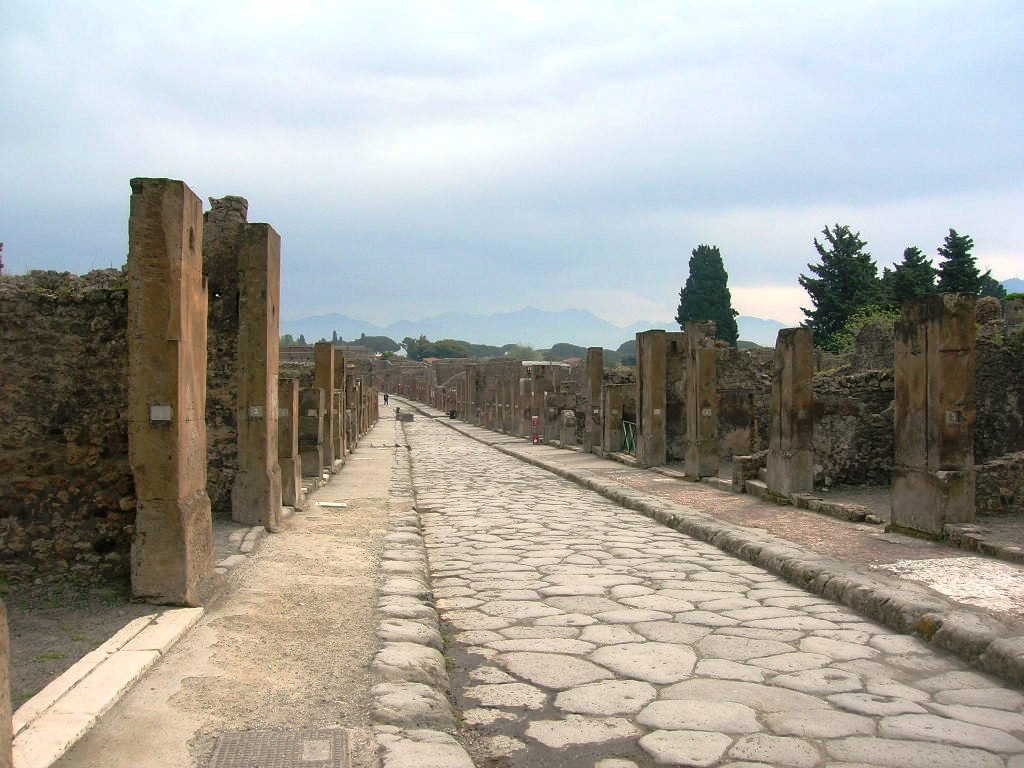
More in पोम्पेइ.
खोजने योग्य 162 जगहें — कुछ साथ देखने लायक।

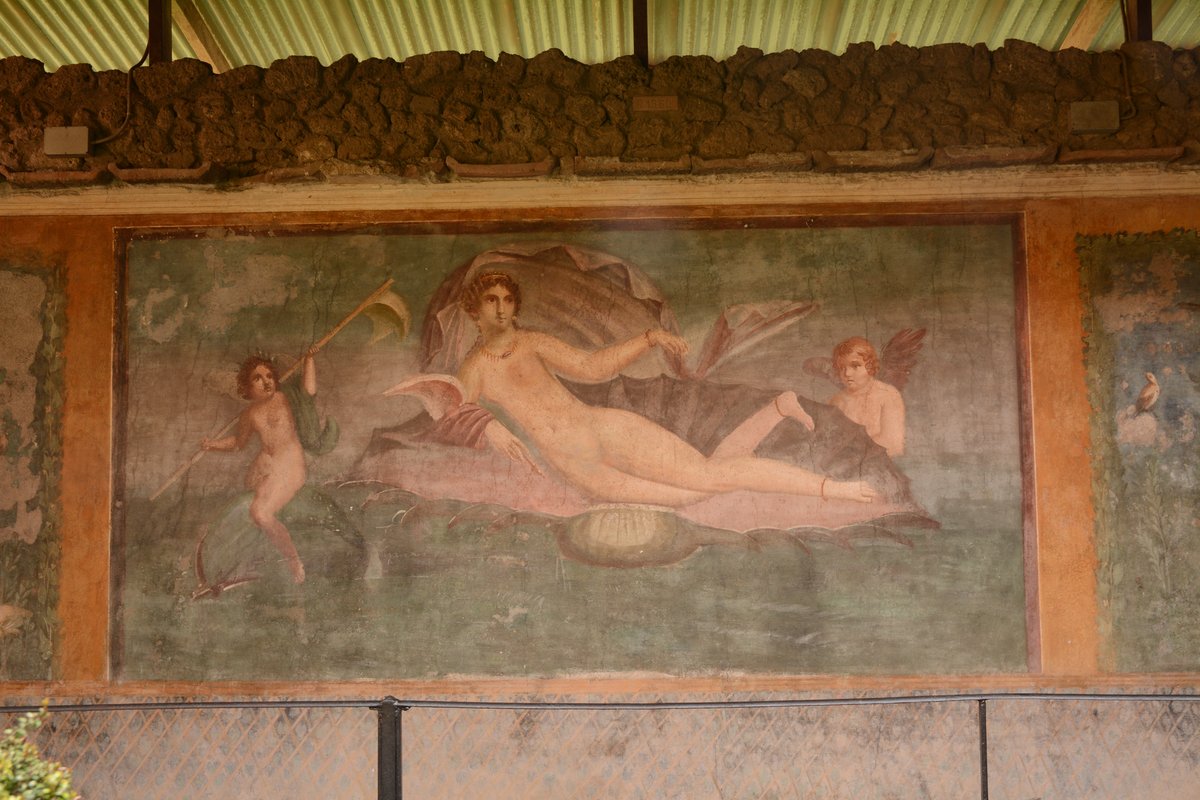
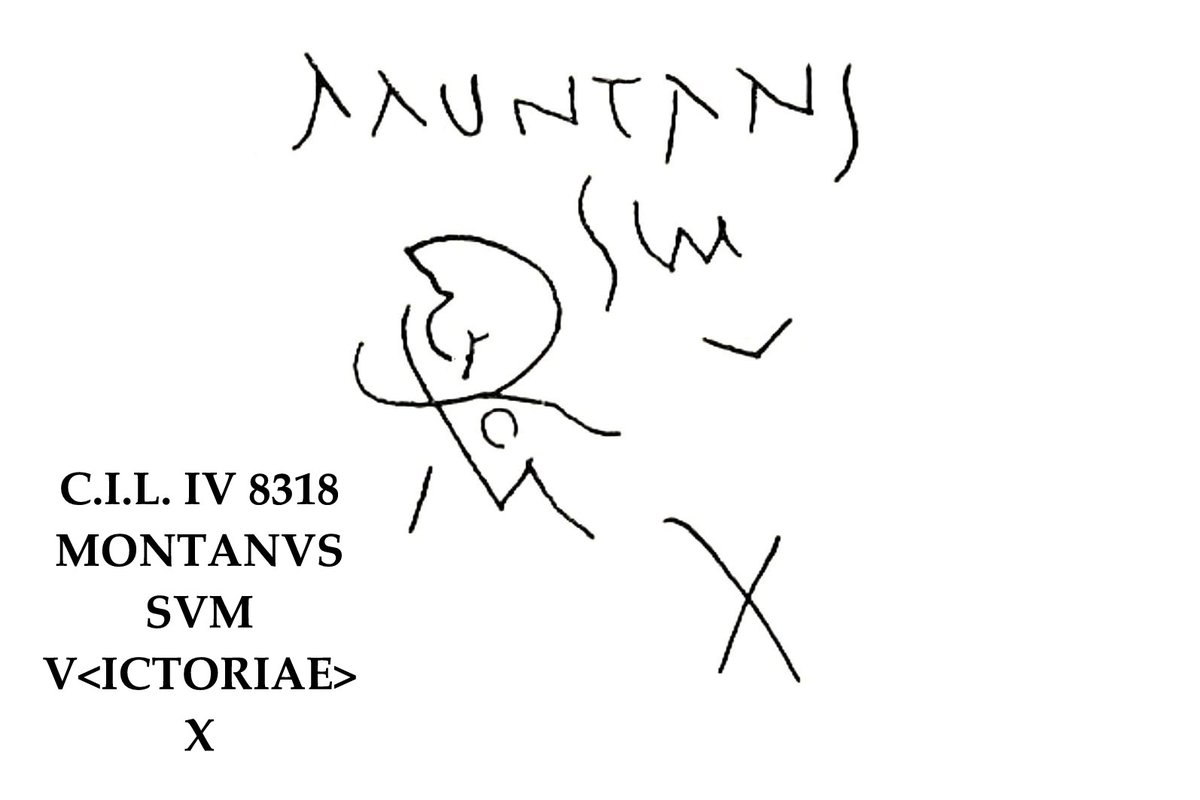
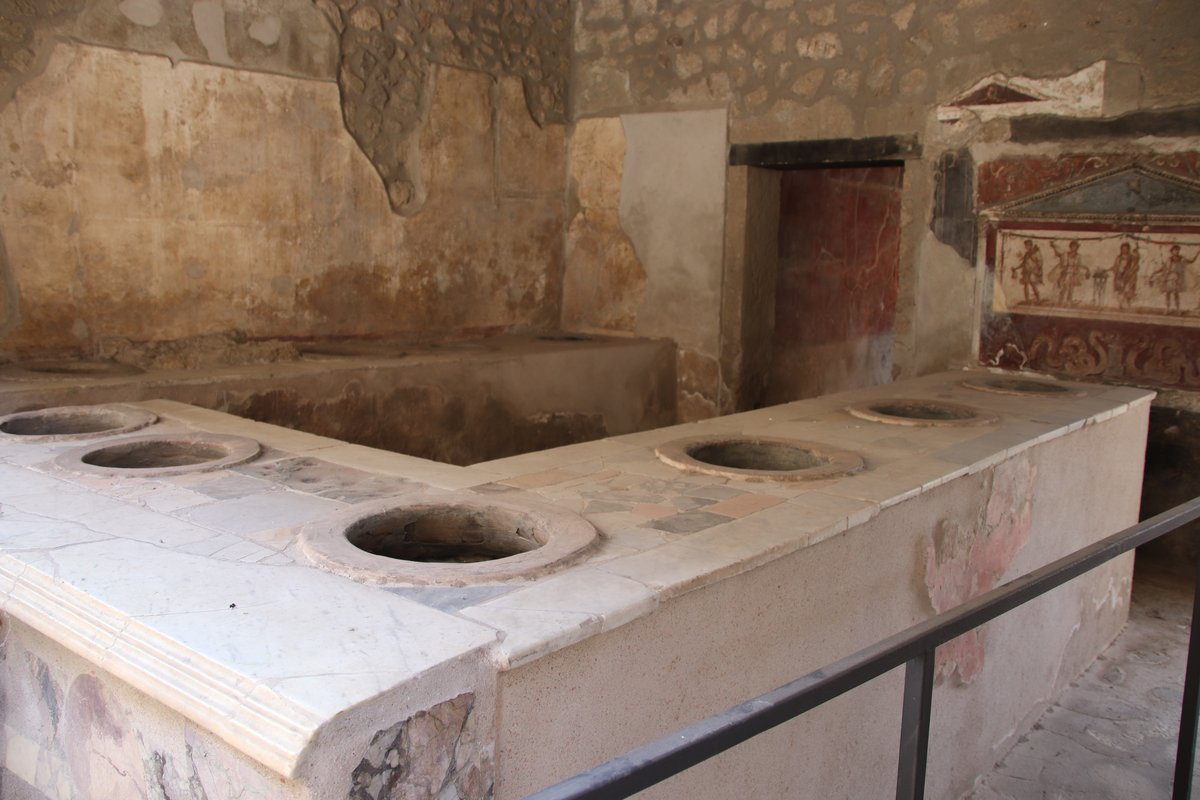
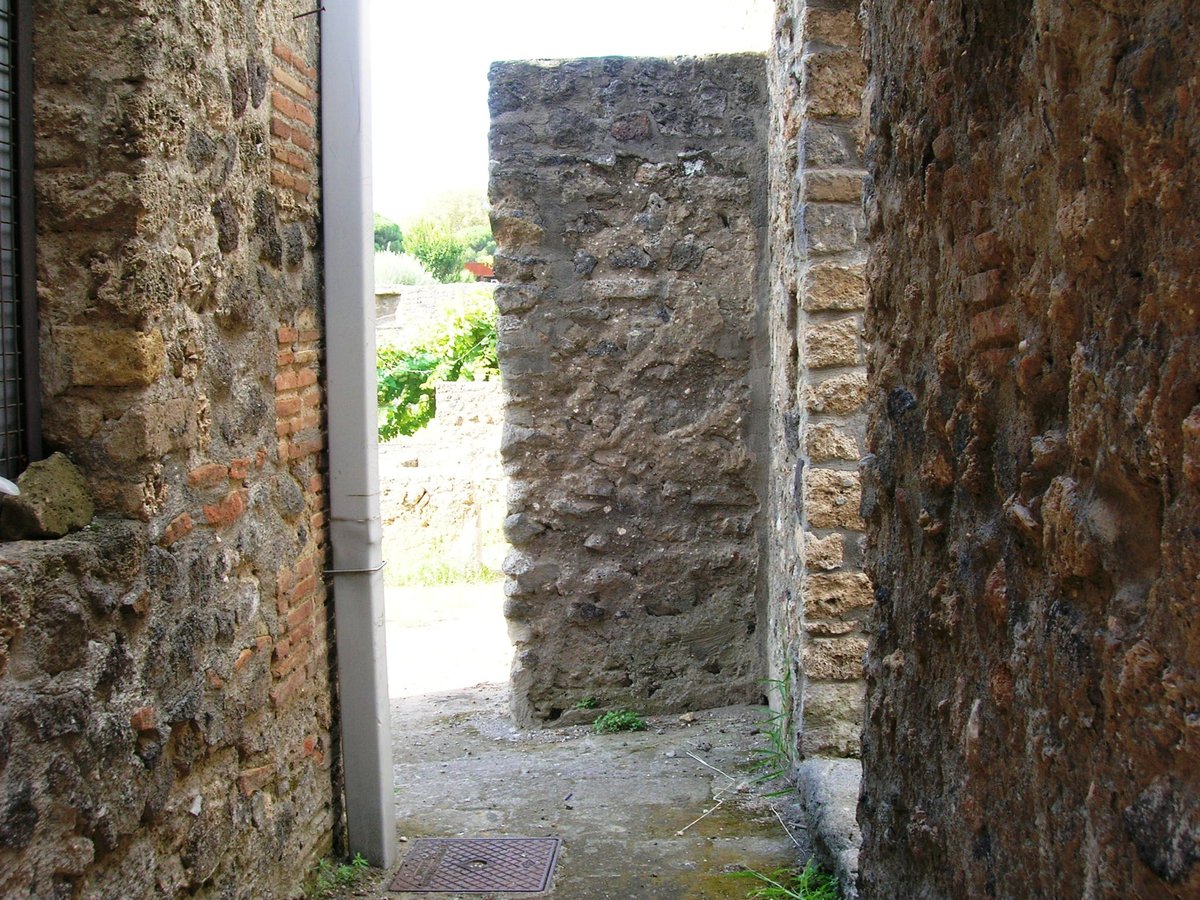
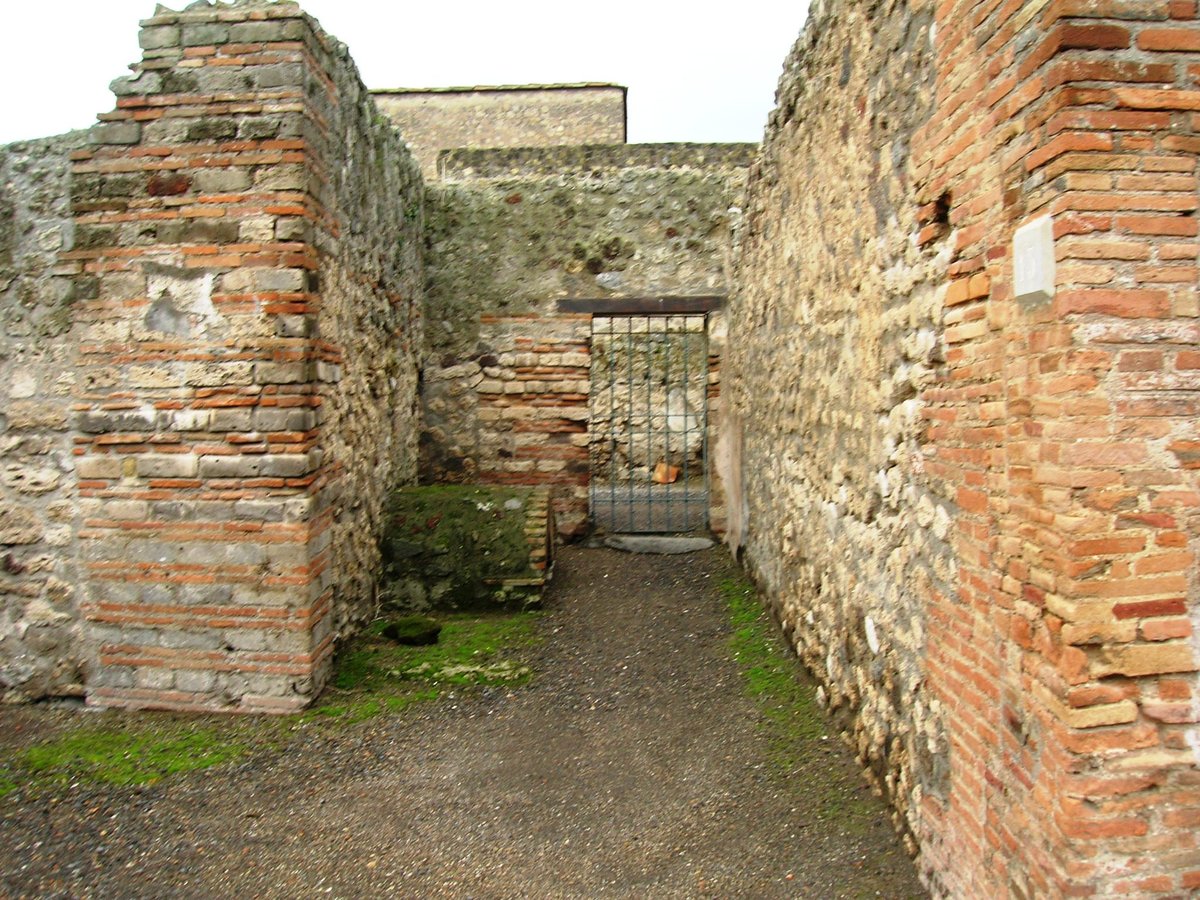
जहाँ छोड़ा था वहीं से शुरू करें
सहेजी और हाल में पढ़ी जगहें — सिर्फ़ इसी डिवाइस पर।