गुस्तावियानम की योजना बनाएँ और सुनें Audiala के साथ।
जेब में ऑडियो गाइड, ब्राउज़र में यात्रा-योजना। ठीक उसी तरह बना है जैसे आप असल में घूमते हैं।
Introduction to Gustavianum and Its Cultural Significance
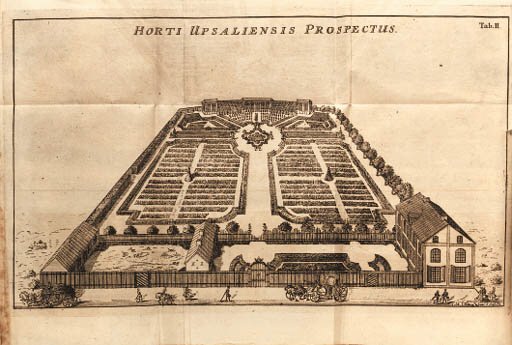
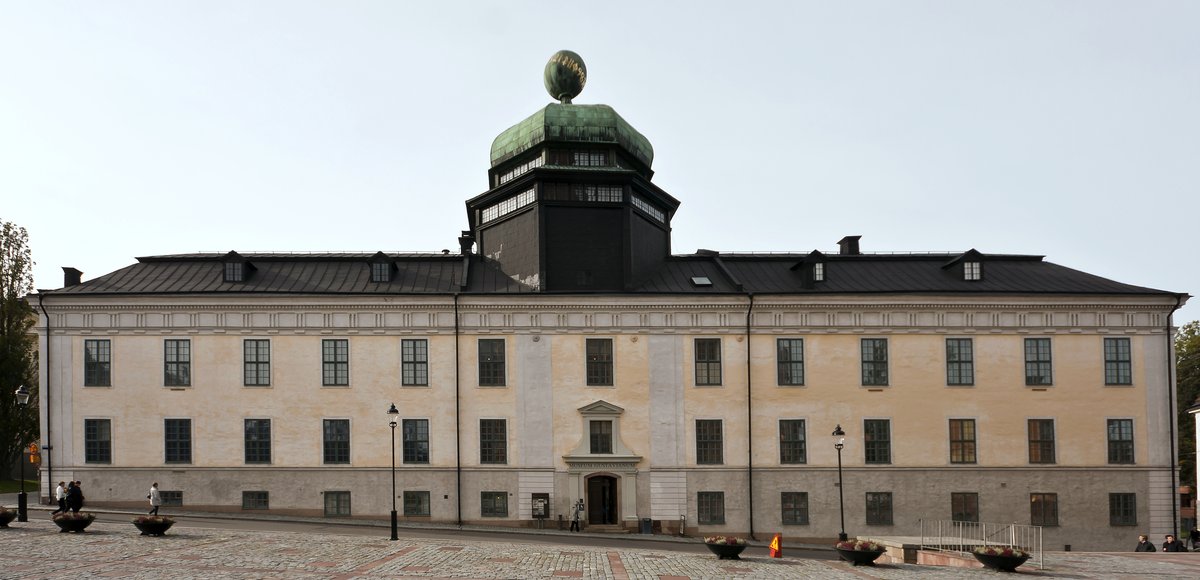
Uppsala, Sweden's vibrant academic hub, is home to Gustavianum, a museum that stands as a powerful symbol of the nation's intellectual and scientific heritage. As the oldest preserved building of Uppsala University, founded in 1477, Gustavianum offers a unique window into centuries of academic pursuit and discovery. Originally constructed between 1622 and 1625 under the patronage of King Gustavus Adolphus and designed by Dutch architect Casper Panten, it served as a vital academic center, housing lecture halls, student quarters, and a printing office. Gustavianum has weathered historical upheavals, including the Great Fire of Uppsala in 1702, and played a significant role in scientific advancement, most notably with the addition of its iconic 17th-century anatomical theatre—one of Europe's oldest surviving examples.
Today, Gustavianum is a modern museum that invites visitors on an immersive journey through Swedish and European intellectual history. Its extensive collections encompass Viking Age archaeology, Mediterranean antiquities, and the renowned Augsburg Art Cabinet, a 17th-century curiosity cabinet containing over a thousand diverse objects. A comprehensive renovation, completed in June 2024, has modernized the museum’s facilities, introduced six new exhibitions, and integrated state-of-the-art technology, all while meticulously preserving its historic character.
This guide is designed for history enthusiasts, students, and travelers exploring Uppsala's historical sites. It provides essential Gustavianum visiting hours, ticket information, accessibility details, and highlights of its exhibitions. Practical planning tips, information on guided tours, and nearby attractions are also included. For the latest updates and resources, consider using the Audiala app and checking the museum’s official channels. Embark on a journey through time and knowledge at Gustavianum, a cornerstone of Uppsala’s academic landscape (Uppsala University, Atlas Obscura, Scan Magazine).

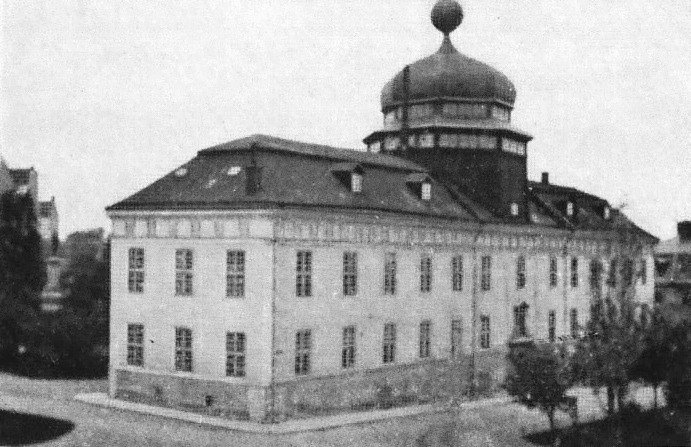
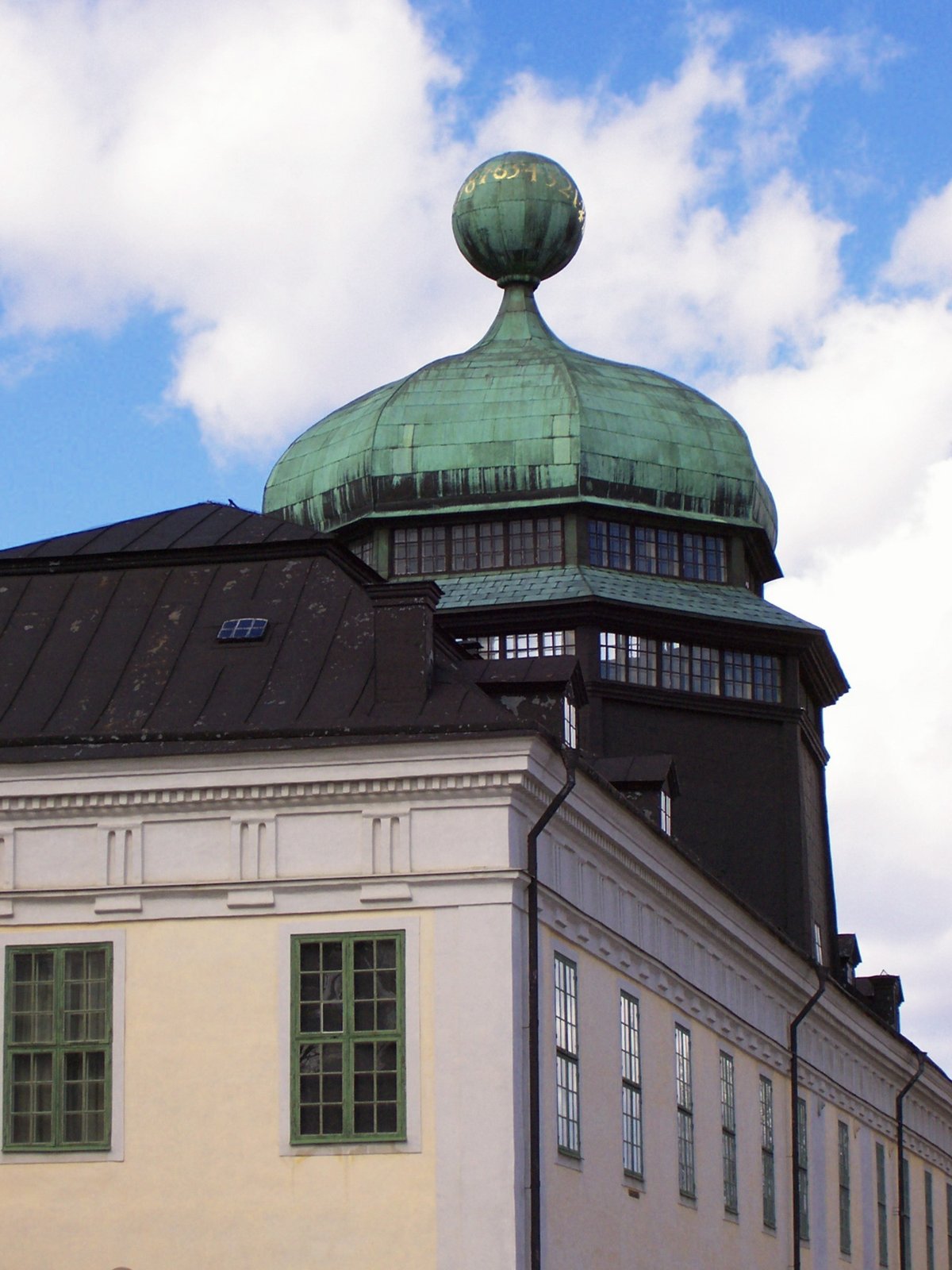
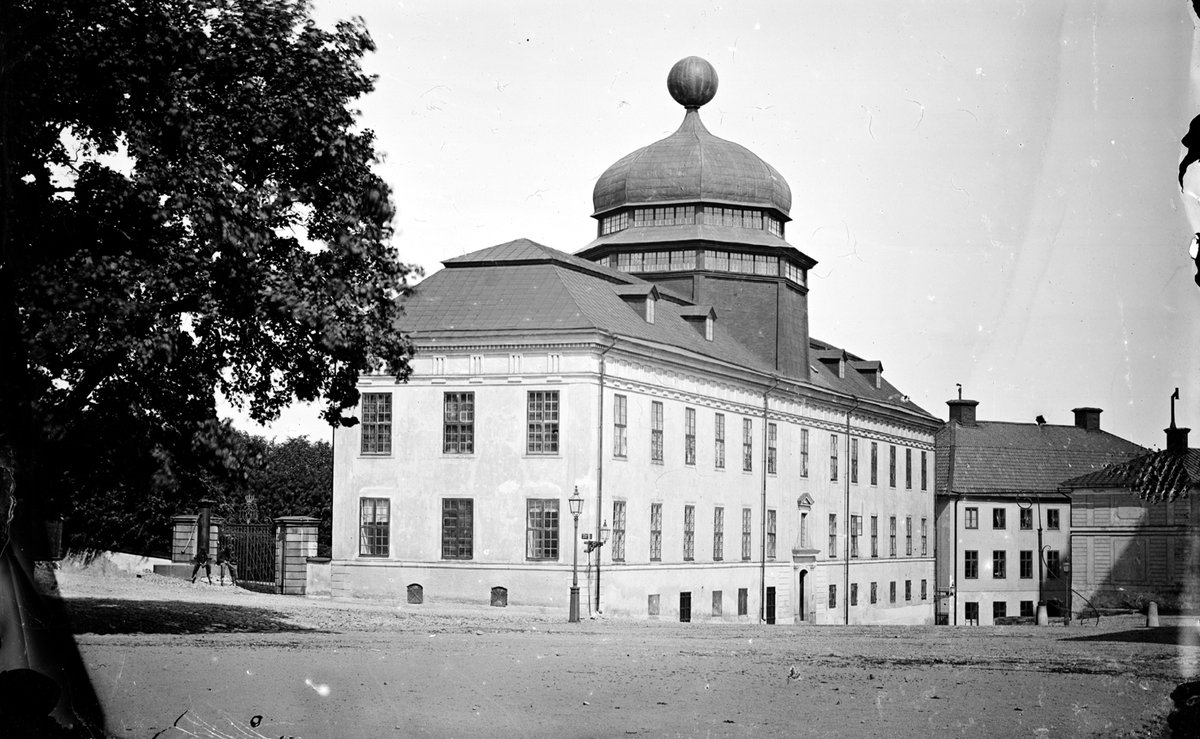

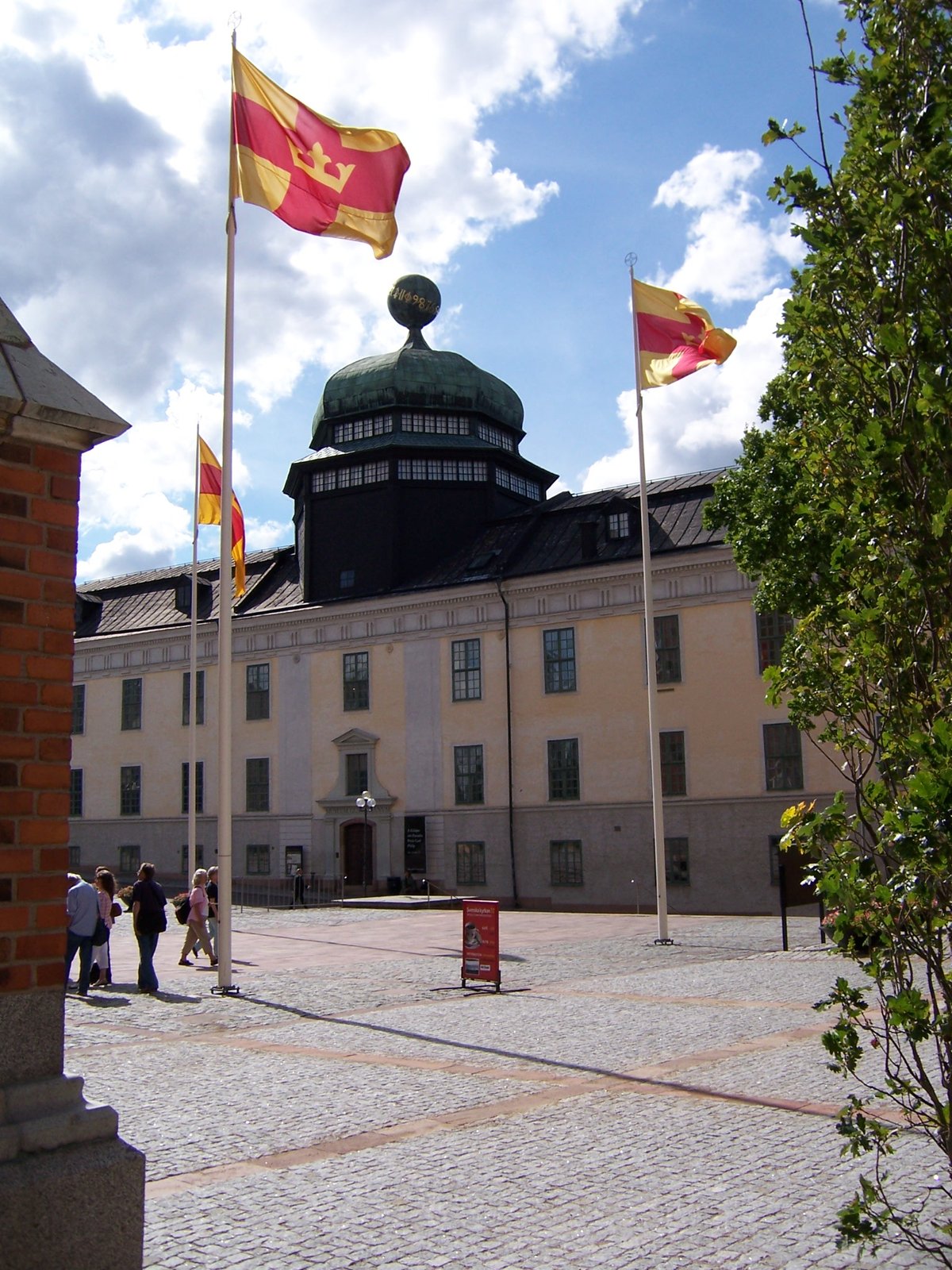
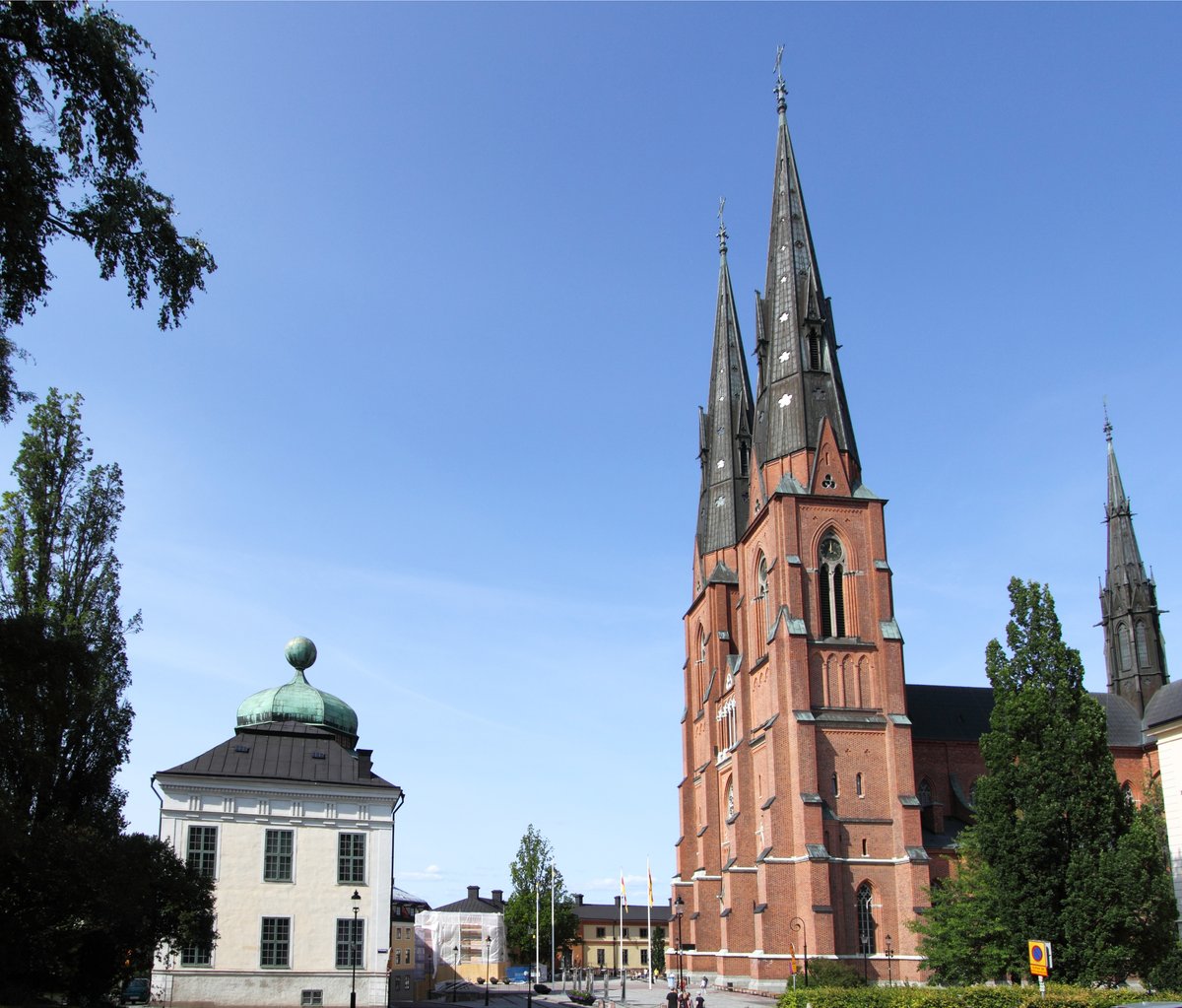
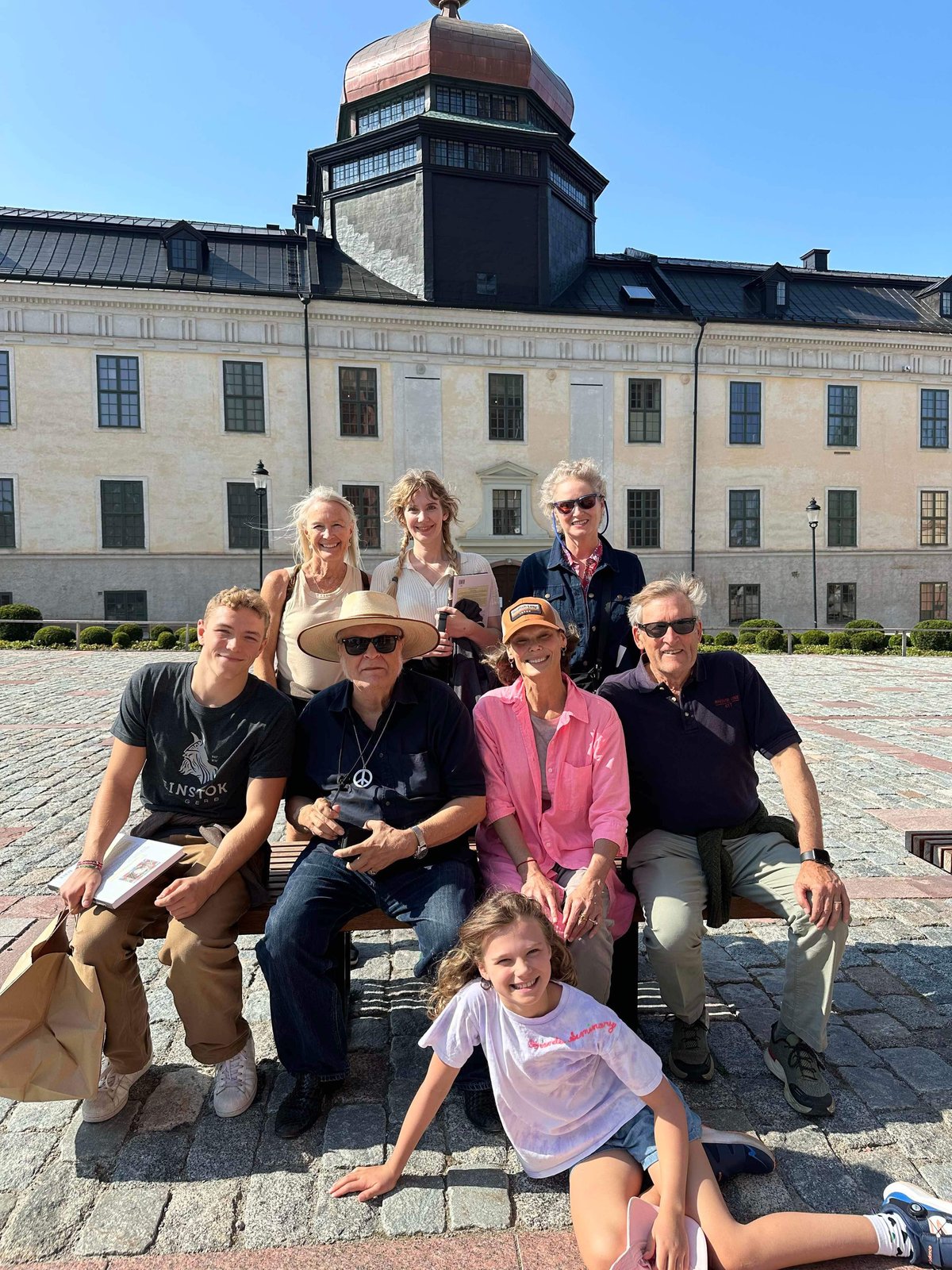
Table of Contents
- Introduction
- History of Gustavianum
- Collections and Exhibitions
- Visitor Information
- Nearby Attractions
- Frequently Asked Questions (FAQ)
- Conclusion and Visitor Tips
- Sources and Further Reading
History of Gustavianum
Early Foundations and Royal Patronage (1620s–17th Century)
Gustavianum, the oldest preserved building at Uppsala University, symbolizes a revival in Swedish academic life. Commissioned by King Gustavus Adolphus in the early 1620s and completed in 1625, the building was designed by Casper Panten. Initially, it housed a large lecture hall, student and staff accommodations, a printing office, and storage for professors’ beverages, reflecting the practicalities of 17th-century academic life (Uppsala University).
Architectural Evolution and the Anatomical Theatre
Under the guidance of the esteemed scientist Olof Rudbeck the Elder, the anatomical theatre was added between 1662 and 1663. This space, modeled after classical amphitheatres and topped with a cupola, could accommodate up to 200 spectators for dissections and medical demonstrations, illuminated by natural light from the dome. It is recognized as the second oldest surviving anatomical theatre globally (Atlas Obscura).
Surviving Turmoil and Changing Functions (18th–19th Century)
Gustavianum miraculously survived the Great Fire of Uppsala in 1702, which had threatened the city and the university library. Throughout the 18th and 19th centuries, it remained the university’s primary building, undergoing interior updates and the addition of an open stair lobby in the 1840s. However, the university’s core activities eventually transitioned to the new University Main Building in 1887 (Uppsala University).
Preservation and Museum Transformation (20th Century)
Significant renovations in the 1920s allowed Gustavianum to host institutions like the Victoria and Uppland Museums. It was designated a protected historical monument in 1935. The anatomical theatre underwent restoration in the 1950s, and by 1997, Gustavianum was fully established as a museum, opening its doors to showcase Uppsala University’s extensive collections to the public (Uppsala University).
Renovation and Modernization (21st Century)
A five-year renovation project, concluded in 2024, modernized Gustavianum’s infrastructure, expanded its exhibition spaces, improved accessibility, and incorporated advanced digital and lighting systems. The main entrance was reoriented to face University Park, and the anatomical theatre’s dome was restored with new copper elements (Scan Magazine).
Collections and Exhibitions
The Anatomical Theatre
One of Gustavianum’s most iconic features, the anatomical theatre, provides a unique insight into early empirical medical education. The steeply tiered amphitheatre was the site of public dissections and lectures—a groundbreaking practice in 17th-century Europe (Atlas Obscura).
The Augsburg Art Cabinet
A major highlight of the museum is the Augsburg Art Cabinet, a 17th-century cabinet of curiosities gifted to King Gustav II Adolf in 1632. It contains thousands of items, ranging from scientific instruments and artworks to natural specimens, embodying the spirit of inquiry during the Enlightenment (Destination Uppsala).
Archaeological and Historical Collections
Gustavianum’s permanent displays feature:\n\n* Viking and Early Medieval Artifacts: Discover items from the Valsgärde burial site and other local excavations, shedding light on Scandinavian life and craftsmanship.\n* Ancient Egypt and Mediterranean Antiquities: Artifacts from university-led excavations, including mummies, funerary objects, and tools from ancient Egypt, Greece, and Rome (Uppsala University).\n* Numismatic Collection: Coins and medals that trace the economic and political history of Sweden and beyond.\n\n### History of Science and University Life
Exhibitions showcase scientific instruments, manuscripts, and memorabilia from prominent figures like Celsius and Linnaeus. Interactive displays and audio guides enhance visitor engagement (Destination Uppsala).
Temporary and Thematic Exhibitions
Gustavianum’s rotating exhibitions explore diverse topics, from portraiture to the evolution of science, often reflecting current research or societal debates. Audio guides, microstories, and digital interactives enrich the visitor experience (Uppsala University Gustavianum).
Visitor Information
Location and Getting There
- Address: Akademigatan 3, 753 10 Uppsala
- Directions: Centrally located opposite Uppsala Cathedral and adjacent to University Park. Easily accessible on foot, by bicycle, or city buses. Parking is limited (Uppsala University Gustavianum).
Visiting Hours
- 1 June – 31 August: Daily, 11:00–17:00
- 1 September – 31 May: Tuesday–Friday, 12:00–17:00; Saturday–Sunday, 11:00–17:00; closed Mondays
- Special holidays: Consult the official website for updates.
Tickets and Admission
- Adults: SEK 90
- Students/Seniors: SEK 60
- Children under 18: Free
- Family/Group rates: Available
- Tickets can be purchased online or at the entrance. Online booking is advised during peak seasons. Guided tours might require separate registration (Destination Uppsala Events).
Accessibility
- Wheelchair accessible with ramps, elevators, and accessible restrooms.
- Assistance is available for visitors with special needs; service animals are welcome.
- Exhibition texts and materials are offered in easy-to-read formats.
Facilities
- Cloakroom: Lockers and coat racks.
- Restrooms: Modern and accessible.
- Museum Shop: Books and souvenirs.
- Wi-Fi: Free for visitors.
- Café: No café onsite, but many nearby options.
Guided Tours and Events
- Summer: Three guided tours daily—11:15 and 13:00 in English, 15:00 in Swedish. Included with admission, no advance booking needed.
- September–May: Weekend tours are available.
- Group visits: Advance booking is recommended for educational programs or special tours (Amber Everywhere).
Tips for Visitors
- Best times to visit: Weekdays during off-peak hours are less crowded.
- Duration: Allow 1.5–2 hours for a comprehensive exploration.
- Photography: Non-flash photography is permitted unless otherwise indicated.
- Nearby attractions: Combine your visit with Uppsala Cathedral, Carolina Rediviva Library, and the Linnaeus Garden (Tourist Places Guide).
Frequently Asked Questions (FAQ)
Q: What are Gustavianum’s opening hours? A: Open daily during summer; Tuesday–Sunday the rest of the year. Check the official website for seasonal updates.
Q: How do I buy tickets? A: Purchase online or at the entrance. Group and tour bookings can be made in advance.
Q: Is the museum accessible? A: Yes, with ramps, elevators, and accessible restrooms.
Q: Are guided tours available? A: Yes, three daily in summer and on weekends during the off-season.
Q: Can I photograph exhibits? A: Yes, except where specific restrictions are posted.
Conclusion and Visitor Tips
Gustavianum is an essential destination for anyone interested in academic, scientific, and cultural history. Its combination of historical architecture, world-class collections, and modern amenities makes it a standout among Uppsala’s historical sites. For the best experience, review updated visiting hours and ticket options, consider a guided tour, and use the Audiala app for enhanced engagement. Its central location and accessible facilities make it easy to explore alongside other key Uppsala attractions.
Sources and Further Reading
- Uppsala University, Gustavianum Museum History
- Atlas Obscura, Gustavianum Museum
- Scan Magazine, Gustavianum Renovation and Exhibitions
- Destination Uppsala, Gustavianum Activities
- The Crazy Tourist, Best Things to Do in Uppsala
- Uppsala University, News on Gustavianum Collections and Exhibitions
- Destination Uppsala Events, Guided Summer Tours at Gustavianum
- Visit Uppsala, Gustavianum Visitor Information
- Amber Everywhere, What to See in Uppsala
- Tourist Places Guide, Top Tourist Attractions in Uppsala
For the latest updates, download the Audiala app and follow Gustavianum on social media. Plan your visit today and immerse yourself in Sweden’s academic and cultural heritage!
ऐप में पूरी कहानी सुनें
पूरा गुस्तावियानम,
बखूबी सुनाया गया।
96 देशों के 1,100+ शहरों के लिए ऑडियो गाइड। इतिहास, कहानियाँ और स्थानीय जानकारी — ऑफलाइन उपलब्ध।
सत्यापित, और दिखाया गया।
Audiala संपादकीय टीम द्वारा ऐतिहासिक अभिलेखों, स्थापत्य अभिलेखागारों और स्थानीय विशेषज्ञता से शोधित और लिखित।
Wikidata, विकिपीडिया और आधिकारिक स्रोतों से शोधित · तथ्य-जाँच पूर्ण · हम अपनी गाइड कैसे बनाते हैं →