Historical Background
Origins and Patronage
The mosque complex associated with Damat İbrahim Pasha has roots in two key periods:
-
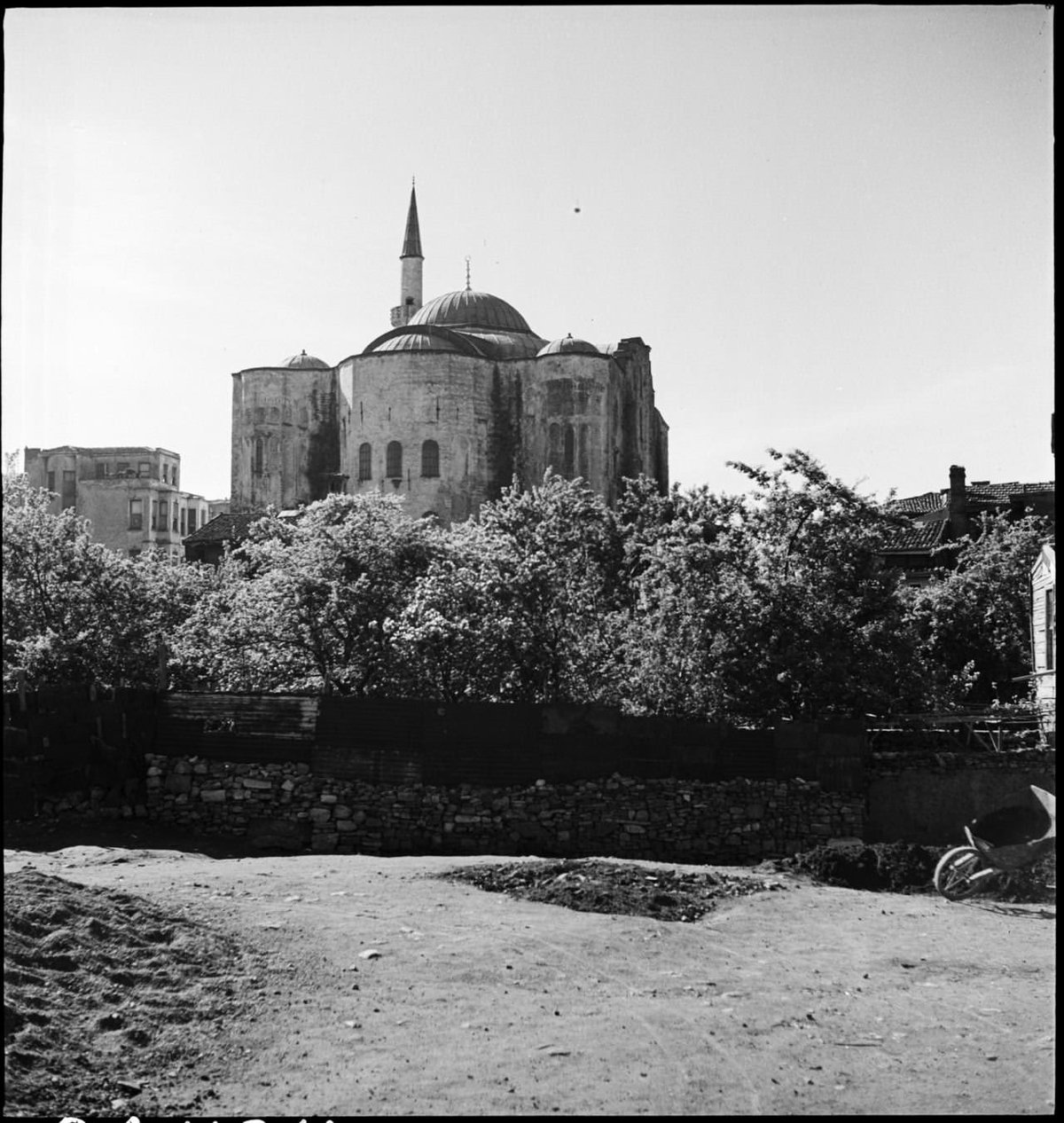
16th Century (Silivrikapı Mosque) Commissioned by Hadım İbrahim Pasha during Sultan Suleiman the Magnificent’s reign and designed by Mimar Sinan, this mosque exemplifies early classical Ottoman innovation. Sinan’s design prioritized structural ingenuity and aesthetic harmony, setting a precedent for later Ottoman mosques (Wikipedia; Art-Sanat Journal).
-
18th Century (Fatih Mosque) Commissioned by Nevşehirli Damat İbrahim Pasha, Grand Vizier to Sultan Ahmed III, the mosque built in the Fatih district reflects the Tulip Era’s cultural flourishing and architectural refinement. The külliye (complex) includes a madrasa, library, fountain (sebil), and public kitchen, illustrating the Ottoman commitment to charitable and educational functions (Istanbul Clues; World History Journal).
Architectural Features and Innovations
Layout and Structural System
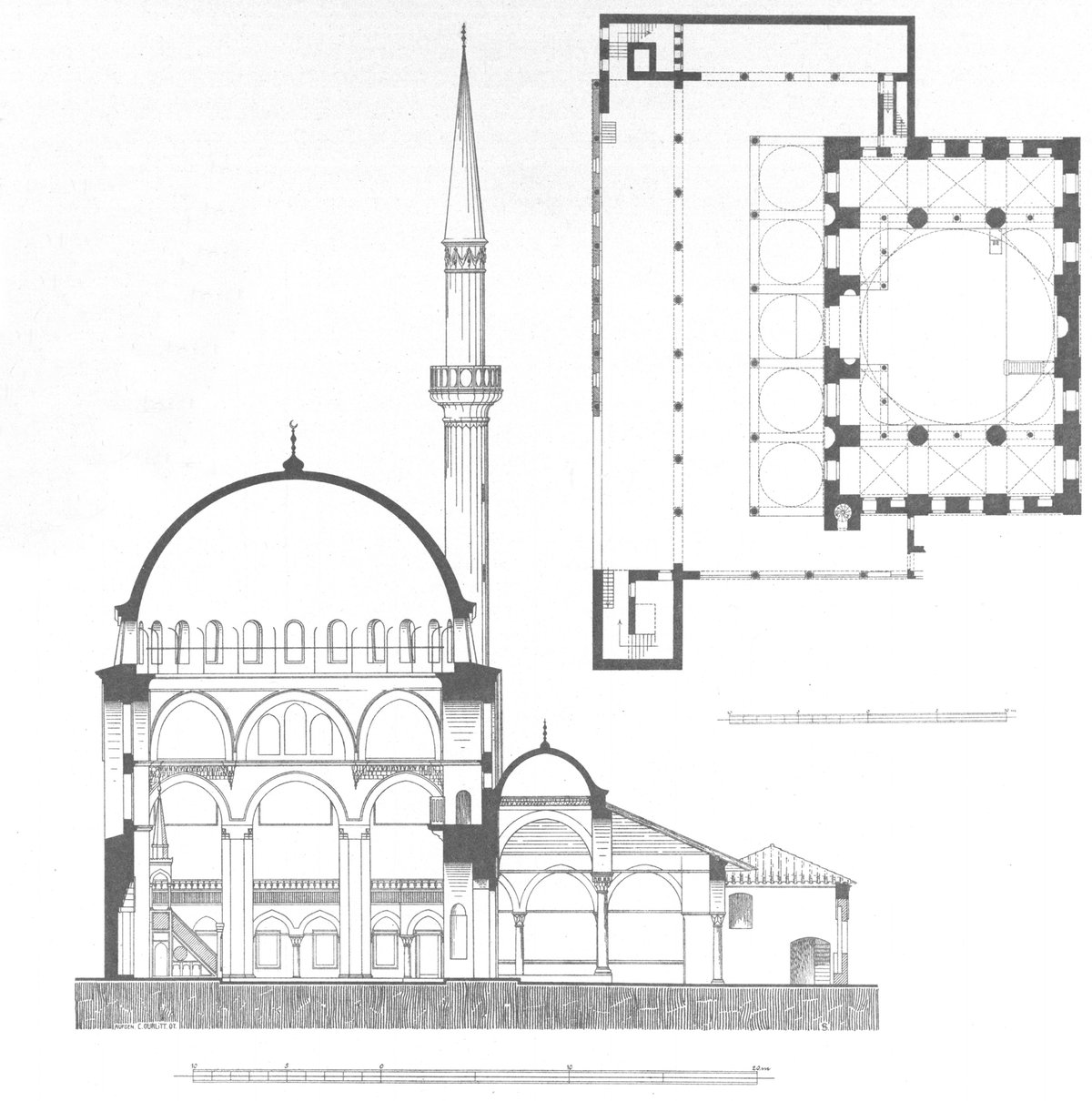
- Silivrikapı Mosque Features a square plan with a single minaret and a central dome supported by an octagonal system of eight buttresses. This design, with pointed arches and deep niches, creates a spacious, luminous prayer hall (Art-Sanat Journal).
- Fatih Mosque (Tulip Era) Showcases classical Ottoman elements such as a central dome and slender minarets, alongside Baroque and Rococo influences. The ornate sebil and decorative İznik tiles with tulip motifs reflect the era’s aesthetic sensibilities (Istanbul Clues; World History Journal).
Influence and Comparison
Sinan’s octagonal dome support system in the Silivrikapı mosque influenced subsequent Ottoman mosque architecture, while the Fatih mosque’s Tulip Era ornamentation embodies the period’s fusion of classical and contemporary tastes (Istanbul Clues).
Historical and Urban Context
The Silivrikapı and Fatih Districts
Both mosques are situated in historically significant neighborhoods:
- Silivrikapı Near the ancient city walls of Constantinople, this district flourished during the Ottoman period with a mix of religious, residential, and commercial buildings (Istanbul Clues).
- Fatih A central district rich in Ottoman monuments, bustling bazaars, and cultural institutions.
Role of Vizierial Mosques
Mosques built by high-ranking viziers not only served as places of worship but also as centers for community service, education, and charity, reflecting the philanthropic ideals of their patrons (World History Journal).
Visiting Information
Opening Hours and Tickets
- Hours Open daily from 9:00 AM to 6:00 PM. Closed to non-Muslim visitors during the five daily prayers and on Fridays around noon.
- Entrance Free. Voluntary donations are appreciated for maintenance (Fodor’s Travel; istanbultravelblog.com).
Dress Code and Etiquette
- Modest attire is required: women should cover hair, shoulders, and knees; men should avoid shorts and sleeveless shirts.
- Shoes must be removed before entering the prayer hall; bags are provided for carrying shoes.
- Photography is allowed (no flash, and avoid photographing worshippers).
- Silence and respectful behavior are essential (Fodor’s Travel; Lets Venture Out).
Accessibility
- Silivrikapı Mosque Wheelchair accessible with ramps at the entrance; some interior areas may be less accessible due to historic design.
- Fatih Mosque Some areas require stair access; contact staff for assistance.
How to Get There
- Tram T1 line to Eminönü (Fatih mosque) or Silivrikapı stop for the Silivrikapı mosque.
- Bus Multiple lines serve the Fatih and Silivrikapı areas.
- Ferry Arrive at Eminönü from the Asian side, then walk through the Spice Bazaar.
- Taxi/Ride-share Widely available throughout Istanbul.
Address Example: Rüstem Paşa Mahallesi, Hasırcılar Cd. No:62, 34116 Fatih/İstanbul (promptguides.com)
Nearby Attractions
- Spice Bazaar A historic marketplace for spices, sweets, and local goods.
- Süleymaniye Mosque Another Sinan masterpiece nearby.
- Yedikule Fortress Near the Silivrikapı mosque.
- Galata Bridge & Eminönü Square Scenic views and lively street food.
- Grand Bazaar Iconic shopping experience.
- Vefa Bozacısı Historic café serving the traditional boza drink.
Restoration and Preservation
Both mosque complexes have undergone multiple restoration campaigns to preserve structural integrity and decorative elements. Ongoing maintenance ensures their continued role as places of worship and cultural landmarks (Art-Sanat Journal).
Associated Structures
- Külliye Complex Includes madrasa, sebil (public fountain), library, and imaret (public kitchen), reflecting the Ottoman model of social welfare and education (Kultur Envanteri).
- Shops Beneath Mosque In the Fatih mosque, the prayer hall is built above active shops, a unique feature designed to provide ongoing revenue for maintenance.
Visitor Tips
- Best Time to Visit Early morning or late afternoon for fewer crowds and best natural lighting for photography (theturkeytraveler.com).
- Duration 30–45 minutes is sufficient for most visitors.
- Safety The area is safe, but keep personal belongings secure.
Frequently Asked Questions (FAQ)
Q: What are the visiting hours? A: 9:00 AM to 6:00 PM daily, except during prayer times.
Q: Is there an entrance fee? A: No, entry is free; donations are welcome.
Q: Are guided tours available? A: Yes, via local tour operators and some Istanbul walking tours.
Q: Is the mosque wheelchair accessible? A: Main entrances are accessible; some historic areas may be limited.
Q: Can I take photographs inside? A: Yes, but avoid flash and photographing worshippers.
Summary Table: Damat İbrahim Pasha Mosque Highlights
| Feature | Details |
|---|---|
| Years Built | 1551 (Silivrikapı), 1720 (Fatih) |
| Patrons | Damat İbrahim Pasha (16th c.), Nevşehirli Damat İbrahim Pasha (18th c.) |
| Architect | Mimar Sinan (Silivrikapı), unknown (Fatih) |
| Style | Classical Ottoman; Tulip Era influences |
| Location | Silivrikapı & Fatih, Istanbul |
| Key Features | Octagonal dome support, İznik tilework, shops beneath mosque (Fatih) |
| Associated Structures | Külliye: madrasa, sebil, library, imaret |
| Accessibility | Ramps at main entrances; stairs in some areas |
Conclusion and Recommendations
The Damat İbrahim Pasha Mosque(s) offer a window into the architectural, religious, and civic achievements of the Ottoman Empire. Whether admiring Mimar Sinan’s structural innovations or the Tulip Era’s ornate artistry, visitors will find spiritual and historical enrichment. Respect the mosque’s sanctity, dress appropriately, and allow time to explore nearby markets and historic sites for a holistic Istanbul experience.
For the most current information on visiting hours, events, and guided tours, consult official tourism websites and consider using the Audiala app for interactive maps and audio guides. Share your visit using #DamatIbrahimPashaMosque and connect with fellow travelers passionate about Istanbul’s heritage.
Related Articles
- Top Ottoman Mosques to Visit in Istanbul
- Exploring Istanbul’s Spice Bazaar: A Foodie’s Guide
- A Walking Tour of Eminönü and Fatih District
Sources and Further Reading
- Damat İbrahim Pasha, Wikipedia, 2025
- Silivrikapı Hadim İbrahim Pasha Mosque Architectural Features, Art-Sanat Journal, 2025
- Ottoman Istanbul History and Architecture, Istanbul Clues, 2025
- Visiting Istanbul’s Mosques: Etiquette and Tips, Fodor’s Travel, 2025
- Istanbul’s Most Beautiful Mosques Guide, Istanbul.tips, 2025
- Istanbul Ottoman Architecture Overview, World History Journal, 2025