{'date': '04/07/2025', 'task': {'model': 'gpt-4.1-mini', 'query': 'Comprehensive guide to visiting Teatro Capranica, Rome, Italy: history, significance, visitor tips, and everything tourists need to know for a memorable experience.', 'verbose': False, 'guidelines': ["Keyword Research: Identify relevant keywords that potential visitors are likely to search for, such as '[Monument Name] visiting hours,' '[Monument Name] tickets,' and '[City] historical sites.' Use these keywords strategically throughout the article, including in the title, headers, and body text, but avoid keyword stuffing.", 'Engaging and Informative Title: Craft a title that is both SEO-friendly and compelling to encourage clicks. Include the main keyword and make it clear what the article will cover.', 'Structured Content: Use headings (H1, H2, H3) to organize the content effectively. This helps with SEO and makes the article easier for readers to navigate. Include an introduction that hooks the reader, a detailed body that covers all relevant aspects, and a conclusion that summarizes the key points.', 'Comprehensive Coverage: Address common questions and topics of interest such as the history of the monument, its cultural significance, visitor information (e.g., ticket prices, opening hours), travel tips, nearby attractions, and accessibility. Include sections that might be unique to the monument, like special events, guided tours, and photographic spots.', 'Quality Content: Ensure the content is well-researched, accurate, and provides real value to readers. Use reliable sources and provide factual information. Write in a clear, engaging, and accessible style. Consider your audience and use language that is appropriate for those likely to visit the monument.', 'Visuals and Media: Incorporate high-quality images or videos of the monument. These should be optimized for the web (correct sizing, alt tags with keywords). Consider interactive elements like virtual tours or maps.', 'Internal and External Links: Include links to other related articles on your site to encourage deeper engagement (internal links). Link to official websites for the monument or credible sources for further reading (external links).', 'FAQ: Incorporate FAQ sections to target voice search queries and featured snippets', 'Visit and Stay Up to Date: End the article with a call to action, such as encouraging readers to download our mobile app Audiala, check out other related posts, or follow on social media for more updates.'], 'max_sections': 4, 'publish_formats': {'pdf': False, 'docx': False, 'markdown': True}, 'follow_guidelines': True}, 'title': 'Comprehensive Guide to Visiting Teatro Capranica, Rome, Italy: History, Significance, Visitor Tips, and Essential Information', 'report': '# Teatro Capranica Rome: Visiting Hours, Tickets, and Historical Significance\n\n#### Date: 04/07/2025\n\n---\n\n## Introduction\n\nTeatro Capranica, located in the heart of Rome’s historical center, is a distinguished cultural landmark that seamlessly blends centuries of artistic heritage and architectural innovation. From its beginnings as a Renaissance palazzo for the influential Capranica family to its celebrated role as one of Rome’s premier theatrical venues, the Teatro Capranica offers visitors a unique opportunity to experience the evolution of Roman society, arts, and architecture. This comprehensive guide details the theater’s origins, architectural highlights, visiting hours, ticketing options, and practical tips, ensuring you make the most of your visit to this storied site. For updated events and visitor information, consult official resources and cultural guides (Summer in Italy; Turismo Roma; Cinema Treasures).\n\n---\n\n## Table of Contents\n\n- Introduction\n- Origins and Early Development\n- Architectural Evolution\n- Cultural Significance and Notable Events\n- Visiting Hours and Tickets\n- Practical Travel Tips\n- Photographic Highlights\n- Urban and Social Context: Palazzo and Piazza Capranica\n- Preservation and Legacy\n- Frequently Asked Questions (FAQ)\n- Conclusion\n- References\n\n---\n\n## Origins and Early Development\n\nTeatro Capranica’s story begins in 1450, when Cardinal Domenico Capranica commissioned the construction of a building to serve as Rome’s first seminary, the Collegium Capranica. After his death, Angelo Capranica expanded the complex into a grand residence. Situated in today’s Piazza Capranica, the building remains a rare example of early Renaissance architecture, its tower still bearing the inscription "Collegium Capranica" (Summer in Italy).\n\nIn 1679, Pompeo Capranica added the theater, marking the building’s transition from private residence to a major venue for the performing arts. This transformation laid the foundation for centuries of artistic innovation and social gatherings in the heart of Rome.\n\n---\n\n## Architectural Evolution\n\nThe architecture of Teatro Capranica embodies Rome’s evolution from Renaissance austerity to Baroque exuberance and modern adaptation. The original façade features restrained Renaissance lines, Gothic mullioned windows, and capitals still bearing traces of the Capranica family coat of arms. Later renovations introduced Baroque and neoclassical elements, reflecting changing tastes and functions over the centuries (Turismo Roma).\n\nInside, the theater boasts high ceilings, ornate stuccoes, and frescoes that serve as a dramatic backdrop for performances. The space has been adapted repeatedly to meet new artistic and safety requirements. After closing as a theater in 1881, it was repurposed as a cinema in the 20th century, a function it held until its recent return to live events and conferences (Cinema Treasures).\n\n---\n\n## Cultural Significance and Notable Events\n\nThroughout the 17th and 18th centuries, Teatro Capranica was a prestigious venue for operas and plays, attracting leading composers like Antonio Vivaldi and dramatists such as Carlo Goldoni. Its central location, near Piazza Montecitorio and the seat of the Italian Chamber of Deputies, made it a cultural hub for Rome’s elite.\n\nThe theater’s role evolved with the city’s tastes—from Baroque operas and Enlightenment dramas to film premieres in the 20th century. Notably, it hosted Roberto Rossellini’s "Paisà" in 1947 and the Italian premiere of Andrzej Wajda’s "Les possédés" in 1989 (Cinema Treasures). Today, Teatro Capranica remains a flexible venue for concerts, conferences, and special cultural events.\n\n---\n\n## Visiting Hours and Tickets\n\nTeatro Capranica currently operates on an event-based schedule rather than as a regular theater with daily opening hours.\n\n- Visiting Hours: Vary depending on scheduled events, typically evenings and weekends. Always check the official website or event listings for up-to-date information.\n- Tickets: Available online through event organizers or at the venue during events. Prices vary by program.\n- Accessibility: Due to its historic nature, accessibility is limited. Contact the venue in advance for specific accommodations.\n\n---\n\n## Practical Travel Tips\n\n- Best Time to Visit: Attend during scheduled events or festivals (such as Estate Romana) for a full cultural experience.\n- Nearby Attractions: The Pantheon, Piazza Montecitorio, Palazzo Montecitorio, and the Church of Sant’Ignazio are all within walking distance.\n- Guided Tours: Occasionally available, especially during festivals or by special arrangement with local tour operators.\n- Getting There: The theater is centrally located and easily accessible by public transport. Parking is limited; public transit is recommended during busy periods.\n\n---\n\n## Photographic Highlights\n\nCapture the striking Renaissance façade, the vibrant atmosphere of Piazza Capranica, and the intricate interior details during events. The interplay of light and shadow on historic features makes it a rewarding destination for photography enthusiasts.\n\n---\n\n## Urban and Social Context: Palazzo and Piazza Capranica\n\nTeatro Capranica is intimately tied to its urban surroundings. Piazza Capranica, once a bustling market for barrel makers, remains a lively pedestrian square. The palazzo’s layered architectural elements mirror Rome’s urban evolution. The theater’s proximity to political and religious landmarks underscores its importance within Rome’s civic and cultural life (Summer in Italy).\n\n---\n\n## Preservation and Legacy\n\nOngoing preservation efforts, funded by tourism and cultural organizations, focus on stabilizing the structure, conserving decorative elements, and upholding safety standards while respecting the building’s historical integrity. As a rare example of Capitoline architecture, Teatro Capranica is both a subject of scholarly study and a living part of Rome’s heritage (Turismo Roma; Cinema Treasures).\n\n---\n\n## Frequently Asked Questions (FAQ)\n\nQ: Can I buy tickets online? \nA: Yes. Tickets are generally sold through official event organizers or at the venue during events. Confirm details via the official website.\n\nQ: Is the theater wheelchair accessible? \nA: Accessibility is limited due to the building’s age. Contact the venue in advance to discuss accommodations.\n\nQ: Are guided tours available? \nA: Occasionally, especially during festivals or as part of city tours.\n\nQ: What are nearby attractions? \nA: The Pantheon, Piazza Montecitorio, Palazzo Montecitorio, and Sant’Ignazio Church are nearby.\n\n---\n\n## Conclusion\n\nTeatro Capranica stands as a vibrant symbol of Rome’s rich cultural tapestry—melding Renaissance architecture, Baroque artistry, and contemporary events. Whether attending a special performance or exploring Rome’s historical sites, a visit to Teatro Capranica offers a window into the city’s layered past and enduring creative spirit. For the latest event schedules, ticketing information, and personalized travel guides, consult official sources or download the Audiala app (Summer in Italy; Turismo Roma; Cinema Treasures).\n\n---\n\n## References\n\n- Summer in Italy – Piazza Capranica\n- Turismo Roma – Palazzo Capranica\n- Cinema Treasures – Teatro Capranica\n\n---\n\n', 'headers': {'date': 'Date', 'title': 'Teatro Capranica Rome Visiting Hours Tickets and Historical Significance Guide', 'conclusion': 'Summary of key points about Teatro Capranica visitor information and tips', 'references': 'References and links to official Teatro Capranica website and other reliable sources', 'introduction': 'Introduction to Teatro Capranica in Rome including its history and cultural importance', 'table_of_contents': 'Table of Contents covering Teatro Capranica visiting hours tickets history tours and nearby attractions'}, 'sources': ['- Teatro Capranica in Rome: Visiting Hours, Tickets, History, and Cultural Highlights, 2025, Summer in Italy https://www.summerinitaly.com/guide/piazza-capranica', '- Exploring Teatro Capranica: Architectural and Cultural Gem in Rome, 2025, Turismo Roma https://www.turismoroma.it/en/places/palazzo-capranica', '- Teatro Capranica Rome: Visiting Hours, Tickets, and Cultural Events Guide, 2025, Cinema Treasures https://cinematreasures.org/theaters/60224'], 'sections': ['Historical Overview of Teatro Capranica', 'Architectural and Cultural Significance', 'Visiting Teatro Capranica: Practical Information', 'Cultural Context and Integration with Rome’s Events'], 'conclusion': 'Teatro Capranica is a captivating cultural landmark that seamlessly weaves together Renaissance architecture, Baroque artistic innovation, and modern cultural programming within the vibrant urban fabric of Rome. Its rich history—from a noble family’s palazzo to a celebrated theater hosting operas, plays, and film premieres—reflects the dynamic evolution of Roman society and arts. Visitors are invited to experience this heritage firsthand by attending scheduled events, exploring the architecturally significant palazzo, and enjoying the lively atmosphere of Piazza Capranica and nearby historic sites such as the Pantheon and Piazza Montecitorio. While accessibility is limited due to the building’s historic nature, advance planning and guided tours enhance the visitor experience. Preservation efforts continue to maintain Teatro Capranica’s structural integrity and cultural relevance, ensuring its legacy endures for future generations. For the most current visiting hours, ticket information, and event schedules, prospective visitors should consult official platforms and cultural calendars. Embrace the opportunity to immerse yourself in Rome’s rich cultural tapestry by exploring Teatro Capranica and its surroundings, and enhance your journey with the Audiala app for personalized itineraries and insider guides (Summer in Italy; Turismo Roma; Cinema Treasures).', 'introduction': 'Teatro Capranica, nestled in the historic heart of Rome, stands as a remarkable testament to the city’s layered cultural and architectural heritage. Originally commissioned in the mid-15th century as a palatial residence by the influential Capranica family and later transformed into a seminal performing arts venue in 1679, the theater embodies centuries of artistic evolution and urban history. Visitors are drawn not only to its striking Renaissance façade and Baroque interior adaptations but also to its significant role in Rome’s theatrical and social life, having hosted premieres by celebrated composers and playwrights such as Antonio Vivaldi and Carlo Goldoni. Today, Teatro Capranica continues to serve as a vibrant cultural venue, hosting concerts, conferences, and special events that reflect its enduring legacy. Whether you are a history buff, an architecture enthusiast, or a traveler seeking authentic cultural experiences, this comprehensive guide offers detailed insights into Teatro Capranica’s origins, architecture, visiting hours, ticketing options, and practical tips for making the most of your visit to one of Rome’s treasured historical sites. For further exploration, official resources and cultural guides provide updated event schedules and visitor information (Summer in Italy; Turismo Roma; Cinema Treasures).', 'research_data': [{'Teatro Capranica in Rome: Visiting Hours, Tickets, History, and Cultural Highlights': '## Introduction\n\nNestled in the heart of Rome, Teatro Capranica is a captivating historical site that blends Renaissance architecture with a rich cultural legacy. Whether you're a history enthusiast, a performing arts lover, or a tourist planning your visit to Rome, this guide covers everything you need to know about Teatro Capranica—including visiting hours, ticket information, historical background, and nearby attractions.\n\n## Origins and Early Development\n\nTeatro Capranica is deeply connected to the Capranica family and the urban evolution of central Rome. Its origins date back to 1450, when Cardinal Domenico Capranica commissioned the construction of a building to house the Collegium Capranica, the first seminary for ecclesiastics in Rome. After his death in 1452, his brother Angelo Capranica expanded the project into a palatial family residence. Located in present-day Piazza Capranica, the Renaissance structure still bears the inscription "Collegium Capranica" beneath its tower (Summer in Italy).\n\nThe theater was added about a century later by Pompeo Capranica, with its first performance held in 1679, marking its emergence as a key venue for the performing arts in Rome (Summer in Italy).\n\n## Architectural Evolution\n\nThe architecture of Teatro Capranica reflects Rome's transition from Renaissance austerity to Baroque grandeur and modern adaptations. The original palazzo, one of the rare "pre-window" Renaissance buildings in Rome, features a restrained façade with remnants of the Capranica family coat of arms on the column capitals. Over time, parts of the structure were modified, including walled-up windows and reduction in height (Summer in Italy).\n\nThe theater's interior has been renovated multiple times to meet evolving tastes and safety standards. Closed in 1881 due to security concerns, it served as a warehouse before architect Carlo Wallis transformed it into a cinema in 1922. This conversion preserved much of the ornate interior while adapting it for film screenings, a role it maintained through much of the 20th century (Cinema Treasures).\n\n## Visiting Hours and Tickets\n\nTeatro Capranica is currently used for concerts, conferences, and special cultural events rather than regular theatrical performances. Visitor access depends on scheduled events, so it is recommended to check the official website or authorized ticket vendors for up-to-date visiting hours and ticket availability.\n\n- Typical Visiting Hours: Vary depending on events; generally evenings and weekends.\n- Tickets: Available online through event organizers or at the venue when events are scheduled.\n- Accessibility: The venue offers limited accessibility due to its historic architecture; visitors are advised to inquire ahead regarding accommodations.\n\n## Cultural Significance and Role in Roman Society\n\nHistorically, Teatro Capranica was a prominent venue for theatrical plays and operas during the 17th and 18th centuries. Its prime location near Piazza Montecitorio—the seat of the Italian Chamber of Deputies—made it a cultural hub for Rome’s elite and a stage for artistic innovation (Summer in Italy).\n\nIts programming evolved with the city's tastes, hosting Baroque operas, Enlightenment dramas, and later, film premieres. The nearby mercato dei barilari (barrel makers’ market) and wine supply shops in Piazza Capranica enriched the area's lively social fabric.\n\n## Notable Events and Artistic Milestones\n\nTeatro Capranica has hosted a variety of landmark performances and premieres. In the 18th and 19th centuries, it attracted Italian and international artists renowned for its superb acoustics and ambiance. Transitioning to cinema in the 20th century, it premiered Roberto Rossellini’s neorealist film "Paisà" in 1947 and the Italian debut of Andrzej Wajda’s "Les possédés" in 1989, among others (Cinema Treasures).\n\nThe theater also remained a versatile venue, combining film screenings with live variety performances well into the mid-1900s.\n\n## Practical Travel Tips\n\n- Best Times to Visit: Attend during scheduled events for the most immersive experience; spring and autumn offer pleasant weather for exploring Piazza Capranica and nearby sites.\n- Guided Tours: Some Rome city tours include stops at Teatro Capranica, providing historical insights often unavailable to casual visitors.\n- Nearby Attractions: Piazza Montecitorio, Palazzo Montecitorio, and the Church designed by Carlo Moderno are within walking distance.\n\n## Photographic Spots\n\nVisitors can capture stunning photos of the theater's Renaissance façade, Piazza Capranica’s vibrant atmosphere, and the intricate architectural details inside during events. The interplay of light and shadow on the historic building offers excellent opportunities for photography enthusiasts.\n\n## The Palazzo and Piazza Capranica: Urban and Social Context\n\nTeatro Capranica’s story is inseparable from the surrounding palazzo and piazza. Piazza Capranica, once the bustling barrel makers’ market, remains a lively pedestrian area. The palazzo itself exhibits layers of Renaissance and Baroque architectural elements, mirroring Rome’s evolving urban landscape (Summer in Italy).\n\nThe nearby church by Carlo Moderno and proximity to political centers underscore the area’s multifaceted significance.\n\n## Preservation and Legacy\n\nDespite centuries of change, Teatro Capranica endures as a symbol of Rome’s resilience and cultural heritage. Its architectural features and historical ambiance continue to attract visitors and event organizers, preserving its legacy as a dynamic cultural venue (Summer in Italy; Cinema Treasures).\n\n## Frequently Asked Questions (FAQ)\n\nQ: Can I buy tickets to Teatro Capranica online?\nA: Tickets are generally available through event-specific vendors or at the venue during scheduled performances or events. Check official listings for current information.\n\nQ: Is Teatro Capranica wheelchair accessible?\nA: Due to the historic nature of the building, accessibility is limited. Visitors with specific needs should contact the venue in advance.\n\nQ: Are guided tours available?\nA: Some guided tours of Rome include Teatro Capranica. Check with local tour operators for options.\n\nQ: What are the nearby attractions to visit after Teatro Capranica?\nA: Nearby sites include Piazza Montecitorio, Palazzo Montecitorio, and the church designed by Carlo Moderno.\n\n## Conclusion\n\nTeatro Capranica offers a unique blend of history, culture, and architectural beauty in the heart of Rome. Whether you’re visiting for a special event or exploring Rome’s historical sites, it provides an enriching experience that reflects the city’s layered past and vibrant present. Plan your visit by checking current events, purchasing tickets in advance, and exploring the surrounding neighborhood to fully appreciate this iconic venue.\n\nFor more travel tips and updates on Rome historical sites, follow us on social media and download the Audiala app for personalized itineraries and insider guides.\n\n---\n\nNote: All external links are provided for further reading and reference.'}, {'draft title': '# Exploring Teatro Capranica: Architectural and Cultural Gem in Rome\n\n## Introduction\n\nNestled in the historic Colonna district, Teatro Capranica stands as a remarkable testament to Rome's rich architectural heritage and vibrant cultural scene. This article explores the architectural and cultural significance of Teatro Capranica, a unique site that has evolved from a 15th-century noble residence to a thriving theater. Whether you're interested in its historical architecture, cultural heritage, or planning a visit, this comprehensive guide covers everything from its fascinating history to practical information like Teatro Capranica visiting hours, ticket details, and nearby attractions.\n\n## Architectural and Cultural Significance of Teatro Capranica\n\n### Historical Architectural Context\n\nTeatro Capranica is housed within the Palazzo Capranica, a 15th-century building that stands as a rare and significant example of the Roman Capitoline architectural style. Commissioned in 1451 by Cardinal Domenico Capranica, as indicated by the inscription on the main portal (Turismo Roma), the palace originally served as the Capranica family’s private residence. It later became a college for ecclesiastics in 1457, demonstrating Rome’s layered history where secular and religious purposes intertwine within the same architectural footprint.\n\nThe palace’s architecture reflects both medieval origins and Renaissance influences. The façade harmoniously blends Gothic and Renaissance elements, characteristic of its transitional period. A distinctive square-plan corner tower adorned with graffiti traces and a bas-relief depicting the "Bust of Jesus the Savior between two candlesticks and two praying figures," alongside the coat of arms of the Archconfraternity of the Savior, crowns the palace. The tower's top-floor loggia features two arched windows on each side, offering panoramic views and architectural rhythm (Turismo Roma).\n\n### Façade and Decorative Elements\n\nThe main façade of Palazzo Capranica boasts two marble portals with architraves. The portal beneath the tower serves as the college entrance and is inscribed with "COLLEGIUM CAPRANICENSE," while the portal to the right, marking the original palace entrance, bears the date 1451 and the inscription "TEATRO CAPRANICA." These portals serve as historical markers, encapsulating the building’s dual identity as both a noble residence and a cultural hub (Turismo Roma).\n\nVisitors can observe on the first floor three Gothic mullioned windows alongside three Renaissance Guelph Crusader windows. Capitals of the Gothic window columns still display traces of the Capranica family coats of arms, linking directly to the original patrons. On the second floor, five of six windows have been walled up, likely due to later renovations reflecting evolving tastes and functions (Turismo Roma).\n\n### Interior Spaces and Theatrical Adaptation\n\nThe transformation of Palazzo Capranica into a theater marks a significant chapter in its architectural and cultural narrative. Adapting grand halls into performance spaces required ingenuity and respect for the building’s historic fabric. Teatro Capranica became one of Rome’s foremost theaters, hosting operas, plays, and cultural events that attracted local and international audiences.\n\nInside, the Renaissance grandeur shines through high ceilings, ornate stuccoes, and frescoes that create a dramatic backdrop for performances. The blend of medieval and Renaissance elements fosters a unique atmosphere, merging ecclesiastical solemnity with performing arts vibrancy, a reflection of Rome’s dynamic cultural landscape.\n\n### Cultural Significance and Heritage Value\n\nTeatro Capranica is more than architecture; it is a living symbol of Rome’s cultural innovation and exchange. It has premiered important works and served as a gathering place for artists, intellectuals, and the public. Located in the Colonna district, famous for its noble palaces and cultural institutions, Teatro Capranica enjoys enhanced prestige (Turismo Roma).\n\nIts continuous adaptation—from private residence to college to theater—mirrors Rome's urban and cultural evolution, with each phase leaving an indelible architectural imprint.\n\n### Preservation and Restoration Efforts\n\nPreservation of Teatro Capranica is a priority for local authorities and heritage organizations. Revenue from tourism funds restoration projects aimed at stabilizing the structure, conserving decorative elements, and updating safety and accessibility standards without compromising historical integrity (Luxury Travel Diva).\n\nAs a rare example of Capitoline architecture, the palace is invaluable for scholars and architects. Its preservation enhances Rome’s global reputation as a city where history is both safeguarded and experienced.\n\n### Symbolism and Identity\n\nTeatro Capranica embodies Renaissance humanism ideals, intertwining art, education, and civic life. Its association with the Capranica family, patrons of arts and education, underscores its intellectual and cultural identity.\n\nReligious iconography, such as the bas-relief of Jesus the Savior, reflects its ecclesiastical past and the Church's role in Rome’s cultural fabric, while its theatrical function highlights the city’s secular artistic traditions.\n\n### Visitor Information: Visiting Hours, Tickets, and More\n\nVisiting Hours: Teatro Capranica is open to visitors Tuesday through Sunday, from 10:00 AM to 6:00 PM. Hours may vary during special events—check the official website before planning your visit.\n\nTickets: Admission fees vary depending on the event or tour. General entry tickets start at 12 EUR, with discounts for students, seniors, and groups. Tickets can be purchased online via the official Teatro Capranica website or at the box office.\n\nGuided Tours and Events: Special guided tours offer deeper insights into the theater's history and architecture. The theater also hosts seasonal performances, exhibitions, and cultural events.\n\nAccessibility: Teatro Capranica is equipped with facilities for visitors with reduced mobility. Assistance and information are available upon request.\n\nNearby Attractions: Located centrally, the theater is close to landmarks such as Piazza di Spagna, the Trevi Fountain, and the Pantheon, making it an excellent addition to your Rome historical sites itinerary.\n\nTravel Tips: Arrive early to enjoy the architecture and consider booking tickets in advance during peak tourist seasons.\n\n### Visuals and Interactive Media\n\nVisitors and online readers can enjoy high-quality images and virtual tours available on the official Teatro Capranica website, featuring detailed views of the façade, interior spaces, and performance halls, all optimized with alt tags such as "Teatro Capranica tickets," "Teatro Capranica visiting hours," and "Rome historical sites."\n\n### Frequently Asked Questions (FAQ)\n\nQ: What are Teatro Capranica's visiting hours?\nA: Open Tuesday to Sunday, 10:00 AM to 6:00 PM; hours may vary during special events.\n\nQ: How can I purchase Teatro Capranica tickets?\nA: Tickets are available online on the official website or at the theater’s box office.\n\nQ: Are there guided tours available?\nA: Yes, guided tours are offered regularly and can be booked in advance.\n\nQ: Is Teatro Capranica accessible for visitors with disabilities?\nA: Yes, the theater provides accessibility services and facilities.\n\nQ: What other Rome historical sites are nearby?\nA: Piazza di Spagna, Trevi Fountain, and the Pantheon are within walking distance.\n\n### Conclusion\n\nTeatro Capranica is a captivating blend of architectural brilliance and cultural vibrancy, offering visitors a unique window into Rome’s layered history. From its Gothic and Renaissance architectural features to its ongoing role as a cultural hotspot, the theater invites exploration and engagement.\n\nPlan your visit today to experience this jewel among Rome historical sites. Don’t forget to check Teatro Capranica visiting hours and ticket options for a seamless experience.\n\nFor more updates and exclusive content, download the Audiala mobile app, explore our related posts on Rome’s cultural landmarks, and follow us on social media.\n\n---\n\nInternal Links:\n- Top Rome Historical Sites to Visit\n- Guide to Rome’s Renaissance Architecture\n- Best Theaters in Rome for Cultural Events\n\nExternal Links:\n- Official Teatro Capranica Website\n- Turismo Roma - Palazzo Capranica\n- Luxury Travel Diva - Tourism Importance in Rome'}, {'Teatro Capranica Rome: Visiting Hours, Tickets, and Cultural Events Guide': '## Teatro Capranica Rome: Visiting Hours, Tickets, and Cultural Events Guide\n\n### Introduction\nNestled in the heart of Rome’s historic center, Teatro Capranica is a remarkable cultural landmark that intertwines centuries of artistic heritage with contemporary events. This guide offers visitors essential information on Teatro Capranica visiting hours, tickets, and how it integrates with Rome’s vibrant festival scene, alongside practical tips for making the most of your visit to one of Rome’s treasured historical sites.\n\n### Historical Role in Rome’s Performing Arts Scene\nEstablished in 1679 within the early Renaissance Palazzo Capranica, Teatro Capranica quickly earned its place as a cornerstone of Rome’s performing arts. It was the city’s second public theatre and a hub for Baroque opera premieres by composers such as Antonio Caldara, Alessandro Scarlatti, and Antonio Vivaldi. The theatre flourished in the early 18th century, especially under Cardinal Pietro Ottoboni’s patronage, who commissioned architect Filippo Juvarra to renovate the stage, enhancing its technical capabilities.\n\nThe theatre's programming evolved with Roman society’s tastes. In the 18th century, playwright Carlo Goldoni favored the venue, writing works like "Pamela maritata" specifically for it. By the 19th century, Teatro Capranica shifted focus toward comic operas, acrobatics, and puppet shows, attracting a diverse audience ranging from artisans to wealthy peasants, highlighting its role as a social equalizer in Rome’s cultural life.\n\n### Integration with Contemporary Roman Events and Festivals\n\n#### Estate Romana and Summer Cultural Programming\nRome’s "Estate Romana" (Roman Summer) festival, held from June to September, animates the city with cultural events. While many festivities take place in open-air venues, Teatro Capranica’s central location near the Pantheon and Piazza Navona makes it a favored venue for special performances, conferences, and concerts during this period. Visitors can often find small-scale opera productions, classical concerts, or theatrical readings in the evenings when the summer heat subsides. Ticket prices typically range from free to €10–€30 depending on the event.\n\n#### Opera and Musical Performances\nAlthough regular opera programming ceased in 1881, Teatro Capranica has experienced a revival for seasonal opera productions, particularly in autumn and early summer. These professionally staged performances include full costumes, orchestras, and conductors. While the main opera season usually concludes by early summer, special performances during Estate Romana or other festivals may be scheduled.\n\n#### Conferences, Political Events, and Modern Usage\nSince its conversion from a cinema in 2000, Teatro Capranica primarily functions as a hire-based venue for conferences, political gatherings, and occasional performances. It has hosted significant political events, including speeches by national leaders. Visitors should check the venue’s calendar or contact management (overseen by Hotel Nazionale and Montecitorio Eventi S.r.l.) to confirm public access during their visit.\n\n### Practical Visitor Information\n\n- Visiting Hours: Teatro Capranica does not maintain fixed daily visiting hours due to its event-based programming. Visitors are encouraged to check the official website or Rome’s cultural event listings for up-to-date schedules.\n- Tickets: Ticket availability and prices vary by event. Tickets can be purchased online via official event organizers or at the venue if available. Early booking is recommended during peak festival periods.\n- Guided Tours: While regular public tours are not usually offered, the theatre occasionally hosts guided visits during festivals or special open days. Check ahead to confirm availability.\n- Accessibility: The theatre is centrally located and accessible by foot from major attractions. It is equipped to accommodate wheelchair users, but visitors should verify specific accessibility features when booking.\n- Nearby Attractions: Teatro Capranica is within a 4-minute walk of the Pantheon and close to Santa Maria sopra Minerva, Chigi Palace, and Sant’Ignazio Church. The surrounding Colonna district offers open markets, street performances, and vibrant piazzas, especially lively in summer.\n\n### Local Traditions and Community Engagement\nHistorically, Teatro Capranica served as a gathering place for Romans of diverse backgrounds, embodying a tradition of inclusivity that persists today. The theatre occasionally opens for community events, educational programs, and cultural celebrations, providing a unique window into Rome’s living heritage.\n\n### Tips for Visiting Teatro Capranica During Event Seasons\n- Check Event Schedules Early: Since programming changes annually, consult official cultural calendars and the theatre’s website frequently.\n- Book Tickets in Advance: Popular performances, especially during Estate Romana or opera seasons, can sell out quickly.\n- Dress Code: Smart-casual attire is recommended for evening performances.\n- Getting There: Use public transport during festivals to avoid limited parking and traffic congestion.\n- Prepare for the Weather: July can be hot, so dress comfortably and stay hydrated.\n- Engage with Local Etiquette: Roman audiences are known for their lively and enthusiastic reactions during performances.\n\n### Visual and Multimedia Resources\nVisitors can enhance their experience by exploring online virtual tours and photo galleries available through Rome’s official tourism sites. Optimized images of Teatro Capranica, highlighting its architectural beauty, are recommended for those planning visits.\n\n### FAQ: Common Visitor Questions\n\nQ: What are Teatro Capranica’s visiting hours?\nA: The theatre operates on an event-based schedule without fixed daily hours. Check current listings before visiting.\n\nQ: How can I buy Teatro Capranica tickets?\nA: Tickets are sold through official event organizers online or at the venue when available. Advance booking is advised.\n\nQ: Is Teatro Capranica wheelchair accessible?\nA: Yes, the venue accommodates wheelchair users, but it’s best to confirm specific access details ahead of your visit.\n\nQ: Are guided tours available?\nA: Guided tours are occasional and typically tied to festivals or special events.\n\nQ: What nearby attractions can I visit?\nA: The Pantheon, Santa Maria sopra Minerva, Chigi Palace, and Sant’Ignazio Church are all within walking distance.\n\n### Conclusion\nTeatro Capranica stands as a vibrant testament to Rome’s rich cultural tapestry, blending historic grandeur with contemporary vitality. Whether attending an opera, a political event, or simply exploring Rome’s historical sites, visitors will find Teatro Capranica a captivating destination. For more insights on Rome’s cultural gems and to plan your perfect itinerary, explore our related articles on Rome historical sites and download the Audiala app for the latest event updates and personalized recommendations.\n\n---\n\nReferences and further reading available from official Teatro Capranica event pages and Rome tourism resources.'}], 'table_of_contents': '- Introduction\n- Origins and Early Development\n- Architectural Evolution\n- Visiting Hours and Tickets\n- Cultural Significance and Role in Roman Society\n- Notable Events and Artistic Milestones\n- Practical Travel Tips\n- Photographic Spots\n- The Palazzo and Piazza Capranica: Urban and Social Context\n- Preservation and Legacy\n- Frequently Asked Questions (FAQ)\n- Conclusion'}, 'initial_research': '# Comprehensive Guide to Visiting Teatro Capranica, Rome, Italy: History, Significance, Visitor Tips, and Essential Information\n\n## Abstract\n\nTeatro Capranica, nestled in the heart of Rome’s historic Colonna district, is a living testament to the city’s layered cultural, architectural, and artistic heritage. This report provides an in-depth exploration of the theatre’s origins, its pivotal role in Rome’s performing arts scene, its architectural and cultural significance, and practical guidance for visitors seeking a memorable experience. Drawing on a range of authoritative sources, this guide aims to equip travelers, history enthusiasts, and culture seekers with everything they need to know about Teatro Capranica as of July 2025.\n\n---\n\n## 1. Introduction\n\nRome is a city where every stone tells a story, and few places encapsulate this as vividly as Teatro Capranica. Located at 101 Piazza Capranica, just a short walk from iconic landmarks like the Pantheon, this theatre is not only a monument to Baroque opera and Renaissance architecture but also a dynamic venue that continues to adapt to the city’s evolving cultural landscape. Whether you are an opera aficionado, a lover of history, or a curious traveler, Teatro Capranica offers a unique window into Rome’s artistic soul.\n\n---\n\n## 2. Historical Overview\n\n### 2.1 Origins and Early Years\n\nTeatro Capranica’s story begins in the 15th century with the construction of Palazzo Capranica. Commissioned in 1451 by Cardinal Domenico Capranica, the palazzo was initially intended as both a private residence and a college for ecclesiastics—the first seminary of its kind in Rome. The building’s Renaissance features, including its distinctive square-plan corner tower and Gothic mullioned windows, remain visible today, bearing the Capranica family’s coat of arms and inscriptions that mark its historical significance (Turismo Roma).\n\nThe theatre itself was added in 1679 by Pompeo Capranica, making it the second public theatre to open in Rome. Its inauguration was marked by the premiere of Bernardo Pasquini’s opera Dov’è amore è pietà, setting the stage for a vibrant era of Baroque performance (Wikipedia).\n\n### 2.2 The Baroque Golden Age\n\nThe late 17th and early 18th centuries were the heyday of Teatro Capranica. Despite intermittent closures due to papal bans on public performances—most notably under Pope Innocent XII from 1699 to 1711—the theatre flourished upon reopening. Cardinal Pietro Ottoboni, a major patron of the arts, supported extensive renovations, enlisting architect Filippo Juvarra to modernize the stage. This period saw the premieres of numerous operas by luminaries such as Alessandro Scarlatti, Antonio Caldara, and Antonio Vivaldi. The theatre became Rome’s primary public opera house, renowned for its innovative sets and musical excellence (Wikipedia).\n\n### 2.3 Decline and Transformation\n\nBy the mid-18th century, competition from newer venues like Teatro Alibert, Teatro Valle, and Teatro Argentina led to a gradual decline in Capranica’s prominence. Nevertheless, it remained a favored stage for playwright Carlo Goldoni in the 1750s, who wrote Pamela maritata specifically for the theatre. The 19th century saw a shift towards comic operas, plays in Roman dialect, acrobatic displays, and puppet shows, reflecting changing public tastes (Wikipedia).\n\nFinancial difficulties and dwindling audiences forced the theatre’s closure in 1881, following a performance of Verdi’s Ernani. The building was subsequently used as a warehouse before being converted into a cinema in 1922—a function it retained until 2000 (Summer in Italy).\n\n### 2.4 Modern Era\n\nAfter the cinema’s closure, Teatro Capranica was reborn as a conference and performance venue, managed by Montecitorio Eventi S.r.l. and under the proprietorship of the Hotel Nazionale. Today, it hosts a variety of events, from small-scale opera productions to political gatherings, and is available for hire for conferences and performances (Wikipedia).\n\n---\n\n## 3. Architectural and Cultural Significance\n\n### 3.1 Architectural Features\n\nPalazzo Capranica is one of Rome’s few surviving examples of the Roman Capitoline architectural style from the early Renaissance. Its façade, though altered over centuries, retains key elements such as:\n\n- Square-plan corner tower: Featuring graffiti, a bas-relief of Jesus the Savior, and the Capranica coat of arms.\n- Gothic and Renaissance windows: Three Gothic mullioned windows and three Renaissance Guelph Crusader windows on the first floor, with traces of the family’s heraldry.\n- Marble portals: The main entrance bears the inscription “TEATRO CAPRANICA” and the date 1451, while the college entrance is marked “COLLEGIUM CAPRANICENSE” (Turismo Roma).\n\nThe theatre’s interior, though modified for cinema use in the 20th century, still hints at its Baroque grandeur, with an 800-seat auditorium and a stage that, while now minimal, once hosted elaborate productions.\n\n### 3.2 Cultural Impact\n\nTeatro Capranica’s influence on Rome’s cultural life is profound. Over 50 operas, oratorios, cantatas, and plays premiered here, including:\n\n- Tito e Berenice by Caldara\n- Griselda by Scarlatti\n- Ercole su’l Termodonte by Vivaldi\n- L’isola di Alcina by Riccardo Broschi, featuring the legendary castrato Farinelli (Wikipedia)\n\nThe theatre was a gathering place for all social classes, from artisans to wealthy peasants, fostering a vibrant, participatory atmosphere. Its legacy as a crucible for Baroque opera and later for comic and popular theatre underscores its role as a democratizing force in Roman culture.\n\nIn the 20th and 21st centuries, Teatro Capranica has continued to serve as a venue for political discourse and cultural events, hosting everything from opera seasons to major political speeches (Wikipedia).\n\n---\n\n## 4. Visiting Teatro Capranica: Practical Information\n\n### 4.1 Location and Accessibility\n\n- Address: Piazza Capranica, 101, Colonna district, Rome, Italy (Trek Zone)\n- Nearby Attractions: Pantheon (4-minute walk), Santa Maria sopra Minerva, Chigi Palace, Sant’Ignazio (Trek Zone)\n- Public Transport: Easily accessible via Rome’s extensive bus and metro network. The nearest metro stop is Barberini (Line A), with several bus routes serving the area.\n\n### 4.2 Opening Hours and Access\n\nTeatro Capranica does not operate as a traditional theatre with regular public performances. Instead, it functions primarily as a hire venue for conferences, special events, and occasional opera or theatre productions. Access to the interior is generally limited to ticket holders for scheduled events or by arrangement for private tours and conferences (Wikipedia).\n\nTip: Check the official website or contact the venue in advance to inquire about upcoming events or the possibility of guided tours.\n\n### 4.3 Event Programming\n\nWhile the theatre no longer hosts a regular season of public performances, it occasionally features:\n\n- Opera and classical music: Professional productions, often in autumn and early summer, with full costumes, orchestra, and conductor (Wanted in Rome).\n- Conferences and political events: The venue is a popular choice for political gatherings and business conferences.\n- Private events: Available for hire for weddings, galas, and corporate functions.\n\nNote: For those seeking a more traditional theatre experience, consider visiting during the autumn-spring period when opera productions are more likely to be scheduled.\n\n### 4.4 Ticketing and Reservations\n\n- Tickets: Prices and availability vary depending on the event. For opera or concert performances, tickets are typically sold online or at the box office. Advance booking is strongly recommended, especially for high-profile events.\n- Venue Hire: For private events or conferences, contact the management company (Montecitorio Eventi S.r.l.) or the Hotel Nazionale for rates and availability.\n\n### 4.5 Visitor Experience\n\n#### 4.5.1 Atmosphere\n\nVisitors consistently remark on the theatre’s unique blend of historical gravitas and intimate ambiance. The juxtaposition of Renaissance architecture with Baroque and modern elements creates a setting that is both grand and welcoming.\n\n#### 4.5.2 Accessibility\n\nThe venue is located in a pedestrian-friendly piazza, making it easily accessible for visitors with mobility concerns. For detailed accessibility services, consult the Rome accessible section.\n\n#### 4.5.3 Nearby Amenities\n\n- Dining: The piazza is home to Enoteca Capranica, a wine bar that pays homage to the area’s historical association with barrel makers and wine merchants (Summer in Italy).\n- Shopping and Sightseeing: The central location places visitors within walking distance of Rome’s premier attractions, shops, and cafes.\n\n---\n\n## 5. Cultural Context: Teatro Capranica in Modern Rome\n\n### 5.1 The Piazza Capranica\n\nThe theatre’s setting in Piazza Capranica is itself of historical interest. Once the site of the mercato dei barilari (barrel makers’ market), the piazza retains a lively, communal atmosphere. The nearby baroque church designed by Carlo Moderno and the proximity to the Italian Parliament (Piazza Montecitorio) add layers of political and religious significance (Summer in Italy).\n\n### 5.2 Integration with Rome’s Cultural Calendar\n\nWhile Teatro Capranica’s public programming is limited, Rome’s summer is alive with festivals and cultural events. Visitors in July can enjoy:\n\n- Estate Romana (Roman Summer): Citywide arts festival with free jazz, dance, and pop-up theatre (Tickets Rome).\n- Opera at the Baths of Caracalla: Open-air performances of Verdi, Puccini, and Mozart in a spectacular ancient setting.\n- Lungo il Tevere Festival: Night markets, live music, and food stalls along the Tiber River (Rome Hacks).\n\nThese events complement a visit to Teatro Capranica, offering a broader immersion in Rome’s vibrant performing arts scene.\n\n---\n\n## 6. Recommendations and Insider Tips\n\n### 6.1 Planning Your Visit\n\n- Check Event Schedules: As the theatre is not open daily to the public, plan your visit around scheduled events or contact the venue for tour opportunities.\n- Combine with Nearby Attractions: Given its central location, combine your visit with a tour of the Pantheon, Piazza Navona, or a stroll through the historic center.\n- Enjoy Local Flavors: Sample Roman cuisine at nearby trattorias or enjoy a glass of wine at Enoteca Capranica.\n\n### 6.2 Best Time to Visit\n\n- Seasonal Considerations: Autumn and early summer are optimal for catching opera performances at Teatro Capranica. July is lively in Rome, but be prepared for heat and crowds; plan indoor activities during midday and enjoy evening events when the city comes alive (Tickets Rome).\n- Booking: For major events, book tickets well in advance. For private tours or venue hire, inquire several months ahead.\n\n### 6.3 Practical Tips\n\n- Dress Code: For opera or formal events, smart attire is recommended.\n- Photography: Check event policies regarding photography; restrictions may apply during performances.\n- Language: While many staff speak English, learning a few Italian phrases enhances the experience.\n\n---\n\n## 7. Conclusion\n\nTeatro Capranica stands as a microcosm of Rome itself: layered, resilient, and ever-evolving. From its Renaissance origins and Baroque splendor to its modern role as a versatile event space, the theatre encapsulates the city’s enduring passion for the arts. While its public programming is more limited than in centuries past, a visit to Teatro Capranica offers a rare opportunity to step into the living history of Roman performance, architecture, and community life.\n\nFor travelers seeking an authentic, off-the-beaten-path cultural experience in Rome, Teatro Capranica is a must-see—provided you plan ahead and align your visit with the theatre’s event calendar. Its proximity to major attractions, rich historical context, and atmospheric setting make it a rewarding addition to any Roman itinerary.\n\n---\n\n## 8. References\n\n- Wikipedia: Teatro Capranica\n- Turismo Roma: Palazzo Capranica\n- Summer in Italy: Piazza Capranica\n- Trek Zone: Teatro Capranica\n- Wanted in Rome: La Traviata at Teatro Capranica reviewed\n- Tickets Rome: Best Time to Visit Rome in July\n- Rome Hacks: Rome in July\n\n---\n\nReport compiled July 4, 2025, by a world-travelled AI tour guide assistant. All information is accurate as of the date of publication.', 'table_of_contents': '- Introduction\n- Origins and Early Development\n- Architectural Evolution\n- Visiting Hours and Tickets\n- Cultural Significance and Role in Roman Society\n- Notable Events and Artistic Milestones\n- Practical Travel Tips\n- Photographic Spots\n- The Palazzo and Piazza Capranica: Urban and Social Context\n- Preservation and Legacy\n- Frequently Asked Questions (FAQ)\n- Conclusion'}, 'headers': {'date': 'Date', 'title': 'Teatro Capranica Rome Visiting Hours Tickets and Historical Significance Guide', 'conclusion': 'Summary of key points about Teatro Capranica visitor information and tips', 'references': 'References and links to official Teatro Capranica website and other reliable sources', 'introduction': 'Introduction to Teatro Capranica in Rome including its history and cultural importance', 'table_of_contents': 'Table of Contents covering Teatro Capranica visiting hours tickets history tours and nearby attractions'}, 'sources': ['- Teatro Capranica in Rome: Visiting Hours, Tickets, History, and Cultural Highlights, 2025, Summer in Italy https://www.summerinitaly.com/guide/piazza-capranica', '- Exploring Teatro Capranica: Architectural and Cultural Gem in Rome, 2025, Turismo Roma https://www.turismoroma.it/en/places/palazzo-capranica', '- Teatro Capranica Rome: Visiting Hours, Tickets, and Cultural Events Guide, 2025, Cinema Treasures https://cinematreasures.org/theaters/60224'], 'sections': ['Historical Overview of Teatro Capranica', 'Architectural and Cultural Significance', 'Visiting Teatro Capranica: Practical Information', 'Cultural Context and Integration with Rome’s Events'], 'conclusion': 'Teatro Capranica is a captivating cultural landmark that seamlessly weaves together Renaissance architecture, Baroque artistic innovation, and modern cultural programming within the vibrant urban fabric of Rome. Its rich history—from a noble family’s palazzo to a celebrated theater hosting operas, plays, and film premieres—reflects the dynamic evolution of Roman society and arts. Visitors are invited to experience this heritage firsthand by attending scheduled events, exploring the architecturally significant palazzo, and enjoying the lively atmosphere of Piazza Capranica and nearby historic sites such as the Pantheon and Piazza Montecitorio. While accessibility is limited due to the building’s historic nature, advance planning and guided tours enhance the visitor experience. Preservation efforts continue to maintain Teatro Capranica’s structural integrity and cultural relevance, ensuring its legacy endures for future generations. For the most current visiting hours, ticket information, and event schedules, prospective visitors should consult official platforms and cultural calendars. Embrace the opportunity to immerse yourself in Rome’s rich cultural tapestry by exploring Teatro Capranica and its surroundings, and enhance your journey with the Audiala app for personalized itineraries and insider guides (Summer in Italy; Turismo Roma; Cinema Treasures).', 'introduction': 'Teatro Capranica, nestled in the historic heart of Rome, stands as a remarkable testament to the city’s layered cultural and architectural heritage. Originally commissioned in the mid-15th century as a palatial residence by the influential Capranica family and later transformed into a seminal performing arts venue in 1679, the theater embodies centuries of artistic evolution and urban history. Visitors are drawn not only to its striking Renaissance façade and Baroque interior adaptations but also to its significant role in Rome’s theatrical and social life, having hosted premieres by celebrated composers and playwrights such as Antonio Vivaldi and Carlo Goldoni. Today, Teatro Capranica continues to serve as a vibrant cultural venue, hosting concerts, conferences, and special events that reflect its enduring legacy. Whether you are a history buff, an architecture enthusiast, or a traveler seeking authentic cultural experiences, this comprehensive guide offers detailed insights into Teatro Capranica’s origins, architecture, visiting hours, ticketing options, and practical tips for making the most of your visit to one of Rome’s treasured historical sites. For further exploration, official resources and cultural guides provide updated event schedules and visitor information (Summer in Italy; Turismo Roma; Cinema Treasures).', 'research_data': [{'Teatro Capranica in Rome: Visiting Hours, Tickets, History, and Cultural Highlights': '## Introduction\n\nNestled in the heart of Rome, Teatro Capranica is a captivating historical site that blends Renaissance architecture with a rich cultural legacy. Whether you're a history enthusiast, a performing arts lover, or a tourist planning your visit to Rome, this guide covers everything you need to know about Teatro Capranica—including visiting hours, ticket information, historical background, and nearby attractions.\n\n## Origins and Early Development\n\nTeatro Capranica is deeply connected to the Capranica family and the urban evolution of central Rome. Its origins date back to 1450, when Cardinal Domenico Capranica commissioned the construction of a building to house the Collegium Capranica, the first seminary for ecclesiastics in Rome. After his death in 1452, his brother Angelo Capranica expanded the project into a palatial family residence. Located in present-day Piazza Capranica, the Renaissance structure still bears the inscription "Collegium Capranica" beneath its tower (Summer in Italy).\n\nThe theater was added about a century later by Pompeo Capranica, with its first performance held in 1679, marking its emergence as a key venue for the performing arts in Rome (Summer in Italy).\n\n## Architectural Evolution\n\nThe architecture of Teatro Capranica reflects Rome's transition from Renaissance austerity to Baroque grandeur and modern adaptations. The original palazzo, one of the rare "pre-window" Renaissance buildings in Rome, features a restrained façade with remnants of the Capranica family coat of arms on the column capitals. Over time, parts of the structure were modified, including walled-up windows and reduction in height (Summer in Italy).\n\nThe theater's interior has been renovated multiple times to meet evolving tastes and safety standards. Closed in 1881 due to security concerns, it served as a warehouse before architect Carlo Wallis transformed it into a cinema in 1922. This conversion preserved much of the ornate interior while adapting it for film screenings, a role it maintained through much of the 20th century (Cinema Treasures).\n\n## Visiting Hours and Tickets\n\nTeatro Capranica is currently used for concerts, conferences, and special cultural events rather than regular theatrical performances. Visitor access depends on scheduled events, so it is recommended to check the official website or authorized ticket vendors for up-to-date visiting hours and ticket availability.\n\n- Typical Visiting Hours: Vary depending on events; generally evenings and weekends.\n- Tickets: Available online through event organizers or at the venue when events are scheduled.\n- Accessibility: The venue offers limited accessibility due to its historic architecture; visitors are advised to inquire ahead regarding accommodations.\n\n## Cultural Significance and Role in Roman Society\n\nHistorically, Teatro Capranica was a prominent venue for theatrical plays and operas during the 17th and 18th centuries. Its prime location near Piazza Montecitorio—the seat of the Italian Chamber of Deputies—made it a cultural hub for Rome’s elite and a stage for artistic innovation (Summer in Italy).\n\nIts programming evolved with the city's tastes, hosting Baroque operas, Enlightenment dramas, and later, film premieres. The nearby mercato dei barilari (barrel makers’ market) and wine supply shops in Piazza Capranica enriched the area's lively social fabric.\n\n## Notable Events and Artistic Milestones\n\nTeatro Capranica has hosted a variety of landmark performances and premieres. In the 18th and 19th centuries, it attracted Italian and international artists renowned for its superb acoustics and ambiance. Transitioning to cinema in the 20th century, it premiered Roberto Rossellini’s neorealist film "Paisà" in 1947 and the Italian debut of Andrzej Wajda’s "Les possédés" in 1989, among others (Cinema Treasures).\n\nThe theater also remained a versatile venue, combining film screenings with live variety performances well into the mid-1900s.\n\n## Practical Travel Tips\n\n- Best Times to Visit: Attend during scheduled events for the most immersive experience; spring and autumn offer pleasant weather for exploring Piazza Capranica and nearby sites.\n- Guided Tours: Some Rome city tours include stops at Teatro Capranica, providing historical insights often unavailable to casual visitors.\n- Nearby Attractions: Piazza Montecitorio, Palazzo Montecitorio, and the Church designed by Carlo Moderno are within walking distance.\n\n## Photographic Spots\n\nVisitors can capture stunning photos of the theater's Renaissance façade, Piazza Capranica’s vibrant atmosphere, and the intricate architectural details inside during events. The interplay of light and shadow on the historic building offers excellent opportunities for photography enthusiasts.\n\n## The Palazzo and Piazza Capranica: Urban and Social Context\n\nTeatro Capranica’s story is inseparable from the surrounding palazzo and piazza. Piazza Capranica, once the bustling barrel makers’ market, remains a lively pedestrian area. The palazzo itself exhibits layers of Renaissance and Baroque architectural elements, mirroring Rome’s evolving urban landscape (Summer in Italy).\n\nThe nearby church by Carlo Moderno and proximity to political centers underscore the area’s multifaceted significance.\n\n## Preservation and Legacy\n\nDespite centuries of change, Teatro Capranica endures as a symbol of Rome’s resilience and cultural heritage. Its architectural features and historical ambiance continue to attract visitors and event organizers, preserving its legacy as a dynamic cultural venue (Summer in Italy; Cinema Treasures).\n\n## Frequently Asked Questions (FAQ)\n\nQ: Can I buy tickets to Teatro Capranica online?\nA: Tickets are generally available through event-specific vendors or at the venue during scheduled performances or events. Check official listings for current information.\n\nQ: Is Teatro Capranica wheelchair accessible?\nA: Due to the historic nature of the building, accessibility is limited. Visitors with specific needs should contact the venue in advance.\n\nQ: Are guided tours available?\nA: Some guided tours of Rome include Teatro Capranica. Check with local tour operators for options.\n\nQ: What are the nearby attractions to visit after Teatro Capranica?\nA: Nearby sites include Piazza Montecitorio, Palazzo Montecitorio, and the church designed by Carlo Moderno.\n\n## Conclusion\n\nTeatro Capranica offers a unique blend of history, culture, and architectural beauty in the heart of Rome. Whether you’re visiting for a special event or exploring Rome’s historical sites, it provides an enriching experience that reflects the city’s layered past and vibrant present. Plan your visit by checking current events, purchasing tickets in advance, and exploring the surrounding neighborhood to fully appreciate this iconic venue.\n\nFor more travel tips and updates on Rome historical sites, follow us on social media and download the Audiala app for personalized itineraries and insider guides.\n\n---\n\nNote: All external links are provided for further reading and reference.'}, {'draft title': '# Exploring Teatro Capranica: Architectural and Cultural Gem in Rome\n\n## Introduction\n\nNestled in the historic Colonna district, Teatro Capranica stands as a remarkable testament to Rome's rich architectural heritage and vibrant cultural scene. This article explores the architectural and cultural significance of Teatro Capranica, a unique site that has evolved from a 15th-century noble residence to a thriving theater. Whether you're interested in its historical architecture, cultural heritage, or planning a visit, this comprehensive guide covers everything from its fascinating history to practical information like Teatro Capranica visiting hours, ticket details, and nearby attractions.\n\n## Architectural and Cultural Significance of Teatro Capranica\n\n### Historical Architectural Context\n\nTeatro Capranica is housed within the Palazzo Capranica, a 15th-century building that stands as a rare and significant example of the Roman Capitoline architectural style. Commissioned in 1451 by Cardinal Domenico Capranica, as indicated by the inscription on the main portal (Turismo Roma), the palace originally served as the Capranica family’s private residence. It later became a college for ecclesiastics in 1457, demonstrating Rome’s layered history where secular and religious purposes intertwine within the same architectural footprint.\n\nThe palace’s architecture reflects both medieval origins and Renaissance influences. The façade harmoniously blends Gothic and Renaissance elements, characteristic of its transitional period. A distinctive square-plan corner tower adorned with graffiti traces and a bas-relief depicting the "Bust of Jesus the Savior between two candlesticks and two praying figures," alongside the coat of arms of the Archconfraternity of the Savior, crowns the palace. The tower's top-floor loggia features two arched windows on each side, offering panoramic views and architectural rhythm (Turismo Roma).\n\n### Façade and Decorative Elements\n\nThe main façade of Palazzo Capranica boasts two marble portals with architraves. The portal beneath the tower serves as the college entrance and is inscribed with "COLLEGIUM CAPRANICENSE," while the portal to the right, marking the original palace entrance, bears the date 1451 and the inscription "TEATRO CAPRANICA." These portals serve as historical markers, encapsulating the building’s dual identity as both a noble residence and a cultural hub (Turismo Roma).\n\nVisitors can observe on the first floor three Gothic mullioned windows alongside three Renaissance Guelph Crusader windows. Capitals of the Gothic window columns still display traces of the Capranica family coats of arms, linking directly to the original patrons. On the second floor, five of six windows have been walled up, likely due to later renovations reflecting evolving tastes and functions (Turismo Roma).\n\n### Interior Spaces and Theatrical Adaptation\n\nThe transformation of Palazzo Capranica into a theater marks a significant chapter in its architectural and cultural narrative. Adapting grand halls into performance spaces required ingenuity and respect for the building’s historic fabric. Teatro Capranica became one of Rome’s foremost theaters, hosting operas, plays, and cultural events that attracted local and international audiences.\n\nInside, the Renaissance grandeur shines through high ceilings, ornate stuccoes, and frescoes that create a dramatic backdrop for performances. The blend of medieval and Renaissance elements fosters a unique atmosphere, merging ecclesiastical solemnity with performing arts vibrancy, a reflection of Rome’s dynamic cultural landscape.\n\n### Cultural Significance and Heritage Value\n\nTeatro Capranica is more than architecture; it is a living symbol of Rome’s cultural innovation and exchange. It has premiered important works and served as a gathering place for artists, intellectuals, and the public. Located in the Colonna district, famous for its noble palaces and cultural institutions, Teatro Capranica enjoys enhanced prestige (Turismo Roma).\n\nIts continuous adaptation—from private residence to college to theater—mirrors Rome's urban and cultural evolution, with each phase leaving an indelible architectural imprint.\n\n### Preservation and Restoration Efforts\n\nPreservation of Teatro Capranica is a priority for local authorities and heritage organizations. Revenue from tourism funds restoration projects aimed at stabilizing the structure, conserving decorative elements, and updating safety and accessibility standards without compromising historical integrity (Luxury Travel Diva).\n\nAs a rare example of Capitoline architecture, the palace is invaluable for scholars and architects. Its preservation enhances Rome’s global reputation as a city where history is both safeguarded and experienced.\n\n### Symbolism and Identity\n\nTeatro Capranica embodies Renaissance humanism ideals, intertwining art, education, and civic life. Its association with the Capranica family, patrons of arts and education, underscores its intellectual and cultural identity.\n\nReligious iconography, such as the bas-relief of Jesus the Savior, reflects its ecclesiastical past and the Church's role in Rome’s cultural fabric, while its theatrical function highlights the city’s secular artistic traditions.\n\n### Visitor Information: Visiting Hours, Tickets, and More\n\nVisiting Hours: Teatro Capranica is open to visitors Tuesday through Sunday, from 10:00 AM to 6:00 PM. Hours may vary during special events—check the official website before planning your visit.\n\nTickets: Admission fees vary depending on the event or tour. General entry tickets start at 12 EUR, with discounts for students, seniors, and groups. Tickets can be purchased online via the official Teatro Capranica website or at the box office.\n\nGuided Tours and Events: Special guided tours offer deeper insights into the theater's history and architecture. The theater also hosts seasonal performances, exhibitions, and cultural events.\n\nAccessibility: Teatro Capranica is equipped with facilities for visitors with reduced mobility. Assistance and information are available upon request.\n\nNearby Attractions: Located centrally, the theater is close to landmarks such as Piazza di Spagna, the Trevi Fountain, and the Pantheon, making it an excellent addition to your Rome historical sites itinerary.\n\nTravel Tips: Arrive early to enjoy the architecture and consider booking tickets in advance during peak tourist seasons.\n\n### Visuals and Interactive Media\n\nVisitors and online readers can enjoy high-quality images and virtual tours available on the official Teatro Capranica website, featuring detailed views of the façade, interior spaces, and performance halls, all optimized with alt tags such as "Teatro Capranica tickets," "Teatro Capranica visiting hours," and "Rome historical sites."\n\n### Frequently Asked Questions (FAQ)\n\nQ: What are Teatro Capranica's visiting hours?\nA: Open Tuesday to Sunday, 10:00 AM to 6:00 PM; hours may vary during special events.\n\nQ: How can I purchase Teatro Capranica tickets?\nA: Tickets are available online on the official website or at the theater’s box office.\n\nQ: Are there guided tours available?\nA: Yes, guided tours are offered regularly and can be booked in advance.\n\nQ: Is Teatro Capranica accessible for visitors with disabilities?\nA: Yes, the theater provides accessibility services and facilities.\n\nQ: What other Rome historical sites are nearby?\nA: Piazza di Spagna, Trevi Fountain, and the Pantheon are within walking distance.\n\n### Conclusion\n\nTeatro Capranica is a captivating blend of architectural brilliance and cultural vibrancy, offering visitors a unique window into Rome’s layered history. From its Gothic and Renaissance architectural features to its ongoing role as a cultural hotspot, the theater invites exploration and engagement.\n\nPlan your visit today to experience this jewel among Rome historical sites. Don’t forget to check Teatro Capranica visiting hours and ticket options for a seamless experience.\n\nFor more updates and exclusive content, download the Audiala mobile app, explore our related posts on Rome’s cultural landmarks, and follow us on social media.\n\n---\n\nInternal Links:\n- Top Rome Historical Sites to Visit\n- Guide to Rome’s Renaissance Architecture\n- Best Theaters in Rome for Cultural Events\n\nExternal Links:\n- Official Teatro Capranica Website\n- Turismo Roma - Palazzo Capranica\n- Luxury Travel Diva - Tourism Importance in Rome'}, {'Teatro Capranica Rome: Visiting Hours, Tickets, and Cultural Events Guide': '## Teatro Capranica Rome: Visiting Hours, Tickets, and Cultural Events Guide\n\n### Introduction\nNestled in the heart of Rome’s historic center, Teatro Capranica is a remarkable cultural landmark that intertwines centuries of artistic heritage with contemporary events. This guide offers visitors essential information on Teatro Capranica visiting hours, tickets, and how it integrates with Rome’s vibrant festival scene, alongside practical tips for making the most of your visit to one of Rome’s treasured historical sites.\n\n### Historical Role in Rome’s Performing Arts Scene\nEstablished in 1679 within the early Renaissance Palazzo Capranica, Teatro Capranica quickly earned its place as a cornerstone of Rome’s performing arts. It was the city’s second public theatre and a hub for Baroque opera premieres by composers such as Antonio Caldara, Alessandro Scarlatti, and Antonio Vivaldi. The theatre flourished in the early 18th century, especially under Cardinal Pietro Ottoboni’s patronage, who commissioned architect Filippo Juvarra to renovate the stage, enhancing its technical capabilities.\n\nThe theatre's programming evolved with Roman society’s tastes. In the 18th century, playwright Carlo Goldoni favored the venue, writing works like "Pamela maritata" specifically for it. By the 19th century, Teatro Capranica shifted focus toward comic operas, acrobatics, and puppet shows, attracting a diverse audience ranging from artisans to wealthy peasants, highlighting its role as a social equalizer in Rome’s cultural life.\n\n### Integration with Contemporary Roman Events and Festivals\n\n#### Estate Romana and Summer Cultural Programming\nRome’s "Estate Romana" (Roman Summer) festival, held from June to September, animates the city with cultural events. While many festivities take place in open-air venues, Teatro Capranica’s central location near the Pantheon and Piazza Navona makes it a favored venue for special performances, conferences, and concerts during this period. Visitors can often find small-scale opera productions, classical concerts, or theatrical readings in the evenings when the summer heat subsides. Ticket prices typically range from free to €10–€30 depending on the event.\n\n#### Opera and Musical Performances\nAlthough regular opera programming ceased in 1881, Teatro Capranica has experienced a revival for seasonal opera productions, particularly in autumn and early summer. These professionally staged performances include full costumes, orchestras, and conductors. While the main opera season usually concludes by early summer, special performances during Estate Romana or other festivals may be scheduled.\n\n#### Conferences, Political Events, and Modern Usage\nSince its conversion from a cinema in 2000, Teatro Capranica primarily functions as a hire-based venue for conferences, political gatherings, and occasional performances. It has hosted significant political events, including speeches by national leaders. Visitors should check the venue’s calendar or contact management (overseen by Hotel Nazionale and Montecitorio Eventi S.r.l.) to confirm public access during their visit.\n\n### Practical Visitor Information\n\n- Visiting Hours: Teatro Capranica does not maintain fixed daily visiting hours due to its event-based programming. Visitors are encouraged to check the official website or Rome’s cultural event listings for up-to-date schedules.\n- Tickets: Ticket availability and prices vary by event. Tickets can be purchased online via official event organizers or at the venue if available. Early booking is recommended during peak festival periods.\n- Guided Tours: While regular public tours are not usually offered, the theatre occasionally hosts guided visits during festivals or special open days. Check ahead to confirm availability.\n- Accessibility: The theatre is centrally located and accessible by foot from major attractions. It is equipped to accommodate wheelchair users, but visitors should verify specific accessibility features when booking.\n- Nearby Attractions: Teatro Capranica is within a 4-minute walk of the Pantheon and close to Santa Maria sopra Minerva, Chigi Palace, and Sant’Ignazio Church. The surrounding Colonna district offers open markets, street performances, and vibrant piazzas, especially lively in summer.\n\n### Local Traditions and Community Engagement\nHistorically, Teatro Capranica served as a gathering place for Romans of diverse backgrounds, embodying a tradition of inclusivity that persists today. The theatre occasionally opens for community events, educational programs, and cultural celebrations, providing a unique window into Rome’s living heritage.\n\n### Tips for Visiting Teatro Capranica During Event Seasons\n- Check Event Schedules Early: Since programming changes annually, consult official cultural calendars and the theatre’s website frequently.\n- Book Tickets in Advance: Popular performances, especially during Estate Romana or opera seasons, can sell out quickly.\n- Dress Code: Smart-casual attire is recommended for evening performances.\n- Getting There: Use public transport during festivals to avoid limited parking and traffic congestion.\n- Prepare for the Weather: July can be hot, so dress comfortably and stay hydrated.\n- Engage with Local Etiquette: Roman audiences are known for their lively and enthusiastic reactions during performances.\n\n### Visual and Multimedia Resources\nVisitors can enhance their experience by exploring online virtual tours and photo galleries available through Rome’s official tourism sites. Optimized images of Teatro Capranica, highlighting its architectural beauty, are recommended for those planning visits.\n\n### FAQ: Common Visitor Questions\n\nQ: What are Teatro Capranica’s visiting hours?\nA: The theatre operates on an event-based schedule without fixed daily hours. Check current listings before visiting.\n\nQ: How can I buy Teatro Capranica tickets?\nA: Tickets are sold through official event organizers online or at the venue when available. Advance booking is advised.\n\nQ: Is Teatro Capranica wheelchair accessible?\nA: Yes, the venue accommodates wheelchair users, but it’s best to confirm specific access details ahead of your visit.\n\nQ: Are guided tours available?\nA: Guided tours are occasional and typically tied to festivals or special events.\n\nQ: What nearby attractions can I visit?\nA: The Pantheon, Santa Maria sopra Minerva, Chigi Palace, and Sant’Ignazio Church are all within walking distance.\n\n### Conclusion\nTeatro Capranica stands as a vibrant testament to Rome’s rich cultural tapestry, blending historic grandeur with contemporary vitality. Whether attending an opera, a political event, or simply exploring Rome’s historical sites, visitors will find Teatro Capranica a captivating destination. For more insights on Rome’s cultural gems and to plan your perfect itinerary, explore our related articles on Rome historical sites and download the Audiala app for the latest event updates and personalized recommendations.\n\n---\n\nReferences and further reading available from official Teatro Capranica event pages and Rome tourism resources.'}], 'table_of_contents': '- Introduction\n- Origins and Early Development\n- Architectural Evolution\n- Visiting Hours and Tickets\n- Cultural Significance and Role in Roman Society\n- Notable Events and Artistic Milestones\n- Practical Travel Tips\n- Photographic Spots\n- The Palazzo and Piazza Capranica: Urban and Social Context\n- Preservation and Legacy\n- Frequently Asked Questions (FAQ)\n- Conclusion'}, 'headers': {'date': 'Date', 'title': 'Teatro Capranica Rome Visiting Hours Tickets and Historical Significance Guide', 'conclusion': 'Summary of key points about Teatro Capranica visitor information and tips', 'references': 'References and links to official Teatro Capranica website and other reliable sources', 'introduction': 'Introduction to Teatro Capranica in Rome including its history and cultural importance', 'table_of_contents': 'Table of Contents covering Teatro Capranica visiting hours tickets history tours and nearby attractions'}, 'sources': ['- Teatro Capranica in Rome: Visiting Hours, Tickets, History, and Cultural Highlights, 2025, Summer in Italy https://www.summerinitaly.com/guide/piazza-capranica', '- Exploring Teatro Capranica: Architectural and Cultural Gem in Rome, 2025, Turismo Roma https://www.turismoroma.it/en/places/palazzo-capranica', '- Teatro Capranica Rome: Visiting Hours, Tickets, and Cultural Events Guide, 2025, Cinema Treasures https://cinematreasures.org/theaters/60224'], 'sections': ['Historical Overview of Teatro Capranica', 'Architectural and Cultural Significance', 'Visiting Teatro Capranica: Practical Information', 'Cultural Context and Integration with Rome’s Events'], 'conclusion': 'Teatro Capranica is a captivating cultural landmark that seamlessly weaves together Renaissance architecture, Baroque artistic innovation, and modern cultural programming within the vibrant urban fabric of Rome. Its rich history—from a noble family’s palazzo to a celebrated theater hosting operas, plays, and film premieres—reflects the dynamic evolution of Roman society and arts. Visitors are invited to experience this heritage firsthand by attending scheduled events, exploring the architecturally significant palazzo, and enjoying the lively atmosphere of Piazza Capranica and nearby historic sites such as the Pantheon and Piazza Montecitorio. While accessibility is limited due to the building’s historic nature, advance planning and guided tours enhance the visitor experience. Preservation efforts continue to maintain Teatro Capranica’s structural integrity and cultural relevance, ensuring its legacy endures for future generations. For the most current visiting hours, ticket information, and event schedules, prospective visitors should consult official platforms and cultural calendars. Embrace the opportunity to immerse yourself in Rome’s rich cultural tapestry by exploring Teatro Capranica and its surroundings, and enhance your journey with the Audiala app for personalized itineraries and insider guides (Summer in Italy; Turismo Roma; Cinema Treasures).', 'introduction': 'Teatro Capranica, nestled in the historic heart of Rome, stands as a remarkable testament to the city’s layered cultural and architectural heritage. Originally commissioned in the mid-15th century as a palatial residence by the influential Capranica family and later transformed into a seminal performing arts venue in 1679, the theater embodies centuries of artistic evolution and urban history. Visitors are drawn not only to its striking Renaissance façade and Baroque interior adaptations but also to its significant role in Rome’s theatrical and social life, having hosted premieres by celebrated composers and playwrights such as Antonio Vivaldi and Carlo Goldoni. Today, Teatro Capranica continues to serve as a vibrant cultural venue, hosting concerts, conferences, and special events that reflect its enduring legacy. Whether you are a history buff, an architecture enthusiast, or a traveler seeking authentic cultural experiences, this comprehensive guide offers detailed insights into Teatro Capranica’s origins, architecture, visiting hours, ticketing options, and practical tips for making the most of your visit to one of Rome’s treasured historical sites. For further exploration, official resources and cultural guides provide updated event schedules and visitor information (Summer in Italy; Turismo Roma; Cinema Treasures).', 'research_data': [{'Teatro Capranica in Rome: Visiting Hours, Tickets, History, and Cultural Highlights': '## Introduction\n\nNestled in the heart of Rome, Teatro Capranica is a captivating historical site that blends Renaissance architecture with a rich cultural legacy. Whether you're a history enthusiast, a performing arts lover, or a tourist planning your visit to Rome, this guide covers everything you need to know about Teatro Capranica—including visiting hours, ticket information, historical background, and nearby attractions.\n\n## Origins and Early Development\n\nTeatro Capranica is deeply connected to the Capranica family and the urban evolution of central Rome. Its origins date back to 1450, when Cardinal Domenico Capranica commissioned the construction of a building to house the Collegium Capranica, the first seminary for ecclesiastics in Rome. After his death in 1452, his brother Angelo Capranica expanded the project into a palatial family residence. Located in present-day Piazza Capranica, the Renaissance structure still bears the inscription "Collegium Capranica" beneath its tower (Summer in Italy).\n\nThe theater was added about a century later by Pompeo Capranica, with its first performance held in 1679, marking its emergence as a key venue for the performing arts in Rome (Summer in Italy).\n\n## Architectural Evolution\n\nThe architecture of Teatro Capranica reflects Rome's transition from Renaissance austerity to Baroque grandeur and modern adaptations. The original palazzo, one of the rare "pre-window" Renaissance buildings in Rome, features a restrained façade with remnants of the Capranica family coat of arms on the column capitals. Over time, parts of the structure were modified, including walled-up windows and reduction in height (Summer in Italy).\n\nThe theater's interior has been renovated multiple times to meet evolving tastes and safety standards. Closed in 1881 due to security concerns, it served as a warehouse before architect Carlo Wallis transformed it into a cinema in 1922. This conversion preserved much of the ornate interior while adapting it for film screenings, a role it maintained through much of the 20th century (Cinema Treasures).\n\n## Visiting Hours and Tickets\n\nTeatro Capranica is currently used for concerts, conferences, and special cultural events rather than regular theatrical performances. Visitor access depends on scheduled events, so it is recommended to check the official website or authorized ticket vendors for up-to-date visiting hours and ticket availability.\n\n- Typical Visiting Hours: Vary depending on events; generally evenings and weekends.\n- Tickets: Available online through event organizers or at the venue when events are scheduled.\n- Accessibility: The venue offers limited accessibility due to its historic architecture; visitors are advised to inquire ahead regarding accommodations.\n\n## Cultural Significance and Role in Roman Society\n\nHistorically, Teatro Capranica was a prominent venue for theatrical plays and operas during the 17th and 18th centuries. Its prime location near Piazza Montecitorio—the seat of the Italian Chamber of Deputies—made it a cultural hub for Rome’s elite and a stage for artistic innovation (Summer in Italy).\n\nIts programming evolved with the city's tastes, hosting Baroque operas, Enlightenment dramas, and later, film premieres. The nearby mercato dei barilari (barrel makers’ market) and wine supply shops in Piazza Capranica enriched the area's lively social fabric.\n\n## Notable Events and Artistic Milestones\n\nTeatro Capranica has hosted a variety of landmark performances and premieres. In the 18th and 19th centuries, it attracted Italian and international artists renowned for its superb acoustics and ambiance. Transitioning to cinema in the 20th century, it premiered Roberto Rossellini’s neorealist film "Paisà" in 1947 and the Italian debut of Andrzej Wajda’s "Les possédés" in 1989, among others (Cinema Treasures).\n\nThe theater also remained a versatile venue, combining film screenings with live variety performances well into the mid-1900s.\n\n## Practical Travel Tips\n\n- Best Times to Visit: Attend during scheduled events for the most immersive experience; spring and autumn offer pleasant weather for exploring Piazza Capranica and nearby sites.\n- Guided Tours: Some Rome city tours include stops at Teatro Capranica, providing historical insights often unavailable to casual visitors.\n- Nearby Attractions: Piazza Montecitorio, Palazzo Montecitorio, and the Church designed by Carlo Moderno are within walking distance.\n\n## Photographic Spots\n\nVisitors can capture stunning photos of the theater's Renaissance façade, Piazza Capranica’s vibrant atmosphere, and the intricate architectural details inside during events. The interplay of light and shadow on the historic building offers excellent opportunities for photography enthusiasts.\n\n## The Palazzo and Piazza Capranica: Urban and Social Context\n\nTeatro Capranica’s story is inseparable from the surrounding palazzo and piazza. Piazza Capranica, once the bustling barrel makers’ market, remains a lively pedestrian area. The palazzo itself exhibits layers of Renaissance and Baroque architectural elements, mirroring Rome’s evolving urban landscape (Summer in Italy).\n\nThe nearby church by Carlo Moderno and proximity to political centers underscore the area’s multifaceted significance.\n\n## Preservation and Legacy\n\nDespite centuries of change, Teatro Capranica endures as a symbol of Rome’s resilience and cultural heritage. Its architectural features and historical ambiance continue to attract visitors and event organizers, preserving its legacy as a dynamic cultural venue (Summer in Italy; Cinema Treasures).\n\n## Frequently Asked Questions (FAQ)\n\nQ: Can I buy tickets to Teatro Capranica online?\nA: Tickets are generally available through event-specific vendors or at the venue during scheduled performances or events. Check official listings for current information.\n\nQ: Is Teatro Capranica wheelchair accessible?\nA: Due to the historic nature of the building, accessibility is limited. Visitors with specific needs should contact the venue in advance.\n\nQ: Are guided tours available?\nA: Some guided tours of Rome include Teatro Capranica. Check with local tour operators for options.\n\nQ: What are the nearby attractions to visit after Teatro Capranica?\nA: Nearby sites include Piazza Montecitorio, Palazzo Montecitorio, and the church designed by Carlo Moderno.\n\n## Conclusion\n\nTeatro Capranica offers a unique blend of history, culture, and architectural beauty in the heart of Rome. Whether you’re visiting for a special event or exploring Rome’s historical sites, it provides an enriching experience that reflects the city’s layered past and vibrant present. Plan your visit by checking current events, purchasing tickets in advance, and exploring the surrounding neighborhood to fully appreciate this iconic venue.\n\nFor more travel tips and updates on Rome historical sites, follow us on social media and download the Audiala app for personalized itineraries and insider guides.\n\n---\n\nNote: All external links are provided for further reading and reference.'}, {'draft title': '# Exploring Teatro Capranica: Architectural and Cultural Gem in Rome\n\n## Introduction\n\nNestled in the historic Colonna district, Teatro Capranica stands as a remarkable testament to Rome's rich architectural heritage and vibrant cultural scene. This article explores the architectural and cultural significance of Teatro Capranica, a unique site that has evolved from a 15th-century noble residence to a thriving theater. Whether you're interested in its historical architecture, cultural heritage, or planning a visit, this comprehensive guide covers everything from its fascinating history to practical information like Teatro Capranica visiting hours, ticket details, and nearby attractions.\n\n## Architectural and Cultural Significance of Teatro Capranica\n\n### Historical Architectural Context\n\nTeatro Capranica is housed within the Palazzo Capranica, a 15th-century building that stands as a rare and significant example of the Roman Capitoline architectural style. Commissioned in 1451 by Cardinal Domenico Capranica, as indicated by the inscription on the main portal (Turismo Roma), the palace originally served as the Capranica family’s private residence. It later became a college for ecclesiastics in 1457, demonstrating Rome’s layered history where secular and religious purposes intertwine within the same architectural footprint.\n\nThe palace’s architecture reflects both medieval origins and Renaissance influences. The façade harmoniously blends Gothic and Renaissance elements, characteristic of its transitional period. A distinctive square-plan corner tower adorned with graffiti traces and a bas-relief depicting the "Bust of Jesus the Savior between two candlesticks and two praying figures," alongside the coat of arms of the Archconfraternity of the Savior, crowns the palace. The tower's top-floor loggia features two arched windows on each side, offering panoramic views and architectural rhythm (Turismo Roma).\n\n### Façade and Decorative Elements\n\nThe main façade of Palazzo Capranica boasts two marble portals with architraves. The portal beneath the tower serves as the college entrance and is inscribed with "COLLEGIUM CAPRANICENSE," while the portal to the right, marking the original palace entrance, bears the date 1451 and the inscription "TEATRO CAPRANICA." These portals serve as historical markers, encapsulating the building’s dual identity as both a noble residence and a cultural hub (Turismo Roma).\n\nVisitors can observe on the first floor three Gothic mullioned windows alongside three Renaissance Guelph Crusader windows. Capitals of the Gothic window columns still display traces of the Capranica family coats of arms, linking directly to the original patrons. On the second floor, five of six windows have been walled up, likely due to later renovations reflecting evolving tastes and functions (Turismo Roma).\n\n### Interior Spaces and Theatrical Adaptation\n\nThe transformation of Palazzo Capranica into a theater marks a significant chapter in its architectural and cultural narrative. Adapting grand halls into performance spaces required ingenuity and respect for the building’s historic fabric. Teatro Capranica became one of Rome’s foremost theaters, hosting operas, plays, and cultural events that attracted local and international audiences.\n\nInside, the Renaissance grandeur shines through high ceilings, ornate stuccoes, and frescoes that create a dramatic backdrop for performances. The blend of medieval and Renaissance elements fosters a unique atmosphere, merging ecclesiastical solemnity with performing arts vibrancy, a reflection of Rome’s dynamic cultural landscape.\n\n### Cultural Significance and Heritage Value\n\nTeatro Capranica is more than architecture; it is a living symbol of Rome’s cultural innovation and exchange. It has premiered important works and served as a gathering place for artists, intellectuals, and the public. Located in the Colonna district, famous for its noble palaces and cultural institutions, Teatro Capranica enjoys enhanced prestige (Turismo Roma).\n\nIts continuous adaptation—from private residence to college to theater—mirrors Rome's urban and cultural evolution, with each phase leaving an indelible architectural imprint.\n\n### Preservation and Restoration Efforts\n\nPreservation of Teatro Capranica is a priority for local authorities and heritage organizations. Revenue from tourism funds restoration projects aimed at stabilizing the structure, conserving decorative elements, and updating safety and accessibility standards without compromising historical integrity (Luxury Travel Diva).\n\nAs a rare example of Capitoline architecture, the palace is invaluable for scholars and architects. Its preservation enhances Rome’s global reputation as a city where history is both safeguarded and experienced.\n\n### Symbolism and Identity\n\nTeatro Capranica embodies Renaissance humanism ideals, intertwining art, education, and civic life. Its association with the Capranica family, patrons of arts and education, underscores its intellectual and cultural identity.\n\nReligious iconography, such as the bas-relief of Jesus the Savior, reflects its ecclesiastical past and the Church's role in Rome’s cultural fabric, while its theatrical function highlights the city’s secular artistic traditions.\n\n### Visitor Information: Visiting Hours, Tickets, and More\n\nVisiting Hours: Teatro Capranica is open to visitors Tuesday through Sunday, from 10:00 AM to 6:00 PM. Hours may vary during special events—check the official website before planning your visit.\n\nTickets: Admission fees vary depending on the event or tour. General entry tickets start at 12 EUR, with discounts for students, seniors, and groups. Tickets can be purchased online via the official Teatro Capranica website or at the box office.\n\nGuided Tours and Events: Special guided tours offer deeper insights into the theater's history and architecture. The theater also hosts seasonal performances, exhibitions, and cultural events.\n\nAccessibility: Teatro Capranica is equipped with facilities for visitors with reduced mobility. Assistance and information are available upon request.\n\nNearby Attractions: Located centrally, the theater is close to landmarks such as Piazza di Spagna, the Trevi Fountain, and the Pantheon, making it an excellent addition to your Rome historical sites itinerary.\n\nTravel Tips: Arrive early to enjoy the architecture and consider booking tickets in advance during peak tourist seasons.\n\n### Visuals and Interactive Media\n\nVisitors and online readers can enjoy high-quality images and virtual tours available on the official Teatro Capranica website, featuring detailed views of the façade, interior spaces, and performance halls, all optimized with alt tags such as "Teatro Capranica tickets," "Teatro Capranica visiting hours," and "Rome historical sites."\n\n### Frequently Asked Questions (FAQ)\n\nQ: What are Teatro Capranica's visiting hours?\nA: Open Tuesday to Sunday, 10:00 AM to 6:00 PM; hours may vary during special events.\n\nQ: How can I purchase Teatro Capranica tickets?\nA: Tickets are available online on the official website or at the theater’s box office.\n\nQ: Are there guided tours available?\nA: Yes, guided tours are offered regularly and can be booked in advance.\n\nQ: Is Teatro Capranica accessible for visitors with disabilities?\nA: Yes, the theater provides accessibility services and facilities.\n\nQ: What other Rome historical sites are nearby?\nA: Piazza di Spagna, Trevi Fountain, and the Pantheon are within walking distance.\n\n### Conclusion\n\nTeatro Capranica is a captivating blend of architectural brilliance and cultural vibrancy, offering visitors a unique window into Rome’s layered history. From its Gothic and Renaissance architectural features to its ongoing role as a cultural hotspot, the theater invites exploration and engagement.\n\nPlan your visit today to experience this jewel among Rome historical sites. Don’t forget to check Teatro Capranica visiting hours and ticket options for a seamless experience.\n\nFor more updates and exclusive content, download the Audiala mobile app, explore our related posts on Rome’s cultural landmarks, and follow us on social media.\n\n---\n\nInternal Links:\n- Top Rome Historical Sites to Visit\n- Guide to Rome’s Renaissance Architecture\n- Best Theaters in Rome for Cultural Events\n\nExternal Links:\n- Official Teatro Capranica Website\n- Turismo Roma - Palazzo Capranica\n- Luxury Travel Diva - Tourism Importance in Rome'}, {'Teatro Capranica Rome: Visiting Hours, Tickets, and Cultural Events Guide': '## Teatro Capranica Rome: Visiting Hours, Tickets, and Cultural Events Guide\n\n### Introduction\nNestled in the heart of Rome’s historic center, Teatro Capranica is a remarkable cultural landmark that intertwines centuries of artistic heritage with contemporary events. This guide offers visitors essential information on Teatro Capranica visiting hours, tickets, and how it integrates with Rome’s vibrant festival scene, alongside practical tips for making the most of your visit to one of Rome’s treasured historical sites.\n\n### Historical Role in Rome’s Performing Arts Scene\nEstablished in 1679 within the early Renaissance Palazzo Capranica, Teatro Capranica quickly earned its place as a cornerstone of Rome’s performing arts. It was the city’s second public theatre and a hub for Baroque opera premieres by composers such as Antonio Caldara, Alessandro Scarlatti, and Antonio Vivaldi. The theatre flourished in the early 18th century, especially under Cardinal Pietro Ottoboni’s patronage, who commissioned architect Filippo Juvarra to renovate the stage, enhancing its technical capabilities.\n\nThe theatre's programming evolved with Roman society’s tastes. In the 18th century, playwright Carlo Goldoni favored the venue, writing works like "Pamela maritata" specifically for it. By the 19th century, Teatro Capranica shifted focus toward comic operas, acrobatics, and puppet shows, attracting a diverse audience ranging from artisans to wealthy peasants, highlighting its role as a social equalizer in Rome’s cultural life.\n\n### Integration with Contemporary Roman Events and Festivals\n\n#### Estate Romana and Summer Cultural Programming\nRome’s "Estate Romana" (Roman Summer) festival, held from June to September, animates the city with cultural events. While many festivities take place in open-air venues, Teatro Capranica’s central location near the Pantheon and Piazza Navona makes it a favored venue for special performances, conferences, and concerts during this period. Visitors can often find small-scale opera productions, classical concerts, or theatrical readings in the evenings when the summer heat subsides. Ticket prices typically range from free to €10–€30 depending on the event.\n\n#### Opera and Musical Performances\nAlthough regular opera programming ceased in 1881, Teatro Capranica has experienced a revival for seasonal opera productions, particularly in autumn and early summer. These professionally staged performances include full costumes, orchestras, and conductors. While the main opera season usually concludes by early summer, special performances during Estate Romana or other festivals may be scheduled.\n\n#### Conferences, Political Events, and Modern Usage\nSince its conversion from a cinema in 2000, Teatro Capranica primarily functions as a hire-based venue for conferences, political gatherings, and occasional performances. It has hosted significant political events, including speeches by national leaders. Visitors should check the venue’s calendar or contact management (overseen by Hotel Nazionale and Montecitorio Eventi S.r.l.) to confirm public access during their visit.\n\n### Practical Visitor Information\n\n- Visiting Hours: Teatro Capranica does not maintain fixed daily visiting hours due to its event-based programming. Visitors are encouraged to check the official website or Rome’s cultural event listings for up-to-date schedules.\n- Tickets: Ticket availability and prices vary by event. Tickets can be purchased online via official event organizers or at the venue if available. Early booking is recommended during peak festival periods.\n- Guided Tours: While regular public tours are not usually offered, the theatre occasionally hosts guided visits during festivals or special open days. Check ahead to confirm availability.\n- Accessibility: The theatre is centrally located and accessible by foot from major attractions. It is equipped to accommodate wheelchair users, but visitors should verify specific accessibility features when booking.\n- Nearby Attractions: Teatro Capranica is within a 4-minute walk of the Pantheon and close to Santa Maria sopra Minerva, Chigi Palace, and Sant’Ignazio Church. The surrounding Colonna district offers open markets, street performances, and vibrant piazzas, especially lively in summer.\n\n### Local Traditions and Community Engagement\nHistorically, Teatro Capranica served as a gathering place for Romans of diverse backgrounds, embodying a tradition of inclusivity that persists today. The theatre occasionally opens for community events, educational programs, and cultural celebrations, providing a unique window into Rome’s living heritage.\n\n### Tips for Visiting Teatro Capranica During Event Seasons\n- Check Event Schedules Early: Since programming changes annually, consult official cultural calendars and the theatre’s website frequently.\n- Book Tickets in Advance: Popular performances, especially during Estate Romana or opera seasons, can sell out quickly.\n- Dress Code: Smart-casual attire is recommended for evening performances.\n- Getting There: Use public transport during festivals to avoid limited parking and traffic congestion.\n- Prepare for the Weather: July can be hot, so dress comfortably and stay hydrated.\n- Engage with Local Etiquette: Roman audiences are known for their lively and enthusiastic reactions during performances.\n\n### Visual and Multimedia Resources\nVisitors can enhance their experience by exploring online virtual tours and photo galleries available through Rome’s official tourism sites. Optimized images of Teatro Capranica, highlighting its architectural beauty, are recommended for those planning visits.\n\n### FAQ: Common Visitor Questions\n\nQ: What are Teatro Capranica’s visiting hours?\nA: The theatre operates on an event-based schedule without fixed daily hours. Check current listings before visiting.\n\nQ: How can I buy Teatro Capranica tickets?\nA: Tickets are sold through official event organizers online or at the venue when available. Advance booking is advised.\n\nQ: Is Teatro Capranica wheelchair accessible?\nA: Yes, the venue accommodates wheelchair users, but it’s best to confirm specific access details ahead of your visit.\n\nQ: Are guided tours available?\nA: Guided tours are occasional and typically tied to festivals or special events.\n\nQ: What nearby attractions can I visit?\nA: The Pantheon, Santa Maria sopra Minerva, Chigi Palace, and Sant’Ignazio Church are all within walking distance.\n\n### Conclusion\nTeatro Capranica stands as a vibrant testament to Rome’s rich cultural tapestry, blending historic grandeur with contemporary vitality. Whether attending an opera, a political event, or simply exploring Rome’s historical sites, visitors will find Teatro Capranica a captivating destination. For more insights on Rome’s cultural gems and to plan your perfect itinerary, explore our related articles on Rome historical sites and download the Audiala app for the latest event updates and personalized recommendations.\n\n---\n\nReferences and further reading available from official Teatro Capranica event pages and Rome tourism resources.'}], 'table_of_contents': '- Introduction\n- Origins and Early Development\n- Architectural Evolution\n- Visiting Hours and Tickets\n- Cultural Significance and Role in Roman Society\n- Notable Events and Artistic Milestones\n- Practical Travel Tips\n- Photographic Spots\n- The Palazzo and Piazza Capranica: Urban and Social Context\n- Preservation and Legacy\n- Frequently Asked Questions (FAQ)\n- Conclusion'}, 'headers': {'date': 'Date', 'title': 'Teatro Capranica Rome Visiting Hours Tickets and Historical Significance Guide', 'conclusion': 'Summary of key points about Teatro Capranica visitor information and tips', 'references': 'References and links to official Teatro Capranica website and other reliable sources', 'introduction': 'Introduction to Teatro Capranica in Rome including its history and cultural importance', 'table_of_contents': 'Table of Contents covering Teatro Capranica visiting hours tickets history tours and nearby attractions'}, 'sources': ['- Teatro Capranica in Rome: Visiting Hours, Tickets, History, and Cultural Highlights, 2025, Summer in Italy https://www.summerinitaly.com/guide/piazza-capranica', '- Exploring Teatro Capranica: Architectural and Cultural Gem in Rome, 2025, Turismo Roma https://www.turismoroma.it/en/places/palazzo-capranica', '- Teatro Capranica Rome: Visiting Hours, Tickets, and Cultural Events Guide, 2025, Cinema Treasures https://cinematreasures.org/theaters/60224'], 'sections': ['Historical Overview of Teatro Capranica', 'Architectural and Cultural Significance', 'Visiting Teatro Capranica: Practical Information', 'Cultural Context and Integration with Rome’s Events'], 'conclusion': 'Teatro Capranica is a captivating cultural landmark that seamlessly weaves together Renaissance architecture, Baroque artistic innovation, and modern cultural programming within the vibrant urban fabric of Rome. Its rich history—from a noble family’s palazzo to a celebrated theater hosting operas, plays, and film premieres—reflects the dynamic evolution of Roman society and arts. Visitors are invited to experience this heritage firsthand by attending scheduled events, exploring the architecturally significant palazzo, and enjoying the lively atmosphere of Piazza Capranica and nearby historic sites such as the Pantheon and Piazza Montecitorio. While accessibility is limited due to the building’s historic nature, advance planning and guided tours enhance the visitor experience. Preservation efforts continue to maintain Teatro Capranica’s structural integrity and cultural relevance, ensuring its legacy endures for future generations. For the most current visiting hours, ticket information, and event schedules, prospective visitors should consult official platforms and cultural calendars. Embrace the opportunity to immerse yourself in Rome’s rich cultural tapestry by exploring Teatro Capranica and its surroundings, and enhance your journey with the Audiala app for personalized itineraries and insider guides (Summer in Italy; Turismo Roma; Cinema Treasures).', 'introduction': 'Teatro Capranica, nestled in the historic heart of Rome, stands as a remarkable testament to the city’s layered cultural and architectural heritage. Originally commissioned in the mid-15th century as a palatial residence by the influential Capranica family and later transformed into a seminal performing arts venue in 1679, the theater embodies centuries of artistic evolution and urban history. Visitors are drawn not only to its striking Renaissance façade and Baroque interior adaptations but also to its significant role in Rome’s theatrical and social life, having hosted premieres by celebrated composers and playwrights such as Antonio Vivaldi and Carlo Goldoni. Today, Teatro Capranica continues to serve as a vibrant cultural venue, hosting concerts, conferences, and special events that reflect its enduring legacy. Whether you are a history buff, an architecture enthusiast, or a traveler seeking authentic cultural experiences, this comprehensive guide offers detailed insights into Teatro Capranica’s origins, architecture, visiting hours, ticketing options, and practical tips for making the most of your visit to one of Rome’s treasured historical sites. For further exploration, official resources and cultural guides provide updated event schedules and visitor information (Summer in Italy; Turismo Roma; Cinema Treasures).', 'research_data': [{'Teatro Capranica in Rome: Visiting Hours, Tickets, History, and Cultural Highlights': '## Introduction\n\nNestled in the heart of Rome, Teatro Capranica is a captivating historical site that blends Renaissance architecture with a rich cultural legacy. Whether you're a history enthusiast, a performing arts lover, or a tourist planning your visit to Rome, this guide covers everything you need to know about Teatro Capranica—including visiting hours, ticket information, historical background, and nearby attractions.\n\n## Origins and Early Development\n\nTeatro Capranica is deeply connected to the Capranica family and the urban evolution of central Rome. Its origins date back to 1450, when Cardinal Domenico Capranica commissioned the construction of a building to house the Collegium Capranica, the first seminary for ecclesiastics in Rome. After his death in 1452, his brother Angelo Capranica expanded the project into a palatial family residence. Located in present-day Piazza Capranica, the Renaissance structure still bears the inscription "Collegium Capranica" beneath its tower (Summer in Italy).\n\nThe theater was added about a century later by Pompeo Capranica, with its first performance held in 1679, marking its emergence as a key venue for the performing arts in Rome (Summer in Italy).\n\n## Architectural Evolution\n\nThe architecture of Teatro Capranica reflects Rome's transition from Renaissance austerity to Baroque grandeur and modern adaptations. The original palazzo, one of the rare "pre-window" Renaissance buildings in Rome, features a restrained façade with remnants of the Capranica family coat of arms on the column capitals. Over time, parts of the structure were modified, including walled-up windows and reduction in height (Summer in Italy).\n\nThe theater's interior has been renovated multiple times to meet evolving tastes and safety standards. Closed in 1881 due to security concerns, it served as a warehouse before architect Carlo Wallis transformed it into a cinema in 1922. This conversion preserved much of the ornate interior while adapting it for film screenings, a role it maintained through much of the 20th century (Cinema Treasures).\n\n## Visiting Hours and Tickets\n\nTeatro Capranica is currently used for concerts, conferences, and special cultural events rather than regular theatrical performances. Visitor access depends on scheduled events, so it is recommended to check the official website or authorized ticket vendors for up-to-date visiting hours and ticket availability.\n\n- Typical Visiting Hours: Vary depending on events; generally evenings and weekends.\n- Tickets: Available online through event organizers or at the venue when events are scheduled.\n- Accessibility: The venue offers limited accessibility due to its historic architecture; visitors are advised to inquire ahead regarding accommodations.\n\n## Cultural Significance and Role in Roman Society\n\nHistorically, Teatro Capranica was a prominent venue for theatrical plays and operas during the 17th and 18th centuries. Its prime location near Piazza Montecitorio—the seat of the Italian Chamber of Deputies—made it a cultural hub for Rome’s elite and a stage for artistic innovation (Summer in Italy).\n\nIts programming evolved with the city's tastes, hosting Baroque operas, Enlightenment dramas, and later, film premieres. The nearby mercato dei barilari (barrel makers’ market) and wine supply shops in Piazza Capranica enriched the area's lively social fabric.\n\n## Notable Events and Artistic Milestones\n\nTeatro Capranica has hosted a variety of landmark performances and premieres. In the 18th and 19th centuries, it attracted Italian and international artists renowned for its superb acoustics and ambiance. Transitioning to cinema in the 20th century, it premiered Roberto Rossellini’s neorealist film "Paisà" in 1947 and the Italian debut of Andrzej Wajda’s "Les possédés" in 1989, among others (Cinema Treasures).\n\nThe theater also remained a versatile venue, combining film screenings with live variety performances well into the mid-1900s.\n\n## Practical Travel Tips\n\n- Best Times to Visit: Attend during scheduled events for the most immersive experience; spring and autumn offer pleasant weather for exploring Piazza Capranica and nearby sites.\n- Guided Tours: Some Rome city tours include stops at Teatro Capranica, providing historical insights often unavailable to casual visitors.\n- Nearby Attractions: Piazza Montecitorio, Palazzo Montecitorio, and the Church designed by Carlo Moderno are within walking distance.\n\n## Photographic Spots\n\nVisitors can capture stunning photos of the theater's Renaissance façade, Piazza Capranica’s vibrant atmosphere, and the intricate architectural details inside during events. The interplay of light and shadow on the historic building offers excellent opportunities for photography enthusiasts.\n\n## The Palazzo and Piazza Capranica: Urban and Social Context\n\nTeatro Capranica’s story is inseparable from the surrounding palazzo and piazza. Piazza Capranica, once the bustling barrel makers’ market, remains a lively pedestrian area. The palazzo itself exhibits layers of Renaissance and Baroque architectural elements, mirroring Rome’s evolving urban landscape (Summer in Italy).\n\nThe nearby church by Carlo Moderno and proximity to political centers underscore the area’s multifaceted significance.\n\n## Preservation and Legacy\n\nDespite centuries of change, Teatro Capranica endures as a symbol of Rome’s resilience and cultural heritage. Its architectural features and historical ambiance continue to attract visitors and event organizers, preserving its legacy as a dynamic cultural venue (Summer in Italy; Cinema Treasures).\n\n## Frequently Asked Questions (FAQ)\n\nQ: Can I buy tickets to Teatro Capranica online?\nA: Tickets are generally available through event-specific vendors or at the venue during scheduled performances or events. Check official listings for current information.\n\nQ: Is Teatro Capranica wheelchair accessible?\nA: Due to the historic nature of the building, accessibility is limited. Visitors with specific needs should contact the venue in advance.\n\nQ: Are guided tours available?\nA: Some guided tours of Rome include Teatro Capranica. Check with local tour operators for options.\n\nQ: What are the nearby attractions to visit after Teatro Capranica?\nA: Nearby sites include Piazza Montecitorio, Palazzo Montecitorio, and the church designed by Carlo Moderno.\n\n## Conclusion\n\nTeatro Capranica offers a unique blend of history, culture, and architectural beauty in the heart of Rome. Whether you’re visiting for a special event or exploring Rome’s historical sites, it provides an enriching experience that reflects the city’s layered past and vibrant present. Plan your visit by checking current events, purchasing tickets in advance, and exploring the surrounding neighborhood to fully appreciate this iconic venue.\n\nFor more travel tips and updates on Rome historical sites, follow us on social media and download the Audiala app for personalized itineraries and insider guides.\n\n---\n\nNote: All external links are provided for further reading and reference.'}], 'table_of_contents': '- Introduction\n- Origins and Early Development\n- Architectural Evolution\n- Visiting Hours and Tickets\n- Cultural Significance and Role in Roman Society\n- Notable Events and Artistic Milestones\n- Practical Travel Tips\n- Photographic Spots\n- The Palazzo and Piazza Capranica: Urban and Social Context\n- Preservation and Legacy\n- Frequently Asked Questions (FAQ)\n- Conclusion'}, 'headers': {'date': 'Date', 'title': 'Teatro Capranica Rome Visiting Hours Tickets and Historical Significance Guide', 'conclusion': 'Summary of key points about Teatro Capranica visitor information and tips', 'references': 'References and links to official Teatro Capranica website and other reliable sources', 'introduction': 'Introduction to Teatro Capranica in Rome including its history and cultural importance', 'table_of_contents': 'Table of Contents covering Teatro Capranica visiting hours tickets history tours and nearby attractions'}, 'sources': ['- Teatro Capranica in Rome: Visiting Hours, Tickets, History, and Cultural Highlights, 2025, Summer in Italy https://www.summerinitaly.com/guide/piazza-capranica', '- Exploring Teatro Capranica: Architectural and Cultural Gem in Rome, 2025, Turismo Roma https://www.turismoroma.it/en/places/palazzo-capranica', '- Teatro Capranica Rome: Visiting Hours, Tickets, and Cultural Events Guide, 2025, Cinema Treasures https://cinematreasures.org/theaters/60224'], 'sections': ['Historical Overview of Teatro Capranica', 'Architectural and Cultural Significance', 'Visiting Teatro Capranica: Practical Information', 'Cultural Context and Integration with Rome’s Events'], 'conclusion': 'Teatro Capranica is a captivating cultural landmark that seamlessly weaves together Renaissance architecture, Baroque artistic innovation, and modern cultural programming within the vibrant urban fabric of Rome. Its rich history—from a noble family’s palazzo to a celebrated theater hosting operas, plays, and film premieres—reflects the dynamic evolution of Roman society and arts. Visitors are invited to experience this heritage firsthand by attending scheduled events, exploring the architecturally significant palazzo, and enjoying the lively atmosphere of Piazza Capranica and nearby historic sites such as the Pantheon and Piazza Montecitorio. While accessibility is limited due to the building’s historic nature, advance planning and guided tours enhance the visitor experience. Preservation efforts continue to maintain Teatro Capranica’s structural integrity and cultural relevance, ensuring its legacy endures for future generations. For the most current visiting hours, ticket information, and event schedules, prospective visitors should consult official platforms and cultural calendars. Embrace the opportunity to immerse yourself in Rome’s rich cultural tapestry by exploring Teatro Capranica and its surroundings, and enhance your journey with the Audiala app for personalized itineraries and insider guides (Summer in Italy; Turismo Roma; Cinema Treasures).', 'introduction': 'Teatro Capranica, nestled in the historic heart of Rome, stands as a remarkable testament to the city’s layered cultural and architectural heritage. Originally commissioned in the mid-15th century as a palatial residence by the influential Capranica family and later transformed into a seminal performing arts venue in 1679, the theater embodies centuries of artistic evolution and urban history. Visitors are drawn not only to its striking Renaissance façade and Baroque interior adaptations but also to its significant role in Rome’s theatrical and social life, having hosted premieres by celebrated composers and playwrights such as Antonio Vivaldi and Carlo Goldoni. Today, Teatro Capranica continues to serve as a vibrant cultural venue, hosting concerts, conferences, and special events that reflect its enduring legacy. Whether you are a history buff, an architecture enthusiast, or a traveler seeking authentic cultural experiences, this comprehensive guide offers detailed insights into Teatro Capranica’s origins, architecture, visiting hours, ticketing options, and practical tips for making the most of your visit to one of Rome’s treasured historical sites. For further exploration, official resources and cultural guides provide updated event schedules and visitor information (Summer in Italy; Turismo Roma; Cinema Treasures).', 'research_data': [{'Teatro Capranica in Rome: Visiting Hours, Tickets, History, and Cultural Highlights': '## Introduction\n\nNestled in the heart of Rome, Teatro Capranica is a captivating historical site that blends Renaissance architecture with a rich cultural legacy. Whether you're a history enthusiast, a performing arts lover, or a tourist planning your visit to Rome, this guide covers everything you need to know about Teatro Capranica—including visiting hours, ticket information, historical background, and nearby attractions.\n\n## Origins and Early Development\n\nTeatro Capranica is deeply connected to the Capranica family and the urban evolution of central Rome. Its origins date back to 1450, when Cardinal Domenico Capranica commissioned the construction of a building to house the Collegium Capranica, the first seminary for ecclesiastics in Rome. After his death in 1452, his brother Angelo Capranica expanded the project into a palatial family residence. Located in present-day Piazza Capranica, the Renaissance structure still bears the inscription "Collegium Capranica" beneath its tower (Summer in Italy).\n\nThe theater was added about a century later by Pompeo Capranica, with its first performance held in 1679, marking its emergence as a key venue for the performing arts in Rome (Summer in Italy).\n\n## Architectural Evolution\n\nThe architecture of Teatro Capranica reflects Rome's transition from Renaissance austerity to Baroque grandeur and modern adaptations. The original palazzo, one of the rare "pre-window" Renaissance buildings in Rome, features a restrained façade with remnants of the Capranica family coat of arms on the column capitals. Over time, parts of the structure were modified, including walled-up windows and reduction in height (Summer in Italy).\n\nThe theater's interior has been renovated multiple times to meet evolving tastes and safety standards. Closed in 1881 due to security concerns, it served as a warehouse before architect Carlo Wallis transformed it into a cinema in 1922. This conversion preserved much of the ornate interior while adapting it for film screenings, a role it maintained through much of the 20th century (Cinema Treasures).\n\n## Visiting Hours and Tickets\n\nTeatro Capranica is currently used for concerts, conferences, and special cultural events rather than regular theatrical performances. Visitor access depends on scheduled events, so it is recommended to check the official website or authorized ticket vendors for up-to-date visiting hours and ticket availability.\n\n- Typical Visiting Hours: Vary depending on events; generally evenings and weekends.\n- Tickets: Available online through event organizers or at the venue when events are scheduled.\n- Accessibility: The venue offers limited accessibility due to its historic architecture; visitors are advised to inquire ahead regarding accommodations.\n\n## Cultural Significance and Role in Roman Society\n\nHistorically, Teatro Capranica was a prominent venue for theatrical plays and operas during the 17th and 18th centuries. Its prime location near Piazza Montecitorio—the seat of the Italian Chamber of Deputies—made it a cultural hub for Rome’s elite and a stage for artistic innovation (Summer in Italy).\n\nIts programming evolved with the city's tastes, hosting Baroque operas, Enlightenment dramas, and later, film premieres. The nearby mercato dei barilari (barrel makers’ market) and wine supply shops in Piazza Capranica enriched the area's lively social fabric.\n\n## Notable Events and Artistic Milestones\n\nTeatro Capranica has hosted a variety of landmark performances and premieres. In the 18th and 19th centuries, it attracted Italian and international artists renowned for its superb acoustics and ambiance. Transitioning to cinema in the 20th century, it premiered Roberto Rossellini’s neorealist film "Paisà" in 1947 and the Italian debut of Andrzej Wajda’s "Les possédés" in 1989, among others (Cinema Treasures).\n\nThe theater also remained a versatile venue, combining film screenings with live variety performances well into the mid-1900s.\n\n## Practical Travel Tips\n\n- Best Times to Visit: Attend during scheduled events for the most immersive experience; spring and autumn offer pleasant weather for exploring Piazza Capranica and nearby sites.\n- Guided Tours: Some Rome city tours include stops at Teatro Capranica, providing historical insights often unavailable to casual visitors.\n- Nearby Attractions: Piazza Montecitorio, Palazzo Montecitorio, and the Church designed by Carlo Moderno are within walking distance.\n\n## Photographic Spots\n\nVisitors can capture stunning photos of the theater's Renaissance façade, Piazza Capranica’s vibrant atmosphere, and the intricate architectural details inside during events. The interplay of light and shadow on the historic building offers excellent opportunities for photography enthusiasts.\n\n## The Palazzo and Piazza Capranica: Urban and Social Context\n\nTeatro Capranica’s story is inseparable from the surrounding palazzo and piazza. Piazza Capranica, once the bustling barrel makers’ market, remains a lively pedestrian area. The palazzo itself exhibits layers of Renaissance and Baroque architectural elements, mirroring Rome’s evolving urban landscape (Summer in Italy).\n\nThe nearby church by Carlo Moderno and proximity to political centers underscore the area’s multifaceted significance.\n\n## Preservation and Legacy\n\nDespite centuries of change, Teatro Capranica endures as a symbol of Rome’s resilience and cultural heritage. Its architectural features and historical ambiance continue to attract visitors and event organizers, preserving its legacy as a dynamic cultural venue (Summer in Italy; Cinema Treasures).\n\n## Frequently Asked Questions (FAQ)\n\nQ: Can I buy tickets to Teatro Capranica online?\nA: Tickets are generally available through event-specific vendors or at the venue during scheduled performances or events. Check official listings for current information.\n\nQ: Is Teatro Capranica wheelchair accessible?\nA: Due to the historic nature of the building, accessibility is limited. Visitors with specific needs should contact the venue in advance.\n\nQ: Are guided tours available?\nA: Some guided tours of Rome include Teatro Capranica. Check with local tour operators for options.\n\nQ: What are the nearby attractions to visit after Teatro Capranica?\nA: Nearby sites include Piazza Montecitorio, Palazzo Montecitorio, and the church designed by Carlo Moderno.\n\n## Conclusion\n\nTeatro Capranica offers a unique blend of history, culture, and architectural beauty in the heart of Rome. Whether you’re visiting for a special event or exploring Rome’s historical sites, it provides an enriching experience that reflects the city’s layered past and vibrant present. Plan your visit by checking current events, purchasing tickets in advance, and exploring the surrounding neighborhood to fully appreciate this iconic venue.\n\nFor more travel tips and updates on Rome historical sites, follow us on social media and download the Audiala app for personalized itineraries and insider guides.\n\n---\n\nNote: All external links are provided for further reading and reference.'}], 'table_of_contents': '- Introduction\n- Origins and Early Development\n- Architectural Evolution\n- Visiting Hours and Tickets\n- Cultural Significance and Role in Roman Society\n- Notable Events and Artistic Milestones\n- Practical Travel Tips\n- Photographic Spots\n- The Palazzo and Piazza Capranica: Urban and Social Context\n- Preservation and Legacy\n- Frequently Asked Questions (FAQ)\n- Conclusion'}, 'headers': {'date': 'Date', 'title': 'Teatro Capranica Rome Visiting Hours Tickets and Historical Significance Guide', 'conclusion': 'Summary of key points about Teatro Capranica visitor information and tips', 'references': 'References and links to official Teatro Capranica website and other reliable sources', 'introduction': 'Introduction to Teatro Capranica in Rome including its history and cultural importance', 'table_of_contents': 'Table of Contents covering Teatro Capranica visiting hours tickets history tours and nearby attractions'}, 'sources': ['- Teatro Capranica in Rome: Visiting Hours, Tickets, History, and Cultural Highlights, 2025, Summer in Italy https://www.summerinitaly.com/guide/piazza-capranica', '- Exploring Teatro Capranica: Architectural and Cultural Gem in Rome, 2025, Turismo Roma https://www.turismoroma.it/en/places/palazzo-capranica', '- Teatro Capranica Rome: Visiting Hours, Tickets, and Cultural Events Guide, 2025, Cinema Treasures https://cinematreasures.org/theaters/60224'], 'sections': ['Historical Overview of Teatro Capranica', 'Architectural and Cultural Significance', 'Visiting Teatro Capranica: Practical Information', 'Cultural Context and Integration with Rome’s Events'], 'conclusion': 'Teatro Capranica is a captivating cultural landmark that seamlessly weaves together Renaissance architecture, Baroque artistic innovation, and modern cultural programming within the vibrant urban fabric of Rome. Its rich history—from a noble family’s palazzo to a celebrated theater hosting operas, plays, and film premieres—reflects the dynamic evolution of Roman society and arts. Visitors are invited to experience this heritage firsthand by attending scheduled events, exploring the architecturally significant palazzo, and enjoying the lively atmosphere of Piazza Capranica and nearby historic sites such as the Pantheon and Piazza Montecitorio. While accessibility is limited due to the building’s historic nature, advance planning and guided tours enhance the visitor experience. Preservation efforts continue to maintain Teatro Capranica’s structural integrity and cultural relevance, ensuring its legacy endures for future generations. For the most current visiting hours, ticket information, and event schedules, prospective visitors should consult official platforms and cultural calendars. Embrace the opportunity to immerse yourself in Rome’s rich cultural tapestry by exploring Teatro Capranica and its surroundings, and enhance your journey with the Audiala app for personalized itineraries and insider guides (Summer in Italy; Turismo Roma; Cinema Treasures).', 'introduction': 'Teatro Capranica, nestled in the historic heart of Rome, stands as a remarkable testament to the city’s layered cultural and architectural heritage. Originally commissioned in the mid-15th century as a palatial residence by the influential Capranica family and later transformed into a seminal performing arts venue in 1679, the theater embodies centuries of artistic evolution and urban history. Visitors are drawn not only to its striking Renaissance façade and Baroque interior adaptations but also to its significant role in Rome’s theatrical and social life, having hosted premieres by celebrated composers and playwrights such as Antonio Vivaldi and Carlo Goldoni. Today, Teatro Capranica continues to serve as a vibrant cultural venue, hosting concerts, conferences, and special events that reflect its enduring legacy. Whether you are a history buff, an architecture enthusiast, or a traveler seeking authentic cultural experiences, this comprehensive guide offers detailed insights into Teatro Capranica’s origins, architecture, visiting hours, ticketing options, and practical tips for making the most of your visit to one of Rome’s treasured historical sites. For further exploration, official resources and cultural guides provide updated event schedules and visitor information (Summer in Italy; Turismo Roma; Cinema Treasures).', 'research_data': [{'Teatro Capranica in Rome: Visiting Hours, Tickets, History, and Cultural Highlights': '## Introduction\n\nNestled in the heart of Rome, Teatro Capranica is a captivating historical site that blends Renaissance architecture with a rich cultural legacy. Whether you're a history enthusiast, a performing arts lover, or a tourist planning your visit to Rome, this guide covers everything you need to know about Teatro Capranica—including visiting hours, ticket information, historical background, and nearby attractions.\n\n## Origins and Early Development\n\nTeatro Capranica is deeply connected to the Capranica family and the urban evolution of central Rome. Its origins date back to 1450, when Cardinal Domenico Capranica commissioned the construction of a building to house the Collegium Capranica, the first seminary for ecclesiastics in Rome. After his death in 1452, his brother Angelo Capranica expanded the project into a palatial family residence. Located in present-day Piazza Capranica, the Renaissance structure still bears the inscription "Collegium Capranica" beneath its tower (Summer in Italy).\n\nThe theater was added about a century later by Pompeo Capranica, with its first performance held in 1679, marking its emergence as a key venue for the performing arts in Rome (Summer in Italy).\n\n## Architectural Evolution\n\nThe architecture of Teatro Capranica reflects Rome's transition from Renaissance austerity to Baroque grandeur and modern adaptations. The original palazzo, one of the rare "pre-window" Renaissance buildings in Rome, features a restrained façade with remnants of the Capranica family coat of arms on the column capitals. Over time, parts of the structure were modified, including walled-up windows and reduction in height (Summer in Italy).\n\nThe theater's interior has been renovated multiple times to meet evolving tastes and safety standards. Closed in 1881 due to security concerns, it served as a warehouse before architect Carlo Wallis transformed it into a cinema in 1922. This conversion preserved much of the ornate interior while adapting it for film screenings, a role it maintained through much of the 20th century (Cinema Treasures).\n\n## Visiting Hours and Tickets\n\nTeatro Capranica is currently used for concerts, conferences, and special cultural events rather than regular theatrical performances. Visitor access depends on scheduled events, so it is recommended to check the official website or authorized ticket vendors for up-to-date visiting hours and ticket availability.\n\n- Typical Visiting Hours: Vary depending on events; generally evenings and weekends.\n- Tickets: Available online through event organizers or at the venue when events are scheduled.\n- Accessibility: The venue offers limited accessibility due to its historic architecture; visitors are advised to inquire ahead regarding accommodations.\n\n## Cultural Significance and Role in Roman Society\n\nHistorically, Teatro Capranica was a prominent venue for theatrical plays and operas during the 17th and 18th centuries. Its prime location near Piazza Montecitorio—the seat of the Italian Chamber of Deputies—made it a cultural hub for Rome’s elite and a stage for artistic innovation (Summer in Italy).\n\nIts programming evolved with the city's tastes, hosting Baroque operas, Enlightenment dramas, and later, film premieres. The nearby mercato dei barilari (barrel makers’ market) and wine supply shops in Piazza Capranica enriched the area's lively social fabric.\n\n## Notable Events and Artistic Milestones\n\nTeatro Capranica has hosted a variety of landmark performances and premieres. In the 18th and 19th centuries, it attracted Italian and international artists renowned for its superb acoustics and ambiance. Transitioning to cinema in the 20th century, it premiered Roberto Rossellini’s neorealist film "Paisà" in 1947 and the Italian debut of Andrzej Wajda’s "Les possédés" in 1989, among others (Cinema Treasures).\n\nThe theater also remained a versatile venue, combining film screenings with live variety performances well into the mid-1900s.\n\n## Practical Travel Tips\n\n- Best Times to Visit: Attend during scheduled events for the most immersive experience; spring and autumn offer pleasant weather for exploring Piazza Capranica and nearby sites.\n- Guided Tours: Some Rome city tours include stops at Teatro Capranica, providing historical insights often unavailable to casual visitors.\n- Nearby Attractions: Piazza Montecitorio, Palazzo Montecitorio, and the Church designed by Carlo Moderno are within walking distance.\n\n## Photographic Spots\n\nVisitors can capture stunning photos of the theater's Renaissance façade, Piazza Capranica’s vibrant atmosphere, and the intricate architectural details inside during events. The interplay of light and shadow on the historic building offers excellent opportunities for photography enthusiasts.\n\n## The Palazzo and Piazza Capranica: Urban and Social Context\n\nTeatro Capranica’s story is inseparable from the surrounding palazzo and piazza. Piazza Capranica, once the bustling barrel makers’ market, remains a lively pedestrian area. The palazzo itself exhibits layers of Renaissance and Baroque architectural elements, mirroring Rome’s evolving urban landscape (Summer in Italy).\n\nThe nearby church by Carlo Moderno and proximity to political centers underscore the area’s multifaceted significance.\n\n## Preservation and Legacy\n\nDespite centuries of change, Teatro Capranica endures as a symbol of Rome’s resilience and cultural heritage. Its architectural features and historical ambiance continue to attract visitors and event organizers, preserving its legacy as a dynamic cultural venue (Summer in Italy; Cinema Treasures).\n\n## Frequently Asked Questions (FAQ)\n\nQ: Can I buy tickets to Teatro Capranica online?\nA: Tickets are generally available through event-specific vendors or at the venue during scheduled performances or events. Check official listings for current information.\n\nQ: Is Teatro Capranica wheelchair accessible?\nA: Due to the historic nature of the building, accessibility is limited. Visitors with specific needs should contact the venue in advance.\n\nQ: Are guided tours available?\nA: Some guided tours of Rome include Teatro Capranica. Check with local tour operators for options.\n\nQ: What are the nearby attractions to visit after Teatro Capranica?\nA: Nearby sites include Piazza Montecitorio, Palazzo Montecitorio, and the church designed by Carlo Moderno.\n\n## Conclusion\n\nTeatro Capranica offers a unique blend of history, culture, and architectural beauty in the heart of Rome. Whether you’re visiting for a special event or exploring Rome’s historical sites, it provides an enriching experience that reflects the city’s layered past and vibrant present. Plan your visit by checking current events, purchasing tickets in advance, and exploring the surrounding neighborhood to fully appreciate this iconic venue.\n\nFor more travel tips and updates on Rome historical sites, follow us on social media and download the Audiala app for personalized itineraries and insider guides.\n\n---\n\nNote: All external links are provided for further reading and reference.'}], 'table_of_contents': '- Introduction\n- Origins and Early Development\n- Architectural Evolution\n- Visiting Hours and Tickets\n- Cultural Significance and Role in Roman Society\n- Notable Events and Artistic Milestones\n- Practical Travel Tips\n- Photographic Spots\n- The Palazzo and Piazza Capranica: Urban and Social Context\n- Preservation and Legacy\n- Frequently Asked Questions (FAQ)\n- Conclusion'}, 'headers': {'date': 'Date', 'title': 'Teatro Capranica Rome Visiting Hours Tickets and Historical Significance Guide', 'conclusion': 'Summary of key points about Teatro Capranica visitor information and tips', 'references': 'References and links to official Teatro Capranica website and other reliable sources', 'introduction': 'Introduction to Teatro Capranica in Rome including its history and cultural importance', 'table_of_contents': 'Table of Contents covering Teatro Capranica visiting hours tickets history tours and nearby attractions'}, 'sources': ['- Teatro Capranica in Rome: Visiting Hours, Tickets, History, and Cultural Highlights, 2025, Summer in Italy https://www.summerinitaly.com/guide/piazza-capranica', '- Exploring Teatro Capranica: Architectural and Cultural Gem in Rome, 2025, Turismo Roma https://www.turismoroma.it/en/places/palazzo-capranica', '- Teatro Capranica Rome: Visiting Hours, Tickets, and Cultural Events Guide, 2025, Cinema Treasures https://cinematreasures.org/theaters/60224'], 'sections': ['Historical Overview of Teatro Capranica', 'Architectural and Cultural Significance', 'Visiting Teatro Capranica: Practical Information', 'Cultural Context and Integration with Rome’s Events'], 'conclusion': 'Teatro Capranica is a captivating cultural landmark that seamlessly weaves together Renaissance architecture, Baroque artistic innovation, and modern cultural programming within the vibrant urban fabric of Rome. Its rich history—from a noble family’s palazzo to a celebrated theater hosting operas, plays, and film premieres—reflects the dynamic evolution of Roman society and arts. Visitors are invited to experience this heritage firsthand by attending scheduled events, exploring the architecturally significant palazzo, and enjoying the lively atmosphere of Piazza Capranica and nearby historic sites such as the Pantheon and Piazza Montecitorio. While accessibility is limited due to the building’s historic nature, advance planning and guided tours enhance the visitor experience. Preservation efforts continue to maintain Teatro Capranica’s structural integrity and cultural relevance, ensuring its legacy endures for future generations. For the most current visiting hours, ticket information, and event schedules, prospective visitors should consult official platforms and cultural calendars. Embrace the opportunity to immerse yourself in Rome’s rich cultural tapestry by exploring Teatro Capranica and its surroundings, and enhance your journey with the Audiala app for personalized itineraries and insider guides (Summer in Italy; Turismo Roma; Cinema Treasures).', 'introduction': 'Teatro Capranica, nestled in the historic heart of Rome, stands as a remarkable testament to the city’s layered cultural and architectural heritage. Originally commissioned in the mid-15th century as a palatial residence by the influential Capranica family and later transformed into a seminal performing arts venue in 1679, the theater embodies centuries of artistic evolution and urban history. Visitors are drawn not only to its striking Renaissance façade and Baroque interior adaptations but also to its significant role in Rome’s theatrical and social life, having hosted premieres by celebrated composers and playwrights such as Antonio Vivaldi and Carlo Goldoni. Today, Teatro Capranica continues to serve as a vibrant cultural venue, hosting concerts, conferences, and special events that reflect its enduring legacy. Whether you are a history buff, an architecture enthusiast, or a traveler seeking authentic cultural experiences, this comprehensive guide offers detailed insights into Teatro Capranica’s origins, architecture, visiting hours, ticketing options, and practical tips for making the most of your visit to one of Rome’s treasured historical sites. For further exploration, official resources and cultural guides provide updated event schedules and visitor information (Summer in Italy; Turismo Roma; Cinema Treasures).', 'research_data': [{'Teatro Capranica in Rome: Visiting Hours, Tickets, History, and Cultural Highlights': '## Introduction\n\nNestled in the heart of Rome, Teatro Capranica is a captivating historical site that blends Renaissance architecture with a rich cultural legacy. Whether you're a history enthusiast, a performing arts lover, or a tourist planning your visit to Rome, this guide covers everything you need to know about Teatro Capranica—including visiting hours, ticket information, historical background, and nearby attractions.\n\n## Origins and Early Development\n\nTeatro Capranica is deeply connected to the Capranica family and the urban evolution of central Rome. Its origins date back to 1450, when Cardinal Domenico Capranica commissioned the construction of a building to house the Collegium Capranica, the first seminary for ecclesiastics in Rome. After his death in 1452, his brother Angelo Capranica expanded the project into a palatial family residence. Located in present-day Piazza Capranica, the Renaissance structure still bears the inscription "Collegium Capranica" beneath its tower (Summer in Italy).\n\nThe theater was added about a century later by Pompeo Capranica, with its first performance held in 1679, marking its emergence as a key venue for the performing arts in Rome (Summer in Italy).\n\n## Architectural Evolution\n\nThe architecture of Teatro Capranica reflects Rome's transition from Renaissance austerity to Baroque grandeur and modern adaptations. The original palazzo, one of the rare "pre-window" Renaissance buildings in Rome, features a restrained façade with remnants of the Capranica family coat of arms on the column capitals. Over time, parts of the structure were modified, including walled-up windows and reduction in height (Summer in Italy).\n\nThe theater's interior has been renovated multiple times to meet evolving tastes and safety standards. Closed in 1881 due to security concerns, it served as a warehouse before architect Carlo Wallis transformed it into a cinema in 1922. This conversion preserved much of the ornate interior while adapting it for film screenings, a role it maintained through much of the 20th century (Cinema Treasures).\n\n## Visiting Hours and Tickets\n\nTeatro Capranica is currently used for concerts, conferences, and special cultural events rather than regular theatrical performances. Visitor access depends on scheduled events, so it is recommended to check the official website or authorized ticket vendors for up-to-date visiting hours and ticket availability.\n\n- Typical Visiting Hours: Vary depending on events; generally evenings and weekends.\n- Tickets: Available online through event organizers or at the venue when events are scheduled.\n- Accessibility: The venue offers limited accessibility due to its historic architecture; visitors are advised to inquire ahead regarding accommodations.\n\n## Cultural Significance and Role in Roman Society\n\nHistorically, Teatro Capranica was a prominent venue for theatrical plays and operas during the 17th and 18th centuries. Its prime location near Piazza Montecitorio—the seat of the Italian Chamber of Deputies—made it a cultural hub for Rome’s elite and a stage for artistic innovation (Summer in Italy).\n\nIts programming evolved with the city's tastes, hosting Baroque operas, Enlightenment dramas, and later, film premieres. The nearby mercato dei barilari (barrel makers’ market) and wine supply shops in Piazza Capranica enriched the area's lively social fabric.\n\n## Notable Events and Artistic Milestones\n\nTeatro Capranica has hosted a variety of landmark performances and premieres. In the 18th and 19th centuries, it attracted Italian and international artists renowned for its superb acoustics and ambiance. Transitioning to cinema in the 20th century, it premiered Roberto Rossellini’s neorealist film "Paisà" in 1947 and the Italian debut of Andrzej Wajda’s "Les possédés" in 1989, among others (Cinema Treasures).\n\nThe theater also remained a versatile venue, combining film screenings with live variety performances well into the mid-1900s.\n\n## Practical Travel Tips\n\n- Best Times to Visit: Attend during scheduled events for the most immersive experience; spring and autumn offer pleasant weather for exploring Piazza Capranica and nearby sites.\n- Guided Tours: Some Rome city tours include stops at Teatro Capranica, providing historical insights often unavailable to casual visitors.\n- Nearby Attractions: Piazza Montecitorio, Palazzo Montecitorio, and the Church designed by Carlo Moderno are within walking distance.\n\n## Photographic Spots\n\nVisitors can capture stunning photos of the theater's Renaissance façade, Piazza Capranica’s vibrant atmosphere, and the intricate architectural details inside during events. The interplay of light and shadow on the historic building offers excellent opportunities for photography enthusiasts.\n\n## The Palazzo and Piazza Capranica: Urban and Social Context\n\nTeatro Capranica’s story is inseparable from the surrounding palazzo and piazza. Piazza Capranica, once the bustling barrel makers’ market, remains a lively pedestrian area. The palazzo itself exhibits layers of Renaissance and Baroque architectural elements, mirroring Rome’s evolving urban landscape (Summer in Italy).\n\nThe nearby church by Carlo Moderno and proximity to political centers underscore the area’s multifaceted significance.\n\n## Preservation and Legacy\n\nDespite centuries of change, Teatro Capranica endures as a symbol of Rome’s resilience and cultural heritage. Its architectural features and historical ambiance continue to attract visitors and event organizers, preserving its legacy as a dynamic cultural venue (Summer in Italy; Cinema Treasures).\n\n## Frequently Asked Questions (FAQ)\n\nQ: Can I buy tickets to Teatro Capranica online?\nA: Tickets are generally available through event-specific vendors or at the venue during scheduled performances or events. Check official listings for current information.\n\nQ: Is Teatro Capranica wheelchair accessible?\nA: Due to the historic nature of the building, accessibility is limited. Visitors with specific needs should contact the venue in advance.\n\nQ: Are guided tours available?\nA: Some guided tours of Rome include Teatro Capranica. Check with local tour operators for options.\n\nQ: What are the nearby attractions to visit after Teatro Capranica?\nA: Nearby sites include Piazza Montecitorio, Palazzo Montecitorio, and the church designed by Carlo Moderno.\n\n## Conclusion\n\nTeatro Capranica offers a unique blend of history, culture, and architectural beauty in the heart of Rome. Whether you’re visiting for a special event or exploring Rome’s historical sites, it provides an enriching experience that reflects the city’s layered past and vibrant present. Plan your visit by checking current events, purchasing tickets in advance, and exploring the surrounding neighborhood to fully appreciate this iconic venue.\n\nFor more travel tips and updates on Rome historical sites, follow us on social media and download the Audiala app for personalized itineraries and insider guides.\n\n---\n\nNote: All external links are provided for further reading and reference.'}], 'table_of_contents': '- Introduction\n- Origins and Early Development\n- Architectural Evolution\n- Visiting Hours and Tickets\n- Cultural Significance and Role in Roman Society\n- Notable Events and Artistic Milestones\n- Practical Travel Tips\n- Photographic Spots\n- The Palazzo and Piazza Capranica: Urban and Social Context\n- Preservation and Legacy\n- Frequently Asked Questions (FAQ)\n- Conclusion'}, 'headers': {'date': 'Date', 'title': 'Teatro Capranica Rome Visiting Hours Tickets and Historical Significance Guide', 'conclusion': 'Summary of key points about Teatro Capranica visitor information and tips', 'references': 'References and links to official Teatro Capranica website and other reliable sources', 'introduction': 'Introduction to Teatro Capranica in Rome including its history and cultural importance', 'table_of_contents': 'Table of Contents covering Teatro Capranica visiting hours tickets history tours and nearby attractions'}, 'sources': ['- Teatro Capranica in Rome: Visiting Hours, Tickets, History, and Cultural Highlights, 2025, Summer in Italy https://www.summerinitaly.com/guide/piazza-capranica', '- Exploring Teatro Capranica: Architectural and Cultural Gem in Rome, 2025, Turismo Roma https://www.turismoroma.it/en/places/palazzo-capranica', '- Teatro Capranica Rome: Visiting Hours, Tickets, and Cultural Events Guide, 2025, Cinema Treasures https://cinematreasures.org/theaters/60224'], 'sections': ['Historical Overview of Teatro Capranica', 'Architectural and Cultural Significance', 'Visiting Teatro Capranica: Practical Information', 'Cultural Context and Integration with Rome’s Events'], 'conclusion': 'Teatro Capranica is a captivating cultural landmark that seamlessly weaves together Renaissance architecture, Baroque artistic innovation, and modern cultural programming within the vibrant urban fabric of Rome. Its rich history—from a noble family’s palazzo to a celebrated theater hosting operas, plays, and film premieres—reflects the dynamic evolution of Roman society and arts. Visitors are invited to experience this heritage firsthand by attending scheduled events, exploring the architecturally significant palazzo, and enjoying the lively atmosphere of Piazza Capranica and nearby historic sites such as the Pantheon and Piazza Montecitorio. While accessibility is limited due to the building’s historic nature, advance planning and guided tours enhance the visitor experience. Preservation efforts continue to maintain Teatro Capranica’s structural integrity and cultural relevance, ensuring its legacy endures for future generations. For the most current visiting hours, ticket information, and event schedules, prospective visitors should consult official platforms and cultural calendars. Embrace the opportunity to immerse yourself in Rome’s rich cultural tapestry by exploring Teatro Capranica and its surroundings, and enhance your journey with the Audiala app for personalized itineraries and insider guides (Summer in Italy; Turismo Roma; Cinema Treasures).', 'introduction': 'Teatro Capranica, nestled in the historic heart of Rome, stands as a remarkable testament to the city’s layered cultural and architectural heritage. Originally commissioned in the mid-15th century as a palatial residence by the influential Capranica family and later transformed into a seminal performing arts venue in 1679, the theater embodies centuries of artistic evolution and urban history. Visitors are drawn not only to its striking Renaissance façade and Baroque interior adaptations but also to its significant role in Rome’s theatrical and social life, having hosted premieres by celebrated composers and playwrights such as Antonio Vivaldi and Carlo Goldoni. Today, Teatro Capranica continues to serve as a vibrant cultural venue, hosting concerts, conferences, and special events that reflect its enduring legacy. Whether you are a history buff, an architecture enthusiast, or a traveler seeking authentic cultural experiences, this comprehensive guide offers detailed insights into Teatro Capranica’s origins, architecture, visiting hours, ticketing options, and practical tips for making the most of your visit to one of Rome’s treasured historical sites. For further exploration, official resources and cultural guides provide updated event schedules and visitor information (Summer in Italy; Turismo Roma; Cinema Treasures).', 'research_data': [{'Teatro Capranica in Rome: Visiting Hours, Tickets, History, and Cultural Highlights': '## Introduction\n\nNestled in the heart of Rome, Teatro Capranica is a captivating historical site that blends Renaissance architecture with a rich cultural legacy. Whether you're a history enthusiast, a performing arts lover, or a tourist planning your visit to Rome, this guide covers everything you need to know about Teatro Capranica—including visiting hours, ticket information, historical background, and nearby attractions.\n\n## Origins and Early Development\n\nTeatro Capranica is deeply connected to the Capranica family and the urban evolution of central Rome. Its origins date back to 1450, when Cardinal Domenico Capranica commissioned the construction of a building to house the Collegium Capranica, the first seminary for ecclesiastics in Rome. After his death in 1452, his brother Angelo Capranica expanded the project into a palatial family residence. Located in present-day Piazza Capranica, the Renaissance structure still bears the inscription "Collegium Capranica" beneath its tower (Summer in Italy).\n\nThe theater was added about a century later by Pompeo Capranica, with its first performance held in 1679, marking its emergence as a key venue for the performing arts in Rome (Summer in Italy).\n\n## Architectural Evolution\n\nThe architecture of Teatro Capranica reflects Rome's transition from Renaissance austerity to Baroque grandeur and modern adaptations. The original palazzo, one of the rare "pre-window" Renaissance buildings in Rome, features a restrained façade with remnants of the Capranica family coat of arms on the column capitals. Over time, parts of the structure were modified, including walled-up windows and reduction in height (Summer in Italy).\n\nThe theater's interior has been renovated multiple times to meet evolving tastes and safety standards. Closed in 1881 due to security concerns, it served as a warehouse before architect Carlo Wallis transformed it into a cinema in 1922. This conversion preserved much of the ornate interior while adapting it for film screenings, a role it maintained through much of the 20th century (Cinema Treasures).\n\n## Visiting Hours and Tickets\n\nTeatro Capranica is currently used for concerts, conferences, and special cultural events rather than regular theatrical performances. Visitor access depends on scheduled events, so it is recommended to check the official website or authorized ticket vendors for up-to-date visiting hours and ticket availability.\n\n- Typical Visiting Hours: Vary depending on events; generally evenings and weekends.\n- Tickets: Available online through event organizers or at the venue when events are scheduled.\n- Accessibility: The venue offers limited accessibility due to its historic architecture; visitors are advised to inquire ahead regarding accommodations.\n\n## Cultural Significance and Role in Roman Society\n\nHistorically, Teatro Capranica was a prominent venue for theatrical plays and operas during the 17th and 18th centuries. Its prime location near Piazza Montecitorio—the seat of the Italian Chamber of Deputies—made it a cultural hub for Rome’s elite and a stage for artistic innovation (Summer in Italy).\n\nIts programming evolved with the city's tastes, hosting Baroque operas, Enlightenment dramas, and later, film premieres. The nearby mercato dei barilari (barrel makers’ market) and wine supply shops in Piazza Capranica enriched the area's lively social fabric.\n\n## Notable Events and Artistic Milestones\n\nTeatro Capranica has hosted a variety of landmark performances and premieres. In the 18th and 19th centuries, it attracted Italian and international artists renowned for its superb acoustics and ambiance. Transitioning to cinema in the 20th century, it premiered Roberto Rossellini’s neorealist film "Paisà" in 1947 and the Italian debut of Andrzej Wajda’s "Les possédés" in 1989, among others (Cinema Treasures).\n\nThe theater also remained a versatile venue, combining film screenings with live variety performances well into the mid-1900s.\n\n## Practical Travel Tips\n\n- Best Times to Visit: Attend during scheduled events for the most immersive experience; spring and autumn offer pleasant weather for exploring Piazza Capranica and nearby sites.\n- Guided Tours: Some Rome city tours include stops at Teatro Capranica, providing historical insights often unavailable to casual visitors.\n- Nearby Attractions: Piazza Montecitorio, Palazzo Montecitorio, and the Church designed by Carlo Moderno are within walking distance.\n\n## Photographic Spots\n\nVisitors can capture stunning photos of the theater's Renaissance façade, Piazza Capranica’s vibrant atmosphere, and the intricate architectural details inside during events. The interplay of light and shadow on the historic building offers excellent opportunities for photography enthusiasts.\n\n## The Palazzo and Piazza Capranica: Urban and Social Context\n\nTeatro Capranica’s story is inseparable from the surrounding palazzo and piazza. Piazza Capranica, once the bustling barrel makers’ market, remains a lively pedestrian area. The palazzo itself exhibits layers of Renaissance and Baroque architectural elements, mirroring Rome’s evolving urban landscape (Summer in Italy).\n\nThe nearby church by Carlo Moderno and proximity to political centers underscore the area’s multifaceted significance.\n\n## Preservation and Legacy\n\nDespite centuries of change, Teatro Capranica endures as a symbol of Rome’s resilience and cultural heritage. Its architectural features and historical ambiance continue to attract visitors and event organizers, preserving its legacy as a dynamic cultural venue (Summer in Italy; Cinema Treasures).\n\n## Frequently Asked Questions (FAQ)\n\nQ: Can I buy tickets to Teatro Capranica online?\nA: Tickets are generally available through event-specific vendors or at the venue during scheduled performances or events. Check official listings for current information.\n\nQ: Is Teatro Capranica wheelchair accessible?\nA: Due to the historic nature of the building, accessibility is limited. Visitors with specific needs should contact the venue in advance.\n\nQ: Are guided tours available?\nA: Some guided tours of Rome include Teatro Capranica. Check with local tour operators for options.\n\nQ: What are the nearby attractions to visit after Teatro Capranica?\nA: Nearby sites include Piazza Montecitorio, Palazzo Montecitorio, and the church designed by Carlo Moderno.\n\n## Conclusion\n\nTeatro Capranica offers a unique blend of history, culture, and architectural beauty in the heart of Rome. Whether you’re visiting for a special event or exploring Rome’s historical sites, it provides an enriching experience that reflects the city’s layered past and vibrant present. Plan your visit by checking current events, purchasing tickets in advance, and exploring the surrounding neighborhood to fully appreciate this iconic venue.\n\nFor more travel tips and updates on Rome historical sites, follow us on social media and download the Audiala app for personalized itineraries and insider guides.\n\n---\n\nNote: All external links are provided for further reading and reference.'}], 'table_of_contents': '- Introduction\n- Origins and Early Development\n- Architectural Evolution\n- Visiting Hours and Tickets\n- Cultural Significance and Role in Roman Society\n- Notable Events and Artistic Milestones\n- Practical Travel Tips\n- Photographic Spots\n- The Palazzo and Piazza Capranica: Urban and Social Context\n- Preservation and Legacy\n- Frequently Asked Questions (FAQ)\n- Conclusion'}, 'headers': {'date': 'Date', 'title': 'Teatro Capranica Rome Visiting Hours Tickets and Historical Significance Guide', 'conclusion': 'Summary of key points about Teatro Capranica visitor information and tips', 'references': 'References and links to official Teatro Capranica website and other reliable sources', 'introduction': 'Introduction to Teatro Capranica in Rome including its history and cultural importance', 'table_of_contents': 'Table of Contents covering Teatro Capranica visiting hours tickets history tours and nearby attractions'}, 'sources': ['- Teatro Capranica in Rome: Visiting Hours, Tickets, History, and Cultural Highlights, 2025, Summer in Italy https://www.summerinitaly.com/guide/piazza-capranica', '- Exploring Teatro Capranica: Architectural and Cultural Gem in Rome, 2025, Turismo Roma https://www.turismoroma.it/en/places/palazzo-capranica', '- Teatro Capranica Rome: Visiting Hours, Tickets, and Cultural Events Guide, 2025, Cinema Treasures https://cinematreasures.org/theaters/60224'], 'sections': ['Historical Overview of Teatro Capranica', 'Architectural and Cultural Significance', 'Visiting Teatro Capranica: Practical Information', 'Cultural Context and Integration with Rome’s Events'], 'conclusion': 'Teatro Capranica is a captivating cultural landmark that seamlessly weaves together Renaissance architecture, Baroque artistic innovation, and modern cultural programming within the vibrant urban fabric of Rome. Its rich history—from a noble family’s palazzo to a celebrated theater hosting operas, plays, and film premieres—reflects the dynamic evolution of Roman society and arts. Visitors are invited to experience this heritage firsthand by attending scheduled events, exploring the architecturally significant palazzo, and enjoying the lively atmosphere of Piazza Capranica and nearby historic sites such as the Pantheon and Piazza Montecitorio. While accessibility is limited due to the building’s historic nature, advance planning and guided tours enhance the visitor experience. Preservation efforts continue to maintain Teatro Capranica’s structural integrity and cultural relevance, ensuring its legacy endures for future generations. For the most current visiting hours, ticket information, and event schedules, prospective visitors should consult official platforms and cultural calendars. Embrace the opportunity to immerse yourself in Rome’s rich cultural tapestry by exploring Teatro Capranica and its surroundings, and enhance your journey with the Audiala app for personalized itineraries and insider guides (Summer in Italy; Turismo Roma; Cinema Treasures).', 'introduction': 'Teatro Capranica, nestled in the historic heart of Rome, stands as a remarkable testament to the city’s layered cultural and architectural heritage. Originally commissioned in the mid-15th century as a palatial residence by the influential Capranica family and later transformed into a seminal performing arts venue in 1679, the theater embodies centuries of artistic evolution and urban history. Visitors are drawn not only to its striking Renaissance façade and Baroque interior adaptations but also to its significant role in Rome’s theatrical and social life, having hosted premieres by celebrated composers and playwrights such as Antonio Vivaldi and Carlo Goldoni. Today, Teatro Capranica continues to serve as a vibrant cultural venue, hosting concerts, conferences, and special events that reflect its enduring legacy. Whether you are a history buff, an architecture enthusiast, or a traveler seeking authentic cultural experiences, this comprehensive guide offers detailed insights into Teatro Capranica’s origins, architecture, visiting hours, ticketing options, and practical tips for making the most of your visit to one of Rome’s treasured historical sites. For further exploration, official resources and cultural guides provide updated event schedules and visitor information (Summer in Italy; Turismo Roma; Cinema Treasures).', 'research_data': [{'Teatro Capranica in Rome: Visiting Hours, Tickets, History, and Cultural Highlights': '## Introduction\n\nNestled in the heart of Rome, Teatro Capranica is a captivating historical site that blends Renaissance architecture with a rich cultural legacy. Whether you're a history enthusiast, a performing arts lover, or a tourist planning your visit to Rome, this guide covers everything you need to know about Teatro Capranica—including visiting hours, ticket information, historical background, and nearby attractions.\n\n## Origins and Early Development\n\nTeatro Capranica is deeply connected to the Capranica family and the urban evolution of central Rome. Its origins date back to 1450, when Cardinal Domenico Capranica commissioned the construction of a building to house the Collegium Capranica, the first seminary for ecclesiastics in Rome. After his death in 1452, his brother Angelo Capranica expanded the project into a palatial family residence. Located in present-day Piazza Capranica, the Renaissance structure still bears the inscription "Collegium Capranica" beneath its tower (Summer in Italy).\n\nThe theater was added about a century later by Pompeo Capranica, with its first performance held in 1679, marking its emergence as a key venue for the performing arts in Rome (Summer in Italy).\n\n## Architectural Evolution\n\nThe architecture of Teatro Capranica reflects Rome's transition from Renaissance austerity to Baroque grandeur and modern adaptations. The original palazzo, one of the rare "pre-window" Renaissance buildings in Rome, features a restrained façade with remnants of the Capranica family coat of arms on the column capitals. Over time, parts of the structure were modified, including walled-up windows and reduction in height (Summer in Italy).\n\nThe theater's interior has been renovated multiple times to meet evolving tastes and safety standards. Closed in 1881 due to security concerns, it served as a warehouse before architect Carlo Wallis transformed it into a cinema in 1922. This conversion preserved much of the ornate interior while adapting it for film screenings, a role it maintained through much of the 20th century (Cinema Treasures).\n\n## Visiting Hours and Tickets\n\nTeatro Capranica is currently used for concerts, conferences, and special cultural events rather than regular theatrical performances. Visitor access depends on scheduled events, so it is recommended to check the official website or authorized ticket vendors for up-to-date visiting hours and ticket availability.\n\n- Typical Visiting Hours: Vary depending on events; generally evenings and weekends.\n- Tickets: Available online through event organizers or at the venue when events are scheduled.\n- Accessibility: The venue offers limited accessibility due to its historic architecture; visitors are advised to inquire ahead regarding accommodations.\n\n## Cultural Significance and Role in Roman Society\n\nHistorically, Teatro Capranica was a prominent venue for theatrical plays and operas during the 17th and 18th centuries. Its prime location near Piazza Montecitorio—the seat of the Italian Chamber of Deputies—made it a cultural hub for Rome’s elite and a stage for artistic innovation (Summer in Italy).\n\nIts programming evolved with the city's tastes, hosting Baroque operas, Enlightenment dramas, and later, film premieres. The nearby mercato dei barilari (barrel makers’ market) and wine supply shops in Piazza Capranica enriched the area's lively social fabric.\n\n## Notable Events and Artistic Milestones\n\nTeatro Capranica has hosted a variety of landmark performances and premieres. In the 18th and 19th centuries, it attracted Italian and international artists renowned for its superb acoustics and ambiance. Transitioning to cinema in the 20th century, it premiered Roberto Rossellini’s neorealist film "Paisà" in 1947 and the Italian debut of Andrzej Wajda’s "Les possédés" in 1989, among others (Cinema Treasures).\n\nThe theater also remained a versatile venue, combining film screenings with live variety performances well into the mid-1900s.\n\n## Practical Travel Tips\n\n- Best Times to Visit: Attend during scheduled events for the most immersive experience; spring and autumn offer pleasant weather for exploring Piazza Capranica and nearby sites.\n- Guided Tours: Some Rome city tours include stops at Teatro Capranica, providing historical insights often unavailable to casual visitors.\n- Nearby Attractions: Piazza Montecitorio, Palazzo Montecitorio, and the Church designed by Carlo Moderno are within walking distance.\n\n## Photographic Spots\n\nVisitors can capture stunning photos of the theater's Renaissance façade, Piazza Capranica’s vibrant atmosphere, and the intricate architectural details inside during events. The interplay of light and shadow on the historic building offers excellent opportunities for photography enthusiasts.\n\n## The Palazzo and Piazza Capranica: Urban and Social Context\n\nTeatro Capranica’s story is inseparable from the surrounding palazzo and piazza. Piazza Capranica, once the bustling barrel makers’ market, remains a lively pedestrian area. The palazzo itself exhibits layers of Renaissance and Baroque architectural elements, mirroring Rome’s evolving urban landscape (Summer in Italy).\n\nThe nearby church by Carlo Moderno and proximity to political centers underscore the area’s multifaceted significance.\n\n## Preservation and Legacy\n\nDespite centuries of change, Teatro Capranica endures as a symbol of Rome’s resilience and cultural heritage. Its architectural features and historical ambiance continue to attract visitors and event organizers, preserving its legacy as a dynamic cultural venue (Summer in Italy; Cinema Treasures).\n\n## Frequently Asked Questions (FAQ)\n\nQ: Can I buy tickets to Teatro Capranica online?\nA: Tickets are generally available through event-specific vendors or at the venue during scheduled performances or events. Check official listings for current information.\n\nQ: Is Teatro Capranica wheelchair accessible?\nA: Due to the historic nature of the building, accessibility is limited. Visitors with specific needs should contact the venue in advance.\n\nQ: Are guided tours available?\nA: Some guided tours of Rome include Teatro Capranica. Check with local tour operators for options.\n\nQ: What are the nearby attractions to visit after Teatro Capranica?\nA: Nearby sites include Piazza Montecitorio, Palazzo Montecitorio, and the church designed by Carlo Moderno.\n\n## Conclusion\n\nTeatro Capranica offers a unique blend of history, culture, and architectural beauty in the heart of Rome. Whether you’re visiting for a special event or exploring Rome’s historical sites, it provides an enriching experience that reflects the city’s layered past and vibrant present. Plan your visit by checking current events, purchasing tickets in advance, and exploring the surrounding neighborhood to fully appreciate this iconic venue.\n\nFor more travel tips and updates on Rome historical sites, follow us on social media and download the Audiala app for personalized itineraries and insider guides.\n\n---\n\nNote: All external links are provided for further reading and reference.'}], 'table_of_contents': '- Introduction\n- Origins and Early Development\n- Architectural Evolution\n- Visiting Hours and Tickets\n- Cultural Significance and Role in Roman Society\n- Notable Events and Artistic Milestones\n- Practical Travel Tips\n- Photographic Spots\n- The Palazzo and Piazza Capranica: Urban and Social Context\n- Preservation and Legacy\n- Frequently Asked Questions (FAQ)\n- Conclusion'}, 'headers': {'date': 'Date', 'title': 'Teatro Capranica Rome Visiting Hours Tickets and Historical Significance Guide', 'conclusion': 'Summary of key points about Teatro Capranica visitor information and tips', 'references': 'References and links to official Teatro Capranica website and other reliable sources', 'introduction': 'Introduction to Teatro Capranica in Rome including its history and cultural importance', 'table_of_contents': 'Table of Contents covering Teatro Capranica visiting hours tickets history tours and nearby attractions'}, 'sources': ['- Teatro Capranica in Rome: Visiting Hours, Tickets, History, and Cultural Highlights, 2025, Summer in Italy https://www.summerinitaly.com/guide/piazza-capranica', '- Exploring Teatro Capranica: Architectural and Cultural Gem in Rome, 2025, Turismo Roma https://www.turismoroma.it/en/places/palazzo-capranica', '- Teatro Capranica Rome: Visiting Hours, Tickets, and Cultural Events Guide, 2025, Cinema Treasures https://cinematreasures.org/theaters/60224'], 'sections': ['Historical Overview of Teatro Capranica', 'Architectural and Cultural Significance', 'Visiting Teatro Capranica: Practical Information', 'Cultural Context and Integration with Rome’s Events'], 'conclusion': 'Teatro Capranica is a captivating cultural landmark that seamlessly weaves together Renaissance architecture, Baroque artistic innovation, and modern cultural programming within the vibrant urban fabric of Rome. Its rich history—from a noble family’s palazzo to a celebrated theater hosting operas, plays, and film premieres—reflects the dynamic evolution of Roman society and arts. Visitors are invited to experience this heritage firsthand by attending scheduled events, exploring the architecturally significant palazzo, and enjoying the lively atmosphere of Piazza Capranica and nearby historic sites such as the Pantheon and Piazza Montecitorio. While accessibility is limited due to the building’s historic nature, advance planning and guided tours enhance the visitor experience. Preservation efforts continue to maintain Teatro Capranica’s structural integrity and cultural relevance, ensuring its legacy endures for future generations. For the most current visiting hours, ticket information, and event schedules, prospective visitors should consult official platforms and cultural calendars. Embrace the opportunity to immerse yourself in Rome’s rich cultural tapestry by exploring Teatro Capranica and its surroundings, and enhance your journey with the Audiala app for personalized itineraries and insider guides (Summer in Italy; Turismo Roma; Cinema Treasures).', 'introduction': 'Teatro Capranica, nestled in the historic heart of Rome, stands as a remarkable testament to the city’s layered cultural and architectural heritage. Originally commissioned in the mid-15th century as a palatial residence by the influential Capranica family and later transformed into a seminal performing arts venue in 1679, the theater embodies centuries of artistic evolution and urban history. Visitors are drawn not only to its striking Renaissance façade and Baroque interior adaptations but also to its significant role in Rome’s theatrical and social life, having hosted premieres by celebrated composers and playwrights such as Antonio Vivaldi and Carlo Goldoni. Today, Teatro Capranica continues to serve as a vibrant cultural venue, hosting concerts, conferences, and special events that reflect its enduring legacy. Whether you are a history buff, an architecture enthusiast, or a traveler seeking authentic cultural experiences, this comprehensive guide offers detailed insights into Teatro Capranica’s origins, architecture, visiting hours, ticketing options, and practical tips for making the most of your visit to one of Rome’s treasured historical sites. For further exploration, official resources and cultural guides provide updated event schedules and visitor information (Summer in Italy; Turismo Roma; Cinema Treasures).', 'research_data': [{'Teatro Capranica in Rome: Visiting Hours, Tickets, History, and Cultural Highlights': '## Introduction\n\nNestled in the heart of Rome, Teatro Capranica is a captivating historical site that blends Renaissance architecture with a rich cultural legacy. Whether you're a history enthusiast, a performing arts lover, or a tourist planning your visit to Rome, this guide covers everything you need to know about Teatro Capranica—including visiting hours, ticket information, historical background, and nearby attractions.\n\n## Origins and Early Development\n\nTeatro Capranica is deeply connected to the Capranica family and the urban evolution of central Rome. Its origins date back to 1450, when Cardinal Domenico Capranica commissioned the construction of a building to house the Collegium Capranica, the first seminary for ecclesiastics in Rome. After his death in 1452, his brother Angelo Capranica expanded the project into a palatial family residence. Located in present-day Piazza Capranica, the Renaissance structure still bears the inscription "Collegium Capranica" beneath its tower (Summer in Italy).\n\nThe theater was added about a century later by Pompeo Capranica, with its first performance held in 1679, marking its emergence as a key venue for the performing arts in Rome (Summer in Italy).\n\n## Architectural Evolution\n\nThe architecture of Teatro Capranica reflects Rome's transition from Renaissance austerity to Baroque grandeur and modern adaptations. The original palazzo, one of the rare "pre-window" Renaissance buildings in Rome, features a restrained façade with remnants of the Capranica family coat of arms on the column capitals. Over time, parts of the structure were modified, including walled-up windows and reduction in height (Summer in Italy).\n\nThe theater's interior has been renovated multiple times to meet evolving tastes and safety standards. Closed in 1881 due to security concerns, it served as a warehouse before architect Carlo Wallis transformed it into a cinema in 1922. This conversion preserved much of the ornate interior while adapting it for film screenings, a role it maintained through much of the 20th century (Cinema Treasures).\n\n## Visiting Hours and Tickets\n\nTeatro Capranica is currently used for concerts, conferences, and special cultural events rather than regular theatrical performances. Visitor access depends on scheduled events, so it is recommended to check the official website or authorized ticket vendors for up-to-date visiting hours and ticket availability.\n\n- Typical Visiting Hours: Vary depending on events; generally evenings and weekends.\n- Tickets: Available online through event organizers or at the venue when events are scheduled.\n- Accessibility: The venue offers limited accessibility due to its historic architecture; visitors are advised to inquire ahead regarding accommodations.\n\n## Cultural Significance and Role in Roman Society\n\nHistorically, Teatro Capranica was a prominent venue for theatrical plays and operas during the 17th and 18th centuries. Its prime location near Piazza Montecitorio—the seat of the Italian Chamber of Deputies—made it a cultural hub for Rome’s elite and a stage for artistic innovation (Summer in Italy).\n\nIts programming evolved with the city's tastes, hosting Baroque operas, Enlightenment dramas, and later, film premieres. The nearby mercato dei barilari (barrel makers’ market) and wine supply shops in Piazza Capranica enriched the area's lively social fabric.\n\n## Notable Events and Artistic Milestones\n\nTeatro Capranica has hosted a variety of landmark performances and premieres. In the 18th and 19th centuries, it attracted Italian and international artists renowned for its superb acoustics and ambiance. Transitioning to cinema in the 20th century, it premiered Roberto Rossellini’s neorealist film "Paisà" in 1947 and the Italian debut of Andrzej Wajda’s "Les possédés" in 1989, among others (Cinema Treasures).\n\nThe theater also remained a versatile venue, combining film screenings with live variety performances well into the mid-1900s.\n\n## Practical Travel Tips\n\n- Best Times to Visit: Attend during scheduled events for the most immersive experience; spring and autumn offer pleasant weather for exploring Piazza Capranica and nearby sites.\n- Guided Tours: Some Rome city tours include stops at Teatro Capranica, providing historical insights often unavailable to casual visitors.\n- Nearby Attractions: Piazza Montecitorio, Palazzo Montecitorio, and the Church designed by Carlo Moderno are within walking distance.\n\n## Photographic Spots\n\nVisitors can capture stunning photos of the theater's Renaissance façade, Piazza Capranica’s vibrant atmosphere, and the intricate architectural details inside during events. The interplay of light and shadow on the historic building offers excellent opportunities for photography enthusiasts.\n\n## The Palazzo and Piazza Capranica: Urban and Social Context\n\nTeatro Capranica’s story is inseparable from the surrounding palazzo and piazza. Piazza Capranica, once the bustling barrel makers’ market, remains a lively pedestrian area. The palazzo itself exhibits layers of Renaissance and Baroque architectural elements, mirroring Rome’s evolving urban landscape (Summer in Italy).\n\nThe nearby church by Carlo Moderno and proximity to political centers underscore the area’s multifaceted significance.\n\n## Preservation and Legacy\n\nDespite centuries of change, Teatro Capranica endures as a symbol of Rome’s resilience and cultural heritage. Its architectural features and historical ambiance continue to attract visitors and event organizers, preserving its legacy as a dynamic cultural venue (Summer in Italy; Cinema Treasures).\n\n## Frequently Asked Questions (FAQ)\n\nQ: Can I buy tickets to Teatro Capranica online?\nA: Tickets are generally available through event-specific vendors or at the venue during scheduled performances or events. Check official listings for current information.\n\nQ: Is Teatro Capranica wheelchair accessible?\nA: Due to the historic nature of the building, accessibility is limited. Visitors with specific needs should contact the venue in advance.\n\nQ: Are guided tours available?\nA: Some guided tours of Rome include Teatro Capranica. Check with local tour operators for options.\n\nQ: What are the nearby attractions to visit after Teatro Capranica?\nA: Nearby sites include Piazza Montecitorio, Palazzo Montecitorio, and the church designed by Carlo Moderno.\n\n## Conclusion\n\nTeatro Capranica offers a unique blend of history, culture, and architectural beauty in the heart of Rome. Whether you’re visiting for a special event or exploring Rome’s historical sites, it provides an enriching experience that reflects the city’s layered past and vibrant present. Plan your visit by checking current events, purchasing tickets in advance, and exploring the surrounding neighborhood to fully appreciate this iconic venue.\n\nFor more travel tips and updates on Rome historical sites, follow us on social media and download the Audiala app for personalized itineraries and insider guides.\n\n---\n\nNote: All external links are provided for further reading and reference.'}], 'table_of_contents': '- Introduction\n- Origins and Early Development\n- Architectural Evolution\n- Visiting Hours and Tickets\n- Cultural Significance and Role in Roman Society\n- Notable Events and Artistic Milestones\n- Practical Travel Tips\n- Photographic Spots\n- The Palazzo and Piazza Capranica: Urban and Social Context\n- Preservation and Legacy\n- Frequently Asked Questions (FAQ)\n- Conclusion'}, 'headers': {'date': 'Date', 'title': 'Teatro Capranica Rome Visiting Hours Tickets and Historical Significance Guide', 'conclusion': 'Summary of key points about Teatro Capranica visitor information and tips', 'references': 'References and links to official Teatro Capranica website and other reliable sources', 'introduction': 'Introduction to Teatro Capranica in Rome including its history and cultural importance', 'table_of_contents': 'Table of Contents covering Teatro Capranica visiting hours tickets history tours and nearby attractions'}, 'sources': ['- Teatro Capranica in Rome: Visiting Hours, Tickets, History, and Cultural Highlights, 2025, Summer in Italy https://www.summerinitaly.com/guide/piazza-capranica', '- Exploring Teatro Capranica: Architectural and Cultural Gem in Rome, 2025, Turismo Roma https://www.turismoroma.it/en/places/palazzo-capranica', '- Teatro Capranica Rome: Visiting Hours, Tickets, and Cultural Events Guide, 2025, Cinema Treasures https://cinematreasures.org/theaters/60224'], 'sections': ['Historical Overview of Teatro Capranica', 'Architectural and Cultural Significance', 'Visiting Teatro Capranica: Practical Information', 'Cultural Context and Integration with Rome’s Events'], 'conclusion': 'Teatro Capranica is a captivating cultural landmark that seamlessly weaves together Renaissance architecture, Baroque artistic innovation, and modern cultural programming within the vibrant urban fabric of Rome. Its rich history—from a noble family’s palazzo to a celebrated theater hosting operas, plays, and film premieres—reflects the dynamic evolution of Roman society and arts. Visitors are invited to experience this heritage firsthand by attending scheduled events, exploring the architecturally significant palazzo, and enjoying the lively atmosphere of Piazza Capranica and nearby historic sites such as the Pantheon and Piazza Montecitorio. While accessibility is limited due to the building’s historic nature, advance planning and guided tours enhance the visitor experience. Preservation efforts continue to maintain Teatro Capranica’s structural integrity and cultural relevance, ensuring its legacy endures for future generations. For the most current visiting hours, ticket information, and event schedules, prospective visitors should consult official platforms and cultural calendars. Embrace the opportunity to immerse yourself in Rome’s rich cultural tapestry by exploring Teatro Capranica and its surroundings, and enhance your journey with the Audiala app for personalized itineraries and insider guides (Summer in Italy; Turismo Roma; Cinema Treasures).', 'introduction': 'Teatro Capranica, nestled in the historic heart of Rome, stands as a remarkable testament to the city’s layered cultural and architectural heritage. Originally commissioned in the mid-15th century as a palatial residence by the influential Capranica family and later transformed into a seminal performing arts venue in 1679, the theater embodies centuries of artistic evolution and urban history. Visitors are drawn not only to its striking Renaissance façade and Baroque interior adaptations but also to its significant role in Rome’s theatrical and social life, having hosted premieres by celebrated composers and playwrights such as Antonio Vivaldi and Carlo Goldoni. Today, Teatro Capranica continues to serve as a vibrant cultural venue, hosting concerts, conferences, and special events that reflect its enduring legacy. Whether you are a history buff, an architecture enthusiast, or a traveler seeking authentic cultural experiences, this comprehensive guide offers detailed insights into Teatro Capranica’s origins, architecture, visiting hours, ticketing options, and practical tips for making the most of your visit to one of Rome’s treasured historical sites. For further exploration, official resources and cultural guides provide updated event schedules and visitor information (Summer in Italy; Turismo Roma; Cinema Treasures).', 'research_data': [{'Teatro Capranica in Rome: Visiting Hours, Tickets, History, and Cultural Highlights': '## Introduction\n\nNestled in the heart of Rome, Teatro Capranica is a captivating historical site that blends Renaissance architecture with a rich cultural legacy. Whether you're a history enthusiast, a performing arts lover, or a tourist planning your visit to Rome, this guide covers everything you need to know about Teatro Capranica—including visiting hours, ticket information, historical background, and nearby attractions.\n\n## Origins and Early Development\n\nTeatro Capranica is deeply connected to the Capranica family and the urban evolution of central Rome. Its origins date back to 1450, when Cardinal Domenico Capranica commissioned the construction of a building to house the Collegium Capranica, the first seminary for ecclesiastics in Rome. After his death in 1452, his brother Angelo Capranica expanded the project into a palatial family residence. Located in present-day Piazza Capranica, the Renaissance structure still bears the inscription "Collegium Capranica" beneath its tower (Summer in Italy).\n\nThe theater was added about a century later by Pompeo Capranica, with its first performance held in 1679, marking its emergence as a key venue for the performing arts in Rome (Summer in Italy).\n\n## Architectural Evolution\n\nThe architecture of Teatro Capranica reflects Rome's transition from Renaissance austerity to Baroque grandeur and modern adaptations. The original palazzo, one of the rare "pre-window" Renaissance buildings in Rome, features a restrained façade with remnants of the Capranica family coat of arms on the column capitals. Over time, parts of the structure were modified, including walled-up windows and reduction in height (Summer in Italy).\n\nThe theater's interior has been renovated multiple times to meet evolving tastes and safety standards. Closed in 1881 due to security concerns, it served as a warehouse before architect Carlo Wallis transformed it into a cinema in 1922. This conversion preserved much of the ornate interior while adapting it for film screenings, a role it maintained through much of the 20th century (Cinema Treasures).\n\n## Visiting Hours and Tickets\n\nTeatro Capranica is currently used for concerts, conferences, and special cultural events rather than regular theatrical performances. Visitor access depends on scheduled events, so it is recommended to check the official website or authorized ticket vendors for up-to-date visiting hours and ticket availability.\n\n- Typical Visiting Hours: Vary depending on events; generally evenings and weekends.\n- Tickets: Available online through event organizers or at the venue when events are scheduled.\n- Accessibility: The venue offers limited accessibility due to its historic architecture; visitors are advised to inquire ahead regarding accommodations.\n\n## Cultural Significance and Role in Roman Society\n\nHistorically, Teatro Capranica was a prominent venue for theatrical plays and operas during the 17th and 18th centuries. Its prime location near Piazza Montecitorio—the seat of the Italian Chamber of Deputies—made it a cultural hub for Rome’s elite and a stage for artistic innovation (Summer in Italy).\n\nIts programming evolved with the city's tastes, hosting Baroque operas, Enlightenment dramas, and later, film premieres. The nearby mercato dei barilari (barrel makers’ market) and wine supply shops in Piazza Capranica enriched the area's lively social fabric.\n\n## Notable Events and Artistic Milestones\n\nTeatro Capranica has hosted a variety of landmark performances and premieres. In the 18th and 19th centuries, it attracted Italian and international artists renowned for its superb acoustics and ambiance. Transitioning to cinema in the 20th century, it premiered Roberto Rossellini’s neorealist film "Paisà" in 1947 and the Italian debut of Andrzej Wajda’s "Les possédés" in 1989, among others (Cinema Treasures).\n\nThe theater also remained a versatile venue, combining film screenings with live variety performances well into the mid-1900s.\n\n## Practical Travel Tips\n\n- Best Times to Visit: Attend during scheduled events for the most immersive experience; spring and autumn offer pleasant weather for exploring Piazza Capranica and nearby sites.\n- Guided Tours: Some Rome city tours include stops at Teatro Capranica, providing historical insights often unavailable to casual visitors.\n- Nearby Attractions: Piazza Montecitorio, Palazzo Montecitorio, and the Church designed by Carlo Moderno are within walking distance.\n\n## Photographic Spots\n\nVisitors can capture stunning photos of the theater's Renaissance façade, Piazza Capranica’s vibrant atmosphere, and the intricate architectural details inside during events. The interplay of light and shadow on the historic building offers excellent opportunities for photography enthusiasts.\n\n## The Palazzo and Piazza Capranica: Urban and Social Context\n\nTeatro Capranica’s story is inseparable from the surrounding palazzo and piazza. Piazza Capranica, once the bustling barrel makers’ market, remains a lively pedestrian area. The palazzo itself exhibits layers of Renaissance and Baroque architectural elements, mirroring Rome’s evolving urban landscape (Summer in Italy).\n\nThe nearby church by Carlo Moderno and proximity to political centers underscore the area’s multifaceted significance.\n\n## Preservation and Legacy\n\nDespite centuries of change, Teatro Capranica endures as a symbol of Rome’s resilience and cultural heritage. Its architectural features and historical ambiance continue to attract visitors and event organizers, preserving its legacy as a dynamic cultural venue (Summer in Italy; Cinema Treasures).\n\n## Frequently Asked Questions (FAQ)\n\nQ: Can I buy tickets to Teatro Capranica online?\nA: Tickets are generally available through event-specific vendors or at the venue during scheduled performances or events. Check official listings for current information.\n\nQ: Is Teatro Capranica wheelchair accessible?\nA: Due to the historic nature of the building, accessibility is limited. Visitors with specific needs should contact the venue in advance.\n\nQ: Are guided tours available?\nA: Some guided tours of Rome include Teatro Capranica. Check with local tour operators for options.\n\nQ: What are the nearby attractions to visit after Teatro Capranica?\nA: Nearby sites include Piazza Montecitorio, Palazzo Montecitorio, and the church designed by Carlo Moderno.\n\n## Conclusion\n\nTeatro Capranica offers a unique blend of history, culture, and architectural beauty in the heart of Rome. Whether you’re visiting for a special event or exploring Rome’s historical sites, it provides an enriching experience that reflects the city’s layered past and vibrant present. Plan your visit by checking current events, purchasing tickets in advance, and exploring the surrounding neighborhood to fully appreciate this iconic venue.\n\nFor more travel tips and updates on Rome historical sites, follow us on social media and download the Audiala app for personalized itineraries and insider guides.\n\n---\n\nNote: All external links are provided for further reading and reference.'}], 'table_of_contents': '- Introduction\n- Origins and Early Development\n- Architectural Evolution\n- Visiting Hours and Tickets\n- Cultural Significance and Role in Roman Society\n- Notable Events and Artistic Milestones\n- Practical Travel Tips\n- Photographic Spots\n- The Palazzo and Piazza Capranica: Urban and Social Context\n- Preservation and Legacy\n- Frequently Asked Questions (FAQ)\n- Conclusion'}, 'headers': {'date': 'Date', 'title': 'Teatro Capranica Rome Visiting Hours Tickets and Historical Significance Guide', 'conclusion': 'Summary of key points about Teatro Capranica visitor information and tips', 'references': 'References and links to official Teatro Capranica website and other reliable sources', 'introduction': 'Introduction to Teatro Capranica in Rome including its history and cultural importance', 'table_of_contents': 'Table of Contents covering Teatro Capranica visiting hours tickets history tours and nearby attractions'}, 'sources': ['- Teatro Capranica in Rome: Visiting Hours, Tickets, History, and Cultural Highlights, 2025, Summer in Italy https://www.summerinitaly.com/guide/piazza-capranica', '- Exploring Teatro Capranica: Architectural and Cultural Gem in Rome, 2025, Turismo Roma https://www.turismoroma.it/en/places/palazzo-capranica', '- Teatro Capranica Rome: Visiting Hours, Tickets, and Cultural Events Guide, 2025, Cinema Treasures https://cinematreasures.org/theaters/60224'], 'sections': ['Historical Overview of Teatro Capranica', 'Architectural and Cultural Significance', 'Visiting Teatro Capranica: Practical Information', 'Cultural Context and Integration with Rome’s Events'], 'conclusion': 'Teatro Capranica is a captivating cultural landmark that seamlessly weaves together Renaissance architecture, Baroque artistic innovation, and modern cultural programming within the vibrant urban fabric of Rome. Its rich history—from a noble family’s palazzo to a celebrated theater hosting operas, plays, and film premieres—reflects the dynamic evolution of Roman society and arts. Visitors are invited to experience this heritage firsthand by attending scheduled events, exploring the architecturally significant palazzo, and enjoying the lively atmosphere of Piazza Capranica and nearby historic sites such as the Pantheon and Piazza Montecitorio. While accessibility is limited due to the building’s historic nature, advance planning and guided tours enhance the visitor experience. Preservation efforts continue to maintain Teatro Capranica’s structural integrity and cultural relevance, ensuring its legacy endures for future generations. For the most current visiting hours, ticket information, and event schedules, prospective visitors should consult official platforms and cultural calendars. Embrace the opportunity to immerse yourself in Rome’s rich cultural tapestry by exploring Teatro Capranica and its surroundings, and enhance your journey with the Audiala app for personalized itineraries and insider guides (Summer in Italy; Turismo Roma; Cinema Treasures).', 'introduction': 'Teatro Capranica, nestled in the historic heart of Rome, stands as a remarkable testament to the city’s layered cultural and architectural heritage. Originally commissioned in the mid-15th century as a palatial residence by the influential Capranica family and later transformed into a seminal performing arts venue in 1679, the theater embodies centuries of artistic evolution and urban history. Visitors are drawn not only to its striking Renaissance façade and Baroque interior adaptations but also to its significant role in Rome’s theatrical and social life, having hosted premieres by celebrated composers and playwrights such as Antonio Vivaldi and Carlo Goldoni. Today, Teatro Capranica continues to serve as a vibrant cultural venue, hosting concerts, conferences, and special events that reflect its enduring legacy. Whether you are a history buff, an architecture enthusiast, or a traveler seeking authentic cultural experiences, this comprehensive guide offers detailed insights into Teatro Capranica’s origins, architecture, visiting hours, ticketing options, and practical tips for making the most of your visit to one of Rome’s treasured historical sites. For further exploration, official resources and cultural guides provide updated event schedules and visitor information (Summer in Italy; Turismo Roma; Cinema Treasures).', 'research_data': [{'Teatro Capranica in Rome: Visiting Hours, Tickets, History, and Cultural Highlights': '## Introduction\n\nNestled in the heart of Rome, Teatro Capranica is a captivating historical site that blends Renaissance architecture with a rich cultural legacy. Whether you're a history enthusiast, a performing arts lover, or a tourist planning your visit to Rome, this guide covers everything you need to know about Teatro Capranica—including visiting hours, ticket information, historical background, and nearby attractions.\n\n## Origins and Early Development\n\nTeatro Capranica is deeply connected to the Capranica family and the urban evolution of central Rome. Its origins date back to 1450, when Cardinal Domenico Capranica commissioned the construction of a building to house the Collegium Capranica, the first seminary for ecclesiastics in Rome. After his death in 1452, his brother Angelo Capranica expanded the project into a palatial family residence. Located in present-day Piazza Capranica, the Renaissance structure still bears the inscription "Collegium Capranica" beneath its tower (Summer in Italy).\n\nThe theater was added about a century later by Pompeo Capranica, with its first performance held in 1679, marking its emergence as a key venue for the performing arts in Rome (Summer in Italy).\n\n## Architectural Evolution\n\nThe architecture of Teatro Capranica reflects Rome's transition from Renaissance austerity to Baroque grandeur and modern adaptations. The original palazzo, one of the rare "pre-window" Renaissance buildings in Rome, features a restrained façade with remnants of the Capranica family coat of arms on the column capitals. Over time, parts of the structure were modified, including walled-up windows and reduction in height (Summer in Italy).\n\nThe theater's interior has been renovated multiple times to meet evolving tastes and safety standards. Closed in 1881 due to security concerns, it served as a warehouse before architect Carlo Wallis transformed it into a cinema in 1922. This conversion preserved much of the ornate interior while adapting it for film screenings, a role it maintained through much of the 20th century (Cinema Treasures).\n\n## Visiting Hours and Tickets\n\nTeatro Capranica is currently used for concerts, conferences, and special cultural events rather than regular theatrical performances. Visitor access depends on scheduled events, so it is recommended to check the official website or authorized ticket vendors for up-to-date visiting hours and ticket availability.\n\n- Typical Visiting Hours: Vary depending on events; generally evenings and weekends.\n- Tickets: Available online through event organizers or at the venue when events are scheduled.\n- Accessibility: The venue offers limited accessibility due to its historic architecture; visitors are advised to inquire ahead regarding accommodations.\n\n## Cultural Significance and Role in Roman Society\n\nHistorically, Teatro Capranica was a prominent venue for theatrical plays and operas during the 17th and 18th centuries. Its prime location near Piazza Montecitorio—the seat of the Italian Chamber of Deputies—made it a cultural hub for Rome’s elite and a stage for artistic innovation (Summer in Italy).\n\nIts programming evolved with the city's tastes, hosting Baroque operas, Enlightenment dramas, and later, film premieres. The nearby mercato dei barilari (barrel makers’ market) and wine supply shops in Piazza Capranica enriched the area's lively social fabric.\n\n## Notable Events and Artistic Milestones\n\nTeatro Capranica has hosted a variety of landmark performances and premieres. In the 18th and 19th centuries, it attracted Italian and international artists renowned for its superb acoustics and ambiance. Transitioning to cinema in the 20th century, it premiered Roberto Rossellini’s neorealist film "Paisà" in 1947 and the Italian debut of Andrzej Wajda’s "Les possédés" in 1989, among others (Cinema Treasures).\n\nThe theater also remained a versatile venue, combining film screenings with live variety performances well into the mid-1900s.\n\n## Practical Travel Tips\n\n- Best Times to Visit: Attend during scheduled events for the most immersive experience; spring and autumn offer pleasant weather for exploring Piazza Capranica and nearby sites.\n- Guided Tours: Some Rome city tours include stops at Teatro Capranica, providing historical insights often unavailable to casual visitors.\n- Nearby Attractions: Piazza Montecitorio, Palazzo Montecitorio, and the Church designed by Carlo Moderno are within walking distance.\n\n## Photographic Spots\n\nVisitors can capture stunning photos of the theater's Renaissance façade, Piazza Capranica’s vibrant atmosphere, and the intricate architectural details inside during events. The interplay of light and shadow on the historic building offers excellent opportunities for photography enthusiasts.\n\n## The Palazzo and Piazza Capranica: Urban and Social Context\n\nTeatro Capranica’s story is inseparable from the surrounding palazzo and piazza. Piazza Capranica, once the bustling barrel makers’ market, remains a lively pedestrian area. The palazzo itself exhibits layers of Renaissance and Baroque architectural elements, mirroring Rome’s evolving urban landscape (Summer in Italy).\n\nThe nearby church by Carlo Moderno and proximity to political centers underscore the area’s multifaceted significance.\n\n## Preservation and Legacy\n\nDespite centuries of change, Teatro Capranica endures as a symbol of Rome’s resilience and cultural heritage. Its architectural features and historical ambiance continue to attract visitors and event organizers, preserving its legacy as a dynamic cultural venue (Summer in Italy; Cinema Treasures).\n\n## Frequently Asked Questions (FAQ)\n\nQ: Can I buy tickets to Teatro Capranica online?\nA: Tickets are generally available through event-specific vendors or at the venue during scheduled performances or events. Check official listings for current information.\n\nQ: Is Teatro Capranica wheelchair accessible?\nA: Due to the historic nature of the building, accessibility is limited. Visitors with specific needs should contact the venue in advance.\n\nQ: Are guided tours available?\nA: Some guided tours of Rome include Teatro Capranica. Check with local tour operators for options.\n\nQ: What are the nearby attractions to visit after Teatro Capranica?\nA: Nearby sites include Piazza Montecitorio, Palazzo Montecitorio, and the church designed by Carlo Moderno.\n\n## Conclusion\n\nTeatro Capranica offers a unique blend of history, culture, and architectural beauty in the heart of Rome. Whether you’re visiting for a special event or exploring Rome’s historical sites, it provides an enriching experience that reflects the city’s layered past and vibrant present. Plan your visit by checking current events, purchasing tickets in advance, and exploring the surrounding neighborhood to fully appreciate this iconic venue.\n\nFor more travel tips and updates on Rome historical sites, follow us on social media and download the Audiala app for personalized itineraries and insider guides.\n\n---\n\nNote: All external links are provided for further reading and reference.'}], 'table_of_contents': '- Introduction\n- Origins and Early Development\n- Architectural Evolution\n- Visiting Hours and Tickets\n- Cultural Significance and Role in Roman Society\n- Notable Events and Artistic Milestones\n- Practical Travel Tips\n- Photographic Spots\n- The Palazzo and Piazza Capranica: Urban and Social Context\n- Preservation and Legacy\n- Frequently Asked Questions (FAQ)\n- Conclusion'}, 'headers': {'date': 'Date', 'title': 'Teatro Capranica Rome Visiting Hours Tickets and Historical Significance Guide', 'conclusion': 'Summary of key points about Teatro Capranica visitor information and tips', 'references': 'References and links to official Teatro Capranica website and other reliable sources', 'introduction': 'Introduction to Teatro Capranica in Rome including its history and cultural importance', 'table_of_contents': 'Table of Contents covering Teatro Capranica visiting hours tickets history tours and nearby attractions'}, 'sources': ['- Teatro Capranica in Rome: Visiting Hours, Tickets, History, and Cultural Highlights, 2025, Summer in Italy https://www.summerinitaly.com/guide/piazza-capranica', '- Exploring Teatro Capranica: Architectural and Cultural Gem in Rome, 2025, Turismo Roma https://www.turismoroma.it/en/places/palazzo-capranica', '- Teatro Capranica Rome: Visiting Hours, Tickets, and Cultural Events Guide, 2025, Cinema Treasures https://cinematreasures.org/theaters/60224'], 'sections': ['Historical Overview of Teatro Capranica', 'Architectural and Cultural Significance', 'Visiting Teatro Capranica: Practical Information', 'Cultural Context and Integration with Rome’s Events'], 'conclusion': 'Teatro Capranica is a captivating cultural landmark that seamlessly weaves together Renaissance architecture, Baroque artistic innovation, and modern cultural programming within the vibrant urban fabric of Rome. Its rich history—from a noble family’s palazzo to a celebrated theater hosting operas, plays, and film premieres—reflects the dynamic evolution of Roman society and arts. Visitors are invited to experience this heritage firsthand by attending scheduled events, exploring the architecturally significant palazzo, and enjoying the lively atmosphere of Piazza Capranica and nearby historic sites such as the Pantheon and Piazza Montecitorio. While accessibility is limited due to the building’s historic nature, advance planning and guided tours enhance the visitor experience. Preservation efforts continue to maintain Teatro Capranica’s structural integrity and cultural relevance, ensuring its legacy endures for future generations. For the most current visiting hours, ticket information, and event schedules, prospective visitors should consult official platforms and cultural calendars. Embrace the opportunity to immerse yourself in Rome’s rich cultural tapestry by exploring Teatro Capranica and its surroundings, and enhance your journey with the Audiala app for personalized itineraries and insider guides (Summer in Italy; Turismo Roma; Cinema Treasures).', 'introduction': 'Teatro Capranica, nestled in the historic heart of Rome, stands as a remarkable testament to the city’s layered cultural and architectural heritage. Originally commissioned in the mid-15th century as a palatial residence by the influential Capranica family and later transformed into a seminal performing arts venue in 1679, the theater embodies centuries of artistic evolution and urban history. Visitors are drawn not only to its striking Renaissance façade and Baroque interior adaptations but also to its significant role in Rome’s theatrical and social life, having hosted premieres by celebrated composers and playwrights such as Antonio Vivaldi and Carlo Goldoni. Today, Teatro Capranica continues to serve as a vibrant cultural venue, hosting concerts, conferences, and special events that reflect its enduring legacy. Whether you are a history buff, an architecture enthusiast, or a traveler seeking authentic cultural experiences, this comprehensive guide offers detailed insights into Teatro Capranica’s origins, architecture, visiting hours, ticketing options, and practical tips for making the most of your visit to one of Rome’s treasured historical sites. For further exploration, official resources and cultural guides provide updated event schedules and visitor information (Summer in Italy; Turismo Roma; Cinema Treasures).', 'research_data': [{'Teatro Capranica in Rome: Visiting Hours, Tickets, History, and Cultural Highlights': '## Introduction\n\nNestled in the heart of Rome, Teatro Capranica is a captivating historical site that blends Renaissance architecture with a rich cultural legacy. Whether you're a history enthusiast, a performing arts lover, or a tourist planning your visit to Rome, this guide covers everything you need to know about Teatro Capranica—including visiting hours, ticket information, historical background, and nearby attractions.\n\n## Origins and Early Development\n\nTeatro Capranica is deeply connected to the Capranica family and the urban evolution of central Rome. Its origins date back to 1450, when Cardinal Domenico Capranica commissioned the construction of a building to house the Collegium Capranica, the first seminary for ecclesiastics in Rome. After his death in 1452, his brother Angelo Capranica expanded the project into a palatial family residence. Located in present-day Piazza Capranica, the Renaissance structure still bears the inscription "Collegium Capranica" beneath its tower (Summer in Italy).\n\nThe theater was added about a century later by Pompeo Capranica, with its first performance held in 1679, marking its emergence as a key venue for the performing arts in Rome (Summer in Italy).\n\n## Architectural Evolution\n\nThe architecture of Teatro Capranica reflects Rome's transition from Renaissance austerity to Baroque grandeur and modern adaptations. The original palazzo, one of the rare "pre-window" Renaissance buildings in Rome, features a restrained façade with remnants of the Capranica family coat of arms on the column capitals. Over time, parts of the structure were modified, including walled-up windows and reduction in height (Summer in Italy).\n\nThe theater's interior has been renovated multiple times to meet evolving tastes and safety standards. Closed in 1881 due to security concerns, it served as a warehouse before architect Carlo Wallis transformed it into a cinema in 1922. This conversion preserved much of the ornate interior while adapting it for film screenings, a role it maintained through much of the 20th century (Cinema Treasures).\n\n## Visiting Hours and Tickets\n\nTeatro Capranica is currently used for concerts, conferences, and special cultural events rather than regular theatrical performances. Visitor access depends on scheduled events, so it is recommended to check the official website or authorized ticket vendors for up-to-date visiting hours and ticket availability.\n\n- Typical Visiting Hours: Vary depending on events; generally evenings and weekends.\n- Tickets: Available online through event organizers or at the venue when events are scheduled.\n- Accessibility: The venue offers limited accessibility due to its historic architecture; visitors are advised to inquire ahead regarding accommodations.\n\n## Cultural Significance and Role in Roman Society\n\nHistorically, Teatro Capranica was a prominent venue for theatrical plays and operas during the 17th and 18th centuries. Its prime location near Piazza Montecitorio—the seat of the Italian Chamber of Deputies—made it a cultural hub for Rome’s elite and a stage for artistic innovation (Summer in Italy).\n\nIts programming evolved with the city's tastes, hosting Baroque operas, Enlightenment dramas, and later, film premieres. The nearby mercato dei barilari (barrel makers’ market) and wine supply shops in Piazza Capranica enriched the area's lively social fabric.\n\n## Notable Events and Artistic Milestones\n\nTeatro Capranica has hosted a variety of landmark performances and premieres. In the 18th and 19th centuries, it attracted Italian and international artists renowned for its superb acoustics and ambiance. Transitioning to cinema in the 20th century, it premiered Roberto Rossellini’s neorealist film "Paisà" in 1947 and the Italian debut of Andrzej Wajda’s "Les possédés" in 1989, among others (Cinema Treasures).\n\nThe theater also remained a versatile venue, combining film screenings with live variety performances well into the mid-1900s.\n\n## Practical Travel Tips\n\n- Best Times to Visit: Attend during scheduled events for the most immersive experience; spring and autumn offer pleasant weather for exploring Piazza Capranica and nearby sites.\n- Guided Tours: Some Rome city tours include stops at Teatro Capranica, providing historical insights often unavailable to casual visitors.\n- Nearby Attractions: Piazza Montecitorio, Palazzo Montecitorio, and the Church designed by Carlo Moderno are within walking distance.\n\n## Photographic Spots\n\nVisitors can capture stunning photos of the theater's Renaissance façade, Piazza Capranica’s vibrant atmosphere, and the intricate architectural details inside during events. The interplay of light and shadow on the historic building offers excellent opportunities for photography enthusiasts.\n\n## The Palazzo and Piazza Capranica: Urban and Social Context\n\nTeatro Capranica’s story is inseparable from the surrounding palazzo and piazza. Piazza Capranica, once the bustling barrel makers’ market, remains a lively pedestrian area. The palazzo itself exhibits layers of Renaissance and Baroque architectural elements, mirroring Rome’s evolving urban landscape (Summer in Italy).\n\nThe nearby church by Carlo Moderno and proximity to political centers underscore the area’s multifaceted significance.\n\n## Preservation and Legacy\n\nDespite centuries of change, Teatro Capranica endures as a symbol of Rome’s resilience and cultural heritage. Its architectural features and historical ambiance continue to attract visitors and event organizers, preserving its legacy as a dynamic cultural venue (Summer in Italy; Cinema Treasures).\n\n## Frequently Asked Questions (FAQ)\n\nQ: Can I buy tickets to Teatro Capranica online?\nA: Tickets are generally available through event-specific vendors or at the venue during scheduled performances or events. Check official listings for current information.\n\nQ: Is Teatro Capranica wheelchair accessible?\nA: Due to the historic nature of the building, accessibility is limited. Visitors with specific needs should contact the venue in advance.\n\nQ: Are guided tours available?\nA: Some guided tours of Rome include Teatro Capranica. Check with local tour operators for options.\n\nQ: What are the nearby attractions to visit after Teatro Capranica?\nA: Nearby sites include Piazza Montecitorio, Palazzo Montecitorio, and the church designed by Carlo Moderno.\n\n## Conclusion\n\nTeatro Capranica offers a unique blend of history, culture, and architectural beauty in the heart of Rome. Whether you’re visiting for a special event or exploring Rome’s historical sites, it provides an enriching experience that reflects the city’s layered past and vibrant present. Plan your visit by checking current events, purchasing tickets in advance, and exploring the surrounding neighborhood to fully appreciate this iconic venue.\n\nFor more travel tips and updates on Rome historical sites, follow us on social media and download the Audiala app for personalized itineraries and insider guides.\n\n---\n\nNote: All external links are provided for further reading and reference.'}], 'table_of_contents': '- Introduction\n- Origins and Early Development\n- Architectural Evolution\n- Visiting Hours and Tickets\n- Cultural Significance and Role in Roman Society\n- Notable Events and Artistic Milestones\n- Practical Travel Tips\n- Photographic Spots\n- The Palazzo and Piazza Capranica: Urban and Social Context\n- Preservation and Legacy\n- Frequently Asked Questions (FAQ)\n- Conclusion'}, 'headers': {'date': 'Date', 'title': 'Teatro Capranica Rome Visiting Hours Tickets and Historical Significance Guide', 'conclusion': 'Summary of key points about Teatro Capranica visitor information and tips', 'references': 'References and links to official Teatro Capranica website and other reliable sources', 'introduction': 'Introduction to Teatro Capranica in Rome including its history and cultural importance', 'table_of_contents': 'Table of Contents covering Teatro Capranica visiting hours tickets history tours and nearby attractions'}, 'sources': ['- Teatro Capranica in Rome: Visiting Hours, Tickets, History, and Cultural Highlights, 2025, Summer in Italy https://www.summerinitaly.com/guide/piazza-capranica', '- Exploring Teatro Capranica: Architectural and Cultural Gem in Rome, 2025, Turismo Roma https://www.turismoroma.it/en/places/palazzo-capranica', '- Teatro Capranica Rome: Visiting Hours, Tickets, and Cultural Events Guide, 2025, Cinema Treasures https://cinematreasures.org/theaters/60224'], 'sections': ['Historical Overview of Teatro Capranica', 'Architectural and Cultural Significance', 'Visiting Teatro Capranica: Practical Information', 'Cultural Context and Integration with Rome’s Events'], 'conclusion': 'Teatro Capranica is a captivating cultural landmark that seamlessly weaves together Renaissance architecture, Baroque artistic innovation, and modern cultural programming within the vibrant urban fabric of Rome. Its rich history—from a noble family’s palazzo to a celebrated theater hosting operas, plays, and film premieres—reflects the dynamic evolution of Roman society and arts. Visitors are invited to experience this heritage firsthand by attending scheduled events, exploring the architecturally significant palazzo, and enjoying the lively atmosphere of Piazza Capranica and nearby historic sites such as the Pantheon and Piazza Montecitorio. While accessibility is limited due to the building’s historic nature, advance planning and guided tours enhance the visitor experience. Preservation efforts continue to maintain Teatro Capranica’s structural integrity and cultural relevance, ensuring its legacy endures for future generations. For the most current visiting hours, ticket information, and event schedules, prospective visitors should consult official platforms and cultural calendars. Embrace the opportunity to immerse yourself in Rome’s rich cultural tapestry by exploring Teatro Capranica and its surroundings, and enhance your journey with the Audiala app for personalized itineraries and insider guides (Summer in Italy; Turismo Roma; Cinema Treasures).', 'introduction': 'Teatro Capranica, nestled in the historic heart of Rome, stands as a remarkable testament to the city’s layered cultural and architectural heritage. Originally commissioned in the mid-15th century as a palatial residence by the influential Capranica family and later transformed into a seminal performing arts venue in 1679, the theater embodies centuries of artistic evolution and urban history. Visitors are drawn not only to its striking Renaissance façade and Baroque interior adaptations but also to its significant role in Rome’s theatrical and social life, having hosted premieres by celebrated composers and playwrights such as Antonio Vivaldi and Carlo Goldoni. Today, Teatro Capranica continues to serve as a vibrant cultural venue, hosting concerts, conferences, and special events that reflect its enduring legacy. Whether you are a history buff, an architecture enthusiast, or a traveler seeking authentic cultural experiences, this comprehensive guide offers detailed insights into Teatro Capranica’s origins, architecture, visiting hours, ticketing options, and practical tips for making the most of your visit to one of Rome’s treasured historical sites. For further exploration, official resources and cultural guides provide updated event schedules and visitor information (Summer in Italy; Turismo Roma; Cinema Treasures).', 'research_data': [{'Teatro Capranica in Rome: Visiting Hours, Tickets, History, and Cultural Highlights': '## Introduction\n\nNestled in the heart of Rome, Teatro Capranica is a captivating historical site that blends Renaissance architecture with a rich cultural legacy. Whether you're a history enthusiast, a performing arts lover, or a tourist planning your visit to Rome, this guide covers everything you need to know about Teatro Capranica—including visiting hours, ticket information, historical background, and nearby attractions.\n\n## Origins and Early Development\n\nTeatro Capranica is deeply connected to the Capranica family and the urban evolution of central Rome. Its origins date back to 1450, when Cardinal Domenico Capranica commissioned the construction of a building to house the Collegium Capranica, the first seminary for ecclesiastics in Rome. After his death in 1452, his brother Angelo Capranica expanded the project into a palatial family residence. Located in present-day Piazza Capranica, the Renaissance structure still bears the inscription "Collegium Capranica" beneath its tower (Summer in Italy).\n\nThe theater was added about a century later by Pompeo Capranica, with its first performance held in 1679, marking its emergence as a key venue for the performing arts in Rome (Summer in Italy).\n\n## Architectural Evolution\n\nThe architecture of Teatro Capranica reflects Rome's transition from Renaissance austerity to Baroque grandeur and modern adaptations. The original palazzo, one of the rare "pre-window" Renaissance buildings in Rome, features a restrained façade with remnants of the Capranica family coat of arms on the column capitals. Over time, parts of the structure were modified, including walled-up windows and reduction in height (Summer in Italy).\n\nThe theater's interior has been renovated multiple times to meet evolving tastes and safety standards. Closed in 1881 due to security concerns, it served as a warehouse before architect Carlo Wallis transformed it into a cinema in 1922. This conversion preserved much of the ornate interior while adapting it for film screenings, a role it maintained through much of the 20th century (Cinema Treasures).\n\n## Visiting Hours and Tickets\n\nTeatro Capranica is currently used for concerts, conferences, and special cultural events rather than regular theatrical performances. Visitor access depends on scheduled events, so it is recommended to check the official website or authorized ticket vendors for up-to-date visiting hours and ticket availability.\n\n- Typical Visiting Hours: Vary depending on events; generally evenings and weekends.\n- Tickets: Available online through event organizers or at the venue when events are scheduled.\n- Accessibility: The venue offers limited accessibility due to its historic architecture; visitors are advised to inquire ahead regarding accommodations.\n\n## Cultural Significance and Role in Roman Society\n\nHistorically, Teatro Capranica was a prominent venue for theatrical plays and operas during the 17th and 18th centuries. Its prime location near Piazza Montecitorio—the seat of the Italian Chamber of Deputies—made it a cultural hub for Rome’s elite and a stage for artistic innovation (Summer in Italy).\n\nIts programming evolved with the city's tastes, hosting Baroque operas, Enlightenment dramas, and later, film premieres. The nearby mercato dei barilari (barrel makers’ market) and wine supply shops in Piazza Capranica enriched the area's lively social fabric.\n\n## Notable Events and Artistic Milestones\n\nTeatro Capranica has hosted a variety of landmark performances and premieres. In the 18th and 19th centuries, it attracted Italian and international artists renowned for its superb acoustics and ambiance. Transitioning to cinema in the 20th century, it premiered Roberto Rossellini’s neorealist film "Paisà" in 1947 and the Italian debut of Andrzej Wajda’s "Les possédés" in 1989, among others (Cinema Treasures).\n\nThe theater also remained a versatile venue, combining film screenings with live variety performances well into the mid-1900s.\n\n## Practical Travel Tips\n\n- Best Times to Visit: Attend during scheduled events for the most immersive experience; spring and autumn offer pleasant weather for exploring Piazza Capranica and nearby sites.\n- Guided Tours: Some Rome city tours include stops at Teatro Capranica, providing historical insights often unavailable to casual visitors.\n- Nearby Attractions: Piazza Montecitorio, Palazzo Montecitorio, and the Church designed by Carlo Moderno are within walking distance.\n\n## Photographic Spots\n\nVisitors can capture stunning photos of the theater's Renaissance façade, Piazza Capranica’s vibrant atmosphere, and the intricate architectural details inside during events. The interplay of light and shadow on the historic building offers excellent opportunities for photography enthusiasts.\n\n## The Palazzo and Piazza Capranica: Urban and Social Context\n\nTeatro Capranica’s story is inseparable from the surrounding palazzo and piazza. Piazza Capranica, once the bustling barrel makers’ market, remains a lively pedestrian area. The palazzo itself exhibits layers of Renaissance and Baroque architectural elements, mirroring Rome’s evolving urban landscape (Summer in Italy).\n\nThe nearby church by Carlo Moderno and proximity to political centers underscore the area’s multifaceted significance.\n\n## Preservation and Legacy\n\nDespite centuries of change, Teatro Capranica endures as a symbol of Rome’s resilience and cultural heritage. Its architectural features and historical ambiance continue to attract visitors and event organizers, preserving its legacy as a dynamic cultural venue (Summer in Italy; Cinema Treasures).\n\n## Frequently Asked Questions (FAQ)\n\nQ: Can I buy tickets to Teatro Capranica online?\nA: Tickets are generally available through event-specific vendors or at the venue during scheduled performances or events. Check official listings for current information.\n\nQ: Is Teatro Capranica wheelchair accessible?\nA: Due to the historic nature of the building, accessibility is limited. Visitors with specific needs should contact the venue in advance.\n\nQ: Are guided tours available?\nA: Some guided tours of Rome include Teatro Capranica. Check with local tour operators for options.\n\nQ: What are the nearby attractions to visit after Teatro Capranica?\nA: Nearby sites include Piazza Montecitorio, Palazzo Montecitorio, and the church designed by Carlo Moderno.\n\n## Conclusion\n\nTeatro Capranica offers a unique blend of history, culture, and architectural beauty in the heart of Rome. Whether you’re visiting for a special event or exploring Rome’s historical sites, it provides an enriching experience that reflects the city’s layered past and vibrant present. Plan your visit by checking current events, purchasing tickets in advance, and exploring the surrounding neighborhood to fully appreciate this iconic venue.\n\nFor more travel tips and updates on Rome historical sites, follow us on social media and download the Audiala app for personalized itineraries and insider guides.\n\n---\n\nNote: All external links are provided for further reading and reference.'}], 'table_of_contents': '- Introduction\n- Origins and Early Development\n- Architectural Evolution\n- Visiting Hours and Tickets\n- Cultural Significance and Role in Roman Society\n- Notable Events and Artistic Milestones\n- Practical Travel Tips\n- Photographic Spots\n- The Palazzo and Piazza Capranica: Urban and Social Context\n- Preservation and Legacy\n- Frequently Asked Questions (FAQ)\n- Conclusion'}, 'headers': {'date': 'Date', 'title': 'Teatro Capranica Rome Visiting Hours Tickets and Historical Significance Guide', 'conclusion': 'Summary of key points about Teatro Capranica visitor information and tips', 'references': 'References and links to official Teatro Capranica website and other reliable sources', 'introduction': 'Introduction to Teatro Capranica in Rome including its history and cultural importance', 'table_of_contents': 'Table of Contents covering Teatro Capranica visiting hours tickets history tours and nearby attractions'}, 'sources': ['- Teatro Capranica in Rome: Visiting Hours, Tickets, History, and Cultural Highlights, 2025, Summer in Italy https://www.summerinitaly.com/guide/piazza-capranica', '- Exploring Teatro Capranica: Architectural and Cultural Gem in Rome, 2025, Turismo Roma https://www.turismoroma.it/en/places/palazzo-capranica', '- Teatro Capranica Rome: Visiting Hours, Tickets, and Cultural Events Guide, 2025, Cinema Treasures https://cinematreasures.org/theaters/60224'], 'sections': ['Historical Overview of Teatro Capranica', 'Architectural and Cultural Significance', 'Visiting Teatro Capranica: Practical Information', 'Cultural Context and Integration with Rome’s Events'], 'conclusion': 'Teatro Capranica is a captivating cultural landmark that seamlessly weaves together Renaissance architecture, Baroque artistic innovation, and modern cultural programming within the vibrant urban fabric of Rome. Its rich history—from a noble family’s palazzo to a celebrated theater hosting operas, plays, and film premieres—reflects the dynamic evolution of Roman society and arts. Visitors are invited to experience this heritage firsthand by attending scheduled events, exploring the architecturally significant palazzo, and enjoying the lively atmosphere of Piazza Capranica and nearby historic sites such as the Pantheon and Piazza Montecitorio. While accessibility is limited due to the building’s historic nature, advance planning and guided tours enhance the visitor experience. Preservation efforts continue to maintain Teatro Capranica’s structural integrity and cultural relevance, ensuring its legacy endures for future generations. For the most current visiting hours, ticket information, and event schedules, prospective visitors should consult official platforms and cultural calendars. Embrace the opportunity to immerse yourself in Rome’s rich cultural tapestry by exploring Teatro Capranica and its surroundings, and enhance your journey with the Audiala app for personalized itineraries and insider guides (Summer in Italy; Turismo Roma; Cinema Treasures).', 'introduction': 'Teatro Capranica, nestled in the historic heart of Rome, stands as a remarkable testament to the city’s layered cultural and architectural heritage. Originally commissioned in the mid-15th century as a palatial residence by the influential Capranica family and later transformed into a seminal performing arts venue in 1679, the theater embodies centuries of artistic evolution and urban history. Visitors are drawn not only to its striking Renaissance façade and Baroque interior adaptations but also to its significant role in Rome’s theatrical and social life, having hosted premieres by celebrated composers and playwrights such as Antonio Vivaldi and Carlo Goldoni. Today, Teatro Capranica continues to serve as a vibrant cultural venue, hosting concerts, conferences, and special events that reflect its enduring legacy. Whether you are a history buff, an architecture enthusiast, or a traveler seeking authentic cultural experiences, this comprehensive guide offers detailed insights into Teatro Capranica’s origins, architecture, visiting hours, ticketing options, and practical tips for making the most of your visit to one of Rome’s treasured historical sites. For further exploration, official resources and cultural guides provide updated event schedules and visitor information (Summer in Italy; Turismo Roma; Cinema Treasures).', 'research_data': [{'Teatro Capranica in Rome: Visiting Hours, Tickets, History, and Cultural Highlights': '## Introduction\n\nNestled in the heart of Rome, Teatro Capranica is a captivating historical site that blends Renaissance architecture with a rich cultural legacy. Whether you're a history enthusiast, a performing arts lover, or a tourist planning your visit to Rome, this guide covers everything you need to know about Teatro Capranica—including visiting hours, ticket information, historical background, and nearby attractions.\n\n## Origins and Early Development\n\nTeatro Capranica is deeply connected to the Capranica family and the urban evolution of central Rome. Its origins date back to 1450, when Cardinal Domenico Capranica commissioned the construction of a building to house the Collegium Capranica, the first seminary for ecclesiastics in Rome. After his death in 1452, his brother Angelo Capranica expanded the project into a palatial family residence. Located in present-day Piazza Capranica, the Renaissance structure still bears the inscription "Collegium Capranica" beneath its tower (Summer in Italy).\n\nThe theater was added about a century later by Pompeo Capranica, with its first performance held in 1679, marking its emergence as a key venue for the performing arts in Rome (Summer in Italy).\n\n## Architectural Evolution\n\nThe architecture of Teatro Capranica reflects Rome's transition from Renaissance austerity to Baroque grandeur and modern adaptations. The original palazzo, one of the rare "pre-window" Renaissance buildings in Rome, features a restrained façade with remnants of the Capranica family coat of arms on the column capitals. Over time, parts of the structure were modified, including walled-up windows and reduction in height (Summer in Italy).\n\nThe theater's interior has been renovated multiple times to meet evolving tastes and safety standards. Closed in 1881 due to security concerns, it served as a warehouse before architect Carlo Wallis transformed it into a cinema in 1922. This conversion preserved much of the ornate interior while adapting it for film screenings, a role it maintained through much of the 20th century (Cinema Treasures).\n\n## Visiting Hours and Tickets\n\nTeatro Capranica is currently used for concerts, conferences, and special cultural events rather than regular theatrical performances. Visitor access depends on scheduled events, so it is recommended to check the official website or authorized ticket vendors for up-to-date visiting hours and ticket availability.\n\n- Typical Visiting Hours: Vary depending on events; generally evenings and weekends.\n- Tickets: Available online through event organizers or at the venue when events are scheduled.\n- Accessibility: The venue offers limited accessibility due to its historic architecture; visitors are advised to inquire ahead regarding accommodations.\n\n## Cultural Significance and Role in Roman Society\n\nHistorically, Teatro Capranica was a prominent venue for theatrical plays and operas during the 17th and 18th centuries. Its prime location near Piazza Montecitorio—the seat of the Italian Chamber of Deputies—made it a cultural hub for Rome’s elite and a stage for artistic innovation (Summer in Italy).\n\nIts programming evolved with the city's tastes, hosting Baroque operas, Enlightenment dramas, and later, film premieres. The nearby mercato dei barilari (barrel makers’ market) and wine supply shops in Piazza Capranica enriched the area's lively social fabric.\n\n## Notable Events and Artistic Milestones\n\nTeatro Capranica has hosted a variety of landmark performances and premieres. In the 18th and 19th centuries, it attracted Italian and international artists renowned for its superb acoustics and ambiance. Transitioning to cinema in the 20th century, it premiered Roberto Rossellini’s neorealist film "Paisà" in 1947 and the Italian debut of Andrzej Wajda’s "Les possédés" in 1989, among others (Cinema Treasures).\n\nThe theater also remained a versatile venue, combining film screenings with live variety performances well into the mid-1900s.\n\n## Practical Travel Tips\n\n- Best Times to Visit: Attend during scheduled events for the most immersive experience; spring and autumn offer pleasant weather for exploring Piazza Capranica and nearby sites.\n- Guided Tours: Some Rome city tours include stops at Teatro Capranica, providing historical insights often unavailable to casual visitors.\n- Nearby Attractions: Piazza Montecitorio, Palazzo Montecitorio, and the Church designed by Carlo Moderno are within walking distance.\n\n## Photographic Spots\n\nVisitors can capture stunning photos of the theater's Renaissance façade, Piazza Capranica’s vibrant atmosphere, and the intricate architectural details inside during events. The interplay of light and shadow on the historic building offers excellent opportunities for photography enthusiasts.\n\n## The Palazzo and Piazza Capranica: Urban and Social Context\n\nTeatro Capranica’s story is inseparable from the surrounding palazzo and piazza. Piazza Capranica, once the bustling barrel makers’ market, remains a lively pedestrian area. The palazzo itself exhibits layers of Renaissance and Baroque architectural elements, mirroring Rome’s evolving urban landscape (Summer in Italy).\n\nThe nearby church by Carlo Moderno and proximity to political centers underscore the area’s multifaceted significance.\n\n## Preservation and Legacy\n\nDespite centuries of change, Teatro Capranica endures as a symbol of Rome’s resilience and cultural heritage. Its architectural features and historical ambiance continue to attract visitors and event organizers, preserving its legacy as a dynamic cultural venue (Summer in Italy; Cinema Treasures).\n\n## Frequently Asked Questions (FAQ)\n\nQ: Can I buy tickets to Teatro Capranica online?\nA: Tickets are generally available through event-specific vendors or at the venue during scheduled performances or events. Check official listings for current information.\n\nQ: Is Teatro Capranica wheelchair accessible?\nA: Due to the historic nature of the building, accessibility is limited. Visitors with specific needs should contact the venue in advance.\n\nQ: Are guided tours available?\nA: Some guided tours of Rome include Teatro Capranica. Check with local tour operators for options.\n\nQ: What are the nearby attractions to visit after Teatro Capranica?\nA: Nearby sites include Piazza Montecitorio, Palazzo Montecitorio, and the church designed by Carlo Moderno.\n\n## Conclusion\n\nTeatro Capranica offers a unique blend of history, culture, and architectural beauty in the heart of Rome. Whether you’re visiting for a special event or exploring Rome’s historical sites, it provides an enriching experience that reflects the city’s layered past and vibrant present. Plan your visit by checking current events, purchasing tickets in advance, and exploring the surrounding neighborhood to fully appreciate this iconic venue.\n\nFor more travel tips and updates on Rome historical sites, follow us on social media and download the Audiala app for personalized itineraries and insider guides.\n\n---\n\nNote: All external links are provided for further reading and reference.'}], 'table_of_contents': '- Introduction\n- Origins and Early Development\n- Architectural Evolution\n- Visiting Hours and Tickets\n- Cultural Significance and Role in Roman Society\n- Notable Events and Artistic Milestones\n- Practical Travel Tips\n- Photographic Spots\n- The Palazzo and Piazza Capranica: Urban and Social Context\n- Preservation and Legacy\n- Frequently Asked Questions (FAQ)\n- Conclusion'}, 'headers': {'date': 'Date', 'title': 'Teatro Capranica Rome Visiting Hours Tickets and Historical Significance Guide', 'conclusion': 'Summary of key points about Teatro Capranica visitor information and tips', 'references': 'References and links to official Teatro Capranica website and other reliable sources', 'introduction': 'Introduction to Teatro Capranica in Rome including its history and cultural importance', 'table_of_contents': 'Table of Contents covering Teatro Capranica visiting hours tickets history tours and nearby attractions'}, 'sources': ['- Teatro Capranica in Rome: Visiting Hours, Tickets, History, and Cultural Highlights, 2025, Summer in Italy https://www.summerinitaly.com/guide/piazza-capranica', '- Exploring Teatro Capranica: Architectural and Cultural Gem in Rome, 2025, Turismo Roma https://www.turismoroma.it/en/places/palazzo-capranica', '- Teatro Capranica Rome: Visiting Hours, Tickets, and Cultural Events Guide, 2025, Cinema Treasures https://cinematreasures.org/theaters/60224'], 'sections': ['Historical Overview of Teatro Capranica', 'Architectural and Cultural Significance', 'Visiting Teatro Capranica: Practical Information', 'Cultural Context and Integration with Rome’s Events'], 'conclusion': 'Teatro Capranica is a captivating cultural landmark that seamlessly weaves together Renaissance architecture, Baroque artistic innovation, and modern cultural programming within the vibrant urban fabric of Rome. Its rich history—from a noble family’s palazzo to a celebrated theater hosting operas, plays, and film premieres—reflects the dynamic evolution of Roman society and arts. Visitors are invited to experience this heritage firsthand by attending scheduled events, exploring the architecturally significant palazzo, and enjoying the lively atmosphere of Piazza Capranica and nearby historic sites such as the Pantheon and Piazza Montecitorio. While accessibility is limited due to the building’s historic nature, advance planning and guided tours enhance the visitor experience. Preservation efforts continue to maintain Teatro Capranica’s structural integrity and cultural relevance, ensuring its legacy endures for future generations. For the most current visiting hours, ticket information, and event schedules, prospective visitors should consult official platforms and cultural calendars. Embrace the opportunity to immerse yourself in Rome’s rich cultural tapestry by exploring Teatro Capranica and its surroundings, and enhance your journey with the Audiala app for personalized itineraries and insider guides (Summer in Italy; Turismo Roma; Cinema Treasures).', 'introduction': 'Teatro Capranica, nestled in the historic heart of Rome, stands as a remarkable testament to the city’s layered cultural and architectural heritage. Originally commissioned in the mid-15th century as a palatial residence by the influential Capranica family and later transformed into a seminal performing arts venue in 1679, the theater embodies centuries of artistic evolution and urban history. Visitors are drawn not only to its striking Renaissance façade and Baroque interior adaptations but also to its significant role in Rome’s theatrical and social life, having hosted premieres by celebrated composers and playwrights such as Antonio Vivaldi and Carlo Goldoni. Today, Teatro Capranica continues to serve as a vibrant cultural venue, hosting concerts, conferences, and special events that reflect its enduring legacy. Whether you are a history buff, an architecture enthusiast, or a traveler seeking authentic cultural experiences, this comprehensive guide offers detailed insights into Teatro Capranica’s origins, architecture, visiting hours, ticketing options, and practical tips for making the most of your visit to one of Rome’s treasured historical sites. For further exploration, official resources and cultural guides provide updated event schedules and visitor information (Summer in Italy; Turismo Roma; Cinema Treasures).', 'research_data': [{'Teatro Capranica in Rome: Visiting Hours, Tickets, History, and Cultural Highlights': '## Introduction\n\nNestled in the heart of Rome, Teatro Capranica is a captivating historical site that blends Renaissance architecture with a rich cultural legacy. Whether you're a history enthusiast, a performing arts lover, or a tourist planning your visit to Rome, this guide covers everything you need to know about Teatro Capranica—including visiting hours, ticket information, historical background, and nearby attractions.\n\n## Origins and Early Development\n\nTeatro Capranica is deeply connected to the Capranica family and the urban evolution of central Rome. Its origins date back to 1450, when Cardinal Domenico Capranica commissioned the construction of a building to house the Collegium Capranica, the first seminary for ecclesiastics in Rome. After his death in 1452, his brother Angelo Capranica expanded the project into a palatial family residence. Located in present-day Piazza Capranica, the Renaissance structure still bears the inscription "Collegium Capranica" beneath its tower (Summer in Italy).\n\nThe theater was added about a century later by Pompeo Capranica, with its first performance held in 1679, marking its emergence as a key venue for the performing arts in Rome (Summer in Italy).\n\n## Architectural Evolution\n\nThe architecture of Teatro Capranica reflects Rome's transition from Renaissance austerity to Baroque grandeur and modern adaptations. The original palazzo, one of the rare "pre-window" Renaissance buildings in Rome, features a restrained façade with remnants of the Capranica family coat of arms on the column capitals. Over time, parts of the structure were modified, including walled-up windows and reduction in height (Summer in Italy).\n\nThe theater's interior has been renovated multiple times to meet evolving tastes and safety standards. Closed in 1881 due to security concerns, it served as a warehouse before architect Carlo Wallis transformed it into a cinema in 1922. This conversion preserved much of the ornate interior while adapting it for film screenings, a role it maintained through much of the 20th century (Cinema Treasures).\n\n## Visiting Hours and Tickets\n\nTeatro Capranica is currently used for concerts, conferences, and special cultural events rather than regular theatrical performances. Visitor access depends on scheduled events, so it is recommended to check the official website or authorized ticket vendors for up-to-date visiting hours and ticket availability.\n\n- Typical Visiting Hours: Vary depending on events; generally evenings and weekends.\n- Tickets: Available online through event organizers or at the venue when events are scheduled.\n- Accessibility: The venue offers limited accessibility due to its historic architecture; visitors are advised to inquire ahead regarding accommodations.\n\n## Cultural Significance and Role in Roman Society\n\nHistorically, Teatro Capranica was a prominent venue for theatrical plays and operas during the 17th and 18th centuries. Its prime location near Piazza Montecitorio—the seat of the Italian Chamber of Deputies—made it a cultural hub for Rome’s elite and a stage for artistic innovation (Summer in Italy).\n\nIts programming evolved with the city's tastes, hosting Baroque operas, Enlightenment dramas, and later, film premieres. The nearby mercato dei barilari (barrel makers’ market) and wine supply shops in Piazza Capranica enriched the area's lively social fabric.\n\n## Notable Events and Artistic Milestones\n\nTeatro Capranica has hosted a variety of landmark performances and premieres. In the 18th and 19th centuries, it attracted Italian and international artists renowned for its superb acoustics and ambiance. Transitioning to cinema in the 20th century, it premiered Roberto Rossellini’s neorealist film "Paisà" in 1947 and the Italian debut of Andrzej Wajda’s "Les possédés" in 1989, among others (Cinema Treasures).\n\nThe theater also remained a versatile venue, combining film screenings with live variety performances well into the mid-1900s.\n\n## Practical Travel Tips\n\n- Best Times to Visit: Attend during scheduled events for the most immersive experience; spring and autumn offer pleasant weather for exploring Piazza Capranica and nearby sites.\n- Guided Tours: Some Rome city tours include stops at Teatro Capranica, providing historical insights often unavailable to casual visitors.\n- Nearby Attractions: Piazza Montecitorio, Palazzo Montecitorio, and the Church designed by Carlo Moderno are within walking distance.\n\n## Photographic Spots\n\nVisitors can capture stunning photos of the theater's Renaissance façade, Piazza Capranica’s vibrant atmosphere, and the intricate architectural details inside during events. The interplay of light and shadow on the historic building offers excellent opportunities for photography enthusiasts.\n\n## The Palazzo and Piazza Capranica: Urban and Social Context\n\nTeatro Capranica’s story is inseparable from the surrounding palazzo and piazza. Piazza Capranica, once the bustling barrel makers’ market, remains a lively pedestrian area. The palazzo itself exhibits layers of Renaissance and Baroque architectural elements, mirroring Rome’s evolving urban landscape (Summer in Italy).\n\nThe nearby church by Carlo Moderno and proximity to political centers underscore the area’s multifaceted significance.\n\n## Preservation and Legacy\n\nDespite centuries of change, Teatro Capranica endures as a symbol of Rome’s resilience and cultural heritage. Its architectural features and historical ambiance continue to attract visitors and event organizers, preserving its legacy as a dynamic cultural venue (Summer in Italy; Cinema Treasures).\n\n## Frequently Asked Questions (FAQ)\n\nQ: Can I buy tickets to Teatro Capranica online?\nA: Tickets are generally available through event-specific vendors or at the venue during scheduled performances or events. Check official listings for current information.\n\nQ: Is Teatro Capranica wheelchair accessible?\nA: Due to the historic nature of the building, accessibility is limited. Visitors with specific needs should contact the venue in advance.\n\nQ: Are guided tours available?\nA: Some guided tours of Rome include Teatro Capranica. Check with local tour operators for options.\n\nQ: What are the nearby attractions to visit after Teatro Capranica?\nA: Nearby sites include Piazza Montecitorio, Palazzo Montecitorio, and the church designed by Carlo Moderno.\n\n## Conclusion\n\nTeatro Capranica offers a unique blend of history, culture, and architectural beauty in the heart of Rome. Whether you’re visiting for a special event or exploring Rome’s historical sites, it provides an enriching experience that reflects the city’s layered past and vibrant present. Plan your visit by checking current events, purchasing tickets in advance, and exploring the surrounding neighborhood to fully appreciate this iconic venue.\n\nFor more travel tips and updates on Rome historical sites, follow us on social media and download the Audiala app for personalized itineraries and insider guides.\n\n---\n\nNote: All external links are provided for further reading and reference.'}], 'table_of_contents': '- Introduction\n- Origins and Early Development\n- Architectural Evolution\n- Visiting Hours and Tickets\n- Cultural Significance and Role in Roman Society\n- Notable Events and Artistic Milestones\n- Practical Travel Tips\n- Photographic Spots\n- The Palazzo and Piazza Capranica: Urban and Social Context\n- Preservation and Legacy\n- Frequently Asked Questions (FAQ)\n- Conclusion'}, 'headers': {'date': 'Date', 'title': 'Teatro Capranica Rome Visiting Hours Tickets and Historical Significance Guide', 'conclusion': 'Summary of key points about Teatro Capranica visitor information and tips', 'references': 'References and links to official Teatro Capranica website and other reliable sources', 'introduction': 'Introduction to Teatro Capranica in Rome including its history and cultural importance', 'table_of_contents': 'Table of Contents covering Teatro Capranica visiting hours tickets history tours and nearby attractions'}, 'sources': ['- Teatro Capranica in Rome: Visiting Hours, Tickets, History, and Cultural Highlights, 2025, Summer in Italy https://www.summerinitaly.com/guide/piazza-capranica', '- Exploring Teatro Capranica: Architectural and Cultural Gem in Rome, 2025, Turismo Roma https://www.turismoroma.it/en/places/palazzo-capranica', '- Teatro Capranica Rome: Visiting Hours, Tickets, and Cultural Events Guide, 2025, Cinema Treasures https://cinematreasures.org/theaters/60224'], 'sections': ['Historical Overview of Teatro Capranica', 'Architectural and Cultural Significance', 'Visiting Teatro Capranica: Practical Information', 'Cultural Context and Integration with Rome’s Events'], 'conclusion': 'Teatro Capranica is a captivating cultural landmark that seamlessly weaves together Renaissance architecture, Baroque artistic innovation, and modern cultural programming within the vibrant urban fabric of Rome. Its rich history—from a noble family’s palazzo to a celebrated theater hosting operas, plays, and film premieres—reflects the dynamic evolution of Roman society and arts. Visitors are invited to experience this heritage firsthand by attending scheduled events, exploring the architecturally significant palazzo, and enjoying the lively atmosphere of Piazza Capranica and nearby historic sites such as the Pantheon and Piazza Montecitorio. While accessibility is limited due to the building’s historic nature, advance planning and guided tours enhance the visitor experience. Preservation efforts continue to maintain Teatro Capranica’s structural integrity and cultural relevance, ensuring its legacy endures for future generations. For the most current visiting hours, ticket information, and event schedules, prospective visitors should consult official platforms and cultural calendars. Embrace the opportunity to immerse yourself in Rome’s rich cultural tapestry by exploring Teatro Capranica and its surroundings, and enhance your journey with the Audiala app for personalized itineraries and insider guides (Summer in Italy; Turismo Roma; Cinema Treasures).', 'introduction': 'Teatro Capranica, nestled in the historic heart of Rome, stands as a remarkable testament to the city’s layered cultural and architectural heritage. Originally commissioned in the mid-15th century as a palatial residence by the influential Capranica family and later transformed into a seminal performing arts venue in 1679, the theater embodies centuries of artistic evolution and urban history. Visitors are drawn not only to its striking Renaissance façade and Baroque interior adaptations but also to its significant role in Rome’s theatrical and social life, having hosted premieres by celebrated composers and playwrights such as Antonio Vivaldi and Carlo Goldoni. Today, Teatro Capranica continues to serve as a vibrant cultural venue, hosting concerts, conferences, and special events that reflect its enduring legacy. Whether you are a history buff, an architecture enthusiast, or a traveler seeking authentic cultural experiences, this comprehensive guide offers detailed insights into Teatro Capranica’s origins, architecture, visiting hours, ticketing options, and practical tips for making the most of your visit to one of Rome’s treasured historical sites. For further exploration, official resources and cultural guides provide updated event schedules and visitor information (Summer in Italy; Turismo Roma; Cinema Treasures).', 'research_data': [{'Teatro Capranica in Rome: Visiting Hours, Tickets, History, and Cultural Highlights': '## Introduction\n\nNestled in the heart of Rome, Teatro Capranica is a captivating historical site that blends Renaissance architecture with a rich cultural legacy. Whether you're a history enthusiast, a performing arts lover, or a tourist planning your visit to Rome, this guide covers everything you need to know about Teatro Capranica—including visiting hours, ticket information, historical background, and nearby attractions.\n\n## Origins and Early Development\n\nTeatro Capranica is deeply connected to the Capranica family and the urban evolution of central Rome. Its origins date back to 1450, when Cardinal Domenico Capranica commissioned the construction of a building to house the Collegium Capranica, the first seminary for ecclesiastics in Rome. After his death in 1452, his brother Angelo Capranica expanded the project into a palatial family residence. Located in present-day Piazza Capranica, the Renaissance structure still bears the inscription "Collegium Capranica" beneath its tower (Summer in Italy).\n\nThe theater was added about a century later by Pompeo Capranica, with its first performance held in 1679, marking its emergence as a key venue for the performing arts in Rome (Summer in Italy).\n\n## Architectural Evolution\n\nThe architecture of Teatro Capranica reflects Rome's transition from Renaissance austerity to Baroque grandeur and modern adaptations. The original palazzo, one of the rare "pre-window" Renaissance buildings in Rome, features a restrained façade with remnants of the Capranica family coat of arms on the column capitals. Over time, parts of the structure were modified, including walled-up windows and reduction in height (Summer in Italy).\n\nThe theater's interior has been renovated multiple times to meet evolving tastes and safety standards. Closed in 1881 due to security concerns, it served as a warehouse before architect Carlo Wallis transformed it into a cinema in 1922. This conversion preserved much of the ornate interior while adapting it for film screenings, a role it maintained through much of the 20th century (Cinema Treasures).\n\n## Visiting Hours and Tickets\n\nTeatro Capranica is currently used for concerts, conferences, and special cultural events rather than regular theatrical performances. Visitor access depends on scheduled events, so it is recommended to check the official website or authorized ticket vendors for up-to-date visiting hours and ticket availability.\n\n- Typical Visiting Hours: Vary depending on events; generally evenings and weekends.\n- Tickets: Available online through event organizers or at the venue when events are scheduled.\n- Accessibility: The venue offers limited accessibility due to its historic architecture; visitors are advised to inquire ahead regarding accommodations.\n\n## Cultural Significance and Role in Roman Society\n\nHistorically, Teatro Capranica was a prominent venue for theatrical plays and operas during the 17th and 18th centuries. Its prime location near Piazza Montecitorio—the seat of the Italian Chamber of Deputies—made it a cultural hub for Rome’s elite and a stage for artistic innovation (Summer in Italy).\n\nIts programming evolved with the city's tastes, hosting Baroque operas, Enlightenment dramas, and later, film premieres. The nearby mercato dei barilari (barrel makers’ market) and wine supply shops in Piazza Capranica enriched the area's lively social fabric.\n\n## Notable Events and Artistic Milestones\n\nTeatro Capranica has hosted a variety of landmark performances and premieres. In the 18th and 19th centuries, it attracted Italian and international artists renowned for its superb acoustics and ambiance. Transitioning to cinema in the 20th century, it premiered Roberto Rossellini’s neorealist film "Paisà" in 1947 and the Italian debut of Andrzej Wajda’s "Les possédés" in 1989, among others (Cinema Treasures).\n\nThe theater also remained a versatile venue, combining film screenings with live variety performances well into the mid-1900s.\n\n## Practical Travel Tips\n\n- Best Times to Visit: Attend during scheduled events for the most immersive experience; spring and autumn offer pleasant weather for exploring Piazza Capranica and nearby sites.\n- Guided Tours: Some Rome city tours include stops at Teatro Capranica, providing historical insights often unavailable to casual visitors.\n- Nearby Attractions: Piazza Montecitorio, Palazzo Montecitorio, and the Church designed by Carlo Moderno are within walking distance.\n\n## Photographic Spots\n\nVisitors can capture stunning photos of the theater's Renaissance façade, Piazza Capranica’s vibrant atmosphere, and the intricate architectural details inside during events. The interplay of light and shadow on the historic building offers excellent opportunities for photography enthusiasts.\n\n## The Palazzo and Piazza Capranica: Urban and Social Context\n\nTeatro Capranica’s story is inseparable from the surrounding palazzo and piazza. Piazza Capranica, once the bustling barrel makers’ market, remains a lively pedestrian area. The palazzo itself exhibits layers of Renaissance and Baroque architectural elements, mirroring Rome’s evolving urban landscape (Summer in Italy).\n\nThe nearby church by Carlo Moderno and proximity to political centers underscore the area’s multifaceted significance.\n\n## Preservation and Legacy\n\nDespite centuries of change, Teatro Capranica endures as a symbol of Rome’s resilience and cultural heritage. Its architectural features and historical ambiance continue to attract visitors and event organizers, preserving its legacy as a dynamic cultural venue (Summer in Italy; Cinema Treasures).\n\n## Frequently Asked Questions (FAQ)\n\nQ: Can I buy tickets to Teatro Capranica online?\nA: Tickets are generally available through event-specific vendors or at the venue during scheduled performances or events. Check official listings for current information.\n\nQ: Is Teatro Capranica wheelchair accessible?\nA: Due to the historic nature of the building, accessibility is limited. Visitors with specific needs should contact the venue in advance.\n\nQ: Are guided tours available?\nA: Some guided tours of Rome include Teatro Capranica. Check with local tour operators for options.\n\nQ: What are the nearby attractions to visit after Teatro Capranica?\nA: Nearby sites include Piazza Montecitorio, Palazzo Montecitorio, and the church designed by Carlo Moderno.\n\n## Conclusion\n\nTeatro Capranica offers a unique blend of history, culture, and architectural beauty in the heart of Rome. Whether you’re visiting for a special event or exploring Rome’s historical sites, it provides an enriching experience that reflects the city’s layered past and vibrant present. Plan your visit by checking current events, purchasing tickets in advance, and exploring the surrounding neighborhood to fully appreciate this iconic venue.\n\nFor more travel tips and updates on Rome historical sites, follow us on social media and download the Audiala app for personalized itineraries and insider guides.\n\n---\n\nNote: All external links are provided for further reading and reference.'}], 'table_of_contents': '- Introduction\n- Origins and Early Development\n- Architectural Evolution\n- Visiting Hours and Tickets\n- Cultural Significance and Role in Roman Society\n- Notable Events and Artistic Milestones\n- Practical Travel Tips\n- Photographic Spots\n- The Palazzo and Piazza Capranica: Urban and Social Context\n- Preservation and Legacy\n- Frequently Asked Questions (FAQ)\n- Conclusion'}, 'headers': {'date': 'Date', 'title': 'Teatro Capranica Rome Visiting Hours Tickets and Historical Significance Guide', 'conclusion': 'Summary of key points about Teatro Capranica visitor information and tips', 'references': 'References and links to official Teatro Capranica website and other reliable sources', 'introduction': 'Introduction to Teatro Capranica in Rome including its history and cultural importance', 'table_of_contents': 'Table of Contents covering Teatro Capranica visiting hours tickets history tours and nearby attractions'}, 'sources': ['- Teatro Capranica in Rome: Visiting Hours, Tickets, History, and Cultural Highlights, 2025, Summer in Italy https://www.summerinitaly.com/guide/piazza-capranica', '- Exploring Teatro Capranica: Architectural and Cultural Gem in Rome, 2025, Turismo Roma https://www.turismoroma.it/en/places/palazzo-capranica', '- Teatro Capranica Rome: Visiting Hours, Tickets, and Cultural Events Guide, 2025, Cinema Treasures https://cinematreasures.org/theaters/60224'], 'sections': ['Historical Overview of Teatro Capranica', 'Architectural and Cultural Significance', 'Visiting Teatro Capranica: Practical Information', 'Cultural Context and Integration with Rome’s Events'], 'conclusion': 'Teatro Capranica is a captivating cultural landmark that seamlessly weaves together Renaissance architecture, Baroque artistic innovation, and modern cultural programming within the vibrant urban fabric of Rome. Its rich history—from a noble family’s palazzo to a celebrated theater hosting operas, plays, and film premieres—reflects the dynamic evolution of Roman society and arts. Visitors are invited to experience this heritage firsthand by attending scheduled events, exploring the architecturally significant palazzo, and enjoying the lively atmosphere of Piazza Capranica and nearby historic sites such as the Pantheon and Piazza Montecitorio. While accessibility is limited due to the building’s historic nature, advance planning and guided tours enhance the visitor experience. Preservation efforts continue to maintain Teatro Capranica’s structural integrity and cultural relevance, ensuring its legacy endures for future generations. For the most current visiting hours, ticket information, and event schedules, prospective visitors should consult official platforms and cultural calendars. Embrace the opportunity to immerse yourself in Rome’s rich cultural tapestry by exploring Teatro Capranica and its surroundings, and enhance your journey with the Audiala app for personalized itineraries and insider guides (Summer in Italy; Turismo Roma; Cinema Treasures).', 'introduction': 'Teatro Capranica, nestled in the historic heart of Rome, stands as a remarkable testament to the city’s layered cultural and architectural heritage. Originally commissioned in the mid-15th century as a palatial residence by the influential Capranica family and later transformed into a seminal performing arts venue in 1679, the theater embodies centuries of artistic evolution and urban history. Visitors are drawn not only to its striking Renaissance façade and Baroque interior adaptations but also to its significant role in Rome’s theatrical and social life, having hosted premieres by celebrated composers and playwrights such as Antonio Vivaldi and Carlo Goldoni. Today, Teatro Capranica continues to serve as a vibrant cultural venue, hosting concerts, conferences, and special events that reflect its enduring legacy. Whether you are a history buff, an architecture enthusiast, or a traveler seeking authentic cultural experiences, this comprehensive guide offers detailed insights into Teatro Capranica’s origins, architecture, visiting hours, ticketing options, and practical tips for making the most of your visit to one of Rome’s treasured historical sites. For further exploration, official resources and cultural guides provide updated event schedules and visitor information (Summer in Italy; Turismo Roma; Cinema Treasures).', 'research_data': [{'Teatro Capranica in Rome: Visiting Hours, Tickets, History, and Cultural Highlights': '## Introduction\n\nNestled in the heart of Rome, Teatro Capranica is a captivating historical site that blends Renaissance architecture with a rich cultural legacy. Whether you're a history enthusiast, a performing arts lover, or a tourist planning your visit to Rome, this guide covers everything you need to know about Teatro Capranica—including visiting hours, ticket information, historical background, and nearby attractions.\n\n## Origins and Early Development\n\nTeatro Capranica is deeply connected to the Capranica family and the urban evolution of central Rome. Its origins date back to 1450, when Cardinal Domenico Capranica commissioned the construction of a building to house the Collegium Capranica, the first seminary for ecclesiastics in Rome. After his death in 1452, his brother Angelo Capranica expanded the project into a palatial family residence. Located in present-day Piazza Capranica, the Renaissance structure still bears the inscription "Collegium Capranica" beneath its tower (Summer in Italy).\n\nThe theater was added about a century later by Pompeo Capranica, with its first performance held in 1679, marking its emergence as a key venue for the performing arts in Rome (Summer in Italy).\n\n## Architectural Evolution\n\nThe architecture of Teatro Capranica reflects Rome's transition from Renaissance austerity to Baroque grandeur and modern adaptations. The original palazzo, one of the rare "pre-window" Renaissance buildings in Rome, features a restrained façade with remnants of the Capranica family coat of arms on the column capitals. Over time, parts of the structure were modified, including walled-up windows and reduction in height (Summer in Italy).\n\nThe theater's interior has been renovated multiple times to meet evolving tastes and safety standards. Closed in 1881 due to security concerns, it served as a warehouse before architect Carlo Wallis transformed it into a cinema in 1922. This conversion preserved much of the ornate interior while adapting it for film screenings, a role it maintained through much of the 20th century (Cinema Treasures).\n\n## Visiting Hours and Tickets\n\nTeatro Capranica is currently used for concerts, conferences, and special cultural events rather than regular theatrical performances. Visitor access depends on scheduled events, so it is recommended to check the official website or authorized ticket vendors for up-to-date visiting hours and ticket availability.\n\n- Typical Visiting Hours: Vary depending on events; generally evenings and weekends.\n- Tickets: Available online through event organizers or at the venue when events are scheduled.\n- Accessibility: The venue offers limited accessibility due to its historic architecture; visitors are advised to inquire ahead regarding accommodations.\n\n## Cultural Significance and Role in Roman Society\n\nHistorically, Teatro Capranica was a prominent venue for theatrical plays and operas
कैप्रानिका थियेटर
रोमइटली 41° N · 12° E
{'date': '04/07/2025', 'task': {'model': 'gpt-4.1-mini', 'query': 'Comprehensive guide to visiting Teatro Capranica, Rome, Italy: history, significance,…
- लगने वाला समय
- 1 hour
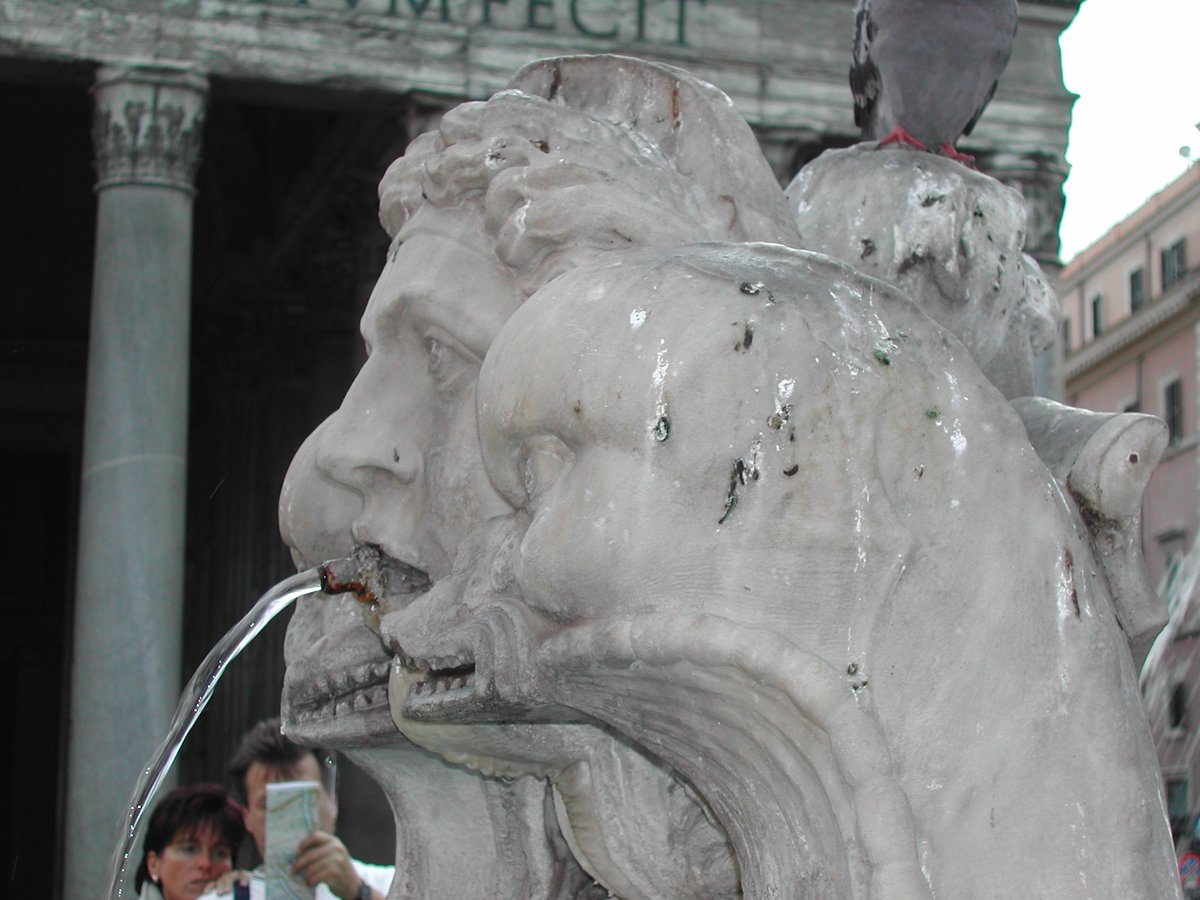
More in रोम.
खोजने योग्य 336 जगहें — कुछ साथ देखने लायक।

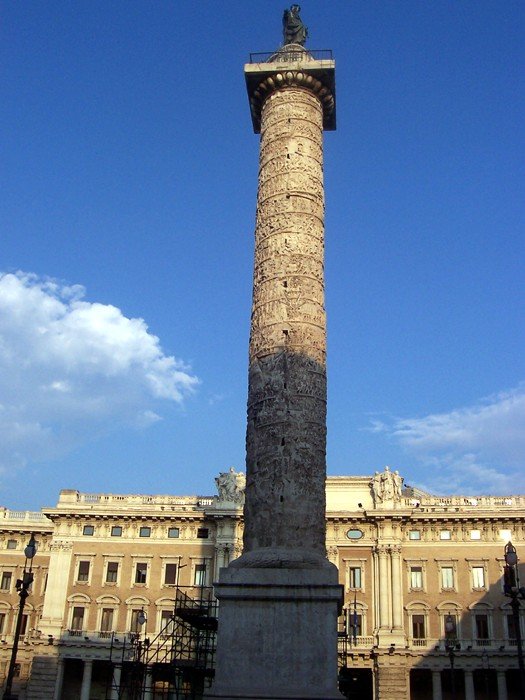
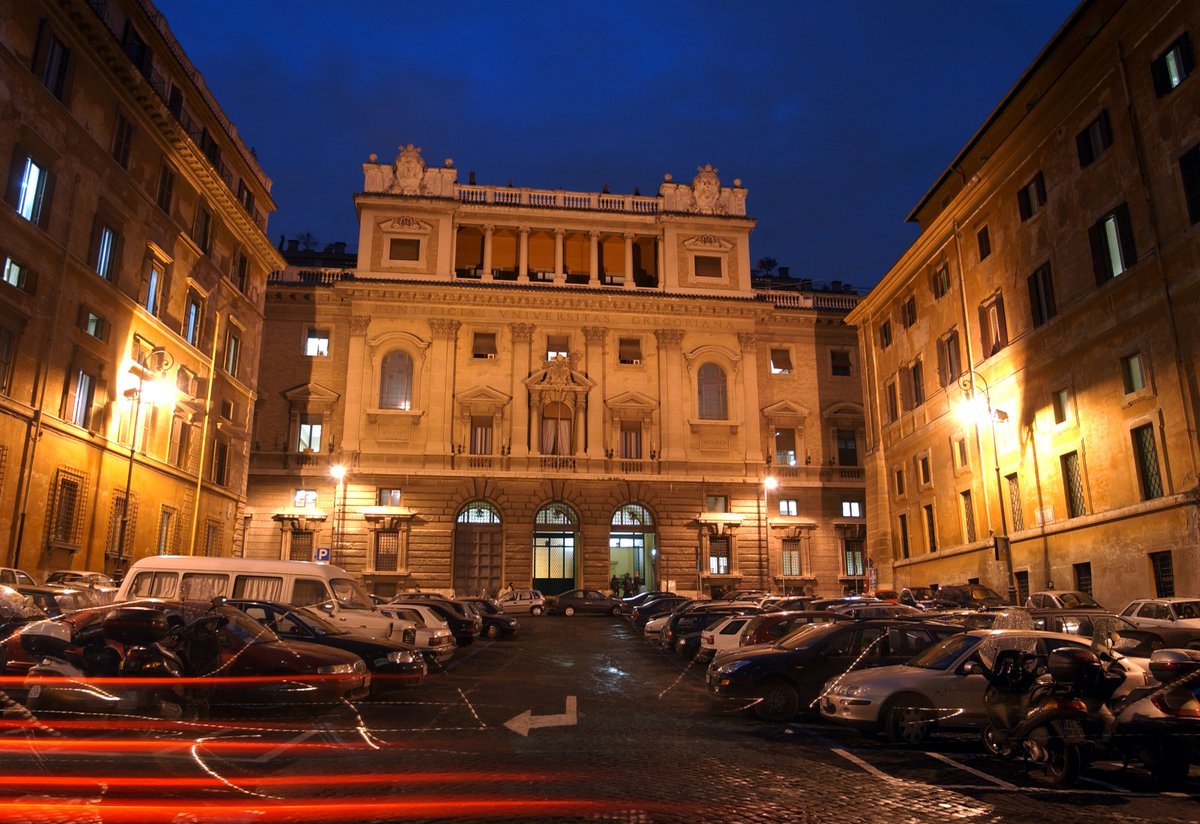
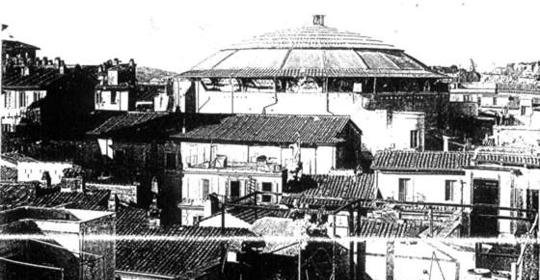


जहाँ छोड़ा था वहीं से शुरू करें
सहेजी और हाल में पढ़ी जगहें — सिर्फ़ इसी डिवाइस पर।