Introduction
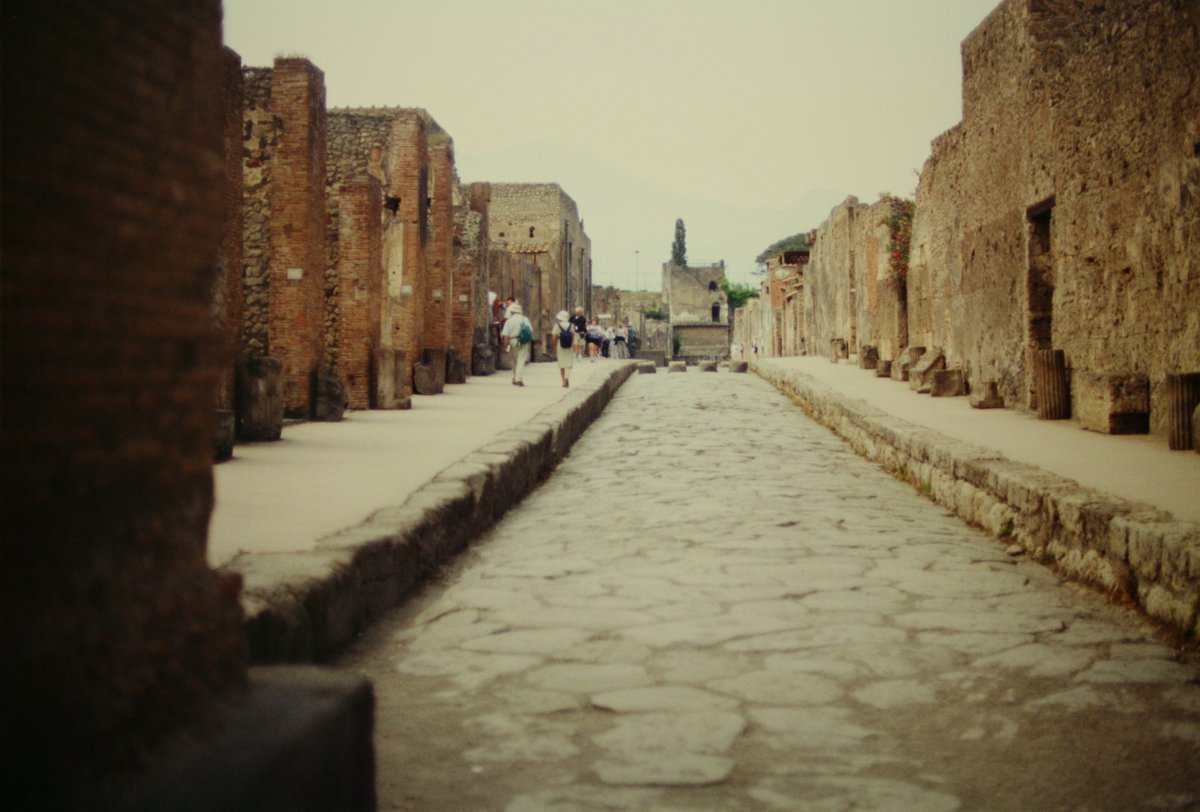
Pompeii, a UNESCO World Heritage site, offers an unparalleled glimpse into ancient Roman life, famously preserved by the eruption of Mount Vesuvius in 79 CE. Among its most significant landmarks is the Torre di Mercurio (Tower of Mercury), an iconic watchtower situated at the highest point of Pompeii's northern fortifications. This robust structure not only served as a crucial defensive sentinel but also provides visitors with breathtaking panoramic views of the ancient city, the Bay of Naples, Mount Vesuvius, and the Sarno Valley. Its historical importance, architectural integrity, and recent restoration efforts make it a key destination for anyone exploring Pompeii.
This comprehensive guide aims to provide all necessary information for visiting the Torre di Mercurio. We will delve into its rich history, explore its architectural features, detail visiting hours and ticket information, discuss accessibility, highlight nearby attractions, and offer practical tips for an unforgettable experience. Whether you are a history enthusiast or a curious traveler, understanding the Torre di Mercurio will deepen your appreciation for Pompeii's military, civic, and cultural heritage. For the most current official information, please visit the Pompeii Archaeological Park website, or explore restoration updates at SeePompeii and Planet Pompeii.
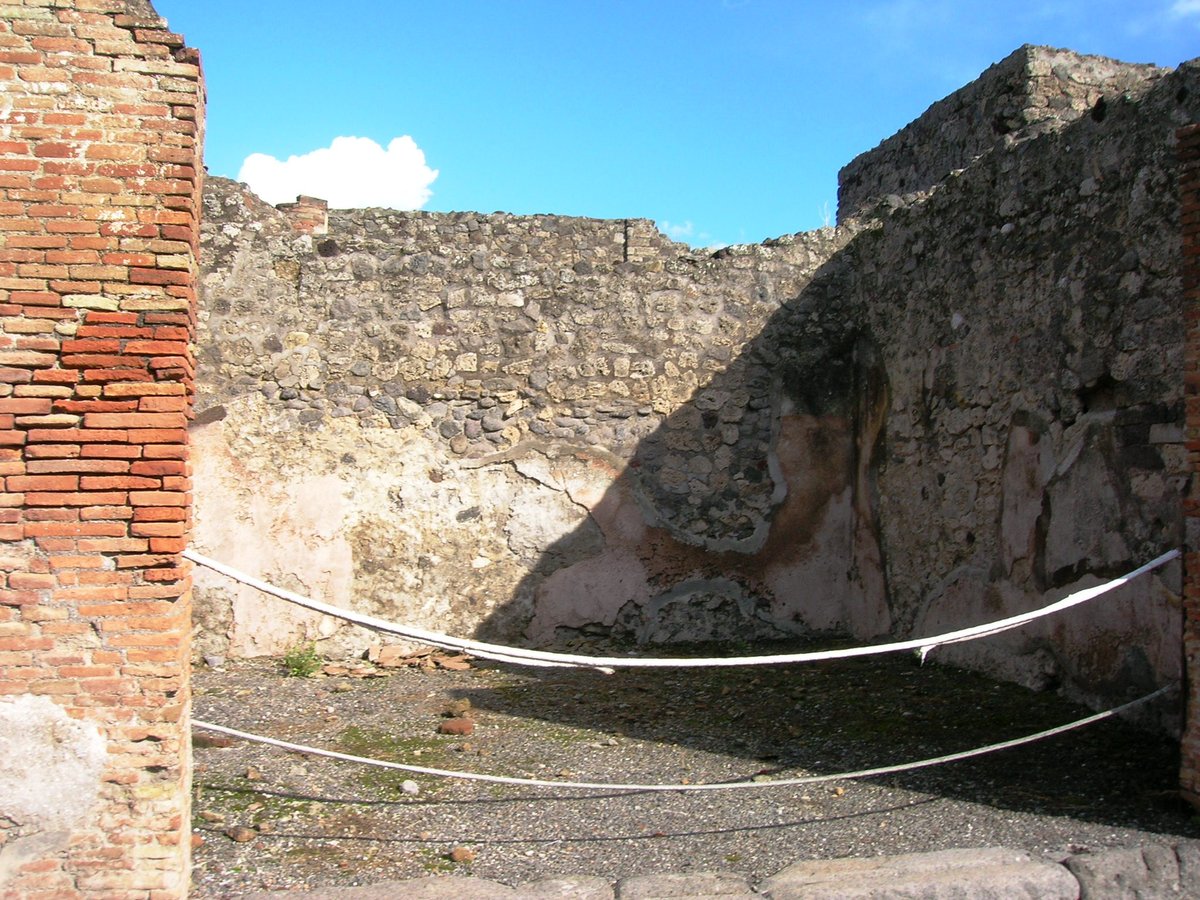
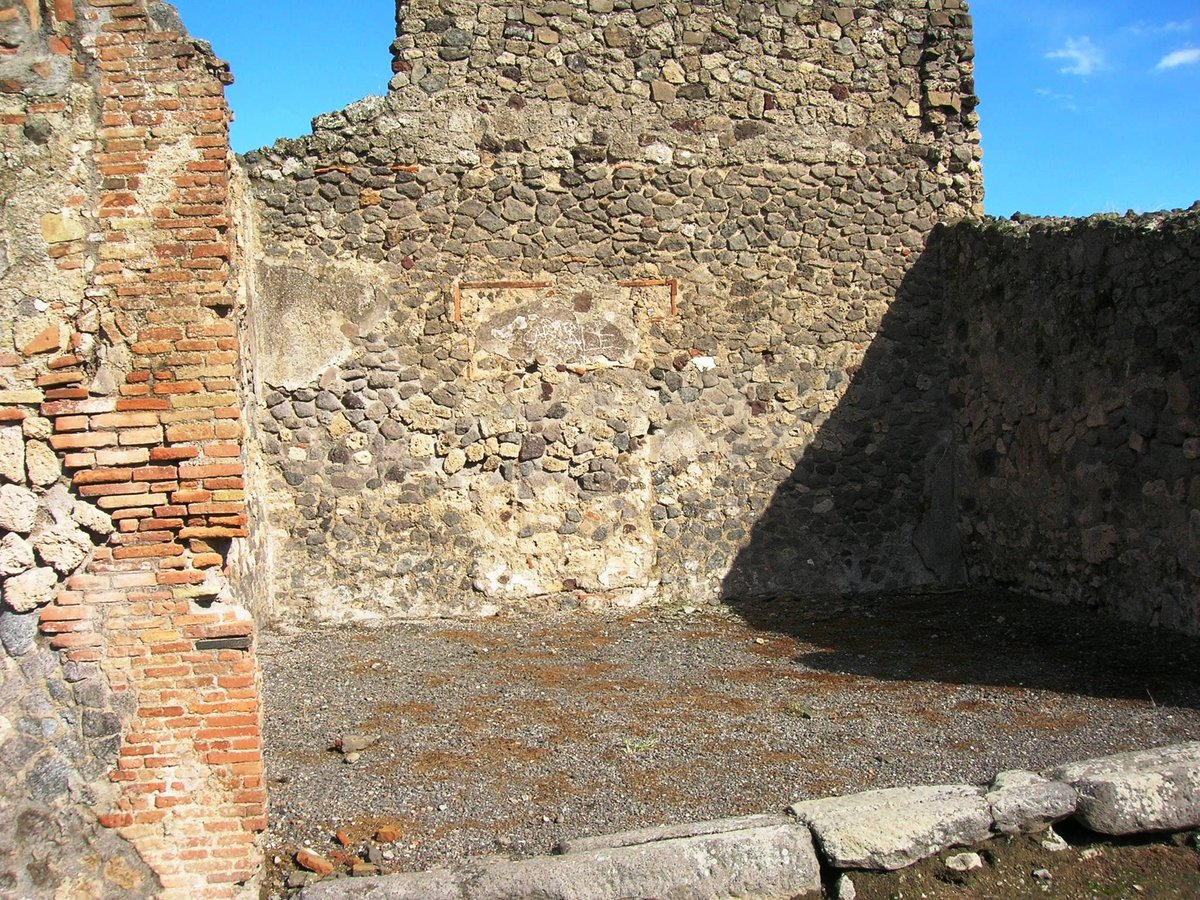
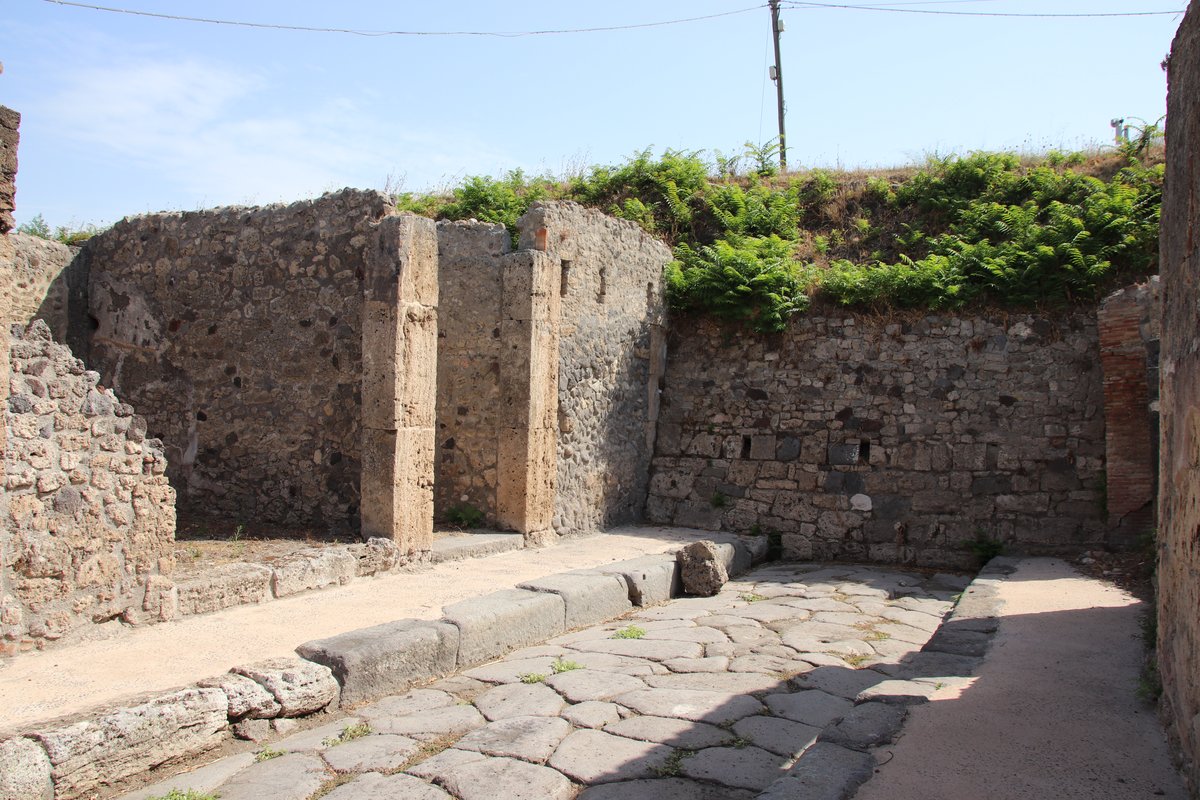
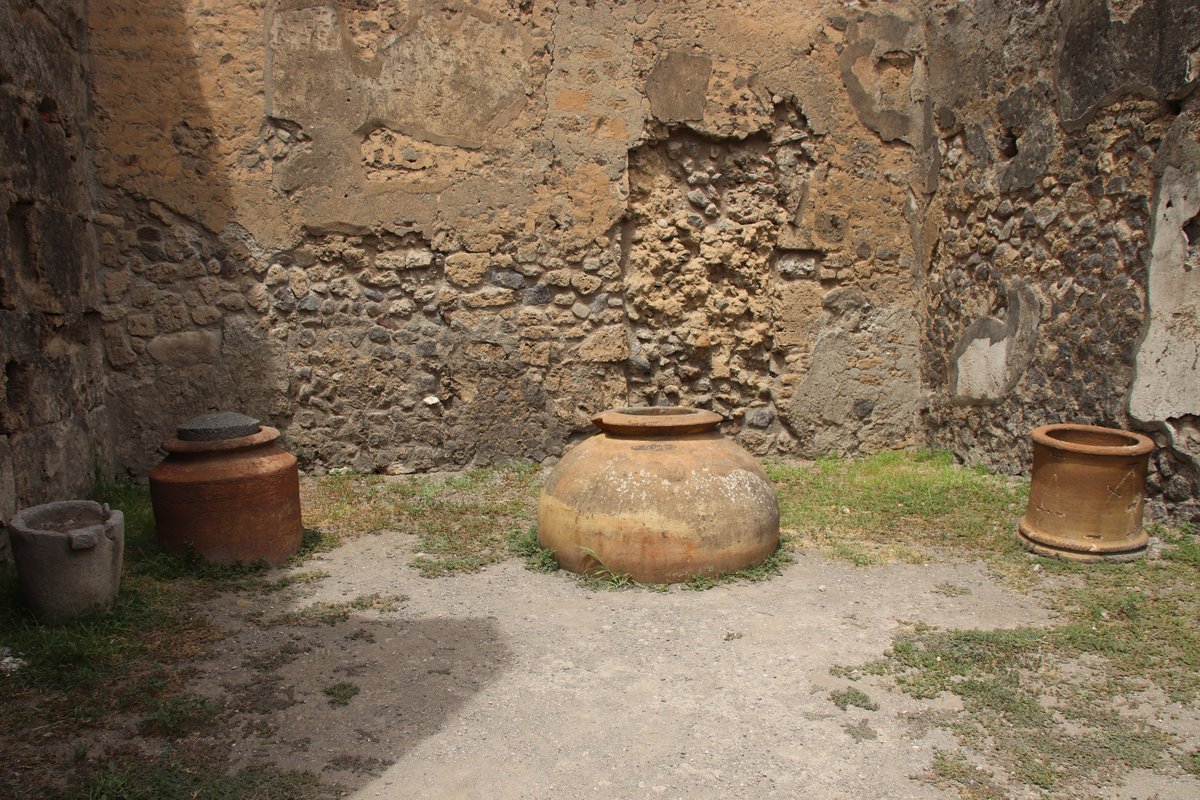
फोटो गैलरी
तस्वीरों में टॉरे दी मर्क्यूरियो का अन्वेषण करें
Contents
- Introduction
- Historical Background and Architectural Features
- Origins and Early Development
- Integration into the City Walls
- Role During the Social War
- Later History and Rediscovery
- Architectural Features
- Structural Layout and Materials
- Defensive Features
- Visiting Torre di Mercurio: Essential Information
- Visiting Hours and Tickets
- How to Get There
- Accessibility
- Guided Tours and Visitor Tips
- Nearby Attractions
- FAQs about Torre di Mercurio
- Conclusion & Plan Your Visit
Historical Background and Architectural Features
Origins and Early Development
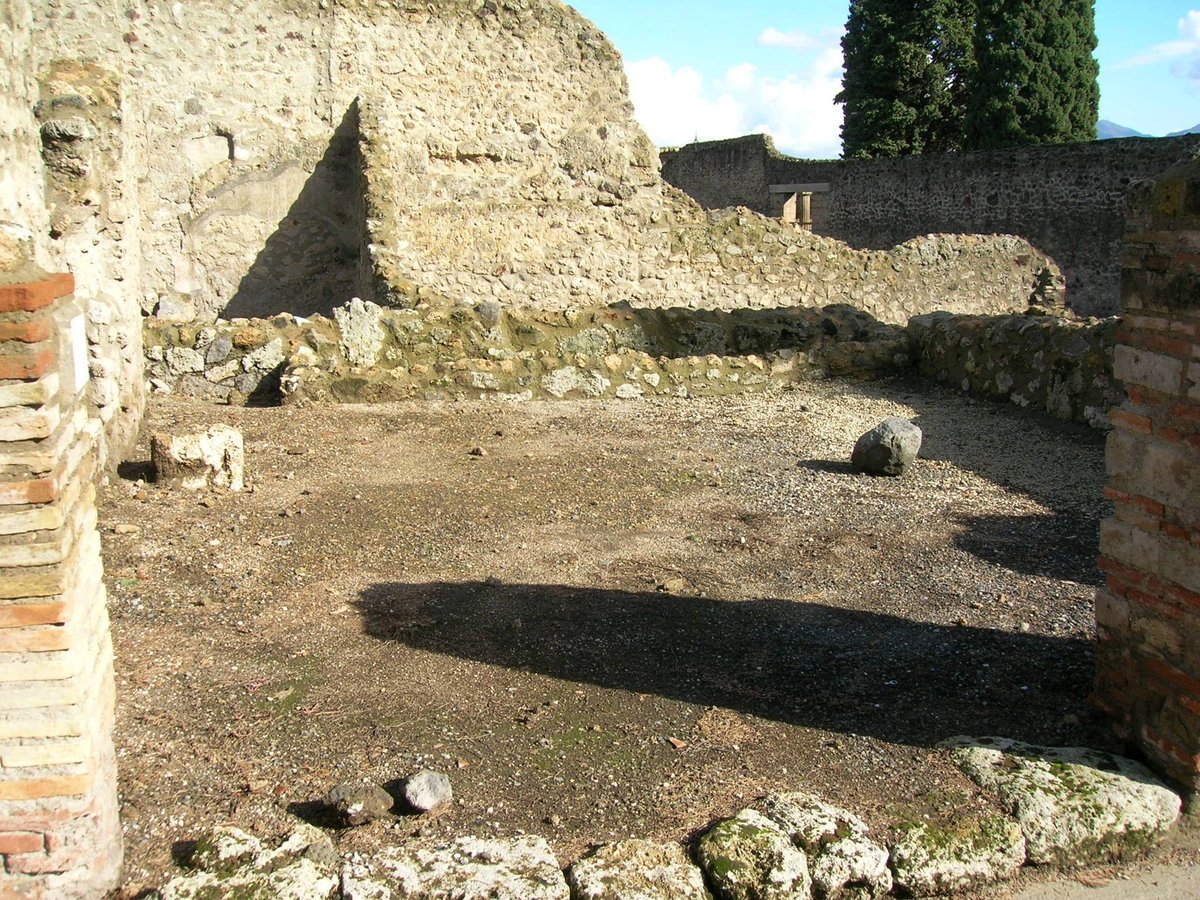
The site where the Torre di Mercurio stands has a history stretching back to the 4th century BCE, initially serving as a city gate during Pompeii’s early expansion. Archaeological findings, including those by Professor Marco Fabbri, have unearthed significant evidence of ancient roadways and funerary practices in the vicinity, shedding light on the area’s long-standing importance (defeorestauri.com; herder.de).
Integration into the City Walls
In the late 2nd and early 1st centuries BCE, the Torre di Mercurio was incorporated into Pompeii’s fortified defenses. It became part of a strategic network of towers along the northern walls, built in response to growing regional instability and the encroaching influence of Roman expansion. Its position between towers X and XI, and its proximity to Porta Ercolano and Porta Vesuvio, underscore its critical strategic role within the city’s defensive system (planetpompeii.com; defeorestauri.com).
Role During the Social War
The Torre di Mercurio played a vital defensive role during the Social War (91–88 BCE), particularly during the Roman siege of Pompeii led by Sulla in 89 BCE. Archaeological evidence, such as visible marks from catapult stones and war machines on the walls and patrol walkways, provides concrete proof of its active participation in the city's defense against attackers (herder.de; planetpompeii.com).
Later History and Rediscovery
Buried and preserved by the volcanic ash from Mount Vesuvius’s devastating eruption in 79 CE, the tower remained hidden until its excavation in the early 20th century. Significant restoration efforts, most recently concluded in December 2022, have stabilized the structure, improved visitor access, and enhanced the overall visitor experience at this historical monument (stilearte.it; SeePompeii).
Architectural Features
Structural Layout and Materials
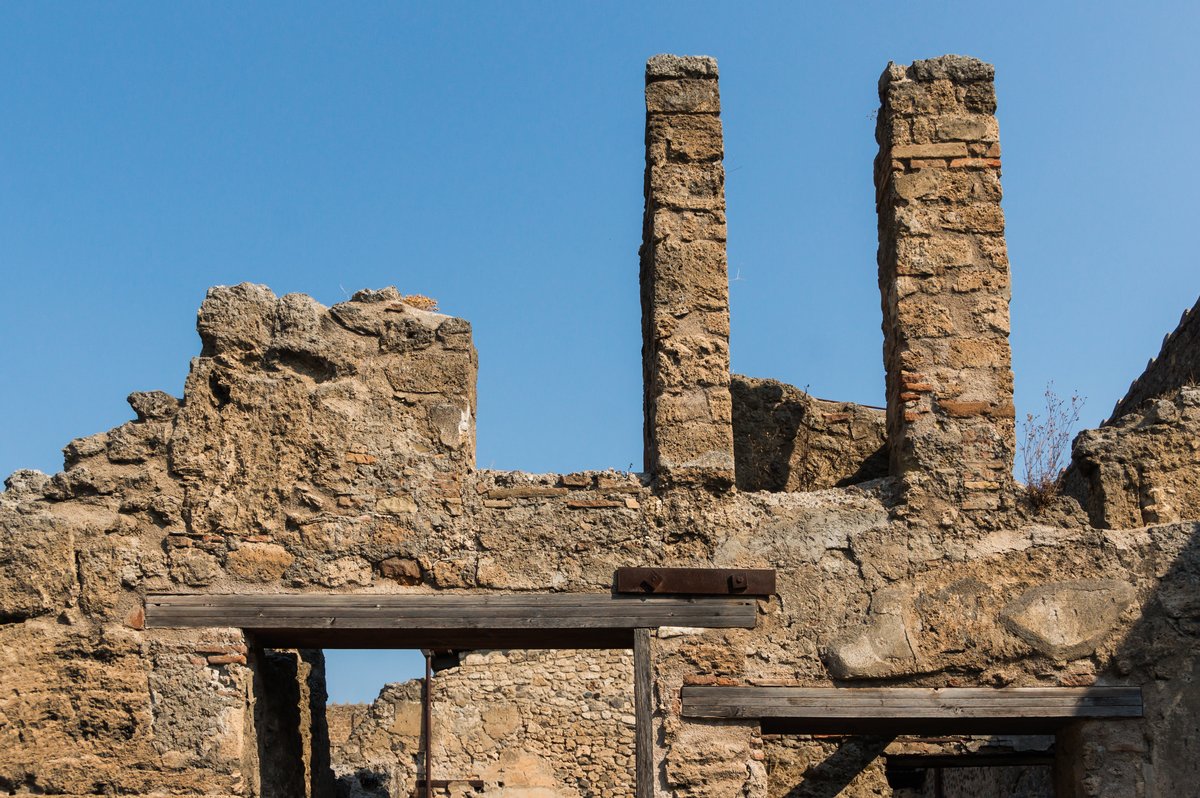
The Torre di Mercurio is a quadrangular structure measuring approximately 9.5 by 7.6 meters at its base and reaching a height of 13 meters. It is constructed in three levels, interconnected by internal staircases, and culminates in a spacious, crenellated terrace at the summit. The masonry predominantly uses local tuff, sandstone, and brickwork, reflecting both the Samnite and Roman construction phases evident in Pompeii’s history (defeorestauri.com; herder.de; stilearte.it).
Defensive Features
Key defensive elements of the tower include merlons and crenellations along the terrace, arrow slits providing cover for archers, and a patrol walkway that links the tower directly to the city walls, enabling rapid movement of guards. Distinctive marks left by catapult impacts from the Social War siege are still visible, offering a tangible connection to Pompeii’s military past and the resilience of its defenses (planetpompeii.com; herder.de).
Visiting Torre di Mercurio: Essential Information
Visiting Hours and Tickets
- Opening Hours: The tower is typically open daily from 9:00 AM to 5:00 PM, with the last entry usually at 4:30 PM. During the high season (April–October), the broader Pompeii Archaeological Park may remain open later, until 7:00 PM, but access to the tower itself might conclude earlier. It is advisable to check the official pompeiisites.org for the most current hours, as these can change due to seasonal variations or special events.
- Tickets: Entry to the Torre di Mercurio is included with the general admission ticket for the Pompeii Archaeological Park. Standard tickets are priced at €19 for adults, with concessions available for EU citizens under 25. Free entry is typically offered on the first Sunday of each month, though this can lead to larger crowds. Tickets can be purchased online via the official ticketing portal.
Tip: Due to the tower's popularity and limitations on group size (usually up to 20 visitors at a time), booking tickets in advance is highly recommended to guarantee your entry and avoid disappointment.
How to Get There
- Entrances: The most convenient entrances to the Pompeii Archaeological Park for reaching the Torre di Mercurio are Porta Marina and Piazza Esedra. Both are well-situated for navigating towards Regio VI and Via di Mercurio (alongdustyroads.com).
- Transport: Pompeii is easily accessible by train via the Circumvesuviana line, with frequent services running from Naples and Sorrento to the Pompeii Scavi–Villa dei Misteri station. Bus services are also available, and for those traveling by car, paid parking facilities are located near the main entrances.
Accessibility
While recent restoration efforts have improved pathways and safety features, the historic nature of the tower, including its ancient stairways and uneven surfaces, presents challenges for visitors with mobility impairments. For detailed information on accessibility and to discuss potential assistance or alternative routes, it is best to contact the park staff in advance or consult the pompeiisites.org website.
Guided Tours and Visitor Tips
- Guided Tours: Official guides can be hired at the main entrances of the Pompeii Archaeological Park. These tours are available in multiple languages and offer valuable historical context. Alternatively, private and small-group tours, often including skip-the-line access, can be booked online for a more personalized experience (thegeographicalcure.com).
- Audio Guides: Audio guides are available for rent at the entrances and are highly recommended, as signage within the vast archaeological site can be limited.
- Visitor Tips:
- Allocate at least 30–45 minutes specifically for visiting the Torre di Mercurio. To explore the surrounding areas adequately, plan for at least half a day or a full day.
- Wear comfortable, sturdy shoes suitable for walking on uneven terrain and climbing stairs.
- Bring sun protection (hat, sunscreen) and water, especially during warmer months, as the site is largely exposed.
- To avoid the largest crowds and capture the best photographs, consider visiting early in the morning or later in the afternoon.
- Always respect the site’s conservation efforts by adhering to group size limits and safety guidelines provided by park staff.
Nearby Attractions
When visiting the Torre di Mercurio, consider exploring other significant sites within Regio VI and the adjacent areas of Pompeii, such as:
- The House of the Vettii
- The Villa of the Mysteries
- The Forum
- The Amphitheatre
- The House of the Faun
Combining these attractions will provide a comprehensive and enriching experience of Pompeii's ancient urban life (thetourguy.com).
Ongoing Research and Conservation
The preservation of the Torre di Mercurio is an integral part of the larger Greater Pompeii Project, a significant initiative dedicated to archaeological research, structural stabilization, and sustainable management of the site. Current research focuses on understanding ancient construction techniques, military tactics employed during sieges, and the long-term effects of seismic activity on the ruins (pompeiisites.org).
Sustainable practices are also being implemented within the park, such as using sheep for grounds maintenance and engaging local volunteers. These efforts aim to protect the fragile archaeological heritage while fostering community involvement and stewardship of this invaluable historical treasure (seepompeii.com).
Frequently Asked Questions (FAQ)
Q: What are the Torre di Mercurio visiting hours? A: The tower is generally open from 9:00 AM to 5:00 PM daily, with last entry at 4:30 PM. Seasonal hours may vary; always check the official website for the latest updates.
Q: Is a separate ticket needed to visit the Torre di Mercurio? A: No, entry to the Torre di Mercurio is included with the general admission ticket for the Pompeii Archaeological Park.
Q: Is the tower fully accessible? A: Due to its historic stairways and uneven surfaces, the tower is not fully accessible for visitors with mobility impairments. Please contact park staff for information on accessible routes within the broader site.
Q: Are guided tours available for the Torre di Mercurio? A: Yes, official and private guided tours covering Pompeii’s fortifications, including the Torre di Mercurio, are available and highly recommended for a deeper understanding.
Q: Can I take photos at the Torre di Mercurio? A: Photography is permitted, and the terrace offers excellent panoramic photo opportunities of Pompeii and the surrounding landscape.
Q: How can I avoid crowds at the Torre di Mercurio? A: Visiting early in the morning or late in the afternoon can help avoid peak crowds. Also, consider avoiding days with free entry if you prefer a quieter experience.
Visuals and Interactive Resources
High-quality images and virtual tours of the Torre di Mercurio are accessible through the official Pompeii site and other reputable platforms. When browsing for visual content, look for maps and images with descriptive alt tags such as "Torre di Mercurio panoramic view" or "Pompeii historical sites tower" to better understand the site and its context.
Conclusion & Plan Your Visit
The Torre di Mercurio stands as a remarkable monument, offering a direct connection to Pompeii’s ancient defensive strategies and urban planning. Its strategic location, well-preserved military features, and the stunning panoramic views from its summit make it an essential stop for any visitor. To ensure a fulfilling experience, plan your visit by booking tickets in advance, considering a guided tour for historical insights, and preparing for the physical aspects of the climb.
For the latest visitor information, ticket details, and planning resources, always refer to the Pompeii Archaeological Park website. Enhance your exploration with the Audiala app for immersive audio guides and stay informed about Pompeii’s ongoing discoveries and updates by following us on social media.
Happy exploring!
ऐप में पूरी कहानी सुनें
आपका निजी क्यूरेटर, आपकी जेब में।
96 देशों के 1,100+ शहरों के लिए ऑडियो गाइड। इतिहास, कहानियाँ और स्थानीय जानकारी — ऑफलाइन उपलब्ध।
Audiala App
iOS और Android पर उपलब्ध
50,000+ क्यूरेटर्स से जुड़ें
स्रोत
- verified
- verified
- verified
- verified
- verified
- verified
- verified
- verified
- verified
- verified
- verified
- verified
- verified
- verified
- verified
अंतिम समीक्षा: