परिचय: पोम्पेई में शॉप ऑफ ऑरेलियस क्यों जाएँ?
शॉप ऑफ ऑरेलियस पोम्पेई के सबसे अच्छी तरह से संरक्षित वाणिज्यिक प्रतिष्ठानों में से एक है और प्राचीन रोमन शहरी जीवन में एक अनूठा अंतर्दृष्टि प्रदान करता है। वाया डेल'एबॉन्डान्ज़ा के साथ स्थित, यह दुकान 79 CE में माउंट वेसुवियस के फटने से पहले पोम्पेई को जीवंत करने वाले संपन्न व्यापारिक समुदाय का प्रतीक है। इसका महत्व न केवल इसकी वास्तुशिल्प संरक्षण में है, बल्कि एक रोमन शहर में दैनिक जीवन, वाणिज्य और सामाजिक बातचीत के बारे में पुरातात्विक और एपिग्राफिक साक्ष्य की प्रचुरता में भी है।
यह व्यापक गाइड दुकान के ऐतिहासिक संदर्भ, आप क्या देखने की उम्मीद कर सकते हैं, अपनी यात्रा की योजना कैसे बनाएं - जिसमें खुलने का समय, टिकटिंग जानकारी और पहुंच शामिल है - और पोम्पेई में अपने समय का सबसे अच्छा उपयोग करने के लिए व्यावहारिक सुझाव शामिल हैं। अद्यतन आगंतुक जानकारी और पुरातात्विक अंतर्दृष्टि के लिए, पोम्पेई पुरातात्विक पार्क और सिटी वंडर्स देखें।
पोम्पेई का इतिहास और शहरी विकास
पोम्पेई, जो नेपल्स के पास उपजाऊ कंपानिया क्षेत्र में स्थित है, की स्थापना ओस्कन द्वारा की गई थी, इससे पहले कि वह ग्रीक, एट्रास्कन और अंततः रोमन नियंत्रण में आया। पहली शताब्दी ईस्वी तक, यह 11,000–15,000 निवासियों का एक हलचल वाला शहर बन गया था (पोम्पेई पुरातात्विक पार्क)। इसकी समृद्धि एक व्यापार केंद्र के रूप में इसके रणनीतिक स्थान के कारण थी, जिसमें माल इसके बंदरगाह और जीवंत बाजारों से होकर बहता था।
शहर का ग्रिड-जैसी लेआउट, सार्वजनिक चौक, और धार्मिक, आवासीय और वाणिज्यिक भवनों का मिश्रण रोमन शहरी नियोजन आदर्शों को दर्शाता है। पोम्पेई की मुख्य वाणिज्यिक सड़क, वाया डेल'एबॉन्डान्ज़ा, दुकानों, सराय और कार्यशालाओं से भरी हुई थी जो स्थानीय लोगों और आगंतुकों दोनों की सेवा करती थीं (सिटी वंडर्स)।
प्राचीन पोम्पेई में दैनिक जीवन और वाणिज्य
पोम्पेई रोमन समाज का एक सूक्ष्म जगत था, जहाँ वाणिज्यिक और सामाजिक जीवन आपस में जुड़े हुए थे। मैसेलुम जैसे बाजारों में भोजन और घरेलू सामान बिकते थे, जबकि सड़कों पर कार्यशालाएँ और तबर्ना (दुकानें) लगी हुई थीं। पुरातात्विक खोज - जैसे मछली के तराजू, ब्रेड के अवशेष, और एम्फोरा - शहर की पाक और आर्थिक विविधता के प्रत्यक्ष प्रमाण प्रदान करते हैं (सिटी वंडर्स)। दुकानें अक्सर खुदरा और उत्पादन दोनों स्थानों के रूप में दोगुनी हो जाती थीं, जिसमें कई व्यापारी अपने व्यवसायों के ऊपर या पीछे रहते थे।
स्थान और खोज
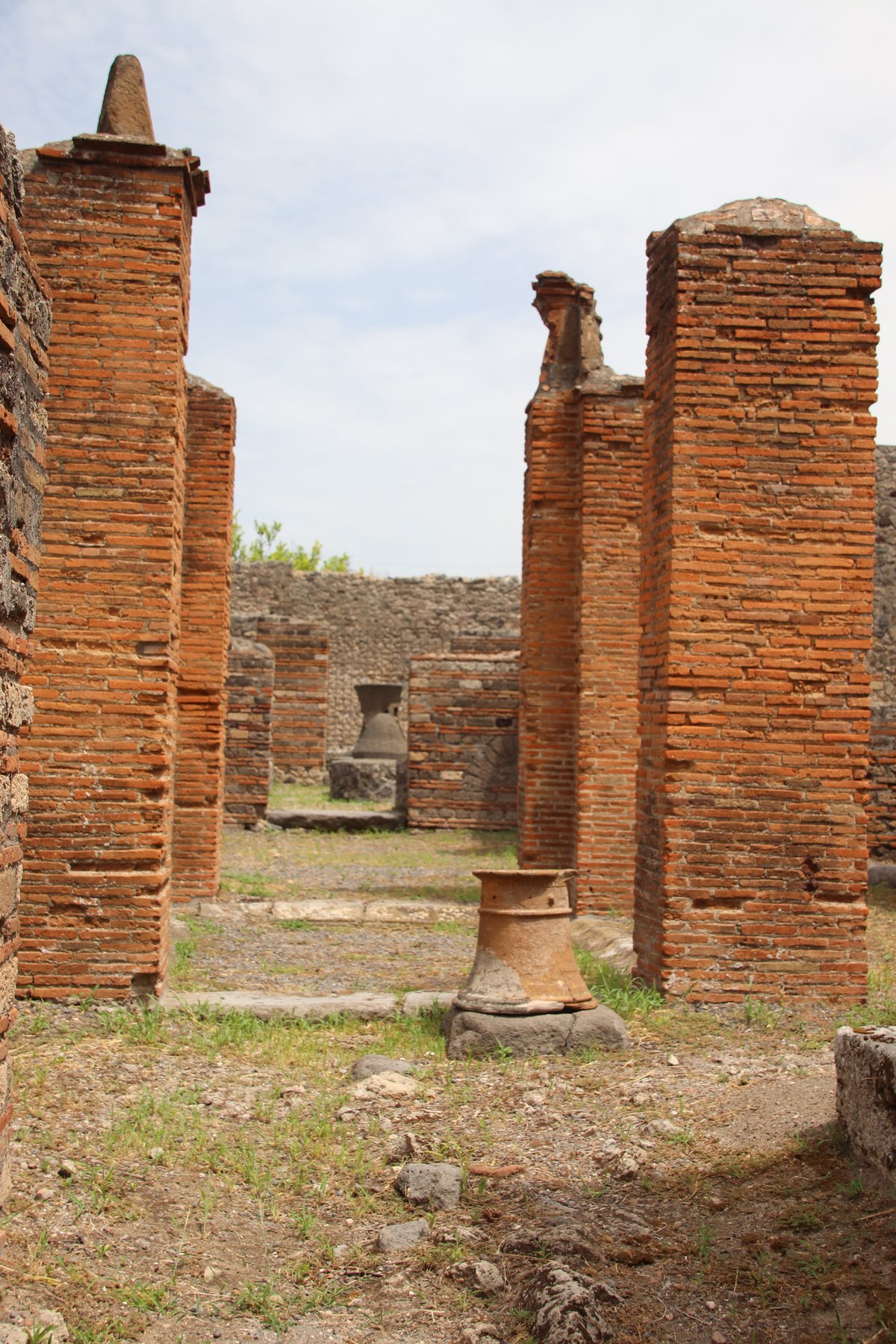
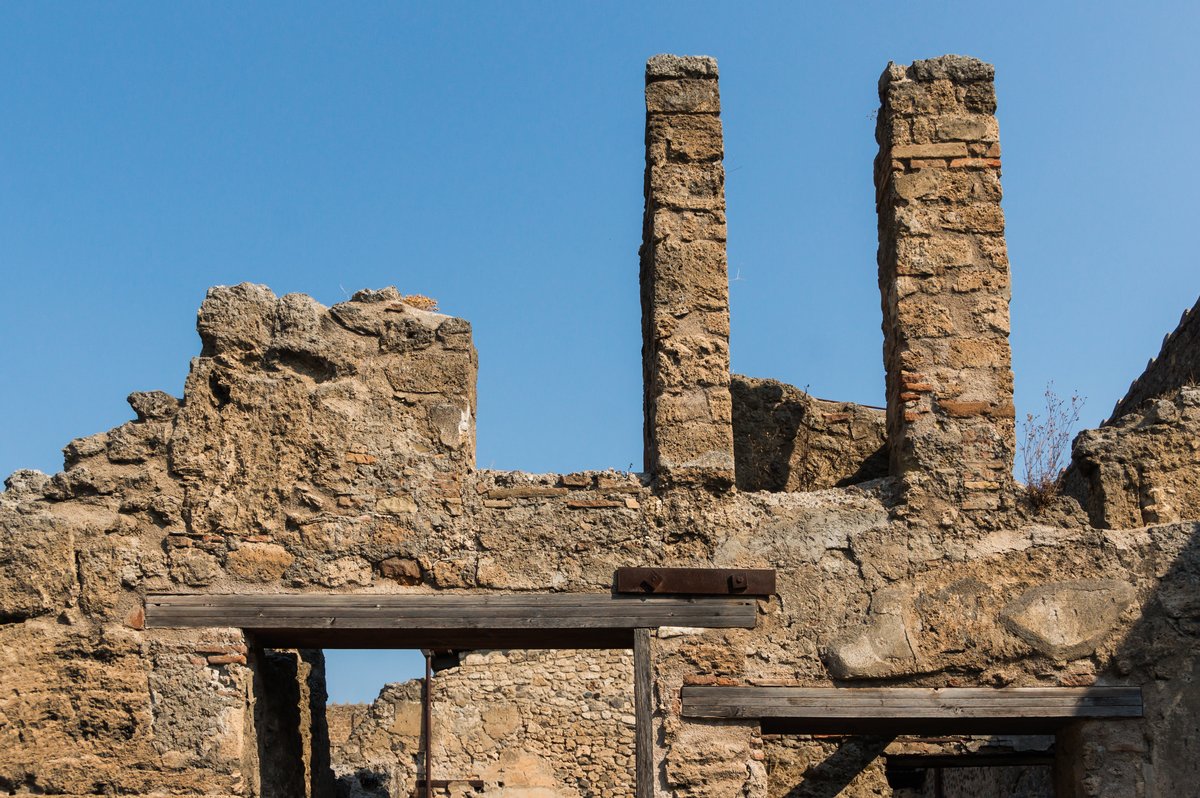
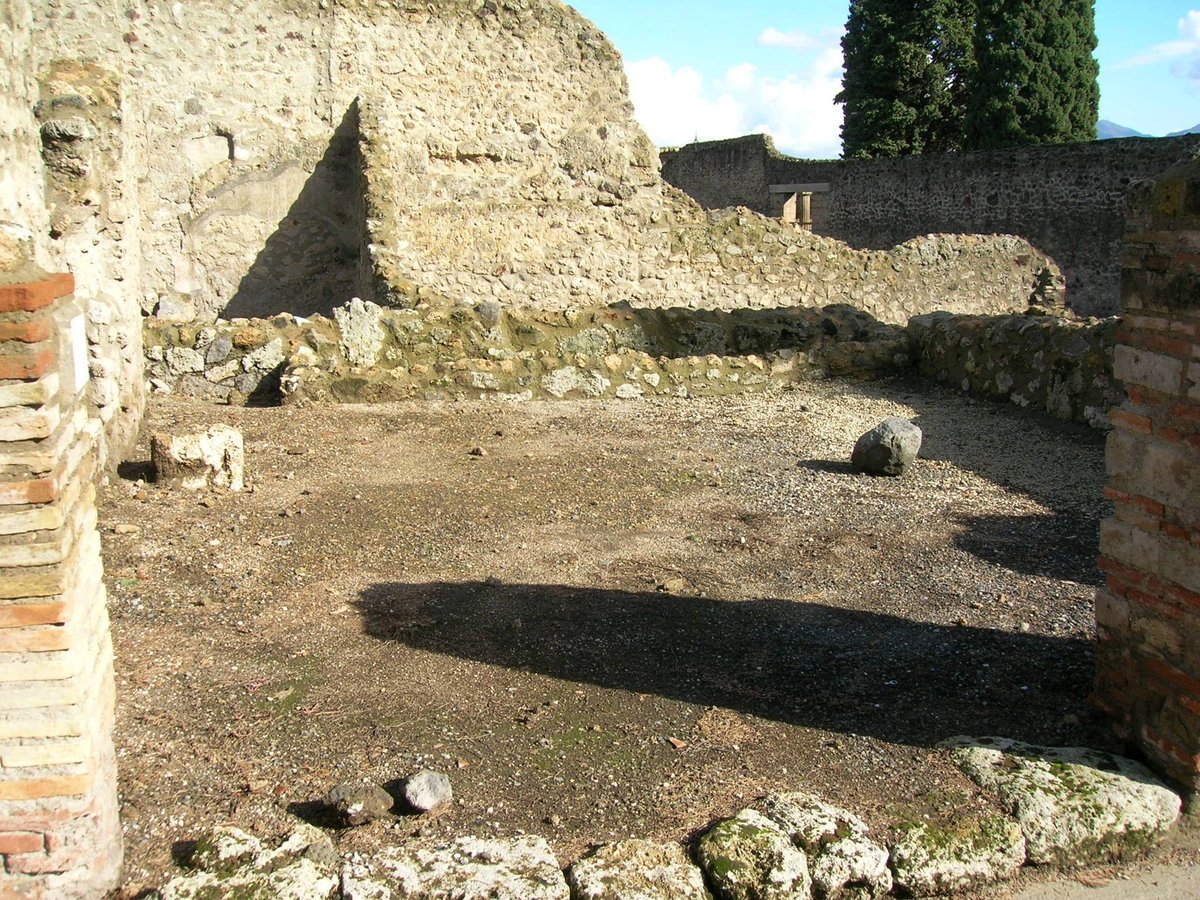
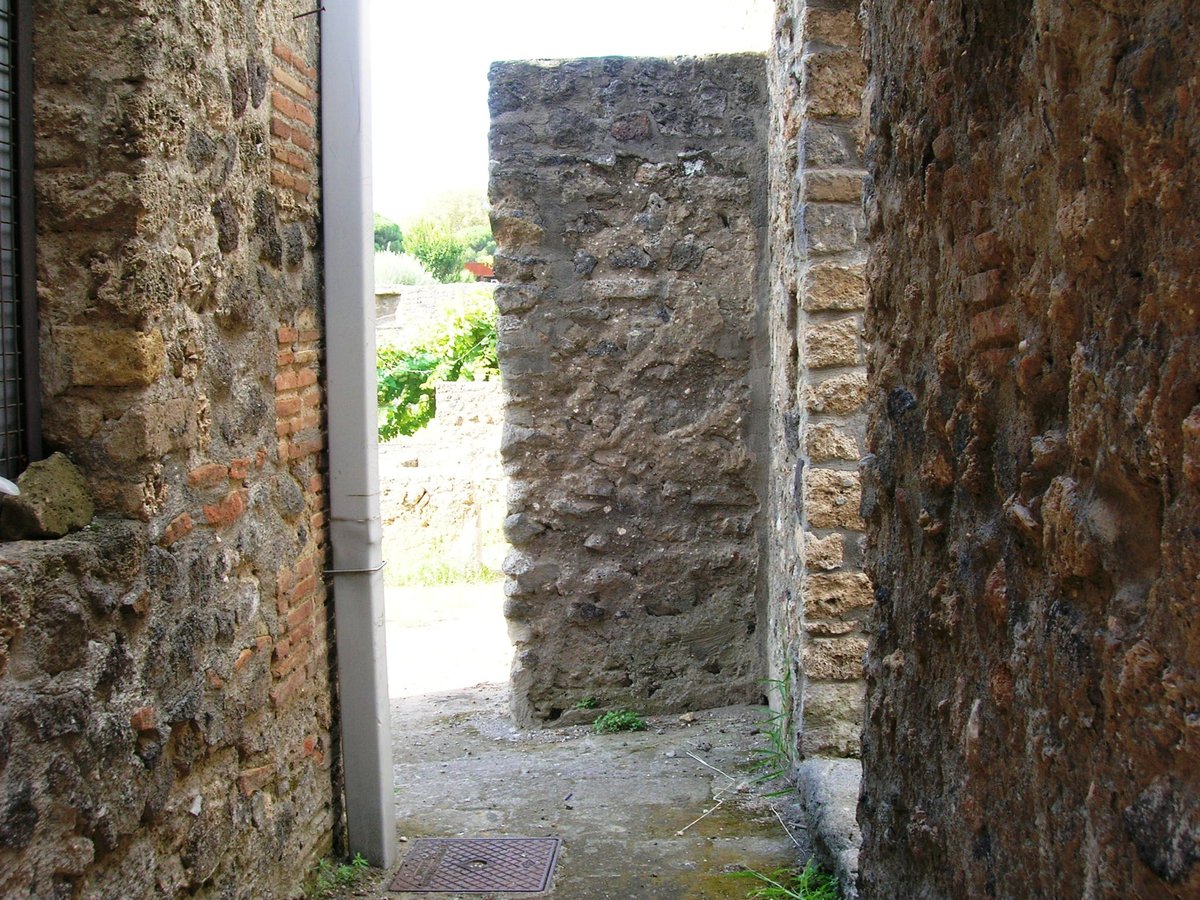
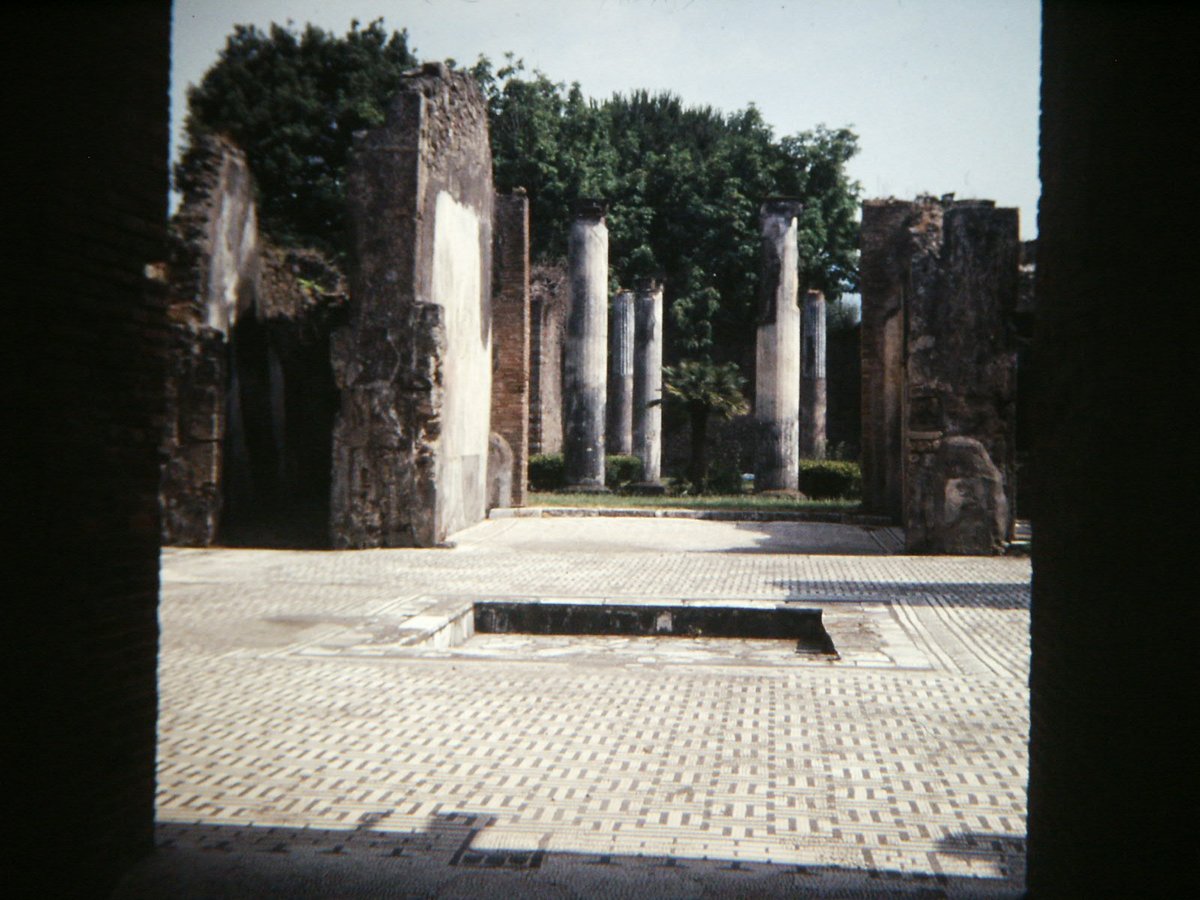
शॉप ऑफ ऑरेलियस पोम्पेई की मुख्य वाणिज्यिक धमनी, वाया डेल'एबॉन्डान्ज़ा के साथ स्थित है (pompeiiarchaeologicalpark.com)। शिलालेखों और भित्तिचित्रों के माध्यम से पहचानी गई, यह दुकान विशिष्ट रोमन तबर्ना का उदाहरण है, जो आर्थिक गतिविधि को निजी जीवन के साथ एकीकृत करती है (historytools.org)।
वास्तुशिल्प विशेषताएं
- मुखौटा: राहगीरों को आकर्षित करने के लिए डिज़ाइन किया गया एक चौड़ा, सड़क-सामना करने वाला प्रवेश द्वार।
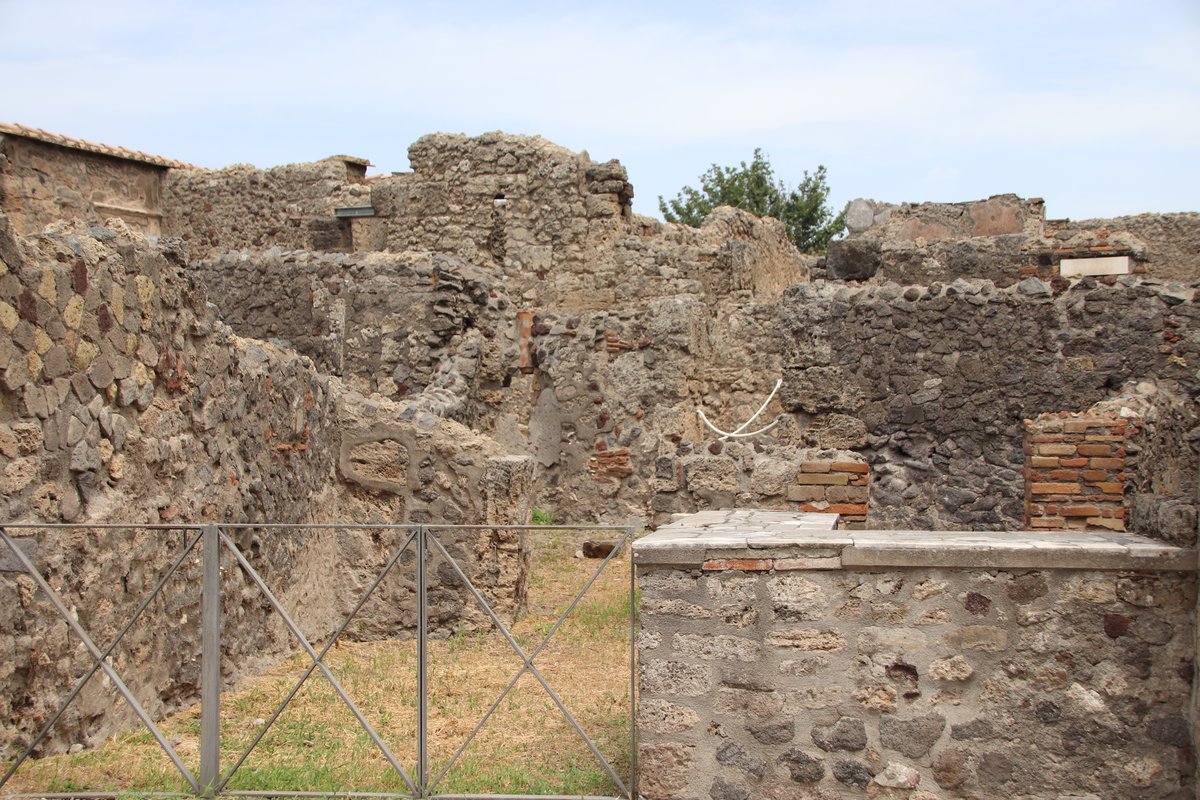
- काउंटर: माल प्रदर्शित करने या ग्राहकों की सेवा करने के लिए चिनाई वाले मेन्सा (काउंटर)।
- आंतरिक: सामने एक सार्वजनिक बिक्री क्षेत्र, पीछे निजी भंडारण या रहने वाले क्वार्टर। अलमारियों, एम्फोरा, और भंडारण जार आमतौर पर पाए जाते थे।
- मेजेनाइन: पीछे की सीढ़ियाँ अक्सर सोने के क्वार्टर या अतिरिक्त भंडारण की ओर ले जाती थीं (nomadepicureans.com)।
- दीवार शिलालेख: चुनावी भित्तिचित्र और विज्ञापन दुकानदार की नागरिक और वाणिज्यिक जीवन में भागीदारी को दर्शाते हैं।
भौतिक खोज
- शराब, तेल और गरुम के लिए सिरेमिक बर्तन और एम्फोरा।
- वजन, माप और सिक्के विनियमित व्यापार और मौद्रिक लेनदेन का संकेत देते हैं।
- कार्बनयुक्त भोजन के अवशेष आहार की आदतों पर सुराग प्रदान करते हैं (pompeiiarchaeologicalpark.com)।
पोम्पेई में दुकानों की सामाजिक और आर्थिक भूमिका
ऑरेलियस की दुकान जैसी दुकानें पोम्पेई की अर्थव्यवस्था और सामाजिक ताने-बाने के लिए महत्वपूर्ण थीं, जो केवल खुदरा आउटलेट के रूप में ही नहीं, बल्कि समाचार, गपशप और राजनीतिक चर्चा के लिए सभा स्थलों के रूप में भी काम करती थीं (पोम्पेई पुरातात्विक पार्क)। शिलालेख और भित्तिचित्र दुकानदारों की व्यवसायियों और सक्रिय नागरिकों दोनों के रूप में भूमिकाओं को प्रकट करते हैं।
माउंट वेसुवियस का विस्फोट: आपदा के माध्यम से संरक्षण
24 अगस्त, 79 CE को माउंट वेसुवियस के विनाशकारी विस्फोट ने पोम्पेई को मीटर राख के नीचे दफन कर दिया, जिससे इमारतों, कलाकृतियों और यहां तक कि कार्बनिक सामग्रियों को भी उल्लेखनीय विवरण में संरक्षित किया गया (प्लिनी द यंगर, एपिस्टुले VI, 16)। ऑरेलियस की दुकान जैसी दुकानें "समय में जम गई थीं", जिससे आधुनिक आगंतुकों को प्राचीन वाणिज्य का firsthand अनुभव करने की अनुमति मिली (सिटी वंडर्स)।
पुनर्खोज और आधुनिक पुरातात्विक अनुसंधान
18वीं शताब्दी में व्यवस्थित खुदाई शुरू हुई, और चल रहे शोध ने पोम्पेई के वाणिज्यिक जीवन के बारे में और भी अधिक खुलासा किया (पोम्पेई पुरातात्विक पार्क)। 3डी इमेजिंग और ग्राउंड-पेनेट्रेटिंग रडार जैसी तकनीकों ने सबफ्लोर स्टोरेज, जल निकासी प्रणालियों और मूल दीवार पिगमेंट की खोज की है (historytools.org)।
आगंतुक गाइड: घंटे, टिकट, पहुंच और टूर
खुलने का समय
- अप्रैल-अक्टूबर: सुबह 9:00 बजे से शाम 7:30 बजे तक (अंतिम प्रवेश शाम 6:00 बजे)
- नवंबर-मार्च: सुबह 9:00 बजे से शाम 5:00 बजे तक (अंतिम प्रवेश दोपहर 3:30 बजे)
- अवकाश या रखरखाव के लिए घंटे भिन्न हो सकते हैं, आधिकारिक वेबसाइट पर पुष्टि करें।
टिकट
- सामान्य प्रवेश: €18 (पूर्ण मूल्य), €13 (18-25 आयु वर्ग के यूरोपीय संघ के नागरिकों के लिए), 18 वर्ष से कम उम्र के बच्चों के लिए निःशुल्क।
- ऑनलाइन बुकिंग: कतारों से बचने के लिए अनुशंसित (इटली साइट्स)।
- कॉम्बो टिकट: हरक्यूलेनियम और अन्य वेसुवियस स्थलों के लिए उपलब्ध (पोम्पेई पुरातात्विक पार्क टिकट)।
पहुंच
- मुख्य प्रवेश द्वार: पोर्ता मरीना, पियाज़ा एस्ेड्रा, और पियाज़ा एम्फीथियेटर (इटली करने योग्य चीज़ें)।
- व्हीलचेयर-सुलभ मार्ग चिह्नित हैं; प्राचीन पक्की सड़कों के कारण कुछ क्षेत्र चुनौतीपूर्ण बने हुए हैं।
- प्रवेश द्वार पर व्हीलचेयर किराए पर उपलब्ध है। विवरण के लिए पहुंच मानचित्र देखें।
निर्देशित टूर
- लाइसेंस प्राप्त विशेषज्ञों के नेतृत्व में कई भाषाओं में उपलब्ध (द टूर गाय)।
- विशेष टूर वाणिज्य, दैनिक जीवन और शॉप ऑफ ऑरेलियस पर केंद्रित हैं।
शॉप ऑफ ऑरेलियस और आस-पास के आकर्षणों की खोज
- स्थान: वाया डेल'एबॉन्डान्ज़ा के साथ, फोरम, मैसेलुम और हाउस ऑफ द फॉन जैसे अन्य उल्लेखनीय स्थलों के पास।
- आगंतुक अनुभव: काउंटर के अवशेष, दीवार भित्तिचित्र और भंडारण क्षेत्रों का निरीक्षण करें। व्याख्यात्मक साइनेज और डिजिटल पुनर्निर्माण आपकी समझ को समृद्ध करते हैं (इटली साइट्स)।
- फोटोग्राफी: फ्लैश या तिपाई के बिना, अनुमत है।
- सुविधाएं: आगंतुक केंद्र, शौचालय, पानी के फव्वारे और मुख्य प्रवेश द्वारों के पास छायादार क्षेत्र उपलब्ध हैं।
एक आनंददायक और जिम्मेदार दौरे के लिए सुझाव
- टिकट पहले से बुक करें और जल्दी पहुँचें, खासकर पीक सीजन में (इटली साइट्स)।
- मजबूत जूते पहनें और धूप से सुरक्षा साथ लाएँ; सड़कें असमान हो सकती हैं और छाया सीमित है।
- बाधाओं का सम्मान करें और नाजुक अवशेषों की सुरक्षा के लिए दीवारों या कलाकृतियों को न छुएँ।
- अपनी यात्रा के लिए 3-4 घंटे का समय दें और गहरी समझ के लिए निर्देशित टूर पर विचार करें।
- अपनी यात्रा से पहले आधिकारिक मानचित्र डाउनलोड करें या इंटरैक्टिव ऑनलाइन संसाधनों का उपयोग करें।
- हाइड्रेटेड रहें और नामित आराम क्षेत्रों में ब्रेक लें।
अक्सर पूछे जाने वाले प्रश्न (एफएक्यू)
प्र: शॉप ऑफ ऑरेलियस के खुलने का समय क्या है? ए: शॉप ऑफ ऑरेलियस पोम्पेई पुरातात्विक पार्क के सामान्य आगंतुक घंटों के दौरान सुलभ है, जो मौसमी रूप से भिन्न होता है। विवरण के लिए आधिकारिक वेबसाइट देखें।
प्र: क्या टिकट की आवश्यकता है? ए: हाँ, एक सामान्य पोम्पेई प्रवेश टिकट में शॉप ऑफ ऑरेलियस तक पहुंच शामिल है।
प्र: क्या निर्देशित टूर उपलब्ध हैं? ए: हाँ, ऑनलाइन या प्रवेश द्वार पर बुक किए जा सकते हैं।
प्र: क्या दुकान विकलांग आगंतुकों के लिए सुलभ है? ए: कुछ मार्ग सुलभ हैं, लेकिन प्राचीन पक्की सड़कों से चुनौतियां पेश आती हैं। पहुंच मानचित्र से परामर्श करें।
प्र: क्या मैं तस्वीरें ले सकता हूँ? ए: हाँ, गैर-फ्लैश फोटोग्राफी की अनुमति है।
Origins and Urban Development of Pompeii
Pompeii, located in the fertile Campania region near the Bay of Naples, was founded in the 7th or 6th century BCE by the Oscans, an Italic people. Over the centuries, it came under the influence of the Etruscans, Greeks, and Samnites before falling under Roman control in the 4th century BCE. By the 1st century CE, Pompeii had evolved into a thriving Roman city, boasting a population estimated between 11,000 and 15,000 inhabitants (Pompeii Archaeological Park). The city’s prosperity was closely tied to its strategic location as a trade hub. Pompeii’s port facilitated the influx of goods and ideas from across the Roman Empire, enriching local markets and fostering a cosmopolitan atmosphere. The city’s urban layout reflected Roman planning principles, with a grid of streets, public squares, and a variety of residential, commercial, and religious buildings (Pompeii Archaeological Park).
Daily Life and Commerce in Pompeii
Pompeii was a microcosm of Roman society, where people from diverse economic backgrounds lived side by side. The city was renowned for its efficient administration and vibrant commercial life. Shops, workshops, and markets lined the main streets, serving both residents and visitors. The Macellum, Pompeii’s main market, was a bustling center for the sale of meat, fish, and other necessities. Archaeological excavations have uncovered fish scales, animal bones, and remnants of food items such as grapes, pulses, chestnuts, and bread, providing tangible evidence of the city’s culinary diversity (City Wonders). Workshops were integral to Pompeii’s economy. For example, the House and Workshop of Verecundus belonged to cloth dryers and sellers, illustrating the importance of textile production and trade. Many shops doubled as both production sites and retail outlets, highlighting the entrepreneurial spirit of Pompeii’s inhabitants (City Wonders).
The Shop of Aurelius: Context and Historical Significance
While the Shop of Aurelius is not as widely documented as some of Pompeii’s grander structures, it represents the typical commercial establishments that lined the city’s streets. Shops like Aurelius’s were often located on the ground floor of residential buildings, with living quarters above or behind the commercial space. These shops catered to the daily needs of Pompeii’s residents and contributed to the city’s economic vitality. Shops in Pompeii were typically small, with a wide entrance opening directly onto the street. The shop of Aurelius would have featured a counter for serving customers, storage areas for goods, and possibly a back room for production or family use. Archaeological evidence from similar shops reveals the presence of amphorae for storing wine or oil, scales for weighing goods, and graffiti advertising products or services (City Wonders). The identity of Aurelius is likely derived from electoral graffiti or property inscriptions, a common practice in Pompeii where shop owners and residents left their mark on the city’s walls. These inscriptions provide valuable insights into the social networks and commercial relationships that shaped daily life in Pompeii.
Social and Cultural Role of Shops in Pompeii
Shops like that of Aurelius were more than just places of commerce; they were social hubs where residents gathered to exchange news, gossip, and political opinions. The proximity of shops to public spaces such as the Forum and the Macellum facilitated the flow of people and ideas, reinforcing the interconnectedness of economic and social life in Pompeii (Pompeii Archaeological Park). The presence of electoral graffiti on shop walls indicates that shopkeepers were actively engaged in the political life of the city. They supported candidates for public office and participated in civic events, reflecting the integration of commerce and citizenship in Roman urban culture.
The Eruption of Mount Vesuvius and the Preservation of Shops
On August 24, 79 CE, Mount Vesuvius erupted catastrophically, burying Pompeii under several meters of volcanic ash and pumice. The eruption preserved the city in remarkable detail, freezing daily life at the moment of disaster. Shops, homes, and public buildings were sealed beneath the ash, creating a unique archaeological record (Pliny the Younger, Epistulae VI, 16). The preservation of shops like Aurelius’s allows modern visitors to step back in time and experience the rhythms of ancient Roman commerce. Counters, storage jars, and even remnants of food have been found in situ, offering a vivid snapshot of daily transactions and interactions (City Wonders).
Rediscovery and Archaeological Exploration
Pompeii was rediscovered in the late 16th century, but systematic excavations began in the 18th century. The uncovering of shops and commercial spaces was instrumental in shaping scholarly understanding of Roman urban life. Archaeologists meticulously documented the layout, contents, and inscriptions of shops, revealing the complexity of Pompeii’s economic and social fabric (Pompeii Archaeological Park). Recent discoveries continue to shed light on the diversity of commercial activities in Pompeii. For example, the unearthing of an opulent private villa with a grand bath complex and banqueting hall, believed to belong to Aulus Rustius Verus, highlights the close relationship between wealth, politics, and social status in the city (UNESCO World Heritage Centre).
Practical Visitor Information: Pompeii Visiting Hours, Tickets, and Accessibility
Pompeii is open to visitors year-round, with typical visiting hours from 9:00 AM to 7:30 PM in the summer months and shorter hours in winter. To avoid long lines, it is advisable to purchase Pompeii tickets online in advance, which often include options for guided tours focusing on daily life and commerce, including the Shop of Aurelius. The site is wheelchair accessible in many areas, but some uneven terrain may pose challenges. Visitors should wear comfortable shoes and bring water, especially during summer. The nearest major airport is Naples International Airport, and Naples city center offers numerous historical sites worth exploring alongside Pompeii.
Exploring the Shop of Aurelius and Surrounding Attractions
The Shop of Aurelius is located along the bustling Via dell’Abbondanza, Pompeii’s main commercial street. While not individually signposted, its architectural features—wide doorways, stone counters, and storage vessels—are representative of the many tabernae visitors can explore. Consider joining a guided tour that highlights commerce and daily life, or use interactive maps and virtual tours available on official Pompeii websites to enrich your visit. For photographers, the Shop of Aurelius offers unique opportunities to capture ancient graffiti and architectural details that bring history to life. Nearby attractions include the Forum, the Macellum, and the House of the Faun, all within walking distance. Combining your Pompeii visit with Naples historical sites offers a full cultural experience.
Preservation and Ongoing Research
The conservation of Pompeii’s shops is an ongoing challenge, requiring collaboration between archaeologists, conservators, and heritage organizations. The World Heritage Centre and ICOMOS International continue to support initiatives aimed at preserving Pompeii for future generations (UNESCO World Heritage Centre). Continuous archaeological research promises new discoveries that deepen our understanding of ancient urban life.
Frequently Asked Questions (FAQ)
What are Pompeii’s visiting hours? Pompeii is generally open from 9:00 AM to 7:30 PM during the high season (April to October) and shorter hours during winter. Check official websites for seasonal updates.
How can I buy tickets to Pompeii? Tickets can be purchased online through official sites or at the entrance. Online purchases often allow you to skip long queues.
Is the Shop of Aurelius accessible to visitors? Yes, visitors can view the remains of the Shop of Aurelius along Via dell’Abbondanza. While not always individually marked, its features are visible during tours.
Are there guided tours focusing on commercial life in Pompeii? Many tours specialize in daily life and commerce, including visits to shops like the Shop of Aurelius. Booking in advance is recommended.
What other Naples historical sites can I visit nearby? Naples offers numerous attractions such as the National Archaeological Museum, Castel dell’Ovo, and the historic city center, all easily combined with a Pompeii visit.
Conclusion and Call to Action
Exploring the Shop of Aurelius in Pompeii offers a unique window into the entrepreneurial spirit and daily rhythms of ancient Roman commerce. By planning your visit with attention to Pompeii visiting hours and tickets, and by exploring nearby Naples historical sites, you can create a rich and memorable travel experience. For the latest updates, detailed guides, and exclusive tours, download the Audiala app today. Don’t forget to check out our related posts on Pompeii’s archaeology and Roman history, and follow us on social media for more travel tips and insights.
ऐप में पूरी कहानी सुनें
आपका निजी क्यूरेटर, आपकी जेब में।
96 देशों के 1,100+ शहरों के लिए ऑडियो गाइड। इतिहास, कहानियाँ और स्थानीय जानकारी — ऑफलाइन उपलब्ध।
Audiala App
iOS और Android पर उपलब्ध
50,000+ क्यूरेटर्स से जुड़ें
स्रोत
- verified
- verified
- verified
- verified
- verified
- verified
अंतिम समीक्षा: