Contents
- Introduction
- Early Life and Education
- Professional Beginnings and Move to Düsseldorf
- Literary and Theatrical Achievements
- Key Immermann-Related Sites in Düsseldorf
- Stadttheater Düsseldorf
- Kunstverein für die Rheinlande und Westfalen
- Immermannstraße
- Memorials and Monuments
- Practical Visitor Information
- Immermann’s Social and Cultural Networks
- Personal Life and Final Years
- Legacy and Historical Significance
- Frequently Asked Questions (FAQ)
- Call to Action
Early Life and Education
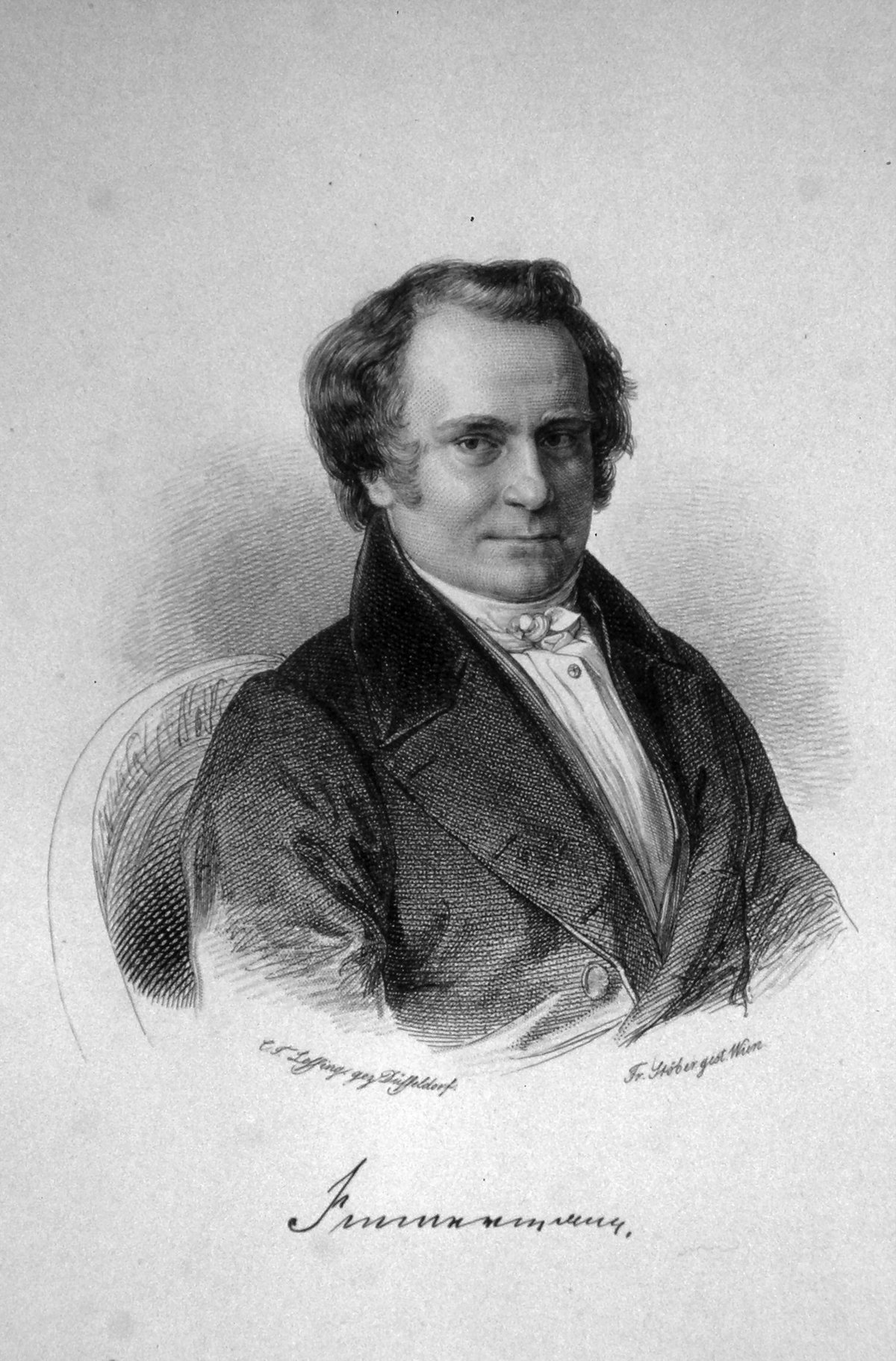
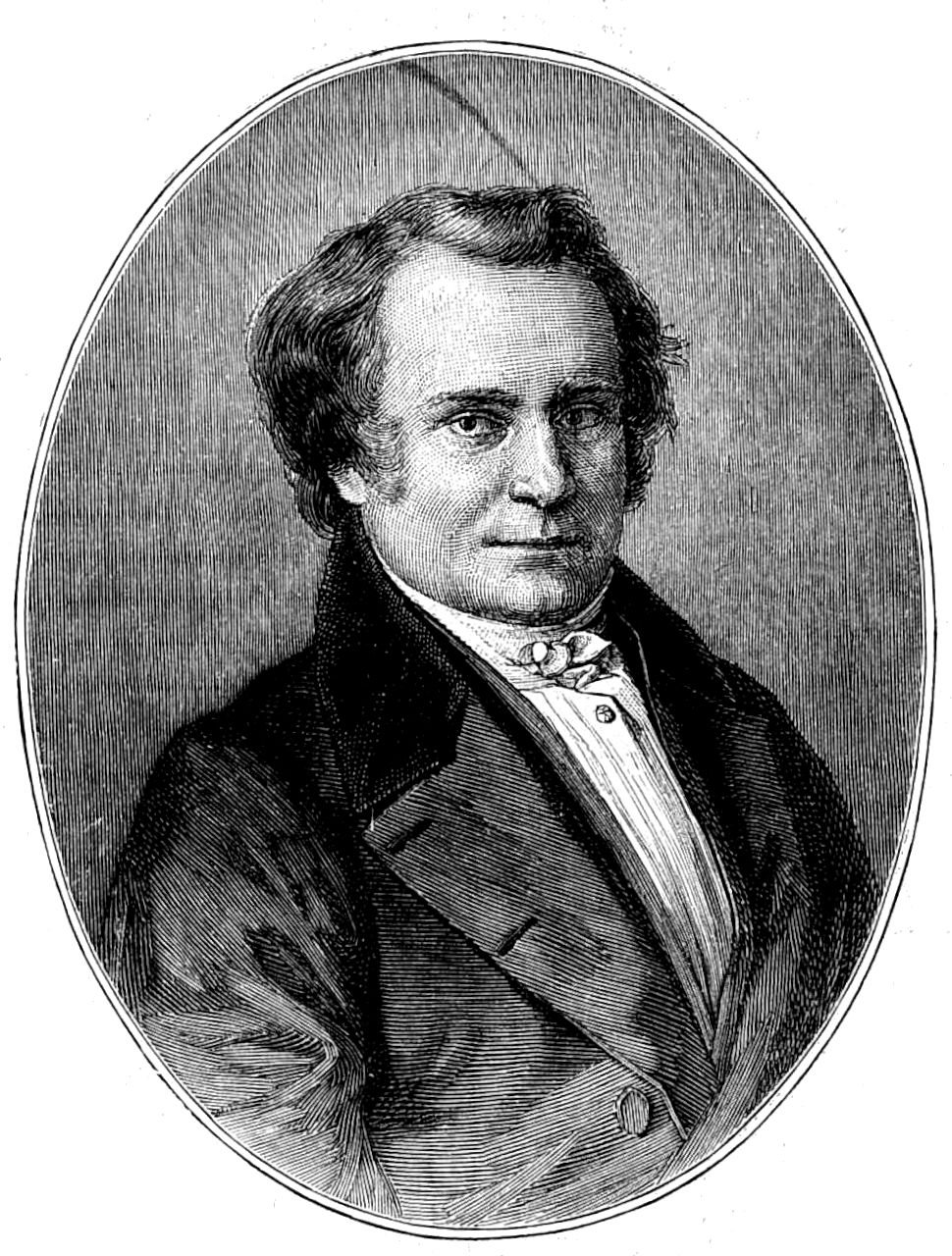
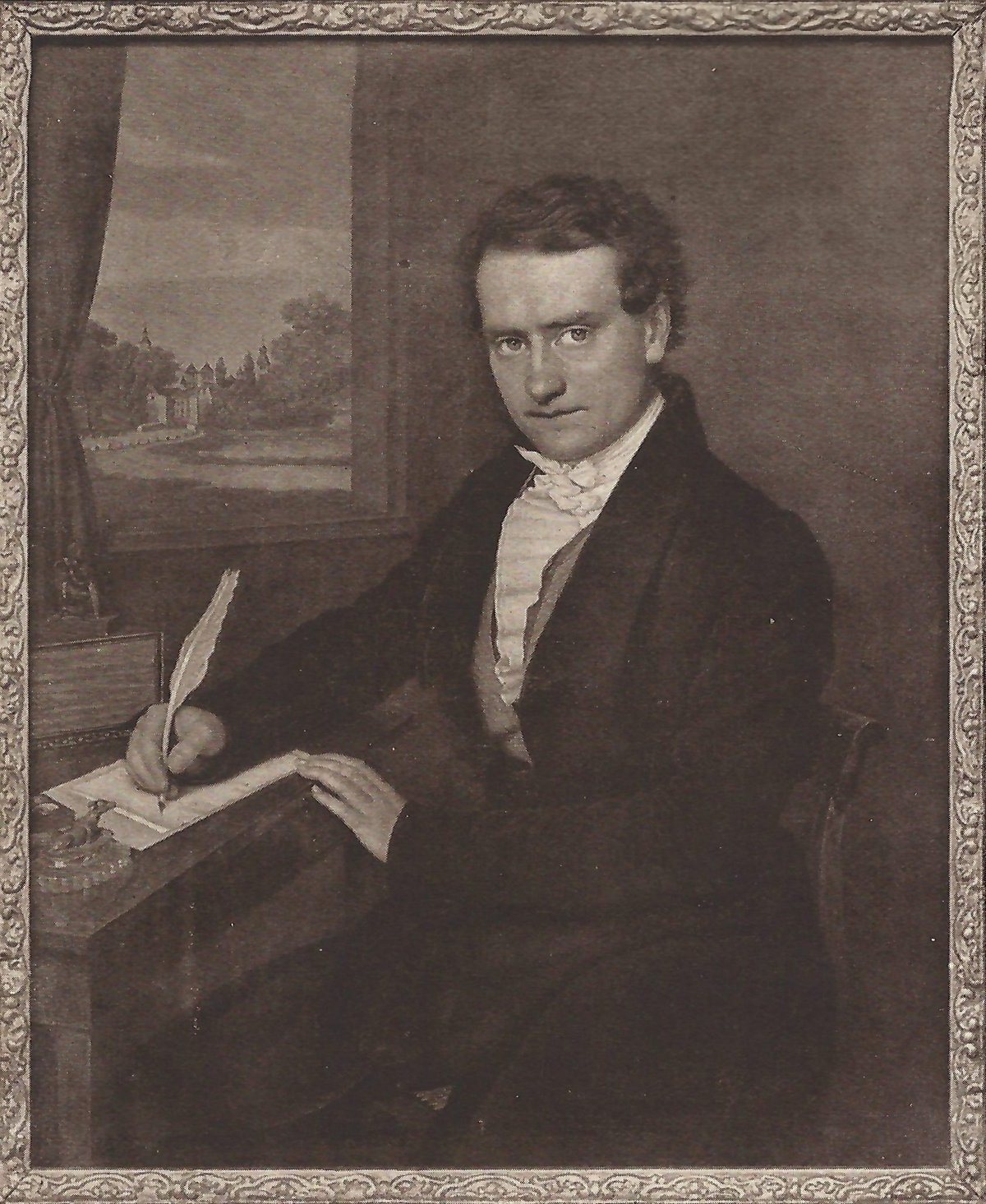
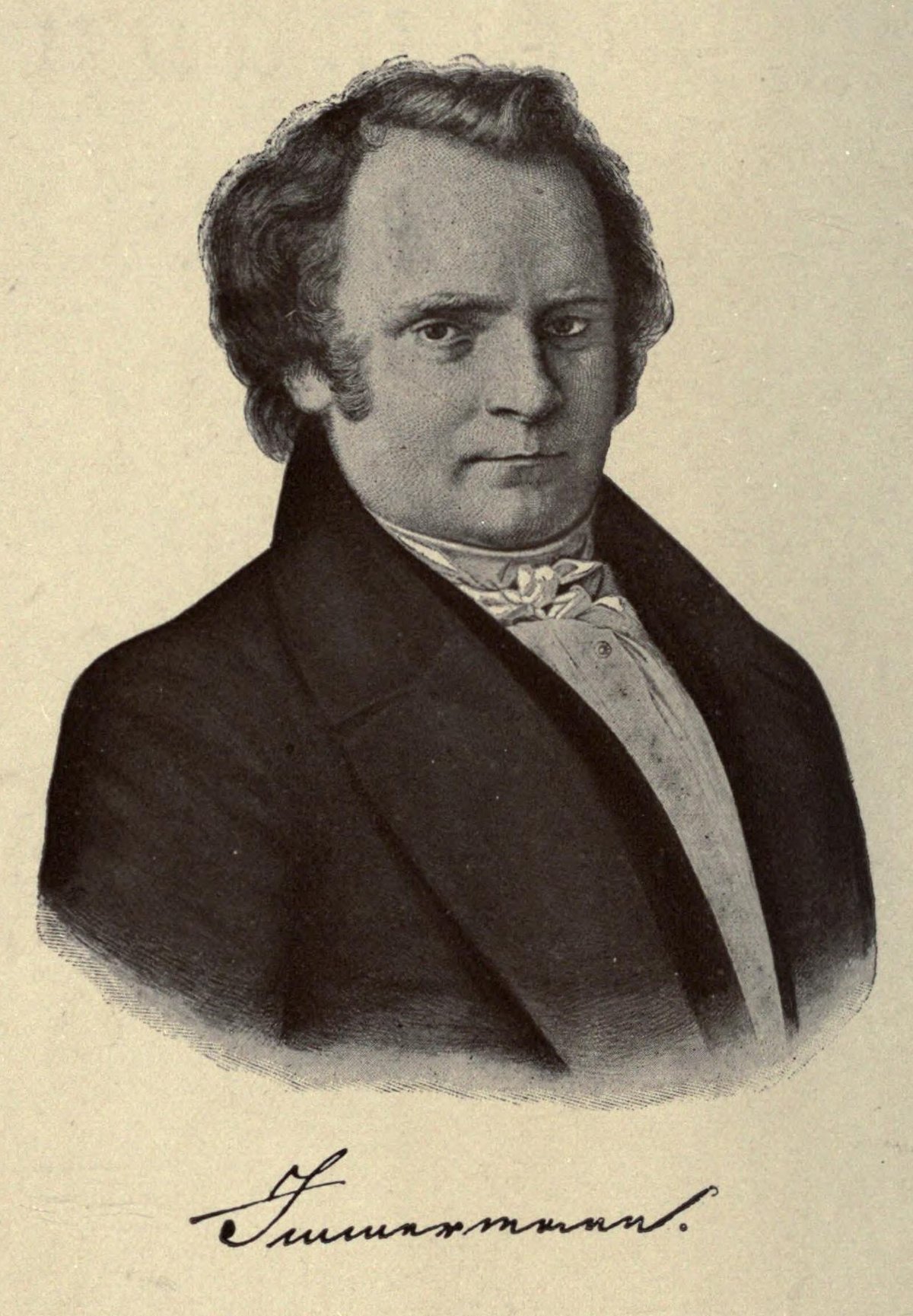
Born in Magdeburg in 1796, Immermann was the son of Gottlieb Leberecht Immermann, a Prussian war and domain councilor, and Wilhelmine Wilda. He grew up during a period of significant historical upheaval, including the Napoleonic Wars and the occupation of Magdeburg. Immermann attended the Gymnasium zum Kloster “Unserer Lieben Frauen” before studying law at the University of Halle. His exposure to the Weimar stage during his university years sparked a lifelong passion for theater (Zeno.org).
Professional Beginnings and Move to Düsseldorf
Immermann began his career as a criminal judge in Magdeburg and published his first literary works during this period. In 1826, he translated Walter Scott’s “Ivanhoe” and gained recognition as a writer. By December of that year, he was appointed as a Landgerichtsrat (district court councilor) in Düsseldorf. After relocating in 1827, Immermann quickly became a prominent figure in Düsseldorf’s artistic circles, forming connections with the Düsseldorf Academy of Arts and the local school of painting (Zeno.org).
Literary and Theatrical Achievements in Düsseldorf
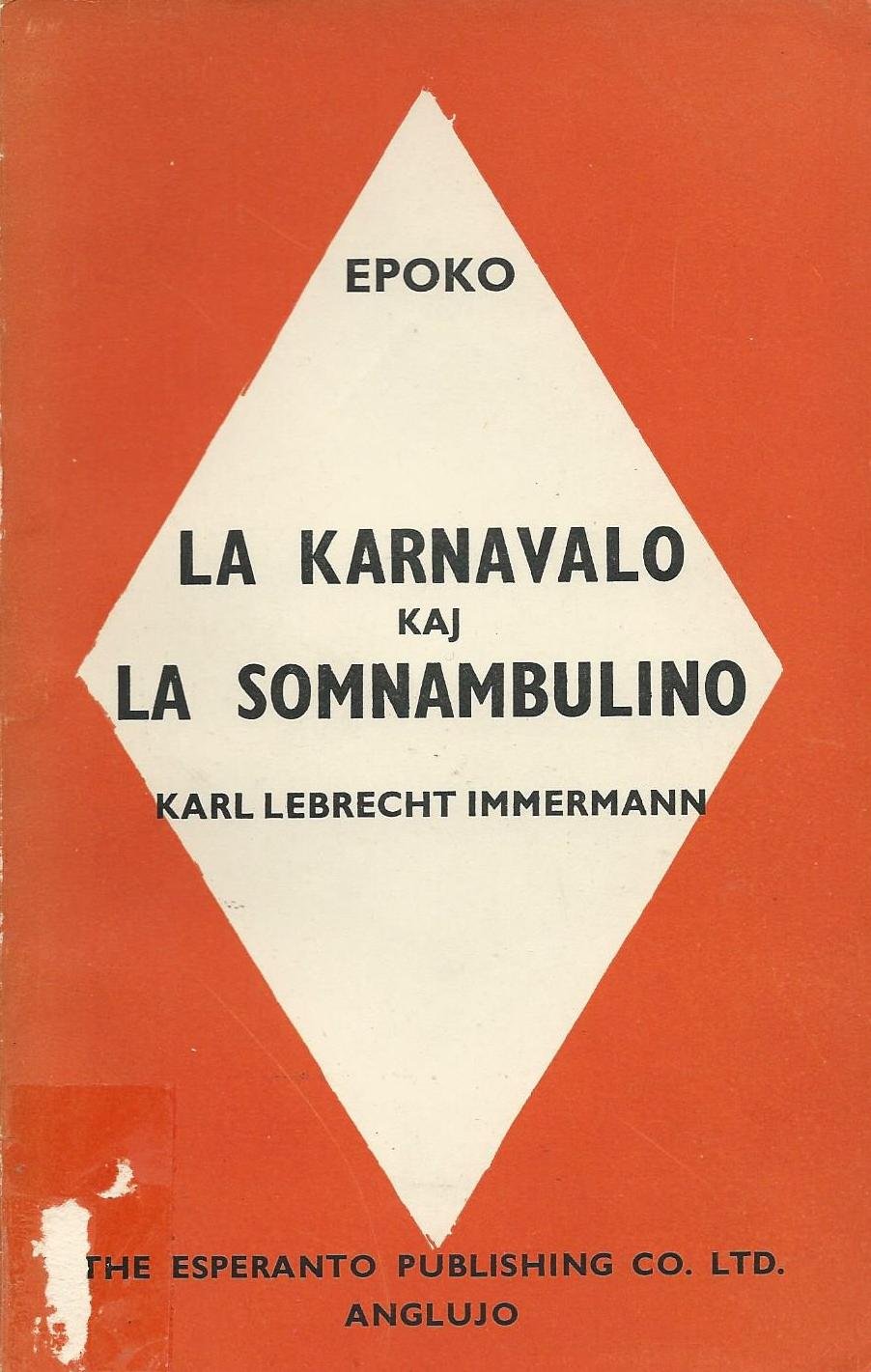
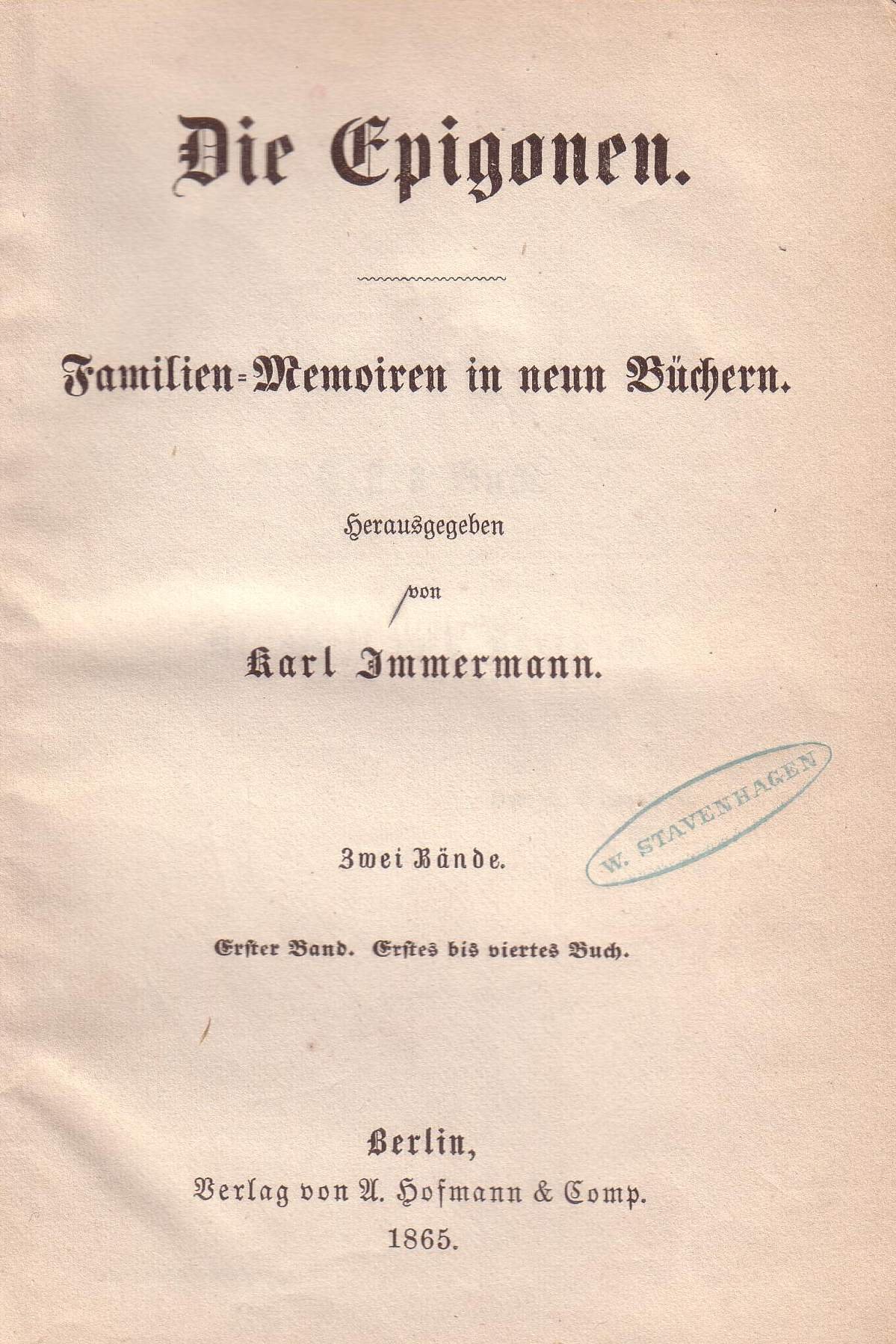
Immermann’s years in Düsseldorf were marked by significant literary and theatrical contributions. He authored major works such as the novels “Die Epigonen” (1836) and “Münchhausen” (1839), and the drama “Merlin” (1832). In 1829, he co-founded the Kunstverein für die Rheinlande und Westfalen, which remains a vital institution for contemporary art in the region.
In 1834, Immermann became director of the newly re-established Stadttheater Düsseldorf. There, he instituted reforms that professionalized the theater, introduced “Mustervorstellungen” (model performances), and staged works ranging from his own “Kurfürst Wilhelm im Theater” to Kleist’s “Prinz Friedrich von Homburg.” His leadership marked a golden age for Düsseldorf theater, attracting luminaries such as Felix Mendelssohn Bartholdy (Zeno.org).
Key Immermann-Related Sites in Düsseldorf
Stadttheater Düsseldorf
- Description The city’s main theater, historically linked to Immermann’s innovations.
- Visiting Hours & Tickets See the official website for schedules and ticketing. Booking in advance is advised for performances.
- Accessibility Fully wheelchair accessible.
Kunstverein für die Rheinlande und Westfalen
- Description Founded by Immermann, this art association is central to Düsseldorf’s cultural life.
- Visiting Hours & Tickets Visit the Kunstverein website for current exhibitions, hours, and ticket information.
Immermannstraße
- Description A central street named for Immermann, now at the heart of Düsseldorf’s Japanese Quarter (“Little Tokyo”).
- Visiting Hours As a public street, accessible year-round, 24/7. Shops and restaurants typically open 10:00 AM–8:00 PM.
- Tickets No tickets required for the street. Performances at nearby theaters require tickets.
- Accessibility Pedestrian-friendly and wheelchair accessible; well-served by public transport.
Memorials and Monuments
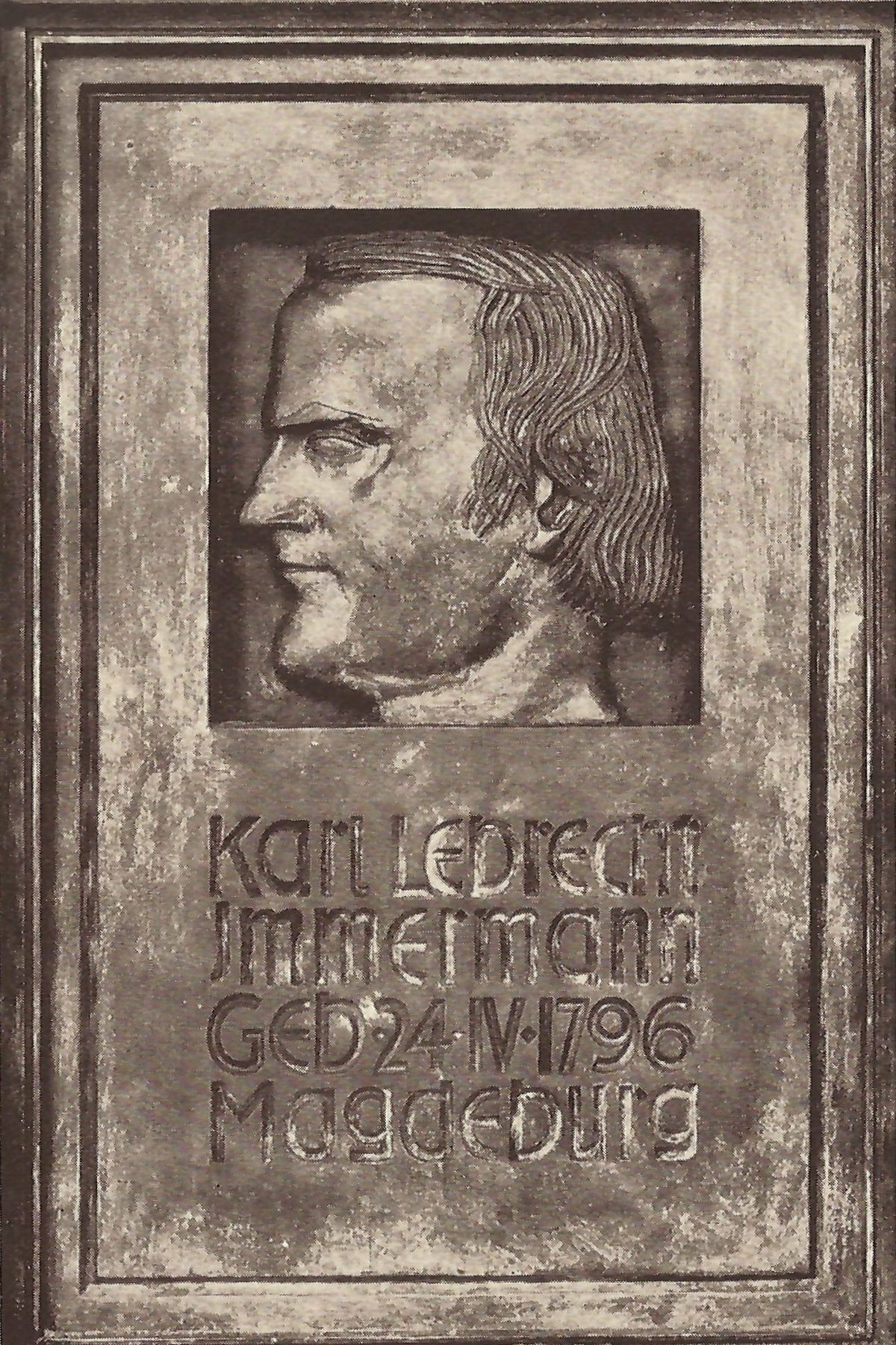
- Immermann Memorial Plaque Located at Ratinger Straße 43 in the Altstadt, accessible at any time.
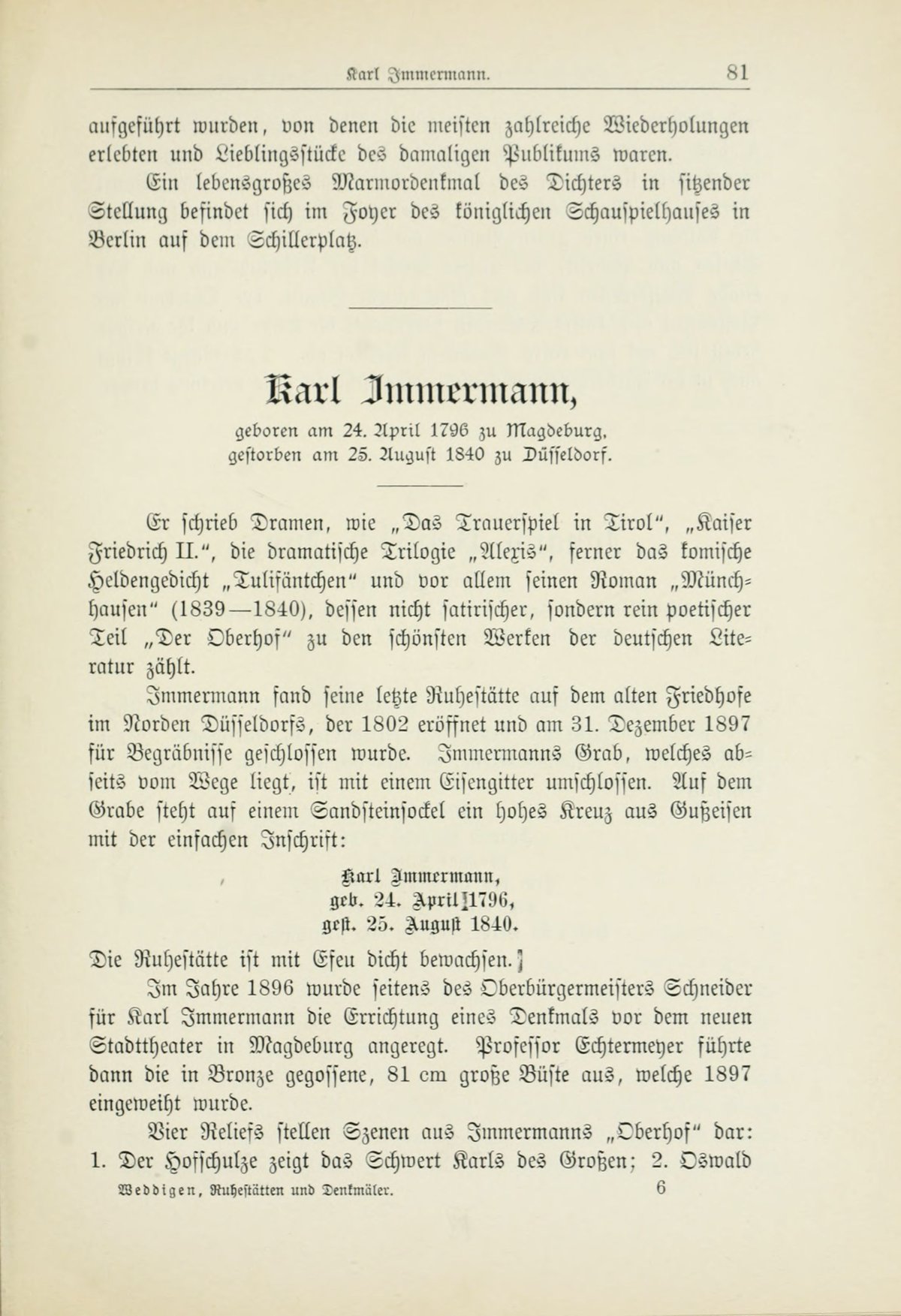
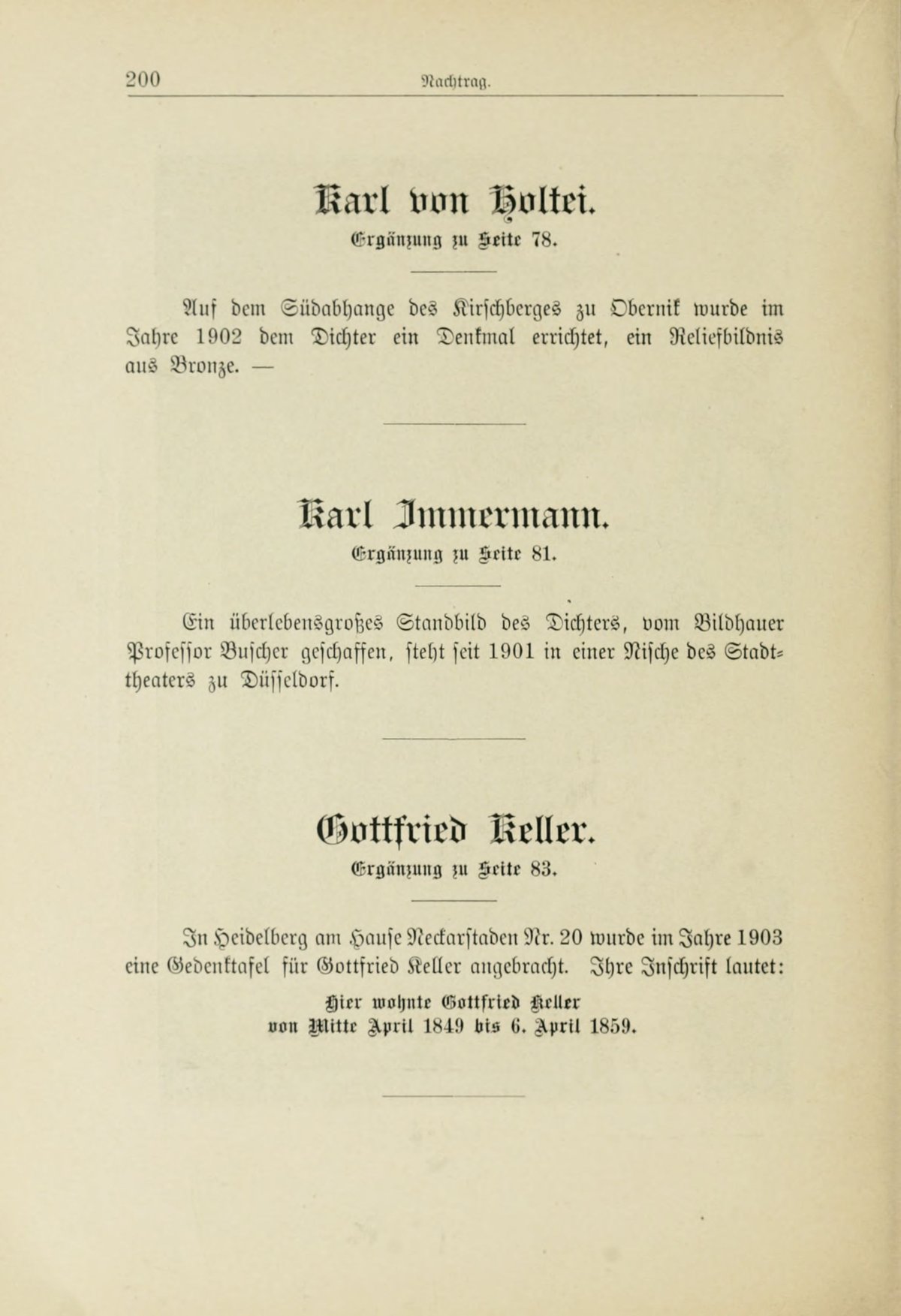
- Immermann Statue In the foyer of the Düsseldorfer Schauspielhaus, generally open 12:00 PM–7:00 PM on weekdays.
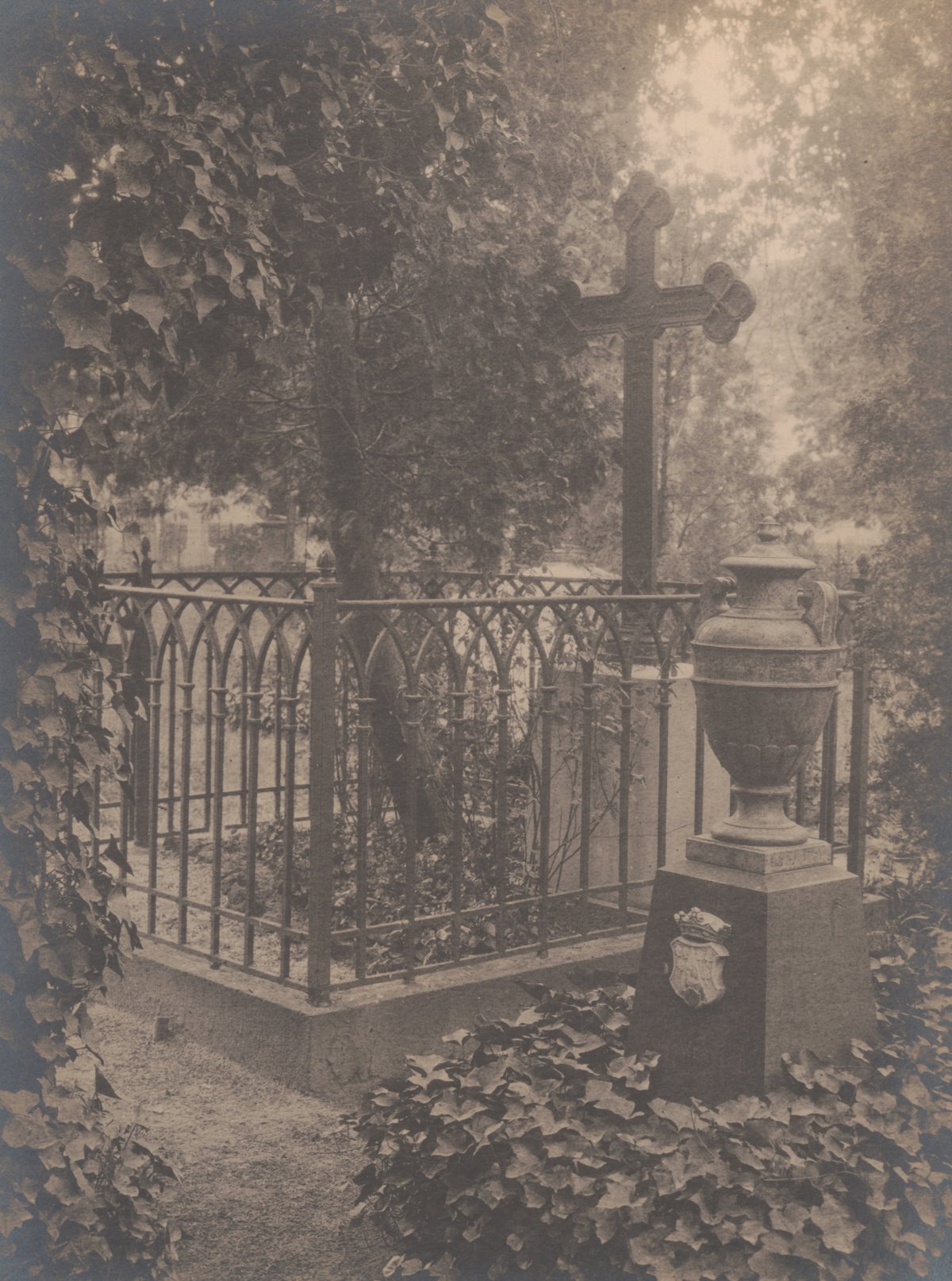
- Grave at Golzheimer Friedhof Cemetery open daily from 7:00 AM to sunset, free entry.
Practical Visitor Information
- Transportation Düsseldorf’s public transport (U-Bahn, S-Bahn, trams, buses) makes exploring all major sites convenient. Immermannstraße is a 5-minute walk from the main train station.
- Nearby Attractions Altstadt, Rhine promenade, Museum Kunstpalast, and Carlsplatz Market are within walking distance.
- Dining Immermannstraße offers a wide range of Japanese and international cuisine, with bakeries and cafes ideal for a break during your visit.
- Accommodation Numerous hotels are available along or near Immermannstraße, ranging from luxury to budget.
- Special Events Highlights include Japan Day (May), cherry blossom season, and theater festivals. Check local calendars for up-to-date event listings (Traveling Season).
Immermann’s Social and Cultural Networks
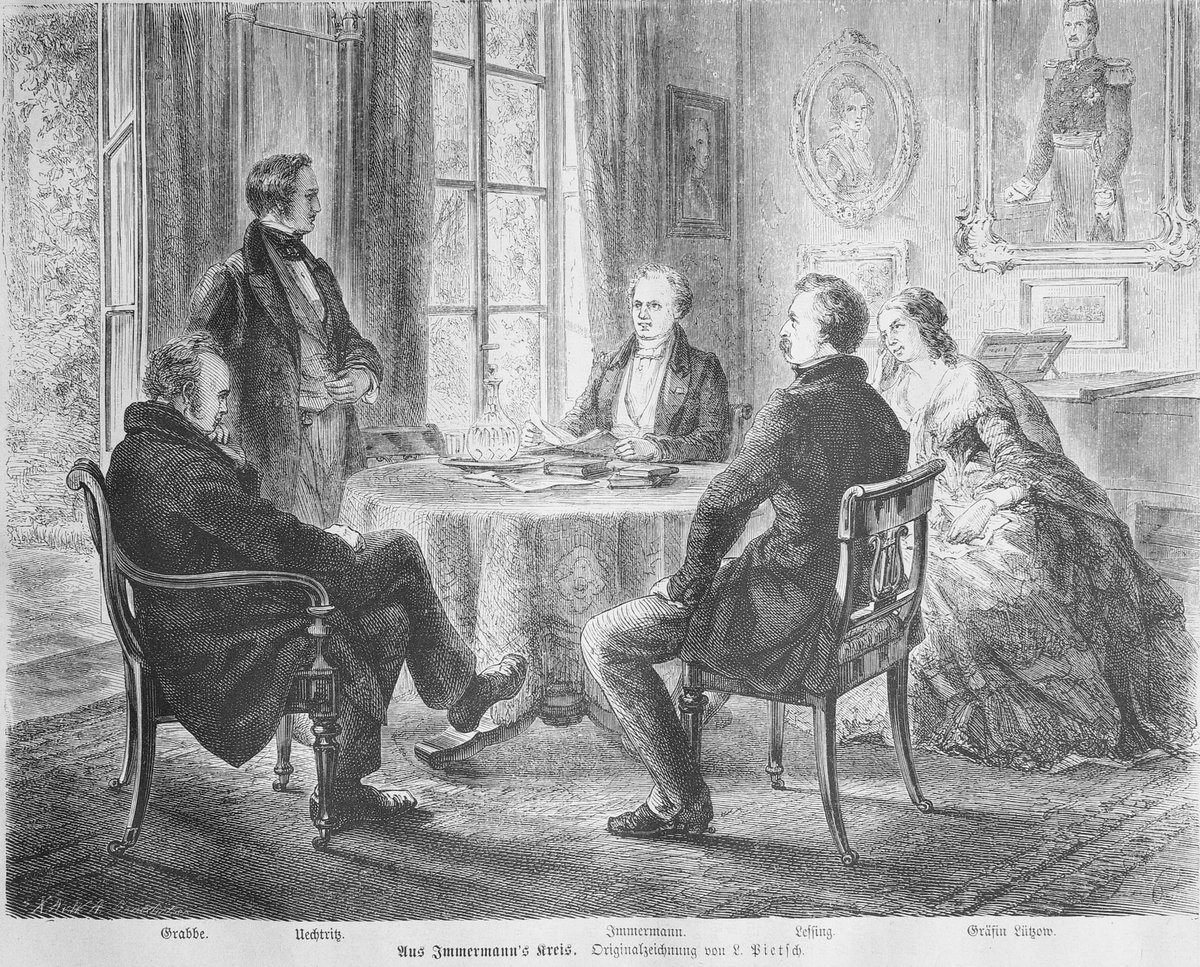
Immermann built close relationships with leading cultural figures of his time, such as Felix Mendelssohn Bartholdy, Amalie von Sybel, Karl Schnaase, and Friedrich von Üchtritz. His home was a gathering place for artists, writers, and musicians, cementing his influence on Düsseldorf’s development as a cultural hub. He participated in and organized key events, including masquerade balls and the Dürer-Fest (Zeno.org).
Personal Life and Final Years
Immermann’s relationship with Elisa von Lützow ended in 1839, after which he married Marianne Niemeyer and settled in Düsseldorf with their daughter Caroline. His final years were characterized by continued literary and theatrical activity. He died in Düsseldorf in 1840 at the age of 44 (Zeno.org).
Legacy and Historical Significance
Immermann’s reforms in theater, his literary achievements, and his role in founding cultural institutions have left a lasting imprint on Düsseldorf. The city commemorates him through sites like Immermannstraße, ongoing theatrical traditions, and exhibitions at institutions such as the Heinrich-Heine-Institut. The evolution of Immermannstraße from a commemorative street to a multicultural hub encapsulates Düsseldorf’s blend of tradition and openness (Zeno.org, Immermannstraße, Wikipedia, Audiala).
Frequently Asked Questions (FAQ)
Q: What are the main Immermann-related sites to visit in Düsseldorf? A: Stadttheater Düsseldorf, Kunstverein für die Rheinlande und Westfalen, Immermannstraße, Immermann Memorial Plaque, and Golzheimer Friedhof.
Q: What are typical visiting hours and ticket requirements? A: Outdoor sites are accessible at all times. Museums, theaters, and cultural centers have varied hours; check official websites for details. Tickets are needed for performances and some exhibitions.
Q: Is public transport consistent for visiting these sites? A: Yes, all major sites are accessible by U-Bahn, S-Bahn, tram, or bus. Parking is available but limited in the city center.
Q: Are guided tours available? A: Yes, several organizations offer guided walking tours focusing on literary, artistic, and multicultural aspects of Düsseldorf, including Immermannstraße.
Q: Is Immermannstraße wheelchair accessible? A: Yes, the street and most venues are accessible.
Call to Action
Discover Düsseldorf through the lens of Karl Leberecht Immermann’s life and work. Use the Audiala app for interactive maps, event updates, and exclusive content. Follow us on social media for the latest on cultural events, exhibitions, and guided tours. For further reading and deeper exploration, consult the resources below.
Summary of Key Points and Recommendations
Visiting Karl Leberecht Immermann sites in Düsseldorf offers a journey through the city’s literary, theatrical, and multicultural history. Immermann’s legacy is visible in landmarks like Stadttheater Düsseldorf, the Kunstverein, and, most notably, Immermannstraße—a living symbol of Düsseldorf’s evolving identity. Enhance your visit with guided tours, seasonal events, and by exploring exhibitions at the Heinrich-Heine-Institut. Utilize public transport for convenience, and check opening hours and ticket requirements in advance. For the most up-to-date information and curated itineraries, download the Audiala app. Immermann’s Düsseldorf awaits, blending the richness of its past with the vibrancy of its present (Zeno.org, Immermannstraße, Wikipedia, Audiala).