Place
Pakistan Actualizado Mar 2026
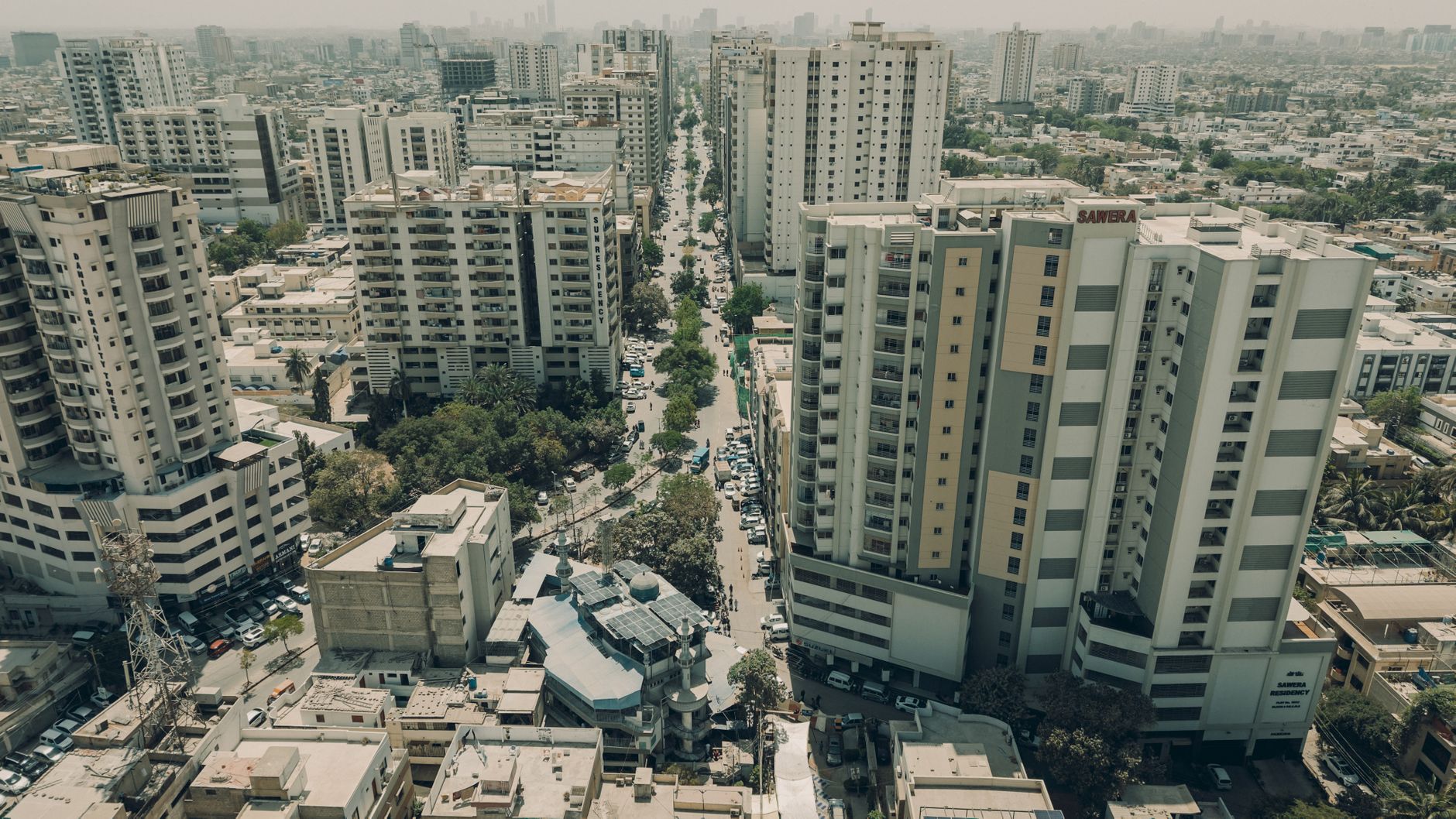
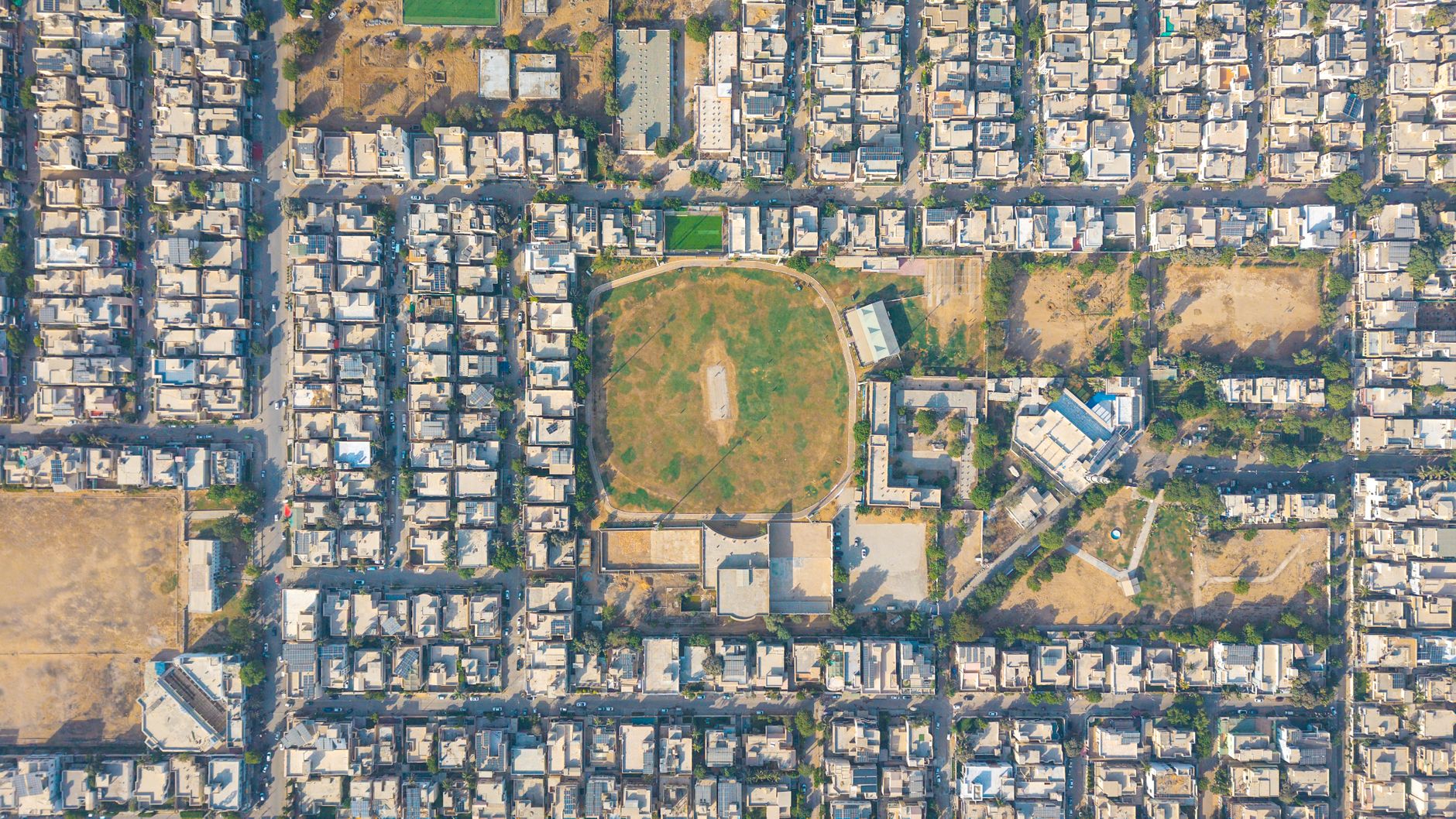
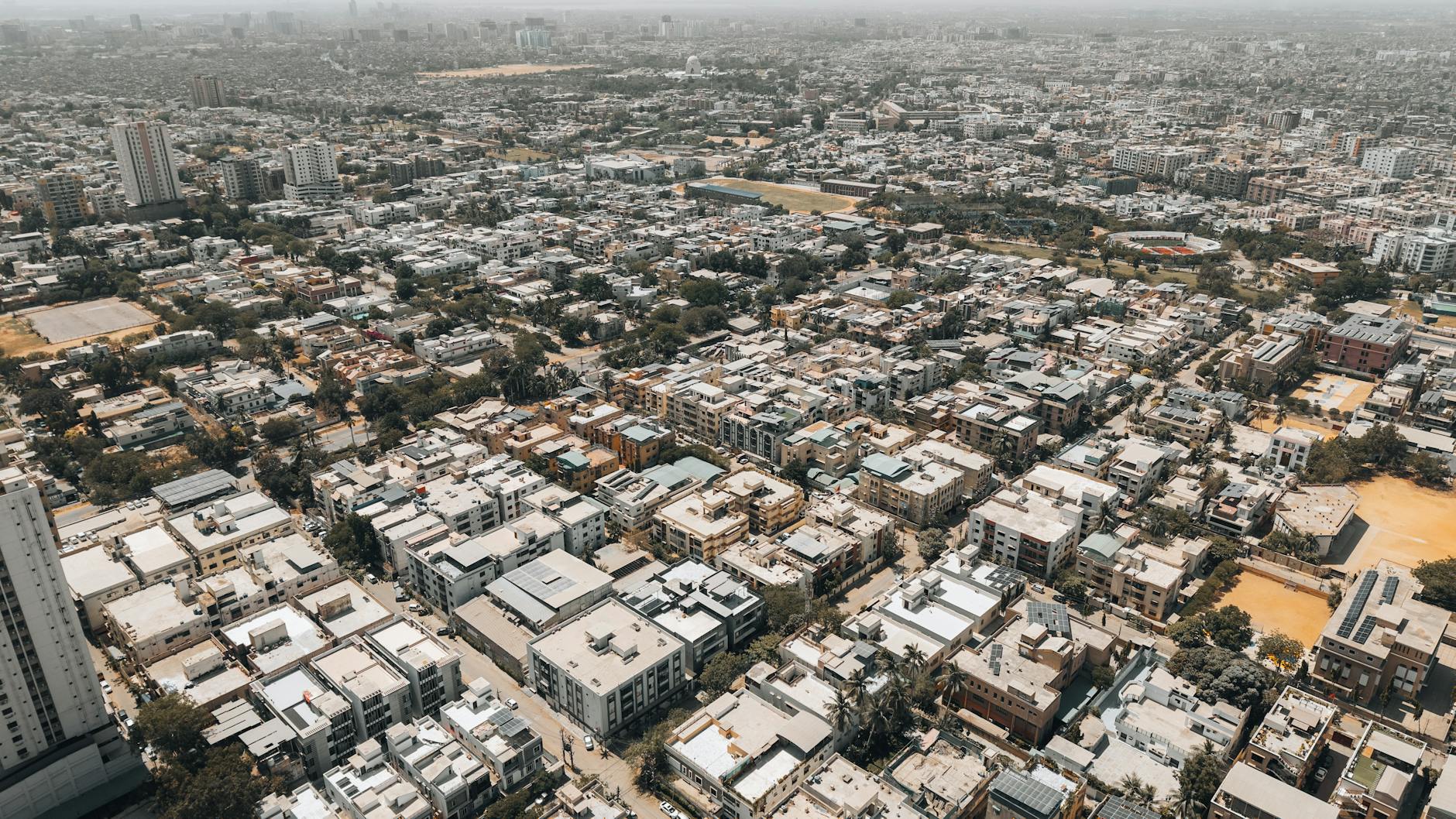
Karachi smells like sea salt and charcoal smoke at the same time — a city where fishing boats knock against container ships in the same harbor, and a 1927 palace sits three blocks from a bun kebab stall that has been frying since before partition. Pakistan's largest city and principal port is home to roughly 15 million people who arrived from everywhere else, and that layered migration is the thing that makes it unlike any other city in South Asia.
 Foto: Tahamie Farooqui / Pexels
Creado a partir de fuentes citadas · consulta el método · Cómo hacemos nuestras guías →
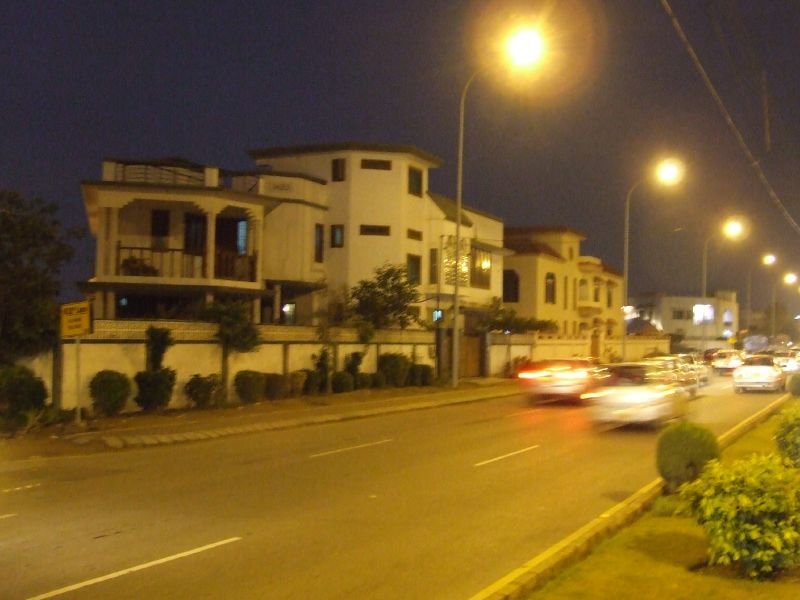
The geography helps explain the personality. Most of what visitors want clusters in the southern wedge between the old port and the Arabian Sea: colonial Saddar with its Venetian-Gothic halls and pavement booksellers, the Clifton seafront where camel rides and contemporary art galleries coexist without apparent tension, and the Defence Housing Authority strips where specialty coffee shops have invented 'soft clubbing' — DJ sets, no alcohol, doors open at noon. North of this belt, Hussainabad runs a parallel food economy that peaks after midnight, and the old quarters around Kharadar still function as living heritage rather than museum pieces.
What catches most first-time visitors off guard is the cultural infrastructure. Karachi has a performing-arts academy occupying a Mughal-Revival gymkhana, a biennale that activates derelict port buildings, a 400-exhibit interactive science centre that opened in 2021, and a literature festival now in its seventeenth year. The Arts Council alone programs over 500 events annually. This is not a city that needs to borrow its culture from somewhere else.
Timing matters. During Ramadan the city inverts its clock — food streets erupt after iftar, the Bohra community sets up a temporary kitchen at Paper Market that draws visitors from the Gulf, and the rhythm of eating becomes communal performance. On ordinary nights, Burns Road still fills with families at ten o'clock, the seafront restaurants at Do Darya catch the last pink light over the water, and somewhere in Clifton a third-wave roaster is pulling espresso for a crowd that will not go home until well past midnight.
No todos los monumentos, solo aquellos por los que te llevaríamos nosotros mismos.


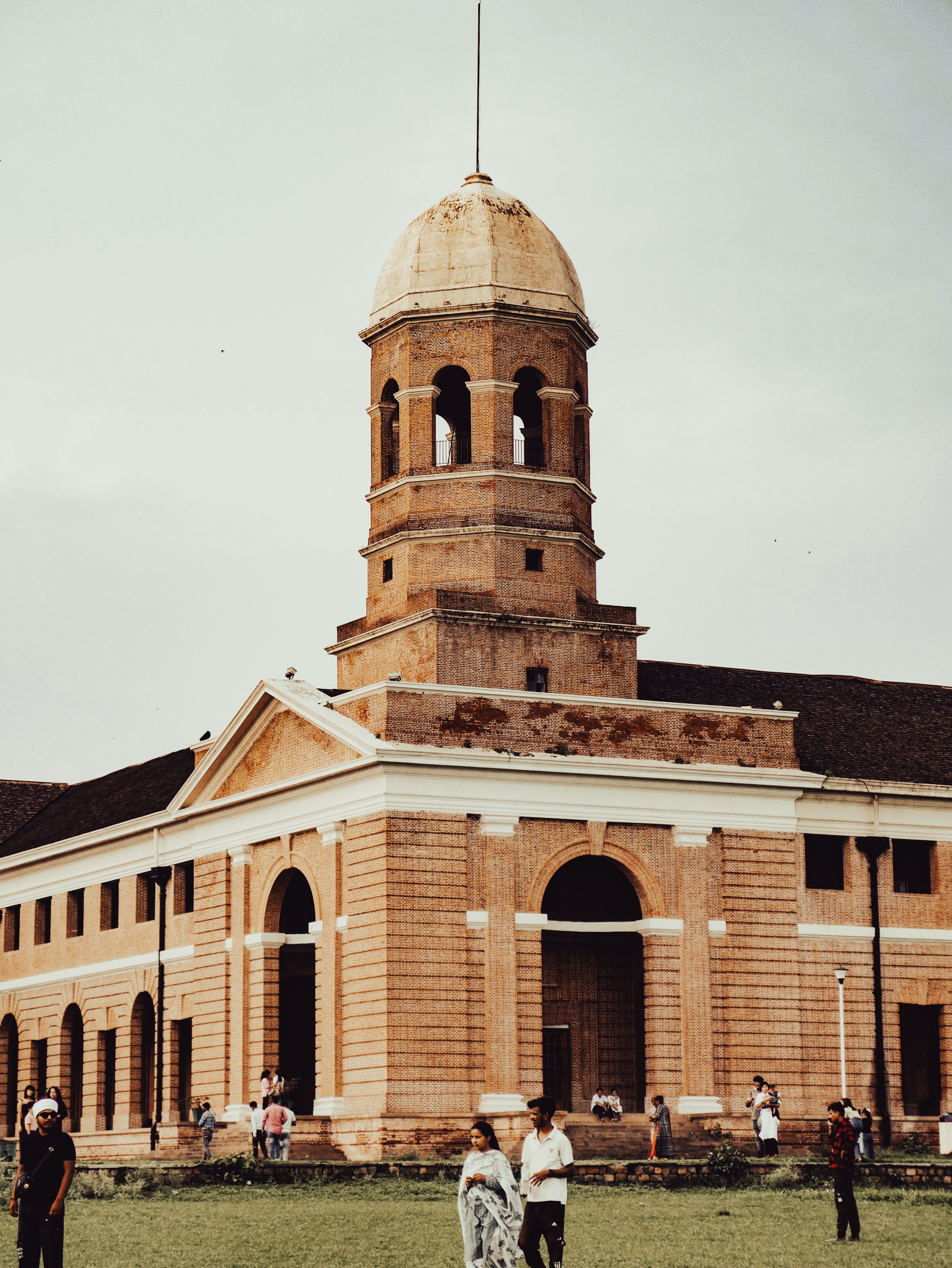

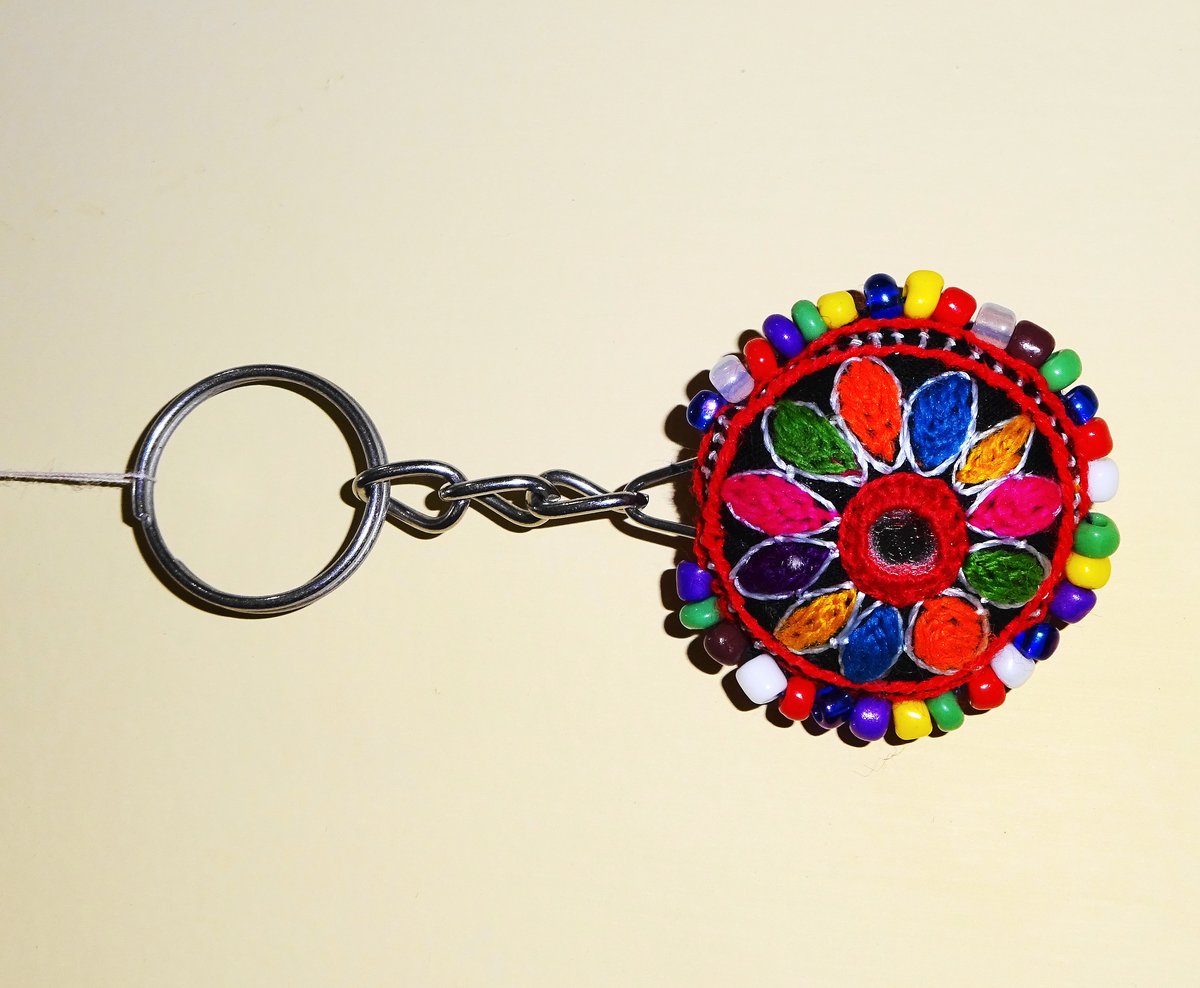
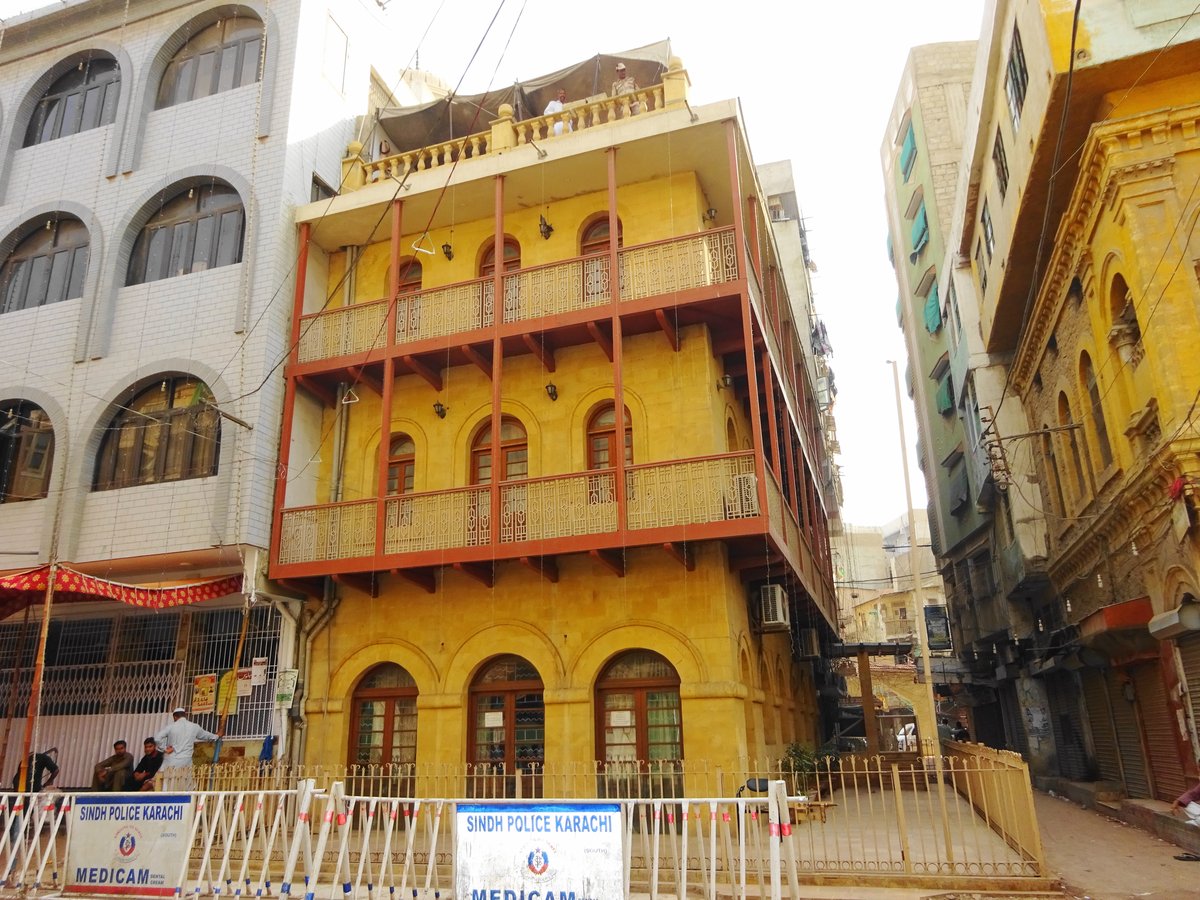
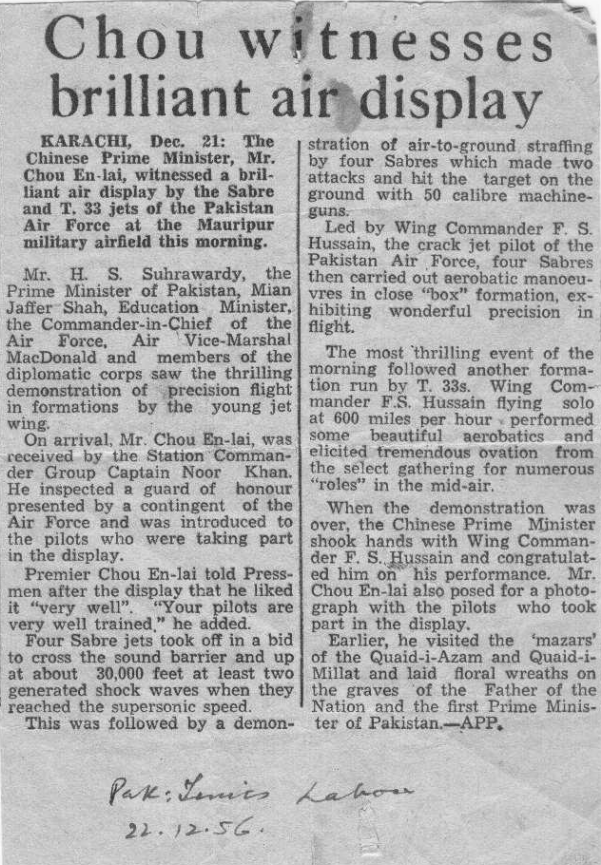
Por dónde pasear, barrio a barrio — cada uno con su propio ritmo.
Antes de ir
From Indus coast fishing village to Pakistan's sprawling megacity
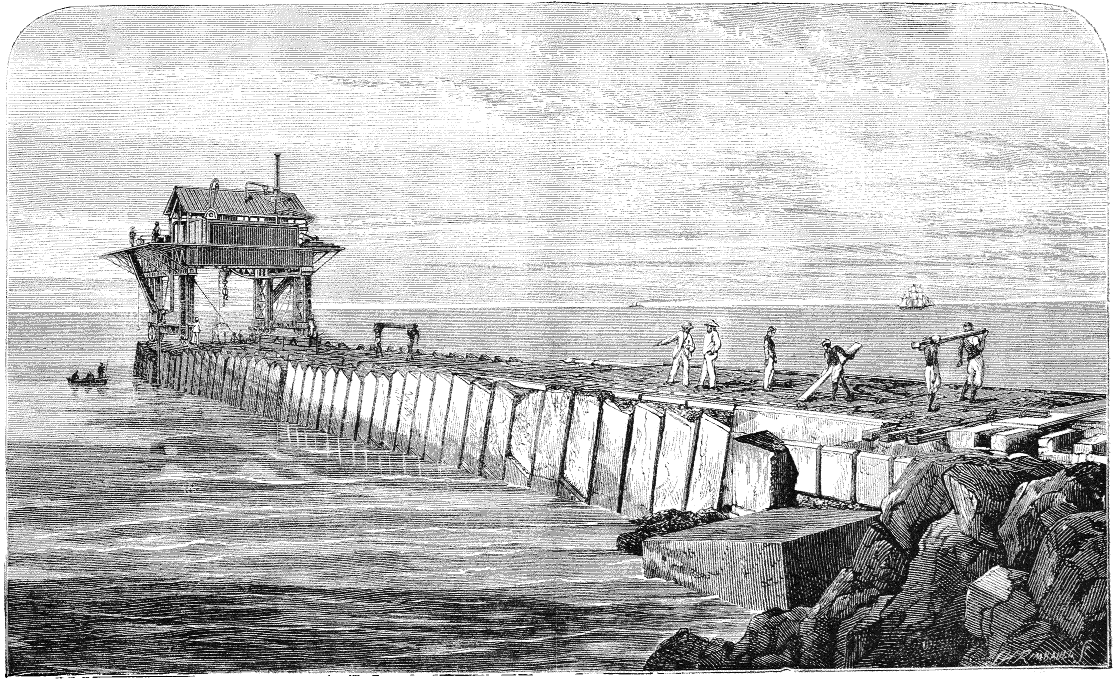
As Alexander's admiral Nearchus sailed from the Indus delta toward Persia, Greek geographers noted landmarks they called Krokola and Morontobara — later identified with Manora Island and the Karachi coastline. The harbour was already a waypoint on ancient maritime routes connecting Mesopotamia to the Indus. No city existed yet, but the geography that would make Karachi inevitable was already doing its work.
The Periplus of the Erythraean Sea, a Greek merchant's manual, describes Barbaricum — a busy trading port near the Indus mouths where turquoise, lapis lazuli, indigo, and Chinese silk changed hands. The location maps roughly to the Karachi coast. Centuries before the city had a name, this stretch of shoreline was already plugged into global commerce.
The young Arab general conquered Sindh and captured the harbour zone of Debal, which local tradition places near the Karachi coast. The conquest drew Sindh into the Islamic world permanently. The exact site of Debal is still debated by archaeologists, but the event transformed the region's language, religion, and trade networks for a millennium to come.
When the older harbour at Kharak Bunder silted up, fishermen and traders shifted to a new fortified settlement they called Kolachi-jo-Goth — the village of Kolachi, named after a local fisherwoman, Mai Kolachi. Under the Kalhora rulers of Sindh, the settlement grew two gates: Kharadar facing the sea and Mithadar facing the river. This is the birth certificate of the modern city.
On 1 February 1839, the East India Company warship Wellesley anchored off Manora. Two days later, the fort surrendered. Within four years Charles Napier defeated the Talpur amirs at the Battle of Miani and annexed all of Sindh. Karachi passed from a regional trading post into the machinery of the British Empire — and never looked back.
The rail link between Karachi and Kotri cracked open the Sindh hinterland. By 1878 the line connected to the broader North Indian railway network, and Karachi's port transformed from a regional harbour into the funnel for an entire subcontinent's grain exports. By 1899 it was one of the biggest wheat-exporting ports in the East; by 1914, the largest grain port in the British Empire.
Built as a town hall and library, Frere Hall gave colonial Karachi its architectural centrepiece — Venetian Gothic arches planted in the Sindhi heat, surrounded by the gardens of Bagh-e-Jinnah. A century later, Sadequain would paint its ceiling with explosive calligraphic murals, layering Pakistani modernism onto British stone. The building still functions as library, gallery, and public landmark.
Muhammad Ali Jinnah was born on 25 December 1876 into a merchant family in the Wazir Mansion neighbourhood. He would leave for London, return to practise law in Bombay, lead the Muslim League, and carve Pakistan out of British India. But Karachi bookends his life: he was born here, he made it his new nation's capital, and he died here on 11 September 1948. The city's most visited monument is his white-marble mausoleum.
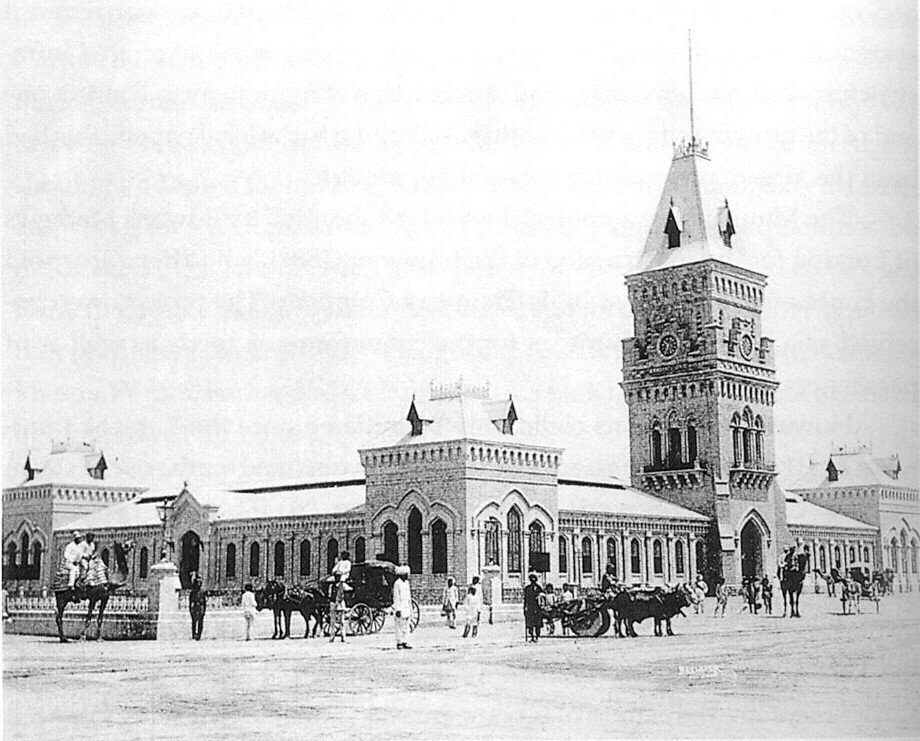
Built on the site where sepoys were executed after the 1857 uprising, Empress Market rose with 280 shops and stalls packed under a clock tower. It became the sensory heart of Karachi — spices, live birds, fabrics, and noise compressed into a Victorian market hall. The building's past is grim, but its present is pure Karachi: chaotic, aromatic, and impossible to ignore.
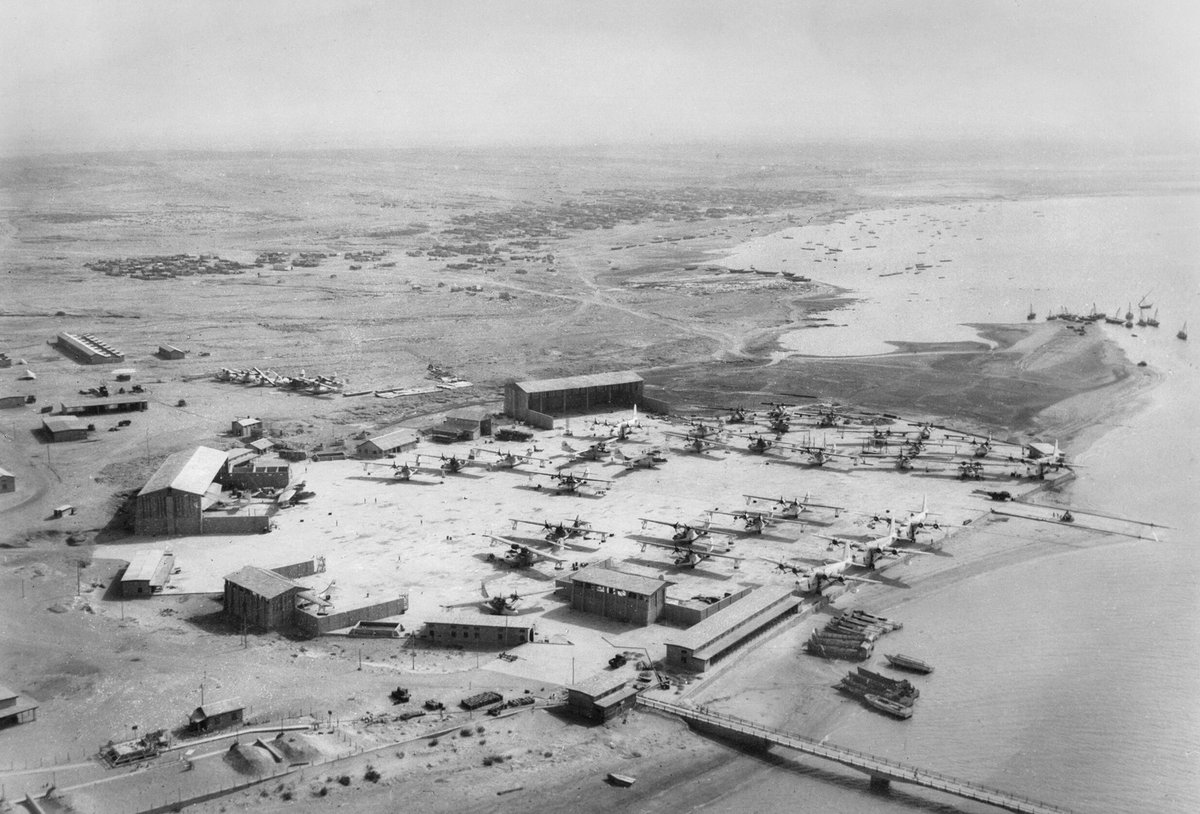
The aerodrome at Drigh Road became the main aerial entry point to the subcontinent. Imperial Airways, KLM, and other carriers routed through Karachi, making the city a node on the new global air network decades before Partition. Aviators landing here stepped from their planes into heat, dust, and a harbour city already more cosmopolitan than most visitors expected.
The Hindu industrialist Shivratan Chandraratan Mohatta built a summer palace in Clifton, its pink sandstone and white marble carved in Indo-Saracenic style. After Partition, Mohatta left for India and the palace passed through government hands. It reopened as a museum in 1999, and today it hosts some of Karachi's best art exhibitions — a monument to the cosmopolitan city that Partition both ended and began.
On 14 August 1947, Karachi became the capital of a brand-new country. Almost overnight, the city's demographics inverted: most Hindus left, hundreds of thousands of Muhajir refugees poured in from India. The population surged, languages multiplied, and a port city of about 400,000 began its transformation into a megacity. Karachi has never stopped absorbing newcomers since.
Abdul Sattar Edhi migrated to Karachi from Gujarat in 1947, penniless and twenty years old. He started a free dispensary in the city's roughest streets. When the 1957 Asian flu epidemic overwhelmed Karachi's hospitals, Edhi bought his first ambulance. By the time he died in 2016, the Edhi Foundation ran the world's largest private ambulance fleet — over 1,800 vehicles — plus orphanages, morgues, and shelters, all from Karachi. The city made him, and he remade the city's conscience.
National Stadium Karachi opened in April 1955, anchoring cricket — already a passion — into the physical fabric of the city. Pakistan's Test cricket history is inseparable from this ground. Javed Miandad, born in Karachi in 1957, would become the incarnation of Karachi cricket: fearless, street-smart, and impossible to dismiss quietly.
A German-born Catholic nun and physician, Ruth Pfau arrived in Karachi intending to pass through. Then she visited a leprosy colony and could not leave. From the Marie Adelaide Leprosy Centre in Karachi, she built a nationwide anti-leprosy campaign so effective that the WHO declared Pakistan among the first Asian countries to control the disease. She lived in Karachi for 57 years, until her death in 2017. The city gave her a state funeral.
Jahangir Khan arrived into a Karachi squash dynasty — his father and cousin were both champions. He would go on to win six World Open titles and compile a 555-match winning streak that still stands as one of the most dominant runs in any sport. Karachi's squash courts, not its cricket pitches, produced the city's most statistically extraordinary athlete.
In 1959, Rawalpindi replaced Karachi as Pakistan's interim capital; by 1969, the shift to Islamabad was permanent. Karachi lost its political centrality but kept its economic engine: the port, the stock exchange, the factories, the migrant labour. Freed from capital-city constraints, the city grew faster and wilder, doubling and tripling in population over the following decades with minimal planning.
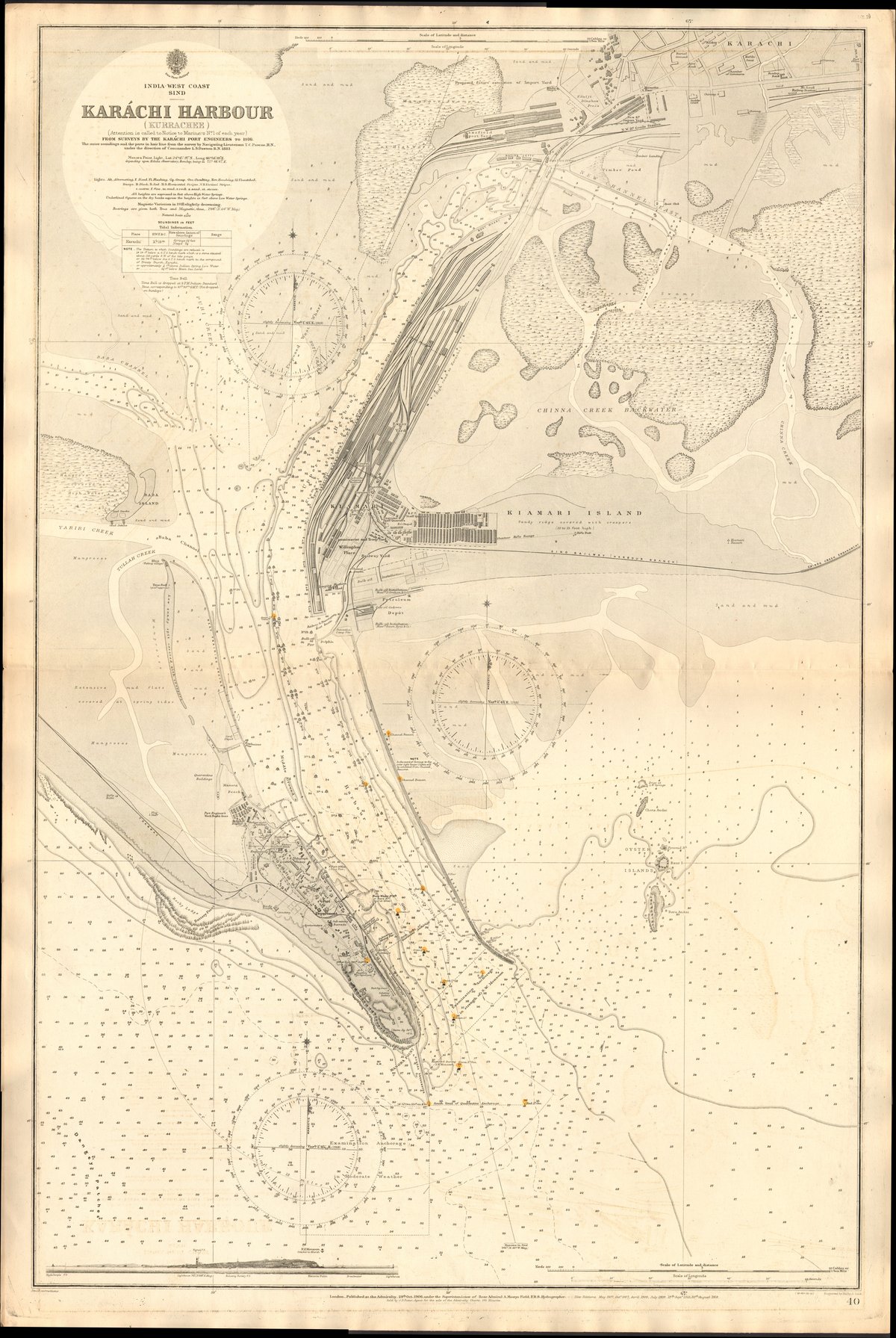
On the night of 4 December 1971, Indian missile boats attacked Karachi harbour in Operation Trident, sinking Pakistani vessels and igniting fuel storage at Keamari. Four days later, Operation Python struck again. The fires at the oil terminal burned for days, visible across the city. Karachi had not been attacked from the sea since the British arrived in 1839. The war lasted two weeks; the psychological impact lasted longer.
In the 1980s, the painter and calligrapher Sadequain — already Pakistan's most important modern artist — covered the ceiling of Frere Hall with explosive murals blending Quranic calligraphy, figurative painting, and raw energy. A Victorian library built for colonial administrators became, overnight, a gallery of Pakistani modernism. Sadequain died in Karachi in 1987; the murals remain the single most powerful work of public art in the city.
By the early 1990s, Karachi had become one of the world's most dangerous cities — ethnic militias, sectarian killings, extortion rackets, and political assassinations were routine. The state launched a military operation in 1992, the first of several crackdowns. The violence would ebb and surge for two decades, shaping how the world saw Karachi and how Karachiites saw their own city: resilient, battered, ungovernable, and stubbornly alive.
On 18 October 2007, Benazir Bhutto — born in Karachi, twice prime minister — returned from exile to a massive homecoming procession through the city's streets. A suicide bombing struck the convoy, killing over 130 people in one of Karachi's deadliest single attacks. Bhutto survived that night but was assassinated in Rawalpindi two months later. The blast crater on Karsaz Road became a scar in the city's memory.
The first Karachi Literature Festival in 2010 signalled something the security headlines missed: the city's literary and cultural life had not only survived the violent years but was asserting itself. Writers like Kamila Shamsie — born and raised in Karachi — had already put the city on the international literary map. The festival gave Karachi a public stage for the conversation it had been having in private all along.
A sustained security operation from 2013 onward drove crime and political violence down sharply. By the end of the decade, Karachi was measurably safer than it had been in a generation. But the other crisis — collapsing water supply, flooded streets, unplanned sprawl, and governance paralysis — proved harder to crack. Karachi entered the 2020s as a city of 15-plus million people still waiting for a functional public transit system.
Founder of Pakistan · 1876–1948
Born here, died here
Born in Kharadar's Wazir Mansion and buried beneath the white marble of Mazar-e-Quaid, Jinnah bookends Karachi's modern identity. His former residence at Flagstaff House still stands in Clifton as a quieter, more domestic counterpoint to the mausoleum's state grandeur. The city he was born into had 100,000 people; the one that guards his tomb has 25 million.
Painter and calligrapher · 1930–1987
Worked here, major murals in Karachi
Sadequain's enormous ceiling murals inside Frere Hall remain some of the most startling things you can see for free in any Pakistani city — dense, swirling calligraphic compositions that feel closer to devotional trance than civic decoration. He worked across Pakistan but Karachi holds his most publicly visible legacy. Walk into the hall expecting colonial architecture and walk out having stared at the ceiling for twenty minutes.
Theoretical physicist, Nobel laureate · 1926–1996
Studied and taught in Karachi
Before Stockholm and Trieste, Salam taught at Government College and the University of the Punjab, but it was his time at Karachi's institutions that anchored his early career in Pakistan. He became the first Pakistani Nobel laureate in 1979 for his work on electroweak unification. His complicated legacy in Pakistan — celebrated abroad, marginalized at home for his Ahmadiyya faith — mirrors some of Karachi's own contradictions.
Singer and actress · 1926–2000
Lived and worked here from 1947
After Partition, Noor Jehan moved to Karachi and became the voice of Pakistan's film industry, recording thousands of songs over five decades. Her playback singing defined Lollywood, but in Karachi she was also simply a presence — a woman whose voice came out of every radio and wedding hall. She is buried in the city, and her songs still drift out of taxi speakers on Burns Road at midnight.
Actor and arts administrator · 1931–2023
Founded NAPA in Karachi
Mohyeddin brought RADA training and BBC experience back to Pakistan and poured it into founding the National Academy of Performing Arts inside Karachi's Hindu Gymkhana — itself a rescued heritage building. NAPA became the city's most important institutional bet that performing arts deserve professional infrastructure, not just talent and improvisation. He died in Karachi in 2023, having spent his last decades building what the city lacked.
Donde los locales reservan cena de verdad — no los menús para turistas.
Karachi runs on biryani the way other cities run on coffee. The local style — fiery, tomato-stained, layered with potatoes that absorb the masala — came with Muhajir families after Partition and now defines the city's food identity. Every neighborhood has a loyalist's pick; student canteens serve it for under PKR 200.
A slow-cooked beef or mutton stew served at dawn to workers and at midnight to everyone else. Burns Garden's nihari stalls are a Karachi institution — the broth is thick with bone marrow, topped with shredded ginger and green chilies, and torn into with fresh naan under fluorescent lights.
Karachi's true street food currency: spiced minced-meat kebabs wrapped in paratha with onions, chutney, and a squeeze of lemon. Vendors along Burns Road and in Saddar turn these out for PKR 150–250, and the best ones have queues that spill into traffic.
Whole legs of lamb or chicken skewered and roasted over open coals, a Balochi tradition that crossed into Karachi with migration. The meat is barely spiced — just salt and sometimes stuffed with rice — letting the smoke and slow fire do the work. Best found in Balochi-run restaurants in Boat Basin and Saddar.
A thick, pounded stew of wheat, lentils, and slow-braised meat that collapses into a porridge-like consistency. It peaks during Ramadan when dedicated haleem shops multiply across the city, but good versions are available year-round at established spots in Bahadurabad and Tariq Road.
Trotters simmered overnight until the cartilage melts into a glossy, gelatinous broth — Karachi's ultimate cold-morning breakfast, served with naan at roadside dhabas. It demands an open mind and rewards with depth of flavor that politer dishes cannot reach.
Karachi's answer to the burger: a lentil-and-spice patty or a shami kebab pressed onto a griddle, stuffed into a soft bun with tamarind and green chutney. The best vendors work from steel carts near Empress Market, and each one costs less than a dollar.
These aren't single restaurants but open-air food districts that define how Karachi eats. Boat Basin fills with families at outdoor tables from 9 PM onward; Burns Road is rawer, louder, and older — a corridor of kebab shops, juice stalls, and dessert vendors that has operated continuously since before Partition.
Pequeñas cosas que cambian cómo te trata la ciudad.
La ciudad, tal y como es de verdad.


Yes, if you want a city that rewards curiosity over comfort. Karachi has Pakistan's strongest mix of museums, colonial architecture, contemporary art spaces, Sufi shrines, and street food — but it demands engagement rather than offering a polished tourist trail. The payoff is an intensity and generosity you won't find in more packaged destinations.
Three to five days covers the essential clusters well. Spend one day on Saddar and colonial-era landmarks, one on Clifton and the seafront, one on museums and arts venues, and save a day for the Thatta–Makli UNESCO day trip. Food alone could fill another two evenings.
The security situation has improved dramatically since 2013–2015, and tourist-facing areas like DHA, Clifton, and Saddar are generally safe. Use ride-hailing apps instead of street taxis, avoid political demonstrations, and keep valuables discreet in crowded areas. Paramilitary checkpoints are routine and not cause for alarm.
Careem and Uber are your best options — reliable, air-conditioned, and affordable (PKR 200–400 for a 5 km trip). The Green Line BRT runs north–south with AC buses and dedicated lanes for PKR 30–50. Minibuses exist but have no English signage and aren't practical for visitors.
Burns Road in Saddar is the iconic starting point: biryani, nihari, bun kebab, seekh kebabs, and fried fish. For a more local-heavy experience, Hussainabad Food Street in Federal B Area serves outstanding kata-kat, chargha, and Balochi tikka late into the night. Student Biryani, Javed Nihari, and Waheed Kabab House are the canonical names.
Karachi is genuinely budget-friendly. Street food meals run PKR 150–400, mid-range restaurant dinners PKR 1,500–3,000 per person, and most attractions charge PKR 20–200 or are free. A comfortable day including transport, food, and sightseeing can come in under PKR 5,000 (roughly $18 USD).
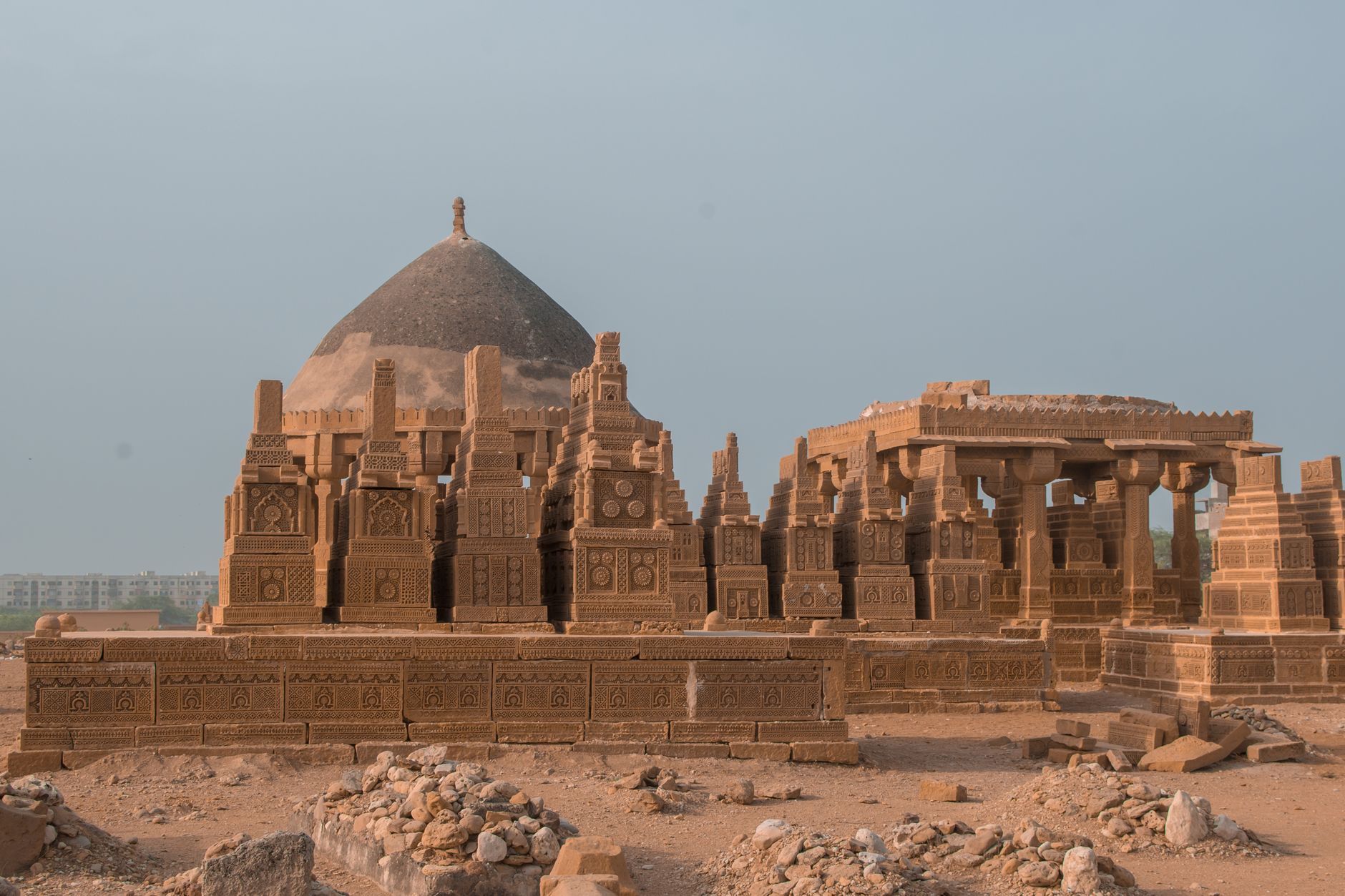
The standout is Thatta with the UNESCO-listed Makli necropolis and Shah Jahan Mosque — one of the most important cultural excursions in Sindh. Add Banbhore's ancient port ruins on the same route. Closer in, Manora Island offers a ferry ride and lighthouse history, while Churna Island is Pakistan's newest Marine Protected Area for snorkeling.
Not in the conventional bar-hopping sense — public alcohol culture is constrained by law and social norms. Instead, Karachi's night energy runs on late dinners, chai, dessert, and a growing scene of sober raves and soft-clubbing events at places like Third Culture Coffee. The food streets don't wind down until well past midnight.
60 lugares por descubrir





Mostrando 1–48 de 60 lugares
Lugares guardados y leídos recientemente; solo en este dispositivo.
Las fotos pueden haber sido redimensionadas o recortadas.