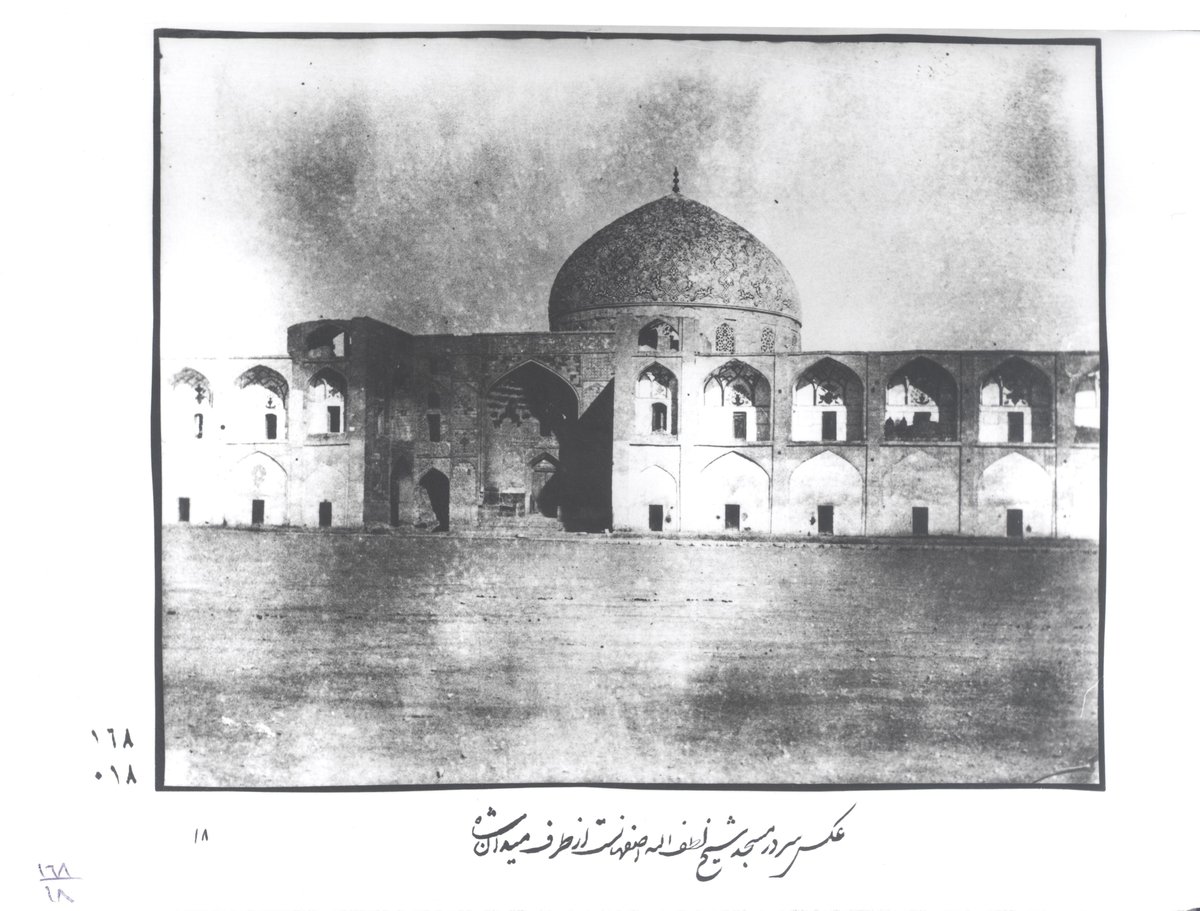
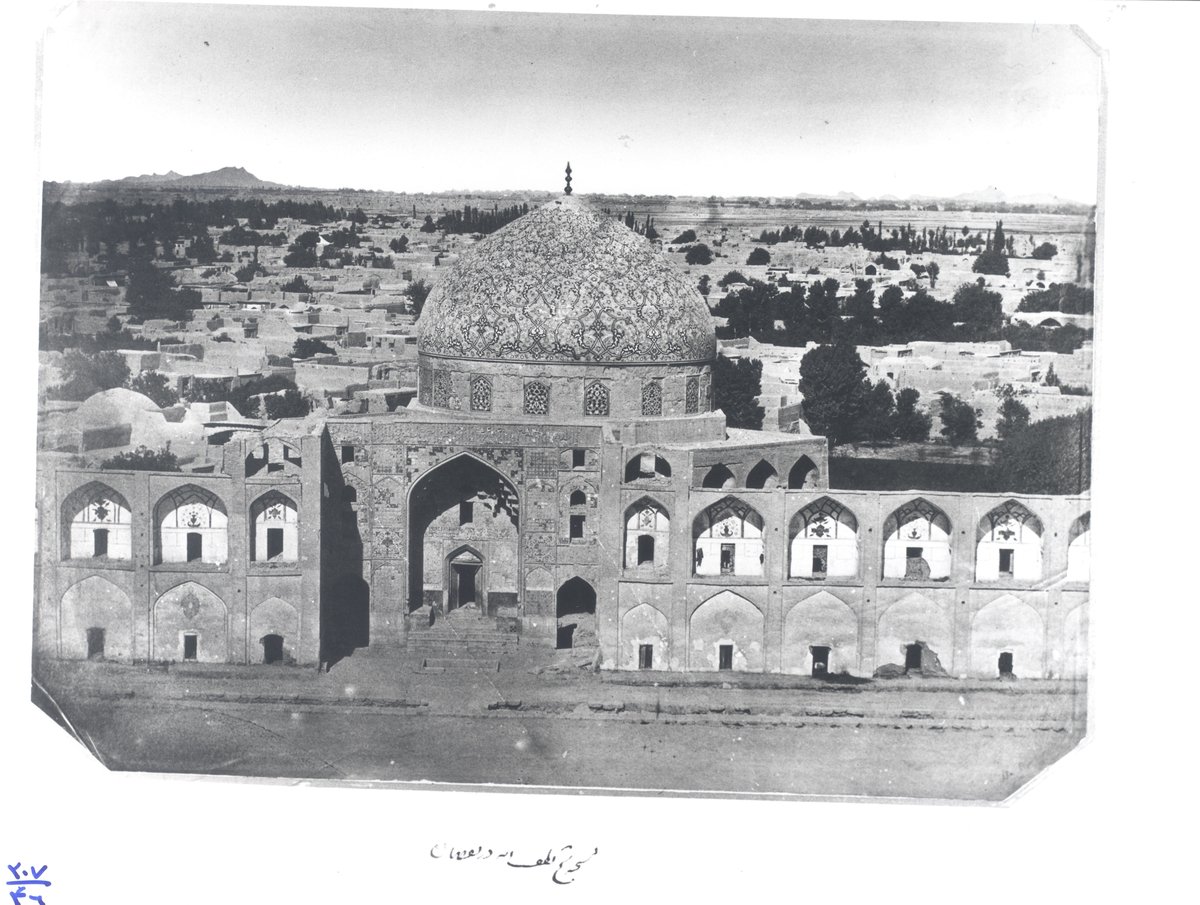
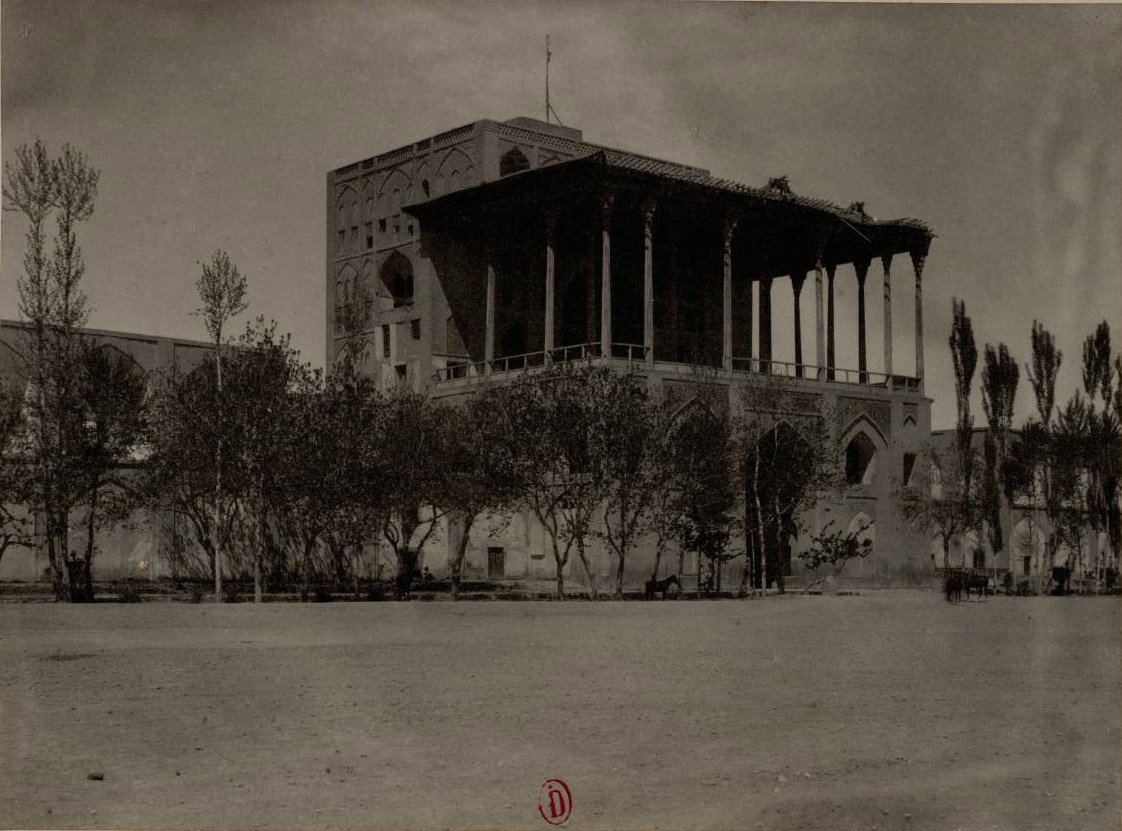
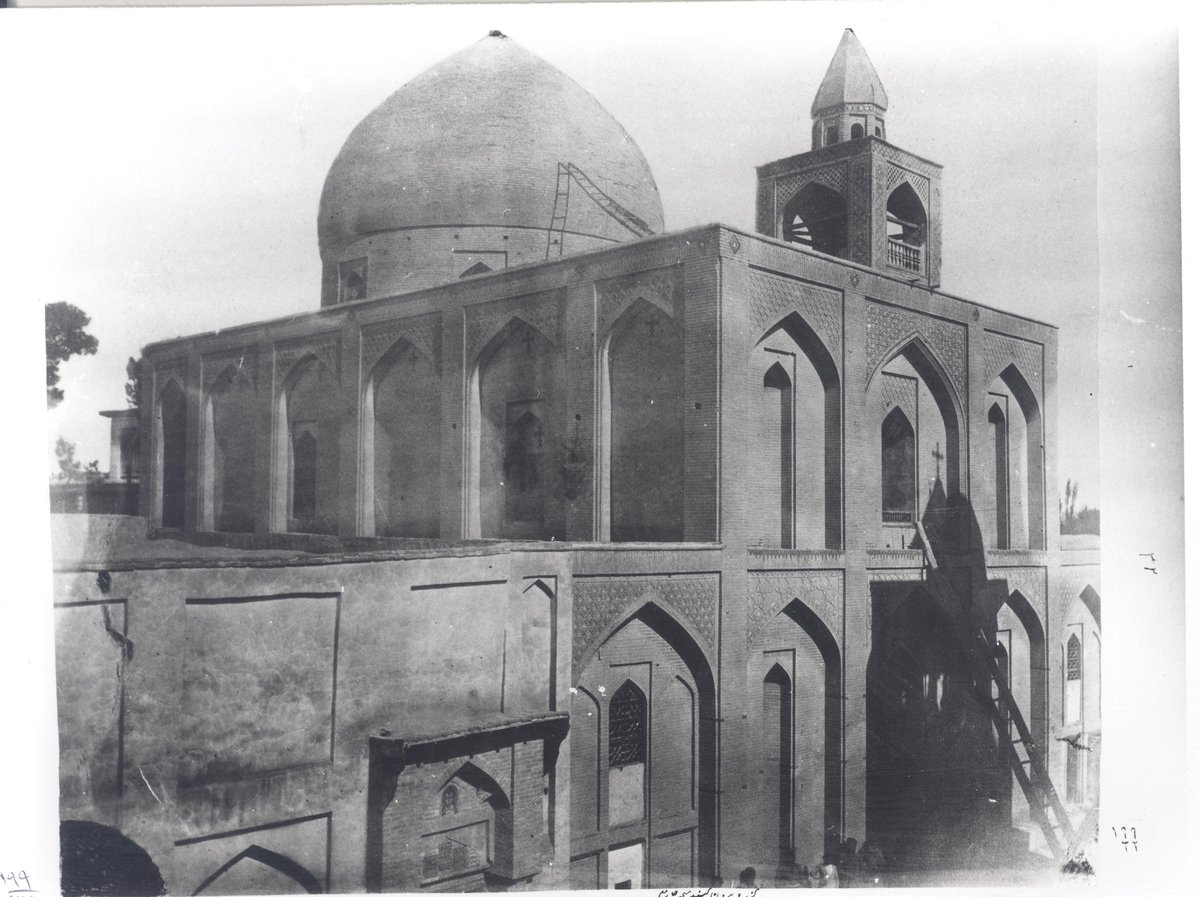
{'date': '14/06/2025', 'task': {'model': 'gpt-4.1-mini', 'query': 'Comprehensive guide to visiting Sheikh Lotfollah Mosque, Isfahan, Iran: history, significance, visitor tips, and everything tourists need to know for a memorable experience.', 'verbose': False, 'guidelines': ["Keyword Research: Identify relevant keywords that potential visitors are likely to search for, such as '[Monument Name] visiting hours,' '[Monument Name] tickets,' and '[City] historical sites.' Use these keywords strategically throughout the article, including in the title, headers, and body text, but avoid keyword stuffing.", 'Engaging and Informative Title: Craft a title that is both SEO-friendly and compelling to encourage clicks. Include the main keyword and make it clear what the article will cover.', 'Structured Content: Use headings (H1, H2, H3) to organize the content effectively. This helps with SEO and makes the article easier for readers to navigate. Include an introduction that hooks the reader, a detailed body that covers all relevant aspects, and a conclusion that summarizes the key points.', 'Comprehensive Coverage: Address common questions and topics of interest such as the history of the monument, its cultural significance, visitor information (e.g., ticket prices, opening hours), travel tips, nearby attractions, and accessibility. Include sections that might be unique to the monument, like special events, guided tours, and photographic spots.', 'Quality Content: Ensure the content is well-researched, accurate, and provides real value to readers. Use reliable sources and provide factual information. Write in a clear, engaging, and accessible style. Consider your audience and use language that is appropriate for those likely to visit the monument.', 'Visuals and Media: Incorporate high-quality images or videos of the monument. These should be optimized for the web (correct sizing, alt tags with keywords). Consider interactive elements like virtual tours or maps.', 'Internal and External Links: Include links to other related articles on your site to encourage deeper engagement (internal links). Link to official websites for the monument or credible sources for further reading (external links).', 'FAQ: Incorporate FAQ sections to target voice search queries and featured snippets', 'Visit and Stay Up to Date: End the article with a call to action, such as encouraging readers to download our mobile app Audiala, check out other related posts, or follow on social media for more updates.'], 'max_sections': 4, 'publish_formats': {'pdf': False, 'docx': False, 'markdown': True}, 'follow_guidelines': True}, 'title': 'Sheikh Lotfollah Mosque, Isfahan, Iran: A Comprehensive Visitor’s Guide', 'report': '# Sheikh Lotfollah Mosque: Visiting Hours, Tickets, and Isfahan Historical Sites Guide\n\n#### Date: 14/06/2025\n\n## Introduction\n\nSheikh Lotfollah Mosque, set gracefully on the eastern side of Isfahan’s UNESCO-listed Naqsh-e Jahan Square, stands as a masterwork of Safavid-era Persian-Islamic architecture. Commissioned by Shah Abbas I between 1603 and 1619 CE, the mosque was conceived as a private sanctuary for the royal court—most notably, the women of the harem. Its unique design, historical importance, and breathtaking artistry make it an unmissable highlight for anyone exploring Isfahan’s rich heritage. This comprehensive guide covers the mosque’s history, architecture, symbolism, visiting hours, ticketing, accessibility, and tips for an enriching visit ([gopersis.com](https://gopersis.com/sheikh-lotfollah-mosque/); [matinabad.com](https://matinabad.com/en/sheikh-lotfollah-mosque/); [iranamaze.com](https://iranamaze.com/sheikh-lotfollah-mosque/)).\n\n---\n\n## Table of Contents\n\n- [Historical Background and Patronage](#historical-background-and-patronage)\n- [Architectural Significance](#architectural-significance)\n - [Design and Layout](#design-and-layout)\n - [Decorative Arts and Tilework](#decorative-arts-and-tilework)\n - [Use of Light and Acoustics](#use-of-light-and-acoustics)\n- [Symbolism and Cultural Context](#symbolism-and-cultural-context)\n- [Visitor Information](#visitor-information)\n - [Visiting Hours and Tickets](#visiting-hours-and-tickets)\n - [Accessibility and Etiquette](#accessibility-and-etiquette)\n - [Getting There and Guided Tours](#getting-there-and-guided-tours)\n- [Nearby Attractions](#nearby-attractions)\n- [Practical Tips and FAQs](#practical-tips-and-faqs)\n- [Conclusion](#conclusion)\n- [Further Reading](#further-reading)\n\n---\n\n## Historical Background and Patronage\n\nSheikh Lotfollah Mosque is a remarkable product of Shah Abbas I’s vision to transform Isfahan into the capital and artistic epicenter of Persia during the Safavid dynasty. The mosque was dedicated to Sheikh Lotfollah, a revered Lebanese Shia scholar and father-in-law to Shah Abbas I, whose influence within the court inspired both the mosque’s construction and its private function ([gopersis.com](https://gopersis.com/sheikh-lotfollah-mosque/)). Unlike most mosques, Sheikh Lotfollah was not intended for congregational worship; instead, it served as an exclusive sanctuary for the royal household, especially the women.\n\nA discreet underground passage connected Ali Qapu Palace to the mosque, allowing royal women to attend prayers in privacy without crossing the busy square ([iranamaze.com](https://iranamaze.com/sheikh-lotfollah-mosque/)). This architectural decision highlights the mosque’s unique role in Safavid society as both a spiritual and social space for the royal family ([ToIranTour](https://toirantour.com/blog/sheikh-lotfollah-mosque/); [Parsi Tours](https://parsi-tours.com/blogs/sheikh-lotfollah-mosque-in-isfahan/); [IranOnTour](https://iranontour.com/city-attractions/sheikh-lotfollah-mosque/)).\n\n---\n\n## Architectural Significance\n\n### Design and Layout\n\nDesigned by the renowned Mohammad Reza Isfahani, the mosque is celebrated for its innovation and harmonious proportions. It features a single dome, lacks both minarets and a courtyard, and is smaller in scale than other notable mosques—reflecting its private, non-congregational purpose ([gopersis.com](https://gopersis.com/sheikh-lotfollah-mosque/); [orienttrips.com](https://orienttrips.com/mag/sheikh-lotfollah-mosque-in-isfahan/)). The entrance is subtly bent, directing worshippers from the grand symmetry of Naqsh-e Jahan Square to the qibla (direction of Mecca), while also preserving the privacy of the royal women. \n\n### Decorative Arts and Tilework\n\nThe interior is renowned for its intricate mosaics and masterful tilework in blue, turquoise, cream, and gold. The dome’s interior is adorned with exquisite arabesques and floral motifs, culminating in a central medallion that, when illuminated at midday, gives the illusion of a peacock—a celebrated optical effect and symbol of divine beauty ([iranamaze.com](https://iranamaze.com/sheikh-lotfollah-mosque/); [orienttrips.com](https://orienttrips.com/mag/sheikh-lotfollah-mosque-in-isfahan/)). The mihrab is richly decorated with Quranic inscriptions by famed calligraphers Ali Reza Abbasi and Baqer Bana. Muqarnas (stalactite vaulting) at the entrance and inside create mesmerizing patterns of light and shadow.\n\n### Use of Light and Acoustics\n\nThe mosque’s architecture ingeniously manipulates natural light. Small, strategically placed windows filter sunlight throughout the day, causing the patterns and colors of the tiles to shift and shimmer ([matinabad.com](https://matinabad.com/en/sheikh-lotfollah-mosque/)). The dome’s geometry enhances acoustics, amplifying even quiet voices and enriching the spiritual atmosphere ([orienttrips.com](https://orienttrips.com/mag/sheikh-lotfollah-mosque-in-isfahan/)).\n\n---\n\n## Symbolism and Cultural Context\n\nSheikh Lotfollah Mosque’s design is rich in symbolism. The absence of minarets underscores its private function—since there was no need for a public call to prayer—and may also reflect gendered symbolism in Persian architecture, with domes representing femininity ([gopersis.com](https://gopersis.com/sheikh-lotfollah-mosque/)). The mosque’s integration within Naqsh-e Jahan Square, opposite Ali Qapu Palace, speaks to the Safavid vision of Isfahan as a harmonious center of religion, governance, and commerce ([surfiran.com](https://surfiran.com/mag/sheikh-lotfollah-mosque-isfahan/)).\n\n---\n\n## Visitor Information\n\n### Visiting Hours and Tickets\n\n- **Hours:** Open daily from 8:00 AM to 6:00 PM. Hours may vary during religious holidays or special events.\n- **Tickets:** Entrance fees are approximately 200,000 Iranian Rials (about $5 USD), with discounts for students and groups. Tickets are available on-site, and some guided tours include the mosque in their packages ([saadatrent.com](https://www.saadatrent.com/mag/en/iran/isfahan-travel-guide/)).\n\n### Accessibility and Etiquette\n\n- The mosque is accessible via paved pedestrian paths in Naqsh-e Jahan Square.\n- Visitors with limited mobility should note that there are several steps and uneven floors, and the mosque is not fully wheelchair accessible.\n- Modest dress is required: women must wear a headscarf and clothing covering arms and legs; men should avoid shorts and sleeveless shirts. Scarves may be provided at the entrance.\n- Photography is allowed without flash; maintain silence and respect for worshippers ([travelsetu.com](https://travelsetu.com/guide/sheikh-lotfollah-mosque-tourism/best-time-to-visit-sheikh-lotfollah-mosque)).\n\n### Getting There and Guided Tours\n\n- The mosque is within walking distance of major Isfahan attractions. Taxis and public transport are available nearby.\n- Guided tours are highly recommended for deeper historical and architectural context. English-speaking guides are available in the square ([matinabad.com](https://matinabad.com/en/sheikh-lotfollah-mosque/)).\n\n---\n\n## Nearby Attractions\n\nCombine your visit with other Naqsh-e Jahan Square highlights:\n- **Shah Mosque (Imam Mosque):** An architectural marvel with grand courtyards and tilework.\n- **Ali Qapu Palace:** The former royal residence, directly opposite the mosque.\n- **Qeisarieh Bazaar:** A lively market for Persian handicrafts and souvenirs.\n- **Chehel Sotoun Palace, Siosepol & Khaju Bridges, Vank Cathedral:** Further enrich your Isfahan experience ([travelsetu.com](https://travelsetu.com/guide/sheikh-lotfollah-mosque-tourism/best-time-to-visit-sheikh-lotfollah-mosque)).\n\n---\n\n## Practical Tips and FAQs\n\n**Best Time to Visit:** Spring (April-June) and autumn (September-November) for mild weather. Early mornings and late afternoons for optimal lighting and fewer crowds. Avoid Fridays and public holidays if seeking a quieter experience.\n\n**Facilities:** While there is no on-site café or gift shop, Naqsh-e Jahan Square offers plenty of options for refreshments and souvenirs. Public restrooms are located nearby.\n\n**Safety:** The area is safe and pedestrian-friendly. Standard traveler precautions apply.\n\n**FAQs:**\n- **Q:** What are the mosque’s visiting hours? \n **A:** 8:00 AM to 6:00 PM daily; check for holiday variations.\n- **Q:** How much is the entry fee? \n **A:** Around 200,000 Iranian Rials.\n- **Q:** Is it wheelchair accessible? \n **A:** The mosque is not fully accessible due to steps and uneven floors.\n- **Q:** Can I take photos inside? \n **A:** Yes, without flash.\n- **Q:** Are guided tours available? \n **A:** Yes, and highly recommended for context.\n\n---\n\n## Conclusion\n\nSheikh Lotfollah Mosque is a crown jewel of Isfahan, blending spiritual serenity with architectural brilliance. Its unique history as a private royal sanctuary, the artistry of its tilework and dome, and its harmonious integration into Naqsh-e Jahan Square make it essential for any visitor. By planning your visit with updated knowledge of hours, ticketing, and etiquette, you’ll enjoy a truly memorable experience and a deeper appreciation for Persian culture and history.\n\nEnhance your journey by exploring nearby attractions and using digital resources such as the Audiala app for maps, guided tours, and current updates. For even more insight, consult comprehensive guides from [ToIranTour](https://toirantour.com/blog/sheikh-lotfollah-mosque/), [saadatrent.com](https://www.saadatrent.com/mag/en/iran/isfahan-travel-guide/), and [orienttrips.com](https://orienttrips.com/mag/sheikh-lotfollah-mosque-in-isfahan/).\n\n---\n\n## References and Further Reading\n\n- [Sheikh Lotfollah Mosque: A Majestic Isfahan Historical Site with Visiting Information and Architectural Wonders, 2025, gopersis.com](https://gopersis.com/sheikh-lotfollah-mosque/)\n- [Sheikh Lotfollah Mosque Isfahan: Visiting Hours, Tickets & Architectural Significance, 2025, matinabad.com, iranamaze.com, orienttrips.com](https://matinabad.com/en/sheikh-lotfollah-mosque/), [https://iranamaze.com/sheikh-lotfollah-mosque/](https://iranamaze.com/sheikh-lotfollah-mosque/), [https://orienttrips.com/mag/sheikh-lotfollah-mosque-in-isfahan/](https://orienttrips.com/mag/sheikh-lotfollah-mosque-in-isfahan/)\n- [Sheikh Lotfollah Mosque in Isfahan: Visiting Hours, Tickets, and Historical Significance, 2025, ToIranTour, Parsi Tours, IranOnTour](https://toirantour.com/blog/sheikh-lotfollah-mosque/), [https://parsi-tours.com/blogs/sheikh-lotfollah-mosque-in-isfahan/](https://parsi-tours.com/blogs/sheikh-lotfollah-mosque-in-isfahan/), [https://iranontour.com/city-attractions/sheikh-lotfollah-mosque/](https://iranontour.com/city-attractions/sheikh-lotfollah-mosque/)\n- [Visitor Experience: Your Guide to Sheikh Lotfollah Mosque Visiting Hours, Tickets, and Isfahan Historical Sites, 2025, saadatrent.com, travelsetu.com](https://www.saadatrent.com/mag/en/iran/isfahan-travel-guide/), [https://travelsetu.com/guide/sheikh-lotfollah-mosque-tourism/best-time-to-visit-sheikh-lotfollah-mosque](https://travelsetu.com/guide/sheikh-lotfollah-mosque-tourism/best-time-to-visit-sheikh-lotfollah-mosque)\n\n---\n\n*Image Suggestions:*\n- Interior dome photo with sunlight streaming through the oculus (alt: "Interior dome of Sheikh Lotfollah Mosque illuminated by sunlight")\n- Map pinpointing the mosque’s location on Naqsh-e Jahan Square (alt: "Map showing Sheikh Lotfollah Mosque location in Isfahan")\n- Close-up of the mosque’s intricate tilework (alt: "Detailed tilework of Sheikh Lotfollah Mosque")\n\n*Internal links to related articles:*\n- Shah Mosque in Isfahan: History and Visiting Guide\n- Exploring Naqsh-e Jahan Square: Must-See Attractions\n\n*External authoritative links:*\n- [UNESCO World Heritage Site listing for Naqsh-e Jahan Square](https://whc.unesco.org/en/list/115)\n- [Iran Tourism Official Website](https://www.visitiran.ir/)\n\n---\n\n', 'headers': {'date': 'Date', 'title': 'Sheikh Lotfollah Mosque Visiting Hours Tickets and Isfahan Historical Sites Guide', 'conclusion': 'Summary of Visiting Tips and Key Information about Sheikh Lotfollah Mosque', 'references': 'References and Further Reading', 'introduction': 'Introduction to Sheikh Lotfollah Mosque and Its Significance', 'table_of_contents': 'Table of Contents'}, 'sources': ['- Sheikh Lotfollah Mosque: A Majestic Isfahan Historical Site with Visiting Information and Architectural Wonders, 2025, gopersis.com [https://gopersis.com/sheikh-lotfollah-mosque/](https://gopersis.com/sheikh-lotfollah-mosque/)', '- Sheikh Lotfollah Mosque Isfahan: Visiting Hours, Tickets & Architectural Significance, 2025, matinabad.com, iranamaze.com, orienttrips.com [https://matinabad.com/en/sheikh-lotfollah-mosque/](https://matinabad.com/en/sheikh-lotfollah-mosque/), [https://iranamaze.com/sheikh-lotfollah-mosque/](https://iranamaze.com/sheikh-lotfollah-mosque/), [https://orienttrips.com/mag/sheikh-lotfollah-mosque-in-isfahan/](https://orienttrips.com/mag/sheikh-lotfollah-mosque-in-isfahan/)', '- Sheikh Lotfollah Mosque in Isfahan: Visiting Hours, Tickets, and Historical Significance, 2025, ToIranTour, Parsi Tours, IranOnTour [https://toirantour.com/blog/sheikh-lotfollah-mosque/](https://toirantour.com/blog/sheikh-lotfollah-mosque/), [https://parsi-tours.com/blogs/sheikh-lotfollah-mosque-in-isfahan/](https://parsi-tours.com/blogs/sheikh-lotfollah-mosque-in-isfahan/), [https://iranontour.com/city-attractions/sheikh-lotfollah-mosque/](https://iranontour.com/city-attractions/sheikh-lotfollah-mosque/)', '- Visitor Experience: Your Guide to Sheikh Lotfollah Mosque Visiting Hours, Tickets, and Isfahan Historical Sites, 2025, saadatrent.com, travelsetu.com [https://www.saadatrent.com/mag/en/iran/isfahan-travel-guide/](https://www.saadatrent.com/mag/en/iran/isfahan-travel-guide/), [https://travelsetu.com/guide/sheikh-lotfollah-mosque-tourism/best-time-to-visit-sheikh-lotfollah-mosque](https://travelsetu.com/guide/sheikh-lotfollah-mosque-tourism/best-time-to-visit-sheikh-lotfollah-mosque)'], 'sections': ['Historical Background', 'Architectural Significance', 'Cultural and Religious Importance', 'Visitor Experience'], 'conclusion': 'Sheikh Lotfollah Mosque remains a jewel of Isfahan and a testament to the Safavid dynasty’s cultural, religious, and architectural legacy. Its unique role as a private royal sanctuary, coupled with its masterful design by architect Mohammadreza Isfahani, sets it apart from other Islamic monuments. The mosque’s breathtaking dome, intricate tilework, harmonious proportions, and the subtle interplay of light and acoustics offer visitors an immersive experience into Persian artistry and spiritual devotion. Moreover, the mosque’s integration within the grand urban ensemble of Naqsh-e Jahan Square highlights its political and religious symbolism in Safavid Iran.\n\nVisitors today can enjoy the mosque daily from 8:00 AM to 6:00 PM, with affordable entrance fees and accessible guided tours that deepen understanding of its historical and artistic significance. The mosque’s proximity to other iconic landmarks such as Ali Qapu Palace and Shah Mosque makes it an essential highlight for anyone exploring Isfahan’s rich heritage. By visiting Sheikh Lotfollah Mosque, travelers not only witness a pinnacle of Islamic art but also connect with the nuanced social and cultural narratives of Safavid Iran, especially the elevated role of royal women in religious life.\n\nTo enrich your visit, consider exploring nearby attractions within Naqsh-e Jahan Square and utilizing resources like the Audiala app for guided tours and up-to-date information. For more comprehensive insights and practical visitor information, refer to trusted sources including [ToIranTour](https://toirantour.com/blog/sheikh-lotfollah-mosque/), [saadatrent.com](https://www.saadatrent.com/mag/en/iran/isfahan-travel-guide/), and [orienttrips.com](https://orienttrips.com/mag/sheikh-lotfollah-mosque-in-isfahan/). Embark on your journey to uncover the timeless beauty and profound heritage embodied by Sheikh Lotfollah Mosque, a true masterpiece of Islamic architecture.', 'introduction': 'Nestled on the eastern flank of the UNESCO World Heritage-listed Naqsh-e Jahan Square in Isfahan, Iran, Sheikh Lotfollah Mosque stands as one of the most exquisite exemplars of Safavid-era Persian-Islamic architecture. Commissioned by Shah Abbas I between 1603 and 1619 CE, this mosque was uniquely designed as a private sanctuary for the royal court’s women, particularly those of the harem, distinguishing it from traditional congregational mosques. Its architectural innovation, from the absence of minarets and courtyard to the ingenious bent entrance corridor aligned with Mecca, reflects this exclusive function. Beyond its historical significance, the mosque mesmerizes visitors with its flawless tilework, intricate calligraphy, and the ethereal play of light and shadow that animates its interior, especially the famed dome that shifts in color from cream to pink throughout the day.\n\nSheikh Lotfollah Mosque not only embodies the Safavid dynasty’s artistic and spiritual aspirations but also preserves the legacy of Sheikh Lotfollah, the esteemed Lebanese Shia scholar after whom it is named. This guide provides comprehensive insights into the mosque’s history, architectural marvels, visiting hours, ticketing details, accessibility, and nearby attractions. Whether you are a history buff, architecture enthusiast, or cultural traveler, this visitor’s guide will equip you with the essential knowledge to fully appreciate this masterpiece and plan an enriching visit. For further detailed exploration, authoritative resources such as [gopersis.com](https://gopersis.com/sheikh-lotfollah-mosque/), [matinabad.com](https://matinabad.com/en/sheikh-lotfollah-mosque/), and [iranamaze.com](https://iranamaze.com/sheikh-lotfollah-mosque/) offer extensive architectural analyses and historical context.', 'research_data': [{'Sheikh Lotfollah Mosque: A Majestic Isfahan Historical Site with Visiting Information and Architectural Wonders': '## Introduction\n\nDiscover the breathtaking Sheikh Lotfollah Mosque, a jewel of Isfahan historical sites and a masterpiece of Persian-Islamic architecture. Built during the Safavid dynasty, this mosque offers visitors not only a glimpse into Iran’s rich religious and cultural history but also an unparalleled artistic experience. Whether you\'re planning your visit or simply eager to learn about this iconic landmark, this guide provides essential information including visiting hours, ticket details, and architectural highlights.\n\n## Historical Background\n\n### Origins and Patronage\n\nSheikh Lotfollah Mosque stands as a testament to the grandeur of the Safavid dynasty, constructed during the reign of Shah Abbas I between 1603 and 1619 CE ([gopersis.com](https://gopersis.com/sheikh-lotfollah-mosque/)). The mosque was commissioned as part of Shah Abbas I’s ambitious urban development plan for Isfahan, which sought to transform the city into a new capital and a showcase of Persian-Islamic art and architecture. The mosque’s namesake, Sheikh Lotfollah, was a prominent Lebanese Shia scholar and the father-in-law of Shah Abbas I. His influence as a religious leader and his close relationship with the royal family were instrumental in the mosque’s creation. Shah Abbas I’s deep respect for Sheikh Lotfollah led him to invite the sheikh to Isfahan and commission a mosque specifically for his use and for the private worship of the royal court ([gopersis.com](https://gopersis.com/sheikh-lotfollah-mosque/)).\n\nUnlike most congregational mosques of the era, Sheikh Lotfollah Mosque was not intended for public worship. Instead, it served as a private sanctuary for the women of the royal harem and the court, a fact that significantly influenced its architectural design and function. The mosque’s location on the eastern side of Naqsh-e Jahan Square—now a UNESCO World Heritage Site—further underscores its importance within the urban and ceremonial fabric of Safavid Isfahan ([gopersis.com](https://gopersis.com/sheikh-lotfollah-mosque/)).\n\n## Architectural Significance\n\n### Design and Layout\n\nSheikh Lotfollah Mosque is renowned for its architectural innovation and aesthetic refinement. The mosque’s architect, Mohammadreza Isfahani, was one of the most celebrated architects of the Safavid period. He designed the mosque with a single dome and without the traditional minarets or courtyard, distinguishing it from other Persian mosques of the time ([gopersis.com](https://gopersis.com/sheikh-lotfollah-mosque/)). This absence of minarets and the compact, intimate scale of the mosque reflect its exclusive function for the royal family rather than the general public.\n\nThe mosque’s entrance is ingeniously aligned with the axis of Naqsh-e Jahan Square, but the sanctuary itself is oriented toward Mecca. This required a subtle architectural solution: a bent corridor that leads worshippers from the entrance to the prayer hall, preserving both the mosque’s external symmetry and its religious orientation. This corridor also provided privacy for the royal women as they moved from the palace to the mosque.\n\n### Decorative Arts and Tilework\n\nThe interior of Sheikh Lotfollah Mosque is celebrated for its exquisite tilework, calligraphy, and the masterful use of light. The dome’s interior is adorned with intricate arabesques and floral motifs in shades of blue, turquoise, and cream, culminating in a central medallion that resembles a peacock when sunlight streams through the dome’s oculus ([gopersis.com](https://gopersis.com/sheikh-lotfollah-mosque/)). The walls and mihrab are covered with fine mosaics and calligraphic inscriptions, many of which are verses from the Qur’an rendered in elegant Thuluth script.\n\nA defining feature of the mosque is its use of muqarnas—stalactite-like decorative elements—at the entrance and within the interior. These muqarnas are both structural and ornamental, supporting the dome and creating a mesmerizing play of light and shadow. The blue and yellow tiles that embellish the muqarnas further enhance the mosque’s ethereal atmosphere ([gopersis.com](https://gopersis.com/sheikh-lotfollah-mosque/)).\n\n### Acoustics and Light\n\nThe mosque’s architecture is not only visually stunning but also acoustically sophisticated. The dome’s geometry and the arrangement of tiles create a unique sound environment, amplifying the voice of the imam and enhancing the spiritual experience of worshippers. The interplay of natural light, especially during early morning and late afternoon, animates the interior, causing the colors and patterns to shift and shimmer throughout the day ([gopersis.com](https://gopersis.com/sheikh-lotfollah-mosque/)).\n\n## Symbolism and Cultural Context\n\n### Absence of Minarets\n\nOne of the most distinctive aspects of Sheikh Lotfollah Mosque is its lack of minarets. Several theories have been proposed to explain this anomaly. Some scholars suggest that the absence of minarets reflects the mosque’s private function, as there was no need for a public call to prayer. Others point to symbolic interpretations rooted in Persian culture: in ancient Iran, the dome was associated with femininity, while minarets symbolized masculinity. The mosque’s design, therefore, may have been intentionally feminized to suit its role as a sanctuary for the women of the royal harem ([gopersis.com](https://gopersis.com/sheikh-lotfollah-mosque/)). Another theory posits that the mosque was originally conceived as a “Heram” (private sanctuary) rather than a public mosque, though these narratives remain unverified.\n\n### Integration with Naqsh-e Jahan Square\n\nSheikh Lotfollah Mosque forms one of the four monumental structures framing Naqsh-e Jahan Square, alongside the Shah Mosque, Ali Qapu Palace, and the Qeysarieh Bazaar. This spatial arrangement was a deliberate expression of Safavid political and religious ideology, with each building representing a pillar of the state: religion, governance, commerce, and royal authority. The mosque’s placement on the square’s eastern side, directly opposite the Ali Qapu Palace, allowed the royal family to access the mosque via a private passageway, further emphasizing its exclusivity ([gopersis.com](https://gopersis.com/sheikh-lotfollah-mosque/)).\n\n## Visiting Sheikh Lotfollah Mosque\n\n### Visiting Hours\n\nSheikh Lotfollah Mosque is open to visitors daily from 8:00 AM to 6:00 PM. It is recommended to visit early in the morning or late afternoon to experience the mosque’s stunning light effects.\n\n### Ticket Information\n\nEntrance tickets are available at the site, typically priced around 200,000 Iranian Rials (approximately $5 USD). Discounts may be available for students and groups. It is advisable to check official sources or local guides for the latest ticket prices.\n\n### Accessibility and Visitor Tips\n\nThe mosque is accessible by foot from central Isfahan and nearby Naqsh-e Jahan Square. Visitors should wear modest clothing respecting Islamic customs. Photography is generally allowed but without flash to preserve the intricate tilework.\n\nGuided tours are available, offering detailed insights into the mosque’s history and architecture. Audio guides and informative brochures may also be accessible at the entrance.\n\n### How to Get There\n\nLocated on the eastern side of Naqsh-e Jahan Square, Sheikh Lotfollah Mosque is easily reachable by taxi or public transportation from across Isfahan. Visitors can combine their trip with visits to nearby attractions such as the Shah Mosque and Ali Qapu Palace.\n\n## Notable Features and Mysteries\n\n### Mathematical Precision\n\nThe mosque is often cited as a masterpiece of mathematical and geometric design. Every tile, window, and decorative element is meticulously placed, demonstrating the advanced knowledge of geometry and aesthetics possessed by Safavid architects. The harmonious proportions and precise alignment of architectural features create a sense of balance and serenity that is both spiritual and artistic ([gopersis.com](https://gopersis.com/sheikh-lotfollah-mosque/)).\n\n### The Tilework Mystery\n\nThe mosque’s tilework is renowned for its complexity and beauty. The patterns and colors shift with the changing light, creating an ever-evolving visual experience. Some researchers have noted that the arrangement of tiles and inscriptions may encode symbolic meanings or mathematical principles, though the full extent of these mysteries remains a subject of ongoing study ([gopersis.com](https://gopersis.com/sheikh-lotfollah-mosque/)).\n\n## Frequently Asked Questions (FAQ)\n\n**Q: Are there specific visiting hours for Sheikh Lotfollah Mosque?**\nA: Yes, the mosque is open daily from 8:00 AM to 6:00 PM.\n\n**Q: Is there an entrance fee?**\nA: Yes, visitors pay a modest fee, generally around 200,000 Iranian Rials; discounts may apply.\n\n**Q: Can visitors take photos inside the mosque?**\nA: Photography is allowed but without flash to protect the delicate tilework.\n\n**Q: Is the mosque wheelchair accessible?**\nA: While the mosque is historic, efforts have been made to improve accessibility, but visitors with mobility concerns should inquire locally.\n\n**Q: Are guided tours available?**\nA: Yes, guided tours and audio guides offer rich historical and architectural context.\n\n## Conclusion\n\nSheikh Lotfollah Mosque is a must-visit destination for anyone exploring Isfahan historical sites. Its stunning architecture, rich history, and cultural significance offer a unique window into Iran’s Safavid era. Plan your visit to enjoy the mosque’s beauty at the best times of day, and immerse yourself in one of the world’s most exquisite Islamic monuments.\n\nFor more detailed architectural analysis and visual references, visit [Sheikh Lotfollah Mosque; Architectural Marvel](https://gopersis.com/sheikh-lotfollah-mosque/).\n\n## Explore More\n\nDiscover other remarkable Isfahan landmarks such as the Shah Mosque and Ali Qapu Palace to complete your cultural journey. Download the Audiala app for guided tours, maps, and up-to-date visitor information to enhance your experience in Isfahan and beyond.\n\n---\n\n*Image suggestions:*\n- High-resolution photo of Sheikh Lotfollah Mosque’s dome interior with sunlight streaming through the oculus (alt text: "Interior dome of Sheikh Lotfollah Mosque illuminated by sunlight")\n- Map pinpointing the mosque’s location on Naqsh-e Jahan Square (alt text: "Map showing Sheikh Lotfollah Mosque location in Isfahan")\n- Close-up image of the mosque’s intricate tilework (alt text: "Detailed tilework of Sheikh Lotfollah Mosque")'}, {'Sheikh Lotfollah Mosque Isfahan: Visiting Hours, Tickets & Architectural Significance': "## Discover Sheikh Lotfollah Mosque in Isfahan: Visiting Hours, Tickets & Architectural Significance\n\n### Introduction\n\nSheikh Lotfollah Mosque is one of Isfahan's most stunning historical sites, renowned for its exquisite Safavid architecture and rich cultural heritage. Situated on the eastern side of the famous Naqsh-e Jahan Square, this mosque offers visitors a unique blend of artistic mastery and spiritual ambiance. This article covers everything you need to know about Sheikh Lotfollah Mosque, including visiting hours, ticket information, nearby attractions, and its unparalleled architectural significance.\n\n### Visiting Hours and Tickets\n\n- **Visiting Hours:** The mosque is generally open to visitors from 8:00 AM to 5:00 PM daily. It is advisable to check for any changes during public holidays or religious events.\n- **Tickets:** Entry requires a ticket, typically priced affordably to encourage tourism. Tickets can be purchased at the mosque entrance or online through official tourism websites. Group discounts and guided tour packages are often available.\n- **Accessibility:** The mosque is accessible to visitors with disabilities, with ramps and assistance provided upon request.\n\n### Guided Tours and Travel Tips\n\nFor an enriched experience, consider joining a guided tour that covers Sheikh Lotfollah Mosque alongside other Isfahan historical sites such as Ali Qapu Palace and the Shah Mosque. Early morning visits are recommended to avoid crowds and enjoy the mosque's serene atmosphere. Modest attire is required as the mosque remains an active place of worship.\n\n### Architectural Significance of Sheikh Lotfollah Mosque\n\n#### Unique Purpose and Context\n\nUnlike typical congregational mosques, Sheikh Lotfollah Mosque was built as a private sanctuary forthe Safavid royal court's women, specifically Shah Abbas I’s harem. This exclusivity is evident in its modest scale, absence of minarets, and lack of a traditional courtyard. A discreet underground passage connects it to Ali Qapu Palace, emphasizing its private nature ([matinabad.com](https://matinabad.com/en/sheikh-lotfollah-mosque/); [iranamaze.com](https://iranamaze.com/sheikh-lotfollah-mosque/)).\n\n#### Masterful Safavid Design\n\nConstructed between 1603 and 1619 by architect Mohammad Reza Isfahani under Shah Abbas I, the mosque exemplifies Safavid architectural innovation with its precise symmetry, harmonious proportions, and artistic excellence ([orienttrips.com](https://orienttrips.com/mag/sheikh-lotfollah-mosque-in-isfahan/)).\n\n#### Absence of Minarets and Courtyard\n\nIntentional design choices omit minarets and a courtyard, focusing instead on a compact prayer hall and domed chamber that foster intimacy and contemplation ([iranamaze.com](https://iranamaze.com/sheikh-lotfollah-mosque/)). This layout also facilitates private palace access.\n\n#### The Iconic Dome\n\nThe mosque’s 32-meter-high dome is famed for its perfect proportions and captivating tilework, which shifts in color from cream to pink with the sunlight angle. Its double-shell construction enhances structural stability, acoustics, and thermal comfort ([orienttrips.com](https://orienttrips.com/mag/sheikh-lotfollah-mosque-in-isfahan/); [iranamaze.com](https://iranamaze.com/sheikh-lotfollah-mosque/)).\n\n#### Intricate Tilework and Calligraphy\n\nInside, detailed mosaics showcase floral and geometric patterns in blue, turquoise, cream, and gold. The mihrab features elaborate arabesques and Quranic inscriptions. Master calligraphers Alireza Abbasi and Baqir Bana contributed elegant inscriptions encircling the dome and walls, creating a unified visual narrative ([orienttrips.com](https://orienttrips.com/mag/sheikh-lotfollah-mosque-in-isfahan/)).\n\n#### Ingenious Use of Light\n\nSmall, strategically placed windows filter sunlight to cast soft, dynamic patterns across the interior tiles, elevating the mosque’s tranquil and contemplative atmosphere ([matinabad.com](https://matinabad.com/en/sheikh-lotfollah-mosque/)).\n\n#### Spatial Harmony and Proportions\n\nThe mosque’s design balances scale and intimacy, with perfectly proportioned dome height and prayer hall width. Arches, iwans, and vaults create seamless transitions, fostering personal devotion ([matinabad.com](https://matinabad.com/en/sheikh-lotfollah-mosque/)).\n\n#### The “Peacock” Illusion\n\nA legendary optical effect occurs when sunlight enters the dome’s oculus at specific angles, forming a peacock’s tail illusion—highlighting the architects’ mastery of geometry and light ([iranamaze.com](https://iranamaze.com/destinations/isfahan-travel-guide/)).\n\n#### Acoustic Design\n\nThe dome and tile arrangement enhance sound reflection, allowing even whispers to resonate clearly throughout the prayer hall ([orienttrips.com](https://orienttrips.com/mag/sheikh-lotfollah-mosque-in-isfahan/)).\n\n#### Integration with Naqsh-e Jahan Square\n\nPositioned prominently on the eastern side of Naqsh-e Jahan Square, the mosque faces Ali Qapu Palace and complements the square’s architectural ensemble, including the Shah Mosque and the Grand Bazaar. Its alignment enhances urban harmony ([surfiran.com](https://surfiran.com/mag/sheikh-lotfollah-mosque-isfahan/)).\n\n#### Restoration and Preservation\n\nThe mosque has undergone careful restoration, particularly of its dome tilework and interior decorations, despite debates over color discrepancies. Restoration efforts prioritize scientific methods to preserve its legacy ([isfahanmag.com](https://isfahanmag.com/sheikh-lotfollah-mosque)).\n\n#### Symbolism and Legacy\n\nSheikh Lotfollah Mosque symbolizes the Safavid vision of Isfahan as a cultural and religious hub. Its design and artistry continue to inspire architects and visitors worldwide ([matinabad.com](https://matinabad.com/en/sheikh-lotfollah-mosque/)).\n\n### Nearby Attractions in Isfahan\n\nVisitors can enrich their trip by exploring nearby sites such as:\n- **Ali Qapu Palace:** Historic royal residence adjacent to the mosque.\n- **Shah Mosque:** A grand congregational mosque with impressive tilework.\n- **Naqsh-e Jahan Square:** UNESCO World Heritage site and vibrant city center.\n- **Grand Bazaar:** Traditional market offering local crafts and cuisine.\n\n### Visitor Experience and Architectural Appreciation\n\nThe mosque's serene ambiance, intricate artistry, and architectural ingenuity make it a must-see for travelers interested in Islamic art and history. Spending time inside allows visitors to appreciate the interplay of light, color, and form that defines this masterpiece ([irun2iran.com](https://www.irun2iran.com/sheikh-lotfollah-mosque/); [surfiran.com](https://surfiran.com/mag/sheikh-lotfollah-mosque-isfahan/)).\n\n### Frequently Asked Questions (FAQ)\n\n**Q: What are the Sheikh Lotfollah Mosque visiting hours?**\nA: Typically from 8:00 AM to 5:00 PM daily, but hours may vary on holidays.\n\n**Q: How can I buy tickets for the mosque?**\nA: Tickets are available at the entrance or online via official tourism sites.\n\n**Q: Is Sheikh Lotfollah Mosque wheelchair accessible?**\nA: Yes, the mosque provides accessibility features including ramps.\n\n**Q: Are guided tours available?**\nA: Yes, guided tours are offered and recommended for a comprehensive experience.\n\n**Q: What nearby attractions should I visit?**\nA: Consider visiting Ali Qapu Palace, Shah Mosque, Naqsh-e Jahan Square, and the Grand Bazaar.\n\n### Plan Your Visit Today!\n\nSheikh Lotfollah Mosque is more than an architectural marvel—it’s a gateway to understanding Isfahan’s rich Safavid heritage. Download the Audiala app for detailed maps, guided tours, and updates on Isfahan’s historical sites. Follow us on social media for the latest travel tips and explore more articles on Isfahan’s cultural treasures. Plan your visit to this breathtaking mosque and immerse yourself in Persian history and art like never before!"}, {'Sheikh Lotfollah Mosque in Isfahan: Visiting Hours, Tickets, and Historical Significance': '## Introduction\n\nSheikh Lotfollah Mosque, one of Isfahan’s most exquisite historical sites, offers visitors a unique glimpse into Safavid-era religious architecture, royal life, and Persian artistry. This article explores the mosque’s cultural and religious importance, architectural symbolism, and artistic brilliance, while providing practical visitor information such as visiting hours, ticketing, accessibility, and travel tips. Whether you are a history enthusiast, architecture lover, or a traveler seeking to explore Isfahan’s rich heritage, this comprehensive guide will enhance your experience.\n\n## The Mosque’s Role in Safavid Society and Royal Life\n\nSheikh Lotfollah Mosque occupies a unique position in the religious and cultural landscape of Isfahan and Iran at large. Unlike most mosques of its era, it was not intended for public worship but was constructed exclusively for the use of the Safavid royal family, particularly the women of the court. Commissioned by Shah Abbas I and completed between 1602 and 1619, the mosque’s private nature is reflected in its architectural choices—most notably, the absence of minarets and a public courtyard ([ToIranTour](https://toirantour.com/blog/sheikh-lotfollah-mosque/); [Parsi Tours](https://parsi-tours.com/blogs/sheikh-lotfollah-mosque-in-isfahan/)).\n\nThe mosque’s exclusivity was further ensured by an underground tunnel that connected it to the Ali Qapu Palace, allowing royal women to attend prayers and religious gatherings without traversing the bustling Naqsh-e Jahan Square. This architectural feature highlights the importance placed on privacy, security, and the elevated status of the royal family, especially its female members ([IranOnTour](https://iranontour.com/city-attractions/sheikh-lotfollah-mosque/)). The mosque thus became a sanctuary for royal women, providing a space for worship, religious education, and social interaction within the confines of the Safavid court.\n\n## Symbolism and Architectural Distinction\n\nThe mosque’s design is laden with symbolic meaning. The absence of minarets—a standard feature in Islamic architecture used for the call to prayer—underscores its private function. Since the mosque was not intended for the general public, there was no need for a muezzin to call the faithful to prayer. This architectural omission also served to distinguish the royal family’s place of worship from public mosques, reinforcing the social hierarchy of the Safavid era ([Parsi Tours](https://parsi-tours.com/blogs/sheikh-lotfollah-mosque-in-isfahan/)).\n\nThe mosque’s dome, renowned for its chickpea or cream-colored hue, is considered one of the most beautiful in the world. Its intricate tilework and the use of natural light create a spiritual ambiance that is both intimate and awe-inspiring. The dome’s interior features a peacock motif, which, when illuminated by sunlight at midday, appears to shimmer and come alive—a visual metaphor for divine beauty and enlightenment ([IranOnTour](https://iranontour.com/city-attractions/sheikh-lotfollah-mosque/)). The use of the golden ratio in the mosque’s proportions further reflects the Safavid commitment to harmony, balance, and the pursuit of perfection in religious architecture ([Parsi Tours](https://parsi-tours.com/blogs/sheikh-lotfollah-mosque-in-isfahan/)).\n\n## Dedication to Sheikh Lotfollah: Religious and Intellectual Legacy\n\nThe mosque is named after Sheikh Lotfollah, a prominent Shiite scholar and cleric originally from Jabal Amel in present-day Lebanon. Invited to Isfahan by Shah Abbas I, Sheikh Lotfollah played a significant role in the religious life of the Safavid court, serving as a teacher, spiritual guide, and Friday prayer leader until his death in 1035 AH (circa 1625 CE) ([Parsi Tours](https://parsi-tours.com/blogs/sheikh-lotfollah-mosque-in-isfahan/)). The dedication of the mosque to Sheikh Lotfollah was both a gesture of respect and a means of reinforcing the Safavid dynasty’s commitment to Shiism, which was the state religion.\n\nThe mosque’s association with Sheikh Lotfollah also highlights the importance of religious scholarship and intellectual life in Safavid Iran. It served as a center for religious instruction and discourse, particularly for the royal women, who were able to participate in religious and social activities within its walls. This reflects the broader Safavid policy of promoting Shiite learning and integrating religious authority into the fabric of the state ([IranOnTour](https://iranontour.com/city-attractions/sheikh-lotfollah-mosque/)).\n\n## Women’s Religious and Social Agency\n\nSheikh Lotfollah Mosque is notable for its role in providing a dedicated space for the religious practice and social engagement of royal women. In an era when women’s public participation was often restricted, the mosque offered a rare venue for collective worship, religious education, and socialization among the female elite. This arrangement not only ensured the privacy and security of the royal women but also allowed them to remain active in the religious and intellectual life of the court ([IranOnTour](https://iranontour.com/city-attractions/sheikh-lotfollah-mosque/)).\n\nThe mosque’s existence challenges common assumptions about the passivity of women in early modern Islamic societies, illustrating instead their significant, if often private, roles in religious and cultural life. The architectural choices—such as the lack of a public courtyard and the direct connection to the palace—underscore the mosque’s function as a female sanctuary, while its lavish decoration and artistic excellence reflect the high status accorded to its users.\n\n## Artistic and Cultural Significance\n\nBeyond its religious function, Sheikh Lotfollah Mosque is a masterpiece of Persian art and architecture. The mosque’s tilework, calligraphy, and geometric patterns are celebrated as some of the finest examples of Safavid artistry. The calligraphy inside the mosque, executed by renowned artists such as Ali Reza Abbasi and Baqer Bana, features verses from the Qur’an and poetic inscriptions that enhance the spiritual atmosphere ([Parsi Tours](https://parsi-tours.com/blogs/sheikh-lotfollah-mosque-in-isfahan/)).\n\nThe mosque’s influence extends beyond its immediate context. Its design has inspired later architectural works, including the gardens and flower arrangements of Tehran’s Azadi Square, demonstrating its enduring impact on Iranian cultural heritage ([Parsi Tours](https://parsi-tours.com/blogs/sheikh-lotfollah-mosque-in-isfahan/)). The mosque’s inclusion as a UNESCO World Heritage Site further attests to its global significance as a symbol of Islamic art and Persian civilization.\n\n## Visiting Sheikh Lotfollah Mosque: Hours, Tickets, and Tips\n\n**Visiting Hours:** The mosque is generally open to visitors from 8:00 AM to 6:00 PM daily, though hours may vary during religious holidays or special events. It is advisable to check current times before your visit.\n\n**Ticket Information:** Entrance fees are modest, typically around 200,000 Iranian Rials for foreign visitors, with discounted rates for Iranian nationals. Tickets can be purchased on-site; however, booking guided tours that include the mosque can enhance your experience ([ToIranTour](https://toirantour.com/blog/sheikh-lotfollah-mosque/)).\n\n**Accessibility:** The mosque is accessible via paved paths in Naqsh-e Jahan Square. While the mosque itself has some steps, efforts have been made to accommodate visitors with limited mobility. Visitors are encouraged to wear modest clothing and remove shoes before entering.\n\n**Guided Tours:** Many tour operators in Isfahan offer guided visits to Sheikh Lotfollah Mosque, often combined with other historical sites such as the Shah Mosque and Ali Qapu Palace. These tours provide valuable context and enrich your understanding of the mosque’s significance.\n\n**Travel Tips:** Arrive early in the morning to avoid crowds and experience the mosque’s dome illuminated by natural light at midday. Photography is allowed in most areas but avoid flash to protect delicate artworks.\n\n## Nearby Attractions and Photographic Spots\n\nLocated in the heart of Naqsh-e Jahan Square, Sheikh Lotfollah Mosque is surrounded by other iconic Isfahan landmarks such as the Shah Mosque, Ali Qapu Palace, and the Qeisarieh Bazaar. Visitors can enjoy strolling through the square, exploring traditional shops, and capturing stunning photographs of the mosque’s intricate tilework and the vibrant square. The mosque’s dome, especially when sunlight filters through, is a prime spot for photography enthusiasts.\n\n## Frequently Asked Questions (FAQ)\n\n**Q: What are the Sheikh Lotfollah Mosque visiting hours?**\nA: The mosque is open daily from approximately 8:00 AM to 6:00 PM, but hours may change during holidays. Check locally before your visit.\n\n**Q: Are there any tickets required to enter Sheikh Lotfollah Mosque?**\nA: Yes, there is a modest entrance fee for foreign visitors. Tickets can be purchased at the site or included in guided tours.\n\n**Q: Can visitors take photos inside the mosque?**\nA: Photography is allowed in most areas without flash to protect the artwork.\n\n**Q: Is Sheikh Lotfollah Mosque accessible for people with disabilities?**\nA: The mosque is partially accessible; some areas have steps, but efforts are made to accommodate visitors with limited mobility.\n\n**Q: What are other historical sites near Sheikh Lotfollah Mosque?**\nA: Nearby attractions include Shah Mosque, Ali Qapu Palace, and the bustling Qeisarieh Bazaar, all located within Naqsh-e Jahan Square.\n\n## Conclusion and Call to Action\n\nSheikh Lotfollah Mosque stands as a testament to Safavid Iran’s architectural genius, religious devotion, and cultural richness. Whether admiring its stunning dome, exploring its historical significance, or experiencing its serene ambiance, visitors will find the mosque an unforgettable highlight of their trip to Isfahan.\n\nPlan your visit today to immerse yourself in this jewel of Persian heritage. For more detailed travel guides, historical insights, and updates on Isfahan’s cultural sites, download the Audiala app and follow our social media channels. Explore related articles on Isfahan’s historical sites to enrich your journey through one of Iran’s most captivating cities.\n\n---\n\n*Image suggestions:*\n- A high-resolution photo of Sheikh Lotfollah Mosque’s dome with sunlight illuminating the peacock motif (alt text: "Sheikh Lotfollah Mosque dome interior illuminated by sunlight in Isfahan").\n- Exterior view of the mosque showing its tilework and entrance (alt text: "Exterior view of Sheikh Lotfollah Mosque in Naqsh-e Jahan Square, Isfahan").\n- Panoramic view of Naqsh-e Jahan Square highlighting the mosque and surrounding landmarks (alt text: "Panoramic view of Naqsh-e Jahan Square with Sheikh Lotfollah Mosque in Isfahan").\n\n*Internal links to related articles:*\n- Shah Mosque in Isfahan: History and Visiting Guide\n- Exploring Naqsh-e Jahan Square: Must-See Attractions\n\n*External authoritative links:*\n- UNESCO World Heritage Site listing for Naqsh-e Jahan Square\n- Iran Tourism Official Website'}, {'Visitor Experience: Your Guide to Sheikh Lotfollah Mosque Visiting Hours, Tickets, and Isfahan Historical Sites': '## Introduction\n\nSheikh Lotfollah Mosque is one of Isfahan’s most exquisite architectural treasures and a must-visit among Isfahan historical sites. Located in the heart of the UNESCO-listed Naqsh-e Jahan Square, this mosque offers visitors a unique blend of spiritual ambiance, artistic mastery, and cultural heritage. In this guide, you’ll find everything you need to know about Sheikh Lotfollah Mosque visiting hours, tickets, accessibility, and tips for making the most of your visit.\n\n## Location and Setting\n\nSheikh Lotfollah Mosque is situated on the eastern side of Naqsh-e Jahan Square (also known as Imam Square) in Isfahan, Iran. This prime location places the mosque within walking distance of other prominent historical sites such as the Shah Mosque (Imam Mosque), Ali Qapu Palace, and the vibrant bazaar. The square itself is a lively hub of local culture, making the mosque easily accessible and a highlight on any itinerary exploring Isfahan historical sites ([saadatrent.com](https://www.saadatrent.com/mag/en/iran/isfahan-travel-guide/)).\n\n## Architectural Ambience and Visual Experience\n\nVisitors to Sheikh Lotfollah Mosque are captivated by its harmonious proportions and the understated elegance of its design. Unlike many large mosques, it notably lacks minarets and a grand courtyard, fostering an intimate and contemplative atmosphere. The mosque’s single dome, adorned with intricate cream, turquoise, and blue tilework, is a masterpiece of Safavid artistry. The entrance corridor, featuring a clever L-shaped bend, gently guides visitors from the bustling square into a serene, softly lit prayer hall.\n\nNatural light plays a defining role in the visitor experience. Sunlight filtering through latticed windows creates a mesmerizing display of shifting colors and patterns on the interior tiles, especially around noon. For the best viewing experience, plan your visit close to midday to see the sunlight illuminate the mosque’s arabesque motifs and Quranic inscriptions ([travelsetu.com](https://travelsetu.com/guide/sheikh-lotfollah-mosque-tourism/best-time-to-visit-sheikh-lotfollah-mosque)).\n\n## Sheikh Lotfollah Mosque Visiting Hours and Tickets\n\nThe mosque is open daily, typically from 8:00 AM to 6:00 PM, although these hours can vary slightly depending on the season or special religious occasions. It is advisable to check the latest visiting hours before your trip.\n\nEntry fees are modest, generally around 200,000 Iranian Rials (approximately $5 USD), with tickets available for purchase at the entrance. Group discounts or combined tickets with other Naqsh-e Jahan Square attractions may also be available. For the most current ticket prices and visiting hours, consult official sources or local travel guides ([saadatrent.com](https://www.saadatrent.com/mag/en/iran/isfahan-travel-guide/)).\n\n## Best Times to Visit\n\nThe ideal times to visit Sheikh Lotfollah Mosque are during spring (April to June) and autumn (September to November) when Isfahan’s weather is mild and pleasant. Early mornings and late afternoons offer a peaceful experience and the best lighting for photography.\n\nVisiting during Nowruz, the Iranian New Year around March 21st, provides a chance to enjoy vibrant cultural festivities, though the mosque and surrounding areas can be busier.\n\nAvoid Fridays and public holidays if you prefer a quieter visit, as these days attract larger crowds.\n\n## Accessibility and Facilities\n\nThe mosque is accessible via the main pedestrian paths of Naqsh-e Jahan Square, with taxis and public transport readily available nearby.\n\nWhile generally accessible, visitors with mobility challenges should be aware that the entrance corridor includes a few steps and uneven flooring, and there are no ramps for wheelchair users. Restroom facilities are located nearby within the square.\n\nThere are no on-site cafes or gift shops inside the mosque, but numerous cafes, tea houses, and souvenir shops are within walking distance.\n\n## Dress Code and Cultural Etiquette\n\nAs a religious site, modest dress is required. Women must wear a headscarf and clothing covering the arms and legs. Men should avoid shorts and sleeveless shirts. Scarves are sometimes provided at the entrance.\n\nPhotography without flash is allowed inside the mosque; however, silence and respect for worshippers are expected.\n\n## Guided Tours and Interpretation\n\nWhile visitors can explore independently, guided tours offer in-depth insights into the mosque’s history, symbolism, and architectural brilliance. Local guides provide tours in English and other languages, often departing from Naqsh-e Jahan Square ([saadatrent.com](https://www.saadatrent.com/mag/en/iran/isfahan-travel-guide/)).\n\nInterpretive panels and brochures may be available but vary in depth.\n\n## Atmosphere and Visitor Flow\n\nThe mosque’s compact size and absence of a congregational courtyard create a peaceful atmosphere. Even at peak times, the interior rarely feels crowded, allowing visitors to appreciate intricate tilework and calligraphy at their own pace. The gradual entrance corridor heightens the sense of discovery, culminating in the stunning dome with its central peacock motif.\n\n## Nearby Attractions and Complementary Experiences\n\nSheikh Lotfollah Mosque is surrounded by significant historical sites within Naqsh-e Jahan Square, including the Shah Mosque, Ali Qapu Palace, and the bustling bazaar. Additional notable sites in Isfahan include Chehel Sotoun Palace, Siosepol Bridge, Khaju Bridge, Vank Cathedral, and the Armenian Quarter of Jolfa ([travelsetu.com](https://travelsetu.com/guide/sheikh-lotfollah-mosque-tourism/best-time-to-visit-sheikh-lotfollah-mosque)).\n\nCombining visits to these landmarks offers a rich understanding of Isfahan’s cultural and architectural heritage.\n\n## Safety and Practical Tips\n\nIsfahan is a safe city for travelers, but standard precautions like watching your belongings are recommended. The area around Naqsh-e Jahan Square is pedestrian-friendly and well-patrolled.\n\nTips for your visit:\n\n- Bring a wide-angle lens camera to capture the mosque’s interior beauty.\n- Wear comfortable shoes for walking.\n- Carry water, especially in warmer months.\n- Respect prayer times, as some areas may be inaccessible during religious observances ([saadatrent.com](https://www.saadatrent.com/mag/en/iran/isfahan-travel-guide/)).\n\n## Visitor Services and Amenities\n\nThough the mosque itself lacks a gift shop or café, the surrounding square offers vendors selling handicrafts, miniature paintings, and Persian souvenirs. Several tea houses and restaurants serve local cuisine. Public restrooms and tourist information centers are conveniently located around the square.\n\n## Accessibility for International Visitors\n\nEnglish is commonly spoken among tour guides and tourist businesses, though mosque signage is mainly in Persian. Currency exchange offices and ATMs are near the square, and hotels often arrange transportation and tours.\n\nCheck the latest travel advisories and local regulations before visiting, as hours and entry rules may change due to holidays or special events.\n\n## Visuals and Interactive Elements\n\nHigh-quality images and videos showcasing Sheikh Lotfollah Mosque’s intricate tilework and architectural grandeur enhance the visitor experience. Interactive maps of Naqsh-e Jahan Square and virtual tours are recommended to help visitors plan their itinerary and navigate the site effectively.\n\n## Frequently Asked Questions (FAQ)\n\n**Q: What are Sheikh Lotfollah Mosque visiting hours?**\nA: Typically 8:00 AM to 6:00 PM daily, but hours may vary.\n\n**Q: How much are Sheikh Lotfollah Mosque tickets?**\nA: Entry fees are around 200,000 Iranian Rials (~$5 USD), payable at the entrance.\n\n**Q: Is the mosque wheelchair accessible?**\nA: The mosque has steps and uneven surfaces; it is not fully wheelchair accessible.\n\n**Q: Can I take photos inside Sheikh Lotfollah Mosque?**\nA: Yes, photography without flash is allowed.\n\n**Q: Are guided tours available?**\nA: Yes, many local guides offer tours in multiple languages.\n\n## Conclusion\n\nSheikh Lotfollah Mosque is a jewel among Isfahan historical sites, blending spiritual serenity with stunning Safavid architecture. By planning your visit with knowledge of Sheikh Lotfollah Mosque visiting hours, ticket details, and accessibility tips, you ensure a memorable experience.\n\nStay connected and keep your travel plans updated by downloading the Audiala app, following us on social media, and exploring our related posts on Isfahan’s rich heritage and other Iranian wonders. Embark on your journey to discover the timeless beauty of Sheikh Lotfollah Mosque today!\n\n