
Contents
- Introduction: The Legacy of Robert Surcouf and Saint-Malo’s Corsair Heritage
- Historical Background: Saint-Malo and the Rise of the Corsairs
- Robert Surcouf: Hero, Privateer, and Controversial Figure
- The Statue of Robert Surcouf: Artistry, Symbolism, and History
- Location and Access: How to Find the Statue
- Visiting Hours and Ticket Information
- Accessibility and Facilities
- Nearby Attractions & Suggested Itineraries
- Guided Tours and Audio Guides
- Photography Tips
- Cultural Etiquette and Local Insights
- Events and Seasonal Highlights
- Frequently Asked Questions (FAQ)
- Conclusion and Practical Summary
- Sources and Official Links
Historical Background: Saint-Malo and the Rise of the Corsairs
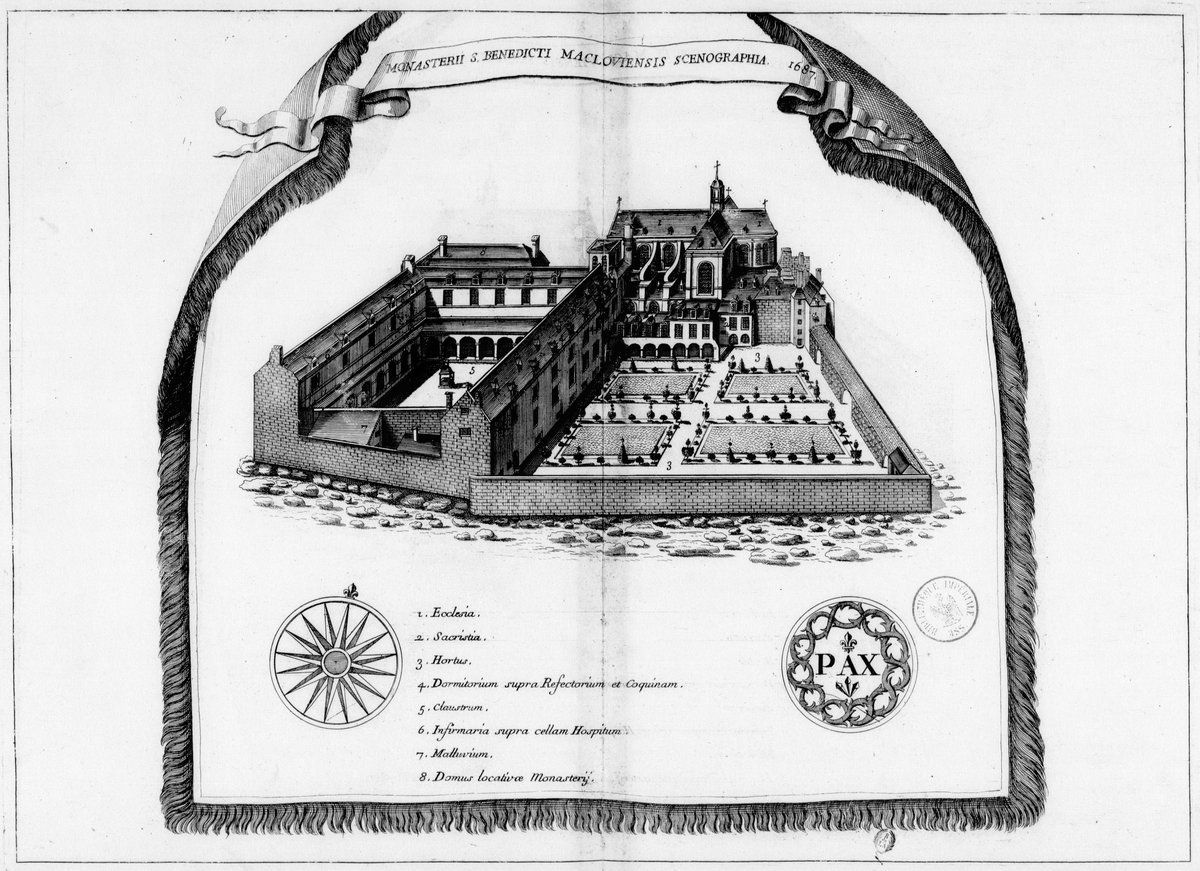
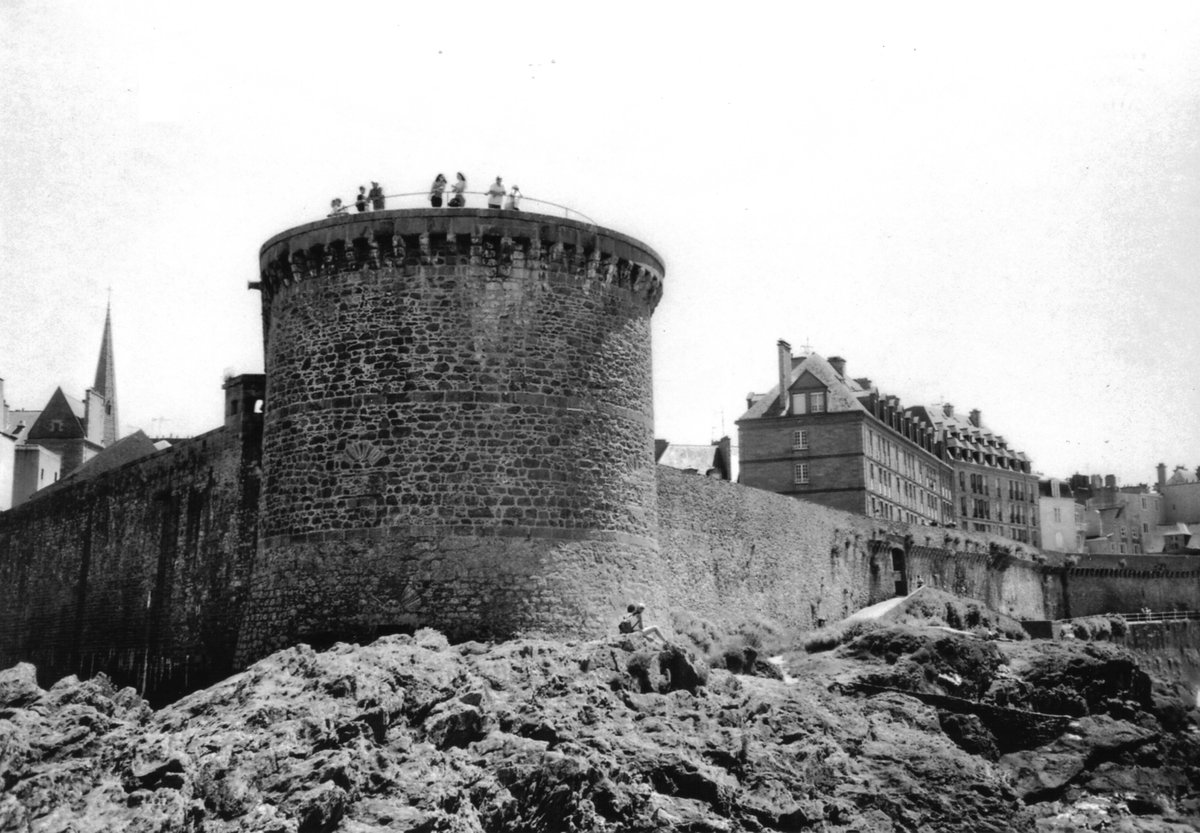
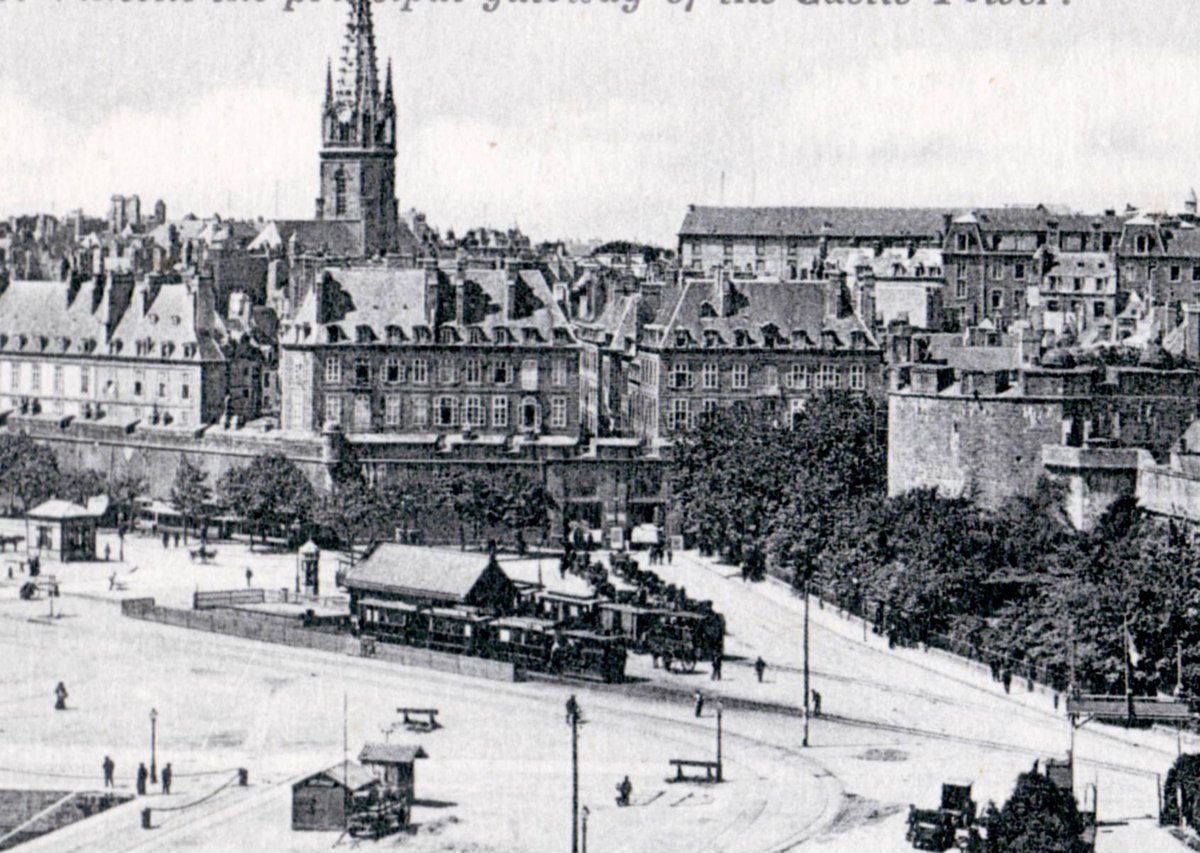
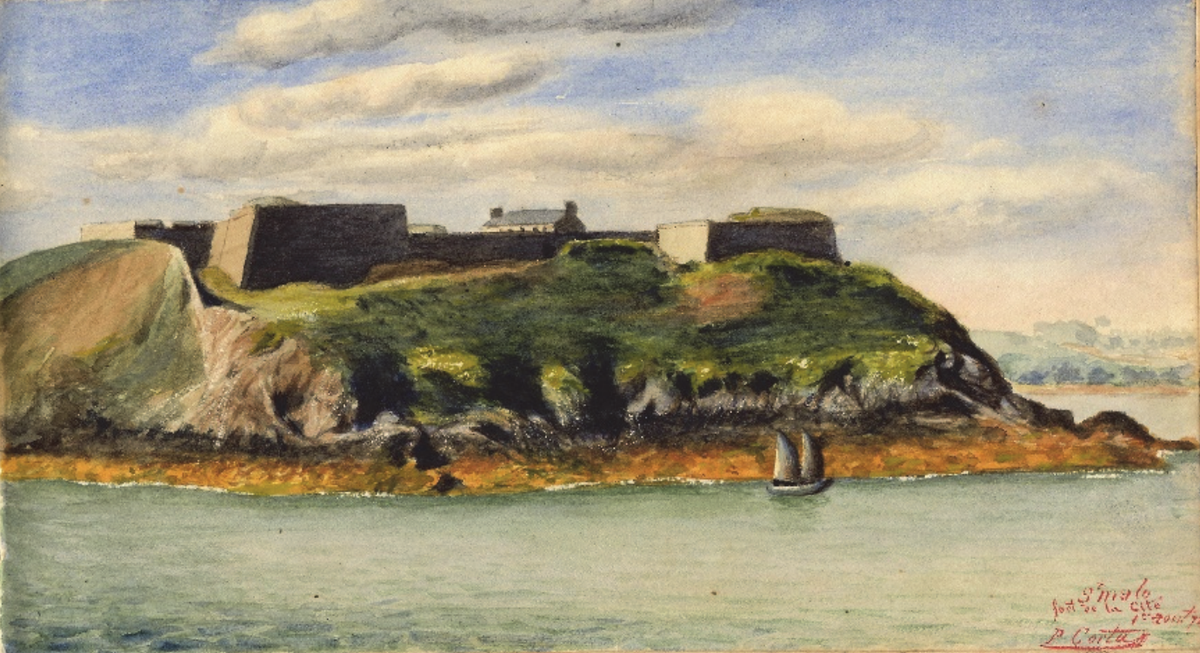
Saint-Malo’s transformation from a monastic outpost in the 6th century to a fortified maritime powerhouse is a story of ambition and resilience. Its walls, strengthened in the 17th and 18th centuries (thecrazytourist.com), protected a city whose wealth was built on trade, exploration, and privateering.
Corsairs—privateers authorized by the French crown—brought immense riches, funded grand mansions (malouinières), and fostered a unique local identity, famously summarized by the motto: “Ni Français, ni Breton, Malouin suis-je” (“Neither French nor Breton, I am Malouin.”) (saintmalowithlove.com; connexionfrance.com).
Robert Surcouf: Hero, Privateer, and Controversial Figure
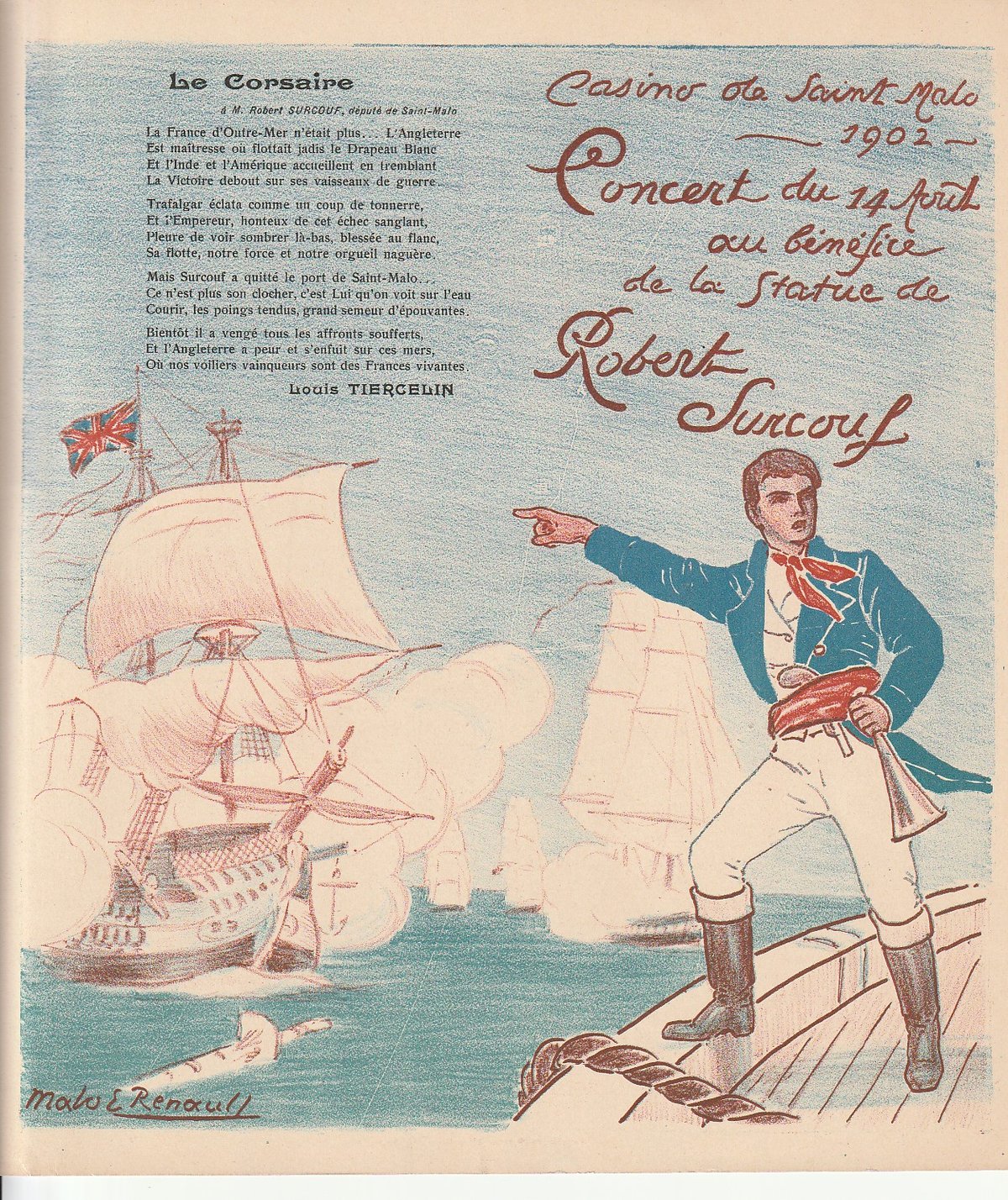
Robert Surcouf (1773–1827) epitomizes the city’s corsair legacy. Born in Saint-Malo, he gained fame during the French Revolutionary and Napoleonic Wars for capturing enemy ships, particularly the British East India Company’s Kent. Surcouf’s exploits brought him wealth and national renown, but his involvement in the slave trade between 1815 and 1821 has fueled ongoing debate and reflection on his place in history (connexionfrance.com).
The Statue of Robert Surcouf: Artistry, Symbolism, and History
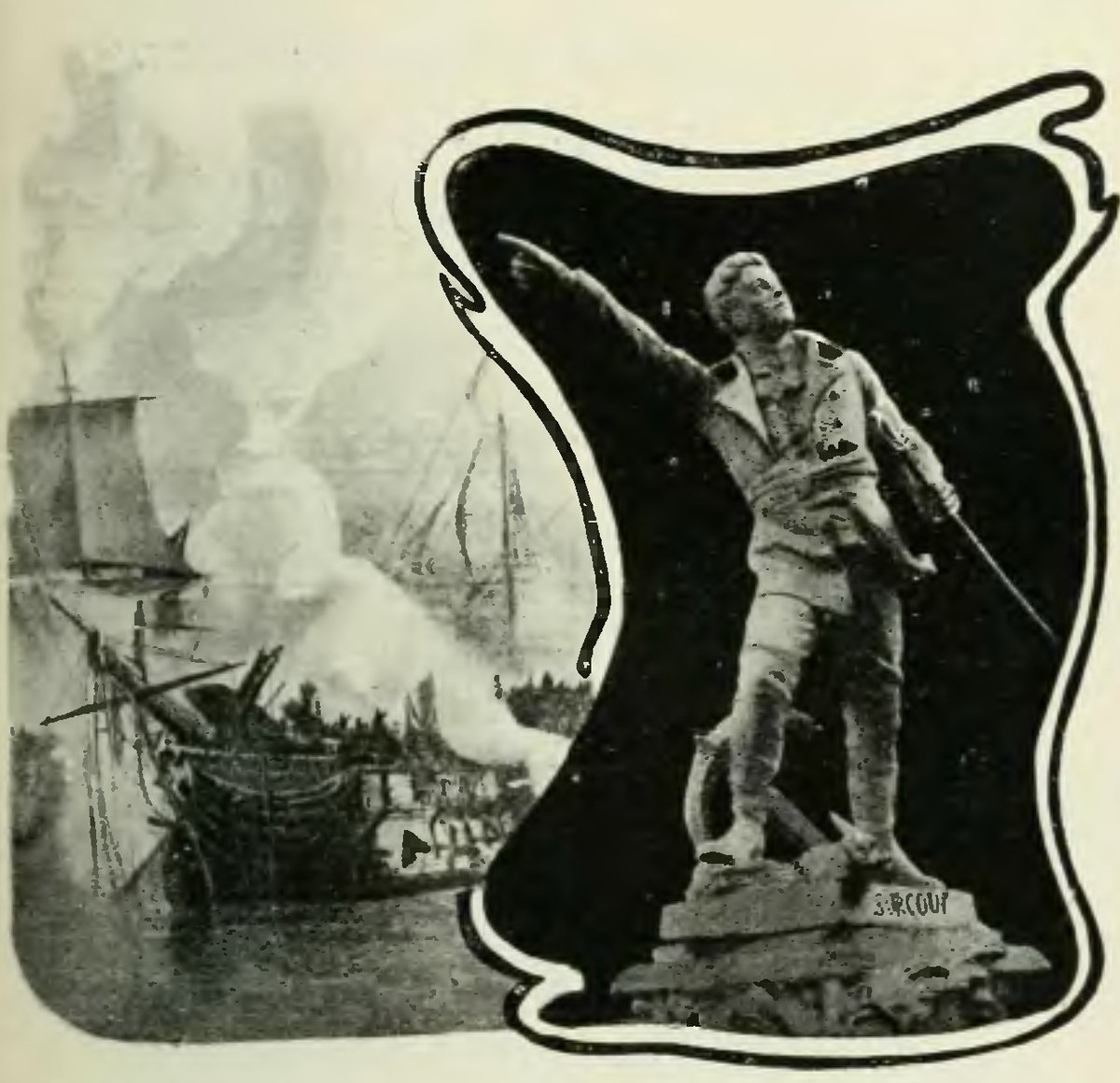
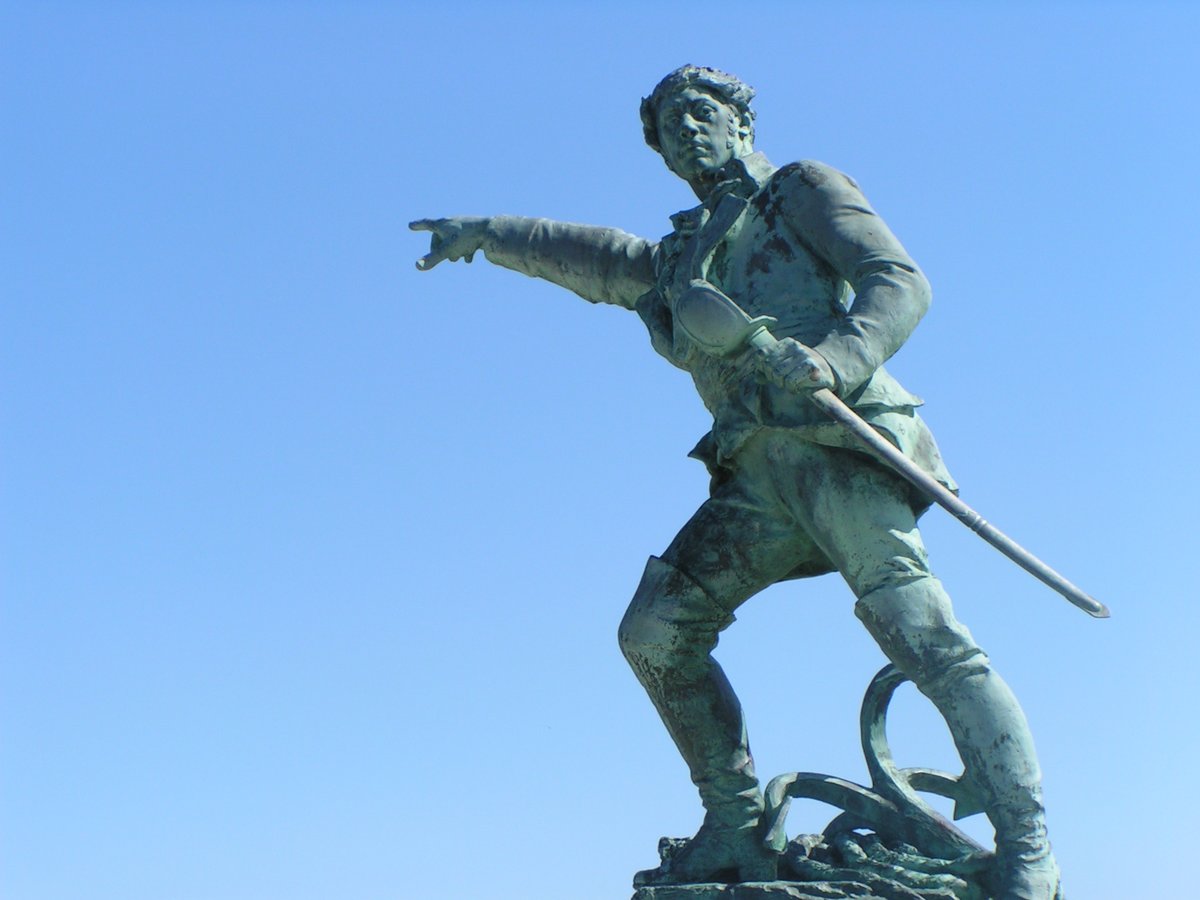
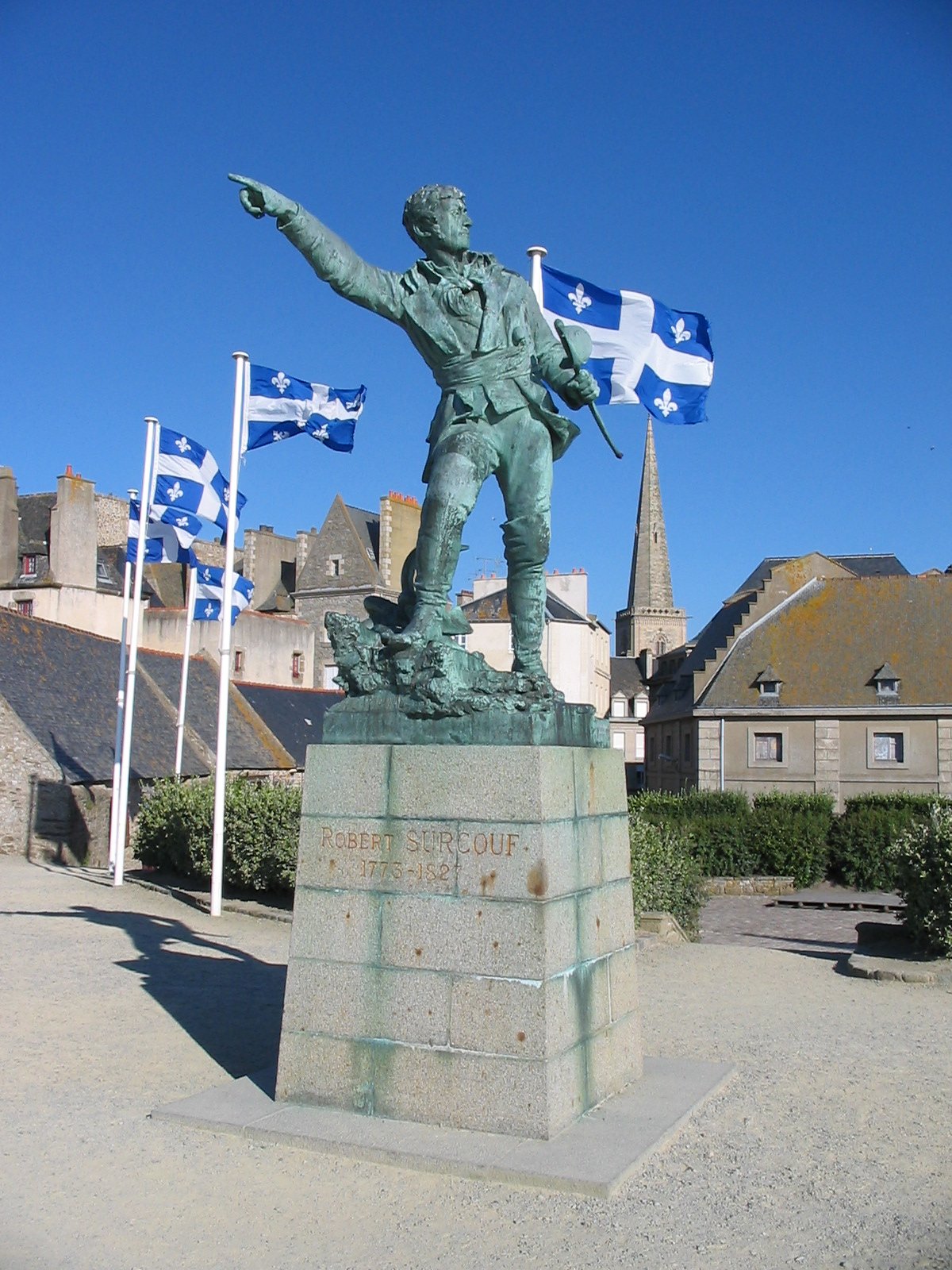
Sculpted by Alfred Caravanniez and inaugurated in 1903, the bronze statue stands approximately 2.5 meters tall. Surcouf is depicted in naval attire, gazing defiantly toward the sea, with one hand pointing toward England—a dynamic gesture laden with historical and symbolic meaning.
During WWII, local legend claims the Germans spared the statue after being told Surcouf’s outstretched finger pointed toward England, their enemy at the time. This anecdote adds a unique layer to the monument’s lore (angelique-berhault.wixsite.com).
Location and Access: How to Find the Statue
The statue is located in Place du Québec, just outside the Intra-Muros walls, near Porte Saint-Vincent. Its raised position on the ramparts offers sweeping views of the bay and English Channel, making it an excellent stop on any walking tour of Saint-Malo.
- Parking Available at Parking Saint-Vincent and Esplanade Saint-Vincent (5–10 minutes on foot).
- Train Station Gare de Saint-Malo is about 1.5 km away, with local buses and taxis available.
- On Foot Easily accessible from the city center.
Visiting Hours and Ticket Information
- Statue & Ramparts Open 24/7, year-round. No admission fee.
- Best Times to Visit Early morning or late afternoon for ideal lighting and fewer crowds. Peak tourist season is June–September; quieter visits are best in April–May or September–October (France Just For You).
Accessibility and Facilities
- Wheelchair Access The square and adjacent ramparts have paved, level surfaces. Some cobbled areas may be uneven.
- Facilities Benches, nearby public toilets, and easy access to cafes in the old town.
- Language Signage is primarily in French; English information is available on some tours and apps.
Nearby Attractions & Suggested Saint-Malo Itineraries
Once you’ve visited the statue, explore:
- Saint-Malo Ramparts Breathtaking views of the sea, city, and nearby forts.
- Maison du Québec Cultural center highlighting Franco-Canadian ties (Navaway).
- Saint-Vincent Cathedral Gothic and Romanesque architecture in the heart of the old town.
- Hôtel d’Asfeld The only corsair mansion open to the public (Monsieur de France).
- Beaches Plage de l’Éventail and Bon Secours are a short walk away.
A typical itinerary: Morning ramparts walk → Statue of Surcouf → Maison du Québec → Lunch in Intra-Muros → Beach or boat tour.
Guided Tours and Audio Guides
- Walking Tours Local operators and apps like Navaway and Audiala offer thematic tours including the statue and other key sites (Navaway).
- Maritime Museums Learn more about Saint-Malo’s corsair era at the Musée d’Histoire.
- Audio Guides Available in French and English via mobile apps and the tourism office.
Photography Tips
- Golden Hour Early morning or late afternoon provides the best light for capturing the statue with the sea or cityscape backdrop.
- Angles Shots from the ramparts or Place du Québec highlight the statue’s dramatic pose and the panoramic views.
Cultural Etiquette and Local Insights
- Respect the Site Place du Québec is a peaceful gathering spot—enjoy but respect the ambiance.
- Local Anecdotes Surcouf’s legendary wit—“Each of us fights for what he lacks!”—is a favorite local story (Navaway).
- Events The statue features in maritime festivals and during the Route du Rhum sailing race (Monsieur de France).
Events and Seasonal Highlights
- Route du Rhum Place du Québec becomes a lively hub during this transatlantic sailing event.
- Heritage Days Guided tours and special exhibitions often include the statue and nearby sites.
Frequently Asked Questions (FAQ)
Q: What are the visiting hours for the Statue of Robert Surcouf? A: The statue is accessible 24/7, year-round, with no admission fee.
Q: Is the statue wheelchair accessible? A: Yes, the area around the statue and ramparts is accessible, though some surfaces may be uneven.
Q: How do I get tickets for other Saint-Malo attractions? A: Purchase at site entrances or online via the Saint-Malo Tourism Office.
Q: Are guided tours available? A: Yes, various operators and apps like Navaway offer guided tours featuring the statue.
Q: What else should I see nearby? A: Don’t miss Maison du Québec, the ramparts, Hôtel d’Asfeld, and Saint-Vincent Cathedral.
Practical Summary for Travelers
| Feature | Details |
|---|---|
| Location | Place du Québec, Saint-Malo, Brittany, France |
| Accessibility | Open 24/7, free, wheelchair accessible |
| Nearby Parking | Saint-Vincent, Esplanade Saint-Vincent |
| Closest Train Station | Gare de Saint-Malo (1.5 km, ~20 min walk) |
| Best Visiting Hours | Daylight, especially early morning or late afternoon |
| Facilities | Benches, public toilets nearby, cafes/restaurants in old town |
| Guided Tours | Available via local operators and apps (Navaway, Audiala) |
| Language | French signage, English on some tours/apps |
| Nearby Attractions | Maison du Québec, ramparts, beaches, Cathedral, Hôtel d’Asfeld |
Conclusion: Experience Saint-Malo’s Maritime Legacy
The Statue of Robert Surcouf is far more than a photogenic landmark—it is a tangible link to Saint-Malo’s golden age of seafaring, heroism, and global connections. Its accessible location, rich historical context, and proximity to other key sites make it an essential stop for anyone exploring Brittany’s historical treasures. Whether you seek inspiration, reflection, or simply a memorable view, the statue and its story will enrich your journey.
Plan your visit today, explore guided tours, and stay connected through official tourism resources:
For more Saint-Malo insights and trip planning tips, explore our related articles and follow us on social media.
Sources and Official Links
- The Great Men and Corsairs of Saint-Malo – saintmalowithlove.com
- Saint-Malo: Exploring Brittany’s City of Corsairs – connexionfrance.com
- How to Spend a Day in Saint-Malo – France Just For You
- Saint-Malo Tourism Official Website
- Robert Surcouf and Quebec Connections – Navaway
- 15 Best Things to Do in Saint-Malo – The Crazy Tourist
- Statue Surcouf Historical Notes – angelique-berhault.wixsite.com
- Saint-Malo: What to See and Know – Monsieur de France