Harare
Zimbabwe Updated Apr 2026
Jacaranda blossom turns Harare purple for a few weeks each October, then the city goes back to its usual palette of red earth, pale granite, and highveld light so clear it makes every building look newly washed. That contrast tells you a lot about Harare, Zimbabwe: it can feel soft at first glance, then unexpectedly sharp. One minute you're standing in the cool galleries on Julius Nyerere Way looking at Shona stone sculpture; half an hour later you're watching giraffe move through miombo woodland inside the city limits.
 Photo: Aluta Photography / Pexels
- Attractions
- 12
- Trip length
- 2-3 days
- Best season
- Dry season, May-August
Why Harare
Built from cited sources · see the method · How we make our guides →
Harare makes more sense when you stop expecting a single postcard version of an African capital. The city is split between civic boulevards, old churches, and markets that run on muscle and urgency, then the northern suburbs open into garden restaurants, coffee terraces, and arts venues where people linger long after lunch should have ended. Eastgate Centre, opened in 1996, says the same thing in concrete and glass: this is a place that learned to live with heat by thinking harder, not by sealing itself off.
Art gives the city its real signature. The National Gallery of Zimbabwe remains the obvious starting point, but Harare's sculpture culture spills beyond museum walls into places like Chapungu Sculpture Park in Msasa, the quieter Shona Sculpture Gallery on Airport Road, and artist-run rooms such as First Floor Gallery on Josiah Tongogara Street. Stone matters here. You feel it in the weight of the carvings, in the balancing rocks outside town, in the granite outcrops at Domboshava where rock art and sky meet 30 kilometers northeast of the center.
Food pulls the picture together. A polished lunch in Highlands or Avondale is part of Harare, but so is sadza with derere, road runner chicken, or a plate that arrives with bones and no apology. Spend time in Mbare Musika, then in a gallery, then in the shade at Mukuvisi Woodlands, and the city stops looking like a stopover. It starts to read as a place with rhythm, appetite, and a stubborn belief that culture belongs in daily life.
Stone Sculpture City
Harare makes more sense once you notice how often stone becomes language here. The National Gallery of Zimbabwe, Chapungu Sculpture Park at 1 Harrow Road, and the quieter Shona Sculpture Gallery on Airport Road turn Shona sculpture from museum object into something you read with your body as you walk past it.A City That Thinks About Heat
Eastgate Centre, opened in 1996, is the building locals mention when they want proof that Harare can teach the rest of the world a thing or two. Its passive ventilation system, developed with Arup and Pearce Partnership, became famous for cutting heating and cooling energy use by about 90 percent.Wildlife Inside Town
Few capitals let you watch giraffe and zebra without committing to a full safari day. Mukuvisi Woodlands spreads across 263 hectares of miombo woodland inside the city, while Wild Is Life on Delport Road turns an animal encounter into a lesson in rescue, rehabilitation, and the odd grace of conservation done well.Living Arts, Not Just Monuments
Harare is better when you catch it in the middle of making something. First Floor Gallery Harare, Gallery Delta in its 1894 house, Reps Theatre, 7 Arts Theatre, and Alliance Francaise de Harare give the city a present tense that museum-only itineraries miss.
Neighborhoods
Where to wander, by quarter — each with its own rhythm.
Central Harare
Central Harare is where the city's public face still shows: broad avenues, government buildings, hotel bars, churches, and the institutions that explain Zimbabwe to itself. This is where you'll find the National Gallery of Zimbabwe on Julius Nyerere Way, Harare Gardens, Eastgate Centre, and the old Meikles overlooking Africa Unity Square. Come by day for museums and architecture. Stay alert after dark, when the district feels more functional than social.Avondale
Avondale is the easiest district for visitors to like because it asks very little of you and gives a lot back. Cafes, the flea market, 7 Arts Theatre, and casual restaurants sit close enough to build an afternoon without much planning, and the mood is social rather than showy. If you want Harare in its coffee-meeting, gallery-night, linger-over-lunch mode, start here.Borrowdale
Borrowdale is polished northern-suburbs Harare: shopping at Sam Levy's Village, coffee, dinner, cocktails, and the city's more dressed-up nightlife. The tone is affluent and a little self-aware, but useful all the same, especially if you want easy dining options and a night out that doesn't require guesswork. It is less revealing than Mbare and less layered than the center. Some evenings, that is exactly the point.Highlands
Highlands trades speed for space. Garden restaurants, quieter roads, and places like Queen of Hearts give the area a slower, greener rhythm that suits long lunches and low-key evenings with live music rather than club energy. Visitors who need a break from traffic and errands usually end up liking Highlands more than they expected.Newlands
Newlands is small in name and useful in practice, especially if dinner matters to you. Victoria 22 has helped make the area one of Harare's date-night addresses, and the wider district shares Highlands' calmer, residential feel without becoming sleepy. Come here when you want polished food and conversation rather than a checklist of sights.Mount Pleasant
Mount Pleasant leans social in a local way: sports clubs, bars, coffee stops, and nights that feel more neighborhood-driven than formal. The Jam Tree gives the area some of its reputation, with open-air energy, DJs, and event nights, while nearby cafes keep it useful by day. It is not a heritage district. It is where Harare loosens its collar.Belgravia
Belgravia sits close to the center but feels more composed, with embassies, older homes, and cultural institutions tucked into leafy streets. Reps Theatre and Belgravia Sports Club give the area more life than its quiet exterior suggests, and restaurants like Gava's make it worth a deliberate stop if you want Zimbabwean dishes in a clubby setting. The district doesn't shout. It doesn't need to.Mbare
Mbare is the city at full volume: produce trading, minibuses, informal food, and the daily pressure that keeps Harare fed. Mbare Musika is the reason to come, not for comfort but for context, because nowhere else shows the city's appetite and improvisation so plainly. Go with purpose, preferably with someone who knows the ground, and you'll understand more in an hour here than in three polite museum visits.
Plan your trip
Before you go
- Getting There
- Harare's main gateway in 2026 is Robert Gabriel Mugabe International Airport (HRE), 15 km south of the city center; Charles Prince Airport has the code FVCP and mostly handles flight training, charters, and maintenance rather than regular tourist arrivals. Passenger rail is not a practical arrival option because National Railways of Zimbabwe says passenger services are suspended, so most overland arrivals come by road via intercity buses using Mbare Musika, RoadPort, or Mbudzi. If you're driving, the airport route and major city approaches matter more than scenic detours.
- Getting Around
- Harare has no metro, subway, or tram in service in 2026; the city master plan talks about light rail, but that remains a proposal. Daily movement runs on ZUPCO buses, informal minibuses, taxis, hotel transfers, and prebooked cars, with major hubs at Mbare Musika and RoadPort. Cycling infrastructure is patchy rather than protected, commuter rail is suspended, and I found no official city tourist pass, though ZUPCO says it accepts swipe payments and EcoCash.
- Climate & Best Time
- Harare has a warm wet summer and a cool dry winter: roughly 20 to 28C in the hotter months from October to March, then about 7 to 22C from May to August, with July the coolest month and October the hottest on recent climate averages. January is the wettest month at about 229 mm of rain, while August is almost bone-dry at about 1 mm. For most visitors, May to August is the sweet spot; September and October stay dry but the heat starts pressing harder.
- Language & Currency
- English will carry you through airports, hotels, museums, and most restaurants, though Shona and Ndebele shape the city's sound once you listen past the front desk. In 2026, Zimbabwe Gold (ZiG) is the primary legal tender, but the US dollar remains legal and often preferred in cash, especially for smaller operators. Carry clean small USD notes, expect card acceptance to be uneven, and change money only through licensed dealers such as the airport's Kwikforex bureau.
- Safety
- Harare rewards daytime curiosity and punishes casual night habits. Current US and UK advisories say to watch for pickpocketing, bag-snatching, and smash-and-grab robberies, with specific warnings for the road to HRE, Liberation Legacy Way, and Churchill Road. Keep car windows up at major intersections, avoid showing cash, skip political gatherings, and use prearranged transport after dark, especially when blackouts leave traffic lights and street lighting unreliable.
A Capital Born from Occupation, Renamed by Independence
From ancient rock art and Shona chiefdoms to a city still arguing with its own past
- c. 500,000 BCE
Stone Age Footprints
The Harare region was inhabited long before anyone imagined a capital on this high plateau. Archaeological evidence from Zimbabwe points to human presence roughly 500,000 years ago, which means the city's deepest history begins with stone tools, open grassland, and a climate that kept changing under human feet.
- c. 2000 BCE
Rock Art at Domboshava
About 30 kilometers northeast of central Harare, San painters left animals and human figures on the granite at Domboshava. Stand there in dry-season light and the stone still holds a faint red memory of people who knew this plateau as shelter, hunting ground, and sacred surface long before any map called it Salisbury or Harare.
- c. 500 CE
Shona Worlds Take Root
Between about the 5th and 10th centuries, Bantu-speaking communities settled the Zimbabwean plateau and shaped the world from which Shona society emerged. The future Harare area became part of that agricultural and trading zone: cattle, grain, ironworking, and ritual authority tied to land that looked open but was already claimed.
- c. 1400
Mutapa's Northern Reach
Most scholars place the plateau around modern Harare within the orbit of the Mutapa state between the 14th and 17th centuries. The city did not exist yet, but the political geography did, and that matters: later colonial claims of empty ground were fiction dressed as paperwork.
- c. 1850
Chief Neharawa's Country
By the 19th century, the site below the granite hill later called Harare Kopje was associated with Chief Neharawa, sometimes rendered Neharawe. His settlement gave the future city its postcolonial name, a quiet correction written into geography nearly a century after conquest.
- 1888
Rhodes Secures the Paper
On 30 October 1888, Cecil Rhodes's agents obtained the Rudd Concession from King Lobengula. Ink did the work of gunpowder here: that document became one of the legal fictions used to justify company rule and the seizure of the plateau.
Show the full timeline (32 moments)
- 1890
Fort Salisbury Is Founded
The Pioneer Column reached the marshy site below the kopje on 12 September 1890 and raised the Union flag the next day. This was not a polite founding ceremony but an armed occupation, with wagons, mud, rifles, and the beginning of a settler capital imposed onto Shona ground.
- 1896
First Chimurenga Reaches Salisbury
During the anti-colonial uprising of 1896-1897, Salisbury served as the administrative center of the settler response. Fear ran through the town's thin streets while British South Africa Company forces crushed Shona and Ndebele resistance with the violence empire preferred not to describe too closely.
- 1899
Railway Changes the City
When the line from Beira reached Salisbury in 1899, the settlement stopped being a lonely military foothold and became a transport and trading hub. Steam, coal smoke, and freight wagons tied the city to ports, mines, and a wider colonial economy that wanted speed more than justice.
- 1902
Capital of Southern Rhodesia
Salisbury became the capital of Southern Rhodesia in 1902. Government offices, racial planning, and public ceremony followed, turning the town into the nerve center of a colony built on exclusion and the careful sorting of who could live where.
- 1903
Museum Opens Under Empire
The Queen Victoria Museum opened in 1903, the institution later known as the Zimbabwe Museum of Human Sciences. Colonial museums liked to arrange conquered histories in glass cases; still, this one would eventually hold objects that told a much longer story than empire ever could.
- 1907
Harari Township Is Laid Out
The township later known as Mbare was established in 1907 as Harari, the first major African township in Salisbury. Its crowded yards, beer halls, markets, and bus routes became one of the city's real engines, even as colonial planners treated African urban life as something to contain rather than understand.
- 1913
Cathedral Construction Begins
Construction started on the Anglican Cathedral of St Mary and All Saints in 1913, designed by Herbert Baker. The building took decades to finish, which feels right: stone by stone, Salisbury was teaching itself how empire wanted to look when translated into Gothic arches and stained light.
- 1919
Doris Lessing's Salisbury
Doris Lessing, born in 1919, was educated in Salisbury and later wrote with sharp clarity about colonial Rhodesia's racial order. The city gave her material she never shook off: dry gardens, social cruelty, and the brittle manners of a settler world pretending permanence.
- 1945
Thomas Mapfumo in Mbare
Thomas Mapfumo was born in 1945 and moved to Salisbury's Mbare township as a child, where township soundscapes shaped him. Street noise, beerhall bands, Shona rhythms, and urban pressure all fed the chimurenga music he later turned into a nationalist force.
- 1948
Music School, New Ambitions
The Zimbabwe College of Music was established in 1948, adding a serious training ground to the city's cultural life. Salisbury was still rigidly segregated, but music kept slipping across boundaries that politicians and planners spent years trying to police.
- 1952
University Takes Shape
The University College of Rhodesia and Nyasaland was established in 1952 and shifted activity to Mount Pleasant by 1957. Lecture halls, laboratories, and student politics gave the city a sharper intellectual edge, along with the arguments that colonial capitals always fear once young people start reading seriously.
- 1952
Oliver Mtukudzi's Highfield
Oliver Mtukudzi was born in Highfield in 1952, one of Salisbury's politically charged African townships. Harare shaped his voice before the world heard it: township churches, buses, family rooms, and a city learning to sing through pressure rather than around it.
- 1957
National Gallery Opens
The National Gallery of Rhodesia opened on 16 July 1957. Under Frank McEwen, it became one of the places where modern Zimbabwean sculpture found room to breathe, proving that the city's cultural future would not be written only in colonial stone and government minutes.
- 1959
Tsitsi Dangarembga's Harare
Born in 1959, Tsitsi Dangarembga studied in Salisbury and later at the University of Zimbabwe in Harare, where she built part of her literary and film career. Her Harare is never postcard-pretty; it is sharper than that, full of class tension, female ambition, and rooms where silence does half the talking.
- 1965
UDI Freezes the City
On 11 November 1965, Ian Smith's government issued the Unilateral Declaration of Independence, and Salisbury became the capital of an unrecognized white-minority state. Office blocks still hummed, traffic still moved, but the city had stepped into a political cul-de-sac defended by censorship, force, and the fantasy that time could be stopped.
- 1977
Woolworths Bombing
On 6 August 1977, a bombing at Woolworths in central Salisbury killed 11 civilians and injured 76. Urban war had entered the shopping district, which is one way of saying nobody could pretend the conflict was happening only in distant bush camps anymore.
- 1978
Fuel Depot Burns
The Southerton fuel depot attack on 11 December 1978 destroyed 22 of 28 storage tanks and about 17 million gallons of fuel. Fire turned the night sky orange, and Salisbury felt what sabotage looks like when it rises above rooftops and rewrites the arithmetic of war in a single evening.
- 1980
Independence Comes to Salisbury
Zimbabwe became independent on 18 April 1980, with celebrations centered in the capital and Bob Marley performing at Rufaro Stadium. The city heard a new anthem, saw new flags, and faced the harder task the morning after: turning victory symbolism into a livable capital for a black-majority nation.
- 1982
Salisbury Becomes Harare
On 18 April 1982, the city was officially renamed Harare after Chief Neharawa's settlement near the kopje. Names matter. This one stripped away a colonial dedication and returned local memory to the map where everyone could read it.
- 1982
Heroes Acre on the Hill
National Heroes' Acre was completed in 1982 south of the city, a state memorial to the liberation struggle with monumental concrete forms and panoramic views back toward Harare. The site is solemn, theatrical, and politically loaded all at once, which is often how new nations choose to remember their dead.
- 1991
The Harare Declaration
Commonwealth leaders met in Harare in October 1991 and issued the Harare Declaration, a text on democracy and human rights that carried the city's name around the world. The irony would grow heavier with time, but for that week Harare looked like a capital speaking in international sentences rather than domestic quarrels.
- 1996
Eastgate Rewrites the Skyline
Eastgate Centre was completed in 1996, designed by Harare-born architect Mick Pearce with passive cooling inspired by termite mounds. The building breathes instead of merely blasting air-conditioning, which makes it one of those rare pieces of architecture that feels clever without bragging about it.
- 2005
Operation Murambatsvina
In 2005, Harare became the first target of Operation Murambatsvina, the campaign of demolitions and forced evictions that wrecked homes, markets, and livelihoods. Whole neighborhoods were reduced to dust and bent metal; the city's poor paid for state power in bricks, blankets, and the sudden absence of walls.
- 2008
Cholera Exposes the Pipes
The cholera outbreak of 2008-2009 hit Harare especially hard, with Budiriro among the worst affected suburbs. This was a public-health disaster, yes, but it was also a municipal one: broken water systems, failed sanitation, and a capital forced to confront what happens when infrastructure rots quietly for years.
- 2017
Soldiers Take the Capital
On 15 November 2017, the military seized key points across Harare and placed Robert Mugabe under house arrest, ending his 37-year grip on power days later. The city watched tanks on its roads and learned, again, that political turning points here often arrive with uniforms first and constitutional language after.
- 2023
Parliament Moves to Mount Hampden
By late 2023, parliamentary business had shifted toward the new Parliament Building at Mount Hampden, about 25 kilometers northwest of central Harare. The capital remains the country's political stage, but this move nudged its geography outward, as if the state were trying to build itself a newer backdrop than the old city center could provide.
Insider tips
Small things that change how the city treats you.
Pick Dry Months
Aim for May to August if you want cool, dry weather and easier city days. September and October stay dry too, but the heat rises fast.Use Cars After Dark
Keep walking to short daytime stretches in central areas or leafy suburbs where you know the route. After dark, use a taxi, hotel transfer, or a prebooked car because street lighting can be poor and city-centre crime rises.Carry Small Dollars
US dollars are still widely used, and many businesses prefer cash. Bring small, clean notes because change is often scarce and damaged USD bills may be refused.Protect The Windows
On the airport road, Liberation Legacy Way, and Churchill Road, keep car doors locked and windows up. UK travel advice specifically flags smash-and-grab robberies on those routes.Don't Wait For Rail
Harare works as a bus, minibus, and taxi city, not a rail city. Passenger trains and Harare commuter rail services are currently suspended, so plan your days around road transport.Sort SIM At Arrival
Buy your SIM at Robert Gabriel Mugabe International Airport if you need data right away. Econet, NetOne, and Telecel all have airport outlets, which saves you hunting around town with no signal.Use The Cheap Nature Stop
Mukuvisi Woodlands is one of the better-value outings in town at about US$6 for adults. Go on a weekend around 2pm if you want the animal feeding from the viewing platform.
Gallery
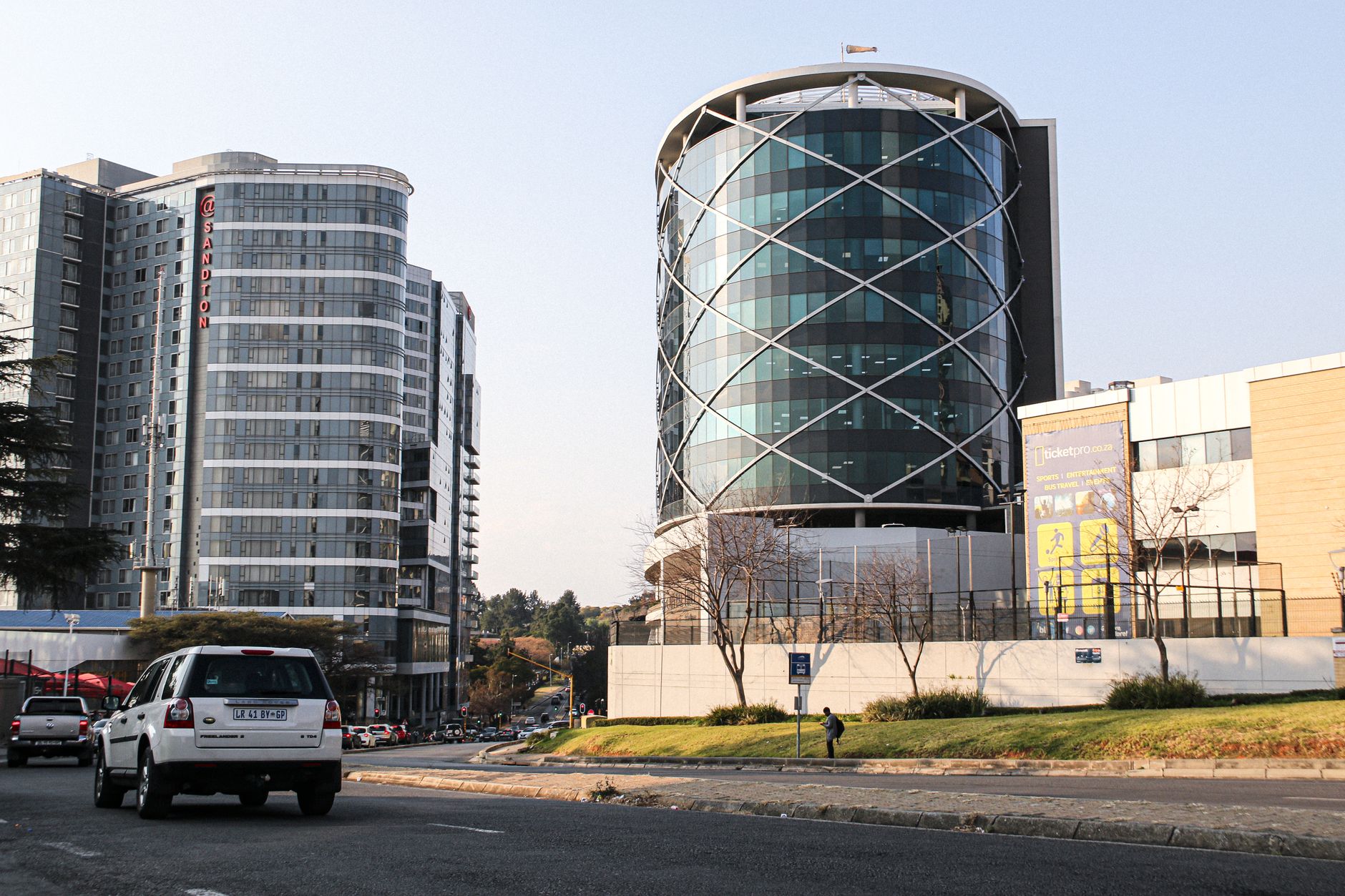
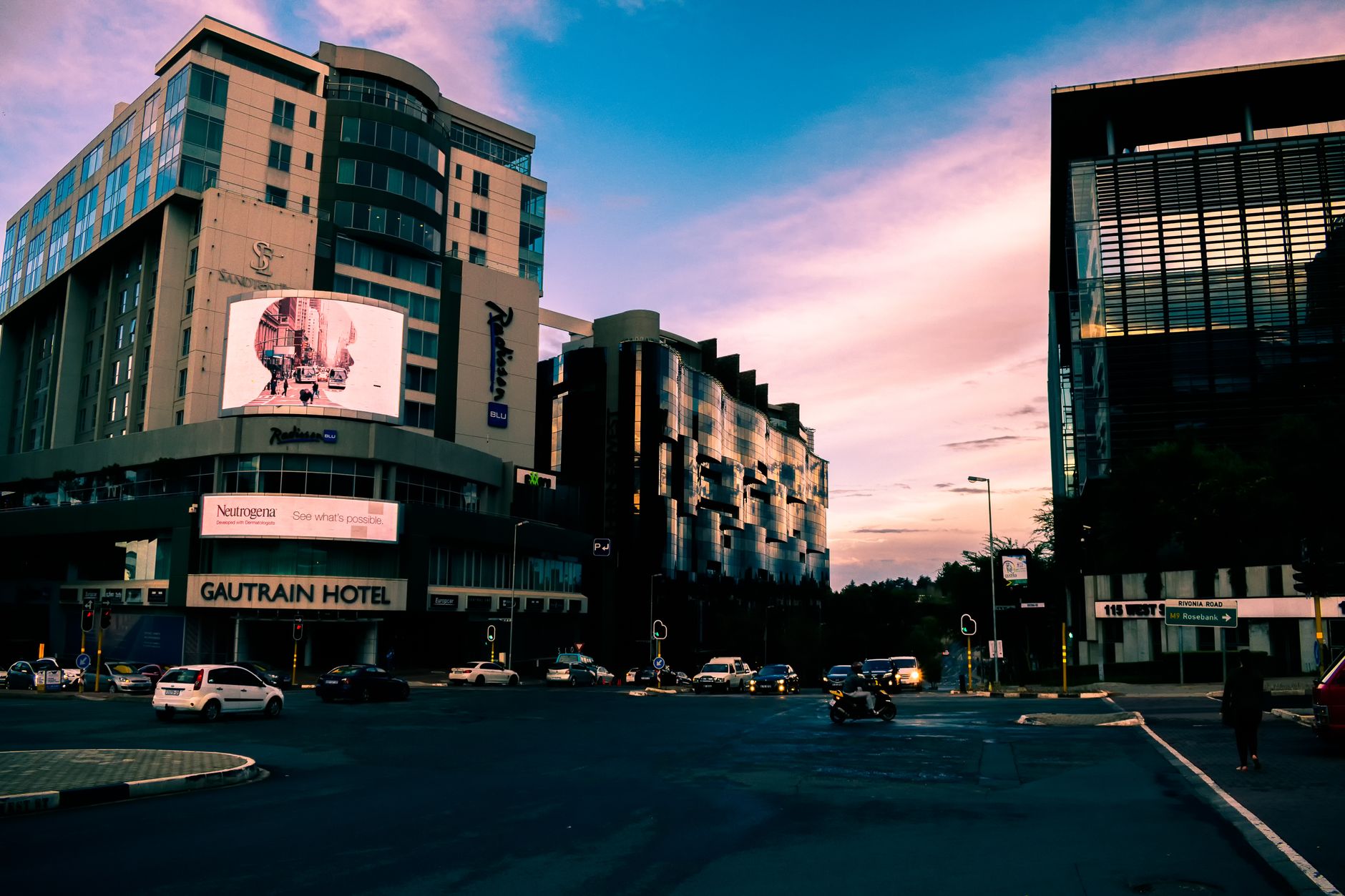
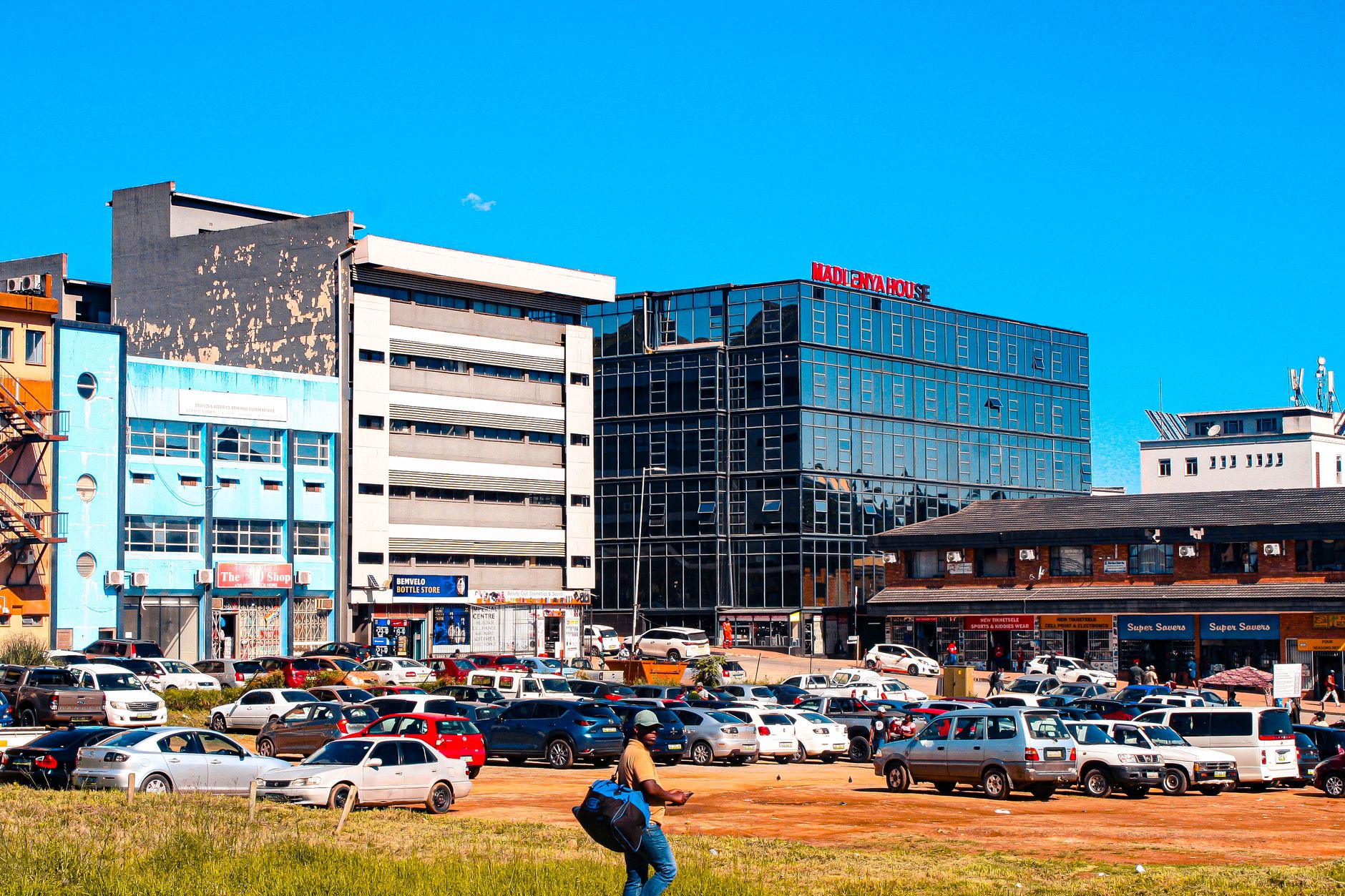
The city, as it actually looks.




Frequently asked
Is Harare worth visiting?
Yes, if you like cities that reveal themselves slowly. Harare mixes serious art spaces, a globally famous passive-cooling building at Eastgate Centre, urban wildlife at Mukuvisi, and quick escapes to places like Domboshava and Lake Chivero. It makes more sense if you treat it as a cultural base with good half-day trips, not as a checklist capital.
How many days in Harare?
Two to three days works well for most travelers. That gives you time for the National Gallery, Eastgate Centre, one sculpture stop such as Chapungu or Shona Sculpture Gallery, and one outing like Mukuvisi or Domboshava. Add a fourth day if you want Wild Is Life or Lake Chivero.
How do you get around Harare without a car?
Use taxis, hotel-arranged transfers, and buses rather than expecting rail. ZUPCO runs the formal bus network, but official route maps are hard to find online and Harare's passenger rail services are suspended. For visitors, short daytime walks plus prearranged rides are the least stressful mix.
Is Harare safe for tourists?
Harare is manageable with caution, but don't drift into careless habits. U.S. advice rates Zimbabwe at Level 2, and UK guidance warns that mugging, pickpocketing, and bag-snatching are common in city centres after dark, with smash-and-grab risks on the airport route, Liberation Legacy Way, and Churchill Road. Daytime sightseeing, no visible valuables, and arranged transport at night is the sensible routine.
Is Harare expensive for visitors?
Harare can be fairly moderate if you mix museums and city nature stops with only one or two premium experiences. Entry fees in the research run from about US$3 at Heroes Acre to US$6 at Mukuvisi, while sanctuary visits such as Wild Is Life sit in a different bracket and need booking. Cash planning matters more than bargain hunting because card acceptance and change can be unreliable.
What is the best time to visit Harare?
May to August is the safest bet for most travelers. Those months are dry and cooler, which helps with walking, day trips, and wildlife outings. September and October still work, but the afternoons get much hotter.
Can you use US dollars in Harare?
Yes. Zimbabwe Gold is the primary legal tender, but US dollars remain legal tender and are often preferred in cash. Bring small notes, avoid torn bills, and use only licensed exchange points such as airport bureaux de change.
What should first-time visitors not miss in Harare?
Start with the National Gallery of Zimbabwe, Eastgate Centre, and one sculpture-focused stop such as Chapungu Sculpture Park. Then leave the centre for either Mukuvisi Woodlands or Domboshava, because Harare makes more sense once you see how quickly the city gives way to rock, trees, and long views. Skip the idea that this is only a monument-and-museum capital.
Pick up where you left off
Saved and recently read places — kept on this device only.
Photo credits (13)
- Aluta Photography — Pexels License (https://www.pexels.com/license/) — Source: https://www.pexels.com/photo/30680723/
- Shantum Singh — Pexels License (https://www.pexels.com/license/) — Source: https://www.pexels.com/photo/37037695/
- Joel Muzhira — Pexels License (https://www.pexels.com/license/) — Source: https://www.pexels.com/photo/36000439/
- Ministar Samuel — Pexels License (https://www.pexels.com/license/) — Source: https://www.pexels.com/photo/35697020/
- Blaque X — Pexels License (https://www.pexels.com/license/) — Source: https://www.pexels.com/photo/1023759/
- Ken Mwaura — Pexels License (https://www.pexels.com/license/) — Source: https://www.pexels.com/photo/29069429/
- Aluta Photography — Pexels License (https://www.pexels.com/license/) — Source: https://www.pexels.com/photo/30680731/
- Khaya Motsa — Pexels License (https://www.pexels.com/license/) — Source: https://www.pexels.com/photo/36718824/
- Magda Ehlers — Pexels License (https://www.pexels.com/license/) — Source: https://www.pexels.com/photo/10598132/
- Beate Vogl — Pexels License (https://www.pexels.com/license/) — Source: https://www.pexels.com/photo/19963962/
- Khaya Motsa — Pexels License (https://www.pexels.com/license/) — Source: https://www.pexels.com/photo/36718822/
- Zak H — Pexels License (https://www.pexels.com/license/) — Source: https://www.pexels.com/photo/35665256/
- Khaya Motsa — Pexels License (https://www.pexels.com/license/) — Source: https://www.pexels.com/photo/33693814/
Photos may have been resized or cropped.