Introduction
Zimbabwe travel guide starts with a surprise: this is a high, cool country of granite ruins, misty mountains, and the loudest water on earth.
Most travelers arrive for Victoria Falls, and fair enough: the Zambezi drops 108 meters across a curtain 1.7 kilometers wide, turning air into spray and speech into hand signals. But Zimbabwe gets deeper the farther you move from the obvious postcard. In Hwange, dry-season elephant herds gather at pumped waterholes with a gravity that makes other safari scenes feel staged. In Matobo, granite boulders balance in impossible stacks above some of southern Africa's oldest rock art. And in Masvingo, Great Zimbabwe still does what ruined capitals rarely manage: it unsettles the lazy idea that power in precolonial Africa left little behind.
The country's shape matters. Harare sits nearly 1,500 meters above sea level, which gives the capital a cooler, steadier feel than outsiders expect, while Bulawayo spreads out with broad avenues and old railway confidence. East of there, Mutare opens the door to the Eastern Highlands, where Nyanga and Chimanimani swap savanna for pine, mist, trout streams, and ridgelines that look borrowed from another latitude. Then the land drops hard toward Kariba and the Zambezi Valley, where houseboats drift past drowned trees and fish eagles call over copper light. Few countries change mood this fast.
Zimbabwe also rewards travelers who want more than wildlife checklists. The country's name comes from Great Zimbabwe, the vast stone city built between the 11th and 15th centuries, and that inheritance still sits close to the surface in sculpture, food, and conversation. You taste it in sadza with kapenta by Lake Kariba, hear it in the formality of greetings in Harare and Gweru, and see it in soapstone birds that became a national emblem. Come for the falls if you like. Stay for the stone, the altitude, and the way places like Binga or Nyanga keep changing the argument.
A History Told Through Its Eras
Granite, Rain Priests, and the House of Stone
Sacred Hills and First Kingdoms, c. 13000 BCE-1450 CE
Morning light catches the granite domes of Matobo first. The rock warms slowly, lizards slip between the cracks, and on cave walls the painted eland still leap in red and ochre after more than 13,000 years. Those figures were not decoration. They recorded trance, hunting, weather, and a bargain with the unseen.
What mattered here, long before any court or treaty, was permission. San traditions in these hills held that spirit beings guarded water and rain, and later Shona belief kept the same instinct: the land was alive, and power had to negotiate with it. Ce que l'on ignore souvent, c'est que this religious logic outlasted dynasties. Kings came later.
Then came cattle, iron, and grain. Between the 9th and 10th centuries, farming communities linked to the Leopard's Kopje culture settled more densely across the plateau, bringing sorghum, herds, and a social order in which livestock meant rank, marriage, and survival. Wealth could now be counted, guarded, inherited. That changes everything.
By the 12th century, near today's Masvingo, Great Zimbabwe rose out of split granite with almost insolent confidence: walls laid without mortar, a Great Enclosure whose outer circuit still feels ceremonial rather than defensive, and a conical tower that remains stubbornly mysterious. Most scholars read it as a symbol of grain surplus, which is to say power. A ruler who controlled food controlled time itself, and from that stone city the country would eventually take its name.
The emblem of this era is less a king than the Mwari priest, the keeper of an oracle who could humble rulers by speaking for rain.
When colonial antiquarians first encountered Great Zimbabwe in the 19th century, many insisted Africans could not have built it and invented Phoenician and biblical fantasies instead; the ruin had to wait for archaeology to be rescued from prejudice.
Gold for the Coast, Salt for the Throne
Mutapa, Trade, and Court Intrigue, c. 1450-1830
A court screen rises before the king so that no one may watch him eat. That is the scene to keep in mind for the Mutapa state: ritual distance, guarded bodies, and power staged as theatre. According to tradition, Nyatsimba Mutota left Great Zimbabwe in search of salt and founded a northern kingdom near the Zambezi, where trade routes ran toward the Indian Ocean and every caravan carried rumor with its cloth and beads.
Gold drew strangers in. Portuguese chroniclers, Muslim merchants, and African intermediaries all wanted access to the mines and the court, and each group arrived with gifts, promises, and knives hidden in the language of commerce. The kingdom was never isolated. It was connected, calculating, and watched.
One episode reads almost like a tragedy written too quickly. In 1561, the Jesuit Goncalo da Silveira baptized a young Mutapa ruler, and for a brief moment Portugal imagined it had won the kingdom by holy water and courtly persuasion. Three months later the missionary was strangled and thrown into a river after rivals convinced the king he was dangerous. The Portuguese answered as empires do: not with wounded feelings, but with soldiers.
This is the age when Zimbabwe enters the early modern world on unequal terms. Treaties, conversions, and military alliances began to hollow out sovereignty from within, long before formal conquest. And while the court glittered with protocol, the real drama had shifted to trade corridors, borderlands, and the price outsiders were willing to pay for influence.
Nyatsimba Mutota survives in memory as a founder on the move, less a marble patriarch than a hard-eyed strategist who followed salt because kingdoms cannot live on grandeur alone.
Court etiquette was so strict that when the Mutapa king sneezed or coughed, those present were expected to react in unison, turning a bodily reflex into an act of state.
Mzilikazi's Flight, Lobengula's Palace, Rhodes's Hunger
Ndebele Kingdom and Chartered Conquest, 1837-1897
Dust blows across a royal kraal, cattle low in the distance, and envoys wait outside while Lobengula considers another piece of paper he does not trust. That paper matters. In the 19th century, the plateau was reshaped by the arrival of Mzilikazi and the Ndebele kingdom he forged after breaking from Shaka's orbit, building a new state in the southwest around military discipline, tribute, and cattle wealth, with Bulawayo at its political heart.
The kingdom was formidable, but it faced a new kind of predator. Cecil Rhodes and his British South Africa Company did not first arrive in red coats and bugles. They arrived with concessions, interpreters, legal ambiguities, and the Rudd Concession of 1888, a document Lobengula almost certainly did not understand in the expansive way London would later claim to understand it. A signature became a weapon.
Ce que l'on ignore souvent, c'est que conquest here was sold as paperwork before it was enforced by rifles. The Pioneer Column marched in 1890, seized territory, and planted a settlement that would become Harare, then Salisbury. In the same years, archaeological vandalism at Great Zimbabwe tried to erase African authorship from the stones, as if military occupation were not enough and memory too had to be stolen.
Then came revolt. The First Chimurenga of 1896-1897 joined Ndebele and Shona resistance in a war that frightened settlers more than they later cared to admit, and even Rhodes had to enter the Matobo hills to negotiate. The kingdom was broken, but not obedience. That refusal would sleep, smolder, and return in another century under another name.
Lobengula was no tragic innocent; he was a ruler reading a dangerous world too late, trying to outmaneuver a company that had already decided fraud was cheaper than war.
Rhodes, who liked force when it worked, went personally into Matobo during the 1896 rising to negotiate because the spiritual authority tied to the hills frightened even imperial confidence.
From Salisbury's Verandas to the Night of Independence
Settler Rule, Liberation, and the Birth of Zimbabwe, 1898-1980
A clerk in a pressed jacket steps onto a veranda in Salisbury, now Harare, while African workers build the city but are pushed to its margins. This was Southern Rhodesia: railways, tobacco, segregation, municipal order, and a racial arithmetic designed to make minority rule look permanent. It never was.
The land question sat underneath everything. White farmers held the richest tracts, African families were displaced into reserves, and legislation turned dispossession into routine administration. In Bulawayo and across the plateau, a modern African political class grew through missions, trade unions, churches, and urban neighborhoods where patience was running out.
By 1965 Ian Smith's government made the break explicit with a Unilateral Declaration of Independence, refusing majority rule while dressing defiance in the language of civilization. It was a brittle performance. The liberation war that followed, remembered as the Second Chimurenga, spread through the countryside in the 1970s, with guerrilla movements, state violence, fear, and hope moving village by village.
Then, on 18 April 1980, the flag changed. Zimbabwe was born with Robert Mugabe as prime minister and with a name deliberately taken from the ruined stone city near Masvingo, as if the nation were reclaiming a history that colonialism had spent decades misreading. Independence solved the constitutional insult. It did not settle the wounds beneath it.
Joshua Nkomo, broad, patient, and far more complex than party myth allows, carried the burden of nationalism for decades before seeing the country he had imagined split by rivalry.
The name 'Zimbabwe' was not a poetic flourish chosen at random; it was a direct political reclamation of Great Zimbabwe against the colonial habit of denying African statehood.
Hope, Violence, Empty Shelves, and a Currency of Gold
Independence, Rupture, and Reinvention, 1980-present
At midnight in 1980, the air in Harare felt electric. A new country had arrived, educated, ambitious, and determined to show that liberation could also mean schools, clinics, diplomacy, and dignity. For a few years, that promise seemed tangible.
But history rarely grants clean beginnings. In the 1980s, the Gukurahundi massacres in Matabeleland left one of independent Zimbabwe's deepest scars, turning the state against civilians in a campaign whose grief still travels quietly through families in Bulawayo and beyond. You cannot understand modern Zimbabwe if you skip that room and close the door too quickly.
Then came another drama, this one measured in notes and shopping baskets. Land seizures after 2000, political repression, and economic collapse fed the hyperinflation crisis that reached absurd, cruel proportions in 2008, when salaries became paper before they reached the market. People survived through improvisation, remittances, and the hard wit that Zimbabweans deploy when rhetoric has failed them.
And yet the country keeps altering its own script. Victoria Falls still thunders on the Zambezi border, Hwange still gathers elephants by the thousands, the granite hills of Matobo still hold painted memory, and the state continues to search for monetary stability, most recently with the ZiG currency introduced in 2024. Zimbabwe today is not a morality play about ruin. It is a nation of formidable intelligence, long memory, and unfinished arguments about who gets to inherit the promise of 1980.
Robert Mugabe remains the unavoidable face of the era: liberation hero, master tactician, and then the aging patriarch who confused the nation with his own right to rule.
In 2008, hyperinflation climbed so high that Zimbabwe issued a 100 trillion dollar note, now bought by collectors as a curiosity that once recorded daily humiliation.
The Cultural Soul
A Greeting Longer Than a Road
In Zimbabwe, speech does not open the door. It is the door. A shop in Harare can sell you batteries, a bus seat, a headache, but first it asks how you woke, how you spent the night, whether your people are well; the transaction begins only after the ceremony has proved that both parties belong to the human race.
Shona and Ndebele do something exquisite with respect: they make grammar kneel without humiliating it. You hear it in the shift from a singular form to a plural one, in the way "mhoroi" carries more care than an English hello ever dreams of carrying, in "makadii" offered to an elder with the same gravity another country reserves for a legal oath.
Then comes the national sport of understatement. Zimbabwean English, especially in Harare and Bulawayo, can deliver a joke with the face of an accountant and the timing of a pickpocket; one deadpan line, no embroidery, and the whole room folds with laughter. A country is a table set for strangers, but here the first plate is language itself.
Respect Wears Kinship Like Perfume
Older women become Amai. Older men become Baba. The miracle is not the vocabulary but the moral ambition behind it: civility in Zimbabwe keeps enlarging the family until the street starts to resemble a clan reunion conducted with better posture.
You notice this fastest in the small acts. A refusal rarely arrives bare; it is wrapped, softened, turned gently in the hand before being given to you. Somebody thanks you with "maita basa," and the phrase does more than thank: it says I saw your effort, I registered the labor, I will not pretend the world runs by itself.
The principle underneath is often called unhu or hunhu, which English handles badly because English likes to isolate virtue into a noun and move on. Here it means character that makes other people breathe more easily. Miss that, and you will think the courtesies decorative. They are structural.
Sadza, or the Architecture of Hunger
Everything in Zimbabwe eventually arrives beside sadza. The mound sits on the plate with the authority of a small moon, white maize most often, finger millet in older kitchens, and the right hand approaches it with the calm expertise of somebody who has performed this movement since childhood: pinch, roll, press, scoop, eat.
The relishes around it tell the real story. Muriwo une dovi gives leafy greens a peanut depth that tastes older than fashion; derere, the okra that so many foreigners fear, stretches in glistening threads that locals pursue with intent; kapenta from Kariba crackle between teeth, bones and all, because waste is vulgar when the fish is this good.
Then the country reveals its private tenderness. A bowl of bota in the morning, warm and thin, with peanut butter stirred in. Maheu after work, faintly sour, almost drink and almost meal, the logic of thrift turned into pleasure. Zimbabwe cooks as if appetite were a matter of ethics.
Books That Refuse Good Manners
Zimbabwean literature does not ask to be admired from a safe distance. It grabs your collar. Dambudzo Marechera still reads like a power cut in a formal dining room: sudden darkness, broken crystal, somebody laughing in the next room because truth has finally stopped behaving.
Tsitsi Dangarembga works by another method, which is no less devastating. She writes female thought under pressure with such clean control that each sentence seems to have washed its hands before entering the room, and then you realize the room itself is the trap. After her, innocence looks like a political condition.
Charles Mungoshi and Yvonne Vera belong to that severe republic of stylists who understand that one village, one household, one body can contain an entire century. Read them before you go to Harare or Bulawayo and the streets alter. Read them before Masvingo and Great Zimbabwe, and stone becomes literature by other means.
Stone That Learned to Breathe
Zimbabwe trusts stone more than rhetoric. You see it in the soapstone birds of Great Zimbabwe near Masvingo, those carved eagles that became national emblems after surviving theft, exile, argument, and the vulgar colonial insistence that Africans could not possibly have made what they so plainly made.
You see it again in the Shona sculpture movement, where springstone, serpentine, cobalt stone, and verdite pass through hands in Harare studios and roadside workshops until hard matter begins to curve like flesh. The best pieces are not pretty. They look as if the rock had been keeping a secret and only reluctantly agreed to pronounce it.
Then Matobo changes the scale of the conversation. The granite kopjes and painted shelters make human art look provisional, which is healthy for everyone. A painted eland on a cave wall can reduce an ego faster than any sermon.
The Country Built on Cut Granite
Zimbabwe means house of stone, and the country has the decency to take its own name seriously. Great Zimbabwe, near Masvingo, lifts dry-laid granite walls without mortar to 11 meters high, with a patience so exact that the old colonial fantasy of Phoenician builders now reads not merely false but embarrassingly lazy.
Architecture here is never only about shelter. The conical tower at Great Zimbabwe remains solid, sealed, almost mocking in its refusal to explain itself; scholars read grain, power, surplus, the politics of food. Good. A granary as symbol of rule is more intelligent than a throne.
Elsewhere the mood shifts without losing rigor. Bulawayo spreads in long, rectilinear avenues with railway-town confidence. Harare wears verandas, office blocks, jacaranda streets, and postcolonial improvisation. In Victoria Falls, the old hotel fantasy of empire still clings to timber and lawn, while the spray from the Zambezi mocks every pretense of control.
What Makes Zimbabwe Unmissable
Victoria Falls Thunder
Victoria Falls is the headline for a reason: 1.7 kilometers of falling water, a 108-meter drop, and enough spray to soak you before you reach the viewpoints. It is spectacle, yes, but also geography you feel in your ribs.
Hwange Elephants
Hwange National Park, about 14,651 square kilometers, holds one of Africa's great elephant concentrations. In the late dry season, the waterholes turn into open-air theaters for wildlife.
Great Zimbabwe Stone
Near Masvingo, Great Zimbabwe rises from 900,000 granite blocks laid without mortar between the 11th and 15th centuries. The walls are the country's founding argument against every old colonial lie about who built what in Africa.
Eastern Highlands Air
Nyanga, Mutare, and Chimanimani bring a different Zimbabwe: mist, mountains, waterfalls, and cold streams instead of dust and thorn. If you want hikes, trout, and long views, this is the shift in altitude that changes the trip.
Matobo Memory
Matobo folds together balancing granite, sacred hills, rhino country, and rock art that reaches back thousands of years. Few landscapes in southern Africa carry this much spiritual and historical weight in one place.
Kariba Slow Travel
Lake Kariba trades itinerary panic for houseboats, tiger fishing, and fish eagles calling across one of the world's largest artificial reservoirs. It is the Zimbabwe you take at half-speed, which is exactly why it works.
Cities
Cities in Zimbabwe
Harare
"A plateau city of jacaranda-lined avenues and deadpan wit, where Shona sculpture galleries sit beside coffee shops and the air at 1,483 metres has a cool edge that surprises every visitor expecting tropics."
Victoria Falls
"Stand on the lip of Mosi-oa-Tunya at peak flood and the Zambezi's 108-metre drop produces its own weather — a permanent rainstorm that soaks you before you see the water."
Bulawayo
"Zimbabwe's second city moves at a slower frequency than Harare, its wide colonial-era streets built for ox wagons, its railway history still readable in the Victorian station that anchors the centre."
Masvingo
"The nearest town to Great Zimbabwe, where 900,000 dry-stacked granite blocks form walls eleven metres high — built without mortar or metal tools between the 11th and 15th centuries."
Hwange
"The town is a coal-mining afterthought, but the national park at its door holds more than 40,000 elephants, the largest concentration on earth, gathering at artificial waterholes through the dry season."
Mutare
"Pressed against the Mozambique border in the Eastern Highlands, Mutare is the gateway to misty mountain passes, trout streams, and tea estates that look improbably like the Scottish Borders at 1,000 metres."
Nyanga
"Zimbabwe's highest ground — Mount Nyangani reaches 2,592 metres — draws hikers into montane grasslands and ancient pit-structure ruins that predate European contact by centuries."
Chimanimani
"A small town at the end of a bad road that earns every kilometre: behind it, a wilderness of quartzite peaks and forest gorges with no vehicles, no lodges, just footpaths and river crossings."
Kariba
"Perched above the reservoir that drowned the Zambezi Valley in 1958, Kariba is where houseboats idle at sunset and tiger fish pull hard enough to make serious anglers rebook their flights."
Gweru
"The geographic centre of Zimbabwe and a city most itineraries skip entirely, which is exactly why its Midlands Museum — holding the country's best collection of pre-colonial and colonial artefacts — is never crowded."
Matobo
"The village serves as the base for the Matobo Hills, where San rock paintings 13,000 years old cover granite caves and Cecil Rhodes chose to be buried on a boulder summit he called World's View."
Binga
"A remote Tonga fishing settlement on the southern shore of Lake Kariba, known for the tightly woven baskets — geometric, deep, unmistakable — that have made Binga craftswomen internationally collected."
Regions
Harare
Highveld Capital Belt
Harare sits high, green and slightly formal, with broad avenues, jacarandas and a pace that feels more southern African plateau than tropical capital. This region is your practical entry point, but it also explains the country's social tone: business first, greetings before business, and a cooler climate than most outsiders expect.
Bulawayo
Western Matabeleland
Bulawayo has dry air, old rail infrastructure and a straighter-backed mood than Harare. West and south of the city, Matobo turns the land into stacked granite and sacred hills, while Hwange spreads out into Zimbabwe's biggest wildlife stage without the crowd density you get farther east in Africa.
Victoria Falls
Zambezi and Falls Corridor
The northwest is built around water, even in the dry season. Victoria Falls gives you the thunder and helicopter shots, but the region stretches beyond that headline to river lodges, border traffic, fishing towns and long hot roads toward Binga and Kariba.
Mutare
Eastern Highlands
East of Mutare, Zimbabwe lifts and cools into pine slopes, mist, trout streams and mountain roads that feel almost out of country. Nyanga is gentler and greener, while Chimanimani is sharper, rockier and more demanding underfoot; both reward travelers who want weather, walking and silence instead of game drives.
Masvingo
Southern Heritage Belt
Masvingo matters because this is where the country's name stops being abstract and turns back into stone. Great Zimbabwe sits just outside town, and the whole belt feels older, drier and more inward-looking than the north, with long distances and a stronger pull toward archaeology than spectacle.
Kariba
Lake Kariba Shore
Kariba is Zimbabwe at its most slow-burning: hot afternoons, lake glare, fish eagles and houseboats that replace timetables with drift. It is less polished than a classic safari circuit and better for travelers who do not mind heat, distance and a horizon that stays watery for hours.
Suggested Itineraries
3 days
3 Days: Victoria Falls and Hwange
This is the clean short trip: one world-scale natural site, one serious safari block, no wasted transfers. Base first in Victoria Falls for the river and spray, then move east to Hwange for waterhole game viewing and a quieter bush mood.
Best for: first-timers, short safaris, couples adding Zimbabwe to a Zambia or Botswana trip
7 days
7 Days: Harare to the Eastern Highlands
Start on the high plateau in Harare, then trade traffic and jacarandas for the cooler, greener edge of the country. Mutare gives you the gateway, Nyanga brings trout streams and mountain weather, and Chimanimani is where Zimbabwe turns rocky, steep and unexpectedly alpine.
Best for: hikers, return visitors, travelers who want more than safari
10 days
10 Days: Bulawayo, Matobo and the Stone Kingdoms
This route leans into Zimbabwe's older stories: rail-town Bulawayo, the granite drama of Matobo, then the long arc toward the stone walls of Masvingo and the central stopover at Gweru. It works best if you care as much about rock art, ruins and political ghosts as you do about wildlife.
Best for: history travelers, road-trippers, photographers
14 days
14 Days: Kariba to Binga to Victoria Falls
This is the slow western water route, built for people who prefer long horizons to city checklists. Begin with lake life in Kariba, continue through Binga for a less polished shoreline and Tonga craft traditions, then finish in Victoria Falls where the Zambezi stops being wide and starts dropping into the gorge.
Best for: slow travelers, anglers, houseboat fans, second-time visitors
Notable Figures
Nyatsimba Mutota
c. 15th century · Founder of the Mutapa stateTradition remembers him as the ruler who left the stone south in search of salt and came back with a kingdom instead. That detail matters. Empires are often explained with gold, but Mutota's story begins with something humbler and more urgent: the mineral a court cannot do without.
Lobengula
c. 1845-1894 · King of the NdebeleHe inherited a disciplined kingdom and found himself facing men who used contracts as siege weapons. The tragedy of Lobengula is not that he was naive. It is that he recognized the danger and still could not stop a concession from turning into conquest.
Mbuya Nehanda Charwe Nyakasikana
c. 1840-1898 · Spirit medium and anti-colonial leaderShe was not a queen in the European sense, yet colonial power feared her voice more than many armed men. Captured and executed in 1898, she entered national memory as the woman who made resistance sound like destiny.
Cecil Rhodes
1853-1902 · Imperial entrepreneurHe never ruled Zimbabwe as a resident monarch, but he stamped it with concessions, settlers, and theft dressed as progress. Even his shadow lingers awkwardly in Matobo, where he chose to be buried amid a sacred landscape he could never truly possess.
Joshua Nkomo
1917-1999 · Nationalist leaderNkomo had the build of a patriarch and the patience of a man forced to negotiate with history in installments. He helped imagine the nation before it existed, then spent much of independent life navigating betrayal, compromise, and the wounds of Matabeleland.
Robert Mugabe
1924-2019 · Liberation leader and presidentHe began as the polished schoolmaster of liberation, speaking with precision and carrying immense symbolic capital after independence. He ended as the embodiment of a state that had learned to confuse patriotism with obedience.
Doris Lessing
1919-2013 · WriterHer Zimbabwe is not postcard country. It is settler farms, loneliness, race, class, and the moral rot hidden inside ordinary domestic arrangements. She understood early that the colony's tidy surfaces were held up by violence.
Dambudzo Marechera
1952-1987 · WriterMarechera wrote as if he intended to set fire to every respectable sentence around him. If you want the psychic violence of Rhodesia and the disillusion that followed, he gives it to you without sermon and without comfort.
Tsitsi Dangarembga
born 1959 · Writer and filmmakerShe turned the intimate life of a Zimbabwean girl into one of the sharpest accounts of education, gender, and colonial inheritance in African literature. Her work matters because it never mistakes the national story for a male story.
Photo Gallery
Explore Zimbabwe in Pictures
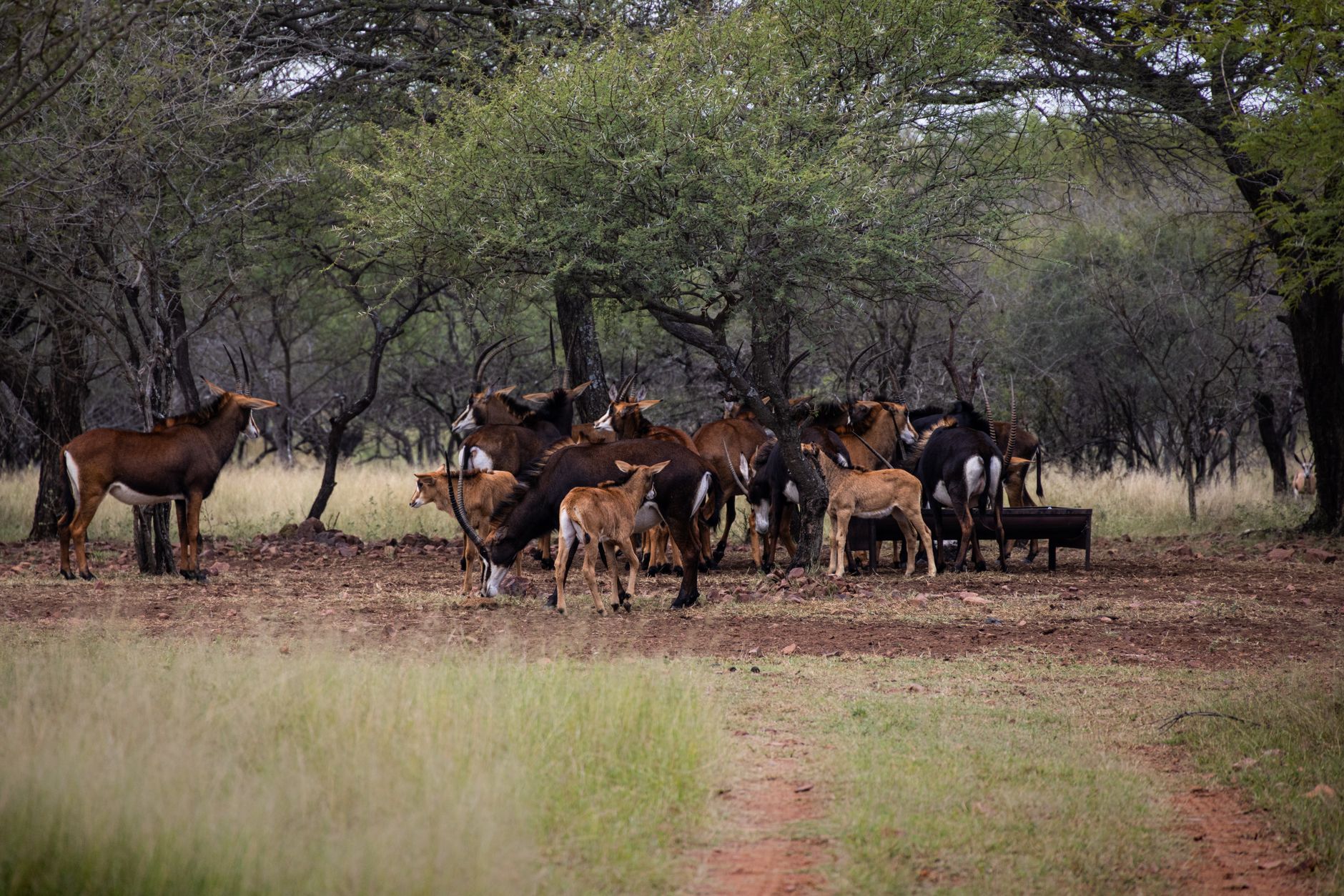
A herd of sable antelopes gathers in a savanna, depicting wildlife in its natural habitat.
Photo by Magda Ehlers on Pexels · Pexels License

Young women in traditional Rwandan attire performing a cultural ceremony outdoors.
Photo by Omar Photographer on Pexels · Pexels License

Vibrant group of women performing a traditional Zulu dance in colorful attire, showcasing rich African culture.
Photo by claytons gallary on Pexels · Pexels License
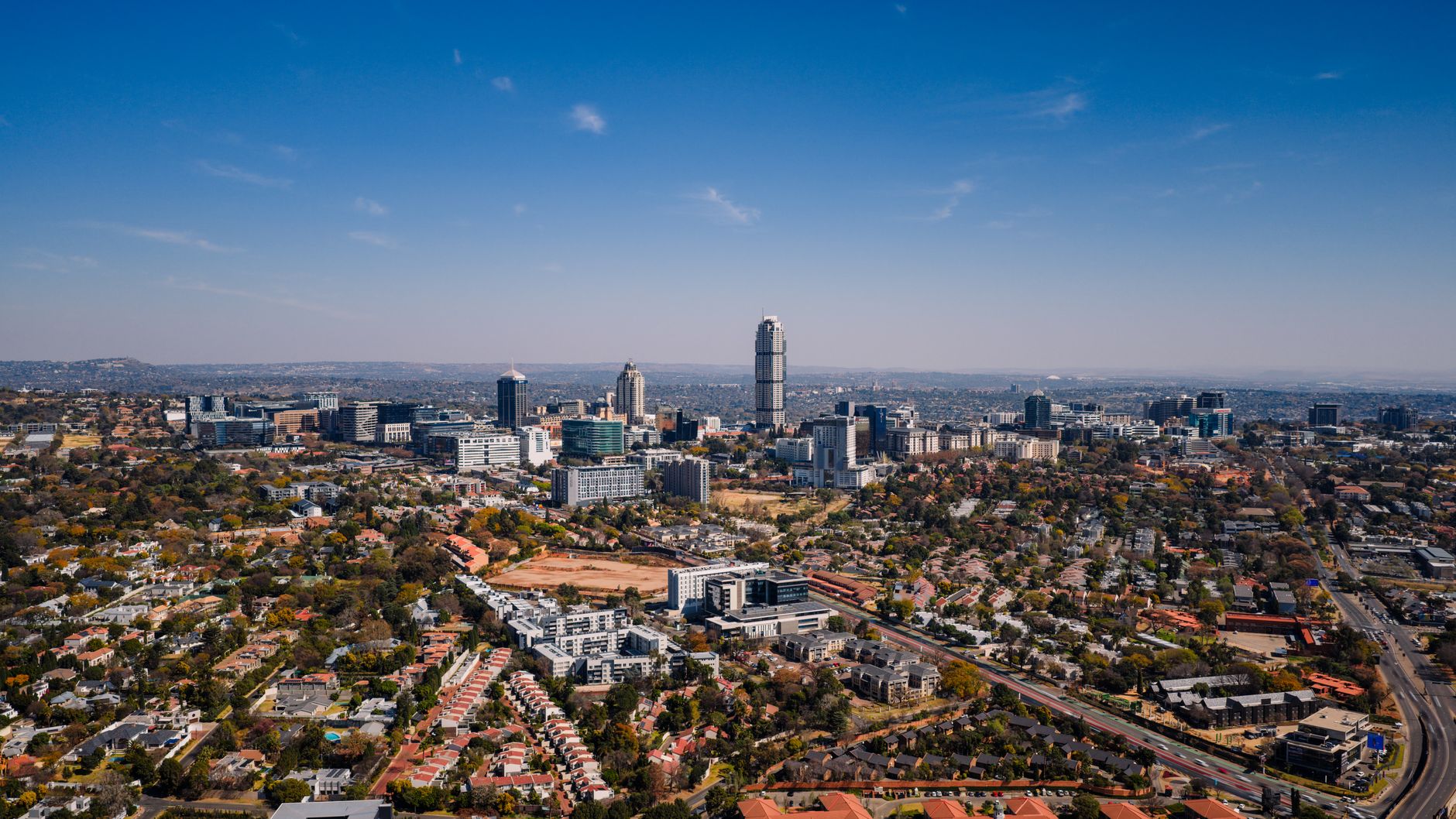
Aerial shot capturing the bustling urban skyline of Sandton in Gauteng, with its mix of modern skyscrapers and suburban areas.
Photo by Kelly on Pexels · Pexels License
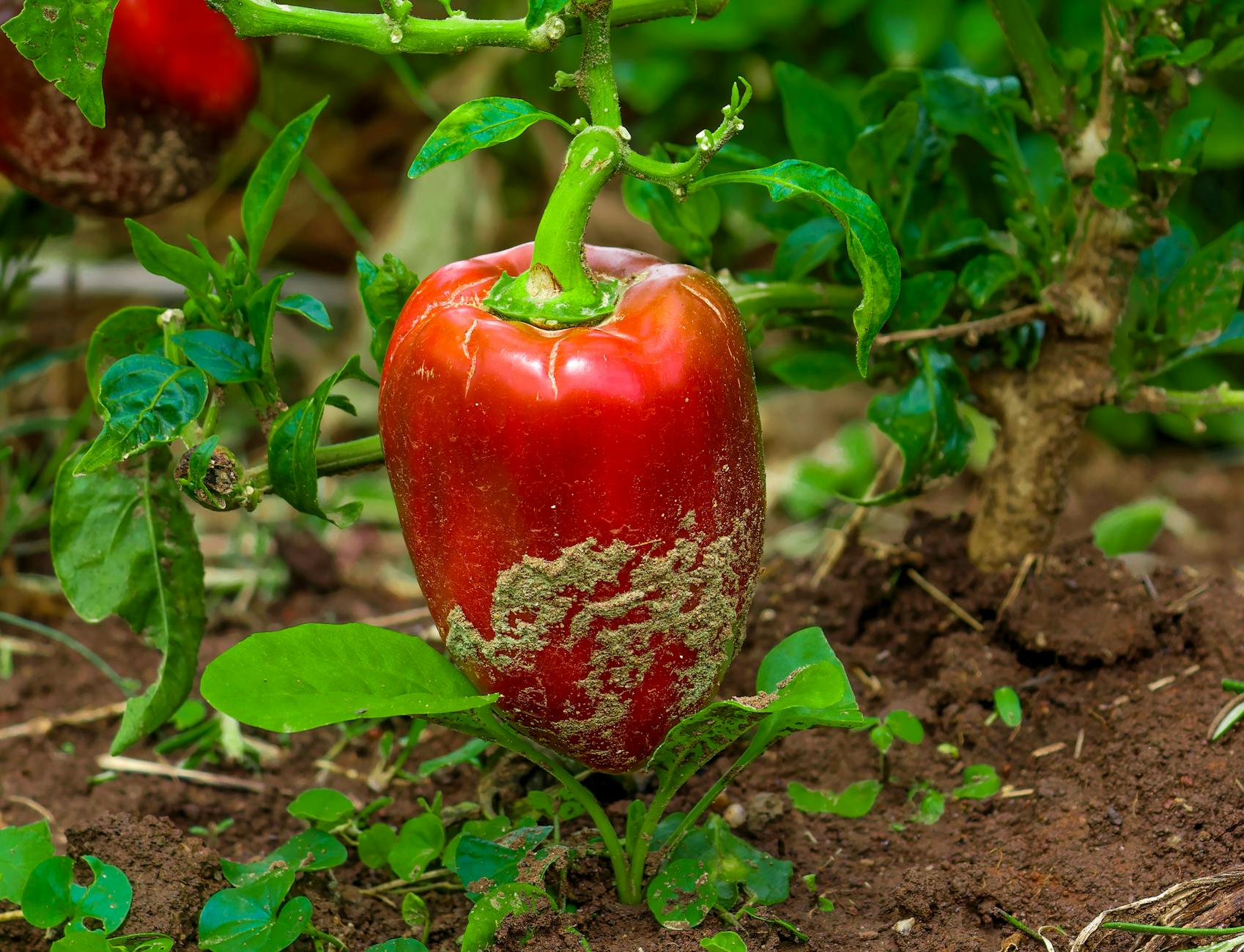
Red bell pepper growing in a garden, rich soil, Harare, Zimbabwe.
Photo by Edias Vandirai on Pexels · Pexels License

Dynamic night skyline of Dar es Salaam, showcasing illuminated city architecture.
Photo by Keegan Checks on Pexels · Pexels License

Capture of the DDA building showcasing brutalist architecture against a scenic sky in New Delhi.
Photo by Shantum Singh on Pexels · Pexels License
Practical Information
Visa
Most EU, US, Canadian, UK and Australian passport holders need a visa, but Zimbabwe usually issues tourist visas on arrival for 30 days and also offers advance applications through evisa.gov.zw. Carry a passport valid for at least 6 months beyond arrival, 3 blank pages, and small clean US dollar notes for fees. If you are combining Victoria Falls with Zambia, the KAZA Univisa is often the tidiest option.
Currency
Zimbabwe uses a multi-currency system. In practice, US dollars are still the easiest money for travelers in Harare, Bulawayo, Victoria Falls and safari areas, while ZiG is the local currency you may receive in change. Bring small, undamaged notes, because torn bills are often refused and card acceptance remains uneven.
Getting There
The main gateways are Harare for country-wide routes, Victoria Falls for the northwest safari circuit, and Bulawayo for Matobo and the southwest. If your trip is built around the Falls, Hwange or a Zambia add-on, flying into Victoria Falls saves a full day of overland travel. Overland arrivals from South Africa also remain practical on long-distance coach routes.
Getting Around
Domestic flights are the quickest way to connect Harare, Bulawayo and Victoria Falls. For the Eastern Highlands, Masvingo and Matobo, self-drive works well in daylight if you are comfortable with potholes, livestock on the road and frequent police checkpoints. Do not build an itinerary around rail service right now, because NRZ passenger trains are suspended.
Climate
Zimbabwe has three useful travel seasons: wet and hot from November to March, cool and dry from April to June, and dry with rising heat from July to October. July and August are the easiest months for classic safaris, while September and October bring the sharpest wildlife viewing and the hardest heat. The Eastern Highlands around Nyanga and Chimanimani run cooler and wetter than Victoria Falls or Kariba.
Connectivity
Mobile data works best in major towns, but reliability drops on long road sections and in remote parks. Download offline maps before leaving Harare, Bulawayo or Mutare, and do not assume your lodge will have strong Wi-Fi even when it advertises it. Power cuts and patchy signal are part of the rhythm here, not an exception.
Safety
Zimbabwe is manageable for independent travelers, but petty theft, cash snatches and vehicle smash-and-grabs do happen, especially in city centers and on airport approaches after dark. Hotel-booked taxis are usually safer than random street pickups, and night driving outside main towns is a bad idea. Also avoid political gatherings, do not photograph official buildings or security personnel, and keep photocopies of your passport and visa with you.
Taste the Country
restaurantSadza nemuriwo une dovi
Right hand, pinch, roll, scoop. Noon table, family table, workday table. Greens, peanut sauce, silence, then talk.
restaurantBota with peanut butter
Morning cup, metal spoon, kitchen steam. Children before school, adults before buses. Maize or millet, peanut butter, sugar if the house permits.
restaurantKapenta from Kariba
Fried or stewed, eaten whole. Beer table, lakeside table, weekday supper. Fingers, bones, onions, tomatoes, sadza.
restaurantDerere with sadza
Okra cooked to gloss. Sadza dragged through it on purpose. Home meal, no apology.
restaurantHuku yechibhoyi
Village chicken, long stew, dark meat. Sunday, visitors, patience. Bones negotiated slowly.
restaurantMaheu
Fermented grain drink, bottle or enamel mug. Field break, bus stop, hot afternoon. Sip, sourness, relief.
restaurantMadora
Dried mopane worms, then fry or stew. Beer garden, township table, Matabeleland habit. Tomato, onion, chew.
Tips for Visitors
Bring Small USD
Carry clean US$1, 5, 10 and 20 notes. Visa fees, tips, taxis and small restaurant bills are much easier when you are not asking for change from a US$100 bill.
Book Dry Season Early
Reserve Victoria Falls, Hwange and Kariba well ahead for July to October, especially if you want a lodge with included transfers. Prices climb fastest in the Falls corridor and around school holidays.
Fly the Triangle
If your route links Harare, Bulawayo and Victoria Falls, fly at least one leg. It costs more than the bus, but it saves a full day that you can use in Matobo, Hwange or on the Zambezi.
Ignore Rail Plans
Do not count on trains for a live trip plan. NRZ passenger services are suspended, so old forum posts and backpacker write-ups can waste a day before you realize the timetable is historical.
Download Before Leaving Town
Buy data in Harare, Bulawayo or Mutare, then download offline maps and hotel directions before you head out. Signal can fade fast on the road to Nyanga, Chimanimani, Kariba and some lodge areas near Hwange.
Skip Night Drives
Road hazards stack up after dark: potholes, livestock, broken lights and badly marked shoulders. If you are self-driving between Masvingo, Bulawayo, Kariba or Mutare, plan to arrive before sunset.
Greet First
A quick greeting goes further here than rushing into the question. In shops, guesthouses and roadside stops, politeness is practical; it gets you better help and fewer cold answers.
Explore Zimbabwe with a personal guide in your pocket
Your Personal Curator, in Your Pocket.
Audio guides for 1,100+ cities across 96 countries. History, stories, and local insight — offline ready.
Audiala App
Available on iOS & Android
Join 50k+ Curators
Frequently Asked
Do US, UK, EU, Canadian or Australian passport holders need a visa for Zimbabwe? add
Yes, in most cases they do. Zimbabwe usually places these travelers in the visa-on-arrival category for tourism, and many visitors are granted 30 days, but your passport should have at least 6 months' validity, 3 blank pages and cash in small US dollar notes for fees.
Can I use US dollars in Zimbabwe in 2026? add
Yes, and for most travelers you should. Zimbabwe uses a multi-currency system and the local ZiG exists, but hotels, tour operators, many restaurants and most tourism pricing still work most smoothly in US dollars.
Is Zimbabwe safe for tourists right now? add
Usually yes, with the normal precautions you would take in a cash-heavy destination. The main risks are petty theft, vehicle break-ins, unreliable roads, night driving outside towns and the need to stay away from political gatherings and sensitive photography.
What is the best time to visit Zimbabwe for Victoria Falls and safari? add
July to October is the best all-round window if you want wildlife and dry roads. If Victoria Falls in full flood matters more than clear safari viewing, aim earlier, around May or June, when the water volume is stronger and the landscape still holds some green.
Can I visit Zimbabwe and Zambia on one visa from Victoria Falls? add
Yes, often you can. The KAZA Univisa is designed for Zimbabwe and Zambia travel, plus some day trips into Botswana, and it is usually the simplest paperwork for travelers basing themselves around Victoria Falls.
Are trains running in Zimbabwe for tourists? add
No, not for itinerary planning right now. NRZ passenger services are currently suspended, so buses, domestic flights, hotel transfers and self-drive are the options that actually count.
How many days do you need in Zimbabwe? add
Seven to ten days is a strong first trip. That gives you enough time to pair Victoria Falls or Hwange with a second region such as Bulawayo and Matobo, or Harare and the Eastern Highlands, without turning the whole trip into transit.
Can you drive yourself around Zimbabwe? add
Yes, and in some regions it is the smartest way to travel. Self-drive works especially well around the Eastern Highlands, Masvingo and the Bulawayo-Matobo area, but you need to avoid night driving and stay alert for potholes, livestock, tolls and police checkpoints.
Do I need cash in Zimbabwe or can I pay by card? add
You need cash, ideally in US dollars. Cards work in some hotels and upscale businesses, but shortages of change, weak payment networks and uneven card acceptance mean cash still solves most day-to-day travel problems.
Sources
- verified GOV.UK: Zimbabwe Travel Advice — Current UK government guidance on entry rules, money, safety, transport risks and seasonal disruptions.
- verified Zimbabwe eVisa — Official visa portal with current visa types, eVisa categories and KAZA Univisa information.
- verified Fastjet Zimbabwe Route Update — Airline confirmation of current domestic links between Bulawayo and Victoria Falls, in addition to Harare routes.
- verified National Railways of Zimbabwe Passenger Services — Official notice that passenger train services are currently suspended.
- verified Zimbabwe Revenue Authority VAT — Official VAT guidance confirming the standard rate now used in Zimbabwe.
Last reviewed: