Lusaka.

15° S · 28° E Zambia

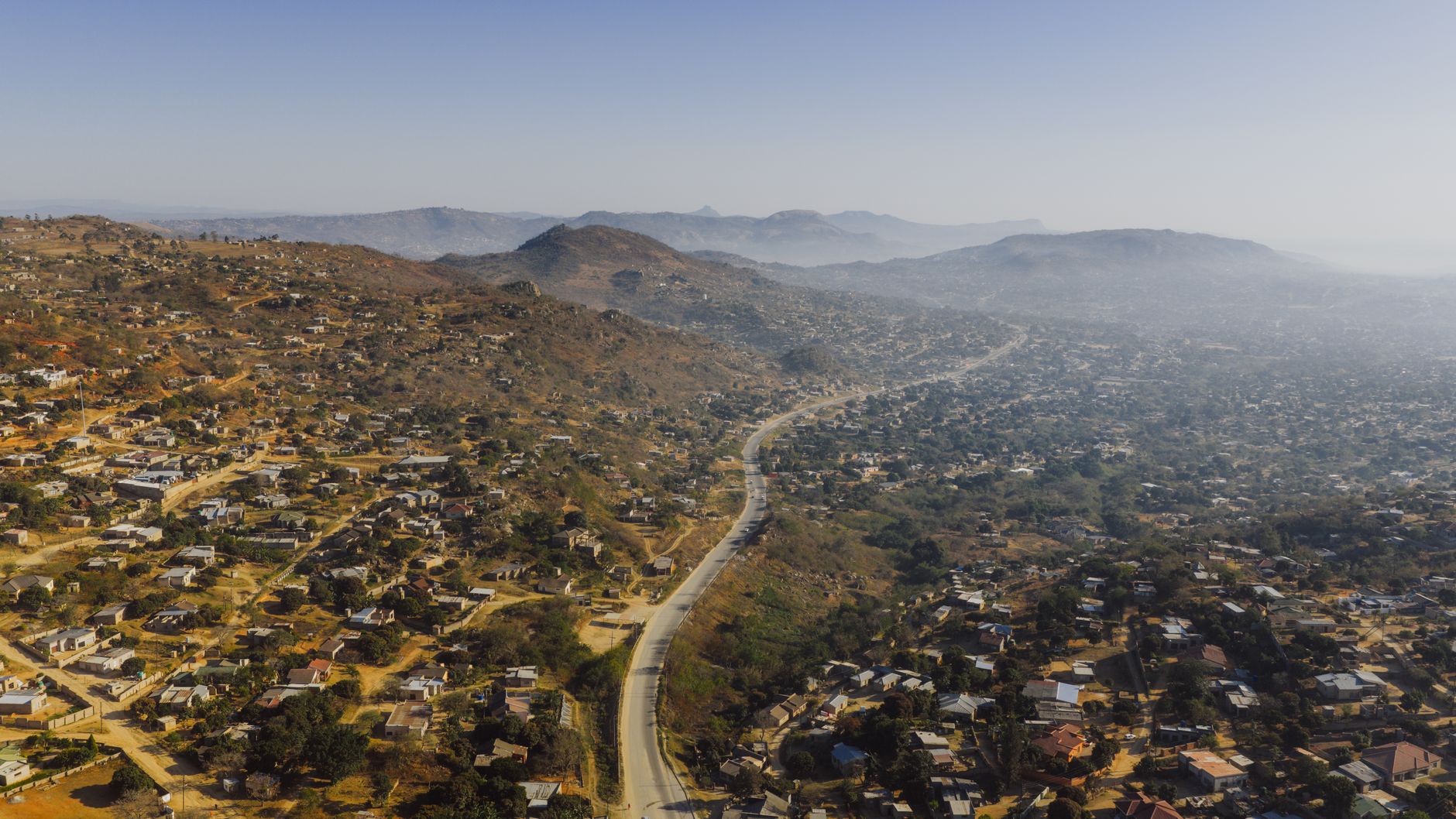
A rhino can be browsing acacia scrub 15 kilometers from downtown, while Cairo Road fumes with minibuses, roasted maize smoke, and traders calling over the traffic. That contrast tells you more about Lusaka, Zambia than any skyline ever could. This is a capital city that keeps refusing the usual script: part administrative machine, part market city, part art scene in borrowed storefronts and garden courtyards.

Listen to the guide — 47 min Open the map
Lusaka, Zambia
Lusaka · Zambia
10
attractions
2-3 days
days suggested
Dry season (June-August)
best season
EN · EN
narration

01 An introduction

synthesized from 240+ sources ·

LA rhino can be browsing acacia scrub 15 kilometers from downtown, while Cairo Road fumes with minibuses, roasted maize smoke, and traders calling over the traffic. That contrast tells you more about Lusaka, Zambia than any skyline ever could. This is a capital city that keeps refusing the usual script: part administrative machine, part market city, part art scene in borrowed storefronts and garden courtyards.

Lusaka rarely flatters itself at first glance. The center is practical, hot, and busy in a way that can feel almost blunt, but give it a day and the place starts showing its hand: the Freedom Statue on Independence Avenue, the political memory held in Chilenje House 394, the Cathedral of the Holy Cross lifting above the low-rise core, and FINDECO House still standing as a piece of post-independence ambition in concrete and glass.

The food works the same way. A proper nshima lunch with ifisashi, kapenta, or village chicken will tell you more than a polished dinner menu, yet Lusaka can switch registers fast, from Soweto Market's raw commercial pulse to Kabulonga wine bars, gallery cafes, and Sunday craft stalls where people linger over coffee and grilled meat. The city does not perform for visitors. You have to go where life is actually happening.

Family Friendly

02 Why Lusaka.

What makes this place worth slowing down for.

Safari On The Edge Of Town

Lusaka National Park sits about 15 km southeast of the city center, which still feels faintly absurd until you are watching white rhino, giraffe, zebra, and sable with office blocks far behind you. The 2022 move of Game Rangers International's elephant nursery to the Wildlife Discovery Centre inside the park gave Lusaka something rare: a capital-city wildlife stop that feels tied to real conservation work.

Independence Story, Block By Block

Lusaka's political history is spread across short, potent stops rather than one grand monument. Start at the Lusaka National Museum, walk Independence Avenue past the Freedom Statue and Embassy Park, then go to Chilenje House 394, where Kenneth Kaunda lived between January 1960 and December 1962 while directing the independence struggle.

Craft And Contemporary Art

Kabwata Cultural Village gives you the smell of wood shavings, dye, and dust: baskets, carvings, textiles, drums, the whole tactile argument for buying something made by a person rather than a factory. Then Lusaka changes register at 37d Gallery and the Lechwe Trust Art Gallery, where the city's current visual culture looks sharper, cooler, and less folkloric than many first-time visitors expect.

A Low-Rise City With Serious Symbols

Lusaka does not overwhelm by skyline, which makes its civic and religious markers work harder. The Cathedral of the Holy Cross rises over Cathedral Hill, Parliament stands on ground linked to the headman Lusaka, and FINDECO House still cuts through the center like a piece of post-independence modernist ambition that never learned modesty.


04 Neighborhoods.

Where to wander, by quarter — each with its own rhythm.

01

Central Lusaka

Central Lusaka is where the city shows its working face. Cairo Road, Independence Avenue, the Lusaka National Museum, Freedom Statue, Embassy Park, and the edges of Soweto Market all sit in this orbit, so this is the district for political memory, daily commerce, and the kind of street-level energy that smells of diesel, fruit peel, and hot pavement by midday.

02

Longacres

Longacres carries a more official, slightly old-guard version of Lusaka. Pamodzi Hotel, Boma African Restaurant, Alliance Francaise, and government institutions nearby make it a good base for travelers who want history, formal dining, and cultural programming without straying far from the center.

03

Kabulonga

Kabulonga is polished without feeling sterile, and that matters. This is where Lusaka's dressed-up social life comes into focus through places like Shardonnay, 37d Gallery, craft-market weekends, and smart cafes where lunch can stretch into late afternoon if nobody is in a hurry.

04

Rhodes Park

Rhodes Park is the city's easy daytime answer when you want coffee, brunch, and a place to sit for a while. Meraki, Rhodes Park Cafe, and other garden-style spots give the area a softer rhythm than the center, and it works well when you need a break from traffic, errands, and museum pacing.

05

Roma

Roma feels more spread out, but it earns a visit for the venues that draw people there on purpose. Roma Sky Bar gives the area its after-dark identity, and the district suits travelers who prefer destination dining, rooftop drinks, and event nights over wandering from bar to bar on foot.

06

Manda Hill, Arcades, and East Park

These mall belts are not romantic, but they are honest. A huge amount of modern Lusaka social life runs through them: Sunday crafts at Arcades, chain-adjacent restaurants, local cafe brands, bakeries, easy parking, and the practical convenience that shapes how residents actually meet, eat, and shop.

07

Chilenje

Chilenje matters for what happened behind one modest door. House 394, where Kenneth Kaunda lived between January 1960 and December 1962 while directing the independence struggle, gives this largely residential district a place in Zambia's political story that far outweighs its quiet streets.

Historical Timeline

A Capital Built Fast, Then Forced to Mean More

From Iron Age settlements and a headman's village to a railway stop, colonial capital, and the political nerve center of Zambia

Before the Capital
c. 5th century

Iron Age Hearths Burn

Archaeological evidence from sites near modern Lusaka, especially Kapwirimbwe, shows settled communities here by about the 5th century AD. These were not city streets or palace walls; they were working landscapes of farming, ironworking, and trade, with smoke from furnaces rising long before anyone imagined a capital on this plateau.

c. 9th-11th centuries

Later Settlements Spread

The Twickenham Road archaeological site points to a later phase of occupation between the 9th and 11th centuries. That matters because Lusaka's deep past sits in the soil, not in monumental ruins: pottery sherds, iron slag, and settlement traces tell the story the skyline cannot.

19th century

Soli and Lenje Country

The area that became Lusaka lay within Soli and Lenje settlement zones, and official local histories still name those communities as the district's indigenous peoples. The city's future name came from Headman Lusaaka, whose village stood around Manda Hill, a detail that makes modern power in Lusaka feel faintly circular.

1890s

Company Rule Moves In

British South Africa Company control pushed into the region during the 1890s, taking authority from local chiefs as Northern Rhodesia was assembled piece by piece. No cinematic last stand here. Just the colder machinery of conquest: treaties, coercion, and a new map drawn over older ground.

Colonial Capital
1905

Railway Stop Becomes Lusaka

Modern Lusaka began as a railway water stop on the line running northward. Steam and dust did the founding work: engines needed water, settlers needed a service point, and a place that had been chiefly ground started turning into a colonial town with tracks at its spine.

1913

Township Takes Shape

By 1913 Lusaka had become a recognized settler township with stores, a hotel, and local administration. This is why the city keeps two birthdays in circulation: 1905 for the rail stop, 1913 for the town that could finally look at itself and say, yes, this is a settlement now.

Independence Struggle
1924

Kenneth Kaunda Is Born

Kenneth Kaunda was not born in Lusaka, yet the city became the stage on which he turned from activist into national leader. His bond with Lusaka is written into actual rooms, especially Chilenje House 394, where politics stopped being speeches and became strategy under a domestic roof.

Colonial Capital
1930-1931

Capital Is Chosen

Colonial officials decided to move the capital from Livingstone to a more central site, and Lusaka won. The choice remade everything. Survey lines, segregated planning, and administrative ambition turned a modest township into the place from which Northern Rhodesia would be ruled.

1935

Colonial Capital Opens

Lusaka became the capital of Northern Rhodesia in 1935, the decisive hinge in its history. Government House, built between 1930 and 1934, stood as the symbol of that promotion: broad lawns, official cars, and the unmistakable smell of a city being arranged from above.

Independence Struggle
1948

Nationalism Finds a Center

The Federation of African Societies founded the Northern Rhodesian Congress in Lusaka in 1948. That gave the city a second life beyond files and decrees. Colonial power still sat in the capital, but African politics now did too, and that changed the sound of the streets.

1960

Chilenje House Becomes Headquarters

From January 1960 Kenneth Kaunda lived in Chilenje House 394 and directed the independence struggle from there until December 1962. That detail matters because Lusaka's freedom story was planned in an ordinary neighborhood house, not a fortress. The pressure in those rooms must have been thick enough to taste.

1960

City Status Amid Unrest

Lusaka gained city status in 1960, though sources disagree on the exact formal date. The timing is almost darkly perfect: while the place earned a more elevated civic title, it was also becoming a center of civil disobedience, repression, and constitutional struggle.

National Capital
1962

Cathedral Rises Over Town

The Cathedral of the Holy Cross was built in 1962, its modern form cutting a clean silhouette into a city still redefining itself. Lusaka does not trade on medieval stone, so buildings like this matter more: they show how the capital learned to look like a nation in the making rather than a railway outpost with paperwork.

24 October 1964

Zambia Becomes Independent

Northern Rhodesia became the Republic of Zambia on 24 October 1964, and Lusaka became the capital of an independent state. Flags changed. So did the moral weight of the city, which now had to carry more than administration: it had to carry expectation, argument, ceremony, and grief.

1965

University Planned for a New Nation

The University of Zambia was created by Act in 1965, with its first students arriving in 1966. A capital without a university feels borrowed. Lusaka now had a place where the independent country could train its own administrators, scientists, teachers, and critics.

1967

Parliament Claims Manda Hill

The National Assembly building opened in 1967 on Manda Hill, the site associated with old Headman Lusaaka. That's one of Lusaka's best historical ironies. Colonial planning had overlaid the area, then independent Zambia placed its legislature on ground that already carried local authority in memory and name.

1969

Dambisa Moyo Is Born

Dambisa Moyo was born in Lusaka in 1969, tying one of the country's most globally recognized economists to the capital by origin. Her connection is a birth connection rather than a civic career shaped here, but it still says something about the city: Lusaka keeps producing people who leave, speak to the world, and pull the city's name along with them.

1970

Non-Aligned Leaders Arrive

Lusaka hosted the 3rd Summit of the Non-Aligned Movement from 8 to 10 September 1970, and the Mulungushi International Conference Centre was built at speed for it. For a few days the capital became one of the diplomatic rooms of the postcolonial world. The city that had once been planned to be governed was now receiving presidents on its own terms.

1974

Freedom Statue Is Raised

The Freedom Statue was erected in 1974 for the 10th anniversary of independence. It marks a man breaking his chains, which risks sounding heavy-handed until you stand near Independence Avenue traffic and remember how recent the fight actually was. Lusaka does symbolism in concrete and bronze, not whispers.

19 October 1978

War Reaches the City's Edge

Rhodesian aircraft struck Chikumbi, about 12 miles north of Lusaka, in October 1978. The capital was not under siege, but the raid brought regional war frighteningly close. Distance shrank to the length of a short drive, which is how wars often become real to capital cities.

1982

Rungano Nyoni Is Born

Rungano Nyoni was born in Lusaka in 1982, and her later work would return the city and the country to the screen with a gaze far sharper than postcard Zambia. Her tie to Lusaka begins with birth, but the connection matters because she helped make contemporary Zambia legible to audiences far beyond it.

Regional Metropolis
June-July 1990

Riots and Coup Shock Lusaka

Food-price riots in June 1990 killed at least 25 to 30 people, and on 1 July a failed coup attempt unfolded in Lusaka. Capitals often hide distress behind official facades until they cannot. In 1990 the strain broke into the open, with anger, shortages, and gunfire tearing through the city's political center.

1991

Multiparty Politics Returns

Zambia returned to multiparty democracy in 1991, and Lusaka staged the transfer of power from Kaunda to Frederick Chiluba. That gave the city another layer of memory: not just liberation and one-party rule, but the tense, imperfect practice of political change at the ballot box.

1994

Lusaka Protocol Is Signed

The Angolan peace process gave the city one of its lasting diplomatic titles when the Lusaka Protocol was signed on 15 November 1994. Peace agreements always sound neat on paper. Their real importance lies in the fact that Lusaka had become trusted ground for regional negotiation rather than merely Zambia's administrative center.

1996

Political Memory Gets a Museum

The Lusaka National Museum was established in 1996 as the country's national political-history museum. That choice fits the city perfectly. Lusaka's past is compressed, argumentative, and modern, so a museum here works best when it explains power, protest, and state-making rather than pretending the city has cathedral-depth antiquity.

28 October 1997

Another Coup Fails

A second failed coup attempt hit Lusaka in October 1997, led by Captain Solo. By then the city had learned a hard lesson: independence does not retire instability, it just changes its uniforms. Radio announcements, rumors, and military movement briefly turned the capital into a place of suspended breath.

2000

Barbra Banda Is Born

Barbra Banda was born in Lusaka in 2000 and began playing football here before becoming one of Zambia's defining sporting figures. Her connection to the city is not ceremonial. It starts on local pitches, with dust underfoot and the kind of improvised ambition Lusaka knows well.

2011

A Park Appears Near the Capital

Lusaka National Park was established in 2011 about 15 kilometers southeast of central Lusaka, then opened to the public in 2015. A national park beside a capital still feels faintly improbable. White rhino and zebra within reach of city traffic tell you how unusual Lusaka's geography of power and nature really is.

2017-2018

Cholera Exposes the City

A major cholera epidemic centered on Lusaka ran from October 2017 to May 2018, exposing the cost of crowding, uneven sanitation, and fast urban growth. Epidemics strip rhetoric away. What remained was a plain fact: the capital had expanded faster than its infrastructure could protect everyone living in it.

2023-2024

Another Cholera Wave Hits

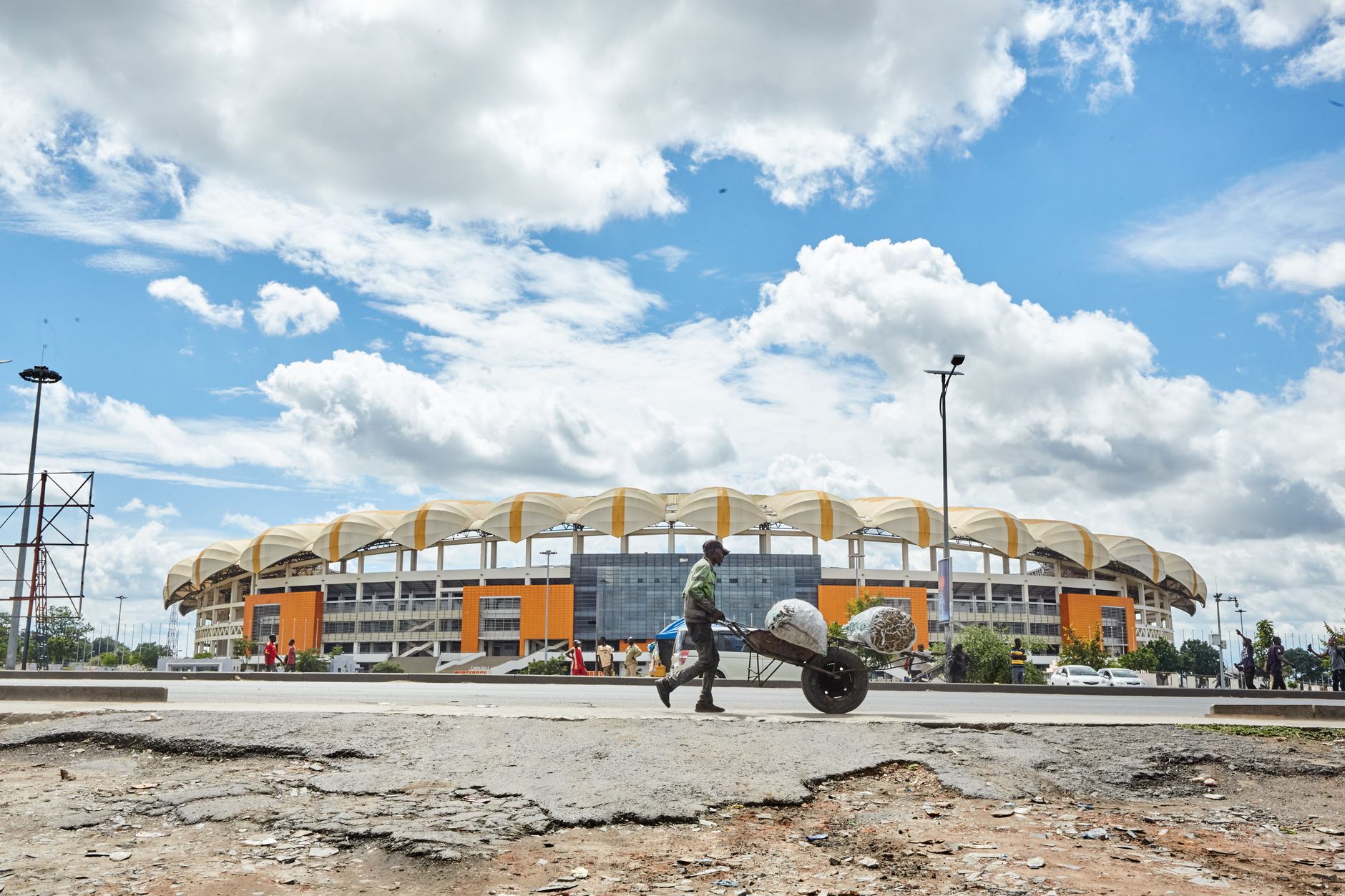
One of Zambia's worst cholera outbreaks began in Lusaka in October 2023 before spreading nationally, eventually causing more than 23,378 cases and 740 deaths across the country. The scale was brutal. Modern stadiums, airport terminals, and conference halls matter, but outbreaks like this remind you where a city's real strength is tested.

2025

Kabwata Gets a New Face

The Ministry of Tourism announced a K1.2 million facelift for Kabwata Cultural Village in 2025, including a perimeter wall and information center. That may sound minor beside constitutions and coups, but city history lives in craft markets too. Lusaka is still rewriting how it presents itself, one practical upgrade at a time.

Present Day

06 Who lived here.

The people who shaped the city — and were shaped by it.

Statesman and first President of Zambia 1924–2021

Kenneth Kaunda

Lived in Chilenje House 394 in Lusaka from January 1960 to December 1962

Chilenje House 394 is where Kenneth Kaunda turned an ordinary Lusaka address into an engine room for independence. Records from State House say he lived there between January 1960 and December 1962, directing the struggle that ended with Zambia's independence in 1964. He would still recognize the political weight of Lusaka today, though the traffic might test even his patience.

Pope 1920–2005

Pope John Paul II

Visited Lusaka and blessed the foundation stone of the Cathedral of the Child Jesus at Pope Square in 1989

Pope John Paul II left a physical mark on Lusaka when he blessed the foundation stone at Pope Square in 1989, long before the Cathedral of the Child Jesus was dedicated in 2006. That moment gave a new Catholic landmark its charge. He would probably notice how the square still carries the memory of a visit that turned ceremony into city geography.

09 Insider tips.

Small things that change how the city treats you.

Move Smart After Dark

Use app-booked rides or hotel transfers at night, especially around the CBD, markets, bus stations, and bar areas. Government travel advice for Zambia flags higher risks after dark, including theft, vehicle break-ins, and drink spiking in Lusaka.

Carry Small Kwacha

Keep small ZMW notes for market buys, tips, and short taxi rides. Cards work in many hotels, malls, and some ride apps, but day-to-day cash still makes Lusaka easier.

Plan Airport Transfers

Kenneth Kaunda International Airport sits about 27 km from central Lusaka, and traffic can drag that into a much longer trip than the map suggests. For evening arrivals, pre-book a transfer instead of assuming you'll be in town quickly.

Aim For Dry Season

June to August is the easiest window for city sightseeing: cooler days, little rain, and fewer muddy detours. October is much hotter, while December to February is the wettest stretch.

Skip Random Minibuses

Lusaka runs on road transport, but minibuses are a tough first contact if you don't know the routes and cash fares already. Ride-hailing is the cleaner option, and Zambia Tourism specifically notes that Ulendo is common while Uber is not.

Walk Selectively

Treat Lusaka as a city for short daytime walks, not long wandering. Official policy and foreign travel guidance both point to patchy sidewalks, weak lighting, and roads that were not built with pedestrians in mind.

English Gets You Through

English works for airports, hotels, museums, and most restaurants. A few greetings in Nyanja help in markets and casual encounters, where Lusaka sounds more local and less formal.

12 Frequently asked

Is Lusaka worth visiting?

Yes, if you want a city that shifts fast between wildlife, politics, and daily street life. Few capitals let you see white rhino about 15 km from downtown, then spend the afternoon at an independence-era house museum or a contemporary gallery. Lusaka is less about postcard monuments and more about seeing how modern Zambia thinks, trades, remembers, and moves.

How many days in Lusaka?

Two to three days works well for most travelers. That gives you time for Lusaka National Park and the Wildlife Discovery Centre, a museum-and-Independence Avenue day, plus one market, gallery, or half-day outing such as Kabwata, 37d Gallery, or Chilenje House 394. Add a fourth day if you want Chaminuka or Siavonga.

Is Lusaka safe for tourists?

Usually yes with normal city precautions, but nights need more discipline. Current travel advice warns about pickpocketing, bag snatching, vehicle crime, and drink spiking, with higher risk after dark in central areas, markets, shopping districts, and around bus stations. Use app-booked transport, keep valuables out of sight, and skip solo walks late at night.

How do you get from Lusaka airport to the city center?

The easiest way is a pre-arranged hotel transfer or a ride-hailing car. Kenneth Kaunda International Airport is about 27 km northeast of the center, and Zambia Tourism lists ride-hailing, private shuttles, car rental, and the Chelstone bus route as options. For first-time visitors, the bus is possible but not the smoothest landing.

Does Lusaka have Uber or a metro?

No metro, no tram, and Uber is not the main local app. Lusaka is a road-based city built around cars, taxis, and minibuses, and Zambia Tourism specifically says Uber is not popular while Ulendo is commonly used. Plan on rides rather than rail.

What is the best time to visit Lusaka?

June to August is the sweet spot for most travelers. Those months are cooler and dry, which makes museum hopping, market stops, and park visits much easier than in the rainy season. May to September is still a good wider window if you can handle warmer afternoons.

Is Lusaka expensive?

Lusaka can be moderate if you mix cash markets, local meals, and ride-hailing, but imported goods and upscale hotels push prices up fast. Keep small kwacha notes for markets and everyday spending, since card acceptance drops once you leave malls, hotels, and formal venues. Tourism businesses may accept foreign currency from non-resident tourists, but ordinary local transactions are meant to be in kwacha.

Can you do a safari in Lusaka?

Yes, in a limited but genuinely interesting way. Lusaka National Park gives you giraffe, zebra, antelope, birdlife, and white rhino close to the capital, and the Wildlife Discovery Centre adds the elephant nursery and conservation exhibits. It won't replace South Luangwa, but for a short stay it changes the city completely.

What language do people speak in Lusaka?

English is the official language and will cover almost all visitor needs. In everyday city life, you'll also hear plenty of Nyanja, with Bemba widely understood too. Hotels and museums are easy in English; markets feel warmer if you know a greeting or two.

Ready to book?

13Before you go

Practical Information

Flight

Getting There

In 2026, nearly everyone arrives through Kenneth Kaunda International Airport (LUN), about 27 km northeast of central Lusaka; Zambia Tourism notes Terminal 1 for domestic flights and Terminal 2 for international ones. Lusaka City Airport handles small aircraft rather than mainstream international traffic. Main road approaches are the Great East Road / T4 corridor toward the airport and eastern Zambia, the T2 toward the Copperbelt, and the T1 south toward Livingstone.

Directions transit

Getting Around

Lusaka has no metro or tram system in 2026, and visitors should think of it as a road-based city built around minibuses, taxis, and ride-hailing. Zambia Tourism specifically names Ulendo as a common local app and says Uber is not popular; Yango is another current option. Minibuses are cheap but hard to read if you do not know the routes, and government travel advisories still flag overcrowding and poor driving, so ride-hailing or hotel-arranged cars are the safer call, especially after dark.

Thermostat

Climate & Best Time

Lusaka runs on three seasons: hot and rainy from November to April, cooler and dry from May to August, then hot and dry from August to November. City temperatures usually sit around 20-32°C in summer and 10-26°C in winter; January is the wettest month at about 176 mm of rain, while August and September are nearly dry. June to August is the easiest window for walking, museums, and day trips, while December to February brings heavier rain, muddier roads, and stickier afternoons.

Translate

Language & Currency

English is Zambia's official language, so airports, hotels, museums, and formal restaurants are easy to handle, but you will hear plenty of Nyanja in Lusaka and a fair amount of Bemba. Zambia's legal currency is the Zambian kwacha, now used as ZMW, and the Bank of Zambia introduced a new currency family in 2025. Cards work in formal businesses such as malls, hotels, and the Lusaka National Museum, but markets and smaller purchases still reward having small kwacha notes in your pocket.

Shield

Safety

Lusaka rewards common sense more than bravado. Current travel advisories in 2026 warn about pickpocketing, bag snatching, vehicle break-ins, and occasional carjackings, with higher risk after dark around the CBD, markets, shopping areas, bus stations, and nightlife strips. Use app-booked or pre-arranged transport at night, keep phones and jewelry quiet in Soweto Market and similar places, and do not assume a short walk is a good idea just because it looks short on the map.

Take Lusaka with you

47 minutes of Lusaka,
downloaded once.

0 places, one continuous walking route. Free with your first city.

Get this guide on the app Open in browser