Introduction
This Yemen travel guide starts with a surprise: Arabia's tallest mud-brick skylines rise here, not in Dubai, but in Sanaa and Shibam.
Yemen rewards travelers who care more about texture than checklists. In Sanaa, tower houses patterned with white gypsum stand 5, 7, sometimes 9 stories high, their qamariyah windows catching amber light above streets that still follow medieval lines. Shibam turns the same building tradition vertical in a harsher register: mud-brick high-rises lifting straight out of Wadi Hadramawt, defensive architecture that looks uncannily modern from a distance. Then Marib pulls the story backward by almost three millennia, to the dam and temples that made the Sabaean kingdom rich on incense, tolls, and engineering rather than myth alone.
The country changes fast by altitude and coast. Taiz and Ibb sit in greener highland country where terraces crease the slopes and afternoons cool earlier than you expect on the Arabian Peninsula. Aden faces the sea with a port city's harder edge, shaped by trade routes, empire, and heat; Mukalla and Seyun open the door to Hadramawt, where cliff-edged valleys, caravan history, and long-distance migration still shape daily life. And far out in the Arabian Sea, Hadibo is the practical gateway to Socotra, where dragon blood trees throw umbrella shadows over limestone plateaus and beaches that still feel detached from the usual Indian Ocean script.
A practical truth comes first: Yemen is not a normal leisure destination in 2026, and any planning has to start with security, visas, insurance, and whether routes are operating that week. But that reality does not erase what makes the country singular. Few places hold this much architectural invention in earth and stone, this much coffee history tied to one coastline, or this strong a sense that geography still dictates the rhythm of life. If your interest runs to old cities, archaeology, landscape, and places that have resisted flattening into a global template, Yemen stays in the mind for a long time.
A History Told Through Its Eras
When Marib Held Back the Desert
Kingdoms of Incense and Stone, c. 1000 BCE-525 CE
At dawn in Marib, before the heat turns hard, you can still imagine the sound that made this kingdom rich: not battle, but water. The Great Dam of Marib, begun around the 8th century BCE and repaired for more than a millennium, turned a dry basin into orchards, grain fields, and vineyards. Greek and Roman writers called this corner of Arabia Arabia Felix, Happy Arabia, which says less about happiness than about irrigation.
The Sabaeans did not grow wealthy by accident. They taxed caravans carrying frankincense and myrrh north toward Petra and Gaza, then stamped their victories and dedications into stone with a bureaucrat's confidence. Ce que l'on ignore souvent, c'est que their power rested on accounting as much as legend: toll stations, temple estates, alliances, canal maintenance. Bilqis, the Queen of Sheba, hovers above all this like perfume in a closed room. History cannot prove her in the way it proves a king through inscriptions, yet Marib has never stopped claiming her.
Then came the fierce centuries of rivalry, when Saba, Qataban, Hadramawt, and Himyar competed for trade and prestige across southern Arabia. Kings sponsored temples at Sirwah and Marib while boasting of conquered towns and captive enemies. One of them, Karib'il Watar, had his campaigns carved into rock with grim precision, as if slaughter and statecraft were equally fit for the archive. They usually are.
The last act was darker. In the late 4th century, the Himyarite court embraced Judaism, a remarkable decision in the ancient world and one with consequences far beyond Yemen. By 523, the Jewish king Yusuf As'ar Yath'ar, better known as Dhu Nuwas, massacred Christians at Najran; the Red Sea answered with an Ethiopian invasion from Aksum. When the old order broke, it did not break quietly. The road now led toward new faiths, new empires, and the long afterlife of a dam whose final collapse would haunt Arab memory for centuries.
Bilqis, whether queen, memory, or political myth, remains the most famous woman ever attached to Marib because every age has needed her for a different reason.
Arab tradition later linked the final breach of the Marib Dam to a mass tribal migration so vast that entire Arab genealogies were reorganized around one flood.
From the Elephant Year to the Golden Age of Zabid and Taiz
Imams, Merchants, and the Scholars' Republic, 525-1517
A cathedral once rose in Sanaa under the Ethiopian ruler Abraha, who governed Yemen after the fall of Himyar and wanted his city to rival the holy centers of Arabia. Tradition says he marched on Mecca with elephants around 570, the famous Year of the Elephant. Whether every detail is legend is almost beside the point. Yemen had become the stage on which Africa, Arabia, and the wider Indian Ocean argued over power, piety, and prestige.
Islam arrived early, and it did not erase Yemen's local habits of autonomy. In 897, Yahya ibn al-Husayn, a descendant of the Prophet, came from Medina into the northern highlands and founded the Zaydi imamate. That institution, sometimes strong, sometimes merely stubborn, would shape the politics of Sanaa and the mountain tribes for more than a thousand years. Few regimes in the Islamic world lasted so long in memory, and fewer still survived so many family quarrels.
Meanwhile the lowlands and ports were writing a different story. Zabid became one of the great intellectual capitals of Arabia, a city of jurists, grammarians, and mosques where students came to study law, language, astronomy, and theology. Taiz flourished under the Rasulid sultans after 1229, and this is one of those Yemeni chapters that deserves more ceremony than it usually receives. Their court kept manuals on agriculture and medicine, dealt with India and Egypt, and ruled Aden, the port where spices, textiles, horses, and gossip arrived together.
Ce que l'on ignore souvent, c'est que the Rasulid sultans were not merely administrators of trade. They were collectors of weather, crops, remedies, court etiquette, and celestial signs, as if a kingdom could be preserved by writing everything down before it slipped away. In Taiz, in Zabid, in Aden, Yemen looked outward to the sea and inward to its terraces and manuscripts. Then the great competition for the Red Sea intensified. Mamluks, regional dynasts, and soon the Ottomans would want a share of what Yemen had made.
Al-Malik al-Afdal al-Abbas, a Rasulid ruler in Taiz, left behind books on agriculture and governance that reveal a sovereign interested in rainfall and fruit trees as much as in thrones.
One Rasulid text notes seasonal foods and local weather with such care that modern historians use it to reconstruct the climate of 14th-century Yemen.
Mocha, Musk, and a Country That Refused to Be Governed Easily
Ottomans, Coffee, and the Long Rule of the Imams, 1517-1918
By the 16th century, the world had acquired a new addiction, and Yemen sat at its source. The port of Mokha gave coffee one of its most famous names, though the drink itself was refined through Sufi practice before it became a global habit. In the warehouses near the Red Sea, beans were sorted, taxed, loaded, and sent abroad. Europe would later turn coffee into a metropolitan ritual. Yemen had already made it a trade empire.
The Ottomans wanted Yemen for the same reason every empire did: the Red Sea route mattered, and any power holding the highlands and the coast could trouble commerce between the Mediterranean and the Indian Ocean. But Yemen is not a country that submits in a straight line. Ottoman garrisons could hold cities; the mountains answered to different arithmetic. Zaydi imams rallied tribal alliances, and the struggle became one of those exhausting imperial contests in which every fort taken on Tuesday is lost by Friday.
In 1635, the Qasimid imams effectively expelled the Ottomans and built a state enriched by the coffee trade. Tower houses rose in Sanaa, market towns prospered, and merchants carried Yemeni beans as far as Cairo and Istanbul. Yet prosperity had a flaw built into it. Once coffee cultivation spread to other lands, especially in Dutch-controlled Java, Mokha lost its monopoly and Yemen lost some of the leverage that had made outsiders so attentive.
The Ottomans returned in the 19th century, because empires have poor memory and excellent persistence. They held Sanaa again from 1872, but the old pattern remained: ports, forts, negotiation, rebellion. Ce que l'on ignore souvent, c'est that Yemeni politics in these years was less a neat contest between center and province than a thousand local bargains, sealed by lineage, scholarship, suspicion, and sometimes a well-timed marriage. When the Ottoman Empire collapsed after the First World War, Yemen did not emerge modern in the European sense. It emerged armed with older claims.
Al-Mansur al-Qasim turned resistance into dynasty, using Zaydi legitimacy and tribal alliances to build the Qasimid line that profited from the coffee age.
European merchants drank "Mocha" in London and Amsterdam while the real wealth behind the word depended on caravans climbing from the port into Yemen's terraced highlands.
The Imams Fall, the South Breaks Away, and Yemen Pays the Price
Revolutions, Republics, and a Fractured Present, 1918-present
In 1918, with the Ottomans defeated, Imam Yahya proclaimed the Mutawakkilite Kingdom of Yemen. He ruled from Sanaa with the authority of an old world prince: austere, suspicious, and convinced that isolation could protect sovereignty. It could not. His son Ahmad inherited the throne in 1948 after Yahya was assassinated, and by then the age of radios, Arab nationalism, and military officers was already pounding at the gates.
The decisive crack came in 1962. Republican officers in Sanaa overthrew Imam Muhammad al-Badr and declared the Yemen Arab Republic, pulling Egypt and Saudi Arabia into a vicious proxy war fought in mountains, villages, and ravines. Royalists and republicans tore the north apart for eight years. One can hardly imagine a more Stéphane Bern scene than this: a young imam fleeing into the highlands as Cairo sends troops and monarchies across the region quietly pray that the crown might yet survive. It did not.
The south lived another history. Aden, shaped by the British Empire since 1839, had become a refinery port, a strategic harbor, and one of the busiest crossroads in the Arabian Sea. In 1967 the British withdrew, and the People's Democratic Republic of Yemen emerged as the only openly Marxist state in the Arab world. While the north argued over imams, tribes, and republics, the south built party structures, security organs, and a different vocabulary of power.
Unification came in 1990, with Sanaa as capital and Aden still carrying the habits of a port city that had seen too much of the world to think like the mountains. The union was real and brittle. Civil war followed in 1994; the Arab Spring reached Yemen in 2011; President Ali Abdullah صالح, who had once joked that governing Yemen was like dancing on the heads of snakes, fell soon after. Since 2014 the Houthi movement has seized Sanaa, regional powers have intervened, and cities from Taiz to Aden, from Marib to Al Hudaydah, have borne the cost in siege, displacement, hunger, and grief. The next chapter, if it comes, will not be written by palaces alone. It will depend on whether ordinary Yemenis can outlast the men who claim to rule them.
Ali Abdullah Saleh understood tribal balance, military patronage, and theatrical survival better than almost anyone in modern Arabia, then died in 2017 after trying one reversal too many.
Aden in the 20th century was so connected to global trade that its docks and refineries often felt closer to Bombay and Suez than to the highland politics of Sanaa.
The Cultural Soul
A Greeting That Refuses to Hurry
In Yemen, speech does not rush toward information. It circles, blesses, inquires, remembers your father, your sleep, your health, perhaps your grandmother, and only then grants you the vulgar little coin of the actual subject. In Sanaa, that sequence can feel less like small talk than like ceremonial ablution: language washing the transaction clean.
A foreigner hears Arabic and thinks grammar. Yemen adds altitude. Sanaani Arabic lands differently from the coast around Aden; Hadrami speech in Seyun carries another music altogether, drier, more inward, as if the wadi itself had entered the mouth. Then the old South Arabian tongues remain at the edges, Soqotri on the islands around Hadibo, Mehri near the Omani border, surviving with the stubborn dignity of plants that grow from stone.
Certain words refuse translation because translation is a tax on reality. Mafraj is called a reception room by people who have never sat in one near sunset, while the qamariyah glass stains the walls apricot and green and the city below begins to look edible. Magyal is rendered as a gathering. Poor word. A magyal is an afternoon that turns into thought.
The Hand, the Chest, the Pause
Yemeni etiquette understands something many modern societies have forgotten: form is not hypocrisy. Form is tenderness wearing architecture. A handshake may be light, then the right hand goes to the chest, and in that small movement one sees the whole moral geometry of the place: respect first, self second, sincerity made visible without a speech.
Hospitality here can embarrass the guest because it is so unembarrassed itself. Coffee arrives. Then tea. Then fruit, perhaps bread, perhaps a question about whether you have eaten, which is not a question at all but a diagnostic tool for your soul. Refusing once is ordinary. Refusing twice begins to look like a philosophical error.
The right hand does the social work. It greets, tears bread, receives cups, passes dishes. Shoes come off when the house asks for it. Doors do not always separate public from private in the European way; thresholds negotiate dignity instead. In Taiz or Ibb, as in Sanaa, courtesy is rarely minimalist. It prefers abundance.
Fenugreek Foam and Honey Theology
Yemen eats as if the mouth were a court of law in which smoke, sourness, heat, and sweetness each present their case with devastating eloquence. Saltah arrives in a hot stone bowl, still muttering to itself, broth below and whipped fenugreek above, with sahawiq chili sharpened enough to wake the dead or at least the indifferent. One tears mulawah and scoops from the rim inward. Civilization, in that moment, is bread behaving well.
Then comes the other theology: honey. Not the anonymous gold of breakfast buffets, but sidr honey from Wadi Do'an, dark and floral and almost offensive in its seriousness, the sort of substance that makes you understand why a spoon can cost what a decent lunch costs elsewhere. Bint al-sahn, layered with ghee and drenched in honey, appears warm on the table and ruins every timid definition of dessert.
Cuisine in Yemen also reveals its sea routes with no shyness whatsoever. In Aden, zurbian admits India into the room through rice, spice, and fragrance. In Mukalla and Al Hudaydah, fish enters the meal without speechifying, because a coastline of that length does not need to boast. A country is a table set for strangers, but Yemen checks first whether the strangers know how to eat.
Cities That Learned to Stand Like Poems
Yemen builds upward with the confidence of a culture that has long understood land, defense, weather, and pride as members of the same family. The tower houses of Sanaa rise in packed-earth brick and white gypsum tracery, floor upon floor, not bulky but vertical, almost mannered, as if each facade had been taught calligraphy. From a distance the city looks frosted. Up close, it looks argued.
Shibam performs a different miracle. Mudbrick skyscrapers, five to eleven stories high, standing in the Hadramawt like a rebuke to anyone who thinks old materials cannot think tall thoughts. The phrase Manhattan of the desert is useful and false. Manhattan smells of steel and money. Shibam smells of dust, heat, memory, and rain feared in advance.
Elsewhere the highlands turn architecture into strategy. Kawkaban sits above the plain with the composure of a fortress that knows altitude is half of politics. In Zabid, brick and scholarship once formed an alliance; in Marib, ruins remind you that engineering vanity can survive longer than empires. Yemeni architecture never asks to be called picturesque. It prefers necessary, and wins.
Prayer in the Thin Air
Religion in Yemen is not merely belief arranged into doctrine. It is time made audible. The call to prayer in Sanaa does not simply mark an hour; it changes the weight of the air, and the old city, with its brick towers and qamariyah light, seems for a moment to inhale as one body. Even the skeptic feels the shift. That is not conversion. It is acoustics discovering metaphysics.
The country carries layers of Islam with uncommon frankness. Zaydi tradition shaped the northern highlands for more than a thousand years, giving theology a tribal and judicial texture different from the Sunni traditions of the coasts and the south. One can feel this less in abstract debate than in habit, sermon, cadence, and the ways authority gets dressed.
And then religion meets the local genius for ritual hospitality. Blessings salt everyday speech. Inshallah can mean hope, intention, delay, courtesy, or refusal, depending on tone, timing, and who pours the tea. Outsiders often ask for literal meaning. Literal meaning is the least interesting kind.
Light Trapped in Colored Glass
Yemeni art often hides in objects that refuse the museum's vanity. A janbiyyah hilt carved with exhausting care. White gypsum patterns around a window. A door whose geometry could keep a mathematician busy through lunch. In the old quarters of Sanaa and Zabid, ornament does not interrupt life; it clings to it like a second skin.
The qamariyah may be the most intelligent piece of domestic art in the country. Stained glass set into arched windows, yes, but also a machine for turning sunlight into temperament. Morning gives one answer, late afternoon another. Sit long enough in a high room and you begin to understand that color is not decoration here. It is weather for the soul.
Even utility likes ceremony. Silverwork, textiles, carved wood, woven baskets from mountain markets near Ibb, all suggest a culture suspicious of blank surfaces. Good instinct. Blankness is rarely innocence; more often it is forgetfulness. Yemen remembers through pattern.
What Makes Yemen Unmissable
Mud-Brick Skylines
Sanaa and Shibam hold some of the world's most startling urban architecture: tower houses and mud-brick high-rises built for climate, defense, and status long before steel frames existed.
Kingdoms of Saba
Marib is where Yemen's ancient wealth stops sounding legendary and starts looking engineered. The Great Dam, temple ruins, and caravan history explain why classical writers called this corner of Arabia unusually fertile.
Socotra's Alien Flora
Around Hadibo, Socotra shifts from white-sand coast to limestone plateau and dragon blood tree groves found nowhere else on earth. UNESCO status barely captures how biologically odd the island feels in person.
Coffee's Original Coast
Mocha gave the world one of coffee's defining words, and highland cultivation still shapes Yemen's economy and identity. Qishr, husk infusions, and terrace-grown beans tell a longer story than any espresso menu can.
Highlands to Wadis
Within one country you move from the humid Tihama plain to 2,300-meter highland cities, then east into Hadramawt's deep wadis and desert plateaus. The terrain changes the food, architecture, and even the pace of conversation.
Cities
Cities in Yemen
Sanaa
"Six thousand tower houses built before the 11th century still stand in the old city, their white gypsum friezes and stained-glass qamariyah windows unchanged in silhouette since the medieval Islamic world."
Shibam
"Sixteen-century mudbrick towers rising eight to eleven stories from the desert floor of Wadi Hadramawt earned this city the name 'Manhattan of the desert' — and the comparison, for once, is not hyperbole."
Aden
"A port city carved into the crater of a dead volcano, where Ottoman, British colonial, and Indian Ocean trading layers compress into a single dense waterfront unlike anything else on the Arabian Peninsula."
Taiz
"Yemen's most culturally contested city sits at 1,400 metres where the highland coffee terraces begin, its old suq still carrying the faint commercial memory of being the country's wealthiest pre-war urban centre."
Marib
"The 8th-century BCE Great Dam and the Awam Moon Temple sit here in the desert, the physical remains of Arabia Felix — the impossibly fertile kingdom that ancient Romans paid fortunes to trade with."
Mukalla
"A white-washed seafront city on the Arabian Sea where Hadrami merchants who built half the shophouses of Singapore and Java came home to retire, their cosmopolitan fortunes expressed in ornate facades facing the water."
Ibb
"Sitting in Yemen's wettest governorate at over 2,000 metres, Ibb is ringed by terraced green hillsides that make it look more like highland Ethiopia than the Arabian Peninsula most visitors expect."
Zabid
"A former imperial capital and medieval Islamic university town in the hot Tihama plain, now on UNESCO's Danger List as its ancient coral-and-brick architecture is quietly replaced, block by block, with concrete."
Hadibo
"The only real town on Socotra, it is the logistical gateway to dragon blood trees, white sand beaches, and a spoken language — Soqotri — that has no standard written form and predates Arabic on the island."
Kawkaban
"A fortified hilltop village above Shibam al-Ghiras, reachable by a single steep path, where the view across the western highlands at dusk runs uninterrupted to the horizon in every direction."
Al Hudaydah
"Yemen's main Red Sea port city sits at the edge of the Tihama coastal plain, its Ottoman-era architecture and fish market representing a trading culture shaped more by the African coast across the water than by the highl"
Seyun
"The largest city in the Wadi Hadramawt valley is anchored by a vast white mudbrick sultan's palace that rises from the valley floor like a beached ocean liner, surrounded by date palms and the silence of deep desert."
Regions
Sanaa
Northern Highlands
The northern highlands are Yemen at its most vertical: tower houses, cold mornings, and villages that seem pinned to ridgelines rather than built on them. Sanaa carries the architectural weight, but Kawkaban and the mountain belt around it show why this part of the country produced both strong local identities and a talent for defensive building.
Seyun
Hadramawt Valley and Plateau
Eastern Yemen opens out, then suddenly drops into fertile wadis where towns rise from mud brick in improbable clusters. Seyun is the working base, Shibam is the headline act, and the wider valley explains how caravan routes, irrigation, and trade created one of the most distinctive urban landscapes in Arabia.
Aden
Southern Coast and Volcanic Port Cities
Aden feels different from the highlands within minutes: hotter, more maritime, more outward-looking, and marked by trade routes that tied Yemen to India, East Africa, and the wider Gulf. The old port logic still shapes the place, from its street layout to its food, and it makes a useful counterpoint to inland cities such as Taiz.
Taiz
Central Highlands and Terraces
This belt is greener, wetter, and more agricultural than outsiders expect from Yemen. Taiz gives you the big urban frame, while Ibb shows the terraced slopes and rain-fed landscapes that once made parts of western Yemen look rich enough for ancient writers to call the region Arabia Felix.
Al Hudaydah
Tihama and the Red Sea Plain
The Tihama runs hot, flat, and humid along the Red Sea, a stark shift after the mountain air of Sanaa or Taiz. Al Hudaydah is the modern port anchor, but Zabid is the place that explains the old intellectual prestige of the coast, with a scholarly past that still sits behind its worn brick and whitewashed walls.
Hadibo
Socotra Archipelago
Socotra barely looks related to the mainland at first glance. Hadibo is the functional base, but the real subject is the island's geology and endemic life: dragon blood trees, white dunes, limestone plateaus, and beaches that feel less discovered than simply hard to reach.
Suggested Itineraries
3 days
3 Days: High-Altitude Stone and Glass
This short route stays in the western highlands, where distance looks manageable on the map and then turns into slow mountain driving. Sanaa gives you the tower houses and qamariyah light, while Kawkaban adds the cliff-edge fortifications and the thin mountain air that make northern Yemen feel built above the weather.
Best for: architecture-first travelers with very limited time
7 days
7 Days: Hadramawt Valley Route
This is the cleanest mainland itinerary if your interest is mud-brick urbanism rather than battlefield geography. Seyun works as the practical base, Shibam delivers the vertical drama, and Mukalla gives the trip a saltier finish on the Arabian Sea after days of wadis, dust, and old caravan country.
Best for: photographers, desert architecture fans, repeat Gulf travelers
10 days
10 Days: Southern Ports and Highland Markets
This route links Yemen's Indian Ocean and Gulf-facing south to the cooler highlands without repeating the usual northern circuit. Aden brings the port-city history and British-era street plan, Taiz adds the dense urban mountain setting, and Ibb softens the line with terraces, rain, and a greener Yemen many first-time readers do not expect.
Best for: travelers interested in everyday urban life, food, and regional contrast
14 days
14 Days: Tihama Coast to the Sabaean Desert
This is the longest and most fragile route, but it spans two Yemens that rarely appear in the same conversation: the Red Sea plain and the old incense interior. Start in Al Hudaydah, turn south to Zabid for layered Islamic history, then swing east to Marib for the Sabaean ruins and the engineering audacity of the ancient dam.
Best for: history-led travelers who can absorb delays and route changes
Notable Figures
Bilqis, Queen of Sheba
legendary, traditionally 10th century BCE · Queen of SabaShe is Yemen's grand phantom queen, claimed by Marib, adored by poets, and argued over by historians. In the Yemeni imagination she is not a decorative consort but a ruler of wit and ceremony, the woman who made kings listen before she ever entered Solomon's court.
Karib'il Watar
c. 7th century BCE · Sabaean king and conquerorHis inscriptions read like victory bulletins carved for eternity: cities taken, enemies counted, tribute recorded. Yet the same ruler who boasted of conquest also invested in temples and hydraulic works, which tells you everything about ancient Yemen's idea of kingship.
Dhu Nuwas
died c. 525 · Last Himyarite kingHe is remembered for the massacre of Christians at Najran, an act that brought Ethiopian armies across the Red Sea and ended his kingdom. Arab tradition gave him an operatic exit, riding into the sea rather than surrender, which is exactly the sort of ending history rarely resists repeating.
Yahya ibn al-Husayn
859-911 · Founder of the Zaydi imamateInvited as an arbiter, he stayed as an imam and founded a political-religious institution that outlived dynasties, caliphates, and empires. Yemen has had many rulers; very few created a framework that could still shape argument a thousand years later.
Queen Arwa al-Sulayhi
1048-1138 · Sulayhid queenArwa governed in her own name for decades, moved the capital to Jibla, commissioned mosques, and handled doctrine and diplomacy with a steadiness many kings would have envied. Ce que l'on ignore souvent, c'est that Friday sermons were read in her name, a public acknowledgement of female sovereignty almost without parallel in the medieval Islamic world.
Al-Malik al-Afdal al-Abbas
died 1377 · Rasulid sultan and scholarHe was the sort of ruler Stéphane Bern adores: princely, learned, and incapable of seeing government as mere taxation. His books on farming, medicine, and administration preserve the texture of Yemen itself, from crops to seasons to the practical burdens of rule.
Al-Mansur al-Qasim
1559-1620 · Zaydi imam and dynastic founderHe turned rebellion against the Ottomans into a durable family project. Without him, Yemen's coffee century would have looked very different, because it was his political consolidation that allowed the Qasimids to profit from Mokha's rise.
Imam Yahya Muhammad Hamid ed-Din
1869-1948 · King of Mutawakkilite YemenYahya wanted sovereignty without intrusion, reform without surrender, and authority without rivals, a combination that rarely ends peacefully. He dressed power in old forms while the 20th century gathered outside the palace walls with rifles, newspapers, and conspiracies.
Ali Abdullah Saleh
1942-2017 · President of North Yemen and then unified YemenNo modern Yemeni leader mastered survival more theatrically. He balanced tribes, armies, foreign patrons, and enemies with the instinct of a palace intriguer, then helped produce the very fragmentation that consumed his later years.
Photo Gallery
Explore Yemen in Pictures
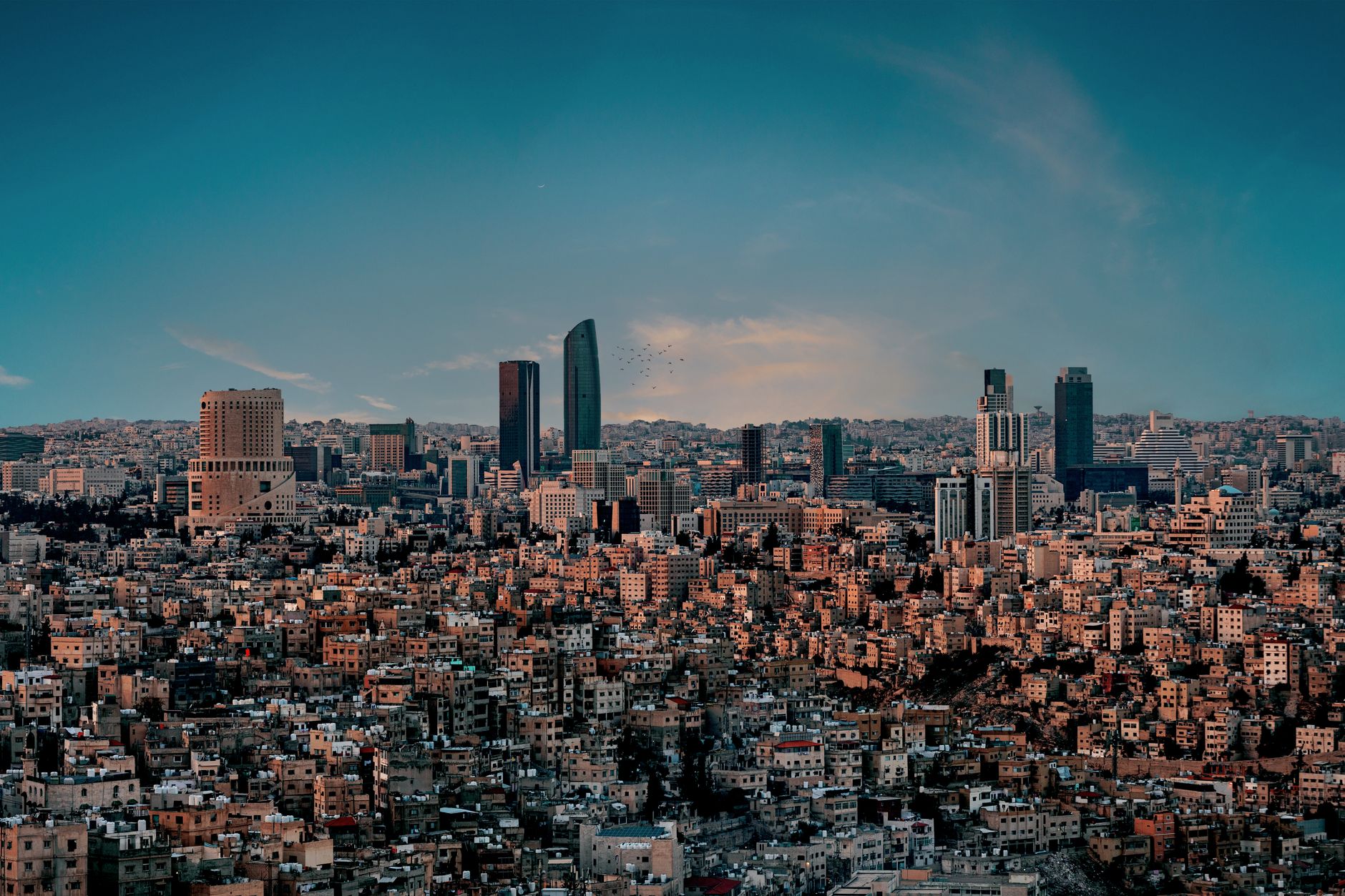
Stunning view of Amman's skyline with a vibrant cityscape at twilight.
Photo by Motaz Al Turk on Pexels · Pexels License
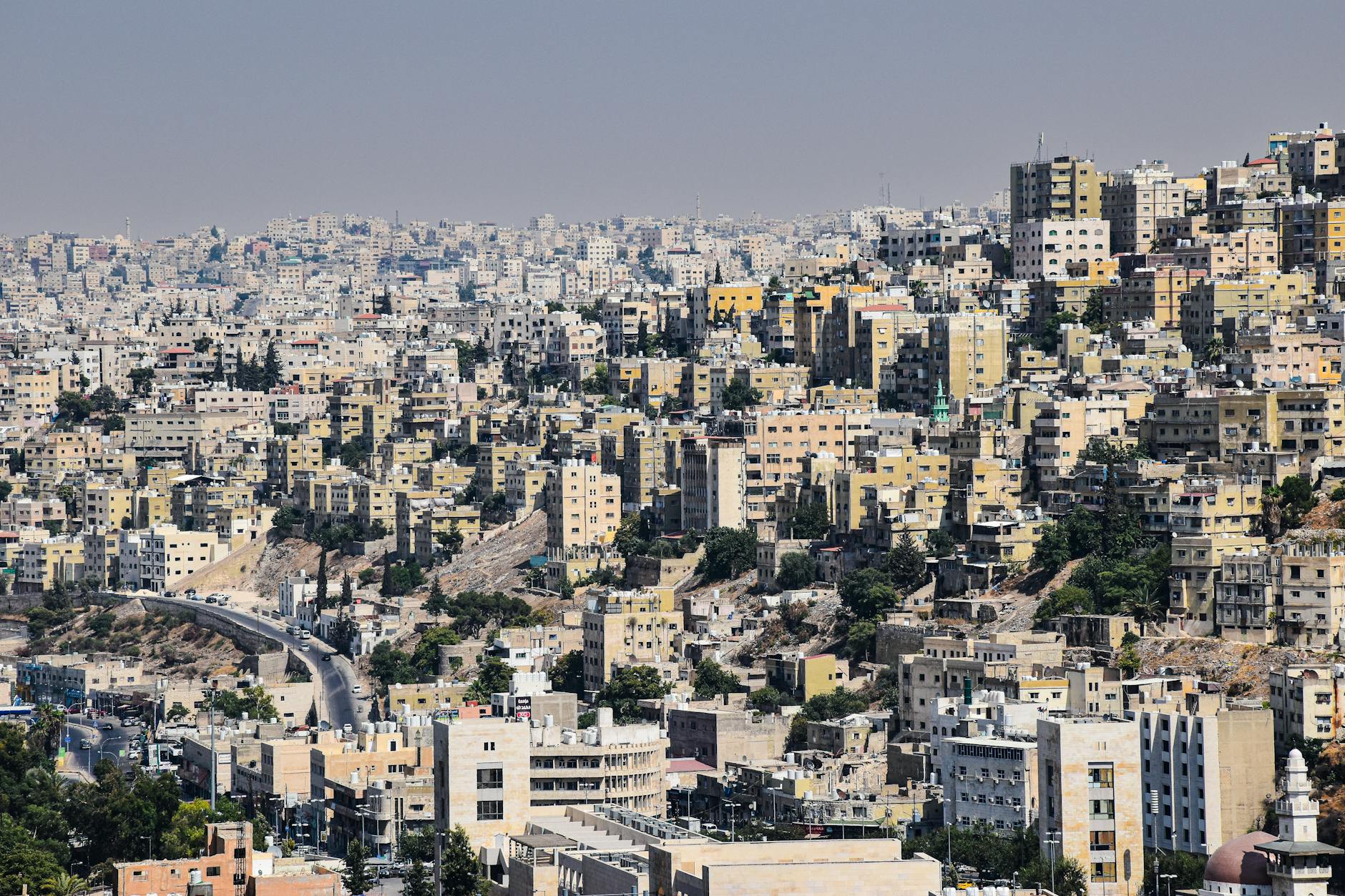
Aerial view of Amman, Jordan showcasing dense urban architecture and vibrant city life.
Photo by AXP Photography on Pexels · Pexels License
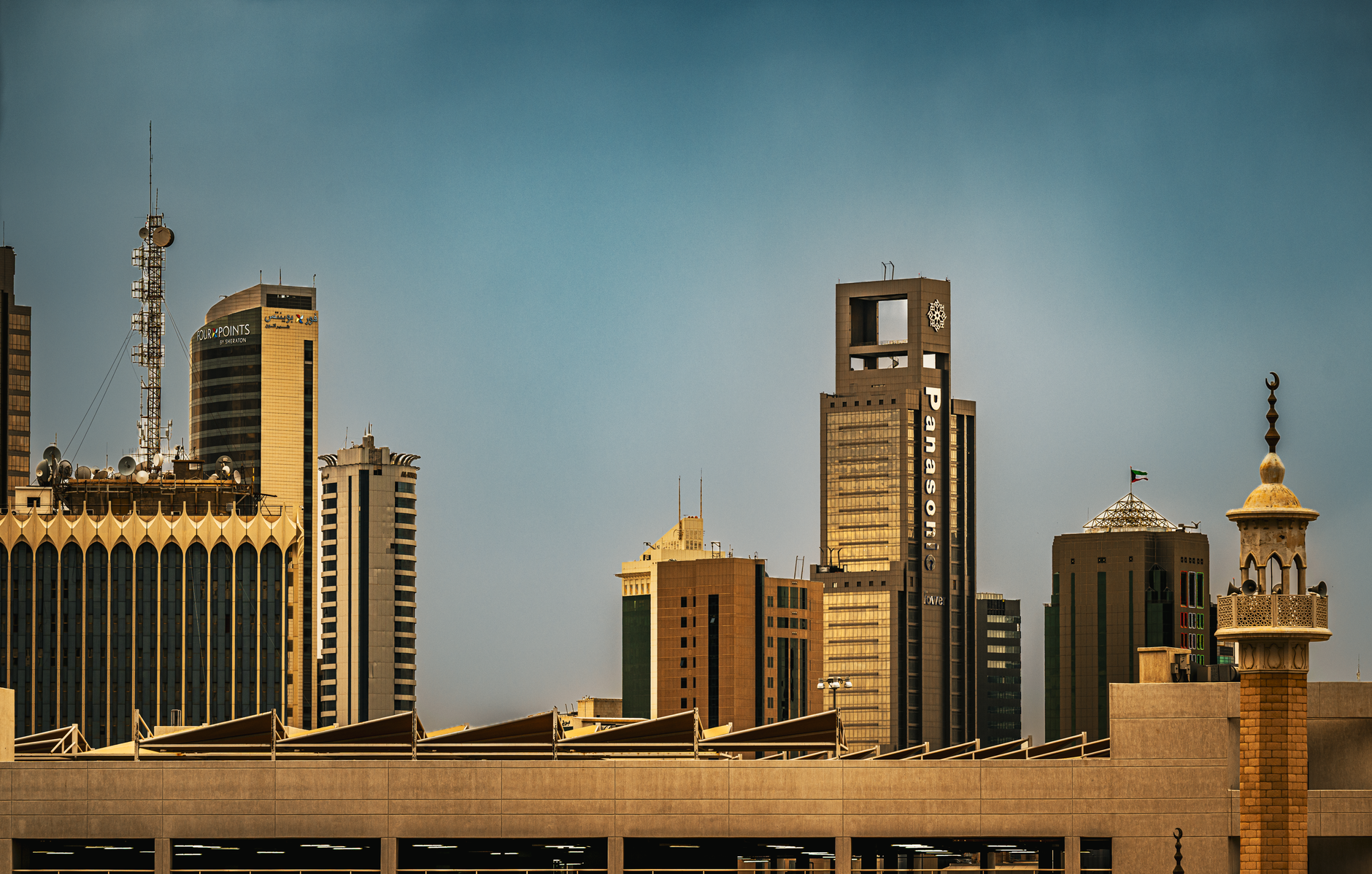
Skyline view of Kuwait City showcasing modern skyscrapers and traditional architecture.
Photo by Optical Chemist on Pexels · Pexels License

A vibrant Middle Eastern stew served in a rustic stone bowl with naan bread and green chili.
Photo by Saba Foods on Pexels · Pexels License
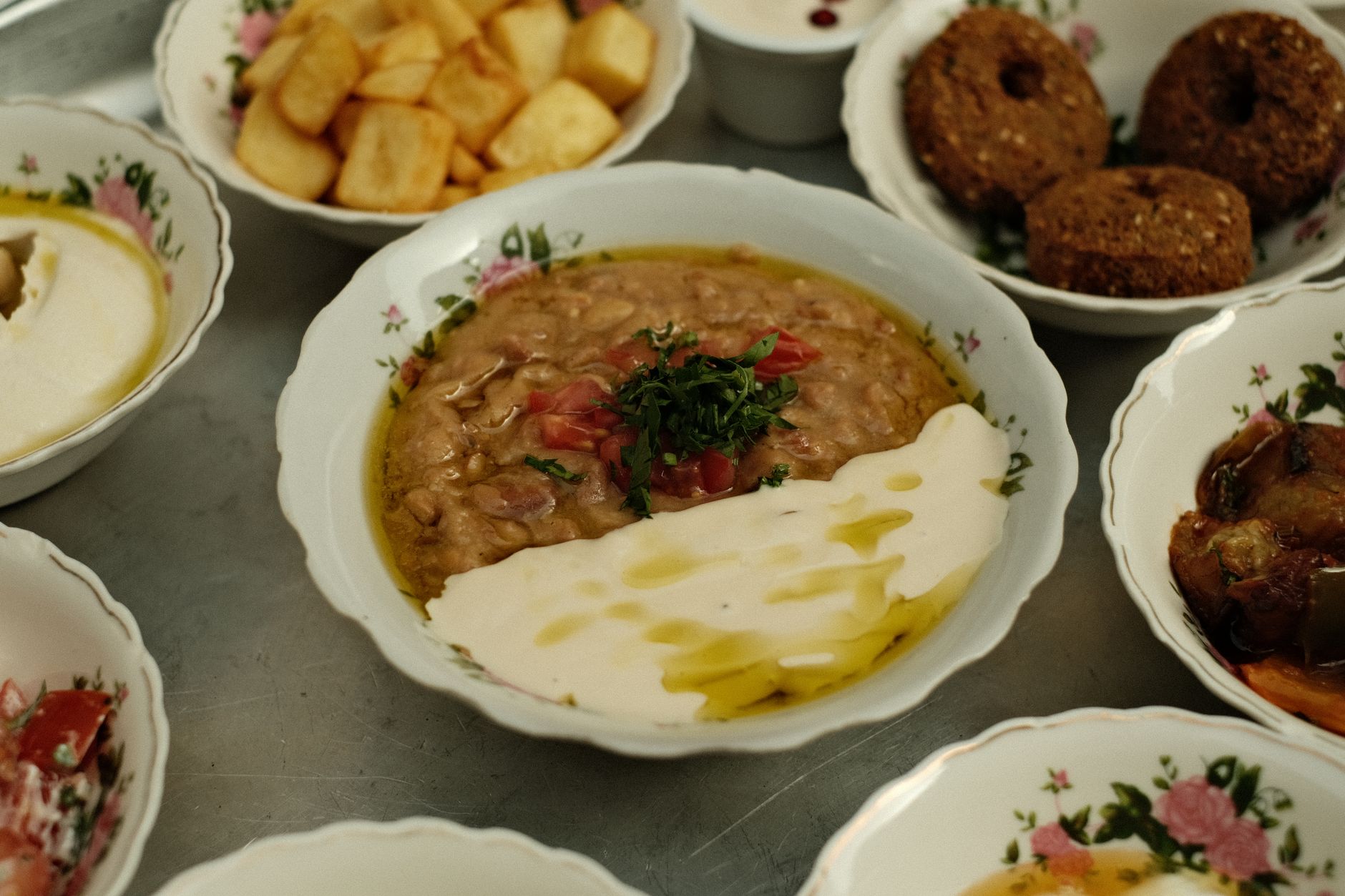
Explore an authentic Middle Eastern mezze platter with falafel, hummus, and more. Captured in Dubai.
Photo by Afif Ramdhasuma on Pexels · Pexels License

Enjoy a vibrant Mediterranean dining experience with an array of delectable dishes in Tanzania.
Photo by Keegan Checks on Pexels · Pexels License

A man in traditional Yemeni dress poses with a rifle indoors in Sana'a, Yemen.
Photo by اماز لتصاميم الزفاف on Pexels · Pexels License

Rustic Berber Ksar in Tataouine, Tunisia showcasing traditional architecture under a clear sky.
Photo by Mahmoud Yahyaoui on Pexels · Pexels License
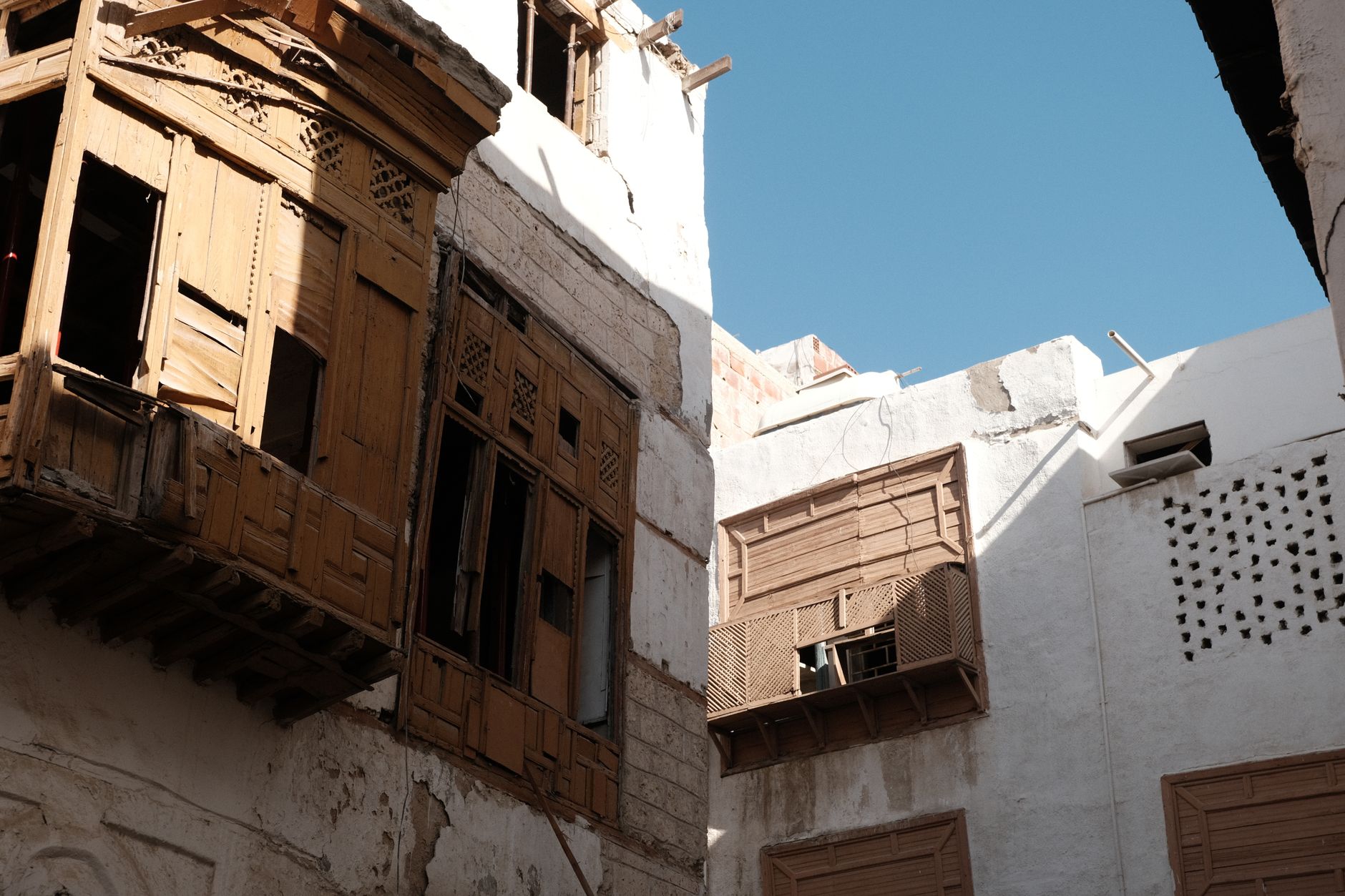
Explore the traditional wooden architecture of Al-Balad in Jeddah, showcasing its historical charm.
Photo by abdullah alallah on Pexels · Pexels License

Discover the unique architecture of a desert town with traditional clay buildings from an aerial perspective.
Photo by Diego F. Parra on Pexels · Pexels License
Practical Information
Visa
Yemen is advance-visa-only for almost all travelers, and a Schengen visa does not help here. Current embassy guidance commonly asks for a passport valid at least 6 months, photos, a purpose statement, and often a local contact or travel agent letter; if you stay more than 14 days, UK and Canadian guidance says you must register after arrival.
Currency
The currency is the Yemeni rial (YER), but day-to-day travel still runs on cash. Bring clean USD notes, because cards work in only a handful of major hotels and ATMs thin out fast outside Sanaa, Aden, and other larger cities; quoted prices are often negotiable and usually treated as final cash prices rather than itemized bills.
Getting There
For mainland Yemen, Aden and Seyun are the practical gateways, with thinner options via Mukalla and occasional links to Socotra through Hadibo. Routes and schedules can change without much warning, so leave buffer days on both ends and do not build a tight onward itinerary around a single Yemenia flight.
Getting Around
Yemen has no passenger rail network, and self-driving is a bad idea because checkpoints, fuel shortages, road damage, and sudden closures can turn a short drive into a long one. Most workable trips depend on a trusted local driver, fixer, or domestic flight, especially if you are trying to combine places such as Sanaa, Marib, Mukalla, or Shibam.
Climate
Climate changes sharply by region. Sanaa, Ibb, and Taiz sit high enough for mild days and cold nights in winter, while Al Hudaydah and the Tihama coast stay hot and humid, and Hadramawt around Seyun and Shibam can push past 40C in summer; Socotra near Hadibo is best from October to May, when seas and winds are less punishing.
Connectivity
Mobile coverage exists in the main cities, but speed and reliability are uneven, and blackouts or network interruptions are part of the equation. Download maps, save hotel contacts offline, carry a power bank, and assume that card readers, booking platforms, and messaging apps may all fail at the same moment.
Safety
Yemen is not a normal leisure destination right now: the U.S. State Department keeps it at Level 4 Do Not Travel, and the UK, Canada, and Australia advise against all travel, including Socotra. That warning affects more than personal risk, because it can void insurance, limit consular help, and leave you stranded if a route closes after you enter.
Taste the Country
restaurantSaltah
Lunch. Stone bowl arrives boiling. Bread tears, right hand scoops, fenugreek foam burns the lip, table talk rises.
restaurantFahsah
Midday hunger asks for this. Lamb pounds into broth, bread dips, fingers work, silence lasts one minute.
restaurantBint al-sahn
Family table, warm tray, hands pull layers apart. Honey runs, black seed follows, conversation softens.
restaurantMandi
Feast food. Rice catches lamb fat, platter lands in the center, group eats in a circle, hands gather and lift.
restaurantShafout
Ramadan and hot afternoons call for it. Lahoh drinks yogurt, herbs cool the mouth, spoons and fingers share the task.
restaurantQishr
Night drink, not breakfast fuel. Coffee husks simmer with ginger, cups pass after meals, talk lengthens.
restaurantSidr honey ritual
Host brings a spoon, not a sermon. Bread receives honey, guests taste, price stays unspoken, respect does the arithmetic.
Tips for Visitors
Carry Clean Dollars
Bring newer USD notes in small and medium denominations. They are easier to exchange than worn bills, and they give you a backup when ATMs fail or local cash runs short.
Forget Trains
Yemen has no passenger rail system. If a route looks short between Sanaa, Marib, Seyun, or Mukalla, assume the real travel day will be longer, slower, and more dependent on local security conditions than on distance.
Book With Slack
Leave at least one unsold night at each end of your trip. Flights cancel, checkpoints delay road transfers, and hotels may hold rooms by phone or WhatsApp rather than by any booking engine you would trust elsewhere.
Insurance Fine Print
Check whether your insurer excludes travel against government advice. A policy that looks valid on the purchase page can become useless the moment you enter Yemen or even Socotra.
Ask Final Price
For hotels, drivers, and long transfers, ask if the quote is final and what currency it is pegged to. Exchange rates vary by region, and a vague price in YER can become a different conversation by the time you arrive.
Greeting Matters
Do not rush into the practical question. A proper greeting, a hand to the chest, and a minute of polite exchange will get you further than efficient English-language directness.
Lunch Beats Dinner
The main meal often lands at lunch, not at night. If you want the fullest version of saltah, fahsah, or mandi in cities such as Sanaa, Taiz, or Aden, aim earlier and assume evenings can feel quieter.
Explore Yemen with a personal guide in your pocket
Your Personal Curator, in Your Pocket.
Audio guides for 1,100+ cities across 96 countries. History, stories, and local insight — offline ready.
Audiala App
Available on iOS & Android
Join 50k+ Curators
Frequently Asked
Is Yemen safe for tourists in 2026? add
No, not in the normal sense of independent leisure travel. Major governments including the United States, United Kingdom, Canada, and Australia advise against all travel to Yemen, and that affects security, insurance, flights, and your ability to get help if plans collapse.
Can I get a Yemen visa on arrival? add
Usually no. Current official guidance from multiple governments says you need a visa before travel, and Yemeni authorities do not generally issue tourist visas at ports of entry.
Can Americans travel to Yemen right now? add
Americans can only travel with a visa arranged in advance, and official U.S. guidance says the Embassy of Yemen in Washington is not issuing tourist visas. Even where entry is technically possible, the U.S. government warns that security conditions and consular support are both extremely limited.
Is Socotra safer than mainland Yemen? add
Socotra is usually treated as the most logistically feasible part of Yemen, but it is not outside the travel warnings. Flights are limited, weather can shut routes, and the same insurance and consular problems still apply.
What is the best time to visit Yemen? add
For the highlands around Sanaa, Taiz, and Ibb, the most comfortable months are usually October to February, when days are milder and nights are cool. For Socotra and the Hadramawt side around Seyun and Shibam, October to May works better, while summer brings rough seas, punishing heat, or both.
Can women travel alone in Yemen? add
In practice, solo female travel is heavily constrained and in some northern areas may require a mahram or written approval. Even where rules are applied unevenly, transport, checkpoints, and accommodation all become easier with a trusted local organizer.
Do credit cards work in Yemen? add
Only occasionally, and mostly in higher-end hotels. Yemen is a cash country, so bring backup USD, assume ATMs may be empty or offline, and do not depend on tapping your way through Aden, Sanaa, or Mukalla.
Can you visit Sanaa and Shibam on one trip? add
Yes in theory, but not as a casual overland add-on. The route crosses regions with different security realities, weak infrastructure, and flight uncertainty, so most practical itineraries focus either on the northern highlands around Sanaa or the Hadramawt corridor around Seyun and Shibam.
Sources
- verified U.S. Department of State - Yemen Travel Advisory — Current U.S. security level, visa basics for U.S. citizens, and consular limitations.
- verified UK Foreign, Commonwealth & Development Office - Yemen — UK government advice on entry rules, registration after arrival, money, and safety conditions.
- verified Government of Canada - Travel Advice and Advisories for Yemen — Canadian guidance on visas, transport risks, cash use, and local travel constraints.
- verified Australian Government Smartraveller - Yemen — Australian advice on entry restrictions, mahram requirements in some areas, and safety risks.
- verified UNESCO World Heritage Centre - Yemen — Authoritative listings for Old City of Sana'a, Shibam, Zabid, Socotra, and Marib-related heritage context.
Last reviewed: