Plan and listen to Tomb Of Tự Đức with Audiala.
Audio guide in your pocket, itinerary in your browser. Built for the way you actually visit.
Introduction
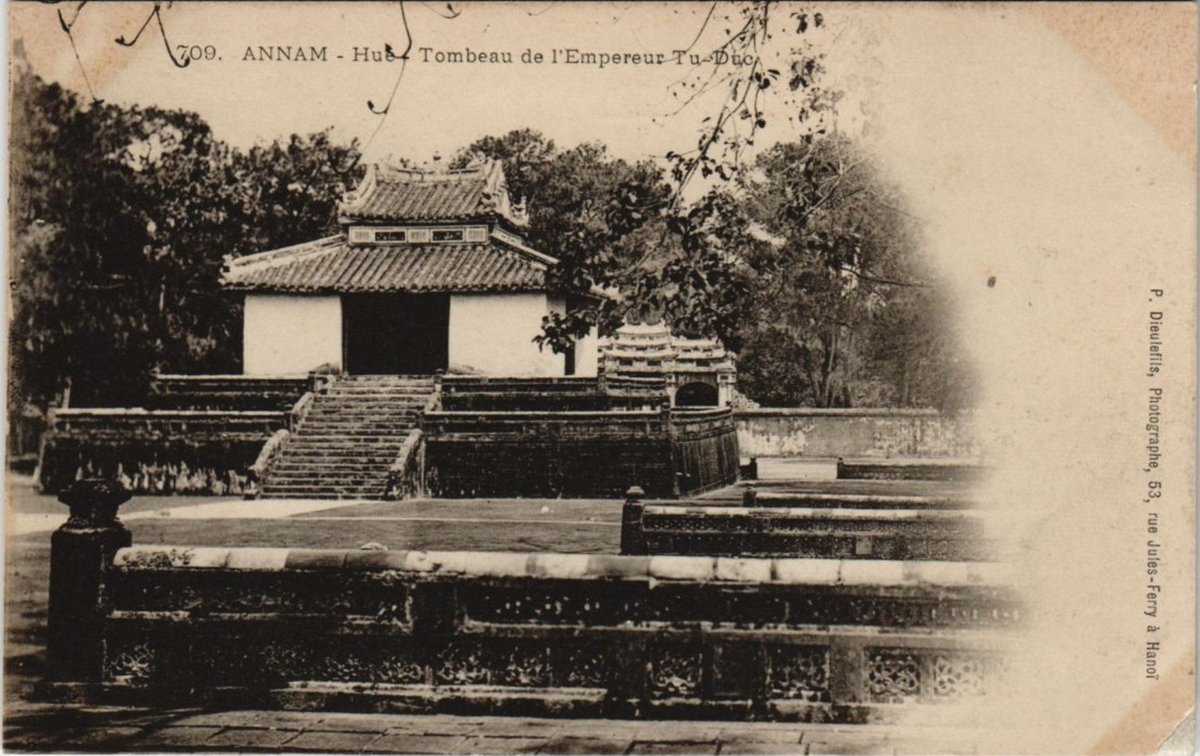
The Tomb of Tự Đức, also known as Khiêm Mausoleum, is an essential stop for anyone interested in the rich tapestry of Vietnamese culture and history. Located in Huế, Vietnam, this site serves as the final resting place of Emperor Tự Đức, the fourth emperor of the Nguyễn Dynasty, who ruled from 1848 to 1883. His reign, marked by both cultural flourishing and significant challenges, is immortalized in this grand tomb complex. (Wikipedia). The tomb not only encapsulates the emperor's contributions to Vietnamese arts and literature but also reflects his personal struggles and introspective nature. Constructed between 1864 and 1867, the complex was designed to be both a majestic final resting place and a retreat for the emperor during his lifetime. (Vietnam.com). Visitors to the Tomb of Tự Đức will find a blend of natural beauty, intricate architecture, and profound historical significance, making it a must-visit destination in Huế.


History and Significance
The Reign of Emperor Tự Đức
Emperor Tự Đức, born Nguyễn Phúc Hồng Nhậm, ruled Vietnam from 1848 to 1883, marking the longest reign of any monarch in the Nguyễn dynasty. His reign was characterized by significant internal and external challenges, including rebellions and increasing French colonial encroachment. Despite these adversities, Tự Đức is remembered for his contributions to Vietnamese culture, particularly in the arts and literature. He was a prolific poet and scholar, and his love for these pursuits is reflected in the design and ambiance of his tomb complex (Wikipedia).
Construction of the Tomb
The construction of the Tomb of Tự Đức began in 1864 and was completed in 1867. The project was a massive undertaking, requiring significant resources and labor. The tomb complex was designed not only as a final resting place for the emperor but also as a retreat where he could indulge in his literary and artistic passions. The construction demanded so much corvée labor and extra taxation that it led to an abortive coup against Tự Đức in 1866. Despite this, the emperor continued to use the tomb's palace buildings as his residence for the remainder of his life (Vietnam.com).
Architectural Layout
Temple Area
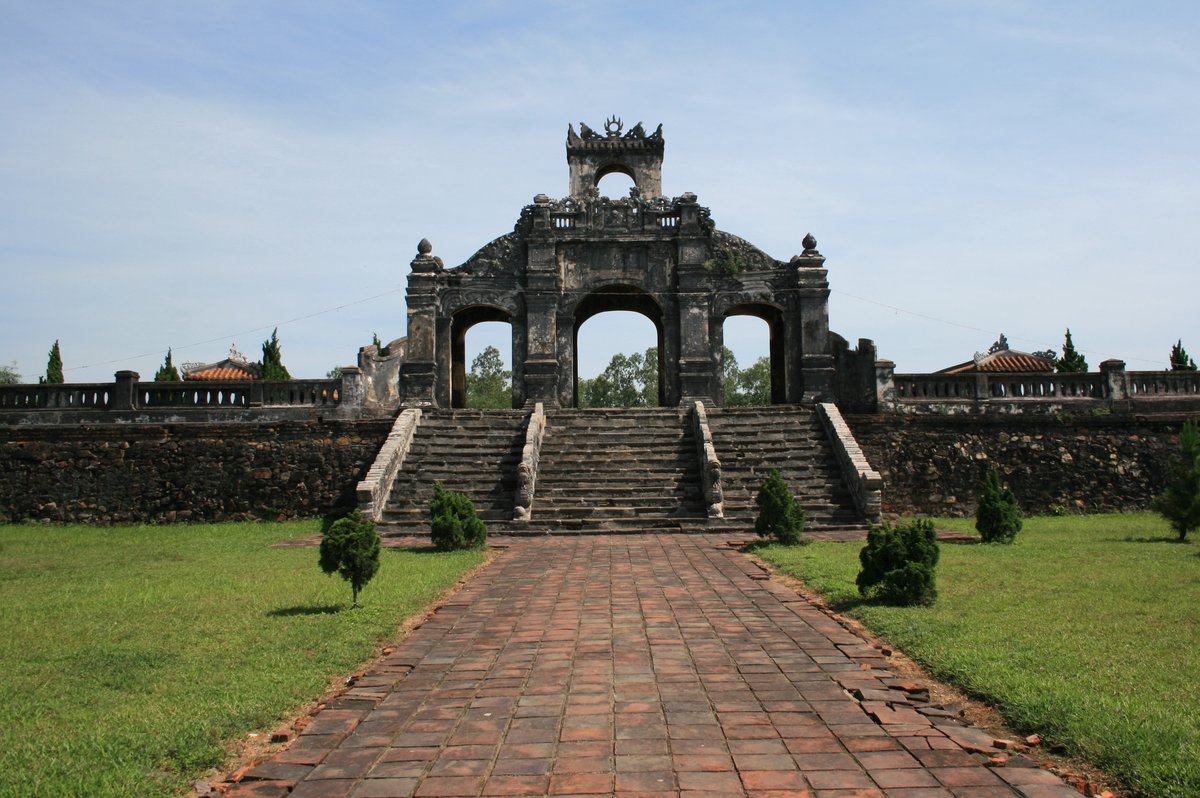
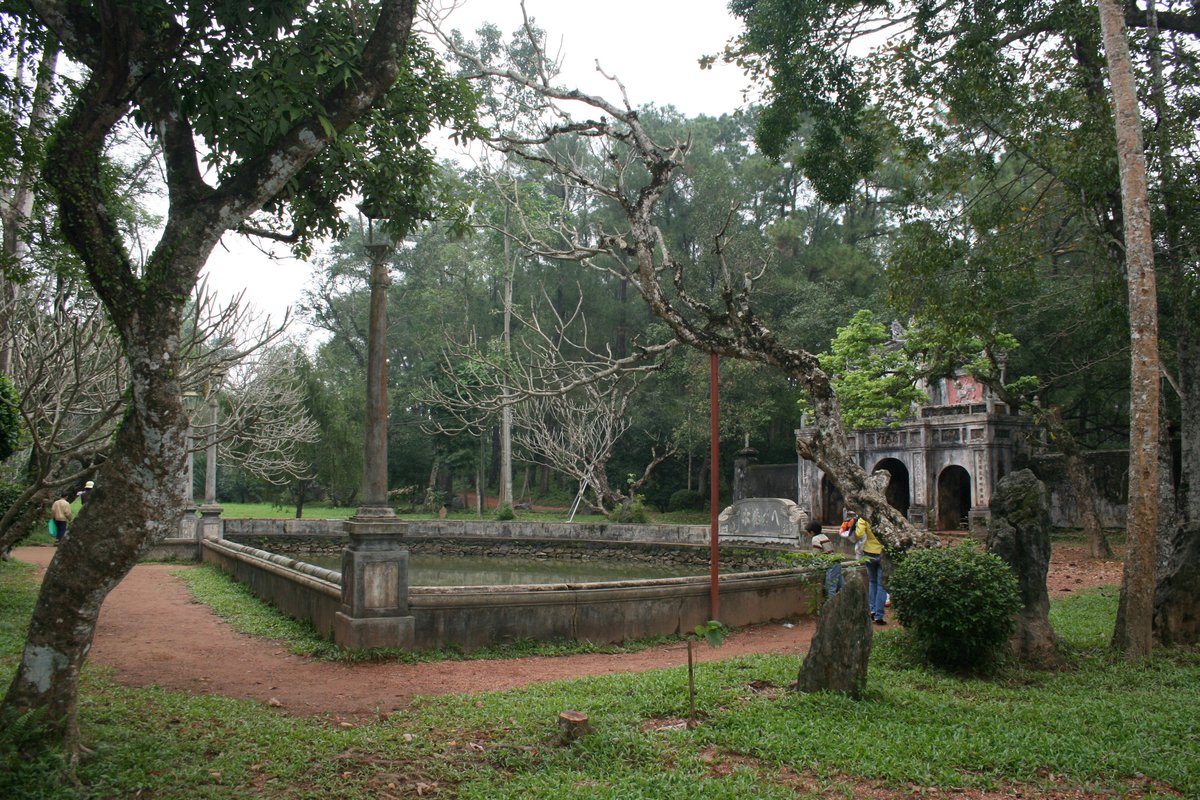
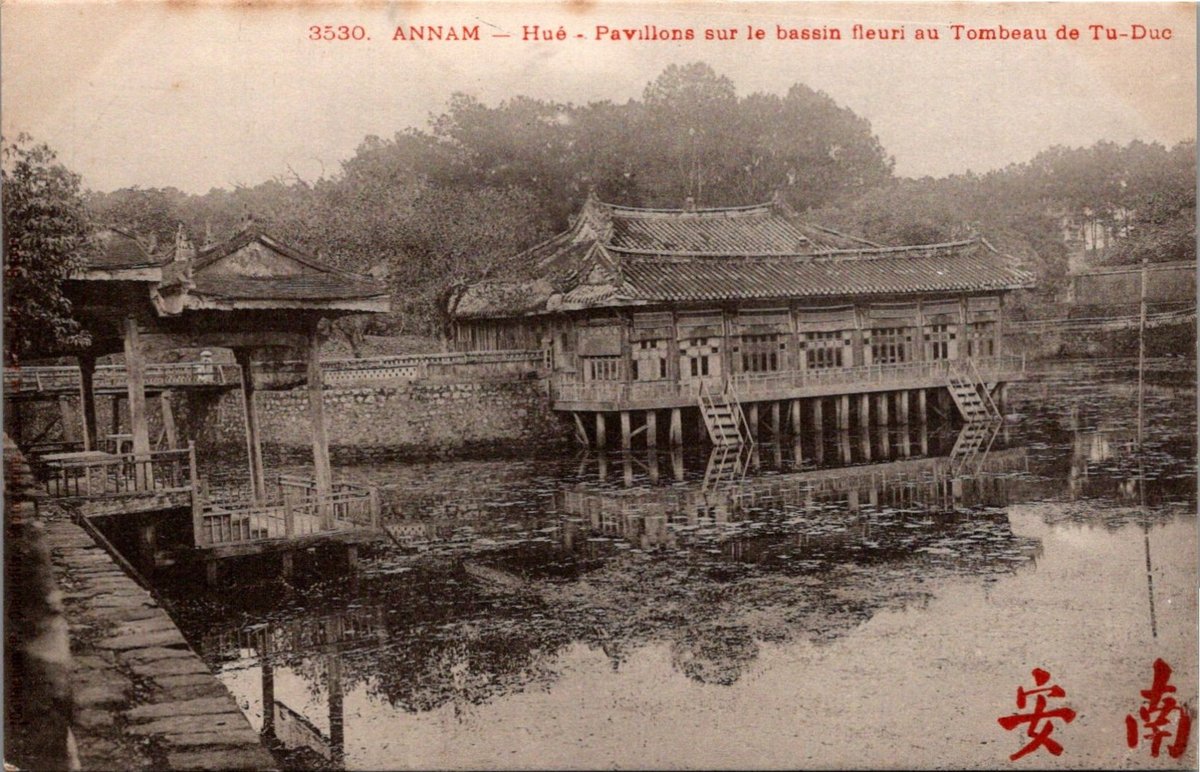
The Temple Area includes the Vu Khiem entrance and the romantic Luu Khiem Lake, along with the Xung Khiem and Du Khiem Pavilions. The Hoa Khiem Palace, which served as the emperor's working place, is now an altar devoted to Tự Đức and his empress.
The Stele Pavilion
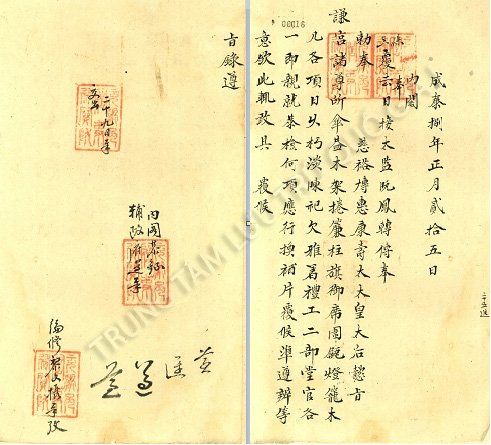
One of the most remarkable features of the tomb is the Stele Pavilion, which houses a massive stele inscribed with Tự Đức's epitaph. Unlike other royal tombs, Tự Đức's epitaph includes not only his achievements but also his misadventures, mistakes, and diseases. This self-composed inscription reflects the emperor's modesty and self-awareness. The stele, the largest of its type in Vietnam, was transported from a quarry over 500 kilometers away, a journey that took four years to complete (Wikipedia).
The Emperor's Retreat
During his lifetime, Tự Đức used the tomb complex as a palatial retreat. The amenities available at this tomb are unmatched by any other such structure in Vietnam. The emperor could boat on the lake, hunt small game on the tiny island in the lake's middle, and recline at the Xung Khiem Pavilion to recite or compose poetry in the company of his concubines. After trips on the lake, the boats would moor at Du Khiem Pavilion, from which the emperor and his entourage could walk directly into the palace area of the tomb (Vietnam.com).
The Secret Burial
Despite the grandeur of the site and the amount of time Tự Đức spent there, he was actually buried in a different, secret location somewhere in Huế.
Visitor Information
Visiting Hours
The tomb is open daily from 7:00 AM to 5:30 PM.
Ticket Prices
Entry tickets cost approximately 100,000 VND for adults and 20,000 VND for children.
Best Times to Visit
The best time to visit is during the dry season, from March to August, to avoid the rainy season.
How to Get There
The tomb is located about 5 kilometers south of the city center of Hue. You can reach it by taxi, motorbike, or even bicycle if you're up for a scenic ride.
Nearby Attractions
Imperial City of Hue
Another UNESCO World Heritage site, offering a glimpse into Vietnam's imperial past.
Thien Mu Pagoda
A historic pagoda that offers stunning views of the Perfume River.
Minh Mang Tomb
Another royal tomb known for its architectural beauty.
Accessibility
The Tomb of Tự Đức is moderately accessible for visitors with disabilities. The paths are generally well-maintained, but some areas may have steps and uneven surfaces.
FAQ
- What are the visiting hours for the Tomb of Tự Đức? The tomb is open daily from 7:00 AM to 5:30 PM.
- How much are tickets to the Tomb of Tự Đức? Entry tickets cost approximately 100,000 VND for adults and 20,000 VND for children.
- What is the best time to visit the Tomb of Tự Đức? The best time to visit is during the dry season, from March to August.
Tickets & tours.
These are guided options from our partners — same price as booking direct.
Prices are indicative — final pricing and availability are confirmed at checkout. Audiala may earn a commission from bookings made through these links.
Listen to the full story in the app
The whole Tomb Of Tự Đức,
told well.
Audio guides for 1,100+ cities across 96 countries. History, stories, and local insight — offline ready.
Verified, and shown.
Researched and written by the Audiala editorial team from historical records, architectural archives, and local expertise.
Tomb of Tự Đức
Tự Đức Tomb
Tự Đức Tomb
Tự Đức Tomb
CyArk and Tự Đức Tomb
Researched from Wikidata, Wikipedia & official sources · fact-checked · How we make our guides →