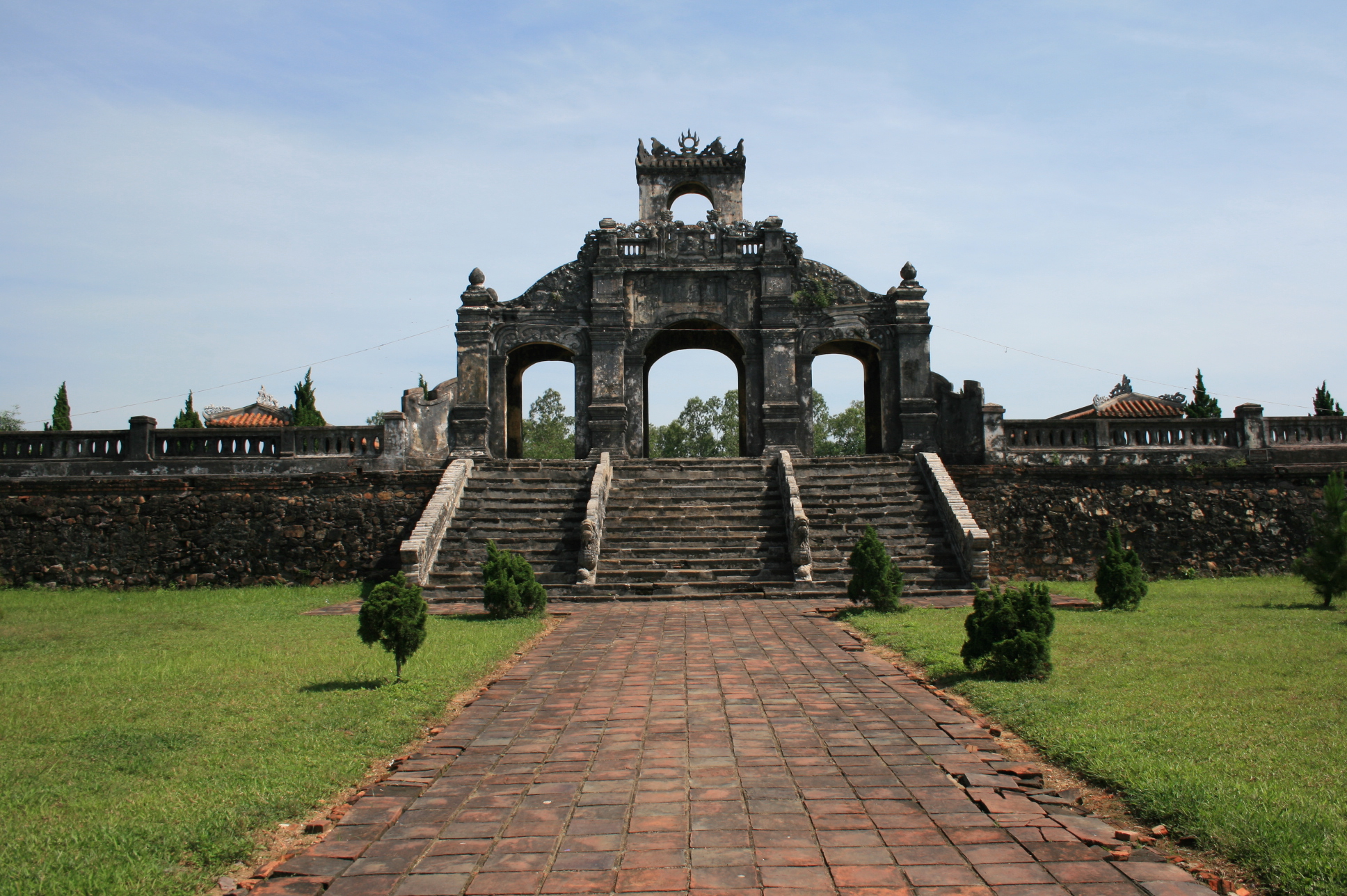
Plan and listen to Tomb Of Gia Long with Audiala.
Audio guide in your pocket, itinerary in your browser. Built for the way you actually visit.
Introduction
Set amidst the tranquil hills southwest of Huế, the Tomb of Gia Long (Thiên Thọ Lăng) stands as a monumental testament to Vietnam’s imperial unification and the legacy of Emperor Gia Long, founder of the Nguyễn Dynasty. Not only does this historic site offer a window into early 19th-century Vietnamese culture, but it also showcases harmonious architecture, profound symbolism, and serene natural landscapes. As part of the UNESCO-listed Complex of Hué Monuments, the tomb provides a unique blend of history, artistry, and peaceful retreat for travelers seeking to explore Vietnam’s imperial heritage (UNESCO, Vietnam Online, Vietnam Discovery).
This guide delivers all essential information for your visit, including historical context, architectural highlights, visiting hours, ticketing, accessibility, tips for guided tours, and recommendations for nearby attractions.
Historical and Cultural Background
Origins and Construction
Emperor Gia Long (1762–1820) unified Vietnam in 1802, founding the Nguyễn Dynasty and establishing Huế as the imperial capital. His tomb, constructed between 1814 and 1820, sits about 16–20 kilometers southwest of central Huế in Hương Thọ commune. The site was carefully selected for its auspicious feng shui, with Thien Tho Mountain behind and the Perfume River in view, symbolizing the “crouching tiger, hidden dragon” motif (Atlas Obscura).
Designed under the guidance of imperial officials and constructed with traditional methods, the tomb complex harmonizes with its natural surroundings, featuring 42 hills and a central axis aligned with geomantic principles. The double tomb of Emperor Gia Long and Empress Thừa Thiên rests atop Chinh Trung Hill, symbolizing marital fidelity and dynastic unity.
Architectural and Symbolic Features
The complex covers approximately 42 hectares, comprising:
- The Main Tomb Area: The twin tombs of the emperor and empress, set side by side, are protected by the Buu Thanh wall.
- Stele Pavilion: Houses the emperor’s stele, recounting his achievements.
- Salutation Court: Lined with statues of mandarins, elephants, and horses.
- Minh Thanh Temple: Dedicated to the emperor and empress, reflecting Confucian values of filial piety and loyalty.
The layout emphasizes simplicity and harmony with nature, in contrast to later, more elaborate Nguyễn tombs. The use of pine trees, open vistas, and restrained ornamentation reflects Emperor Gia Long’s austere tastes and the values of his reign (Vietnam Heritage).
Preservation and UNESCO Status
The tomb endured periods of neglect during colonial times and damage in the Vietnam War. In recent years, substantial investments and restoration by the Hue Monuments Conservation Center have preserved its structure and cultural value. Since 1993, the Tomb of Gia Long has been part of the UNESCO World Heritage-listed Complex of Hué Monuments, underscoring its global significance (UNESCO).
Visitor Information
Opening Hours and Ticket Prices
Opening Hours:
- Daily, 7:00 AM to 5:30 PM (last admission: 4:30 PM)
Ticket Prices:
- Adults: 150,000 VND
- Children (7–12): 30,000 VND
- Children under 7: Free
- Combo tickets for multiple tombs are available and offer savings (centralvietnamguide.com)
Accessibility and Facilities
- Paths: Mostly paved, but some uneven and sloping terrain—plan accordingly for mobility needs.
- Restrooms: Basic facilities near the entrance.
- Shaded Areas: Limited; bring sun protection and water.
- Wheelchair Access: The site is not fully wheelchair accessible due to steps and uneven ground.
Transportation and Directions
By Motorbike or Car:
Travel 16–20 km southwest from Huế city center via Minh Mang Road. Allow 40–50 minutes. Parking is available for a small fee.
By Boat:
A scenic cruise along the Perfume River from the Imperial City provides a unique arrival experience, combining natural beauty with historical context.
By Taxi or Ride-Sharing:
Fares range from 250,000–350,000 VND one-way. Apps like Grab are available.
By Bicycle:
Possible, but the ride is long (1.5–2 hours each way) and suited for fit travelers.
Guided Tours and Travel Tips
- Guided Tours: Available on-site or through local operators, often combined with other imperial sites.
- Time Required: Allocate 1–2 hours to fully explore the grounds.
- Best Visiting Time: Early morning or late afternoon for cooler temperatures and fewer crowds.
Enhancing Your Experience
Best Time to Visit
- Dry Season: Visit between February and April for pleasant weather.
- Avoid: September–December, when heavy rains can make paths slippery.
Etiquette and Safety
- Dress Modestly: Cover shoulders and knees out of respect.
- Behavior: Maintain quiet, avoid touching or climbing on monuments, and respect any offerings or ceremonies.
- Photography: Allowed, but be mindful of the site’s cultural and spiritual importance.
Visitor Tips
- Bring essentials: water, sunscreen, hat, insect repellent, and comfortable shoes.
- Facilities are limited; plan meals before or after your visit.
- Stay on marked paths and avoid disturbing the natural environment.
Nearby Attractions in Huế
Combine your visit with other historical and cultural sites:
- Imperial City of Hue: The former seat of the Nguyễn emperors.
- Tomb of Tu Duc: Renowned for its architectural beauty.
- Thien Mu Pagoda: Iconic Buddhist pagoda by the Perfume River.
- Minh Mang and Thieu Tri Tombs: Notable for their distinct architectural styles.
- Local Markets: Explore traditional crafts and Huế cuisine.
Many travelers choose combo tickets or guided tours to experience several sites in one day (Vietnam Online, Vietnam Discovery).
Frequently Asked Questions (FAQs)
Q: What are the Tomb of Gia Long visiting hours?
A: Daily from 7:00 AM to 5:30 PM.
Q: How much are tickets?
A: 150,000 VND for adults, 30,000 VND for children 7–12, free for children under 7.
Q: Is the site wheelchair accessible?
A: The terrain is uneven and not fully accessible for wheelchairs.
Q: Are guided tours available?
A: Yes, both on-site and through local operators.
Q: What is the best time to visit?
A: February–April, early morning or late afternoon for optimal conditions.
Q: How do I get to the tomb from Huế?
A: By motorbike, car, taxi, bicycle, or scenic boat trip along the Perfume River.
Visuals and Media


View Gia Long Tomb on Google Maps
Listen to the full story in the app
The whole Tomb Of Gia Long,
told well.
Audio guides for 1,100+ cities across 96 countries. History, stories, and local insight — offline ready.

Verified, and shown.
Researched and written by the Audiala editorial team from historical records, architectural archives, and local expertise.
Last reviewed