Plan and listen to Đông Ba with Audiala.
Audio guide in your pocket, itinerary in your browser. Built for the way you actually visit.
Introduction
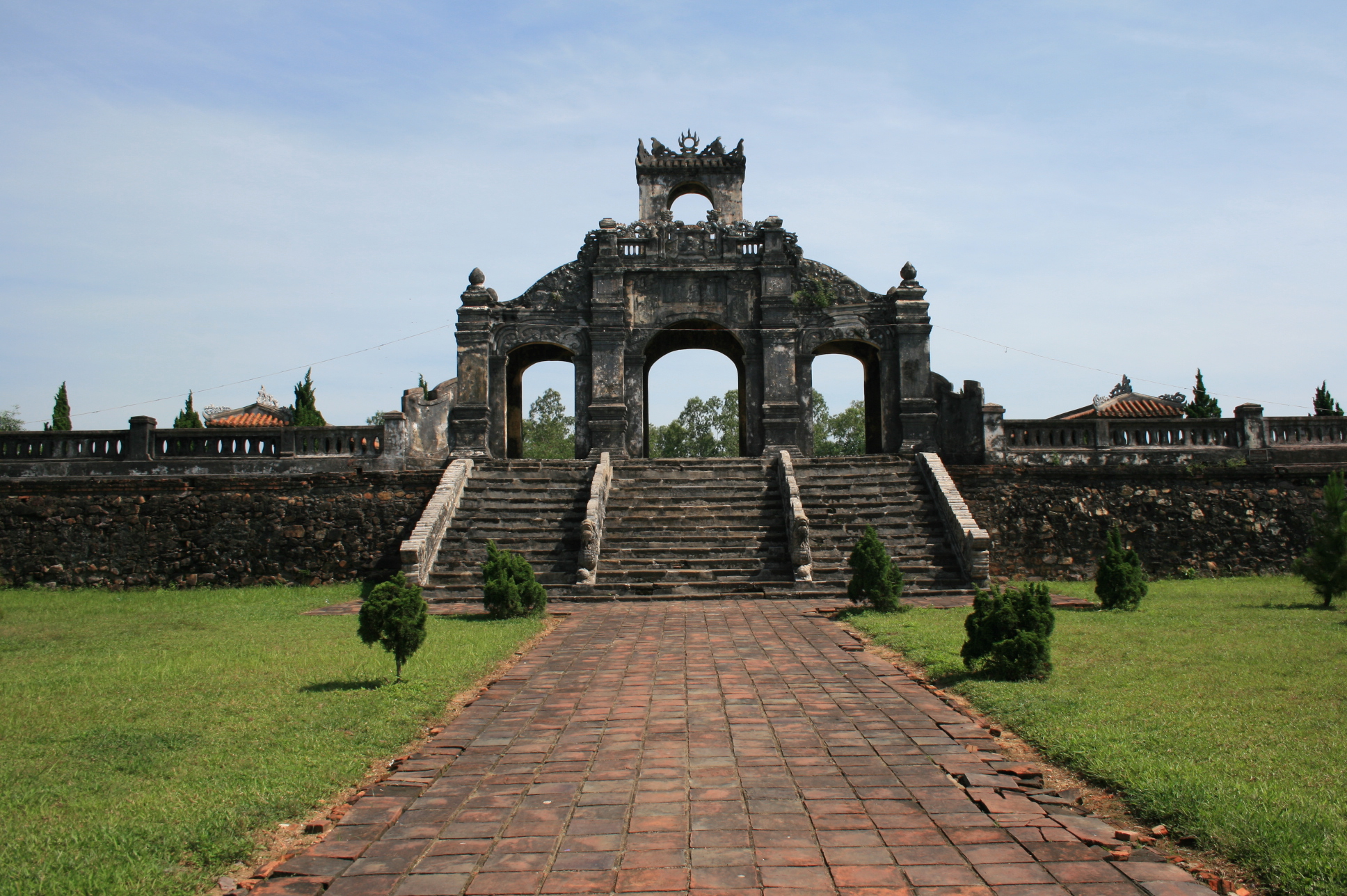
Hue Imperial City, located in the heart of Vietnam along the banks of the Perfume River, is a historical treasure that offers a unique glimpse into the country's rich cultural heritage. Established as the capital of the Nguyen Dynasty in 1802 by Emperor Gia Long, the Imperial City served as the political, cultural, and religious center of Vietnam until 1945. The site's strategic location and its intricate design, influenced by the Forbidden City in Beijing, reflect the grandeur and aspirations of the Nguyen emperors. Over the years, Hue has witnessed significant historical events, including the decline of the Nguyen Dynasty under French colonial influence and substantial damage during the Vietnam War. Despite these challenges, the Imperial City has been recognized as a UNESCO World Heritage Site since 1993, ensuring its preservation for future generations (You in Danang, Then We Walked).
Historical Background
The Founding of Hue Imperial City
Hue Imperial City was established as the capital of the Nguyen Dynasty in 1802 by Emperor Gia Long. Strategically positioned on the banks of the Perfume River and surrounded by hills and mountains, the city served as the administrative and military center from 1802 to 1945, marking a new era in Vietnamese history (You in Danang).
Architectural Influences and Construction
The construction of the Imperial City began in 1803, influenced by the Forbidden City in Beijing, China. The design incorporated both Chinese and Vietnamese architectural elements, reflecting the cultural and political aspirations of the Nguyen emperors. The complex served as the political, cultural, and religious center of the dynasty (Then We Walked).
The Citadel and the Imperial City
The Citadel, the outermost part of the complex, is surrounded by impressive brick walls and a moat fed by the Perfume River. Inside lies the Imperial City, where the emperors and their families resided. It was accessible only to selected guests and servants, emphasizing its exclusivity and importance (You in Danang).
The Forbidden Purple City
At the heart of the Imperial City was the Forbidden Purple City, the most restricted area where the emperor's consorts lived. Unfortunately, much of it was destroyed during the Battle of Hue in the Vietnam War, but restoration efforts are ongoing (You in Danang).
French Influence and the Decline of the Nguyen Dynasty
The Nguyen Dynasty faced increasing pressure from foreign influences, particularly the French. This led to significant changes in administration and culture, contributing to the dynasty's decline (You in Danang).
The End of the Monarchy and the Vietnam War
The monarchy in Vietnam ended in 1945 when Emperor Bao Dai abdicated. Despite this, Hue remained an important cultural and historical center. The Vietnam War resulted in substantial damage to the Imperial City, including the destruction of many historical buildings (Then We Walked).
UNESCO World Heritage Site
In 1993, the complex of Hue monuments was designated a UNESCO World Heritage Site. Extensive restoration efforts have been undertaken to preserve the site for future generations (Then We Walked).
Architectural Highlights
Ngo Mon Gate (Noon Gate)
The Ngo Mon Gate is the main entrance to the Imperial City, historically significant as the site where Emperor Bao Dai abdicated in 1945 (Then We Walked).
Thai Hoa Palace (Palace of Supreme Harmony)
The Thai Hoa Palace was the ceremonial hall where the emperor held important events. Its architecture reflects the grandeur and sophistication of the Nguyen Dynasty (Then We Walked).
Hien Lam Pavilion
The Hien Lam Pavilion is a three-story structure serving as a memorial to the Nguyen Dynasty emperors. It stands as a testament to their architectural and cultural achievements (Then We Walked).
Visitor Information
- Visiting Hours: The Hue Imperial City is open daily from 8:00 AM to 5:30 PM.
- Tickets: General admission tickets cost approximately VND 150,000 for adults and VND 30,000 for children.
Travel Tips
- Getting There: Hue Imperial City is accessible by bus, taxi, or motorbike. It is recommended to use local transportation services for convenience.
- What to Bring: Comfortable walking shoes, a hat, and sunscreen are essential. Carry water and a camera to capture the beauty of the site.
Nearby Attractions
- Thien Mu Pagoda: A historic pagoda located on the banks of the Perfume River.
- Tomb of Khai Dinh: An elaborate mausoleum blending Vietnamese and European architectural styles.
- Dong Ba Market: A bustling market offering local products and cuisine.
Accessibility
The Imperial City has made efforts to improve accessibility for visitors with disabilities, including ramps and accessible restrooms. However, some areas may still be challenging to navigate.
Special Events and Tours
- Guided Tours: Available in multiple languages, offering in-depth historical insights.
- Cultural Performances: Traditional music and dance performances are held regularly.
FAQ
What are the visiting hours for Hue Imperial City?
The Imperial City is open daily from 8:00 AM to 5:30 PM.
How much are tickets to Hue Imperial City?
General admission tickets cost approximately VND 150,000 for adults and VND 30,000 for children.
Tickets & tours.
These are guided options from our partners — same price as booking direct.
Prices are indicative — final pricing and availability are confirmed at checkout. Audiala may earn a commission from bookings made through these links.
Listen to the full story in the app
The whole Đông Ba,
told well.
Audio guides for 1,100+ cities across 96 countries. History, stories, and local insight — offline ready.

Verified, and shown.
Researched and written by the Audiala editorial team from historical records, architectural archives, and local expertise.
Hue, 2024
Visiting Imperial City Hue, 2024
Imperial City of Hue, 2024
The Complete Guide to Hue Imperial City, 2024
Visit Imperial City Hue, 2024
Imperial City of Hue Vietnam, 2024
Hue, 2024
Exploring the Imperial Beauty of Hue, 2024
Imperial City of Huế, 2024
Hue Imperial City, 2024
Last reviewed