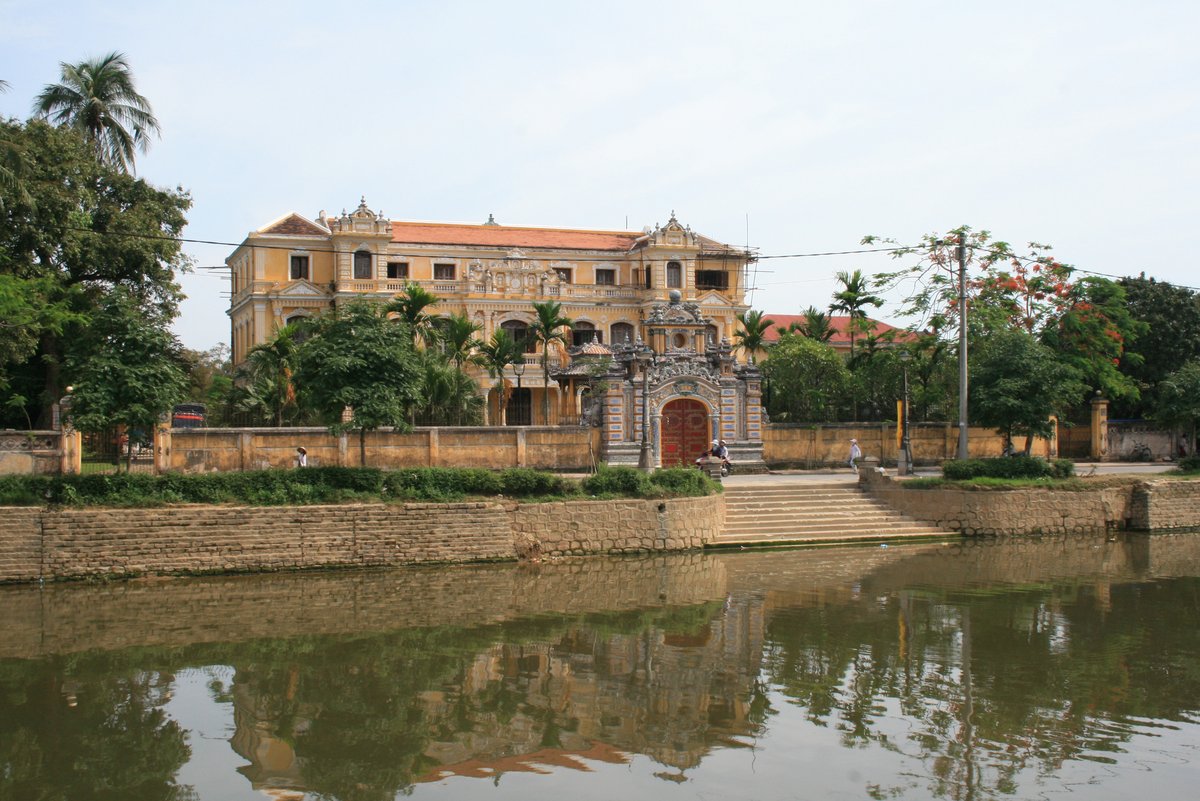
Plan and listen to An Dinh Residence with Audiala.
Audio guide in your pocket, itinerary in your browser. Built for the way you actually visit.
Introduction
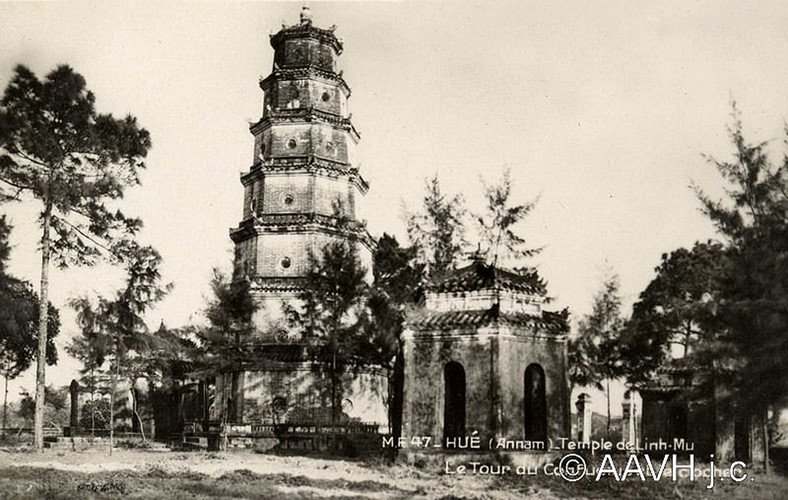
Cung An Định, also known as An Định Palace, stands as a historical and architectural marvel in Huế, Vietnam. Constructed in 1917 by Emperor Khải Định of the Nguyễn Dynasty, this palace epitomizes the fusion of traditional Vietnamese elements with European influences, particularly French colonial architecture (Vietnam National Administration of Tourism). Serving initially as a private residence for the emperor and his family, Cung An Định later became a significant site for various important historical events, including the abdication of Emperor Bảo Đại, the last emperor of Vietnam, in 1945. This abdication marked the end of the Nguyễn Dynasty and the beginning of the Democratic Republic of Vietnam (UNESCO).
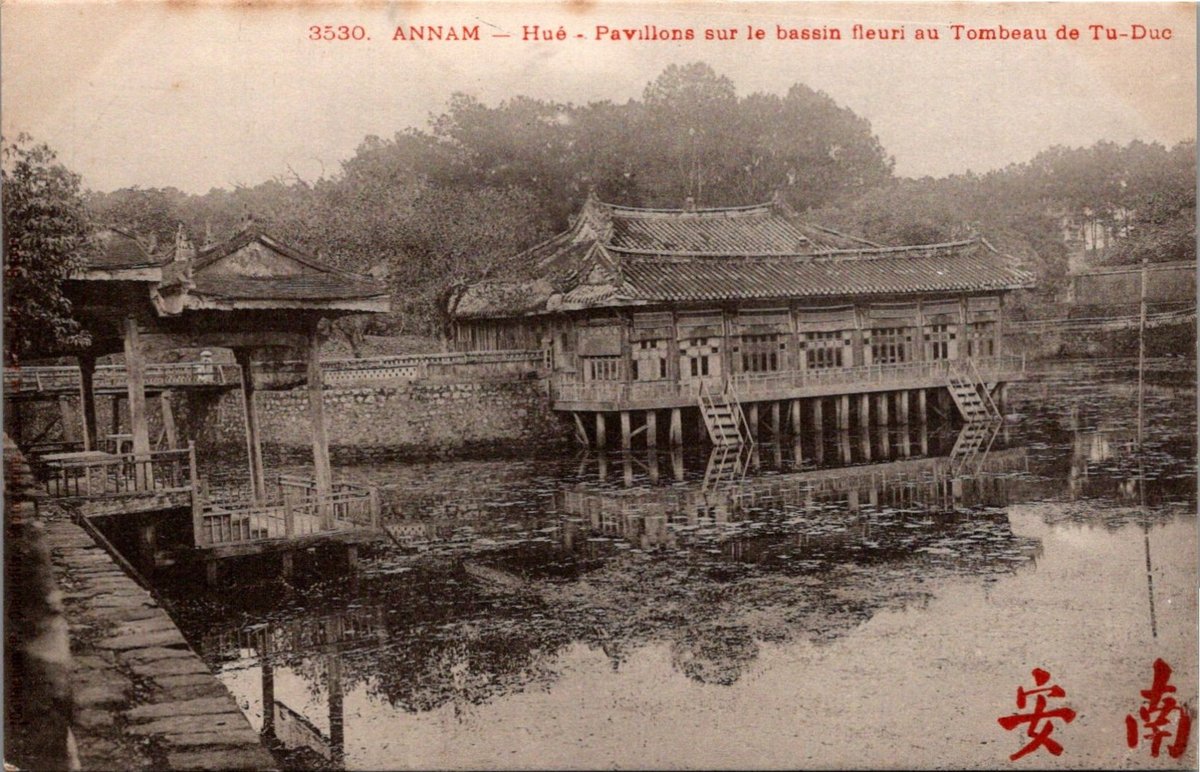
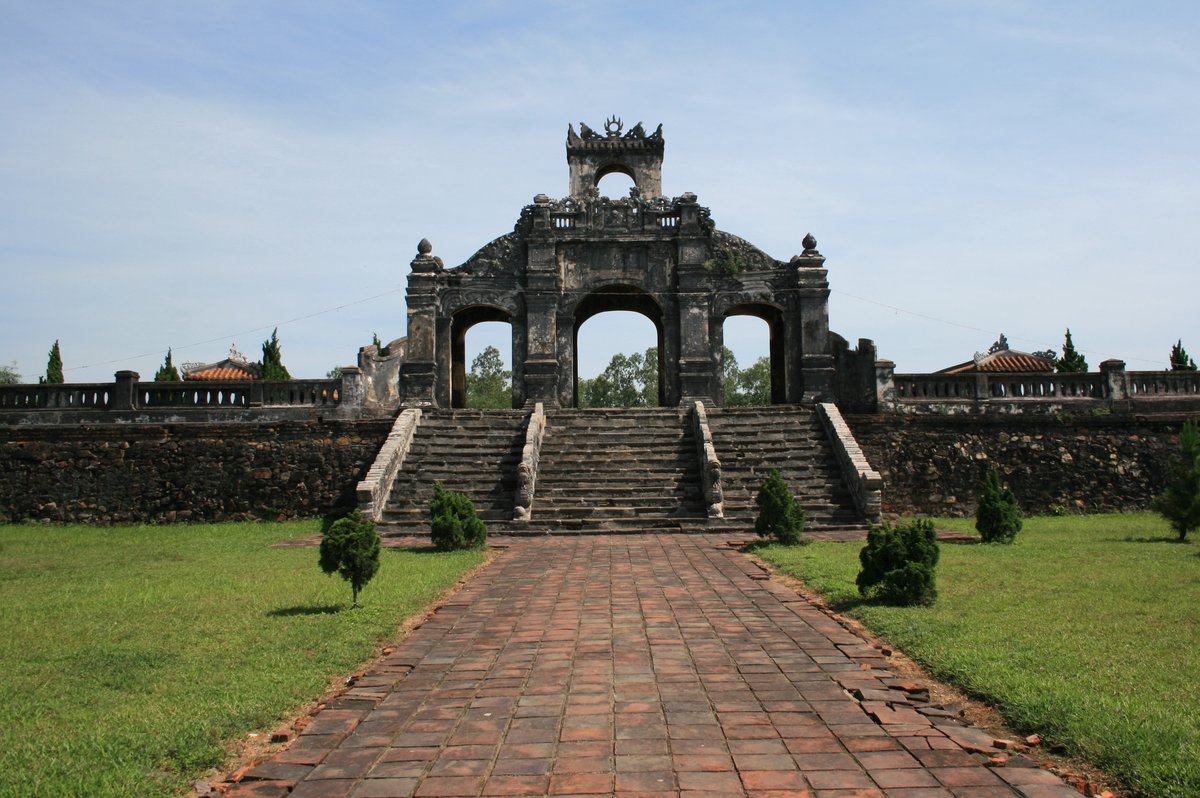
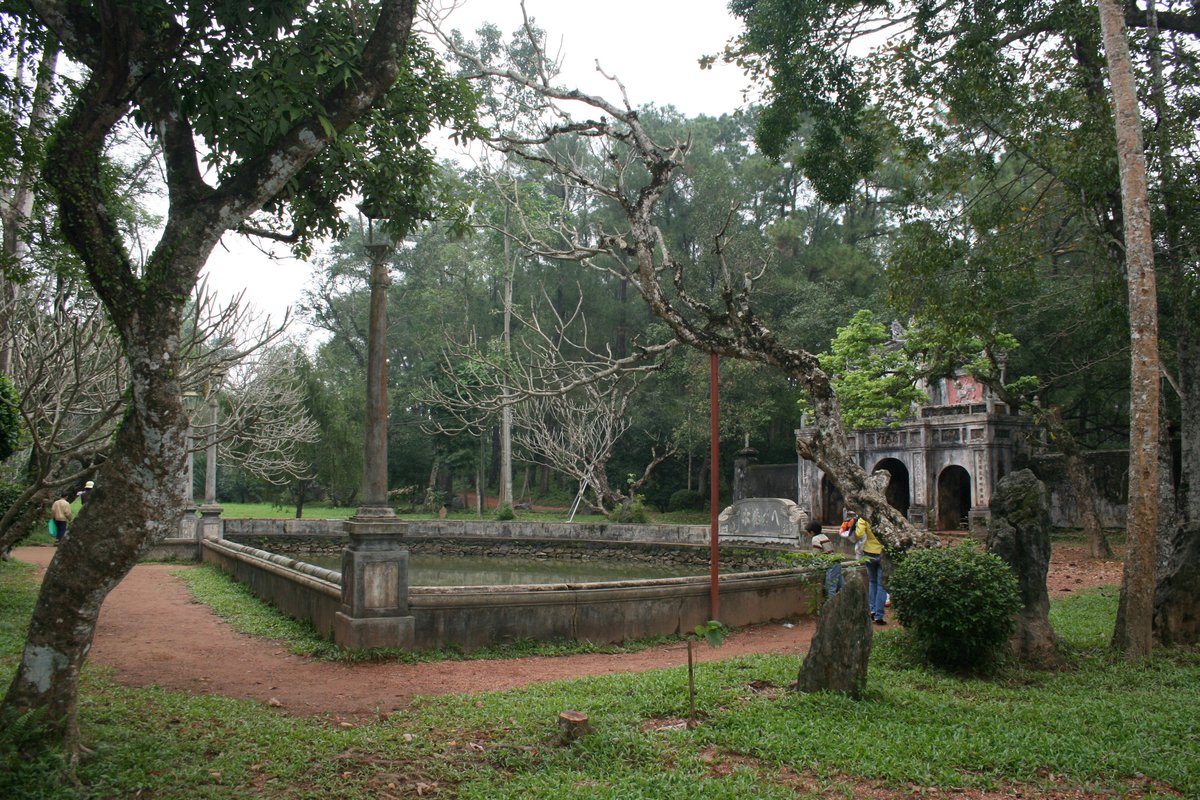
Visitors to Cung An Định can marvel at its intricate architectural features, such as the Khải Tường Pavilion, the main gate, and the meticulously designed gardens and courtyards. These elements reflect not only the grandeur of the Nguyễn Dynasty but also the cultural amalgamation that characterized early 20th-century Vietnam. Ongoing restoration efforts have preserved the palace's unique architectural features, ensuring that it remains a valuable educational and cultural resource for future generations (Lonely Planet).
Whether you're drawn by its historical significance, architectural beauty, or cultural heritage, Cung An Định offers a unique and enriching experience. This guide provides comprehensive information on the palace's history, architectural marvels, visiting hours, ticket prices, travel tips, and nearby attractions to help you make the most of your visit.

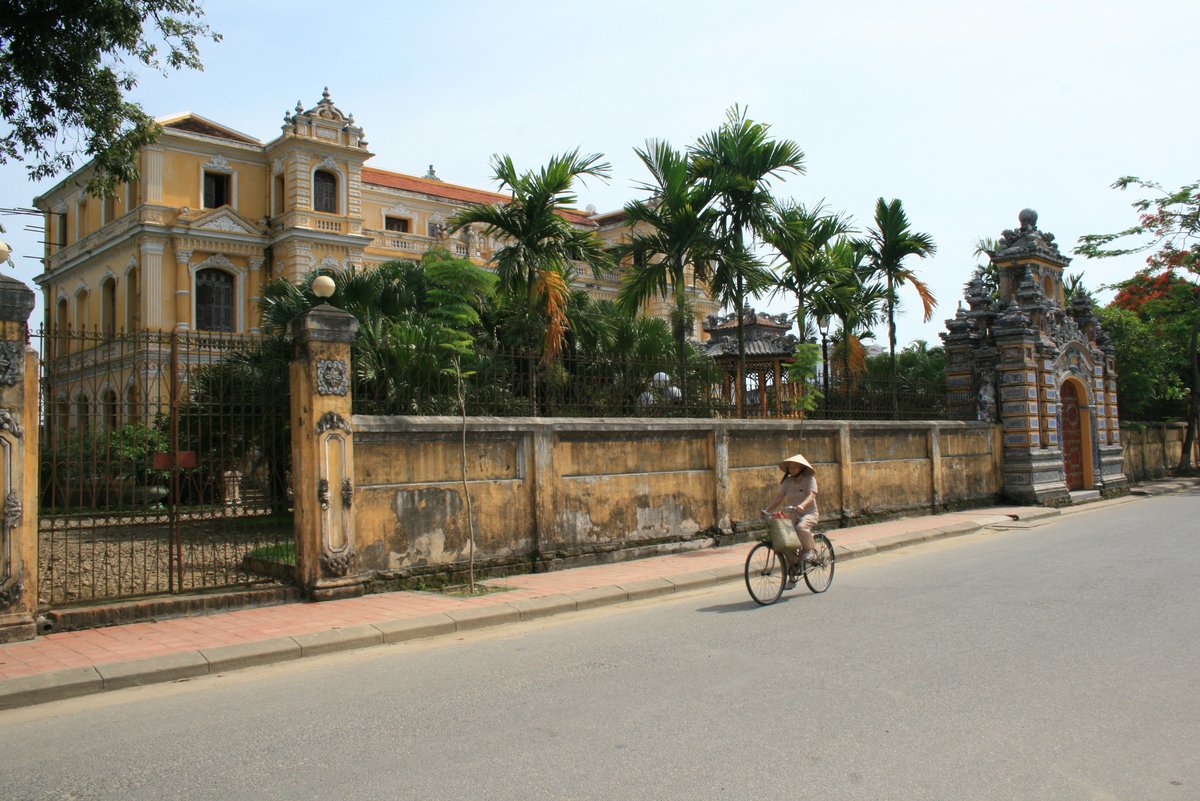
History of Cung An Định
Origins and Construction
Cung An Định, a historic site located in Huế, Vietnam, was originally constructed in 1917 by Emperor Khải Định, the 12th emperor of the Nguyễn Dynasty. The palace served as a private residence for the emperor and his family. The construction of Cung An Định marked a significant shift in architectural style, blending traditional Vietnamese elements with European influences, particularly French colonial architecture.
Architectural Significance
The architectural design of Cung An Định is a testament to the cultural and historical amalgamation that characterized early 20th-century Vietnam. The palace features a three-story main building, with each floor showcasing different architectural styles and decorative elements. The ground floor is adorned with intricate ceramic mosaics and bas-reliefs depicting scenes from Vietnamese folklore and history. The upper floors feature European-style balconies and windows, reflecting the influence of French colonial architecture.
One of the most striking features of Cung An Định is the main hall, which is decorated with elaborate murals and frescoes created by renowned Vietnamese artists of the time. These artworks depict various historical and mythological scenes. The palace also includes a chapel, which was used by the royal family for religious ceremonies and private worship.
Historical Events and Usage
Cung An Định played a significant role in the history of the Nguyễn Dynasty and Vietnam. After the death of Emperor Khải Định in 1925, the palace continued to serve as a residence for his son, Emperor Bảo Đại, the last emperor of Vietnam. During the turbulent years of the mid-20th century, the palace witnessed several important events, including the abdication of Emperor Bảo Đại in 1945, which marked the end of the Nguyễn Dynasty and the beginning of the Democratic Republic of Vietnam.
In the years following the abdication, Cung An Định was used for various purposes, including as a government office and a cultural center. The palace suffered significant damage during the Vietnam War, particularly during the Battle of Huế in 1968. Despite the damage, many of the palace's original features and decorations have been preserved, providing valuable insights into the history and culture of the Nguyễn Dynasty.
Restoration and Preservation
Efforts to restore and preserve Cung An Định began in the late 20th century, with the aim of protecting the palace's historical and cultural significance. In 1993, Cung An Định was recognized as a UNESCO World Heritage Site as part of the Complex of Huế Monuments (UNESCO). This designation has helped to secure funding and support for ongoing restoration and preservation efforts.
The restoration process has focused on repairing structural damage, restoring original decorative elements, and preserving the palace's unique architectural features. These efforts have been guided by historical records, photographs, and the expertise of conservation specialists. The goal of the restoration is to maintain the authenticity and integrity of Cung An Định, ensuring that future generations can appreciate its historical and cultural significance.
Visitor Information
Tickets
Tickets can be purchased at the entrance. For the latest ticket prices, visitors should check the official website of the Complex of Huế Monuments.
Opening Hours
The palace is generally open from 8 AM to 5 PM, but it is advisable to check the official website for any changes in opening hours.
Guided Tours
Guided tours are available for those who wish to learn more about the history and significance of the palace. These tours provide in-depth information and context to enhance the visitor experience.
Travel Tips
- Wear comfortable clothing and footwear: The palace grounds are extensive and require a fair amount of walking.
- Photography: Allowed in most areas, but visitors should be respectful of any restricted areas or exhibits.
- Follow guidelines: Adhere to all rules set by the palace staff to help preserve the site for future generations.
Special Events and Guided Tours
Cung An Định also serves as a venue for cultural events and exhibitions. These events provide opportunities for visitors to learn more about Vietnamese history, art, and culture. The palace's gardens and grounds are also open to the public, offering a peaceful and picturesque setting for visitors to enjoy.
FAQ
- What are the visiting hours for Cung An Định? The palace is generally open from 8 AM to 5 PM, but it is advisable to check the official website for any changes in opening hours.
- How much are the tickets for Cung An Định? For the latest ticket prices, visitors should check the official website of the Complex of Huế Monuments.
- What are the best times to visit Cung An Định? The best time to visit is during the dry season, from March to September, when the weather is most favorable.
Listen to the full story in the app
The whole An Dinh Residence,
told well.
Audio guides for 1,100+ cities across 96 countries. History, stories, and local insight — offline ready.
Verified, and shown.
Researched and written by the Audiala editorial team from historical records, architectural archives, and local expertise.
Researched from Wikidata, Wikipedia & official sources · fact-checked · How we make our guides →