Exploring Ngũ Hành Sơn (Marble Mountains), Da Nang - History, Visiting Hours, and Cultural Significance
Introduction
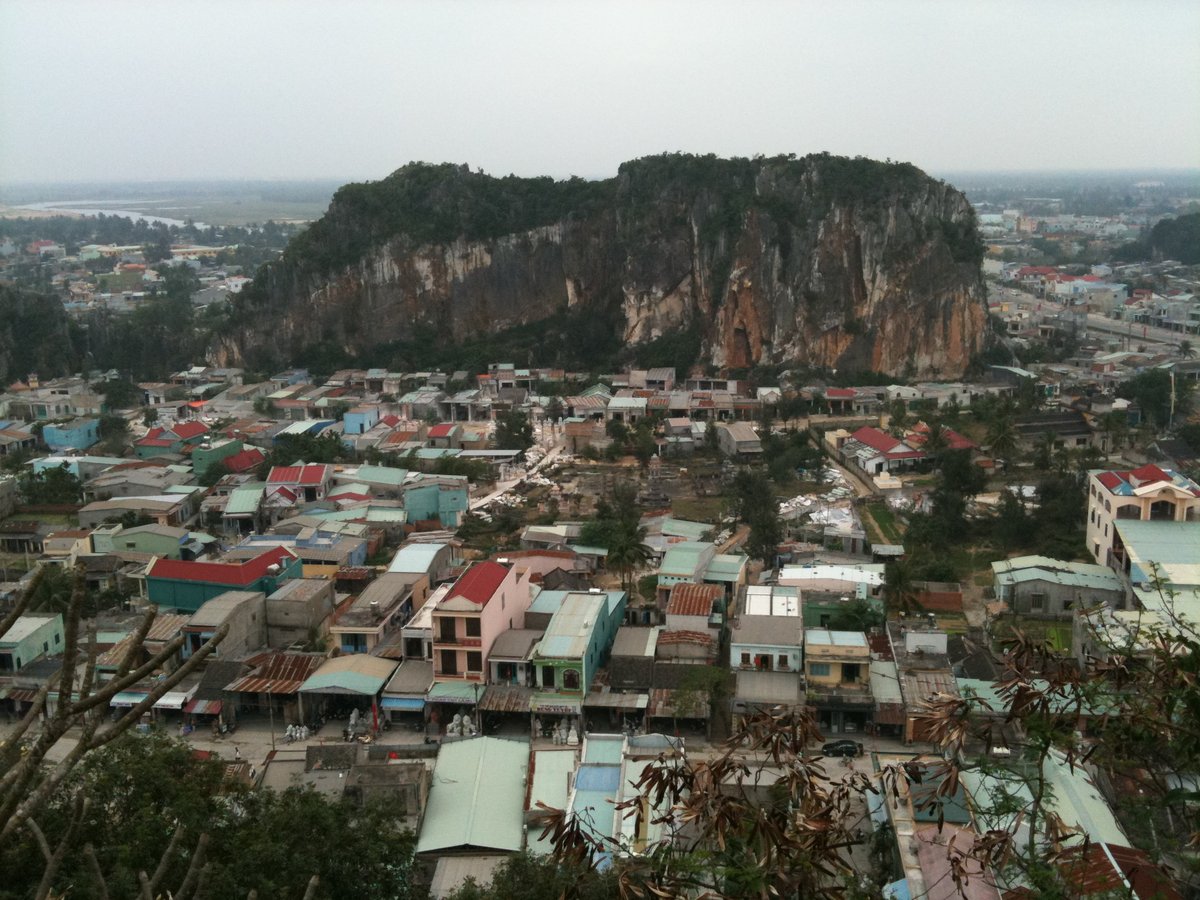
Ngũ Hành Sơn, also known as the Marble Mountains, is a cluster of five marble and limestone hills located in Da Nang, Vietnam. These mountains are named after the five elements - Kim (Metal), Thuy (Water), Moc (Wood), Hoa (Fire), and Tho (Earth). Steeped in mythology and history, Ngũ Hành Sơn is a significant cultural landmark and a popular tourist destination in Vietnam.
Ancient Origins and Mythology
The origins of the Marble Mountains are rooted in local mythology. According to legend, a dragon emerged from the sea and laid an egg on the coast. After a thousand days and nights, the egg hatched, and a beautiful girl emerged. The broken pieces of the eggshell grew into the five mystical mountains (Vietnam Online).
Historical Significance in Vietnamese Culture
During the Champa Kingdom era, which lasted from the 2nd to the 15th century, the mountains were considered sacred. The Cham people, influenced by Hinduism and later Buddhism, built numerous temples and sanctuaries within the caves and on the peaks of these mountains. These structures were dedicated to various deities and were used for religious ceremonies and pilgrimages (Vietnam Guide).
Buddhist Influence and Development
With the rise of the Đại Việt (Vietnamese) Empire, the Marble Mountains continued to be a site of religious importance, particularly for Buddhists. During the 17th century, under the Nguyễn Lords, many Buddhist temples and pagodas were constructed. One of the most notable is the Tam Thai Pagoda, built in 1630. This pagoda, along with others like Linh Ung Pagoda, became centers for Buddhist worship and meditation (Vietnam Travel).
Role During the Vietnam War
The Marble Mountains played a strategic role during the Vietnam War. Due to their location near the American airbase in Da Nang, the mountains were used by the Viet Cong as a hideout and a base of operations. The complex network of caves provided natural cover and storage for supplies. The American forces conducted several operations to flush out the Viet Cong, but the rugged terrain and the extensive cave system made it difficult to completely secure the area (History Net).
Post-War Period and Modern Development
After the Vietnam War, the Marble Mountains gradually transformed into a popular tourist destination. The Vietnamese government recognized the cultural and historical significance of the site and took steps to preserve and promote it. In 1990, the Marble Mountains were officially designated as a national historical and cultural site (Vietnam Tourism).
Archaeological Discoveries
Recent archaeological excavations have uncovered numerous artifacts that provide insight into the long history of the Marble Mountains. These discoveries include ancient Cham sculptures, pottery, and tools, as well as Buddhist relics from various periods (Vietnam Net).
Preservation Efforts
The preservation of the Marble Mountains is a collaborative effort involving local authorities, historians, and conservationists. Efforts focus on maintaining the structural integrity of the ancient temples and pagodas, as well as protecting the natural environment. Sustainable tourism practices are encouraged to minimize the impact on the site. Educational programs and guided tours are also offered to raise awareness about the historical and cultural significance of the Marble Mountains (UNESCO).
Cultural Festivals and Events
The Marble Mountains are a site of historical and religious significance and a venue for cultural festivals and events. One of the most notable is the annual Quan The Am Festival, held at the Quan The Am Pagoda. This festival, which takes place in the third lunar month, attracts thousands of pilgrims and tourists. It features traditional music, dance performances, and religious ceremonies, celebrating the Buddhist goddess of mercy, Quan The Am (Avalokitesvara) (Vietnam Plus).
Visitor Information
- Visiting Hours The Marble Mountains are open daily from 7:00 AM to 5:30 PM.
- Ticket Prices Entry tickets cost approximately 40,000 VND for adults and 10,000 VND for children.
- Travel Tips Wear comfortable shoes, bring water, and be prepared for a lot of walking and climbing. Guided tours are available for a more in-depth experience.
Nearby Attractions
- My Khe Beach A famous beach located nearby, perfect for relaxing after exploring the mountains.
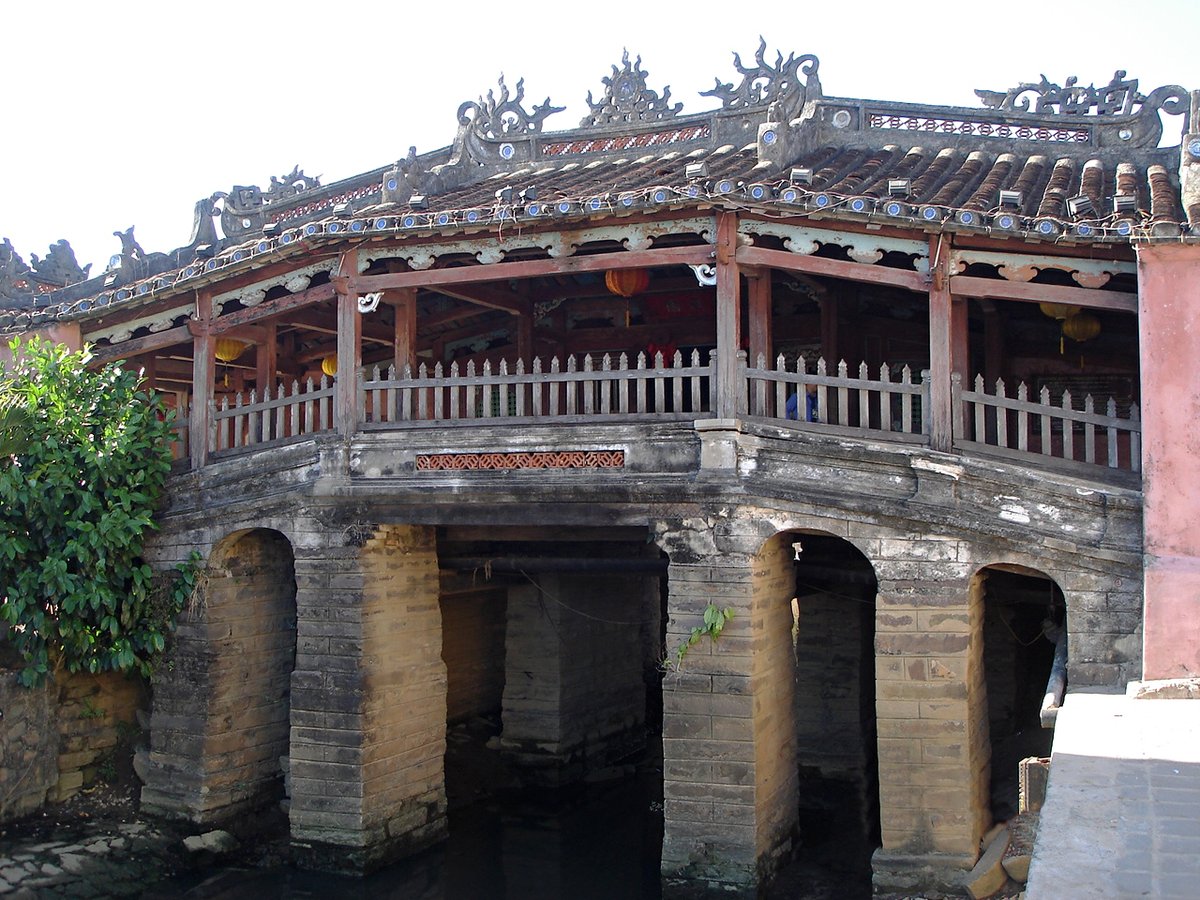
- Hoi An Ancient Town A well-preserved historic town about 20 km from Da Nang, offering a glimpse into Vietnam's past.
Accessibility
- How to Get There The Marble Mountains are located about 9 km south of Da Nang city center. They are easily accessible by taxi, motorbike, or bus.
- Facilities for Disabled Visitors While the terrain can be challenging, efforts are being made to improve accessibility for disabled visitors, including the installation of ramps and handrails in certain areas.
FAQ Section
- What are the Ngũ Hành Sơn visiting hours? The Marble Mountains are open daily from 7:00 AM to 5:30 PM.
- How much are tickets to Ngũ Hành Sơn? Entry tickets cost approximately 40,000 VND for adults and 10,000 VND for children.
- Are there guided tours available? Yes, guided tours are available and recommended for a more comprehensive understanding of the site.