Plan and listen to Xá Lợi Pagoda with Audiala.
Audio guide in your pocket, itinerary in your browser. Built for the way you actually visit.
Introduction
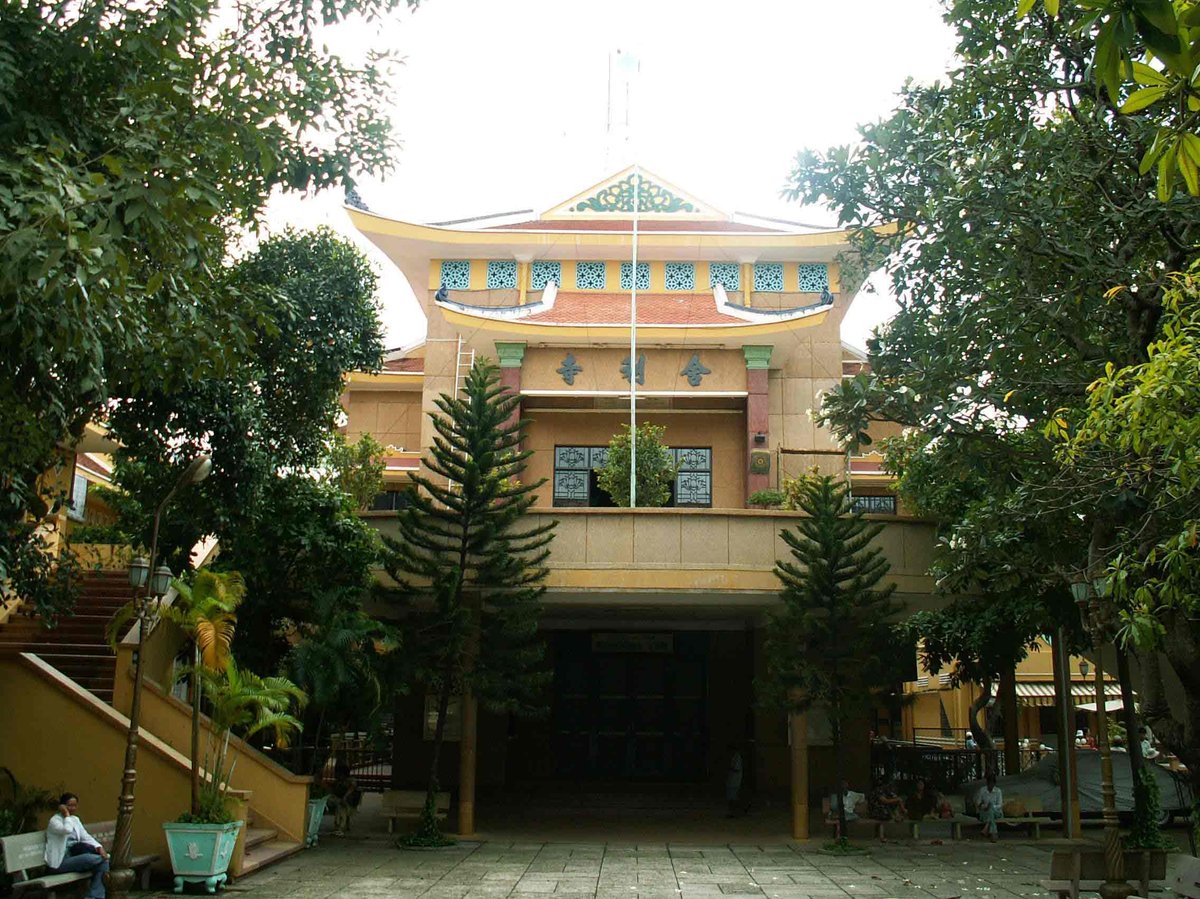
Xá Lợi Pagoda (Chùa Xá Lợi), situated in the bustling District 3 of Ho Chi Minh City, stands as the city's largest Buddhist pagoda and a profound symbol of Vietnam’s religious, historical, and cultural identity. Renowned for its unique blend of traditional Vietnamese Buddhist architecture and modernist design, Xá Lợi Pagoda is not only a spiritual sanctuary but also a site of significant historical events, particularly during the turbulent 1960s. This guide offers a comprehensive look at the pagoda’s origins, architecture, visitor information, and practical tips, ensuring an enriching experience for travelers and spiritual seekers alike. (Vietdream Travel; Vietnam Tourism)

Historical Background
Origins and Construction
Xá Lợi Pagoda was constructed between 1956 and 1958 to enshrine sacred relics of Gautama Buddha, with the term “Xá Lợi” translating the Sanskrit "śarīra," meaning Buddhist relics. Designed by architects Trần Văn Đường and Đỗ Bá Vinh, the pagoda occupies approximately 5,000 square meters, making it the largest in Ho Chi Minh City. Its inauguration by the venerable monk Khánh Anh marked the beginning of its pivotal role in the city’s Buddhist community. (Dakini Translations)
Role as a Buddhist Headquarters
From 1951 to 1981, Xá Lợi Pagoda served as the headquarters of the South Vietnamese Buddhist Association, and later, until 1993, as the headquarters of the Vietnam Buddhist Sangha. It was also a teaching site for Vạn Hạnh University in the mid-1960s, cementing its status as a dynamic center for Buddhist education, administration, and activism. (Vietdream Travel)
The 1963 Buddhist Crisis and Raids
During the early 1960s, President Ngô Đình Diệm’s Catholic-favoring regime marginalized Vietnam's Buddhist majority. Xá Lợi Pagoda became a key site for Buddhist activism. On August 21, 1963, it was one of several pagodas raided in a violent crackdown on Buddhist leaders and activists, which resulted in international condemnation and contributed to the eventual overthrow of the Diệm regime. Today, the pagoda preserves documents and relics from this struggle, including materials related to Thích Quảng Đức’s self-immolation—a defining act of protest in Vietnamese history. (Wikipedia; Local Vietnam; Scooter Saigon Tour)
Restoration and Ongoing Significance
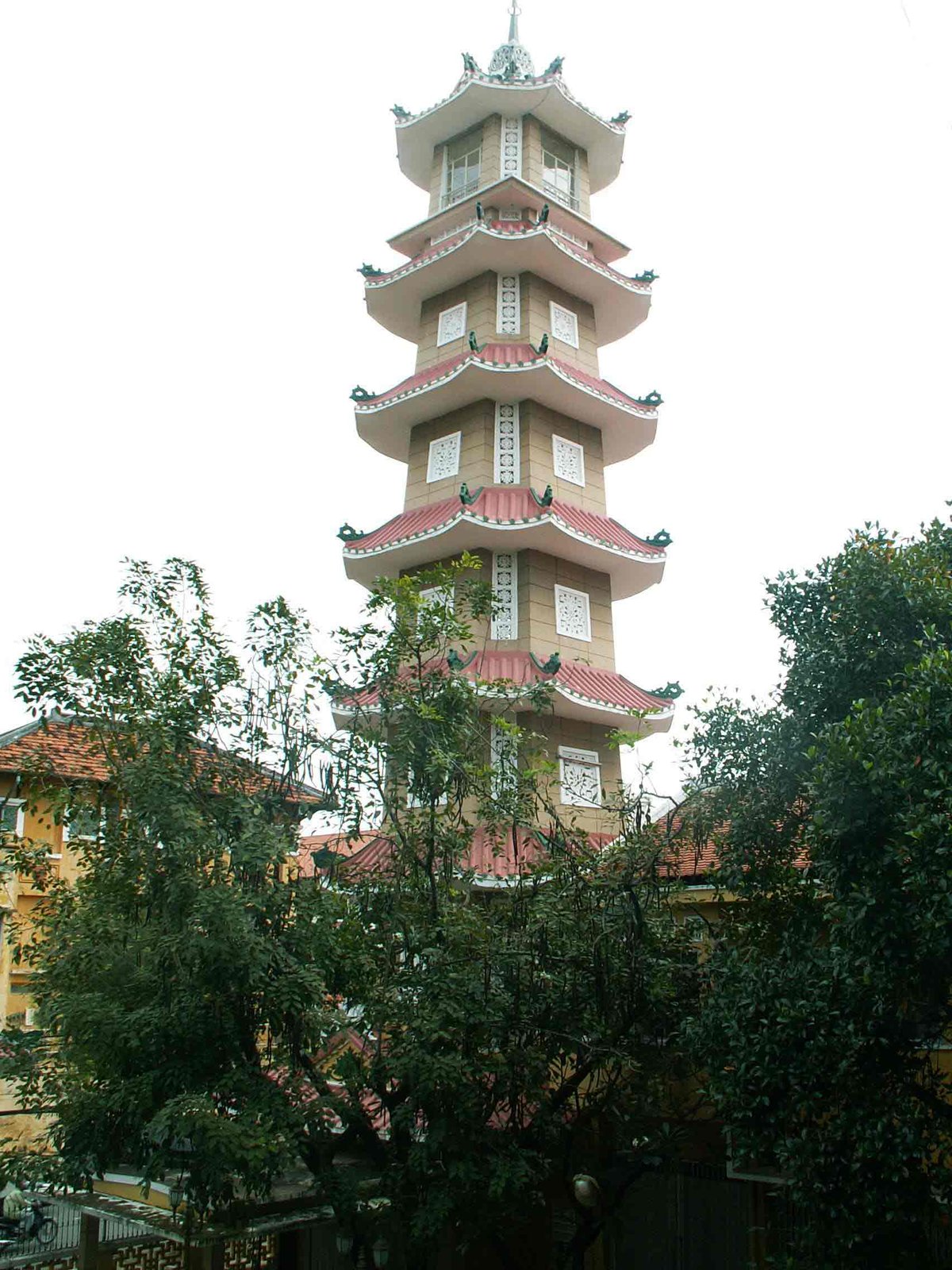
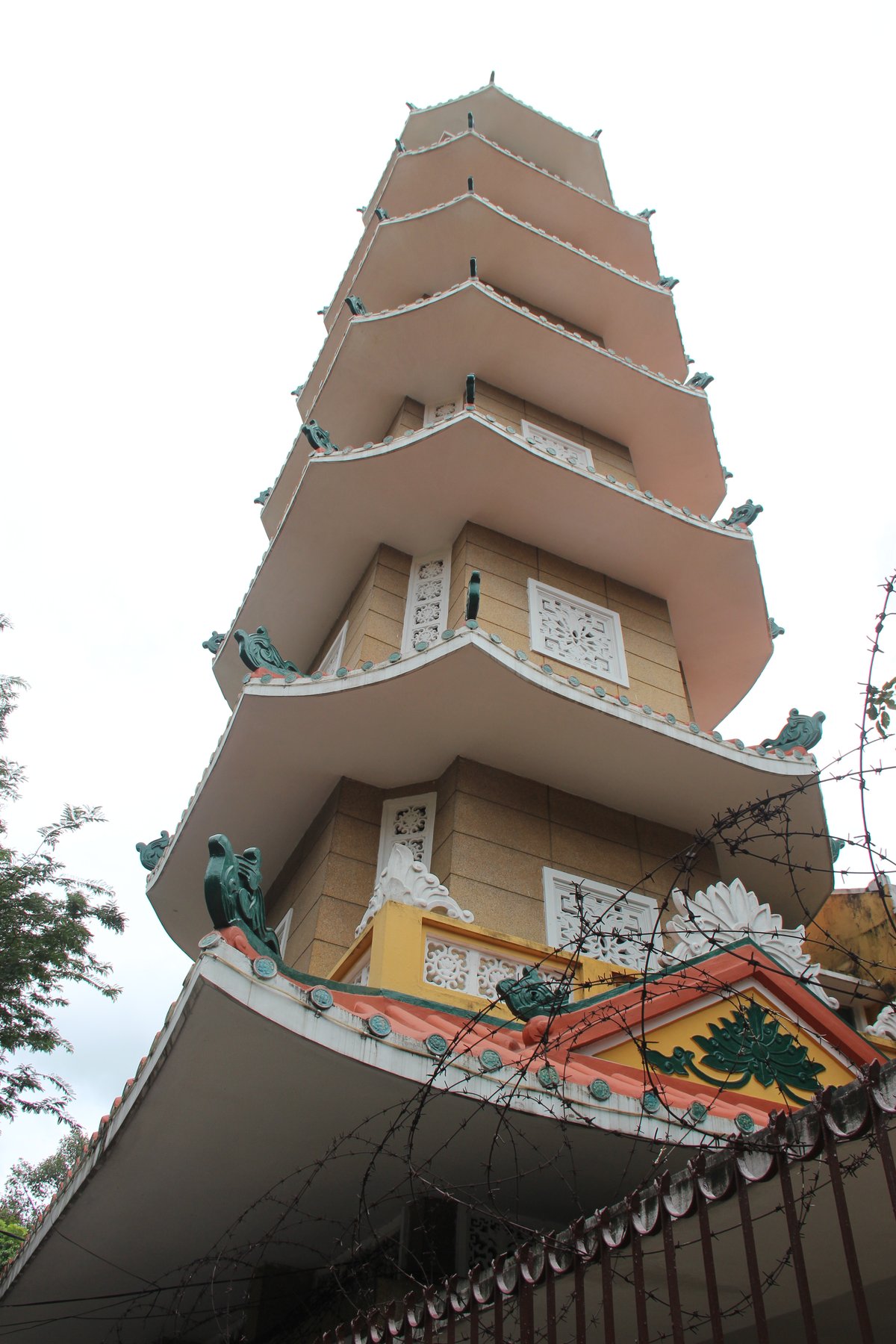
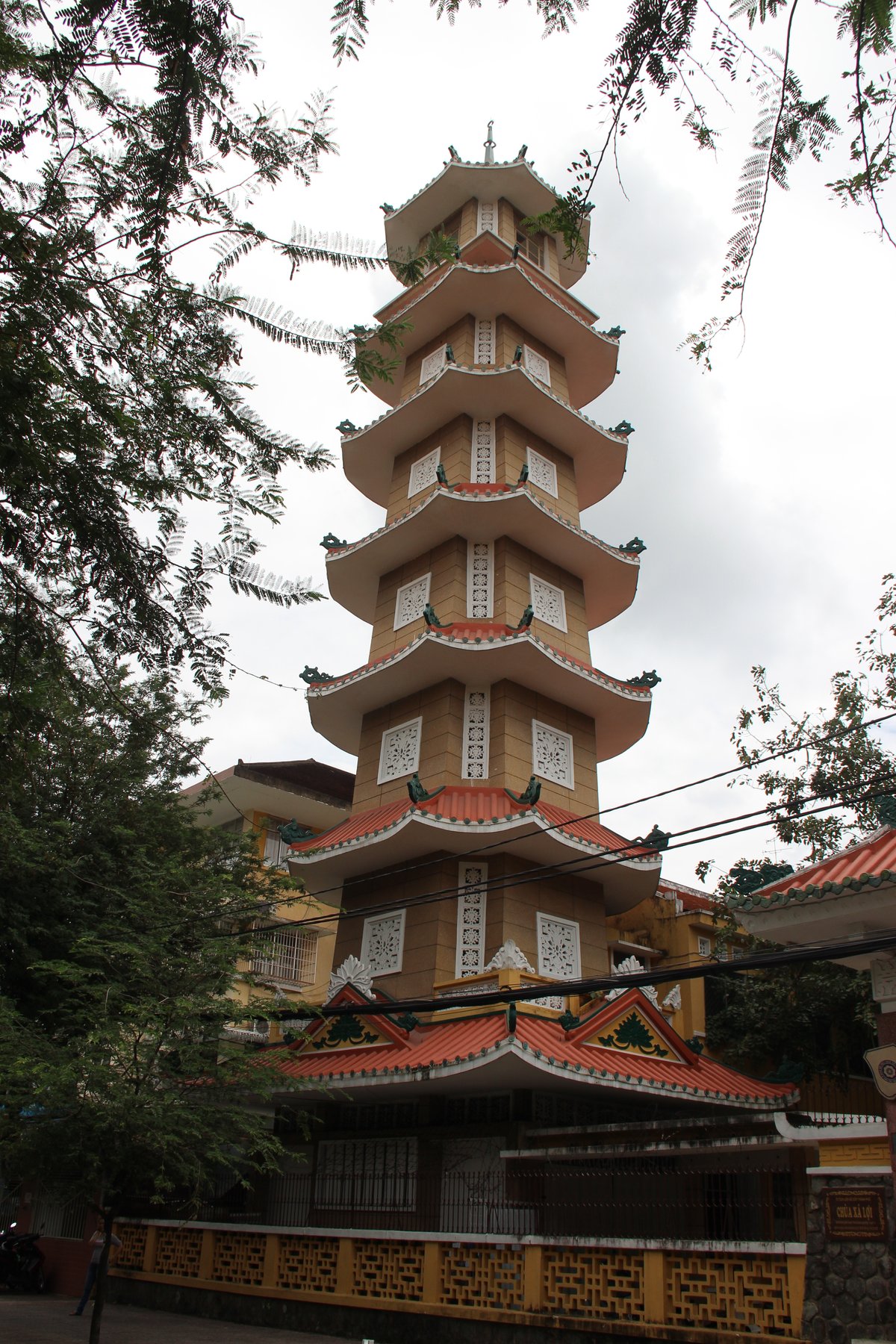
After the raids, Xá Lợi Pagoda underwent restoration and continued to serve as a vital religious and community hub. In 1961, the seven-story bell tower was added, further distinguishing the pagoda. New halls and statues have been added over the years, reflecting both continuity and innovation. (Scooter Saigon Tour)
Architectural and Cultural Highlights
Site Plan and Layout
Encompassing approximately 2,500 square meters, Xá Lợi Pagoda is organized around a tranquil central courtyard. Key areas include:
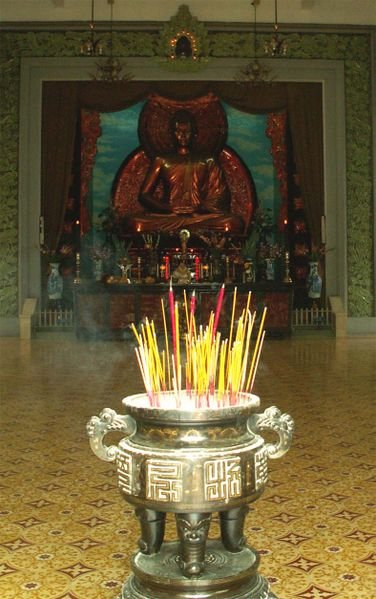
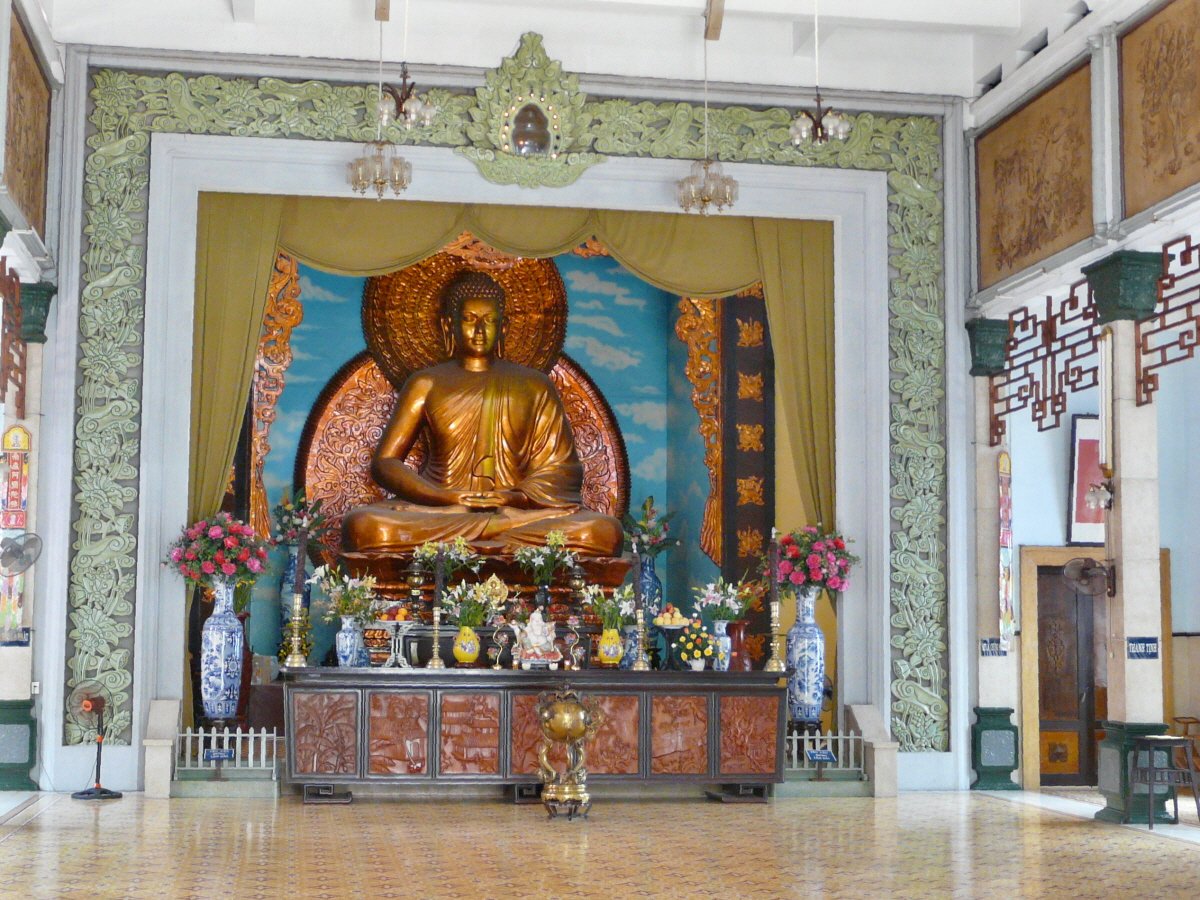
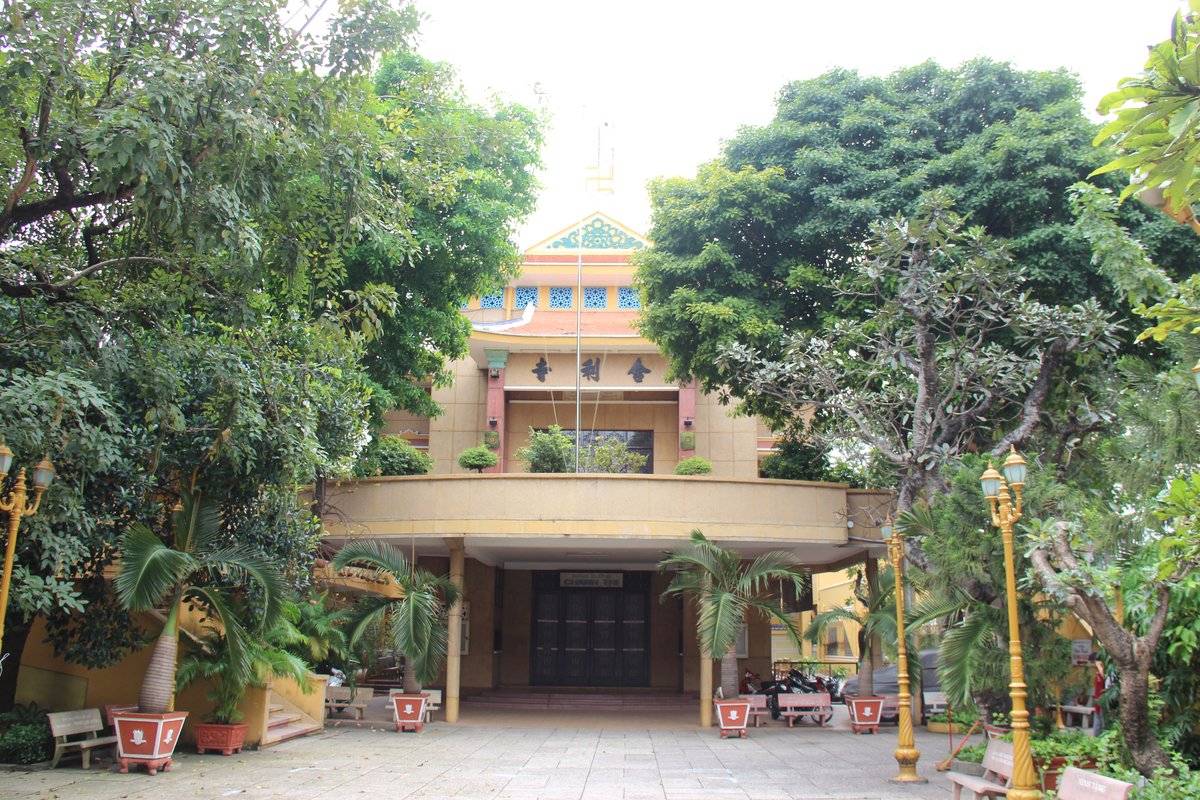
- Main Ceremonial Hall (Chánh Điện): The spiritual heart of the temple, featuring a gilded bronze statue of Shakyamuni Buddha and murals depicting the Buddha’s life.
- Seven-Story Bell Tower: Built in 1961, this 32-meter-tall tower houses a two-ton bronze bell and offers panoramic city views.
- Library: Home to thousands of Buddhist texts and literature, accessible to monks, scholars, and visitors.
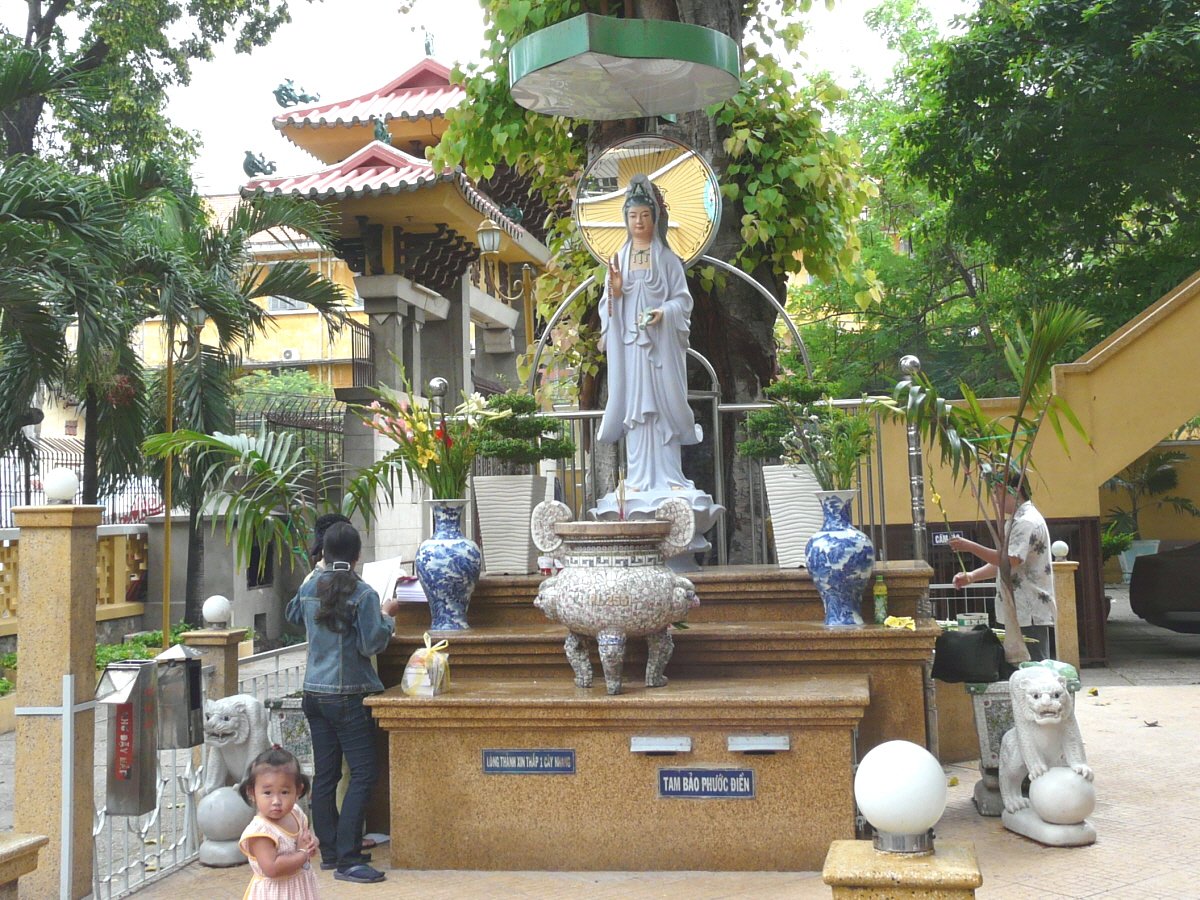
- Gardens: Courtyards shaded by frangipani, bodhi trees, and adorned with lotus ponds and statues encourage reflection and meditation. (Xá Lợi Pagoda Official Site)
Decorative and Symbolic Features
Xá Lợi Pagoda’s architecture is rich with Buddhist symbolism:
- Lotus Motifs: Embody purity and enlightenment, seen in carvings and lanterns.
- Stone Lions: Guard the entrance, believed to protect the temple.
- Statues of Bodhisattvas: Such as Guanyin (Avalokiteshvara), representing compassion.
- Artistic Panels: Fourteen sequential artworks by Dr. Nguyễn Văn Long narrate the life of Gautama Buddha. (Holy Shrines)
Modernist Influences
The pagoda’s design utilizes reinforced concrete for broader, more open spaces, blending traditional aesthetics with practical urban temple needs. The library and study halls feature minimalist décor and ample natural light, promoting learning and meditation. (Xá Lợi Pagoda Official Site)
Practical Visitor Information
Location and How to Get There
- Address: 89 Ba Huyen Thanh Quan, Ward 7, District 3, Ho Chi Minh City
- Distance: About 3 km from Ben Thanh Market; 7 km from Tan Son Nhat International Airport; 2 km from Ga Sài Gòn train station
- Transport: Taxi, ride-hailing apps (Grab), public buses, or motorbike. Parking is available for motorbikes.
Visiting Hours and Tickets
- Hours: Daily, 7:00 AM – 5:00 PM
- Admission: Free for all visitors (BestPrice Travel)
Accessibility
- Wheelchair Accessibility: The main courtyard and ground-level halls are accessible; the bell tower is not.
- Facilities: Restrooms available; bring your own drinking water.
Dress Code and Etiquette
- Dress Modestly: Shoulders and knees covered; no shorts or sleeveless tops.
- Shoes: Remove footwear before entering main halls.
- Behavior: Maintain silence in sacred spaces, set phones to silent, and avoid photography during ceremonies unless permitted.
Guided Tours and Special Events
- Guided Tours: Sometimes available through local operators, especially during festivals.
- Special Events: Major Buddhist festivals like Vesak and the lunar month’s 1st and 15th days offer opportunities to witness ceremonies and community gatherings.
Key Sights and Experiences
- Main Hall: Admire the central Buddha statue and sequential panels depicting the Buddha’s life.
- Bell Tower: Climb for panoramic city views and see the massive bronze bell.
- Gardens: Enjoy shaded courtyards, lotus ponds, and statues of Guanyin.
- Library: Explore Buddhist texts and cultural literature.
Visitor Tips
- Best Times: Early mornings on weekdays for tranquility; festivals for vibrant atmosphere.
- Hydration: Bring bottled water, especially in dry season (Dec–Apr).
- Language: Basic Vietnamese phrases are helpful; English is limited among staff.
- Donations: Not required, but offering boxes are available for those wishing to contribute.
Suggested Itinerary
Combine your visit to Xá Lợi Pagoda with nearby historical sites:
- Morning: Explore the pagoda's main hall and bell tower.
- Lunch: Try a local vegetarian restaurant.
- Afternoon: Visit the War Remnants Museum or Independence Palace.
Frequently Asked Questions (FAQ)
Q: What are the visiting hours of Xá Lợi Pagoda?
A: Daily from 7:00 AM to 5:00 PM.
Q: Is there an entrance fee?
A: No, entry is free.
Q: Are guided tours available?
A: Occasionally, especially during special events; check with local operators.
Q: Is the pagoda wheelchair accessible?
A: The main courtyard and most halls are accessible, but the bell tower is not.
Q: Can I take photographs?
A: Yes, in outdoor and non-sacred areas; always ask before photographing interiors or people.
Q: What should I wear?
A: Modest attire covering shoulders and knees.
Summary and Final Thoughts
Xá Lợi Pagoda is a living testament to Vietnam’s spiritual devotion, cultural resilience, and architectural innovation. From its foundational role in Buddhist activism during the 1963 crisis to its ongoing function as a religious and community hub, the pagoda offers visitors a window into the country’s history and traditions. Open daily and free to all, Xá Lợi Pagoda invites exploration and reflection—whether you seek spiritual insight, architectural beauty, or a deeper understanding of Vietnam’s journey toward religious freedom. (Lonely Planet)
For the best experience, visit during quiet hours, dress respectfully, and take time to appreciate the artistic and cultural details. Extend your journey by exploring nearby historical sites and engaging with the local community.
Listen to the full story in the app
The whole Xá Lợi Pagoda,
told well.
Listen to sourced travel stories with local history and practical context — ready offline.
Verified, and shown.
Researched and written by the Audiala editorial team from historical records, architectural archives, and local expertise.
Built from cited sources · see the method · How we make our guides →