Plan and listen to Quan Am Temple with Audiala.
Audio guide in your pocket, itinerary in your browser. Built for the way you actually visit.
Introduction
Chùa Quan Âm, also known as Quan Âm Pagoda, stands as a significant spiritual and cultural landmark in Ho Chi Minh City, Vietnam. Established in the early 19th century during the Nguyễn Dynasty by Chinese immigrants in the Chợ Lớn area, the temple is dedicated to Quan Âm, the Bodhisattva of Compassion. The pagoda not only offers a serene retreat for worship and meditation but also serves as a testament to the rich cultural heritage and architectural prowess of the region (Vietnam Online). Over the years, Chùa Quan Âm has evolved architecturally, blending traditional Chinese and Vietnamese elements, and has played a pivotal role in the socio-cultural and spiritual life of the community. The temple's significance extends beyond its religious functions, having served as a center for cultural resistance during the French colonial period and as a site for peace movements during the Vietnam War. Today, it continues to attract both local devotees and international tourists, offering a unique glimpse into Vietnam's historical and cultural tapestry.

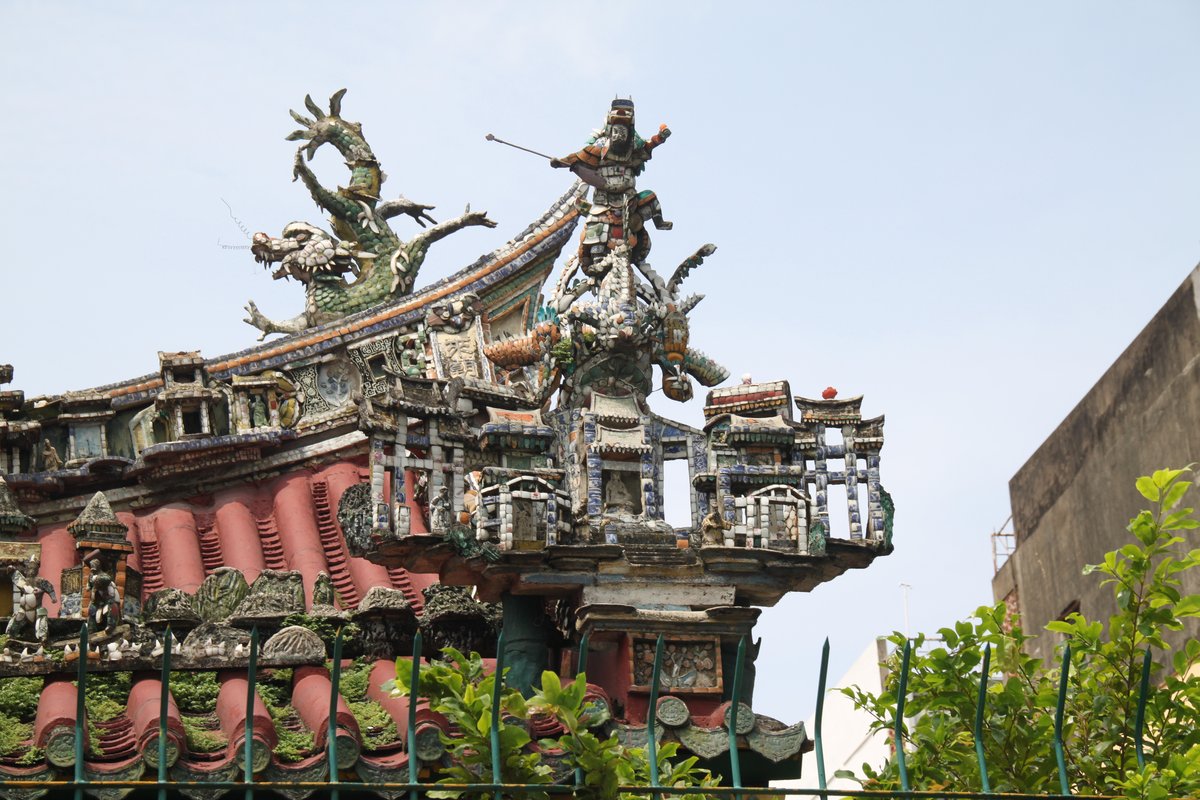
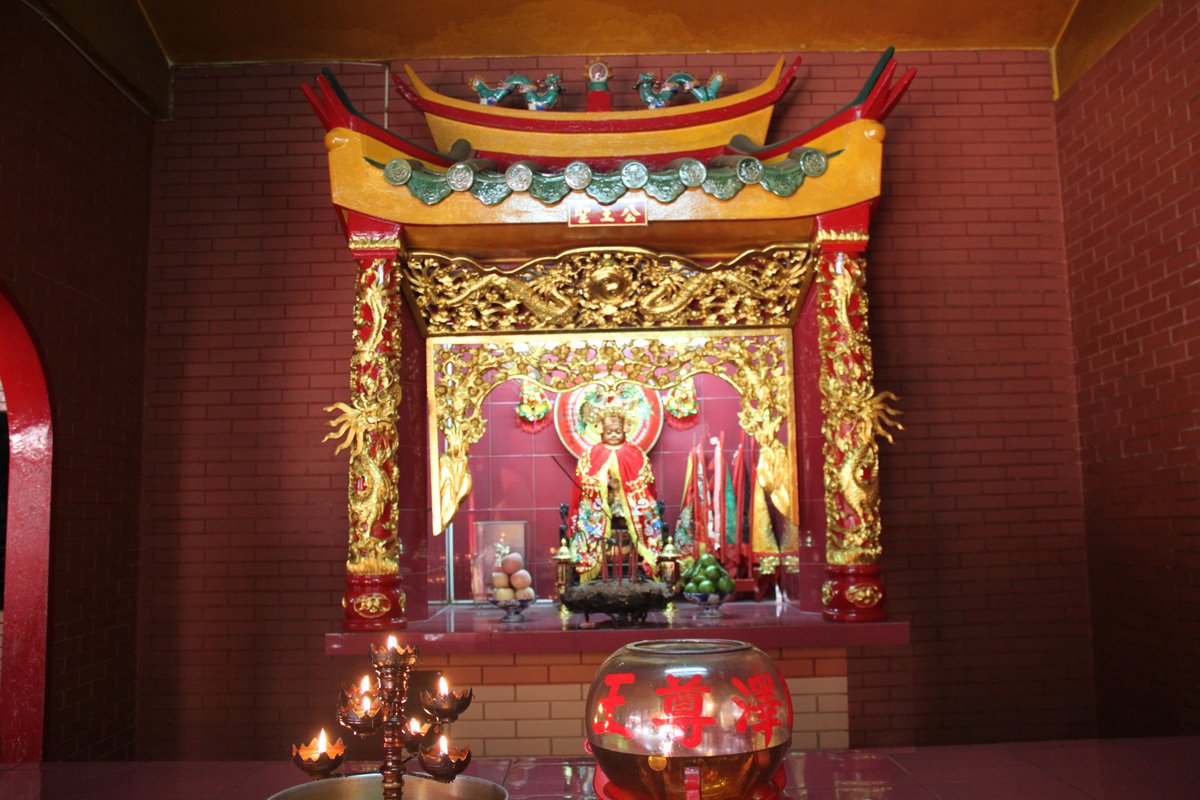
History of Chùa Quan Âm
Origins and Early Development
Chùa Quan Âm traces its origins back to the early 19th century during the Nguyễn Dynasty. It was initially constructed by Chinese immigrants in the Chợ Lớn area (now District 5) of Ho Chi Minh City. These immigrants brought their religious practices, including veneration of Quan Âm, creating a spiritual hub for worship, meditation, and community gatherings.
Architectural Evolution
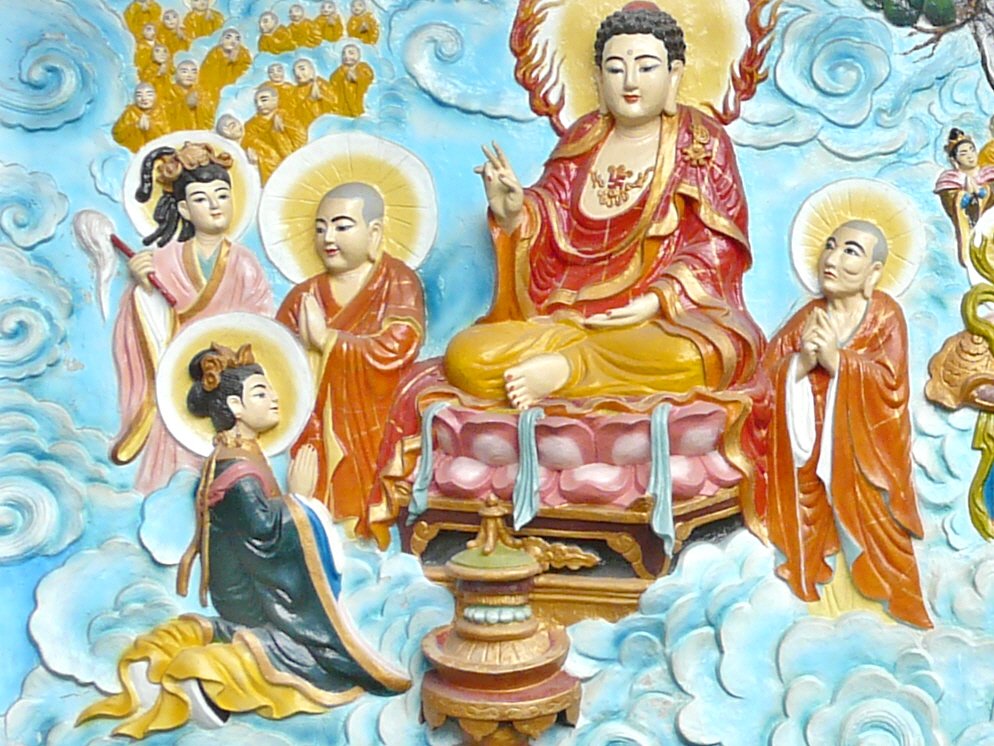
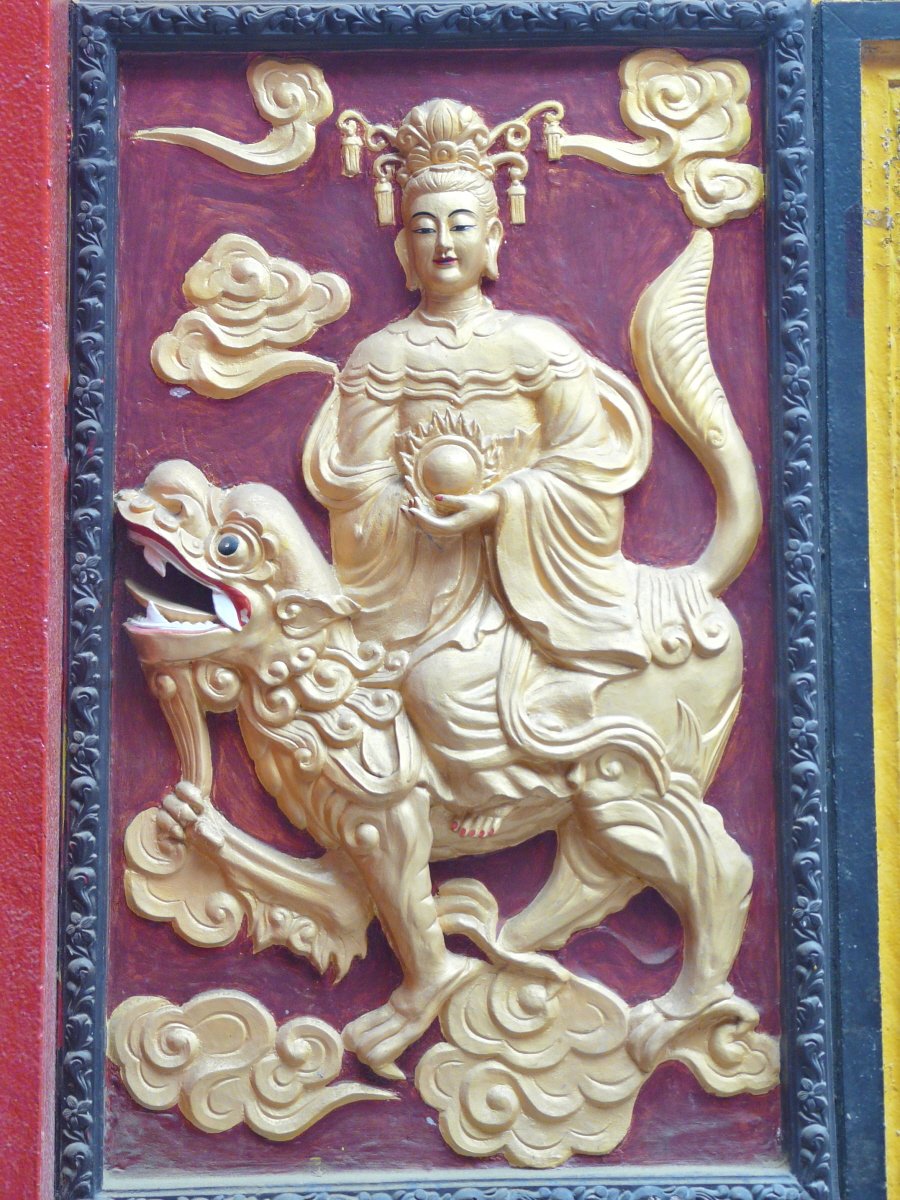
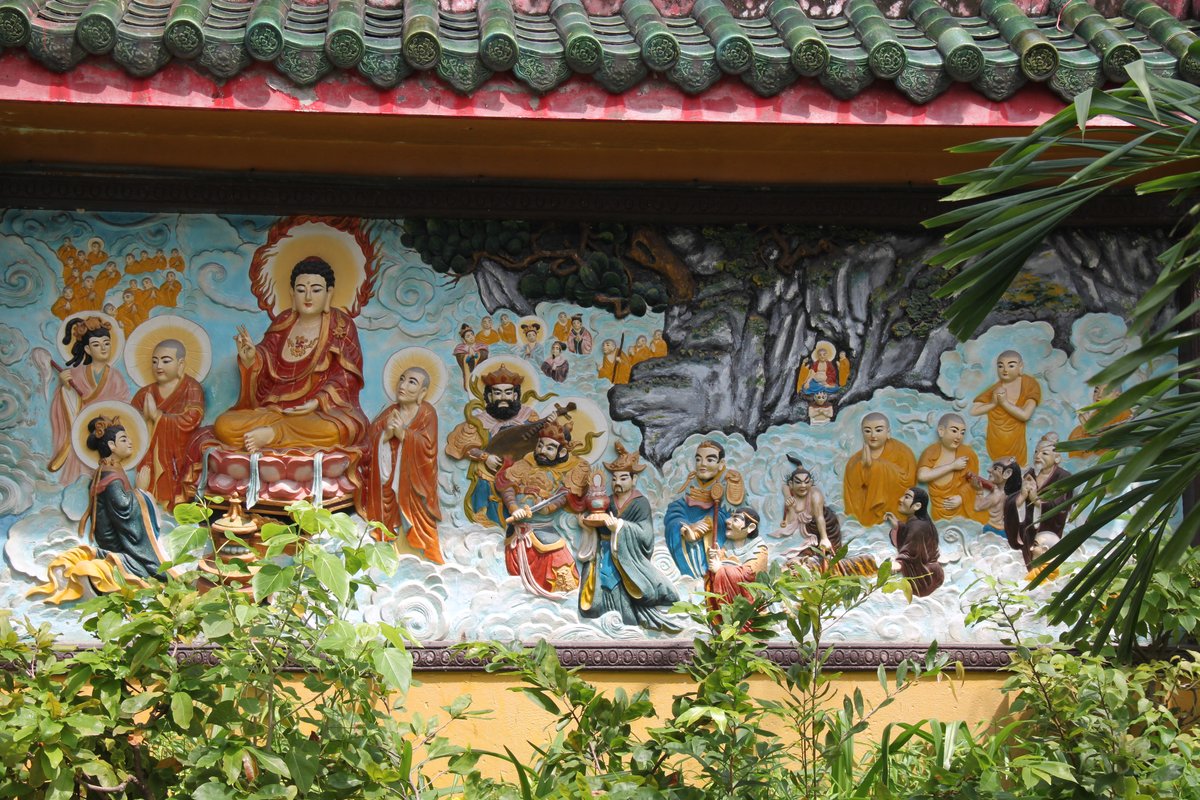
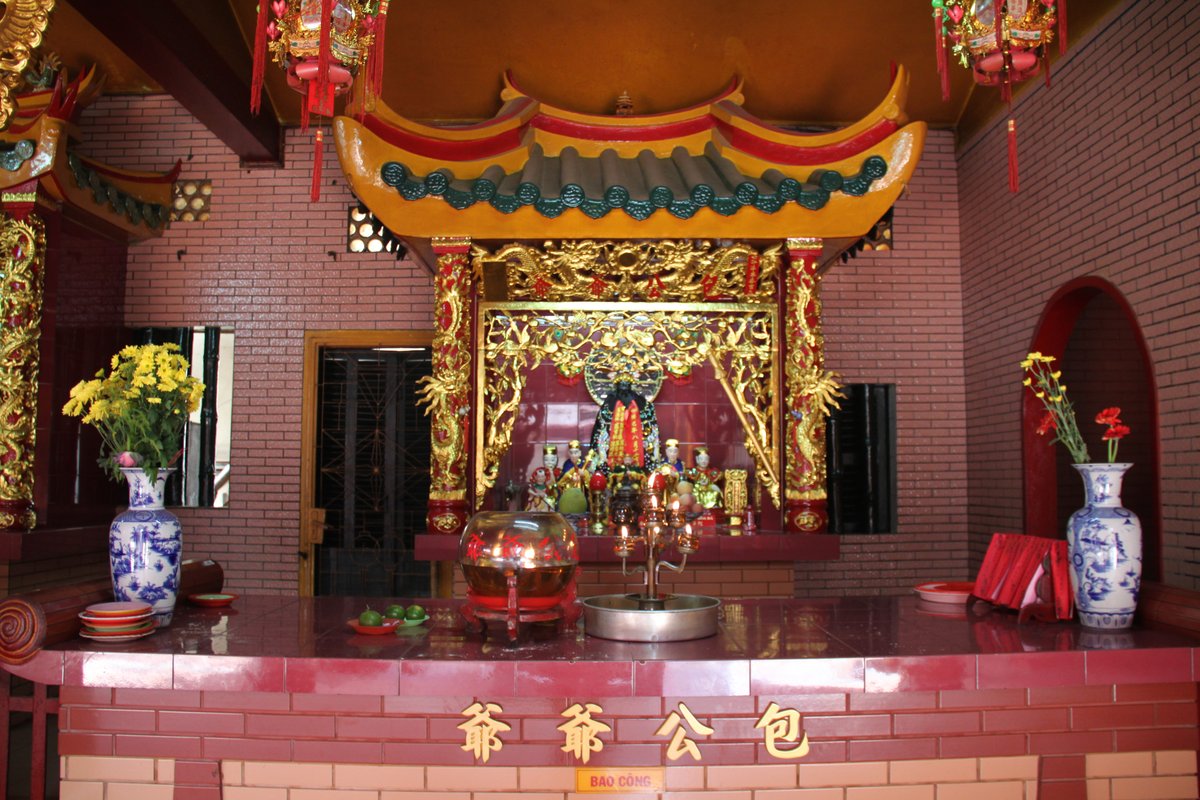
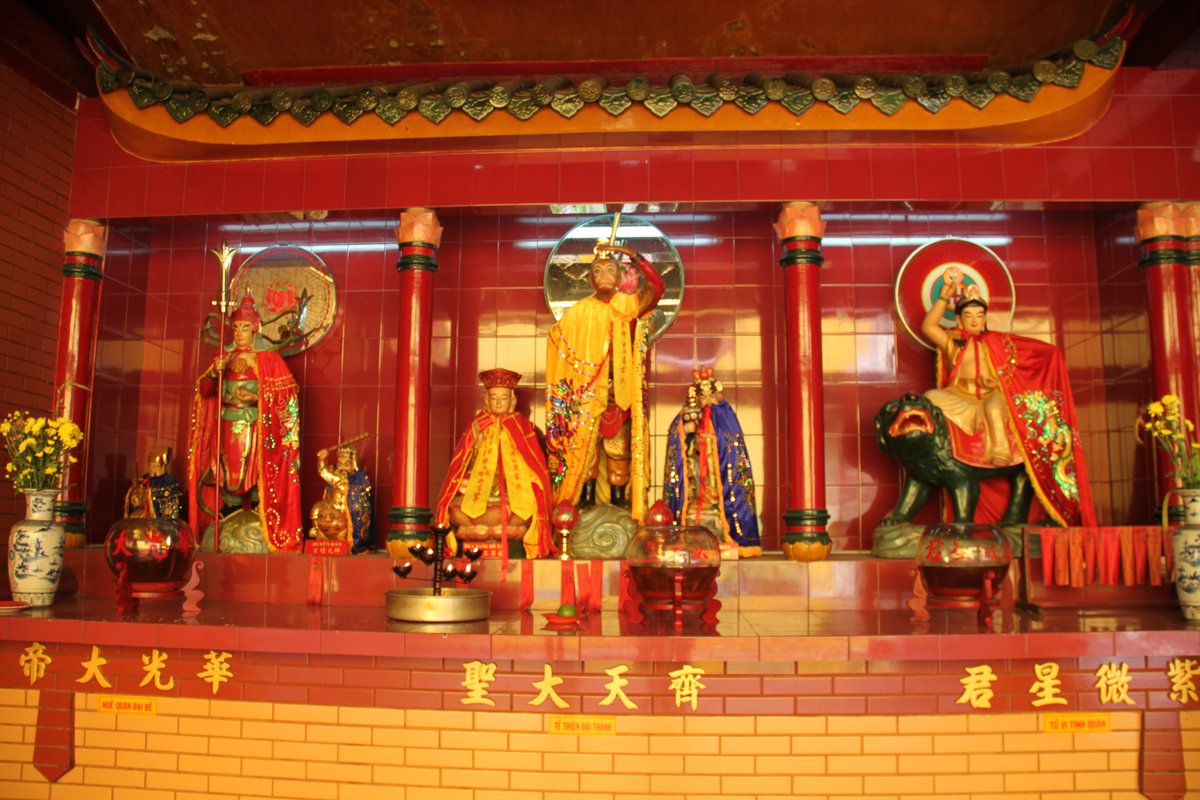
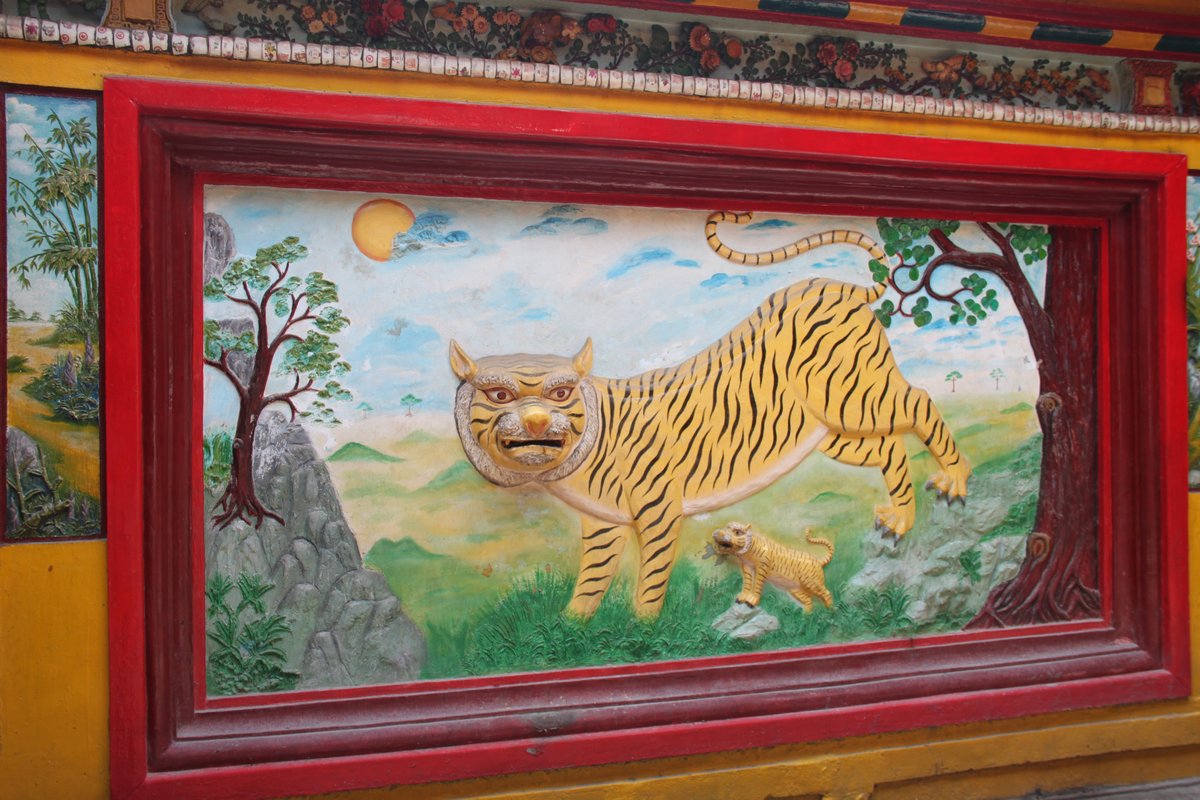
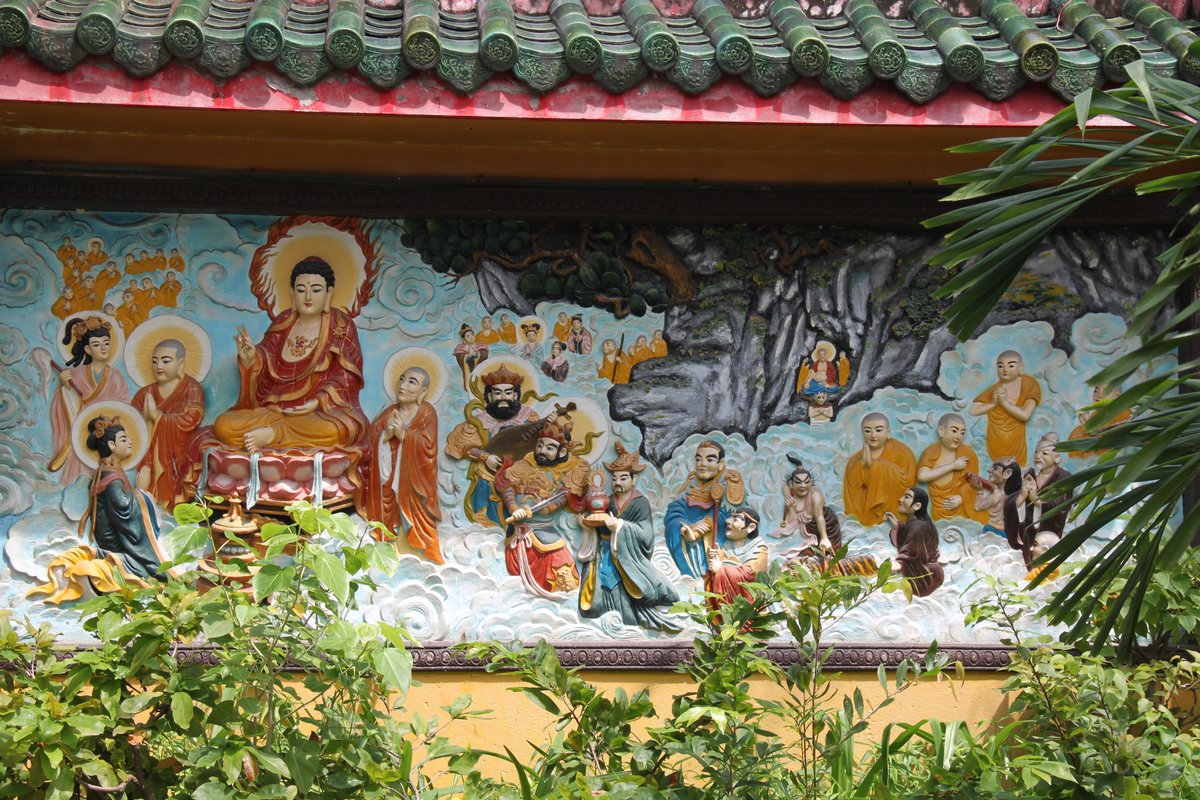
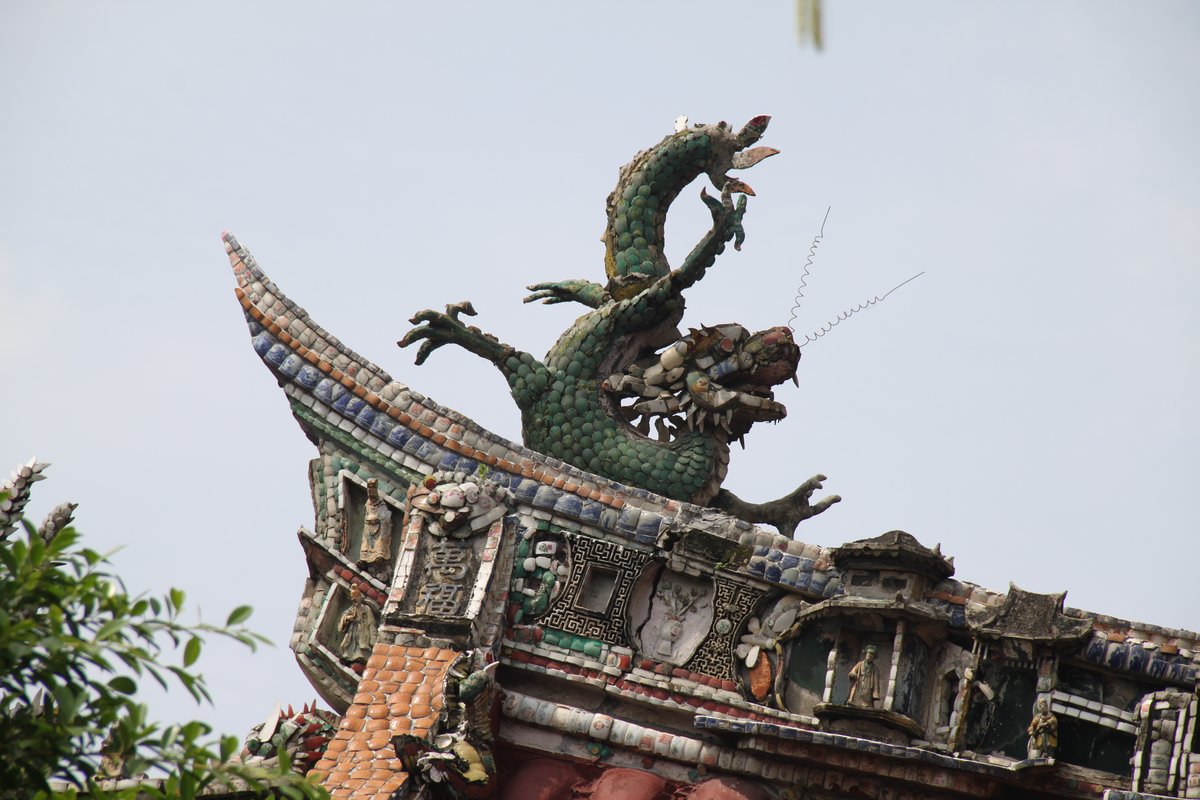
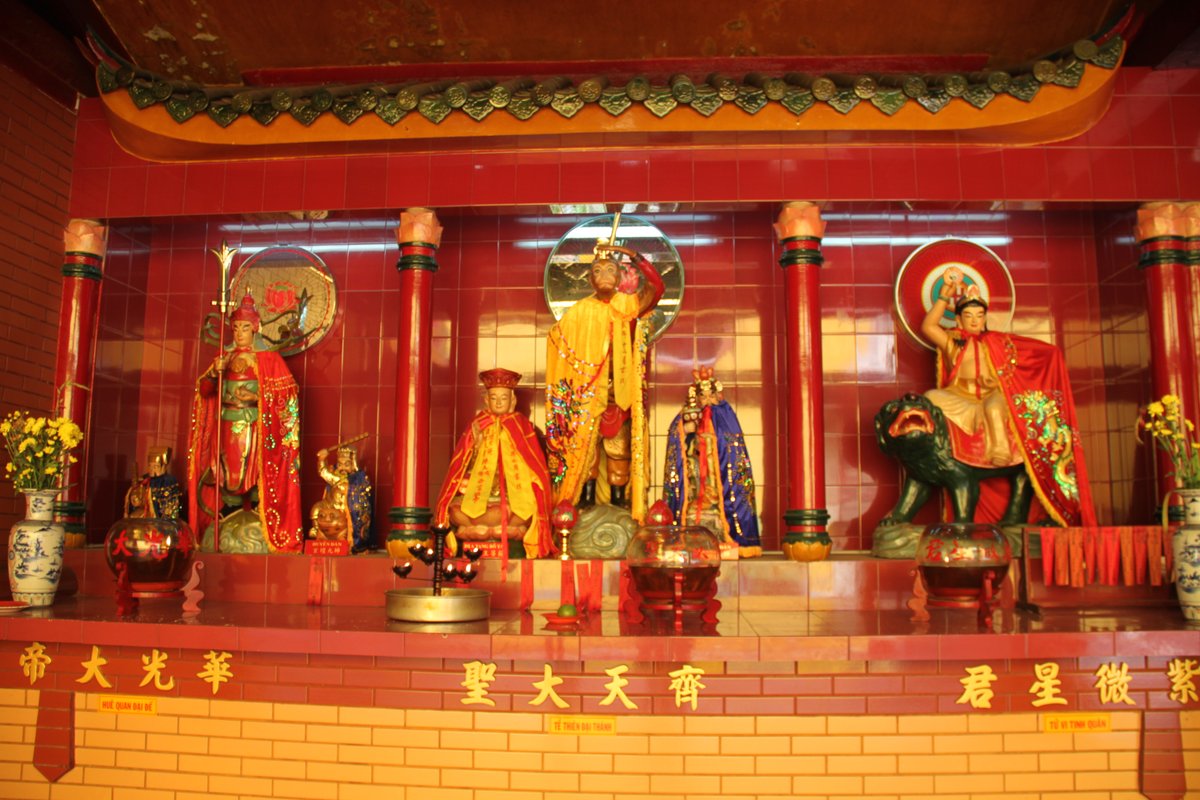
Over the years, Chùa Quan Âm has undergone several renovations and expansions. Its architectural style features a mix of traditional Chinese and Vietnamese elements. The Đại Hùng Bảo Điện hall showcases intricate wood carvings, ornate altars, and statues of various Buddhist deities, including Quan Âm. The multi-tiered pagoda, adorned with colorful ceramic tiles and dragon motifs, is a standout feature.
Historical Significance
Chùa Quan Âm has played a crucial role in the cultural and spiritual life of Ho Chi Minh City. During the French colonial period, it served as a center for cultural resistance and preservation of Vietnamese identity. In the mid-20th century, during the Vietnam War, it provided solace and support to affected individuals, becoming a site for anti-war protests and peace movements.
Modern-Day Relevance
Today, Chùa Quan Âm remains an active place of worship and a popular tourist destination. It hosts various religious ceremonies, festivals, and charitable activities. The annual celebration of Quan Âm's birthday is a major event that attracts large crowds seeking blessings.
Visitor Information
Visiting Hours
Chùa Quan Âm is open daily from 6:00 AM to 6:00 PM.
Tickets
Entrance is free, but donations are welcome to support temple maintenance and activities.
Travel Tips
- Dress Modestly: Wear appropriate clothing that covers shoulders and knees.
- Respectful Behavior: Remove shoes before entering the main hall and maintain a quiet demeanor.
- Photography: Allowed, but be respectful of worshippers and avoid using flash inside the main hall.
Nearby Attractions
While visiting Chùa Quan Âm, explore nearby attractions such as Binh Tay Market, Thien Hau Temple, and the Museum of Traditional Vietnamese Medicine.
Accessibility
Chùa Quan Âm is accessible by taxi, bus, or motorbike. The temple grounds are wheelchair accessible, making it convenient for all visitors.
Preservation Efforts
Ongoing restoration projects aim to preserve the temple's structures for future generations. These efforts are essential in maintaining Chùa Quan Âm's cultural and historical legacy.
FAQ
- What are the visiting hours of Chùa Quan Âm? The temple is open daily from 6:00 AM to 6:00 PM.
- How much are tickets to Chùa Quan Âm? Entrance is free, though donations are appreciated.
- What are the best times to visit Chùa Quan Âm? Early mornings and late afternoons are ideal for a peaceful visit.
Listen to the full story in the app
The whole Quan Am Temple,
told well.
Listen to sourced travel stories with local history and practical context — ready offline.
Verified, and shown.
Researched and written by the Audiala editorial team from historical records, architectural archives, and local expertise.
Built from cited sources · see the method · How we make our guides →