Plan and listen to Museum Of Ho Chi Minh City with Audiala.
Audio guide in your pocket, itinerary in your browser. Built for the way you actually visit.
Introduction
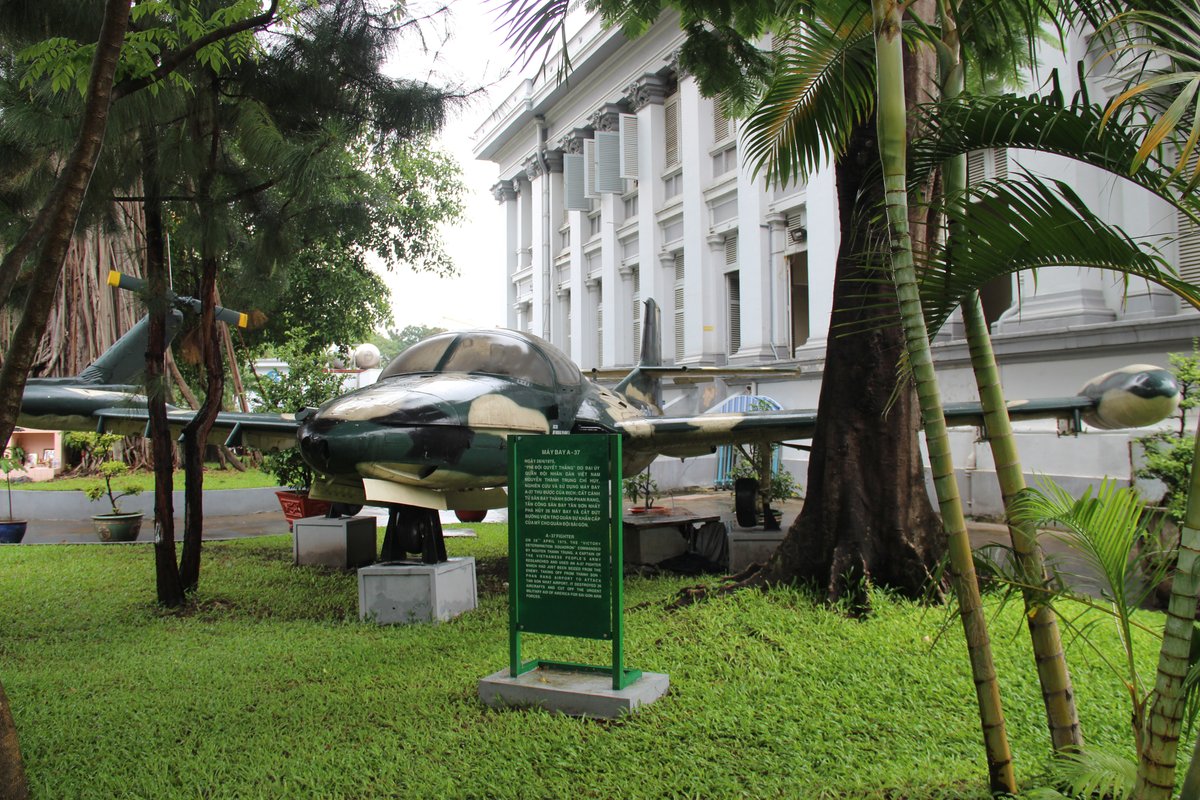
The Museum of Ho Chi Minh City, housed in the historic Gia Long Palace, stands as a significant cultural and historical landmark at the heart of Vietnam’s largest city. This iconic site offers visitors a comprehensive journey through the city’s colonial roots, revolutionary struggles, and vibrant contemporary identity. Gia Long Palace itself—a French colonial architectural gem completed in 1890—serves as a living witness to Saigon’s transformation from a strategic outpost to a bustling metropolis. Inside, thoughtfully curated exhibits and thematic galleries highlight everything from ancient trade to political milestones, providing a nuanced exploration of Ho Chi Minh City’s evolution (Wikipedia; Local Vietnam; VinWonders).
This guide covers essential information for visitors—hours, tickets, architectural highlights, nearby attractions, and practical travel tips—ensuring you make the most of your visit to one of Ho Chi Minh City’s most important historical sites.

Colonial Origins and Early Functions
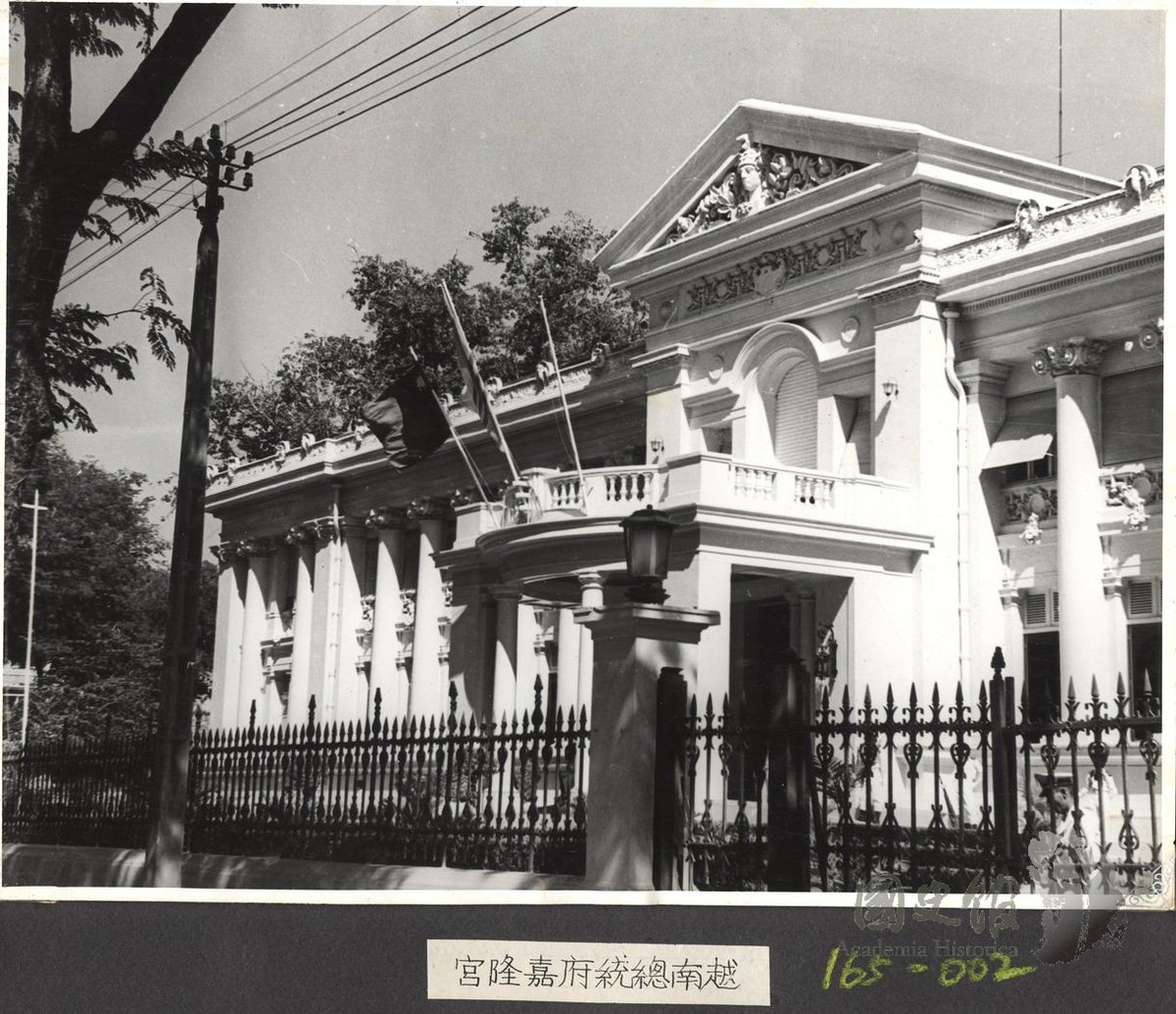
Originally constructed between 1885 and 1890 by French architect Alfred Foulhoux, Gia Long Palace initially served as the Museum of Commercial Trade, displaying Southern Vietnam’s goods during the colonial era. It soon became the residence of the Governor of Cochinchina, a role it maintained through much of the French colonial period. During World War II, it housed General Leclerc’s headquarters and later the French Republic’s Commissioner’s office. In 1948, it transitioned into the Palace of the Premier for the State of Vietnam (Wikipedia).
Transformation Through Political Turbulence
The palace was at the center of key events in Vietnamese history. It became President Ngô Đình Diệm’s base following the 1962 bombing of the Independence Palace and was his final workplace before his assassination in 1963. From 1966 to 1975, the Supreme Court of the Republic of Vietnam operated here. After reunification, the building became the Ho Chi Minh City Revolutionary Museum in 1978 and was later renamed the Museum of Ho Chi Minh City in 1999, reflecting the city’s evolving narrative (VinWonders).
Architectural Significance: East Meets West
Exterior Features
The museum is celebrated for its harmonious blend of French Renaissance and Vietnamese architectural elements. Its grand triangular roof, crowned with a solemn head statue, features intricate bas-reliefs depicting garlands, mythological animals, and tropical plants. French neoclassical columns and wide courtyards combine with Vietnamese roof curves to create a unique and visually striking structure (VinWonders; Vinpearl).
Interior Design
Inside, natural light pours through large windows, illuminating elegant staircases, high ceilings, and colonial-era moldings. Thematic galleries lead visitors chronologically through the city’s story, from its ancient origins to modern times (VNTravelAdvise).
Visitor Information: Hours and Tickets
- Location: 65 Lý Tự Trọng, Bến Nghé, District 1, Ho Chi Minh City, Vietnam (Google Maps)
- Opening Hours: Tuesday to Sunday, 8:00 AM – 5:00 PM. Closed Mondays.
- Tickets: 30,000 VND for adults; free for children under 6.
- Accessibility: Easily reached by car, motorbike, or public bus (routes 04, 18, 36 from Ben Thanh Market).
Guided Tours & Special Events
Guided tours (in Vietnamese and English) are available—ideal for deeper insights into the museum’s exhibits and architecture. The museum also hosts rotating special exhibitions and cultural events; check the official website or contact staff for current schedules.
Nearby Attractions
Within walking distance: Ben Thanh Market (850 meters), Independence Palace, and Notre-Dame Cathedral Basilica of Saigon. These iconic sites make for an excellent day of historical exploration.
Preservation and Recognition
In 2012, the Museum of Ho Chi Minh City was designated a National Artistic Architecture Monument, acknowledging its historical and architectural value (Museum Official Site). Continuous preservation efforts safeguard both the building and its collections for future generations.
Symbolism and Cultural Impact
More than a museum, this institution is a testament to the city’s resilience, blending Eastern and Western influences and preserving the collective memory of its people. The museum’s role as a cultural bridge strengthens connections between Vietnam’s past, present, and future (Vinpearl).
Visitor Experience & Photographic Appeal
Visitors are drawn to the museum’s ornate façade, grand staircases, and lush courtyards, which make for memorable photography. The unique architectural fusion and rich historical exhibits offer plenty of visual inspiration (VinWonders).
Frequently Asked Questions (FAQs)
Q: What are the Museum’s visiting hours?
A: Tuesday–Sunday, 8:00 AM–5:00 PM. Closed Mondays.
Q: How much are tickets?
A: 30,000 VND for adults; free for children under 6.
Q: Are guided tours available?
A: Yes, in Vietnamese and English. Check the museum’s website for schedules.
Q: What attractions are nearby?
A: Ben Thanh Market, Independence Palace, and Notre-Dame Cathedral Basilica of Saigon.
Q: Is the museum accessible by public transport?
A: Yes, buses 04, 18, and 36 from Ben Thanh Market stop nearby.
Plan Your Visit
To maximize your experience, plan your visit during opening hours, consider a guided tour, and explore nearby historical sites. For extra convenience, download the Audiala app for audio guides and exclusive content, and connect with the museum on social media for the latest updates and events.
Internal Links
Explore related guides on Independence Palace, Ben Thanh Market, and Notre-Dame Cathedral Basilica of Saigon to enrich your Ho Chi Minh City itinerary.
Summary and Final Tips
The Museum of Ho Chi Minh City offers an enriching exploration of Vietnam’s layered history within an architecturally remarkable colonial palace. Its affordable admission, accessible facilities, and central location near other landmarks make it an essential stop for travelers. The museum’s commitment to education, inclusivity, and community engagement ensures meaningful experiences for all. For the best visit, plan according to opening hours, consider guided tours for deeper understanding, and explore nearby attractions. Don’t forget to download the Audiala app for enhanced audio guides and updates (Local Vietnam; Vinpearl; Time Travel Turtle).
Listen to the full story in the app
The whole Museum Of Ho Chi Minh City,
told well.
Listen to sourced travel stories with local history and practical context — ready offline.
Verified, and shown.
Researched and written by the Audiala editorial team from historical records, architectural archives, and local expertise.
Built from cited sources · see the method · How we make our guides →