Plan and listen to Imperial Citadel Of Thang Long with Audiala.
Audio guide in your pocket, itinerary in your browser. Built for the way you actually visit.
Introduction
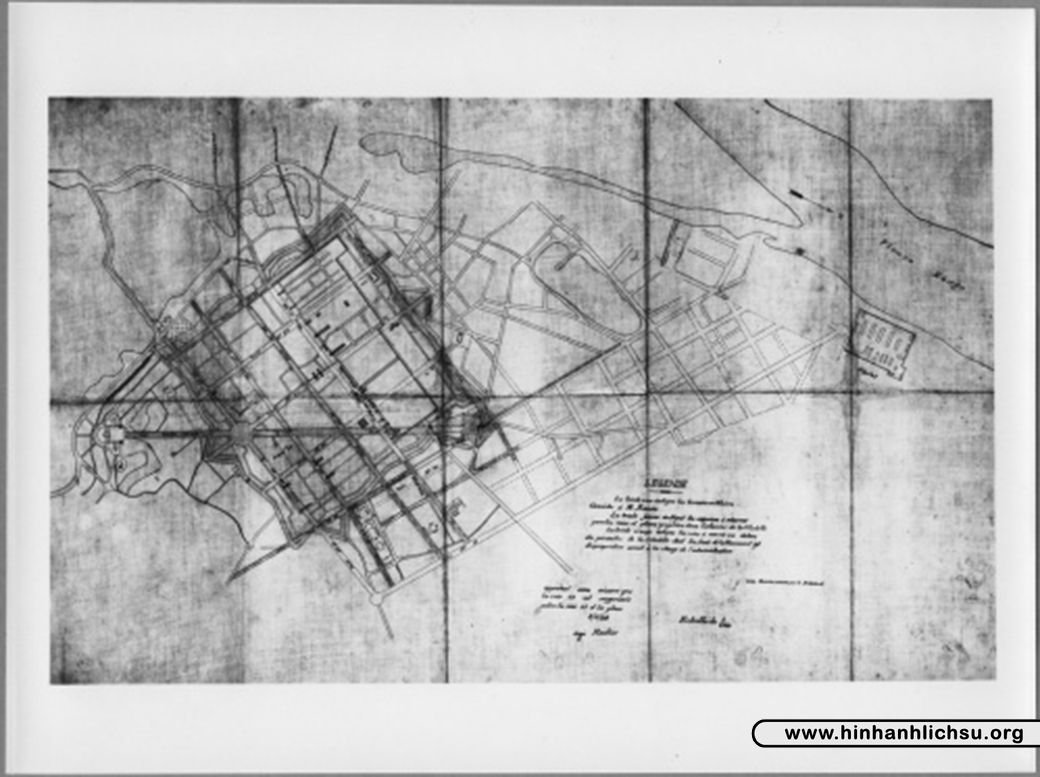
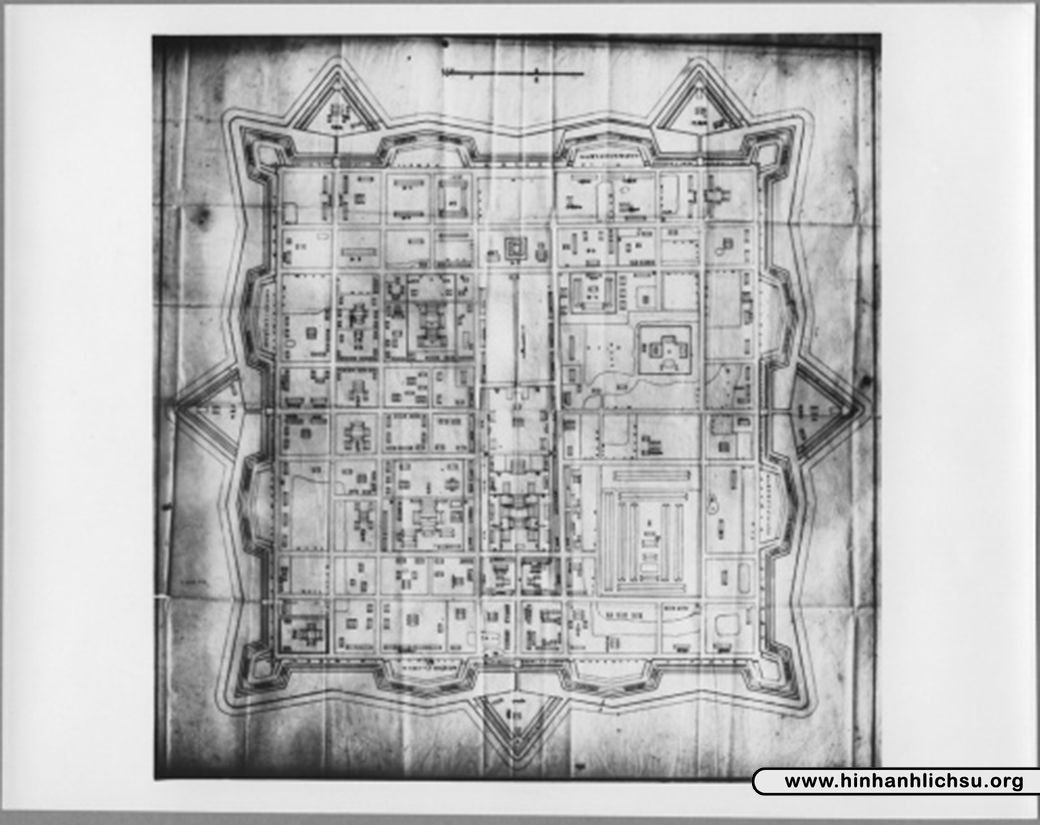
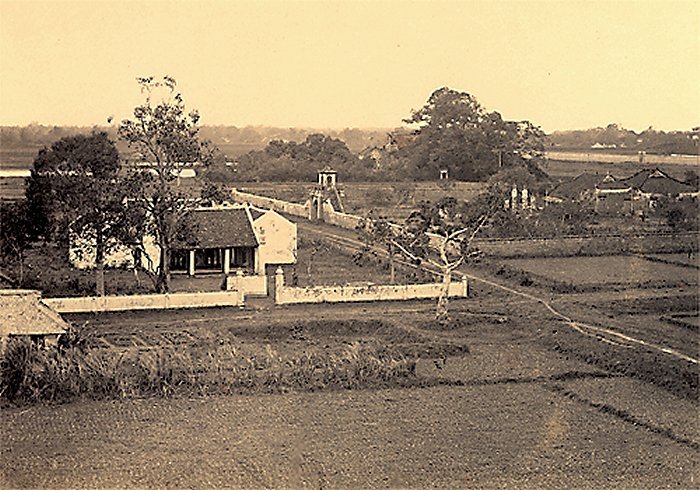
Located in the heart of Hanoi, Vietnam, Đoan Môn is a historical gem that forms part of the illustrious Imperial Citadel of Thăng Long. This ancient gate, dating back to the 11th century, was established by Emperor Lý Thái Tổ during the Lý Dynasty and has since witnessed the rise and fall of various dynasties, including the Trần, Lê, and Nguyễn. Each dynasty left its mark on Đoan Môn, making it a symbol of Vietnam's rich history and cultural resilience. Recognized as a UNESCO World Heritage Site in 2010 (UNESCO), Đoan Môn is not only an architectural marvel but also a significant cultural and political landmark. This comprehensive guide delves into the historical background, architectural significance, visiting hours, ticket information, travel tips, and nearby attractions of Đoan Môn, offering readers a detailed roadmap to explore this iconic site.

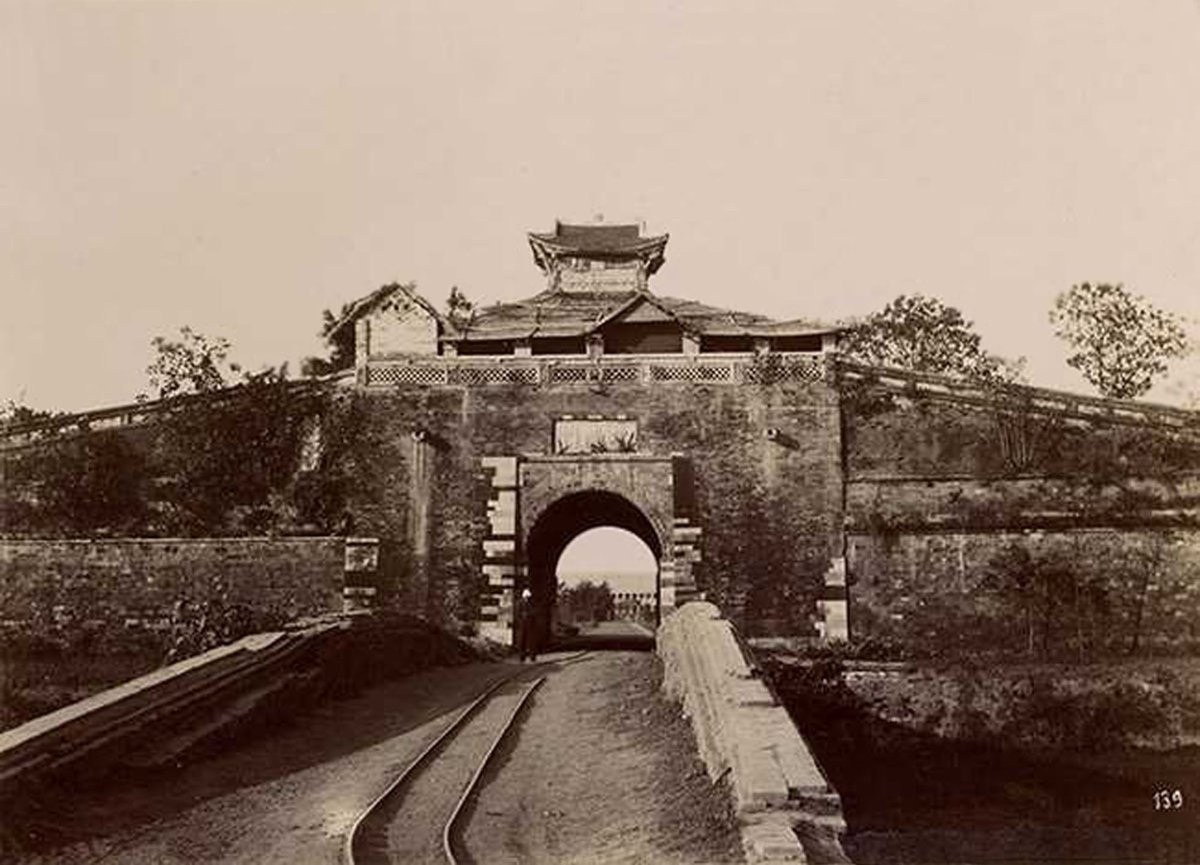
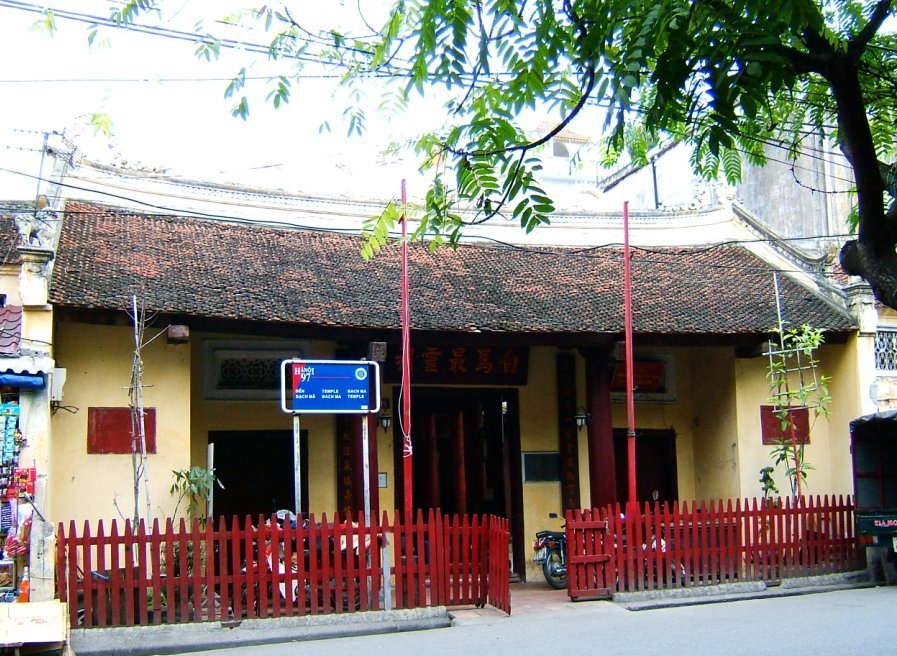
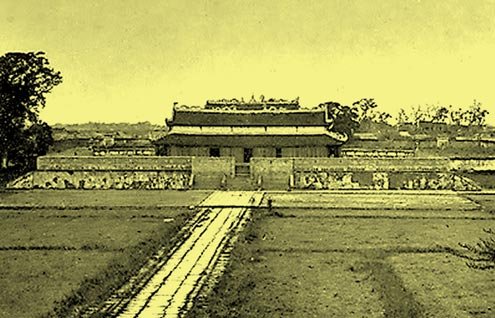
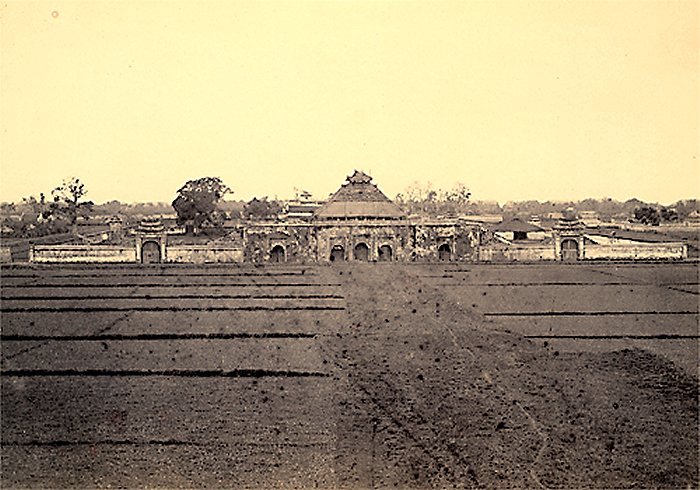
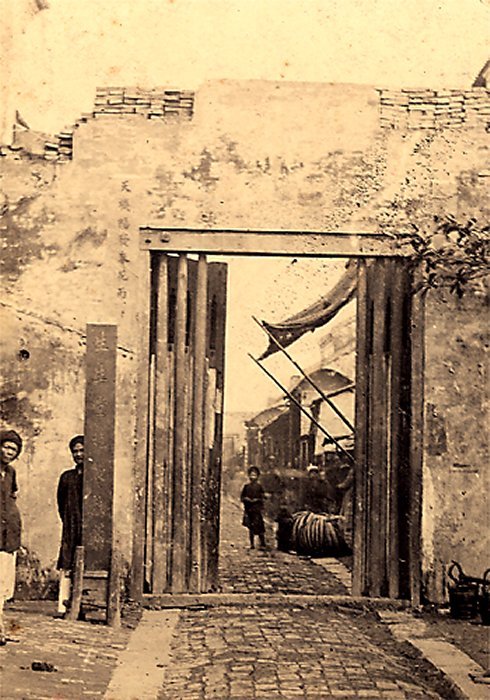
Discover Đoan Môn - History, Visiting Hours, Tickets, and More in Hanoi
Historical Background
Đoan Môn, situated within the Imperial Citadel of Thăng Long, dates back to the 11th century during the Lý Dynasty. Established in 1010 by Emperor Lý Thái Tổ, Đoan Môn served as the southern gate to the Forbidden City, the central area where the royal family and high-ranking officials resided.
The gate's construction reflects architectural styles and cultural influences from various dynasties, including the Lý, Trần, Lê, and Nguyễn. Each dynasty contributed to the citadel's expansion and fortification, making Đoan Môn a symbol of Vietnam's enduring history and resilience.
Architectural Significance
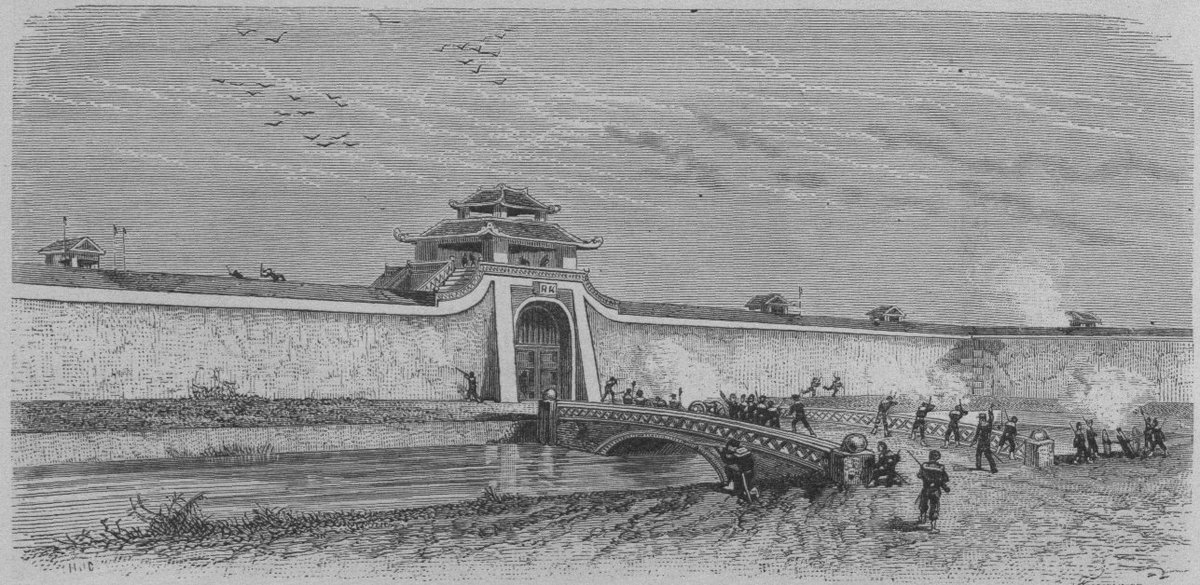
Đoan Môn is an exemplary model of ancient Vietnamese architecture. Constructed from large stone blocks, the gate features a multi-tiered structure with three main entrances. The central entrance was reserved for the emperor, while the side entrances were used by mandarins and other officials. The gate's design incorporates traditional Vietnamese motifs, such as dragons and phoenixes, symbolizing power and prosperity.
The upper part of Đoan Môn includes a pavilion called Lầu Ngũ Phụng (Five Phoenix Pavilion), a later addition from the Lê Dynasty. This pavilion showcases the blend of architectural styles over centuries, highlighting the craftsmanship of Vietnamese artisans with intricate carvings and the use of traditional materials like wood and stone.
Cultural and Political Importance
Đoan Môn was not just a physical barrier but also a symbol of the political and cultural heart of Vietnam. Emperors would pass through this gate during important state ceremonies, reinforcing their divine right to rule. The gate also played a crucial role during the annual Nam Giao sacrifice, a ritual to honor Heaven and Earth, essential for legitimizing the emperor's mandate.
During the Trần Dynasty, Đoan Môn witnessed significant historical events, including the Mongol invasions in the 13th century. The citadel, including Đoan Môn, served as a strategic defense point, and its resilience against invaders is a testament to its importance in Vietnamese history.
Visiting Hours and Tickets
Đoan Môn is open to visitors from Tuesday to Sunday, 8:00 AM to 5:00 PM. The site is closed on Mondays. Admission fees are as follows:
- Adults: 30,000 VND
- Students with ID: 15,000 VND
- Children under 15: Free
Travel Tips
- Best Time to Visit: The best time to visit is during the cooler months from October to April.
- Guided Tours: Consider joining a guided tour to gain deeper insights into the historical and cultural significance of the site.
- Photography Tips: Đoan Môn offers fantastic photo opportunities, especially in the early morning or late afternoon when the lighting is ideal.
- What to Wear: Given the historical and cultural significance of Đoan Môn, it is recommended to dress modestly. Lightweight, breathable clothing is advisable due to Hanoi's warm climate, especially during the summer months. Comfortable walking shoes are essential as the citadel grounds are extensive and involve a fair amount of walking.
- Safety and Etiquette: The citadel is generally safe for tourists, but it is always wise to stay vigilant, especially in crowded areas. Keep personal belongings secure and be aware of your surroundings. As Đoan Môn is a historical and cultural site, visitors are expected to behave respectfully. Avoid touching artifacts, and follow any posted signs or instructions from the staff. It is also courteous to keep noise levels down to maintain the site's serene atmosphere.
Nearby Attractions
When visiting Đoan Môn, consider exploring other nearby attractions within the Imperial Citadel of Thăng Long complex, including the Flag Tower of Hanoi, the Kinh Thiên Palace, and the D67 House and Tunnel. Each site offers a unique glimpse into Vietnam's rich history.
Accessibility
Public Transport: Visitors can reach Đoan Môn by taking public buses that stop near the citadel. Bus routes such as 22, 32, and 45 have stops within walking distance. For more convenience, taxis and ride-hailing services like Grab are widely available in Hanoi.
Accessibility for Mobility Issues: The citadel grounds, including Đoan Môn, are relatively accessible for visitors with mobility issues. There are ramps and pathways that accommodate wheelchairs, although some areas may have uneven surfaces. It is recommended to check with the staff for the best routes and any specific accessibility needs.
Preservation and UNESCO Recognition
In 2010, the Imperial Citadel of Thăng Long, including Đoan Môn, was recognized as a UNESCO World Heritage Site (UNESCO). This recognition underscores the site's global cultural significance and the need for its preservation. Efforts have been made to restore and maintain Đoan Môn, ensuring that future generations can appreciate its historical and architectural value.
Archaeological excavations have uncovered artifacts dating back to the Lý and Trần dynasties, providing deeper insights into the daily life and governance of ancient Vietnam. These findings have been crucial in understanding the historical context of Đoan Môn and its role within the larger framework of the Imperial Citadel.
Visitor Experience
Today, Đoan Môn is a popular tourist attraction, offering visitors a glimpse into Vietnam's rich history. Informative plaques and guided tours help visitors explore the gate and its surroundings, learning about the various dynasties that shaped its history. The site also hosts cultural events and exhibitions, providing an immersive experience that connects the past with the present.
FAQ
Q: What are the visiting hours for Đoan Môn?
A: Đoan Môn is open from Tuesday to Sunday, 8:00 AM to 5:00 PM, and closed on Mondays.
Q: How much is the admission fee?
A: Admission fees are 30,000 VND for adults, 15,000 VND for students with ID, and free for children under 15.
Q: Are there guided tours available?
A: Yes, guided tours are available and recommended for a deeper understanding of the site's historical and cultural significance.
Q: What other attractions are nearby?
A: Nearby attractions include the Flag Tower of Hanoi, the Kinh Thiên Palace, and the D67 House and Tunnel.
Listen to the full story in the app
The whole Imperial Citadel Of Thang Long,
told well.
Audio guides for 1,100+ cities across 96 countries. History, stories, and local insight — offline ready.
Verified, and shown.
Researched and written by the Audiala editorial team from historical records, architectural archives, and local expertise.
Researched from Wikidata, Wikipedia & official sources · fact-checked · How we make our guides →