Plan and listen to Hanoi Opera House with Audiala.
Audio guide in your pocket, itinerary in your browser. Built for the way you actually visit.
Introduction
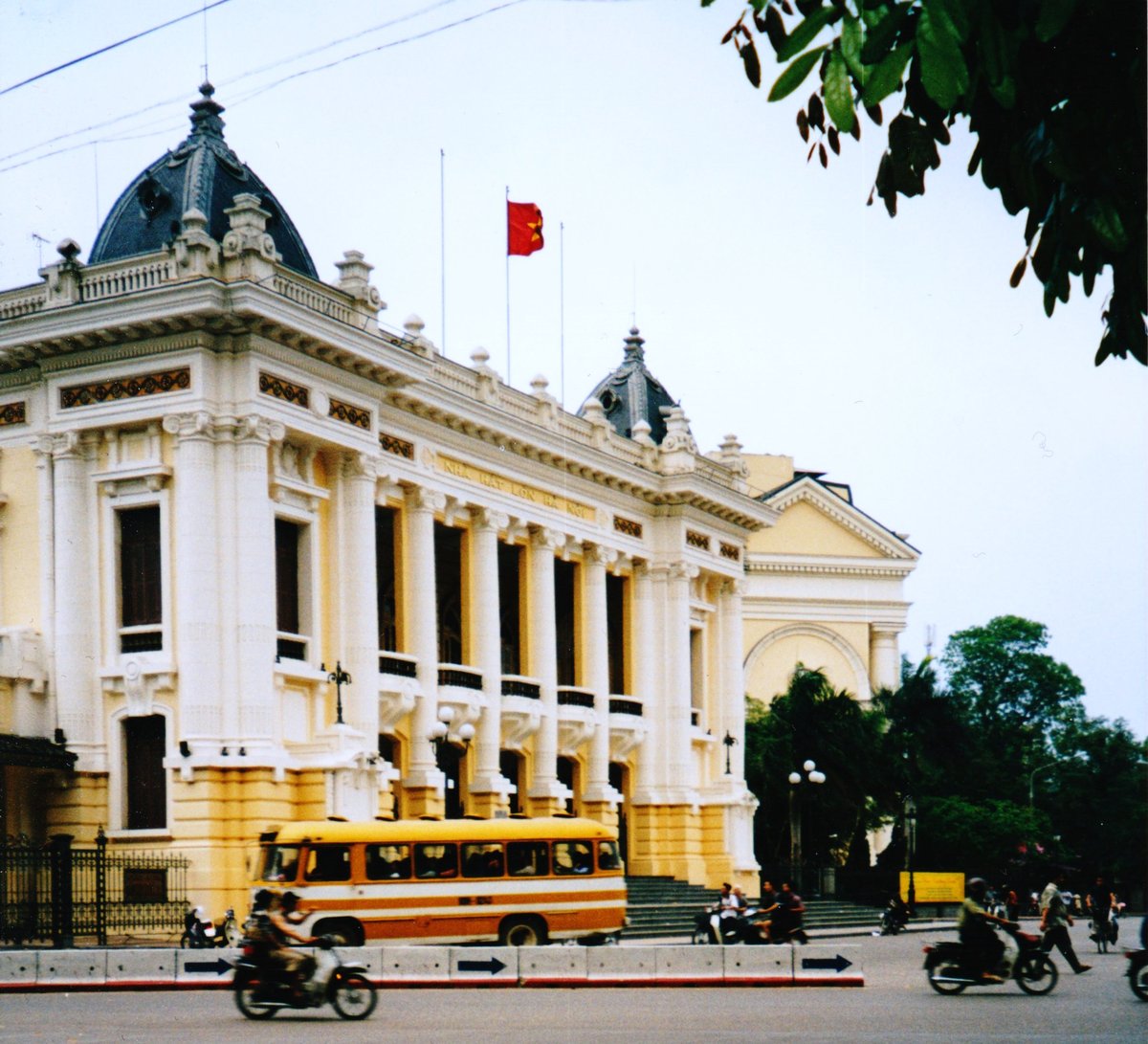
The Hanoi Opera House (Nhà hát Lớn Hà Nội) stands as a magnificent testament to Vietnam’s complex history and its vibrant cultural present. Constructed at the turn of the twentieth century, this architectural masterpiece is not only a symbol of French colonial influence but also a stage for Vietnam’s evolving artistic identity. Whether you are drawn by its Beaux-Arts façade, its pivotal role in national history, or its dynamic program of performances, the Opera House is a centerpiece for culture in the heart of Hanoi. This guide provides everything you need to know for your visit, from historical context and architectural highlights to practical visitor information, travel tips, and nearby attractions (IDC Travel; Vietnam Paradise Travel; TravelSetu).

Colonial Origins and Evolution
Built between 1901 and 1911, the Hanoi Opera House was inspired by Paris’s Palais Garnier and constructed to serve the entertainment needs of French colonial officials and expatriates. It was one of only three such grand theaters erected in Indochina, alongside those in Haiphong and Ho Chi Minh City. The building’s neoclassical and Beaux-Arts architecture features Greco-Roman columns, intricate reliefs, and classic colonial color schemes. Originally, it hosted European operas, ballets, and concerts, symbolizing the cultural aspirations and authority of the colonial regime (IDC Travel; VinWonders).
Transformation into a National Symbol
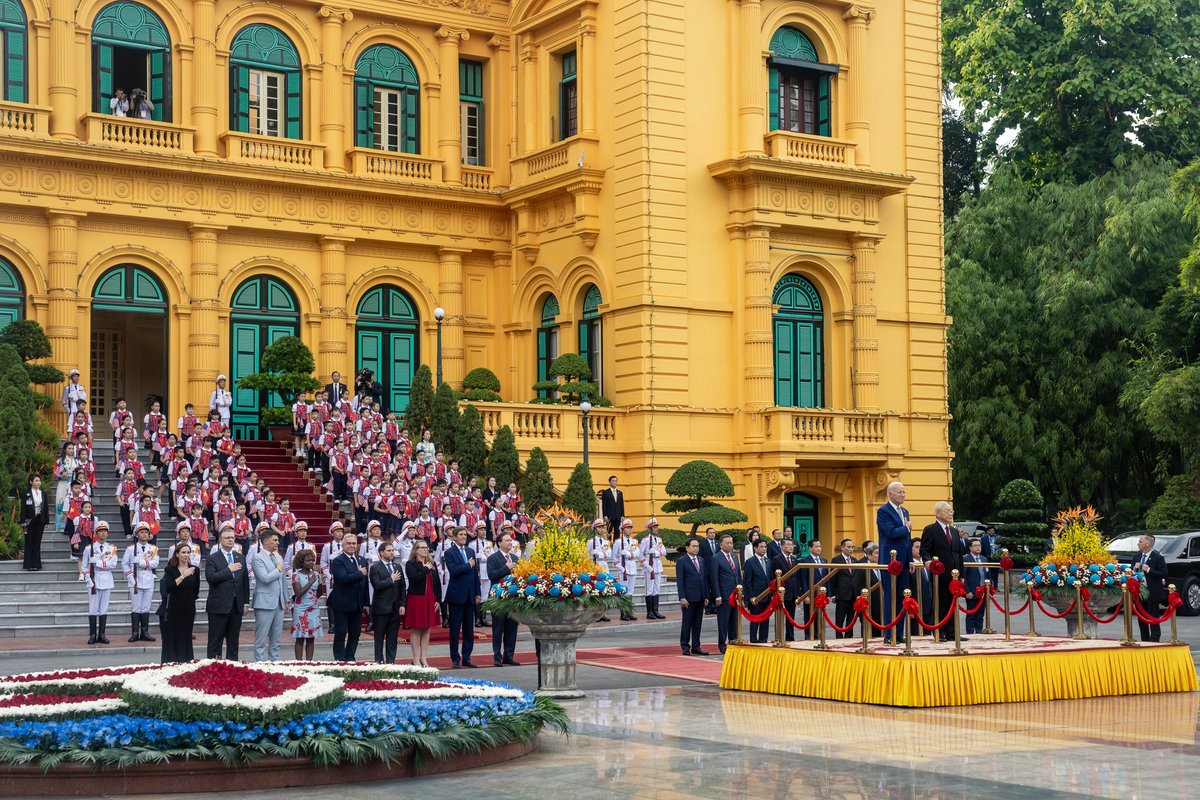
After independence, the Opera House transitioned into a center for Vietnamese culture and politics. It was the venue for the first session of the National Assembly of the Democratic Republic of Vietnam in 1945, marking its place in the nation’s quest for sovereignty. The front square, Quảng trường Cách mạng Tháng Tám (August Revolution Square), commemorates this pivotal moment. Today, the Opera House is a beacon of national pride, hosting both Vietnamese traditional performances and international productions (IDC Travel).
Architectural Highlights
The design of the Hanoi Opera House combines neoclassical grandeur with adaptations for Hanoi’s tropical climate. The symmetrical façade, with its grand portico and ornate balustrades, is complemented by a lavish interior featuring Italian marble, gilded moldings, and plush velvet seating. High ceilings and large windows provide natural ventilation, while the horseshoe-shaped auditorium ensures excellent acoustics and visibility (Vietnam Paradise Travel).
Key features include:
- A grand lobby adorned with brass chandeliers and French murals
- A main audience chamber with capacity for several hundred guests
- The elegant Mirror Room, often used for receptions and exhibitions
Visiting Hours and Ticket Information
Opening Hours
- Guided Tours: Generally available Tuesday to Sunday, from 8:00 AM to 5:00 PM (closed Mondays). Some tours may have set slots (e.g., 10:30 AM–12:00 PM), so always check the official schedule before your visit.
- Performance Access: The Opera House opens earlier for evening performances and special events. Schedules vary—refer to the official website for current listings.
Tickets
- Tour Tickets: Entrance fees for guided tours start at 50,000 VND (~$2 USD) and may go up depending on tour type and access level.
- Performance Tickets: Prices for shows typically range from 120,000 VND to over 500,000 VND (approx. $5–$22 USD), with premium events or VIP seats costing more.
- Purchase Options: Tickets are available online through the official website, trusted travel agencies, or directly at the box office. Advance booking is strongly recommended for popular performances.
Booking Tips
- Book tours and performance tickets early, especially during peak tourist seasons or for special events.
- Check for student and group discounts.
Accessibility and Travel Tips
Physical Accessibility
The Opera House has made efforts to accommodate visitors with mobility needs, including ramps and accessible seating in the main lobby and auditorium. However, as a historic structure, some areas—especially upper floors—may only be reached by stairs. Contact the venue ahead of your visit to ensure your needs can be met.
Getting There
Located at No. 1 Trang Tien Street, the Opera House is within walking distance of Hoan Kiem Lake and the Old Quarter. Taxis and ride-hailing services such as Grab are widely available. Sidewalks are generally well-maintained in the immediate area, though may be uneven in parts.
Visitor Guidelines
- Dress Code: Smart casual or semi-formal attire is expected, particularly for evening performances. Avoid shorts and flip-flops.
- Arrival: Arrive early to allow time for security checks and to appreciate the architecture.
- Photography: Permitted in public areas but typically not during performances or in certain restricted spaces.
Performances and Special Events
The Opera House hosts a rich variety of cultural events year-round:
- Classical Music & Ballet: Vietnamese orchestras, international soloists, and acclaimed ballet productions headline the calendar (Vietnam Paradise Travel).
- Traditional Vietnamese Arts: Shows feature cải lương, tuồng, and folk music, often with performers in traditional costume (TravelSetu).
- Theatre & Musicals: Both international and local works are staged, offering a dynamic lineup.
- Art Exhibitions & Festivals: Temporary art shows and cultural festivals are occasionally held in the Mirror Room or lobby (TravelSetu).
What to See and Do
- Attend a Live Performance: Experience the world-class acoustics and grandeur of the main auditorium.
- Join a Guided Tour: Gain insights into the Opera House's architecture, history, and backstage areas.
- Explore Art Exhibitions: Check the schedule for rotating art displays.
- Enjoy the Ambiance: Photograph the illuminated façade at night and soak up the lively atmosphere of August Revolution Square (Vietnam Paradise Travel).
Nearby Attractions
Within Walking Distance
- Hoan Kiem Lake: A peaceful oasis with shaded paths and the iconic Ngoc Son Temple (SVietnam Travel).
- Hanoi Old Quarter: Bustling streets lined with shops, cafes, and colonial-era architecture (SVietnam Travel).
- Thang Long Water Puppet Theatre: A unique traditional puppet show performed over water (SVietnam Travel).
- St. Joseph’s Cathedral: A neo-Gothic landmark reminiscent of Notre-Dame in Paris (SVietnam Travel).
- Vietnam National Museum of History: Artifacts and exhibits spanning Vietnam’s past (SVietnam Travel).
- Hoa Lo Prison Museum: A poignant look at colonial and wartime history (SVietnam Travel).
Further Afield
- Imperial Citadel of Thang Long: A UNESCO World Heritage site.
- Temple of Literature: Vietnam’s first university, steeped in scholarly tradition.
- Dong Xuan Market: Bustling with local goods and street food.
- Tran Quoc Pagoda: The city’s oldest Buddhist temple.
Dining and Leisure
The Opera House’s location is surrounded by excellent dining options, from elegant cafes and bakeries to restaurants serving authentic Vietnamese cuisine—many with views of the Opera House itself (Vietnam Paradise Travel).
Frequently Asked Questions (FAQ)
Q: What are the Hanoi Opera House visiting hours?
A: Guided tours are generally available from 8:00 AM to 5:00 PM, Tuesday to Sunday. Performance times vary. Always check the official schedule for updates.
Q: How can I buy tickets?
A: Purchase online via the official website, through authorized travel agencies, or at the box office.
Q: Is the Opera House wheelchair accessible?
A: Yes, but some areas may have limited access. Contact the venue in advance for assistance.
Q: Are guided tours available in English?
A: Yes, tours are offered in English, French, and Vietnamese.
Q: Can I take photos inside?
A: Photography is allowed in public areas, but may be restricted during performances.
Q: What are the best nearby attractions?
A: Hoan Kiem Lake, the Old Quarter, Thang Long Water Puppet Theatre, St. Joseph’s Cathedral, and the National Museum of History are all close by.
Summary & Recommendations
The Hanoi Opera House is not simply an architectural marvel—it is a living, evolving institution at the heart of Vietnam’s cultural landscape. Its blend of French elegance and Vietnamese vitality draws visitors from around the world, whether for a spellbinding evening performance, a guided architectural tour, or as part of a broader exploration of Hanoi’s history-rich city center.
Plan ahead:
- Check visiting hours and performance schedules online.
- Book tickets in advance, especially for high-demand events.
- Consider accessibility needs and contact the venue if necessary.
Enhance your experience:
- Combine your visit with a walk around nearby attractions.
- Explore dining options in the vibrant French Quarter.
- Use resources like the Audiala app for up-to-date information and exclusive offers.
The Hanoi Opera House invites you to experience the intersection of history, art, and modern Vietnamese culture—a truly essential stop on any trip to Hanoi.
Listen to the full story in the app
The whole Hanoi Opera House,
told well.
Audio guides for 1,100+ cities across 96 countries. History, stories, and local insight — offline ready.
Verified, and shown.
Researched and written by the Audiala editorial team from historical records, architectural archives, and local expertise.
Researched from Wikidata, Wikipedia & official sources · fact-checked · How we make our guides →