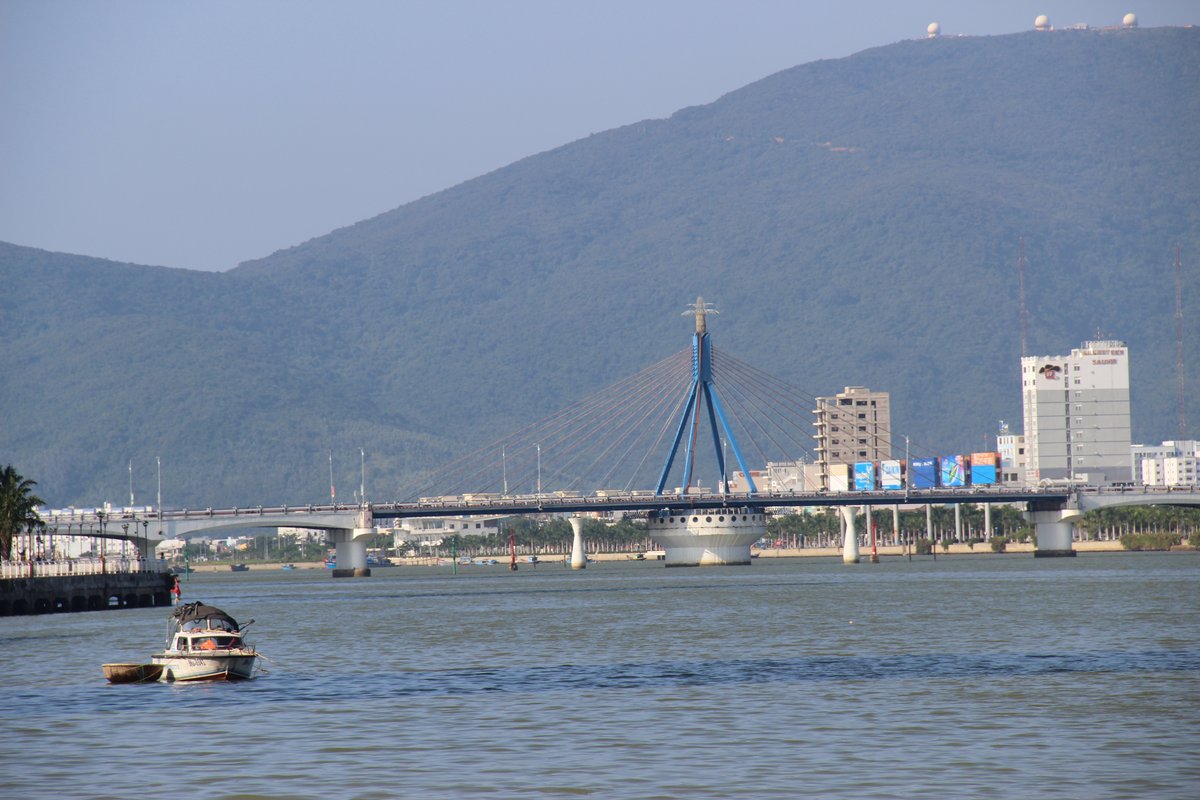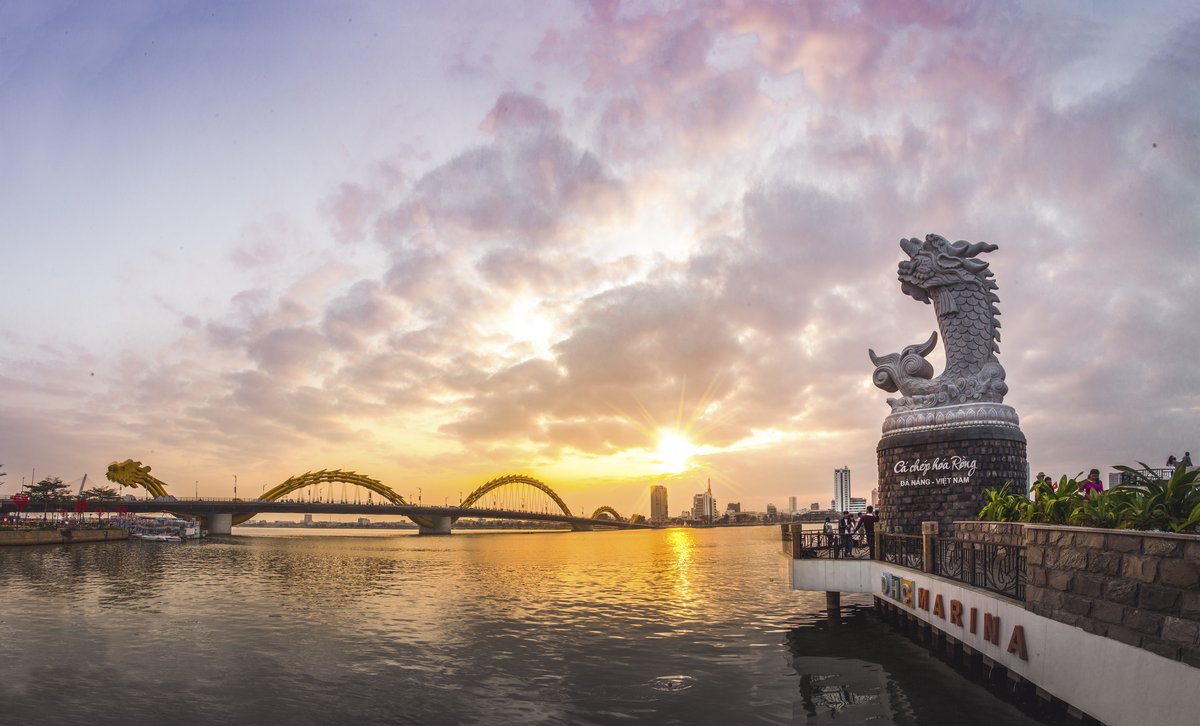
Plan and listen to Dragon River Bridge with Audiala.
Audio guide in your pocket, itinerary in your browser. Built for the way you actually visit.
Introduction
Nestled along the serene banks of the Han River in Da Nang, Vietnam, the Tượng Cá Chép Hóa Rồng, or Carp Turning into Dragon Statue, stands as a beacon of cultural heritage and artistic excellence. Completed in 2015 by the skilled artisans of the Non Nước stone carving village, this monumental statue has quickly become an iconic symbol of Da Nang. Crafted from five blocks of pristine white marble, the statue's intricate details and lifelike design are a testament to the artisans' dedication and craftsmanship (Vinpearl) (Tuongdanang).
Beyond its aesthetic appeal, the Tượng Cá Chép Hóa Rồng is deeply rooted in East Asian mythology and Vietnamese folklore. The transformation of a carp into a dragon, symbolizing perseverance, transformation, and good fortune, is a narrative that resonates deeply within Vietnamese culture. This statue also embodies the virtues of hard work and success, further enhancing its significance among locals and visitors alike (Vinpearl).
This guide aims to provide a comprehensive overview of the Tượng Cá Chép Hóa Rồng, covering its history, cultural significance, architectural marvels, and essential visitor information. Whether you're drawn to the statue's mythological roots, its artistic brilliance, or its role as a symbol of Da Nang's transformation, this guide will ensure you make the most of your visit to this extraordinary landmark.

Historical Background
The Tượng Cá Chép Hóa Rồng was completed in 2015 by talented artisans from the Non Nước stone carving village, famous for their stone craftsmanship. Constructed from five blocks of natural white marble, the statue took a year to complete, with 30 artisans meticulously crafting each detail.
Cultural Significance
Rooted in East Asian mythology and Vietnamese folklore, the Tượng Cá Chép Hóa Rồng symbolizes transformation, perseverance, and good fortune. According to legend, a carp that swims upstream and leaps over the Dragon Gate transforms into a dragon, embodying the virtues of hard work and success. In Vietnamese folklore, carps spraying water to save farmers from drought further enhances its image as a benevolent creature.
Symbolism and Design
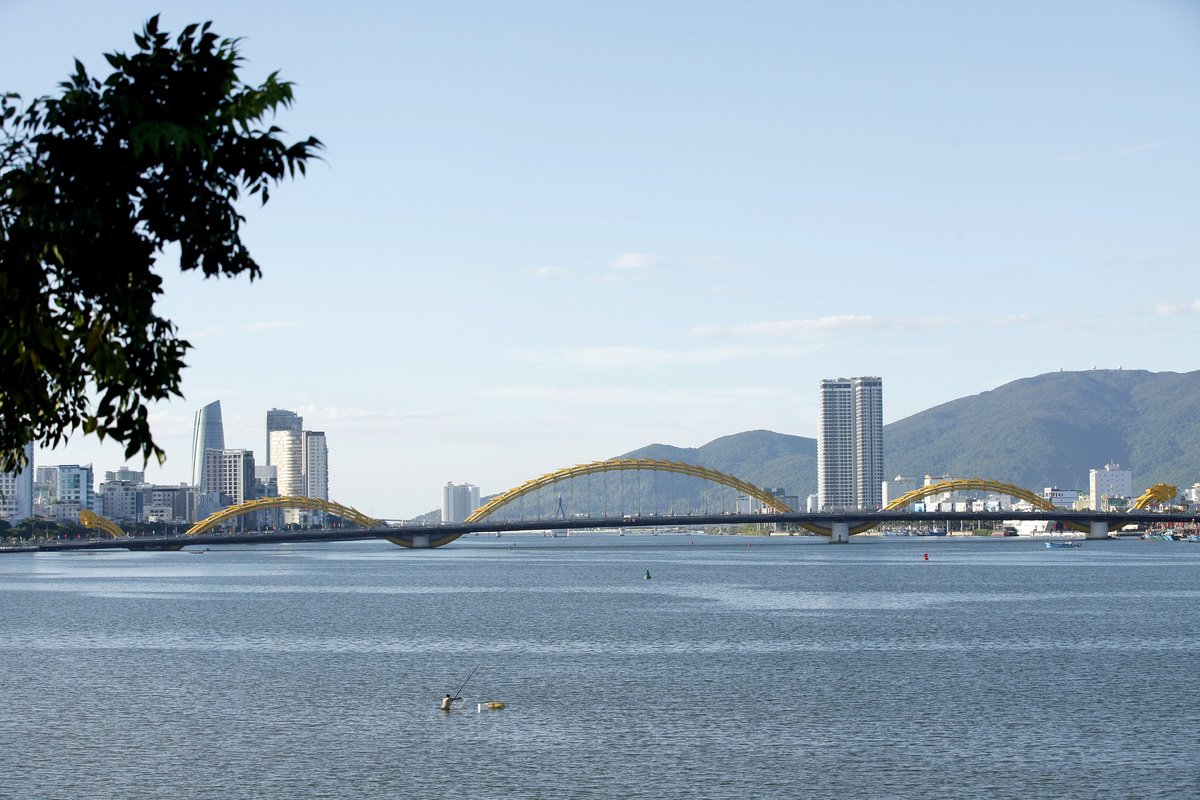
Strategically located between the Dragon Bridge and the Love Bridge on the East Side of the Han River, the statue blends traditional and modern elements. The dragon's head, inspired by the Ly Dynasty, and the lifelike carp body showcase intricate craftsmanship. The water-spraying mechanism adds to its visual appeal, especially at night when illuminated.
Feng Shui Elements
The statue's location and design are influenced by Feng Shui principles, harnessing positive energies from the Han River and nearby bridges. This alignment brings prosperity, harmony, and good fortune to Da Nang.
Community and Tourist Impact
Since its completion, the Tượng Cá Chép Hóa Rồng has become a symbol of Da Nang's transformation and aspirations. It attracts thousands of visitors daily, significantly boosting the local economy and enhancing the city's reputation as a top tourist destination. The statue also fosters pride among residents, symbolizing their hopes for a prosperous future.
Nighttime Spectacle
At night, the statue becomes a luminous beacon on the Han River. The water-spraying feature, complemented by the Dragon Bridge's light show, creates a magical atmosphere that draws crowds every evening.
Architectural and Artistic Merit
The statue is an architectural and artistic marvel, showcasing the skill and dedication of the Non Nước artisans. Combining traditional motifs with modern engineering, it highlights Vietnam's rich cultural heritage and contemporary innovation.
Visitor Information
- Visiting Hours: The statue is accessible 24/7, but the best time to visit is in the evening when the lights are on.
- Tickets: There is no admission fee to visit the statue.
- Travel Tips: Wear comfortable shoes for walking and bring a camera to capture the stunning views.
- Nearby Attractions: Explore the Dragon Bridge, Love Bridge, and the Han River. Enjoy local cuisine at nearby restaurants and cafes.
- Accessibility: The area is accessible to visitors of all ages and abilities.
FAQs
Q: What is the best time to visit Tượng Cá Chép Hóa Rồng? A: The best time to visit is in the evening when the statue is illuminated.
Q: Is there an admission fee? A: No, there is no admission fee to visit the statue.
Q: Are there guided tours available? A: Yes, guided tours are available and can be booked through local tour operators.
Discover More
For more information on visiting Da Nang and other historical sites, download the Audiala mobile app, check out our other related posts, and follow us on social media for updates.
Listen to the full story in the app
The whole Dragon River Bridge,
told well.
Audio guides for 1,100+ cities across 96 countries. History, stories, and local insight — offline ready.
Verified, and shown.
Researched and written by the Audiala editorial team from historical records, architectural archives, and local expertise.
Tham quan tượng cá chép hóa rồng Đà Nẵng: Biểu tượng du lịch Đà Thành
Tìm hiểu tượng cá chép hóa rồng Đà Nẵng
Researched from Wikidata, Wikipedia & official sources · fact-checked · How we make our guides →