Place
Da Nang
Vietnam Updated Apr 2026
The first time the Dragon Bridge spits fire across the Han River you feel it in your chest. Da Nang, Vietnam, hides that kind of surprise in plain sight: a 666-metre concrete dragon that breathes actual flames on Saturday nights while scooters stream beneath its belly like startled fish. One moment you're watching a 67-metre Lady Buddha gaze serenely over My Khe Beach, the next you're eating turmeric-yellow mi quang from a plastic stool that costs less than a coffee back home.
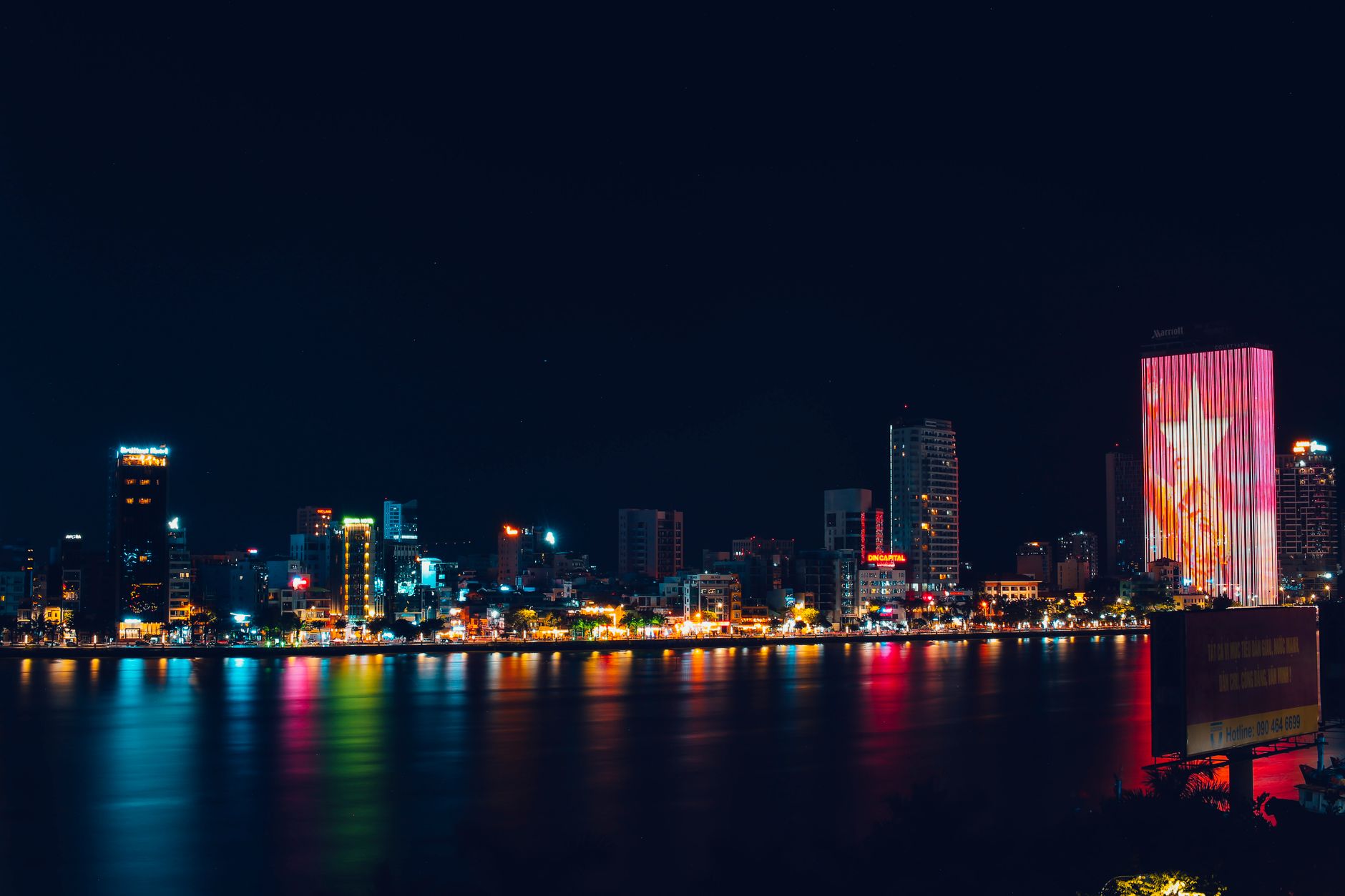 Photo: Nguyễn Hoàng / Pexels
- Attractions
- 9
- Audio
- 1 h 54 min
- Trip length
- 3-5 days
- Best season
- March–May
Why Da Nang
Built from cited sources · see the method · How we make our guides →
The city splits neatly along the river. West of the Han lies the commercial heart where locals shop at Con Market and drink iced coffee strong enough to wake the dead. East sits the beach side, where Son Tra Peninsula rises 696 metres straight out of the South China Sea, its rainforest thick enough to shelter endangered red-shanked douc langurs that locals simply call monkeys. The contrast feels deliberate.
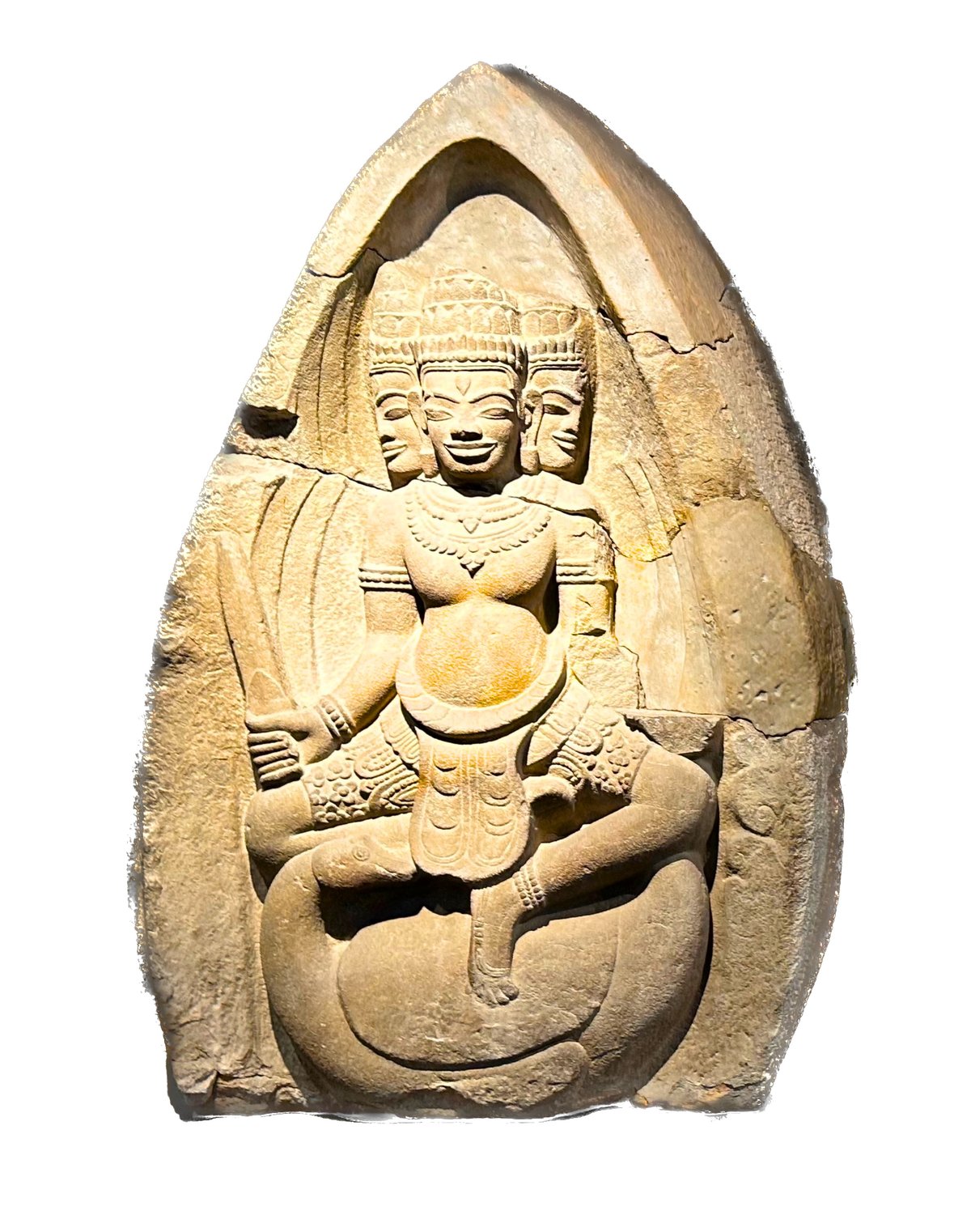
Cham kings once ruled this coast. Their stone sculptures fill the city's museum, silent proof that Da Nang was never meant to be an afterthought between Hue and Hoi An. Today the same coast road that featured in the 2008 Top Gear special still delivers what Jeremy Clarkson called a deserted ribbon of perfection. Drive it at dawn and the sea appears below you in layers of impossible blue.
What changes is your sense of scale. A cable car ride to Ba Na Hills costs 850,000 VND and deposits you among giant concrete hands holding a 150-metre golden bridge. Yet twenty minutes later you're back at a night market eating grilled squid for a tenth of that price. Da Nang refuses to pick sides between spectacle and everyday life. It simply serves both.
Son Tra Peninsula
The 4,000-hectare rainforest rises 696 m straight from the sea, home to the endangered red-shanked douc langur. Drive the loop at dawn and watch mist burn off the canopy while monkeys watch you back.Lady Buddha
The 67 m statue on Son Tra looks over My Khe Beach with unnerving calm. Stand at her feet at 6 a.m. and the only sound is wind through the pine trees and distant waves. No ticket, no crowds, just scale.Dragon Bridge Fire
Every Saturday and Sunday at 9 p.m. the 666 m bridge spits fire and water for twelve minutes exactly. The best free seats are on the low wall at Son Tra Night Market with a plastic stool and a 15,000 VND beer.Cham Sculpture Museum
The world’s largest collection of Cham stonework sits in cool, quiet galleries. Run your fingers along 10th-century sandstone dancers and suddenly the empty plains between Da Nang and Hoi An feel full of ghosts.
Places to Visit
Not every monument, just the ones we'd walk you past ourselves.
-
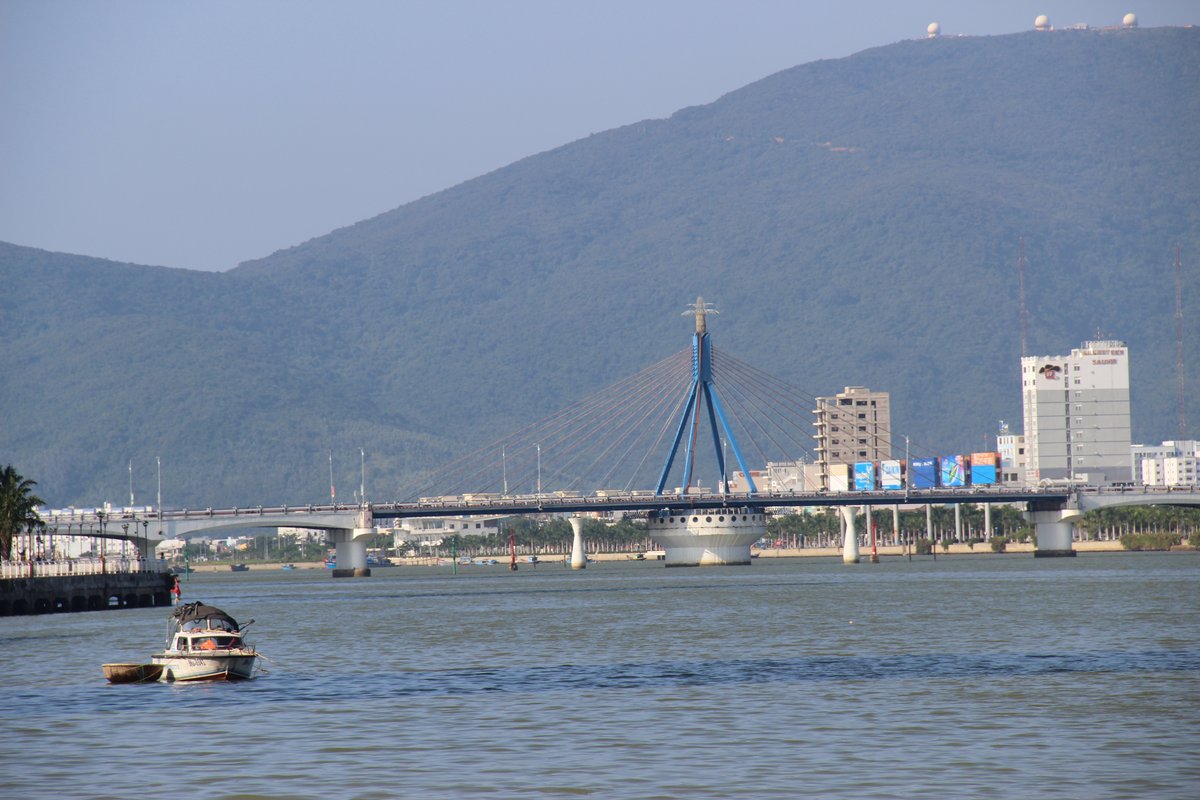
Han River Bridge Welcome to your comprehensive guide to the Han River Bridge in Da Nang, Vietnam!
-
Tran Thi Ly Bridge Tran Thi Ly Bridge stands as one of Da Nang’s most iconic landmarks, seamlessly blending rich historical legacy with cutting-edge architectural innovation.

-
Museum of Cham Sculpture Lang Bich Hoa, often referred to as the Da Nang Mural Village, is a unique and vibrant destination located in Da Nang, Vietnam.
-
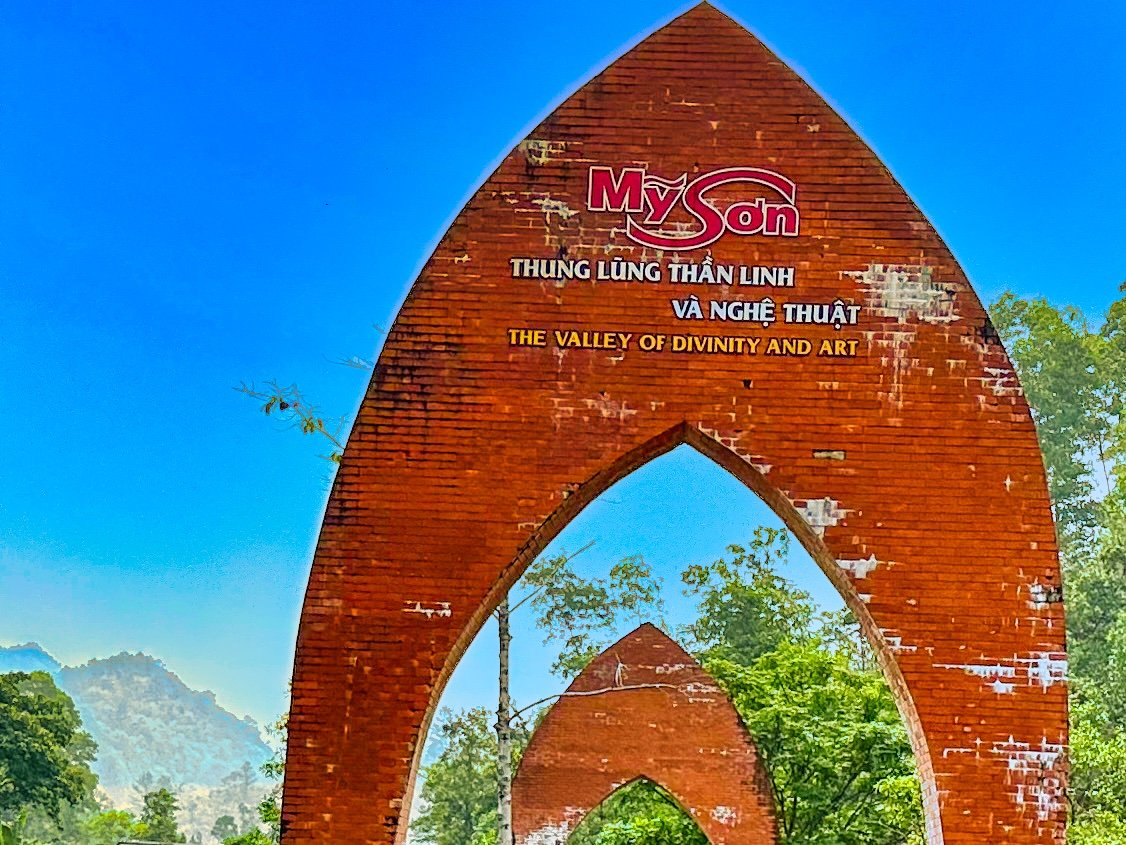
Mỹ Sơn Nestled in the verdant valleys of Quảng Nam Province, near the vibrant city of Đà Nẵng, Mỹ Sơn Sanctuary stands as a remarkable testament to the cultural and…
-
Dragon River Bridge Nestled along the serene banks of the Han River in Da Nang, Vietnam, the Tượng Cá Chép Hóa Rồng, or Carp Turning into Dragon Statue, stands as a beacon of…
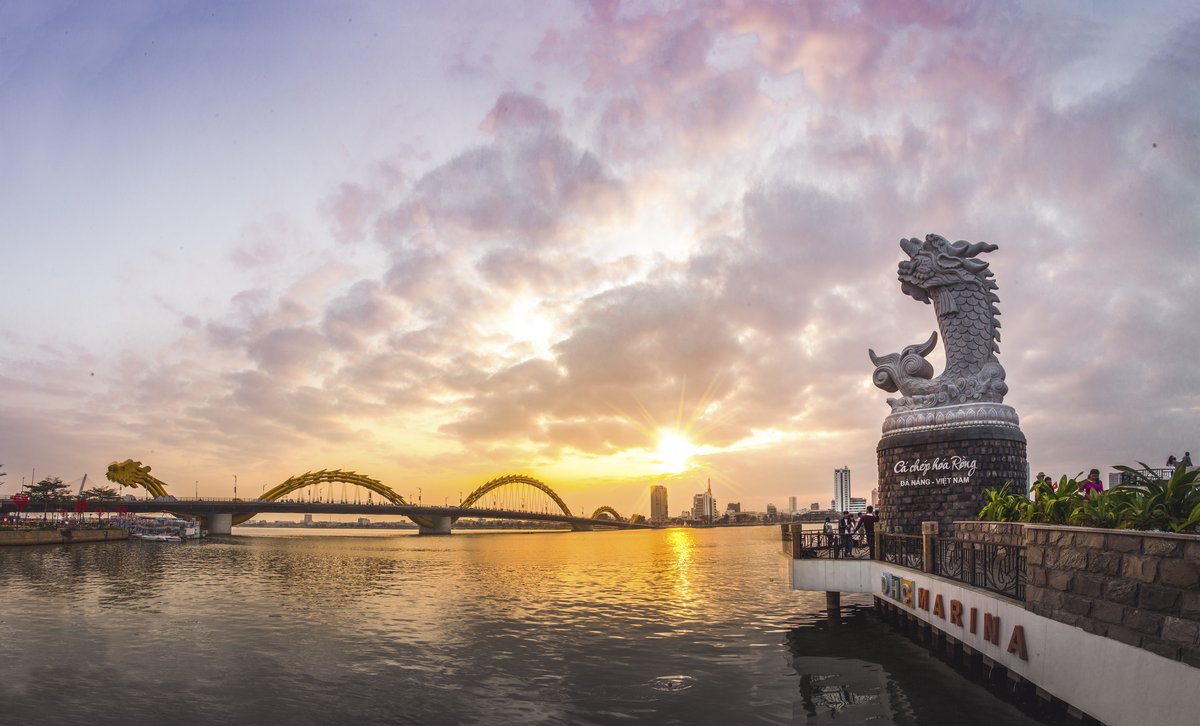
- Mỹ An My Khe Beach, also known as Biển Mỹ Khê, is a picturesque coastal destination in Da Nang, Vietnam, known for its historical significance, natural beauty, and…
- Nại Hiên Đông Đường Nguyễn Hữu An in Da Nang, Vietnam, is a vibrant and historically rich thoroughfare that pays tribute to one of the country's most celebrated military…
- Hòa Hiệp Bắc Nestled in the vibrant city of Da Nang, Vietnam, Suối Lương is a remarkable site that offers an exquisite blend of historical richness, cultural depth, and…
- Nam Dương Nestled in the heart of Da Nang, Vietnam, Chua Phap Lam stands as a beacon of cultural and spiritual significance.
Neighborhoods
Where to wander, by quarter — each with its own rhythm.
Hai Chau
West of the Han River, this is Da Nang's commercial and administrative heart. Han Market sells dried mango, fish sauce and robusta coffee beans by the kilo while Con Market next door feeds locals at ground-floor stalls from 6am. The streets here smell of wet concrete after rain and pho broth. Come for the Cham Sculpture Museum and stay for the unfiltered city rhythm.Son Tra
The peninsula juts into the sea like a green fist. Motorbike loops climb through 4,000 hectares of rainforest to 696-metre viewpoints where wild monkeys eye your phone with genuine criminal intent. Linh Ung Pagoda's 67-metre Lady Buddha watches over everything. At night the peninsula's seafood restaurants fill with locals while the city lights flicker across the water.My Khe
The beach strip that Forbes once praised runs along Vo Nguyen Giap and Hoang Sa roads. Early mornings bring exercisers and monks walking the 900-metre core stretch. By afternoon the seafood restaurants open and sky bars start pouring drinks. The light here is mercilessly bright until sunset, when the entire beach turns soft gold.Ngu Hanh Son
Five marble mountains named for the elements sit 8 km southeast of the center. Thuy Son charges 40,000 VND entry and rewards climbers with Huyen Khong Cave and Vong Giang Dai viewpoint. Right beside them, Non Nuoc Stone Carving Village lets you watch artisans turn raw marble into dragons. The air smells of stone dust and incense.An Hai Bac
East bank of the Han River opposite the main commercial district. Tran Phu and Pham Van Dong streets run parallel to the water, lined with bars that fill when the Dragon Bridge performs its fire-and-water show at 9pm on weekends. Love Bridge and the carp statue draw couples attaching padlocks at night. The energy peaks after dark.Man Thai
A fishing village that still operates at dawn. Fishermen push boats into the water while their wives sort the night's catch on the sand. Tourists rarely make it here before the first coffee shops open back in the city. The light is best at 5:30am when the sea looks like hammered tin.
Plan your trip
Before you go
- Getting There
- Da Nang International Airport (DAD) sits 2–3 km from the city center in Hai Chau District. In 2026 it handles direct flights from Seoul, Singapore, Bangkok, Hong Kong, and Tokyo. Grab from arrivals to My Khe costs 80,000–120,000 VND and takes 12 minutes.
- Getting Around
- No metro or tram exists in 2026. Bus routes 1 and 12 link the airport, Han River, and Hoi An but run infrequently. Grab dominates; motorbike rental near the beach goes for 150,000 VND per day. The Han River promenade and My Khe cycle path are flat and pleasant before 9 a.m.
- Climate & Best Time
- February to May brings 24–32 °C with almost no rain. June to August hits 35 °C on the sand. September to November sees heavy rain and typhoon risk. Come in March or April for dry air, empty viewpoints, and mornings cool enough to hike Son Tra.
- Safety
- Da Nang remains Vietnam’s safest major city for visitors. Watch for phone-snatching on Son Tra’s quieter roads and avoid swimming outside flagged zones at My Khe. Monkeys near Lady Buddha will steal anything shiny—keep distance and they stay peaceful.
Rivers, Revolutions, and Reinvention
From Cham harbor to Vietnam's fastest-rising city
- c. 1000 BCE
Sa Huynh Jar Burials
Iron Age people left behind distinctive egg-shaped burial jars along the central coast. The clay vessels, filled with beads and iron tools, still surface near Da Nang. Their owners fished these waters and traded inland before any kingdom claimed the shore.
- 192 CE
Birth of Lâm Ấp
A rebellion against Han Chinese rule birthed the proto-Champa kingdom. The sheltered bay that would become Da Nang offered safe anchorage for ships carrying spices and ideas between India and China. The scent of incense from early shrines still lingers in local memory.
- 875 CE
Indrapura Rises Nearby
Champa moved its capital to Đồng Dương, forty kilometers southwest. Da Nang's deep-water harbor fed the new center with rice, timber, and pilgrims. Stone carvings recovered from that era now fill the city's museum, their faces worn smooth by centuries of salt air.
- 1306
The Royal Dowry
Cham king Chế Mân handed over the provinces of Ô and Lý to Đại Việt to marry Princess Huyền Trân. Vietnamese clerks arrived at Cửa Hàn soon after. This single political marriage marks the official Vietnamese founding of Da Nang, though the Cham had sailed these waters for a thousand years.
- 1471
Champa's Defeat
Emperor Lê Thánh Tông crushed Vijaya and ended Cham power in the center. Vietnamese settlers poured into the emptied lands. The marble mountains that once watched Cham processions now overlooked rice fields tended by new hands.
- 1535
Portuguese Anchor
António de Faria sailed into the bay and recorded its existence for Europeans. Local fishermen watched the strange ships from their small boats. The harbor that had served Cham kings now drew merchants from Lisbon and beyond.
Show the full timeline (23 moments)
- 1650
First Map Appearance
Alexandre de Rhodes marked "Cua han" on his map. The Jesuit had walked these shores while learning Vietnamese. His careful ink lines turned a local fishing spot into a place Europeans could find.
- 1835
Minh Mạng's Decree
Emperor Minh Mạng declared that all Western ships must anchor at Cửa Hàn. Warehouses and repair yards sprang up almost overnight. The smell of fresh sawdust and tar replaced the quieter scent of drying fish.
- 1858
French Guns at Dawn
On September 1, Admiral Rigault de Genouilly's warships opened fire on the harbor. Three thousand Franco-Spanish troops came ashore. This first strike of France's conquest of Vietnam began where the Han River meets the sea.
- 1889
Tourane Becomes Concession
French decree separated the port from Quảng Nam province. Direct rule from Hanoi replaced Nguyễn oversight. Tree-lined boulevards and shuttered villas soon replaced wooden stilt houses along the river.
- 1915
Cham Museum Founded
The French opened the Musée Henri Parmentier to house thousands of Cham sculptures. Stone gods and dancers rescued from jungle temples found new homes in cool galleries. Their silent company still watches visitors today.
- 1916
Thái Phiên's Revolt
Local leader Thái Phiên raised fighters against French rule in the streets of Tourane. The uprising failed quickly. French firing squads ended his life, but the city briefly took his name in 1945 as an act of memory.
- 1962
Trần Anh Hùng Born
Future Oscar-nominated director Trần Anh Hùng entered the world in Da Nang. Two decades later he would flee as a boat person. His films later carried the light and dust of these streets to screens in Paris and Los Angeles.
- 1965
Marines Hit the Beach
On March 8, 3,500 American Marines waded ashore at Da Nang. It was the first major landing of U.S. combat troops in Vietnam. The city's airfield soon became one of the busiest airports on Earth, its roar drowning out the sound of waves.
- 1975
The Fall
On March 29, North Vietnamese forces entered a city in chaos. Over 100,000 people tried to flee by sea and air in scenes of panic. The American base that once dominated the skyline fell silent within hours.
- 1981
Mỹ Tâm Enters the World
The girl who would become Vietnam's most beloved pop singer was born in a Da Nang neighborhood still recovering from war. Her voice later filled stadiums across the country. Locals still claim her success as their own.
- 1986
Đổi Mới Begins
Economic reforms reached the battered port city. Private enterprise returned. Within a decade the beaches that once hosted Marines began welcoming foreign tourists instead.
- 1997
Independent Municipality
Da Nang separated from Quảng Nam province and became a centrally governed city. Population stood at 663,000. The decision set the stage for two decades of breakneck construction that would transform the skyline.
- 2004
Lady Buddha Rises
Workers completed the 67-meter statue on Son Tra Peninsula after six years. From her hill she looks toward the sea with one hand raised in reassurance. On clear days the white figure is visible from thirty kilometers offshore.
- 2013
Dragon Bridge Awakens
The 666-meter bridge across the Han River opened to traffic. On weekends it breathes fire for the crowds. Steel and lights replaced the old ferry that once carried passengers across the same water.
- 2017
APEC Leaders Arrive
Trump, Putin, Xi and twenty other leaders met in the newly polished city. The world suddenly noticed Da Nang's transformation. The APEC park built for the occasion still offers quiet walks beside the river.
- 2018
Golden Bridge Opens
Two giant stone hands appeared to hold a walkway 1,400 meters above sea level at Ba Na Hills. The structure became an overnight global icon. Tourists now queue where French colonists once built mountain retreats.
- 2025
Merger with Quảng Nam
On July 1 the National Assembly merged neighboring Quảng Nam into Da Nang. The new municipality spans nearly 12,000 square kilometers and holds over three million people. The river that once divided territories now flows through a single enlarged city.
Who lived here
-
Film director · born 1962
Trần Anh Hùng
Born in Da Nang
He left Da Nang as a child refugee and later captured Vietnamese sensory memory so precisely that the French film industry gave him their highest honours. The boy from Tourane grew up to direct The Taste of Things at Cannes. Today he would probably smile at the gleaming Dragon Bridge and the Lady Buddha — two very different kinds of monuments to memory.
-
Pop singer · born 1981
Mỹ Tâm
Born and raised in Da Nang
She grew up singing in Da Nang’s streets before becoming Vietnam’s biggest pop star, known to millions simply as The Diva of the People. Her platinum albums still echo from Helio Night Market speakers. The city that once felt too small for her ambitions now proudly claims her as its own.
-
Beauty queen · born 2002
Huỳnh Thị Thanh Thủy
Born in Da Nang
In 2023 she became the first Vietnamese woman to win Miss International. The quiet girl from Da Nang stepped onto an international stage and brought home a crown that changed how her country sees itself. The 67-metre Lady Buddha she grew up seeing from My Khe Beach now shares the skyline with new symbols of possibility.
Where to Eat
Where locals actually book dinner — not the tourist menus.
Insider tips
Small things that change how the city treats you.
Visit in March–May
Da Nang shines between March and May with temperatures around 25–30°C and almost no rain. Book Ba Na Hills cable cars early — queues hit two hours by 9 AM.Eat Mi Quang for breakfast
Locals treat turmeric-yellow Quảng noodles as breakfast, never dinner. Head to plastic-stool spots near Con Market; tourist restaurants serve an inferior sweeter version.Watch your left shoulder
Bag snatching by motorbike remains the main risk, especially on the riverside after dark. Carry your bag on the right shoulder or use a cross-body strap facing traffic.Skip the service charge trap
Check every bill. Many tourist restaurants automatically add 10% service; locals never tip at street stalls. Hand cash directly to the server if you want to tip.Use Grab over taxis
Grab rides from the airport to My Khe cost 80,000–120,000 VND with fixed pricing shown upfront. Airport taxis frequently overcharge by 50% even with meters running.Saturday night at Dragon Bridge
The 666-metre Dragon Bridge breathes fire and water at 9 PM on Saturdays and Sundays. Stand at Son Tra Night Market below for the best free view without the crowds on the bridge itself.
Gallery
The city, as it actually looks.


Frequently asked
Is Da Nang worth visiting?
Yes, if you want a city that feels lived-in rather than polished for tourists. The contrast between the 67 m Lady Buddha watching over My Khe Beach and the Golden Bridge’s giant stone hands 25 km inland is genuinely surreal.
How many days should I spend in Da Nang?
Three full days works for most people. One for Son Tra Peninsula and Lady Buddha, one for Marble Mountains plus the Cham Sculpture Museum, and one for Ba Na Hills or a Hai Van Pass loop. Add two more if you plan day trips to Hoi An and Hue.
Is Da Nang safe for tourists?
Da Nang is one of Vietnam’s safest cities. Petty theft on motorbikes is the only consistent issue. Violent crime is almost nonexistent. Swim between the flags at My Khe — rip currents have caused drownings.
How much does Da Nang cost per day?
Budget travellers can manage on US$35–45 including simple meals, Grab rides and entry fees. Mid-range visitors spend US$70–90. Ba Na Hills tickets alone are 850,000 VND — the single biggest expense.
When is the best time to visit Da Nang?
March to May offers the sweet spot of warm weather and low rainfall. Avoid September to November when typhoons regularly hit central Vietnam. February can be surprisingly cool.
Should I stay in Da Nang or Hoi An?
Stay in Da Nang if you want proper city energy, beaches within walking distance and easy access to Ba Na Hills. Base in Hoi An only if you prioritise lantern-lit evenings and tailor shops over urban life.
All Places to Visit.
18 places to discover
Place
Han River Bridge
Place
Tran Thi Ly Bridge
Place
Museum of Cham Sculpture
Place
Mỹ Sơn
Place
Nại Hiên Đông
Place
Hòa Hiệp Bắc
Place
Dragon River Bridge
Place
Nam Dương
Place
Thạch Thang
Place
An Hải Tây
Place
Chi Lang Stadium

Place
Dien Hai Citadel
Place
Consulate-General of the People'S Republic of China in Da Nang
Place
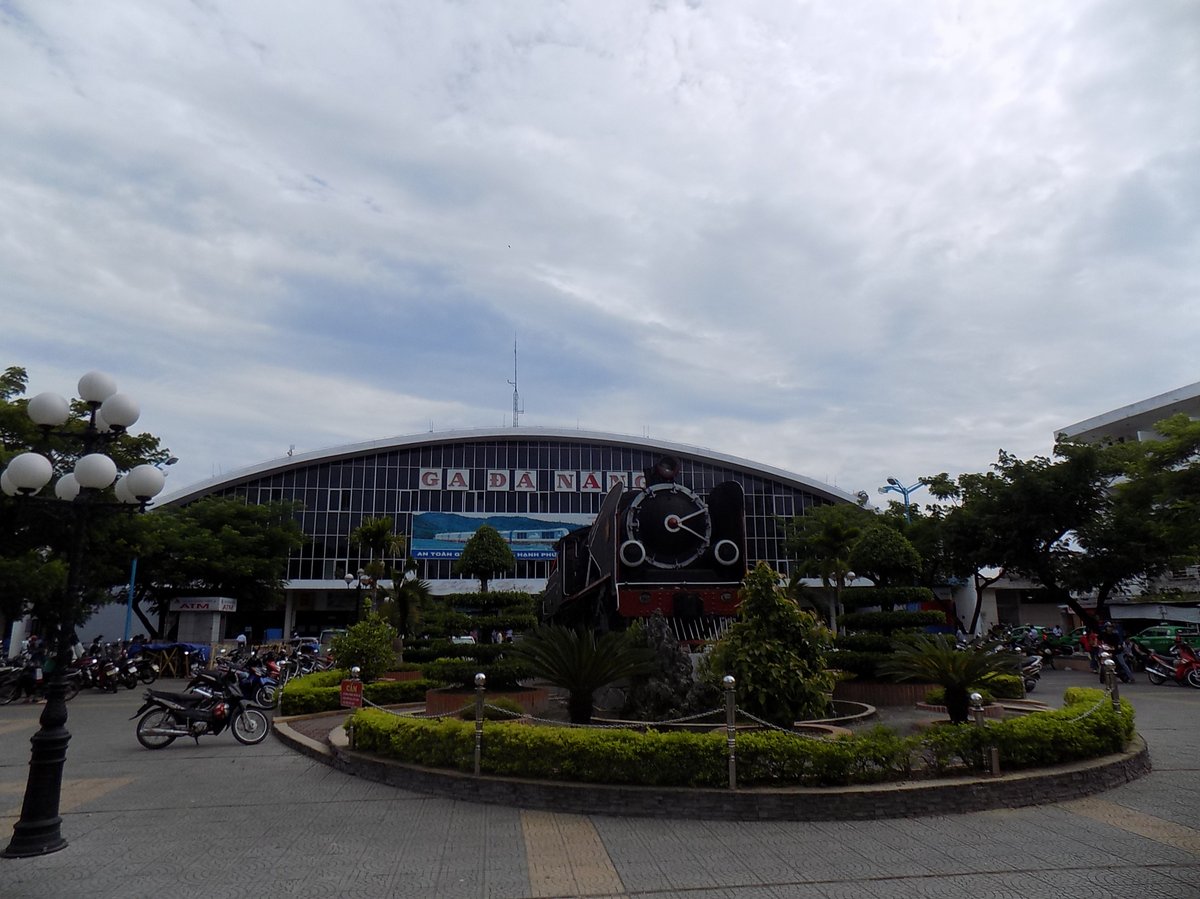
Da Nang Railway Station

Place
Da Nang University of Technology
Place
Duy Tan University
Place
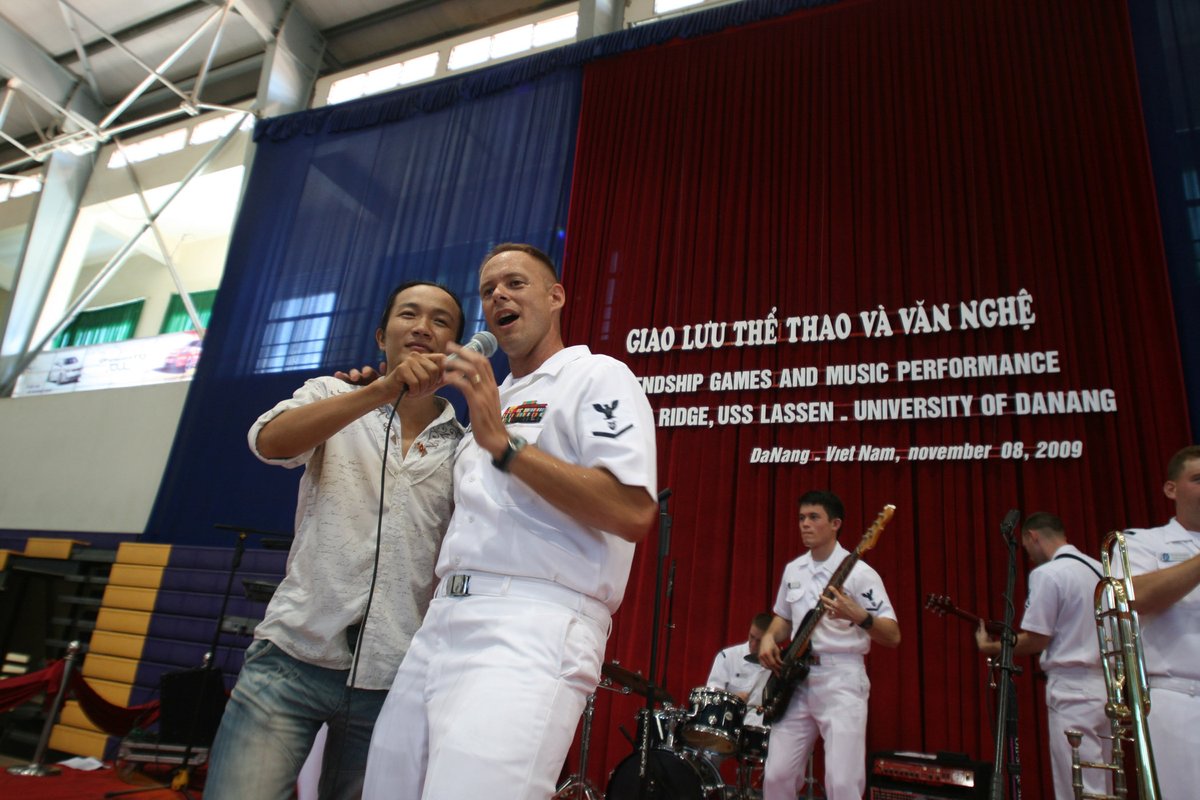
University of Da Nang
Pick up where you left off
Saved and recently read places — kept on this device only.
Photo credits (11)
- Nguyễn Hoàng — Pexels License (https://www.pexels.com/license/) — Source: https://www.pexels.com/photo/12538227/
- 140407-N-YU572-086 — COMSEVENTHFLT — CC BY-SA 2.0 (https://creativecommons.org/licenses/by-sa/2.0/) — Source: https://commons.wikimedia.org/wiki/File:140407-N-YU572-086.jpg
- 13509-Da-Nang (24669209108) — xiquinhosilva — CC BY 2.0 (https://creativecommons.org/licenses/by/2.0/) — Source: https://commons.wikimedia.org/wiki/File:13509-Da-Nang_(24669209108).jpg
- 14026-Da-Nang (49040335573) — xiquinhosilva — CC BY 2.0 (https://creativecommons.org/licenses/by/2.0/) — Source: https://commons.wikimedia.org/wiki/File:14026-Da-Nang_(49040335573).jpg
- 2.SPC Danang 2019 Final Copy — NghiaSinh — CC BY-SA 4.0 (https://creativecommons.org/licenses/by-sa/4.0/) — Source: https://commons.wikimedia.org/wiki/File:2.SPC_Danang_2019_Final_Copy.png
- -i---i- (49357485913) — Martin Lewison from Forest Hills, NY, U.S.A. — CC BY 2.0 (https://creativecommons.org/licenses/by/2.0/) — Source: https://commons.wikimedia.org/wiki/File:-i---i-_(49357485913).jpg
- A clear summer day at Vinpearl Nam Hoi An — Khoistudio — CC BY-SA 4.0 (https://creativecommons.org/licenses/by-sa/4.0/) — Source: https://commons.wikimedia.org/wiki/File:A_clear_summer_day_at_Vinpearl_Nam_Hoi_An.jpg
- 14150-Da-Nang (49041052957) — xiquinhosilva — CC BY 2.0 (https://creativecommons.org/licenses/by/2.0/) — Source: https://commons.wikimedia.org/wiki/File:14150-Da-Nang_(49041052957).jpg
- 14050-Da-Nang (49040336433) — xiquinhosilva — CC BY 2.0 (https://creativecommons.org/licenses/by/2.0/) — Source: https://commons.wikimedia.org/wiki/File:14050-Da-Nang_(49040336433).jpg
- 13512-Da-Nang (24669215708) — xiquinhosilva — CC BY 2.0 (https://creativecommons.org/licenses/by/2.0/) — Source: https://commons.wikimedia.org/wiki/File:13512-Da-Nang_(24669215708).jpg
- Aerial view of the Golden Bridge, Ba Na Hills, Da Nang, Vietnam — Vivu Vietnam — CC BY-SA 4.0 (https://creativecommons.org/licenses/by-sa/4.0/) — Source: https://commons.wikimedia.org/wiki/File:Aerial_view_of_the_Golden_Bridge,_Ba_Na_Hills,_Da_Nang,_Vietnam.jpg
Photos may have been resized or cropped.