restaurant
Street food, region by region
Vietnamese food changes every few hundred kilometers. Eat phở and bún chả in Hanoi, bún bò Huế in Huế, cao lầu in Hội An, and cơm tấm after dark in Ho Chi Minh City.
Vietnam is one of the few countries where a first trip can give you imperial history, serious street food, mountain trekking, cave expeditions, and a tropical coastline without feeling stitched together.
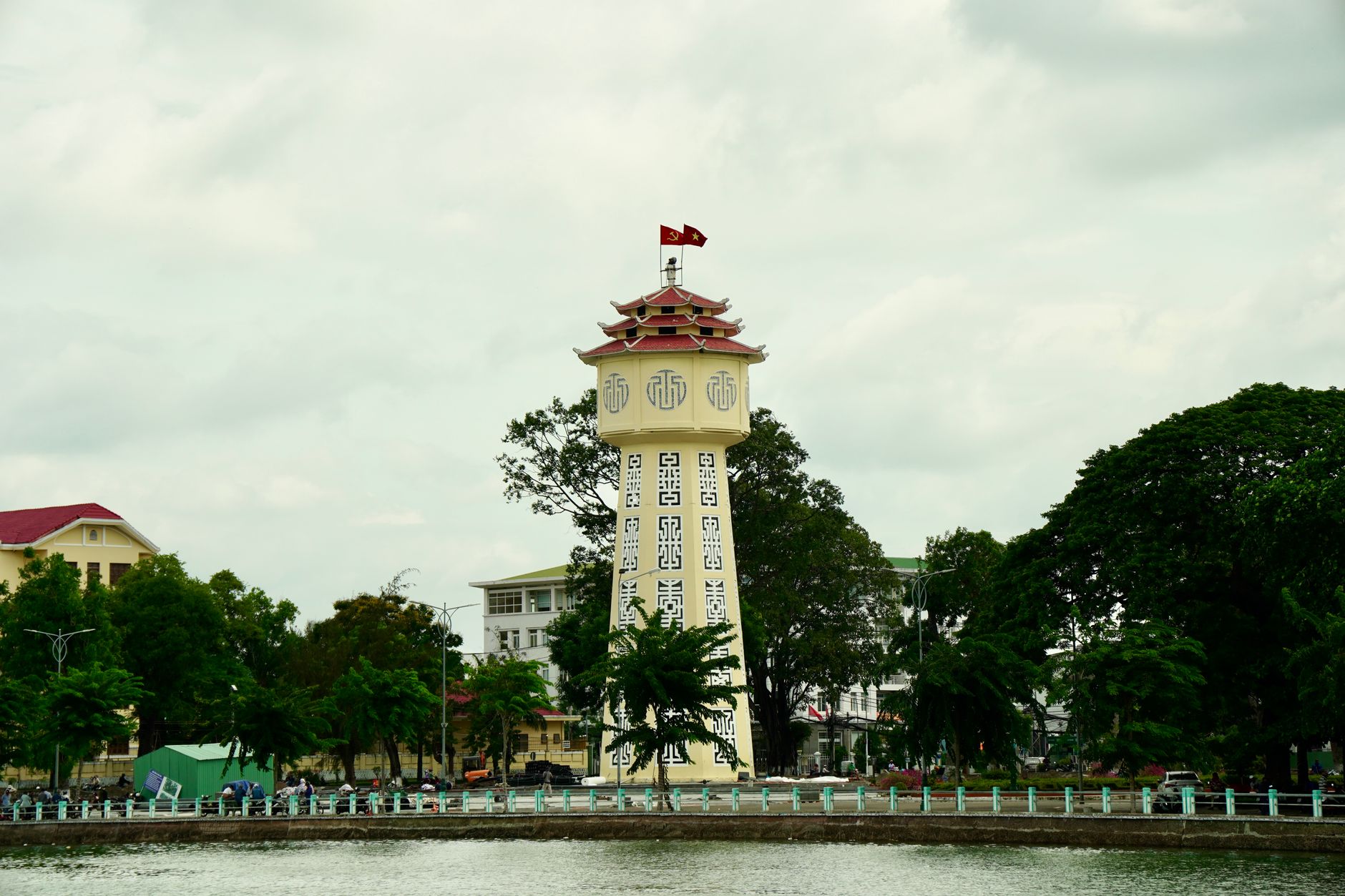 Vietnam
EntryE-visa for many travelers; 45-day visa-free entry for UK and many EU passports
VThis Vietnam travel guide starts with a useful truth: one trip can take you from Hanoi broth and temple smoke to Ha Long Bay karsts and Hội An lanterns.
Vietnam rewards travelers who like contrast with structure. In Hanoi, dawn begins with phở, scooter noise, and coffee dripping through a metal phin; by evening, the old quarter smells of grilled pork and rain on concrete. Head south and the country keeps changing fast: imperial walls in Huế, riverfront promenades in Da Nang, tailor shops and ochre facades in Hội An, then the restless late-night energy of Ho Chi Minh City. Few countries pack this much range into a north-south spine of roughly 1,650 kilometers.
The landscapes change as sharply as the food. Ha Long Bay rises out of the Gulf of Tonkin in nearly 2,000 limestone islands, while Ninh Bình turns the same karst geology inland, with rice fields instead of open sea. In Sapa and Mù Cang Chải, terraces cut across mountain slopes with the precision of hand-built amphitheaters. Phong Nha goes underground into cave systems large enough to swallow city blocks. Then the Mekong slows everything down around Can Tho, where floating markets, river ferries, and humid mornings replace the mountain air of the north.
Origins and Legends, c. 700 BCE-111 BCE
Mist rises over Cổ Loa at dawn, north of Hanoi, and the earthworks still look like a coiled animal guarding a secret. This was the world of the Đông Sơn culture, whose bronze drums, cast between roughly the 7th and 1st centuries BCE, carry feathered dancers, boats, stags, and sunbursts in rings so precise that modern metalworkers still argue over the method. You can almost hear them before you see them.
Ce que l'on ignore souvent, c'est que these drums were not mere ornaments for a museum case. They were prestige objects, ritual instruments, and political theatre in metal, heavy enough to impress a rival before a word had been spoken. A chief who owned one owned more than bronze; he owned ceremony, memory, and the right to gather people under a single sound.
Then comes the tragic prince of early Vietnam: An Dương Vương, builder of the spiral citadel at Cổ Loa in the 3rd century BCE. Legend says a golden turtle gave him a magic crossbow trigger that could strike down armies, which is the sort of gift rulers accept too quickly and guard too poorly. His daughter Mỵ Châu fell in love with Trọng Thủy, the son of a rival lord, and love did what siege engines could not.
She scattered goose feathers from her cloak as she fled, thinking she marked a path for her husband; in truth she lit the road to her father's ruin. The king understood too late, cut down his daughter at the shore, and vanished into the sea with the turtle's judgment still ringing in his ears. It is a founding story of tenderness and treason, and it matters because the next age would teach Vietnam to remember both at once: affection inside the family, danger at the frontier.
Mỵ Châu survives in Vietnamese memory not as a cardboard traitor but as a young woman destroyed by trusting the wrong man in a court where marriage was already a weapon.
Pilgrims still leave offerings to Mỵ Châu, a rare afterlife for someone blamed for the fall of a kingdom.
Chinese Rule and the First Heroines, 111 BCE-939 CE
The Han conquest in 111 BCE folded the Red River plain into a Chinese imperial system of taxes, roads, officials, and written administration. For nearly a thousand years, what is now northern Vietnam was ruled as a frontier province, named, measured, and supervised from the north. Yet frontier provinces have a habit of growing their own pride.
In 40 CE, after the execution of the local noble Thi Sách, his widow Trưng Trắc and her sister Trưng Nhị raised a rebellion that still feels electric. Vietnamese tradition says they rallied dozens of citadels and rode at the head of war elephants, which is not a small entrance into history. For a brief moment they pushed Han authority back and proclaimed a court of their own.
Chinese sources record their defeat in 43 CE under General Ma Yuan; Vietnamese memory prefers another ending, more terrible and more beautiful, with the sisters choosing death in the Hát River rather than submission. That distinction matters. Empires write reports. Nations keep martyrs.
Another woman followed in the 3rd century: Lady Triệu, who is said to have declared that she wished to ride the storm, kill sharks in the eastern sea, and drive out invaders, rather than bow her head as a concubine. One hears the line and understands at once why schoolchildren still learn it. Centuries of occupation left behind Confucian bureaucracy, literary Chinese, Buddhist transmission, irrigation works, and habits of statecraft, but they also sharpened a local instinct that would define the country: take what is useful from empire, never surrender the right to outlast it.
That instinct found its military form in 938 on the Bạch Đằng River, when Ngô Quyền used the tides themselves as accomplices. Independence did not arrive from nowhere. It was prepared by a millennium of remembering who had ruled, and who had resisted.
Trưng Trắc stands at the head of Vietnamese history not because she won for long, but because she made resistance look sovereign for the first time.
A later Vietnamese tradition claims people chipped fragments from Ma Yuan's bronze victory pillar for generations, as if even the monument of conquest had to be worn away by hand.
Đại Việt and the Age of Courts, 939-1802
At low tide in 938, the Bạch Đằng River looked harmless enough. Beneath the surface, Ngô Quyền had planted iron-tipped stakes into the riverbed, then lured the Southern Han fleet inland until the water dropped and the ships tore themselves open. One battle ended a thousand years of direct Chinese rule. Vietnam's independence began not with a coronation but with a trap.
The centuries that followed built Đại Việt piece by piece: rough warlords first, then courts, law codes, pagodas, tax registers, and capitals that knew how to stage authority. In Hanoi, then called Thăng Long, rulers of the Lý and Trần dynasties turned the Red River plain into a political heartland shaped by Buddhism, Confucian learning, and village agriculture. Ce que l'on ignore souvent, c'est que this was not a minor kingdom hiding in a corner of Asia; it was a courtly state with poets, mandarins, engineers, and a memory long enough to answer China on equal terms.
The Mongols discovered that in the 13th century and paid dearly for it. Kublai Khan sent forces into Đại Việt in 1258, 1285, and 1288, and each time the Trần court yielded space, harassed supply lines, then struck back. Trần Hưng Đạo, the dynasty's great commander, became the embodiment of patriotic cunning, and on the Bạch Đằng in 1288 the old river trick returned: stakes, tides, panic, wreckage. History does repeat itself, though only for generals clever enough to remember.
Then came the quieter revolutions, just as important. The Confucian examination system matured; village communal life thickened; Vietnamese armies and settlers pushed steadily south in the long Nam tiến, absorbing and displacing Champa and later reaching toward the Mekong. This expansion created the geography travelers now move through, from Hanoi to Huế to Hội An to the southern plains. It also carried a price, because every expansion writes glory in one language and grief in another.
By the 18th century the old order had begun to splinter under court faction, peasant unrest, and regional rivalry. The Tây Sơn uprising blew through the country with the violence of a storm, toppling lords, humbling dynasties, and clearing the ground for one final imperial experiment. The center of gravity would shift to Huế, where a new dynasty would build lacquered magnificence under gathering foreign pressure.
Trần Hưng Đạo was not only a battlefield genius; he was a court insider who understood that dynasties fall as easily to vanity and jealousy as to cavalry.
Before fighting the Mongols, Trần Hưng Đạo reportedly wrote a fiery appeal to his officers that shamed any man more interested in cockfighting or comfort than in the fate of the realm.
Nguyễn Splendor and Colonial Rupture, 1802-1945
Morning rain falls softly on the tiles of the Imperial City in Huế, and the place still knows how to hold a royal silence. In 1802, Nguyễn Ánh emerged victorious from decades of civil war, took the imperial name Gia Long, and founded the Nguyễn dynasty, unifying the country from north to south. He built his capital on the Perfume River with citadels, temples, gates, and ritual geometry borrowed in part from Beijing, then made it unmistakably Vietnamese.
Court life in Huế was disciplined, theatrical, and mercilessly ranked. Eunuchs guarded inner spaces. Mandarins moved through ceremony as if each sleeve had been rehearsed. The emperor Minh Mạng, who reigned from 1820 to 1841, tightened administration, expanded state power, and pursued a stern Confucian order that left little room for rivals, missionaries, or dissent. A dynasty at full confidence often mistakes itself for permanent.
French interest had begun earlier through missionaries and military advisers, but by 1858 cannon fire made the matter plain. Da Nang was attacked first; southern territories fell in stages; treaties hollowed out sovereignty clause by clause until the Nguyễn court survived under French domination. The colonial period left boulevards, railways, Roman Catholic churches, prisons, plantations, and a bitter architecture of dual power in which emperors still performed authority while residents knew where decisions were truly made.
And yet Vietnam under colonial rule was not a frozen tableau of mandarins and governors. It was a workshop of arguments. Reformers, monarchists, revolutionaries, Catholic intellectuals, anti-tax peasants, and students trained in French all fought over what survival should mean. Emperor Hàm Nghi became a teenage symbol of resistance after fleeing Huế in 1885; Phan Bội Châu looked to Japan; Phan Châu Trinh argued for modernization without blind submission. The old court had not died. It had become a stage on which different futures accused one another.
By the time Bảo Đại, the last emperor, moved through the palaces of Huế in tailored restraint and colonial compromise, the monarchy had become both ornament and wound. The Japanese coup of March 1945 shattered French authority in Indochina, then Japan's own defeat opened the door to revolution. A dynasty that had hoped to endure by ceremony was about to meet a politics of mass mobilization.
Bảo Đại, elegant, westernized, and often dismissed as decorative, remains a tragic figure precisely because he understood the theatre of power at the moment when theatre no longer ruled events.
The Nguyễn court kept a rigorously codified hierarchy of colors, garments, and insignia, which meant that in Huế even a robe could start an argument about rank.
Revolution, War, and Renewal, 1945-Present
On 2 September 1945, in Ba Đình Square in Hanoi, Hồ Chí Minh stood before a crowd and read the Declaration of Independence. He borrowed from the American text, which was a deft and very deliberate choice: universal rights spoken into a world that was not yet prepared to grant them. The scene had pageantry, but not the velvet kind. This was politics in sandals.
What followed was not a clean birth but thirty years of conflict. The First Indochina War ended with the French defeat at Điện Biên Phủ in 1954, a battlefield catastrophe that destroyed the prestige of colonial rule. Then came partition at the 17th parallel: Hanoi as the capital of the Democratic Republic of Vietnam in the north, Saigon, now Ho Chi Minh City, as the center of the anti-communist south under first French-backed and then American-supported governments.
The war that foreigners still call the Vietnam War, and Vietnamese usually call the American War, turned fields, villages, and city streets into archives of grief. Huế was devastated during the 1968 Tet Offensive. Bombing scarred the countryside. Families were split by ideology, geography, conscription, and fear. Ce que l'on ignore souvent, c'est that alongside tanks and doctrine ran something quieter and harder to map: the daily endurance of ordinary people who kept cooking, teaching, burying their dead, and waiting for letters that did not arrive.
Saigon fell on 30 April 1975. The country was formally reunified in 1976, but peace did not mean instant ease; the postwar years brought economic hardship, reeducation campaigns, border wars, and a state trying to consolidate control over a wounded society. Then, in 1986, came Đổi Mới, the renovation reforms that loosened the planned economy and changed daily life with startling speed. Shops reopened. Private enterprise returned. Motorbikes multiplied like a second weather system.
That is the Vietnam travelers encounter now: a country where ancestor altars glow beside smartphones, where French villas survive in Hanoi, where the old imperial grammar of Huế meets the tailoring of Hội An and the velocity of Ho Chi Minh City. The past has not withdrawn. It sits at the same table as the present, pouring tea, correcting the family story, and asking what kind of future will be built next.
Hồ Chí Minh remains less a marble icon than a political master of timing, symbolism, and personal austerity, which is one reason his image still carries such force.
When Saigon was renamed Ho Chi Minh City after reunification, many residents continued to say 'Saigon' in daily life, and both names still carry different emotional weights depending on who is speaking.
Vietnamese does not let you speak from nowhere. The sentence asks who you are to the other person before it agrees to move. In Hanoi, a vendor may call you em, chị, cô, chú, and each choice places you on an invisible family tree that governs the exchange more surely than any grammar book. A language that makes kinship obligatory turns every conversation into social cartography.
This is why politeness here feels different from the Anglo habit of scattering please and thank you like confetti. Respect lives in address, in tone, in the fraction of a pause before handing over change with two hands. In Ho Chi Minh City, the traffic can sound like a metal orchestra having a disagreement, yet the speech inside a coffee shop remains finely calibrated, almost ceremonial.
Then comes the music of the thing. Six tones. A syllable rises and means one life; it falls and means another. The language behaves like lacquer: glossy on the surface, difficult underneath, impossible not to admire. You hear it best at dawn in Huế, where an old woman selling bún bò Huế can turn a price into a melody and a refusal into a courtesy.
Vietnamese cuisine understands a fact many nations spend centuries avoiding: appetite wants contrast, not comfort alone. A bowl of phở in Hanoi begins with broth that has spent hours persuading bones to surrender, then meets scallion, herbs, lime, chili, and the brief insolence of raw onion. The result is not abundance. It is precision.
Every region argues with the others through the table. Huế prefers force, heat, lemongrass, blood, offal, imperial swagger with its sleeves rolled up. Hội An builds cao lầu from thick noodles, pork, herbs, and very little broth, as if soup had been judged an unnecessary form of sentimentality. Ho Chi Minh City, unsurprisingly, likes generosity: sweeter instincts, more garnish, more improvisation, more yes.
What moves me most is the ritual of assembly. Nothing arrives finished in the European sense. You tear the lettuce, dip the bánh xèo, bruise the herbs, choose the chili, decide the balance. A country reveals itself by how it asks you to eat. Vietnam asks for attention, then rewards it with mint, smoke, fish sauce, and the clean shock of basil.
Vietnamese etiquette is not softness. It is measurement. Who is oldest, who sits first, who pours, who starts, who receives the object with both hands, who speaks plainly and who speaks around the point: all this is observed with the seriousness other cultures reserve for contracts. A family meal in Can Tho can teach more about hierarchy than a shelf of sociology.
The foreigner often misreads the smile. That is the first trap. A smile may mean pleasure, certainly, but it may also mean embarrassment, apology, patience, or the wish to keep the atmosphere from tearing. Vietnam prefers harmony to display; many people would rather bend the sentence than break the room.
At table, age matters. In conversation, relation matters. During nhậu, the beer-drinking rite that is really a test of fellowship disguised as leisure, repetition matters: the same toast, the same clink, the same invitation until strangers begin to feel less accidental. I admire this. Civilization may be nothing more than a choreography for reducing the violence of proximity.
Religion in Vietnam does not care much for tidy categories. Buddhism, ancestor worship, Confucian habit, Taoist traces, local spirits, Catholic bells, temple smoke, household altars with oranges and tea: the country arranges them side by side and sees no scandal in the arrangement. In Huế, a pagoda can stand a short drive from a church and neither needs to explain itself.
The household altar is where the metaphysics becomes intimate. A red light. A cup of water. Fruit placed with the dignity of an offering and the practicality of a grocery list. Ancestors remain members of the household, merely less visible. You do not visit the dead in abstraction here; you feed them, greet them, consult them, keep them in the architecture of daily life.
Tet makes this plain. Homes are cleaned, flowers installed, food prepared, incense lit, debts counted, words chosen carefully because the first days of the year are thought to stain or bless what follows. I find this moving. Most modern societies exile ritual to museums or weddings. Vietnam still allows it to govern Tuesday afternoon.
Vietnamese architecture is a negotiation with heat, rain, empire, and memory. In Hanoi, tube houses rise narrow and deep because taxation once depended on street frontage; commerce shaped the facade, necessity shaped the interior, and the result still stands like an argument made in brick. In Huế, imperial gates and citadel walls speak another language entirely: axial, ceremonial, built for dynastic theater and monsoon endurance.
Then the French arrived with shutters, balconies, villas, post offices, cathedrals, and the certainty that geometry could discipline the tropics. It could not. The climate had other ideas. Paint peels, moss returns, verandas fill with motorbikes, and colonial forms get absorbed into Vietnamese street life until the original arrogance looks almost domesticated.
Hội An may be the clearest lesson. Timber merchant houses, assembly halls, yellow walls, river humidity, lantern light, Chinese and Japanese traces, local adaptations: the town reads like a ledger where every century added a line but none erased the previous one. Architecture here is never only style. It is weather made visible, trade turned into timber, power translated into eaves and courtyards.
The áo dài has the elegance of something that already knows it will outlive fashion. Long tunic, high collar, side slits, trousers beneath: modesty and sensuality signing the same treaty. On schoolgirls in white outside class gates in Hanoi, it looks like discipline made weightless. On wedding days in Ho Chi Minh City, in lacquered reds and golds, it becomes ceremony itself.
Vietnamese dress has always understood movement. The conical nón lá is not folklore first; it is engineering first, poetry second. Rain shield, sun shield, basket when needed, emblem only afterward. This practicality pleases me. Beauty that begins in use has better manners than beauty that arrives demanding admiration.
Silk still carries prestige, especially around Hội An and the old weaving villages near Hanoi, but the country dresses today with a startling fluency between registers: office black, scooter poncho, grandmother pajamas printed with impossible flowers, streetwear, temple clothes, school uniforms. Nothing looks random for long. Even apparent disorder settles into pattern, and pattern is one of Vietnam's secret luxuries.
Vietnamese food changes every few hundred kilometers. Eat phở and bún chả in Hanoi, bún bò Huế in Huế, cao lầu in Hội An, and cơm tấm after dark in Ho Chi Minh City.
The country’s history is written in stone, brick, and ritual. Huế preserves the Nguyễn imperial world, Hội An keeps its trading-port streetscape, and Hanoi layers dynastic memory under French-era facades.
Ha Long Bay gets the fame, and for good reason: limestone towers rise straight out of the sea in dense, improbable clusters. Ninh Bình offers the inland version, with cliffs, pagodas, and river routes through flooded fields.
Vietnam does scale well. Sapa and Mù Cang Chải bring highland trekking and terraced slopes, while Phong Nha-Kẻ Bàng hides cave systems so large they reset your sense of distance.
Water shapes daily life from the Red River to the Mekong. In Can Tho, the delta still moves by boat, market run, and ferry crossing, even as the cities push hard into the future.
13 cities — start with the ones we'd send you to first.
Walk down any Old Quarter street at dusk and you can smell charcoal fires, hear the metallic clack of chopsticks, and feel centuries of trade still humming under your feet.
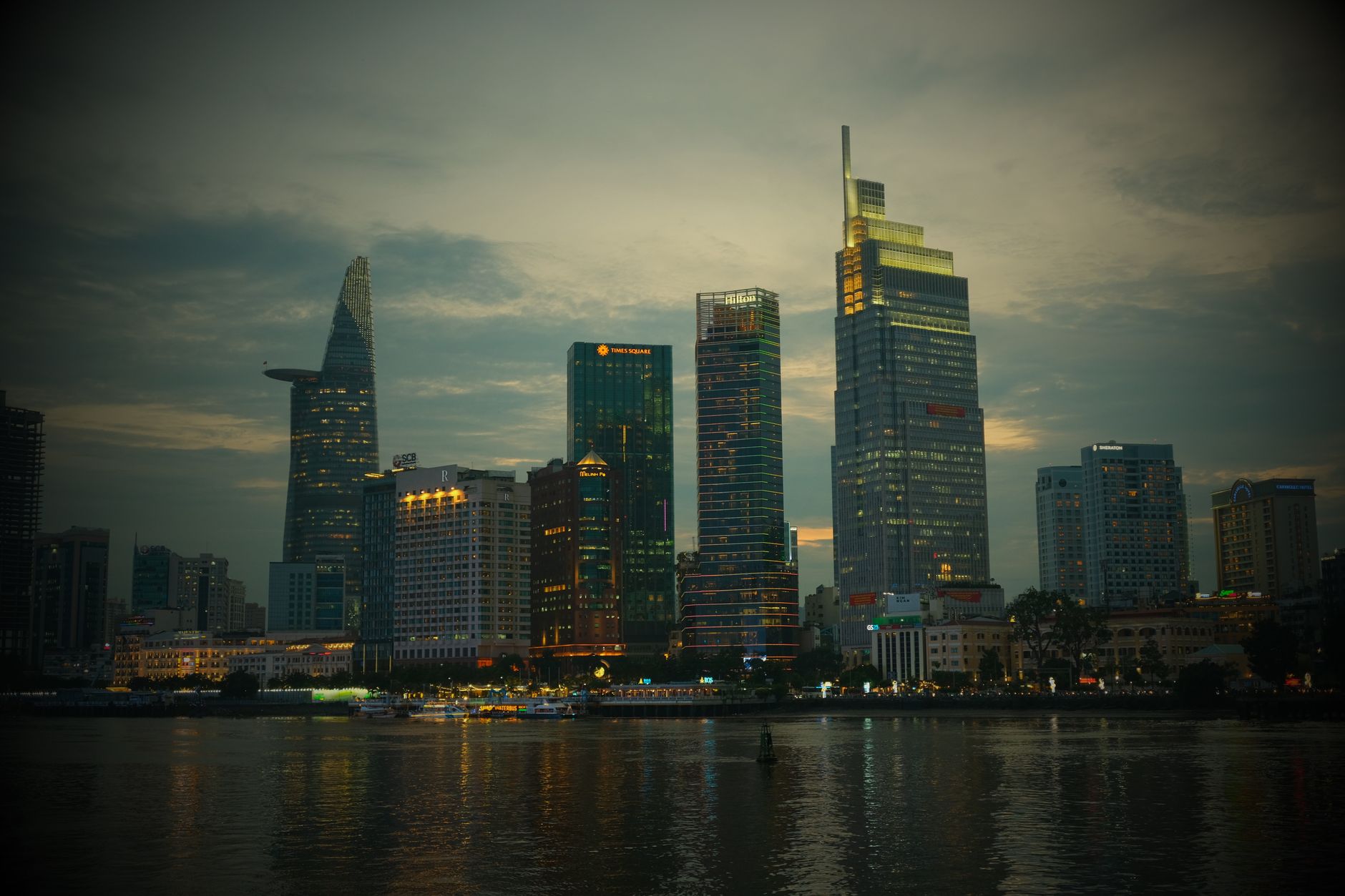
Walk past the shark-fin tower at dusk and you can still smell incense drifting from an alley temple built when this was still Prey Nokor.
The dragon on the bridge spits actual fire every Saturday night while, a few kilometres away, an endangered monkey the colour of rust watches you from the trees. That tension between new spectacle and old forest is Da Na…
Can Tho smells of river water at dawn and jackfruit at noon; by night the neon bridge throws pink ladders across the Hau, and you realise the delta has a skyline after all.
A 16th-century trading port where Japanese merchant houses and Chinese assembly halls share the same lantern-lit street, and the tailors can copy your jacket in 24 hours.
The last imperial capital hides a walled citadel, seven royal tombs strung along the Perfume River, and bún bò Huế — a lemongrass-and-shrimp-paste broth the rest of Vietnam quietly admits it cannot replicate.
1,969 limestone karsts rising from the Gulf of Tonkin at dawn, best seen from the deck of an overnight junk before the day-trip boats arrive.
Hmong and Dao farmers have terraced these Hoàng Liên Sơn slopes for centuries, and the rice is still planted by hand in water that reflects the clouds.
Tràng An's limestone karsts and flooded rice paddies deliver the Ha Long Bay drama entirely by rowboat through cave tunnels, with a fraction of the crowd.
Hanoi is the country at its most compressed: temple smoke, French facades, plastic stools, lakeside tai chi and scooter traffic that never fully stops. This region also holds the easiest side trips from the capital, from the karst river country of Ninh Bình to the theatrical limestone stacks of Ha Long Bay.
The far north rises hard and fast, and the mood changes with altitude. Sapa brings trekking routes, Hmong and Dao villages and cool air, while Mù Cang Chải has the rice terraces people imagine when they picture mountain Vietnam, especially in the green months and around harvest.
This is Vietnam's most layered corridor, where imperial Huế, the beaches around Da Nang and the trading-town fabric of Hội An sit within a few hours of each other. It is also a region of weather traps: sunny in spring, punishingly wet on parts of the coast from October to December.
Phong Nha feels less polished than the coast and better for it. The draw is geological scale: jungle-covered karst, river caves, national park roads and access to some of the biggest cave systems on earth, including the Sơn Đoòng story that turned this once-quiet area into a bucket-list stop.
Ho Chi Minh City runs on commerce, caffeine and speed, then the delta loosens everything a few hours later in Can Tho where river traffic, fruit markets and early-morning boats still shape the day. Add Da Lat for cool highland air and Phu Quoc for beach time, and the south starts to look less like one region than three stitched together by flights and buses.
A Vietnamese timeline of conquest, court ritual, colonial rupture, and reinvention
The spiral citadel of Cổ Loa is traditionally linked to An Dương Vương and the kingdom of Âu Lạc. Even now, its earthworks north of Hanoi suggest a polity that already understood defense, ceremony, and the theatre of rulership.
Han armies absorb the Red River region into the Chinese imperial system. Administration, taxation, roads, and written bureaucracy arrive with conquest, beginning nearly a millennium of outside rule.
Trưng Trắc and Trưng Nhị lead an uprising after Han authorities execute Thi Sách. Their revolt becomes one of the deepest patriotic memories in Vietnam, proof that resistance could wear a woman's face and still command armies.
Lady Triệu leads another rebellion against Chinese rule in the 3rd century. Her remembered declaration of refusal turns her into a heroine of defiance rather than a mere footnote of failed resistance.
Ngô Quyền destroys the Southern Han fleet with iron-tipped stakes planted in the riverbed and timed to the tides. The battle ends prolonged Chinese domination and marks the practical birth of an independent Vietnamese state.
Emperor Lý Thái Tổ moves the capital to Thăng Long, today's Hanoi. The decision anchors royal power in the Red River plain and shapes the political geography of northern Vietnam for centuries.
Facing Song forces, the general Lý Thường Kiệt defends the Như Nguyệt line and is linked to the poem 'Nam quốc sơn hà.' The verses are remembered as an early declaration that the southern land has its own ruler and heaven-set borders.
Kublai Khan's expanding empire tests Đại Việt for the first time and is driven back. It is only the opening act of a larger struggle, but it proves the court can survive by mobility rather than pride.
At the Bạch Đằng River, Vietnamese forces again use hidden stakes and tidal timing to crush a Mongol fleet. The victory enters national memory as one of medieval Asia's great strategic reversals.
The Ming seize control of Đại Việt and attempt to fold it back into a Chinese imperial framework. Archives, artisans, and scholars are carried off, and resistance hardens again around the idea of restoration.
After the Lam Sơn uprising, Lê Lợi establishes the Later Lê dynasty. His victory over the Ming renews sovereignty and gives later generations one of the country's classic founder-kings.
The Lê court's campaign against Champa decisively weakens the Cham kingdom and accelerates the long southward expansion known as Nam tiến. Modern Vietnam's territorial shape owes much to this turning point.
Nguyễn Hoàng establishes a durable southern base, beginning the long division between Trịnh lords in the north and Nguyễn lords in the south. Two rival political centers now compete under the fading shell of one monarchy.
Three Tây Sơn brothers launch a rebellion that topples old lords and scrambles the political order. What begins as revolt becomes a national reordering that clears the way for one last imperial dynasty.
Emperor Quang Trung drives back a Qing intervention with remarkable speed during the Lunar New Year campaign. His victory is still admired for its audacity, though his early death leaves much unfinished.
Nguyễn Ánh defeats the Tây Sơn, takes the name Gia Long, and unifies Vietnam under a single dynasty. Huế becomes the imperial capital, and the Perfume River turns into the axis of court ritual and state power.
The assault on Da Nang opens the era of direct French military intervention. Over the following decades, conquest advances by cannon, treaty, and commercial pressure until sovereignty is fatally compromised.
French colonial administration consolidates Vietnam within the Union of French Indochina. Emperors remain in Huế, but real power increasingly sits with colonial officials, companies, and military force.
Anti-colonial activism gains a new organizational center as communism, nationalism, and labor politics intertwine. The struggle against French rule enters a more disciplined and ideologically driven phase.
After Japan's collapse, Hồ Chí Minh declares the independence of the Democratic Republic of Vietnam in Ba Đình Square. The ceremony is short, the symbolism exact, and the wars to secure that claim are only beginning.
General Võ Nguyên Giáp's forces defeat the French fortress at Điện Biên Phủ after a grueling siege. The Geneva settlement that follows divides Vietnam at the 17th parallel, setting up the next and even larger war.
Communist forces launch widespread attacks across South Vietnam, including brutal fighting in Huế. Militarily mixed but psychologically devastating, Tet changes how the war is seen abroad and at home.
North Vietnamese forces enter Saigon on 30 April 1975, ending the war and collapsing the Republic of Vietnam. The image of helicopters lifting from rooftops fixes itself in global memory, though for Vietnamese families the day means far more than one image can hold.
Vietnam becomes the Socialist Republic of Vietnam, with Hanoi as its capital and Saigon renamed Ho Chi Minh City. The political map is unified, but reconstruction, control, and social repair will take much longer.
Economic renovation reforms loosen central planning and permit greater private enterprise. The change does not erase the socialist state, but it transforms daily life, urban growth, and Vietnam's place in the regional economy.
Origins and Legends
Mỵ Châu survives in Vietnamese memory not as a cardboard traitor but as a young woman destroyed by trusting the wrong man in a court where marriage was already a weapon.
Mist rises over Cổ Loa at dawn, north of Hanoi, and the earthworks still look like a coiled animal guarding a secret. This was the world of the Đông Sơn culture, whose bronze drums, cast between roughly the 7th and 1st centuries BCE, carry feathered dancers, boats, stags, and sunbursts in rings so precise that modern metalworkers still argue over the method. You can almost hear them before you see them.
Ce que l'on ignore souvent, c'est que these drums were not mere ornaments for a museum case. They were prestige objects, ritual instruments, and political theatre in metal, heavy enough to impress a rival before a word had been spoken. A chief who owned one owned more than bronze; he owned ceremony, memory, and the right to gather people under a single sound.
Then comes the tragic prince of early Vietnam: An Dương Vương, builder of the spiral citadel at Cổ Loa in the 3rd century BCE. Legend says a golden turtle gave him a magic crossbow trigger that could strike down armies, which is the sort of gift rulers accept too quickly and guard too poorly. His daughter Mỵ Châu fell in love with Trọng Thủy, the son of a rival lord, and love did what siege engines could not.
She scattered goose feathers from her cloak as she fled, thinking she marked a path for her husband; in truth she lit the road to her father's ruin. The king understood too late, cut down his daughter at the shore, and vanished into the sea with the turtle's judgment still ringing in his ears. It is a founding story of tenderness and treason, and it matters because the next age would teach Vietnam to remember both at once: affection inside the family, danger at the frontier.
Pilgrims still leave offerings to Mỵ Châu, a rare afterlife for someone blamed for the fall of a kingdom.
Chinese Rule and the First Heroines
Trưng Trắc stands at the head of Vietnamese history not because she won for long, but because she made resistance look sovereign for the first time.
The Han conquest in 111 BCE folded the Red River plain into a Chinese imperial system of taxes, roads, officials, and written administration. For nearly a thousand years, what is now northern Vietnam was ruled as a frontier province, named, measured, and supervised from the north. Yet frontier provinces have a habit of growing their own pride.
In 40 CE, after the execution of the local noble Thi Sách, his widow Trưng Trắc and her sister Trưng Nhị raised a rebellion that still feels electric. Vietnamese tradition says they rallied dozens of citadels and rode at the head of war elephants, which is not a small entrance into history. For a brief moment they pushed Han authority back and proclaimed a court of their own.
Chinese sources record their defeat in 43 CE under General Ma Yuan; Vietnamese memory prefers another ending, more terrible and more beautiful, with the sisters choosing death in the Hát River rather than submission. That distinction matters. Empires write reports. Nations keep martyrs.
Another woman followed in the 3rd century: Lady Triệu, who is said to have declared that she wished to ride the storm, kill sharks in the eastern sea, and drive out invaders, rather than bow her head as a concubine. One hears the line and understands at once why schoolchildren still learn it. Centuries of occupation left behind Confucian bureaucracy, literary Chinese, Buddhist transmission, irrigation works, and habits of statecraft, but they also sharpened a local instinct that would define the country: take what is useful from empire, never surrender the right to outlast it.
That instinct found its military form in 938 on the Bạch Đằng River, when Ngô Quyền used the tides themselves as accomplices. Independence did not arrive from nowhere. It was prepared by a millennium of remembering who had ruled, and who had resisted.
A later Vietnamese tradition claims people chipped fragments from Ma Yuan's bronze victory pillar for generations, as if even the monument of conquest had to be worn away by hand.
Đại Việt and the Age of Courts
Trần Hưng Đạo was not only a battlefield genius; he was a court insider who understood that dynasties fall as easily to vanity and jealousy as to cavalry.
At low tide in 938, the Bạch Đằng River looked harmless enough. Beneath the surface, Ngô Quyền had planted iron-tipped stakes into the riverbed, then lured the Southern Han fleet inland until the water dropped and the ships tore themselves open. One battle ended a thousand years of direct Chinese rule. Vietnam's independence began not with a coronation but with a trap.
The centuries that followed built Đại Việt piece by piece: rough warlords first, then courts, law codes, pagodas, tax registers, and capitals that knew how to stage authority. In Hanoi, then called Thăng Long, rulers of the Lý and Trần dynasties turned the Red River plain into a political heartland shaped by Buddhism, Confucian learning, and village agriculture. Ce que l'on ignore souvent, c'est que this was not a minor kingdom hiding in a corner of Asia; it was a courtly state with poets, mandarins, engineers, and a memory long enough to answer China on equal terms.
The Mongols discovered that in the 13th century and paid dearly for it. Kublai Khan sent forces into Đại Việt in 1258, 1285, and 1288, and each time the Trần court yielded space, harassed supply lines, then struck back. Trần Hưng Đạo, the dynasty's great commander, became the embodiment of patriotic cunning, and on the Bạch Đằng in 1288 the old river trick returned: stakes, tides, panic, wreckage. History does repeat itself, though only for generals clever enough to remember.
Then came the quieter revolutions, just as important. The Confucian examination system matured; village communal life thickened; Vietnamese armies and settlers pushed steadily south in the long Nam tiến, absorbing and displacing Champa and later reaching toward the Mekong. This expansion created the geography travelers now move through, from Hanoi to Huế to Hội An to the southern plains. It also carried a price, because every expansion writes glory in one language and grief in another.
By the 18th century the old order had begun to splinter under court faction, peasant unrest, and regional rivalry. The Tây Sơn uprising blew through the country with the violence of a storm, toppling lords, humbling dynasties, and clearing the ground for one final imperial experiment. The center of gravity would shift to Huế, where a new dynasty would build lacquered magnificence under gathering foreign pressure.
Before fighting the Mongols, Trần Hưng Đạo reportedly wrote a fiery appeal to his officers that shamed any man more interested in cockfighting or comfort than in the fate of the realm.
Nguyễn Splendor and Colonial Rupture
Bảo Đại, elegant, westernized, and often dismissed as decorative, remains a tragic figure precisely because he understood the theatre of power at the moment when theatre no longer ruled events.
Morning rain falls softly on the tiles of the Imperial City in Huế, and the place still knows how to hold a royal silence. In 1802, Nguyễn Ánh emerged victorious from decades of civil war, took the imperial name Gia Long, and founded the Nguyễn dynasty, unifying the country from north to south. He built his capital on the Perfume River with citadels, temples, gates, and ritual geometry borrowed in part from Beijing, then made it unmistakably Vietnamese.
Court life in Huế was disciplined, theatrical, and mercilessly ranked. Eunuchs guarded inner spaces. Mandarins moved through ceremony as if each sleeve had been rehearsed. The emperor Minh Mạng, who reigned from 1820 to 1841, tightened administration, expanded state power, and pursued a stern Confucian order that left little room for rivals, missionaries, or dissent. A dynasty at full confidence often mistakes itself for permanent.
French interest had begun earlier through missionaries and military advisers, but by 1858 cannon fire made the matter plain. Da Nang was attacked first; southern territories fell in stages; treaties hollowed out sovereignty clause by clause until the Nguyễn court survived under French domination. The colonial period left boulevards, railways, Roman Catholic churches, prisons, plantations, and a bitter architecture of dual power in which emperors still performed authority while residents knew where decisions were truly made.
And yet Vietnam under colonial rule was not a frozen tableau of mandarins and governors. It was a workshop of arguments. Reformers, monarchists, revolutionaries, Catholic intellectuals, anti-tax peasants, and students trained in French all fought over what survival should mean. Emperor Hàm Nghi became a teenage symbol of resistance after fleeing Huế in 1885; Phan Bội Châu looked to Japan; Phan Châu Trinh argued for modernization without blind submission. The old court had not died. It had become a stage on which different futures accused one another.
By the time Bảo Đại, the last emperor, moved through the palaces of Huế in tailored restraint and colonial compromise, the monarchy had become both ornament and wound. The Japanese coup of March 1945 shattered French authority in Indochina, then Japan's own defeat opened the door to revolution. A dynasty that had hoped to endure by ceremony was about to meet a politics of mass mobilization.
The Nguyễn court kept a rigorously codified hierarchy of colors, garments, and insignia, which meant that in Huế even a robe could start an argument about rank.
Revolution, War, and Renewal
Hồ Chí Minh remains less a marble icon than a political master of timing, symbolism, and personal austerity, which is one reason his image still carries such force.
On 2 September 1945, in Ba Đình Square in Hanoi, Hồ Chí Minh stood before a crowd and read the Declaration of Independence. He borrowed from the American text, which was a deft and very deliberate choice: universal rights spoken into a world that was not yet prepared to grant them. The scene had pageantry, but not the velvet kind. This was politics in sandals.
What followed was not a clean birth but thirty years of conflict. The First Indochina War ended with the French defeat at Điện Biên Phủ in 1954, a battlefield catastrophe that destroyed the prestige of colonial rule. Then came partition at the 17th parallel: Hanoi as the capital of the Democratic Republic of Vietnam in the north, Saigon, now Ho Chi Minh City, as the center of the anti-communist south under first French-backed and then American-supported governments.
The war that foreigners still call the Vietnam War, and Vietnamese usually call the American War, turned fields, villages, and city streets into archives of grief. Huế was devastated during the 1968 Tet Offensive. Bombing scarred the countryside. Families were split by ideology, geography, conscription, and fear. Ce que l'on ignore souvent, c'est that alongside tanks and doctrine ran something quieter and harder to map: the daily endurance of ordinary people who kept cooking, teaching, burying their dead, and waiting for letters that did not arrive.
Saigon fell on 30 April 1975. The country was formally reunified in 1976, but peace did not mean instant ease; the postwar years brought economic hardship, reeducation campaigns, border wars, and a state trying to consolidate control over a wounded society. Then, in 1986, came Đổi Mới, the renovation reforms that loosened the planned economy and changed daily life with startling speed. Shops reopened. Private enterprise returned. Motorbikes multiplied like a second weather system.
That is the Vietnam travelers encounter now: a country where ancestor altars glow beside smartphones, where French villas survive in Hanoi, where the old imperial grammar of Huế meets the tailoring of Hội An and the velocity of Ho Chi Minh City. The past has not withdrawn. It sits at the same table as the present, pouring tea, correcting the family story, and asking what kind of future will be built next.
When Saigon was renamed Ho Chi Minh City after reunification, many residents continued to say 'Saigon' in daily life, and both names still carry different emotional weights depending on who is speaking.
Vietnamese does not let you speak from nowhere. The sentence asks who you are to the other person before it agrees to move. In Hanoi, a vendor may call you em, chị, cô, chú, and each choice places you on an invisible family tree that governs the exchange more surely than any grammar book. A language that makes kinship obligatory turns every conversation into social cartography.
This is why politeness here feels different from the Anglo habit of scattering please and thank you like confetti. Respect lives in address, in tone, in the fraction of a pause before handing over change with two hands. In Ho Chi Minh City, the traffic can sound like a metal orchestra having a disagreement, yet the speech inside a coffee shop remains finely calibrated, almost ceremonial.
Then comes the music of the thing. Six tones. A syllable rises and means one life; it falls and means another. The language behaves like lacquer: glossy on the surface, difficult underneath, impossible not to admire. You hear it best at dawn in Huế, where an old woman selling bún bò Huế can turn a price into a melody and a refusal into a courtesy.
Vietnamese cuisine understands a fact many nations spend centuries avoiding: appetite wants contrast, not comfort alone. A bowl of phở in Hanoi begins with broth that has spent hours persuading bones to surrender, then meets scallion, herbs, lime, chili, and the brief insolence of raw onion. The result is not abundance. It is precision.
Every region argues with the others through the table. Huế prefers force, heat, lemongrass, blood, offal, imperial swagger with its sleeves rolled up. Hội An builds cao lầu from thick noodles, pork, herbs, and very little broth, as if soup had been judged an unnecessary form of sentimentality. Ho Chi Minh City, unsurprisingly, likes generosity: sweeter instincts, more garnish, more improvisation, more yes.
What moves me most is the ritual of assembly. Nothing arrives finished in the European sense. You tear the lettuce, dip the bánh xèo, bruise the herbs, choose the chili, decide the balance. A country reveals itself by how it asks you to eat. Vietnam asks for attention, then rewards it with mint, smoke, fish sauce, and the clean shock of basil.
Vietnamese etiquette is not softness. It is measurement. Who is oldest, who sits first, who pours, who starts, who receives the object with both hands, who speaks plainly and who speaks around the point: all this is observed with the seriousness other cultures reserve for contracts. A family meal in Can Tho can teach more about hierarchy than a shelf of sociology.
The foreigner often misreads the smile. That is the first trap. A smile may mean pleasure, certainly, but it may also mean embarrassment, apology, patience, or the wish to keep the atmosphere from tearing. Vietnam prefers harmony to display; many people would rather bend the sentence than break the room.
At table, age matters. In conversation, relation matters. During nhậu, the beer-drinking rite that is really a test of fellowship disguised as leisure, repetition matters: the same toast, the same clink, the same invitation until strangers begin to feel less accidental. I admire this. Civilization may be nothing more than a choreography for reducing the violence of proximity.
Religion in Vietnam does not care much for tidy categories. Buddhism, ancestor worship, Confucian habit, Taoist traces, local spirits, Catholic bells, temple smoke, household altars with oranges and tea: the country arranges them side by side and sees no scandal in the arrangement. In Huế, a pagoda can stand a short drive from a church and neither needs to explain itself.
The household altar is where the metaphysics becomes intimate. A red light. A cup of water. Fruit placed with the dignity of an offering and the practicality of a grocery list. Ancestors remain members of the household, merely less visible. You do not visit the dead in abstraction here; you feed them, greet them, consult them, keep them in the architecture of daily life.
Tet makes this plain. Homes are cleaned, flowers installed, food prepared, incense lit, debts counted, words chosen carefully because the first days of the year are thought to stain or bless what follows. I find this moving. Most modern societies exile ritual to museums or weddings. Vietnam still allows it to govern Tuesday afternoon.
Vietnamese architecture is a negotiation with heat, rain, empire, and memory. In Hanoi, tube houses rise narrow and deep because taxation once depended on street frontage; commerce shaped the facade, necessity shaped the interior, and the result still stands like an argument made in brick. In Huế, imperial gates and citadel walls speak another language entirely: axial, ceremonial, built for dynastic theater and monsoon endurance.
Then the French arrived with shutters, balconies, villas, post offices, cathedrals, and the certainty that geometry could discipline the tropics. It could not. The climate had other ideas. Paint peels, moss returns, verandas fill with motorbikes, and colonial forms get absorbed into Vietnamese street life until the original arrogance looks almost domesticated.
Hội An may be the clearest lesson. Timber merchant houses, assembly halls, yellow walls, river humidity, lantern light, Chinese and Japanese traces, local adaptations: the town reads like a ledger where every century added a line but none erased the previous one. Architecture here is never only style. It is weather made visible, trade turned into timber, power translated into eaves and courtyards.
The áo dài has the elegance of something that already knows it will outlive fashion. Long tunic, high collar, side slits, trousers beneath: modesty and sensuality signing the same treaty. On schoolgirls in white outside class gates in Hanoi, it looks like discipline made weightless. On wedding days in Ho Chi Minh City, in lacquered reds and golds, it becomes ceremony itself.
Vietnamese dress has always understood movement. The conical nón lá is not folklore first; it is engineering first, poetry second. Rain shield, sun shield, basket when needed, emblem only afterward. This practicality pleases me. Beauty that begins in use has better manners than beauty that arrives demanding admiration.
Silk still carries prestige, especially around Hội An and the old weaving villages near Hanoi, but the country dresses today with a startling fluency between registers: office black, scooter poncho, grandmother pajamas printed with impossible flowers, streetwear, temple clothes, school uniforms. Nothing looks random for long. Even apparent disorder settles into pattern, and pattern is one of Vietnam's secret luxuries.
After Han authorities executed her husband, she did not retreat into mourning; she raised a revolt in 40 CE and, for a short, blazing interval, ruled as queen. Vietnam remembers her less for the length of her reign than for the fact that she made imperial rule look reversible.
She enters history with one of the great lines of defiance, preferring storms and battle to a life of submission. Whether every word attributed to her is exact hardly matters now; the country kept the spirit because it recognized itself in it.
He understood tides better than his enemies and turned a river into a weapon in 938. That victory did more than defeat an invading fleet; it gave Vietnam its first durable claim to independent statehood after a millennium under Chinese rule.
The Mongols were supposed to be unstoppable. He disagreed, starved their armies of supply, struck at the right moment, and made the Bạch Đằng River famous twice. Temples still honor him because he saved more than territory; he saved the court's confidence in itself.
He began as a regional landowner with a grievance and became the man who expelled Ming occupation after ten brutal years of war. Later legend gave him a magical sword returned to a turtle in Hanoi's Hoàn Kiếm Lake, which tells you exactly how quickly politics becomes myth when a nation needs symbols.
He spent decades fighting civil war before entering Huế as the victor in 1802 and binding the country into a single dynasty. What he built on the Perfume River was not merely a court but an argument that imperial order could outlast chaos. It did, for a time.
He wrote, plotted, fundraised, and looked abroad for ways to break French rule, especially toward Japan in the early 20th century. His importance lies in the restlessness itself: he proved that patriotism in colonial Vietnam could be modern, transnational, and impatient.
He had the rare gift of appearing simple while thinking several moves ahead. When he read the Declaration of Independence in Hanoi in 1945, he spoke as a nationalist, a communist, and a master of international theatre all at once.
He had trained as a history teacher, which may explain why he understood patience so well. At Điện Biên Phủ in 1954 he defeated a major French fortress through logistics, discipline, and attrition, then spent decades becoming one of the most studied generals of the 20th century.
He is often remembered for elegance, villas, hunting trips, and the air of a man born too late for the job he inherited. That is unfairly easy. Bảo Đại embodied the impossible position of a monarch expected to preserve dignity when real power had already shifted elsewhere.
This is the shortest route that still shows why northern Vietnam feels denser, older and stranger than the map suggests. Base yourself in Hanoi for street food, lake walks and temple courtyards, then take a quick swing to Ninh Bình for limestone cliffs, river caves and rice fields that look staged by a set designer.
Central Vietnam works best as a line, not a loop: imperial Huế first, then the coast, then lantern-lit Hội An. The distances are short, the food changes fast, and the stretch between Huế and Da Nang is one of the rare transfers in Vietnam where you should stay awake for the scenery.
This southern route moves from the noise of Ho Chi Minh City to the river economy of Can Tho and ends on Phu Quoc, where the pace finally drops. It suits travelers who want food, markets and ferries before a few slower days by the sea rather than another round of overnight buses.
This is the route for travelers who care more about landforms than hotel rooftops. It strings together mountain terraces near Sapa and Mù Cang Chải, the limestone seascape of Ha Long Bay and the cave country of Phong Nha, which means long transfers but a strong payoff in scenery that never repeats itself.
Breakfast. Small stool. Solo eating, then office, market, train.
Lunch in Hanoi. Chopsticks, grilled pork, herbs, dipping bowl. Friends, colleagues, family.
Morning or late lunch in Huế. Chili oil, lime, herbs, slow sweating, loud satisfaction.
Late morning in Hanoi. Spoon first, then sip. Conversation, rain, lingering.
Hands, lettuce, herbs, fish sauce. Shared table, quick tearing, faster eating.
Working-day lunch in Ho Chi Minh City. Spoon, fork, broken rice, pork chop, egg yolk, iced tea.
Midday in Hội An. Noodles tossed, pork lifted, herbs folded in, little broth, no haste.
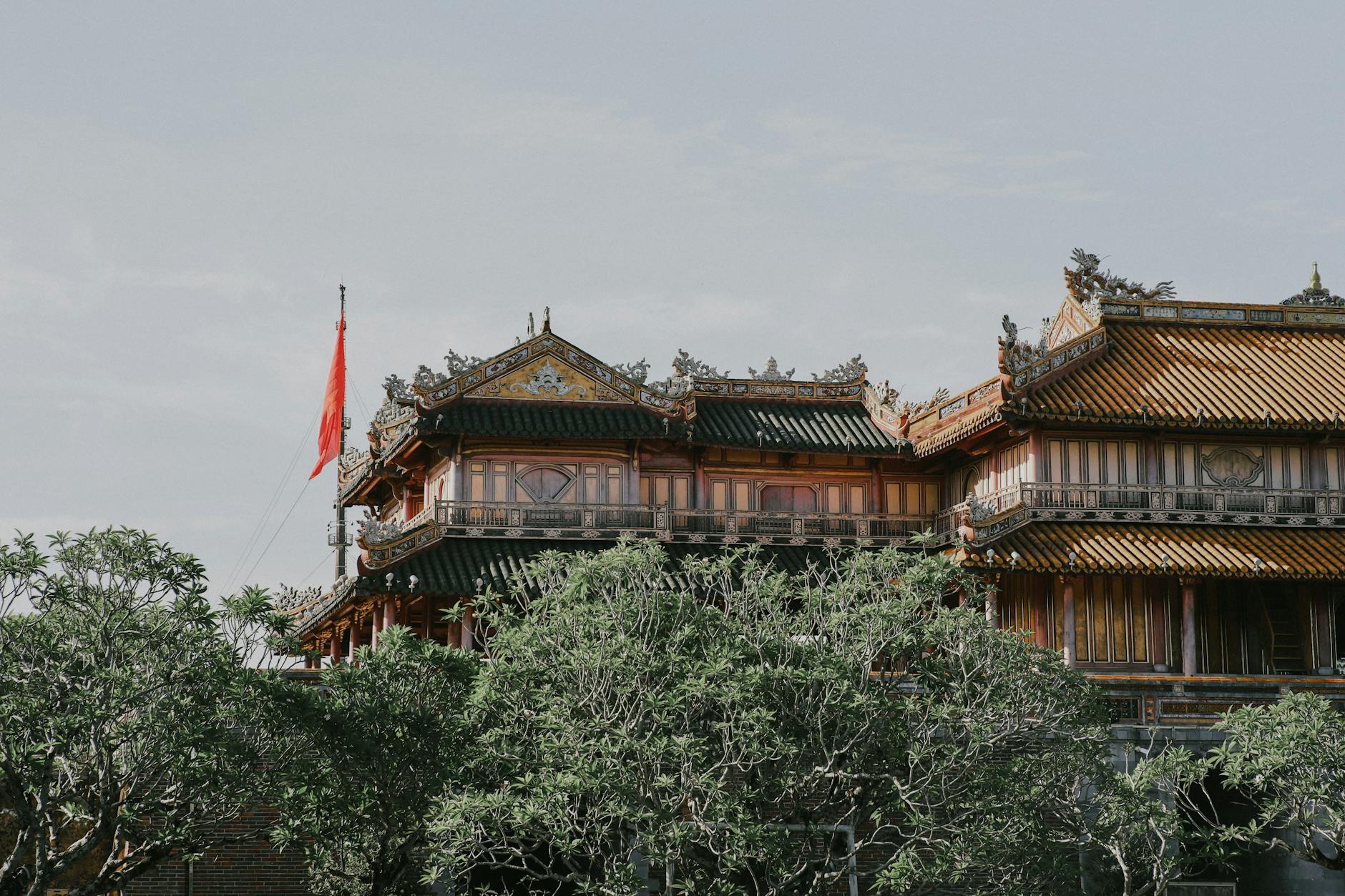


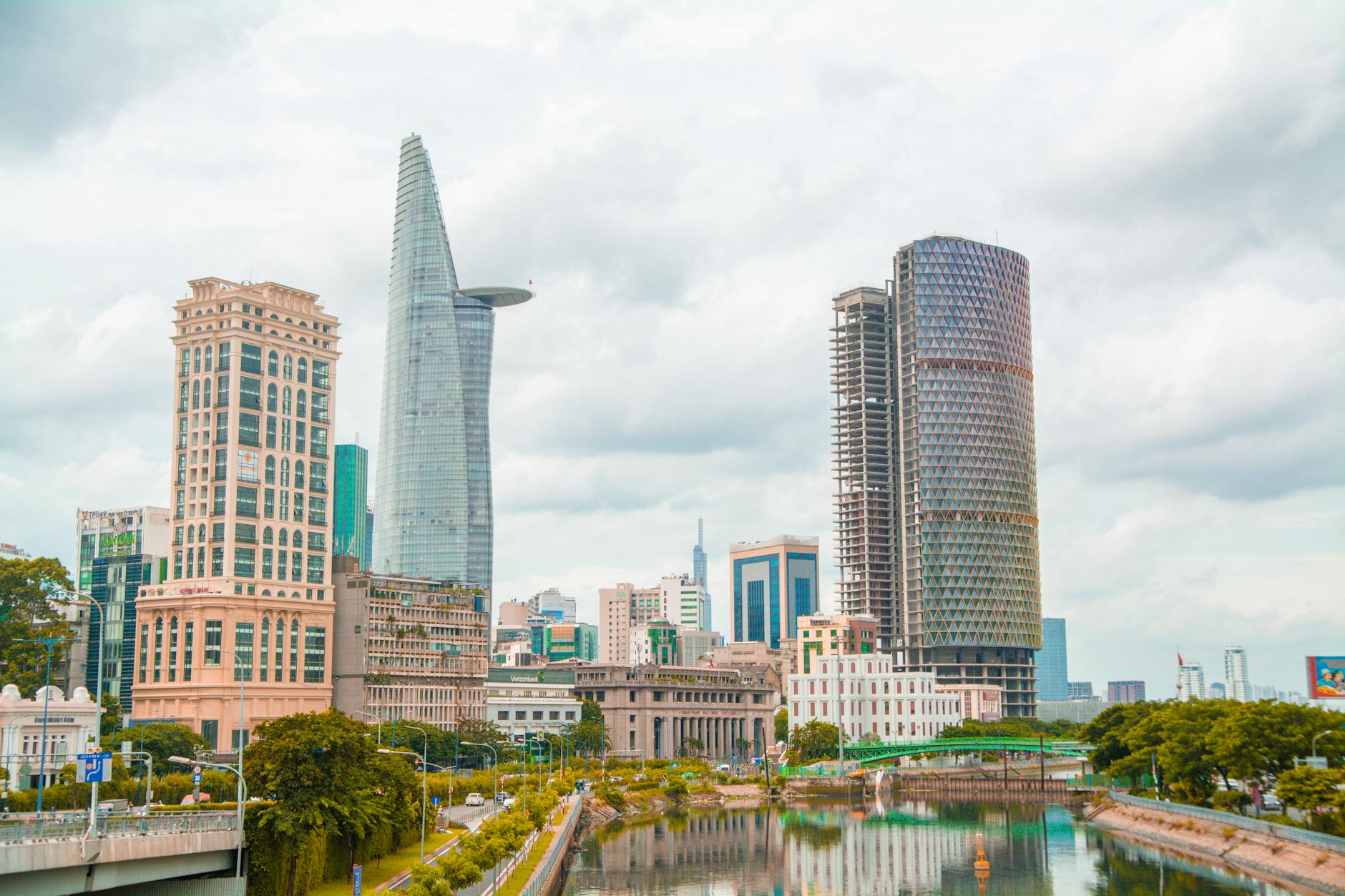
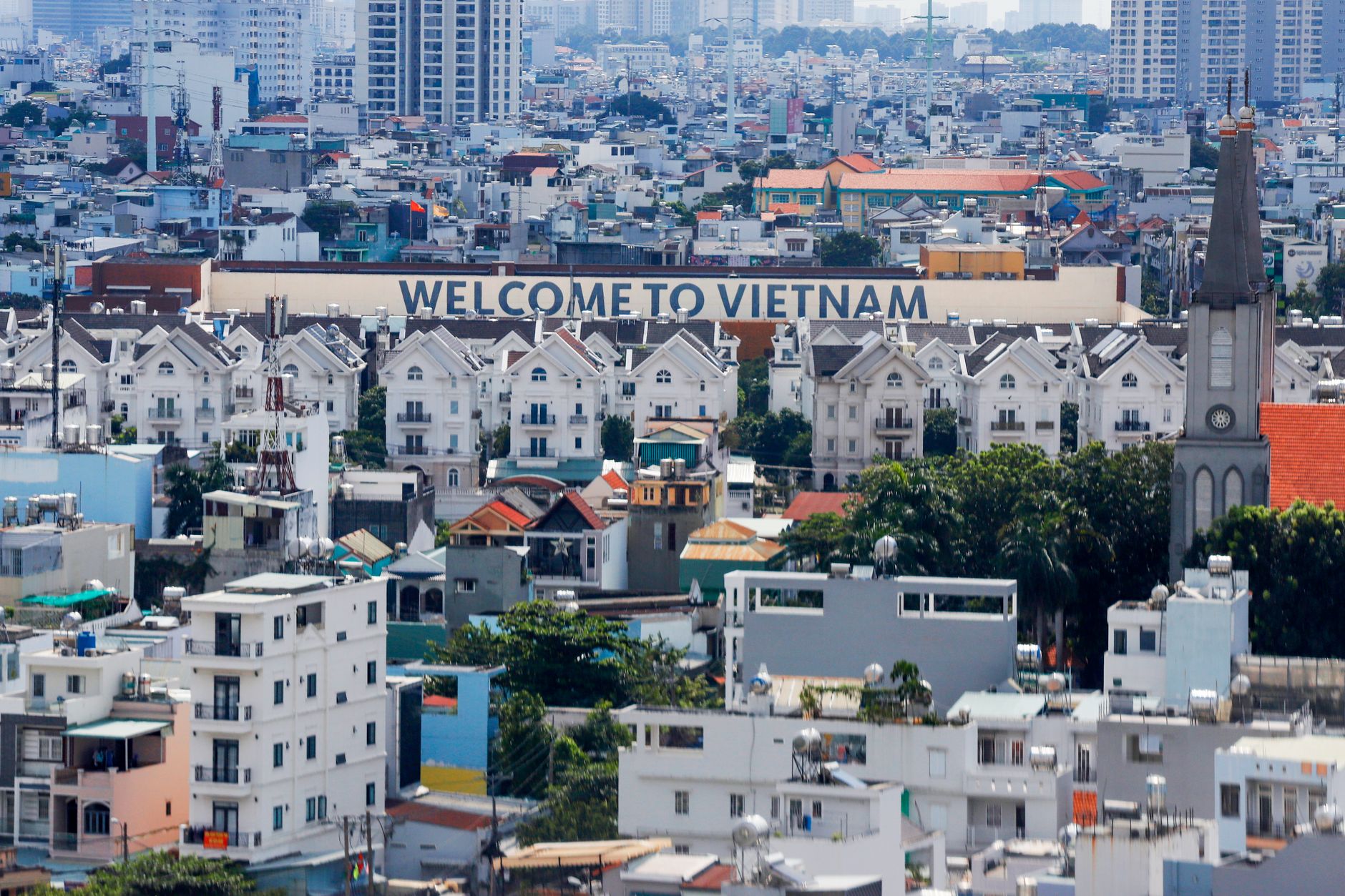
Vietnam is not part of Schengen, so a Schengen visa does nothing here. UK travelers and many EU nationals can enter visa-free for 45 days, while US, Canadian and Australian passport holders should usually apply for the government e-visa, typically valid for up to 90 days with single or multiple entry options and official fees of US$25 or US$50.
Vietnam uses the Vietnamese đồng (VND). A useful street calculation is 100,000 VND equals roughly US$3.80, and cash still matters for markets, local cafes, street food and small guesthouses even though cards work well in better hotels, airline bookings and many city restaurants.
Most long-haul arrivals land in Hanoi for the north, Ho Chi Minh City for the south or Da Nang for the central coast. Vietnam also has practical secondary gateways at Can Tho, Huế, Hai Phong and Phu Quoc, and international passenger rail between Hanoi and Nanning resumed in May 2025 for travelers coming from China.
Trains work best on the north-south spine and on scenic central stretches such as Huế to Da Nang, while buses and sleeper coaches fill the gaps to places like Sapa, Da Lat and Phong Nha. For longer jumps, domestic flights save serious time, and in cities Grab is usually easier and more predictable than hailing a taxi on the street.
Vietnam runs on three weather systems, not one. February to April is the safest all-country window, the central coast is often wet from October to December, the south is driest from November to April, and the north can feel surprisingly cool from October to March with winter days in Hanoi around 15 to 20C.
Vietnam is easy for connected travel: city hotels, cafes and many guesthouses offer reliable Wi-Fi, and mobile data is cheap by European or North American standards. Buy a local SIM or eSIM on arrival if you plan to move between Hanoi, Hội An, Ho Chi Minh City and smaller stops where maps, translation and ride-hailing save time daily.
Vietnam is generally easy to travel, but traffic is the real hazard, especially on scooters and at chaotic urban crossings. Keep valuables secure in big-city traffic, use ride-hailing instead of unmetered taxis, and think twice before renting a motorbike unless you have the license, insurance and actual road experience to back it up.
Your money goes furthest in Can Tho, Huế and Phong Nha, while Ha Long Bay cruises, December flights and better beach stays on Phu Quoc raise costs fast. A realistic independent budget is about US$20-35 a day on the low end, US$50-90 for comfort and US$150-plus once private transfers or cruises enter the picture.
Vietnam's rail network is best used for scenic or medium-length stretches, not every journey. Save it for routes like Hanoi to Ninh Bình or Huế to Da Nang, then fly the long jumps that would otherwise eat an entire day.
If your dates touch Tet, book transport and hotels far earlier than you would elsewhere in Southeast Asia. Domestic travel surges, some family-run businesses close, and the cheap room you expected in Hanoi or Hội An may simply not exist that week.
ATMs are easy to find in cities, but daily spending still runs on cash in many places. Keep 20,000, 50,000 and 100,000 VND notes handy for coffee, market snacks, local buses and guesthouses that would rather not deal with card fees.
A scooter looks like freedom until rain, trucks and an unfamiliar roundabout appear at once. If you are not already a confident rider with proper paperwork and insurance, use Grab, hired drivers or trains and keep the holiday intact.
This matters most with phở, bún bò Huế and regional noodle bowls. Northern broths in Hanoi are usually cleaner and less sweet than southern versions, and the cook expects you to notice before you empty half the chili jar into it.
Questions about your age, job or marriage are often social positioning rather than intrusion. A smile can mean embarrassment, politeness or an effort to soften refusal, so listen to the context, not just the expression on the face.
Explore Vietnam with a personal guide in your pocket
Audio guides for 1,100+ cities across 96 countries. History, stories, and local insight — offline ready.
Yes, most US passport holders should plan on getting a Vietnam e-visa before departure. The standard government e-visa is usually available for up to 90 days, can be single or multiple entry, and is the cleanest option for ordinary tourist trips.
Yes, by regional standards Vietnam is still very good value. Budget travelers can get by on roughly US$20-35 a day, but cruises in Ha Long Bay, island resorts on Phu Quoc and late-booked domestic flights can push costs up quickly.
February, March and April are the safest bets for a country-wide trip. Those months usually give you drier weather in the south, improving conditions in the north and fewer of the flood risks that hit the central coast later in the year.
You need both, but cash still does more of the daily work. Cards are common in better hotels, larger restaurants and airline bookings, while street food, local cafes, small shops and many guesthouses still expect payment in đồng.
Usually yes. Grab gives you upfront pricing, route visibility and less room for disputes, which makes it the easier choice in Ho Chi Minh City, Hanoi, Da Nang and other major towns where street taxis vary in quality.
Ten to fourteen days is the sweet spot if you want more than one region without turning the trip into a relay race. A week works well for one corridor such as Huế, Da Nang and Hội An, while three days is enough for a tight Hanoi and Ninh Bình break.
Only if you already ride confidently and have the correct license and insurance. For most visitors the real answer is no, because traffic is chaotic, road conditions shift fast and scooter crashes are one of the most common serious travel accidents in the country.
Use a mix of flights, trains and buses instead of trying to stay loyal to one mode. Flights save time on long north-south jumps, trains are best on selected scenic stretches, and buses fill in routes to places like Sapa, Da Lat and Phong Nha.
Last reviewed