Make the visit yours
Plan and listen to Saints Martin And Sebastian Of The Swiss with Audiala
Audio guide in your pocket, itinerary in your browser. Built for the way you actually visit.
Introduction
Hidden within the fortified precincts of Vatican City, the Church of Saints Martin and Sebastian of the Swiss (Santi Martino e Sebastiano degli Svizzeri) stands as a unique spiritual and historical sanctuary. Dedicated exclusively to the Pontifical Swiss Guard—the elite corps responsible for papal security since 1506—this oratory serves as both their spiritual home and a symbol of unwavering dedication to the Holy See. With origins dating back to the 16th century under Pope Pius V, the chapel is not only architecturally significant but also deeply woven into the ceremonial and communal lives of the Guards. Its restricted access and rich artistic heritage make it one of Vatican City’s most exclusive and meaningful treasures (Vatican official site, Swiss Guard official history, Wikipedia).
Photo Gallery
Explore Saints Martin and Sebastian of the Swiss in Pictures
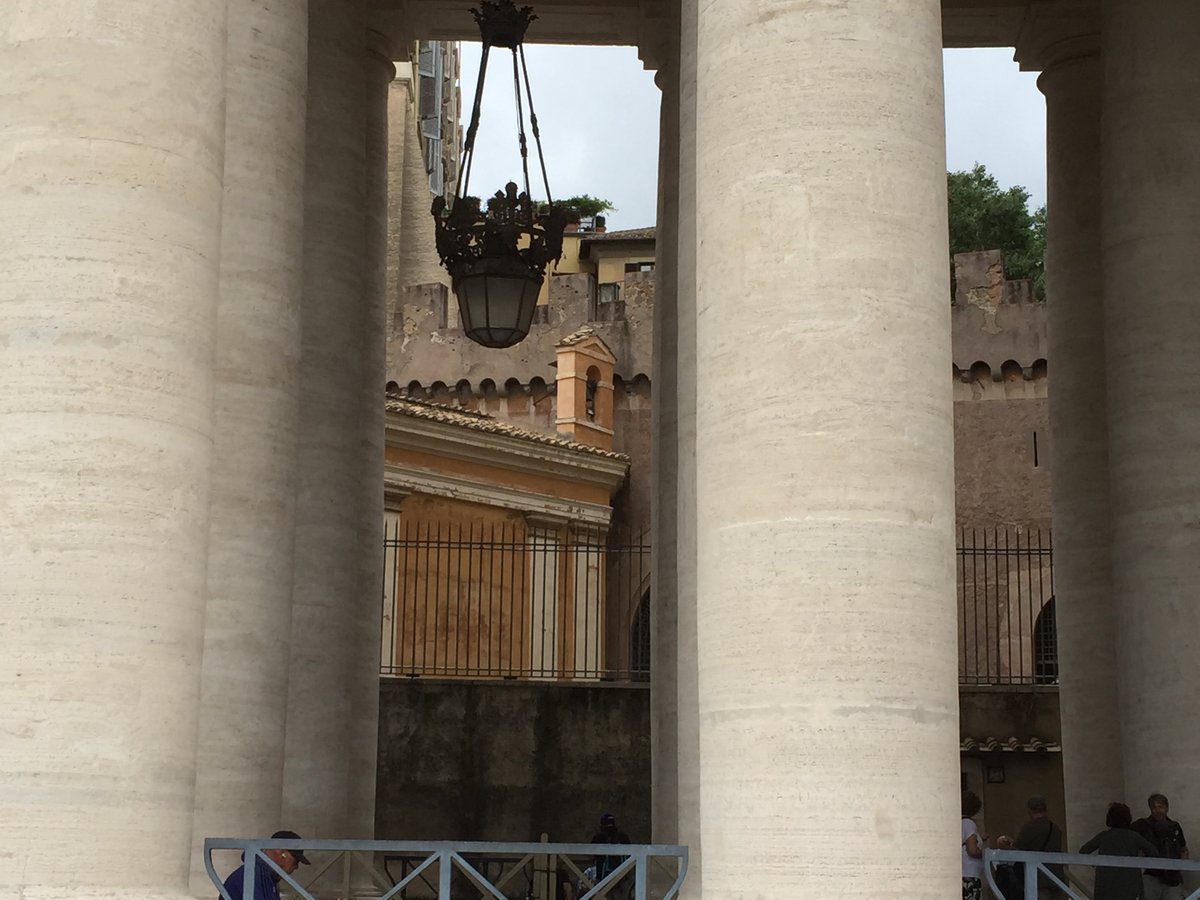
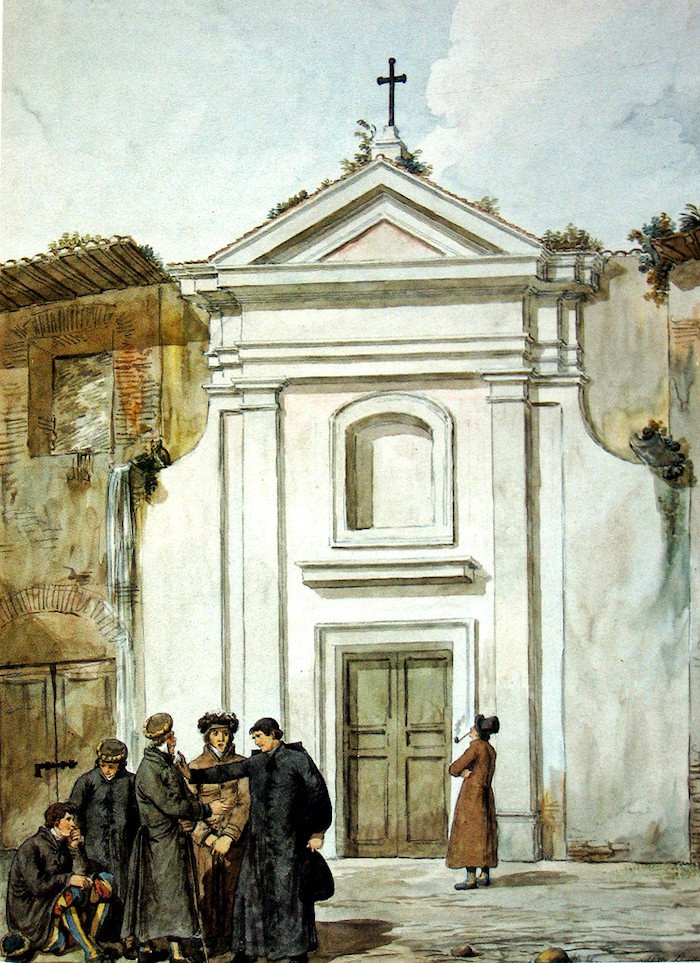
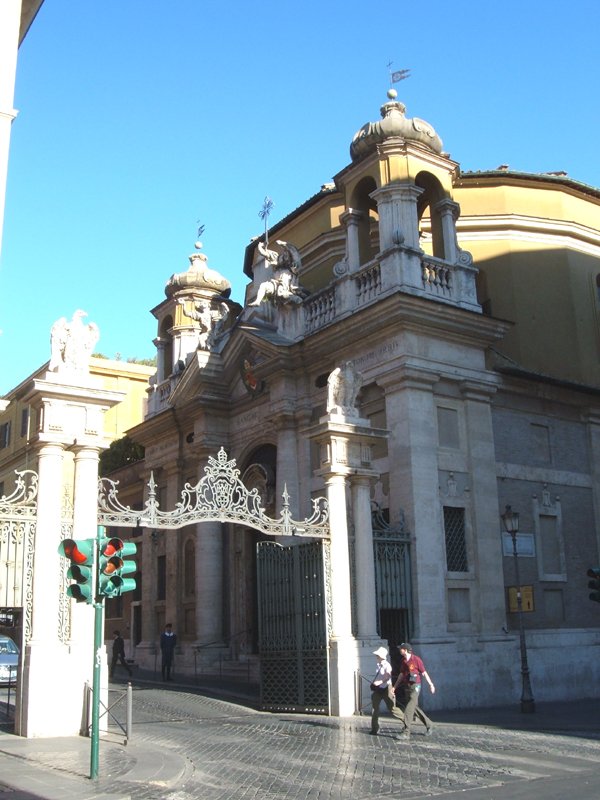
Scenic view of the bell tower of the church of Santi Martino e Sebastiano degli Svizzeri from Piazza San Pietro, capturing the architectural beauty and historical significance.
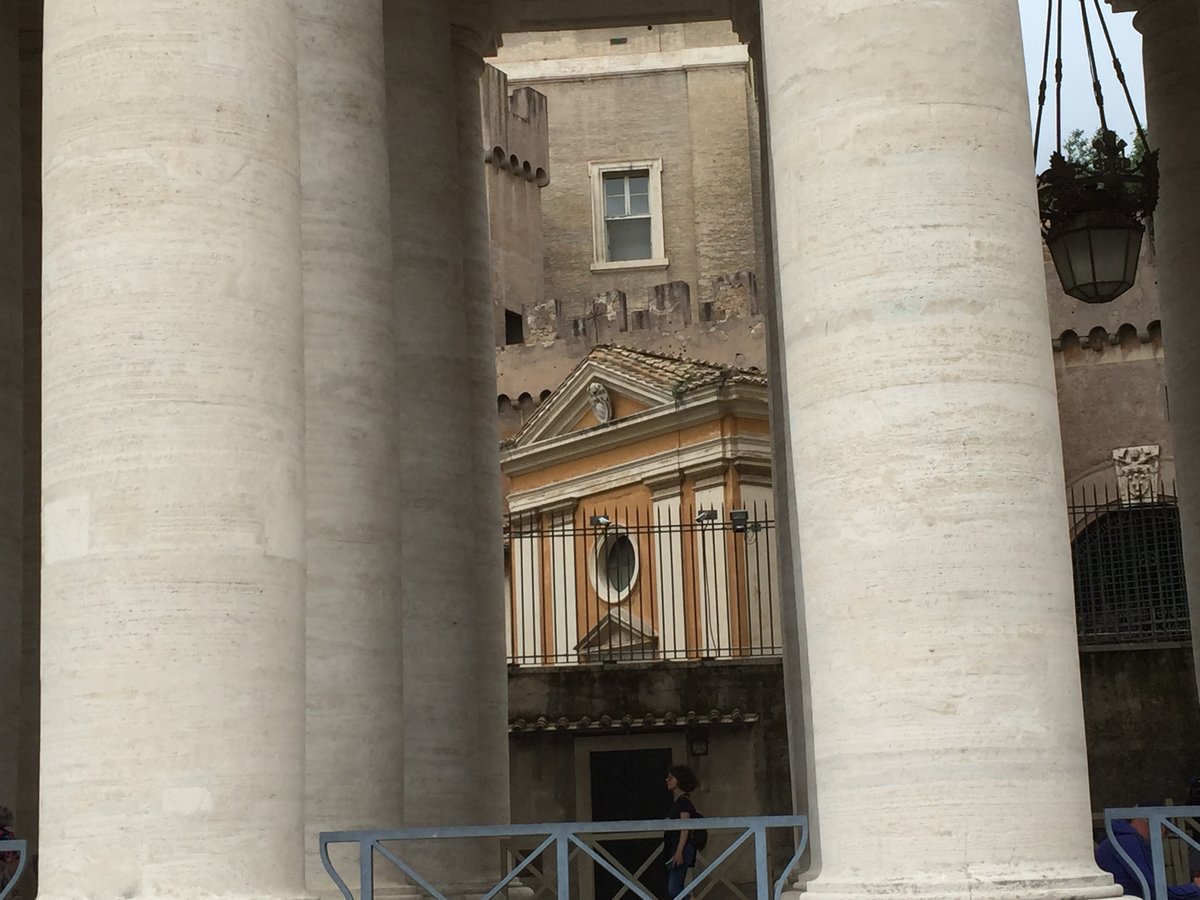
Scenic view of the Church of Saints Martin and Sebastian of the Swiss Guards taken from St. Peter's Square in Vatican City, highlighting its architectural details and historical significance.
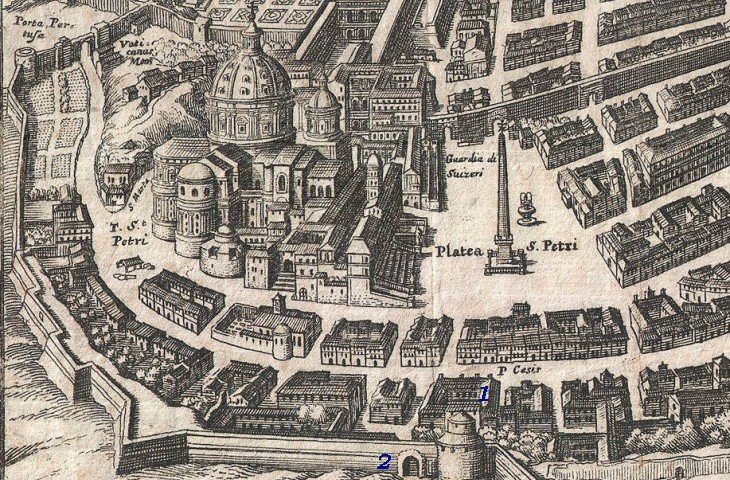
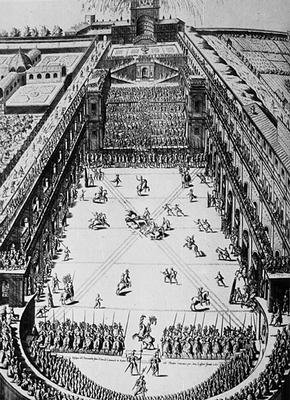
Detail of the map by Antonio Tempesta circa 1593 illustrating Piazza San Pietro, highlighting the site of the Cesi palace, its rear garden with antiquities, and nearby landmarks like Porta Cavalleggeri.
Historical Background
Origins and Foundation
Established in 1568 during the papacy of Pope Pius V, the Church of Saints Martin and Sebastian of the Swiss was built to serve the spiritual needs of the Pontifical Swiss Guard. Its patron saints—Saint Martin of Tours, a Roman soldier turned bishop, and Saint Sebastian, a Roman martyr—were chosen to embody the virtues of courage and faith central to the Guards’ mission (Swiss Guard official history).
Architectural and Artistic Features
The oratory reflects the late Renaissance style, featuring elegant yet restrained proportions. Constructed of traditional Roman materials like travertine and brick, the single-nave interior is adorned with frescoes, altarpieces, and commemorative plaques. Artistic highlights include depictions of Saint Sebastian’s martyrdom and Saint Martin’s legendary act of charity. The altar and furnishings bear the Swiss Guard’s insignia, and the chapel’s compact layout fosters an atmosphere of solemn devotion (Architecture of Vatican City, Inspired to Explore).
Role in Swiss Guard Life
The oratory is the spiritual heart of the Swiss Guard community, hosting daily prayers, regular Masses, sacraments (such as baptisms and marriages), and the annual swearing-in ceremony on May 6th. This date commemorates the 1527 Sack of Rome, when 147 Guards sacrificed their lives to protect Pope Clement VII—a defining moment in Swiss Guard history (Swiss Guard official site).
Ceremonial and Cultural Significance
Beyond its religious function, the chapel preserves Swiss Guard traditions, supporting the integration of family life and service. It is also considered the national church of Switzerland in Rome, reinforcing the unique relationship between the Vatican and Switzerland. The oratory’s role in key ceremonies, such as recruit blessings and farewells for retiring guards, showcases its ongoing cultural importance (schweizergarde.org).
Preservation and Modern Relevance
Ongoing conservation by Vatican authorities ensures the preservation of the chapel’s artistic and architectural legacy. Recent restorations, including a rededication in 1999, highlight its continued relevance. Occasional openings for dignitaries and during significant anniversaries allow the tradition to remain vibrant (Inspired to Explore).
Visitor Information
Visiting Hours and Tickets
General Access: The Church of Saints Martin and Sebastian of the Swiss is not open to the public and has no regular visiting hours or ticket sales. Entry is restricted to Swiss Guards, their families, and invited guests.
Special Visits: Access may occasionally be granted through official Vatican channels or via invitation—typically on significant anniversaries or during special events (Swiss Guard official site).
Arranging a Visit
To request special access, contact the Vatican visitor services or Swiss Guard representatives well in advance. Visits are limited and subject to strict security protocols.
Travel Tips and Accessibility
- Location: The oratory is situated near the Swiss Guard barracks and the Apostolic Palace.
- Dress Code: Modest attire covering shoulders and knees is mandatory throughout Vatican City (The Roman Guy).
- Photography: Not permitted inside; always respect the sanctity and privacy of the space.
- Public Ceremonies: Attend the annual Swiss Guard swearing-in on May 6th or observe the Guards in their uniforms at various Vatican entrances for an authentic experience.
- Accessibility: Due to security, accessibility is limited; inquire in advance for any special requirements.
Virtual Experiences and Events
While in-person visits are rare, virtual tours and galleries are available via the official Vatican and Swiss Guard websites, providing insights into the oratory’s history, art, and significance (Swiss Guard official history).
FAQ
Can I visit the Church of Saints Martin and Sebastian of the Swiss?
No, the chapel is not open to the general public; access is by invitation or special arrangement only.
Are tickets available for the oratory?
No; tickets are not sold, and visits are coordinated through official Vatican or Swiss Guard channels.
When can the Swiss Guard be seen?
The Swiss Guard is visible daily at Vatican City entrances, including St. Peter’s Square and the Apostolic Palace.
Are guided tours available?
Guided tours including the chapel are rare but may be possible through exclusive Vatican arrangements. Most standard tours do not include the oratory.
Is photography allowed?
Photography inside the chapel is generally prohibited to protect its sacred atmosphere and artworks.
Listen to the full story in the app
Your Personal Curator, in Your Pocket.
Audio guides for 1,100+ cities across 96 countries. History, stories, and local insight — offline ready.
Audiala App
Available on iOS & Android
Join 50k+ Curators
Sources
- verified
- verified
- verified
- verified
- verified
- verified
- verified
- verified
- verified
- verified
Last reviewed: