Introduction
At dusk in Port Vila, Vanuatu, the air smells of salt, diesel, grilled fish, and kava, while outriggers and tour boats rock against a seafront rebuilt after years of hard weather and harder shocks. That mix is the surprise: a capital city that can feel half harbor town, half village crossroads, with Parliament on one side, market women selling manioc lap lap on the other, and a lagoon never far from view. People come for blue water, sure, but Port Vila stays with you because daily life still shows through the postcard.
Port Vila makes more sense when you stop treating it as a resort base. The central market, reopened on 28 July 2025 after damage from the 17 December 2024 earthquake, is part produce hall, part lunch counter, part social map of the city. By noon the place smells of coconut cream, ripe pineapple, damp concrete, and hot cassava wrapped in leaves.
Culture here isn't tucked behind glass. The Vanuatu Cultural Centre and National Museum, opposite Parliament, gives you sand drawing, music, kastom, and the country's own account of itself; then a short drive out of town, places like Ekasup Village, Pepeyo, and Chief Roi Mata's Domain show how much of Vanuatu still runs on memory, ceremony, and land ties older than the state.
The city is small enough to read quickly and layered enough to reward a second look. One afternoon might mean coffee on the Feiawa seafront, handicrafts by the harbor, and a ferry gliding toward Iririki; by evening, the light drops, the kava bars fill, and Port Vila stops performing for visitors and becomes what it is: the capital of an island country that still prefers conversation to spectacle.
Port Vila, Vanuatu: Everything You Need to See (Full Video) (4K)
Mysteryman travelsWhat Makes This City Special
Kastom, Not Costume
Port Vilaโs cultural life still has muscle. At the Vanuatu Cultural Centre and on well-run visits to Ekasup or Pepeyo, you get sand drawing, medicinal plants, fire walking, and the kind of oral history that makes the city feel older than its waterfront cafes.
A Market With a Pulse
Port Vila Central Market is the cityโs real morning heartbeat: taro stacked in damp heaps, island cabbage, laplap ingredients, kava roots, women calling prices across the aisles. Its reopening on 28 July 2025, after the 17 December 2024 earthquake, gave the building a second life and the city a visible recovery story.
Blue Water, Close By
Few capitals let you leave town after breakfast and be snorkeling before the sunscreen settles. Hideaway Island, Back to Eden, Eton Beach, Blue Lagoon, and Erakor Lagoon sit close enough to make Port Vila feel half city, half launch ramp into warm salt water.
A Small Capital With Symbols
The Parliament precinct, the Cultural Centre, the National Council of Chiefs, and the seafront at Feiawa give Port Vila a civic core you can actually read on foot. Grand monuments are scarce. Meaning isnโt.
Historical Timeline
A Capital Built from Canoes, Condominiums, and Comebacks
From Lapita graves on Efate to a modern Pacific capital that keeps rebuilding
Lapita People Reach Efate
The oldest secure story of Port Vila begins before the city existed, at Teouma on Efate, where Lapita settlers arrived around 3,000 years ago. Archaeologists later found 68 graves and roughly 100 individuals there, along with pottery whose dentate patterns still feel startlingly precise. That cemetery changed the argument about Pacific settlement: this harbor was part of the opening act.
Chief Roi Mata's Realm
Most scholars place Chief Roi Mata in the early 17th century, ruling across central Vanuatu from a network of places on Efate, Lelepa, and Artok. Port Vila was not yet a town of streets and offices; it belonged to a web of chiefly power, sacred ground, and exchange routes. That older political map still matters more here than any imported colonial grid.
Europe Reaches the Archipelago
Pedro Fernandes de Queirรณs and Luis Vรกez de Torres made the first documented European contact with the wider island group in 1606. They did not found Port Vila. But their voyage marked the moment when Efate entered imperial charts, and once a place appears on a map, trouble often follows by ship.
Cook Charts Efate
Captain James Cook charted Efate in 1774 and called it Sandwich Island. What mattered was the harbor: sheltered water, good anchorage, a place where masts could rest and cargo could move. Port Vila's future was already visible in that curve of bay.
Two Empires Share a Harbor
Britain and France set up their joint naval commission in 1887 after years of rivalry over the New Hebrides. Plantation money, land grabs, and diplomatic mistrust all met on Efate. Port Vila grew in that awkward half-light, never fully British, never fully French, and somehow both at once.
Franceville Declares Itself
On 9 August 1889, the settlement at Port Vila briefly reinvented itself as the Independent Commune of Franceville. Around 500 Indigenous islanders and fewer than 50 white settlers lived there, and the place advertised universal suffrage while reserving office for whites. Port Vila's civic birth certificate, in other words, was already strange.
Ferdinand-Albert Chevillard
Chevillard became the best-known political face of Franceville, serving as its president-mayor during the settlement's brief experiment in self-rule. His Port Vila was no grand capital, just a raw colonial harbor trying on republican language. The performance lasted less than a year, but the name stuck to the city's early mythology.
Capital of the Condominium
On 20 October 1906, Britain and France formalized the Anglo-French Condominium of the New Hebrides, and Port Vila became its capital. The city then lived under duplicated authority: two legal systems, two bureaucracies, two colonial tempers, one humid harbor. Few capitals on earth were built on administrative absurdity this complete.
Alexander Frater Is Born
Travel writer Alexander Frater was born in Port Vila in 1937, when the town still carried the layered manners of a colonial outpost. His father ran a hospital on nearby Iririki. The city gave him an early education in weather, islands, and the odd intimacy of remote places tied to global routes.
Americans Turn Vila Into a Base
In March and April 1942, U.S. forces arrived on Efate to secure the Allied route to Australia and support the Guadalcanal campaign. Marines, Seabees, fuel tanks, roads, camps, and hospital units followed, and the airstrip near town expanded into a serious wartime installation. Port Vila did not become a battlefield of ruined streets; it became a machine room.
Walter Lini
Walter Lini was born in 1942 on Pentecost Island, but Port Vila became the city where his politics took form and where he later ruled as independent Vanuatu's first prime minister. He used the capital as a platform for a Melanesian, post-colonial vision that refused to sound like either London or Paris. The city changed with him.
Cultural Centre Takes Shape
The Vanuatu Cultural Centre emerged in the late 1950s, with sources disagreeing on the exact founding year. That uncertainty feels almost fitting in a place where archives were long split by language and empire. What matters is that Port Vila gained an institution devoted to keeping kastom, performance, objects, and memory from being filed away as colonial background noise.
Michoutouchkine Settles in Town
Russian-born artist Nicolai Michoutouchkine settled in Port Vila in the early 1960s and helped turn the city into an unlikely node of Pacific art. His house, collections, and later museum work added color and argument to a town better known for administrators and shipping. Paint can change a place's self-image. He proved it.
Diocese of Port Vila
The Catholic Diocese of Port Vila was created on 21 June 1966, confirming the capital's rising place in national religious life. Church bells, mission schools, and the routines of parish life were already part of the city's soundscape. This made the hierarchy official.
Tax Haven Years Begin
During the early 1970s, the New Hebrides was remade as an offshore tax haven, and Port Vila changed fast. Office blocks, finance firms, hotels, and legal paperwork began to crowd a harbor once shaped more by copra and colonial routine. The city acquired a new smell then: diesel, damp files, air-conditioning, money.
Grace Mera Molisa's Port Vila
By 1979, Grace Mera Molisa had become one of the sharpest political and literary minds working in Port Vila. She helped shape the first National Arts Festival and took part in choosing the symbols of the new nation: flag, anthem, coat of arms, motto. Few figures tied poetry to state-building with such clean force.
Capital of Independent Vanuatu
On 30 July 1980, the New Hebrides became the Republic of Vanuatu, and Port Vila remained the capital, now under its own flag. Independence ceremonies, speeches, and the first institutions of the new state all centered here. A city built by divided empire had to learn, quickly, how to sound like itself.
Cyclone Uma Tears Through
Cyclone Uma struck on 7 and 8 February 1987 with winds near 100 knots, leaving Port Vila declared a disaster area. About 5,000 people were left homeless, and contemporary reports said roughly 10 percent of homes were flattened, with many more stripped open to the rain. After a cyclone, every sheet of twisted roofing tells the same story in metal.
Museum Finds a New Home
In 1995, the National Museum and Cultural Centre moved into a purpose-built building in Port Vila. That mattered beyond architecture. A capital that had spent so much of its history under borrowed rule finally gave its own memory a proper address.
Fest'Napuan Starts Singing
Fest'Napuan began in the mid-1990s, with sources splitting between 1996 and 1997, and Port Vila gained a stage where local music could be loud, political, and very much alive. This was not museum culture behind glass. This was guitars, speakers, night air, and a capital hearing itself in public.
Teouma Rewrites the Beginning
Excavations at Teouma began in 2004 after the site's discovery the year before, and the finds were extraordinary. Graves, pottery, and human remains pushed Port Vila's story back three millennia with hard evidence underfoot. The city turned out to be older than its harbor offices ever suggested.
Roi Mata's Domain Wins UNESCO Status
UNESCO inscribed Chief Roi Mata's Domain in 2008, raising the international profile of the wider Efate region around Port Vila. The listing sits outside the city proper, but the capital became the place where visitors, curators, and officials first encountered that deeper history. Port Vila started serving as the antechamber to a much older world.
Cyclone Pam Breaks the Capital
Cyclone Pam passed just east of Port Vila on 13 March 2015 as a Category 5 storm and left the capital badly damaged. Reports from the time said up to 90 percent of housing in Port Vila suffered serious harm. Palm trunks snapped, roofs vanished, and the city had to rebuild almost house by house.
Market Reopens After Upgrade
The Port Vila Central Market reopened in July 2020 after a 170 million vatu upgrade. For visitors, it is a market; for the city, it is one of the daily engines of life, especially for women vendors who keep food, cash, and conversation moving. You can read a capital by the sound of its market before 8 a.m.
First Woman Mayor Elected
Jenny Regenvanu became Port Vila's first woman mayor in August 2024. The symbolism was obvious, but the timing mattered even more because the city was about to face one of its hardest modern tests. Leadership here rarely gets a quiet beginning.
Earthquake Hits the CBD
A magnitude 7.3 earthquake struck near Port Vila on 17 December 2024 at 12:47 p.m. local time, killing at least 14 people and injuring more than 200. Buildings cracked, roads failed, water systems broke, and parts of the central business district were left visibly wounded. The city's latest chapter arrived with concrete dust in the air.
Market Opens Again, Again
On 28 July 2025, the Port Vila Central Market reopened after earthquake rehabilitation. That second reopening says something plain about this city: rebuilding is not an abstract civic virtue here, just the next task after sweeping up broken glass. Port Vila keeps returning to the market, the harbor, and the workbench.
Photo Gallery
Explore Port Vila in Pictures
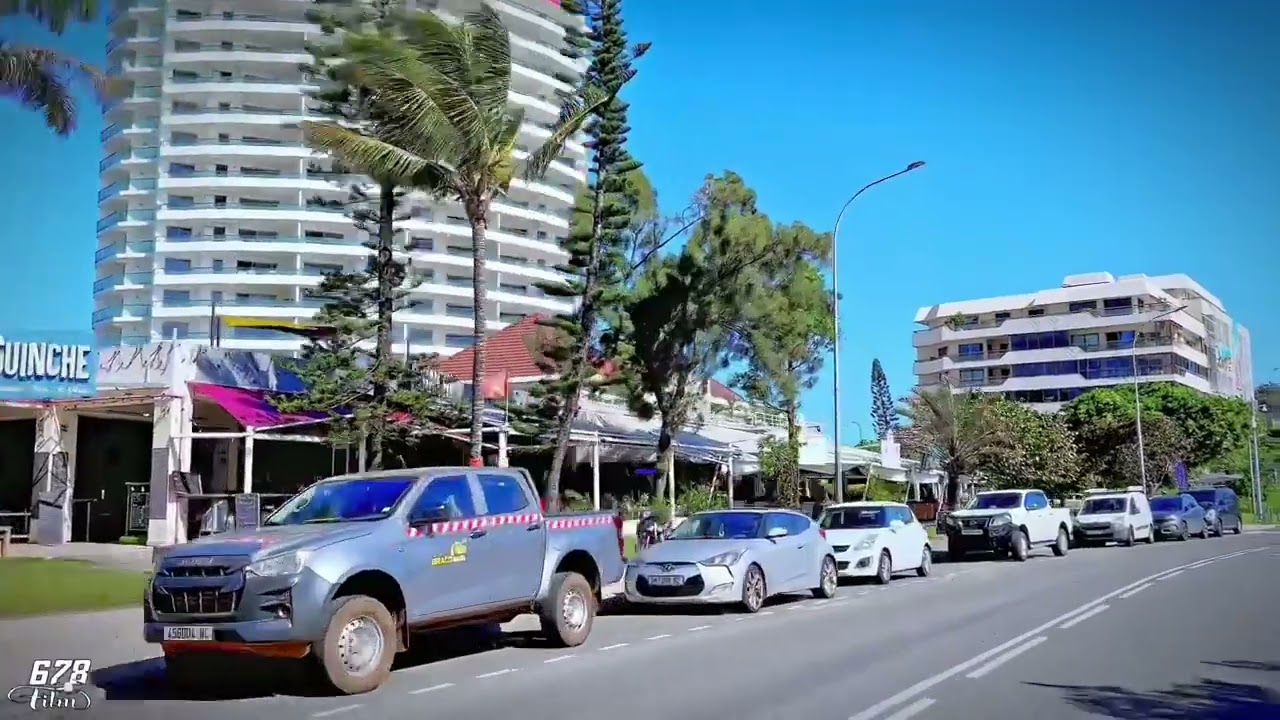
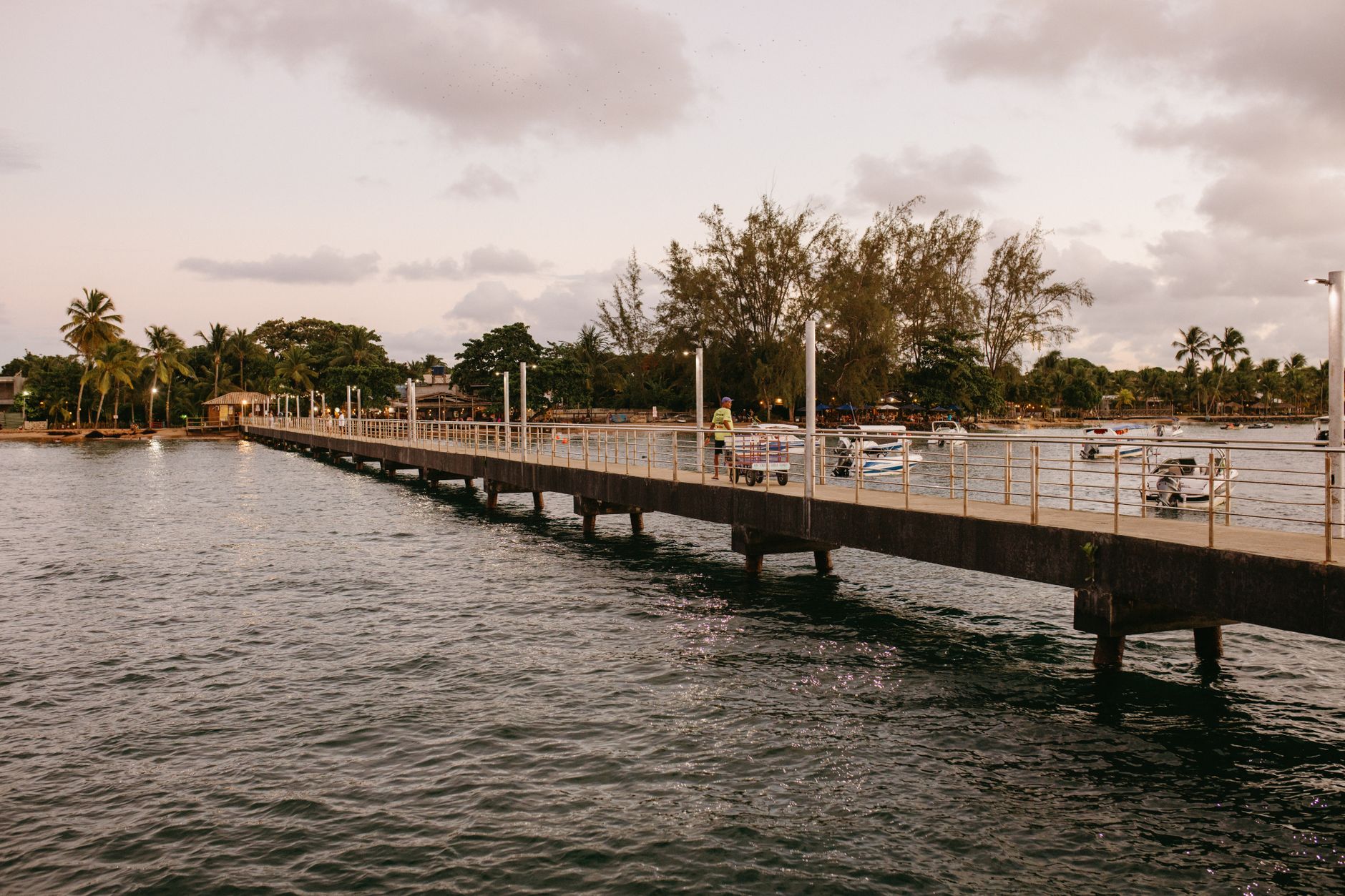
A view of Port Vila, Vanuatu.
Asad Photo Maldives on Pexels · Pexels License
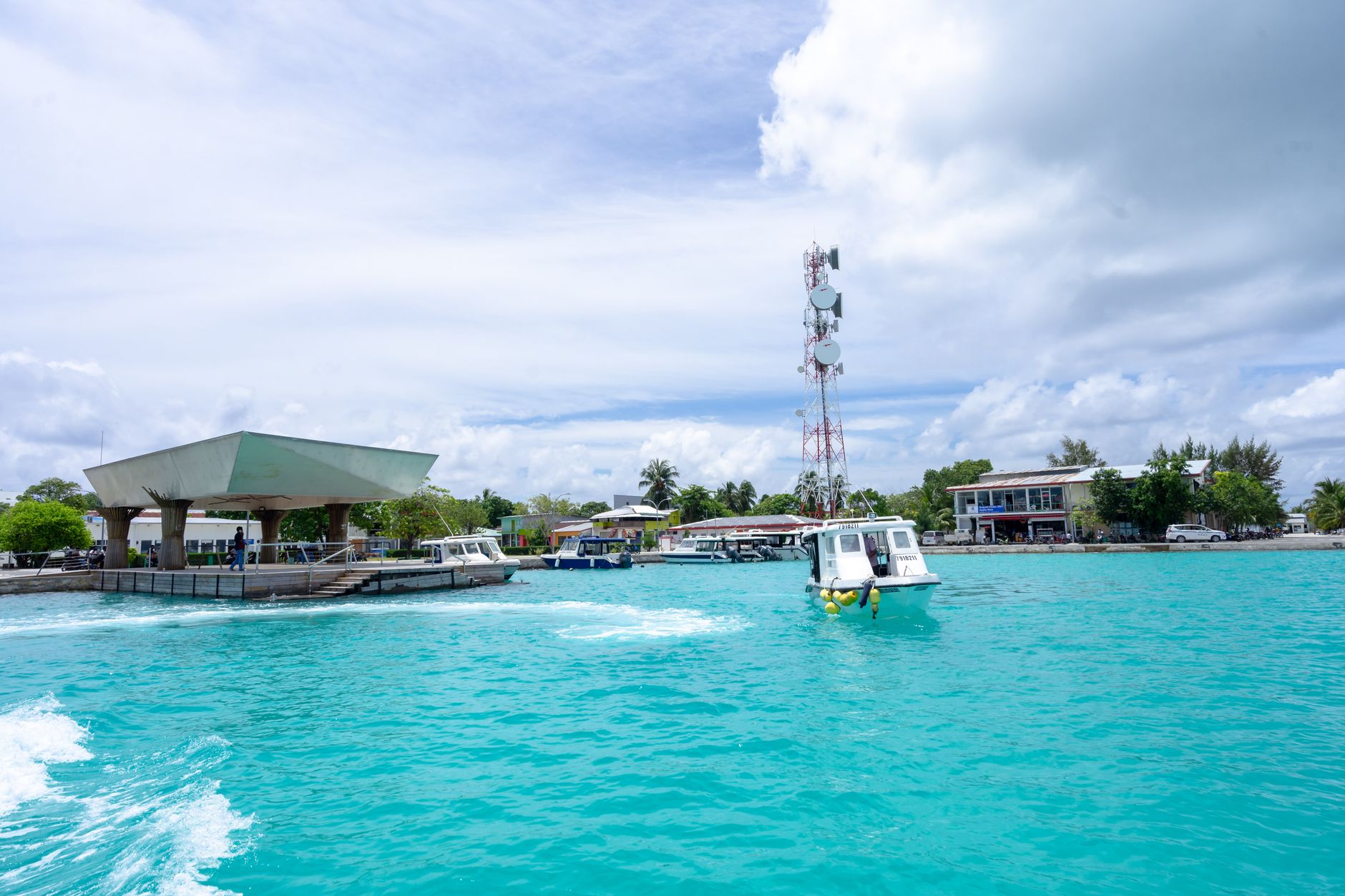
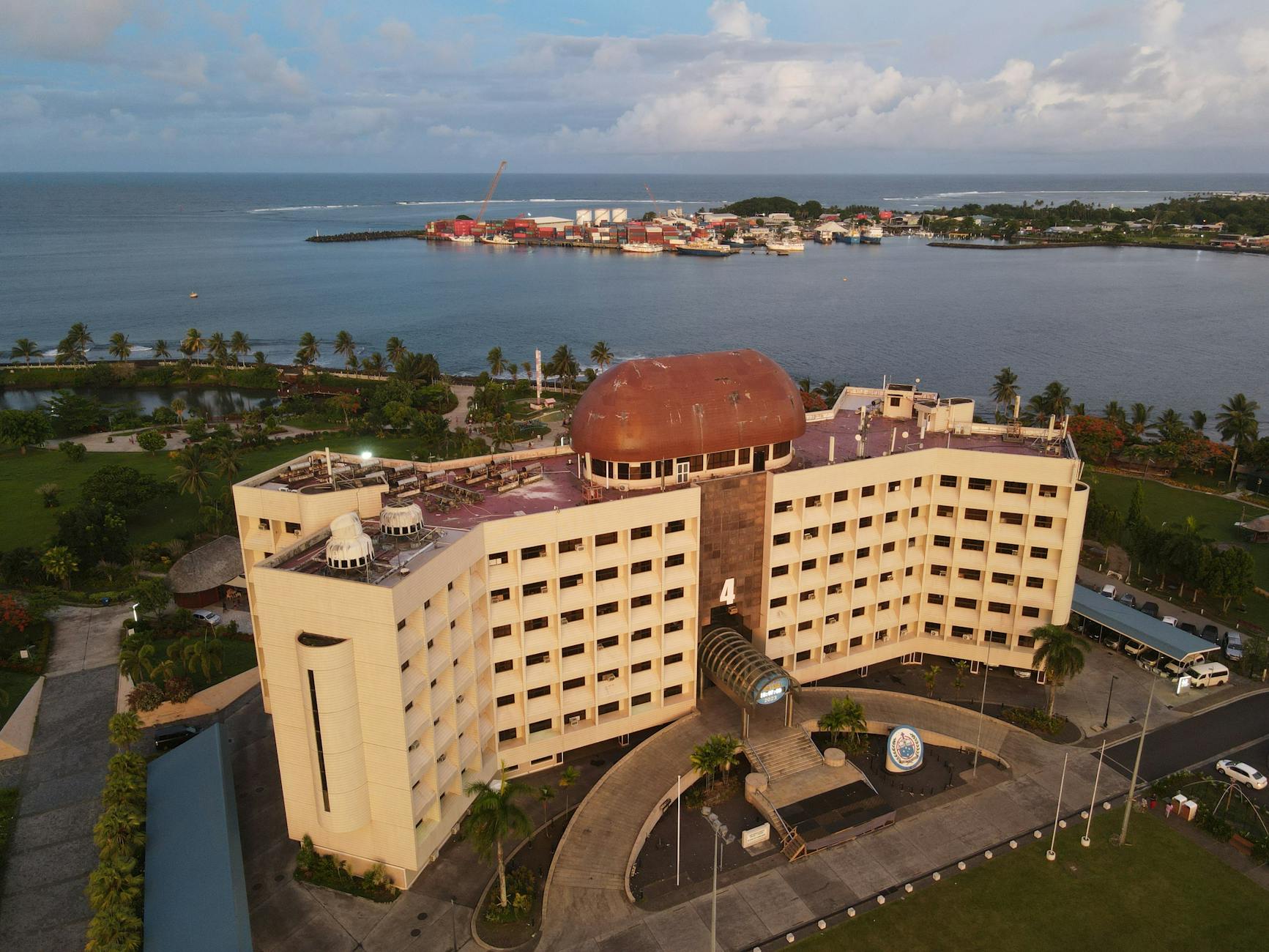
A view of Port Vila, Vanuatu.
Mehmet Turgut Kirkgoz on Pexels · Pexels License
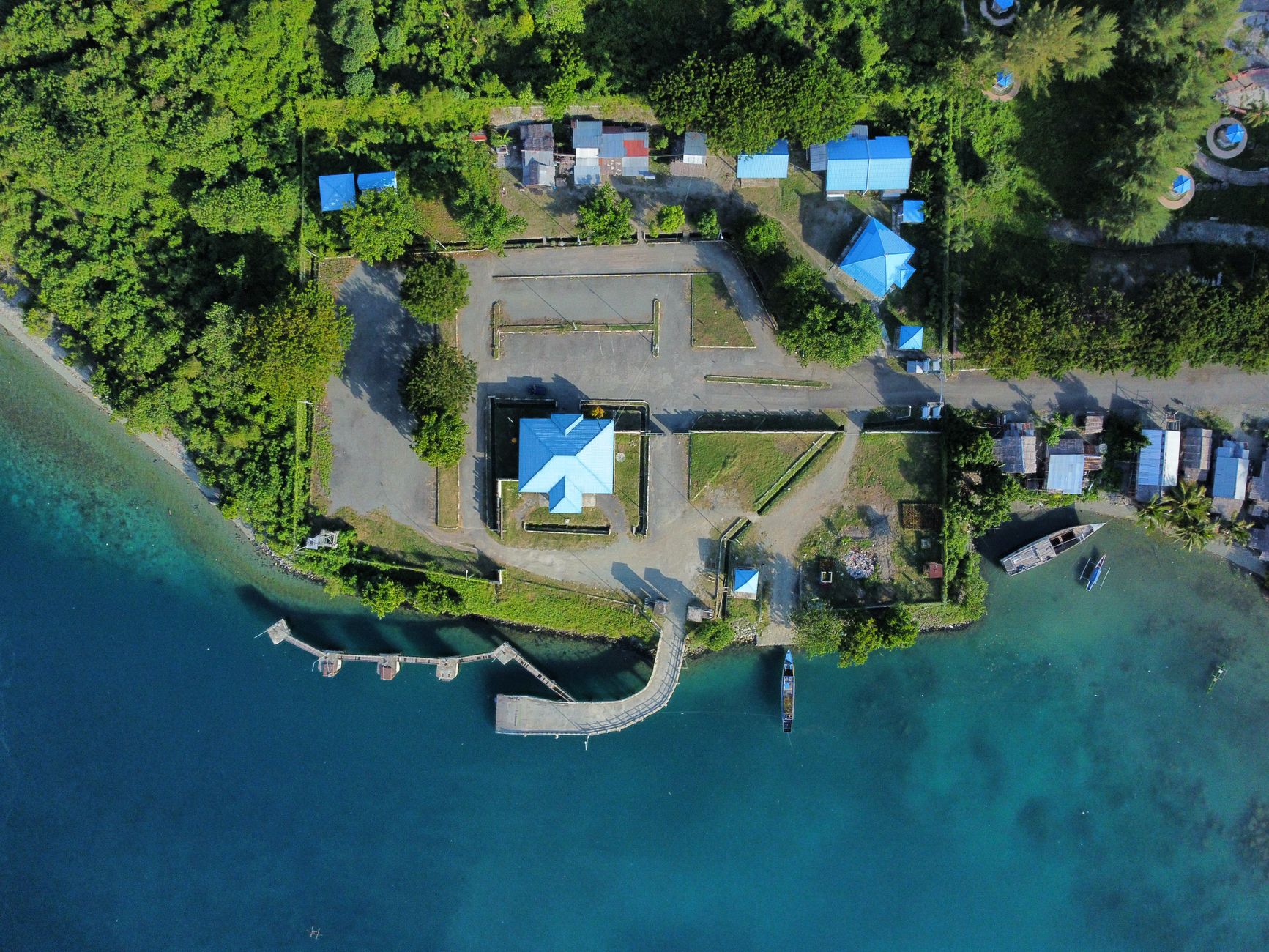
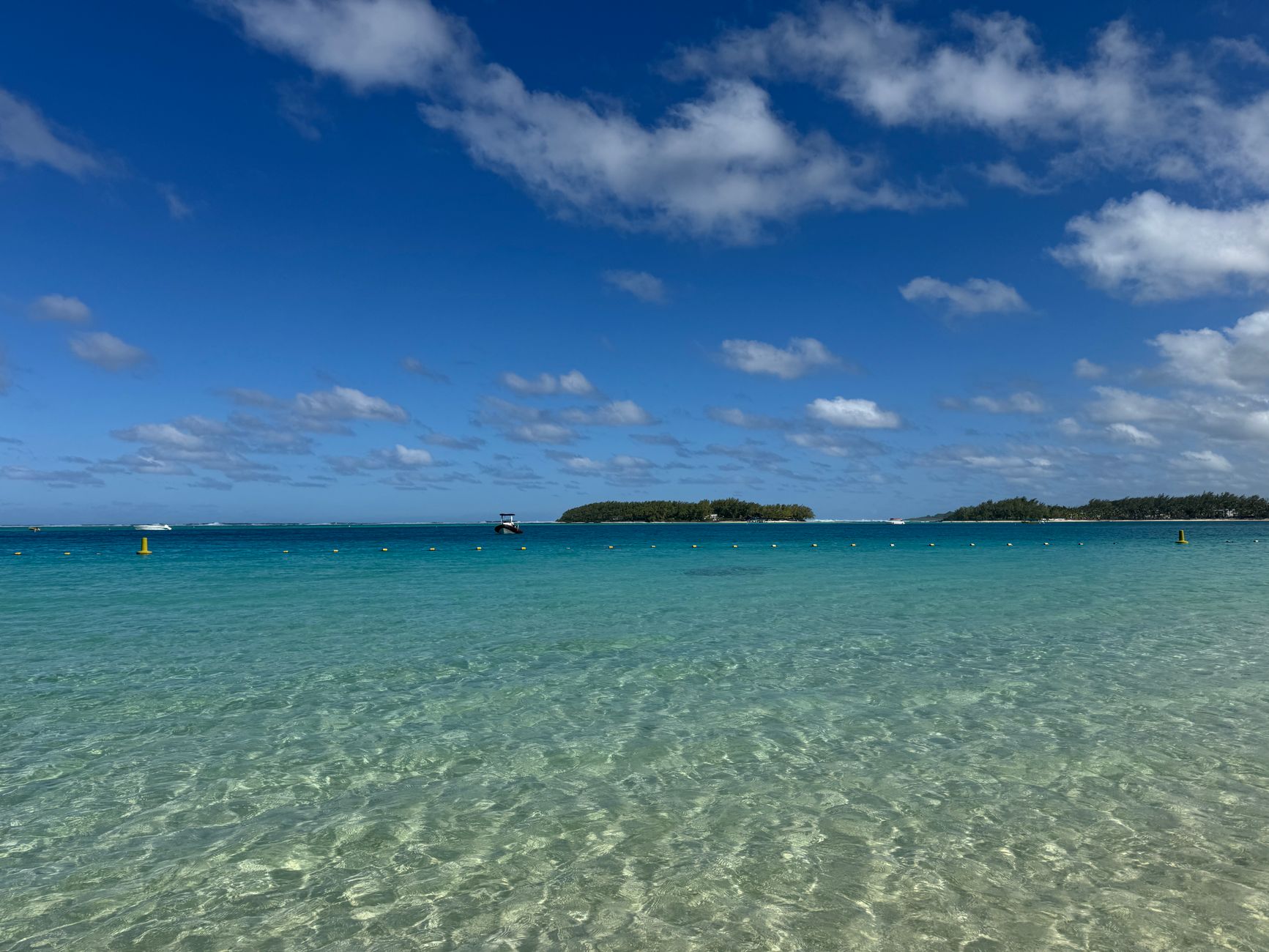
A view of Port Vila, Vanuatu.
Andriall on Pexels · Pexels License
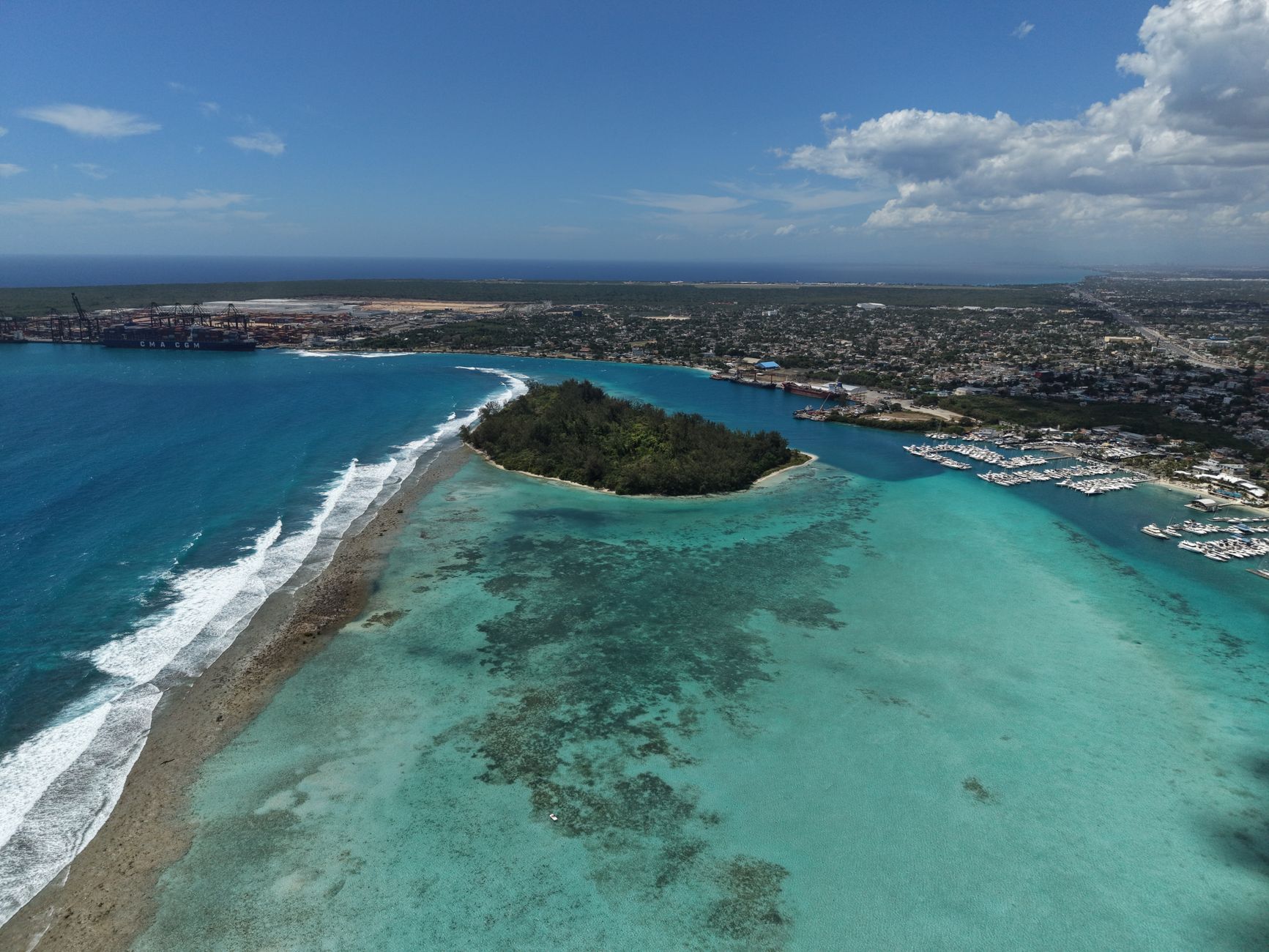
A view of Port Vila, Vanuatu.
Arlin Raf on Pexels · Pexels License
A view of Port Vila, Vanuatu.
Jonathan Borba on Pexels · Pexels License
A view of Port Vila, Vanuatu.
Kenneth Surillo on Pexels · Pexels License
A view of Port Vila, Vanuatu.
Tony Rios on Pexels · Pexels License
A view of Port Vila, Vanuatu.
Alex Arcuri on Pexels · Pexels License
A view of Port Vila, Vanuatu.
Jyoti Pur on Pexels · Pexels License
A view of Port Vila, Vanuatu.
Frederick Adegoke Snr. on Pexels · Pexels License
A view of Port Vila, Vanuatu.
Nothing Ahead on Pexels · Pexels License
A view of Port Vila, Vanuatu.
Sergei Gussev on Pexels · Pexels License
Videos
Watch & Explore Port Vila
Explore Vanuatu - Vegetable Market in Port Vila - walking tour
Welcome to Vanuatu Port Vila
How to Spend a Week in Vanuatu - 4K
Practical Information
Getting There
In 2026, almost everyone arrives through Bauerfield International Airport (VLI), about 6 km from central Port Vila, usually a 20-minute drive. Official tourism sources list regular air links from Auckland, Brisbane, Sydney, Melbourne, Noumea, and Nadi; onward island connections use the domestic terminal at Bauerfield, where Air Vanuatu says the minimum domestic connection time is 1 hour. Port Vila has no rail network and no intercity train station, and Efateโs road access is by the islandโs ring road rather than numbered highways.
Getting Around
Port Vila has no metro, tram, or formal city bus grid in 2026. Local transport runs on privately owned minibuses marked with a red "B" or "B" plate, usually 150 to 200 VT for short trips in town and more outside it; taxis use "T" plates, have no meters, and fares should be agreed before departure. I found no tourist transport pass, smart card, bike-share system, or protected cycling network, so carry cash and treat buses as flag-down vans rather than scheduled routes.
Climate & Best Time
Port Vila stays warm all year, but the rhythm shifts: May to October is the drier, cooler season, with average highs around 24 to 27C and lower humidity, while November to April is hotter, wetter, and tied to cyclone season, with highs around 27 to 29C. Secondary monthly data puts the heaviest rain around January to May, with September the driest month. For most travelers, the sweet spot is May to October; August and September are the easiest months if you want beach weather without the stickier air.
Language & Currency
Bislama, English, and French are all official, and English works well in hotels, tours, and most central shops. The local currency is the Vanuatu vatu (VT), with no cents; markets, minibuses, many taxis, and some entry fees are cash only, while card payments can attract a 3 to 5 percent surcharge. Official tourism guidance still says no tipping or bargaining is practised, which is refreshingly blunt.
Safety
As of 2026, U.S. and Australian travel advisories both place Vanuatu at normal-precautions level, but Port Vila comes with a few specific warnings: avoid walking alone after dark, be more careful around bars and nightclubs, and watch for demolition or repair zones still linked to the December 2024 earthquake. Registered taxis are the safer call, especially if arranged through your hotel. Emergency numbers are useful to save: police 1111, fire 113, maritime 114, ambulance 115.
Tips for Visitors
Agree the Fare
Airport and city taxis do not use meters, and even official tourism pages quote different airport fares. Ask the price before you get in, pay cash, and keep small vatu notes ready.
Use Minibuses
Port Vila's buses are private minibuses marked with a red or plate-letter "B." Flag one down, say where you're going, and expect about 150 to 200 VT for short rides in town.
After-Dark Caution
Port Vila is generally low risk, but official travel advisories say problems rise after dark and around bars or isolated streets. Take a registered taxi home at night instead of walking alone.
Pick Dry Season
May to October is the easier window: lower humidity, less rain, and a lower cyclone risk than November to April. August and September are usually the driest months.
Cash Still Matters
Cards work in many hotels, supermarkets, and restaurants in Port Vila, but markets, minibuses, and plenty of small operators still prefer cash. Some businesses add a 3% to 5% card surcharge.
Skip the Tip
Vanuatu's tourism office says tipping and bargaining are not practised. Pay the stated price, and save your effort for choosing the right nakamal if you're trying kava.
Explore the city with a personal guide in your pocket
Your Personal Curator, in Your Pocket.
Audio guides for 1,100+ cities across 96 countries. History, stories, and local insight โ offline ready.
Audiala App
Available on iOS & Android
Join 50k+ Curators
Frequently Asked
Is Port Vila worth visiting? add
Yes, especially if you want a small capital city that quickly turns into lagoons, reef water, markets, and kastom culture. Port Vila works best when you treat it as both a waterfront town and a launch point for places like Mele Cascades, Blue Lagoon, Lelepa, and Chief Roi Mata's Domain.
How many days in Port Vila? add
Three to five days is a good span. That gives you time for the seafront, Central Market, the Cultural Centre, one east-coast swim day, and one bigger cultural or island trip without rushing.
How do you get around Port Vila without a car? add
Most visitors use minibuses and taxis. Minibuses are cheap, informal, and easy for short hops, while taxis are better at night or for places outside town, but you need to agree the fare before leaving.
Is Port Vila safe for tourists? add
Mostly yes. U.S. and Australian advisories rate Vanuatu at normal precautions, but both warn about higher risk after dark, petty theft, and some incidents around Port Vila bars and nightclubs, so nighttime taxi use is the sensible move.
Is Port Vila expensive? add
It can be moderate rather than cheap, especially for organized cruises, ziplines, and resort transfers. You can keep costs down by using minibuses, eating at the market or simple local spots, and choosing independent swim stops over polished day tours.
What is the best month to visit Port Vila? add
September is usually the safest bet if you want drier weather. More broadly, May to October is the easier season for most travelers, with less rain and lower cyclone risk than the wet months from November to April.
Can you walk around Port Vila? add
Yes, in the center. The seafront, market, handicrafts area, and civic core are manageable on foot, but road conditions and low lighting make longer walks less appealing, especially after dark.
Do I need cash in Port Vila? add
Yes. Cards are common in bigger businesses, but buses, markets, taxis, and smaller operators often work in cash, and airport taxis are specifically described as cash only.
Sources
- verified Vanuatu Tourism Office - Getting Here and Around Efate โ Used for airport access, current air links, minibus fares, and taxi guidance.
- verified Vanuatu Tourism Office - Using Local Transport โ Used for bus and taxi markings, fare ranges, and cash-based transport advice.
- verified Smartraveller - Vanuatu โ Used for safety guidance, after-dark caution, infrastructure disruption after the December 2024 earthquake, and the lack of a formal public transport system.
- verified Vanuatu Tourism Office - Weather โ Used for dry and wet season guidance and average seasonal temperatures.
- verified Weather Atlas - Port Vila Climate โ Used for monthly temperature and rainfall patterns, especially the dry-season peak in August and September.
- verified Vanuatu Tourism Office - FAQs โ Used for currency, card acceptance, ATM availability, and the official note that tipping and bargaining are not practised.
- verified Port Vila Central Market Reopens โ Used for the market reopening date after the December 2024 earthquake.
- verified UNDP Pacific - New Space for Women Market Vendors in Port Vila โ Used for the market's continuing recovery and civic importance in 2026.
Last reviewed: