Plan and listen to Palace Of Grand Duke Nikolai Konstantinovich Romanov, Tashkent with Audiala.
Audio guide in your pocket, itinerary in your browser. Built for the way you actually visit.
Introduction
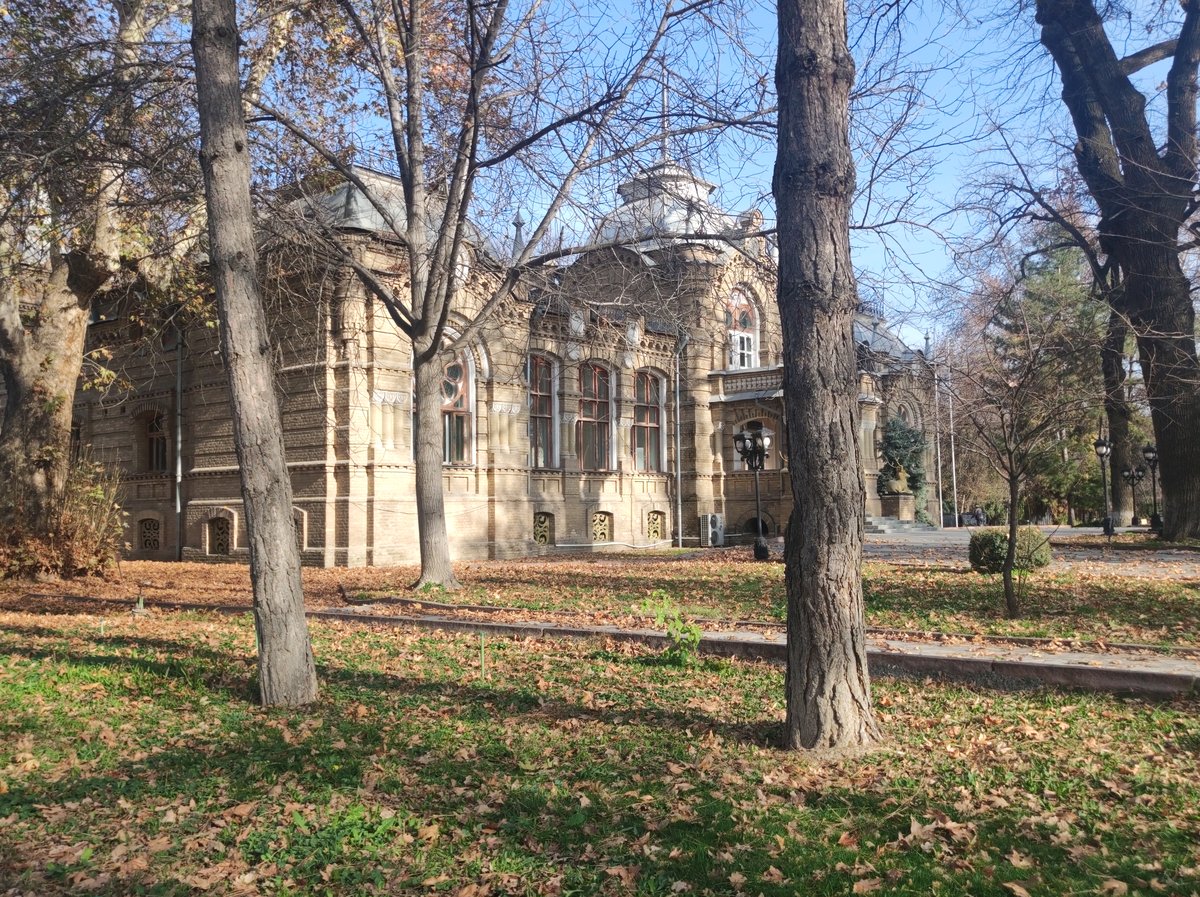
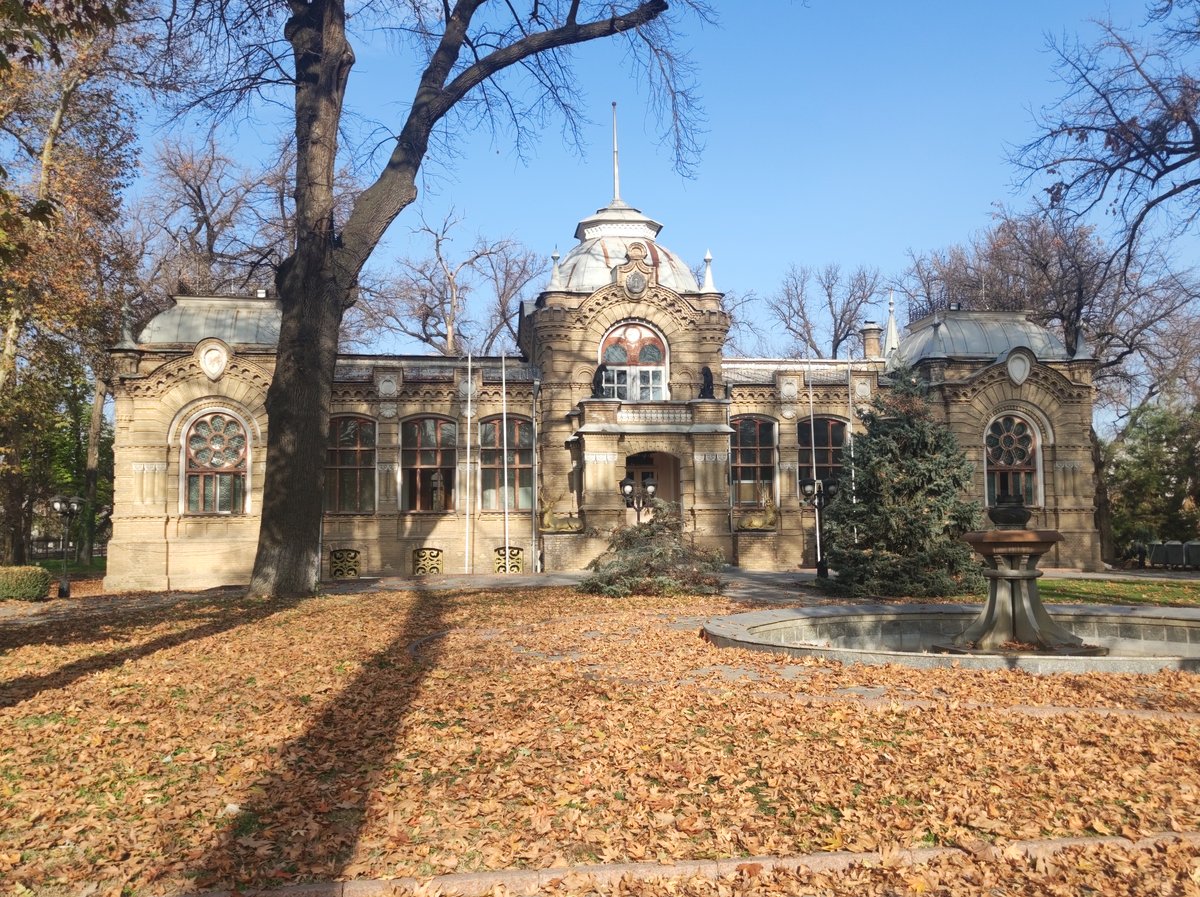
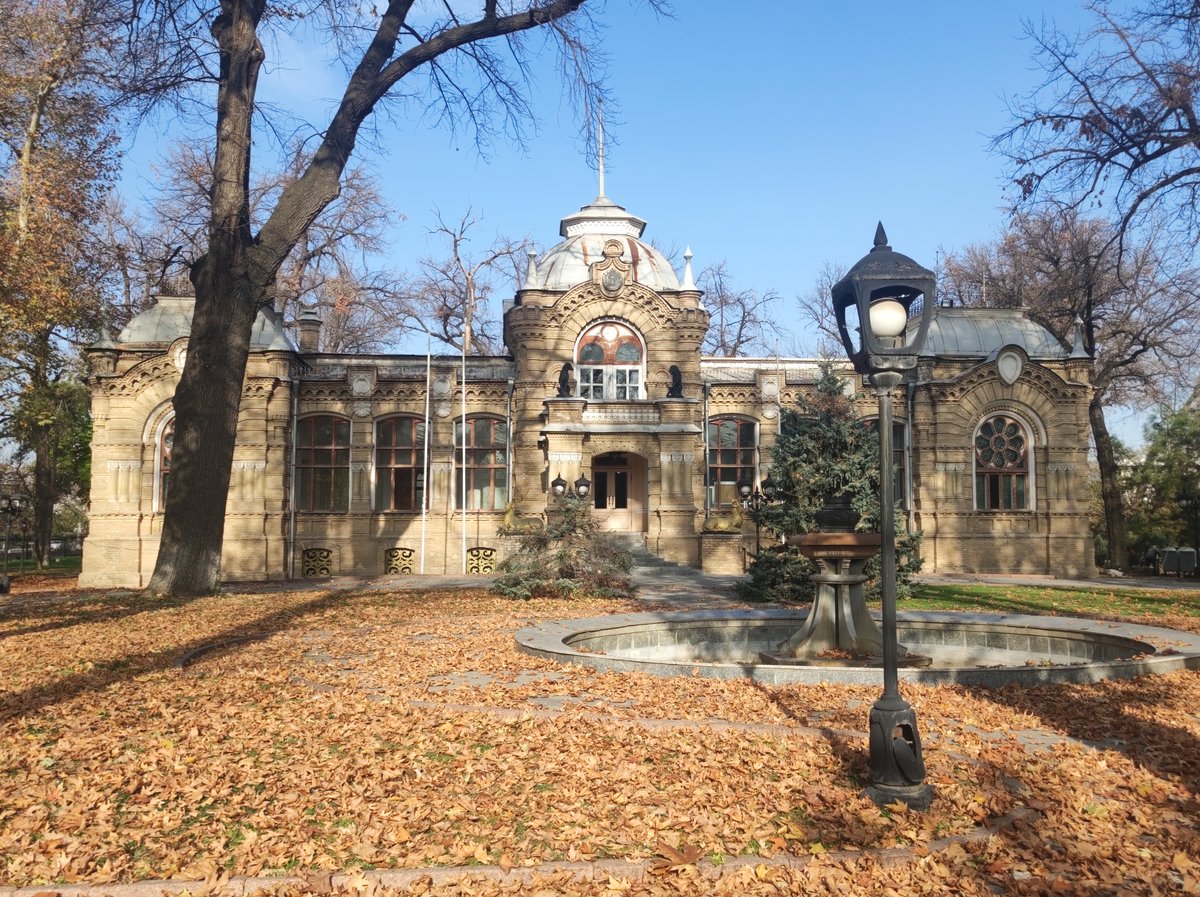
The Palace of Grand Duke Nikolai Konstantinovich Romanov in Tashkent is a striking testament to the Russian imperial legacy, intricately woven into the fabric of Central Asian cultural history. Commissioned in the late 19th century, this architectural masterpiece was built by order of Grand Duke Nikolai Konstantinovich Romanov—grandson of Emperor Nicholas I—who was exiled to Tashkent yet left an indelible mark on the city’s urban and cultural development (Advantour; Wikipedia). Today, the palace captivates visitors with its blend of Russian "modern" architectural style and Uzbek motifs, standing as an elegant symbol of Tashkent’s cosmopolitan heritage.
This comprehensive guide explores the palace’s origins, architectural features, the Grand Duke’s influence, its evolving functions, and essential visitor information, including tickets, visiting hours, accessibility, and nearby attractions. Whether you are a history enthusiast, art lover, or a traveler seeking unique experiences in Tashkent, this article will provide everything you need to plan your visit to one of the city’s most iconic historical landmarks.

Origins and Construction
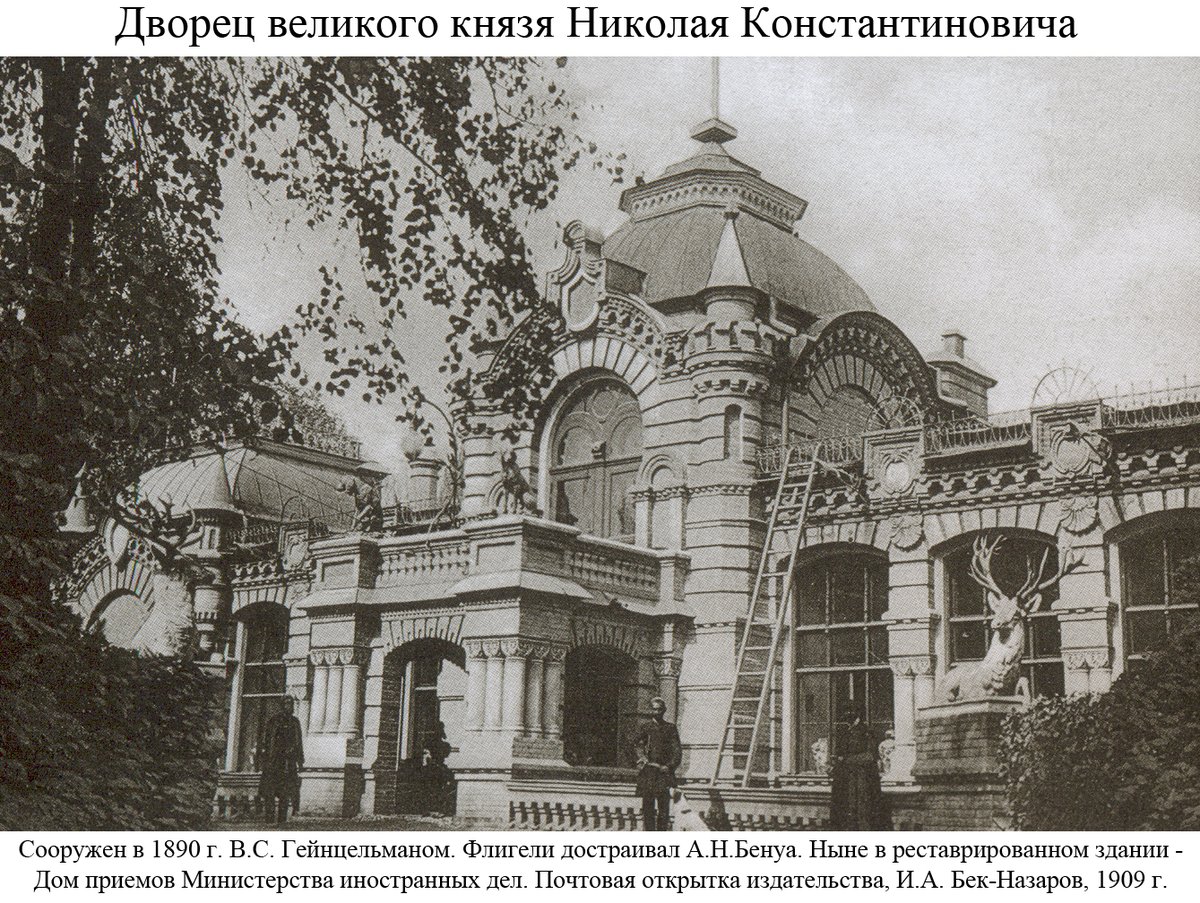
After being exiled to Tashkent in 1877 following a scandal, Grand Duke Nikolai Konstantinovich Romanov established his residence in the city. Construction of his palace began in 1891, led by prominent architects A.L. Benoit and V.S. Geyntseltsman. Designed to reflect both Russian imperial tastes and Central Asian influences, the palace became a unique landmark that showcased the Grand Duke’s ambition and aesthetic vision (Advantour; Wikipedia).
Architectural and Interior Highlights
The palace is renowned for its synthesis of Russian "modern" (Art Nouveau) architecture and local Uzbek decorative elements. Key features include:
- Exterior: Constructed from yellow-gray bricks to withstand Tashkent’s climate, the façade is adorned with carved grids, ornamental turrets, uniquely shaped windows, and a grand portico. Life-sized bronze deer and hunting dog sculptures at the entrance reflect the Grand Duke’s passion for hunting (Visit Silk Road).
- Gardens: Designed by botanist I.I. Krause, the palace grounds feature a winter garden, Japanese garden with miniature bridges and figurines, and rare exotic plants, creating a tranquil oasis in the heart of the city.
- Interiors: The palace boasts oak-paneled halls, gilded paintings, intricate moldings, and a grand cast-iron lantern centerpiece. The layout separates the Grand Duke’s and his wife’s apartments, and originally housed an extensive art collection that contributed to the foundation of the Tashkent Art Museum (Travel Ornament; Trvlland).
The Grand Duke’s Legacy in Tashkent
Despite his exile, Nikolai Konstantinovich played a pivotal role in shaping Tashkent’s modern identity. His initiatives included establishing the city’s first cinema, bakery, and soldiers’ suburb, as well as spearheading irrigation projects that transformed local agriculture (4traveler.me). He also donated art, antiques, and books to the city, enriching its cultural capital and laying the groundwork for museums and educational institutions.
The Palace’s Evolving Role and Preservation
Following the Grand Duke’s death in 1918, the palace became a hub for cultural and civic activities:
- Served as the Museum of Arts of the Uzbek SSR and later as a museum of antiques and jewelry art.
- Functioned as the Palace of Pioneers during the Soviet era, fostering youth education and creativity (Wikipedia).
In the late 20th century, the palace underwent significant restoration and was designated as the Reception House for the Ministry of Foreign Affairs of Uzbekistan (Central Asia Adventures). This adaptive reuse has ensured the continued preservation of its architectural and historical integrity.
Cultural Significance and Museum Heritage
The palace is one of the few surviving examples of Russian imperial architecture in Central Asia. Its design, combining European and Uzbek elements, symbolizes Tashkent’s multicultural past. The Grand Duke’s contributions to education, culture, and urban development are reflected in the palace’s legacy and its collections, many of which are now housed in the State Museum of Arts of Uzbekistan (Travel Ornament).
Visitor Information: Hours, Tickets, Accessibility
Current Status:
The palace is not open for regular public interior tours, as it is used as the official Reception House of the Ministry of Foreign Affairs. However, visitors can view and photograph the exterior and gardens from outside the gates.
- Visiting Hours: Exterior viewing is possible during daylight hours, Tuesday to Sunday. Closed on Mondays and public holidays for any special events.
- Tickets: No admission fee for viewing the exterior. Interior access is restricted; tickets are not available for regular visits.
- Special Access: Occasionally, limited guided tours or open days are announced during national holidays or cultural events. Check official tourism sites or local guides for updates (Uzbekistan Travel).
- Accessibility: The grounds are accessible to visitors with disabilities outside the gates. Interior accessibility is not applicable at present.
- Photography: Permitted outside only. Interior photography is not allowed.
Nearby Attractions & Travel Tips
- Independence Square (Mustaqillik Maydoni): Just 150 meters from the palace, this is Tashkent’s main civic space.
- Amir Timur Museum: Showcases the history of Uzbekistan’s national hero.
- Art Gallery of Uzbekistan and Museum of Arts of Uzbekistan: Display significant works, including those from the Grand Duke’s collection.
- Chorsu Bazaar & Kukeldash Madrasah: Iconic sites within easy reach.
Travel Tips:
- Use the Mustaqillik maydoni metro station for convenient access.
- Visit early in the day to avoid crowds.
- Combine the palace with a broader walking tour of central Tashkent.
Frequently Asked Questions (FAQ)
Q: Is the palace open for interior tours?
A: No, interior access is generally not permitted due to its governmental use.
Q: Do I need a ticket to visit the palace?
A: No tickets are required to view the exterior. Interior visits are only possible during special events.
Q: Is the palace accessible for people with disabilities?
A: The exterior and gardens are accessible, but interior accessibility is not applicable.
Q: Are guided tours available?
A: Not as a rule, but limited tours are sometimes organized for special occasions.
Q: What are the best nearby attractions?
A: Independence Square, Amir Timur Museum, and the Museum of Arts of Uzbekistan.
Visuals & Media Suggestions
- Seek out high-resolution images of the palace façade, gardens, and bronze sculptures.
- Use interactive maps and GPS-enabled walking tour apps such as GPSmyCity.
- Look for virtual tours on official tourism websites for remote exploration.
Discover More
The Palace of Grand Duke Nikolai Konstantinovich Romanov stands as a magnificent witness to Tashkent’s imperial past and its cultural evolution. While interior access is currently restricted, the palace’s exterior beauty and historic gardens are accessible and well worth a visit. For updates on special access opportunities and restoration progress, follow official tourism resources and consider local guided tours.
Enhance your Uzbekistan journey by downloading the Audiala app for real-time travel guides, updates, and curated content on Tashkent’s historical sites. Follow us on social media and explore related articles to enrich your exploration of Uzbekistan’s architectural and cultural treasures.
Listen to the full story in the app
The whole Palace Of Grand Duke Nikolai Konstantinovich Romanov, Tashkent,
told well.
Audio guides for 1,100+ cities across 96 countries. History, stories, and local insight — offline ready.
Verified, and shown.
Researched and written by the Audiala editorial team from historical records, architectural archives, and local expertise.
Researched from Wikidata, Wikipedia & official sources · fact-checked · How we make our guides →