Plan and listen to Mustaqillik Maydoni with Audiala.
Audio guide in your pocket, itinerary in your browser. Built for the way you actually visit.
Introduction
Mustaqillik Maydoni—widely known as Independence Square—is the central and symbolic heart of Tashkent, Uzbekistan’s capital. More than just a city landmark, the square reflects the nation’s journey from Russian colonialism and Soviet rule to independence and modern renaissance. Today, Mustaqillik Maydoni is a vibrant cultural, political, and civic hub, featuring striking monuments, lush gardens, evocative memorials, and a lively atmosphere that draws both locals and visitors.
This comprehensive guide offers everything you need to know before visiting Mustaqillik Maydoni, including its layered history, key architectural features, practical visitor information, and nearby attractions. Whether you’re a history buff, an architecture enthusiast, or a traveler eager to experience Uzbek culture, you’ll find this resource helpful for planning your visit.
For official details and up-to-date visitor guidance, refer to visittashkent.uz, uzbek-travel.com, yuz.uz, and visato.uz.
Origins and Early Development
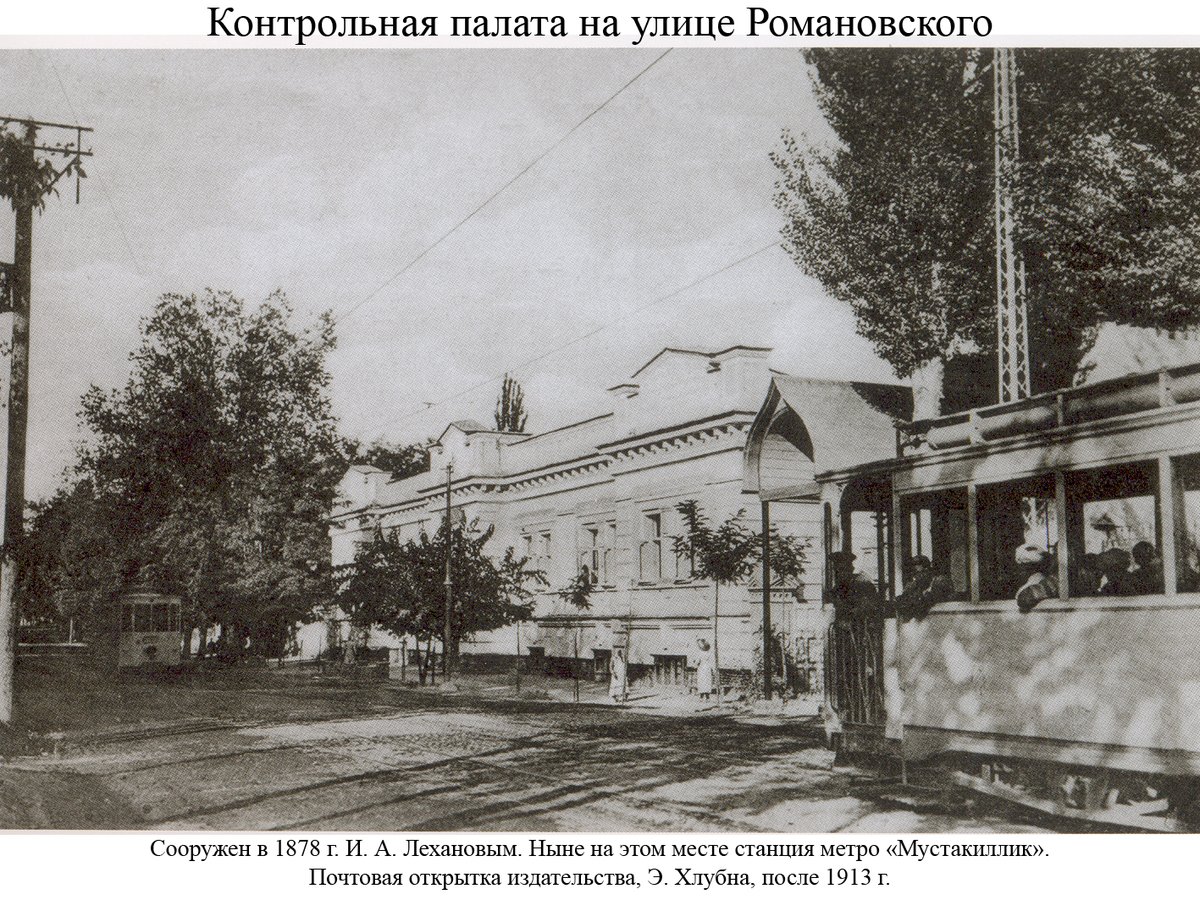
The roots of Mustaqillik Maydoni trace back to the mid-19th century, following the Russian conquest of Central Asia. In 1865, Russian General Governor Konstantin von Kaufman established a military fortress on what was then open land (visittashkent.uz). By 1866, the so-called “White House” was constructed for the governor-general, and the area became a central administrative hub. The Spaso-Preobrazhensky Cathedral was added during the 1870s–1888, only to be demolished in 1929 under Soviet anti-religious campaigns.
Soviet Era
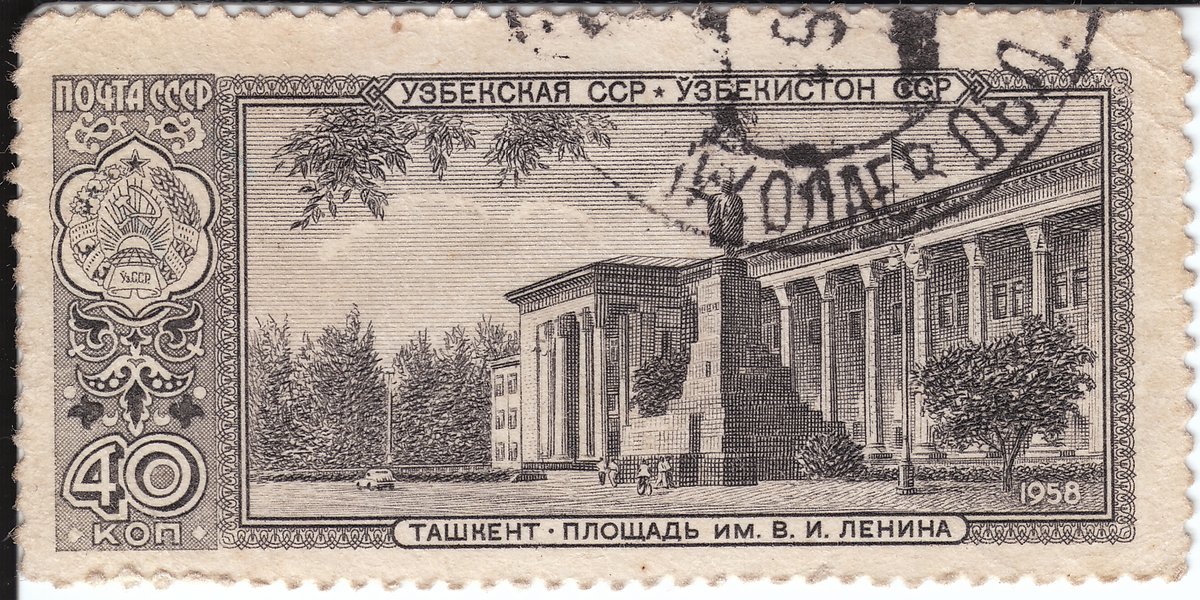
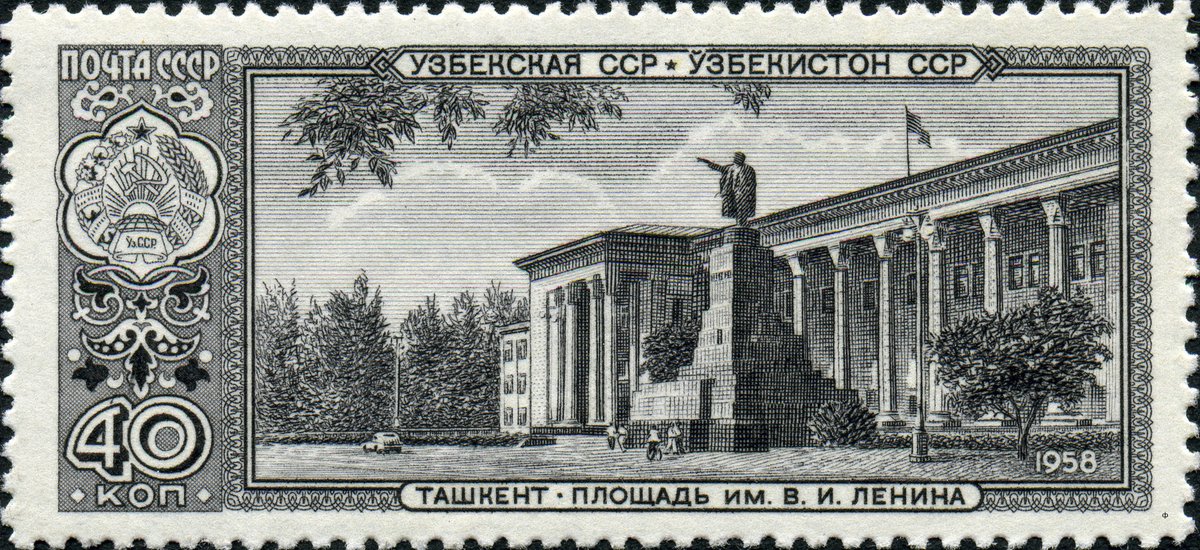
After the Bolshevik Revolution, the square was renamed Lenin Square and became the focal point for state ceremonies and military parades. In 1930, the Soviet of People’s Commissars—later the Council of Ministers—was completed, solidifying the square’s administrative role (uzbek-travel.com). A prominent Lenin statue, designed by Boris Korolyov, was installed in 1936 and remained until Uzbekistan’s independence. The 1966 earthquake prompted a redesign, introducing new terraces, fountains, and a tiered layout.
Post-Independence Transformation
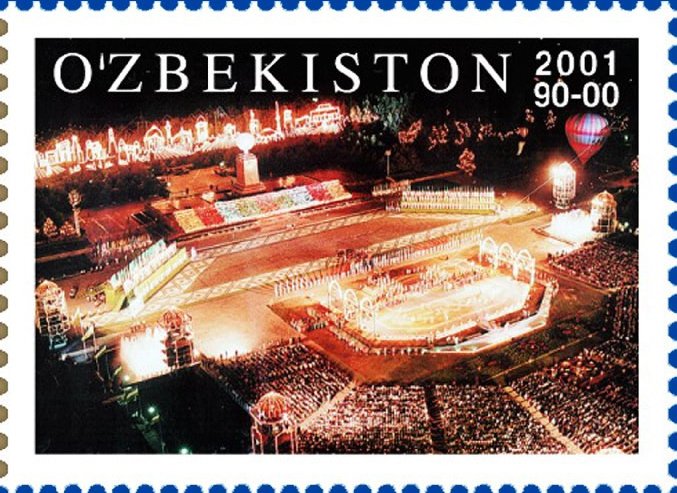
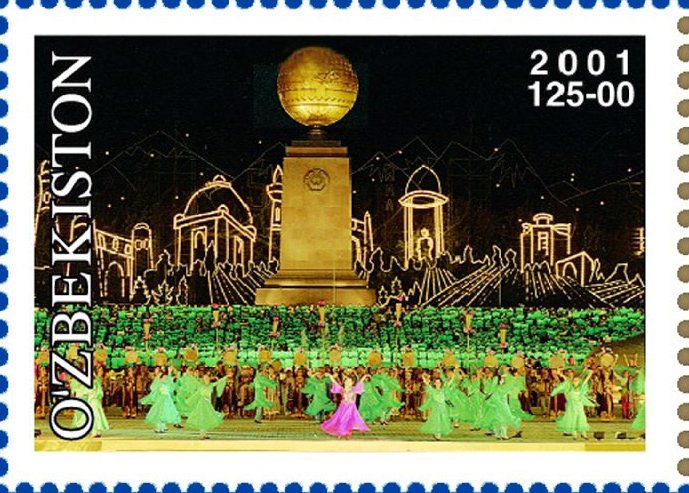
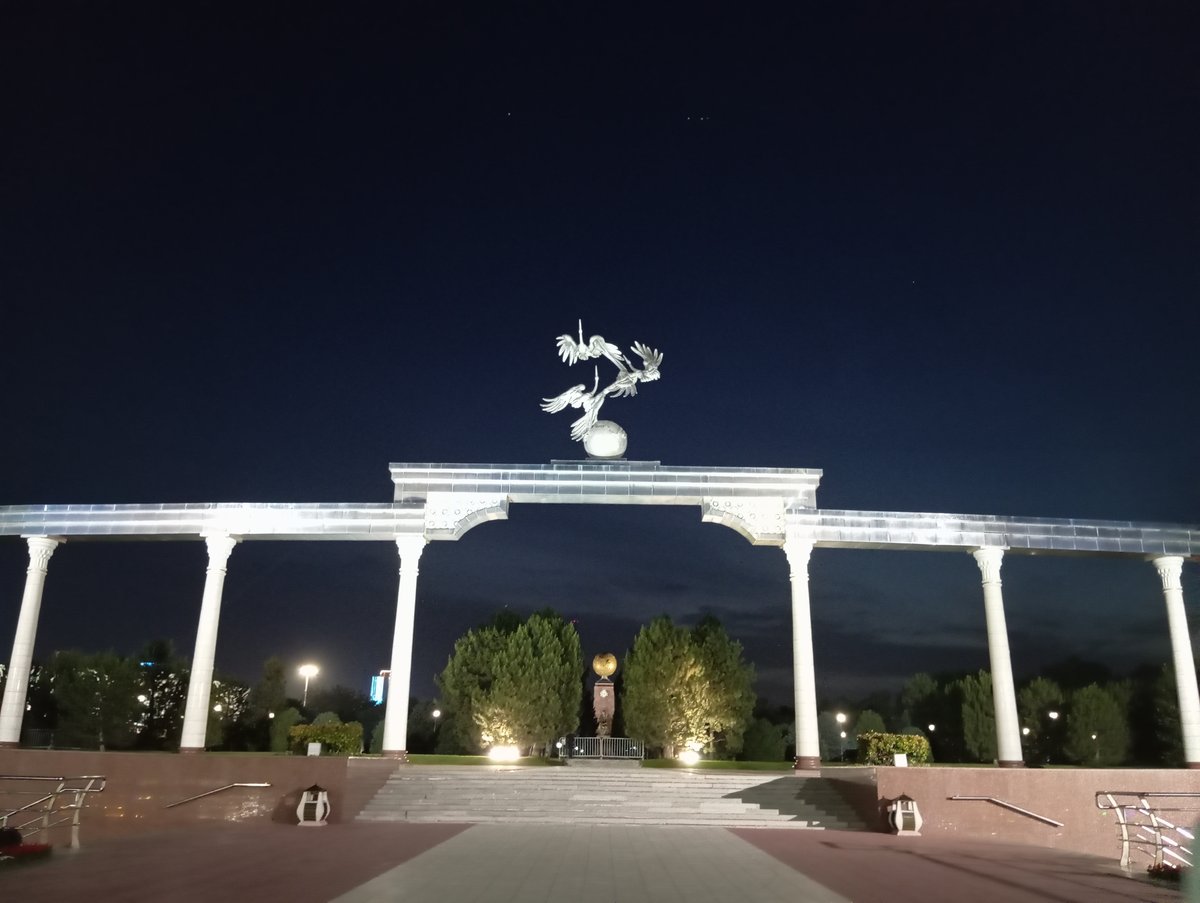
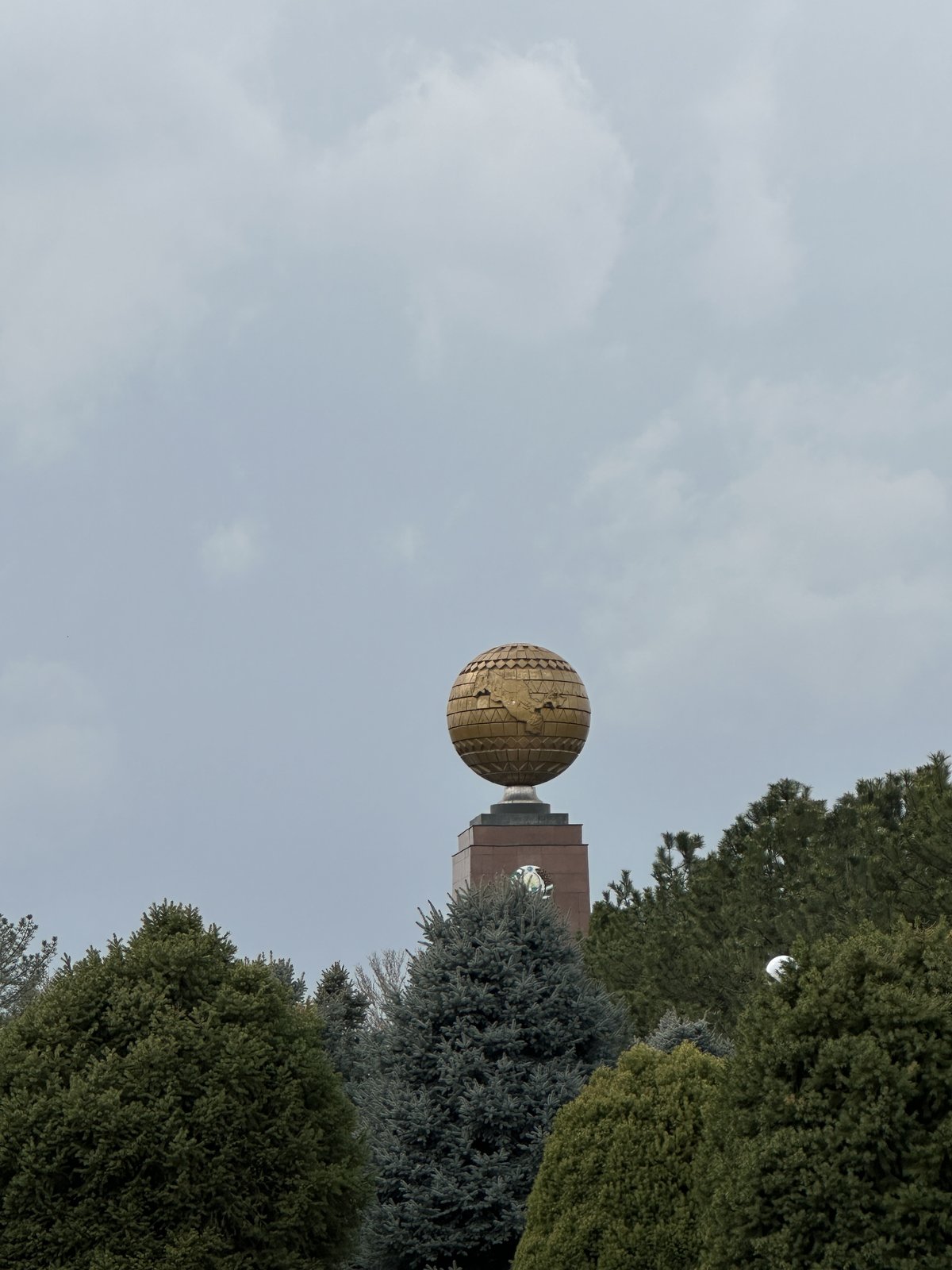
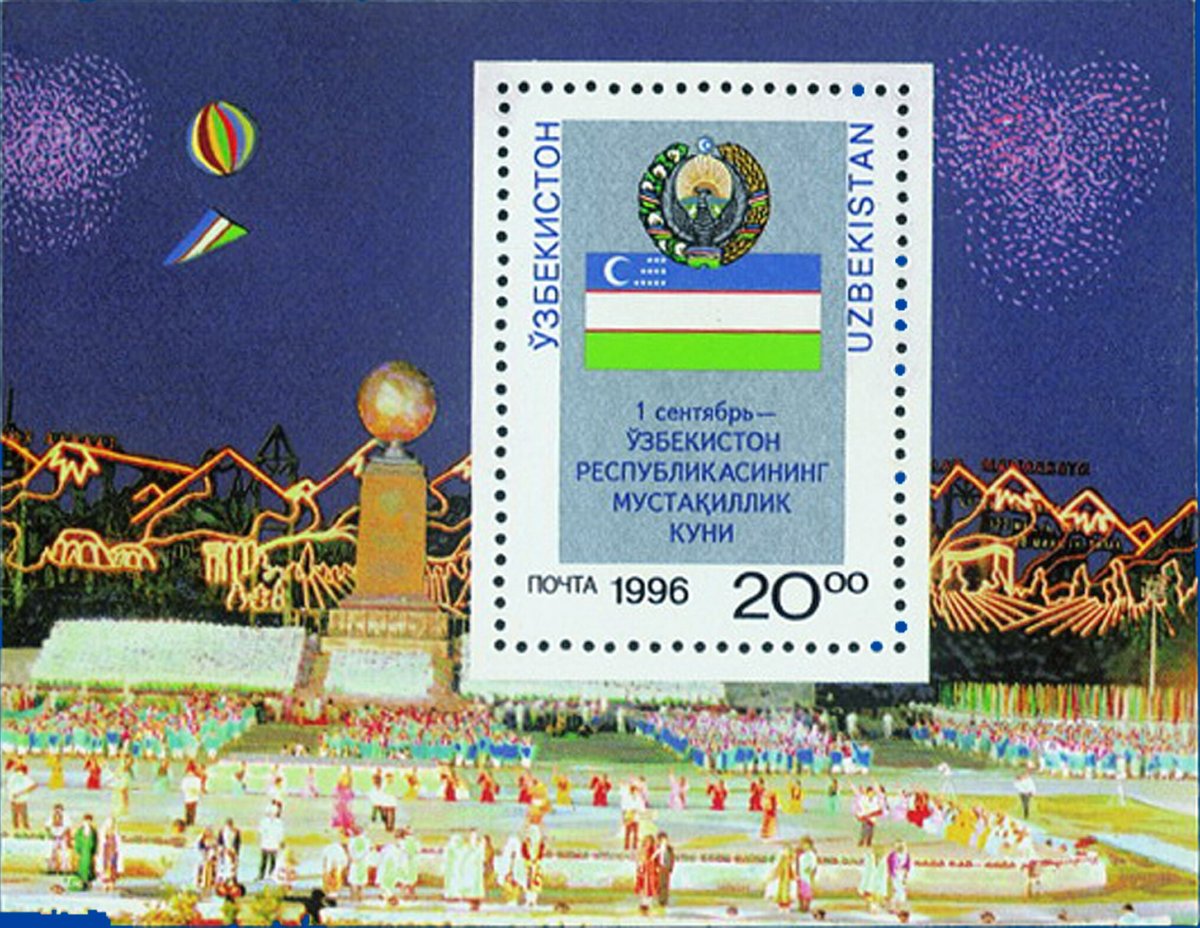
Following Uzbekistan’s independence in 1991, the square was renamed Mustaqillik Maydoni. The Lenin statue was removed and replaced by the Monument of Independence and Virtue—a globe topped pedestal and the “Happy Mother” statue—symbolizing national hope and future generations (uzbek-travel.com). In 2006, the “Ezgulik” (Arch of Goodness) was added, adorned with stork sculptures representing peace. Today, the historic “White House” serves as the Senate and Presidential Administration (visittashkent.uz).
Memorials and National Memory
In 1998, Memorial Square was established nearby to honor Uzbek soldiers who died in World War II. It features the Eternal Flame and the “Mourning Mother” statue, serving as a poignant site for public remembrance, particularly on Victory Day (uzbek-travel.com).
Symbolism and National Identity
Mustaqillik Maydoni embodies Uzbekistan’s journey from colonial subjugation to independence. Its monuments and architecture blend Soviet heritage with Uzbek motifs, symbolizing peace, unity, and the nurturing of future generations (folkways.today). The square remains central to national celebrations, diplomatic ceremonies, and civic life (visittashkent.uz).
Architectural Features and Monuments
Monument of Independence and Humanism
Erected in 1992, this monument replaced the Lenin statue, symbolizing Uzbekistan’s sovereignty. The golden globe atop the high pedestal represents the nation’s place in the world, while the bronze “Happy Mother” cradling her child embodies hope for future generations (Wikipedia, Live the World).
Arch of Independence
The “Ezgulik” Arch, characterized by sixteen white marble columns and crowned with stork sculptures, marks the ceremonial entrance to the square. The storks symbolize peace and prosperity in Uzbek culture (Central Asia Travel).
Fountains and Landscaping
Seven-meter-high fountains and tree-lined avenues add vibrancy and refreshment, especially in the evenings when illuminated displays create a magical ambiance (Turkestan Travel). Manicured lawns and seasonal flowerbeds enhance the square’s tranquility and visual appeal.
Government Buildings
The square is flanked by the Senate and Presidential Administration, whose neoclassical marble facades reflect a blend of Soviet grandeur and modern Uzbek aspirations (Indian Media Book). These buildings are not open to visitors, but their exteriors contribute to the square’s dignified atmosphere.
Eternal Flame and Memorials
The Memorial to Fallen Soldiers, featuring the Eternal Flame and the “Mourning Mother” statue, honors those lost in World War II and other conflicts. The Alley of Fame and Memory, with its stelae and busts of war heroes, is a focal point for remembrance (uzbek-travel.com).
Decorative Elements and Lighting
Traditional Uzbek motifs can be found in the square’s marble, metalwork, benches, and lamp posts. Strategic lighting highlights key monuments and fountains after sunset, making evening visits particularly picturesque (Live the World).
Practical Visitor Information
Visiting Hours
- Square: Open daily, typically from 6:00 AM to 11:00 PM.
- Monuments and Park: Year-round access, with evening visits popular for illumination displays.
- Nearby Museums: Check official websites for specific opening times.
Entry and Tickets
- No entrance fee is required for the square or monuments.
- Admission to nearby museums or guided tours may require tickets.
Accessibility
- The square is fully wheelchair accessible, with paved walkways and ramps.
- Seating and shaded areas are available throughout the park.
Getting There
- Metro: Mustaqillik Maydoni metro station (Blue Line) opens directly onto the square (atlasramblertravelguides.com).
- Taxi/Ride-hailing: Yandex Go and other services are widely available.
- Bus: Several routes serve the city center.
Nearby Attractions
- Amir Timur Square: Featuring a statue of the national hero and surrounded by museums and hotels.
- State Museum of History of Uzbekistan: Offers deep insight into the country’s past.
- Tashkent City Park: A modern space for relaxation.
- Chorsu Bazaar: A bustling traditional market.
Guided Tours
- Local tour operators offer guided and audio tours of Mustaqillik Maydoni and neighboring landmarks. Book in advance for comprehensive historical context.
Best Time to Visit
- Spring (March–May) and Autumn (September–November): Pleasant weather and ideal for walking.
- Early mornings or evenings: Cooler temperatures and lovely lighting for photos.
- National holidays: Experiencing ceremonies and events can be memorable, but expect crowds.
Local Customs and Etiquette
- Behave respectfully around memorials, especially at the Eternal Flame and during ceremonies.
- Dress modestly, particularly if you visit during official events.
- Request permission before photographing people, especially military personnel or during ceremonies.
- Avoid loud or disruptive behavior, as the square is a place of national pride.
Frequently Asked Questions (FAQs)
What are the visiting hours of Mustaqillik Maydoni?
The square is open daily from approximately 6:00 AM to 11:00 PM, but it can be accessed 24/7 as a public space.
Is there an entrance fee?
No, entry to the square and its monuments is free.
Are guided tours available?
Yes, several local tour operators offer guided tours.
Is the square accessible for people with disabilities?
Yes, it features ramps and smooth paths suitable for wheelchairs.
What is the best time of year to visit?
Spring and autumn provide the most pleasant weather. Summers can be hot, while winters are chilly but atmospheric.
Listen to the full story in the app
The whole Mustaqillik Maydoni,
told well.
Audio guides for 1,100+ cities across 96 countries. History, stories, and local insight — offline ready.

Verified, and shown.
Researched and written by the Audiala editorial team from historical records, architectural archives, and local expertise.
Researched from Wikidata, Wikipedia & official sources · fact-checked · How we make our guides →