Tashkent
location_on 12 attractions
calendar_month Spring (April–May) & Autumn (Sep–Oct)
schedule 2–3 days

Introduction

Tashkent smells like cumin and tandoor smoke at dawn. The metro opens at 5:04 a.m. and by 5:15 the first non bread—round, eight-petaled, still blistering—comes out of clay ovens hidden in the old-town courtyards. Uzbekistan’s capital doesn’t announce itself; it leaks into your lungs.

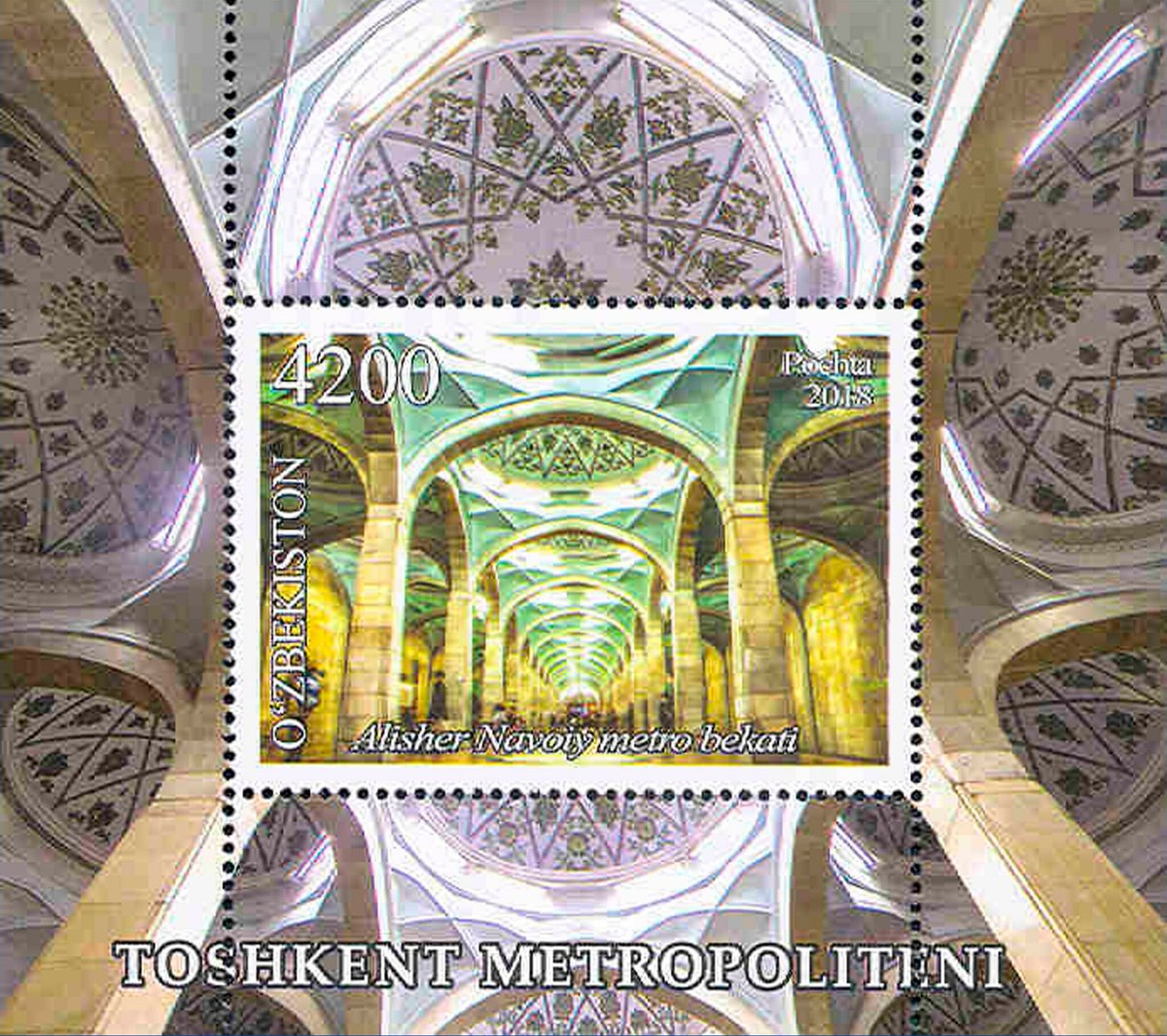
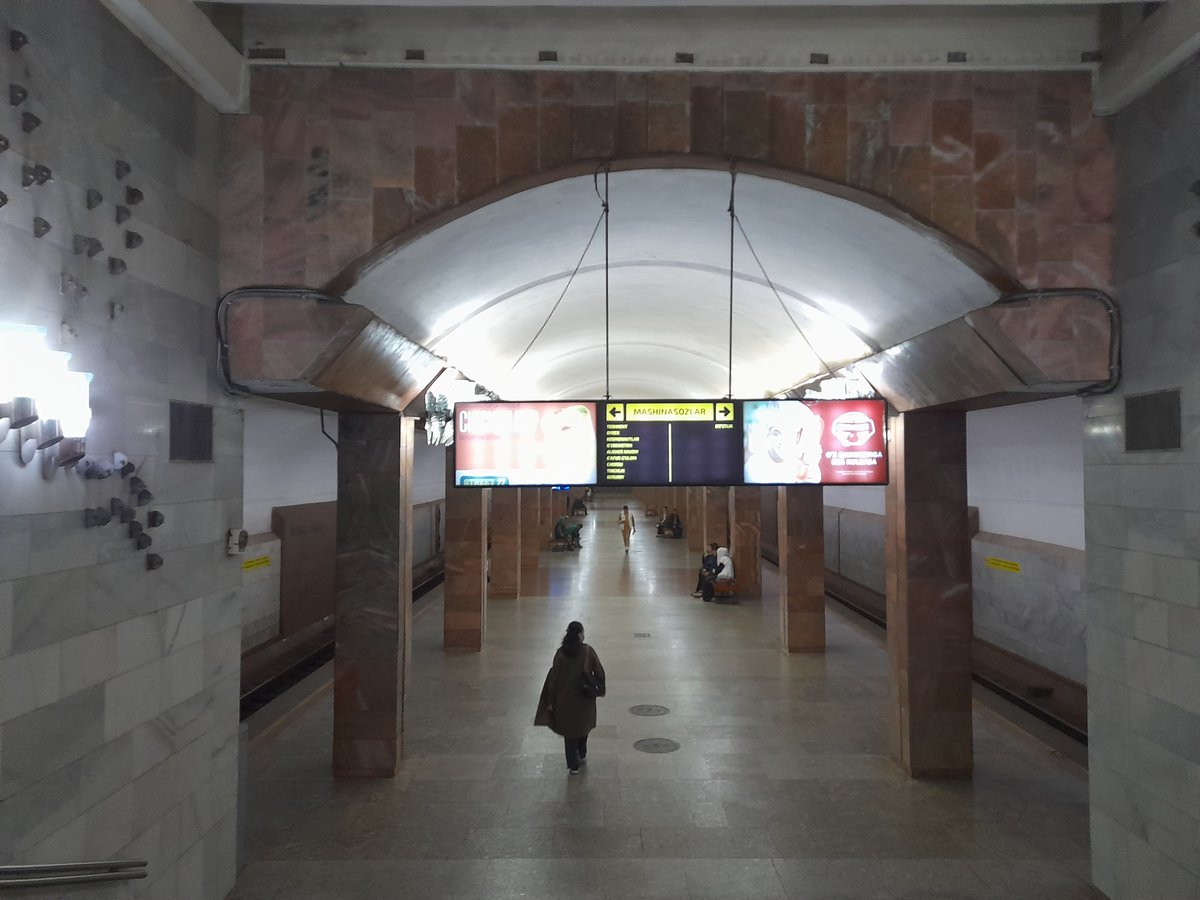
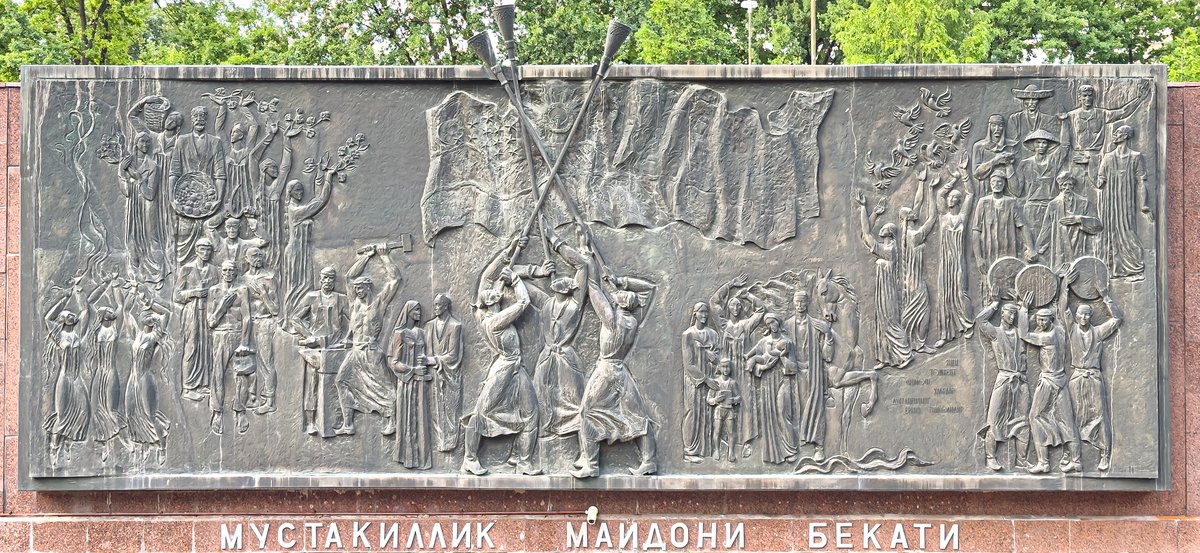
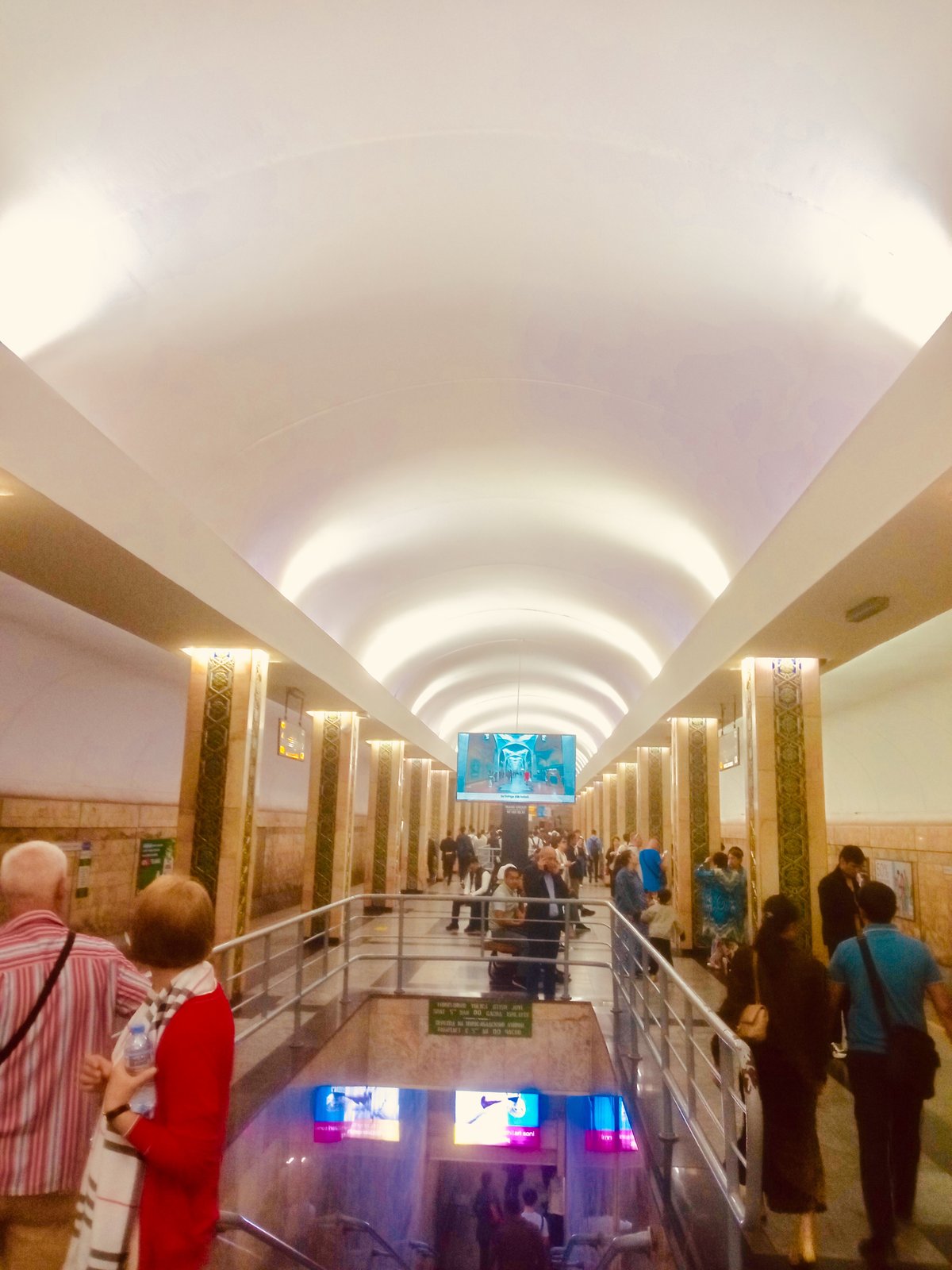
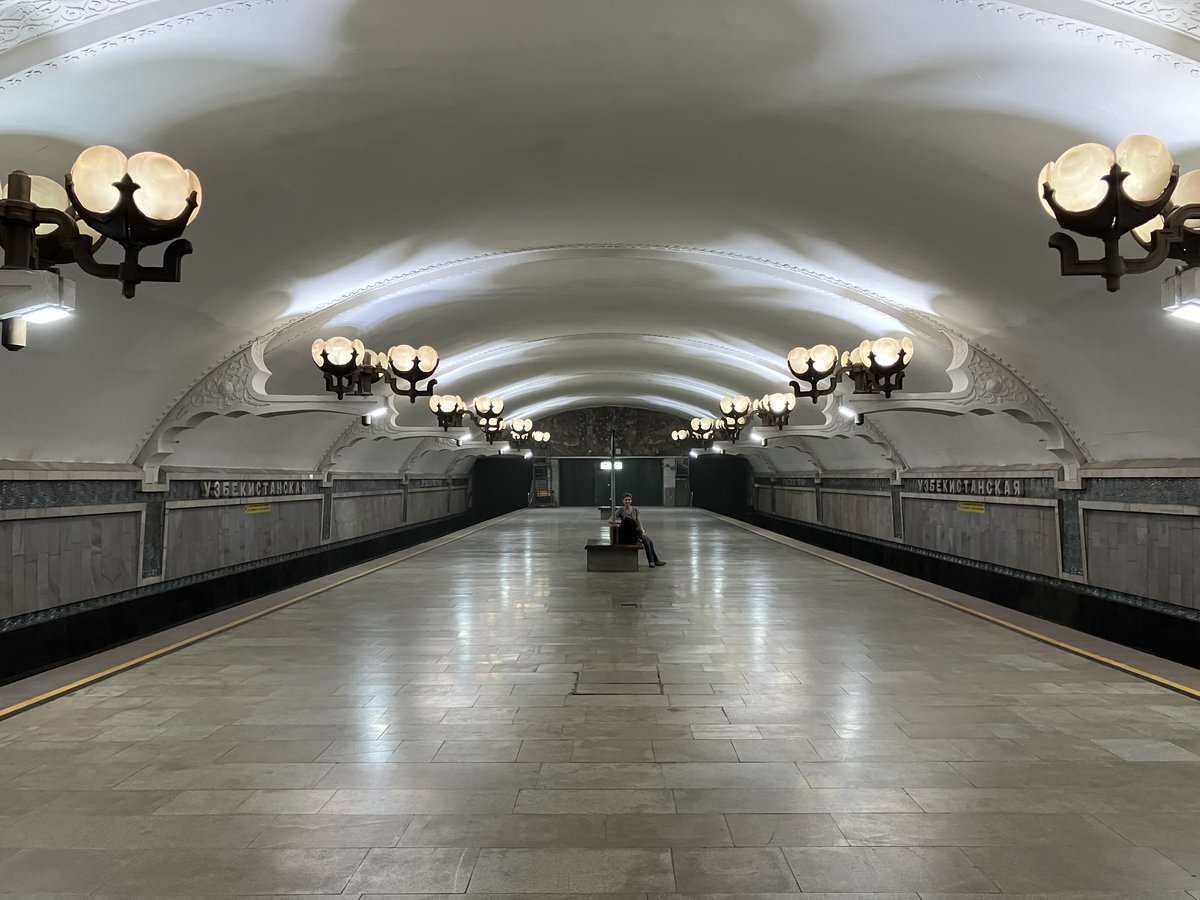
This is Central Asia’s only subway system where every station is a museum you can ride for 12 cents. Kosmonavtlar’s indigo mosaics show cosmonauts floating above the platform; at Mustaqillik Maydoni, marble columns rise like cooled lava. The trains rattle past brutalist ministries built after the 1966 earthquake erased 300,000 houses in 15 seconds—architects simply started again on a grid wide enough for tanks and plane trees.

Between the Soviet grid lies a parallel city: mahallas where boys play chess under mulberries, women sell Korean carrot salad beside fermented Uzbek pickles, and a Romanov palace—built by a disgraced grand duke exiled for eloping with an American—sits behind a kindergarten. Tashkent’s genius is stacking centuries side-by-side without asking permission.

Places to Visit

The Most Interesting Places in Tashkent

Tashkent Tower

Tashkent Tower

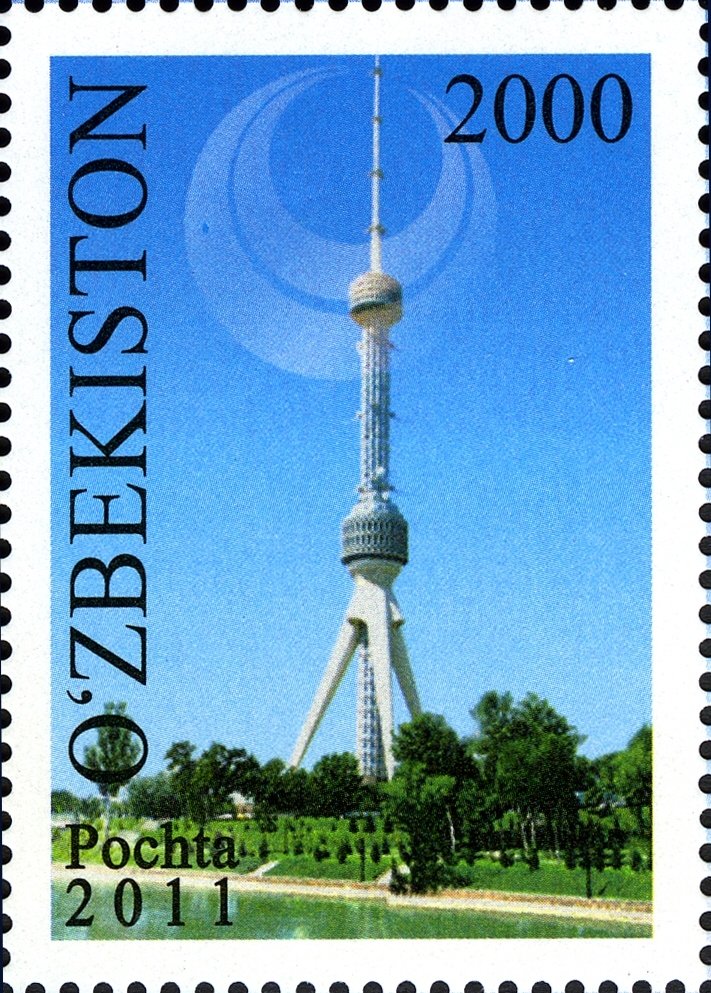
Tashkent Tower, towering at 375 meters, stands as an emblematic landmark in Uzbekistan’s capital and the tallest structure in Central Asia.

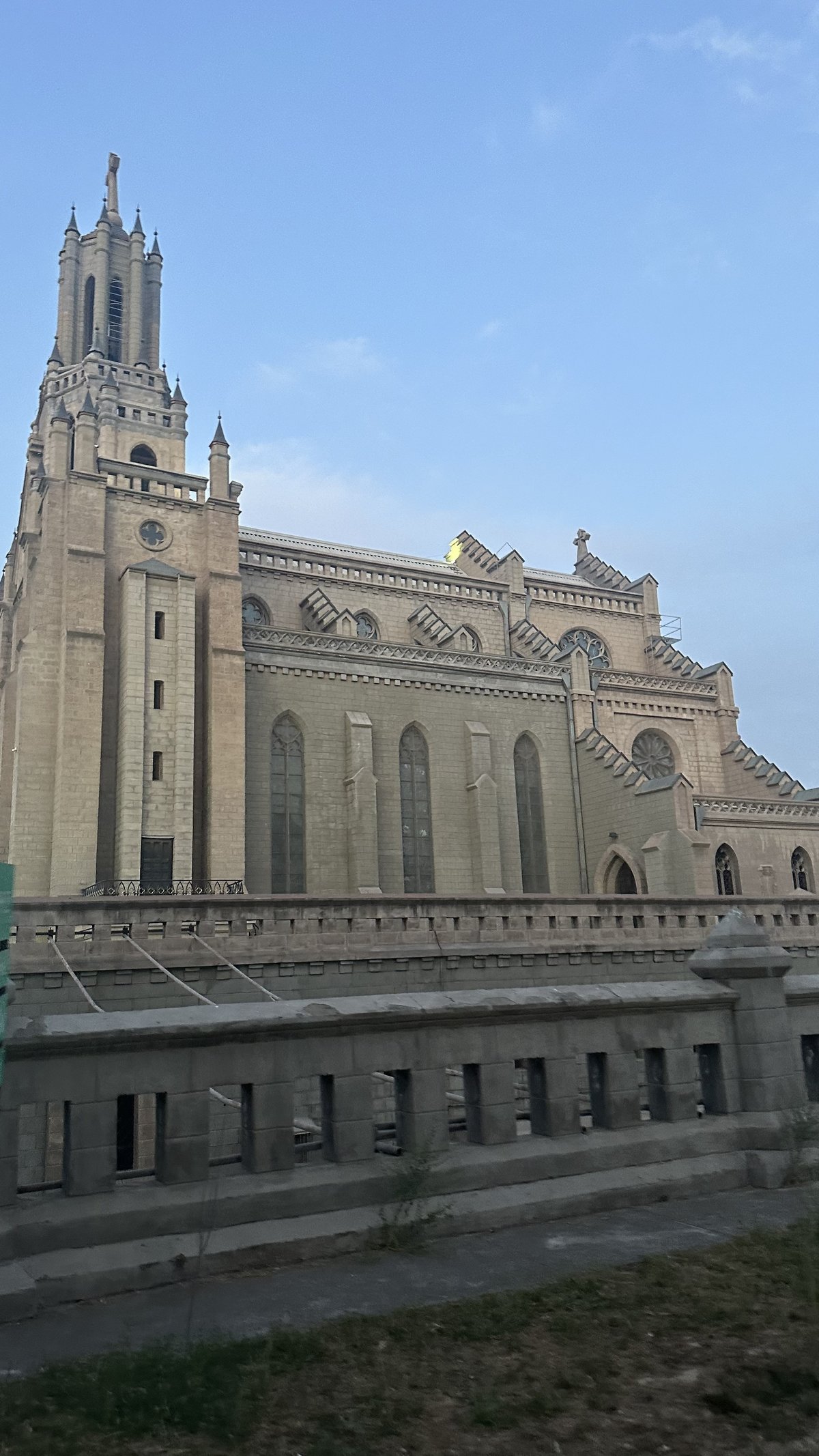
Sacred Heart Cathedral

Sacred Heart Cathedral

Nestled in the heart of Tashkent, Uzbekistan, the Sacred Heart Cathedral stands as a remarkable testament to the city’s rich cultural, religious, and…

landscape

Amir Timur Museum

Nestled in the heart of Tashkent, the Amir Timur Museum stands as a testament to Uzbekistan’s rich history and cultural identity, celebrating the legacy of…

State Museum of History of Uzbekistan

State Museum of History of Uzbekistan

Nestled in the vibrant heart of Tashkent, the State Museum of History of Uzbekistan stands as a testament to the country’s rich and multifaceted heritage.

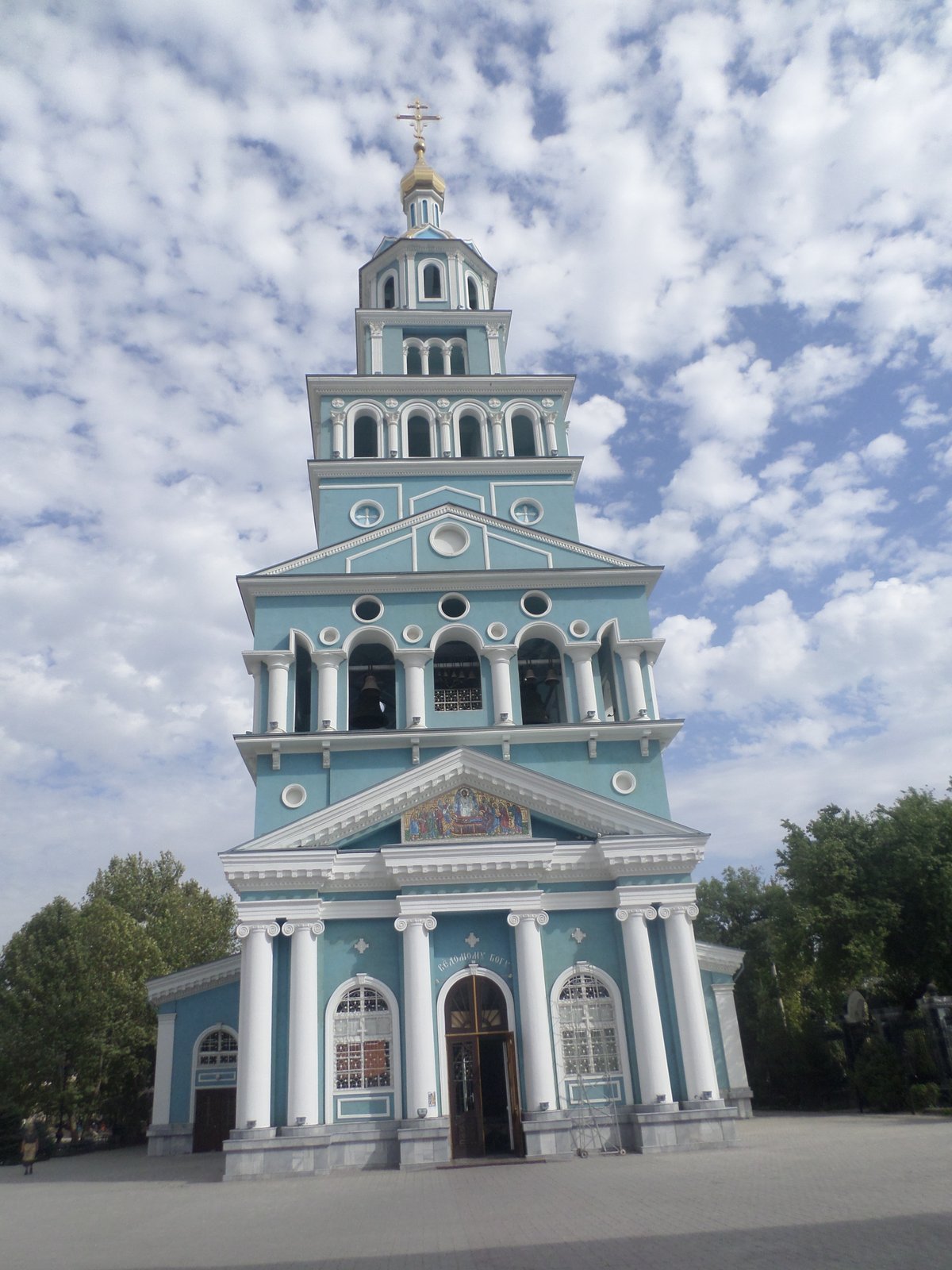
Holy Assumption Cathedral Church

Holy Assumption Cathedral Church

Nestled in the vibrant city of Tashkent, Uzbekistan, the Holy Assumption Cathedral Church stands as a monumental testament to the rich tapestry of religious,…

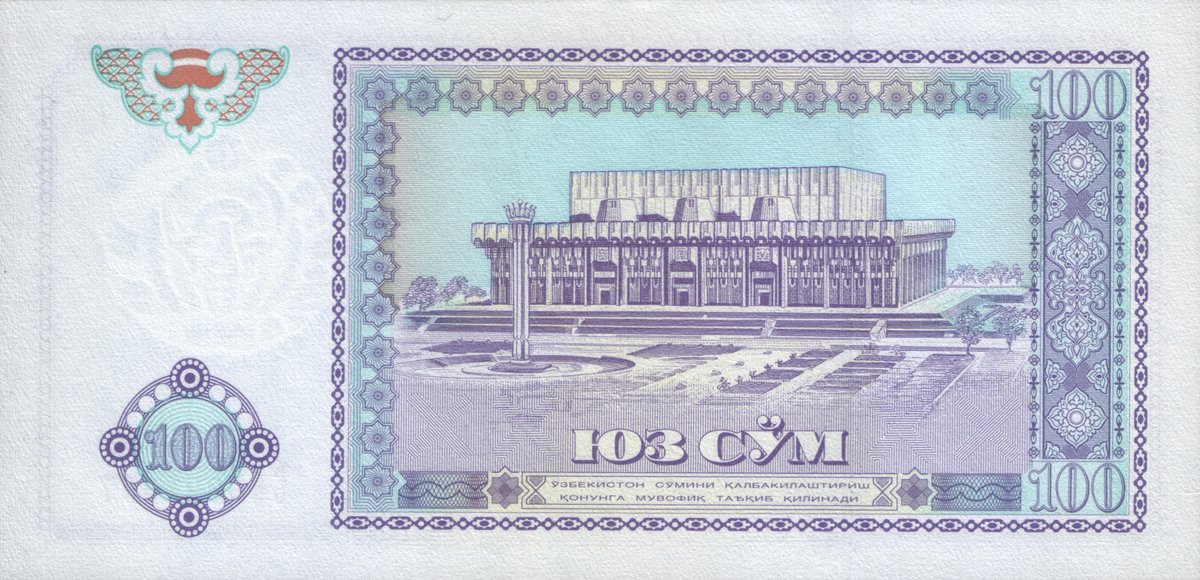
Peoples' Friendship Palace

Peoples' Friendship Palace

The Peoples' Friendship Palace, also known as Istiqlol Palace, stands as one of Tashkent’s most iconic landmarks, embodying a rich tapestry of history,…

Minor Mosque

Minor Mosque

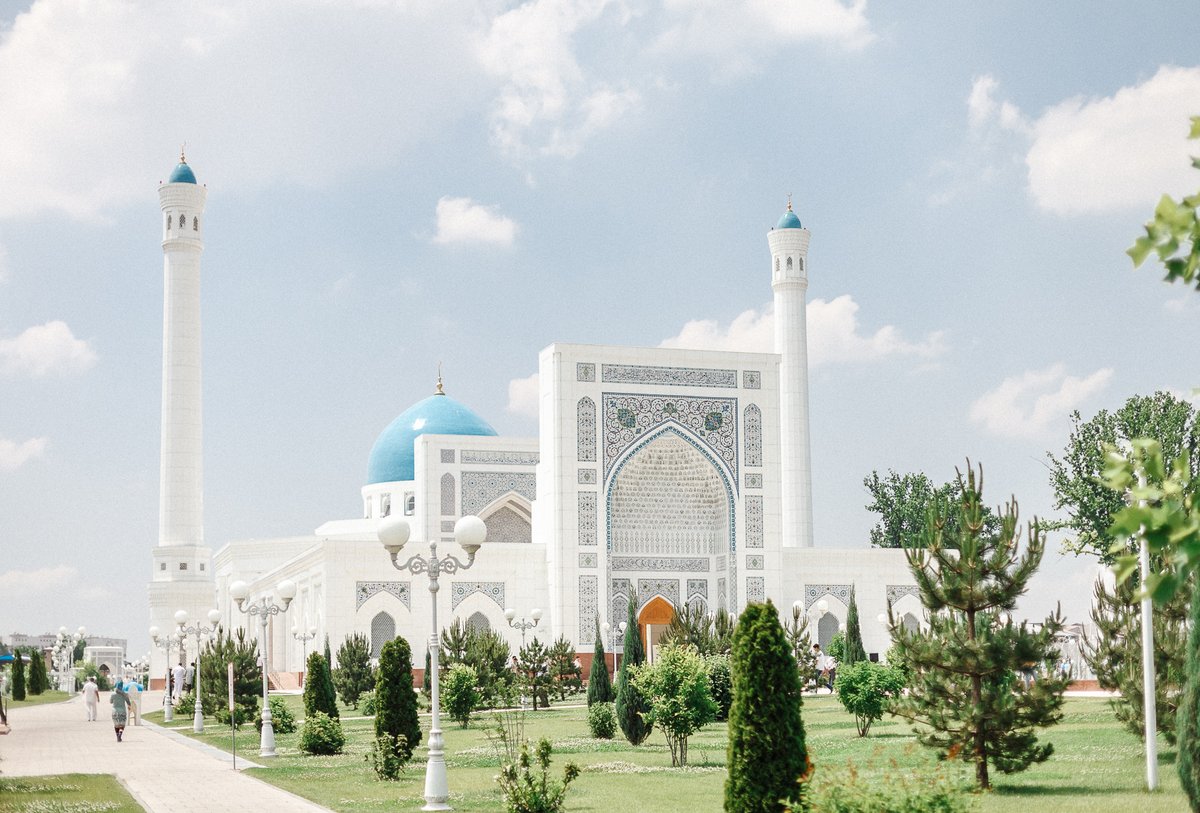
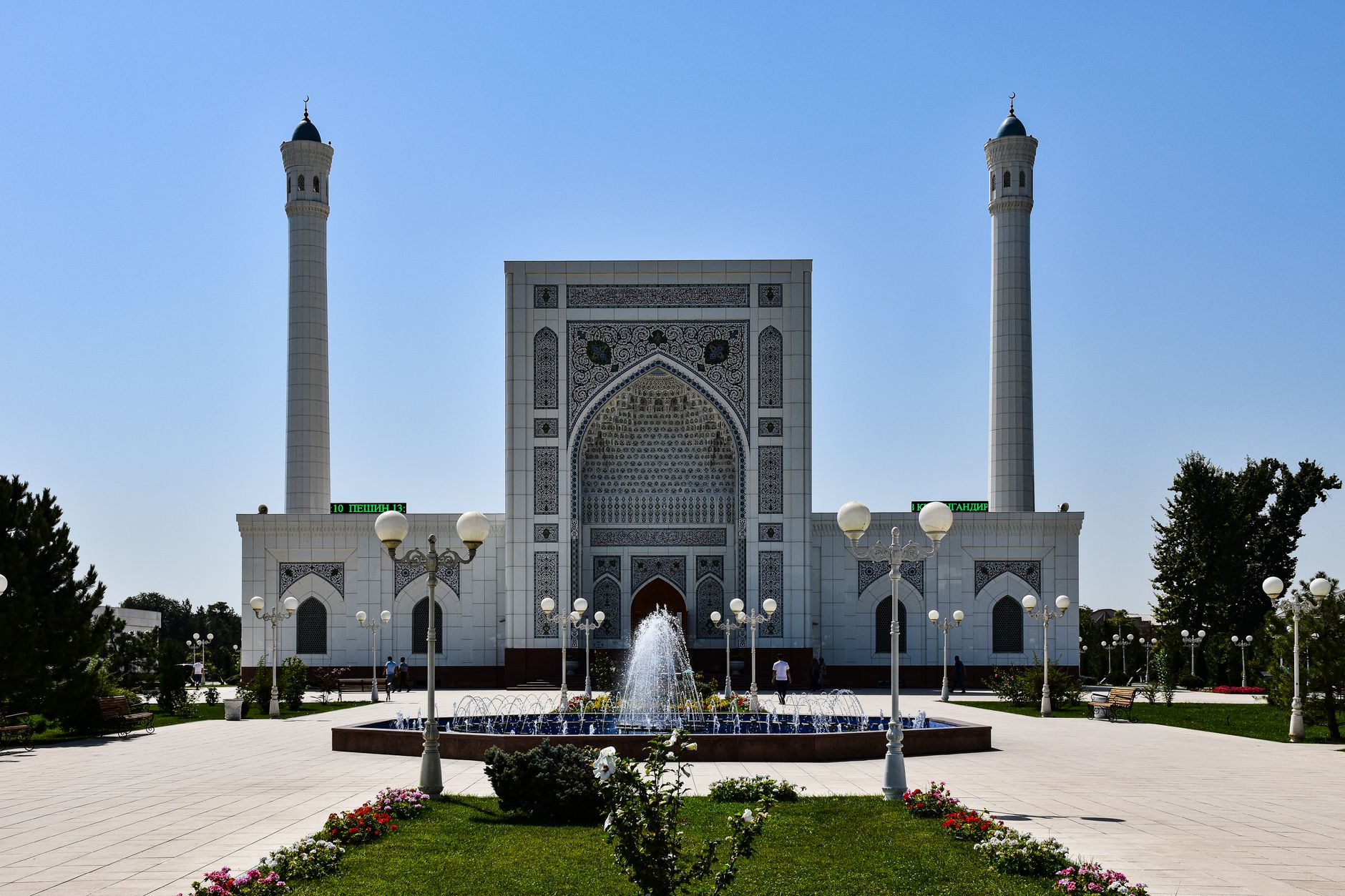
The Minor Mosque in Tashkent stands as a striking testament to Uzbekistan’s vibrant blend of Islamic tradition and contemporary architectural innovation.

landscape

Memorial House of Tamara Khanum

Nestled in the vibrant cultural heart of Tashkent, the Memorial House of Tamara Khanum stands as a compelling tribute to one of Uzbekistan’s most iconic…

Palace of Grand Duke Nikolai Konstantinovich Romanov, Tashkent

Palace of Grand Duke Nikolai Konstantinovich Romanov, Tashkent

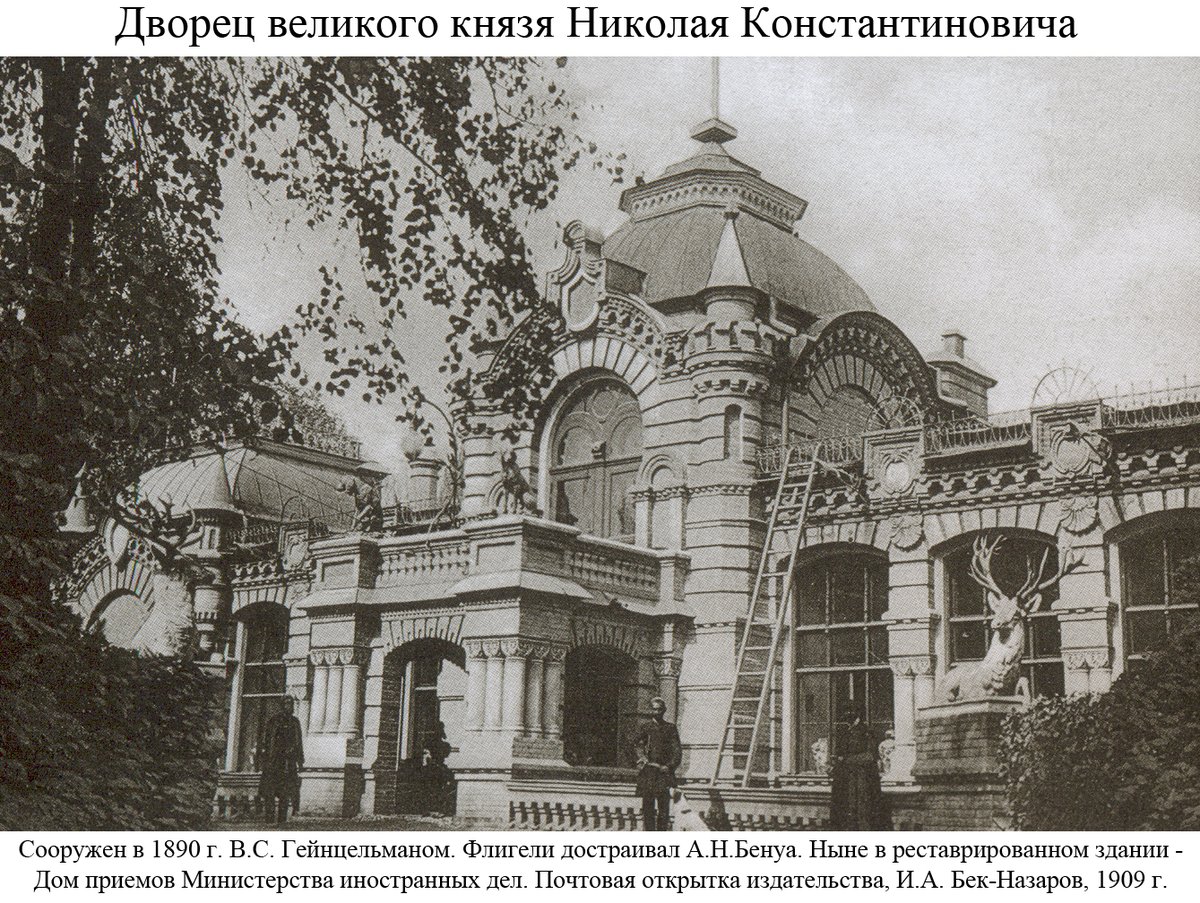
The Palace of Grand Duke Nikolai Konstantinovich Romanov in Tashkent stands as a remarkable emblem of Russian imperial heritage intricately woven with Central…

landscape

St. Vladimir Orthodox Church in Tashkent

Nestled in the vibrant city of Tashkent, Uzbekistan, the St.

Evangelical Lutheran Church in Tashkent

Evangelical Lutheran Church in Tashkent

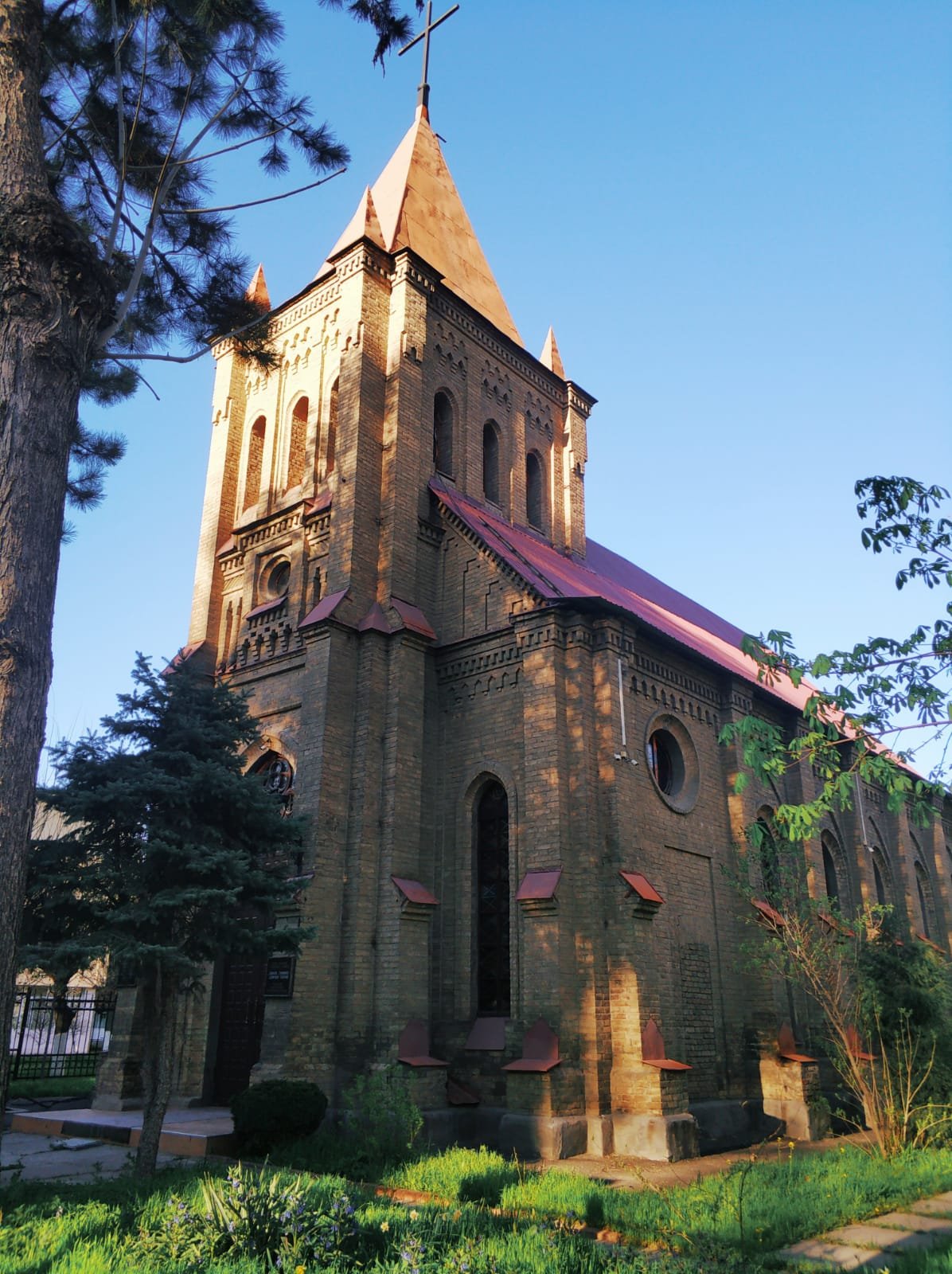
Nestled in the heart of Tashkent, Uzbekistan, the Evangelical Lutheran Church stands as a profound testament to the city’s rich multicultural tapestry and the…

Kukeldash Madrasah

Kukeldash Madrasah

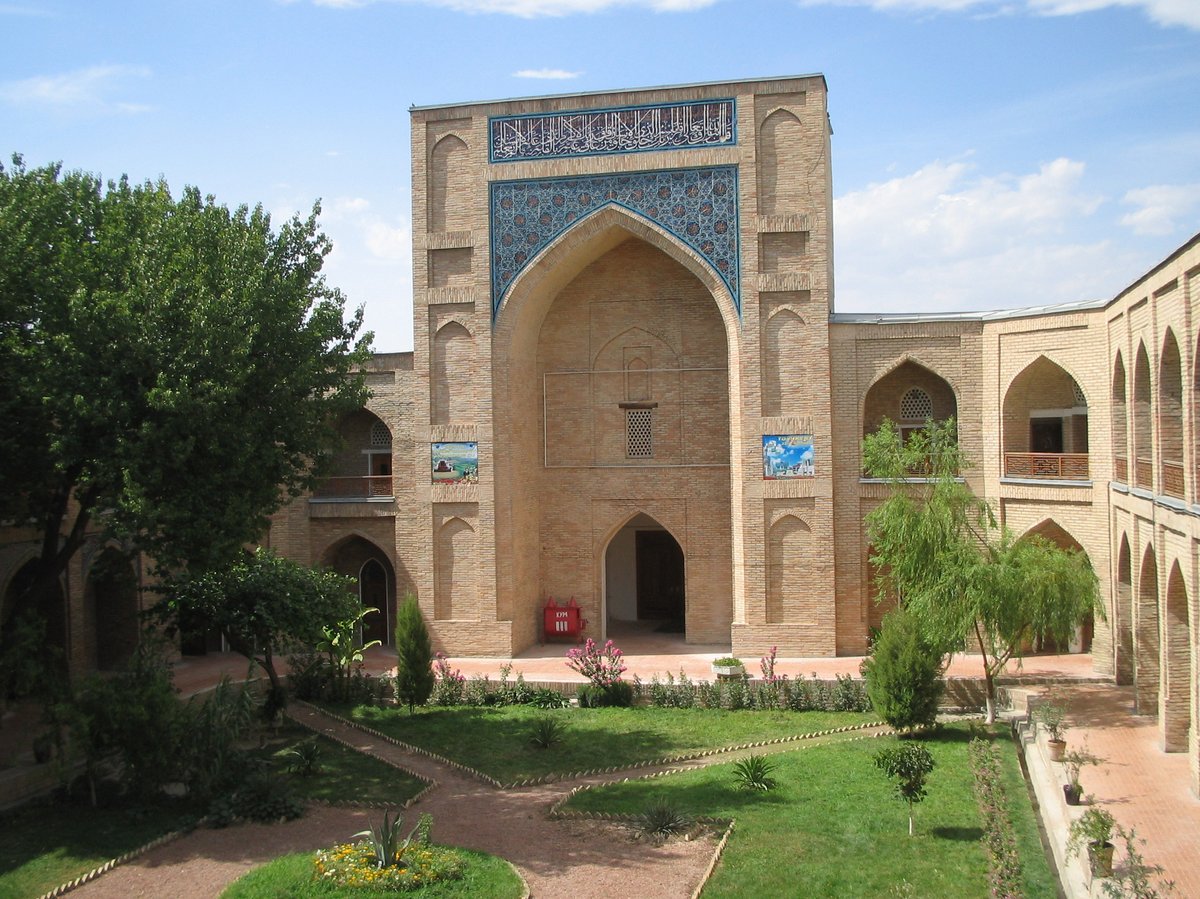
Nestled in the historic heart of Tashkent, Uzbekistan, Kukeldash Madrasah stands as a monumental testament to Central Asia’s rich Islamic heritage and…

What Makes This City Special

Subway as Art Gallery

Tashkent Metro stations double as underground museums—Kosmonavtlar’s indigo cosmonaut mosaics, Alisher Navoi’s ceramic miniatures—each built in 1977 as Soviet propaganda you can ride for 1,500 UZS. Photography was banned until 2018; shoot now before the marble glow disappears under LED retrofits.

A Tsar’s Exile Palace

Grand Duke Romanov—cousin to the last Tsar—built his modest palace on Gafur Gulyam Street after being banished for stealing family diamonds to fund an American affair. The yellow mansion survives as the quirky State Museum of Applied Arts, its parquet floors still creaking with Romanov gossip.

Earthquake Brutalism

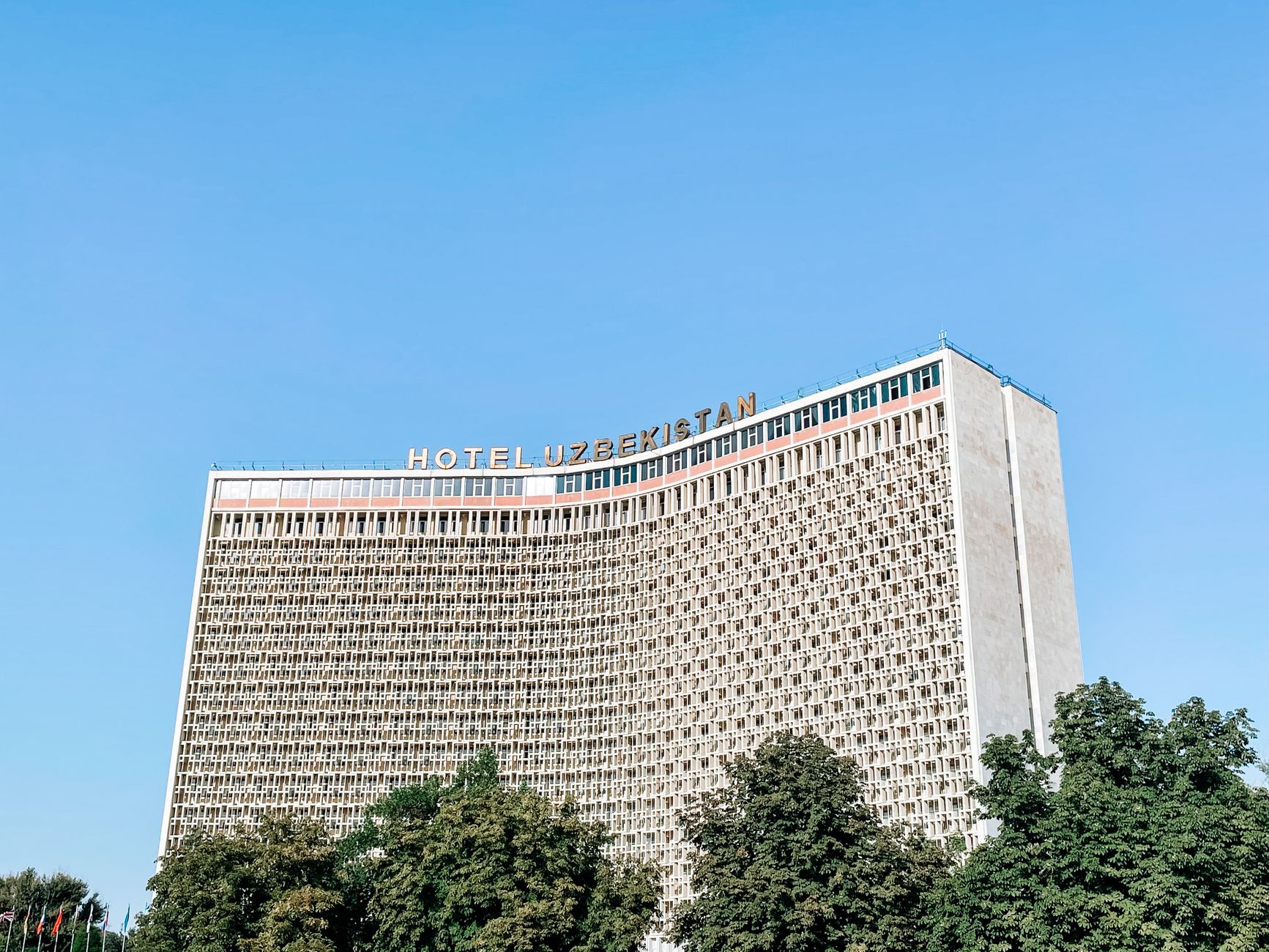
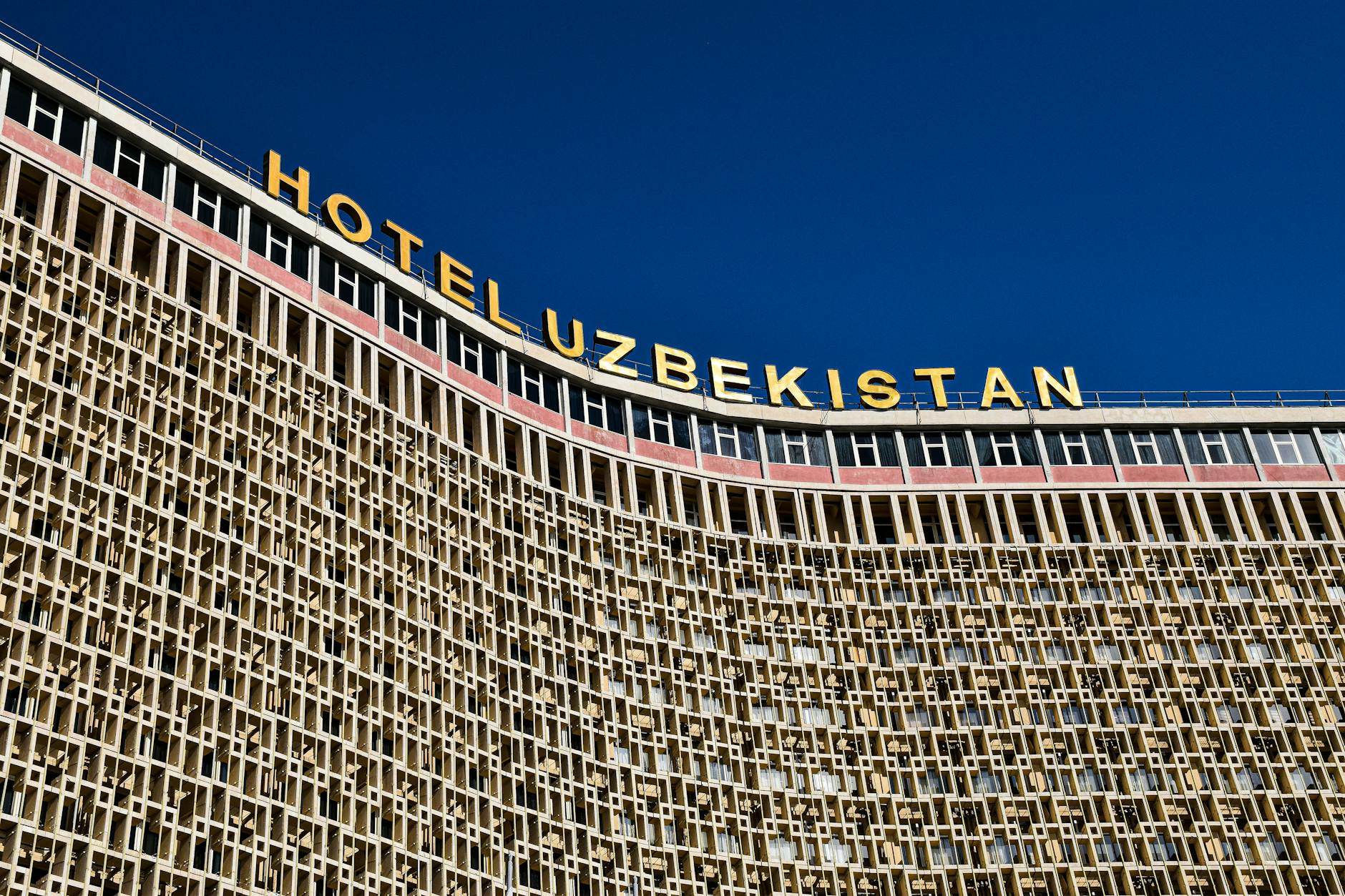
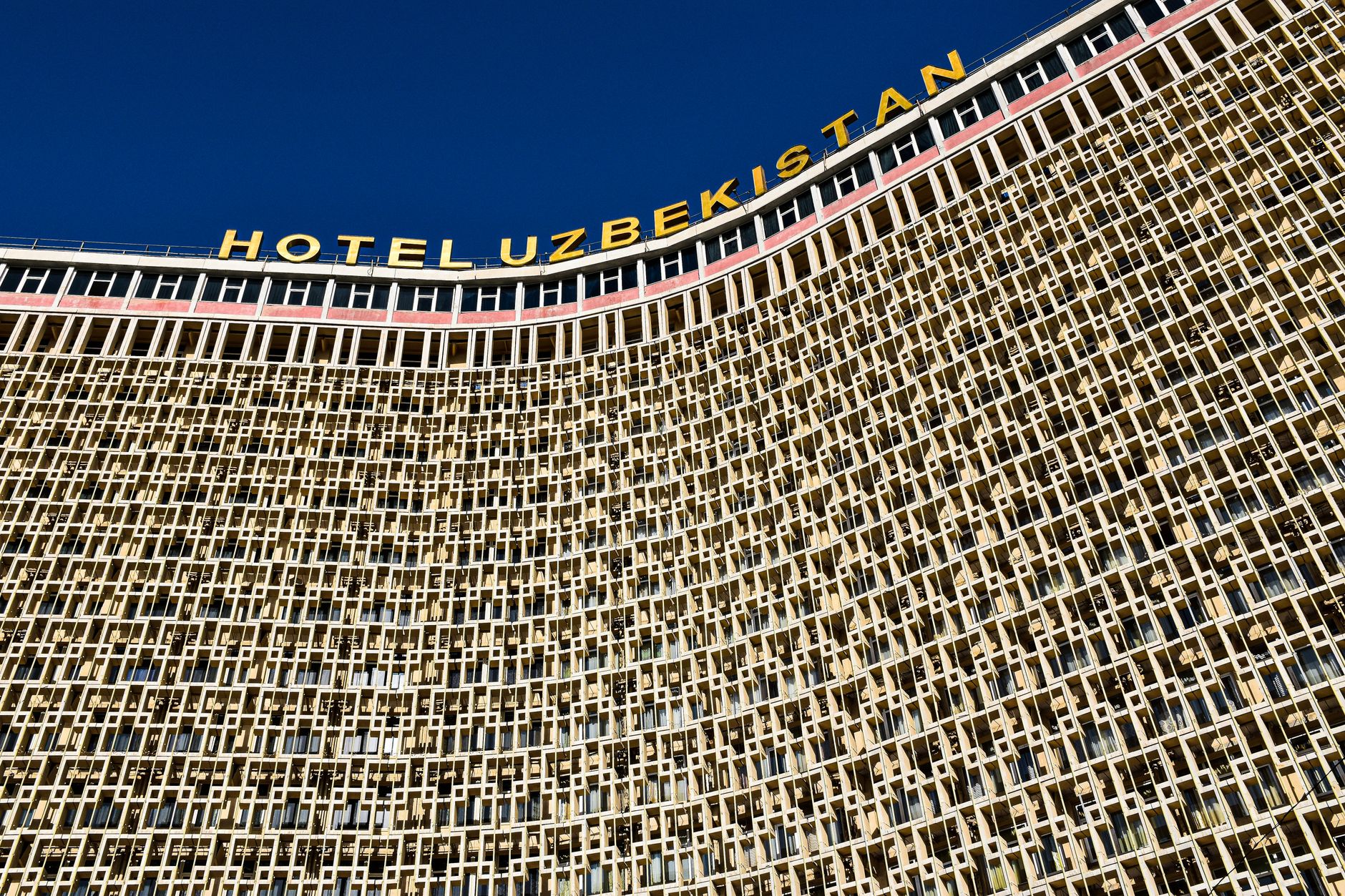
The 1966 quake flattened 300,000 homes; Moscow rebuilt Tashkent in poured concrete, creating the widest brutalist showcase outside Minsk. Hotel Uzbekistan’s 17th-floor bar lets you drink over the exact grid where chinara trees once shaded chess players—until they were chainsawed in 2009 for an congress hall.

Historical Timeline

A City Shaped by Empire and Earthquake

From Silk Road trading post to Soviet showcase

castle
c. 800 BCE

Burgulik Culture Arrives

Pastoral tribes dig basement-shaped huts into the Chirchiq valley floor. They smelt copper, herd sheep, and carve irrigation channels from the mountain runoff. Their hill fort at Shashtepa will guard this bend in the river for three centuries.

public
c. 100 BCE

Foundation Stone

Merchants heading east from Samarkand pitch tents where the caravan road crosses the Chirchiq. They call it Dzhadzh, later Chach. The soil is dark, the water sweet. It will be a thousand years before anyone calls it Tashkent—'Stone City'.

church
706 CE

Arab Conquest

Umayyad horsemen ride through the gates at dawn. They burn the Sogdian idols in the central square and build a mosque from the same mud bricks. The call to prayer replaces the clang of caravan bells. Islam has reached the edge of the steppe.

person
c. 1000

Al-Biruni Records the Name

In his astronomical tables the polymath writes 'Tashkent' for the first time. The market here sells lapis from Badakhshan, paper from Samarkand, and slaves from the steppe. Caravans rest under plane trees before the 400-kilometer push to Kashgar.

swords
1219–1220

Mongol Storm

Genghis Khan's riders surround the mud walls. They drive captives ahead of them as human shields. When the city falls they slaughter every living thing and break the irrigation channels. The oasis reverts to desert. Tashkent will need a century to breathe again.

church
1451

Dzhuma Mosque Rises

Timur's craftsmen raise a Friday mosque on the ruins of the old citadel. Twelve poplar trunks hold up the roof; the mihrab faces Mecca across 2,500 kilometers of steppe. Yunus Khan will pray here before riding out to meet his grandson Babur.

person
1487

Yunus Khan Dies

The last Chinggisid ruler of Tashkent is buried beneath a simple stone. He spoke Persian at court, Turki in the bazaar, and Mongol to his horses. His death leaves the oasis open to the Shaybanid Uzbeks sweeping down from the Dasht-i-Kipchak.

castle
1569

Kukeldash Madrassah Built

Abdullah Khan stacks 2 million bricks into a turquoise gateway beside Chorsu spring. Students memorize Quranic verses in cells no wider than a carpet. From the minaret the muezzin watches the bazaar: silk dyers to the north, melon sellers to the south.

gavel
1784

City-State Independence

After decades of civil war the four quarters unite under Yunus-Khoja. He mints copper coins stamped with his name and builds the Urda fortress. Caravans bound for China pay protection money at the gates. Tashkent is small, but it is theirs.

swords
15 June 1865

Russian Capture

Colonel Chernyayev's 1,900 riflemen scale the mud walls at night. The Kokand garrison flees in panic; the old city burns for three days. Within two years Tashkent becomes capital of Russian Turkestan. Orthodox bells replace the muezzin's call.

person
1891

Romanov Exile

Grand Duke Nicholas Constantinovich builds an Art-Nouveau palace on the canal. He was banished from St. Petersburg for stealing his mother's diamonds. In Tashkent he plants chestnuts and introduces electricity. Locals call him the 'crazy prince'.

swords
1916

Anti-Conscription Revolt

Russian governors demand Muslim men dig trenches on the Persian front. In response 100,000 Uzbeks rise across the valley. They burn tax offices and cut telegraph wires. The uprising takes six months to crush. Seeds of nationalism are sown.

gavel
November 1917

Soviet Power Seized

Russian soldiers and railway workers proclaim the Tashkent Soviet. They exclude Muslims from voting. Red Guards patrol the European quarter; the old city gates close at dusk. Turkestan becomes the first Central Asian republic under Moscow's thumb.

church
1924

Uthman Quran Arrives

Stalin's ethnographers ship the 7th-century manuscript from Ufa to Tashkent. The calfskin pages—written within 30 years of the Prophet's death—travel in a steel box under armed guard. They will survive the earthquake inside a concrete vault.

factory
1941–1945

Wartime Evacuation Hub

Tashkent doubles overnight. Factories from Leningrad reassemble beside the canal; 200,000 refugees crowd the mahallas. At night the sky glows from steel furnaces. The city feeds the front with aircraft engines and canned meat.

local_fire_department
26 April 1966

Earthquake Shatters City

At 5:23 AM the ground heaves for eight seconds. Adobe houses dissolve; Soviet apartment blocks shear in half. 78 people die, 300,000 lose homes. Architects from Leningrad arrive within weeks. They will rebuild in reinforced concrete and bright mosaic.

person
11 January 1966

Shastri Dies

The Indian prime minister signs a peace treaty with Pakistan, then collapses in his villa on Pushkin Street. Officially a heart attack; conspiracy theories swirl. His body is flown home in a Soviet military transport. Tashkent becomes a Cold-War footnote.

flight
1977

Metro Opens

Kosmonavtlar station glitters with blue mosaics of Yuri Gagarin. For 40 years photography is banned—the tunnels double as nuclear shelters. Trains run every 90 seconds; the fare costs five kopecks. It is the first subway in Central Asia.

gavel
1996

Amir Timur Returns

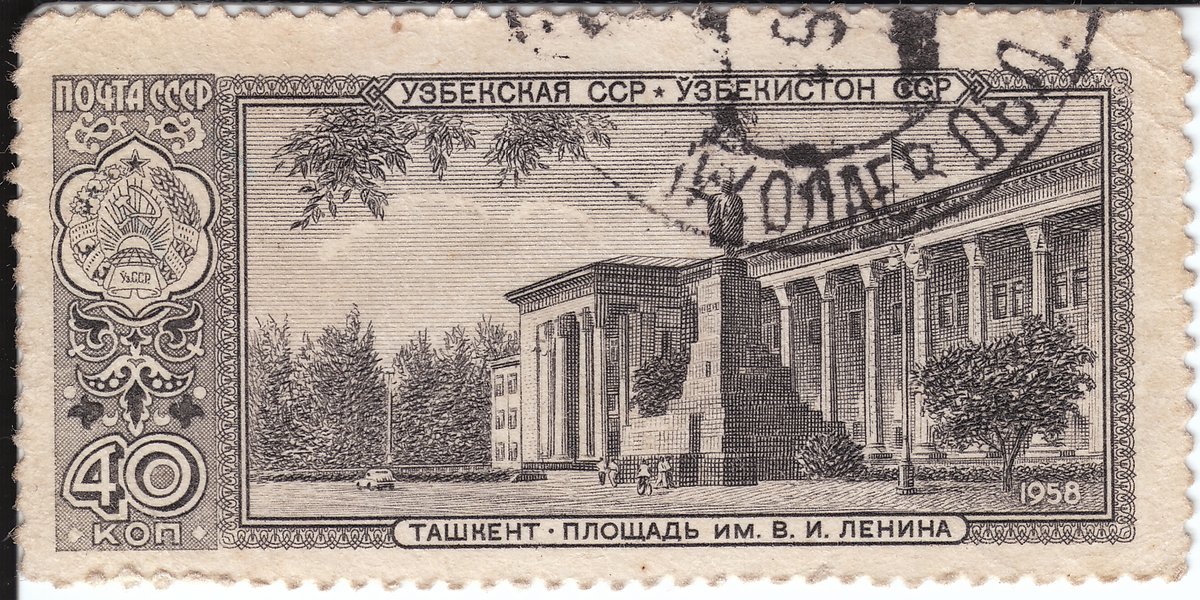
An equestrian statue of Tamerlane replaces Lenin in the central square. The bronze was cast in Moscow; the pedestal is local granite. Posters proclaim 'Strength in unity.' History is rewritten: the Mongol conqueror becomes an Uzbek hero.

castle
2025

Khast Imam Reborn

Cranes hover over the 16th-century complex. The Barak-Khan madrassah is wrapped in scaffolding; the new Islamic Cultural Center rises behind it. Tourists photograph the Uthman Quran through bullet-proof glass. The city is rebuilding its sacred heart.

schedule
Present Day

Notable Figures

Djamolidine Abdoujaparov

born 1964 · Cyclist
Born here

The ‘Terror of Tashkent’ won three Tour de France green jerseys by sprinting like he was still dodging Chorsu traffic. Today he coaches juniors on the same boulevards where he once out-raced cars.

Oksana Chusovitina

born 1975 · Olympic Gymnast
Born here

Competed in eight Olympics—first for the Soviet Union, last for Uzbekistan—training in the same 1970s gym near Pushkin metro. She still vaults there on Tuesdays, age 51, while kids queue for selfies.

Spitamenes

c. 400–328 BC · Sogdian Rebel Commander
Based in this region

Led guerrilla raids against Alexander the Great from the steppe that is now Tashkent’s northern suburbs. His hit-and-run tactics are still studied at the Uzbek Armed Forces University on Gafur Gulyam Street.

Zulfiya Isroilova

1915–1996 · Poet
Born & died here

Her soft-spoken verses got her the Stalin Prize under one regime and a state funeral under another. Her apartment overlooking Independence Square is a tiny museum where schoolgirls recite her love poems every March 8.

Rashid Sunyaev

born 1943 · Astrophysicist
Born here

He deduced how galaxy clusters distort cosmic microwave background—work he began in Tashkent’s old天文 planetarium, now a children’s science club. When NASA’s Chandra images proved him right, the local observatory threw a plov party in his honor.

Viktor Bryukhanov

1935–2021 · Chernobyl Plant Director
Born here

Exiled to Tashkent after the 1986 disaster; he spent evenings walking the same quiet avenues built by another exiled Romanov cousin. Engineers at the Tashkent Polytechnic still debate whether his memoir manuscript sits in a family safe-deposit box.

Practical Information

flight

Getting There

Islam Karimov Tashkent International Airport (TAS) sits 6 km south; Terminal 2 handles all international flights, Terminal 3 (2-min walk) covers domestic hops. Afrosiyob high-speed trains reach Samarkand in 2 h from Tashkent Railway Station; M39 highway feeds the city from the Kazakh border.

directions_transit

Getting Around

Tashkent Metro runs three lines—Chilonzor (blue), Uzbekistan (red), Yunusobod (green)—29 stations, flat fare 1,500 UZS via contactless bank card. Buses and marshrutkas blanket the city for 2,000 UZS; Yandex Go ride-hailing averages 15,000 UZS cross-center. No bike-share; cycling limited to park rentals.

thermostat

Climate & Best Time

Spring (Mar–May) hovers 14–27 °C with blooming plane trees; autumn (Sep–Oct) dips gently from 29 °C to 20 °C, both dry. July peaks at 36 °C with negligible rain; January freezes between 4 °C and –3 °C. Come April–May or September–October to avoid furnace summers and winter smog.

translate

Language & Currency

Uzbek (Latin script) is official, but Russian still runs errands, especially with anyone over 35. Sum (UZS) is king—12,500 to the dollar in 2026—so carry wads; cards work in upscale hotels and chain supermarkets, nowhere else.

Tips for Visitors

photo_camera
Metro Photo Pass

Photography is legal since 2018. Buy a single 1,500-UZS token, ride to Kosmonavtlar at 09:00 when the mosaics are empty and the light is perfect.

restaurant
Plov Before 2 PM

Besh Qozon serves from cauldron-size pans; the rice crust (kazmok) is gone by mid-afternoon. Arrive by 12:30 or you’ll miss it.

payments
Cash Only Rule

Cards work in hotels, nowhere else. Withdraw at the airport before you exit customs; the first ATM is often empty.

directions_car
Yandex Over Taxi Desk

Airport taxi desk charges 40,000 UZS; Yandex Go to the same hotel is 25,000. Buy a SIM at the arrivals kiosk, book before you leave the terminal.

wb_sunny
Evening Walk Season

July hits 36°C; sidewalks are furnaces until dusk. Plan major walks for 19:00–21:00 when fountains switch on and the city breathes again.

Explore the city with a personal guide in your pocket

Your Personal Curator, in Your Pocket.

Audio guides for 1,100+ cities across 96 countries. History, stories, and local insight — offline ready.

smartphone

Audiala App

Available on iOS & Android

download Download Now

Join 50k+ Curators

Frequently Asked

Is Tashkent worth visiting or just a transit hub? add

Worth two full days. The metro is a Soviet art gallery underground, Chorsu bazaar starts at dawn with 3-ton cauldrons of rice, and high-speed trains put Samarkand within two hours if you crave turquoise domes.

How many days do I need in Tashkent? add

Two for the city—one for Khast Imam, Chorsu, and the brutalist metro loop; another for Amir Temur Square, the opera, and a night at a 17th-floor bar. Add a third if you’re day-tripping to Chimgan Mountains.

Can I do Samarkand as a day trip from Tashkent? add

Yes. The Afrosiyob train departs at 08:00 and returns at 20:00; guided packages include Registan tickets and a 2-hour lunch break. You’ll be back in Tashkent by 22:00.

Is Tashkent safe to walk at night? add

Center is quiet after 23:00 but safe; police booths every few blocks. Stick to lit avenues, avoid unlit Soviet-era courtyards. Violent crime against tourists is rare; petty pick-pocketing is the real risk in Chorsu crowds.

How cheap is Tashkent for food and transport? add

Metro ride 12 cents, somsa from a tandoor 8 cents, full plov lunch $2. A three-course Uzbek meal with tea runs $6-8. Even the upmarket hammam caps at $27—still half a Prague beer-garden bill.

Do I need to register at hotels in Tashkent? add

Hotels do it automatically on check-in; keep the migration card they return. Police spot-checks happen on long-distance trains—carry a passport copy and you’re fine.

Sources

Last reviewed:

All Places to Visit

14 places to discover

Tashkent Tower

Tashkent Tower

Sacred Heart Cathedral

Sacred Heart Cathedral

photo_camera

Amir Timur Museum

State Museum of History of Uzbekistan

State Museum of History of Uzbekistan

Holy Assumption Cathedral Church

Holy Assumption Cathedral Church

Peoples' Friendship Palace

Peoples' Friendship Palace

Minor Mosque

Minor Mosque

photo_camera

Memorial House of Tamara Khanum

Palace of Grand Duke Nikolai Konstantinovich Romanov, Tashkent

Palace of Grand Duke Nikolai Konstantinovich Romanov, Tashkent

photo_camera

St. Vladimir Orthodox Church in Tashkent

Evangelical Lutheran Church in Tashkent

Evangelical Lutheran Church in Tashkent

Kukeldash Madrasah

Kukeldash Madrasah

photo_camera

Mausoleum of Sheikh Zaynudin

photo_camera

Abulkasym Madrassah