
WWhy does the US Capitol in Washington, United States look like the oldest thing on Capitol Hill when so much of what you see is a reinvention, a repair, or a carefully staged act of national confidence? Stand beneath the white dome today and the answer arrives in stone, iron, and echo: this is where the country performs its arguments in public, which is exactly why you should visit. The west front falls toward the Mall in a long green sweep, the Rotunda glows with filtered light, and the air inside carries that dry mix of marble dust, floor polish, and school-group whispers.
Most people come for the silhouette. Fair enough. The dome rises 288 feet, about the height of a 29-story office tower, and it still has the power to stop you mid-step even after you have seen it on money, postcards, and every political drama ever made.
But the Capitol rewards closer attention. Congress still meets here, prayers still open the chambers, flags still rise and fall over the roof for citizens who request them, and the building still serves as the national stage for mourning, protest, ceremony, and the occasional public embarrassment.
That continuity gives the place its charge. You are not walking through a preserved shell; you are entering a machine that has been burned, doubled in size, wrapped around its older self, pushed underground for security, and kept in use through every one of those changes.
01 What to See
The Rotunda and the Cast-Iron Dome
The Crypt and the City's Compass Stone
National Statuary Hall, Then the Quiet West Front Walk
02 Explore US Capitol in Pictures
 US Capitol Building in Washington, United States, from the Reflecting Pool
 US Capitol and National Mall in Washington, United States
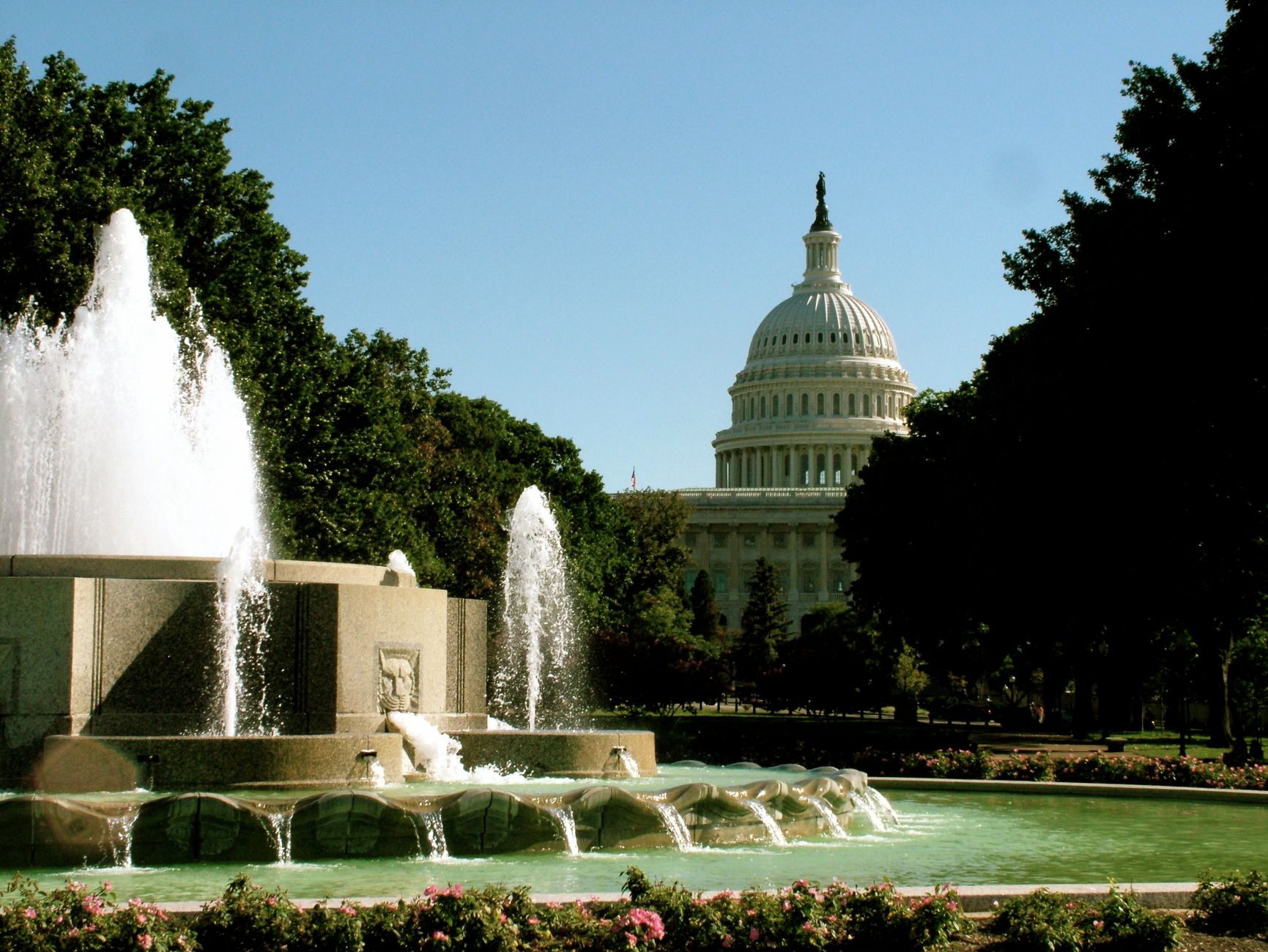 US Capitol dome and fountains in Washington, United States
 US Capitol Building in Washington, United States with plaza and dome
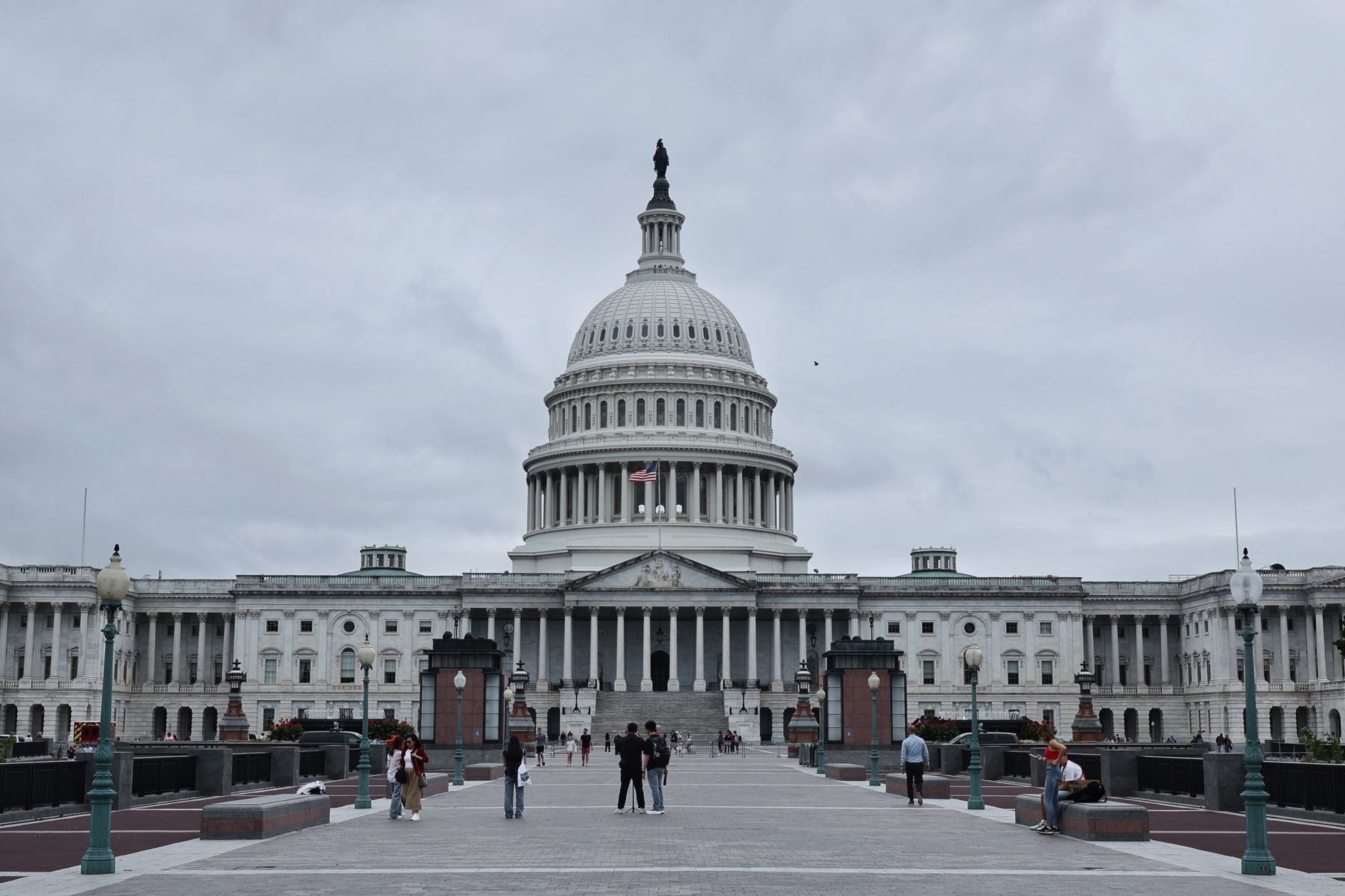 US Capitol Building in Washington, United States, on an overcast day
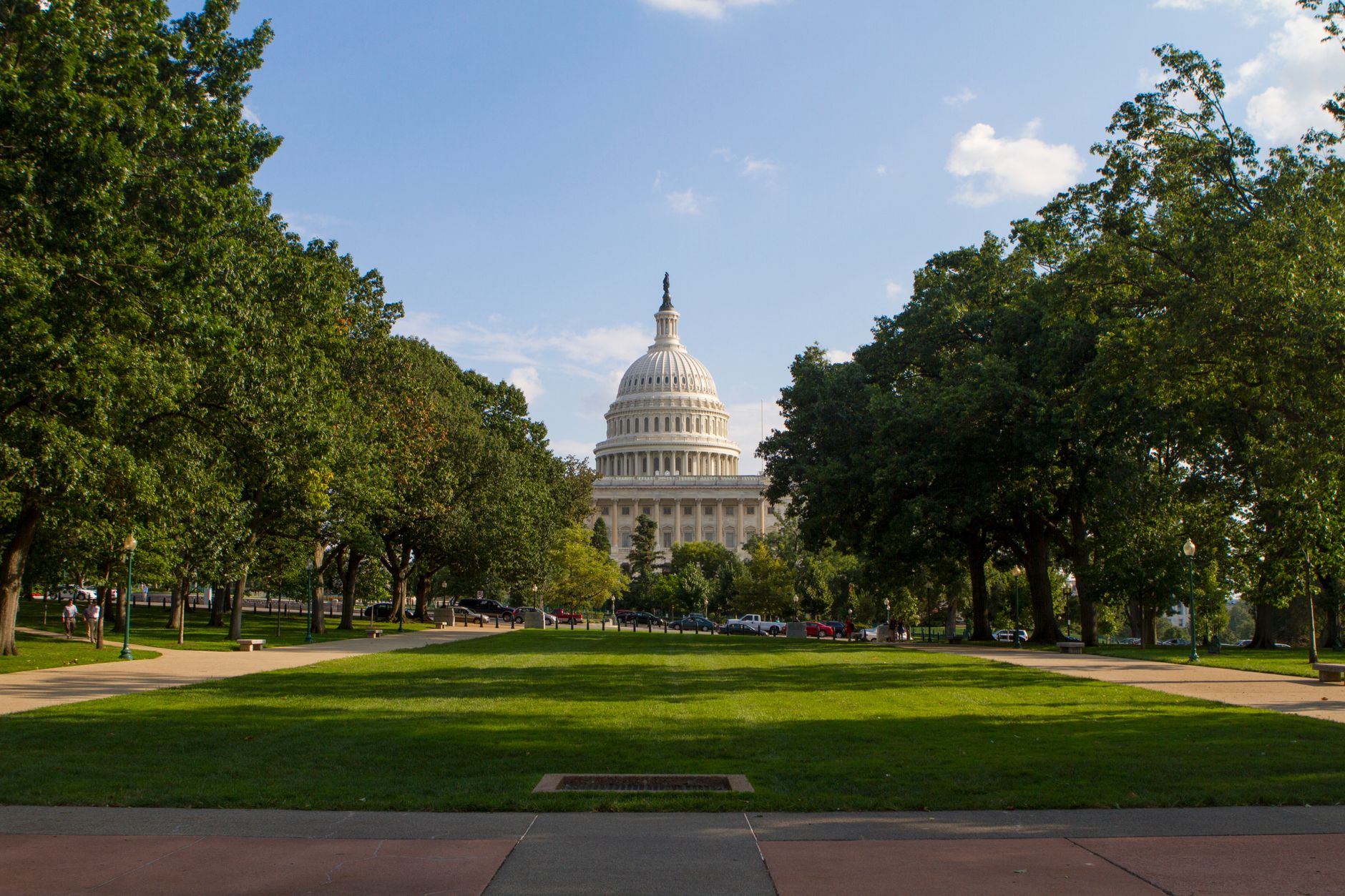 US Capitol dome and parkland in Washington, United States
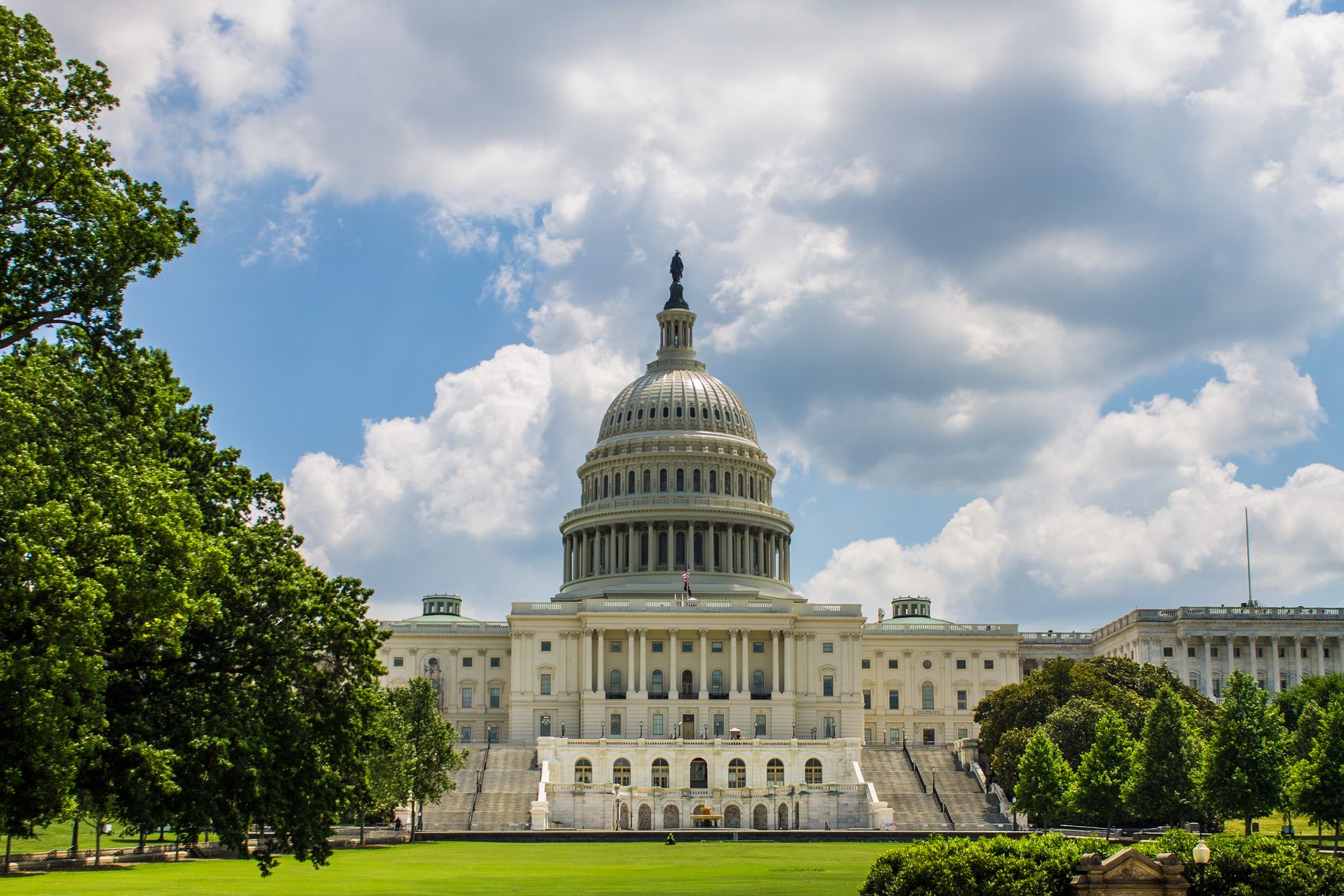 US Capitol Dome and Grounds in Washington, United States
 US Capitol dome in Washington, United States with trees and cloudy sky
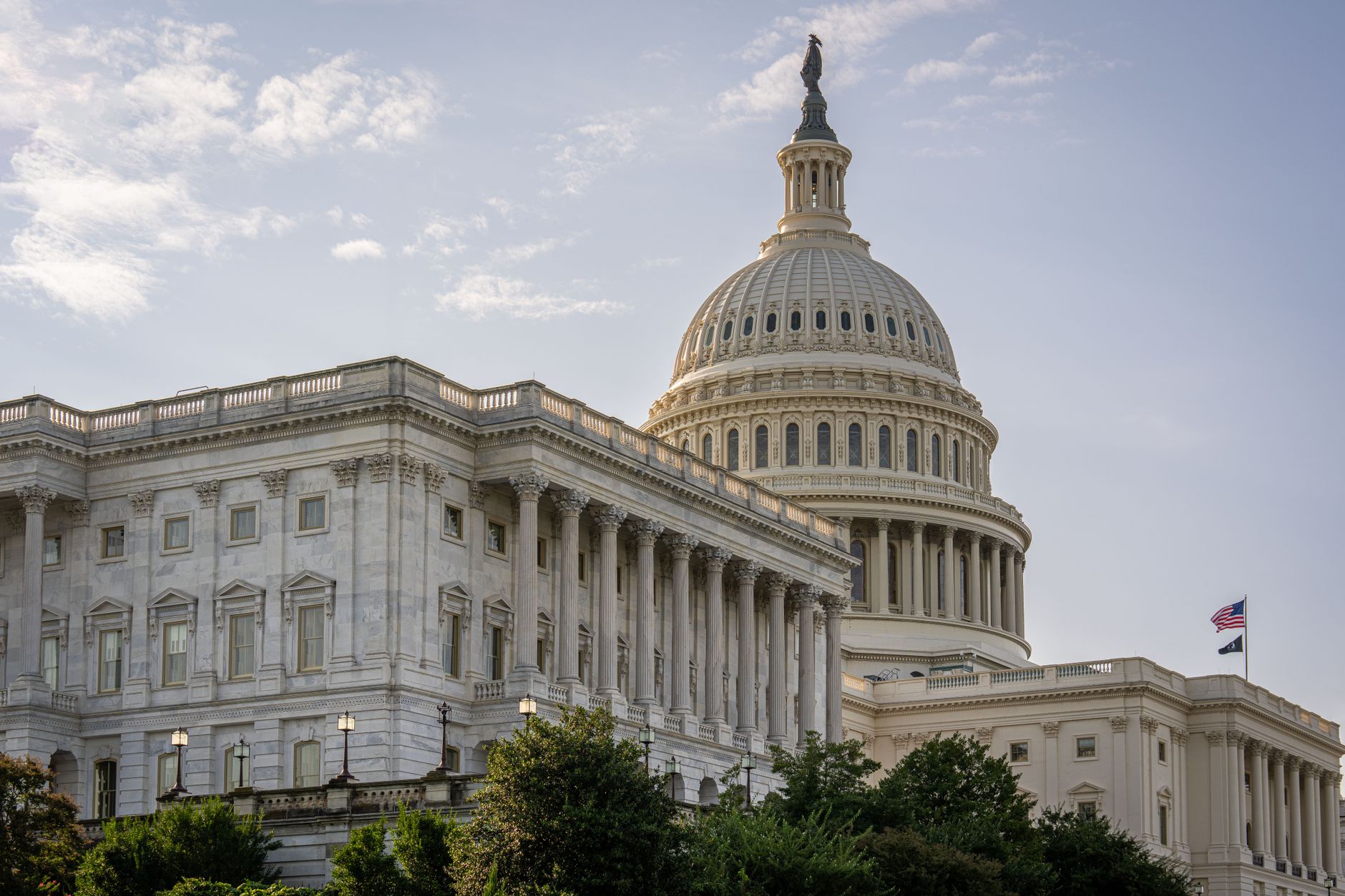 US Capitol Dome and Classical Facade in Washington, United States
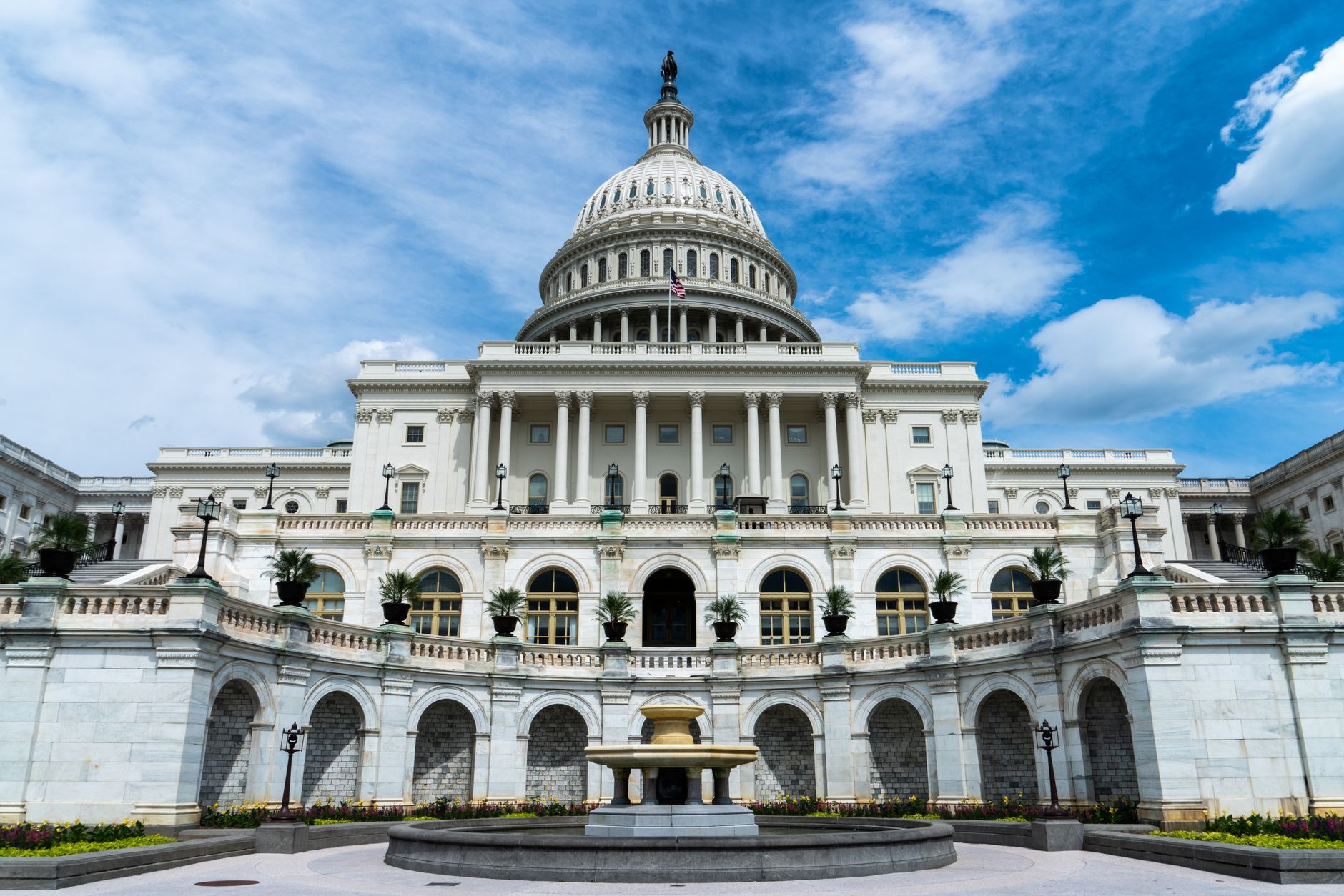 US Capitol Building in Washington, United States under blue sky
 US Capitol dome and grounds in Washington, United States
 US Capitol dome framed by trees in Washington, United States
Plan and listen to US Capitol with Audiala
Audio guide in your pocket, itinerary in your browser. Built for the way you actually visit.
03 Visitor Logistics
Getting There
Opening Hours
Time Needed
Accessibility
Cost & Tickets
05 Tips for Visitors
Go Early
Photo Limits
Pack Light
Eat Off-Mall
Pair The Block
Working Building
04 History
The Building That Refused To Stop Working
Records show the Capitol has held to one function since Congress first met here on 17 November 1800: this hill is where the United States turns argument into law. Fires, expansions, war, and fresh layers of marble changed the building's body, but the ritual stayed recognizable. Members arrive. The chambers open. Prayer is said. Debate begins.
That continuity matters more than the postcard image. The Capitol was never just a monument. It was a workplace from the start, once housing Congress, the Supreme Court, the Library of Congress, and local courts under one roof, and it remains a working seat of government where ceremony and routine still share the same corridors.
Freedom On A Dome Built During A War
At first glance, the Capitol tells a simple story: George Washington laid the cornerstone in 1793, the republic grew up, and the grand dome became the natural crown of American democracy. Many visitors read the building that way. Solid. Settled. Almost inevitable.
But the famous dome does not belong to that first Capitol at all. Records show the original dome was a smaller wood-and-copper design finished under Charles Bulfinch in 1824, and the cast-iron dome people recognize today rose between 1856 and 1866 while the country was tearing itself apart in civil war.
The turning point came in 1860, when foundry owner Clark Mills needed help separating the plaster model of the Statue of Freedom for casting and Philip Reid, an enslaved craftsman working in his shop, solved the problem. What was at stake for Reid was brutally personal: wages, legal status, and freedom itself. He became free after the District of Columbia Compensated Emancipation Act on 16 April 1862, and by 2 December 1863, when the bronze figure was raised onto the dome, the man who helped make Freedom had only just been freed.
Knowing that changes the whole view. The dome stops being a calm old symbol and starts looking like an argument cast in iron: Congress kept meeting below, Lincoln kept the project moving as proof the Union would survive, and the building's proud outline was completed by hands the republic had not yet treated as free.
What Changed
What Endured
Listen to the full story in the app
06 Frequently Asked
Is the US Capitol worth visiting? add
Yes, especially if you want the building where American power turns into stone, ritual, and argument. George Washington laid the cornerstone in 1793, British troops burned it on August 24, 1814, and the dome most people picture is a cast-iron Civil War-era reinvention from 1856 to 1866. Inside, the mood shifts fast: cool sandstone in the Crypt, echoing voices in Statuary Hall, then the Rotunda pulling your eyes 180 feet upward like a six-story house turned into a civic temple.
How long do you need at the US Capitol? add
Give it about 2 hours if you want the visit to feel unhurried. The official guided tour lasts about 1 hour and includes a 13-minute orientation film, but security, the underground Visitor Center, and Exhibition Hall add time. If you move fast and already have a reservation, 75 to 90 minutes can work.
How do I get to the US Capitol from downtown Washington? add
The easiest route is Metro to Capitol South or Union Station, then walk to the Capitol Visitor Center entrance at First Street and East Capitol Street. Capitol South is one of the closest approaches to the east side, while Union Station works well if you are arriving by train and do not mind a walk of about 12 minutes. Do not aim for the west front postcard view if you are trying to get in; visitors enter underground beneath the East Front plaza.
What is the best time to visit the US Capitol? add
Weekday mornings are usually the best time to visit if you want lighter crowds and less time spent inching through security. The official hours stay steady year-round, Monday through Saturday from 8:30 a.m. to 4:30 p.m., so the real variable is crowd flow rather than season. Spring gives you cherry trees around the grounds, while winter strips the trees back and makes the dome feel harder and more severe.
Can you visit the US Capitol for free? add
Yes, admission and standard tours of the U.S. Capitol are free. You can reserve a timed tour online or through a member of Congress, and walk-ins are accepted if space remains, though arriving by 2:30 p.m. is the safer bet. Paid skip-the-line tickets are not an official Capitol product, and everyone still goes through security.
What should I not miss at the US Capitol? add
Do not miss the Rotunda, the Crypt, and National Statuary Hall, because that trio tells you what the Capitol really is: shrine, map, and theater. In the Crypt, look for the compass stone marking the point from which Washington’s four quadrants divide; in Statuary Hall, listen for the whispering-gallery effect; in Emancipation Hall, study the full-size plaster model of the Statue of Freedom, where details hidden on the real figure high above the dome suddenly become human-scale. And if you like the building’s contradictions, remember Philip Reid, the enslaved craftsman whose work helped crown the dome with Freedom in 1863.
-
verified
Visit The Capitol - Visit
Official tour format, free admission, guided-only access, and core rooms on the public route.
-
verified
Visit The Capitol - Directions and Hours
Official entrance location at the Capitol Visitor Center, visitor hours, and practical arrival details.
-
verified
Visit The Capitol - Getting to the Capitol
Metro stations, walking approaches, and the east-side visitor entrance.
-
verified
Visit The Capitol - Frequently Asked Questions
Free admission, tour logistics, and official visit timing details.
-
verified
Visit The Capitol - Tips for Visiting the Capitol
Official guidance on tour length, weekday morning crowd patterns, and planning a visit.
-
verified
Architect of the Capitol - Capitol Building
Official overview of the Capitol as a working building and part of the Capitol campus.
-
verified
Architect of the Capitol - Capitol Building History
Key dates including 1793 cornerstone, 1814 burning, rebuilding, and major later expansions.
-
verified
Architect of the Capitol - Capitol Rotunda
Rotunda history, ceremonial role, and its dramatic vertical scale.
-
verified
Architect of the Capitol - Capitol Dome
Cast-iron dome construction dates and the fact that the famous dome is not the original one.
-
verified
Architect of the Capitol - Capitol Crypt
Details on the Crypt, its 40 sandstone columns, and the compass stone at the city’s center point.
-
verified
Architect of the Capitol - National Statuary Hall
Acoustics, former House chamber history, and the whispering-gallery effect.
-
verified
Visit The Capitol - Artifact: Statue of Freedom
Visitor-facing information on the full-size plaster model in Emancipation Hall.
-
verified
Architect of the Capitol - Statue of Freedom
History of the Statue of Freedom and Philip Reid’s role in its casting and installation.
-
verified
United States Senate - Philip Reid and the Statue of Freedom
Senate history page confirming Philip Reid’s part in creating the Capitol’s defining symbol.
-
verified
Architect of the Capitol - Spring on Capitol Grounds
Seasonal context for spring visits and cherry trees around the Capitol grounds.
-
verified
Architect of the Capitol - Winter on Capitol Grounds
Seasonal context for winter visits and the sharper, barer look of the Capitol grounds.
Last reviewed:


