




History of Texas City
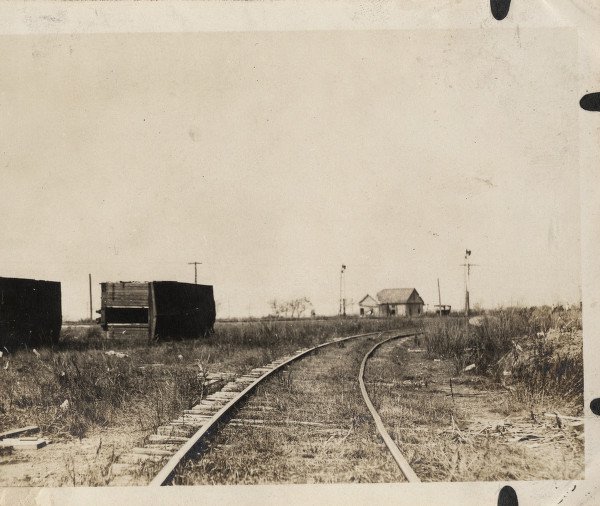
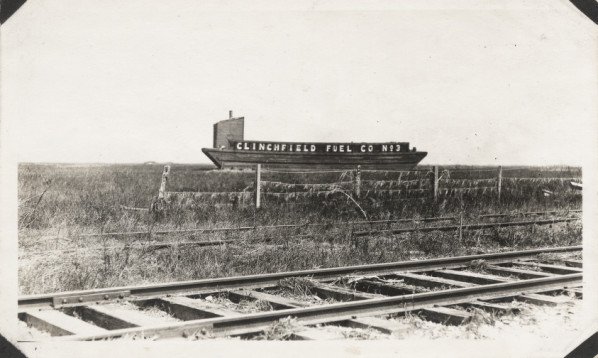
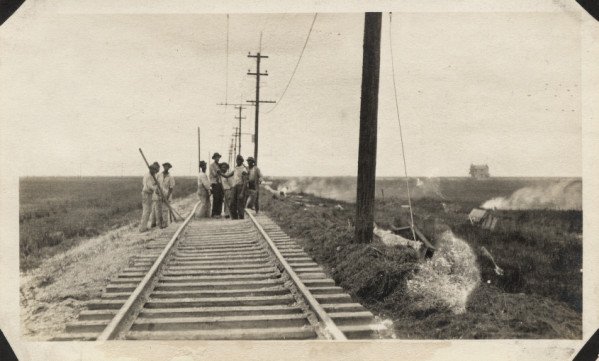
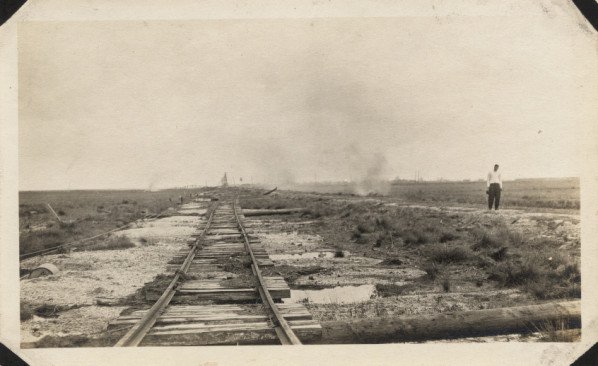
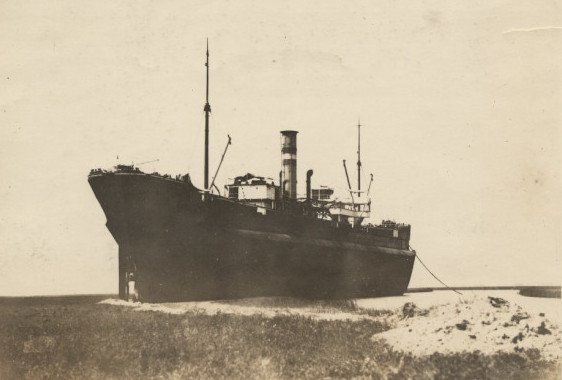
Texas City’s development began in the late 1800s, when the Myers brothers envisioned a deepwater port to compete with nearby Galveston. After its official renaming in 1893, the city quickly became a regional shipping and industrial powerhouse, especially following the Spindletop oil discovery and the city’s incorporation in 1911. Texas City has endured and rebuilt after hurricanes and the catastrophic 1947 Texas City Disaster—one of America’s deadliest industrial accidents. Today, the city honors its past through museums and memorials that celebrate its enduring spirit and community resilience.
Top Historical Sites to Visit
Texas City Museum
A focal point for local history, the Texas City Museum features compelling exhibits on industrial development, the 1947 disaster, and the city’s role in the space program.
- Visiting Hours Tuesday–Saturday: 10 AM–4 PM
- Tickets $5 adults, $3 seniors/children (under 12), free for children under 5
- Highlights 1947 disaster artifacts, Children’s Discovery Room, model train exhibit, rotating exhibitions
- Accessibility Fully wheelchair accessible, with on-site parking
- Guided Tours Available by appointment

Texas City Memorial
This memorial honors the victims of the 1947 disaster with plaques and informative displays.
- Visiting Hours Open daily, dawn to dusk
- Tickets Free
Texas City Dike
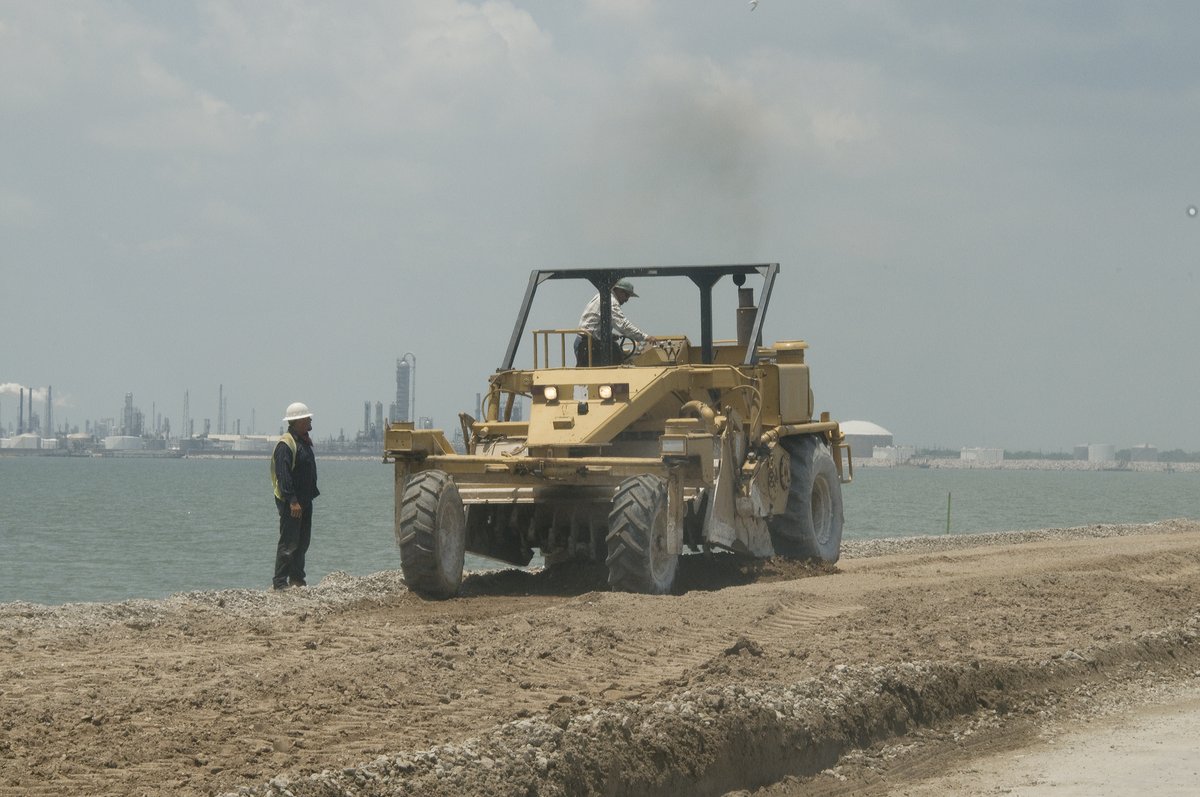
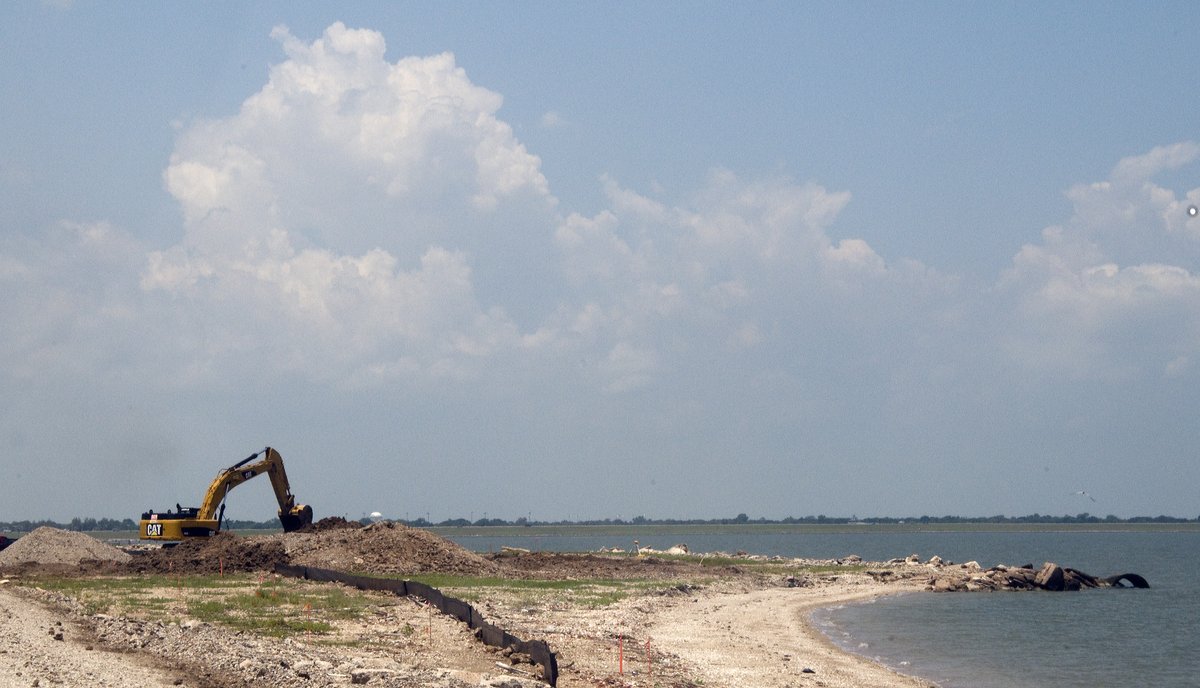
Stretching five miles into Galveston Bay, the Texas City Dike is the world’s longest man-made fishing pier.
- Visiting Hours Open 24/7
- Tickets Free access (parking fees may apply during peak seasons)
- Activities Fishing, crabbing, birdwatching, boating, kite-flying
Moore Memorial Public Library Historical Exhibit
The library’s historical exhibit features more than 240 photographs, digital archives, and displays detailing Texas City’s evolution and the 1947 disaster.
- Visiting Hours Monday–Saturday, 9 AM–6 PM
- Tickets Free
- Accessibility Fully accessible
- Website Texas City History Online
Texas City 1947 Disaster Memorial
A poignant outdoor monument commemorating the ammonium nitrate explosion that forever changed Texas City.
- Location Near the Port of Texas City
- Visiting Hours Daily, dawn to dusk
- Tickets Free
- Accessibility Wheelchair accessible
- Special Events Annual remembrance ceremonies
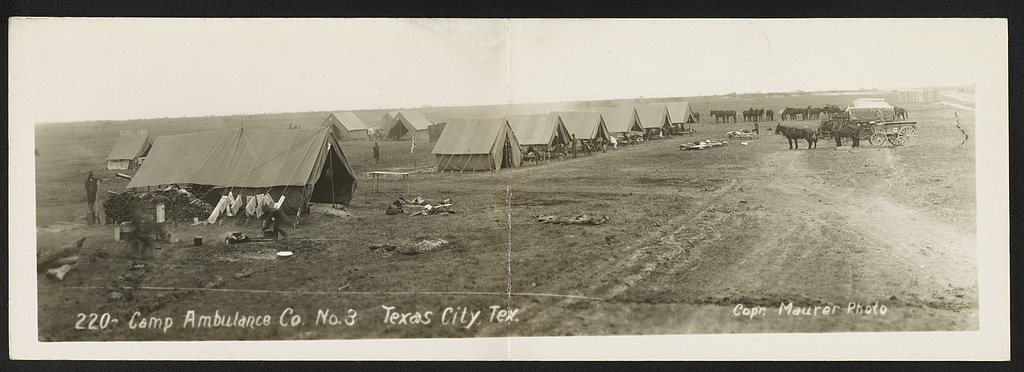
U.S. Army Camp and 1st Aero Squadron Historical Site
This site honors the first U.S. military aviation unit stationed in Texas City (1913–1915).
- Visiting Hours By appointment or during special events
- Tickets May vary by event
- Accessibility Limited; check in advance
- Website Portal to Texas History
Visitor Information: Hours, Tickets, Accessibility
Most Texas City historical sites offer free or modestly priced admission. Major attractions are wheelchair accessible, and parking is widely available. For current hours and ticket details—especially during holidays or special events—consult official websites or contact visitor centers directly.
Guided Tours and Special Events
Guided walking tours, offered by local organizations and the Texas City Museum, provide in-depth exploration of key sites. Annual events, such as the 1947 disaster commemoration and city festivals, offer unique opportunities to immerse yourself in Texas City’s culture. Booking tours in advance is recommended.
Travel Tips and Nearby Attractions
- Best Time to Visit March–May and September–November for mild weather (Rove.me; Travellers Worldwide).
- Transportation Car travel is recommended; Texas City is approximately 40 miles from Houston and 15 miles from Galveston.
- Nearby Destinations Explore Galveston Island for historic sites and beaches, or Bay Street Park for waterfront recreation.
- Family-Friendly Many sites, parks, and festivals cater to families with educational programs and outdoor activities.
Local Cuisine and Dining Experiences
Texas City’s culinary landscape features Gulf Coast seafood, Texas barbecue, and Tex-Mex classics. Enjoy local favorites like shrimp po’boys, crawfish étouffée, and smoked brisket along Palmer Highway and 6th Street. Family-owned eateries and bakeries offer a taste of Southern hospitality.
Festivals and Community Events
Annual events such as the Texas City Fun Fest, Independence Day Parade, and Christmas Tree Lighting showcase local culture and community spirit. Farmers markets and craft fairs offer handmade goods and regional treats.
Birdwatching, Fishing, and Outdoor Activities
Spring and fall migrations make Texas City a prime birdwatching spot, with herons, egrets, pelicans, and migratory songbirds frequenting area trails (Texas Ornithological Society). The Texas City Dike and local marinas are popular for fishing and boating, with seasonal tournaments and equipment rentals widely available.
Shopping and Cultural Experiences
From the Mall of the Mainland to local boutiques and antique shops, Texas City offers diverse shopping. Art galleries, public installations, and performances at nearby The Grand 1894 Opera House in Galveston enrich the cultural landscape.
Frequently Asked Questions (FAQ)
Q: What are the main visiting hours for Texas City historical sites?
A: Most sites are open Tuesday–Saturday, 10 AM–4 PM, with some outdoor locations open daily from dawn to dusk.
Q: Are there entrance fees for Texas City attractions?
A: Most museums charge a nominal fee ($3–$5); outdoor memorials and parks are usually free.
Q: Is Texas City accessible for visitors with disabilities?
A: Yes, major attractions offer accessibility accommodations and parking.
Q: Are guided tours available?
A: Yes, check with the Texas City Museum and local organizations for schedules.
Q: What’s the best season to visit Texas City?
A: Spring and fall are ideal for weather and local events.

