Plan and listen to Ballast Point Park with Audiala.
Audio guide in your pocket, itinerary in your browser. Built for the way you actually visit.
Introduction
Nestled in the Ballast Point neighborhood of Tampa, Florida, Ballast Point Park is a true gem that blends rich history with modern-day attractions. This comprehensive guide will take you through the park's fascinating history, its importance in Tampa's development, and essential visitor information, including visiting hours, ticket prices, and more. Ballast Point Park offers visitors a unique experience with its scenic views of Hillsborough Bay, family-friendly amenities, and historical significance. Whether you're a local resident or a visitor, Ballast Point Park provides a variety of activities and attractions to explore. From its early days as a maritime hub to its role in Tampa's first electric trolley system, the park's story is deeply intertwined with the city's heritage (South Tampa Magazine, Tampa.gov).

History and Significance of Ballast Point Park
Early Beginnings and Naming
Ballast Point Park, located in the Ballast Point neighborhood of Tampa, Florida, has a rich history that dates back to the early 1820s. The name 'Ballast Point' originates from the practice of ships dropping their ballast at the southern end of the Interbay Peninsula before entering the shallow waters of Hillsborough Bay. This practice was essential for ships to navigate the bay and reach Tampa and Fort Brooke (South Tampa Magazine).
Development and Jules Verne Park
The park's development began in 1892 when Chester and Emelia Chapin, who had moved to Tampa from New York, constructed the Ballast Point Pavilion. Emelia Chapin, a significant figure in the park's history, named the park Jules Verne Park after her favorite author, Jules Verne. This name was inspired by Verne's novel 'From the Earth to the Moon,' which mentioned Tampa as the launch site for an imaginary rocket (Wikipedia).
The Electric Trolley Era
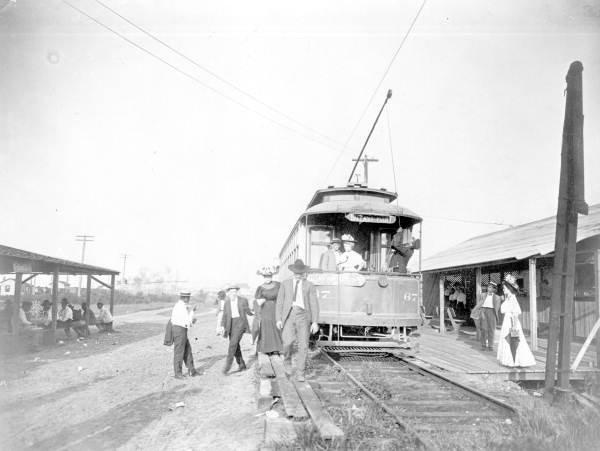
Ballast Point Park became a popular destination due to its connection with the Consumers Electric Light and Street Railway Company, operated by the Chapins. The park served as a terminal for the city's first electric trolley cars, making it accessible to residents of Ybor City and West Tampa. This connection played a crucial role in the park's popularity and development during the late 19th and early 20th centuries (Tampa.gov).
Transition to Ballast Point Park
In 1903, the park was renamed Ballast Point Park. The renaming marked a new era for the park, which continued to serve as a recreational hub for the community. The park's amenities, including a pavilion, gazebo, and pier, attracted picnickers, fishermen, and families looking for leisure activities (Tampa Magazines).
Economic and Industrial Growth
The construction of the Gandy Bridge and the establishment of MacDill Air Force Base in the mid-20th century brought significant economic and industrial growth to the Ballast Point area. Despite these developments, the park retained its historical charm, with old homes and structures reminiscent of Florida's past. The city of Tampa annexed Ballast Point in 1953, further integrating the park into the city's landscape (South Tampa Magazine).
Historical Significance
Ballast Point Park holds a special place in Tampa's history. It was not only a recreational destination but also a site of historical importance. The park's historical marker, placed by the Hillsborough County Historical Commission, commemorates its past as Jules Verne Park and its role in the city's first electric trolley system. The marker reads:
'Mrs. Chester W. Chapin, controlling owner of the company which operated the city's first electric trolley cars, purchased these acres and in 1894 developed this site into a tropical park as a terminal for her line. She named it for the French writer Jules Verne (1814-1905) who in his novel 'From the Earth to the Moon' first published in 1865, chose Tampa as his launching site for the imaginary shot of his rocket to that planet near one hundred years ago' (Tampa.gov).
The Wharf and Maritime Activities
In the 1850s, Captain James McKay established a small wharf at Ballast Point, which handled various imports and exports, particularly cattle. This rudimentary port operated intermittently through the mid to late 19th century before being replaced by facilities at Port Tampa and later the Port of Tampa. While the wharf's commercial significance waned, Ballast Point's future lay in its recreational offerings (Tampa Magazines).
Modern-Day Ballast Point Park
Today, Ballast Point Park is a vibrant waterfront park offering stunning views of Tampa Bay, a 600-foot pier, a splash pad, picnic areas, and a boat ramp. The park's amenities cater to a wide range of visitors, from families and picnickers to fishing enthusiasts and nature lovers. The park's historical significance is preserved through its markers and the remnants of its past, such as the covered streetcar waiting area on Interbay Boulevard (Tampa.gov).
Visitor Information
Visiting Hours and Tickets
Ballast Point Park is open daily from sunrise to sunset. Admission to the park is free, making it an accessible destination for everyone. For the most up-to-date information on hours and any potential fees, you can visit the official Tampa Parks and Recreation website.
Travel Tips and Accessibility
The park is located at 5300 Interbay Blvd, Tampa, FL 33611. There is ample parking available on-site. The park is family-friendly and offers accessible facilities, including restrooms and paved pathways, making it easy for visitors of all abilities to enjoy the park.
Nearby Attractions
While visiting Ballast Point Park, you can also explore nearby attractions such as Bayshore Boulevard, known for its scenic views and historic homes, and the Tampa Riverwalk, which offers a variety of dining and entertainment options.
Special Events and Guided Tours
Ballast Point Park occasionally hosts community events and festivals. For the latest information on upcoming events, check the Tampa Parks and Recreation events page. Guided tours are not typically offered, but the park's history and significance can be explored through its informational markers.
FAQ Section
What are the visiting hours for Ballast Point Park?
The park is open daily from sunrise to sunset.
Is there an entry fee for Ballast Point Park?
No, admission to Ballast Point Park is free.
What amenities are available at Ballast Point Park?
The park features a 600-foot pier, a splash pad, picnic areas, a boat ramp, and accessible facilities, including restrooms and paved pathways.
Are there any nearby attractions?
Yes, nearby attractions include Bayshore Boulevard and the Tampa Riverwalk.
Discover More
Plan your visit to Ballast Point Park today to explore its rich history and enjoy its modern amenities. For more information on Tampa's historical sites or to stay updated on upcoming events, follow us on social media and visit our website.
Listen to the full story in the app
The whole Ballast Point Park,
told well.
Audio guides for 1,100+ cities across 96 countries. History, stories, and local insight — offline ready.
Verified, and shown.
Researched and written by the Audiala editorial team from historical records, architectural archives, and local expertise.
Researched from Wikidata, Wikipedia & official sources · fact-checked · How we make our guides →