Plan and listen to Sugarloaf Mound with Audiala.
Audio guide in your pocket, itinerary in your browser. Built for the way you actually visit.
Introduction
Sugarloaf Mound stands as the last remaining Native American mound within the city limits of St. Louis, Missouri—a living testament to the region’s deep Indigenous heritage. Once part of “Mound City,” a landscape marked by more than 100 monumental earthworks, Sugarloaf Mound offers a unique window into the ancient Mississippian culture and serves as a sacred site for the Osage Nation. As both an archaeological treasure and a symbol of cultural resilience, Sugarloaf Mound invites visitors to encounter St. Louis’s pre-colonial past, Indigenous sovereignty, and ongoing efforts in preservation and education.
This comprehensive guide details the mound’s history, cultural significance, visiting hours, ticketing, accessibility, and nearby attractions, providing essential information for anyone wishing to explore this important St. Louis historical site.
For the latest updates and official guidance, visit the Osage Nation Historic Preservation Office, Explore St. Louis, and the Counterpublic Sugarloaf Mound project.

Indigenous Origins and the Mississippian Culture
Sugarloaf Mound was constructed by the Mississippian culture, which flourished from about 800 to 1450 CE throughout the Mississippi and Missouri river valleys (AP News). The Mississippians were master mound builders, creating large earthen structures for ceremonial, residential, and funerary purposes. St. Louis, historically called “Mound City,” was once home to over 100 such mounds, arranged around plazas and serving as centers for civic and spiritual life (Osage Culture).
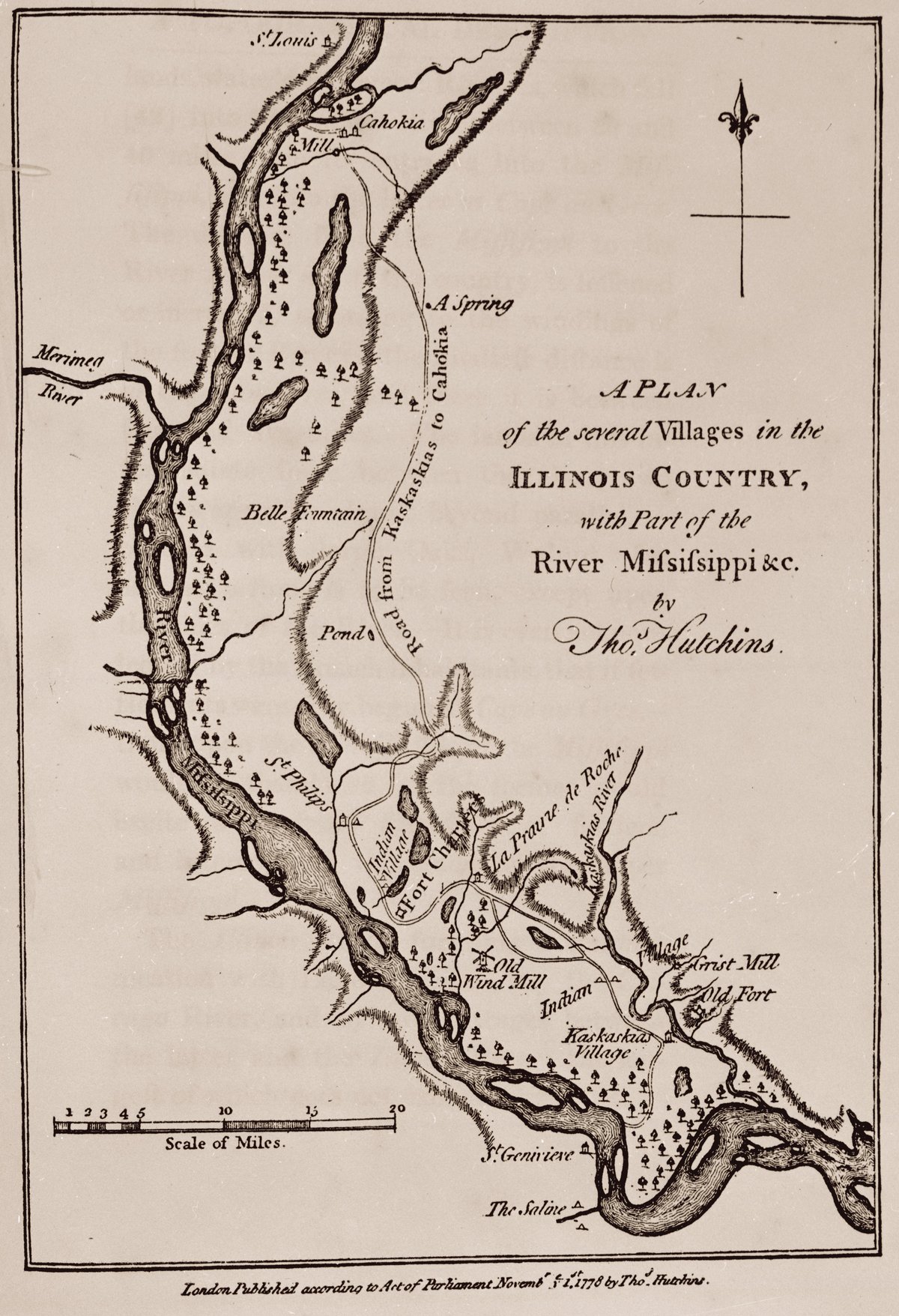
Nearby, the Cahokia Mounds State Historic Site in Illinois preserves the largest pre-Columbian settlement north of Mexico, which at its peak supported up to 20,000 people (Cahokia Mounds). Sugarloaf Mound, likely built between 800 and 1450 CE, may have functioned as a platform mound or signal mound, facilitating communication with Cahokia across the river (AP News).
The Historical Role of Sugarloaf Mound
Located at 4420 Ohio Avenue, just south of downtown St. Louis and east of Interstate 55, Sugarloaf Mound rises above the Mississippi River (Gentle Art of Wandering). Its prominent bluff-top position gave it strategic and ceremonial significance for the Indigenous peoples who built and used it. Archaeological findings suggest the mound was used for ceremonies, burials, and possibly as a residence for tribal leaders. Artifacts found in the area—pottery, tools, and remnants of ancient settlements—reflect a highly organized society engaged in agriculture and trade.
European Settlement and the Fate of the Mounds
French settlers arriving in the mid-18th century documented the city’s numerous mounds, using them as landmarks and for practical purposes. However, with the rapid urban expansion of the 19th and early 20th centuries, nearly all of St. Louis’s mounds were destroyed—used as fill or removed for railroads and infrastructure (AL.com). “Big Mound,” the city’s largest, was razed for railroad construction. By 1875, only Sugarloaf Mound survived, owing to its less accessible bluff location (Osage Culture).
Osage Nation: Cultural and Spiritual Significance
For the Osage Nation and related tribes, Sugarloaf Mound is a sacred site and a direct link to ancestral homelands (Counterpublic). Oral histories and archaeological evidence confirm the Osage and their ancestors’ long-standing presence. The mound is viewed as a resting place for ancestors and a symbol of spiritual continuity. Andrea Hunter, director of the Osage Nation Historic Preservation Office, describes the mound’s reclamation as an act of tribal sovereignty and cultural renewal (St. Louis Public Radio).
Since 2009, the Osage Nation has actively reclaimed portions of the mound, removing modern structures and beginning ecological restoration (Osage News). In 2024, St. Louis formally recognized Osage sovereignty over the site—an historic milestone for Indigenous rights.
Visiting Sugarloaf Mound: Hours, Tickets, and Accessibility
Location: 4420 Ohio Avenue, St. Louis, MO 63111 (Counterpublic)
Visiting Hours:
- Open to the public during daylight hours, typically from 8:00 AM to sunset.
- There is currently no formal visitor center; access to the summit and interior is restricted until future development.
Admission/Tickets:
- There is no entrance fee or ticket required to visit the mound from public areas.
- Guided tours are not regularly offered at this time, but may be available in the future through the planned Osage Interpretive Center (LaDue News).
Accessibility:
- The surrounding area is accessible by car, with parking nearby.
- The terrain is uneven, and access to the summit may be difficult for wheelchair users.
- Visitors should respect all signage and private property boundaries.
Visitor Tips:
- Respect the sacred nature of the site; do not trespass on private property.
- Check the Counterpublic website for updates on events and educational programs.
- Combine your visit with trips to nearby landmarks like the Gateway Arch and Cahokia Mounds State Historic Site.
Nearby Attractions and Related St. Louis Historical Sites
- Cahokia Mounds State Historic Site: UNESCO World Heritage site preserving dozens of Mississippian mounds (Cahokia Mounds).
- Gateway Arch National Park: Iconic monument and museum exploring the history of St. Louis and westward expansion (Gateway Arch National Park).
- Missouri History Museum: Exhibits on regional Indigenous and colonial history.
- Counterpublic Art Installations: Public art highlighting Indigenous heritage at Sugarloaf Mound and across St. Louis (Counterpublic).
Preservation Efforts and Community Engagement
The Osage Nation, City of St. Louis, and organizations like Counterpublic are collaborating to preserve and interpret Sugarloaf Mound (Counterpublic). Recent land transfers and city resolutions formally acknowledge Osage ancestral rights. Plans are underway for an Osage Interpretive Center, educational initiatives, and public art programming. Visitors are encouraged to support these efforts by learning about Indigenous history and advocating for cultural preservation.
Frequently Asked Questions (FAQ)
Q: What are Sugarloaf Mound’s visiting hours?
A: The site is open during daylight hours, usually from 8:00 AM to sunset.
Q: Is there an entrance fee or ticket required?
A: No, visiting the site from public areas is free.
Q: Is Sugarloaf Mound wheelchair accessible?
A: Some surrounding areas are accessible by car, but the mound itself may not be fully accessible due to uneven terrain.
Q: Are guided tours available?
A: Not currently, but future tours may be offered through the Osage Interpretive Center.
Q: Can I take photographs?
A: Yes, from public areas. Please be mindful of private property.
Listen to the full story in the app
The whole Sugarloaf Mound,
told well.
Listen to sourced travel stories with local history and practical context — ready offline.
Verified, and shown.
Researched and written by the Audiala editorial team from historical records, architectural archives, and local expertise.
Louis’s Last Native American Mound, 2025, Osage Nation Historic Preservation Office
Louis: History, Visiting Information, and Cultural Significance, 2025, Gentle Art of Wandering
Louis, 2025, The Art Newspaper
Louis’ Ancient Landmark, 2025, Counterpublic
Louis Tourism, 2025, Explore St. Louis
Built from cited sources · see the method · How we make our guides →